
ABA Inside Track
614 episodes — Page 3 of 13
Ep 1012Book Club 18 - (UNLOCKED) Acceptance and Commitment Therapy for Behavior Analysts Book Club
UNLOCKED from our Patreon page, it's the "Acceptance and Commitment Therapy for Behavior Analysts" Book Club! Interested in more Book Clubs? Want to vote on what we read next? Feeling FOMO at getting this a full year late? Wish your 2 CEs for listening to the episode were FREE??? Join us on Patreon to get all of our episodes a week early, access to these bonus episodes, plus other goodies. While we've covered acceptance and commitment therapy a few times before, we'd never really dug too deeply into exactly HOW ACT is behavior analytic. As in the exact mechanisms by which the fabulous steps of the hexaflex "work" as described in 100% behavioral terms. Now, thanks to our listeners (and book authors Dixon, Hayes, and Belisle), we can! Join us as we learn about ACT from theory to practice in our two-hour discusion of "Acceptance and Commitment Therapy for Behavior Analysts". Plus, you'll finally get to discover which branch of the hexaflex is our all-time favorite! Is it acceptance? Committed action? Self-as context? No, no one likes self-as context. This episode is available for 2.0 LEARNING CEUs. Content discussed in this episode: Dixon, M.R., Hayes, S.C., & Belisle, J. (2023). Acceptance and commitment therapy for behavior analysts: A practice guide from theory to treatment. Routledge. If you're interested in ordering CEs for listening to this episode, click here to go to the store page. You'll need to enter your name, BCBA #, and the two episode secret code words to complete the purchase. Email us at [email protected] for further assistance. Want these CEs for FREE? Just subscribe to our Patreon at the $10+ levels and go to the original post for a discount code.
February 2025 Preview
If podcasts are a box of chocolates and behavior analysis is flowers, I guess that makes you our Valentine. We kick off the shortest of months with a check-in with the crew and a review of what's coming out in time for President's Day. First, after a year in the vault, our last year's book club on ACT is unlocked and on the loose. Then the listener's take the stage with their vote for an episode on procedural integrity. Finally, we try something different with a brand new recording of one of our previous conference talks on the ethics of collaboration. It's like you were at the conference…but now it's a podcast episode! Articles for February 2025 (UNLOCKED) Acceptance and Commitment Therapy Book Club Dixon, M.R., Hayes, S.C., & Belisle, J. (2023). Acceptance and commitment therapy for behavior analysts: A practice guide from theory to treatment. Routledge. (LISTENER CHOICE) Tutorial - Procedural Integrity Bergmann, S., Harman, M.J., Brand, D., & Vladescu, J.C. (2024). A survey of procedural-fidelity data collection in behavior-analytic practice. Behavior Analysis in Practice. doi: 10.1007/s40617-024-00995-1 Morris, C., Jones, S.H., & Oliveira, J.P. (2024). A practitioner's guide to measuring procedural fidelity. Behavior Analysis in Practice, 17, 643-655. doi: 10.1007/s40617-024-00910-8 Al-Nasser, T., Williams, W.L., & Feeney, B. (2019). A brief evaluation of a pictorially enhanced self-instruction packet on participant fidelity across multiple ABA procedures. Behavior Analysis in Practice, 12, 387-395. doi: 10.1007/s40617/018-00282-w The Ethics of Collaboration Bowman, K.S., Suarez, V.D., & Weiss, M.J. (2021). Standards for interprofessional collaboration In the treatment of individuals with autism. Behavior Analysis in Practice, 14, 1191-1208. doi: 10.1007/s40617-021-00560-0 Gasiewski, K., Weiss, M.J., Leaf, J.B., & Labowitz, J. (2021). Collaboration between behavior analysts and occupational therapists in autism service provision: Bridging the gap. Behavior Analysis in Practice, 14, 1209-1222. doi: 10.1007/s40617-021-00619-y LeBlanc, L.A., Onofrio, O.M., Valentino, A.L., & Sleeper, J.D. (2020). Promoting ethical discussions and decision making in a human service agency. Behavior Analysis in Practice, 13, 905-913. doi: 10.1007/s40617-020-00454-7 Brodhead, M.T. (2015). Maintaining professional relationships in an interdisciplinary setting: Strategies for navigating nonbehavioral treatment recommendations for individuals with autism. Behavior Analysis in Practice, 8, 70-28. doi: 10.1007/s40617-015-0042-7
Ep 300Episode 300 - Vaccines Do Not Cause Autism
Can you believe we made it all the way to episode 300? Well, we decided to cap off the event by revisiting a topic that was in the headlines way back when the three of us started in the field of behavior analysis…and sadly is STILL a topic of discussion: Vaccines and autism. And while the findings are in the title (they don't), we review the research as to why there is still any discussion on the matter and reflect on whether approaching the anti-vaccine debate from a purely scientific findings lens might be playing into an ableist narrative that paradoxically feeds the misinformation discourse. Thanks to everyone for supporting our show for all these years (and special thanks to everyone who joined us at our live recording!). This episode is available for 1.0 LEARNING CEU. Articles discussed this episode: Ahearn, W.H. (2010). What every behavior analyst should know about the "MMR causes autism" hypothesis. Behavior Analysis in Practice, 3, 46-52. doi: 10.1007/BF03391757 Deer, B. (2011). How the case against the MMR vaccine was fixed. The BMJ, 342:c5347. doi: 10.1136/bmj.c5347 Taylor, L.E., Swerdfeger, A.L., & Eslick, G.D. (2014). Vaccines are not associated with autism: An evidence-based meta-analysis of case-control and cohort studies. Vaccine, 32, 3623-2629. doi: 10.1016/j.vaccine.2014.04.085 Alvik-Harju, C. (2024). Finding more constructive ways forward in the debate over vaccines with increased disability cultural competence. Med Humanit, 49, 9-16. doi: 10.1136/medhum-2021-012342 If you're interested in ordering CEs for listening to this episode, click here to go to the store page. You'll need to enter your name, BCBA #, and the two episode secret code words to complete the purchase. Email us at [email protected] for further assistance.
Ep 299Episode 299 - Collaborative Problem Solving
Despite living more solidly in the psychology domain, Collaborative Problem Solving (CPS) as a treatment for oppositional behaviors is increasingly moving into the mainstream. But does its attempts to change behavior patterns make it behavior analytic or something else? In this episode we look at a few of the earliest studies to evaluate the efficacy of CPS as well as some of the more recent publications on CPS as a treatment for challenging behavior and to discuss just what it is and whether you should be paying attention. But will we answer the key question: Is studying CPS an avenue of collaboration between behavior analysis and psychology or a watered-down version of older behavioral treatments? This episode is available for 1.0 LEARNING CEU. Articles discussed this episode: Greene, R.W., Ablon, J.S., & Goring, J.C. (2003). A transactional model of oppositional behavior: Underpinnings of the Collaborative Problem Solving approach. Journal of Psychosomatic Research, 55, 67-75. doi: 10.1016/S0022-3999(02)00585-8 Greene, R.W., Ablon. J.S., Goring, J.C., Raezer-Blakely, L., Markey, J., Monuteaux, M.C., Henin, A., Edwards, G., & Rabbit, S. (2004). Effectiveness of Collaborative Problem Solving in affectively dysregulated children with oppositional-defiant disorder: Initial findings. Journal of Consulting and Clinical Psychology, 72, 1157-1164. doi: 10.1037/0022-006X.72.6.1157 Pollastri, A.R., Wang, L., Eddy, C.J., & Ablon, J.S. (2023). An open trial of Collaborative Problem Solving in a naturalistic outpatient setting. Clinical Child Psychology and Psychiatry, 28, 512-524. doi: 10.1177/13591045221094387 Stoll, S.J., Hartman, J.D., Paxton, D., Wang, L., Ablon, J.S., Perry, B.D., & Pollastri, A.R. (2023). De-implemnting a point and level system in youth residential care without increased safety risk: A case study. Residential Treatment for Children and Youth. doi: 10.1080/0886571X.2023.2233408 If you're interested in ordering CEs for listening to this episode, click here to go to the store page. You'll need to enter your name, BCBA #, and the two episode secret code words to complete the purchase. Email us at [email protected] for further assistance.
Ep 298Episode 298 - Auld Bag Syne (Winter 2025 Grab Bag)
VERSE Should old research articles be forgot, and never brought to ABA podcasts? Should old research articles be forgot, and auld bag syne? CHORUS For auld bag syne, my BCBAs, for auld bag syne, we'll take a cup of dissemination yet, for auld bag syne. This episode is available for 1.0 LEARNING CEU. Articles discussed this episode: Graham, S., Keenan, M., & Dillenburger, K. (2024). All for one and one for all: The good inclusion game. Behavioral Interventions. doi: 10.1002/bin.2048 Migan-Gandonou Horr, J. & Campos, C. (2024). Effects of a technology‐based self‐management intervention on social media use in a college student. Behavior Analysis in Practice. doi: 10.1007/s40617-024-00977-3 Schmidt, J., Krantz, J., King, H., Vetter, J., & Maruska, C. (2024). Using a brief experimental analysis for writing speed intervention identification. Behavioral Interventions, 39. doi: 10.1002/bin.2019 If you're interested in ordering CEs for listening to this episode, click here to go to the store page. You'll need to enter your name, BCBA #, and the two episode secret code words to complete the purchase. Email us at [email protected] for further assistance.

Ep 297Episode 297 - Matching Law
Despite being a cornerstone of the science of behavior, we've gone nearly 300 episodes without ever really delving into the details of the matching law. Maybe it's because it involves too many equations. Maybe it's because a lot of the research seems to focus exclusively on choice in basketball shots. In any case we're getting every up to speed on the basics of the matching law and its importance in studying choice. Plus, Rob has spicy hot takes. Sweet sassy mo-lassy! This episode is available for 1.0 LEARNING CEU. Articles discussed this episode: Reed, D.D. & Kaplan, B.A. (2011). The matching law: A tutorial for practitioners. Behavior Analysis in Practice, 4, 15-24. doi: 10.1007/BF03391780 Alferink, L.A., Critchfield, T.S., Hitt, J.L., & Higgins, W.J. (2009). Generality of the matching law as a descriptor of shot selection in basketball. Journal of Applied Behavior Analysis, 42, 595-608. doi: 10.1901/jaba.2009.42-595 Morris, S.L. & Vollmer, T.R. (2022). The matching law provides a quantitative description of social time allocation in children with autism. Journal of Applied Behavior Analysis, 55, 934-957. doi: 10.1002/jaba.934 If you're interested in ordering CEs for listening to this episode, click here to go to the store page. You'll need to enter your name, BCBA #, and the two episode secret code words to complete the purchase. Email us at [email protected] for further assistance.

PREVIEW - The Science of Consequences Book Club
Enjoy a short preview of our latest full-length Book Club episode. Want to hear the whole thing and get 2.5 CEs for FREE? Subscribe to our Patreon today at the premium $10+ levels for that plus other bonuses! As a follow-up from our episode on storytelling, we our Winter 2024 Book Club explored Dr. Susan Schneider's 2012 opus, The Science of Consequences, as an example of taking the hugely important concept of learning through consequences and making it understandable to the wider public. But hey, while she was at it, why not explain how consequences impact evolution, or gene expression, or social improvement strategies. And add multiple examples of how consequences work in labs and the natural environment across a wide range of human and non-human species. And make it fun to read! But before our crack Book Club squad dives into the nitty gritty of the content, we had the opportunity to sit down with Dr. Schneider herself to ask how she managed to take millions of years of the effects of consequences and pack it into a 300+ page book as well as how her study of consequences informs her current work as a climate change policy advocate. This full version of this episode is available for 2.5 LEARNING CEUs. Content discussed in this episode: Schneider, S.M. (2012). The science of consequences: How they affect genes, change the brain, and impact our world. Prometheus Books.

January 2025 Preview
As our resolution for the new year, we decided to record 300 podcast episodes. And wouldn't you know it: We're almost there! Kick off 2025 by learning about the, surprisingly, never-before discussed on the show matching law! Then we blast off into a more recent development by reviewing research on Collaborative Problem Solving before settling down for a wintry Grab Bag jamboree. And speaking of jamborees, we release our 300th episode on the always relevant topic, vaccines not causing autism. Want to see ABA Inside Track celebrate the 300th episode milestone in person? Join us on Thursday, January 9th, 2025 from 5-7pm EST at Regis College for a full-length live recording, food, our typical brand of shenanigans, and a free CE. Click here to RSVP. Articles for January 2025 Matching Law Reed, D.D. & Kaplan, B.A. (2011). The matching law: A tutorial for practitioners. Behavior Analysis in Practice, 4, 15-24. doi: 10.1007/BF03391780 Alferink, L.A., Critchfield, T.S., Hitt, J.L., & Higgins, W.J. (2009). Generality of the matching law as a descriptor of shot selection in basketball. Journal of Applied Behavior Analysis, 42, 595-608. doi: 10.1901/jaba.2009.42-595 Morris, S.L. & Vollmer, T.R. (2022). The matching law provides a quantitative description of social time allocation in children with autism. Journal of Applied Behavior Analysis, 55, 934-957. doi: 10.1002/jaba.934 Auld Bag Syne (Winter 2025 Grab Bag) Graham, S., Keenan, M., & Dillenburger, K. (2024). All for one and one for all: The good inclusion game. Behavioral Interventions. doi: 10.1002/bin.2048 Migan-Gandonou Horr, J. & Campos, C. (2024). Effects of a technology‐based self‐management intervention on social media use in a college student. Behavior Analysis in Practice. doi: 10.1007/s40617-024-00977-3 Schmidt, J., Krantz, J., King, H., Vetter, J., & Maruska, C. (2024). Using a brief experimental analysis for writing speed intervention identification. Behavioral Interventions, 39. doi: 10.1002/bin.2019 Collaborative Problem Solving Greene, R.W., Ablon, J.S., & Goring, J.C. (2003). A transactional model of oppositional behavior: Underpinnings of the Collaborative Problem Solving approach. Journal of Psychosomatic Research, 55, 67-75. doi: 10.1016/S0022-3999(02)00585-8 Greene, R.W., Ablon. J.S., Goring, J.C., Raezer-Blakely, L., Markey, J., Monuteaux, M.C., Henin, A., Edwards, G., & Rabbit, S. (2004). Effectiveness of Collaborative Problem Solving in affectively dysregulated children with oppositional-defiant disorder: Initial findings. Journal of Consulting and Clinical Psychology, 72, 1157-1164. doi: 10.1037/0022-006X.72.6.1157 Pollastri, A.R., Wang, L., Eddy, C.J., & Ablon, J.S. (2023). An open trial of Collaborative Problem Solving in a naturalistic outpatient setting. Clinical Child Psychology and Psychiatry, 28, 512-524. doi: 10.1177/13591045221094387 Stoll, S.J., Hartman, J.D., Paxton, D., Wang, L., Ablon, J.S., Perry, B.D., & Pollastri, A.R. (2023). De-implemnting a point and level system in youth residential care without increased safety risk: A case study. Residential Treatment for Children and Youth. doi: 10.1080/0886571X.2023.2233408 Vaccines Do Not Cause Autism Ahearn, W.H. (2010). What every behavior analyst should know about the "MMR causes autism" hypothesis. Behavior Analysis in Practice, 3, 46-52. doi: 10.1007/BF03391757 Deer, B. (2011). How the case against the MMR vaccine was fixed. The BMJ, 342:c5347. doi: 10.1136/bmj.c5347 Taylor, L.E., Swerdfeger, A.L., & Eslick, G.D. (2014). Vaccines are not associated with autism: An evidence-based meta-analysis of case-control and cohort studies. Vaccine, 32, 3623-2629. doi: 10.1016/j.vaccine.2014.04.085 Alvik-Harju, C. (2024). Finding more constructive ways forward in the debate over vaccines with increased disability cultural competence. Med Humanit, 49, 9-16. doi: 10.1136/medhum-2021-012342

Ep 36Bonus Episode 36 - The Year in ABA (2024) w/ Matt Cicoria
bonusAs one of our favorite holiday traditions, Matt Cicoria from the Behavioral Observations podcast, joins us for an annual review of what's up in behavior analysis. And this year we're shaking up the format to look at our own years in dissemination. We'll discuss what topics were the most interesting (i.e., downloaded) to BCBAs and hypothesize as to what this might mean to the field. Don't worry: In between sipping egg nog and looking at data, we also take the time to celebrate how old our shows (and therefore us hosts) are. Here's to 2025!

Ep 35Bonus Episode 35 - Compassionate Care Conference at UCP 2024
bonusWe were so thrilled to be invited to Utica, NY to experiences Upstate Caring Partners 2024 conference: Contemporary and Compassionate Approaches to Support Individuals with IDD. Aside from sampling the local cuisine, hosting a live trivia event, and chairing a panel with some amazing folks (including previous guests Dr. Rajaraman and Dr. Weiss, we had a few minutes to break out the ol' digital recorder and check in with folks at the poster session. Here are just a few of the great presentations from the floor that we think you'll enjoy. Hope to see folks back upstate in 2026!
Ep 296Episode 296 - Artificial Intelligence and ABA w/ Dr. David Cox
Though many of us likely use AI to auto-filI search results and find the name of songs, behavioral health has been steadily increasing the use of artificial intelligence in new and interesting ways for years. But is the tech outrunning our ability to ethically implement it? Dr. David Cox brings his deep knowledge of deep learning to the show this week to review what AI can offer, will offer, and what behavior analysts need to do to be prepared to accept or refuse its call. Though the part about AI doing all the scheduling does sound pretty great. This episode is available for 1.0 LEARNING CEU. Articles discussed this episode: Cox, D.J. & Jennings, A.M. (2024). The promises and possibilities of artificial intelligence in the delivery of behavior analytic services. Behavior Analysis in Practice, 17, 123-136. doi: 10.1007/s40617-023-00864-3 Jennings, A.M. & Cox, D.J. (2024). Starting the conversation around the ethical use of artificial intelligence in applied behavior analysis. Behavior Analysis in Practice, 17, 107-122. doi: 10.1007/s40617-023-00868-z If you're interested in ordering CEs for listening to this episode, click here to go to the store page. You'll need to enter your name, BCBA #, and the two episode secret code words to complete the purchase. Email us at [email protected] for further assistance.

Ep 295Episode 295 - Ableism in Schools
Man, the more episodes we do around how well-meaning authorities tend to fall back to maintaining the inequitable status quo, the more examples of it we find. This week, we look at many of the practices in schools that continue to perpetuate ableism and what behavior analysts can do to disrupt these trends. And, spoiler alert, half of these practices were actually implemented to INCREASE access to education for individuals with disabilities. It turns out just trying to be nice doesn't actually fix much without a solid understanding of individual perspectives. So, y'know, listen to the episode and don't be "that guy". This episode is available for 1.0 LEARNING CEU. Articles discussed this episode: Storey, K. (2007). Combating ableism in schools. Preventing School Failure, 52, 56-58. doi: 10.3200/PSFL.52.1.56-58 Bottema-Beutel, K., Kapp, S.K., Lester, J.N., Sasson, N.J., & Hand, B.N. (2021). Avoiding ableist language: Suggestions for autism researchers. Autism in Adulthood, 3, 18-29. doi: 10.1089/aut.2020.0014 Timberlake, M. (2020). Recognizing ableism in educational initiatives: Reading between the lines. Research in Educational Policy and Management, 2, 84-100. doi: 10.46303/repam.02.01.5 If you're interested in ordering CEs for listening to this episode, click here to go to the store page. You'll need to enter your name, BCBA #, and the two episode secret code words to complete the purchase. Email us at [email protected] for further assistance.

December 2024 Preview
While we might be taking some time off for the holidays, you wouldn't know it from our podcast schedule. This month we begin the countdown to episode 300 with an announcement of our big anniversary plans, some details of a new ABA Inside Track publication, and, of course, episodes on the cutting edge of behavior analysis. Specifically, we're talking about ableism in the school system (and what behavior analysts can do to combat it) and how artificial intelligence may not be as scary as we thought (thanks to the soothing assurances of special guest, Dr. David Cox). Finally, we wrap up 2024 with a pair of bonus episodes: Our annual End-Of-Year extravaganza with podcasting friend, Matt Cicoria, from Behavioral Observations and our audio from Upstate Caring Partners awesome summer conference on compassionate care. See you in 2025! Articles for December 2024 Abelism in Schools Storey, K. (2007). Combating ableism in schools. Preventing School Failure, 52, 56-58. doi: 10.3200/PSFL.52.1.56-58 Bottema-Beutel, K., Kapp, S.K., Lester, J.N., Sasson, N.J., & Hand, B.N. (2021). Avoiding ableist language: Suggestions for autism researchers. Autism in Adulthood, 3, 18-29. doi: 10.1089/aut.2020.0014 Timberlake, M. (2020). Recognizing ableism in educational initiatives: Reading between the lines. Research in Educational Policy and Management, 2, 84-100. doi: 10.46303/repam.02.01.5 Artificial Intelligence and ABA w/ Dr. David Cox Cox, D.J. & Jennings, A.M. (2024). The promises and possibilities of artificial intelligence in the delivery of behavior analytic services. Behavior Analysis in Practice, 17, 123-136. doi: 10.1007/s40617-023-00864-3 Jennings, A.M. & Cox, D.J. (2024). Starting the conversation around the ethical use of artificial intelligence in applied behavior analysis. Behavior Analysis in Practice, 17, 107-122. doi: 10.1007/s40617-023-00868-z

Ep 294Episode 294 - (LISTENER CHOICE) Behavioral Aristry
Though many of us likely think of ourselves as talendted clinicians, do we honestly consider our work with others to be considered art? Well, Richard Foxx did and so, apparently, do a lot of behavior analysts who think its high time we operationalize and train folks in the field on some of the skills that make creating a therapeutic alliance seem so effortless (at least, for some of us!). Thanks to our fabulous patrons, we're digging into the topic of behavioral artistry. Are there really skills that separate the artist BCBAs from the jobbers? And if so, how does one become an artiste de behavior analysis? This episode is available for 1.0 LEARNING CEU. Patrons, don't forget to get your code for a free CE for listening to this episode. Articles discussed this episode: Foxx, R.M. (1985). The Jack Tizzard Memorial lecture: Decreasing behaviours: Clinical, ethical, and environmental issues. Australia and New Zealand Journal of Developmental Disabilities, 10, 189-199. doi: 10.3109/13668258508998639 Callahan, K., Foxx, R.M., Swierczynski, A., Aerts, X., Mehta, S., McComb, M., Nicols, S.M., Segal, G., Donald, A., & Sharma, R. (2019). Behavioral artistry: Examining the relationship between the interpersonal skills and effective practice repertoires of applied behavior analysis practitioners. Journal of Autism and Developmental Disorders, 49, 3557-3570. doi: 10.1007/s10803-019-04082-1 Bukszpan, A.R., Anderson, A., Moon, E., Kaplan, A., & Leaf, J.B. (2024). Training behavior technicians to become behavior artists through the teaching interaction procedure. Behavioral Interventions, 38, 1-17. doi: 10.1002/bin.1963 Lugo, A.M., King, M.L, Lamphere, J.C., & McArdle, P.E. (2017). Developing procedures to improve therapist-child rapport in early-intervention. Behavior Analysis in Practice, 10, 395-401. doi: 10.1007/s40617-016-0165-5 Anonymous. Confessions of a Previous ABA Technician - Part 2: The Problem with Pairing. Therapist Neurodiversity Collective. https://therapistndc.org/the-problems-with-pairing/ If you're interested in ordering CEs for listening to this episode, click here to go to the store page. You'll need to enter your name, BCBA #, and the two episode secret code words to complete the purchase. Email us at [email protected] for further assistance.

Ep 293Episode 293 - How to Stop Lying w/ Dr. Corey Stocco
When Dr. Corey Stocco started his talk about teaching honesty by telling the audience a giant lie, we just knew we had to get him on the show. Finally, our wish comes true as Dr. Stocco tells us the truth, the whole truth, about how to improve honest behavior by decreasing lying. Whether cheating on homework or playing with someone else's toys, we dig into the behavioral consequences that make lying fun. Promise! This episode is available for 1.0 LEARNING CEU. Articles discussed this episode: Stocco, C.S., Moline, A.D., & Bowar, S. (2021). Further evaluation of contingencies on lying about homework completion. Behavioral Interventions, 36, 620-634. doi: 10.1002/bin.1787 Lehardy, R.K., Luczynski, K.C., Stocco, C.S., Fallon, M.J., & Rodriguez, N.M. (2023). Increasing young children's honest reports and decreasing their transgressions. Journal of Applied Behavior Analysis, 56, 98-116. doi: 10.1002/jaba.960 If you're interested in ordering CEs for listening to this episode, click here to go to the store page. You'll need to enter your name, BCBA #, and the two episode secret code words to complete the purchase. Email us at [email protected] for further assistance.

Ep 292Episode 292 - Scary Grab Bags to Tell in the Dark
Phantom participants! Research wails! Graphs that go bump in the night! Turn the results down low. Now get ready for the discussion of your life. Here are chilling, thrilling articles that will make you shiver and shake — and make your friends quiver and quake! This episode is available for 1.0 LEARNING CEU. Articles discussed this episode: Ackner, C. & Jacobs, K. (2024). Interobserver agreement among a ataff member and visitors at a wolf sanctuary. Behavior Analysis in Practice, 17, 926-931. doi: 10.1007/s40617-024-00950-5 Laske, M.M. & DiGennaro Reed, F.D. (2024). Um, so, like, do speech disfluencies matter? A parametric evaluation of filler sounds and words. Journal of Applied Behavior Analysis, 57, 574-583. doi: 10.1002/jaba.1093 Mondati, A. D., Reeve, S. A., Vladescu, J. C., DeBar, R. M., & Thomas, R. R. (2024). Remote teaching of AB graphs in Microsoft Excel. Behavior Analysis in Practice. doi: 10.1007/s40617-024-00943-z If you're interested in ordering CEs for listening to this episode, click here to go to the store page. You'll need to enter your name, BCBA #, and the two episode secret code words to complete the purchase. Email us at [email protected] for further assistance.

November 2024 Preview
While nothing lasts forever, like a cold November podcast about behavior analysis, we give thanks for the fun topics that we can all enjoy before winter rolls in. First, spooky season continues with the creepiest grab bag episode ever! Then we're joined by Dr. Corey Stocco who'll be telling some truths about lying behavior. Finally, break out the smocks and easels because we wrap up the fall with a listener's choice episode about behavioral artistry. So, join us by the fire with your leftover Halloween candy as we podcast into the night (or morning or whenever you want to listen). Articles for November 2024 Scary Grab Bags to Tell in the Dark Ackner, C. & Jacobs, K. (2024). Interobserver agreement among a ataff member and visitors at a wolf sanctuary. Behavior Analysis in Practice, 17, 926-931. doi: 10.1007/s40617-024-00950-5 Laske, M.M. & DiGennaro Reed, F.D. (2024). Um, so, like, do speech disfluencies matter? A parametric evaluation of filler sounds and words. Journal of Applied Behavior Analysis, 57, 574-583. doi: 10.1002/jaba.1093 Mondati, A. D., Reeve, S. A., Vladescu, J. C., DeBar, R. M., & Thomas, R. R. (2024). Remote teaching of AB graphs in Microsoft Excel. Behavior Analysis in Practice. doi: 10.1007/s40617-024-00943-z How to Stop Lying w/ Dr. Corey Stocco Stocco, C.S., Moline, A.D., & Bowar, S. (2021). Further evaluation of contingencies on lying about homework completion. Behavioral Interventions, 36, 620-634. doi: 10.1002/bin.1787 Lehardy, R.K., Luczynski, K.C., Stocco, C.S., Fallon, M.J., & Rodriguez, N.M. (2023). Increasing young children's honest reports and decreasing their transgressions. Journal of Applied Behavior Analysis, 56, 98-116. doi: 10.1002/jaba.960 Behavioral Artistry (Fall 2024 Listener Choice) Foxx, R.M. (1985). The Jack Tizzard Memorial lecture: Decreasing behaviours: Clinical, ethical, and environmental issues. Australia and New Zealand Journal of Developmental Disabilities, 10, 189-199. doi: 10.3109/13668258508998639 Callahan, K., Foxx, R.M., Swierczynski, A., Aerts, X., Mehta, S., McComb, M., Nicols, S.M., Segal, G., Donald, A., & Sharma, R. (2019). Behavioral artistry: Examining the relationship between the interpersonal skills and effective practice repertoires of applied behavior analysis practitioners. Journal of Autism and Developmental Disorders, 49, 3557-3570. doi: 10.1007/s10803-019-04082-1 Bukszpan, A.R., Anderson, A., Moon, E., Kaplan, A., & Leaf, J.B. (2024). Training behavior technicians to become behavior artists through the teaching interaction procedure. Behavioral Interventions, 38, 1-17. doi: 10.1002/bin.1963 Lugo, A.M., King, M.L, Lamphere, J.C., & McArdle, P.E. (2017). Developing procedures to improve therapist-child rapport in early-intervention. Behavior Analysis in Practice, 10, 395-401. doi: 10.1007/s40617-016-0165-5 Anonymous. Confessions of a Previous ABA Technician - Part 2: The Problem with Pairing. Therapist Neurodiversity Collective. https://therapistndc.org/the-problems-with-pairing/

Ep 291Episode 291 - (ETHICS) Discussing Ethical Scenarios w/ How To ABA
It sure does seem like no matter how much we learn about ethics, there are always new ethical problems cropping up with complex solutions. At times like these, it's great to have resources to fall back on and, with the help of Shayna Gaunt and Shira Karpel from How to ABA, there aren't many conundrums that can get past us. This week, we discuss ethical systems, the best BCBAs, and possible solutions to real-life ethical problems from listeners. Because it's always good to have ethics friends! This episode is available for 1.0 ETHICS CEU. Articles discussed this episode: Britton, L.N., Crye, A.A., & Haymes, L.K. (2021). Cultivating the ethical repertoires of behavior analysts: Prevention of common violations. Behavior Analysis in Practice, 14, 534-548. doi: 10.1007/s40617-020-00540-w Glodowski, K.R., Hockenberry, N.L., Anthony, D., & Hinckley, C. (2024). Disseminating ethical applied behavior analysis within a human-service organization: A tutorial. Behavior Analysis in Practice. doi: 10.1007/s40617-024-00966-6 Zayac, R.M., Van Stratton, J.E., Ratkos, T., Williams, M., Geiger, A., & Paulk, Amber. (2021). A preliminary assessment of the qualities and behaviors of exemplary practitioners: Perspectives from U.S.-based behavior analysts. Behavior Analysis in Practice, 14, 342-351. doi: 10.1007/s40617-020-00522-y If you're interested in ordering CEs for listening to this episode, click here to go to the store page. You'll need to enter your name, BCBA #, and the two episode secret code words to complete the purchase. Email us at [email protected] for further assistance.

Ep 290Episode 290 - Skill-Based Treatment w/ Dr. Cory Whelan
Despite having done multiple episodes on the PFA, we've never actually talked about what happens next in treatment. Fortunately, amazing clinician (and nicest BCBA in the biz) Dr. Cory Whelan joined us to put the kibosh on our CAB chain questions. From Branch 1 to 100, we get the scoop on just how skill-based treatment works and why you too might want to master these steps. This episode is available for 1.0 LEARNING CEU. Articles discussed this episode: Slaton, J.D, Davis, M., DePetris, D.A., Raftery, K.J., Daniele, S., & Caruso, C.M. (2024). Long-term effectiveness and generality of practical functional assessment and skill-based treatment. Journal of Applied Behavior Analysis, 57, 635-656. doi: 10.1002/jaba.1090 Rajaraman, A., Whelan, C.J., Jessel, J., & Gover, H.C. (2024). Promoting safety while addressing dangerous behavior via Telehealth: A clinical case investigation serving the family of an autistic adolescent living in India. Clinical Case Studies. doi: 10.1177/15346501241243103 If you're interested in ordering CEs for listening to this episode, click here to go to the store page. You'll need to enter your name, BCBA #, and the two episode secret code words to complete the purchase. Email us at [email protected] for further assistance.

Ep 289Episode 289 - Promoting Client Rights w/ Dr. Erin Leif
Coming from a land down under, we're joined this week by Dr. Erin Leif who shares the trials and tribulations that come from navigating the growing field of ABA in Australia. And, in the middle of all that, stops to teach us about practices that we can all use to better uphold the rights of people with disabilities as well as what to do when your best efforts don't quite cut the kangaroo. Plus: More Australia references than you can shake a didgereedoo at. This episode is available for 1.0 LEARNING CEU. Articles discussed this episode: Leif, E.S., Subban, P., Sharma, U., & Fox, R. (2023). "I look at their rights first": Strategies used by Australian behaviour support practitioners' to protect and uphold the rights of people with disabilities. Advances in Neurodevelopmental Disorders. doi: 10.1007/s41252-023-00355-0 Leif, E.S., Fox, R.A., Subban, P. & Sharma, U. (2023). 'Stakeholders are almost always resistant': Australian behaviour support practitioners' perceptions of the barriers and enablers to reducing restrict practices. International Journal of Developmental Disabilities, 69, 66-82. doi: 10.1080/20473869.2022.2116908 If you're interested in ordering CEs for listening to this episode, click here to go to the store page. You'll need to enter your name, BCBA #, and the two episode secret code words to complete the purchase. Email us at [email protected] for further assistance.

Bonus Episode 34 - Why Behavior Analysts Should Study Attendance: The Example of School Refusal
School seems to be even worse than ever post-pandemic. And students are showing their opinion by…not going. In this recording of our live presentation from last year's Thompson Center for Autism Conference, we review the history of school attendance problems as well as the basics of treatment for this increasingly dire problem. And how behavior analysts can guarantee a seat at the treatment table by doing what we do best: Understand human behavior! Thanks once again to our friends at the Thompson Center for Autism for giving us the opportunity to share on this important topic. Resources from our presentation: Slides Reference List

October 2024 Preview
Boo! Welcome to the spookiest bunch of episodes about behavior analysis that you ever did see. First, we trick your podcast feed with a recording of our presentation at last year's Thompson Center conference all about school attendance problems. After that, it's guests, guests, guests as we talk with Dr. Erin Leif about promoting client rights, talk with Dr. Cory Whelan about conducting skill based treatment, and then respond to BCBA ethical questions with Shayna Gaunt and Shira Karpel from "How to ABA". And an update on behavior analysis from around the globe. Well, from Australia, Canada, and Massachusetts at least. Plus: the return of the Beer-haviorist! Articles for October 2024 Promoting Client Rights w/ Dr. Erin Leif Leif, E.S., Subban, P., Sharma, U., & Fox, R. (2023). "I look at their rights first": Strategies used by Australian behaviour support practitioners' to protect and uphold the rights of people with disabilities. Advances in Neurodevelopmental Disorders. doi: 10.1007/s41252-023-00355-0 Leif, E.S., Fox, R.A., Subban, P. & Sharma, U. (2023). 'Stakeholders are almost always resistant': Australian behaviour support practitioners' perceptions of the barriers and enablers to reducing restrict practices. International Journal of Developmental Disabilities, 69, 66-82. doi: 10.1080/20473869.2022.2116908 Skill-Based Treatment w/ Dr. Cory Whelan Slaton, J.D, Davis, M., DePetris, D.A., Raftery, K.J., Daniele, S., & Caruso, C.M. (2024). Long-term effectiveness and generality of practical functional assessment and skill-based treatment. Journal of Applied Behavior Analysis, 57, 635-656. doi: 10.1002/jaba.1090 Rajaraman, A., Whelan, C.J., Jessel, J., & Gover, H.C. (2024). Promoting safety while addressing dangerous behavior via Telehealth: A clinical case investigation serving the family of an autistic adolescent living in India. Clinical Case Studies. doi: 10.1177/15346501241243103 (ETHICS) Discussing Ethical Scenarios w/ How To ABA Britton, L.N., Crye, A.A., & Haymes, L.K. (2021). Cultivating the ethical repertoires of behavior analysts: Prevention of common violations. Behavior Analysis in Practice, 14, 534-548. doi: 10.1007/s40617-020-00540-w Glodowski, K.R., Hockenberry, N.L., Anthony, D., & Hinckley, C. (2024). Disseminating ethical applied behavior analysis within a human-service organization: A tutorial. Behavior Analysis in Practice. doi: 10.1007/s40617-024-00966-6 Zayac, R.M., Van Stratton, J.E., Ratkos, T., Williams, M., Geiger, A., & Paulk, Amber. (2021). A preliminary assessment of the qualities and behaviors of exemplary practitioners: Perspectives from U.S.-based behavior analysts. Behavior Analysis in Practice, 14, 342-351. doi: 10.1007/s40617-020-00522-y BONUS: Why behavior analysts should study attendance: The example of school refusal. Parry-Cruwys, R., Parry-Cruwys, D., MacDonald, J. (2023, September 14-15). Why behavior analysts should study attendance: The example of school refusal [Conference presentation]. Thompson Center for Autism Conference 2023. St. Charles, MO, United States.

Ep 1015Book Club 21 - (SUPERVISION) Discipline Without Punishment Book Club
We wrap up Supervision September with a new Book Club all talking to your staff about discipline. Sure, we're all fans of BST, meaningful reinforcement contingencies in the workplace, and helpful environmental arrangments when it comes to helping supervisees and employees do their best work. But when is it appropriate to stop being polite and to start being real? While we may not agree with everything in Dick Grote's business supervision book, it sure was nice to have someone draw the line when supervisors have done everything they can and supervisees need to take responsibility for their own behavior. Looking at you BCBA who just took five consecutive three-day weekends. This episode is available for 2.0 SUPERVISION CEUs. Want these CEs for FREE? Just subscribe to our Patreon at the $10+ levels and go to the original post for a discount code. Content discussed this episode: Grote, D. (2006). Discipline without punishment: The proven strategy that turns problem employees into superior performers (2nd edition). Amacom. If you're interested in ordering CEs for listening to this episode, click here to go to the store page. You'll need to enter your name, BCBA #, and the two episode secret code words to complete the purchase. Email us at [email protected] for further assistance.
Ep 288Episode 288 - (SUPERVISION) Remote Supervision
We're continuing Supervision September with a look into the future of supervision: Remotely supervising others from the comfort of your own home. Or, at least, it seemed like a futuristic skill five or six years ago. But even though we're all comfortable with Zoom-ing into an appointment, does that make us capable of effectively supervising staff and trainees using the same modalities? We look at some of the common barriers encountered in remote supervision work, some solutions to overcome them, and some tips for how to bring everything together to create meaningful and effective supervision activities. This episode is available for 1.0 SUPERVISION CEU. Articles discussed this episode: Simmons, C.A., Ford, K.R., Salvatore, G.L, & Moretti, A.E. (2021). Acceptability and feasibility of virtual behavior analysis supervision. Behavior Analysis in Practice, 14, 927-943. doi: 10.1007/s40617-021-00622-3 Sipila-Thomas, E.S. & Brodhead, M.T. (2024). A survey of barriers experienced while providing supervision via telehealth: Implications for future research and practice. Behavior Analysis in Practice, 17, 70-86. doi: 10.1007/s40617-023-00860-7 Ninci, J., Colic, M., Hogan, A., Taylor, G., Bristol, R., & Burris, J. (2021). Maintaining effective supervision systems for trainees pursuing a behavior analyst certification board certification during the COVID-19 pandemic. Behavior Analysis in Practice, 14, 1047-1057. doi: 10.1007/s40617-021-00565-9 Fronapfel, B.H. & Demchak, M. (2020). School's out for COVID-19: 50 ways BCBA trainees in special education settings can accrue independent fieldwork experience hours during the pandemic. Behavior Analysis in Practice, 13, 312-320. doi: 10.1007/s40617-020-00434-x If you're interested in ordering CEs for listening to this episode, click here to go to the store page. You'll need to enter your name, BCBA #, and the two episode secret code words to complete the purchase. Email us at [email protected] for further assistance.
Ep 287Episode 287 - (SUPERVISION) Training Supervisees in Compassionate Care Practices
Hooray! It's Supervision September! And our first supervision episode is all about the soft skills. But that doesn't make teaching them easy! The ability to build a therapeutic rapport with clients is increasingly being identified as a key component of the BCBA's clinical skillset. But if you're only just learning to do this yourself, how will you supervise the next generation to do this work? This week we review some promising research articles that may kick your compassionate skills training into overdrive. And we even brought a clicker! This episode is available for 1.0 SUPERVISION CEU. Articles discussed this episode: Canon, L.F. & Gould, E.R. (2022). A preliminary analysis of the effects of clicker training and verbal instructions on the acquisition of relationship-building skills in two applied behavior analysis practitioners. Behavior Analysis in Practice, 15, 383-396. doi: 10.1007/s40617-021-00555-x Rohrer, J.L. & Weiss, M.J. (2023). Teaching compassion skills to students of behavior analysis: A preliminary investigation. Behavior Analysis in Practice, 16, 763-782. doi: 10.1007/s40617-022-00748-y Denegri, S., Cymbal, D., & Catrone, R. (2023). A multilevel framework for compassionate care in ABA: Approaches to cultivate a nurturing system. Behavior Analysis in Practice. doi: 10.1007/s40617-023-00828-7 If you're interested in ordering CEs for listening to this episode, click here to go to the store page. You'll need to enter your name, BCBA #, and the two episode secret code words to complete the purchase. Email us at [email protected] for further assistance.

September 2024 Preview
Oh, snap! It's Supervision September! An entire month of episodes dedicated to improving our ability to supervise using the best behavior analysis and management trainings have to offer. Seriously, if you listen to every episode this month, you'll meet your minimum bi-annual supervision CE needs! And this cycle, every supervision topic has NEVER BEFORE BEEN DISCUSSED (by us). We're talking remote supervision. We're talking compassionate care supervision. We're talking discipline in supervision. PLUS the Girl's Squad takes over with Rob still sick in bed. Articles for September 2024 Training Supervisees in Compassionate Care Practices Canon, L.F. & Gould, E.R. (2022). A preliminary analysis of the effects of clicker training and verbal instructions on the acquisition of relationship-building skills in two applied behavior analysis practitioners. Behavior Analysis in Practice, 15, 383-396. doi: 10.1007/s40617-021-00555-x Rohrer, J.L. & Weiss, M.J. (2023). Teaching compassion skills to students of behavior analysis: A preliminary investigation. Behavior Analysis in Practice, 16, 763-782. doi: 10.1007/s40617-022-00748-y Denegri, S., Cymbal, D., & Catrone, R. (2023). A multilevel framework for compassionate care in ABA: Approaches to cultivate a nurturing system. Behavior Analysis in Practice. doi: 10.1007/s40617-023-00828-7 Remote Supervision Simmons, C.A., Ford, K.R., Salvatore, G.L, & Moretti, A.E. (2021). Acceptability and feasibility of virtual behavior analysis supervision. Behavior Analysis in Practice, 14, 927-943. doi: 10.1007/s40617-021-00622-3 Sipila-Thomas, E.S. & Brodhead, M.T. (2024). A survey of barriers experienced while providing supervision via telehealth: Implications for future research and practice. Behavior Analysis in Practice, 17, 70-86. doi: 10.1007/s40617-023-00860-7 Ninci, J., Colic, M., Hogan, A., Taylor, G., Bristol, R., & Burris, J. (2021). Maintaining effective supervision systems for trainees pursuing a behavior analyst certification board certification during the COVID-19 pandemic. Behavior Analysis in Practice, 14, 1047-1057. doi: 10.1007/s40617-021-00565-9 Fronapfel, B.H. & Demchak, M. (2020). School's out for COVID-19: 50 ways BCBA trainees in special education settings can accrue independent fieldwork experience hours during the pandemic. Behavior Analysis in Practice, 13, 312-320. doi: 10.1007/s40617-020-00434-x Discipline Without Punishment Book Club Grote, D. (2006). Discipline without punishment: The proven strategy that turns problem employees into superior performers (2nd edition). Amacom.
Ep 286Episode 286 - Quality Control in the ABA Service Industry
Despite strong evidence as to the efficacy of ABA services in supporting meaningful outcomes of clients across a number of relevant dimensions, do we actually know if the ABA service industry is actually any good? This week we dive into the paucity of research on measuring and developing quality ABA services and discuss whether the business of ABA is anywhere near as good as the science of ABA at solving meaningful problems. Hot take: It's probably not! This episode is available for 1.0 LEARNING CEU. Patrons, don't forget to get your code for a free CE for listening to this episode. Articles discussed this episode: Behavior Analyst Certification Board. (2024). US employment demand for behavior analysts: 2010–2023. Littleton, CO: Author. Max, C. & Lambright, N. (2022). Board certified behavior analysts and school fidelity of applied behavior analysis services: Qualitative findings. International Journal of Developmental Disabilities, 68, 913-923. doi: 10.100/20473869.2021.1926854 Silbaugh, B.C. & Fattal, R.E. (2022). Exploring quality in the applied behavior analysis service delivery industry. Behavior Analysis in Practice, 15, 571-590. doi: 10.1007/s40617-021-00627-y If you're interested in ordering CEs for listening to this episode, click here to go to the store page. You'll need to enter your name, BCBA #, and the two episode secret code words to complete the purchase. Email us at [email protected] for further assistance.

Ep 285Episode 285 - Grab Bag Summer Slam
We just wanna say to you all tonight, we're very, very grateful to be here. A lot of people told us that we'd never podcast about behavior analysis again and that's all we do. You know, if you live hard and play hard and you burn the candle at both ends, you pay the price for it. You know in this life you can lose everything that you love, everything that loves you." Now we don't hear as good as we used to, and we forget stuff. And we ain't as pretty as we used to be. But darn it, we're still standing here and we're "ABA Inside Track." You know as time goes by -- as time goes by, they say: "We're washed up." "We're finished." "We're losers." "We're all through." You know what? The only one that's going to tell us when we're through doing our thing is you people here. You people here -- You people here are the ones who are worth bringing it for because you're our family. We love all of you! Thank you so much! This episode is available for 1.0 LEARNING CEU. Articles discussed this episode: Vargo, K. & Brown, C. (2020). An evaluation of and preference for variations of the Good Behavior Game with students with autism. Behavioral Interventions, 35, 560-570. doi: 10.1002/bin.1740 Kemp, J. M., Ethridge, A. N., Richling, S. M., Drummond, C. Z., & Soto, J. A. (2024). Is "M&M therapy" a misnomer or a concerning truth? A descriptive analysis of the use of edible reinforcers in applied behavior analytic research. Behavioral Interventions, 39, online first publication. doi: 10.1002/bin.2005 Price, R. A., Martin Loya, M. R., Folkerts, R., & Haidar, B. S. (2024). The ethical landscape of behavior analysis forums on Reddit. Behavior Analysis in Practice, online first publication. doi: 10.1007/s40617-024-00921-5 If you're interested in ordering CEs for listening to this episode, click here to go to the store page. You'll need to enter your name, BCBA #, and the two episode secret code words to complete the purchase. Email us at [email protected] for further assistance.

Ep 1010Book Club 16 - (UNLOCKED) Walden Two Book Club
UNLOCKED from our Patreon page, it's the "Walden Two" Book Club! Interested in more Book Clubs? Want to vote on what we read next? Feeling FOMO at getting this a full year late? Wish your 2 CEs for listening to the episode were FREE??? Join us on Patreon to get all of our episodes a week early, access to these bonus episodes, plus other goodies. Are you mad as hell and not gonna take it anymore enough to move out to the country to a semi-anarcho-communist society where the prinicples of human behavior have created a utopia? Well, then you'll probably enjoy our Summer 2023 discussion of B.F. Skinner's novel, "Walden Two". We talk for over two hours about the historical context, plot, and our impressions of this optimistic view of how behavior science might just be able to save the world from your own backyard. Plus, Rob makes a potentially groundbreaking discovery about Skinner's comic-book collection. Come for the four-hour workdays, stay for the 50 amateur piano concertos! This episode is available for 2.0 LEARNING CEUs. Content discussed in this episode: Skinner, B.F. (1948). Walden two. Macmillan Publishing Co., Inc. Altus, D.E. & Morris, E.K. (2009). B.F. Skinner's utopian vision: Behind and beyond "Walden Two". The Behavior Analyst, 32, 319-335. doi: 10.1007/BF03392195 Todd, R. (1970, March 15). Walden two: Three? Many more? The New York Times. If you're interested in ordering CEs for listening to this episode, click here to go to the store page. You'll need to enter your name, BCBA #, and the two episode secret code words to complete the purchase. Email us at [email protected] for further assistance. Want these CEs for FREE? Just subscribe to our Patreon at the $10+ levels and go to the original post for a discount code.

August 2024 Preview
Feeling hot, hot, hot? Cool off with these refreshing topics! The Summer of Book Club comes to a close with our unlocked Walden Two discussion. Then we bring our beach party to a close just in time for a good, old-fashioned Grab Bag and our summer Listener Choice all about measuring quality of ABA as a service. Put them all together and do we find ourselves in a behavior analytic utopia or a dystopia? Articles for August 2024 (UNLOCKED) Walden Two Book Club Skinner, B.F. (1948). Walden two. Macmillan Publishing Co., Inc. Altus, D.E. & Morris, E.K. (2009). B.F. Skinner's utopian vision: Behind and beyond "Walden Two". The Behavior Analyst, 32, 319-335. doi: 10.1007/BF03392195 Todd, R. (1970, March 15). Walden two: Three? Many more? The New York Times. Grab Bag Summer Slam Vargo, K. & Brown, C. (2020). An evaluation of and preference for variations of the Good Behavior Game with students with autism. Behavioral Interventions, 35, 560-570. doi: 10.1002/bin.1740 Kemp, J. M., Ethridge, A. N., Richling, S. M., Drummond, C. Z., & Soto, J. A. (2024). Is "M&M therapy" a misnomer or a concerning truth? A descriptive analysis of the use of edible reinforcers in applied behavior analytic research. Behavioral Interventions, 39, online first publication. doi: 10.1002/bin.2005 Price, R. A., Martin Loya, M. R., Folkerts, R., & Haidar, B. S. (2024). The ethical landscape of behavior analysis forums on Reddit. Behavior Analysis in Practice, online first publication. doi: 10.1007/s40617-024-00921-5 (LISTENER CHOICE) Quality Control in the ABA Service Industry Behavior Analyst Certification Board. (2024). US employment demand for behavior analysts: 2010–2023. Littleton, CO: Author. Max, C. & Lambright, N. (2022). Board certified behavior analysts and school fidelity of applied behavior analysis services: Qualitative findings. International Journal of Developmental Disabilities, 68, 913-923. doi: 10.100/20473869.2021.1926854 Silbaugh, B.C. & Fattal, R.E. (2022). Exploring quality in the applied behavior analysis service delivery industry. Behavior Analysis in Practice, 15, 571-590. doi: 10.1007/s40617-021-00627-y

Ep 284Episode 284 - Public Speaking and Effective Dissemination w/ Mandy Ralston
Good public speaking is more than cutting "ummmm" from your vocabulary. You need hand movements, good visuals, and panache. But is public speaking style a one-size fits all phenomenon? This week special guest Mandy Ralston adds her voice to that of a panel of expert public speakers to review what works in effective dissemation and what to avoid like the plague. "Reading from your PowerPoint slides", I'm looking at you! This episode is available for 1.0 LEARNING CEU. Articles discussed this episode: Friman, P.C. (2014). Behavior analysts to the front! A 15-step tutorial on public speaking. The Behavior Analyst, 37, 109-118. doi: 10.1007/s40614-014-0009-y Becirevic, A. (2014). Ask the experts: How can new students defend behavior analysis from misunderstandings? Behavior Analysis in Practice, 7, 138-140. doi: 10.1007/s40617-014-0019-y Henicke, M.R., Juanico, J.F., Valentino, A.L., & Sellers, T.P. (2022). Improving behavior analysts' public speaking: Recommendations from expert interviews. Behavior Analysis in Practice, 15, 203-218. doi: 10.1007/s40617-020-00538-4 If you're interested in ordering CEs for listening to this episode, click here to go to the store page. You'll need to enter your name, BCBA #, and the two episode secret code words to complete the purchase. Email us at [email protected] for further assistance.
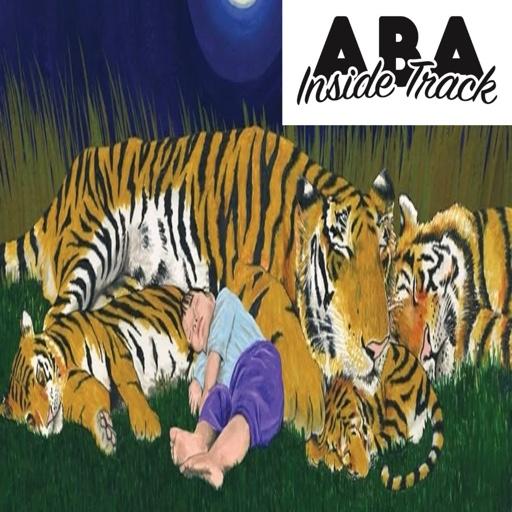
(PREVIEW) Good Night Sweet Dreams I Love You Book Club
Enjoy a short preview of our latest full-length Book Club episode. Want to hear the whole thing and get 2 CEs for FREE? Subscribe to our Patreon today at the premium $10+ levels for that plus other bonuses! There's nothing more amazing than spending time with kids, whether in your family or as clients. But, man, is putting them to bed when you're exhausted after a long day and they just have to watch one more episode of "Bluey" before they promise they'll jump right under the covers but first can you get them a drink of water and leave on all the lights just the freaking worst. Pat Friman, save us with your succinct and well-tailored wisdom in book form, please! And could you be sure to write your book the same way you do awesome conference lectures? Like hilarious and true and entertaining? Thanks! This full version of this episode is available for 2.0 LEARNING CEUs. Content discussed in this episode: Friman, P.C. (2005). Good night, sweet dreams, I love you now get into bed and go to sleep! Boys Town Press.

Ep 283Episode 283 - Publication Diversity in ABA w/ Dr. Anita Li
A list of top readings on a topic as important as diversity, equity, and inclusion for BCBAs? Sign me up! This week Dr. Anita Li brings us just that…or at least as much as an essential list can be created at this moment in research history. Plus, we discuss DEI trends in publications for Latina women in ABA research and what this does (and doesn't!) mean about the field bringing more voices to the table. This episode is available for 1.0 LEARNING CEU. Articles discussed this episode: Li, A., Curiel, H., & Mateus, C.C.S (in prep). Participation of Latina women as authors in behavior analytic research. Behavior Analysis in Practice. Li, A., Hollins, N.A., Morris, C. & Grey, H. (2023). Essential readings in diversity, equity, and inclusion in behavior analytic training programs. Behavior Analysis in Practice. doi: 10.1007/s40617-023-00856-3 If you're interested in ordering CEs for listening to this episode, click here to go to the store page. You'll need to enter your name, BCBA #, and the two episode secret code words to complete the purchase. Email us at [email protected] for further assistance.

Ep 282Episode 282 - Protection Factors in Trauma-Informed Practice w/ Dr. Camille Kolu
We knew we had to have special guest, Dr. Camille Kolu, on the show when we heard her amazing talk about buffers at last year's Thompson Center conference. This week, our wish comes true as we discuss how buffers can contribute to our focus on improving trauma-informed practices. But, what exactly is a buffer and how does it differ from other buzzwords circling trauma-informed treatments? And is there such a thing as an evergreen TIC playbook that clinicians should be using for every client ? Spoiler: That treatment you assume must be universally trauma-informed probably isn't! This episode is available for 1.0 LEARNING CEU. Articles discussed this episode: Kolu, T.C. (2023). Providing buffers, solving barriers: Value-driven policies and actions that protect clients today and increase the chances of thriving tomorrow. Behavior Analysis in Practice. doi: 10.1007/s40617-023-00876-z Kolu, C. (2023). Reflections on choice and control, informed by lessons in parenting. Operants, 44, 24-27. If you're interested in ordering CEs for listening to this episode, click here to go to the store page. You'll need to enter your name, BCBA #, and the two episode secret code words to complete the purchase. Email us at [email protected] for further assistance.

Ep 2811Episode 281 - Neurodiversity - Creating Autistic Supported Goals w/ Dr. Kate Chazin
We wrap up our trilogy (for now) of episodes focusing on neurodiversity with special guest, Dr. Kate Chazin to look at what survey research and meta-analyses can tell us about how ABA is currently doing as a treatment when it comes to hearing from the autistic population. We review the likes, the dislikes, and the unknowns in early-childhood ABA programing from client to community then gather more detail on an area that all of us are feeling iffy about: The need for escape extinction in behavioral treatments. This episode is available for 1.0 LEARNING CEU. Articles discussed this episode: Chazin, K.T., Ledford, J.R., Wilson-Moses, J.M., Rajaraman, A.R., & Juarez, A.P. (2024). Centering autistic perspectives: Social acceptability of goals, learning contexts, and procedures for young autistic children. Journal of Autism and Developmental Disorders. doi: 10.1007/s10803-024-06242-4 Chazin, K.T., Velez, M.S., & Ledford, J.R. (2022). Reducing escape without escape extinction: A systematic review and meta-analysis of escape-based interventions. Journal of Behavioral Education, 31, 186-215. doi: 10.1007/s10864-021-09453-2 If you're interested in ordering CEs for listening to this episode, click here to go to the store page. You'll need to enter your name, BCBA #, and the two episode secret code words to complete the purchase. Email us at [email protected] for further assistance.

July 2024 Preview
It's Special Guest Month at ABA Inside Track. We decided to take advantage of the flexibility of summer schedules to invite on as many guests as we could fit into the month. And it's a long month! We're so exited to be joined by Dr. Kate Chazin to (for the moment) wrap up our mini-series on neurodiversity, Dr. Camille Kolu to discuss protective factors in trauma-informed care, Dr. Anita Li to review how ABA is doing in supporting research and readings on diversity, and Mandy Ralston to push our public speaking and dissemination skills to the max. All that AND a Book Club! Articles for July 2024 Neurodiversity, pt. 3 w/ Dr. Kate Chazin Chazin, K.T., Ledford, J.R., Wilson-Moses, J.M., Rajaraman, A.R., & Juarez, A.P. (2024). Centering autistic perspectives: Social acceptability of goals, learning contexts, and procedures for young autistic children. Journal of Autism and Developmental Disorders. doi: 10.1007/s10803-024-06242-4 Chazin, K.T., Velez, M.S., & Ledford, J.R. (2022). Reducing escape without escape extinction: A systematic review and meta-analysis of escape-based interventions. Journal of Behavioral Education, 31, 186-215. doi: 10.1007/s10864-021-09453-2 Protection Factors in Trauma-Informed Practice w/ Dr. Camille Kolu Kolu, T.C. (2023). Providing buffers, solving barriers: Value-driven policies and actions that protect clients today and increase the chances of thriving tomorrow. Behavior Analysis in Practice. doi: 10.1007/s40617-023-00876-z Kolu, C. (2023). Reflections on choice and control, informed by lessons in parenting. Operants, 44, 24-27. Diversity in ABA w/ Dr. Anita Li Li, A., Curiel, H., & Mateus, C.C.S (in prep). Participation of Latina women as authors in behavior analytic research. Behavior Analysis in Practice. Li, A., Hollins, N.A., Morris, C. & Grey, H. (2023). Essential readings in diversity, equity, and inclusion in behavior analytic training programs. Behavior Analysis in Practice. doi: 10.1007/s40617-023-00856-3 Public Speaking and Effective Dissemination w/ Mandy Ralston Friman, P.C. (2014). Behavior analysts to the front! A 15-step tutorial on public speaking. The Behavior Analyst, 37, 109-118. doi: 10.1007/s40614-014-0009-y Becirevic, A. (2014). Ask the experts: How can new students defend behavior analysis from misunderstandings? Behavior Analysis in Practice, 7, 138-140. doi: 10.1007/s40617-014-0019-y Henicke, M.R., Juanico, J.F., Valentino, A.L., & Sellers, T.P. (2022). Improving behavior analysts' public speaking: Recommendations from expert interviews. Behavior Analysis in Practice, 15, 203-218. doi: 10.1007/s40617-020-00538-4 Good Night, Sweet Dreams, I Love You Book Club Friman, P.C. (2005). Good night, sweet dreams, I love you now get into bed and go to sleep! Boys Town Press.

Ep 280Episode 280 - Neurodiversity, pt. 2 - The Neurodiversity Panel w/ Alex Astrella, Michelle LaFrance, + Brian Middleton
As a continuation of our ongoing review of neurodiversity in society and in the practice of ABA, we decided to make space for less talking and more listening. In this episode we're joined by a special guest panel made up of neurodivergent behavior analysts including returning guest, Brian Middleton, and new guests, Alex Astrella and Michelle LaFrance to discuss their insights on the field, what's going right, and what's going wrong. This episode is available for 1.0 LEARNING CEU. Resources discussed this episode: Neuroqueer Heresies by Nick Walker Unmasking Autism by Dr. Devon Price Prosocial by Dr. Paul Atkins, Dr. David Wilson, and Dr. Steven Hayes Veneziano, J., & Shea, S. (2022). They have a voice; are we listening? Behavior Analysis in Practice, 16, 127-144. doi: 10.1007/s40617-022-00690-z The Functional Contextualist Newsletter Middleton, B. & Mingo, S. (2024, March 31). Beyond the divide: Understanding and addressing the root concerns behind #ABAisabuse. The Functional Contextualist. https://www.linkedin.com/pulse/beyond-divide-understanding-addressing-root-concerns-bmkuc/?trackingId=9WIRODFWRluHW%2BzNHZlYmw%3D%3D If you're interested in ordering CEs for listening to this episode, click here to go to the store page. You'll need to enter your name, BCBA #, and the two episode secret code words to complete the purchase. Email us at [email protected] for further assistance.
Ep 279Episode 279 - Storytelling
We all love books and sharing information through stories and anecdotes. But why does that even work? This week we review some excellent thought pieces on the subject of narrative and storytelling as valued behavior. We look at what makes cliffhangers so appealing, how stories make learning more fun, and whether you need to be practicing better anecdotes before work. This episode is available for 1.0 LEARNING CEU. Articles discussed this episode: Detrich, R. (2018). Rethinking dissemination: Storytelling as a part of the repertoire. Perspectives on Behavior Science, 41, 541-549. doi: 10.1007/s40614-018-0160-y Hineline, P.N. (2018). Narrative: Why it's important, and how it works. Perspectives on Behavior Science, 41, 471-501. doi: 10.1007/s40614-018-0137-x Critchfield, T.S. (2018). An emotional appeal for the development of empirical research on narrative. Perspectives on Behavior Science, 41, 575-590. doi: 10.1007/s40614-018-0170-9 If you're interested in ordering CEs for listening to this episode, click here to go to the store page. You'll need to enter your name, BCBA #, and the two episode secret code words to complete the purchase. Email us at [email protected] for further assistance.

Ep 278Episode 278 - (ETHICS) Ethics Book Club w/ Dr. Linda LeBlanc + Dr. Amanda Karsten
It's a Book Club! It's an episode! It's two amazing hours with authors, Dr. Linda LeBlanc and Dr. Amanda Karsten discussing proactive ethical actions! Are you practicing good time management…ethical time management? Do you think of ethics as core principles to live by or individual codes to follow? Join us and Book Club Guy, Alan Haberman, as we take a refreshingly proactive look at ethics day-to-day. Patrons, as part of the Summer of Book Club, you'll be able to earn these CEs for no charge! Just be subscribed at the $10 and up level and use your special discount code. Not a patron? Join today! This episode is available for 2.0 ETHICS CEUs. Articles discussed this episode: LeBlanc, L.A. & Karsten, A.M. (2024). Ethics: Proactive and practical decision making for behavior analysts. Sloan Publishing. If you're interested in ordering CEs for listening to this episode, click here to go to the store page. You'll need to enter your name, BCBA #, and the two episode secret code words to complete the purchase. Email us at [email protected] for further assistance.

Book Club Poll - VOTE NOW!
A quick update on our Book Club release schedule for next year and a chance to vote on your favorite choices. Top 4 vote-getters win a spot on the show. Vote now!

June 2024 Preview
It's summertime in New England and, for our vacation plans, we made more podcasts! First the Summer of Book Club continues with special guests Dr. Linda LeBlanc and Dr. Amanda Karsten (plus Alan) to discuss their brand new book on practical decision making and ethical action . Then we stop to review some of the behavioral underpinnings that make telling stories so meaningful. Finally we continue our series on neurodiversity with a panel of autistic BCBAs and RBTs sharing their perspectives on how ABA is doing. Interested in choosing our books for 2025? Then sign up and vote on Patreon at any tier (or as a free member) today! Articles for June 2024 Ethics Book Club w/ Dr. Linda LeBlanc + Dr. Amanda Karsten LeBlanc, L.A. & Karsten, A.M. (2024). Ethics: Proactive and practical decision making for behavior analysts. Sloan Publishing. Storytelling Detrich, R. (2018). Rethinking dissemination: Storytelling as a part of the repertoire. Perspectives on Behavior Science, 41, 541-549. doi: 10.1007/s40614-018-0160-y Hineline, P.N. (2018). Narrative: Why it's important, and how it works. Perspectives on Behavior Science, 41, 471-501. doi: 10.1007/s40614-018-0137-x Critchfield, T.S. (2018). An emotional appeal for the development of empirical research on narrative. Perspectives on Behavior Science, 41, 575-590. doi: 10.1007/s40614-018-0170-9 Neurodiversity, pt. 2 - The Neurodiversity Panel w/ Alex Astrella, Michelle LaFrance, + Brian Middleton

Ep 277Episode 277 - (LISTENER CHOICE) Consultation in Behavior Analysis
For our Spring Listener Choice episode, we're looking into what makes consultation for behavior analysts good. Because consultation is like a mountain where you and your client reach the summit together. But don't forget the extra cans of air in case its very tall. And did you remember to pack enough provisions? Or your compass? Some icebreaker games? Perhaps this metaphor is getting away from us, and you should just listen to the episode discussion of relevant research into what makes good, rather than useless, consultation in behavior analysis. This episode is available for 1.0 LEARNING CEU. Wish that CE was free? That you'd been one of the people who voted for this episode (or a different episode)? Then subscribe now on our Patreon Page. Already a patron? Get your 100% off discount code here! Articles discussed this episode: Feldman, E.S. & Kratcohwill, T.R. (2003). Problem solving consultation in schools: Past, present and future directions. The Behavior Analyst Today, 4, 318-330. doi: 10.1037/h0100022 McKelvey, I. (2010). The consultation hill: A new model to aid teaching consultation skills. British Journal of General Practice, 60, 538-540. doi: 10.3399/bjgp10X514936 McGimsey, J.F., Green, B.F., & Lutzker, J.R. (1995). Competence in aspects of behavioral treatment and consultation: Implications for service delivery and graduate training. Journal of Applied Behavior Analysis, 28, 301-315. doi: 10.1901/jaba.1995.28-301 Ruble, L.A., Dalrymple, N.J., & McGrew, J.H. (2010). The effects of consultation on individualized education program outcomes for young children with autism: The collaborative model for promoting competence and success. Journal of Early Intervention, 32, 286-301. doi: 10.1177/1053815110382973 If you're interested in ordering CEs for listening to this episode, click here to go to the store page. You'll need to enter your name, BCBA #, and the two episode secret code words to complete the purchase. Email us at [email protected] for further assistance.
Ep 276Episode 276 - Concurrent Chains Arrangement
Somehow we've made it nearly 300 episodes without actually talking about concurrent chains arrangement specifically. I mean, we've talked about measuring assent, preferences for treatments, chaining, and concurrent schedules. Finally, all the great tastes that go great together in one episode! But where did the concurrent chains arrangement come from? And how might such a procedure be used to assess preference for different treatment types? Does it work for everyone? I pity the fool that misses this podcast episode. This episode is available for 1.0 LEARNING CEU. Articles discussed this episode: Catania, A.C. & Sagvolden, T. (1980). Preference for free choice over forced choice in pigeons. Journal of the Experimental Analysis of Behavior, 34, 7-86. doi: 10.1901/jeab.1980.34-77 Hanley, G.P. (2010). Toward effective and preferred programming: A case for the objective measurement of social validity with recipients of behavior-change programs. Behavior Analysis in Practice, 3, 13-21. doi: 10.1007/BF03391754 Auten, E.M., Van Camp, C., & Ferguson, A.B. (2024). A review of the concurrent-chains arrangement to assess intervention choice: 2018-2023. Journal of Applied Behavior Analysis, 57, 319-330. doi:10.1002/jaba.1059 Luck, K.M., Lerman, D.C., Wu, W.L., Dupuis, D.L., & Hussein, L.A. (2018). A comparison of written, vocal, and video feedback when training teachers. Journal of Behavioral Education, 27, 124-144. doi: 10.1007/s10864-017-9279-2 If you're interested in ordering CEs for listening to this episode, click here to go to the store page. You'll need to enter your name, BCBA #, and the two episode secret code words to complete the purchase. Email us at [email protected] for further assistance.
Ep 1009Book Club 15 - (UNLOCKED) Calling Bullshit Book Club
UNLOCKED from our Patreon page, it's the "Calling Bullshit" Book Club! Interested in more Book Clubs? Want to vote on what we read next? Feeling FOMO at getting this a full year late? Wish your 2 CEs for listening to the episode were FREE??? Join us on Patreon to get all of our episodes a week early, access to these bonus episodes, plus other goodies. You'd think living in such a big-data obsessed world, that behavior analysts would be enjoying some of the most fact-filled, objective times of their lives. Unfortunately, more data means more problems, especially when those gathering and publishing the data seem determined to sell you a heaping load of bullshit. For our Spring 2023 Book Club, we get skeptical of all this precious data by reading Bergstrom and West's "Calling Bullshit". We dive into what makes bullshit, how to identify it, and, most importantly, how to call it out and make the world a better place. Content discussed in this episode Bergstrom, C.T. & West, J.D. (2020). Calling bullshit. Random House. If you're interested in ordering CEs for listening to this episode, click here to go to the store page. You'll need to enter your name, BCBA #, and the two episode secret code words to complete the purchase. Email us at [email protected] for further assistance. Want these CEs for FREE? Just subscribe to our Patreon at the $10+ levels and go to the original post for a discount code.

Bonus Episode 33 - Meet the Presidents of BABA w/ Denisha Gingles and Camille Williams
With BABA's 2024 conference in Baltimore fast approaching (July 19-21), we were lucky to find some time to chat with organization president, Denisha Gingles, and vice-president, Camille Williams, to talk all about what we can expect this year. From the new location in Maryland to the keynote speakers to the secrets of making a conference that feels like a community, we check off all the reasons that you don't want to miss Black Con. Register now!

Ep 275Episode 275 - Toilet Training Revisited w/ Dr. Maeve Donnelly
Now that our own toilet training experences are solidly in the parenting windshield, we thought it would be a good time to check back in with what research on toilet training has taught us in the intervening years. And, wouldn't you know it, special guest, Dr. Maeve Donnelly took all that info and put it into a handy-dandy article. In this episode we look at extensions in toilet training methodology over the past five years as well as some updated recommendations for what to do when your programming goes into the…well, you get the idea. This episode is available for 1.0 LEARNING CEU. Articles discussed this episode: Perez, B.C., Bacotti, J.K., Peters, K.P., & Vollmer, T.R. (2020). An extension of commonly used toilet-training procedures to children with autism spectrum disorder. Journal of Applied Behavior Analysis, 53, 2360-2375. doi: 10.1002/jaba.727 Donnelly, M.G. & Karsten, A.M. (2024). Resolving barriers to continence for children with disabilities: Steps toward evidence-based practice. Behavior Analysis in Practice, 17, 157-175. doi: 10.1007/s40617-023-00891-0 If you're interested in ordering CEs for listening to this episode, click here to go to the store page. You'll need to enter your name, BCBA #, and the two episode secret code words to complete the purchase. Email us at [email protected] for further assistance.

May 2024 Preview
This May, the Force is strong with the podcast as the summer of Book Club continues unabated with our unlock of last year's "Calling Bullshit" Meanwhile, our normal episodes featuring Dr. Maeve Donnelly updating our knowledge of toilet training treatments, a long-overdue look at concurrent chains arrangments, and a boffo Listener Choice episode on behavior analytic consultation make other podcasts feel like so many scruffy-looking nerf herders. Do you love these topics? We know. Looking to get free CEs? This summer is the place to be as we're releasing a Book Club every month straight through into September. And everyone signed up on Patreon at the $10+ levels can get 2 CEs per Book Club for free! Sign-up today and do your beach reading in your ears! Articles for May 2024 Toilet Training Revisited w/ Dr. Maeve Donnelly Perez, B.C., Bacotti, J.K., Peters, K.P., & Vollmer, T.R. (2020). An extension of commonly used toilet-training procedures to children with autism spectrum disorder. Journal of Applied Behavior Analysis, 53, 2360-2375. doi: 10.1002/jaba.727 Donnelly, M.G. & Karsten, A.M. (2024). Resolving barriers to continence for children with disabilities: Steps toward evidence-based practice. Behavior Analysis in Practice, 17, 157-175. doi: 10.1007/s40617-023-00891-0 Concurrent Chains Arrangement Catania, A.C. & Sagvolden, T. (1980). Preference for free choice over forced choice in pigeons. Journal of the Experimental Analysis of Behavior, 34, 7-86. doi: 10.1901/jeab.1980.34-77 Hanley, G.P. (2010). Toward effective and preferred programming: A case for the objective measurement of social validity with recipients of behavior-change programs. Behavior Analysis in Practice, 3, 13-21. doi: 10.1007/BF03391754 Auten, E.M., Van Camp, C., & Ferguson, A.B. (2024). A review of the concurrent-chains arrangement to assess intervention choice: 2018-2023. Journal of Applied Behavior Analysis, 57, 319-330. doi:10.1002/jaba.1059 Luck, K.M., Lerman, D.C., Wu, W.L., Dupuis, D.L., & Hussein, L.A. (2018). A comparison of written, vocal, and video feedback when training teachers. Journal of Behavioral Education, 27, 124-144. doi: 10.1007/s10864-017-9279-2 (LISTENER CHOICE) Consultation in Behavior Analysis Feldman, E.S. & Kratcohwill, T.R. (2003). Problem solving consultation in schools: Past, present and future directions. The Behavior Analyst Today, 4, 318-330. doi: 10.1037/h0100022 McKelvey, I. (2010). The consultation hill: A new model to aid teaching consultation skills. British Journal of General Practice, 60, 538-540. doi: 10.3399/bjgp10X514936 McGimsey, J.F., Green, B.F., & Lutzker, J.R. (1995). Competence in aspects of behavioral treatment and consultation: Implications for service delivery and graduate training. Journal of Applied Behavior Analysis, 28, 301-315. doi: 10.1901/jaba.1995.28-301 Ruble, L.A., Dalrymple, N.J., & McGrew, J.H. (2010). The effects of consultation on individualized education program outcomes for young children with autism: The collaborative model for promoting competence and success. Journal of Early Intervention, 32, 286-301. doi: 10.1177/1053815110382973 (UNLOCKED) Calling Bullshit Book Club Bergstrom, C.T. & West, J.D. (2020). Calling bullshit. Random House.

Ep 274Episode 274 - ABA and Public Policy
Despite being an episode equivalent of eating all of our vegetables, we had a surprisingly good time talking about how to break in to public policy discussions. Even though we hate legal proceedings. And knowing tons of rules across multiple professions. And schmoozing with others. And sitting in lobbies. But, if that sounds like your bag, we salute your work in promoting meaningful ABA policies! This episode is available for 1.0 LEARNING CEU. Articles discussed this episode: Coop, B., Ice, E.D., Tomei, A., & Powell, R.U. (2023). Why public policy matters: A call to action for the everyday behavior analyst. Behavior Analysis in Practice. doi: 10.1007/s40617-023-00878-x Evanko, C.D., Moss-Lourenco, T., Kramer, R., & Napolitano, D.A. (2024). Why we all need to shape the profession of behavior analysis through advocacy and how to get started. Behavior Analysis in Practice. doi: 10.1007/s40617-023-00895-w Scibak, J.W. (2023). An analysis of voting and legislative behavior. Behavior Analysis in Practice. doi: 10.1007/s40617-023-00875-0 Thompson, R.L., Belokas, J., Johnson, K., & Williams, A.L. (2023). The public policy advocacy actions checklist: Success stories from three states. Behavior Analysis in Practice. doi: 10.1007/s40617-023-00874-1 If you're interested in ordering CEs for listening to this episode, click here to go to the store page. You'll need to enter your name, BCBA #, and the two episode secret code words to complete the purchase. Email us at [email protected] for further assistance.
PREVIEW - Activity Schedules for Children with Autism Book Club
Enjoy a short preview of our latest full-length Book Club episode. Want to hear the whole thing and get 2 CEs for FREE? Subscribe to our Patreon today at the premium $10+ levels for that plus other bonuses! For our Spring 2024 Book Club we decided to read something a little lighter that could lead right into some new practice options. And, boy did we hit gold with McClannahan and Krantz's "Activity Schedules for Children with Autism"! We gush profusely about the majority of the book's content for a while then dive in with a review of the basics of teaching a child to independently use an activity schedule…with some modern quality-of-life suggestions where things get a little dated. Listen and learn nearly everything you need to know about creating and teaching activitiy schedules. Coming soon: Our Language Master-compatible recording on 144,000 flash cards! This full version of this episode is available for 2.0 LEARNING CEUs. Content discussed in this episode: McClannahan, L.E. & Krantz, P.J. (1999). Activity schedules for children with autism: Teaching independent behavior. Woodbine House. McClannahan, L.E. & Krantz, P.J. (2010). Activity schedules for children with autism: Teaching independent behavior. (2nd ed.). Woodbine House.

Ep 273Episode 273 - Schedule Thinning and FCR
FCR is amazing and all, but what can be done about the that dense schedule of reinforcement? This week we explore what the research has to say about thinning that schedule using good old discrimination cues and a boatload of gumption. Well, mostly the first part. Plus, a fabulous recent summary of everything you wanted to know about the topic courtesy of Kranak and Brown. Think of us as the audiobook version of their recent article. This episode is available for 1.0 LEARNING CEU. Articles discussed this episode: Hanley, G.P., Iwata, B.A., & Thompson, R.H. (2001). Reinforcement schedule thinning following treatment with functional communication training. Journal of Applied Behavior Analysis, 34, 17-38. doi: 10.1901/jaba.2001.34-17 Betz, A.M., Fisher, W.W., Roane, H.S., Mintz, J.C., & Owen, T.M. (2013). A component analysis of schedule thinning during functional communication training. Journal of Applied Behavior Analysis, 46, 219-241. doi: 10.1002/jaba.23 Greer, B.D., Fisher, W.W., Saini, V., Owen, T.M., & Jones, J.K. (2016). Functional communication training during reinforcement schedule thinning: An analysis of 25 applications. Journal of Applied Behavior Analysis, 49, 105-121. doi: 10.1002/jaba.265 Kranak, M.P. & Brown, K.R. (2023). Updated recommendations for reinforcement schedule thinning following functional communication training. Behavior Analysis in Practice, 17, 87-106. doi: 10.1007/s40617-023-00863-4 If you're interested in ordering CEs for listening to this episode, click here to go to the store page. You'll need to enter your name, BCBA #, and the two episode secret code words to complete the purchase. Email us at [email protected] for further assistance.