A Way Forward: Conversations on Mental Health
A Way Forward podcast, presented by Beem Credit Union, examines the challenges that can wear down our individual and collective mental health.
CMHA Kelowna and Jessica Samuels · CMHA Kelowna
Show overview
A Way Forward: Conversations on Mental Health has been publishing since 2024, and across the 2 years since has built a catalogue of 30 episodes, alongside 3 trailers or bonus episodes. That works out to roughly 15 hours of audio in total. Releases follow a monthly cadence.
Episodes typically run twenty to thirty-five minutes — most land between 23 min and 34 min — though episode length varies meaningfully from one episode to the next. None of the episodes are flagged explicit by the publisher. It is catalogued as a EN-language Health & Fitness show.
There hasn’t been a new episode in the last ninety days; the most recent episode landed 5 months ago. The busiest year was 2025, with 16 episodes published. Published by CMHA Kelowna.
From the publisher
A Way Forward podcast, presented by Beem Credit Union, examines the challenges that can wear down our individual and collective mental health. Host Jessica Samuels focusses on the stressors, the core issues and contributing factors, and the approaches and practices that can help address these issues. Listeners will leave feeling they have the information and tools to better manager their well-being and able to find...a way forward.
Latest Episodes
View all 30 episodesEpisode 27: Bridging the Gap: Bringing Foundry to the Westside
Episode 26: Mental Health in South Asian Communities
Episode 25: Rising Housing Costs & Mental Health
Episode 24: Substance Use and Addiction: The Recovery Journey

Ep 23Episode 23: Psychedelic Assisted Therapy
Episode OverviewThis episode explores the growing field of psychedelic-assisted therapy and how substances once heavily stigmatized are now being studied and used as treatments for mental health conditions. The conversation breaks down what these therapies are, how they work, and where the science is headed.Why Now? The “Psychedelic Renaissance”Early research in the 1960s–70s paused due to policy and stigmaResurgence began around 2010Drivers of renewed interest: Stronger scientific evidence, Increased public awareness (media, podcasts, documentaries), Greater accessibility of research information. Who Might Benefit?People with: Treatment-resistant depression, PTSD, Addiction challenges Potential broader use: Early intervention, Preventative mental health care, Improving overall well-being (future direction) Key Benefits HighlightedCan increase psychological flexibilityHelps people get “unstuck”May uncover root causes of distressProvides a sense of hope when other treatments fail Challenges & ConsiderationsAccess remains limited and expensiveRequires trained professionals and structured supportNot effective for everyoneEthical concern: ensuring equitable access as the field grows What’s Next?Areas needing more research:Who benefits most and whyBest therapeutic approaches to pair with psychedelicsLong-term outcomesFuture considerations:Moving from last-resort treatment → early interventionImproving affordability and accessAvoiding over-commercializationKey TakeawayPsychedelic-assisted therapy is not a standalone “quick fix.” It is a structured, therapeutic process that combines powerful experiences with guided support to help people better understand and change their mental health patterns. Listener Resourceshttps://www.ementalhealth.ca/United-States/Psychedelic-Assisted-Psychotherapy/index.php?m=article&ID=95638https://www.canada.ca/en/health-canada/services/drugs-health-products/drug-products/announcements/requests-special-access-program-psychedelic-assisted-psychotherapy.htmlhttps://katacanada.org/https://www.cda-amc.ca/ketamine-adults-treatment-resistant-depression-or-posttraumatic-stress-disorder-2023-updatehttps://entheomed.ca/ More information and links can be found on the A Way Forward Podcast page at cmhakelowna.org. Do personal research and consult professionals before considering treatment.Have questions or suggestions? Email us at [email protected] About the Podcast A Way Forward: Conversations on Mental Health is presented by Beem Credit Union, supporting conversations that help build stronger, more connected communities across British Columbia.

Ep 22Episode 22: Complex Grief: Finding a Way Forward
Grief is rarely simple. In this episode of A Way Forward, host Jessica Samuels explores Complex grief — the layered and often misunderstood experience of loss that can include trauma, unresolved relationships, sudden death, and other difficult circumstances. Jessica is joined by Mikayla Angle, Community Education Coordinator at CMHA Kelowna, and Chivonne Monaghan, an educator, speaker, and author. Together they share personal experiences, professional insights, and the work they are doing to create more open conversations and community support around grief. In This Episode · What complex grief means and why it’s different from clinical diagnoses like prolonged grief disorder· How trauma, estrangement, sudden loss, or unresolved relationships can shape the grieving process· The stigma and silence that often surround grief conversations· Why traditional grief models don’t always reflect lived experience· The importance of community, connection, and peer support in healing· How turning pain into purpose can help people navigate grief· New conversations and initiatives being developed through CMHA Kelowna’s Discovery College Key Takeaway Grief doesn’t follow a timeline or a single path. For many people, loss comes with complicated emotions, unanswered questions, and experiences that don’t fit traditional narratives. Creating space for honest conversations and community support can help people feel less alone in their grief. Resources & Links · CMHA Kelowna Discovery College· Chivonne Monaghan’s website· Central Okanagan Hospice Association· Springfield Funeral Home More information and links can be found on the A Way Forward Podcast page at cmhakelowna.org.Have questions or suggestions? Email us at [email protected] About the PodcastA Way Forward: Conversations on Mental Health is presented by Beem Credit Union, supporting conversations that help build stronger, more connected communities across British Columbia.
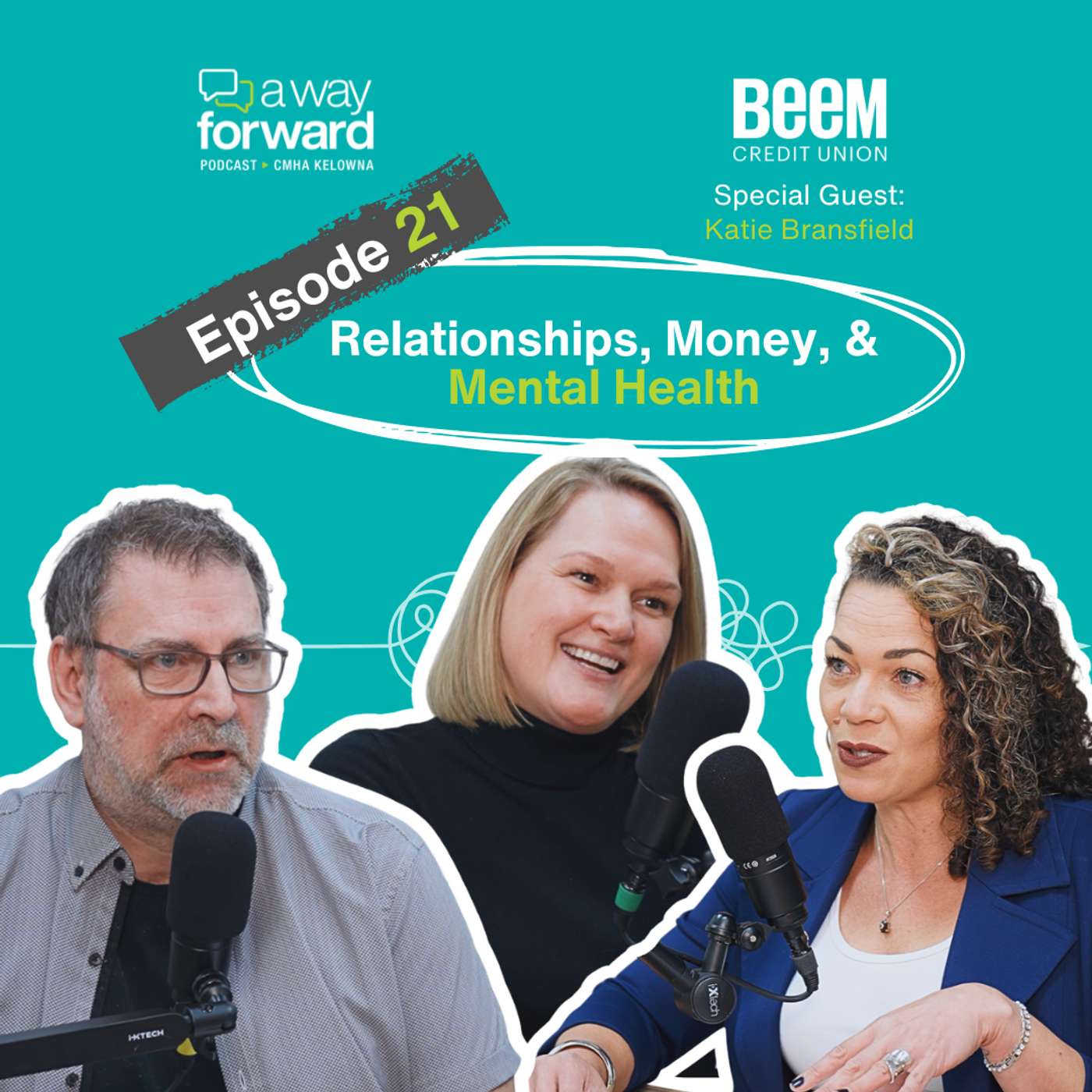
Ep 21Episode 21: Relationships, Money, & Mental Health
In this episode of A Way Forward, host Jessica Samuels is joined by CMHA Kelowna CEO Mike Gawliuk and Katie Bransfield, Director of Consumer Banking at Beem Credit Union, for a candid and practical conversation about how relationships, finances, and mental health intersect.Money is one of the leading stressors for individuals and couples across Canada — yet it remains one of the hardest things to talk about. Together, the panel explores how to bring openness, safety, and teamwork into conversations about money, and why doing so can strengthen both your relationship and your mental well-being.What We Cover in This Episode:What is financial compatibility?Katie explains why compatibility isn’t about equal income — it’s about aligned values, spending habits, expectations, and long-term goals. Understanding each other’s “money mindset” helps reduce conflict and build trust.Why money conversations feel so hard?Shame, past experiences, family teachings, and even unspoken expectations all shape how we interact with finances. Creating a safe, judgment-free space is essential.How to talk about money with your partnerPractical guidance from Katie on:Choosing the right momentStarting with curiosityBeing transparent about income and debtDiscussing spending styles, lifestyle expectations, and shared financial plansChecking in regularly as a teamDebt: Red flag or normal part of life?Debt itself isn't the issue — secrecy is. Katie outlines how transparency and a realistic repayment plan matter more than the number itself.Navigating income disparityCouples don’t need to earn the same amount to be financially compatible. What matters is shared values, open communication, and agreeing on how to manage resources together.When to seek outside supportFinancial institutions and professionals can provide clarity, structure, and reassurance. Mike reinforces that reaching out for help — financial or mental health — is a sign of strength, not failure.The mental health impact of financial stressMike shares insight and data on how finances affect well-being:41% of Canadians name money as their biggest stressorNearly half lose sleep over financial concernsShame and stigma are major barriers to seeking helpHe also highlights everyday mental health strategies: noticing changes in mood or sleep, staying connected socially, exercising, and reaching out for professional support when needed.Key Takeaways:Start the money conversation early and often.Transparency builds trust — secrecy breaks it down.You don’t need identical money styles, just shared understanding and a joint plan.Financial stress impacts mental health, and mental health impacts financial decision-making.Seeking support from financial experts or mental health professionals can make a significant difference.Approach finances as a team: same goals, same direction, shared understanding.Resources & Links:For mental health resources, financial wellness tools, or past episodes, visit the A Way Forward podcast page at cmhakelowna.org.Have questions or suggestions? Email us at [email protected] SponsorThis episode is supported by Beem Credit Union. With deep roots in BC and a commitment to your financial wellness, Beem proudly backs conversations that help build stronger, healthier communities.
Ep 20Episode 20: CRCL Kelowna
In this episode, host Jessica Samuels sits down with Innovation & Project Development Manager at CMHA Kelowna, Jamie Lloyd-Smith to introduce CRCL (Crisis Response Community Led), an innovative new service operated by CMHA Kelowna. CRCL offers a compassionate, community-driven alternative to traditional crisis response—one that does not involve law enforcement and is built on peer support, clinical expertise, and voluntary participation.Jamie explains who CRCL is for, how it works, why peer experience is foundational, and how it fills a critical gap between crisis phone lines and emergency services. Drawing on insights from other BC communities already using this model, she highlights the power of being met by trained responders—without uniforms, judgement, or police presence—who can meet people where they are and on their terms.CRCL launches in Kelowna in early 2026 and aims to provide immediate, human-centered support for anyone aged 13+ who is experiencing a mental health crisis.Key Topics Covered• What is CRCL?A mobile, community-led crisis response program.Stands for Crisis Response Community Led.Built to bridge the gap between crisis lines and 911.• Why a community-led model mattersMany people in crisis are met with police response—not always appropriate or trauma-informed.CRCL teams include clinicians and trained peers with lived experience.• Role of Peer SupportPeers bring empathy, credibility, and firsthand understanding of navigating mental health challenges.Their input shaped program design—from how phone calls are answered to how people are greeted.• How CRCL worksService for anyone 13+—you can call for yourself or someone else.Call or text a dedicated number (to be released).A two-person team responds in person—no uniforms, no police.Fully consent-based: the individual in crisis directs the process.Focus on safety, de-escalation, listening, and co-creating a care plan.• When to call CRCL“There is never a wrong time to call CRCL.”Crisis is self-defined.Early support can prevent emergencies.• How CRCL fits with existing servicesHelps divert people from emergency departments and police involvement.Strong collaboration with first responders when safety concerns exist.• Lessons from other BC communitiesKelowna will be the 7th community to implement this model.Jamie shares insights from Victoria’s program, including partnerships, safety practices, and community relationships.• Launch timelineCRCL Kelowna launches early 2026.CMHA Kelowna will release access details and resources as the program becomes available.Notable Quotes“When we don’t include the voice of lived experience, we’re just going to get it wrong.” — Jamie“There is never the wrong time to call CRCL.”“You define what crisis looks like in your life—and your experience is valid.”“This program meets you where you’re at, with compassion, dignity, and choice.”Resources & LinksLearn more: A Way Forward Podcast page at cmhakelowna.orgHave a question about CRCL or this episode? Email: [email protected] the PodcastA Way Forward: Conversations on Mental Health, presented by Beem Credit Union, explores timely and complex mental health topics with local experts, sharing insights that help build healthier, more compassionate communities.
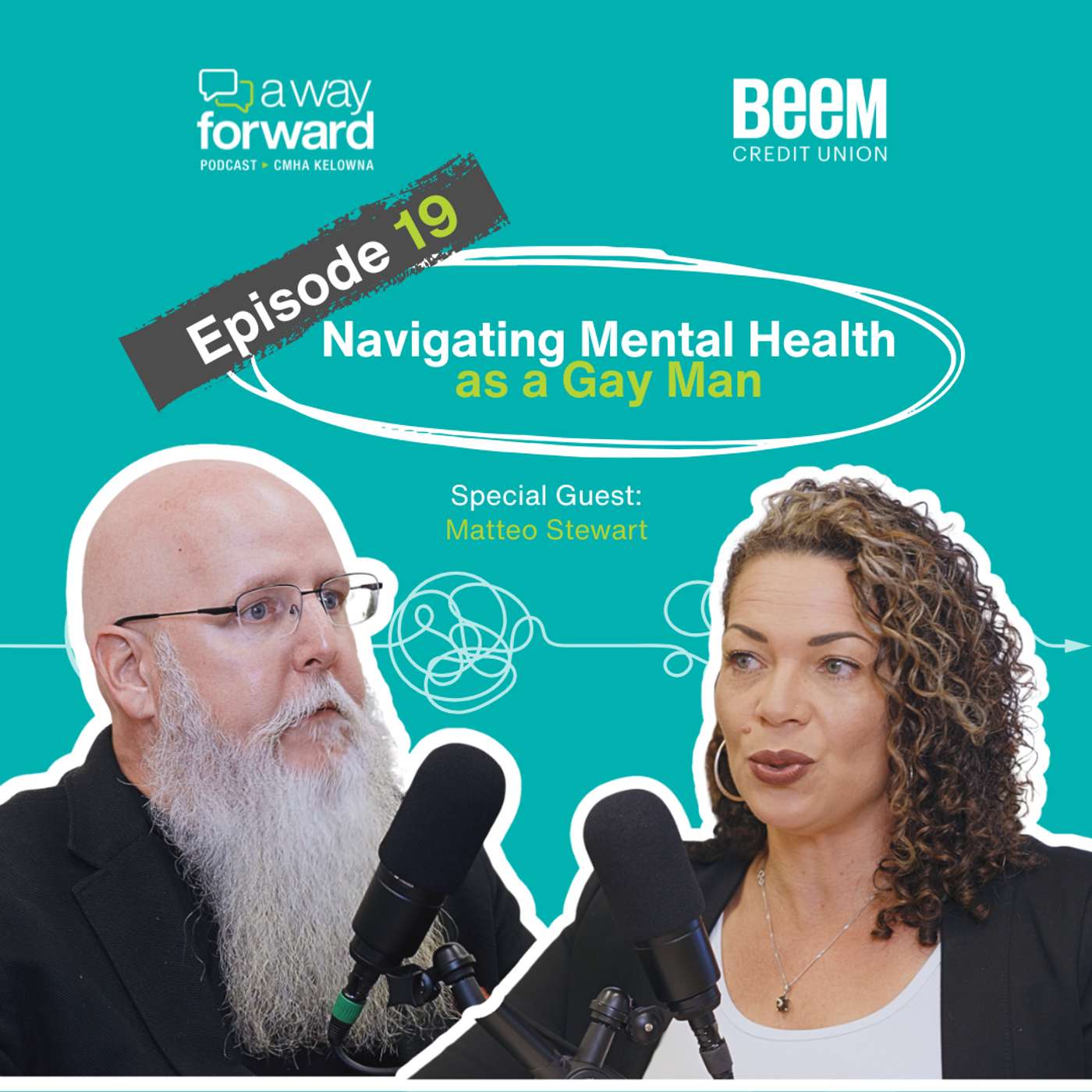
Ep 19Episode 19: Navigating Mental Health as a Gay Man
In this powerful and deeply personal conversation, host Jessica Samuels sits down with Matteo Stewart to explore the unique mental health challenges faced by gay men. Matteo shares his lived experience navigating identity, community, and mental health—from coming out in the 1990s, to the ongoing effects of societal expectations, to finding belonging and resilience later in life.Together, they unpack what it means to be “out to yourself,” the impact of code-switching, the intersection of trauma and identity, and how political and social climates continue to affect 2SLGBTQIA+ mental health today. Matteo’s honesty about his own journey—including his cancer diagnosis and how community has become his lifeline—offers a moving reminder of the healing power of connection and authenticity. Key Themes- Identity & Mental Health: Understanding the mental health impacts of being “out” versus “not out,” and the internal work of self-acceptance.- Code-Switching & Survival: How changing behaviour to fit in affects emotional well-being, even for those long out of the closet.- Community & Connection: Why safe spaces and supportive networks are critical for thriving, not just surviving.- Trauma & Resilience: The lasting mental health effects of discrimination, loss, and societal stigma—and the ways gay men build strength and healing.- Barriers to Health Care: The inequities gay men face in accessing medical and mental health supports, particularly outside major urban centres.Resources Mentioned:https://checkhimout.ca/https://pflagcanada.ca/https://gmsh.ca/https://advocacy-canada.lgbt/Takeaway:Matteo reminds us that mental health and identity are deeply intertwined—and that thriving comes from being seen, heard, and supported for who we truly are. Building community, finding purpose, and showing up authentically are not only acts of courage, but acts of healing.The A Way Forward Podcast: Conversations on Mental Health is proudly presented by Beem Credit Union.
Ep 18Episode 18: Involuntary Care
Episode 18: Involuntary CarePresented by: Beam Credit Union Host: Jessica Samuels Guest: Mike Gawliuk, CEO, CMHA KelownaEpisode OverviewIn this episode, Jessica Samuels speaks with CMHA Kelowna CEO Mike Gawliuk about the complex and often divisive topic of involuntary care in British Columbia’s mental health system. Together, they unpack what involuntary care means under the BC Mental Health Act, explore how and when it’s used, and discuss why it continues to spark debate around human rights, compassion, and the need for a stronger voluntary care system.Mike offers insight into the legal framework, current practices, and the growing conversation around compassionate mandated care—especially in the context of the province’s drug poisoning crisis and rising homelessness. The conversation also touches on concerns about overrepresentation of marginalized groups and what safeguards and accountability measures exist within the system.Key TakeawaysUnderstanding the Mental Health Act: The Act defines how involuntary and voluntary mental health treatment occurs in BC, with four key criteria determining if someone can be certified for involuntary care.Checks and balances: Certification requires medical assessment and multiple approvals, but review mechanisms like the Mental Health Review Board are underused.Human rights and consent: BC is the only province with a “deemed consent” clause, meaning individuals certified under the Act are considered to have consented to treatment decisions made by their care team.The role of the drug crisis: Rising substance use and homelessness have led to increased use of involuntary care as a response to complex community issues.Need for stronger voluntary care: A lack of accessible, early, and voluntary mental health services may be driving reliance on involuntary interventions.Evidence and evaluation: Research on involuntary care shows mixed results, underscoring the need for better data on outcomes and long-term support.Equity and representation: There is concern about disproportionate impacts on Indigenous and marginalized communities.A last resort: CMHA Kelowna supports involuntary care as a necessary but last-resort option, emphasizing that it must exist alongside a robust voluntary care system.Resources Mentioned:What is involuntary carehttps://www2.gov.bc.ca/gov/content/health/managing-your-health/mental-health-substance-use/mental-health-acthttps://www.healthjustice.ca/fast-facts-mhahttps://static1.squarespace.com/static/5e34ed207332cf46d561c2da/t/66f5e892880abb36086f9736/1727391891785/GetTheFactsAboutInvoluntaryTreatment_2024_HealthJustice.pdfhttps://bc.cmha.ca/news/charter-challenge-on-bcs-mental-health-act/https://www.youtube.com/watch?v=1pEp16qiCGE - Mayor Krog’s comment at the end is interesting. How it workshttps://www.bcmhsus.ca/about-us/who-we-are/governance/mental-health-acthttps://thetyee.ca/News/2021/11/23/BC-Forced-Mental-Health-Treatment-Spikes/ https://vancouversun.com/health/does-involuntary-care-work-three-bc-residents-share-their-personal-storiesYour Rights under BC's Mental Health Act | Here to Help Does It workhttps://bc.cmha.ca/news/involuntary-care-in-bc/https://thetyee.ca/Opinion/2024/09/24/Involuntary-Care-What-BC-Should-Do-Instead/https://vancouversun.com/health/does-involuntary-care-work-three-bc-residents-share-their-personal-storieshttps://www.youtube.com/watch?v=lSTFDuVnvHk Appealing https://www.bcmhrb.ca/https://www.heretohelp.bc.ca/infosheet/your-rights-under-bcs-mental-health-act Recent developmentsCharter ChallengeEby’s expansion of involuntary carehttps://www.cbc.ca/news/canada/british-columbia/new-involuntary-care-guidelines-1.7482295Health first vs Housing FirstKamloops Council wants in prisonsAbout the PodcastA Way Forward: Conversations on Mental Health, presented by Beem Credit Union, explores timely and complex mental health topics with local experts, sharing insights that help build healthier, more compassionate communities.
Ep 17Episode 17: First Responders & Mental Health
Being a first responder means running toward the situations most of us run away from. But that comes with an emotional and mental toll. In this episode, Jessica speaks with Kelowna Fire Captain David McCarthy, who shares what it’s like to experience trauma on the job and how the fire department is working to ensure firefighters get the support they need.David discusses the evolution of Critical Incident Stress Management (CISM) within the Kelowna Fire Department, the importance of peer support and early intervention, and how breaking the stigma around mental health has changed the culture for first responders. He also touches on new partnerships with CMHA Kelowna that are helping connect firefighters and their families to mental health resources and education.Key Takeaways:Mental health support for first responders has come a long way — but it’s still evolving.Peer support and connection among crews can make all the difference after a traumatic call.Families play a crucial role in helping first responders find balance and healing.Listen now to learn how Kelowna’s firefighters are building a healthier, more open approach to mental wellness — for themselves, their families, and their community.A Way Forward: Conversations on Mental Health is presented by Beem Credit Union, proud to support honest conversations that help build stronger, healthier communities.Resourceshttps://bcfirstrespondersmentalhealth.com/https://bcfirstrespondersmentalhealth.com/wp-content/uploads/2017/05/Recommended-Practices-for-Supporting-Mental-Health-in-First-Responders-170615.pdfhttps://www.bcpffa.net/mental-health-resourcesMental Health Support Services | Canadian Mental Health Association Kelowna

Ep 16Episode 16: Corey Hirsch
In this powerful episode of A Way Forward, host Jessica Samuels sits down with Corey Hirsch — former NHL goaltender, Stanley Cup champion, Olympic silver medalist, broadcaster, and mental health advocate.From the outside, Corey seemed to be living the dream at the height of his hockey career. But behind the mask, he was struggling with obsessive-compulsive disorder (OCD) and suicidal thoughts that nearly cost him his life.Corey opens up about:-The hidden reality of living with OCD while playing in the NHL.-Why stigma kept him silent for over 20 years.-How sharing his 2017 Players’ Tribune article, “Dark, Dark, Dark”, changed the conversation for him and countless others.-The importance of being “that person” someone can talk to without judgment.-The tools he uses today to manage his mental health, from therapy and medication to exercise, meditation, and community.This candid and inspiring conversation reminds us that talking about our struggles saves lives — and that healing begins when we break the silence.✨ Key takeaway: Mental health is health. Be the person someone can turn to.Resources & Links:Dark Dark Dark - https://www.theplayerstribune.com/articles/corey-hirsch-dark-dark-darkYou are not alone - https://www.theplayerstribune.com/articles/corey-hirsch-you-are-not-aloneCanucks Hockey Talks Video - https://www.youtube.com/watch?v=bOmVmAIXX7Yhttps://www.youtube.com/watch?v=bOmVmAIXX7YLearn more about OCD at www.cmhakelowna.orgIf you or someone you know is thinking about suicide, call or text 9-8-8 in Canada to connect with suicide prevention support.🎧 A Way Forward is presented by Beem Credit Union, with deep roots in BC and a commitment to supporting strong, healthy communities.
Ep 15Episode 15: Workplace Mental Health pt. 2
In this follow-up to Episode 11, host Jessica Samuels continues her conversation with CMHA Kelowna's Director of People, Culture & Engagement, Candace Giesbrecht.The focus of this episode is burnout and its relationship to the workplace. Candace and Jessica dive deeper into what burnout looks like, how it manifests in professional environments, and how organizations and individuals can begin to address it.Topics Covered:- The definition and symptoms of burnout- How burnout differs from general workplace stress- The systemic and organizational contributors to burnout- What workplaces can do to prevent burnout- The importance of psychological safety and leadership- How employees can advocate for their well-beingRESOURCESBurnouthttps://cpa.ca/psychology-works-fact-sheet-workplace-burnout/https://www.apa.org/topics/healthy-workplaces/workplace-burnouthttps://www.canada.ca/en/government/publicservice/wellness-inclusion-diversity-public-service/health-wellness-public-servants/mental-health-workplace/preventing-burnout.htmlhttps://workplacementalhealth.org/employer-resources/infographics/infographic-beating-burnout-at-work Non-workplace Burnouthttps://www.psychologytoday.com/us/basics/burnout#:~:text=These%20forms%20of%20burnout%20are,that%20caused%20by%20career%20stresshttps://www.canada.ca/en/public-health/services/mental-health-workplace.htmlhttps://www.who.int/news-room/fact-sheets/detail/mental-health-at-workhttps://cpa.ca/psychology-works-fact-sheet-mental-health-and-the-workplace/https://www.ccohs.ca/oshanswers/psychosocial/mh/mentalhealth_address.htmlhttps://mentalhealthcommission.ca/what-we-do/workplace/ Stats on MH in workplacehttps://cmha.ca/what-we-do/national-programs/workplace-mental-health/takeaways/https://www.who.int/news-room/fact-sheets/detail/mental-health-at-workhttps://www.mhrc.ca/workplace-mental-healthhttps://www.mhrc.ca/psychological-health-and-safety-2024 Achieving and Maintaining MH in the workplace https://13factors.ca/13-factors#:~:text=13%20psychosocial%20risk%20factors%20were,manager%20mental%20health%20and%20wellbeing.https://mentalhealthcommission.ca/13-factors-addressing-mental-health-in-the-workplace/https://mentalhealthcommission.ca/national-standard/https://www.workplacestrategiesformentalhealth.com/resources/guarding-minds-at-workhttps://www.guardingmindsatwork.ca/https://www.cmhakelowna.com/education-training/workplace-traininghttps://peopleworkingwellbc.ca/https://www.ccohs.ca/healthymindshttps://peopleworkingwellbc.ca/mental-health-for/hospitality-tourism/https://peopleworkingwellbc.ca/mental-health-for/community-social-services/https://peopleworkingwellbc.ca/mental-health-for/healthcare/Thank you for tuning in to A Way Forward Podcast! If you found this episode helpful, please subscribe and share it with others who may benefit. Stay tuned for more conversations on mental health in future episodes.Follow CMHA Kelowna:Website: CMHA KelownaInstagram: @cmhakelownaFacebook: CMHA KelownaA Way Forward Podcast is proudly presented by Beem Credit Union. BlueShore Financial, GFCU Savings, Gulf & Fraser, Interior Savings, and North Peace Savings are trade names of Beem Credit Union.
Ep 14Episode 14: Debt & Mental Health
In this powerful episode, Jessica Samuels and Mike Gawliuk sit down with Maggie Sinclair from Beam Credit Union to unpack the current reality of debt in Canada—and the deep mental health impacts that often come with it. With household debt hitting record highs and many Canadians living just $200 away from insolvency, the conversation covers the emotional toll of financial strain, stigma, and the hard choices people are forced to make.Maggie sheds light on how seemingly small financial decisions—like “buy now, pay later” services—can spiral into overwhelming debt. Mike brings a mental health lens to the issue, connecting debt to anxiety, depression, social isolation, and the broader issue of poverty. Together, the trio discusses practical strategies to help manage debt and protect mental well-being, from budgeting and debt consolidation to knowing when to seek professional help.Key Topics Covered:The current state of household debt in CanadaThe hidden nature of modern debt (subscriptions, BNPL services)Emotional and psychological effects of debtThe stigma and shame often attached to financial hardshipHow debt can exacerbate existing mental health issuesSocial isolation and poverty as compounding factorsPractical advice: budgeting, talking to your financial institution, debt management optionsThe pros and cons of consolidation loans and bankruptcyImportance of financial literacy and seeking trustworthy support** ResourcesRising Debt for Canadians https://www.castanet.net/news/Kelowna/527552/Debt-doubts-are-mounting-across-Canada-and-the-Okanagan-is-no-different#527552https://globalnews.ca/news/10946620/credit-card-debt-transunion-report/https://financialpost.com/news/canada-household-debt-hits-new-recordhttps://www150.statcan.gc.ca/n1/pub/11-631-x/11-631-x2024002-eng.htmhttps://newsroom.transunion.ca/despite-interest-rate-cuts-more-than-1-in-4-canadians-expect-to-be-unable-to-pay-bills--yet-more-than-1-in-5-plan-to-take-on-more-debt/ Debt & MHhttps://www.ivey.uwo.ca/impact/read/2024/08/breaking-the-silence-on-canada-s-hidden-debt-crisis/https://www.bankofcanada.ca/wp-content/uploads/2024/04/san2024-5.pdfhttps://money.com/is-debt-impacting-your-mental-health/https://creditlift.ca/the-link-between-mental-health-and-debt-in-canada-understanding-the-connection-and-finding-solutions/https://crowemackayco.ca/b/how-debt-can-affect-your-personal-relationships-understanding-the-link-between-finances-and-romance/https://mnpdebt.ca/en/resources/mnp-debt-blog/canadians-inflation-isolation-rising-costs-mental-health-loneliness-isolation-stress-anxietyhttps://www.moneyandmentalhealth.org/money-and-mental-health-facts/ Debt Managementhttps://www.creditcanada.com/blog/how-to-get-out-of-debt-on-a-low-income-10-strategieshttps://point.com/blog/how-to-manage-debt-effectivelyhttps://ised-isde.canada.ca/site/office-consumer-affairs/en/money-debt-and-giving/six-steps-get-out-debt Debt payoff servicesCredit CanadaCredit Counselling Society Using Debt Settlement Serviceshttps://www.canada.ca/en/financial-consumer-agency/services/debt/debt-settlement-company.htmlThank you for tuning in to A Way Forward Podcast! If you found this episode helpful, please subscribe and share it with others who may benefit. Stay tuned for more conversations on mental health in future episodes.Follow CMHA Kelowna:Website: CMHA KelownaInstagram: @cmhakelownaFacebook: CMHA KelownaA Way Forward Podcast is proudly presented by Beem Credit Union. BlueShore Financial, GFCU Savings, Gulf & Fraser, Interior Savings, and North Peace Savings are trade names of Beem Credit Union.
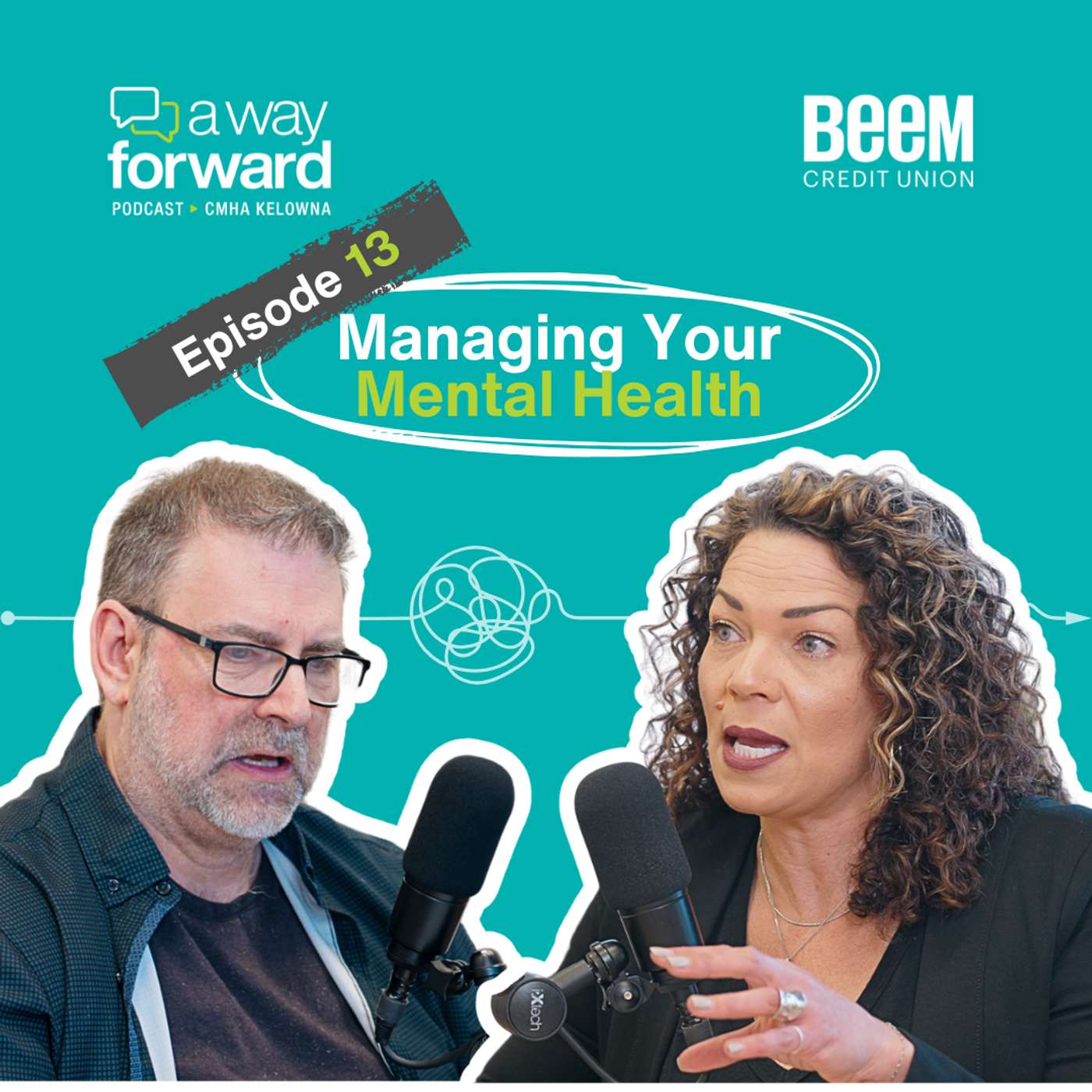
Ep 13Episode 13: Managing Your Mental Health
In this episode, hosts Jessica Samuels and Mike Gawliuk unpack what it really means to “manage your mental health” — and how that differs from managing mental illness. Together, they explore everyday actions, habits, and mindset shifts that can help anyone take better care of their mental well-being, with a strong focus on understanding why these strategies work. Key Topics Discussed:Mental Health vs. Mental Illness Learn the critical distinction between having mental health (which we all do) and having a mental illness (a diagnosable condition). You can flourish or struggle with mental health — whether or not you have a diagnosis.Self-Care vs. Self-Soothing Not all “feel-good” actions are created equal. Mike and Jessica break down how to tell the difference: if it leaves you better after the fact, it’s self-care; if not, it may just be a momentary self-soothe.Tips & Tools for Everyday Mental Health From evidence-backed strategies to lived experience, they dive into:Nature and Exercise – How time outdoors and movement regulate stress and mood.Volunteering & Social Connection – Combat loneliness, build purpose, and improve emotional health.Pets – How furry companions promote mindfulness, routine, and connection.Kindness & Gratitude – Backed by science, simple acts can lift your mood and even boost your lifespan.Empowerment Through Action The episode emphasizes that managing mental health is not about perfection but about finding tools that support you — and using them regularly.Key Takeaways:“Mental health is like physical health — we all have it.”“Self-care is not selfish — it’s necessary.”“Seventeen minutes in nature can make a measurable difference.”“Acts of kindness can be more effective than therapy.”**Resources Self-carehttps://www.snhu.edu/about-us/newsroom/health/what-is-self-carehttps://cmha.ca/news/self-care-simplified-why-its-essential-and-how-to-make-it-happen/#:~:text=Regular%2C%20quality%20self%2Dcare%20has,symptoms%20of%20anxiety%20and%20depression.&text=It%20can%20also%20help%20build,life's%20many%20stressors%20and%20challenges.https://www.psychologytoday.com/us/blog/a-deeper-wellness/202302/understanding-the-mental-health-and-self-care-connectionVS self-soothehttps://blog.ab.bluecross.ca/lifestyle/focus-on-you-self-care-versus-self-soothe/https://urbanwellnesscounseling.com/self-care-vs-self-soothing/Naturehttps://namica.org/blog/mental-health-benefits-of-nature/https://news.stanford.edu/stories/2015/06/hiking-mental-health-063015https://pmc.ncbi.nlm.nih.gov/articles/PMC4204431/https://mcpress.mayoclinic.org/mental-health/the-mental-health-benefits-of-nature-spending-time-outdoors-to-refresh-your-mind/https://www.discoverycollegekelowna.com/courses-workshops/nature-mental-health-part-1Exercisehttps://www.helpguide.org/wellness/fitness/the-mental-health-benefits-of-exercisehttps://www.health.harvard.edu/mind-and-mood/more-evidence-that-exercise-can-boost-moodhttps://mentalhealthcommission.ca/blog-posts/57251-move-to-boost-your-mental-health/https://www.health.harvard.edu/mind-and-mood/more-evidence-that-exercise-can-boost-moodVolunteeringhttps://cmhato.org/news/7-reasons-why-volunteering-is-good-for-our-mental-health/https://www.nami.org/people/how-volunteering-improves-mental-health/https://link.springer.com/article/10.1007/s10902-020-00242-8https://www.psychologytoday.com/ca/blog/the-recovery-coach/202407/the-mental-and-physical-health-benefits-of-volunteeringConnectionhttps://ccare.stanford.edu/uncategorized/connectedness-health-the-science-of-social-connection-infographic/https://bc.cmha.ca/news/social-connection-is-the-cure/https://www.cdc.gov/social-connectedness/about/index.htmlPetshttps://www.mentalhealth.org.uk/explore-mental-health/a-z-topics/pets-and-mental-healthhttps://health.ucdavis.edu/blog/cultivating-health/health-benefits-of-pets-how-your-furry-friend-improves-your-mental-and-physical-health/2024/04Pet & Autismhttps://habri.org/blog/the-human-animal-bond-for-autism-spectrum-disorder/https://www.psychologytoday.com/ca/blog/nurturing-self-esteem-in-autistic-children/202211/is-owning-pet-beneficial-autistic-childrenGratitudehttps://adaa.org/learn-from-us/from-...
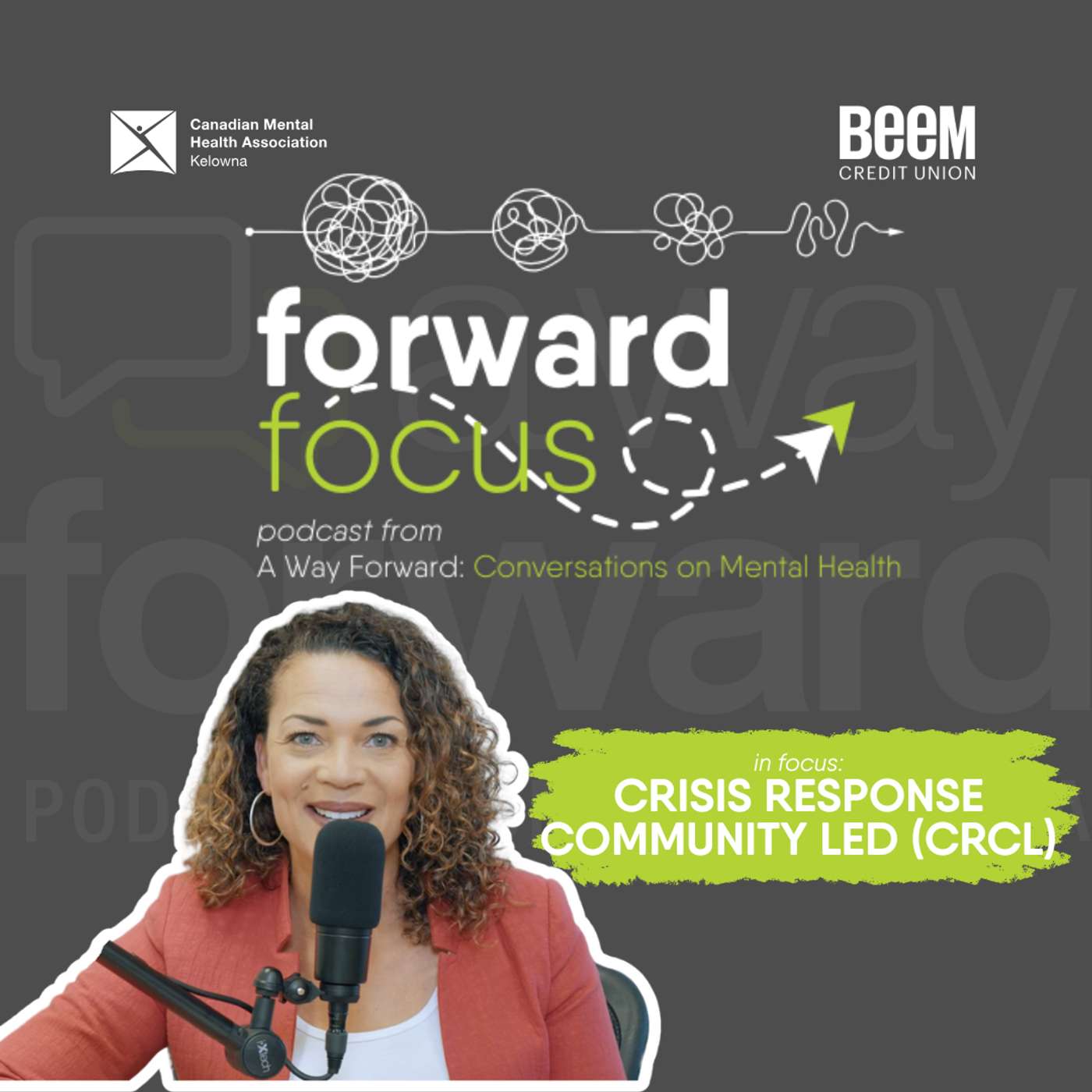
Crisis Response Community Led (CRCL) | Forward Focus #2 | A Way Forward
bonusIn this Forward Focus episode, Jessica Samuels and co-host Mike Gawliuk shine a spotlight on CRCL – Crisis Response Community Led, formerly known as PACT.Jessica and Mike break down what CRCL is, how it works, and why this model matters now more than ever:What is CRCL?CRCL provides community-based, in-person mental health crisis support for individuals 13 years and older. It addresses issues like emotional regulation challenges and substance use crises, offering immediate support, connecting individuals to services, and providing follow-up care.Why the name change from PACT to CRCL?To reduce confusion with other similarly named programs, and to better align with its Peer Assisted Care Team (PACT) roots—a model recognized globally with over 200 programs in place.How is CRCL different?CRCL teams combine mental health professionals with individuals who have lived experience navigating mental health challenges. This pairing provides a more humane, empathetic, and relatable response during crises.Where is CRCL operating?Six CRCL teams are currently active across British Columbia, with a seventh launching soon in Kamloops. The provincial government has committed to expanding to 12 teams, including ones led by Indigenous organizations.Will CRCL come to Kelowna?Mike expresses hope, noting Kelowna's clear advocacy for a Circle team, especially highlighted in its community safety plan.Connect with Us:Got questions about Circle or mental health services?📩 Email: [email protected]🌐 Website: cmhakelowna.orgA Way Forward Podcast is proudly presented by Beem Credit Union. BlueShore Financial, GFCU Savings, Gulf & Fraser, Interior Savings, and North Peace Savings are trade names of Beem Credit Union
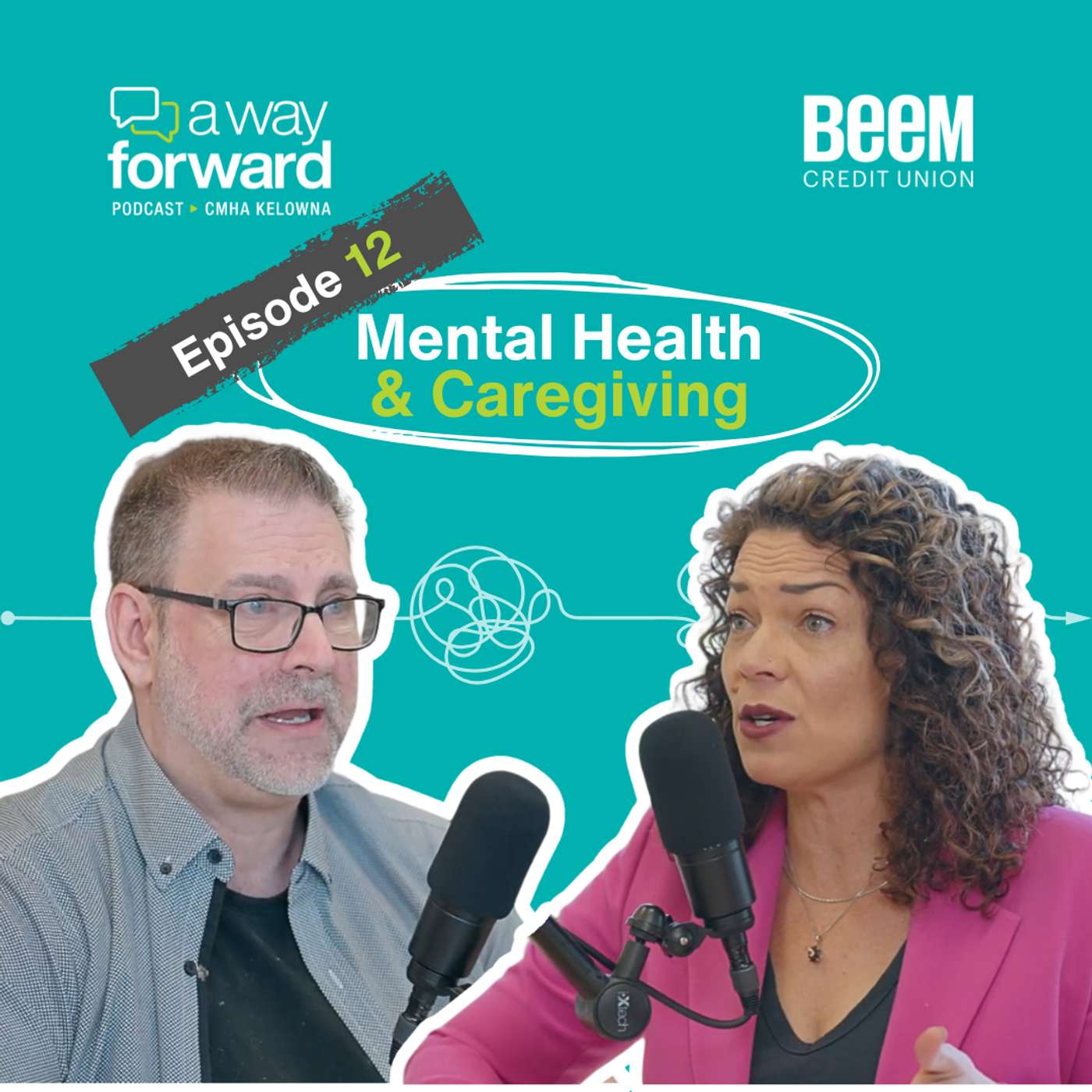
Ep 12Episode 12: Mental Health & Caregiving
In Episode 12: Mental Health & Caregivers of A Way Forward Podcast | Presented by Beem Credit Union, hosts Jessica Samuels and Mike Gawliuk, CEO of CMHA Kelowna, explore the realities of mental health and caregiving. As millions of Canadians provide unpaid care to loved ones, the toll on caregivers—especially family caregivers—is growing. Jessica and Mike unpack new data, share personal stories, and offer guidance for those dealing with this often-invisible situation. Key Topics Discussed:Who is a caregiver? Defining the broad range of caregiving roles: professional, family, and volunteer caregivers.The unpaid care crisis in Canada 5.7 billion unpaid hours of care are provided annually—valued at over $97 billion.Aging population = Rising demand With an aging demographic, caregiving needs are set to double—impacting both unpaid and professional caregiving systems.Mental health impacts of caregiving Caregivers often experience fatigue, stress, financial strain, and social isolation. Jessica and Mike discuss both the rewarding and difficult aspects of caregiving.Caregiver burnout and what to watch for Learn to recognize early signs of burnout: low mood, sleep issues, appetite changes, and increased substance use.Strategies for self-care & support Tips include accepting help, seeking respite care, connecting with others, and using caregiver assessments to monitor your own well-being.Global examples of caregiver support Countries like the UK, Germany, and Australia offer caregiver allowances, respite care, and training programs—what can Canada learn?Key Takeaways:Caregiving is everywhere – 1 in 4 Canadians are caregivers; this will rise to 1 in 2.Most care is unpaid – Over $97B worth of unpaid caregiving in Canada annually.Older caregivers are rising – Many are 65+ and need care themselves.Canada lags in supports – Other countries offer stipends, respite, training.Caregiver burnout is real – Watch for sleep/mood changes, withdrawal, overwhelm.Marginalized groups hit harder – Racialized, Indigenous, and 2SLGBTQIA+ caregivers face extra barriers.Support is available – Use tools, groups, and respite services to cope.Resources:Caregiver statshttps://canadiancaregiving.org/sage-magazine-fall-2024-issue-caregivers-need-support-now/https://www.statcan.gc.ca/o1/en/plus/2649-more-half-women-canada-are-caregivershttps://www150.statcan.gc.ca/n1/daily-quotidien/200108/dq200108a-eng.htmhttps://www.federalretirees.ca/en/news-views/news-listing/november/caregivers-need-support-now#:~:text=Statistics%20Canada%20reports%20almost%20eight,or%20problems%20related%20to%20aging.What it means to be a caregiverhttps://my.clevelandclinic.org/health/diseases/9225-caregiver-burnoutImpacts of caregiving https://canadiancaregiving.org/media-release-caring-in-canada/https://www.cbc.ca/listen/live-radio/1-46-on-the-coast/clip/16067739-caregiver-survey-reveals-dire-situation-canadahttps://www.aptnnews.ca/national-news/family-caregivers-say-lack-of-disability-services-leading-to-burnout-in-nunavut-study/https://www.cbc.ca/news/canada/london/caregivers-accessible-supports-1.7324691https://pmc.ncbi.nlm.nih.gov/articles/PMC2791523/https://www.hrreporter.com/focus-areas/compensation-and-benefits/caregiving-responsibilities-holding-back-workers-careers-says-expert/388600https://my.clevelandclinic.org/health/diseases/9225-caregiver-burnoutTaking care of yourselfhttps://www.mayoclinic.org/healthy-lifestyle/stress-management/in-depth/caregiver-stress/art-20044784https://www.familycaregiversbc.ca/Thank you for tuning in to A Way Forward Podcast! If you found this episode helpful, please subscribe and share it with others who may benefit. Stay tuned for more conversations on mental health in future episodes.Follow CMHA Kelowna:Website: CMHA KelownaInstagram: @cmhakelownaFacebook: CMHA KelownaA Way Forward Podcast is proudly presented by Beem Credit Union. BlueShore Financial, GFCU Savings, Gulf & Fraser, Interior Savings, and North Peace Savings are trade names of Beem Credit Union
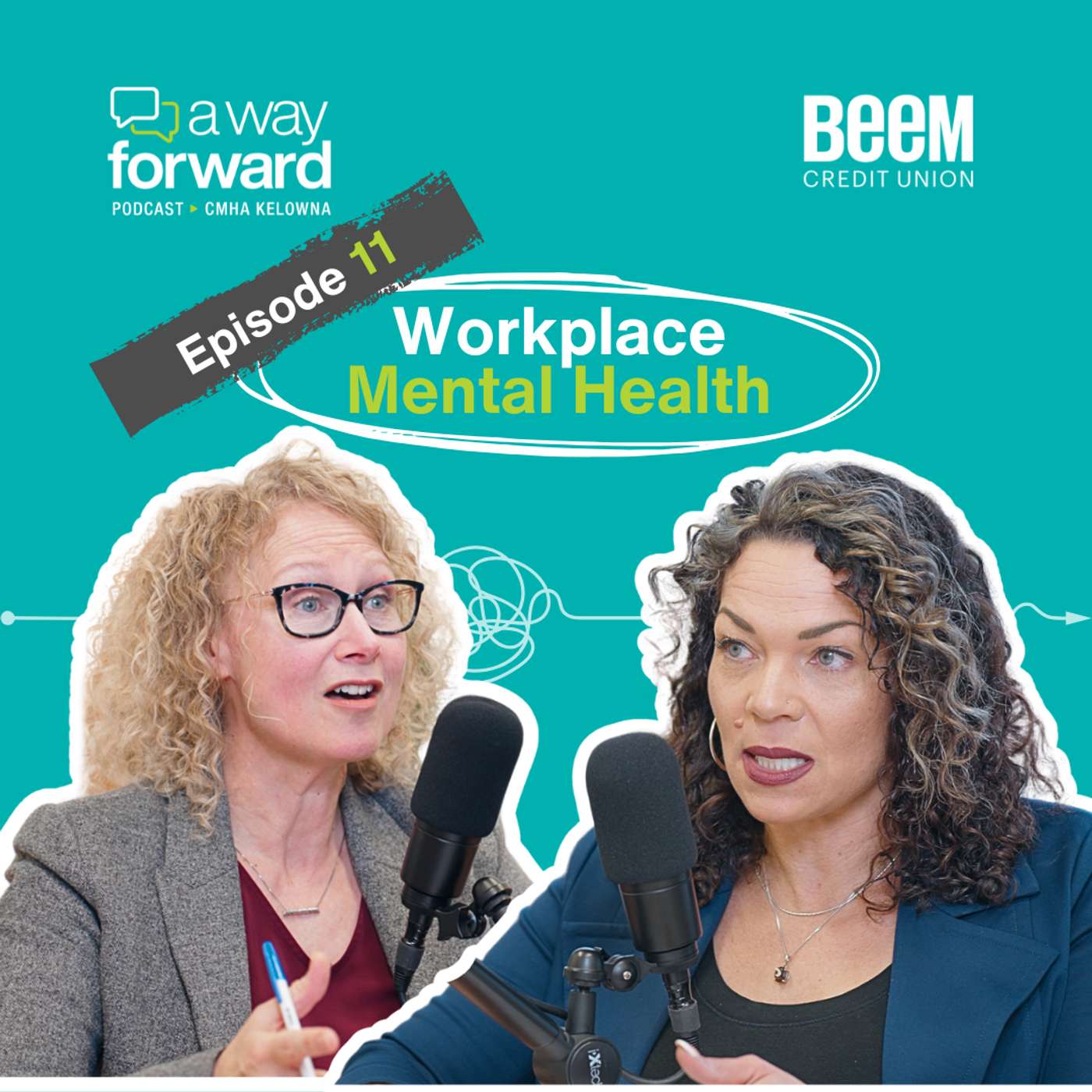
Ep 11Episode 11: Workplace Mental Health
In Episode 11: Workplace Mental Health of A Way Forward Podcast | Presented by Beem Credit Union, host Jessica Samuels is joined by Candace Giesbrecht, Director of People, Culture & Engagement at CMHA Kelowna, to explore what it means to have a mentally healthy workplace—and why it's a shared responsibility across the entire organization. They discuss how measuring psychological safety, addressing burnout, and making evidence-informed decisions can drive long-term culture change in the workplace.Key Topics Discussed:1. What Is a Mentally Healthy Workplace?Why it’s more than just a CEO or HR declaration.The role of shared responsibility and leadership buy-in.Importance of aligning actual work with job descriptions and expectations.2. Measuring Psychological SafetyIntroduction to Guarding Minds at Work, a free, evidence-based assessment tool.Explanation of the 13 psychosocial factors that influence workplace mental health.How asking staff for input—and acting on it—can improve trust and engagement.3. CMHA Kelowna’s Journey to Address BurnoutUsing data to identify burnout risk as a key area for improvement.Shifting onboarding practices and job clarity to reduce staff overwhelm.Why meaningful change took two years—and how it led to better hiring, reduced turnover, and deeper organizational insight.4. From Insight to ActionThe importance of going beyond surveys to follow through with transparent communication and real change.The impact of getting senior leaders involved in front-line observations.How even small, focused actions can spark broader transformation.5. Starting the Conversation as a LeaderTips for senior leaders to break the stigma and foster openness about mental health.The power of vulnerability in leadership: "I’m not feeling like myself—anyone else?"Using relevant stats or research to spark meaningful workplace conversations.Key Takeaways:A mentally healthy workplace requires more than intention—it needs measurement, leadership, follow-up, and time.Burnout can be addressed by tackling root causes like onboarding, job clarity, and realistic expectations.Just asking how staff are doing can start a ripple effect—but only if it's followed by action.Leaders set the tone. Courageous conversations from the top can help break stigma and shift culture.Resources:What is MH in the Workplacehttps://www.canada.ca/en/public-health/services/mental-health-workplace.htmlhttps://www.who.int/news-room/fact-sheets/detail/mental-health-at-workhttps://cpa.ca/psychology-works-fact-sheet-mental-health-and-the-workplace/https://www.ccohs.ca/oshanswers/psychosocial/mh/mentalhealth_address.htmlhttps://mentalhealthcommission.ca/what-we-do/workplace/ Stats on MH in workplacehttps://cmha.ca/what-we-do/national-programs/workplace-mental-health/takeaways/https://www.who.int/news-room/fact-sheets/detail/mental-health-at-workhttps://www.mhrc.ca/workplace-mental-healthhttps://www.mhrc.ca/psychological-health-and-safety-2024 Burnouthttps://cpa.ca/psychology-works-fact-sheet-workplace-burnout/https://www.apa.org/topics/healthy-workplaces/workplace-burnouthttps://www.canada.ca/en/government/publicservice/wellness-inclusion-diversity-public-service/health-wellness-public-servants/mental-health-workplace/preventing-burnout.htmlhttps://workplacementalhealth.org/employer-resources/infographics/infographic-beating-burnout-at-work Achieving and Maintaining MH in the workplace https://13factors.ca/13-factors#:~:text=13%20psychosocial%20risk%20factors%20were,manager%20mental%20health%20and%20wellbeing.https://mentalhealthcommission.ca/13-factors-addressing-mental-health-in-the-workplace/https://mentalhealthcommission.ca/national-standard/https://www.workplacestrategiesformentalhealth.com/resources/guarding-minds-at-workhttps://www.guardingmindsatwork.ca/https://www.cmhakelowna.com/education-training/workplace-traininghttps://peopleworkingwellbc.ca/https://www.ccohs.ca/healthymindshttps://peopleworkingwellbc.ca/mental-health-for/hospitality-tourism/https://peopleworkingwellbc.ca/mental-health-for/community-social-services/https://peopleworkingwellbc.ca/mental-health-for/healthcare/ Thank you for tuning in to A Way Forward Podcast! If you found this episode helpful, please subscribe and share it with others who may benefit. Stay tuned for more conversations on mental health in future episodes.Follow CMHA Kelowna:Website: CMHA KelownaInstagram: @cmhakelownaFacebook: CMHA KelownaA Way Forward Podcast is proudly presented by Beem Credit Union. BlueShore Financial, GFCU Savings, Gulf & Fraser, Interior Savings, and North Peace Savings are trade names of Beem Credit Union
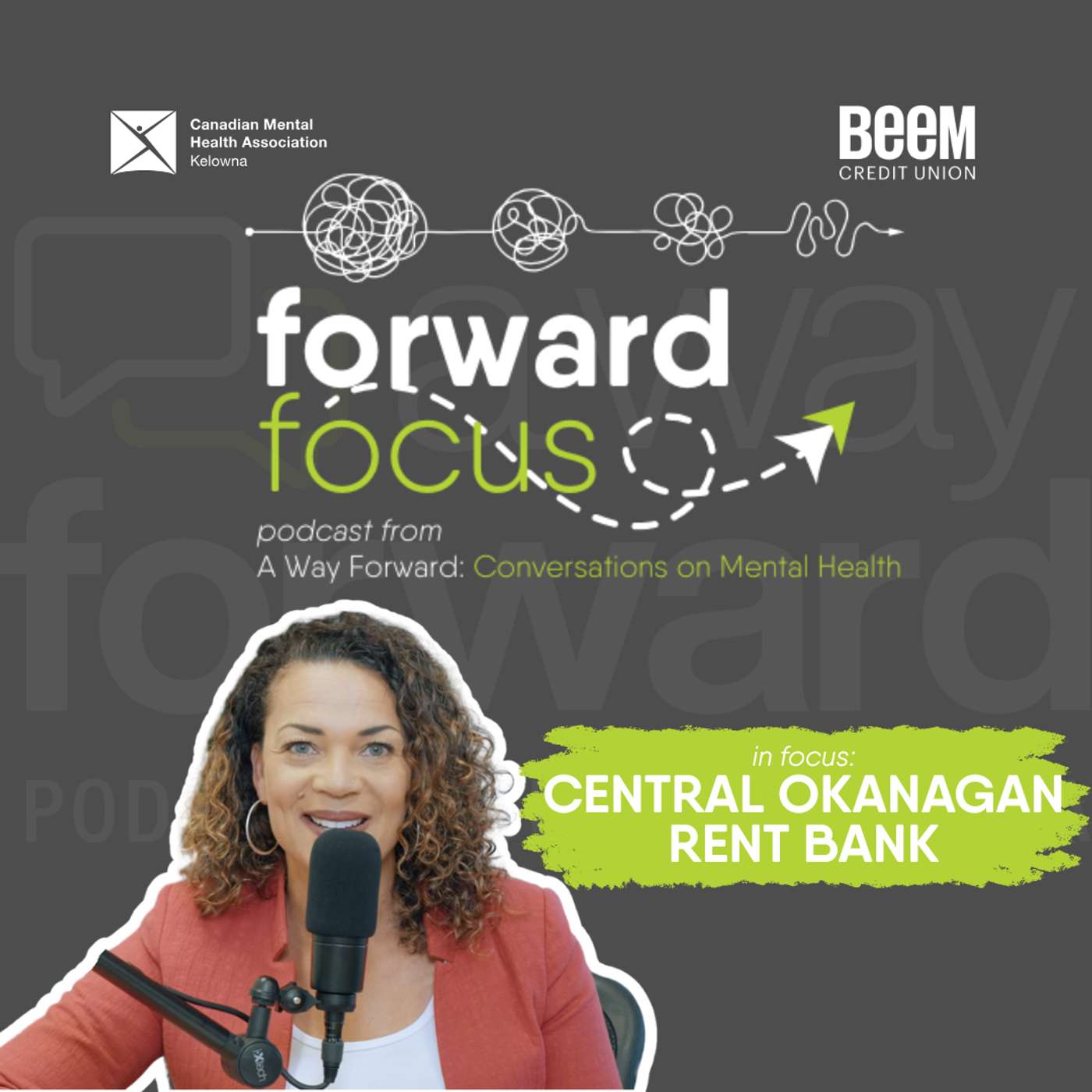
Central Okanagan Rent Bank | Forward Focus #1 | A Way Forward Podcast
bonusWelcome to the first episode of Forward Focus, our quick-hit, bit-sized episodes that gives you insight and information about the things you want to know.Today's episode focuses on the Central Okanagan Rent Bank. CMHA Kelowna believes that everyone has the right to safe and affordable housing. The rising cost of living means that there are many people who are only a paycheque or two away from not being able to pay their rent. When we can remove the stress of choosing between paying rent and paying for life’s necessities like food – an incredible burden is lifted and leaves room for us to move forward in our lives. At CMHA Kelowna we have a mission to create a mentally healthy community, and we believe that having a place to call home is part of the foundation of good mental health. The Central Okanagan Rent Bank program helps to increase the housing stability in our community for individuals who are experiencing short-term financial difficulties. The rent bank offers interest–free repayable loans as well as access to relevant support services to eligible renters in the Central Okanagan (Kelowna, West Kelowna, Lake Country and Peachland).To learn more about the Central Okanagan Rent Bank, visit https://www.cmhakelowna.com/programs-supports/foundry-kelowna
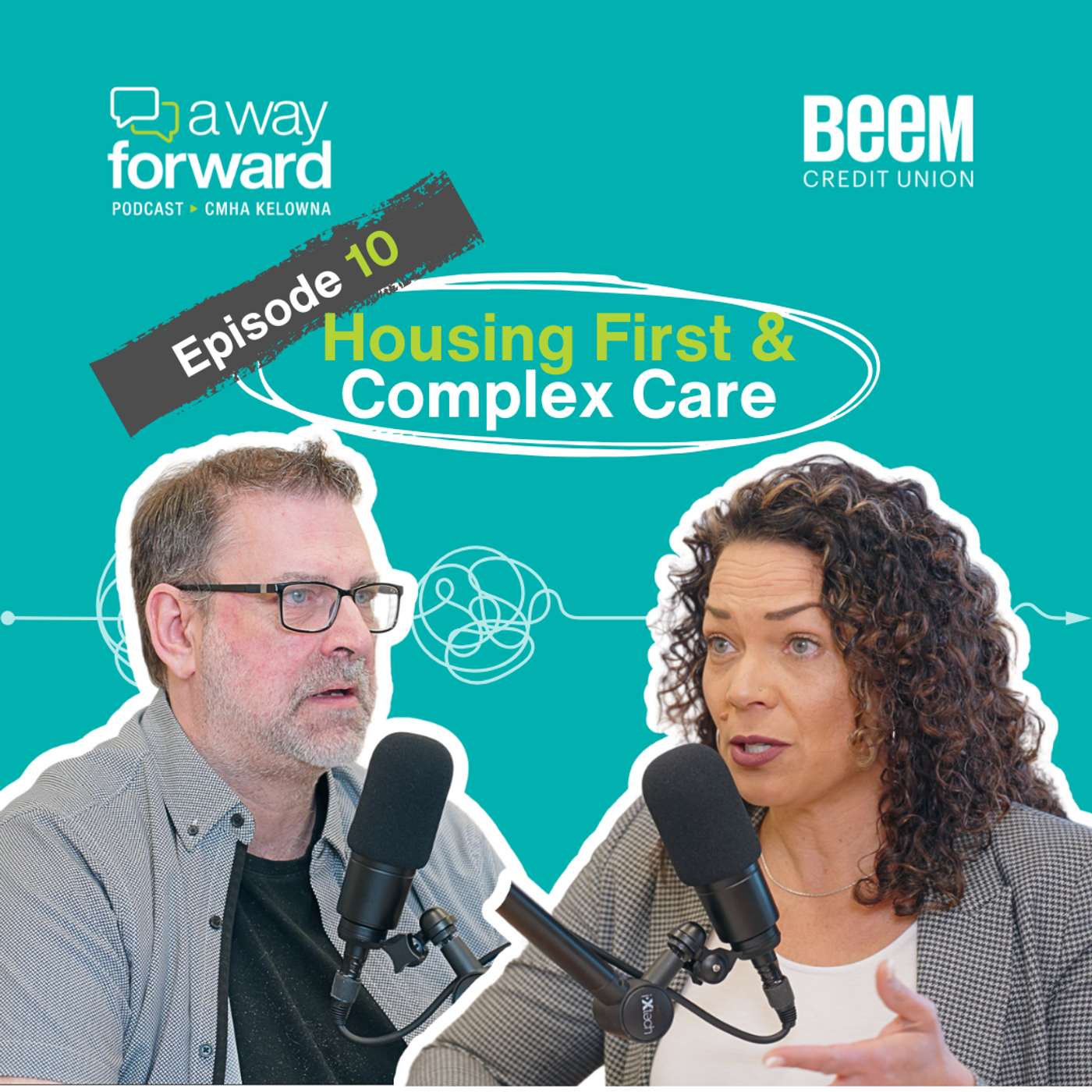
Ep 10Episode 10: Housing First & Complex Care
In Episode 10: Why Supportive Housing Matters of A Way Forward Podcast | Presented by Beem Credit Union, hosts Jessica Samuels and CMHA Kelowna CEO Mike Gawiuk to discuss the critical role of supportive housing in addressing homelessness and mental health. They delve into key topics such as Housing First, complex care, and the broader systemic issues impacting affordable housing in Canada.Key Topics Discussed:1. Understanding Supportive HousingThe difference between Housing First and complex care.Why supportive housing is a crucial component in addressing homelessness.The role of wraparound services in housing stability.2. Housing as a Social Determinant of HealthHow access to safe, stable housing impacts mental and physical health.The historical recognition of housing as a human right (e.g., UN declaration, Canadian Housing Strategy Act).The significance of federal funding through the Reaching Home initiative.3. The Evolution of Housing FirstOrigins of Housing First: Developed by Sam Tsemberis and the Pathways to Housing model in New York City.The At Home/Chez Soi study in Canada and its impact on policy.Challenges in implementing Housing First effectively, including the need for adequate funding and comprehensive support services.4. Complex Care and Its Role in Supportive HousingThe introduction of complex care by the BC government.Differences between Housing First and complex care, particularly in levels of autonomy and service provision.How complex care supports individuals with high needs, including mental health, substance use, and brain injuries.5. Addressing Misconceptions and Policy ChallengesWhy Housing First has received criticism and how misinterpretations of the model have affected its implementation.The need for a multi-faceted approach ("silver buckshot" rather than a "silver bullet").How systemic issues like housing affordability and the toxic drug crisis impact supportive housing efforts.Key Takeaways:Supportive housing is more than just shelter; it includes necessary wraparound services to ensure stability.Housing First works when implemented correctly, but requires proper funding and comprehensive support.Complex care provides a higher level of support for individuals with severe needs but operates differently from Housing First.There is no single solution to homelessness; a combination of strategies is necessary to address diverse needs.**Resources**Housing – a SDoHhttps://www.cpha.ca/what-are-social-determinants-healthhttps://www.medicalnewstoday.com/articles/housing-and-health#key-factorsHousing Strategy / Reaching Homehttps://housing-infrastructure.canada.ca/housing-logement/ptch-csd/index-eng.htmlhttps://housing-infrastructure.canada.ca/homelessness-sans-abri/index-eng.htmlHousing First – history and practical applicationhttps://www.bbc.com/news/world-us-canada-36092852https://www.journeyhome.ca/stories/solving-homelessness-it-just-makes-sense/https://homelesshub.ca/collection/programs-that-work/housing-first/https://housing-infrastructure.canada.ca/homelessness-sans-abri/resources-ressources/housing-first-logement-abord-eng.htmlhttps://homelesshub.ca/collection/programs-that-work/housing-first-for-youth/Is Housing First Working?https://canadiandimension.com/articles/view/why-housing-first-failed-in-canadahttps://ciceroinstitute.org/research/housing-first-is-a-failure/https://endhomelessness.org/blog/the-truth-about-housing-first/https://www.city-journal.org/article/states-say-no-to-housing-firstComplex Carehttps://www2.gov.bc.ca/gov/content/health/managing-your-health/mental-health-substance-use/complex-care-housinghttps://www.kelowna.ca/our-community/social-wellness/complex-careSupportive Housing – here to stay? https://globalnews.ca/news/8824827/homelessness-kelowna/https://news.harvard.edu/gazette/story/2024/01/why-its-so-hard-to-end-homelessness-in-america/https://caeh.ca/six-measures-the-federal-government-can-introduce-in-budget-2024-to-fix-the-housing-crisis-and-solve-homelessness/Thank you for tuning in to A Way Forward Podcast! If you found this episode helpful, please subscribe and share it with others who may benefit. Stay tuned for more conversations on mental health in future episodes.Follow CMHA Kelowna:Website: CMHA KelownaInstagram: @cmhakelownaFacebook: CMHA KelownaA Way Forward Podcast is proudly presented by Beem Credit Union. BlueShore Financial, GFCU Savings, Gulf & Fraser, Interior Savings, and North Peace Savings are trade names of Beem Credit Union