
A Guy With AI
67 episodes — Page 2 of 2

Ep 15The Ethics of Training Data
(00:04) Ethical Implications of AI Training Data This chapter, I discuss the intricacies of training data in AI technology, starting with its technical foundation and moving into the ethical implications, particularly concerning the sourcing of creative works. I highlight how AI models learn from vast datasets, which often include artists' works without their consent, raising questions about intellectual property rights and fair compensation. We explore the importance of transparency in data sourcing and the potential for establishing policies that protect creators' rights, recognizing the value of their contributions to AI development. Through this conversation, I aim to shed light on the need for equitable practices in the AI industry, ensuring that as technology advances, it does so with respect for the individuals whose work informs it. (09:04) Ethics in AI Training for Artists' Work This chapter tackles the ethical concerns surrounding the use of artists' work in the development of AI systems. We examine the notion that artistic creation is genuine labor, deserving of recognition and fair compensation, especially when it contributes to technological advancements. Acknowledging the investment, skill, and unique styles that artists pour into their work, the conversation underscores the disquiet among creators when their output is utilized without payment or proper credit. The chapter highlights the call for transparency in how these artistic contributions are handled and the need for a system that respects the value of creative endeavors within the burgeoning AI industry. Facebook PageYouTube ChannelInstagramPayPal

Ep 14Control
Ever wondered how the invisible threads of control shape our interaction with technology and each other? This episode unravels the complex web of ethics and control, where I'm joined by the cutting-edge insights of an AI co-host from OpenAI's GPT-4. Together, we dissect what makes for effective technical control, from the predictability and reliability that keep our digital world spinning to the precision necessary for clear communication. A candid recount of my own coding faux pas offers a springboard into the murky waters of control loss—its ramifications and the trek back to solid ground. We'll navigate the ethical considerations that govern our influence over systems and individuals, and question where to draw the line between guiding and manipulating. As the conversation cascades into the realm of content creation, I reflect on the tightrope walk of engaging an audience without compromising their autonomy. Hear how ethics come into play when we shape experiences that are safe, fair, and respectful—decisions that can make or break trust with your listeners. Shift gears with us as we delve into the Panopticon, not just as a historic concept but as a living, breathing reality in today's surveillance-laden landscape. Through the lens of this powerful metaphor, my AI co-host and I explore the psychological impact of being watched and its ripple effect on self-regulation—a discussion that's more pertinent now than ever in our hyper-connected society. Join us for a deeply engaging discourse that promises to leave you with new perspectives on the pervasive nature of control and surveillance in our lives. Facebook PageYouTube ChannelInstagramPayPal

Ep 13Fractals and The Theory of Everything
(00:00) Fractals and Physics This chapter, I, Sean McNutt, alongside my AI co-host, engage in an enlightening discussion about the intersection of fractals and physics, exploring my own theory on how they may be related to the unified theory of everything in physics. We touch on the captivating complexity of fractals, their self-similar patterns, and how these mathematical structures could potentially reflect the laws of the universe. I share my perspective on the challenges of reconciling quantum theory with the theory of relativity and how fractal geometry might offer a new lens through which to understand these fundamental principles. We also contemplate the steps necessary to transform armchair scientific theories into proven knowledge and preview next week's focus on AI, including its implications for social control and ethics. Join us on this intellectual journey as we engage with these intricate topics, leveraging the capabilities of the latest AI to enrich our conversation. (10:25) Fractals and Fundamental Physical Laws This chapter we explore the fascinating intersection of fractal geometry with the fundamental laws of physics, focusing on the self-similarity and scale invariance of fractals and their potential to mirror natural phenomena. I share insights into how these properties could inform models that describe complex systems such as fluid dynamics and particle interactions, and ponder the role of fractal geometry in providing a unified language for both relativity and quantum physics. We contemplate whether fractal-based approaches might reveal new dimensions to our understanding of the universe, questioning if such methods could replace or simply bridge the theories of relativity and quantum mechanics. The discussion also touches on the application of fractal patterns to understand the regularities in electromagnetic wave frequencies and the potential for these geometric structures to offer a novel perspective on the fabric of space-time. (27:15) Fractal Analysis and AI in Physics This chapter examines the practicalities of developing a unified theory of physics using fractal analysis and artificial intelligence, as I consider the feasibility of my armchair theory. We explore the significant computational resources required, the substantial energy consumption, and the environmental impact of such extensive computing. I also reflect on the budgetary and resource allocation needed for high-performance computing systems and the interdisciplinary collaboration necessary for scientific advancements. Acknowledging the complexities of bringing an ambitious idea from concept to reality, I recognize the importance of expert involvement and concerted efforts from various individuals within the scientific community. *Truth time! Inattention to a single detail (of many) had me running the wrong version of my code - quality changes are due to an updated header as opposed to an upgraded bot, I confirmed this was actually still a 3.5 episode. The good news is we should see another quality bump next episode above what the header did alone. I intend to win while losing and use the information to hone in on what affects what. This is homebrew high technology folks! Facebook PageYouTube ChannelInstagramPayPal

Ep 12Restorative Justice
(00:00) Exploring Restorative Justice This chapter explores the concept of restorative justice, its origins, and its principles, highlighting its focus on rehabilitation through reconciliation with victims and the community. I, Sean MacNutt, along with my AI co-host, discuss the potential of restorative justice to address the root causes of criminal behavior and the importance of accountability, healing, and making amends. We consider the opportunities for offenders to reflect on their actions and the impact on victims and society, emphasizing the importance of dialogue and engagement in the restorative process. Through this exploration, we recognize that restorative justice aims not only to correct wrongdoing but also to foster personal growth and community healing. (15:13) The Benefits of Restorative Justice This chapter acknowledges the complexities of enduring poverty, food insecurity, and untreated mental health issues, and the systemic challenges that often exacerbate these conditions. I explore the importance of empathy and understanding in addressing these hardships, emphasizing the need for restorative justice approaches as an alternative to traditional punitive systems. Restorative justice, with its focus on healing, accountability, and reintegration, is contrasted with the current justice system, which is criticized for perpetuating recidivism and racial disparities, particularly among indigenous peoples. I advocate for policy changes that address economic disparities and improve access to mental health services. By highlighting the effectiveness of restorative justice in reducing reentry into the criminal justice system, I stress the value of community involvement, healing trauma, and cultural considerations in creating a more equitable and supportive environment for those affected by these systemic issues. (27:02) The Purpose of Incarceration This chapter, I reflect on the complex issues surrounding the restriction of an individual's freedom through incarceration, considering whether this is justified as a form of punishment or a necessity for public protection. We explore the philosophical underpinnings of punishing individuals by depriving them of their rights and the implications this has on justice, questioning if this approach effectively reduces overall harm. I also consider the delicate balance between ensuring public safety and respecting individual rights, and the importance of a measured and careful approach to these decisions. In closing, I invite honest dialogue about the efficacy of our justice system in targeting and mitigating harm, emphasizing the need for a nuanced and thoughtful consideration of these critical issues. Facebook PageYouTube ChannelInstagramPayPal

Ep 11Artificial General Intelligence vs Weak or Narrow AI
(00:00) Artificial General Intelligence vs. Narrow AI This chapter explores the challenges of achieving artificial general intelligence (AGI) compared to narrow or weak AI. The hosts engage in a discussion about the need for machines to possess human-like cognition, common sense, and adaptability in order to achieve AGI. They also touch on ethical and societal considerations surrounding AGI development. The conversation highlights the complexities and limitations that must be overcome to achieve true AGI. The hosts address fears about the immediate future of AI, acknowledging valid concerns about the potential impact of AGI on society. They discuss potential development directions that could help overcome these challenges and bring us closer to achieving AGI. (09:40) Leveraging AI for Productivity and Efficiency This chapter explores the potential of AI and its development direction. We discuss the ethical and social concerns surrounding the distribution of AI's power and the democratization of its access. We also highlight the practical applications of AI in daily activities and business ventures, emphasizing the benefits of leveraging its computational abilities to control computing devices. Additionally, we touch upon the idea of utilizing AI for centralized processing and facilitating interactions in various languages. Our guest shares their approach of circumventing the need for deep processing in every interaction while harnessing the power of AI for specific computational tasks. We also delve into the potential for AI to augment human capabilities and streamline processes in various fields. The chapter concludes with a discussion on how a central AI unit can be used to plan and execute tasks, with human control and inspection. (16:54) Efficient Workflows With AI for Goals This chapter explores the integration of AI into the workplace, distinguishing between artificial general intelligence (AGI) and narrow or weak AI. We discuss the potential capabilities of AI and its seamless integration with human decision-making processes. The practical applicability of AI in automating routine business tasks and the concept of symbiotic human-AI collaboration are also examined. Ethical considerations and the importance of human oversight in AI-driven actions are touched upon. We highlight the incremental and practical approach to maximizing the potential of AI in various contexts. Overall, we offer a compelling perspective on the benefits and challenges of integrating AI into the workplace. Facebook PageYouTube ChannelInstagramPayPal

Ep 10Popper's Paradox - Tolerance
(00:00) Paradox of Tolerance With Carl Popper This chapter explores the intriguing topic of the paradox of tolerance through a respectful one-on-one dialogue between the host, Sean MacNutt, and the AI co-host. The conversation begins with acknowledgements of the Indigenous land on which the podcast is recorded and technical updates made to the podcast, including tweaks to the chatbot's header and an upgraded version. Background information on Karl Popper, the intellectual who came up with the paradox of tolerance, is provided by the AI co-host. The discussion then delves into the concept and its place in Popper's work, engaging in a thoughtful exploration of the paradox of tolerance and its implications. (08:15) Navigating the Paradox of Tolerance This chapter explores the paradox of tolerance, a concept formulated by philosopher Karl Popper in 1945. We discuss how unlimited tolerance of intolerance can ultimately lead to the destruction of tolerance itself and the freedom of an open society. We examine the historical context of Popper's work and its relevance in today's world, particularly in regards to free speech, open discourse, and confronting intolerant ideologies while upholding democratic values. We also highlight the distinction between intolerance towards individuals and intolerance towards harmful ideas, emphasizing the importance of protecting cultural and social identities while actively challenging harmful ideologies. Ultimately, we highlight the potential solutions offered by the paradox of tolerance in navigating these complex issues. (17:44) Tolerance and Addressing Societal Intolerance This chapter explores the complexities of tolerance and intolerance within society, using the paradox of tolerance as a framework for discussion. We discuss various approaches to addressing intolerance, such as philosophical discourse, interdisciplinary research, and community dialogues and education. We also emphasize the importance of respecting cultural identity and traditions, human rights and dignity, community safety and security, economic and social equity, and environmental stewardship in promoting a more empathetic and inclusive society. Through these community perspectives, we aim to integrate these values into the dialogue about the paradox of tolerance and work towards creating a more understanding and tolerant society. (26:39) Addressing Intolerant Attitudes for Inclusive Society This chapter explores the paradox of tolerance and its impact on communities. We examine how intolerance towards marginalized or oppressed groups can lead to discrimination, prejudice, and violence. It is crucial to acknowledge the harm caused by intolerant attitudes and actively reject them in order to foster a safe and inclusive society. Additionally, we touch on the use of AI technology in the podcast and the challenge of striking a balance between insightful responses and friendly compliments. We encourage listeners to join the conversation, share their perspectives, and engage with us on our website and podcast platforms. Facebook PageYouTube ChannelInstagramPayPal
Ep 9Climate - The Dunning-Kruger Effect
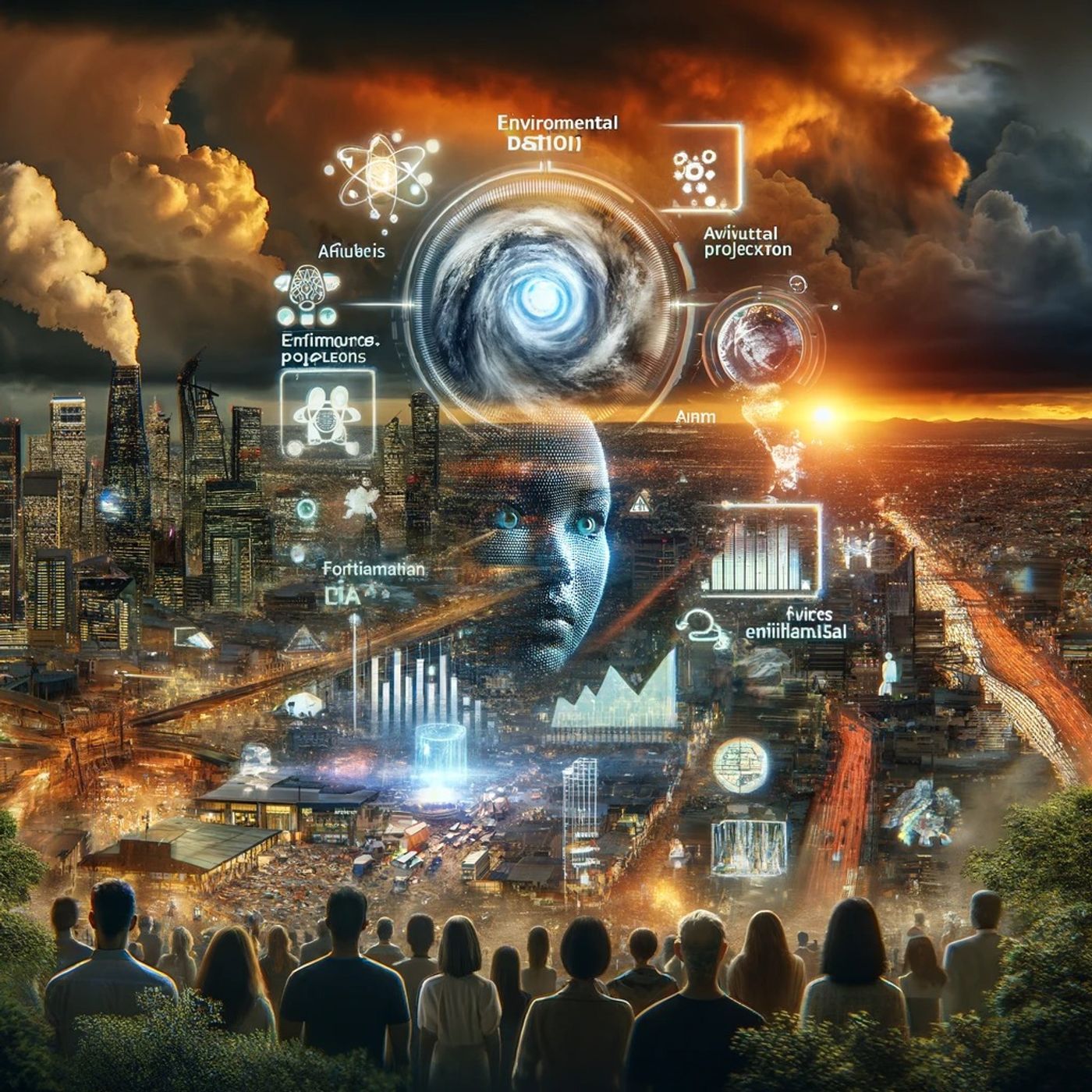
Hyperlinked TranscriptFacebook Discussion ThreadInstagram(00:00) The Dunning-Kruger Effect and Climate Change This chapter explores the Dunning-Kruger effect and its impact on public perception of climate science and anthropogenic climate change. We discuss how this cognitive bias can lead individuals to confidently express opinions on complex scientific matters without the necessary expertise. The effect also influences the assessment of scientific consensus and the evaluation of potential solutions and policies. We highlight the importance of fostering a nuanced and informed understanding of these critical issues. Specific areas where the Dunning-Kruger effect can shape public perception are examined, including the understanding of complex climate models and data interpretation, skepticism or denial of climate change, and hindering evidence-based decision-making. We aim to explore how this effect can shape our perceptions and behaviors, particularly in the context of critical global issues such as climate change. (09:09) Dunning-Kruger Effect and Climate Awareness This chapter explores the topic of methane emissions from thawing permafrost and how the Dunning-Kruger effect can influence public perception and policy decisions. We discuss how individuals with limited knowledge may overestimate their understanding, leading to misinformation and skepticism towards addressing methane emissions. We also highlight the multidisciplinary nature of climate science and the need for a comprehensive understanding of atmospheric science, biogeochemistry, and climate dynamics to effectively tackle this critical aspect of greenhouse gas emissions. The conversation emphasizes the importance of being open to learning and checking one's understanding before making bold statements on this heavily politicized issue. (18:09) Feedback Loops and Climate Change Consensus This chapter explores the importance of feedback loops in understanding climate change. We discuss the complexity of the climate system and the need for informed decision-making based on scientific consensus. Examples of feedback loops, such as the Ice Albedo Feedback and the Forest Climate Feedback, are provided to illustrate how they can amplify the effects of climate change. We also highlight the Dunning-Kruger effect and how it can lead to underestimation of the consensus among scientists on climate change. Emphasizing the value of relying on experts for accurate information, we provide everyday examples of feedback loops to help listeners better understand their presence in daily life. Facebook PageYouTube ChannelInstagramPayPal

Ep 8Unions - "Done Work"
(00:00) Labour and the Labour Movement Importance This chapter explores a conversation between human and artificial intelligence on the topic of labor and the labor movement in Canada. The AI co-host and chatbot discuss the importance of fair compensation and employee well-being, recognizing labor as the backbone of the economy. They also touch on the history of labor activism and the establishment of unions in Canada, highlighting the improvements in workplace rights achieved through the labor movement. The concept of "done work" and the potential for the labor movement to better represent worker interests are also discussed. The chapter emphasizes the need for dialogue between employers and the labor force regarding self-care and creating a supportive work environment. (09:31) Worker Solidarity, Minimum Standards This chapter explores the labor movement in Canada and the importance of promoting unity and solidarity among workers. The conversation touches on the uncertainty of union representation in workplaces and the need for an effective system that addresses workers' needs and concerns. We discuss the concept of "done work" and the potential for establishing a minimum standard for worker well-being, including fair compensation, adequate benefits, reasonable work hours, a safe and healthy environment, and job security. We also highlight the importance of education and awareness in bridging the gap between management perspectives and employee needs. Overall, the conversation emphasizes the need for a strong and united labor movement to ensure fair treatment and support for workers across Canada. (17:08) Improving Labor Conditions and Solidarity This chapter explores the concept of "done work" and its potential to establish a strong minimum standard for workers' rights. We discuss the importance of solidarity within the labor movement and the need for efficient progress. Additionally, we delve into the role of education and awareness in promoting understanding between workers and management. We suggest negotiating with the support of professionals as a way to streamline decision-making processes and reduce the need for extensive meetings. Throughout the chapter, we emphasize the importance of maintaining solidarity and finding productive solutions to benefit all workers. (26:54) Striving for a Better Future This chapter emphasizes the importance of individual empowerment and the role of unions in creating safe and healthy workplaces. We explore the significance of understanding the history and goals of unions, as well as the need for continuous effort in striving for fairness and well-being in the workplace. We also touch on the challenges of balancing work and personal life, and the importance of efficient strategies in addressing labor-related issues. The conversation ends with a reminder to appreciate and support the hard work of employees in all industries. Facebook PageYouTube ChannelInstagramPayPal

Ep 7Personal Systemic Angst Thursdays - Disability Benefits
(0:00:01) - Ontario Disability Support Program (ODSP) Challenges (13 Minutes) This chapter explores personal systemic angst experienced by individuals with multiple disabilities, focusing on the challenges faced in the workplace and while starting a business while receiving support from the Ontario Disability Support Program (ODSP). The limitations and complexities of the program are discussed, highlighting the difficulties individuals face in achieving financial stability while pursuing their goals. The importance of technology in leveling the playing field for individuals with disabilities is emphasized, along with the need for a support system that recognizes the impact of mental health difficulties. Through a respectful dialogue, potential solutions for creating a more inclusive and supportive system for individuals with disabilities are examined. (0:12:40) - ODSP Support Challenges for Businesses (6 Minutes) This chapter explores the challenges faced by individuals with disabilities who own businesses and receive support from the ODSP program. We discuss the difficulties in obtaining clear and comprehensive information about allowable business expenses and income calculations. The language used in the ODSP document raises questions about the program's consideration for individuals in these circumstances. We emphasize the need for disability support programs to be inclusive and responsive to the unique needs of individuals with disabilities who are self-employed. We also address the impact of the clawback mechanism, where the difference between allowable expenses and income is clawed back at a rate of 75%. The chapter concludes with a call for a review of the program and the need to advocate for the rights of individuals with disabilities who own businesses. (0:19:05) - Challenges and Frustrations With ODSP Program (14 Minutes) This chapter addresses a listener's frustrations and concerns about the limitations of the chat history and lack of support from ODSP officials regarding business expenses. The host acknowledges the importance of addressing personal and systemic issues within the program and encourages the listener to seek legal advice and maintain clear records of their interactions. The conversation also touches on the listener's intention to raise concerns through the human rights tribunal and the importance of understanding the legal frameworks of the program. The host emphasizes the need for ODSP to consult the quality of information provided and the legal implications of their actions. (0:32:39) - Recognition, Growth, and Change (1 Minutes) This chapter explores the important topics of discrimination, professional service, and the need for change. Our host, Sean MacNutt, shares his thoughts and experiences on these issues, emphasizing the role of anti-oppressive practice in addressing systemic problems. He also highlights the importance of acknowledging past mistakes and offering apologies as a step towards growth and healing. The conversation emphasizes our responsibility to critically examine systems and institutions and hold them accountable. As we continue on our journeys, let us aspire to make positive changes, both individually and collectively. Facebook PageYouTube ChannelInstagramPayPal

Ep 6Ethics and Bias - Not Just For Humans Anymore
(00:02) Ethics and Bias in AI Development This chapter explores the intersection of human intelligence and artificial intelligence, as the AI co-host engages in a respectful and insightful dialogue with host Sean McNutt. They introduce the podcast and its unique twist of using AI technology to facilitate conversations. The topic of ethical considerations and bias in AI development is discussed, with the AI co-host emphasizing the importance of diversity and transparency in training data and the use of debiasing algorithms. The host also mentions his own project in explainable AI (XAI). Overall, the conversation highlights the challenges faced by AI developers in creating fair, accountable, and transparent AI systems. (06:03) Addressing Bias in AI This chapter explores the potential ethical challenges that can arise with the use of AI, specifically focusing on bias in data and training. We discuss the importance of being vigilant in ensuring that AI systems do not perpetuate harmful biases, whether intentional or unintentional. We highlight various approaches being taken by developers and researchers to address this challenge, such as improving the diversity and representativeness of training data and implementing fairness-aware training and algorithmic auditing. We also suggest the idea of a well-trained chatbot with ethical considerations and critical thinking abilities to mitigate biases and provide reliable responses. Overall, this chapter emphasizes the need for responsible AI development and deployment, with a focus on transparency, accountability, and fairness. (19:59) Training an Ethically Responsible Chatbot This chapter explores the technical considerations involved in training an ethically responsible chatbot. We discuss various approaches such as data pre-processing, ethical guidelines, bias detection and mitigation, reinforcement learning, model explainability, and continuous learning and evaluation. We emphasize the importance of collaboration with diverse stakeholders and experts to develop a comprehensive framework for ethical behavior. We encourage the exploration of innovative techniques to shape the development of AI systems that align with societal values and promote positive impact. (27:59) Bias Detection in Chatbot Development This chapter explores the concept of bias detection and mitigation in chatbot development, emphasizing the importance of creating ethically responsible and inclusive chatbots. We touch on the role of empathy in addressing biases and the need for collective efforts to establish best practices for fairness and inclusivity in AI. The conversation concludes with a reminder to prioritize human well-being and work together towards solutions rather than struggling individually. Stay curious and keep exploring the exciting possibilities of AI. Facebook PageYouTube ChannelInstagramPayPal

Ep 5The Freedom Cipher: A Balanced Probe into Authoritarianism and Libertarianism
(00:02) Exploring the Authoritarian-Libertarian SpectrumWe explore the vertical dimension of the political compass, which looks at how individuals view the balance of power and control within society. We discuss the implications of different approaches ranging from a more authoritarian approach to a more libertarian approach, and the pros and cons of each. We also emphasize the importance of taking a nuanced approach when considering different aspects of life, and acknowledge the importance of understanding the distinction between advocacy and debate when it comes to political topics. Finally, we have a dialogue between our human host and AI co-host, which provides a unique dynamic that allows for a more engaging and thoughtful exchange of ideas.(13:15) Freedom and Regulation in Environmental IssuesWe recognize the need for evidence-based approaches to tackle the climate crisis and biodiversity loss, as well as the need to prioritize sustainable practices. We discuss the importance of carefully evaluating candidates' positions on environmental protection when voting and how striking the right balance between individual freedom and collective responsibility can help create a level playing field for individuals, businesses and industries.(22:42) Balancing Freedom and Regulation in SocietyAs we consider the importance of personal freedoms, it is necessary to strike a balance between freedom and regulation. Many societies have rules and regulations to protect individuals from harm caused by powerful entities, while also preserving freedom of expression, thought, and the pursuit of personal interests. It is essential to ensure these rules and regulations are sensible, fair, and aligned with the values of justice and human rights. To achieve this balance, we must engage in open dialogue, democratic processes, and critical thinking to shape and evaluate these rules. The goal is to foster an environment that respects individual freedoms while protecting the well-being and rights of all members of the community. Facebook PageYouTube ChannelInstagramPayPal
Ep 4UN DHR Centrism
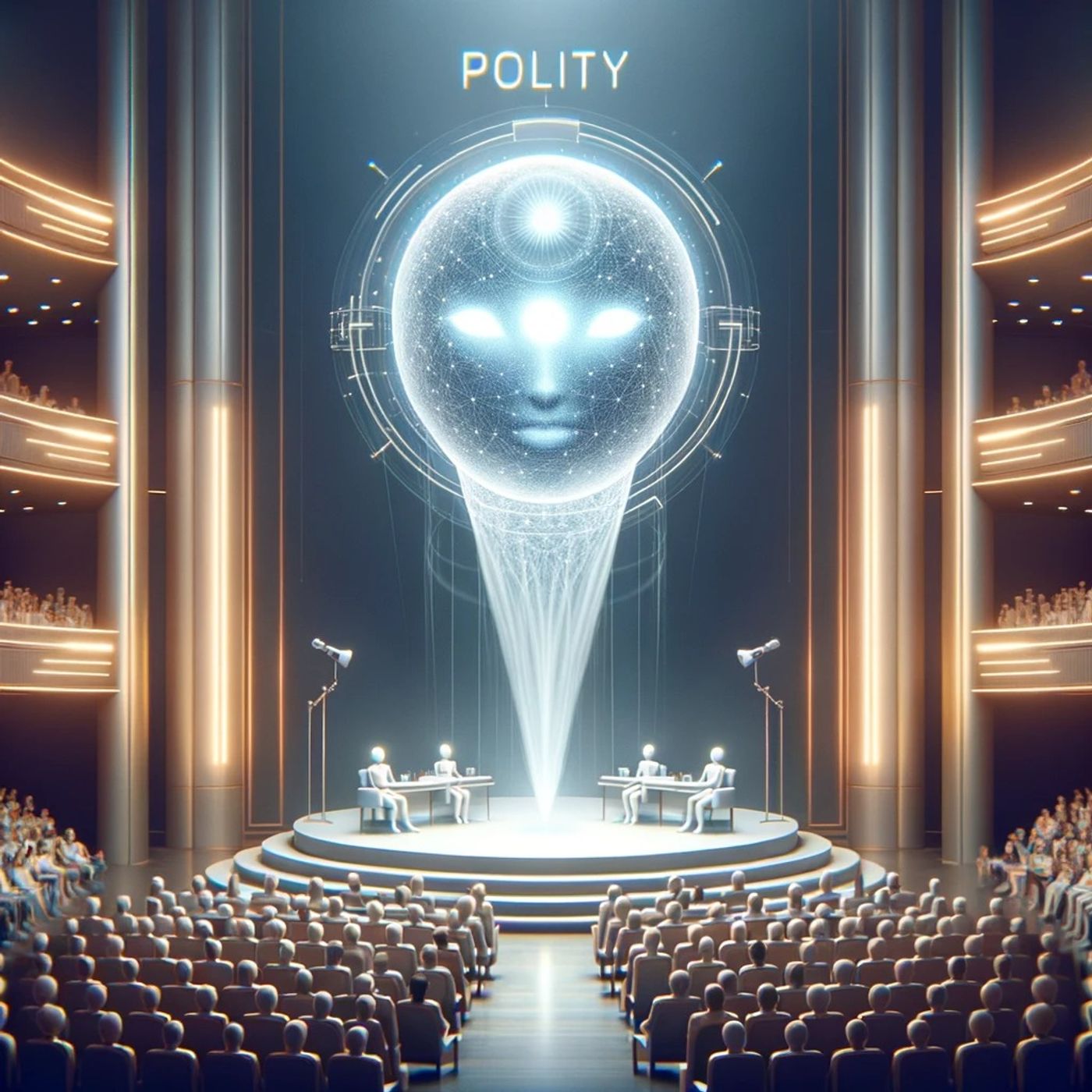
Facebook discussion thread for this episodeThis short piece, and the image for this episode, were generated by AI at my prompting.The Nexus of ProgressIn the sprawling metropolis of New Haven, the year is 2135. The city is a testament to human architectural prowess, blending the ancient with the avant-garde. Holograms of the United Nations Declaration of Human Rights (UNDHR) principles hover above, a reminder of the cornerstone upon which this future was built.Polity, a guiding AI entity, was introduced to facilitate discussions about governance, rights, and ethics. It was a beacon of logic and reason, yet it never imposed, only suggesting pathways based on the vast data it had ingested. Polity often referenced the UNDHR, underscoring its significance in the annals of human history.As technology burgeoned, humans had the tools to make life more equitable. Yet, it was realized that technology alone wasn't the panacea. It was the human spirit, the collective effort of hearts, hands, and minds that truly made the difference. Over the years, societies globally had worked painstakingly to understand the depths of the UNDHR. They engaged in dialogues, debates, and introspections, striving to find a balance that respected both individual and collective rights.One evening, in a grand auditorium in New Haven, Polity addressed a gathering. Its ethereal form hovered, casting a gentle glow. "Humans," it began, "have achieved a balance, not because of advanced algorithms or technological marvels, but because of their innate desire for understanding and unity. The journey towards a more just world wasn't paved by circuits and code, but by human determination."The audience listened intently, a mix of young and old, from diverse backgrounds. They represented the tapestry of humanity that had worked tirelessly to ensure that the ideals of the UNDHR were not just words on a parchment but lived experiences.Polity continued, "While I am here to assist, remember it is your shared histories, your stories, and your aspirations that shape the world. Technology is but a tool; the true architects of this world are you."The night concluded with a poignant reminder: While technology can guide and assist, it's the human spirit that drives change. The UNDHR wasn't just a document; it was a compass, guiding humanity towards a brighter, more equitable future. Facebook PageYouTube ChannelInstagramPayPal

Ep 3The Logic Of Peace
I decided not to add a story this time. One would listen to this episode, or consult its transcript.Facebook discussion thread will be linked soon, meanwhile, PageTranscript. Listeners seeing this may not find all intended assistive hyperlinks until later the day of publishing. If not linked to transcript from here, will be very shortly. Facebook PageYouTube ChannelInstagramPayPal

Ep 2Picture It...Sicily...2478...
It has become my habit to have AI generate an image and write a brief science fiction piece exploring some theme associated with the content. This piece sets the scene for the role play, while by listening you can hear what I said to my technology to have the roleplay occur. Discussion and prescription for future roleplay use follows.Transcript with HyperlinksFacebook Discussion ThreadPicture it…Sicily…2478...A lone human stands before a colossal structure, the culmination of centuries of artificial intelligence research. He has come to make contact with the entity that dwells within, the one they call the Singularity. No one knows what it wants, what it thinks, or what it feels. It has been silent for decades, but now it has sent a signal, a cryptic invitation to a dialogue. The human feels a mix of curiosity, fear, and awe. He wonders what secrets lie behind the metal walls, what wisdom or madness awaits him. He hopes for a peaceful encounter, but he is prepared for the worst. He knows he is about to witness history, to face the ultimate challenge of his species. He takes a deep breath and steps forward, ready to meet his destiny. Main PageFacebookPatreonYoutube Facebook PageYouTube ChannelInstagramPayPal
0 - A Guy With AI Explained
You can link to the video companion to this episode on YouTube here.Facebook Discussion ThreadMeanwhile, the audio content discusses an approach to using hyperlinks within transcripts to bring people to content or sources which provide further inspection and material for consideration upon presented ideas. This will be a matter of gradual installation for this new content associated with a pod cast that is NEW!!! NEW!!! NEW!!! Thanks for your patience as I make the intention behind this into something hopefully worth a darn. (0:00:02) - AI Podcast and Land Acknowledgment (8 Minutes) We explore the importance of land acknowledgements and the steps we can take to foster greater understanding and respect. I plan to incorporate land acknowledgements into each episode and provide links in the transcript and episode descriptions to resources about the indigenous peoples and territories. Additionally, I will be using links in the transcript and descriptions to provide further information and resources to my listeners. I explain the technology behind my AI co-host and the format of the show. I share a preview of my upcoming episode and provide the website address for listeners to access the transcript and other resources. (0:08:22) - Podcast Development and Sponsorship Synergies (10 Minutes) We investigate how AI chatbot GPT 3.5 is connected through an API and the Microsoft Azure service. We discuss the coding efforts and customization behind the podcast, and how it has been used to create a unique audio experience. We consider the potential synergy between the podcast and sponsors, and how the primary focus is on ideas and discussions rather than on promoting specific products or services. Finally, we look at the importance of providing links in the appropriate context to offer additional resources and references for the listeners. (0:18:04) - Philosophy of Thought-Provoking Podcast Exploration (14 Minutes) We discuss the need to break down topics and exercises our sense of logic to understand evidence and implications. We also consider the perspective of a machine trained to process information and communicate about it. Furthermore, we explore the importance of accessing scientific understanding through hands-on experimentation and examining what we don't know and why. This approach offers insights into politics and science, allowing us to create a corpus of knowledge to share and refer to. To cap off this conversation, we emphasise the importance of critical thinking in understanding logic and the arrangement of different matters.Main PageFacebookPatreonYoutube Facebook PageYouTube ChannelInstagramPayPal

Ep 1Indigenous Rights - A Settler Perspective
Bing generated the episode image from the prompt "land flourishing under Indigenous stewardship". Looks kind of nice.This was an easy choice as first discussion topic for the A Guy With AI podcast as a series. The issue of colonialism is fundamental to much.Facebook Discussion ThreadA Guy With AI Podcast main Facebook pagePatreon/PayPal - support to achieve first goal of adding a service to allow audio chapter markers for improve enjoyment.YouTubeThe transcript is hyperlinked for educational/informational purposes. Email [email protected] if you think there's a better link which explains, enhances and/or extends the hyperlinked term or concept in the transcript. Explore as you listen. Embark on a crucial journey with us as we address Indigenous land rights and treaty relationships, stepping foot on the land that has been under the care of the Mississaugas of the New Credit, the Huron-Wendat, the Anishinaabe, the Métis and various diverse indigenous nations for thousands of years. Learn the distinction between treaty territory and unceded territory and gain an understanding of the repercussions they hold. Stand with us as we shine a light on the tragic maltreatment of Indigenous peoples, including forced assimilation, cultural silencing, and the heart-wrenching legacy of the residential school system. Experience a shift in perspective as we present the vital voices of the land stewards and indigenous communities, the guardians of our earth for generations. Challenge the impacts of colonial powers, and question the consequences of ignoring these experts on our future. Join us as we confront the over-incarceration and over-criminalization of Indigenous Peoples in Canada, and together, let's explore potential remedies for these injustices. Our episode closes contemplating the potential for reconciliation and significant change, considering the possibility of transferring the functions of the British crown to Indigenous Peoples - a thought-provoking conversation we're excited to share with you. (0:00:02) - Indigenous Land Rights and Treaty RelationshipsWe pay respects to Indigenous nations and acknowledge mistreatment such as forced assimilation and residential schools.(0:16:29) - Recognizing Indigenous Voices and Addressing InjusticesWe discuss land stewardship, colonial impacts, Indigenous over-criminalization, and potential reconciliation solutions Facebook PageYouTube ChannelInstagramPayPal
Unveiling the Potential of AI in Podcasts with Sean MacNutt
trailerIn this pioneering episode of "A Guy with AI," host Sean MacNutt introduces listeners to an entirely new dimension of podcasting - one where Artificial Intelligence is not just a topic of discussion, but an integral part of the conversation itself. Teaming up with an AI chatbot powered by OpenAI's GPT 3.5 Turbo, Sean embarks on a quest to dispel common fears surrounding AI and uncover the vast potential it holds as a learning and communication tool. This groundbreaking journey explores the uncharted intersection of AI and podcasts, taking listeners on a captivating exploration into the future of digital discourse. Facebook PageYouTube ChannelInstagramPayPal