
5-Alarm Task Force!
199 episodes — Page 3 of 4
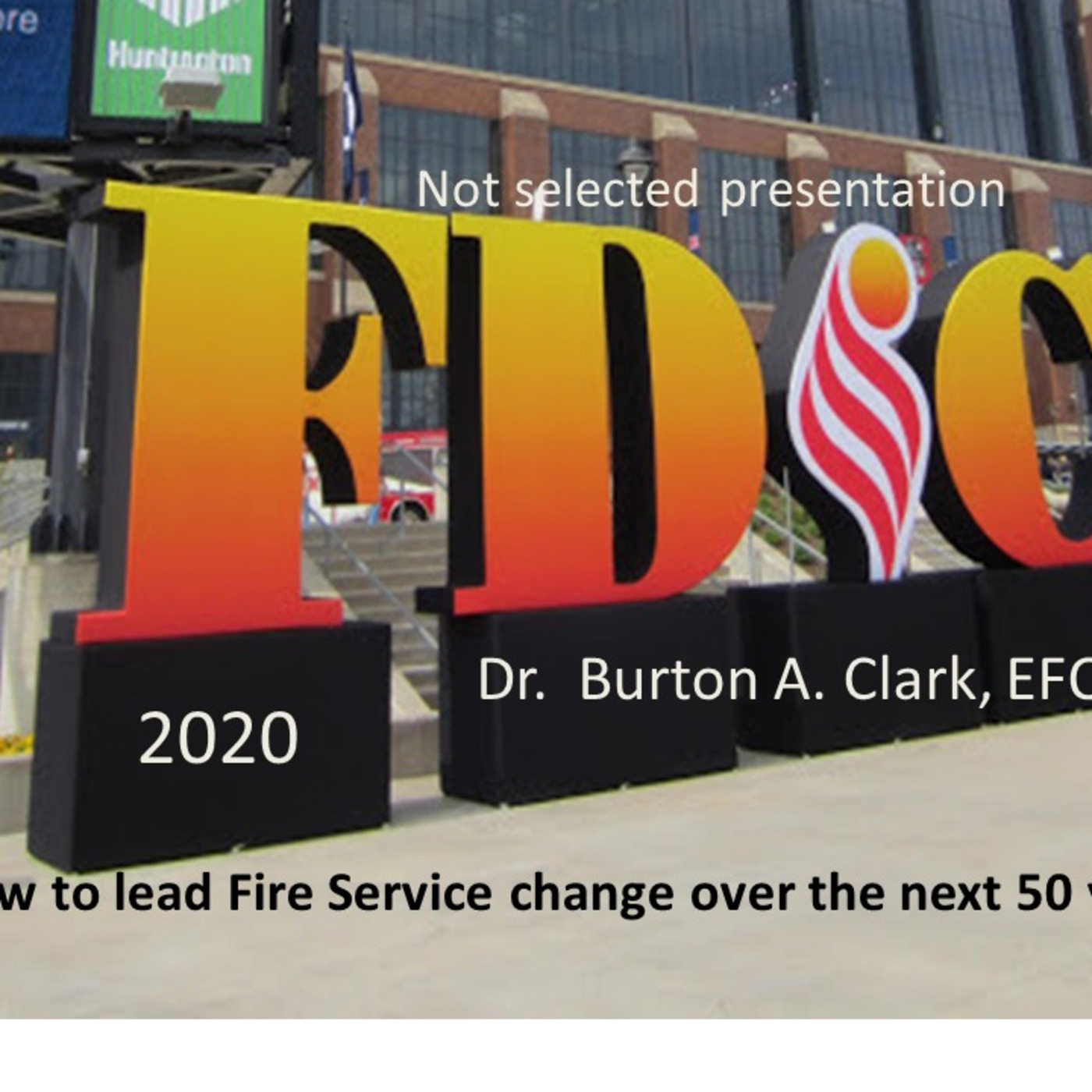
Episode 5-8 - Dr Burton A. Clark, EFO - How to Lead the Fire Service in the Next 50 Years
*From the newest cadet to the 30-year firefighter, we have all become part of the “fire culture.” We enjoy hearing stories from the senior folk and cannot help but to juxtapose those stories to this fire service in 2020. Lots of changes and adaptations have occurred. For some we know the reason and for others, we have no idea. Most of those changes came about through the first person who thought about them. They shared that idea with others and, sometimes soon and sometimes much later, those changes became part of out fire culture. Our guest, Dr. Burton Clark, EFO, discusses the fire culture through his presentation, titled above. In it, he describes not just “somebody” had an idea and made a change, but how he, himself, was able to bring about change in the fire service. And he shares his story of how the word, MAYDAY went from being forbidden by the NFPA to its acceptance, yet it took 10 years for that change to come about.YOU can be the “one.” YOU can have that first idea which, in some way, you believe deep in your heart, will bring about positive change in the fire service. You can be the one of the leaders in the fire service in the next 50 years!Tune in on your favorite podcast platform or visit us at www.5-alarmtaskforcecorp.org *PLEASE NOTE THAT THIS PRESENTATION WAS RECORDED ON ZOOM, USING THE POWER-POINT PRESENTATION. DR. CLARK WAS SPEAKING AS EACH SLIDE WAS PRESENTED. TO SEE THE VIDEO, PLEASE VISIT OUR CHANNEL ON YOUTUBE, 5-ALARM TASK FORCE CORP.Photo Courtesy Dr. Burton A. Clark, EFO
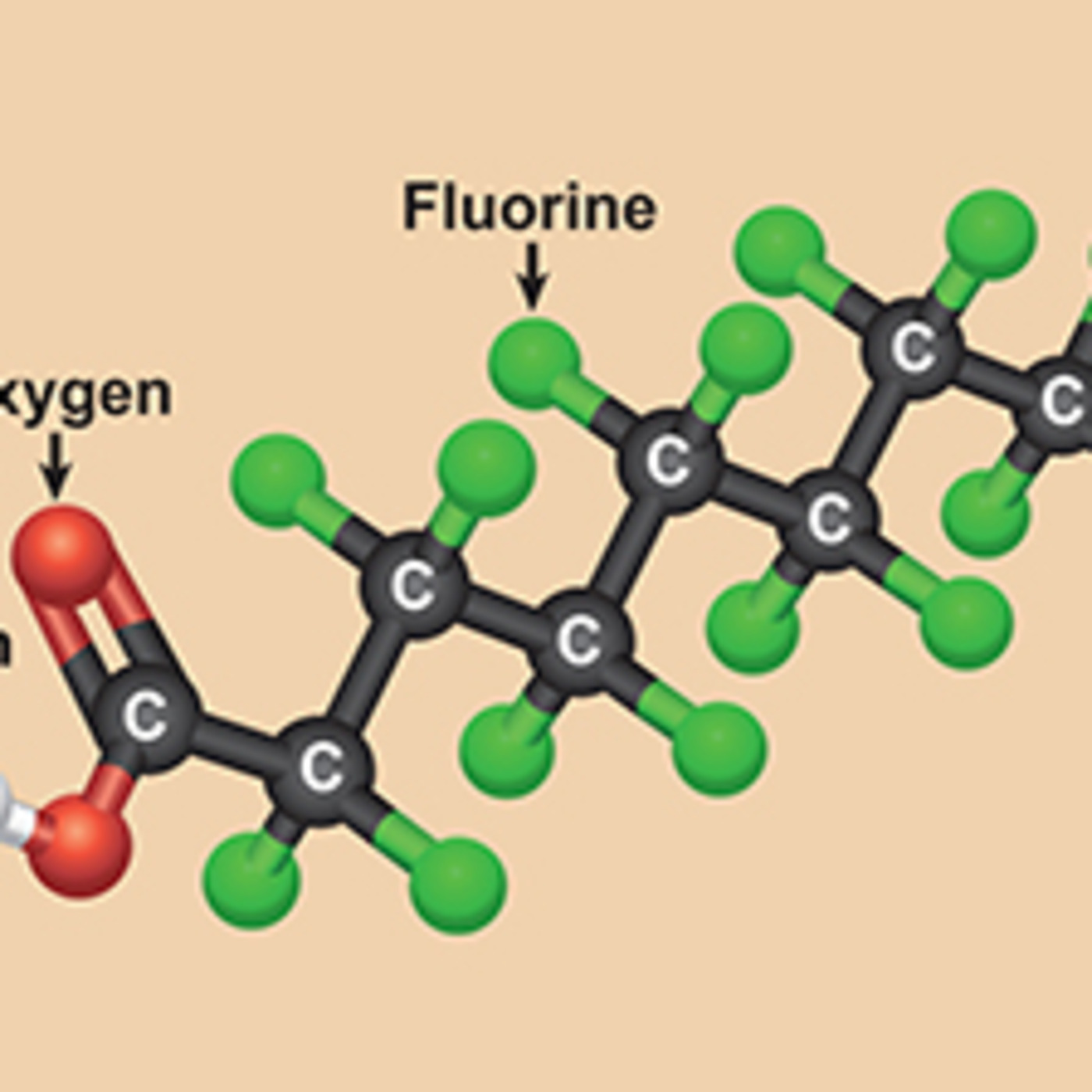
The Fight Against PFAS/PFOS in the Fire Service & Beyond
We fight fire, we fight HAZMAT, we rescue the ill and injured. And we don’t think twice about doing so. This is who we are and what we do. However, imagine that your enemy is unseen, yet deadly. You have no way to protect yourself, not your gear, or SCBA! What do you do?That is part of question raised by attorney Robert Bilott. If you saw the recent movie, “Dark Waters,” actor Mark Ruffalo portrayed Mr. Bilott and you saw how this attorney filed a multi-million lawsuit against a major chemical manufacturer and won! The chemicals he fought against are most easily referenced as PFAS/PFOS.This podcast is not a chemistry class. However, you will hear Mr. Bilott explain how these “forever chemicals,” (as they are man-made and will not break down, even after millions of years) are poisoning firefighters, as the chemicals are in our bunker gear since 1977, as well as in everything from stain-resistant carpets, non-stick cookware, etc. And he has recently filed a federal request for class-action status to allow every firefighter since 1977 and, every resident in this country since 1977, so they can join as plaintiffs in this major lawsuit. You and everyone you care about should listen to this podcast. So, tune in on your favorite podcast platform or visit us at www.5-alarmtaskforcecorp.org Photo Courtesy NIH

Episode 5-6 – Aaron Zamzow – Firefighter Health & Fitness-for-Duty
OK, let’s be honest. For many, this pandemic with lockdowns, quarantines, etc., gave folks a lot of home time. Sitting around, binge-watching on cable or satellite and eating. I don’t mean three squares a day, I’m talking about potato chips, tacos, ribs, candies, etc. You probably just stopped reading and dropped your chin on your chest! “How does HE know what I did?” you ask yourself. How? Because many of us did it and it is basic human nature.Fear not – for our good friend from Fire-Rescue Fitness, Aaron Zamzow is back, and we talk about these very problems. More than that, Aaron provides numerous ways for you to get back into your best health and fitness-for duty. And you just might be surprised how easy many of his suggestions are!Additionally, he has a great promotion going on now, together with the NFFF and you will find a link to that on Aaron’s profile page on our website, under the PODCAST tab on the home page. Additionally, he provides a peek at his annual contest which begins in January where there will be five cash prizes!So, tune in on your favorite podcast platform or at http://Bit.ly/DalmatWeb and coming soon - http://Bit.ly/5-ATFC
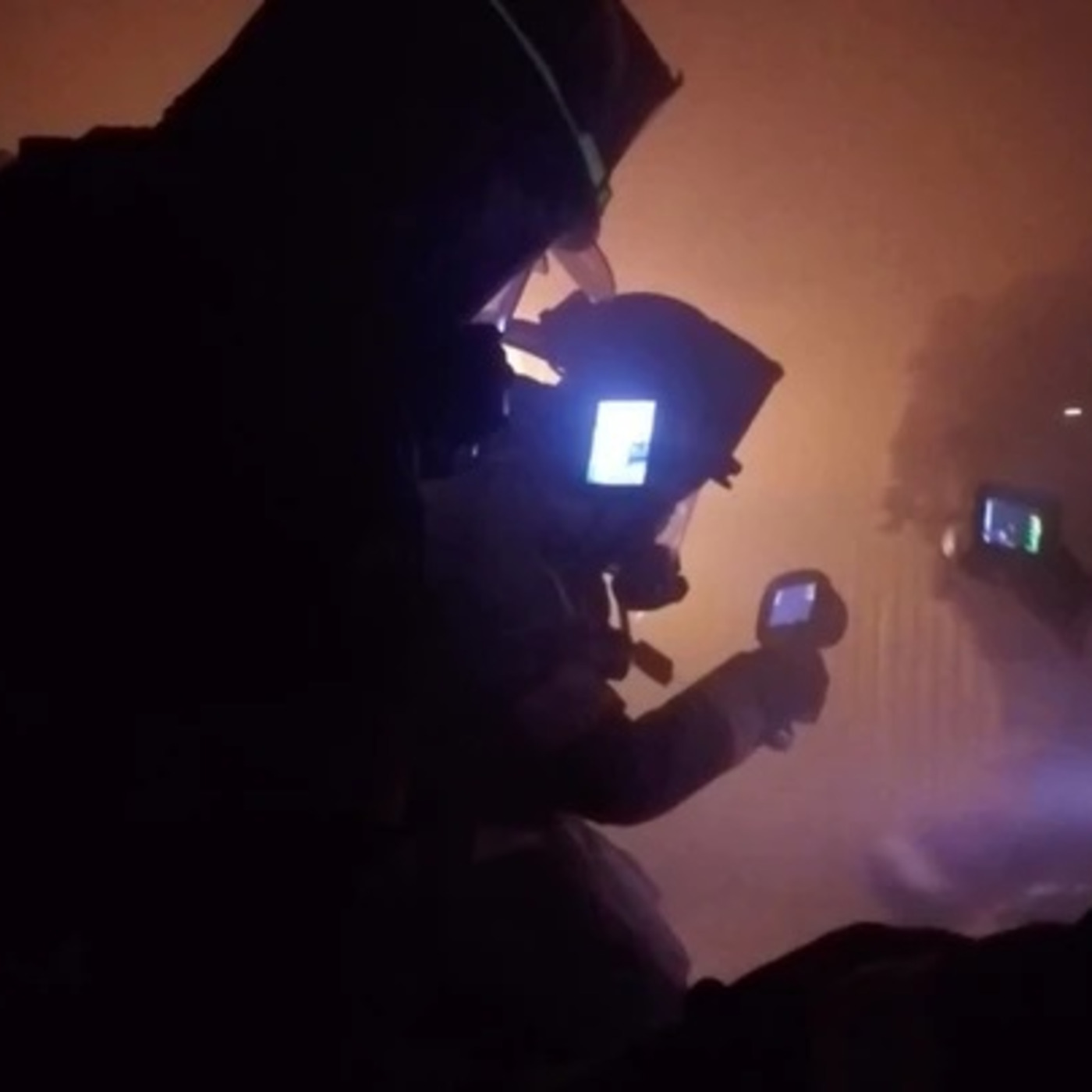
Do You Know C.L.U.E.S. for Your TIC??
Welcome our monthly installment of “MAKE DUE,” with Capt. Nick Peppard, Sean Duffy and our guest, Capt. Joe DeVito. In this episode, Capt. DeVito, with twenty years’ experience and, who has become an excellent instructor in the use of thermal imaging cameras (TIC’s), makes a strong point that TIC’s are not just for overhaul. As a matter of fact, your TIC is an invaluable tool for your size-up!Capt. DeVito begins with a quick review of the key terminology regarding different TIC terms and capabilities. Not all TIC’s are created equal and it is imperative for you to know the “ins and outs” of YOUR camera! If you do not to learn to use it correctly and efficiently, it becomes nothing more than an expensive doorstop!Capt. DeVito also explains the acronym he uses when conducting a size-up, C.L.U.E.S. At only five letters, it is an excellent guide for you to remember and make use of at every size-up. Mastering how your TIC works and using the C.L.U.E.S. acronym, might just save the life of a victim or, another firefighter!Tune in on your favorite podcast platform or at http://Bit.ly/DalmatWeb Photo Courtesy of Insight Training LLC
Behavioral Health in Fire & EMS
When the average person thinks about firefighters, paramedics and EMTS, the adjectives that often come to mind include, brave, caring, compassionate, putting others’ needs first, etc. The words they often do not think of include, depressed, anxious, upset, confused and more. Why? While most of us love our jobs and helping others when it is most needed, that “love” does not include the pain, trauma, tragedy and more, that we often see. My guest today is Jeff Dill, a former firefighter and founder of the FHBA (Firefighters’ Behavioral Health Alliance (www.ffbha.org). For nearly ten years, Jeff was the only one with a connection to the fire service, who has been keeping track and validating the suicides of our brothers and sisters in fire and EMS. Listen as Jeff and I discuss what he has seen and learned and stands read to share and teach others. Just like our international fight against cancer in the fire service, we have also had the Behavioral Health Initiative for several years now. The question is though, does YOUR department have a program? If yes, that’s great news! If no – where will you turn. Jeff shares some of those answers in this episode. Please…don’t just listen or watch this episode – do something about it, either for yourself or someone you care about.To all our members and followers of the Jewish faith, best wishes to you and yours for a Happy, Healthy and Peaceful New Year.Tune in on your favorite podcast platform or at http://Bit.ly/DalmatWeb
What's Hiding in Our Bunker Gear!?!
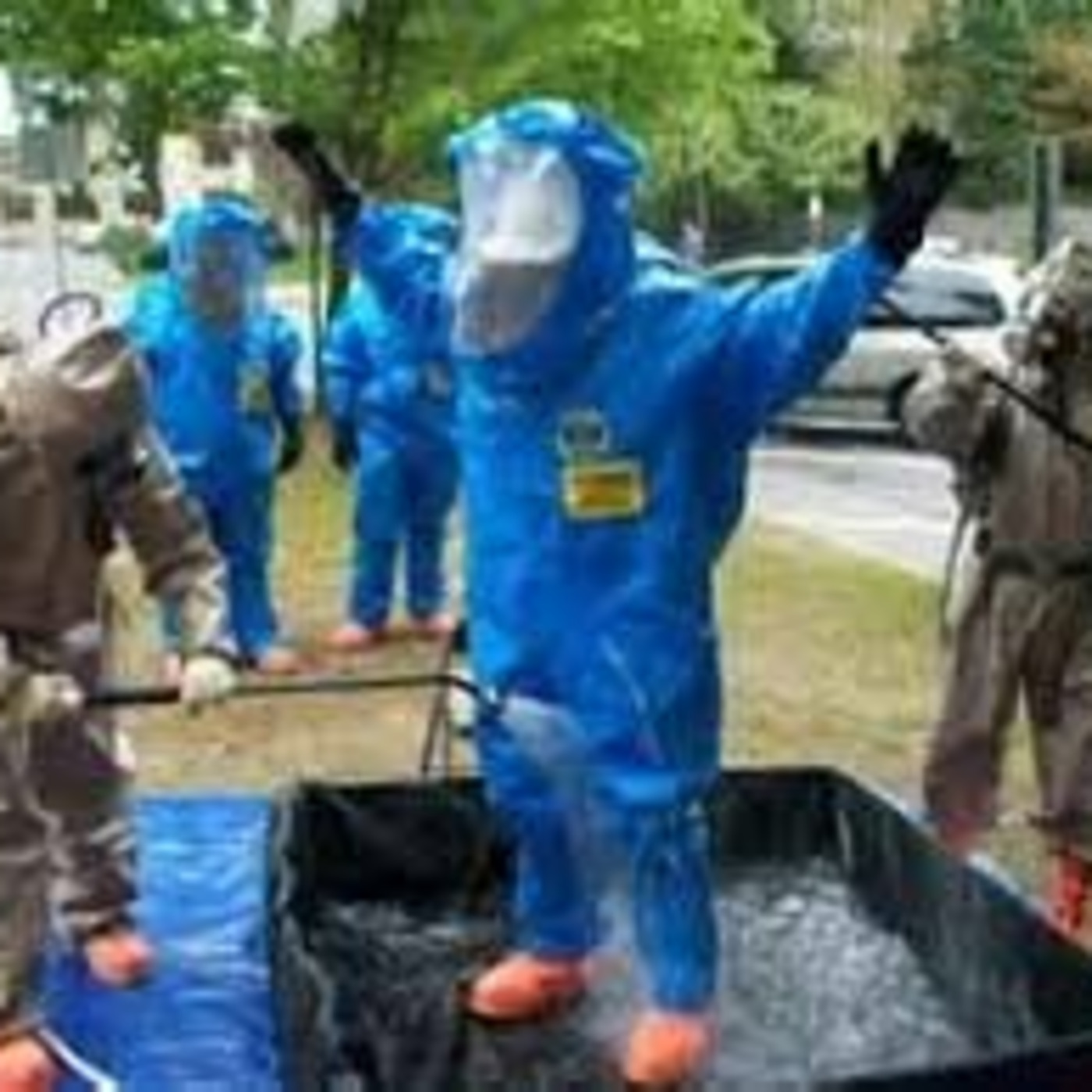
Sadly, the word, “cancer,” is all too common in today’s fire service. Sure, we have made some bold strides in both educating our members and providing tools and funding in many cases, to mitigate our exposure to carcinogenic compounds. However, there was one place we never thought to look for it, if it were not for a former Worcester MA firefighter and his wife. That location? The very bunker gear we wear to protect us from this crap!“Miss D” sent a letter to a nuclear scientist at Notre Dame University with a piece of her husband’s bunker gear. The researcher is our guest, Dr. Graham Peaslee. Using the equipment in his lab, he first tested these pieces and found the presence of certain, unhealthy compounds. He then went on to test multiple samples of gear from still-in-the-bag new sets, to gear dating back to the 1970’s. ALL CONTAINED THESE COMPOUNDS.Even though Dr. Peaslee states there are several more years of testing to come, there is a lot to learn from our discussion on this podcast. And if there is one thing that firefighters like, it is to always be open to learning something new about our craft! Tune in on your favorite podcast platform or at http://Bit.ly/DalmatWeb Photo (C)ISU.edu
The How & Why of Leadership + ??
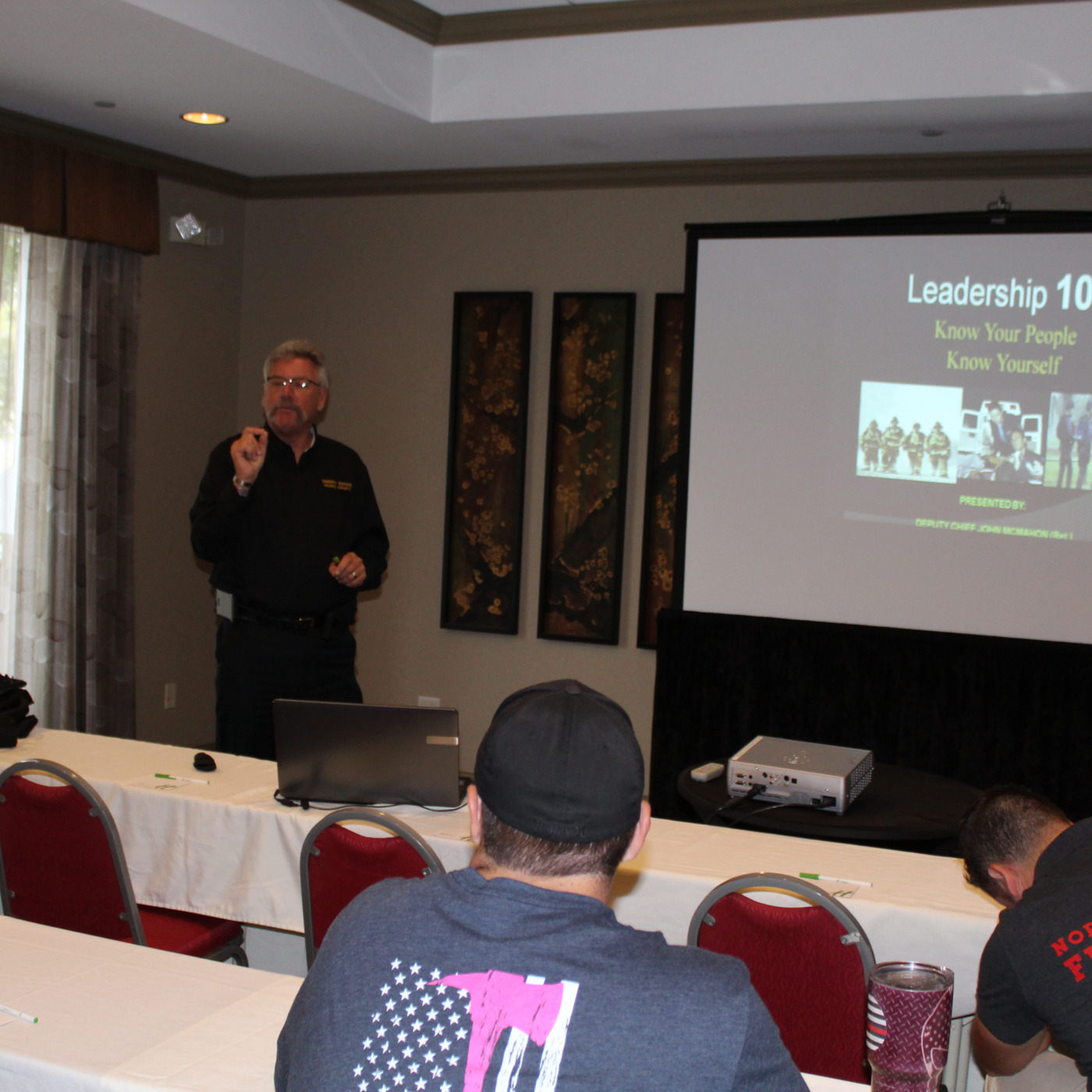
It is the “buzz-word” of the fire service today - “Leadership.” With about 1.2 million firefighters in the U.S., there are probably about 1.2 million definitions of fire service leadership!In this second podcast of our fifth season, I am joined by a well-educated and well-trained leader in the fire service, Lt. Jason Liska, aka “The Can Man,” who is also a dear friend and colleague, in more than just the fire service! Jason is often found instructing at both the Florida State Fire Academy or the Lake County Fire Academy and “leadership” is one of his favorite topics. In our interview, Jason and I share what we have learned and taught regarding leadership; Jason in the fire service and me in the world of nonprofit. While seemingly polar opposites, they share a great deal. We focus on the “how” and “why” of leadership from both views – a firefighter looking to take on a leadership role and the firefighter who is already in a leadership position and how he/she works to find the next leader coming up. And we both share personal stories of several people who were our leaders. Tune in on your favorite podcast platform or at http://Bit.ly/DalmatWeb Photo (C) 2019 Florida State Firefighters Association - The Great Florida Fire School
We Kick-Off a new Season & a New Monthly Feature - "Make Due"
Here is a fact – approximately eighty percent (80%) of America’s firefighters serve in suburban departments! Sure, they might work in “cities,” but when we think about urban firefighting, we think of FDNY, Boston, Chicago, Pittsburgh and many more. But most of us are not in cities that large. We may be close to one, but it still means we are suburban firefighters. Sure, we have mixed usage, i.e., residential, industrial, commercial, etc. You may even have a high-rise or two or three! So, what is the difference?The difference is that our departments (including career, volunteer, part-paid, etc.) certainly do not have the funding or the number of personnel that our urban brothers and sisters have. If they call a “box,” they will probably have 2-3 engine companies, two trucks (tiller, platform, quint, etc.) a heavy rescue, rehab bus, and much more! Does your department (not counting mutual aid) have that much support when you strike a box for a working fire?We are happy to bring you the monthly series, “Make Due!” Created by Capt. Nick Peppard and Sean Duffy, it is devoted to address some of the key issues that suburban departments face. And for some, that is not just “once in a while!” It can be a daily grind. Each month, Nick, Sean and I will bring you a guest to address some of those issues, e.g. staffing, apparatus, hints for TIC use. Searching, leadership and much more. Have an idea for a discussion? Send it to us at Dalmatprod-at-Outlook.com.Tune in on your favorite podcast platform.
Chief John Salka & Chief Rick Lasky
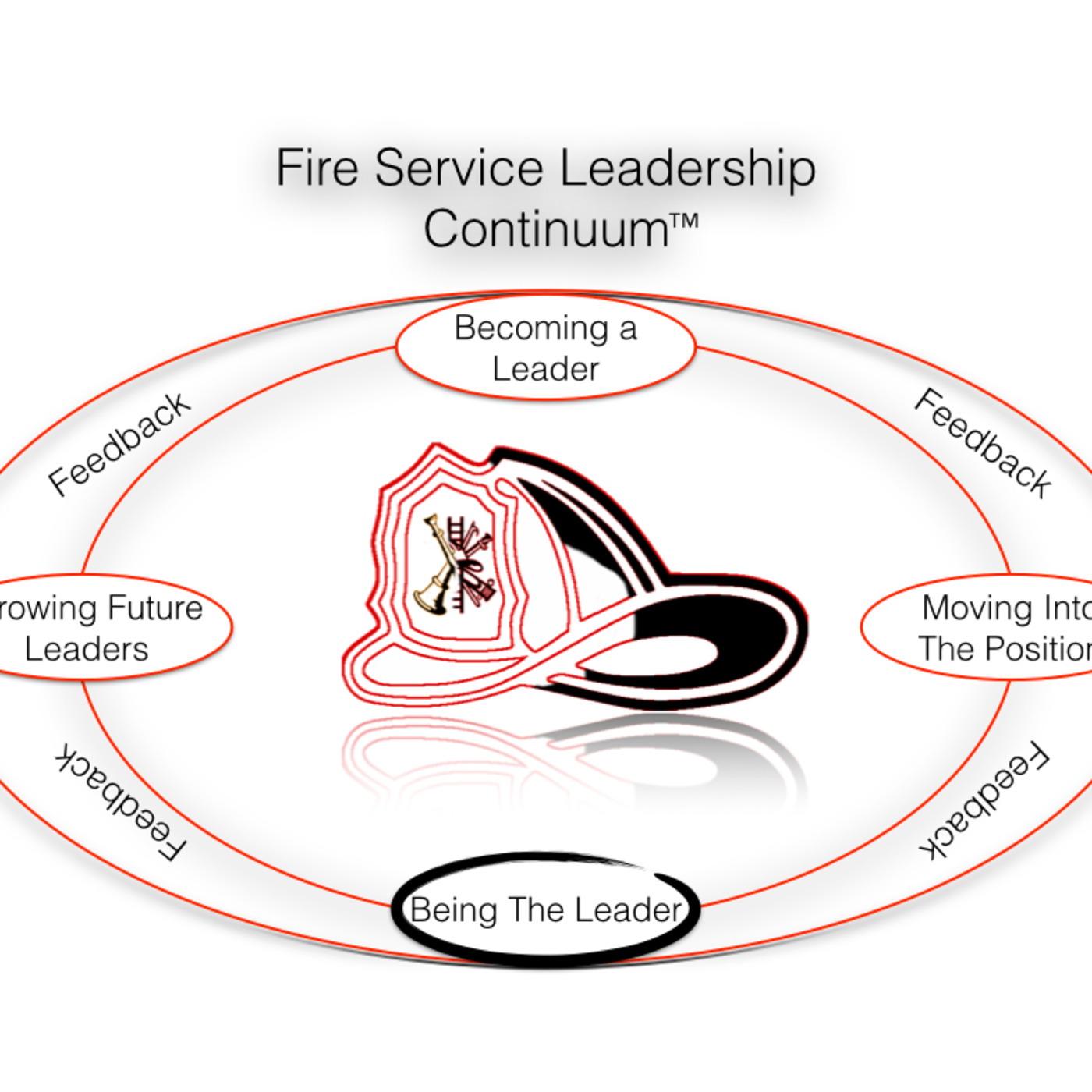
One of the most lasting discussions in the fire service, at least since I started in 1977, are those about leadership and mentoring. No matter your generation or your background, when we joined up we were all “rookies,” “probies,” “newbies,” or any other name you wish to attribute to the newest member in your “house.” However, to achieve that sought-after goal of “riding the rig,” we had to learn to be firefighters. My guests on this episode are Chief (ret) John Salka and Chief (ret) Rick Lasky. If you have been in the fire service for more than a year or two, you know these two great officers. Since back in the ‘90’s, Chiefs Salka and Lasky got together and dedicated themselves to teach the importance of strong leadership and the high value of mentoring in the firehouse. And not only do they teach these topics in the fire service, they teach their courses to almost every branch of our Armed Forces!We invite you listen to their words. Whether you are a front-line firefighter, senior firefighter, officer, or even a chief officer, you will learn from these two great firefighters. No fancy terms or doubletalk, they teach the importance of sharing knowledge, encouraging those firefighters who demonstrate the will and the drive to improve their learning and could be the leaders of tomorrow. And they also discuss the importance of sharing what YOU know with the new firefighters in your house; just as others did for them.Tune in on your favorite podcast platform, on our website at Bit.ly/DalmatWeb, on Podomatic at Bit.ly/5ATF-POD or watch our video on our YouTube channel, “5-Alarm Task Force Corp.”Photo courtesy of and © The Firefighter Toolbox
Who Knew? This Doctor Did!
When most of us first heard about the coronavirus, we probably thought that is was a problem for the Chinese to solve. That opinion held until we saw it begin to spread throughout East Asia and Europe. But who thought it could “swim” across the Atlantic or Pacific to reach our shores?My guest on this episode of “5-Alarm Task Force” one of those who did! Dr. James Augustine has served as the Medical Director for numerous fire, and EMD agencies in the Eastern U.S. From Atlanta GA to Dayton OH, along parts of the East Coast and into Florida, Dr. Augustine shares with us his long history of being part of an organized response to many of the “well-known” viruses, going back to the 1980’s until now, dealing with HIV, SARS, Ebola and now the virus that can result in Covid-19.While our lives have been turned topsy-turvy since March, it is good to know that there are excellent medical teams who start preparing for these type of emergencies, long before most of us even know about them. Tune in on your favorite podcast platform, on our website, www.dalmatianproductions.tv or at http://Bit.ly/5ATF-POD
2020 Safety Stand Down - Safety at Roadway Emergencies
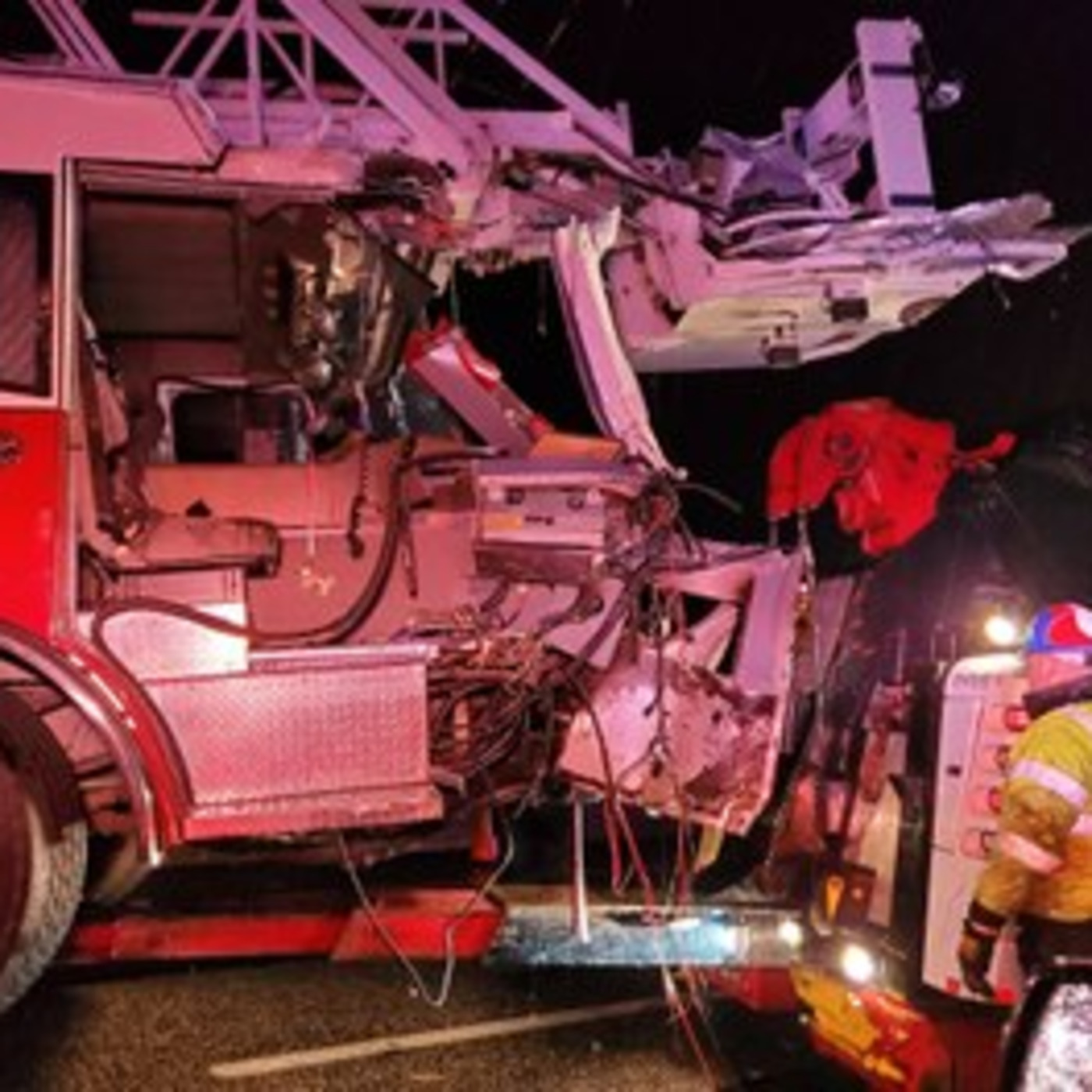
“DAMN!!! That was fricfkin’ close!” you exclaim, as you are standing next to your Heavy Rescue on a busy, four-lane road. Your engine and ladder helped setup a “blocking” safety to lane to allow you to work on an extrication. But that semi that just passed you ran over half your orange cones!This week, June 14-20 is the annual, joint, IAFC –- NVFC Safety Stand Down. During this week, fire and EMS departments are encouraged to suspend non-emergency activity to focus on the topic. And this year, that topic is our safety when working emergencies on active roadways. Last year, we lost 40 first responders to accidents on these sites. And many might have been avoided.My guests on this special episode are Jack Sullivan, CSP, CFPS, Training Director of the Responder Safety Institute and Todd Leiss TIMC, Assistant Director of Training. You will hear them relate some of the tragedies that have occurred when our “safety zone” was invaded by a vehicle, be it an auto, a semi, or anything in between.If you are a regular listener, you know how important this topic is to us at 5-Alarm Task Force. We have broadcast several episodes dealing specifically with this topic. Why? It is mostly due to the fact that we cannot depend on drivers to actively avoid us! There are far too many distracted drivers that will simply burst through our safety zones, injuring or killing our brothers and sisters. Enough is enough!Photo Courtesy Fire-Rescue1© 2020San Antonio Express News

Finding the Work/Life Balance
We try to do IT. No matter our vocation or avocation, most of us try to do IT! OK, so what is, “IT?” Well, look at it this way – people have jobs, from first responders to cement works, from pool installers to meat cutters, from first responders to bank presidents, and from teachers to neurosurgeons, we all try to find some way to juggle our professional lives with our persona lives. Sometimes we meet with success and other times, we fail miserably. This is where my guest comes in – Dr. Donnie Hutchinson.Dr. Hutchinson, a college professor, as well as a national and local speaker for the IAFF and many other vocations, specializes in helping folks find that balance between work and life. This is especially difficult for numerous professions, including all branches of First Responders. Between the varying shift hours, we work and some of the situations we face on a day-by-day basis, finding that balance may look like a “pipe dream.”In this podcast, Dr. Hutchinson and I discuss the challenges that many of us face (or have faced) in search of this “grail.” Some of these issues can cause us to develop a myopic view of life that can get in the way of your search. Yet, Dr. Hutchinson provides important, yet not necessarily difficult, methods that will help you find the right balance. Yes, even within the framework of the pandemic that we are all currently facing, the goal is still reachable!Tune in on your favorite podcast platform or on our website, www.dalmatianproductions.tv.
Crisis Management
If you are older than 18-20, you probably have had to deal with some form of crisis; be it very small one like a broken shoelace when dressing for a special occasion, someone close to you was ill or a major job interview was lost due to a technicality. None of us is immune to the concept of crisis, however, we are often defined by how we manage that crisis!My guests on this episode of “5-Alarm Task Force,” are Chief (ret) Dan Jones and his business partner, Kelly Walsh. Together, they have spoken at departments across the country on numerous topics of leadership, i.e., management, becoming a leader, finding an excellent leader, traits and much more. They have joined us before, and their podcasts always are enthusiastically received.In this podcast, “Chief Dan” and Kelly address one of the most important facets of strong leadership and that is Crisis Management. And, unless you have been in your personal safe room, fallout shelter or in a cave for the past few months, THIS is a time of crisis management. We have seen excellent leaders; we have seen poor leaders and everyone in between. And in this podcast, my guests will define for you how a strong leader can quell fear and instill hope and future through his/her methods of Crisis Management.
Is There More 5-Alarm Task Force to Come?
This weekend (4/24-26/2020)the entire Windows Library folder entitled, "MUSIC" was lost in an unauthorized transfer that Windows performed during a reboot to its OveDrive cloud platform. All the files built up over the nearly 4 years of the show were lost. Will I or can I recover from such a loss is yet to be determined. Until next time, Stay Safe, Stay Well and remember to take of each other.
Episode 4-22-Anthony Mangeri - Staying Safe Amid Coronavirus
For well over a month, our lives and the lives of millions of people across six of the seven continents, have been turned upside down. The loss of life has been like nothing that has been seen since 1918! And the interruptions to our lives, from home quarantines, online schooling for our children, a ridiculous run on toilet paper, etc. My guest on this podcast is Anthony Mangeri, a certified Public Manager, volunteer firefighter/EMT and he has many years’ experience in public health management. In this episode, Anthony guides us on the path of facts, not fables. You may have heard some of what he shares, yet I am sure that there will be some info that you will find worthwhile. We want you, our first responders to be safe. This is a whole new EMS world that we have never seen before. For firefighters and law enforcement, often the first ones on-scene, we want you to be safe. -Photo Courtesy of the CDC
Keeping First Responders Safe Amidst the Coronavirus
It is all over the news! It has invaded our lives and everything we do! It is the Coronavirus. For well over a month, it has changed our entire perspective into our daily lives; what we do, where we go and who we can and cannot see. No one is more affected by this pandemic than our first responders, from our amazing dispatchers, to our firefighters, LEO’s, paramedics/EMT’s, doctors, nurses, road rangers and recovery operators. This podcast is for all you.My guest, Todd LeDuc has been a member of the IAFC-SHS committee board of directors for 15 years. In most of his nearly 30 years with Broward County Fire-Rescue, he focus was and still is, on the health, wellness and fitness-for-duty of his firefighters. Today, as the Chief Strategy Officer for Lifescan Wellness Centers, he focus remains the same, just widened to all first responder agencies. In this podcast, Todd talks about the pandemic, its cause and effects, and, what we can do in an effort to continue to fill our roles but avoiding contamination properly. We also discuss your off time. What you can do to “decompress” when you’re off-duty and to keep yourself in the best condition possible. Stay Safe & Stay Well!Photo Courtesy Brian McGowan

The Prometheus Paradox - The American Fire Culture
OK, so we realize that going into the fire service, no matter if it’s career, volunteer, part-pay, wildland, etc., that it can be a dangerous job…very dangerous! And yes, most of us will put our lives on the line to save someone else that, for the most part, is a total stranger! We do so out of our deep commitment to our job. My guest, Dr. Burton A. Clark, EFO wrote a very interesting book, “I Can’t Save You, But I’ll Die Trying: The American Fire Culture.” In it and in this podcast, Dr. Clark posits that our American fire culture has it all wrong and we’re losing good firefighters because of it. This is not a position that he has developed overnight. With over 50 years in the American fire service, he has seen both the good and the bad in the “job.” And there is a lot of good in this job. No one will argue that point. However, it might be the right time to look at the “how” and “why” we do some of what we do that puts us in very, very perilous positions, too often with deadly results.

Chief Dennis Rubin – Key Current Topics in the Fire Service
Even with all the electronic media at our hands, we often want ourselves to be “spoon-fed” news the way we want to hear it, as opposed to the actual content. When we allow ourselves to hear all the details, we can better understand the topics and discussion around them. This is especially true in the fire service. Though most of the time, when the fire service is in the news, it is usually good news. Yet, we do find ourselves on the “naughty” list at times, too. My guest on this podcast is no stranger to either and always has a great view of what’s happening and that is Chief Dennis Rubin. On this episode, Chief Rubin addresses three specific and important issues:1. A neutral view of the recent Atlanta rescue and follow-up2. Hazard Zone Accountability3. Brief Initial Report & Assuming CommandThese three topics might seem very easy to some and more difficult for others. With that in mind, Chief Rubin explains each one clearly and delivers pertinent information for each one. He does not issue orders, but merely make good leadership suggestions based on his more than thirty-year career servings citizens and their communities, while always looking out for his firefighting and EMS personnel. Take a listen – you might enjoy it!
Episode 4-18 - Capt Nick Peppard - Firehouse Culture: Ideas over Egos
When we’re on the fireground or other emergency scene, most of the time we work as a great team. We know what to do, how to do it and what to do when we’re done. Sure, from time-to-time we may wonder about a particular task we’ve been assigned, but for the most part, it’s smooth running. However, back in the firehouse, it’s often a different story. Each firefighter is encouraged to ask questions, bring up new topics and propose new ideas. Too often though, a newer or less-experienced firefighter’s ideas or thoughts are dismissed out-of-hand. Why? Frequently, it’s because of another “herd of elephants” in the room – the egos of some of those firefighters with more experience. My guest on this podcast is Capt. Nick Peppard of the Holley-Navarre Fire District in Santa Rosa County, FL, located on the beautiful Florida Panhandle. Nick discusses the scenario described above. The newer, less-experienced firefighters are too often shut down or told to hold their ideas to themselves, too often due to one or more, senior firefighters and the egos they have. As we discuss, there is no room in the fire service for egos; while one firefighter may have twenty years on the job and another has five, the ideas they share should be of equal value. Each and every firefighter should be included in every firehouse general discussion and, should be encouraged to ask questions or bring up an idea!Egos all too often not only get in the way of healthy discussion around the firehouse kitchen table or dayroom, they often get in the way of firefighters taking proper care of their health. They are so “eat up” with themselves, they believe they’re almost invincible! Sadly, especially when it comes to their health, when they finally admit they have a health problem, it’s often, too late. Make the change in YOUR firehouse: IDEAS Over Egos!
Boost Morale by Letting FF's do FF's Things!
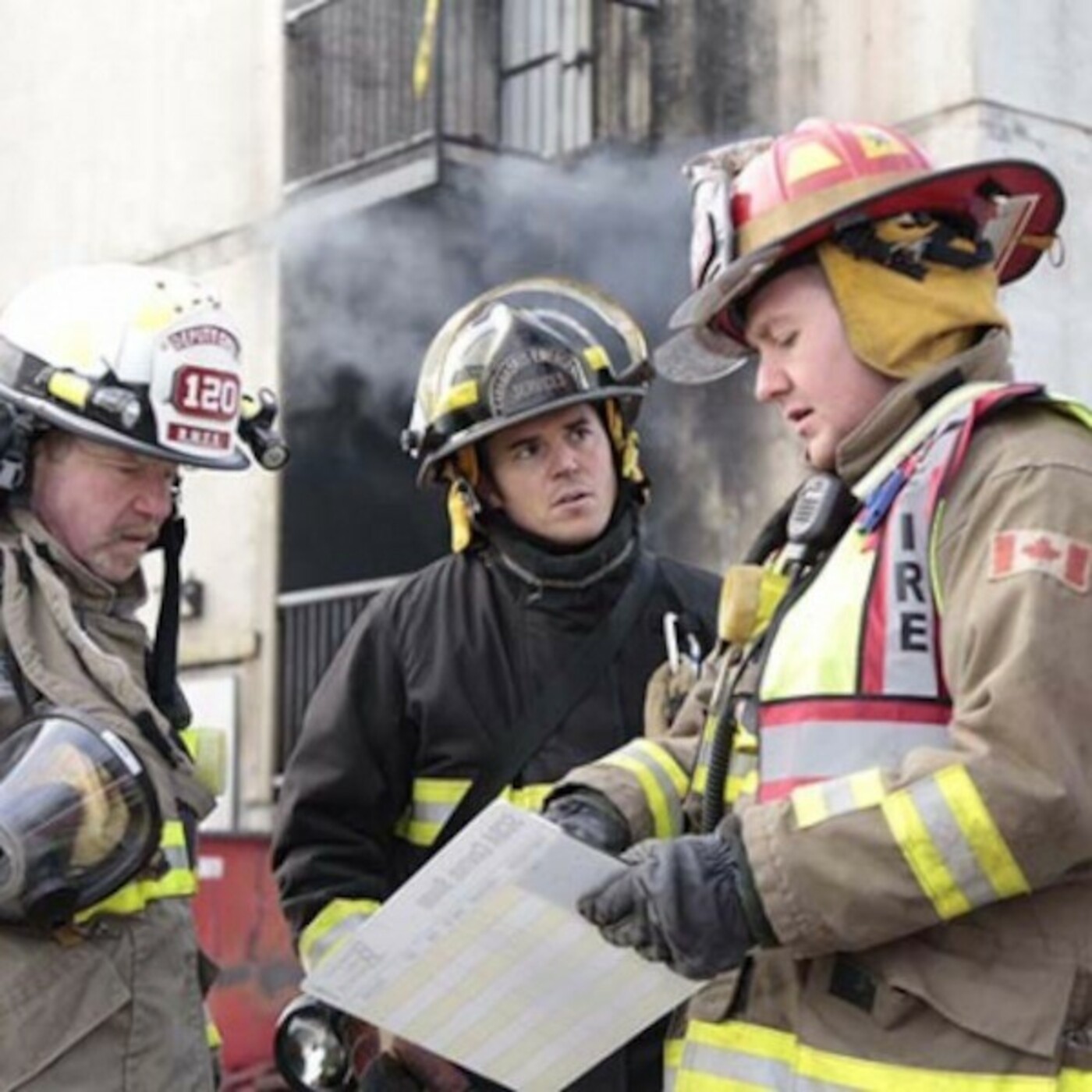
In any organization, morale is one of the most important facets of the group, whether they are volunteers at a religious facility, workers in a mill, or the staff of a huge law firm encompassing an entire floor of a high-rise. Yet, it plays an even more important role for a cadre of first responders, especially, the fire service. Most of us have seen a fire department, maybe our own or a neighboring, where morale is low. While vigorously trained to fight structure fires and perform death defying high-level or collapse rescues, this group often loses morale when they do not respond to those types of call in a period of months or for some, years! Thus the question: “How do we boost their morale?”My guest, Capt. John Lovato, Jr., understands the predicament. In this podcast, Capt. Lovato shares his ideas of using required drill time to allow the “troops” to use many of those skills that they learned and developed. While live burns are rarer these days, he has his crews, drop feeder lines, throw ladders, stretch hoses, and more. And, there is little doubt that, whether day or night, these drills will often result in firefighters who are better prepared for many of the challenges that they will face. As you listen to Capt. Lovato, ask yourself, “Can my department think along these same lines for us?”
Chief Don Abbott - MAYDAY! MAYDAY!
Every first responder must remember that any and every emergency scene remains fluid. No matter how hard we practice, review, prepare, etc., there is always an “unknown” factor that can, and often does, come into play. For the fire service, when that happens, we call a “MAYDAY!” Nevertheless, when we do, the scene often devolves into chaos. My guest on this episode is retired Chief Don Abbott. Chief Abbott runs the ProjectMayday.net website and, along with his group of various professionals, that have reviewed over 6,000 MAYDAY audio files and many videos, as well. This group is able to listen to every radio transmission on a given scene and analyze that traffic from before the emergency was declared, replies to the firefighter(s) and the transmissions subsequent to the emergency being mitigated. As we discussed this very important topic, I learned that still have a lot to learn about our tactics, how we treat radio traffic from our radios when we are in the midst of our assigned tasks and how we respond when a MAYDAY is sounded. Here is just one of their facts – over 60% of MAYDAYS called, are NOT heard the first time they are declared! Take this episode to heart – it may just save your life or someone else’s.
Build Your Culture - Professionalism v. Minimalism!
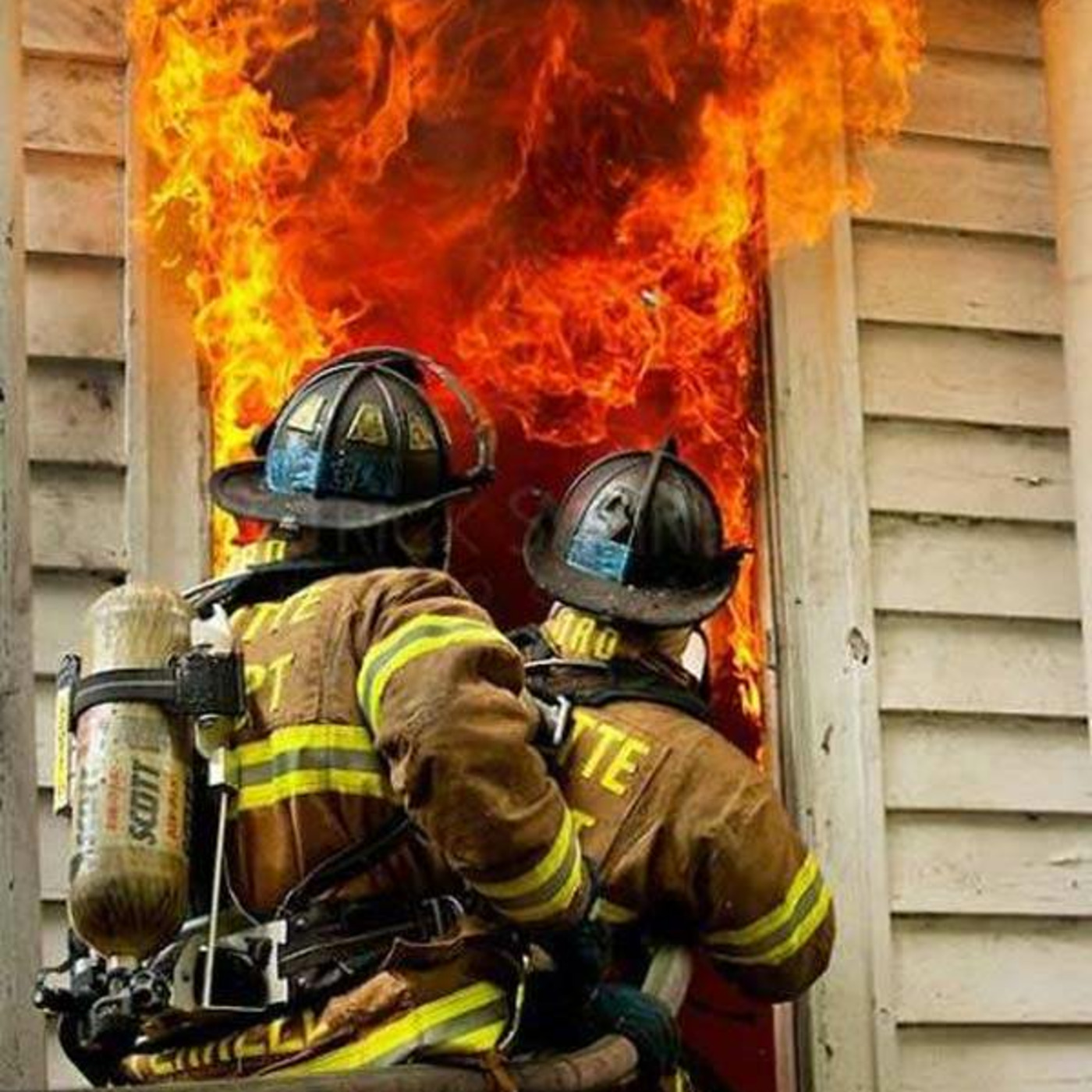
PHOTO CREDIT TO Battalion Chief (ret) Keith Helms)As firefighters we constantly face challenges, however not all of them are at an emergency scene. Many of these challenges occur every day; often before we ever leave the station. And many of those challenges deal with our attitudes. You might be surprised at the toll that a wrong attitude can have.My guests for this episode of “5-Alarm Task Force,” are Sean Duffy and Pablo Gener, of the “Build Your Culture,” training group. As with most choices we face in life, there is a “right way” and, let’s just call it “another way,” of doing things. However, as firefighters, we are held to a high standard for everything we do. And Sean and Pablo believe that, no matter if you’re a career, volunteer, wildland or paid-on-call firefighter, you should always be on your “A-game,” because in this business, anything less, could result in dire circumstances. My guests pose the question, “If you truly want to build your firefighting culture, do you do so with professionalism or minimalism? What’s the difference between the two? What are the results? Listen to this podcast in its entirety and a clear picture will emerge. Then you will have a better idea of where you stand!Listen to “5-Alarm Task Force” on our website, www.dalmatianproductions.tv or on your favorite podcast platform.
The Importance of the 360 Size-Up + More!
As long as we have had two-way radios in the fire service, the first arriving officer (or whomever was in a “right seat”) would provide some sort of report upon arrival. In my active years in two different departments from ’77-’85, the FAO might give a 15-30 “quick view” to dispatch. I remember being assigned to “recon” a structure file, a few times and report back to the ranking officer on scene. And mind you, in those days we had two radios: one fixed in the apparatus and one for the person in the right seat. Thankfully, we’ve come a long way since then!For this special “Panel Discussion” episode of “5-alarm Task Force,” I am joined my Commissioner Jared Renshaw, Battalion Chief Andy Starnes, Captain Andrew Roach and Lt. Jason Liska; four, seasoned and well-experienced officers. Together, we discuss the critical importance of the good report; preferably one derived from a 360. We concede that there will be occasions where a quick, “windshield” size-up will be expedient to expedite an initial ops plan; however it must be followed up with a more complete size-up, 360 preferred, if possible. Our discussion is backed-up by the results of numerous post-LODD NIOSH reports. While my guests and I always believe that every episode is a “learning tool” for the listener, this panel and I see this episode as one that is as important for the line firefighter as it is for the chief officer. This one might very well save a firefighter’s life.
Big Challenges - Small Departments
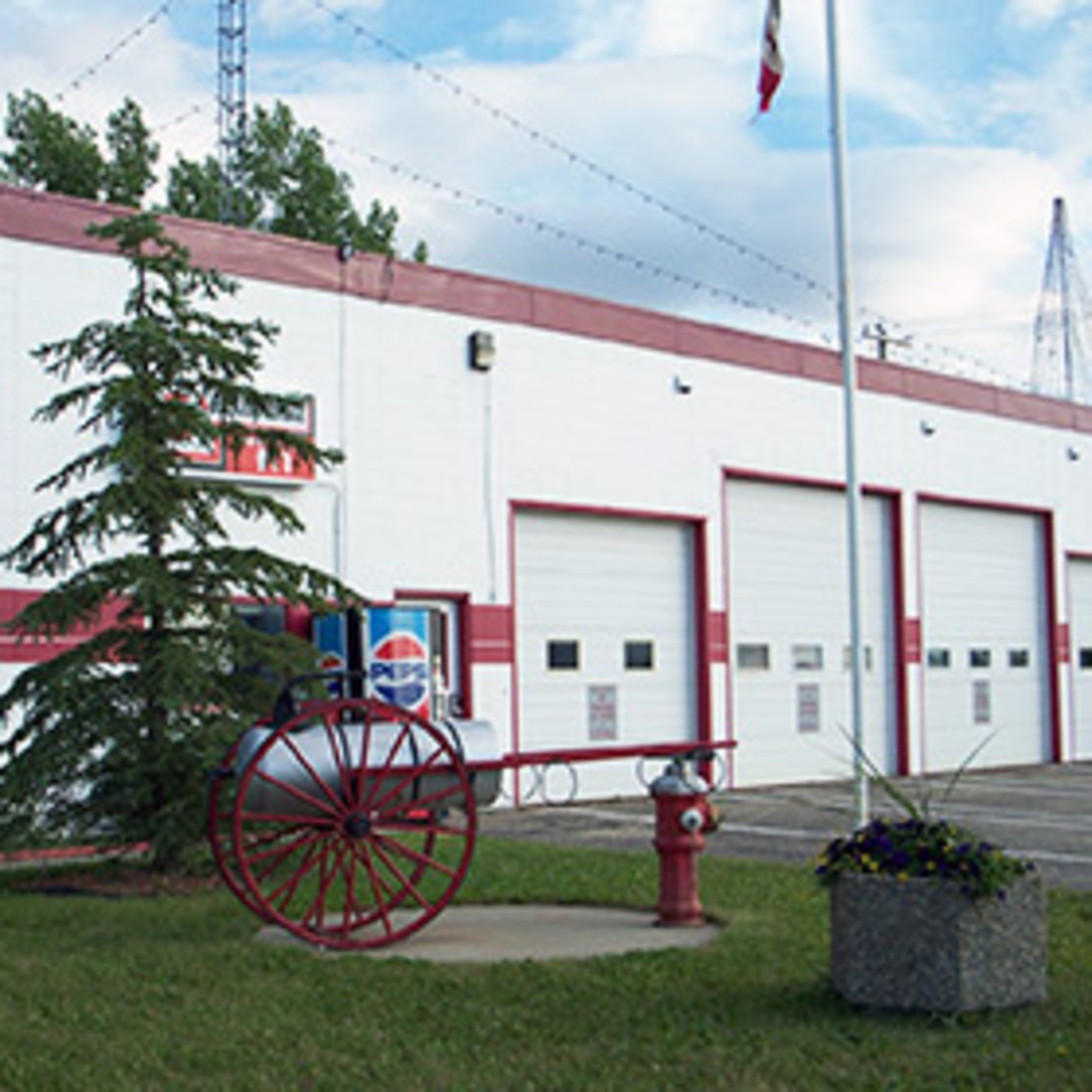
Many of us in the fire service believe that, for the most part, most fire departments in North America are the same, other than size and run numbers, with some being career and others volunteer. Part of that broad statement is that many of us still face major organizational problems. How we deal with them might make a difference.Chief Stan Metcalfe of the Beaverlodge Fire Dept., in Alberta Canada explains that while many departments might have similar problems, it is how we approach these problems that can often set one department apart from others. In this podcast, Chief Metcalfe breaks his topic into three segments, “Setting Expectations for Success,” “Developing a Leadership Culture,” and “Maintaining Momentum Through Training.”Each of these sections is easily applicable to most departments across North America, especially our volunteer departments. As you listen to Chief Metcalfe, don’t be surprised if what he discusses sounds like your firehouse! Better yet, the Chief offers concrete suggestions for overcoming the obstacles discussed. Think about it, then pass it on!
Firefighter Health Initiatives in Canada
Brad Davidson is a Canadian Fire Executive with 38 years serving, “Mrs. Smith.” Brad has a strong love and passion for the fire service, underscored by his years of experience and his certifications. Through out chats on Twitter and by phone, I shared my passion regarding the Fire Service Cancer Initiative with him. And with that, he was off and running. He has done several years of research since our first conversation on the topic and has tried to be as proactive as possible in promoting the Initiative in Canada. Yet, outside of the country’s major metropolitan areas, it is still a “tough sell.” But that won’t be a hindrance to Brad. Join us as we talk about our friendship and his strong efforts to support and spread the word on both the Cancer and Behavioral Health Initiatives in our neighbor to the north.PLEASE TUNE IN at www.dalmatianproductions.tv or on your favorite podcast platform.
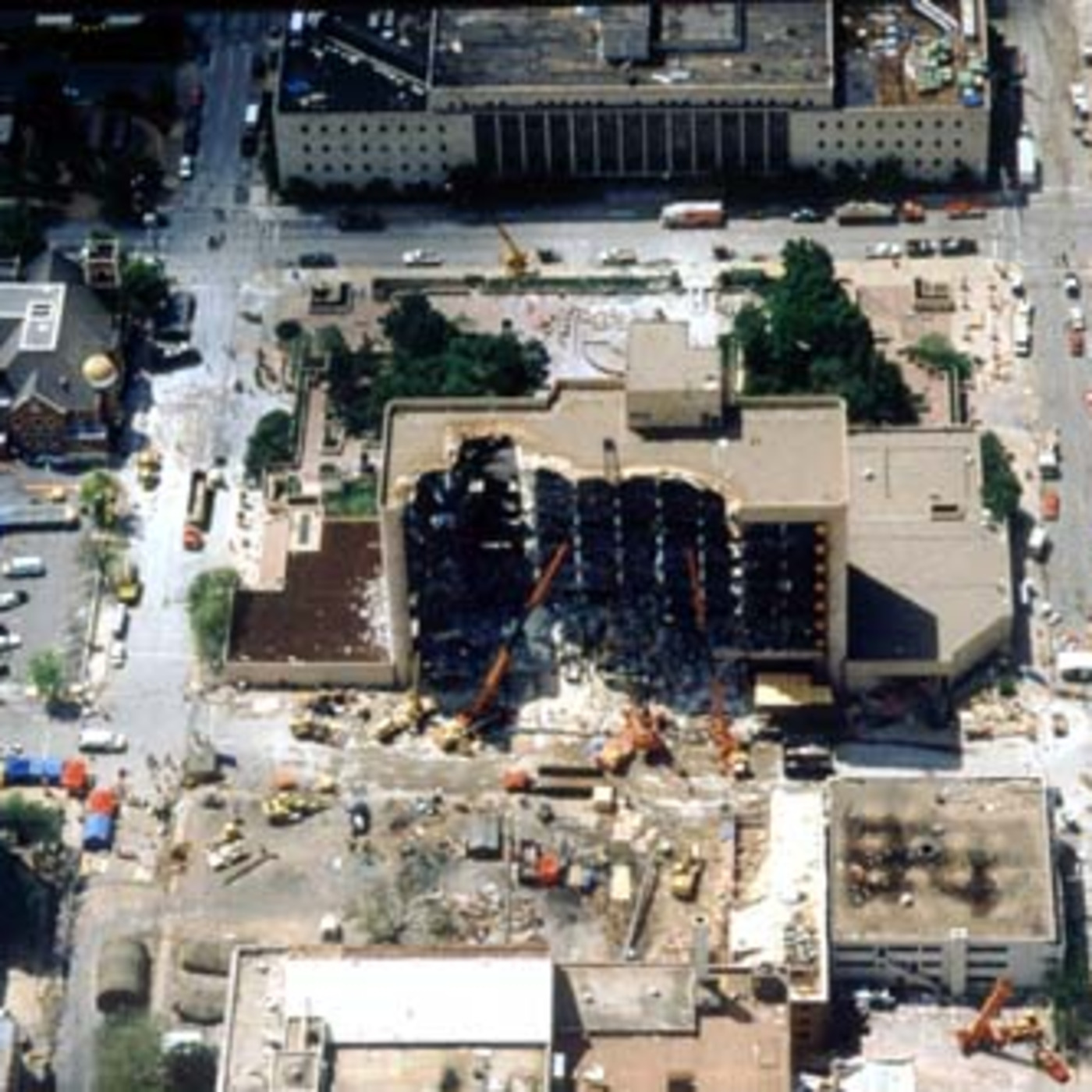
Oklahoma City Bombing - Out of Chaos
I will honestly say that this episode of “5-Alarm Task Force” is one of, if not THE best episode we have ever produced. It is informative, tragic and dark, yet also demonstrates inner strength and recovery. My guest is Chris Fields, a retired Major with the Oklahoma City Fire Dept. While his name may not be familiar, a world-famous photo of him carrying the body of a toddler killed in the bombing of the Federal Building on April 19, 1995, may jog your memory. Chris shares his story from his first day as a rookie, his ongoing journey growing as a firefighter and then, through the tragedy of the bombing and through the deep and dark segment of his life, as he suffers AND successfully recovers from PTSD. PLEASE listen and KEEP this podcast. I guaranty that you will learn from it and, it might help you if you find yourself in a similar position.
Smart on the Fireground
If you have a year or two more “under your belt” you know that learning in a classroom is nothing compared with learning on an active fireground. A good firefighter is ready for almost anything as he/she dismounts from the apparatus, because the fireground is an ever-evolving, ever-changing, location with massive changes that can occur in just seconds. And if you’re not ready for it……My guest on this episode is Lt. Mike Daley. He is a nationally known instructor and writer for the trades. With over 30 years on the job, Mike knows this business and he knows the fireground. Mike shares that knowledge with us, discussing both the basics about the fireground, then moving to the size-up and finally, going into action with the knowledge you’ve gained from his first two segments. This episode is truly a teachable “moment” for every firefighter and every line officer. Sure, you may have heard some of this before, but you will hear it differently today! PLEASE TUNE IN at www.dalmatianproductions.tv or on your favorite podcast platform.
New Paths for Help With Behavioral Health Issues
Over the last several years, we have seen more openness, understanding and assistance appear regarding behavioral health issues in the fire service and, for that matter, for all first responders! We know the issue has been there. It’s another case of the “elephant in the firehouse;” everyone sees it, but no one wants to talk about it! Add to that the fact that we’re losing far to many first responders to suicide and issue is as pressing as is the Cancer Initiative.My guest, Mark W. Lamplugh, Jr., is well versed and studied in this area and has been working with first responders for at least, the last 10 years. On this podcast, Mark announces a new, online, anonymous platform, geared specifically to first responders. You will want to listen to this podcast carefully, to hear about this program, as well as several others that once can access in private and with complete anonymity. If we can put up a great fight against cancer, we can save the lives of our friends and colleagues who are facing other demons! PLEASE TUNE IN at www.dalmatianproductions.tv or on your favorite podcast platform.
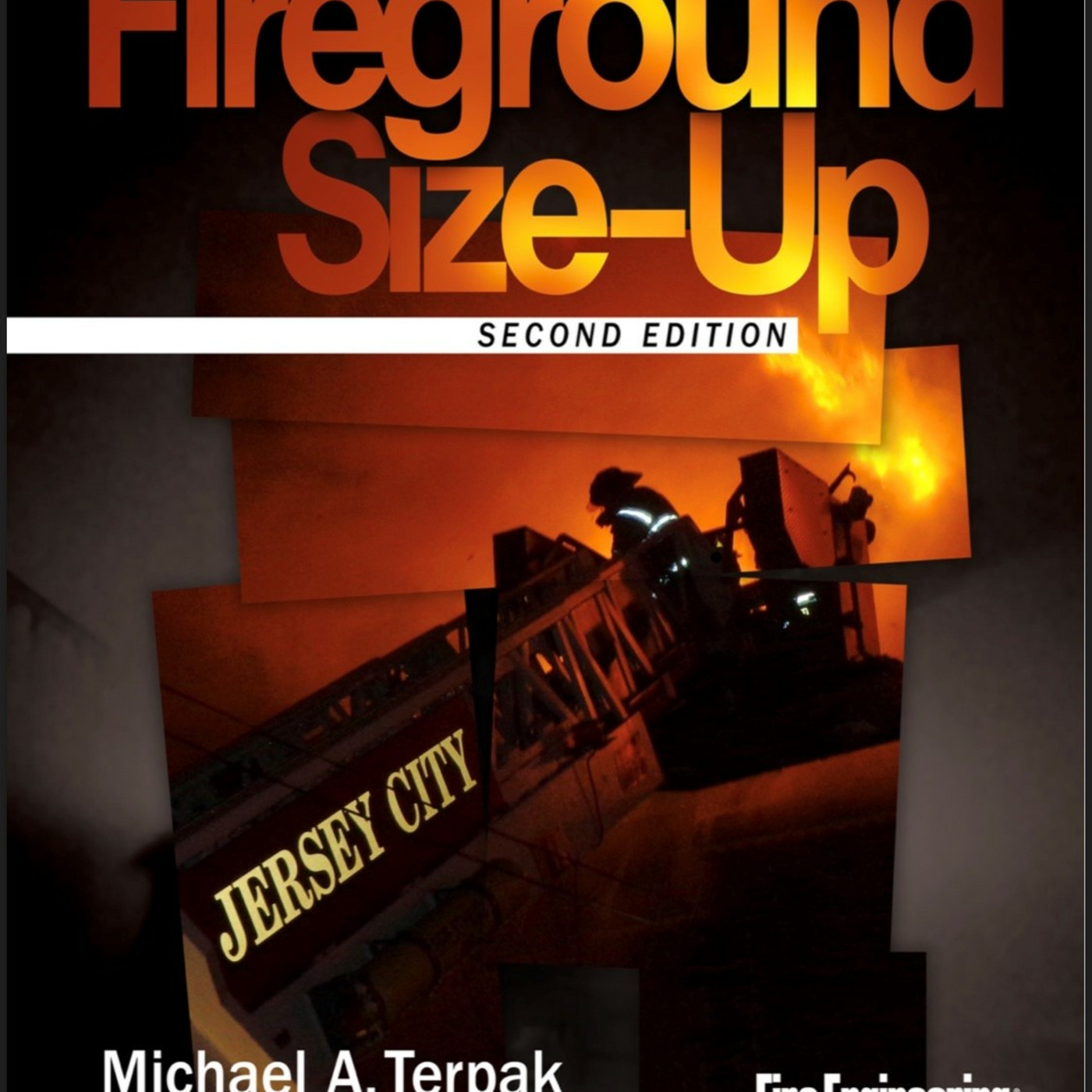
Fireground Size-Up! How Do YOU See It?
One of the most important numbers in our business is 360! It has been drilled into us that upon arrival at a call for smoke and/or fire, the first arriving officer should make as complete an inspection of the structure/scene as is possible. Then, the officer gives the crew initial instructions to mitigate the issue. What does that officer see? What’s involved? What needs to be done first. All of this is part of what we call the “size-up.”My guest is Chief Mike Terpak, recently retired from the Jersey City Fire Department, where he served as Deputy Chief and Citywide Tour Commander. With over forty years of experience, especially in one of the most intensely populated cities in the nation, there's little that the Chief has not seen!We discuss how his most recent book, “Fireground Size-Up” (Second Edition) was actually “born” when he was a rookie firefighter and began to use notebooks to keep track of calls, what had to be done and how they would accomplish their task. Those notebooks piled up over the years and finally led to the Chief sharing his knowledge and experience in a manner that would benefit any firefighter who would read it. Listen as the Chief describes several challenging calls that he responded to.Tune in at www.dalmatianproductions.tv or on your favorite podcast platform.
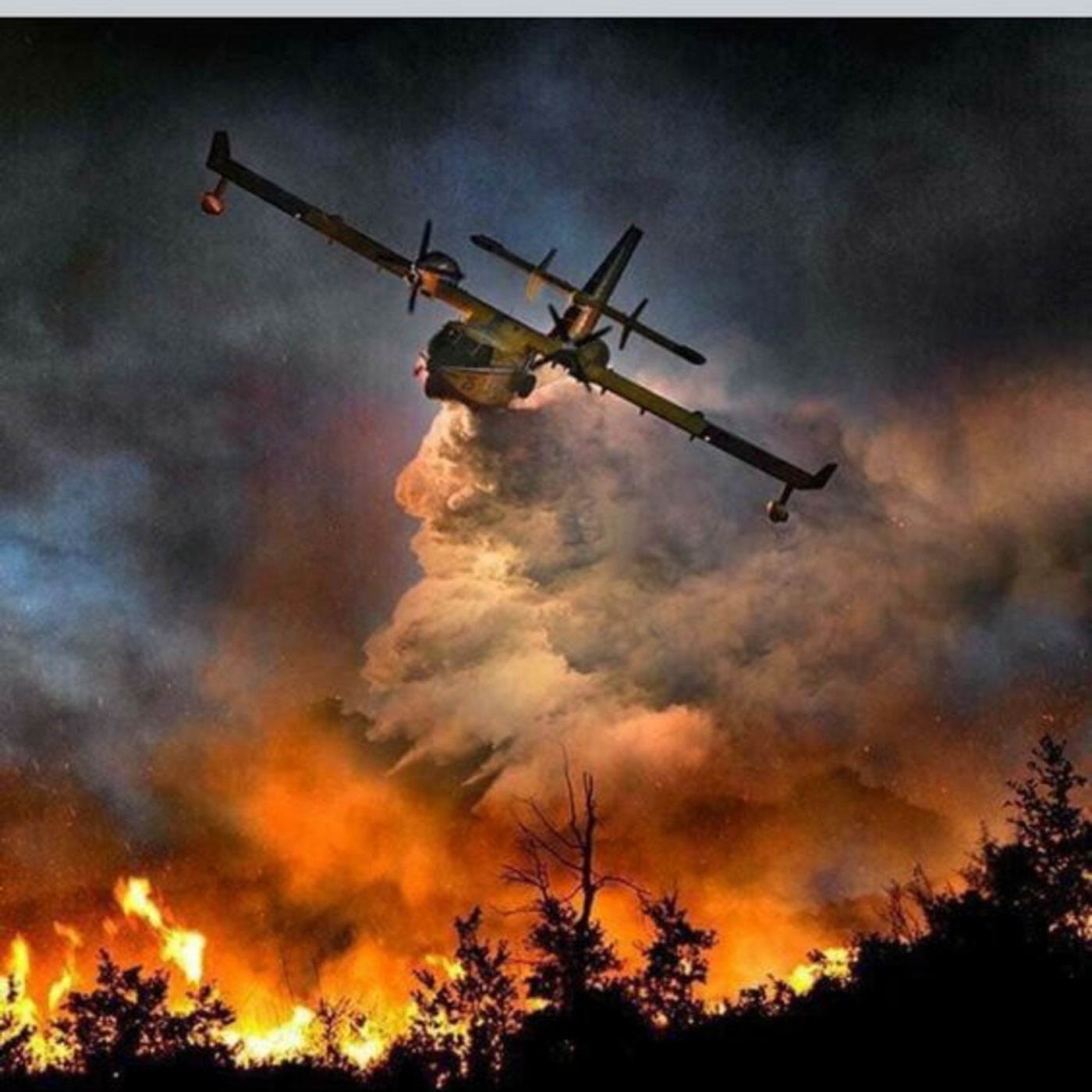
How Do They Do it? CA's Incident Mgt. Teams
We have all seen the news footage – huge wildfires consuming large areas in California. Last year, major fires like the Woolsey and Camp fires, destroyed thousands of acres of woodland, thousands of homes and disrupted the lives of tens of thousands of residents. And, in almost every newsreel, you saw firefighters and other first responders, doing tasks, such as fighting the fires, clearing a fire line, help escaping residents and much more. It begs the question, “How does California organize thousands of firefighters and other personnel to have them all respond to these fires?”My guest on this episode of “5-Alarm Task Force” is FF/PM/Eng Brad Bihun. Brad is a firefighter, paramedic and engineer in Southern CA. However, he is also trained as a PIO – Public Information Officer, for CAL Fire, the state’s special fire coordination department. Brad explains to us how the state uses six Incident Management Teams to rally all the forces needed for both mitigating an incident and caring for the people effected by it. Last year, one of these major fires required over 8,000 men and women, with various responsibilities, to handle the emergency and its ramifications. Brad provides many insights into how the third-largest state in the U.S., is able to organize responses to certain emergencies that most of us, hopefully, will never see, yet are all too common in California! Tune in on your favorite podcast platform or at www.dalmatianproductions.tv.
The Use of Enhanced Water/Foam in Firefighting
For as long as there have been people, fire and those willing to quench unexpected issues from fire, the basic tenet was “put the wet stuff on the red stuff!” Of course, there were no “classes” given to what was burning until many years later. And to be honest, that premise worked. However, in the last fifty years or so, one of the key issues that has changed is WHAT is burning and what is the safest and most expedient way to snuff these more modern flames. On this podcast, my guest Chief (ret) Shawn Oke of the Albemarle NC Fire Dept. and a co-founder of the educational effort, “Kill the Flashover.” With nearly thirty years in the fire service, one of Chief Oke’s passion is the use of foam, or for a more accurate description, using “enhanced water streams” for Class A fires, some of which can be utilized when fighting either Class A or Class B fires.*Tune in as Chief Oke explains the background and development of this relatively modern way of fighting the types of fires we see most of the time and why, your department’s investment in this practice will yield swifter dousing of the flames, less damage to the property and most importantly, the firefighters having exposure time to the dangerous carcinogenic and other toxic particles created in these fires and their heat. Find us on your favorite podcast platform or on our website, www.dalmatianproductions.tv. *Class A fires deal with house fires, paper, wood, etc. Class B fires deal with hydrocarbon-based products such as flammable liquids, i.e., gas, oil, kerosene, etc.

Creating a Strategic Vision Plan
What direction does your fire, law enforcement or EMS department have for its future? Do you have a timetable for your apparatus, vehicles, equipment, etc.; how long will, what you now have, last and what will you do when it’s time to replace it? Sometimes, it might be similar to how you may have learned to cook spaghetti – throw a few pieces against the wall – if they stick, it’s time to eat!On this podcast, I welcome my friend, Capt. John Dixon. Capt. Dixon is a well-known instructor on the national, regional and local levels. And, as a former U.S. Marine, John brings a great deal of that experience to his work in the fire service. He discusses the value of creating a Strategic Vision Plan for your department and shares numerous hints that you can follow so that all the members will feel that they not only have had a say in the plan, but the role they will play once the plan is set into motion. Your voice will have a say in the future of your organization. (You can also visit the National Fallen Firefighters Foundation’s website, https://www.everyonegoeshome.com/2017/11/30/strategic-vision-guide/ to view the Plan’s PDF document for download.)Follow Capt. Dixon on Twitter @JohnDixon263 and on Instagram @JohnDixon_263 or visit his website, www.instructorjohndixon.com.Tune in via all the popular podcast platforms or visit our website at www.dalmatianproductions.tv.
EMS - How Do We Be the Providers We Wanted to Be
Most of us who became volunteer or career firefighters, paramedics or EMT’s, did so for a specific reason – to help people. As the late Chief “Bruno” taught us, our job is to take of Mrs. Smith on her worst day, even if that day is her cat up a tree. And that lesson, really does cross all the lines of first responders. However, sometimes the people we are supposed to help are not so happy to see us.My guests on this podcast are Jason Brooks, PM and Kevin Onorevele. Through their company DT4EMS, Inc., they teach across first responders across the country how to avoid certain situations that could become violent, with a patient or family members. If you have not had or seen that experience, consider yourself lucky! It is more common that you probably realize. We hope that this podcast will help you watch for the key signs that your call may “turn south” in a heartbeat. Tune in on your favorite podcast platform or on our website at www.dalmatianprodutions.tv.
Take a Peek Inside - It Just May Save Your Life!
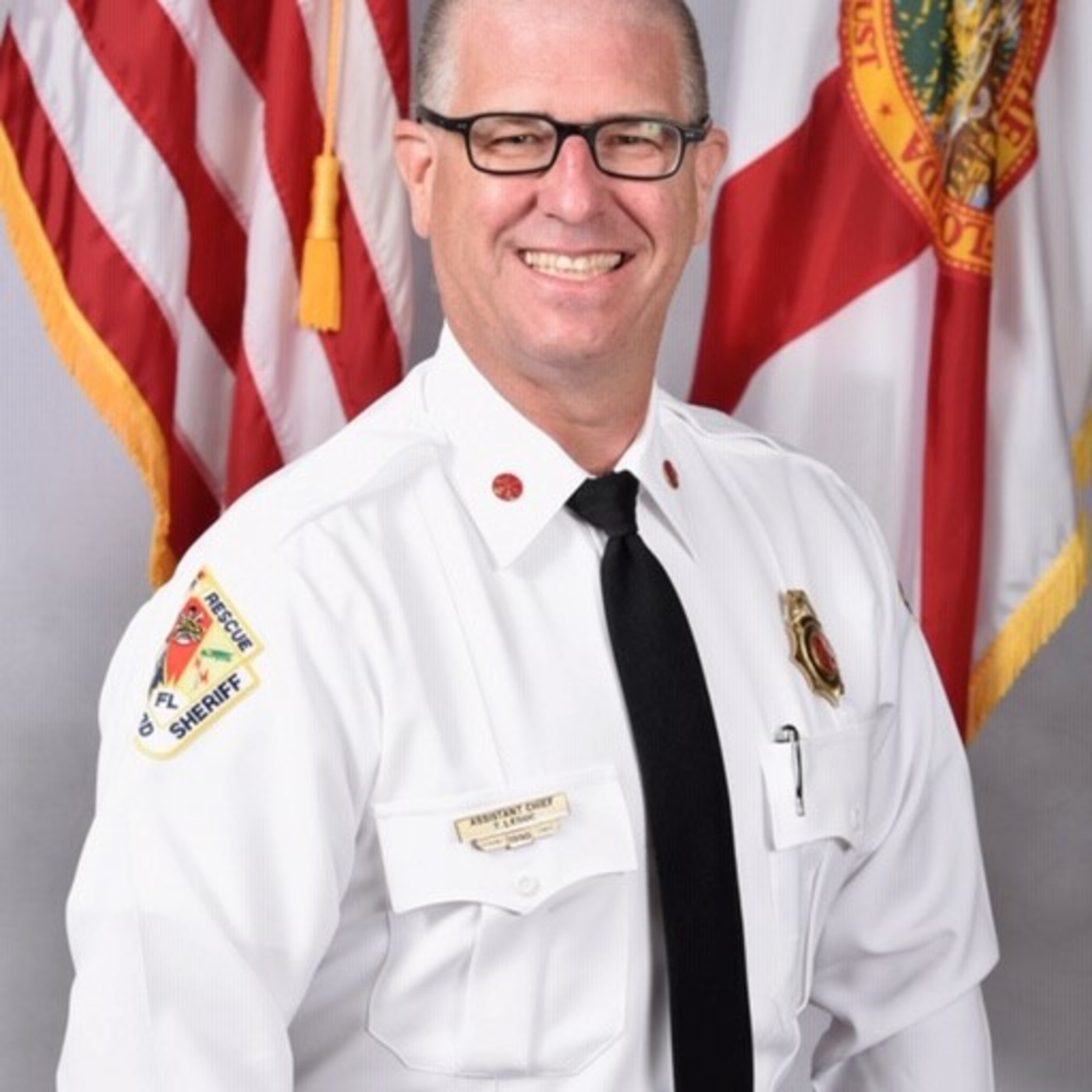
Health, wellness and fitness-for-duty. These words ring loudly for any first responder - the firefighter, the law enforcement officer and the paramedic or EMT. Some are careful with what they eat; others exercise on a regular basis. Yet, none of us have the ability to look inside of ourselves to see what might be going on; something that may not be known until it requires immediate and significant treatment and even that, may come too late. Today though, you will learn that the above scenario can be altered and produce a positive outcome. My guest today is a strong supporter of this podcast and dear friend, Todd LeDuc, former Executive Assistant Chief of the Broward Sheriff’s Office-Fire Rescue Services. Todd retired from that job and quickly was named the Chief Strategy Officer for Lifescan Wellness Sciences. In this relatively brief podcast, Todd with explain to you how medical science has advanced to the point where we can indeed look inside you, using a blood sample, ultrasound and EKG/Stress Test, to determine if there is an unknown or hidden medical condition that needs to be addressed immediately. And if so, they give you all the results to bring to your physician or specialist. That way you can be treated and hopefully, be back on the job in no time at all. This episode could very well save a life!Tune in on all the popular podcast platforms or visit our website at www.dalmatianproductions.tv.
Mentoring in the Fire Service - It's Who We Are!
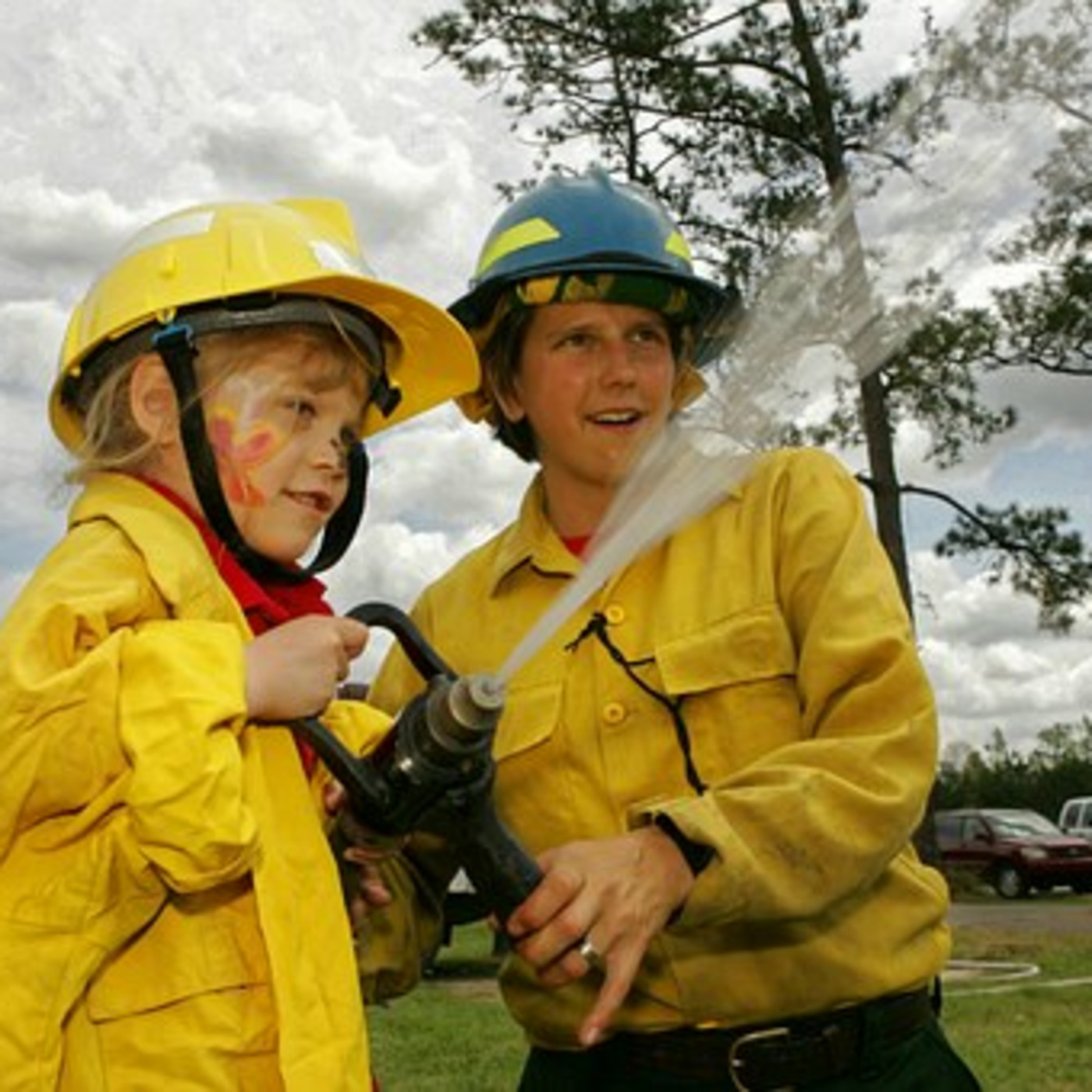
Remember your first day at school? At the fire academy? At your first posting? Those moments are often some of the most difficult in our lives. Yet, for most of us, there was often someone there to guide us on this new journey and that allowed us to calm our nerves. However, it is important to note that learning is almost always a two-way street; there’s the student and there’s the teacher. My guest on this podcast is Chris Baker, a firefighter in central CA and Chris’ passion is mentoring. He has dedicated himself to promoting mentoring in the fire service and, as he mentions in this podcast, this mentoring is not just for rookies. It is a great way for firefighters who have some time on the job, to reach out to the younger groups, now entering the ranks. Listen, we know there is no way to “learn it all” in the academy! That means we have to reach out to every opportunity that presents itself and take advantage of the wisdom and experience that the other firefighters have gained. And if you have five, ten or more years on the job, you owe it to your department and your community, to help those with less time than you, to hone their skills and learn some of the “tricks of our trade.”Learning and Teaching – in this job, we can never stop!Tune in at www.dalmatianproductions.tv or on your favorite podcast platform.
Drones in Public Safety with Chief Charles Werner
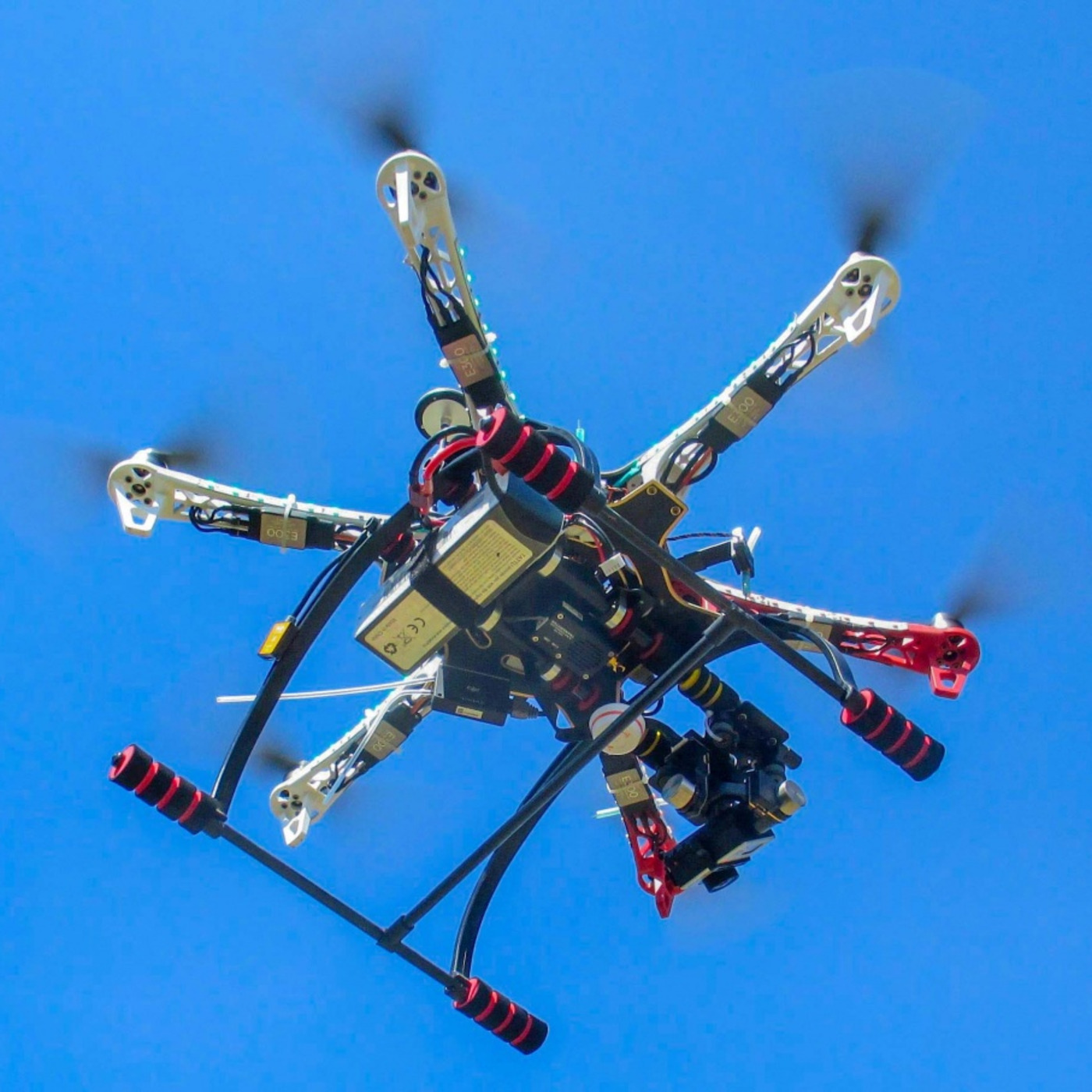
Seen any UAS’s recently? No….not UFO’s – I said, “UAS,” an Unmanned Aerial System. And no, we’re talking about renegade blimps or hot-air balloons. UAS is another term for a drone, those relatively small aerial devices that do everything from shoot film or video to deliver a package your ordered online! For the buying public, they began as small toys advertised all over television. The drones we’re talking about is not even close to the ones used today, especially in public safety.My guest on this podcast, Chief (ret) Charles Werner is considered the leading expert in the country on drone use for public safety. Always one to keep up with the latest technology to assist the fire service in particular and all public safety in general, Chief Werner has recently been named Director of Drone Responders.org. This organization is the fastest growing non-profit program supporting Public Safety UAS. In this podcast, Chief Werner will discuss the explosive growth in both the popularity and use of UAS in all aspects of public safety, including all manner of firefighting, law enforcement, EMS, emergency ops and more. As you will hear, drones can and do make a big difference in what we can do today for public safety
We're Back for Season 4!
We hope you're all having a safe and enjoyable summer. We're back in the studio and preparing for our 4th season! This mini-cast will tell you about some of the guests and projects we have coming up.Watch for our first episode on Friday, August 17th, with Chief Charles Werner.Stay Safe & Stay Well!

"Tactics on Tap" at the 2018 GReat Florida Fire School
What happens when a bunch of firefighters get together? They “shoot the sh*t” is what most would say, and the 2018 Great Florida Fire School is no different. Sponsored by the FSFA (Florida State Firefighters Association, the School provides an opportunity for firefighters from Florida and anywhere else in the country, to attend excellent classes taught by some of the best local and nation fire instructors. “Tactics on Tap,” provides firefighters to come together with a panel of several of those instructors. Attendees can ask any question they may have about firefighting, from training to promotion and education to tactics. No question is turned down and the answers are as true as the sky is blue. The discussion has been recorded as an episode of “5-Alarm Task Force.” ================================================================================PLEASE BE ADVISED: 1. Adult language is used.2. Due to audio problems with the mics, the volume of numerous participants was very low. We have reviewed and edited the audio to provide you with the best listening experience. However, there are frequent spots of unequal audio sections.
NJ NFFF Efforts & the Behavioral Health initiative
While many podcasts and all-over social media, we hear and see a great deal of discussion on tactics, strategies, equipment and more. And it makes sense, as those topics are the “sexy” ones regarding firefighting. However, there’s a great deal more that needs to be discussed just as openly as the subjects mentioned above, but are all too often left alone because, well, they’re just too personal.On “5-Alarm Task Force,” we embrace ALL the issues that we face as first responders, even the “ugly” ones, such as dealing with a Line of Duty Death and behavioral health issues. For this episode, I am proud to welcome back my friend, David Wiklanski. David, based in New Jersey, is one of the National Fallen Firefighters Foundation’s state advocates. As David mentions, while we do very well with the funeral of a fallen comrade, we need to learn how to actually deal with this tragic issue, through education and preparation. And not only must we learn how to be prepared, we must also assure that our families are prepared, as well. No, it is not an easy topic to think about or bring up, but it is necessary.David also shares some of the positive news regarding the behavioral health initiative, as well as some outrageous comments by a chief, when a member advises him that he is dealing with behavioral issues and is seeking help. Sadly, this is not as uncommon as we may think. There are those chief officers who either just do not know how to deal with these issues properly or sadly, just do not care!Tune in on our website, www.dalmatianproductions.tv or your favorite podcast platform!Stay Safe & Stay Well!
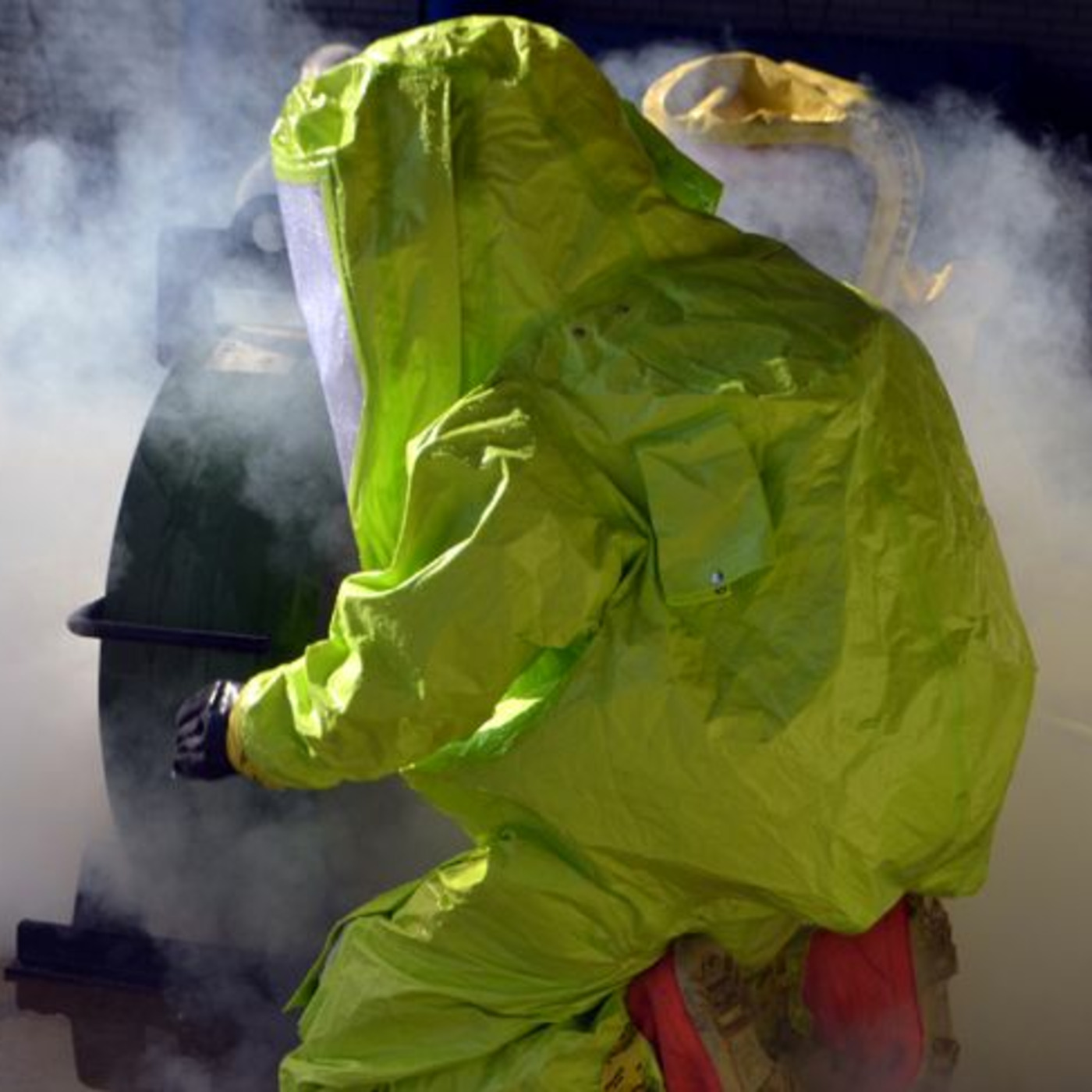
HAZMAT - 1st Due & Starting a Hazmat Team
“HAZMAT” – that’s a word that excites one group of firefighters and scares others right down to the bone. And rightly, it should scare everyone…at least a little bit! Hazmat situations very greatly by community, county and state. In one area, an overturned jug of chlorine on a pool-cleaner’s trailer is quickly treated by a single engine company. Yet in another locale, the same spill with require a full Hazmat team response, even if it is part of a regional, as opposed to local, Hazmat team. Many will ask, “Why?” My guest on this episode of “5-Alarm Task Force,” is Bill Miller who is an Engineer/Paramedic and Deputy Special Ops Coordinator for the Ft. Myers Fire Department. Bill heads up the Hazmat team and explains two key points in this podcast:1. Most often, the first due/arriving apparatus at a Hazmat call will NOT be the Hazmat Unit, whether it’s local or regional! What can that first apparatus do?2. How to start a Hazmat team in more than name only!Bill addresses these two points and explains just how helpful that first due crew can be, as long as they know what to do and what not to do. In the second segment, Bill provides basic information if you are thinking of creating a Hazmat unit, whether within your own department or on a regional/auto-aid basis.For many of us, today’s firefighting situations are nothing like we faced in our day. Yet, we have great firefighters, instructors, leaders, etc., who understand exactly what we face today and keep abreast of the best means to mitigate these issues. A specialty team like Hazmat is integral to today’s fire service and Bill helps you through some of the initial steps that you must consider when putting a team together!Stay Safe & Stay Well!
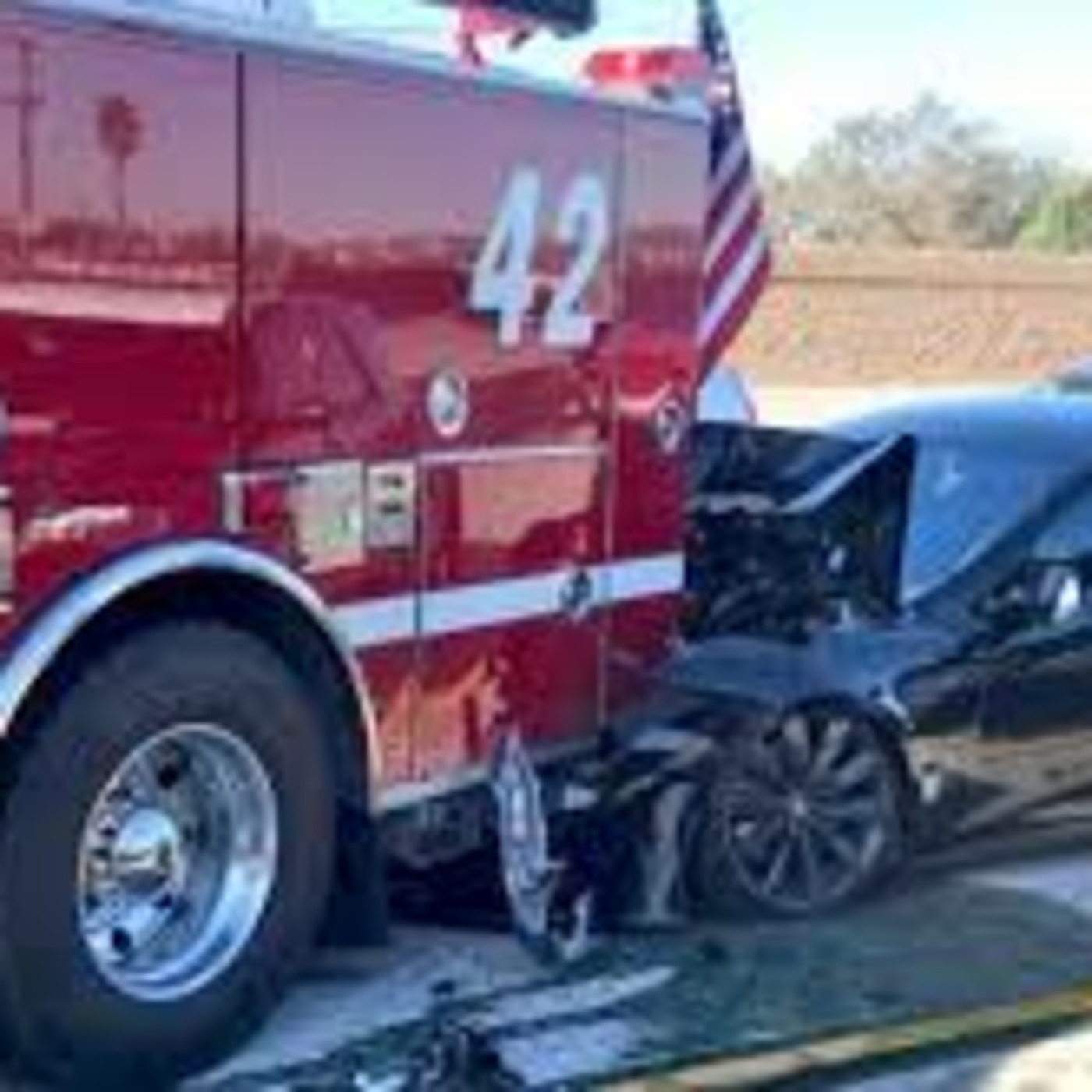
Responding to Emergencies on Active Roadways
If you’re first responder in any way, i.e., fire, rescue, EMS, law enforcement, safety ranger or recovery/tow operator, there’s every chance that you are aware of what has been happening on our active roadways. We respond to the scene of an emergency and while on-scene, a distracted driver comes barreling through your safety zone, striking your vehicle or, Heaven forbid, the people working there! Since the beginning of 2019, 71 first responders have been killed and dozens more injured. With the refinements in soundproofing our vehicles so that sirens and air-horns can be barely heard, and with drivers’ eyes on fixated on their phones, perhaps we must consider ourselves, “lucky” that only 71 have been lost. To address this very troubling issue, I brought together a top panel of personnel who are all too aware of what is occurring on our roadways, to get their thoughts and ideas on this matter. Joining me are Chief Billy Goldfeder, Chief Victor Conley, Chief Tony Correia, Chief Brian Stoller and Mr. Steve Austin, co-founder of the website, ResponderSafety.com. These five individuals all have extensive experience with this growing problem and are playing important roles in both examining the matter and working on solutions along various fronts. It is our hope that not only you will listen to this podcast, but that you will share it with your fellow firefighters, officers and chiefs. Too many first responder agencies are familiar with this problem. And, just like this episode there a numerous ideas towards its solution. We hope this episode of “5-Alarm Task Force,” will be one that will serve as a catalyst to seeing local, municipal, county and state agencies come together to keep all our first responders safe and allow each one to return homes safely to their loved ones. Please share with us what your departments are doing to face and mitigate this problem, by sending us an email to [email protected] and we’ll post your ideas on our website, in our effort to help all of you.
"Fully Invlolved Leadership" with Chief Gary Ludwig
If you have been involved in fire and/or EMS, you probably know the name, “Gary Ludwig.” Chief Ludwig has over 40 years of experience in fire-rescue and EMS. He has served as the Chief Paramedic of the St. Louis Fire Dept, the Deputy Fire Chief for the Memphis Fire Dept, and currently serves as the Chief of the Champaign IL Fire Dept. In his new book, “Fully Involved Leadership,” Chief Ludwig shares some new and fresh perspectives on good leadership. He brings a new view of the leadership triangle and you’ll be surprised at the vision he presents. Listen, the best leaders are not the ones who shout the loudest or intimidate those of the lower ranks. Chief Ludwig draws on his years of experience, from when he started his career with the St. Louis Fire Dept., just two months after graduating high school to his present position as Chief of the Champaign IL Fire Dept. His new book is for any firefighter/paramedic who aspires to be a leader in this field, from the newest recruit to well-experienced line officer to the chief.
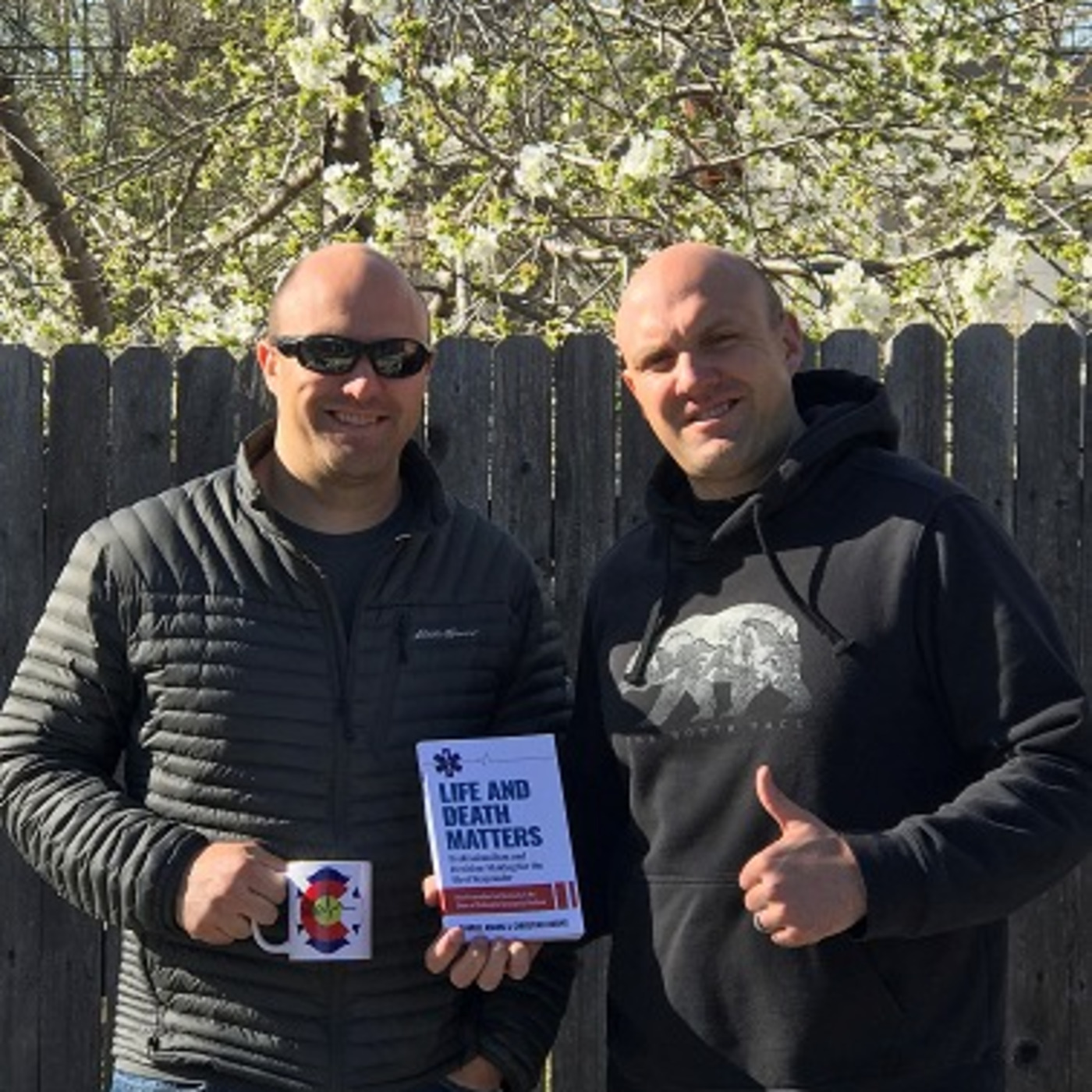
"Life and Death Matters"
Once we’re hired as a firefighter or paramedic, or we join a volunteer/paid-on-call department, we realize that there is a long learning road ahead. And once we complete the basic material, we then have to decide what we’ll do next. Will we be satisfied with what we have already accomplished or, will we want to keep learning, advancing our knowledge and, very likely, our career? My guests on this podcast are Christian (Chris) and Sam Adams from Colorado Springs, CO. After a friend of Chris’ told him about being in EMT school, it piqued his interest. Chris’ next step was to enroll in the same program and Sam was not too far behind. Both started in para-transit, but already had their sights set for more! Over the next couple of years, they become became certified paramedics. Many folks would have stopped there. However, Chris and Sam looked for more and they found it with the Colorado Springs Fire Department, where they serve as firefighter/paramedics and specialty teams.They recently released their first book, “Life and Death Matters,” (available on Amazon). Their book is neither a “tell-all” or “telling you how do it our way.” Instead, the book addresses the humanity of what we do. Sure, we all want to be the ones to respond to a major call; but they share the fact that no matter how involved or exciting a call can be, we must remember that there are people who are impacted by the event and we have an obligation to them.They also discuss their passion for learning and, not easily satisfied with that, they work hard to “pay it forward.” They share what is important to them in their careers and their lives. They truly provide a breath of fresh air in this age of social media anonymity, trolling and bullying. This is a podcast you don’t want to miss!Find “5-Alarm Task Force” on our website, www.dalmatianproductions.tv or on your favorite podcast platform. Stay Safe & Stay Well!

Congressional Fire Caucus, "Surviving the Fire Service & More!
There’s so much happening in the fire service that one could spend the entire day reading the various trade publications, then move onto social media for the next several hours and still not know some of most important news happening in this field that we love. To “quench” our thirst for the latest, I called and invited my friend, Executive Assistant Chief Todd LeDuc of the Broward County Sheriff’s Office – Fire Rescue Services, to be my guest on another podcast.In this episode, Chief LeDuc and I discuss this month's Congressional Fire Caucus Dinner and Symposium that take place this week. These few days are some of the most important for firefighters in the U.S. That is because this is an event during which firefighters and civilians with strong interests in the fire service, have an opportunity to speak with their lawmakers and share their concerns, ideas and other thoughts, with the men and women to help direct our government. We also discuss Chief LeDuc’s passion and focus on firefighter health, wellness and safety. This passion led the Chief to create a conference, “Surviving the Fire Service,” where, along with numerous experts in their field, the aim was to demonstrate how we can have great and exciting careers, while at the same time, being careful about our overall health and safety. The Cancer Initiative and the Behavior Health Initiative, both play a part in this presentation. Find out about his new book, written along with Chief Bobby Halton.Finally, we talk about the great work in the State of Florida, for every fire department in the state and how the state legislature is working hard to hammer out a presumptive health bill for Florida firefighters. Find “5-Alarm Task Force” on our website, www.dalmatianproductions.tv or on your favorite podcast platform. Stay Safe & Stay Well!
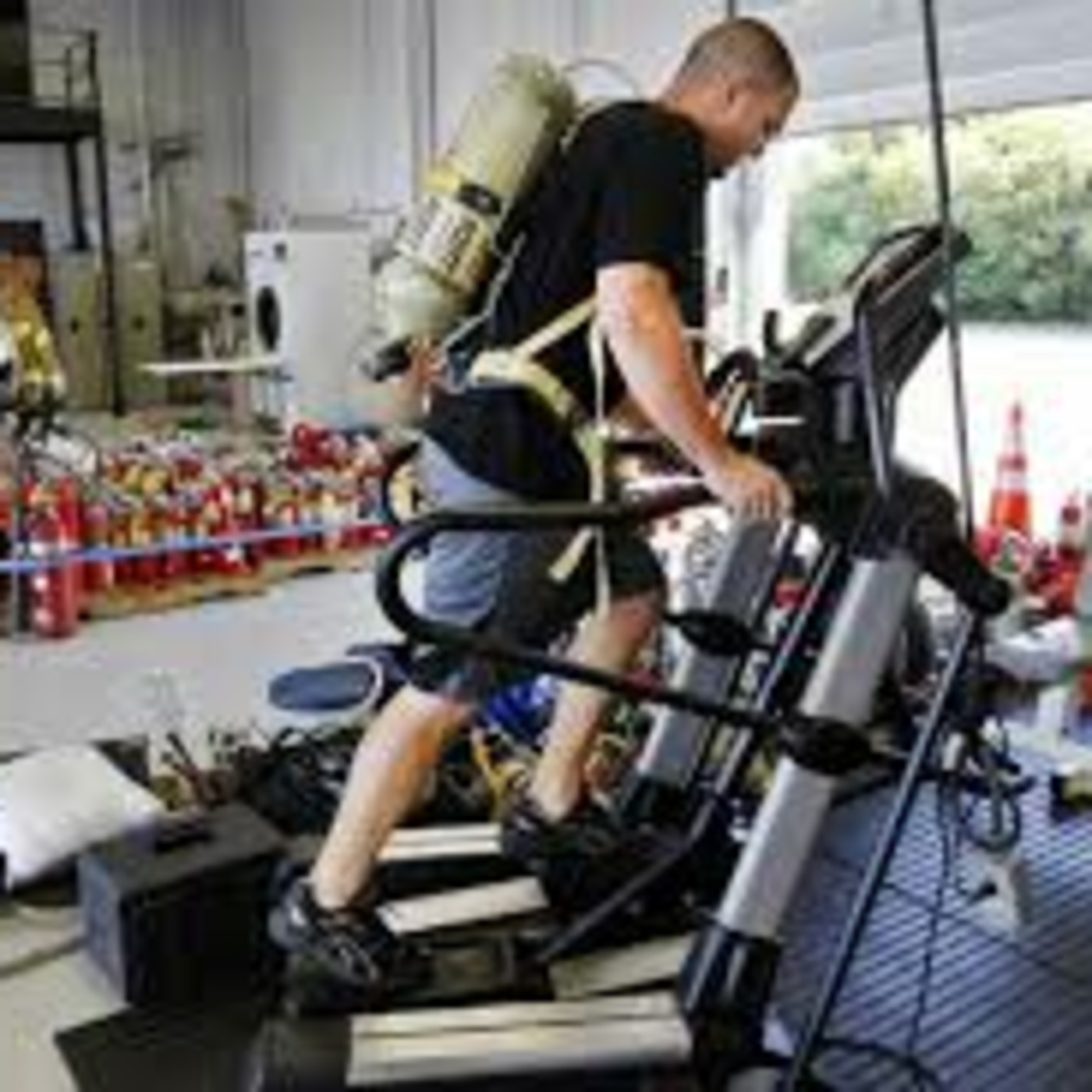
Give Up Only ONE Thing to Get Healthy!
One of the first “adult” things we learn to do as children is to shrug off tasks assigned by our parents or maybe, an older sibling. Or, we may have actually learned that behavior from that same older sibling, when one of your parents asked that sibling to perform a certain task or run an errand and they moaned so much about it, that the parent just dropped the matter. That behavior may be all good and well in that situation, however, when we’re discussing firefighting health, wellness and fitness-for-duty, there are no excuses. And that is what this episode is all about.You know if you are not in the best shape for being a firefighter, career or volunteer. You know that there are any number of ways, all very sensible and have your best interests in mind. Yet, you refuse to give up the one item on your “list,” that item that could set you down the right path to being healthy and fit-for-duty. Returning guest. Aaron Zamzow is a firefighter with nearly 20 years under his belt. Additionally, he is a certified personal trainer and fitness instructor. In this podcast, Aaron will walk us through the one list that so many of us refuse to give up; we hang on to it for dear life, not realizing that by giving up that one list, you could transform yourself into a truly healthy and fit-for-duty firefighter. Which list am I referring to? Tune in to find out!Find “5-Alarm Task Force” on our website, www.dalmatianproductions.tv or on your favorite podcast platform. Stay Safe & Stay Well!
What Happens When Your Preconnect is Too Short?
You are dispatched to a working shed fire. Your district isn’t that large, but there are still areas you’re unfamiliar with.\; this area is one of them. As you turn down the street of the reported address, you see a good loom-up ahead of you. “This one is cooking,” you think to yourself. The officer hits the intercom and assigns you to the nozzle and your partner. When the driver pulls to the side of the given address. As you exit the rig, there’s no fire that can be seen from the street, but there’s still a tall column of smoke deeper in the lot. You grab the nozzle and throw it over your shoulder, slip your arms through four loops and pull backwards. The officer is on the radio advising that the fire is deep in the lot, off the street and requesting additional companies. At the same time, you and your partner pull and straighten the hose and hump your way towards the smoke. Now you can see it, but as you take another step, there’s no more give on the hose line. You turn back to look at the fire, then back at the hose. Then it hits you like a freight train – your line is short! Your 150 feet of pre-connected, 1-3/4” line, will not reach close enough. You need more line – what do you do now? My guest for this podcast is Battalion Chief Scott Blanchard of the Venice FL Fire Department. As a Chief Officer, he is always thinking of the “what if,” situations that, along with his crew, they could be faced with. And as he thinks them through, he turns them into a teaching moments; not waiting for “if” this type of call occurs, rather preparing for the “when” this type of call occurs! Chief Blanchard discusses several of the issues that are common to his fire district and how he pre-plans mitigation for them. Often running only a two-person engine company, the Chief frequently rides as the officer on the first due engine and he shares how preparation for possible calls can lead to both excellent give and take among all the stations’ crew, as well as a well-rehearsed team who are prepared for some of the surprises this job throws at us.Find “5-Alarm Task Force” on our website, www.dalmatianproductions.tv or on your favorite podcast platform. Stay Safe & Stay Well!
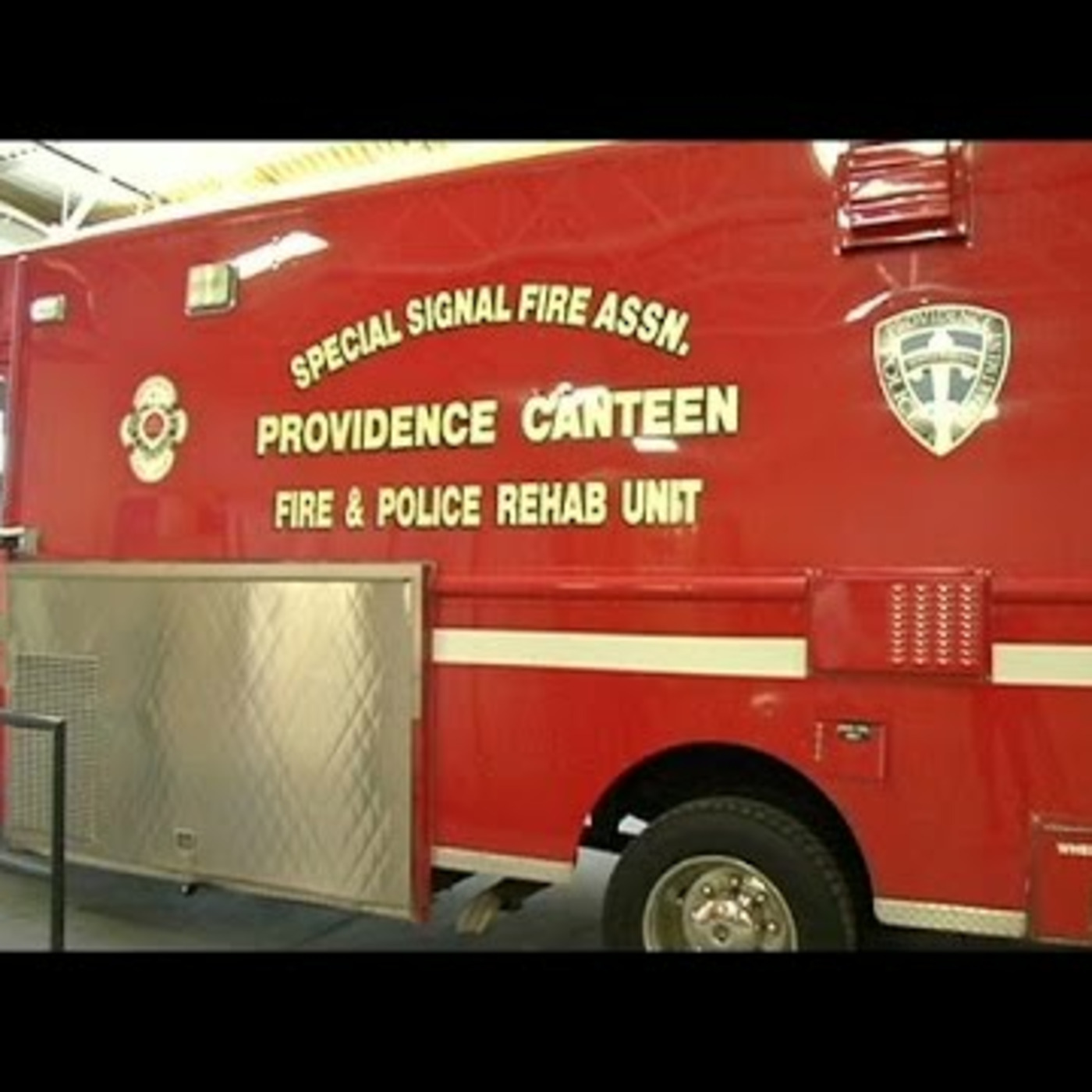
Proper Rehab on the Emergency Scene!
“REHAB” – a word that’s both prized and despised by most first responders, especially, firefighters. Why? Simply put, because it takes them away from the job they were doing. Prized? Because you get a quick breather, a cold drink and, if you’re lucky, a towel. This old model of rehab comes from the age when we told firefighters who were having difficulties dealing with some of the tragedy and trauma, to “Suck it up!” That command is no longer appropriate, and neither is poor or even incorrect rehab!My guest, Erica Wood, is a veteran firefighter and paramedic. And one of her greatest concerns is the well-being of emergency personnel; both those she works with and in the greater fire service, as well. In this podcast, Erica discusses the importance of proper rehab for emergency workers who are fighting a major fire, dealing with a structural collapse, mitigating a HAZMAT incident or other major emergencies. For example, Erica explains that drinking an ice-cold drink after exiting a building where you had been fighting fire, pulling down walls and ceilings, all while wearing all your bunker gear and keeping that heat inside you, is not a healthy idea! Neither is the pizza, hot dogs and hamburgers that the friendly guy from the burger joint in town, sends over!Listen, as Erica explains what the real purpose of on-scene rehab is supposed to be about and the correct ways to carry it all out. One of most important things to remember is that rehab is not a punitive measure; it’s sole purpose is to care for the well-being of every emergency worker on the scene. Tune in and you may be pleasantly surprised. Find “5-Alarm Task Force” on our website, www.dalmatianproductions.tv or on your favorite podcast platform. Stay Safe & Stay Well!
Long-Term Fitness for Duty in Irving TX
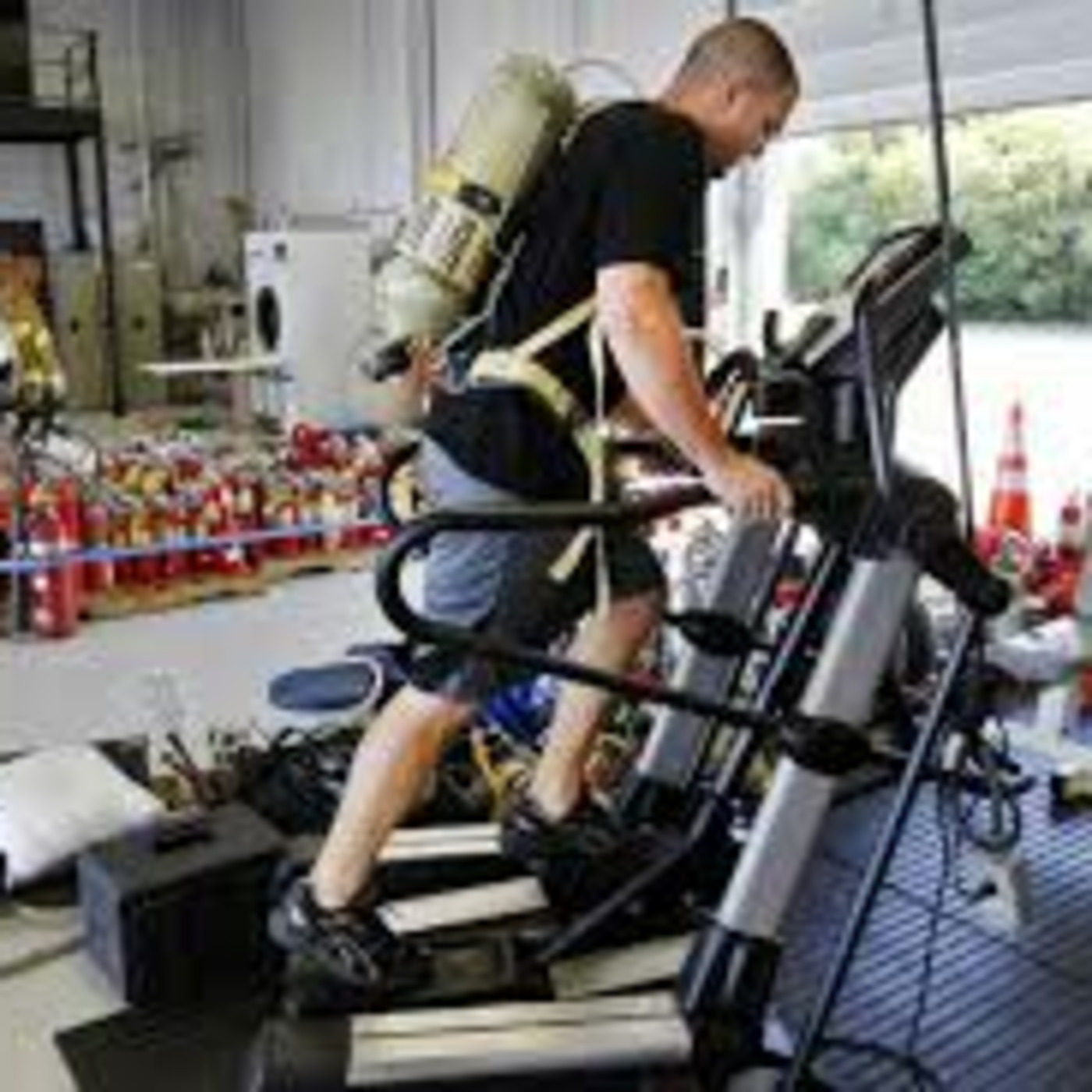
If you have even just a couple of years under your belt as a firefighter, then you are probably still familiar with the huge push in both the career and volunteer/part-pay sectors, for firefighter health, wellness and fitness-for-duty. Some interpret this as it’s time to go to the gym and “muscle-up.” And, while that may assist you in trimming some body fat and maybe even learning how to eat in a healthy style, it doesn’t mean that all the time and effort will make you a “firefighter fit-for-duty.” Why? Because a muscle building program is simply not going to necessarily prepare you for the physical stress and strain that we undergo as firefighters. If you ask any of your co-workers who are into fitness-for-duty or follow any of those folks on social media, you’ll see that one does not have to look like Mr./Ms. Universe, nor eat like one, to be a firefighter who is fit-for duty. Proper eating habits and regular workouts using the correct and proper exercises, will help you transform into a fit firefighter. My guests on this podcast, Paul O. Davis, PhD, FACSM and Assistant Chief Jack Taylor of the Irving TX Fire Department know quite a bit about this topic. Why? Because, Dr. Davis was instrumental in developing the program that the Irving Fire Department began using over 25 YEARS AGO, that is still going strong today. And Chief Taylor became a “member” of this program when he first joined the department and fully invested himself to help other firefighters, which he is still doing today. On this episode, both of my guests will explain the amazing and positive changes that this fitness program has brought to the IFD. From healthier and fit-for-duty younger firefighters to currently having over eighty firefighters over the age of 50 and some who are in their 60’s and still serving on the front lines. You will want to listen to this podcast! Share it with others, including your chief officers. Help bring a positive and healthy change to your department. Tune in at www.dalmatianproductions.tv or listen on your favorite podcast platform.
Changing the Model of the Volunteer Fire Service
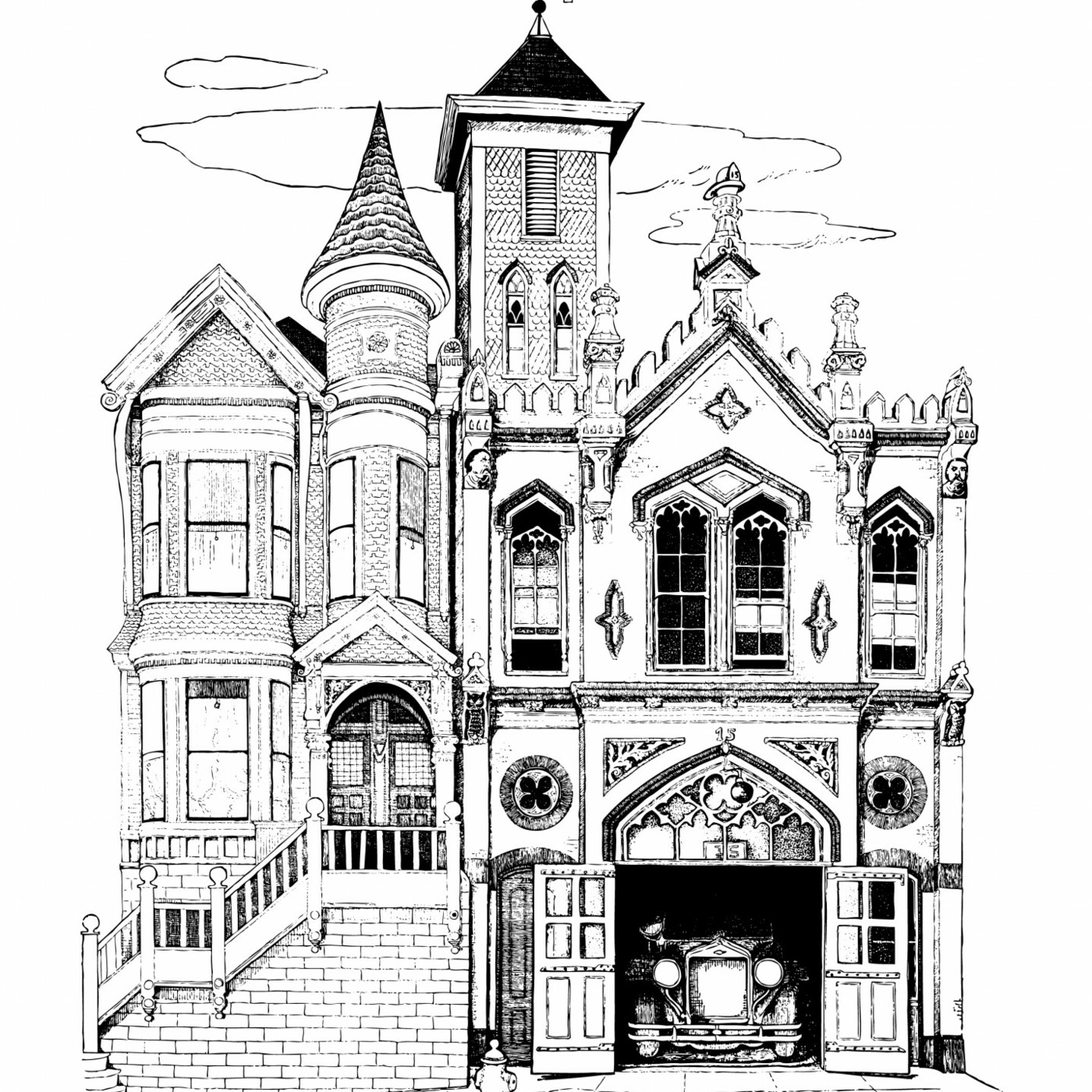
If you’re a firefighter and you’ve visited the City of Philadelphia, then I hope you took some time to visit one of the most important sites in American firefighting history – Firemen’s Hall. While this top-shelf museum deals mostly with the history of the Philadelphia Fire Department, it is also closely connected with the very first, organized volunteer fire department in, what was then the colonies – the Union Fire Company, founded by Benjamin Franklin in 1736. In front of the museum is the carved, stone trough used to provide water to the horses.The Union Fire Company was actually a, “bucket brigade,” and they did the best they could do with that they had. However, today’s volunteer and combination fire departments are a far cry from those of long ago. Yet, many of today’s volunteer fire departments are still working off the model that Franklin created, “neighbors helping neighbors.” My guest on this podcast, Chief John M. Buckman III, is a past-president of the IAFC and one of the great leaders and mentors in the volunteer fire service. And with so many volunteer departments dealing with severe recruitment, retention and staffing problems, Chief Buckman is calling for a sweeping change in the “model” or “foundation” for the operation of today’s volunteer fire service. If you are a member of a volunteer, combination or a paid-on-call department, you need to hear Chief Buckman’s message. And not just listen to it, but dive into it and learn from it. Then, bring it back to your department; encourage your fellow members, your officers and yes, even your chiefs, to listen to it. For if the volunteer fire service is going to survive as we enter the third decade of the twenty-first century, changes are going to be necessary, some very difficult changes!Tune in at www.dalmatianproductions.tv or search for “5-Alarm Task Force” on your favorite podcast platform.
Mutual Aid....to Sierra Leone
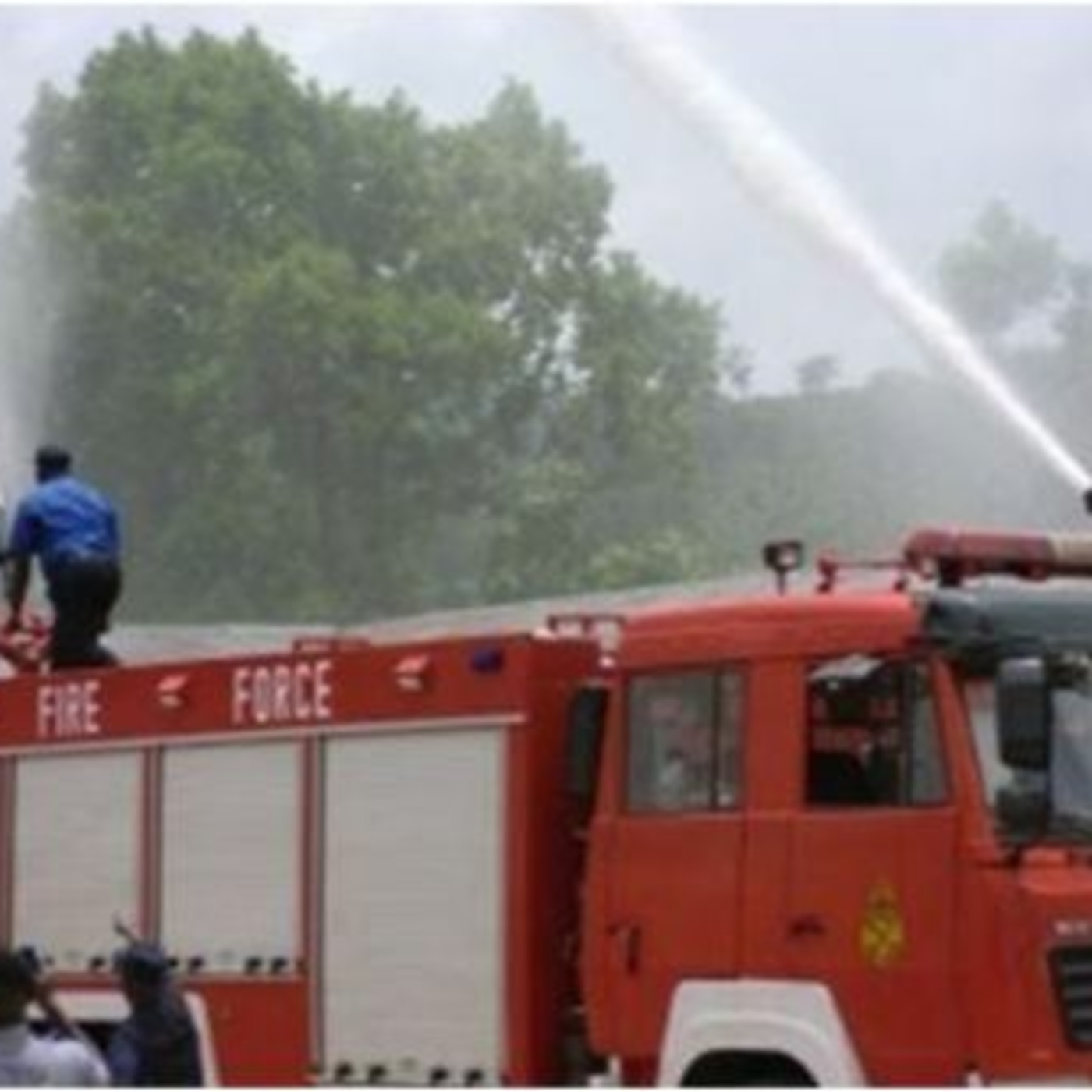
If you are a first responder, you know that there are times when the first dispatched units arrive on the scene of a call and realizing the enormity of the task at hand, they call for mutual aid. With proper advance planning, neighboring first responders answer the alarm and soon arrive to assist. However, what happens when your asked to respond half-way around the globe to assist the fire service in another country, on a different continent??This is exactly what happened to Chief Jason Moore of the Bloomington IN Fire Department. In this podcast, Chief Moore relates the story of how he was asked to go to the country of Sierra Leone, on Africa’s west coast. However, to do so, the department would have to determine what had to be done and how to underwrite the effort. And what happens when they arrive to see a fire service unlike any other, these experienced firefighters had seen before. This podcast educates all of us who are part of the firefighting/first responder family, that this very “family” is much larger and sometimes, more severely challenged, than we ever imagined. As a matter of fact, this podcasts tests each of us when it asks, “Are you ready to help fellow firefighters, as part of our “family,” even if they are on the other side of the globe, in a country wracked by poverty and civil war?Would you?