
1A
429 episodes — Page 4 of 9
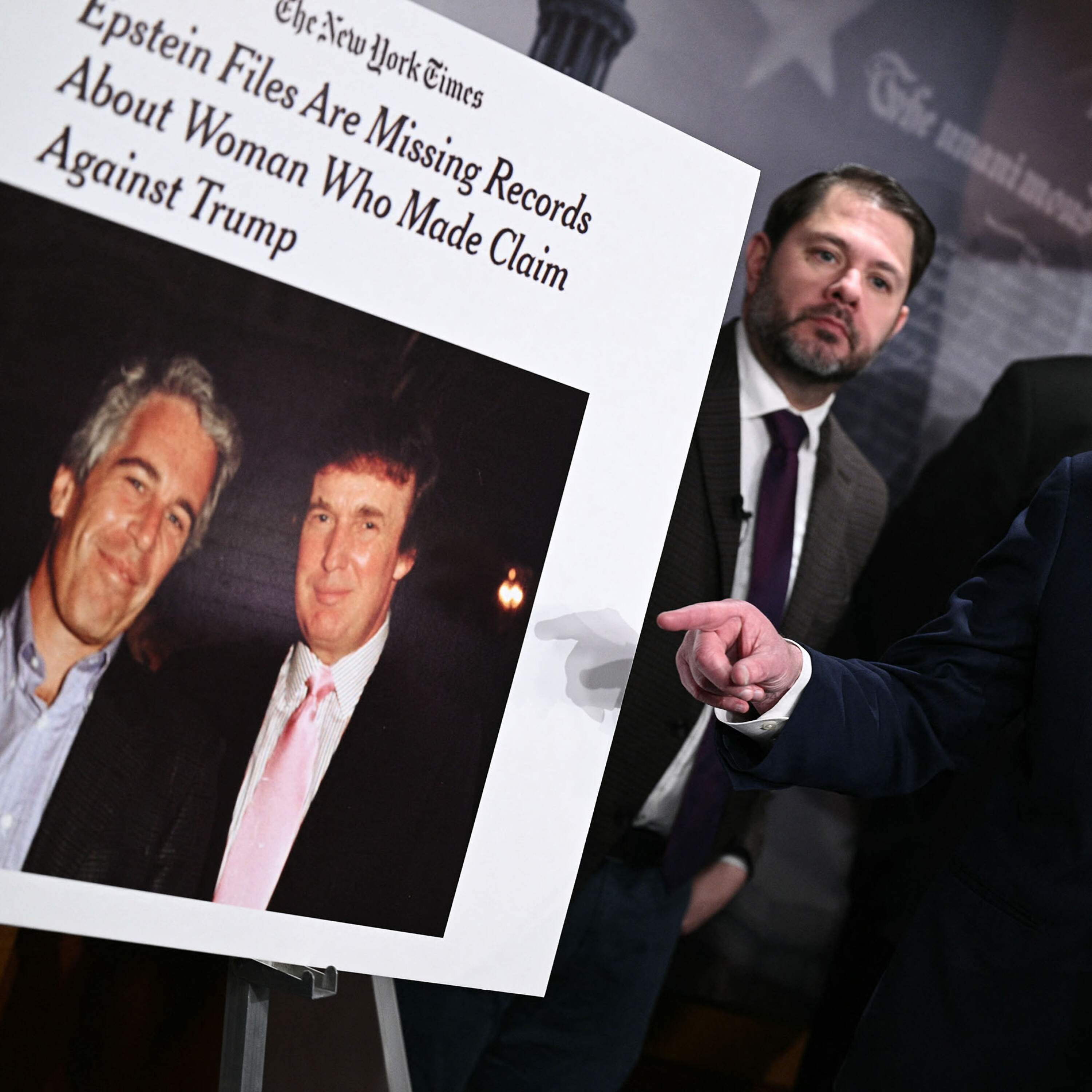
'If You Can Keep It': What Should Accountability Look Like In The Epstein Case?
It’s been a month since the Justice Department released more than 3 million documents related to sex offender Jeffrey Epstein. In that time, dozens of people were scrutinized for their close ties to Epstein, who died by suicide while in prison in 2019.Among those named in the documents is Donald Trump. The president has long denied any crimes related to Epstein. And there’s no public evidence that the allegations against him are credible.But a new NPR investigation reveals that the Justice Department withheld some of the Epstein files related to allegations that Trump sexually abused a minor in the ‘80s.In this installment of our weekly politics series, “If You Can Keep It,” what did the DOJ remove exactly? And what does accountability look like for those connected to Epstein’s crimes?Find more of our programs online. Listen to 1A sponsor-free by signing up for 1A+ at plus.npr.org/the1a.To manage podcast ad preferences, review the links below:See pcm.adswizz.com for information about our collection and use of personal data for sponsorship and to manage your podcast sponsorship preferences.NPR Privacy Policy

President Trump's 'Third Country Deportations,' Explained
Over the past year, the United States government has deported hundreds of people using a rare method of removal: putting them on a plane and sending them to a country to which they have no connection. It’s called a “third country deportation.”When the deported immigrants arrive, the “third” country detains them. Or it ships them right back out to their country of origin. And the U.S. foots the bill.Why is the Trump administration relying on this policy as part of its immigration crackdown? And what could a recent ruling by a federal judge mean for the future of these kinds of deportations?A statement from DHS…The Supreme Court previously issued two separate emergency stays against Judge Brian Murphy in this case, and we are confident we will be vindicated again. The Biden Administration allowed millions of illegal aliens to flood our country, and the Trump Administration has the constitutional authority to remove these criminal illegal aliens and clean up this national security nightmare. If these activists judges had their way, aliens who are so uniquely barbaric that their own countries won’t take them back, including convicted murderers, child rapists and drug traffickers, would walk free on American streets. DHS must be allowed to execute its lawful authority and remove illegal aliens to a country willing to accept them.Find more of our programs online. Listen to 1A sponsor-free by signing up for 1A+ at plus.npr.org/the1a.To manage podcast ad preferences, review the links below:See pcm.adswizz.com for information about our collection and use of personal data for sponsorship and to manage your podcast sponsorship preferences.NPR Privacy Policy

The Fight Over Funding The DHS
For months, the Department of Homeland Security has been plagued by allegations of chaos. Meanwhile, the funding fight over DHS and a partial government shutdown continues.Now, U.S. and Israeli airstrikes in Iran over the weekend are adding pressure for Congress to reach a funding agreement for the agency amid national security concerns.What’s happening at DHS? We sit down with a panel of experts to find out.Find more of our programs online. Listen to 1A sponsor-free by signing up for 1A+ at plus.npr.org/the1a.To manage podcast ad preferences, review the links below:See pcm.adswizz.com for information about our collection and use of personal data for sponsorship and to manage your podcast sponsorship preferences.NPR Privacy Policy

What operation ‘Epic Fury’ means for the US, Iran, and beyond
The United States is once again at war in the Middle East.The Trump administration, with support from Israel, made targeted air strikes against high-profile targets in Iran this weekend. Tehran responded by firing its own missiles at nearby Israeli and American military bases. This all comes after weeks of talks between Washington and Tehran over the latter’s nuclear program and a major military buildup on the part of the U.S. in the Middle East. Several U.S. service members have been reported dead as a result of Iran’s retaliation.President Donald Trump explained his rationale for the attacks in an eight-minute video posted on Truth Social Saturday morning, saying he hoped to destroy Iran’s nuclear program and cripple its military.Now, leaders, analysts, and the world are wondering what yet another conflict in the region means for the futures of those who live there, the future of the global energy market, the midterm elections, and much more. We sit down with a panel of experts to unpack it all.Find more of our programs online. Listen to 1A sponsor-free by signing up for 1A+ at plus.npr.org/the1a.To manage podcast ad preferences, review the links below:See pcm.adswizz.com for information about our collection and use of personal data for sponsorship and to manage your podcast sponsorship preferences.NPR Privacy Policy

The News Roundup For February 27, 2026
President Donald Trump delivered the first State of the Union address of his second term in office, lauding the strength of American economy. But even though wealthier Americans are benefiting financially from the positive economic trends, lower-income households are increasingly finding themselves left behind.Meanwhile, Democrats are holding government firm over funding the Department of Homeland Security as they demand reforms to ICE.And Vice President JD Vance announced that the Trump administration is going to withhold hundreds of millions of dollars in Medicaid funding from Minnesota over fraud concerns.And, in global news, Trump officials sat down with Iranian leaders in Geneva for a third round of indirect talks. They come as the U.S. military amasses in the Middle East ahead of a potential strike on Iran.The Trump Administration is on damage control after U.S Ambassador to Israel Mike Huckabee says Israel is entitled to more land in the Middle East than it currently holds.And Cuba announces its military has destroyed a boat that entered Cuban waters on Wednesday, killing four. Cuba’s country’s interior minister called the incident “a foiled armed infiltration.”We cover the most important stories from around the world in the international hour of the News Roundup.Find more of our programs online. Listen to 1A sponsor-free by signing up for 1A+ at plus.npr.org/the1a.To manage podcast ad preferences, review the links below:See pcm.adswizz.com for information about our collection and use of personal data for sponsorship and to manage your podcast sponsorship preferences.NPR Privacy Policy

The Future Of Fertility In 2026
Millions of people struggle to become pregnant in the U.S. And in 2024, fertility rates reached a new low, according to CDC data. Women are also waiting longer to have kids, while a growing number are deciding to opt out entirely.That’s part of the reason the Trump administration is pushing for a baby boom and promising to make in-vitro fertilization more accessible. Earlier this month, the administration’s new discounted prescription drug website, TrumpRx, went live.But fertility treatments continue to be prohibitively expensive for many, with the average cumulative cost of IVF treatments reaching up to $60,000. That’s according to FertilityIQ.Beyond the eye-popping price tag, the journey itself can be emotionally taxing. The stress is so great it’s been compared to a cancer diagnosis and can bring feelings of shame and guilt. It can also be confusing trying to decipher the many doctors’ appointments and medical jargon.We sit down with an expert panel to talk through the latest in fertility treatments, debunk some persistent myths, and answer your questions.Find more of our programs online. Listen to 1A sponsor-free by signing up for 1A+ at plus.npr.org/the1a.To manage podcast ad preferences, review the links below:See pcm.adswizz.com for information about our collection and use of personal data for sponsorship and to manage your podcast sponsorship preferences.NPR Privacy Policy

Unpacking The State Of The Union
On Tuesday night, President Donald Trump delivered the first State of the Union address of his second term.It comes at a pivotal moment in Trump’s presidency. Approval of his performance – and policies – have hit new lows among the American people.Add to that last week’s Supreme Court ruling that overturned the administration’s tariffs — a centerpiece of Trump’s agenda — and all of a sudden, the pressure was on Trump to reset the narrative of his presidency. Especially in the face of looming fears that Democrats could take back the House in the midterm elections.So, what did we hear from the presideFind more of our programs online. Listen to 1A sponsor-free by signing up for 1A+ at plus.npr.org/the1a.To manage podcast ad preferences, review the links below:See pcm.adswizz.com for information about our collection and use of personal data for sponsorship and to manage your podcast sponsorship preferences.NPR Privacy Policy

ICE And The State Of Minnesota
Despite a supposed personnel drawdown, the Department of Homeland Security is calling its ICE rollout in Minnesota the largest immigration operation ever.Now that thousands of federal agents are leaving, how are the state and its communities faring?We check in with the neighbors, school leaders, and small business owners keeping Minnesota running.Find more of our programs online. Listen to 1A sponsor-free by signing up for 1A+ at plus.npr.org/the1a.To manage podcast ad preferences, review the links below:See pcm.adswizz.com for information about our collection and use of personal data for sponsorship and to manage your podcast sponsorship preferences.NPR Privacy Policy

'If You Can Keep It': The Private Companies Profiting Off ICE
President Donald Trump’s immigration crackdown has real human costs. Some 13 people have been shot by ICE and federal agents since September, two of which were fatal. The number of people held in detention centers increased by nearly 75 percent in 2025. Around 68,000 people are currently detained in these facilities, according to the latest ICE data.And those arrested with no criminal record rose by over 2,000 percent since Trump took office. That’s according to a report last month from the American Immigration Council. That’s a non-partisan non-profit focused on immigrant rights.But for private companies invested in the administration’s agenda, that human cost has meant a hefty pay check. The private prison companies CoreCivic and The GEO Group have both reported $2 billion, or a 13 percent increase, in revenue in 2025. The two contractors opened nine new detention centers for ICE use.In this installment of our weekly politics series, “If You Can Keep It,” the private companies profiting from President Trump’s immigration crackdown.Find more of our programs online. Listen to 1A sponsor-free by signing up for 1A+ at plus.npr.org/the1a.To manage podcast ad preferences, review the links below:See pcm.adswizz.com for information about our collection and use of personal data for sponsorship and to manage your podcast sponsorship preferences.NPR Privacy Policy

The News Roundup For February 20, 2026
The Department of Homeland Security issued a memo this week advising federal agents they should detain refugees and migrants who have not yet obtained a green card for an indefinite period of time for rescreening. This puts many people admitted to the U.S. during the Biden administration at risk.Across the U.S., the mayors of major cities like Chicago and Los Angeles are taking steps to limit ICE’s ability to operate within their limits, vowing to prosecute agents who violate local laws.And representatives for Meta and Google, including Facebook founder Mark Zuckerberg, went to court this week over social media addiction.And, in global news, the Board of Peace met for the first time this week in Washington, with big pledges, but not a lot of details.President Donald Trump says the world will find out “over the next, probably, 10 days” whether the US will reach a deal with Iran or take military action. In recent days, the U.S. has surged military forces to the region while progress was reported at talks between American and Iranian negotiators in Geneva, Switzerland.Also this week, England’s former prince Andrew was arrested on suspicion of misconduct in public office in connection to his time spent with Jeffrey Epstein.We cover the most important stories from around the world in the News Roundup.Find more of our programs online. Listen to 1A sponsor-free by signing up for 1A+ at plus.npr.org/the1a.To manage podcast ad preferences, review the links below:See pcm.adswizz.com for information about our collection and use of personal data for sponsorship and to manage your podcast sponsorship preferences.NPR Privacy Policy

The Problems With Prediction Markets
Prediction markets like Kalshi and Polymarket have seen explosive growth over the last year. These platforms allow people to put money on the outcomes of everything from local elections to the Super Bowl.But an epic battle is underway between state regulators and these companies. At least 20 federal lawsuits have been filed against these companies. The cases claim these markets are simply gambling by another name and should be regulated like betting platforms.Now, the federal government is putting its thumb on the scale, arguing prediction markets should be looked as as a financial exchange, not a betting platform. This paves the way for their further expansion, not regulation. What does the future hold for companies like these?Find more of our programs online. Listen to 1A sponsor-free by signing up for 1A+ at plus.npr.org/the1a.To manage podcast ad preferences, review the links below:See pcm.adswizz.com for information about our collection and use of personal data for sponsorship and to manage your podcast sponsorship preferences.NPR Privacy Policy

The 2026 Munich Security Conference
European leaders, national security policymakers, and reporters convened at a historic hotel in Munich, Germany, over the weekend for the annual national security pilgrimage known as the Munich Security Conference.The summit – normally a wonkish affair – made more headlines than usual last year. That’s when newly inaugurated Vice President J.D. Vance delivered a brow-beating speech to his European counterparts. But in 2026, the message from American officials at least sounded more pleasant.What should we make of this year’s conference?Find more of our programs online. Listen to 1A sponsor-free by signing up for 1A+ at plus.npr.org/the1a.To manage podcast ad preferences, review the links below:See pcm.adswizz.com for information about our collection and use of personal data for sponsorship and to manage your podcast sponsorship preferences.NPR Privacy Policy

America’s School Boards In 2026
Most Americans know who the president is. Many people also know the names of their senators and representatives in Congress. But what about the people who run the local school board?Most school board members are elected by people living in their communities. That board then works together to set the goals and performance standards for public schools in its local district.But make no mistake, school boards aren’t apolitical. Since 2021, board races have been dominated by culture war issues like trans students’ access to bathrooms, book bans, and critical race theory.But that tide is shifting. In politically-mixed communities across the country, progressive candidates are winning school board elections, unseating more conservative opponents who made gains during the Biden era.So, what does a shift in local politics mean for students and parents? And what can school boards – and the issues they prioritize – tell us about the state of our democracy?Find more of our programs online. Listen to 1A sponsor-free by signing up for 1A+ at plus.npr.org/the1a.To manage podcast ad preferences, review the links below:See pcm.adswizz.com for information about our collection and use of personal data for sponsorship and to manage your podcast sponsorship preferences.NPR Privacy Policy

'If You Can Keep It': A.I. And Our Democracy
Most Americans now get at least some of their news from social media. But these days, the internet can seem less a place for humans to connect and more a playground for AI-powered bots.One estimate found around 20 percent of accounts on social media are automated, while another study found that, for controversial topics, nearly half of the posts could be bot–generated.Experts are sounding the alarm. Large-scale automated social media campaigns could threaten our democracy and the next presidential election.We know conversations we have online can influence how we experience this political moment, but what happens when bad actors fan the flames with AI-generated photos, bot campaigns, and misinformation?Find more of our programs online. Listen to 1A sponsor-free by signing up for 1A+ at plus.npr.org/the1a.To manage podcast ad preferences, review the links below:See pcm.adswizz.com for information about our collection and use of personal data for sponsorship and to manage your podcast sponsorship preferences.NPR Privacy Policy

The News Roundup For February 13, 2026
Border czar Tom Homan announced the end of the ICE operation in Minnesota in the coming days following weeks of operations by federal law enforcement in the state.Customs and Border Patrol officials closed airspace around the El Paso airport this week after firing an anti-drone laser, and failing to coordinate with the Federal Aviation Administration.And President Donald Trump ordered pride flags at New York City’s Stonewall National Monument, a prominent site in LGBTQ history, removed as part of a larger campaign to change displays at national parks around the country.And, in global news, Israeli Prime Minister Benjamin Netanyahu was in Washington this week meeting with President Donald Trump. Items on the agenda were Iran, its ballistic missiles, and Iranian nuclear capabilities.Meanwhile, European leaders gathered in Belgium to counter economic pressure from China and military threats from Russia.And the Trump Administration threatened to block the opening of the Gordie Howe Memorial Bridge over disputes with the Canadian government. The structure, which connects Michigan and Ontario, took several years and billions of dollars to build.We cover the most important stories from around the globe on the News Roundup.Find more of our programs online. Listen to 1A sponsor-free by signing up for 1A+ at plus.npr.org/the1a.To manage podcast ad preferences, review the links below:See pcm.adswizz.com for information about our collection and use of personal data for sponsorship and to manage your podcast sponsorship preferences.NPR Privacy Policy

ICYMI: Trump Threatens To Close A New Bridge Between Michigan And Ontario
In his latest round of verbal attacks against Canada, Donald Trump says the country is trying to “take advantage of America.”The comments come as the president threatens to block the opening of a bridge between Michigan and Ontario. The Gordie Howe International Bridge cost about $4.7 billion dollars to build and has been under construction since 2018. The bridge is due to open this year. That’s according to the Windsor-Detroit Bridge Authority, the Canadian government entity behind its construction.But in a post on his social media on Monday, Trump said he won’t allow the bridge to open, saying the U.S. won’t benefit. While the bridge is financed by the Canadian government, it’s publicly owned by the governments of Canada and Michigan.Find more of our programs online. Listen to 1A sponsor-free by signing up for 1A+ at plus.npr.org/the1a. To manage podcast ad preferences, review the links below:See pcm.adswizz.com for information about our collection and use of personal data for sponsorship and to manage your podcast sponsorship preferences.NPR Privacy Policy

Religious Leaders' Response To Trump’s Immigration Crackdown
Thousands of people protested the Trump administration’s immigration crackdown in Minnesota last month, including hundreds of religious leaders. At least a hundred clergy were arrested during a demonstration at Minnesota’s largest airport.Meanwhile in Maine, local religious leaders have been lining up outside of businesses targeted by ICE to form a “spiritual shield” to protect immigrant workers. But the actions of these faith leaders is a stark contrast to the conservative Christianity touted by the Trump administration.The relationship between religion and social activism is far from new. But how is that relationship evolving in the current political moment? Find more of our programs online. Listen to 1A sponsor-free by signing up for 1A+ at plus.npr.org/the1a. To manage podcast ad preferences, review the links below:See pcm.adswizz.com for information about our collection and use of personal data for sponsorship and to manage your podcast sponsorship preferences.NPR Privacy Policy

Local Spotlight: The Carpet Capital’s Chemical Problem
Northwest Georgia is a picturesque place, with rolling hills and open farmland. Its creeks and rivers have sustained families for generations. On the surface, the environment looks pristine.But something toxic lurks within the lush landscape that you can’t see, smell, or taste. For many years, locals weren’t aware of its presence.PFAS are a group of synthetic chemicals used to repel water and stains. Many of them don’t break down in nature, which is why they’re often called ‘forever chemicals.’ They can build up in the environment and our bodies over time.These chemicals were used for years in the production of carpets in northwest Georgia. And the long-term environmental and human cost in the region is high.In this installment of our Local Spotlight series, we head to the “carpet capital” of the world to examine its chemical problems.Find more of our programs online. Listen to 1A sponsor-free by signing up for 1A+ at plus.npr.org/the1a. To manage podcast ad preferences, review the links below:See pcm.adswizz.com for information about our collection and use of personal data for sponsorship and to manage your podcast sponsorship preferences.NPR Privacy Policy

'If You Can Keep It': Election Integrity And The Upcoming Midterms
We’re just a few weeks out from the very first state primary elections of the year. And President Donald Trump and the GOP are, at the moment, unpopular.As people around the country prepare to head to the polls to decide who will run in this year’s midterms, the president is once again trying to undermine the most basic functions of elections. He’s still spreading lies about past elections he lost and is now sowing seeds of doubt in the local elections process. There is no evidence to support Trump’s repeated, false claims of voter fraud in the 2020 presidential election.In late January, the FBI seized boxes of 2020 election ballots and other voting records in Fulton County, Georgia, which for years has been the focus of his baseless conspiracy theory that the election was rigged.In this installment of our weekly politics series, “If You Can Keep It,” we explore what the president’s latest attacks on election integrity mean for the future of our democracy.Find more of our programs online. Listen to 1A sponsor-free by signing up for 1A+ at plus.npr.org/the1a. To manage podcast ad preferences, review the links below:See pcm.adswizz.com for information about our collection and use of personal data for sponsorship and to manage your podcast sponsorship preferences.NPR Privacy Policy
The News Roundup For February 6, 2026
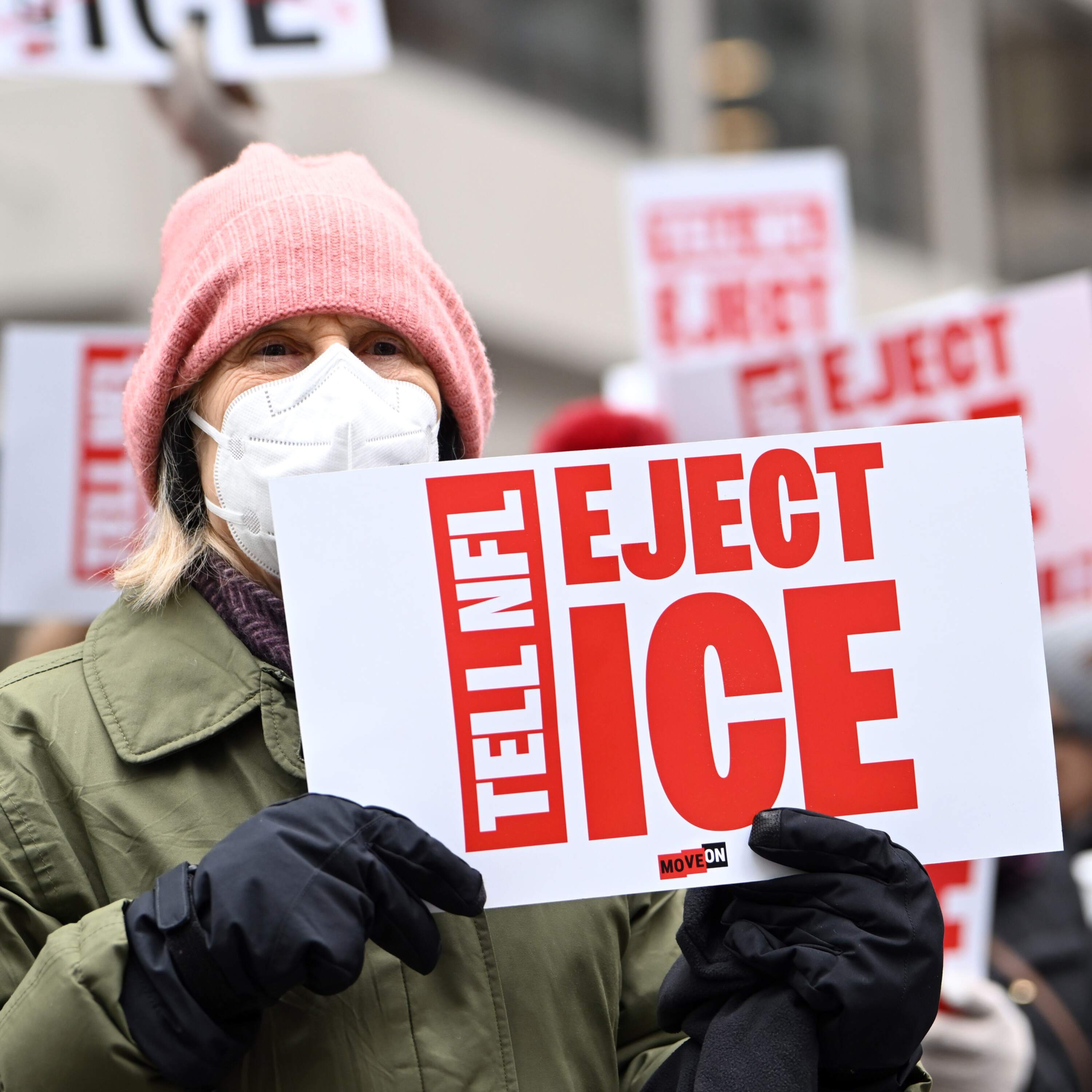
The Trump administration now says a “softer touch” might be required when it comes to their immigration agenda in Minnesota. Tom Homan, President Donald Trump’s border head, says that 700 ICE agents will leave the state.In another warning sign for Republicans in Washington, a Democratic candidate won an upset in a special election for a Texas State Senate seat.And the Department of Justice released another round of Epstein emails on Friday, revealing communications between the late New York financier and several public figures, from Bill Gates to Elon Musk.Talks between the U.S. and Iran got off to a stuttering start this week, one moment being tabled, and the next moment being back on. Arab leaders lobbied the White House on Wednesday to not walk away from the table entirely.The Trump administration revealed a plan to create a critical mineral reserve and a new trade alliance, aimed at taking away China’s ability to use its near monopoly of the rare metals as leverage in trade negotiations.Spain is set to follow Australia’s lead and implement a ban on social media use for minors.Find more of our programs online. Listen to 1A sponsor-free by signing up for 1A+ at plus.npr.org/the1a. To manage podcast ad preferences, review the links below:See pcm.adswizz.com for information about our collection and use of personal data for sponsorship and to manage your podcast sponsorship preferences.NPR Privacy Policy

The ICE ‘Conveyor Belt’ In Texas
Immigration enforcement is arresting a growing number of refugees and detaining them in Texas.It’s a strategy immigration lawyers call a conveyor belt. The number of children in ICE detention has also grown sixfold under the Trump administration – with most being held in Texas.The ICE detention budget grew by billions last year. What’s the effect on refugees?Find more of our programs online. Listen to 1A sponsor-free by signing up for 1A+ at plus.npr.org/the1a.To manage podcast ad preferences, review the links below:See pcm.adswizz.com for information about our collection and use of personal data for sponsorship and to manage your podcast sponsorship preferences.NPR Privacy Policy

Haitian Immigrants Almost Lost Their Temporary Protections. What Now?
This week, 330,000 Haitian immigrants who’ve lived and worked in the U.S. legally, sometimes for decades, were set to lose their immigration protections.That’s after the Trump administration announced it would end Temporary Protected Status, or TPS, for Haitians on Feb. 3. After a federal court order on Monday, the program remains in place for now, but could still be undone. The administration says it will appeal the ruling, potentially to the U.S. Supreme Court.What does it mean for Haitians who rely on TPS, who could go from integral parts of their community to undocumented immigrants? Even if they never crossed a border illegally or overstayed a visa?Find more of our programs online. Listen to 1A sponsor-free by signing up for 1A+ at plus.npr.org/the1a.To manage podcast ad preferences, review the links below:See pcm.adswizz.com for information about our collection and use of personal data for sponsorship and to manage your podcast sponsorship preferences.NPR Privacy Policy

ICE And The ICE Watchers
Thousands of people have signed up to document and protest the actions of immigration agents in Minnesota.They say they are legal observers, exercising their constitutional rights. The government claims they’re impeding the lawful work of a federal agency.Where is the line between observer and disrupter? And what are the limits to how federal agents can respond?Find more of our programs online. Listen to 1A sponsor-free by signing up for 1A+ at plus.npr.org/the1a.To manage podcast ad preferences, review the links below:See pcm.adswizz.com for information about our collection and use of personal data for sponsorship and to manage your podcast sponsorship preferences.NPR Privacy Policy

'If You Can Keep It': The Future Of The Free Press
The biggest news stories, the ones that shape our democracy, don’t just play out in Washington. They unfold in neighborhoods, on street corners, and around the country.In many cases, the first images and explanations of what’s happening don’t come from national news outlets, but the people who are there with cellphones and cameras in hand. That includes local journalists who are out in their communities. Journalists are trained to confirm and contextualize, but what does that look like in today’s shifting media landscape?Local reporters on the ground are crucial. But nearly 40 percent of local newspapers in the U.S. have disappeared since the early 2000s. Even the largest newspapers — providing national coverage out of major cities — are on shaky ground. Layoffs are expected at The Washington Post in the coming weeks.What does it all mean for how news gets made and who gets heard? What’s at stake for our democracy? And who is trying to chart a new path forward?Find more of our programs online. Listen to 1A sponsor-free by signing up for 1A+ at plus.npr.org/the1a.To manage podcast ad preferences, review the links below:See pcm.adswizz.com for information about our collection and use of personal data for sponsorship and to manage your podcast sponsorship preferences.NPR Privacy Policy
The News Roundup For January 30, 2026
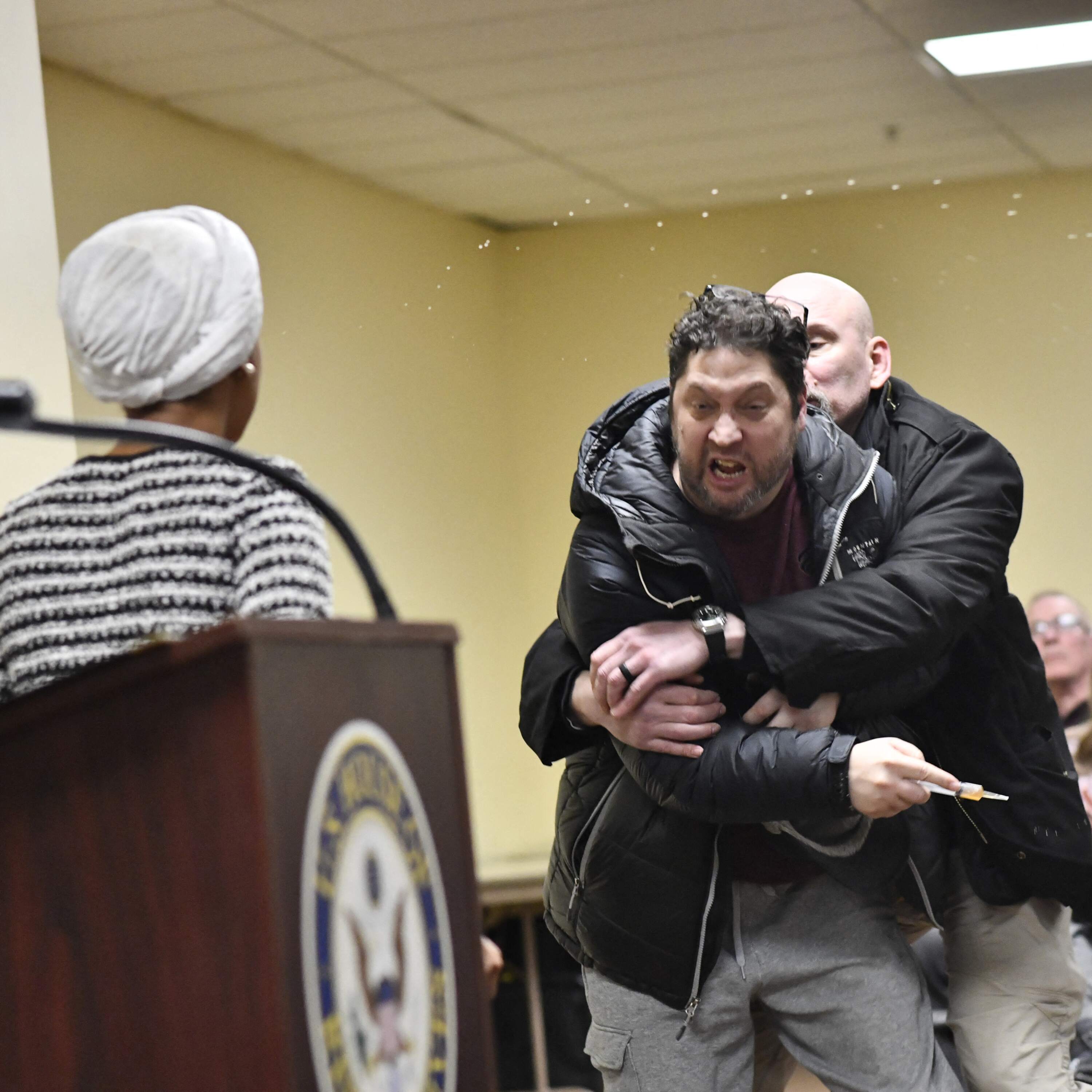
A man rushed towards Minnesota Rep. Ilhan Omar during an event in her home state on Tuesday, spraying the congresswoman with a liquid authorities later identified as vinegar. President Donald Trump told reporters later that evening he thought there was a chance that Omar had staged the attack herself as a stunt.Another deadline for a government shutdown is fast approaching. And questions are mounting about whether Democrats will continue to dig their heels in over the Trump administration’s immigration agenda.And more acts are pulling out of scheduled performances at the Kennedy Center. Composer Phillip Glass announced his decision to not debut a symphony he wrote in honor of Abraham Lincoln written for the Center’s 50th anniversary.And, in global news, President Donald Trump said this week that Iran needed to give into a list of demands related to its nuclear disarmament and that “time was running out.” The military is now moving Navy and Air Force assets to the Middle East.Secretary of State Marco Rubio said he couldn’t rule out further military intervention in Venezuela during testimony before the Senate.And traditional U.S. allies are looking elsewhere for aid and trade deals, as the president continues to demolish the old world order in favor of one that centers himself.We cover the most important stories from around the world in the News Roundup.Find more of our programs online. Listen to 1A sponsor-free by signing up for 1A+ at plus.npr.org/the1a.To manage podcast ad preferences, review the links below:See pcm.adswizz.com for information about our collection and use of personal data for sponsorship and to manage your podcast sponsorship preferences.NPR Privacy Policy
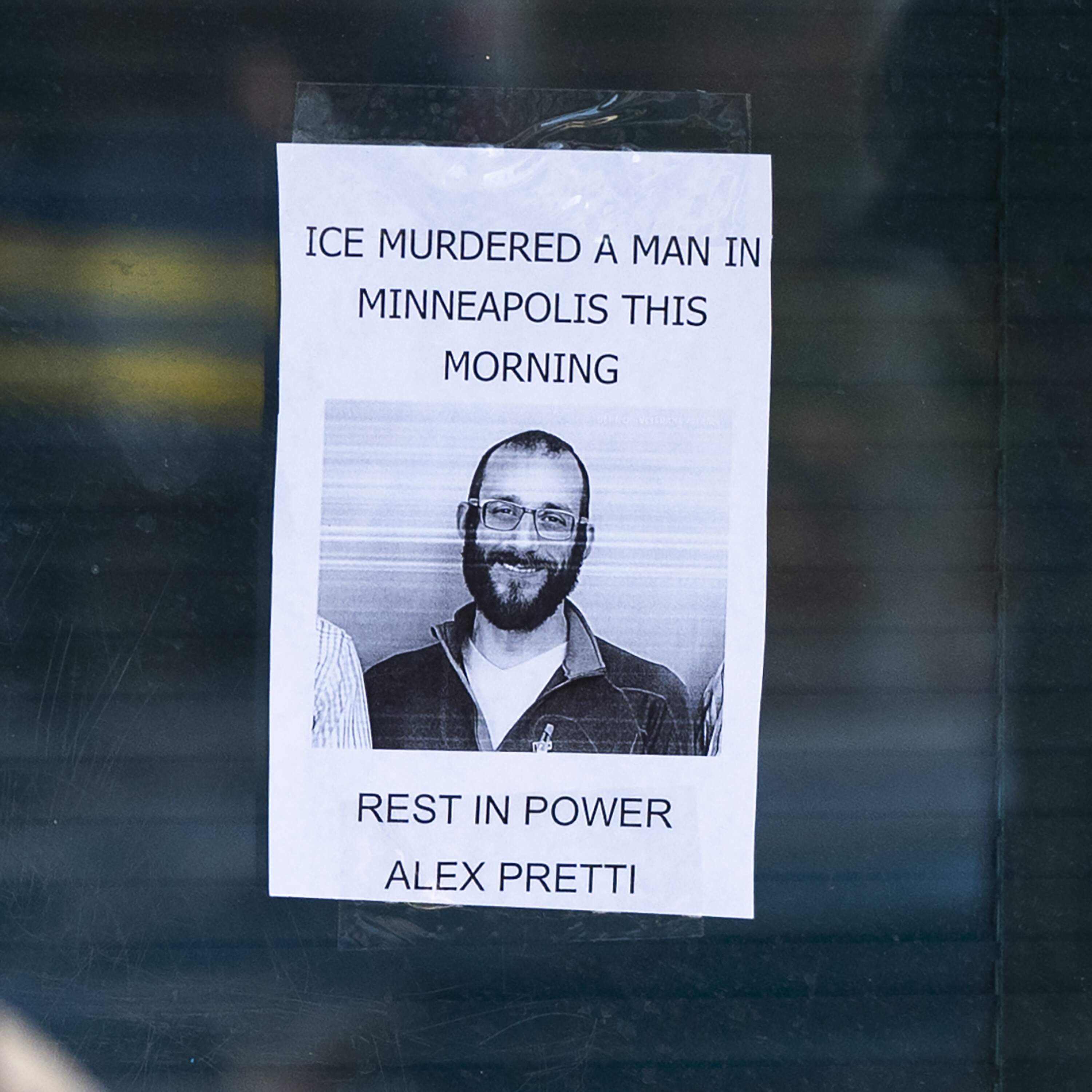
'If You Can Keep It': ICE’s Latest Minnesota Killing
On Saturday, Border Patrol and ICE agents deployed to Minneapolis wrestled a member of the public to the ground and then shot him multiple times. Alex Pretti, 37, died as a result.Pretti was a Minneapolis resident and an ICU nurse at a local VA hospital. It’s the second killing by federal agents in the state this month, and the third shooting.The message from elected officials in Minneapolis and in Minnesota was simple: enough.We look at how this operation, one the Trump administration says is about immigration enforcement, transformed into something else. Then, we turn to Congress and its lack of oversight of the Trump’s agenda. And we hear from a Democratic member of Congress about what she wants her colleagues to do in this moment.Find more of our programs online. Listen to 1A sponsor-free by signing up for 1A+ at plus.npr.org/the1a.To manage podcast ad preferences, review the links below:See pcm.adswizz.com for information about our collection and use of personal data for sponsorship and to manage your podcast sponsorship preferences.NPR Privacy Policy

The News Roundup For January 23, 2026
ICE is continuing its Minnesota crackdown. This week, agents were reportedly targeting members of the public based on race. Now, state officials are asking federal judges to end the agency’s campaign in their communities, despite the administration asking those same judges to let them keep going.The Department of Justice said in a recent court filing that Elon Musk’s DOGE team may have accessed private and off-limits social security data.And the House Oversight Committee voted to hold Bill and Hillary Clinton in contempt of Congress after the pair ignored a summons to appear before a panel, saying it was politically-motivated.And, in global news, President Donald Trump claims he has the framework of a deal in place with NATO for control of Greenland.Despite that possibility, the president heavily criticized European leaders in a speech at the World Economic Forum in Davos, Switzerland this week. Now, America’s traditional allies are reportedly grappling with what the future might hold for the West.President Trump also met with Ukrainian President Volodymyr Zelenskyy as his special envoy, Steve Witkoff, touted the progress his team has made with Russian leaders in finding a solution to the war in Ukraine.We cover the most important stories from around the globe on the News Roundup.Find more of our programs online. Listen to 1A sponsor-free by signing up for 1A+ at plus.npr.org/the1a.To manage podcast ad preferences, review the links below:See pcm.adswizz.com for information about our collection and use of personal data for sponsorship and to manage your podcast sponsorship preferences.NPR Privacy Policy

Best Of: Who Gets To Decide What School Means For Students?
What's your most vivid school memory? Do you remember it as a time of exploration? Was it a place where you could figure out who you were and what you wanted to become?Or did it feel like it wasn't made for you? Did it feel constricting, or like a place with lots of rules about how you had to act and what you couldn't do?Your experience of schools likely depended on the administrators, who your teachers were, how your city or state set up the curriculum, and the resources your school received. Writer Eve L. Ewing argues that experience could also be shaped by who you are.We sit down with Ewing to talk about her new book, "Original Sins: The (Mis)education of Black and Native Children and the Construction of American Racism."What has school meant for students, and who influenced how schools function the way they do? And what are alternatives for how school could work for students?Find more of our programs online. Listen to 1A sponsor-free by signing up for 1A+ at plus.npr.org/the1a.To manage podcast ad preferences, review the links below:See pcm.adswizz.com for information about our collection and use of personal data for sponsorship and to manage your podcast sponsorship preferences.NPR Privacy Policy

In Good Health: What We Know About ADHD
Attention-Deficit Hyperactivity Disorder, or ADHD, affects tens of millions of people in the U.S.About one in nine children and one in 16 adults have ADHD. That’s according to an analysis from the nonprofit Children and Adults with Attention-Deficit/Hyperactivity Disorder, or CHADD.As researchers learn more about the brain and its complexities, they’re also gaining new insights into what the condition looks like across different ages, genders, and races.In recent years, more adults — especially women — are being diagnosed than ever before. In this installment of our series “In Good Health,” we focus on ADHD – from symptoms, to diagnoses, to treatments.Find more of our programs online. Listen to 1A sponsor-free by signing up for 1A+ at plus.npr.org/the1a. To manage podcast ad preferences, review the links below:See pcm.adswizz.com for information about our collection and use of personal data for sponsorship and to manage your podcast sponsorship preferences.NPR Privacy Policy

Elliot Williams On New York City, Race, And The ‘Subway Vigilante’
On Dec. 22, 1984, Bernard Goetz, a white man, shot and seriously wounded four Black teenagers in a New York City subway car.Their names were were Barry Allen, Darrell Cabey, Troy Canty, and James Ramseur. Goetz fled the scene resulting in a manhunt. In the meantime, New Yorkers dubbed him the “subway vigilante.”The city was experiencing a crime wave and some residents championed the man who took matters into his own hands. The case sparked a conversation about race, vigilantism, and public safety that still has reverberates through our country today.It’s also the subject of Elliot Williams' new book, “Five Bullets: The Story of Bernie Goetz, New York’s Explosive 80s, and the Subway Vigilante that Divided the Nation.” Williams is a CNN legal analyst and 1A guest host. He joins us to talk discuss the book.Find more of our programs online. Listen to 1A sponsor-free by signing up for 1A+ at plus.npr.org/the1a. To manage podcast ad preferences, review the links below:See pcm.adswizz.com for information about our collection and use of personal data for sponsorship and to manage your podcast sponsorship preferences.NPR Privacy Policy

The News Roundup For January 16, 2026
The Trump administration sent hundreds more ICE agents to Minnesota this week as protests continue. President Donald Trump referred to the demonstrators as “professional agitators” and threatened to invoke the Insurrection Act.Diplomats from Denmark and Greenland traveled to the White House to meet with Vice President JD Vance after President Trump once again threatened to annex Greenland following major foreign intervention in Venezuela.Meanwhile, protesters in Iran are attempting to keep up their demonstrations against the country’s theocracy after a week of bloody crackdowns by authorities.In an interview with Reuters this week, Donald Trump says Ukrainian President Volodymyr Zelenskyy is the one holding up peace negotiations for the war in Ukraine, not Russian President Vladimir Putin.Find more of our programs online. Listen to 1A sponsor-free by signing up for 1A+ at plus.npr.org/the1a. To manage podcast ad preferences, review the links below:See pcm.adswizz.com for information about our collection and use of personal data for sponsorship and to manage your podcast sponsorship preferences.NPR Privacy Policy

How Change Affects Our Brains And Identities
Life can bring major, unexpected changes without warning. How can we adapt when our best-laid plans are suddenly upended?Maya Shankar is a cognitive scientist. Her latest book, “The Other Side of Change,” attempts to answer this question by looking at how change affects the brain and our identities.She joins us to talk about the neuroscience behind how we deal with different circumstances.Find more of our programs online. Listen to 1A sponsor-free by signing up for 1A+ at plus.npr.org/the1a.To manage podcast ad preferences, review the links below:See pcm.adswizz.com for information about our collection and use of personal data for sponsorship and to manage your podcast sponsorship preferences.NPR Privacy Policy

Trump, Greenland, And The Future Of The Arctic
The Trump administration’s recent evisceration of Venezuela’s government has leaders in Washington wondering where else they can meddle. And President Donald Trump’s eyes have wandered back to a familiar target: Greenland.Trump has said he wants to buy the island or control it. Now, he could look to follow through on that threat.This renewed focus caused Denmark and Greenland to send their foreign ministers to Washington D.C. on Wednesday for a meeting with Secretary of State Marco Rubio and Vice President JD Vance.What could a takeover of Greenland mean for its people, NATO, and the U.S.? And what’s in store for the future of the Arctic as it continues to warm faster than anywhere else in the world?Find more of our programs online. Listen to 1A sponsor-free by signing up for 1A+ at plus.npr.org/the1a.To manage podcast ad preferences, review the links below:See pcm.adswizz.com for information about our collection and use of personal data for sponsorship and to manage your podcast sponsorship preferences.NPR Privacy Policy

On The Ground In Minneapolis
Minnesota officials sued the Trump administration on Monday in order to end the surge of immigration enforcement officers in the state. A thousand more ICE officers are being deployed to the city in the coming days. That’s on top of 2,000 federal agents reportedly in the area already.These moves follow days of protests in response to the fatal shooting of Renee Macklin Good by an ICE agent in Minneapolis last Wednesday. Since then, the agency’s officers have continued to ramp up raids and use increasingly aggressive tactics.What are people on the ground in Minneapolis seeing in their city? What might the way forward look like?Find more of our programs online. Listen to 1A sponsor-free by signing up for 1A+ at plus.npr.org/the1a.To manage podcast ad preferences, review the links below:See pcm.adswizz.com for information about our collection and use of personal data for sponsorship and to manage your podcast sponsorship preferences.NPR Privacy Policy

'If You Can Keep It': American Intervention Abroad
In the space of just one week, President Donald Trump ordered the seizure and arrest of Venezuelan President Nicolás Maduro, asserted control over the country’s government, and took over its crude oil industry.According to Venezuela’s interior minister, 100 people died during the U.S. abduction of Maduro. Since September, the administration has killed at least 115 people in 30 boat strikes in the Caribbean and the Pacific.These military actions in the region are raising questions about the nature of U.S. intervention abroad. Last week, the Senate advanced a measure limiting Trump’s power to take further military action in Venezuela.Now, the president is threatening intervention in Iran amid crackdowns on protests across the country. And here in the U.S., federal agents shot three civilians last week, injuring a man and woman in Portland and killing a woman in Minneapolis.What does President Trump’s military intervention abroad mean for issues at home? And for our allies and enemies abroad?Find more of our programs online. Listen to 1A sponsor-free by signing up for 1A+ at plus.npr.org/the1a. To manage podcast ad preferences, review the links below:See pcm.adswizz.com for information about our collection and use of personal data for sponsorship and to manage your podcast sponsorship preferences.NPR Privacy Policy

The News Roundup For January 9, 2026
We start the week in Minneapolis where a 37-year-old woman was shot and killed by an ICE officer on Wednesday. Authorities claim the woman attacked officers while they were digging their car out of the snow, but video from the scene and the municipal officials heavily dispute that claim.This week GOP lawmakers from Minnesota testified at a hastily-scheduled House Oversight Committee hearing about welfare fraud scandal allegations in their state. And on Tuesday, the Department of Health and Human Services froze $10 billion in five states including Minnesota, New York, California, Illinois and Colorado. That funding covers childcare subsidies, cash support for low-income families, and other social services.Meanwhile, its been nearly one week since Venezuelan president Nicolás Maduro and his wife Cilia Flores were captured by U.S. forces and brought to face charges of narco-terrorism on American soil.And the Trump administration’s actions in Venezuela are having ripple effects across the globe. Europe is on edge as the U.S president this week suggested the territory could be in his crosshairs next, raising questions about America’s relationship with NATO.Also this week, President Donald Trump signed an executive order suspending U.S. support for global 66 organizations, agencies, and commissions, following his administration’s review of participation in and funding for all international organizations.Find more of our programs online. Listen to 1A sponsor-free by signing up for 1A+ at plus.npr.org/the1a. To manage podcast ad preferences, review the links below:See pcm.adswizz.com for information about our collection and use of personal data for sponsorship and to manage your podcast sponsorship preferences.NPR Privacy Policy

The Outstanding Cases Against The Trump Administration
In the first year of President Donald Trump’s new term, he issued hundreds of executive actions and his administration implemented sweeping changes to the federal government.Changes to federal grant funding, DEI policies, the federal workforce were all met with fierce resistance and legal challenges, totaling more than 350 lawsuits so far. Judges across the country are also mulling whether Trump’s attempt to change birthright citizenship and his deployment of ICE agents for mass deportations are legal.The administration has spent a lot of time defending its policy actions in court. We get up to speed on their record over the past year.How successful has the administration been in the courts? And what cases from 2025 remain up in the air?Find more of our programs online. Listen to 1A sponsor-free by signing up for 1A+ at plus.npr.org/the1a. To manage podcast ad preferences, review the links below:See pcm.adswizz.com for information about our collection and use of personal data for sponsorship and to manage your podcast sponsorship preferences.NPR Privacy Policy
ICYMI: The New Interim Leader Of Venezuela
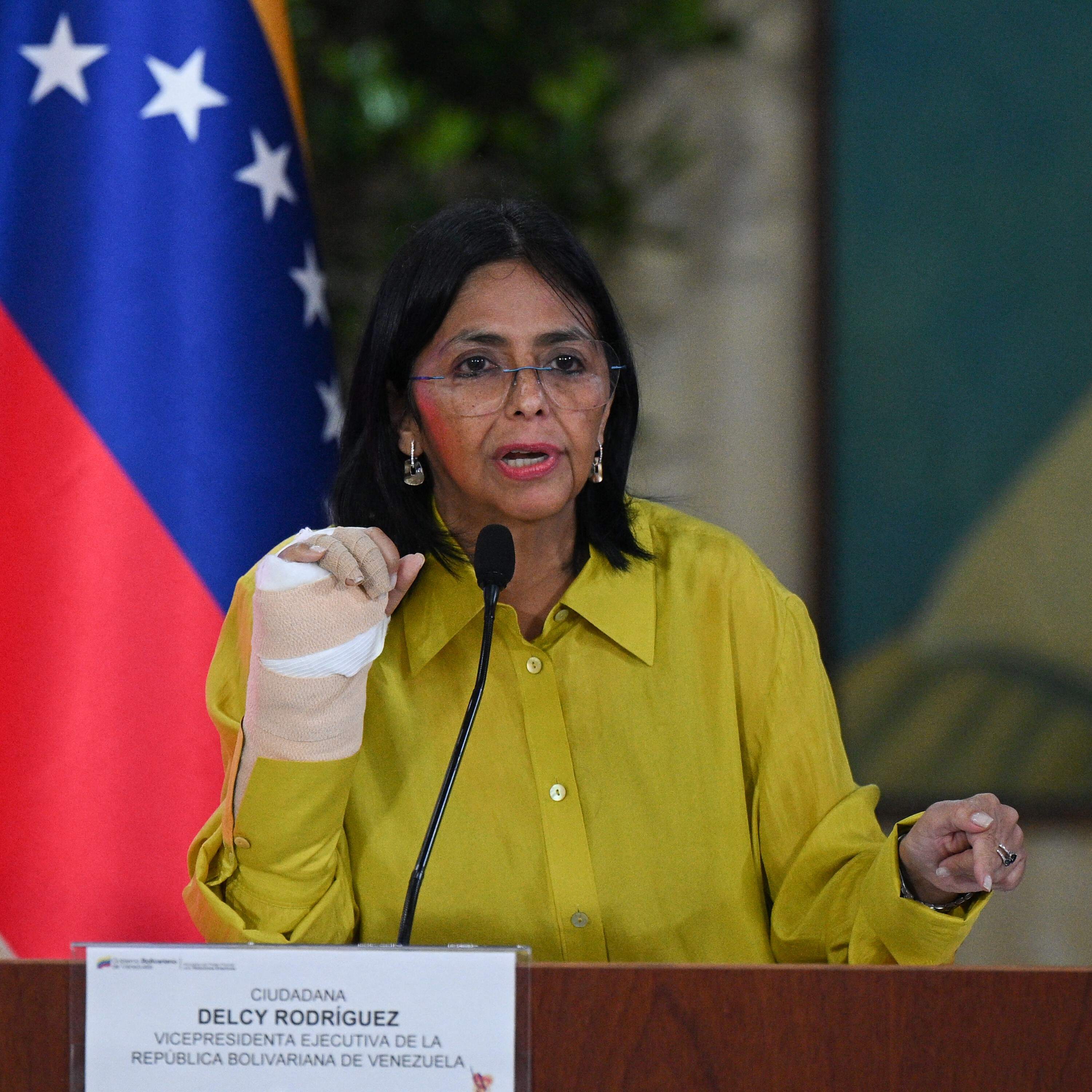
Last night, President Donald Trump announced that Venezuela would start sending the U.S. oil. He’s voiced his desire to exploit the country’s vast reserves since ousting Nicolás Maduro in a midnight raid over the weekend.The Venezuelan government hasn’t yet confirmed the move. And the country’s leaders continue to condemn U.S. actions in their country as they crack down on anti-Maduro sentiment.This begs the question – who is in charge of Venezuela? And what does the relationship between the Trump administration and the Delcy Rodriguez, their pick to lead the nation, look like?Find more of our programs online. Listen to 1A sponsor-free by signing up for 1A+ at plus.npr.org/the1a. To manage podcast ad preferences, review the links below:See pcm.adswizz.com for information about our collection and use of personal data for sponsorship and to manage your podcast sponsorship preferences.NPR Privacy Policy

The Fifth Anniversary Of The Jan. 6 Capitol Riot
Five years ago today, thousands of rioters stormed the U.S. Capitol.A number of them assaulted police officers with weapons and even looted the building. They called for war, revolution, and political executions. That’s according to thousands of videos presented in court reviewed by NPR. One former federal prosecutor who led the Justice Department’s investigation into Jan. 6 called it the “most televised crime in American history, if not world history.”But the narrative around what happened that day continues to shift. President Donald Trump pardoned or commuted the sentences of nearly every Jan. 6 defendant, ending the largest criminal prosecution in American history.What are we still learning about Jan. 6 five years later? And how is that day still shaping our politics — and the country?Find more of our programs online. Listen to 1A sponsor-free by signing up for 1A+ at plus.npr.org/the1a. To manage podcast ad preferences, review the links below:See pcm.adswizz.com for information about our collection and use of personal data for sponsorship and to manage your podcast sponsorship preferences.NPR Privacy Policy

'If You Can Keep It': Democracy In 2026
After a year of new leadership, court fights, dramatic change to the federal government, and deep political division, where does American democracy stand as we move into 2026?And what does it mean for you?This is our first “If You Can Keep It” conversation of the new year. We take your calls and hear from you about your wants and concerns for American democracy in the days ahead.Find more of our programs online. Listen to 1A sponsor-free by signing up for 1A+ at plus.npr.org/the1a.To manage podcast ad preferences, review the links below:See pcm.adswizz.com for information about our collection and use of personal data for sponsorship and to manage your podcast sponsorship preferences.NPR Privacy Policy

Best Of: The Science And Stories Of Time Travel
Have you ever fantasized about going back in time to relive a moment — or change it?Maybe you’re more interested in traveling to the future where cars fly and the code to immortality has been cracked.If the idea of time travel resonates with you, you’re far from alone — particularly during a year of political upheaval.Scientists moved one step closer to understanding time travel, at least hypothetically, this year. Two physicists at the University of Queensland in Australia created a model for studying the phenomenonWe’re not there yet. But when it comes to books, movies and TV shows, that’s a different story. We’ve been thinking about hurtling through history for a very, very long time.Why do we return time and time again to stories about time travel? Will it ever become a reality?Find more of our programs online. Listen to 1A sponsor-free by signing up for 1A+ at plus.npr.org/the1a. To manage podcast ad preferences, review the links below:See pcm.adswizz.com for information about our collection and use of personal data for sponsorship and to manage your podcast sponsorship preferences.NPR Privacy Policy

Best Of: Finding Agency In Chaos
If you've been following the news lately — including with 1A — it can be a lot to take in.We've heard from many of you about how the news makes you feel. But what can we do in chaotic moments of history to build a sense of control in our lives? Maybe it's organizing in your community, starting a new hobby, or picking up that TV show from 10 years ago that you promised you'd get around to watching.What can finding agency in the chaos look like? Why should we actively focus on something rather than simply react to what's happening?Find more of our programs online. Listen to 1A sponsor-free by signing up for 1A+ at plus.npr.org/the1a.To manage podcast ad preferences, review the links below:See pcm.adswizz.com for information about our collection and use of personal data for sponsorship and to manage your podcast sponsorship preferences.NPR Privacy Policy

Best Of: Birding To Help Revitalize Conservation Efforts
Some of the best songs you can hear this spring aren't on the radio.Hundreds of millions of birds make their annual migration back into North America in early March. Despite their return to our neighborhoods and backyards to wake us up bright and early, a new report reveals they're numbering fewer and fewer.The 2025 State of the Birds report is a joint effort spearheaded by a coalition of science and conservation organizations. It found widespread population decline across nearly all habitats and that over one third of species require conservation help.But it's not all bad news. The report also finds that an increased interest in birding has led to more volunteer data that helped shaped the report. What can we learn about our feathered friends and our environment while watching?Find more of our programs online. Listen to 1A sponsor-free by signing up for 1A+ at plus.npr.org/the1a.To manage podcast ad preferences, review the links below:See pcm.adswizz.com for information about our collection and use of personal data for sponsorship and to manage your podcast sponsorship preferences.NPR Privacy Policy

Best Of: How Spending Time In Nature Helps Our Health
Many of us know that being outside feels good.Maybe it’s for a short walk to the store. Maybe for a hike at a nearby mountain. Or maybe spending time at the beach with loved ones for a holiday.But did you know that a short walk in nature can improve your attention span by 20 percent? And that even fake plants have been shown to deliver health benefits?There are real benefits to surrounding yourself with the natural world.We sit down with the pioneer of environmental neuroscience, Marc Berman. He’s out with a new book all about the science behind the benefits spending time outside called “Nature and the Mind.”Find more of our programs online. Listen to 1A sponsor-free by signing up for 1A+ at plus.npr.org/the1a. To manage podcast ad preferences, review the links below:See pcm.adswizz.com for information about our collection and use of personal data for sponsorship and to manage your podcast sponsorship preferences.NPR Privacy Policy

Best Of: The Map Men On Missing Islands And The Meaning Of Mistakes
Last year, Americans spent more than 300 billion minutes on navigation apps, like Waze or Google Maps.The GPS systems in our pockets have come a long way from the first known map, carved into a mammoth tusk 30,000 years ago.But even with satellites tracking us and the ever-changing Earth from the skies – digital maps aren’t fact. Errors can show up and are sometimes as old as maps themselves. The phantom island of Sandy Island appeared on Google Maps until 2012, when Australian scientists sailed to its supposed location and found only open ocean.Mistakes on maps were sometimes intentional, sometimes not – but every single one tells a bigger story.How and why did it get there? What does it reveal about the creator of the map and the world around them?We sit down with Jay Foreman and Mark Cooper-Jones, better known as the Map Men on YouTube, to talk through these questions and more.Find more of our programs online. Listen to 1A sponsor-free by signing up for 1A+ at plus.npr.org/the1a. To manage podcast ad preferences, review the links below:See pcm.adswizz.com for information about our collection and use of personal data for sponsorship and to manage your podcast sponsorship preferences.NPR Privacy Policy

Best Of: The Financial Burden Of Caregiving
In-home elder care costs are rising more than three times faster than inflation.AARP estimates that caregivers in the U.S. spend an average of $7,242 out of pocket each year.Cuts to federal spending have gutted programs that support them. And amidst the longest government shutdown in history, what little help was left is quickly drying up.Why is the cost of care going up? What can be done to combat those costs?Find more of our programs online. Listen to 1A sponsor-free by signing up for 1A+ at plus.npr.org/the1a.To manage podcast ad preferences, review the links below:See pcm.adswizz.com for information about our collection and use of personal data for sponsorship and to manage your podcast sponsorship preferences.NPR Privacy Policy

Best Of: What Beards Tell Us About Power, Politics And How We See Each Other
Abraham Lincoln was the first U.S. president to sport a beard. For the next 50 years, whiskers were commonplace in the White House. But then, they went out of style.Now, Vice President JD Vance is the first executive branch leader in more than a century with a furry face.And others are following suit. From the Senate to the campaign trail, more and more men in politics are letting their facial hair grow free. But what does that tell us about masculinity, power, and how we see each other?Why did our politicians remain bare faced for so long? And what does the reemergence of whiskers in the White House represent?Find more of our programs online. Listen to 1A sponsor-free by signing up for 1A+ at plus.npr.org/the1a.To manage podcast ad preferences, review the links below:See pcm.adswizz.com for information about our collection and use of personal data for sponsorship and to manage your podcast sponsorship preferences.NPR Privacy Policy

The News Roundup For December 19, 2025
President Donald Trump delivered a national address on Wednesday in an attempt to set the record straight on his economic record.Gun violence dominated the news this week. Two people were killed in a shooting at Brown University. Six teenagers were injured in a shooting outside of a birthday party in Brooklyn. And an MIT professor was shot and killed inside of his home Tuesday.And an appeals court signals it will allow the National Guard to continue in Washington D.C. while litigation continues.And, in global news, two shooters opened fire on a Hanukkah gathering at Bondi Beach in Sydney, Australia on Sunday. It was the country’s deadliest shooting in 30 years.President Donald Trump continues to escalate tensions between Washington and Caracas. This week Trump ordered the blockade of sanctioned Venezuelan oil tankers.And Russian President Vladimir Putin is warning that his country will extend its gains of Ukrainian territory if peace talks aren’t successful.We cover the most important stories from around the globe in the News Roundup.Find more of our programs online. Listen to 1A sponsor-free by signing up for 1A+ at plus.npr.org/the1a.To manage podcast ad preferences, review the links below:See pcm.adswizz.com for information about our collection and use of personal data for sponsorship and to manage your podcast sponsorship preferences.NPR Privacy Policy

Navigating Modern Adolescence
The modern world is a noisy, chaotic place. News about what’s happening in the world is constantly available on a device in your pocket. The internet offers more content than any person could consume in their lifetime, or in 10 lifetimes.Politics can feel unstable, with elected officials changing the norms and rules of our political system. AI is upending our ideas about what work will look like in the next few decades. And social media, designed by technology companies to monetize attention, offers up millions of rabbit holes in which to lose yourself — self improvement hacks, niche interests, impossible beauty standards.Taking all of that in can feel like an insurmountable task most days. So try doing it with a brain and a body that are changing dramatically at the same time.How do young people — adolescents going through puberty — experience the world today? How is the adolescent experience changing? And how can adults make their journey easier? Find more of our programs online. Listen to 1A sponsor-free by signing up for 1A+ at plus.npr.org/the1a. To manage podcast ad preferences, review the links below:See pcm.adswizz.com for information about our collection and use of personal data for sponsorship and to manage your podcast sponsorship preferences.NPR Privacy Policy

Evolutionary Biologist Scott Taylor And Birds
It’s a stressful day at the office. You want to get away from work. The sounds of notifications, meeting alerts, and Zoom calls ring through your ears. You step outside for your lunch break. No matter where you are in the world, you’re likely to hear the same thing: the sounds of birds. They’re everywhere, after all.Despite their constant presence in our lives and our world, there’s still a lot left to understand about our clawed compatriots. What if we could learn more about them with a bit of intentional observation? And in watching birds, maybe learn something about ourselves?We sit down with University of Colorado Boulder professor Scott Taylor to talk about his new podcast, “Okay, But… Birds.”Find more of our programs online. Listen to 1A sponsor-free by signing up for 1A+ at plus.npr.org/the1a. To manage podcast ad preferences, review the links below:See pcm.adswizz.com for information about our collection and use of personal data for sponsorship and to manage your podcast sponsorship preferences.NPR Privacy Policy