
1A
429 episodes — Page 3 of 9
How Mayors Across The Globe Are Making A Difference
What Tele-ICUs Mean For Health Care In Critical Moments
Journalist Jodi Kantor On Finding Your Life’s Work
'If You Can Keep It': The Realities Of Supreme Court Reform
The News Roundup for May 8, 2026
Patients In States With Abortion Bans Might Lose Remote Access To Mifepristone
What The Practice Of State Preemption Means For Our Democracy
The Plan For The US Power Grid
'If You Can Keep It': The Supreme Court And The Voting Rights Act
The News Roundup For May 1, 2026
The Fate Of The Farm Bill
Has RFK Delivered On MAHA Promises?
How AI Is Transforming Our Cities
'If You Can Keep It': What The Wealth Gap Means For Democracy
The News Roundup For April 24, 2026
Thousands Of Americans Are Set To Lose Access To HIV Medication And Care
Breaking The Silence Surrounding Sex And Disability
What It Means To Have An ICE Detention Center In Your Backyard
'If You Can Keep It': The Future Of The Foreign Intelligence Surveillance Act
The News Roundup For April 17, 2026
The Uncertain Future Surrounding NATO
What AI-authored Books Mean For The Publishing Industry
How The IRS Is Navigating Tax Season In 2026
'If You Can Keep It': What The Democrats’ Recent Wins Mean For The Midterms
The News Roundup For April 10, 2026
Unpacking The Supreme Court’s Conversion Therapy Decision
Ceasefire In Iran And The State Of The US Job Market
What Medicaid Cuts Mean For American Hospitals
'If You Can Keep It': The US, Iran, And War Crimes

The News Roundup For April 3, 2026
President Donald Trump told the nation during a presidential address that he expected the war in Iran to come to a close soon, saying that it was “nearly complete.” Meanwhile, the Pentagon is preparing for a weeks of ground operations in the Middle East.The House rejected a Senate-approved bill to fund the Department of Homeland Security this week. Now, the Senate is scrambling to get another version of its plan back to the House before the week is over.And a federal judge struck down a Trump executive order that pulled funding from National Public Radio and the Public Broadcasting Service, citing free speech violations.And, in global news, President Donald Trump told aides this week that he would consider ending the war in Iran without securing the reopening of the Strait of Hormuz. It’s a strategy that’s left some American allies a little nervous about their energy supplies, leading the president to tell them to “go get your own oil.”Meanwhile, Israel passed a law legalizing the death penalty for any Palestinian caught perpetrating a terrorist attack.Now, Israeli Prime Minister Benjamin Netanyahu announced that he and his forces are planning on widening their invasion of southern Lebanon.We cover the most important stories from around the globe on the News Roundup.Find more of our programs online. Listen to 1A sponsor-free by signing up for 1A+ at plus.npr.org/the1a.To manage podcast ad preferences, review the links below:See pcm.adswizz.com for information about our collection and use of personal data for sponsorship and to manage your podcast sponsorship preferences.NPR Privacy Policy

The State Of Abortion Access In 2026
It’s been nearly four years since Roe v. Wade was overturned.Since then, abortion access across the U.S. has been in flux – and the fight around that care continues today. Now, 13 states have a total ban. And five have restricted abortion after six weeks of gestation. The latest state to do so is Wyoming.But legal challenges to such bans are swift and constant, leading to confusion and uncertainty for both those seeking abortions and those who provide them.And despite these partial or total bans, new data from the Guttmacher Institute found that the number of abortions has remained relatively unchanged from 2024 to 2025.We sit down with a panel of experts to talk about the state of abortion access in 2026.Find more of our programs online. Listen to 1A sponsor-free by signing up for 1A+ at plus.npr.org/the1a.To manage podcast ad preferences, review the links below:See pcm.adswizz.com for information about our collection and use of personal data for sponsorship and to manage your podcast sponsorship preferences.NPR Privacy Policy

Where Do Voters Stand On Donald Trump’s Immigration Enforcement?
In 2024, many voters were frustrated with the state of the southern U.S. border.A growing share of the electorate thought the Biden administration was being too lax on illegal immigration. And Pew Research said roughly one in 10 Democrats were in favor of a national deportation effort.Over the past 14 months, President Donald Trump’s Department of Homeland Security has launched a strict and oftentimes violent crackdown on illegal immigration.While popular at first, especially among the MAGA base, Immigration and Customs Enforcement officials have also detained legal residents and others with protected status as part of their efforts. Now, polls suggest most U.S. adults think the deployment of federal immigration agents into American cities has gone too far.What do we know about where voters stand on Trump’s immigration enforcement? And how are Republicans and independents responding to this administration’s tactics?Find more of our programs online. Listen to 1A sponsor-free by signing up for 1A+ at plus.npr.org/the1a.To manage podcast ad preferences, review the links below:See pcm.adswizz.com for information about our collection and use of personal data for sponsorship and to manage your podcast sponsorship preferences.NPR Privacy Policy

Donald Trump, The Supreme Court, And Birthright Citizenship
If you’re born in the United States – with a few exceptions – you’re a U.S. citizen. That principle is called birthright citizenship and it’s existed since the end of the Civil War.Some 160 years later, President Donald Trump wants to change that. On his first day back in office in 2025, he signed an executive order that tries to narrow the category of who is eligible.The Supreme Court is set to weigh in. It hears the case on Wednesday. What could the outcomes of this case mean for U.S. citizenship – for new immigrants, for their children, and for native born citizens?Find more of our programs online. Listen to 1A sponsor-free by signing up for 1A+ at plus.npr.org/the1a.To manage podcast ad preferences, review the links below:See pcm.adswizz.com for information about our collection and use of personal data for sponsorship and to manage your podcast sponsorship preferences.NPR Privacy Policy

'If You Can Keep It': Privacy Protections Under The Trump Administration
Is the Trump administration creating a centralized database that tracks the activities Americans? Americans who are not suspected of committing a crime?That’s the question at the heart of a new lawsuit filed against the administration by the Freedom of the Press Foundation. That’s an organization advocating for press freedoms.These allegations stem from an executive order signed by Donald Trump last year encouraging data sharing between federal agencies and the elimination of “information silos.” In the last year, the Trump administration has loosened restrictions around the Central Intelligence Agency’s access law enforcement data. It has also allowed Immigration and Customs Enforcement to access Medicaid data and given ICE access to data from the Internal Revenue Service.These instances of data sharing between agencies have led to court battles and raised concerns over the amount of access the federal government has to our personal data and what they’re doing with it.We discuss the erosion of privacy protections under the Trump administration and what it means for you.A statement from Flock…“Flock does not share data on behalf of customers – agencies own and control their data and decide how it’s shared. As is made clear in our Terms & Conditions, “all right, title, and interest in and to Customer Data belong to and are retained by Customer.” Agencies can opt to share 1:1, within a geographic radius, across statewide or nationwide networks, or not at all. All searches on the platform are logged in an unalterable audit trail.Any sharing with federal law enforcement must be done on a 1:1 basis; federal agencies are not part of statewide or nationwide networks. In order for an agency to establish a sharing relationship with federal law enforcement, the local agency must explicitly allow federal law enforcement to discover that they exist within the Flock system (a setting that is opt-in only and off by default); federal law enforcement must then request access to that system; and the local agency must then accept federal law enforcement’s share request.Flock does not have any contracts with ICE or any DHS subagency. You can read more here.On contract renewals: law enforcement agencies nationwide use Flock to help solve serious crimes. When a tool that is actively helping solve violent crimes is removed, public safety moves backward. That has real consequences: cases will take longer to solve, organized retail theft crews will operate with fewer obstacles, an Amber Alert may not be returned home, and victims may wait longer, or indefinitely, for justice. You can read more here.”Find more of our programs online. Listen to 1A sponsor-free by signing up for 1A+ at plus.npr.org/the1a.To manage podcast ad preferences, review the links below:See pcm.adswizz.com for information about our collection and use of personal data for sponsorship and to manage your podcast sponsorship preferences.NPR Privacy Policy

The News Roundup For March 27, 2026
The Pentagon is planning on putting boots back on the ground in the Middle East. Some 2,000 soldiers from the 82nd Airborne Division have received orders to deploy to the region despite President Donald Trump signaling last week that he was interested in ending his war in Iran via diplomatic means.As Democrats and Republicans continue to find themselves in a stand off over DHS funding, security lines at airports around the country continue to grow.Tech giants Meta and YouTube were found negligent in a landmark case concerning the companies’ creation of addictive online platforms that harm users’ mental health and wellbeing.And, in global news, Iranian officials confirmed this week they received a 15-point plan from the U.S. to end the war that’s killed thousands of Iranians and several American service members. Tehran, however, is signaling its found the demands contained within “extremely maximalist and unreasonable.”Meanwhile, Tehran-backed Hezbollah leaders are rejecting any notion that they’re seeking an end to their conflict with Israel.And the world’s attention swinging to Iran seems to have emboldened Russia, as Vladimir Putin’s forces gear up for a spring offensive in their campaign against Ukraine.We cover the most important stories from around the globe on the News Roundup.Find more of our programs online. Listen to 1A sponsor-free by signing up for 1A+ at plus.npr.org/the1a.To manage podcast ad preferences, review the links below:See pcm.adswizz.com for information about our collection and use of personal data for sponsorship and to manage your podcast sponsorship preferences.NPR Privacy Policy

The Environmental Cost Of War
The morning after major airstrikes by Israel on Iran’s oil facilities, black rain fell in Tehran. The city of nearly 10 million people was engulfed in thick black smoke.The World Health Organization is warning that “the conflict in the Middle East poses serious threats to public health.” A new report from the Climate and Community Institute finds that the war unleashed over 5 million tons of carbon in just two weeks. That’s more climate pollution than Iceland generates in a year.As the death toll grows, so does the environmental cost. We break it down with a panel of experts.Find more of our programs online. Listen to 1A sponsor-free by signing up for 1A+ at plus.npr.org/the1a.To manage podcast ad preferences, review the links below:See pcm.adswizz.com for information about our collection and use of personal data for sponsorship and to manage your podcast sponsorship preferences.NPR Privacy Policy

The Plight Of The U.S. Postal Service
The United States Postal Service has delivered mail for 250 years, from the busiest cities to the most remote parts of the country. But decades of money troubles have left the USPS billions of dollars in debt.Now, the postmaster general warns that the agency could run out of money by October – and is urging Congress to save it.We explore the uncertain future of USPS with a panel of experts.Find more of our programs online. Listen to 1A sponsor-free by signing up for 1A+ at plus.npr.org/the1a.To manage podcast ad preferences, review the links below:See pcm.adswizz.com for information about our collection and use of personal data for sponsorship and to manage your podcast sponsorship preferences.NPR Privacy Policy

The Evolution Of The American Housing Crisis
Owning a house appears further and further out of reach for many people in the U.S. The problem is a national one. The median price for an American home is now just over $400,000. On average, houses cost five years of the median salary for someone working in the U.S. In some cities on the West Coast and in parts of Florida, that ratio is now eight years of salary to buy a home.Rents have also gone up significantly. Since 2020, the nation’s average rent is 27 percent higher. Some cities have seen much bigger gains – Miami’s average rent is up 51 percent. Housing policy advocates point to one big cause: the U.S. has not built enough housing for a growing population. But “build more housing” is a complex problem, not a single policy fix.Congress recently turned its attention to the problem of housing affordability. The Senate passed a bill with a basket of different policies, aiming to bring down the cost of housing and encourage more building.What’s in the bill specifically? And how could those policies make a dent in the housing crisis? And how has the housing crisis evolved in the past few years?Find more of our programs online. Listen to 1A sponsor-free by signing up for 1A+ at plus.npr.org/the1a.To manage podcast ad preferences, review the links below:See pcm.adswizz.com for information about our collection and use of personal data for sponsorship and to manage your podcast sponsorship preferences.NPR Privacy Policy

'If You Can Keep It': How Trump Deals With Foreign Adversaries
The U.S. has a long history of getting rid of foreign leaders it doesn’t like. But a new pattern has emerged in the Trump administration’s dealings with its foreign adversaries.In January, the president ordered a precision military operation that seized Venezuelan President Nicolás Maduro and brought him to the U.S. The next month, the administration launched a high-powered bombing campaign against Iran, killing the country’s supreme leader and dozens of its top officials.In both cases, Trump said the countries’ fates were ultimately up to the citizens — a striking change from the nation building during the wars in Iraq and Afghanistan.Now, the commander-in-chief has his eyes set on Cuba, telling its president his time in office is coming to a close.Our series, “If You Can Keep It,” continues with a look at what Trump’s military actions in Venezuela and Iran mean for how we fight wars and what comes after.Find more of our programs online. Listen to 1A sponsor-free by signing up for 1A+ at plus.npr.org/the1a.To manage podcast ad preferences, review the links below:See pcm.adswizz.com for information about our collection and use of personal data for sponsorship and to manage your podcast sponsorship preferences.NPR Privacy Policy

The News Roundup For March 20, 2026
As Israel and the U.S. continue to fire missiles at targets within Iran, the American military and President Donald Trump are weighing the costs and benefits of putting U.S. boots on the ground in the Middle East once again.Oklahoma Sen. Markwayne Mullin’s Department of Homeland Security confirmation hearing saw him clash with his fellow congresspeople. Despite the meeting’s testy tone, the committee cleared Mullin by a single vote, sending his confirmation to the full Senate.A federal judge ruled this week that Voice of America must reinstate more than 1,000 employees after the Trump administration placed them on leave last year.And, in global news, Iran’s foreign minister, Abbas Araqchi, announced this week that the Strait of Hormuz wasn’t technically closed to all traffic, just to ships controlled by the country’s enemies. Meanwhile, President Donald Trump is leaning on Japan to send warships to the passageway, to counteract Iran’s efforts to control the flow of trade.New reporting from The Guardian indicates that before the U.S. began bombing Iran, security officials from U.S. allies judged that, as talks between Washington and Tehran progressed, a peace deal was in reach.The U.S. eased sanction on Russia and Venezuela this week to unlock more viable sources of oil as energy prices rise and the war with Iran continues.We cover the most important stories from around the world in the News Roundup.Find more of our programs online. Listen to 1A sponsor-free by signing up for 1A+ at plus.npr.org/the1a.To manage podcast ad preferences, review the links below:See pcm.adswizz.com for information about our collection and use of personal data for sponsorship and to manage your podcast sponsorship preferences.NPR Privacy Policy

'In Good Health': Why Is Colorectal Cancer Affecting Generations Differently?
Cases of colorectal cancer in young people have risen nearly 60 percent since the early 2000s. That’s according to data from the Centers for Disease Control and the National Cancer Institute. And a new study out this month by the American Cancer Society found that colorectal cancer is now the deadliest kind for those younger than 50.But this rise isn’t being felt across all generations in the same way. People born around 1990 are four times more likely to develop rectal cancer than those born around 1950. And for those 65 and older, colorectal cancer rates have actually decreased.So, what’s going on? And what can you do to protect yourself and your gut health? For those answers and more, we turn to a panel of experts.Find more of our programs online. Listen to 1A sponsor-free by signing up for 1A+ at plus.npr.org/the1a.To manage podcast ad preferences, review the links below:See pcm.adswizz.com for information about our collection and use of personal data for sponsorship and to manage your podcast sponsorship preferences.NPR Privacy Policy
What The Future Holds For FEMA In North Carolina
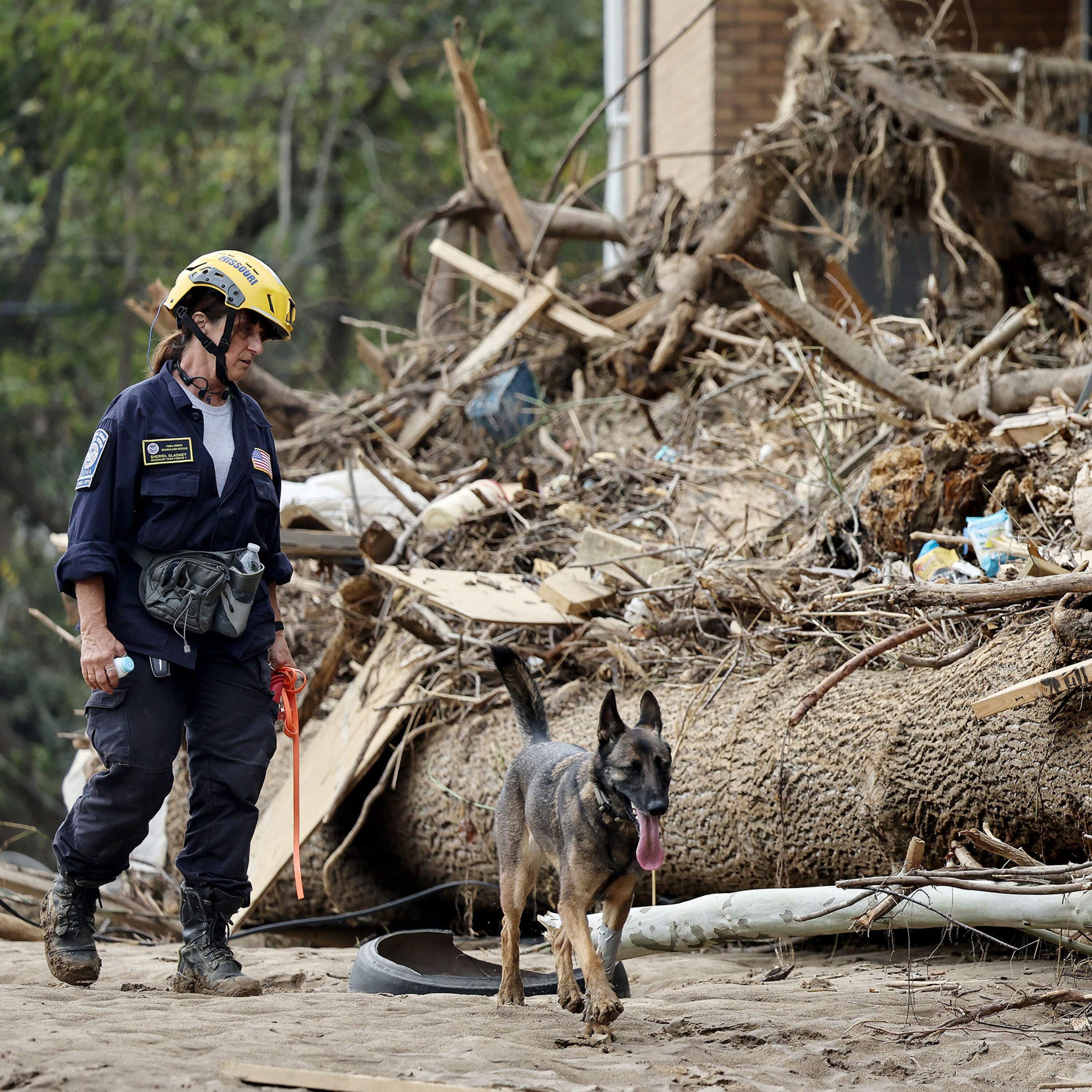
Big changes are coming to the Federal Emergency Management Agency.With Kristi Noem out at the Department of Homeland Security, all eyes are on FEMA to roll out millions of dollars in stalled federal funding for disaster responses. That’s especially true in North Carolina, where the western part of the state is still grappling with the effects of Hurricane Helene.We sit down with a panel of experts to find out what the future holds for FEMA in the Tar Heel state.Find more of our programs online. Listen to 1A sponsor-free by signing up for 1A+ at plus.npr.org/the1a.To manage podcast ad preferences, review the links below:See pcm.adswizz.com for information about our collection and use of personal data for sponsorship and to manage your podcast sponsorship preferences.NPR Privacy Policy

The Role Of Diplomacy In The War With Iran
Wars are fought by militaries — but they’re usually ended by diplomats. So, what happens when diplomacy is sidelined?Officials from Washington and Tehran engaged in talks for weeks, trying to avoid war before the U.S. and Israel fired missiles targeting Iran weeks ago. Now, as President Donald Trump publicly muses about why the military is engaged in another conflict in the Middle East, experts are wondering why talks were abandoned in the first place. And about the off ramps for all sides involved.We look at the role diplomacy plays once a war is already raging — and what happens when negotiations, expertise, and international alliances are weakened.Find more of our programs online. Listen to 1A sponsor-free by signing up for 1A+ at plus.npr.org/the1a.To manage podcast ad preferences, review the links below:See pcm.adswizz.com for information about our collection and use of personal data for sponsorship and to manage your podcast sponsorship preferences.NPR Privacy Policy
'If You Can Keep It': What Trump Owes Congress
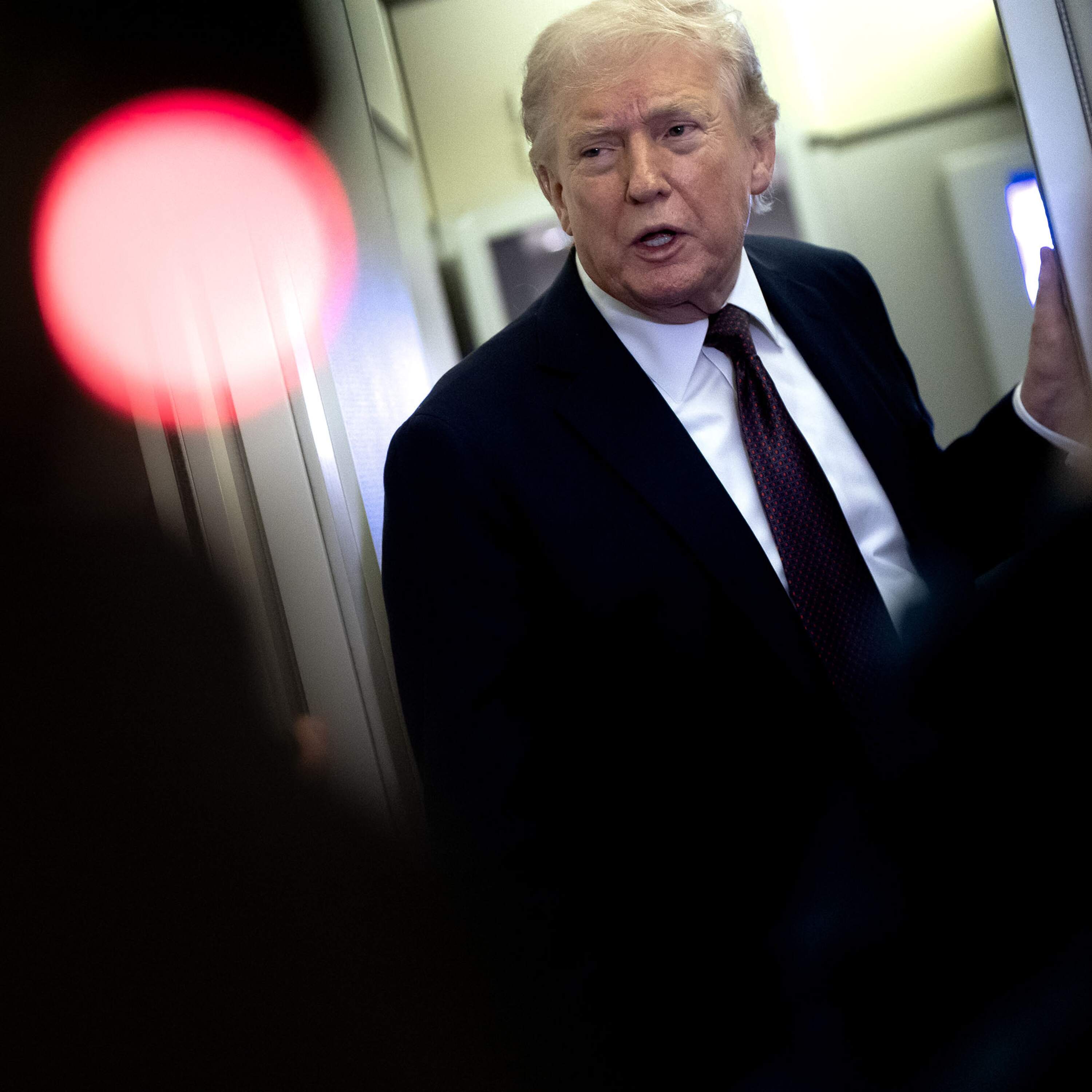
President Donald Trump and his administration and allies have sent mixed messages about the war with Iran in the first two weeks of the operation. The Secretary of Defense called it war. Now, the Speaker of the House said thus conflict with Iran is not a war.Whatever the president decides to call the joint U.S.-Israeli campaign – it’s cost the lives of 13 American troops and more than 2,000 people in the Middle East, both civilians and military personnel.Congress has voted on a resolution to limit the president’s power to continue this campaign – but that effort failed. And the president hasn’t indicated he wants Congress to weigh in. Many Republican members appear unbothered by that fact. At least in public.What does Trump owe Congress as far as buy-in on war? And how have past presidents involved the legislative branch when deploying the military?Find more of our programs online. Listen to 1A sponsor-free by signing up for 1A+ at plus.npr.org/the1a.To manage podcast ad preferences, review the links below:See pcm.adswizz.com for information about our collection and use of personal data for sponsorship and to manage your podcast sponsorship preferences.NPR Privacy Policy

The News Roundup For March 13, 2026
Two weeks into the war with Iran, the United States has spent more than $10 billion dollars. The conflict has claimed the lives of more than 1,000 Iranians and seven American service members. Those numbers are likely to grow if there are boots on the ground, a possibility that Trump Administration officials refuse to rule out.The president traveled to Kentucky and Ohio this week where he went on the defensive, justifying the increase in gas prices and touting the drop in drug prices.Americans’ faith in the future of fair elections is at an all time low, according to new PBS/NPR/Marist poll.And, in global news, early findings from a Pentagon investigation indicate that the U.S. may be at fault for a missile strike on an Iranian school. That attack killed at least 175 children, teachers, and other staff.Israel is widening strikes into Lebanon and threatening to invade the southern portion of the country. The Tehran-backed Hezbollah group has been sending missiles into Israel since the attacks on Iran began nearly two weeks ago. Lebanon is appealing to Israel’s allies to stop the campaign.And as the world’s attention swings to Iran, how is Hamas regrouping in Gaza?We cover the most important stories from around the world in the News Roundup.Find more of our programs online. Listen to 1A sponsor-free by signing up for 1A+ at plus.npr.org/the1a.To manage podcast ad preferences, review the links below:See pcm.adswizz.com for information about our collection and use of personal data for sponsorship and to manage your podcast sponsorship preferences.NPR Privacy Policy
Unpacking The Cost Of The War On Iran
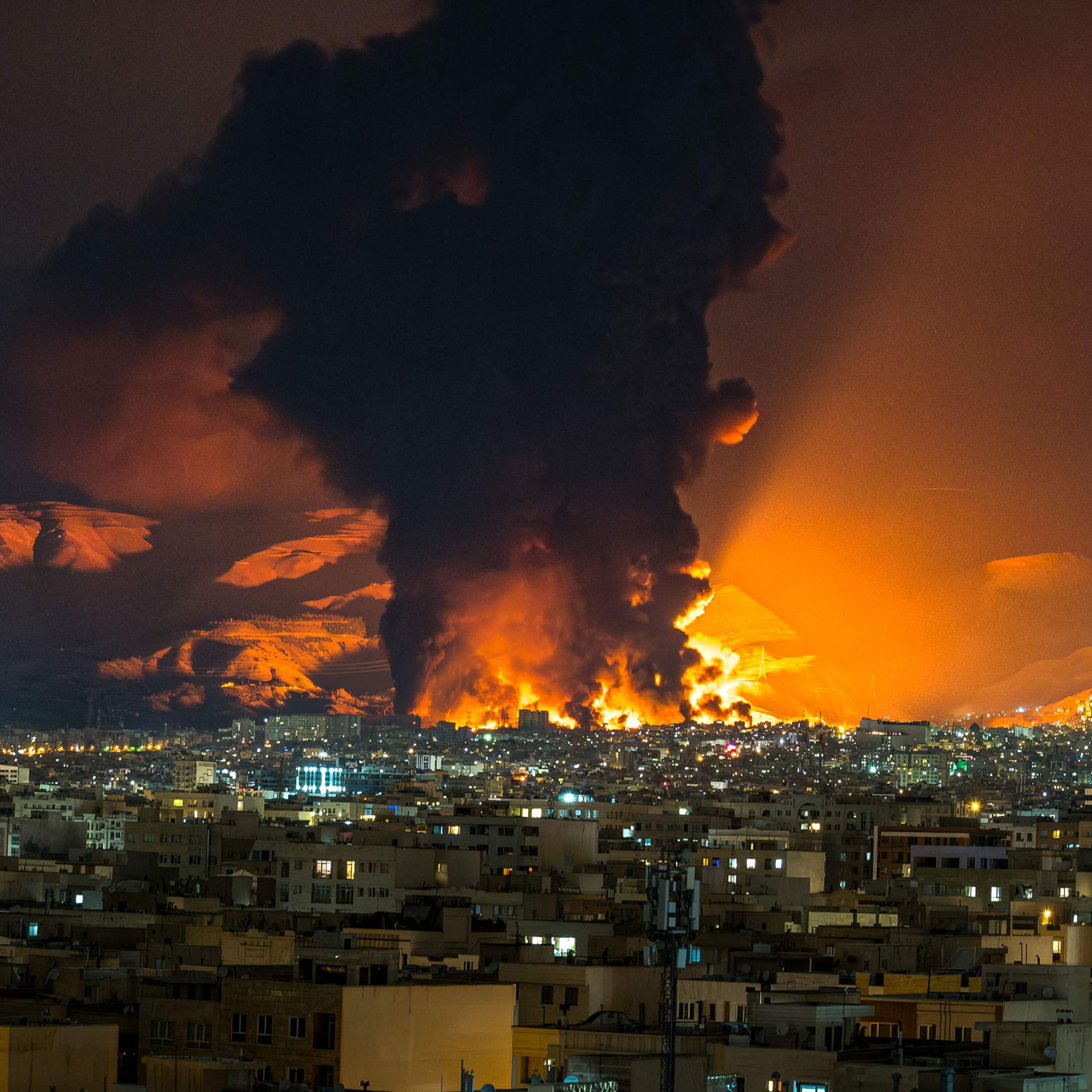
Waging war is not cheap. Experts estimate that the U.S. has already spent more than $10 billion launching missiles at Iran in the past few weeks.Meanwhile, thanks to fighting in the Strait of Hormuz disrupting the global energy supply trade, the price of oil is rising sharply worldwide. With no clear end in sight, how will Congress wrangle the high price tag of the war – economically and politically?We try and make sense of the cost of war, especially as more and more Americans feel the squeeze in their budgets at home.Find more of our programs online. Listen to 1A sponsor-free by signing up for 1A+ at plus.npr.org/the1a.To manage podcast ad preferences, review the links below:See pcm.adswizz.com for information about our collection and use of personal data for sponsorship and to manage your podcast sponsorship preferences.NPR Privacy Policy

Religion In The War On Iran
Religion keeps coming up when Trump administration officials discuss their joint military operation with Israel against Iran.This kind of rhetoric comes as concerns grow over the crumbling of the separation between church and state in the Trump administration’s military. Now, more than two dozen democratic congresspeople are requesting an investigation into a report that some military leaders are using apocalyptic theology in briefings about the conflict – saying that Trump is anointed by Jesus to cause Armageddon.How is religion showing up in the war against Iran?Find more of our programs online. Listen to 1A sponsor-free by signing up for 1A+ at plus.npr.org/the1a.To manage podcast ad preferences, review the links below:See pcm.adswizz.com for information about our collection and use of personal data for sponsorship and to manage your podcast sponsorship preferences.NPR Privacy Policy

Donald Trump And The Future Of Foreign Intervention
Donald Trump made a clear promise on the campaign trail.“I will tell you you’re not going to have a war with me and you’re not going to have a third world war with me, that I can tell you,” he said.And the president doubled down in his inaugural address last year. These have been key promises for much of his MAGA base who’ve applauded his domestic policy focus.But since taking office, President Donald Trump has ordered military action in Venezuela, Nigeria, Syria, Somalia, Iraq, Yemen, and now Iran. So what does this change mean for Trump supporters and GOP lawmakers who’ve stood by his side?Find more of our programs online. Listen to 1A sponsor-free by signing up for 1A+ at plus.npr.org/the1a.To manage podcast ad preferences, review the links below:See pcm.adswizz.com for information about our collection and use of personal data for sponsorship and to manage your podcast sponsorship preferences.NPR Privacy Policy

'If You Can Keep It': How ready are American security agencies for Iran?
Days before the United States dropped its first bombs on Iran, FBI Director Kash Patel fired members of a team that monitored threats from the Islamic Republic. The reason? They had investigated President Donald Trump’s handling of classified documents.That move came amid a year of layoffs, budget cuts, resignations, and shifting priorities across America’s national security agencies — including the FBI, the CIA, and the Department of Homeland Security.Now, as U.S. officials warn that Iran could retaliate with cyber attacks or terror attacks on U.S. soil, some experts are asking if the United States still has the capacity to defend itself.That’s the question we try to answer in this edition of “If You Can Keep It,” our series exploring the biggest stories of the day and what they mean for our democracy.Find more of our programs online. Listen to 1A sponsor-free by signing up for 1A+ at plus.npr.org/the1a.To manage podcast ad preferences, review the links below:See pcm.adswizz.com for information about our collection and use of personal data for sponsorship and to manage your podcast sponsorship preferences.NPR Privacy Policy

The News Roundup For March 6, 2026
President Donald Trump announced Thursday that Kristi Noem, his pick to lead the Department of Homeland Security, was leaving the agency amidst serious questions surrounding funding and the conduct of Immigration and Customs Enforcement officers in cities around the country.Meanwhile, Donald Trump’s war with Iran has now claimed the lives of six American. And Iran’s Red Crescent society is saying the death toll in Tehran is well above 1,000.All politically-inclined eyes were on Texas this week as the state conducted its primaries ahead of the general election. In the Democratic contest, state Rep. James Talerico defeated Rep. Jasmine Crockett to earn the left’s Senate nomination. For the Republicans, a stalemate. Sen. John Cornyn and Attorney General Ken Paxton are going to a runoff — a result that has some GOP strategists wringing their hands.And, in global news, the world is still searching for answers in the wake of the U.S. and Israeli air strikes that hit Iran last weekend. New satellite images show the bombing of an Iranian elementary school hit more targets than initially believed, killing 165 people. And global leaders are wondering if the federal government’s meetings with Tehran officials ever had any hope of succeeding.Now, the U.S. is in talks with the Kurdish opposition in Iran in a bid to arm them and spark an uprising against the country’s current government.Retaliatory Iranian missiles appeared to target Turkey this week, leading to speculation about whether or not European nations might be forced to involve themselves in America’s war with Iran thanks to NATO Article 5.We cover the most important stories from around the world in the News Roundup.Find more of our programs online. Listen to 1A sponsor-free by signing up for 1A+ at plus.npr.org/the1a.To manage podcast ad preferences, review the links below:See pcm.adswizz.com for information about our collection and use of personal data for sponsorship and to manage your podcast sponsorship preferences.NPR Privacy Policy