ZOE Science & Nutrition
344 episodes — Page 5 of 7
How to lower cholesterol in 10 days | Prof. Sarah Berry
Forty percent of people in the UK and US have high cholesterol. Knowing how to lower it can be confusing. In today’s episode, we simplify the science of cholesterol, drawing from ZOE’s 2021 PREDICT study, which explored its link to the gut microbiome. Dr. Sarah Berry explains the differences between ‘good’ and ‘bad’ cholesterol, discusses how cholesterol can impact your health, and shares tips on maintaining healthy cholesterol levels. Sarah is a professor in the Department of Nutritional Sciences at King's College London and Chief Scientist at ZOE. She is also the lead nutritional scientist on the PREDICT program. 🥑 Learn how your body responds to food 👉 zoe.com/podcast for 10% off 🌱 Try our new plant based wholefood supplement - Daily 30 *Naturally high in copper which contributes to normal energy yielding metabolism and the normal function of the immune system Follow ZOE on Instagram. Timecodes 00:00 Introduction 01:40 Quickfire questions 04:01 What is cholesterol? 05:50 LDL vs HDL cholesterol 11:35 How diet affects cholesterol 13:55 Which fats should you increase? 16:00 Why do some people have high LDL levels? 18:40 The gut microbiome and cholesterol 20:37 What is ApoB? 24:00 Why don’t all doctors measure ApoB? 25:50 Why triglycerides matter to your health 29:30 Triglycerides and post-meal responses 30:45 Which foods can help lower cholesterol? 33:20 Saturated fat explained 35:30 How refined carbs affect cholesterol 39:50 Can you trust ‘low fat’ food labels? 41:15 The benefits of whole grain carbohydrates and fibre 45:03 Sarah’s personal view on statins 48:13 Cholesterol levels in postmenopausal women Books by our ZOE Scientists: Every Body Should Know This by Dr Federica Amati Food For Life by Prof. Tim Spector Fibre Fuelled by Dr Will Bulsiewicz Free resources from ZOE: Live Healthier: Top 10 Tips From ZOE Science & Nutrition Gut Guide - for a healthier microbiome in weeks Mentioned in today's episode What are triglycerides and why do you need them Does variation in serum LDL-cholesterol response to dietary fatty acids help explain the controversy over fat quality and cardiovascular disease risk? Atherosclerosis VOL 328 Determination of variability in serum low-density lipoprotein cholesterol response to the replacement of dietary saturated fat with unsaturated fat, Proceedings of the Nutrition Society. Dietary saturated fat and cholesterol: cracking the myths around eggs and cardiovascular disease, J Nutr Sci. 2023 The effects of probiotics on total cholesterol, Medicine (Baltimore) Microbiome connections with host metabolism and habitual diet from 1,098 deeply phenotyped individuals (Zoe’s PREDICT study) Have feedback or a topic you'd like us to cover? Let us know here. Episode transcripts are available here.
Recap: How dairy impacts your health: according to the science | Prof. Tim Spector & Prof. Sarah Berry
There seem to be good arguments for and against eating dairy. But how do we know what to listen to? Well at Zoe, we consult the latest research to draw our conclusions. In this episode, our two resident professors join us to unpack what the science says about dairy and your health. Learn how your body responds to food 👉 zoe.com/podcast for 10% off 🌱 Try our new plant based wholefood supplement - Daily 30 *Naturally high in copper which contributes to normal energy yielding metabolism and the normal function of the immune system 📚 Books from our ZOE Scientists: Food For Life by Prof. Tim Spector Every Body Should Know This by Dr Federica Amati Free resources from ZOE: Live Healthier: Top 10 Tips From ZOE Science & Nutrition Gut Guide - for a healthier microbiome in weeks Have feedback or a topic you'd like us to cover? Let us know here Listen to the full episode here
Olive oil: How to unlock health benefits | Prof. Tim Spector & Elizabeth Berger
Olive oil could transform your health. It regulates blood sugar, helps with weight management and prevents long-term disease. That is if it's the right kind of olive oil. Distributor of the world’s finest olive oils, Elizabeth Berger, and Professor Tim Spector discuss its health benefits, debunk myths, and explain how storage and cooking can affect nutritional value. In today's episode, we learn how to get the most from olive oil, why choosing the right olive oil is crucial and the significant antioxidant and anti-inflammatory benefits of this kitchen staple. Elizabeth Berger is the founder of Frantoi, which works with growers and millers across Italy to harvest exceptional extra virgin olive oils. Tim Spector is a true olive oil evangelist, as well as one of the world’s top 100 most-cited scientists and ZOE's scientific co-founder. Learn how your body responds to food 👉 zoe.com/podcast for 10% off 🌱 Try our new plant based wholefood supplement - Daily 30 *Naturally high in copper which contributes to normal energy yielding metabolism and the normal function of the immune system Follow ZOE on Instagram Timecodes 00:00 Introduction 01:05 Quick fire questions 03:15 How is olive oil made? 04:25 The 4 grades of olive oil 11:20 Olive oil in Mediterranean diets 13:15 The science behind healthy olive oil 16:35 Why we need healthy fats 21:05 What are polyphenols? 23:06 Extra virgin vs regular olive oil 27:03 Is there food industry misinformation about olive oil? 25:55 The power of seasonal eating 26:50 The best time to buy olive oil 28:00 The biggest myths about olive oil 31:25 How to properly store olive oil 33:00 How long do the health benefits last? 39:10 Is it safe to cook with extra virgin olive oil? 42:55 Tasting session of 3 extra virgin oils 55:10 How to identify high-quality olive oil 57:30 Tips to get more olive oil in your diet Books by our ZOE Scientists: Every Body Should Know This by Dr Federica Amati Food For Life by Prof. Tim Spector Fibre Fuelled by Dr Will Bulsiewicz Free resources from ZOE: Live Healthier: Top 10 Tips From ZOE Science & Nutrition Gut Guide - for a healthier microbiome in weeks Mentioned in today's episode Is Extra Virgin Olive Oil the Critical Ingredient Driving the Health Benefits of a Mediterranean Diet?, published in Nutrients 2023 Is There More to Olive Oil than Healthy Lipids?, published in Nutrients 15 Protective effects of oleic acid and polyphenols in extra virgin olive oil on cardiovascular diseases, published in Food Science and Human Wellness Only virgin type of olive oil consumption reduces the risk of mortality, published in European Journal of Clinical Nutrition volume 77 Extra-virgin olive oil and the gut-brain axis: influence on gut microbiota, mucosal immunity, and cardiometabolic and cognitive health, published in Nutrition Reviews What do polyphenols do, and where can I find them?, published by ZOE What is fat, and how much do you need?, published by ZOE Evaluation of Chemical and Physical Changes in Different Commercial Oils during Heating, published by Acta Scientific Nutritional Health Have feedback or a topic you'd like us to cover? Let us know here. Episode transcripts are available here.
Recap: What Prof. Tim Spector got wrong about Mushrooms and UPFs
While researching for his bestselling book, Food for Life, Tim dug deep into the new science around UPFs. We used to think they were unhealthy because of their high salt, fat and sugar levels. But there’s much more to the story. Tim helps us navigate our UPF-filled grocery stores to eat healthier, and explains what he got wrong about a food group he'd previously overlooked... the humble mushroom. Learn how your body responds to food with ZOE 👉 start here 📚 Books from our ZOE Scientists: Food For Life by Prof. Tim Spector Every Body Should Know This by Dr Federica Amati Free resources from ZOE: Live Healthier: Top 10 Tips From ZOE Science & Nutrition Gut Guide - for a healthier microbiome in weeks Have feedback or a topic you'd like us to cover? Let us know here Listen to the full episode here
Why are young people getting colon cancer? | Dr. Andy Chan
Rates of colorectal cancer have declined in people over 65 but doubled among people under 50 in the last few decades. By 2030 it’s expected to be the leading cancer-related death in this age group. In today’s episode, gastrointestinal cancer and prevention specialist, Dr. Andy Chan, explains how changes in the gut microbiome could be to blame. Dr. Chan discusses the critical role your diet plays in cancer risk, how your gut microbiome can influence the development of colon cancer and the steps you can take to lower your risk. Dr. Andy Chan is a Professor of Medicine at Harvard Medical School and Program Director for Gastroenterology training at Massachusetts General Hospital. Learn how your body responds to food 👉 zoe.com/podcast for 10% off 🌱 Try our new plant based wholefood supplement - Daily 30 *Naturally high in copper which contributes to normal energy yielding metabolism and the normal function of the immune system Follow ZOE on Instagram. Timecodes: 00:00 Introduction 04:00 What is colon cancer? 05:20 How does cancer develop? 08:50 How common is colon cancer? 11:00 Demographics and shifting trends 14:00 Leading cause of cancer death for men under 50 15:32 Why are cancer rates rising in younger people 17:10 The role of diet and obesity 19:40 Does alcohol have an impact? 21:10 What is metabolic health and why does it matter? 25:10 Gut health and colon cancer 27:50 Evidence from animal studies 33:43 Why overuse of antibiotics can be harmful 38:15 Screening recommendations and methods 44:40 Can changing your diet reduce risk? 49:50 Should we avoid red meat? 53:28 Does physical activity reduce risk? Books by our ZOE Scientists: Every Body Should Know This by Dr Federica Amati Food For Life by Prof. Tim Spector Fibre Fuelled by Dr Will Bulsiewicz Free resources from ZOE: Live Healthier: Top 10 Tips From ZOE Science & Nutrition Gut Guide - for a healthier microbiome in weeks Mentioned in today’s episode: Influence of the Gut Microbiome, Diet, and Environment on Risk of Colorectal Cancer, from Gastroenterology Reducing Risk for Colorectal Cancer, from Center for Disease Control & Prevention Colorectal cancer statistics, 2017, from CA Cancer Journal Association Between the Sulfur Microbial Diet and Risk of Colorectal Cancer, from Gastroenterology and Hepatology Fusobacterium nucleatum and colorectal cancer: From phenomenon to mechanism, from Frontiers in Cellular and Infection Microbiology Have feedback or a topic you'd like us to cover? Let us know here. Episode transcripts are available here.
Recap: Exercise and your blood sugar | Prof. Javier Gonzalez
Let's take control of our blood sugar. We’ll dive into a conversation with Professor of Human Physiology, Javier Gonzalez. He explains which exercises can reduce your blood sugar spikes and dips - which will have a positive impact on your long term health. And don’t worry, you don’t have to become an Olympic Weightlifter to do it. Learn how your body responds to food with ZOE 👉 start here 📚 Books from our ZOE Scientists: Food For Life by Prof. Tim Spector Every Body Should Know This by Dr Federica Amati Free resources from ZOE: Live Healthier: Top 10 Tips From ZOE Science & Nutrition Gut Guide - for a healthier microbiome in weeks Have feedback or a topic you'd like us to cover? Let us know here Listen to the full episode here
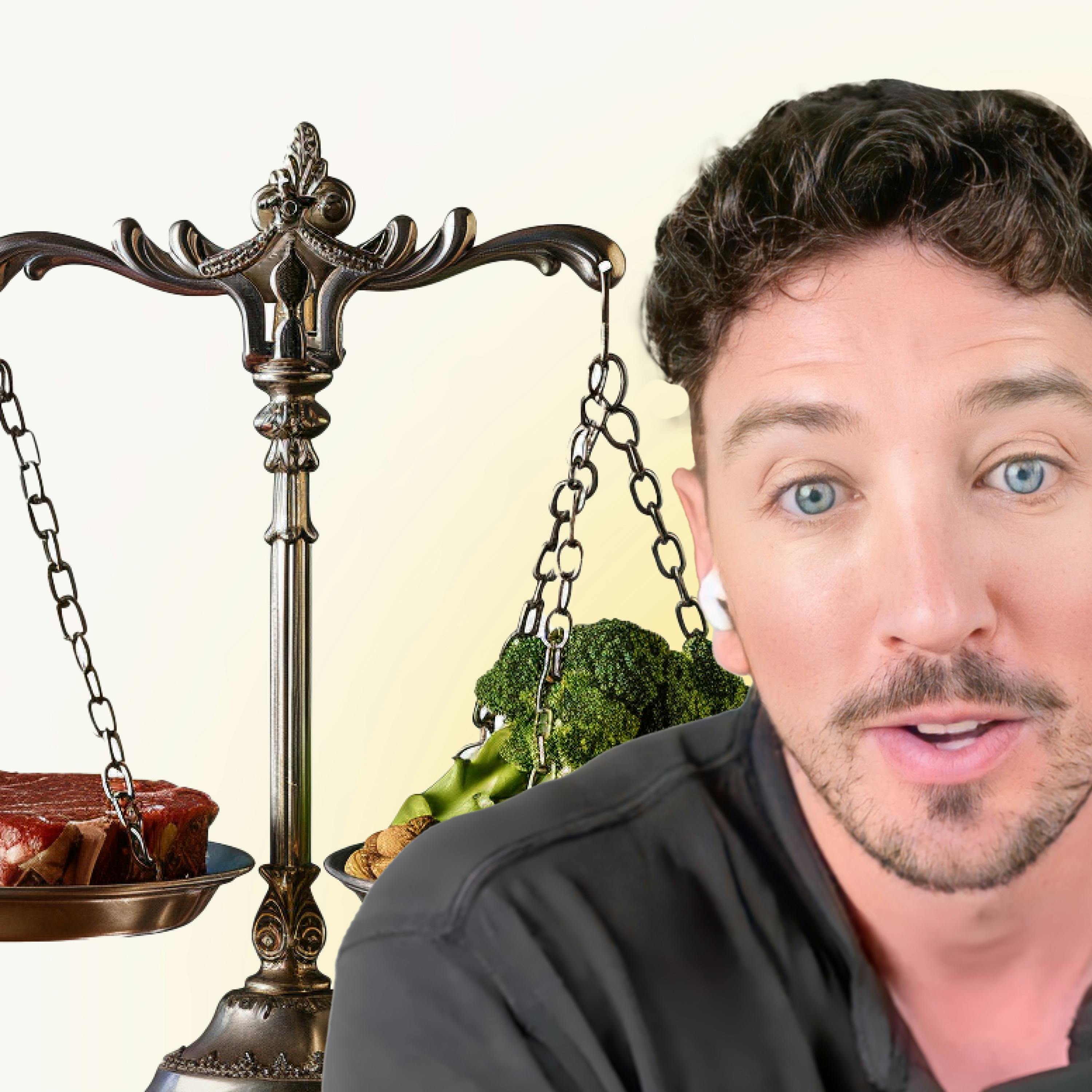
Plant protein and strength: all you need to know | Simon Hill & Dr. Will Bulsiewicz
Did you know you can build muscle just as effectively with plant protein as with animal protein? In this episode, nutritionist Simon Hill, and board-certified gastroenterologist Dr Will Bulsiewicz, explain how our bodies use protein to build muscle and highlight the health benefits of plant proteins, such as reducing the risk of heart disease, type-2 diabetes, and hypertension. In today’s episode, Simon and Will debunk common myths about protein and discuss the broader benefits of plant proteins, including improved gut health and reduced chronic disease risk. Learn how your body responds to food 👉 zoe.com/podcast for 10% off 🌱 Try our new plant based wholefood supplement - Daily 30 *Naturally high in copper which contributes to normal energy yielding metabolism and the normal function of the immune system Follow ZOE on Instagram. Timecodes 00:00 Introduction 06:20 What is protein? 08:01 Essential amino acids explained 09:30 The role of protein in building muscle 11:00 Why muscles matter 12:05 Optimising protein intake for health 14:30 Protein and healthy aging 15:48 Best sources of protein 21:35 Animal vs plant protein sources 28:35 How to achieve fitness goals with plant protein 33:45 Which plants have high levels of protein? 38:07 Is gut health linked to muscle mass? 40:35 How to introduce more plant-based foods into your meals 44:54 New Harvard study on protein intake and healthy ageing 47:55 How much protein is in eggs and dairy? 51:24 Concerns about ultra-processed foods Books Buy Simon's book The Proof Is In The Plants Buy Will’s book Fiber Fueled Free resources from ZOE: Live Healthier: Top 10 Tips From ZOE Science & Nutrition Gut Guide - for a healthier microbiome in weeks Mentioned in today's episode Effects of Consuming Ounce-Equivalent Portions of Animal- vs. Plant-Based Protein Foods, published in Nutrients 2023 Improving the bioavailability of nutrients in plant foods at the household level, published in PNS Pre- versus post-exercise protein intake has similar effects on muscular adaptations, published in Peer J Vegan and Omnivorous High Protein Diets Support Comparable Daily Myofibrillar Protein Synthesis Rates and Skeletal Muscle Hypertrophy in Young Adults, published in The Journal of Nutrition A mycoprotein-based high-protein vegan diet supports equivalent daily myofibrillar protein synthesis rates compared with an isonitrogenous omnivorous diet in older adults: a randomised controlled trial, published in British Journal of Nutrition Have feedback or a topic you'd like us to cover? Let us know here. Episode transcripts are available here.
Recap: Improve blood vessel health to slow aging | Dr William Li
Today we’re finding out how to improve blood vessel health with New York Times best selling author, Dr. William Li. Dr. Li has some simple steps we can take to not only slow down the deterioration of our blood vessels, but also to reduce any existing blockages that we may, or may not yet know about. Learn how your body responds to food with ZOE 👉 start here 📚 Books from our ZOE Scientists: Food For Life by Prof. Tim Spector Every Body Should Know This by Dr Federica Amati Free resources from ZOE: Live Healthier: Top 10 Tips From ZOE Science & Nutrition Gut Guide - for a healthier microbiome in weeks Have feedback or a topic you'd like us to cover? Let us know here Listen to the full episode here
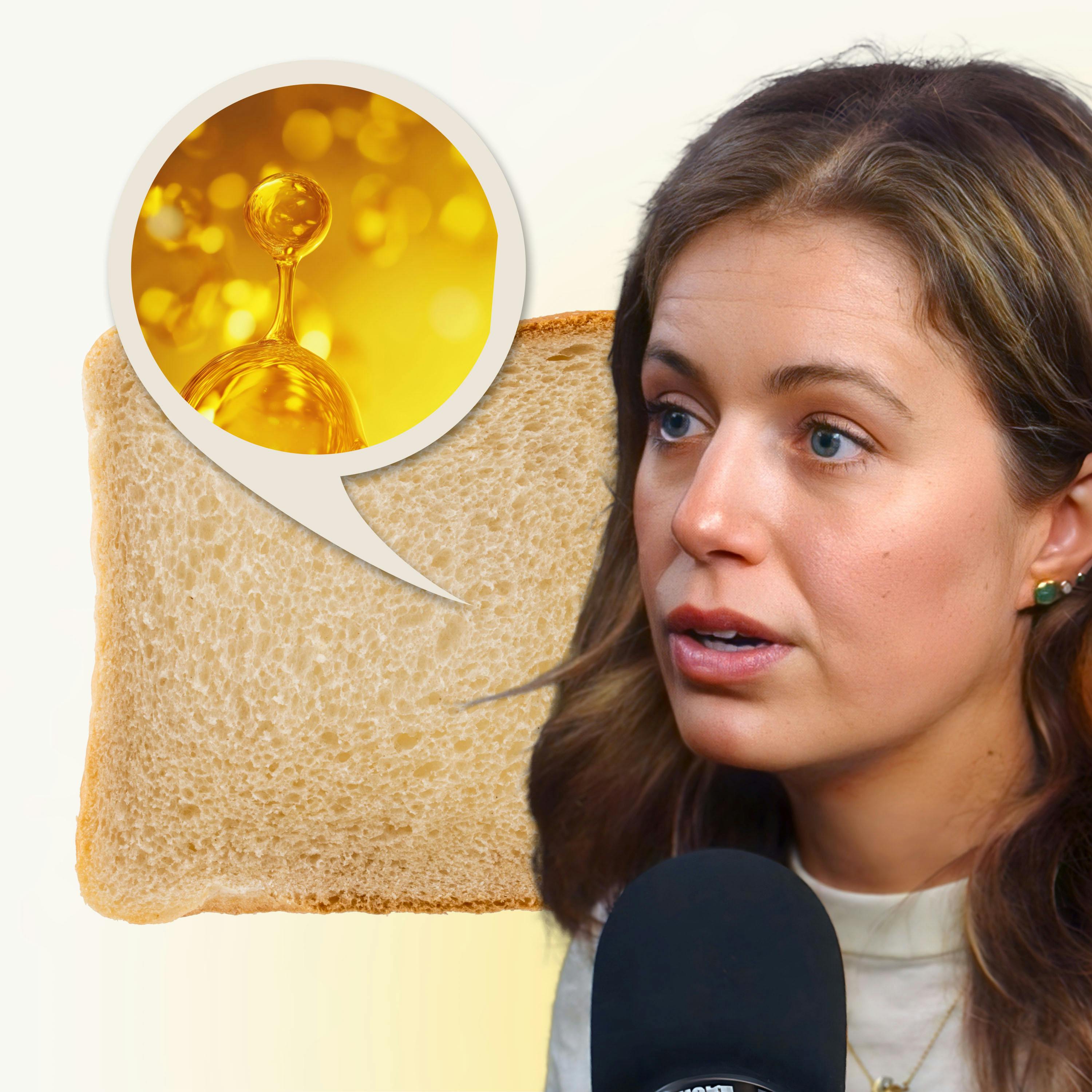
Hidden health risk? The truth about emulsifiers with Dr. Federica Amati
Emulsifiers are common in our diets, enhancing the texture, appearance and shelf life of many foods. But are they safe? In today’s episode, Jonathan and Federica uncover the surprising truth about emulsifiers in our food. We learn the science behind emulsifiers, their impact on health, and the rising concerns over there extensive use in ultra-processed foods. Dr Federica Amati is a King’s College London researcher and a registered nutritionist. She is also a lecturer and Nutrition Topic Lead at Imperial College School of Medicine. Federica empowers people with accessible, practical knowledge to make informed choices on diet and lifestyle and to improve health based on unique needs and preferences, at every stage of life. Learn how your body responds to food 👉 zoe.com/podcast for 10% off 🌱 Try our new plant based wholefood supplement - Daily 30 *Naturally high in copper which contributes to normal energy yielding metabolism and the normal function of the immune system Follow ZOE on Instagram. Timecodes 00:00 Introduction 01:10 What are emulsifiers doing in our food? 02:15 How common are emulsifiers in our food? 02:52 What to look out for on packaging 03:55 What are emulsifiers made from? 04:36 How emulsifiers work 09:50 Are emulsifiers bad for us? 10:40 Emulsifiers and our gut health 11:50 New risks emerging from human studies 14:50 How to reduce emulsifiers in your diet Buy Federica’s book: Every Body Should Know This Free resources from ZOE: Live Healthier: Top 10 Tips From ZOE Science & Nutrition Gut Guide - for a healthier microbiome in weeks Mentioned in today’s episode: Food additive emulsifiers: a review of their role in foods, Nutrition Reviews Emulsifiers Impact Colonic Length in Mice and Emulsifier Restriction is Feasible in People with Crohn’s Disease, Nutrients 2020 Food Additive Emulsifiers and Their Impact on Gut Microbiome, Permeability, and Inflammation, Journal of Crohn's and Colitis Bacterial Overgrowth and Inflammation of Small Intestine After Carboxymethylcellulose Ingestion in Genetically Susceptible Mice, Inflammatory Bowel Diseases Have feedback or a topic you'd like us to cover? Let us know here. Episode transcripts are available here.
Recap: The top foods high in pesticides | Prof. Tim Spector
Today we’re talking about pesticides. More specifically, about the surprising levels of pesticides found in some common foods. Professor Tim Spector is here to tell us how to avoid giving these to our families. Learn how your body responds to food with ZOE 👉 start here 📚 Books from our ZOE Scientists: - Food For Life by Prof. Tim Spector - Every Body Should Know This by Dr Federica Amati Mentioned in the episode: Dirty Dozen and Clean 15 Have feedback or a topic you'd like us to cover? Let us know here Listen to the full episode here

Can NASA research help fight cancer? | Dr Jessica Scott
What do astronauts and cancer patients have in common? Jonathan explores this fascinating connection with Dr. Jessica Scott, learning how six decades of NASA research is being used to help the recovery of cancer survivors. New research challenges the traditional notion that you should rest during cancer treatment. Instead, Jessica’s studies into exercise could hold the key to a long and healthy life post-diagnosis. Dr Jessica Scott started her career at NASA where she spent 7 years designing exercise programs for astronauts in outer space. Now, as the principal investigator at the world-leading Memorial Sloan Kettering Cancer Center, she is using her unique skillset in the fight against cancer. Learn how your body responds to food 👉 zoe.com/podcast for 10% off Follow ZOE on Instagram. Timecodes: 00:00 Introduction 01:32 Quickfire questions 03:10 Health challenges for astronauts 07:19 Impact of exercise on astronauts 10:43 NASA’s exercise program 14:28 Transition to cancer research 15:40 Exercise and cancer treatment 17:10 Side effects of cancer treatments 23:13 Studies on the benefit of exercising alongside cancer treatment 26:27 Tailoring exercise to the individual 28:10 Global perspectives on exercising alongside cancer treatment 29:47 Understanding different types of exercise 33:26 Implementing NASA's non-linear exercise training techniques 41:04 The next steps for Jessica’s research 42:45 Episode summary Books by our ZOE Scientists: Every Body Should Know This by Dr Federica Amati Food For Life by Prof. Tim Spector Fibre Fuelled by Dr Will Bulsiewicz Studies related to today’s episode: Cancer Survivorship Statistics from The National Cancer Institute https://cancercontrol.cancer.gov/ocs/statistics#stats Multisystem Toxicity in Cancer: Lessons from NASA’s Countermeasures Program from The National Library of Medicine https://www.ncbi.nlm.nih.gov/pmc/articles/PMC7380275/ A randomised trial comparing the effects of moderate versus moderate to high-intensity aerobic training in women with operable breast cancer from The National Library of Medicine https://www.ncbi.nlm.nih.gov/pmc/articles/PMC2965727/ Effects of exercise countermeasures on multisystem function in long duration spaceflight astronauts from The National Library of Medicine https://www.ncbi.nlm.nih.gov/pmc/articles/PMC9898566/ Cardiovascular Disease Risk Among Cancer Survivors: The Atherosclerosis Risk In Communities (ARIC) Study from The National Library of Medicine https://pubmed.ncbi.nlm.nih.gov/35772913/ Have feedback or a topic you'd like us to cover? Let us know here. Episode transcripts are available here.

Obesity and the new science of weight loss | Dr. Louis J Aronne
Obesity is a physiological condition that can be managed with the right education and treatment. In today's episode, Dr. Louis J. Aronne, a leading expert in obesity research, sheds light on the science behind weight management and obesity treatment. Dr. Aronne dives into groundbreaking weight loss medications. He also explores how lifestyle and eating habits affect long-term health and why medications combined with dietary changes can unlock transformative results. Louis J. Aronne, M.D. is a leading authority on obesity and its treatment. He’s a former president of The Obesity Society, which publishes the peer-reviewed scientific journal Obesity, of which Dr. Aronne is an associate editor. He has also authored more than 60 papers and book chapters on the topic. 🌱 Try our new plant based wholefood supplement - Daily 30 *Naturally high in copper which contributes to normal energy yielding metabolism and the normal function of the immune system Learn how your body responds to food 👉 zoe.com/podcast for 10% off Follow ZOE on Instagram. Timecodes 00:00 Introduction 01:01 Quickfire questions 03:51 What is obesity? 05:06 What’s the difference between overweight and obesity? 07:38 Why has there been such a quick rise in obesity? 10:55 Why it’s not just a lack of willpower 13:50 The complexity of weight regulation 15:54 What is Leptin and why is it so important for weight control? 19:51 The brain’s role in weight regulation 20:36 Curing obesity in animal studies 22:29 Why hunter-gatherers did not gain weight 23:58 Natural experiments in weight gain and loss 26:01 How medications can cause weight gain 28:42 The impact of calorie restriction diets 30:13 Reducing diabetes risk through weight loss 34:10 Research into medications as a tool for weight loss 38:36 How well do weight loss drugs work? 41:38 The future of weight loss drugs 43:51 Will you regain the weight if you stop taking weight loss drugs? 48:08 Can obesity be avoided without the use of drugs? 49:42 Concerns about weight loss drugs Books by our ZOE Scientists: Every Body Should Know This by Dr Federica Amati Food For Life by Prof. Tim Spector Fibre Fuelled by Dr Will Bulsiewicz Mentioned in today's episode: Persistent metabolic adaptation 6 years after "The Biggest Loser" competition in Obesity The Finnish diabetes prevention study (DPS) in Diabetes Care The National Diabetes Prevention Program of the Centers for Disease Control and Prevention (CDC) Have feedback or a topic you'd like us to cover? Let us know here. Episode transcripts are available here.
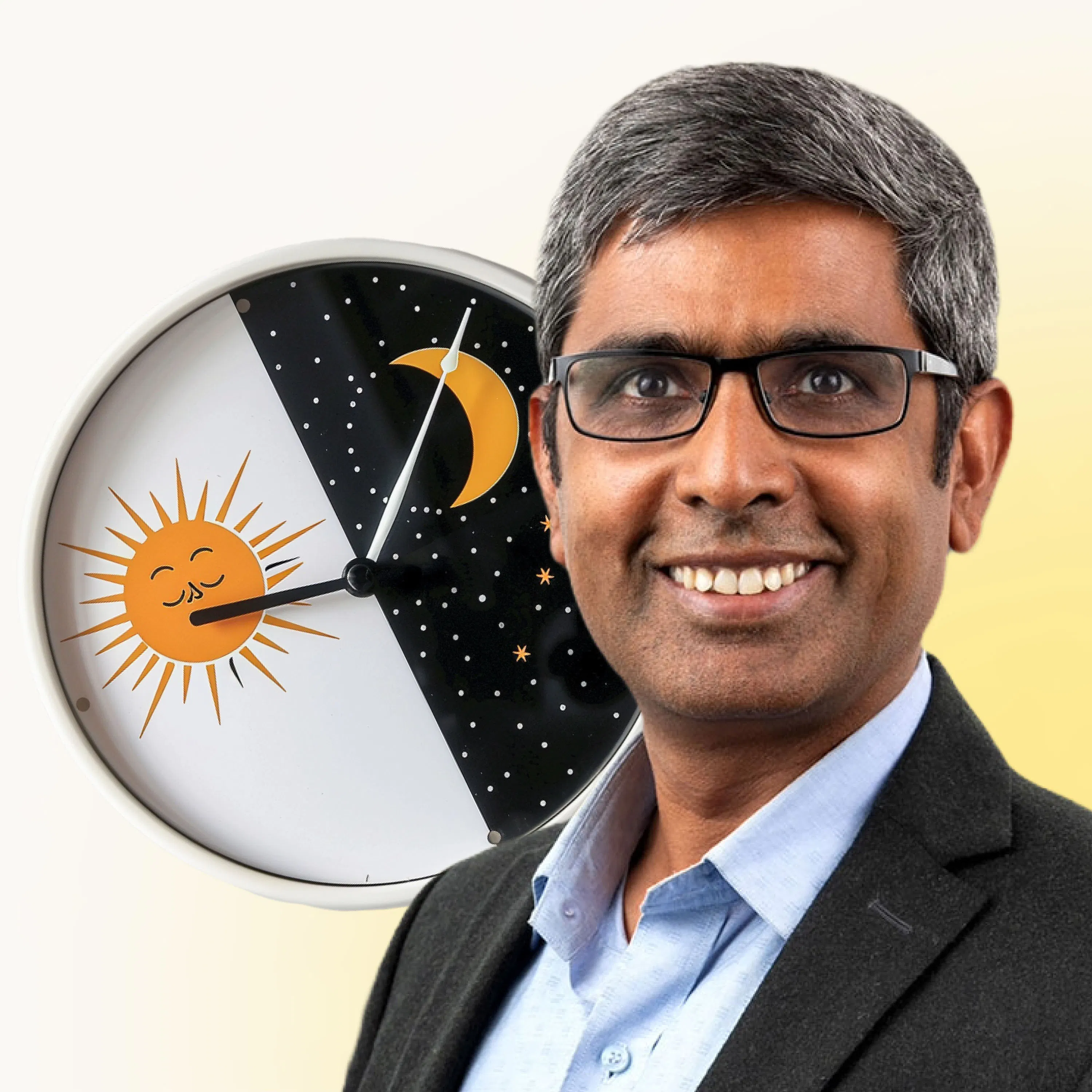
Fix your body clock to improve long term health with Prof. Satchin Panda
Our modern lifestyles mean that most of us don’t live our lives in sync with our circadian rhythms, which puts our health and well-being at risk. Eating and sleeping at the right time are important tools to help us align our circadian rhythms and reduce our risk of chronic disease. In this episode, circadian rhythm expert Prof. Satchin Panda will tell us how light and food act as master regulators of our body clock, how aligning our lifestyles with our body clock can improve our health, mood and energy levels and how to do this in practice. Satchin is a world-leading expert in the field of circadian rhythm research. He’s associate professor at the prestigious SALK institute, he’s recipient of the Dana Foundation Award in brain and immune system imaging and he’s also the author of two best-selling books, The Circadian Code and The Circadian Diabetes Code. Learn how your body responds to food 👉 zoe.com/podcast for 10% off 🌱 Try our new plant based wholefood supplement - Daily 30 *Naturally high in copper which contributes to normal energy yielding metabolism and the normal function of the immune system Timecodes: 00:00 Introduction 01:00 Quickfire questions 03:02 What are circadian rhythms? 03:48 How do we know about circadian rhythms? 04:44 Are all body parts on a 24 hour clock? 06:40 How the body enters sleep mode 09:25 What happens during sleep? 12:08 Why you’re not sleeping enough 13:30 The surprising impact of daylight savings time 17:00 Circadian rhythms aren’t just about light 19:55 The dangers of shift work 21:20 Should you go to bed at sunset? 25:40 Why should stop snacking at night 26:10 Satchin’s famous mice study 33:00 The best eating window for health 37:27 Does intermittent fasting promote better food choices? 40:40 Should you drink black coffee when you wake up? Satchin’s books: The Circadian Code The Circadian Diabetes Code Books by our ZOE Scientists: Every Body Should Know This by Dr Federica Amati Food For Life by Prof. Tim Spector Fibre Fuelled by Dr Will Bulsiewicz Studies referenced in today’s episode: Effects of 3 months of 10-h per-day time-restricted eating and 3 months of follow-up on bodyweight and cardiometabolic health in Danish individuals at high risk of type 2 diabetes: the RESET single-centre, parallel, superiority, open-label, randomised controlled trial, published in Lancet Healthy Longevity Neuronal reprogramming of mouse and human fibroblasts using transcription factors involved in suprachiasmatic nucleus development, published iScience Learning from circadian rhythm to transform cancer prevention, prognosis, and survivorship care, published in Trends Cancer The Untapped Potential of Circadian Timing as a Variable for Discoveries and Reproducibility, published in Cell Mol Gastroenterol Hepato Follow ZOE on Instagram Have feedback or a topic you'd like us to cover? Let us know here. Episode transcripts are available here.

Remembering Michael Mosley: 4 habits that changed his life
After the tragic news of Michael Mosley's passing, we are re-releasing our episode with him, originally released in March 2023: If you had to do just one thing to improve your health, what would it be? Our busy lives mean it can be difficult to keep up healthy habits, and with so much conflicting advice out there it’s tricky to separate fact from fiction. In today’s episode, Jonathan is joined by medical doctor, journalist, and presenter Michael Mosley, who is alongside ZOE regular Tim Spector, to discuss Michael’s four key habits to improve our health. Michael’s latest book ‘Just One Thing’ explores these habits and has seen him speak to singing scientists and eccentric iceman to healthy habit experts and evangelists. And of course, being Michael, he tried every habit out himself. We talk about which methods are the most effective, which he has incorporated into his life, and how he makes his new habits stick. 🌱 Try our new plant based wholefood supplement - Daily 30 *Naturally high in copper which contributes to normal energy yielding metabolism and the normal function of the immune system If you want to uncover the right foods for your body, head to zoe.com/podcast and get 10% off your membership. Follow ZOE on Instagram Timecodes: 00:00 Tim Spector's tribute to Michael 01:01 Introduction 01:55 Quick Fire Questions 05:15 Are cold showers good for you? 06:48 How long do you need to be immersed in cold water for the benefits to work? 8:20 Can cold showers improve mental wellbeing? 11:30 Potential dangers of cold water swimming 12:45 Do cultural differences present different outcomes across the world? 13:58 Can these small stressors help us? 14:27 What is the theory behind this working? 16:15 Will this work for everyone or is this very personalized? 18:30 What effects does breathing have on your health? 19:55 How breathing exercises affect our brain 22:27 How do you keep up the breathing exercises? 23:27 ZOE app breathing exercise 25:40 Is there a difference between breathing through your nose and your mouth? 27:20 How important are plants and nature for our health? 30:25 Can exposure to nature improve things like mental health and even gut health? 32:00 Can herbs also help improve our health? 32:47 What are the benefits of exercise? 33:30 What are endo-cannibinoids? 34:41 Are preferences for exercise genetic? 36:12 Is it endorphins that make us feel good after / during exercise? 37:31 How exercise affects us is extremely personalized 39:42 How do we encourage people who don't enjoy exercise to do it? 41:13 Tips to improve your exercise routines 44:08 Are there benefits to walking downhill? 46:42 Summary Michael Mosley’s book 'Just One Thing' is available to buy here Episode transcripts are available here
Is plant-based meat healthy? What the research shows with Prof. Christopher Gardner
Meat consumption continues to be high in both the US and the UK. Yet many governments advise reducing meat consumption, particularly red meat, due to both environmental and health concerns. In this episode, we delve into the sizzling world of meat alternatives. They promise sustainability, animal welfare, and better health. Buzzwords like "plant-based" and "meat-free" proudly adorn their packaging. But are they actually healthy? Or should we consider them as ultra-processed foods and avoid them? Christopher Gardner is a Professor of Medicine at Stanford University and the Director of the Stanford Prevention Research Centre, and a world-leading expert in how the food that we eat impacts our health. 🌱 Try our new plant based wholefood supplement - Daily 30 *Naturally high in copper which contributes to normal energy yielding metabolism and the normal function of the immune system Learn how your body responds to food 👉 zoe.com/podcast for 10% off Follow ZOE on Instagram. Timecodes: 00:00 Introduction 01:25 Quickfire questions 03:50 What is a meat alternative? 05:22 What's driving the trend for more alternatives? 07:47 Should you eat less red meat? 08:38 What is in meat alternatives? 10:22 Traditional meats vs meat alternatives 13:41 Are meat alternatives ultra-processed? 14:47 Latest scientific studies 23:56 What were the findings? 29:48 Is the quality of the protein as good as real meat? 34:00 Are meat alternatives healthy? 38:53 Are whole food based meat alternatives healthier? 40:05 What are the practical tips around meat alternatives? 43:21 How do ultra-processed foods come into this? 45:23 What are other ways people can transition away from red meat? 50:33 What are the differences between bad and good quality meat? 📚 Books from our ZOE Scientists: Every Body Should Know This by Dr Federica Amati Food For Life by Prof. Tim Spector Fibre Fuelled by Dr Will Bulsiewicz Studies referenced in today’s episode: Study With Appetizing Plantfood—Meat Eating Alternative Trial (SWAP-MEAT), published in American Journal of Clinical Nutrition. SWAP-MEAT Athlete (study with appetizing plant-food, meat eating alternatives trial) a randomized crossover trial, published in Nutrition Journal. Have feedback or a topic you'd like us to cover? Let us know here. Episode transcripts are available here.
Menstruation: Science, medicine and mythology
Periods are taboo! Despite the fact that half of the world’s population experience them. This taboo has led to countless myths around the topic. “The internet’s gynecologist” Dr. Jen Gunter is here to usher in a new era where people understand – and can advocate for – what they need as their body changes each cycle. Jonathan is joined by Dr Sarah Berry and Dr Jen Gunter to get a better understanding of our body's behavior during the menstrual cycle. Jen will provide you with her period toolkit and offer solutions to the most common problems of modern-day period health. Dr. Jen Gunter is a gynecologist and pain medicine physician at the Permanente Medical Group in northern California. Her books ‘The Vagina Bible’ and ‘The Menopause Manifesto’ were both New York Times bestsellers. Her 2024 book ‘Blood’ tackles the science, medicine and mythology of menstruation. 🌱 Try our new plant based wholefood supplement - Daily 30 *Naturally high in copper which contributes to normal energy yielding metabolism and the normal function of the immune system Learn how your body responds to food 👉 zoe.com/podcast for 10% off Follow ZOE on Instagram. Timecodes: 00:00 Introduction 01:26 Quickfire questions 02:31 Shame culture around menstruation 04:20 The evolution and purpose of the menstrual cycle 06:30 Menstrual cycle mechanics 11:08 Understanding heavy periods and iron deficiency 14:01 Addressing period pain and discomfort 21:39 Diet, appetite, and periods: what's the connection? 26:09 Understanding PMS and PMDD 27:55 PMS causes and symptoms 30:52 Treatment options for PMS and PMDD 31:51 Demystifying polycystic ovarian syndrome (PCOS) 35:42 The role of diet and obesity in PCOS 37:32 Advice for managing PMS 40:19 Menstrual cramps and pain management 47:08 Iron supplementation strategies 📚 Dr. Jen Gunter’s books: The Menopause Manifesto Blood: The Science, Medicine, and Mythology of Menstruation 📚 Books from our ZOE Scientists: Every Body Should Know This by Dr Federica Amati Recipes for a Better Menopause by Dr Federica Amati Food For Life by Prof. Tim Spector Studies related to today’s episode: Prevalence of Iron Deficiency and Iron-Deficiency Anemia in US Females Aged 12-21 Years, 2003-2020, from the Journal of the American Medical Association The Role of Estrogen in Insulin Resistance: A Review of Clinical and Preclinical Data, from The American Journal of Pathology Have feedback or a topic you'd like us to cover? Let us know here Episode transcripts are available here.
Why dementia could start in your blood vessels with Dr. William Li
55 million people suffer dementia worldwide with numbers expected to double every 20 years. Understanding the link between our heart health and brain function is critical, illuminating the profound impact that heart health has on preventing dementia. Dr. William Li, an expert in cardiovascular and metabolic health. He reveals how caring for our heart is not just about longevity but maintaining sharp, effective brain function as we age. His groundbreaking work has impacted more than seventy diseases including diabetes, heart disease, and obesity. Dr. Li is also a New York Times best-selling author. In today’s episode, Dr. Li explains how simple lifestyle choices in diet, exercise and sleep can drastically shape our brain's health and stave off dementia. 🌱 Try our new plant based wholefood supplement - Daily 30 *Naturally high in copper which contributes to normal energy yielding metabolism and the normal function of the immune system If you want to uncover the right foods for your body, 👉 zoe.com/podcast, for 10% off your membership. Follow ZOE on Instagram Timecodes 00:00 Introduction 01:23 Quickfire questions 03:30 Understanding dementia and Alzheimer's disease 04:50 Dementia versus ageing 06:35 The role of blood vessels in brain health 07:55 How circulation affects brain function 09:23 What causes blood clots and strokes? 11:06 The importance of maintaining healthy blood vessels 12:15 The impact of lifestyle choices on brain health 15:01 What happens in our brains when we sleep? 19:35 What is the glymphatic system? 22:40 Vascular dementia may be the most common form of dementia 24:35 The role of glucose in brain function 27:10 What causes dementia and why does it happen when we get older? 29:00 Preventing dementia with lifestyle changes 31:10 What are healthy blood vessels like? 37:50 The surprising role of EPCs in brain repair 41:30 Can you slow down or reverse dementia? 52:08 The connection between gut health and brain health 51:40 The importance of exercise for brain health 56:30 How to avoid dementia 01:01:16 The link between mental health and cardiovascular disease 📚 Dr. William Li’s books: Eat to Beat Disease Eat to Beat Your Diet 📚 Books from our ZOE Scientists: Every Body Should Know This by Dr Federica Amati Food For Life by Prof. Tim Spector Relevant studies: A human brain vascular atlas reveals diverse mediators of Alzheimer’s risk, published in Nature Heart-brain connections: Phenotypic and genetic insights from magnetic resonance images, published in Science Cocoa flavanol consumption improves cognitive function, blood pressure control, and metabolic profile in elderly subjects: the Cocoa, Cognition, and Aging (CoCoA) Study—a randomized controlled trial, published in The American Journal of Clinical Nutrition Have feedback or a topic you'd like us to cover? Let us know here Episode transcripts are available here.
How inflammation could age you with Prof. Philip Calder
Inflammation is a complicated topic. Short-term inflammation plays an essential role in fighting infections and healing injuries. But too much inflammation can be a catalyst for chronic ailments, like heart disease, type 2 diabetes, autoimmune disorders, rheumatoid arthritis, and obesity. What we eat can influence our inflammatory responses and contribute to chronic, low-grade inflammation. In today’s episode, Prof. Philip Calder helps us understand the science behind inflammation, how it impacts our health and what food has to do with it. Philip is head of the School of Human Development and Health, as well as a Professor of Nutritional Immunology, in the Faculty of Medicine at the University of Southampton. He’s also an internationally recognised researcher on the metabolism and functionality of fatty acids. His work focuses on the roles of omega-3 fatty acids and the influence of diet and nutrients on immune and inflammatory responses. 🌱 Try our new plant based wholefood supplement - Daily 30 *Naturally high in copper which contributes to normal energy yielding metabolism and the normal function of the immune system Learn how your body responds to food 👉 zoe.com/podcast for 10% off Follow ZOE on Instagram. Timecodes 00:00 Introduction 01:20 Quickfire questions 02:55 The role of inflammation in immunity 05:30 Chronic inflammation and disease 08:30 How to measure inflammation 09:53 Low-grade inflammation and disease risk 12:30 What causes blood vessel inflammation? 15:23 What creates the narrowing of blood vessels? 17:20 How inflammation can cause blood clots, heart attacks and strokes 19:15 Inflammation and aging 21:40 Inflammation and lifestyle factors 25:07 Obesity and inflammation 28:45 Muscle loss and inflammation (sarcopenia) 30:52 The impact of meals, sugar and fats on inflammation 33:35 How diet could reduce inflammation 34:42 Why we all respond to food differently 38:42 Dietary choices to manage inflammation 40:00 What are omega-3s? 41:17 Anti-inflammatory foods 43:40 Health benefits of omega-3 fatty acids 45:55 Challenges with farmed salmon 📚 Books from our ZOE Scientists: Every Body Should Know This by Dr Federica Amati Food For Life by Prof. Tim Spector Mentioned in today's episode: Omega-3 polyunsaturated fatty acids and inflammatory processes: Nutrition or pharmacology? in the British Journal of Clinical Pharmacology Omega-6 fatty acids and inflammation in PLEFA Omega-3 fatty acids and inflammatory processes in Nutrients Another relevant study: Health relevance of the modification of low-grade inflammation in ageing and the role of nutrition in Ageing Research Reviews Have feedback or a topic you'd like us to cover? Let us know here Episode transcripts are available here.
Your new menopause toolkit with Dr. Mary Claire Haver & Dr. Sarah Berry
The menopause transition can bring unexpected challenges — the effects can significantly impact daily life and long-term health. Dr. Mary Claire Haver is a board-certified gynaecologist and a menopause specialist. She's helped thousands of women in perimenopause and menopause to realise their health goals. In today’s episode, she joins Jonathan and ZOE's Chief Scientist Dr. Sarah Berry to shed light on what to expect during these life stages. Sarah and Mary Claire describe practical strategies for managing symptoms, critical conversations to have with healthcare providers, and how to advocate for yourself effectively in medical settings. 🌱 Try our new plant based wholefood supplement - Daily 30 *Naturally high in copper which contributes to normal energy yielding metabolism and the normal function of the immune system Learn how your body responds to food 👉 zoe.com/podcast for 10% off Follow ZOE on Instagram. Timecodes: 00:00 Introduction 01:33 Quickfire questions 05:53 There is a lack of menopause training in medical school 07:02 Most women are going into menopause blind 07:43 Why menopause symptoms vary 09:30 The hormonal ‘zone of chaos’ 11:45 ZOE PREDICT data on menopause symptoms 13:36 How long do perimenopause symptoms last? 17:52 Perimenopause at age 35? 18:34 Why hormone tests are worthless 20:53 The risk of chronic disease after menopause 24:53 Why does menopause increase hunger? 28:39 Why medicine and research is male-dominated 32:34 How to talk to your doctor about menopaue 34:12 Pregnancy research - 10x more extensive than menopause research! 35:14 Mary Claire’s toolkit of strategies for menopause 36:34 What are the long-term health benefits of hormone replacement therapy? 38:36 Is HRT safe for most women? 42:47 Brand new ZOE study results: diet and menopause 49:16 Top 3 tips to help with symptoms 54:34 What is ‘frozen shoulder’ and how can you treat it? 📚 Mary Claire's book The New Menopause 📚 Books from our ZOE Scientists Every Body Should Know This by Dr Federica Amati Food For Life by Prof. Tim Spector Mentioned in today's episode Menopause transition and cardiovascular disease risk: Implications for timing of early prevention: A scientific statement from the American Heart Association in Circulation The controversial history of hormone replacement therapy in Medicina Dr. Vonda Wright’s website Have feedback or a topic you'd like us to cover? Let us know here Episode transcripts are available here.
The medicines hiding in your spice rack with Kanchan Koya & Dr. Sarah Berry
In today’s episode we’re uncovering the medicines hiding in your kitchen. Molecular biologist Kanchan Koya joins Jonathan and Sarah to explore the incredible health benefits of spices. From controlling blood sugar to soothing a sore throat, we’ll discover what the latest research says about household favorites including ginger, cinnamon and cloves. Kanchan Koya is a food scientist, founder of the spice-centric food blog Chief Spice Mama and author of the cookbook ‘100 Recipes with Healing Spices for Your Family Table’. She will show us how to get the most out of spices, with simple cooking tips and delicious recipes. Want to make Kanchan’s show stopper spice dish? Find the recipe here. 🌱 Try our new plant based wholefood supplement - Daily 30 *Naturally high in copper which contributes to normal energy yielding metabolism and the normal function of the immune system Learn how your body responds to food 👉 zoe.com/podcast for 10% off Follow ZOE on Instagram. Timecodes: 00:00 Introduction 01:26 Quickfire questions 03:08 What are spices? 03:43 Polyphenols in spices 07:25 Spices and your health 11:01 Cinnamon and blood sugar control 14:49 Anti-inflammatory benefits of spices 21:08 A practical guide to using spices 31:40 Reviving old spices 33:11 The wonders of ginger: from morning sickness to gut health 35:56 Spiced cooking tips 37:41 Breakfast ideas: add spices to start your day 39:44 Simple spicy snacks 42:05 Dinner delights: spicing up main meals 44:11 Spices for kids 46:24 Spiced drinks: from chai to golden milk 48:24 The ultimate spice dish Studies related to today’s episode: Safety and efficacy of curcumin versus diclofenac in knee osteoarthritis: a randomized open-label parallel-arm study published in Trials Analgesic effect of the aqueous and ethanolic extracts of clove, published in Avicenna Journal of Phytomedicine Effect of cinnamon spice on continuously monitored glycemic response in adults with prediabetes published in The American Journal of Clinical Nutrition Star anise (Illicium verum): Chemical compounds, antiviral properties, and clinical relevance published in Phytotherapy Research Ginger-Mechanism of action in chemotherapy-induced nausea and vomiting, published by Critical Reviews in Food Science and Nutrition Have feedback or a topic you'd like us to cover? Let us know here Episode transcripts are available here.

Foods for every decade of life with Dr. Federica Amati
Did you know that even at age 70, with the right nutrition, you could potentially extend your life by 6 years? In today’s episode, we learn that it's never too late to change your diet for the better. Dr. Federica Amati, ZOE’s Head Nutritionist, dives into the unique nutrition needs at every life stage. From the golden windows of opportunity that can transform your health, to practical food recommendations for adolescence, adulthood and beyond, Dr. Amati gives tips to enhance your wellbeing. Dr. Federica Amati is a researcher at King’s College London and registered nutritionist. She is also lecturer and Nutrition Topic Lead at Imperial College School of Medicine. Federica empowers people with accessible, practical knowledge to make informed choices on diet and lifestyle and to improve health based on unique needs and preferences, at every stage of life. 🌱 Try our new plant based wholefood supplement - Daily 30 *Naturally high in copper which contributes to normal energy yielding metabolism and the normal function of the immune system Learn how your body responds to food 👉 zoe.com/podcast for 10% off Follow ZOE on Instagram Timecodes 00:00 Introduction 01:17 Quickfire questions 03:32 The first window of opportunity is before you are born 06:04 It takes two to tango: equal roles in conception 07:25 The science behind sperm health and diet 09:10 What is life course nutrition? 10:35 Why generic nutrition advice isn't enough 13:00 Critical changes in the first 12 weeks of pregnancy 16:25 Nutritional needs in the second trimester of pregnancy 17:20 Preventing allergies during pregnancy 20:30 Nutrition in childhood and adolescence 21:00 The importance of a diverse diet for teenagers 22:57 Children learn to eat from us: exposure is key 25:10 The impact of ultra-processed foods on teenagers 27:40 Do you need to eat meat to grow well? 32:55 Lifestyle choices in your 30s affect long-term health 36:00 Longevity supplement myths 37:40 Gut microbiome changes in adulthood 43:28 How to extend your lifespan through diet at any age 46:05 Preparing for healthy aging and avoiding 'Sniper Alley' 50:10 How to eat right in your 70s and beyond 54:22 Protein needs as you age 56:30 Becoming a ZOE member is like having a nutritionist in your pocket! 59:20 Summary Mentioned in today's episode: Life expectancy can increase by up to 10 years following sustained shifts towards healthier diets in the United Kingdom, published in Nature Food The Developmental Origins of Health and Disease (DOHaD), published in American Journal of Lifestyle Medicine A single serving of mixed spices alters gut microflora composition: a dose–response randomised trial, published in Nature Books: Every Body Should Know This by Dr. Federica Amati Have feedback or a topic you'd like us to cover? Let us know here Episode transcripts are available here.
What to eat to avoid osteoporosis
🥑 Make smarter food choices. Become a member at zoe.com - 10% off with code PODCAST Every 12 years, our skeletons undergo a complete transformation. Prof. Tim Spector and Prof. Cyrus Cooper discuss how to avoid Osteoporosis, a condition where bones become fragile, significantly increases the risk of fractures from minor incidents, often without any noticeable symptoms. Worldwide, it affects one in three women and one in five men over fifty, leading to pain, potential disability and loss of independence. In today’s episode, Jonathan, Tim and Cyrus ask the question: How can understanding osteoporosis and implementing targeted lifestyle changes enhance bone health and reduce the risk of fractures? Cyrus Cooper is a Professor of Rheumatology at the University of Southampton, where he is also the Director of the MRC Lifecourse Epidemiology Unit and Vice-Dean of Medicine. In addition, he’s a Professor of Musculoskeletal Science at the Nuffield Department of Orthopaedics, Rheumatology and Musculoskeletal Sciences at the University of Oxford. Tim Spector is one of the world’s top 100 most-cited scientists, a professor of epidemiology, and scientific Co-Founder at ZOE. Tim trained originally in rheumatology and epidemiology. 🌱 Try our new plant based wholefood supplement - Daily30+ *Naturally high in copper which contributes to normal energy yielding metabolism and the normal function of the immune system Follow ZOE on Instagram. Timecodes 00:00 Introduction 01:21 Quickfire questions 03:08 What is osteoporosis? 06:10 Why might our bones become more fragile as we age? 08:10 Your skeleton renews itself all the time 10:30 Does menopause cause osteoporosis? 12:48 What's it like living with osteoporosis? 15:16 How common is osteoporosis in males? 16:04 What are the symptoms of osteoporosis and at what age should you get checked? 21:40 Some chilling statistics about osteoporosis 23:10 Common myths about the effects of calcium and vitamin D on osteoporosis 27:50 What is the latest science on vitamin D supplementation? 34:10 Can vitamin D and calcium ensure children’s bone density is healthy? 34:55 Osteoporosis treatment options, including new drugs 37:20 The impacts of HRT on bone density 39:30 What are the downsides to some of these treatments? 43:00 Does physical activity help to prevent fractures? 44:30 Lifestyle impacts: diet and nutrition 49:40 Can exercise make your bones stronger? 55:20 Ideal exercises to prevent osteoporosis 57:10 Cyrus and Tim’s top 3 actions to improve bone health 59:10 Summary Mentioned in today's episode: Accumulation of risk factors associated with poor bone health in older adults, published in Archives of Osteoporosis Relevant studies: Influence of vitamin D supplementation on bone mineral content, bone turnover markers and fracture risk, published in Journal of Bone and Mineral Research Pregnancy Vitamin D Supplementation and Childhood Bone Mass at Age 4 Years, published in JBMR Plus The role of calcium supplementation in healthy musculoskeletal ageing, published in Osteoporosis International Books: Osteoporosis: A Lifecourse Epidemiology Approach to Skeletal Health by Prof Cyrus Cooper Have feedback or a topic you'd like us to cover? Let us know here Episode transcripts are available here.

The TRUTH about intermittent fasting
What we learned from the world’s biggest intermittent fasting study. Did you know that intermittent fasting can have significant health benefits? By aligning your eating schedule with your body's natural rhythms, it can bolster heart health, enhance insulin sensitivity, and support weight loss. In today’s episode, Jonathan, Prof. Tim Spector, and Gin Stephens dive into the world of intermittent fasting, with a focus on time-restricted eating. Gin shares essential tips for beginners and explains what it takes to be successful. Tim explores the groundbreaking findings of The Big IF Study from 2022, the largest exploration of intermittent fasting to date. They also unpack controversies and describe who might want to avoid fasting. Gin Stephens is an intermittent fasting advocate, New York Times bestselling author, and podcast host. Gin has been living the intermittent fasting lifestyle since 2014. Tim Spector is a professor of genetic epidemiology at King’s College London, director of the Twins UK study, scientific co-founder of ZOE, and one of the world’s leading researchers. 🌱 Try our new plant based wholefood supplement - Daily 30 *Naturally high in copper which contributes to normal energy yielding metabolism and the normal function of the immune system Learn how your body responds to food 👉 zoe.com/podcast for 10% off Want ZOE Science & Nutrition’s top 10 tips for healthier living? Download our FREE guide. Timecodes: 01:25 Quick fire questions 03:25 What is intermittent fasting? 04:35 What are the most common types of fasting? 06:00 The circadian rhythm and fasting 08:22 The Big IF study explanation and results 13:41 Breakfast misconceptions explained 16:01 How do the Big IF study results compare to other research? 18:56 What are the health benefits of sticking to the Big IF study? 24:00 What is Tim’s intermittent fasting schedule like? 25:40 Jonathan's experience with the Big IF study 28:04 What is metabolic flexibility? 32:43 Practical advice for getting started. 35:40 Cephalic phase insulin response 40:30 Is there an ideal length for an eating window and time to start? 43:20 Can you eat whatever you want? 44:30 Can people over 70 years of age fast safely? 51:21 Summary Mentioned in today's episode: Flipping the metabolic switch: Understanding and applying the health benefits of fasting in Obesity The Big IF Study Books by Gin Stephens: 28-day Fast Start: Day By Day Fast. Feast. Repeat. Have feedback or a topic you'd like us to cover? Let us know here Episode transcripts are available here.

The best exercise routine, according to your muscle clocks with Professor Karyn Esser
Our bodies naturally follow a roughly 24-hour cycle, called our circadian rhythm. And every cell has a rhythm. As we get older, we tend to lose muscle, making us more prone to falls and less able to live independently. Though we can't stop aging, staying active helps keep our muscles strong and our bodies healthy for longer. Prof. Karyn Esser is a specialist in how the body's natural rhythms affect muscles. Today, she guides us through the latest research and shows that it's always possible to harness the power of your muscles to enhance your quality of life. She is a professor in the Department of Physiology and Aging at the University of Florida, where she’s also the co-director of the University of Florida Older Americans Independence Center. In today's episode of ZOE Science & Nutrition, Jonathan and Karyn explore the body's internal clocks and ask: why do our muscles have their own schedule, and is there an ideal time of day to exercise? 🌱 Try our new plant based wholefood supplement - Daily 30 *Naturally high in copper which contributes to normal energy yielding metabolism and the normal function of the immune system Learn how your body responds to food 👉 zoe.com/podcast for 10% off Timecodes 00:00 Introduction 00:18 Quickfire questions 02:01 Why are muscles important, particularly as we get older? 08:45 Why we all lose strength as we age 11:07 What type of exercise do we need to maintain our muscle strength as we age? 14:55 What is a circadian clock? 19:25 Everything has a circadian rhythm 21:32 Why do our muscles work on a 24-hour cycle? 24:20 Humans are stronger in the afternoon 30:24 Is there a best time to exercise? 35:01 Can exercise before or after work help shift workers with jet lag? 37:33 Is there a difference between men and women’s responses to circadian rhythms? 41:44 What are the effects of time-restricted eating on muscle mass? 53:42 Summary Mentioned in today's episode: Defining the age-dependent and tissue-specific circadian transcriptome in male mice from Cell Reports Related studies: Timing is everything: Circadian clocks set the rhythm for vital functions in bacteria from the University of Chicago Effects of resveratrol on in vitro circadian clock gene expression in young and older human adipose-derived progenitor cells in Aging Age is associated with dampened circadian patterns of rest and activity: The Study of Muscle, Mobility and Aging (SOMMA) in medRxiv Have feedback or a topic you'd like us to cover? Let us know here Episode transcripts are available here.

Stop dementia before it starts
How early should you start taking dementia seriously? Here’s 5 things you can do now to reduce dementia risk today. Professor Claire Steves and Jonathan Wolf explore the multifaceted world of dementia. They delve into the significance of dental health, genetics, diet, and physical activity — plus, they unpack the latest research — to give you practical strategies for preventing dementia. Claire is a consultant physician in geriatric medicine at Guy's and St Thomas' NHS Foundation Trust. She’s also a senior clinical lecturer at King's College London and deputy clinical director of the institution’s Department of Twin Research and Genetic Epidemiology where she leads research on the characterization of physical and mental aging traits and frailty. 🌱 Try our new plant based wholefood supplement - Daily 30 *Naturally high in copper which contributes to normal energy yielding metabolism and the normal function of the immune system Learn how your body responds to food 👉 zoe.com/podcast for 10% off Follow ZOE on Instagram. Timecodes: 00:00 - Introduction 01:26 - Quickfire questions on dementia 02:42 - Main discussion: understanding dementia 04:18 - Control over fate with dementia 06:52 - Why older people get more fractures 08:32 - Warning signs of dementia 09:55 - Unique aspects of dementia 12:12 - Cellular level discussion on dementia 15:49 - Risk factors for dementia 16:07 - Inheritance and dementia 18:29 - High-risk factors for dementia 19:15 - Fetal development and dementia risk 21:47 - Brain reserves and mental health 24:24 - New advances in dementia treatment 30:47 - Medications and life expectancy 33:21 - Diet and dementia prevention 35:58 - The role of physical activity 39:45 - Oral health and dementia 42:10 - Social interaction and brain health 44:02 - Diabetes and dementia 45:36 - Women, HRT, and dementia 49:09 - Recap: Types of dementia 53:39 - Hearing aids and dementia prevention 55:39 - Episode sign-off Studies related to today’s episode: Brain-age is associated with progression to dementia in memory clinic patients from NeuroImage Clinical Find our top 10 tips for healthier living: Download our FREE guide. Have feedback or a topic you'd like us to cover? Let us know here. Episode transcripts are available here.
Three ways to prevent diabetes with Professor Naveed Sattar
In today’s episode, we’re talking about a disease so widespread that it touches nearly every family in some way: type 2 diabetes. It’s not just a health issue, it's a rapidly expanding crisis. And many people don’t know that they have it. In the U.S. alone, 100 million people have prediabetes, and more than 37 million have type 2 diabetes, a chronic condition with life-altering effects. Prof. Naveed Sattar joins us to shed light on preventing, treating, and potentially reversing type 2 diabetes. Naveed is a medical doctor and Professor of Metabolic Medicine at the Institute of Cardiovascular & Medical Sciences at the University of Glasgow. He’s one of the world’s top 1% most cited clinical scientists, and he’s worked on many clinical trials of lifestyle changes and drugs to prevent and manage diabetes. Learn your diabetes risk score: If you’re in the U.K. click here. If you’re in the U.S. click here. 🌱 Try our new plant based wholefood supplement - Daily 30 *Naturally high in copper which contributes to normal energy yielding metabolism and the normal function of the immune system Learn how your body responds to food 👉 zoe.com/podcast for 10% off Timecodes: 00:00 Introduction 01:00 Topic introduction 02:28 Quick fire questions 05:33 What is blood sugar and why does it matter? 07:15 What is insulin and what is its relation to blood sugar and diabetes? 08:48 Why doesn't the body allow sugar to increase in the blood? 10:45 What happens when somebody gets pre-diabetes or type 2? 14:34 What is HBA1C? 17:08 Why has there been such an increase in diabetes? 23:05 How does muscle mass have any impact on diabetes? 24:54 Are risks different between men and women? 27:08 How does ethnicity come into this? 31:04 What other personal risk factors are there? 32:29 What are the symptoms of diabetes? 33:53 When do these symptoms begin? 35:09 What should you do if you have concerns? 36:33 How to find out your own likelihood of risk 38:34 How can we avoid getting diabetes? 42:10 How can we combat genetic risk factors? 44:26 Is it possible to lower blood sugar and reverse the effects of diabetes? 47:18 What is the science behind the new drugs coming on the market? 49:20 Summary 53:39 Outro Mentioned in today’s episode: Primary care-led weight management for remission of type 2 diabetes (DiRECT): An open-label, cluster-randomised trial in The Lancet Have feedback or a topic you'd like us to cover? Let us know here. Episode transcripts are available here.

The truth about SIBO with Dr. Will Bulsiewicz
Do you know what SIBO is and how it could be affecting your health? In today’s episode, Jonathan and Dr. Will Bulsiewicz dive into the world of small intestinal bacterial overgrowth (SIBO), a condition that may underlie common health issues ranging from irritable bowel syndrome to brain fog. Together, they tackle myths and share insights into SIBO diagnosis and treatment. Could rebalancing your gut microbiome be the answer you've been searching for? Dr. Will Bulsiewicz is board-certified in internal medicine and gastroenterology. He’s also a New York Times bestselling author. Dr. B has won multiple awards and distinctions for his work as a clinician. 🌱 Try our new plant based wholefood supplement - Daily 30 *Naturally high in copper which contributes to normal energy yielding metabolism and the normal function of the immune system Learn how your body responds to food 👉 zoe.com/podcast for 10% off Follow ZOE on Instagram. Timecodes 00:00 Introduction to SIBO 01:01 What is SIBO? 02:43 An overgrowth of bacteria 03:41 SIBO Myth #1 debunked 04:34 What is the link between SIBO and other diseases? 06:12 What are the challenges with SIBO Testing 06:48 Understanding testing methods 07:08 Myth #2 debunked 08:28 The issues with breath testing for SIBO 11:38 What are the root causes of SIBO 14:35 What is the impact of medication on SIBO? 16:12 Dietary management and low FODMAP diet 17:45 Probiotics and SIBO management 18:00 Myth# 3 debunked 19:55 Verdict Mentioned in today’s episode: Fiber supplementation protects from antibiotic-induced gut microbiome dysbiosis by modulating gut redox potential from Nature Communications Our earlier podcast on the low-FODMAP diet Have feedback or a topic you'd like us to cover? Let us know here. Episode transcripts are available here.

Fitness routines for menopause with Dr. Stacy Sims - exercise for every stage
Are you navigating the twists and turns of perimenopause and beyond? Traditional exercise advice often misses the mark for women in this phase, mostly because its source is research focused on men. In today’s episode, we're joined by the acclaimed Dr. Stacy Sims, a leading expert on women's exercise science. Stacy delves into how menopause affects our exercise responses, and she offers strategies to adapt your fitness routine for optimal health during and after menopause. Ready to transform your approach to health and fitness? Tune in for expert insights and actionable tips. Dr. Stacy Sims is an exercise physiologist and nutrition scientist who researches exercise performance and nutrition with a focus on women’s health and performance. She holds a Ph.D. in exercise physiology and sports nutrition from the University of Otago, and she did a postdoc at Stanford, where she remains an adjunct faculty member. Stacy is also a research associate at the AUT Sports Performance Research Institute New Zealand. 🌱 Try our new plant based wholefood supplement - Daily 30 *Naturally high in copper which contributes to normal energy yielding metabolism and the normal function of the immune system Learn how your body responds to food 👉 zoe.com/podcast for 10% off Timecodes: 00:00 Introduction 00:34 Quickfire questions 03:39 Menopause and perimenopause explained 08:23 What happens when oestrogen levels change? 11:28 When does perimenopause start to happen? 14:15 What is the role of exercise in menopause? 17:00 What are hot flushes? 20:20 How can exercise have a positive impact on menopause? 21:57 What are the best exercises to do? 25:20 You are NOT going to get bulky lifting weights! 28:36 Alternatives to going to the gym 33:08 What is high-intensity training? 41:32 What is the minimum exercise needed to have a positive health impact? 47:27 How does fasted training affect women? 51:36 Summary Mentioned in today’s episode: Hailey Happens Fitness Les Mills Train with Joan And these books by Dr. Stacy Sims: Next Level Roar Have feedback or a topic you'd like us to cover? Let us know here. Episode transcripts are available here.
Coffee's hidden health benefits
If you thought coffee was just a caffeine kick, think again. Prof. Tim Spector & coffee expert James Hoffmann explore the intricate relationship between coffee and health. They uncover truths and myths about caffeine and describe coffee’s fascinating role in improving gut health. Tim also shares exciting news about soon-to-be published research. The topic: coffee and the gut microbiome. Plus, James brews coffee live in the studio and helps us understand the different coffee variants. He even dives into the world of coffee kombucha. James Hoffmann is an English barista, YouTuber, entrepreneur, coffee consultant, and author. He came to prominence after winning the World Barista Championship in 2007 and is credited as a pioneer of Britain's third-wave coffee movement. Tim is a professor of genetic epidemiology at King’s College London, director of the Twins UK study, scientific co-founder of ZOE, and one of the world’s leading researchers. 🌱 Try our new plant based wholefood supplement - Daily 30 *Naturally high in copper which contributes to normal energy yielding metabolism and the normal function of the immune system Learn how your body responds to food 👉 zoe.com/podcast for 10% off Timecodes: 00:00 Introduction 01:50 Quickfire Questions 04:24 Why are we all so obsessed with coffee? 05:02 What are the health benefits associated with coffee? 06:40 There is a lot more fiber in coffee than you think 09:47 The effects of caffeine and gender differences 12:31 Why is coffee full of polyphenols? 15:12 Tim’s new research teaser 21:21 What is the health relationship between fiber, microbes and our bodies? 27:32 Should we all start drinking coffee and should we choose decaf? 31:52 Modern coffee is all about flavor 33:03 Does the way that we make coffee impact our health? 37:55 James explains his mini laboratory! 43:42 Why is coffee not regulated in coffee shop chains? 44:35 What's the best way to make coffee? 44:40 Coffee #1 Filter Coffee 47:10 Coffee #2 Decaf Coffee 51:00 Coffee #3 Instant Coffee 1:00:50 How does caffeine affect high blood pressure? 1:05:36 Summary Mentioned in today’s episode: How to Make the Best Coffee at Home by James Hoffman Editorial correction: James refers to chlorogenic acid as a polyphenol. We have since learnt that this is incorrect. Rather, it is a phenolic compound or a phenolic acid. James has shared this short video on his YouTube channel clarifying this Follow ZOE on Instagram Have feedback or a topic you'd like us to cover? Let us know here. Episode transcripts are available here
Live more healthy years
Do you want to live to 100? Dan Buettner may be able to help. Dietary patterns, community, environment, and stress management play pivotal roles in longevity, and he’s studied the longest living people on earth. From Sardinia's matriarchal villages to Okinawa's garden-rich diets, this episode takes us on a tour of insights. It's not just about living longer, it's about thriving. In today’s episode, Jonathan is joined by Dan Buettner and Prof. Tim Spector to discuss the secrets of a longer, healthier life. Together, they journey through the world’s blue zones, rare global hotspots where celebrating your 100th birthday is common. The guests also address the threats to these longevity havens and the decline of traditional diets. Dan Buettner is an American National Geographic fellow and New York Times bestselling author. He’s also an explorer, educator, and creator of the Netflix series “Live to 100,” which discovers five unique communities where people live extraordinarily long and vibrant lives. Tim Spector is a professor of genetic epidemiology at King’s College London, director of the Twins UK study, scientific co-founder of ZOE, and one of the world’s leading researchers. He's also the author of Food for Life, his latest book on nutrition and health. 🌱 Try our new plant based wholefood supplement - Daily 30 *Naturally high in copper which contributes to normal energy yielding metabolism and the normal function of the immune system Learn how your body responds to food 👉 zoe.com/podcast for 10% off Timecodes: 00:00 Introduction 01:09 Quickfire questions 02:33 What are Blue Zones? 04:43 Why do people in Blue Zones live longer? 06:48 What is a Centenarian? 09:00 What are Blue Zone diets? 11:49 Foods for longevity 15:03 Why are these foods good for us? 19:15 Why Blue Zone diets are seasonal and inexpensive 22:30 Is eating meat 5 times a month healthy for us? 27:42 Why are the Blue Zones disappearing? 31:25 Blue Zone tactics to reduce stress 36:02 Can stress reduce life expectancy? 40:36 Why unconscious physical activity is best 45:07 How can we make our lives more ‘Blue Zone’ like? 47:23 The number one thing you can do to add years to your life is… 48:53 Dan's stress reduction techniques 51:39 What is Dan’s daily diet? 53:16 Summary Mentioned in today's episode: Telomere shortening and the transition to family caregiving in the Reasons for Geographic and Racial Differences in Stroke (REGARDS) study from PLOS One Books and series from Dan Buettner: The Blue Zones Challenge: A 4-Week Plan for a Longer, Better Life The Blue Zones Secrets for Living Longer: Lessons From the Healthiest Places on Earth The Blue Zones Kitchen: 100 Recipes to Live to 100 "Live to 100" Have feedback or a topic you'd like us to cover? Let us know here Episode transcripts are available here.

The surprising truth about histamine intolerance
We've probably all heard of “antihistamines,” medications that can ease symptoms of hay fever and other allergies. But what is “histamine”? It’s a vital chemical that our bodies produce, and it plays a role in a number of functions that support our health. Histamine intolerance seems to be increasingly common, but it’s difficult to diagnose. Some people may not be aware that they have it or how to treat it. In today’s episode of ZOE Science & Nutrition, Jonathan speaks with Dr. Will Bulsiewicz, ZOE’s U.S. medical director, to learn more about this flourishing area of research — and the best ways to identify and treat histamine intolerance. Will is a board-certified gastroenterologist, and New York Times bestselling author of the microbiome book Fiber Fueled. 🌱 Try our new plant based wholefood supplement - Daily 30 *Naturally high in copper which contributes to normal energy yielding metabolism and the normal function of the immune system Learn how your body responds to food 👉 zoe.com/podcast for 10% off Mentioned in today’s episode: Resistant potato starch supplementation reduces serum histamine levels in healthy adults with links to attenuated intestinal permeability published in Journal of Functional Foods Histamine and histamine intolerance published in The American Journal of Clinical Nutrition Histamine intolerance: The current state of the art published in Biomolecules Have feedback or a topic you'd like us to cover? Let us know here Episode transcripts are available here.

Beat stress with science: 4 key techniques for stress relief with Dr Rangan Chatterjee
Stress is a main factor contributing to ill health, and Dr. Rangan Chatterjee believes that it’s the number-one cause of the illnesses he treats. In today's episode of ZOE Science & Nutrition, Rangan sheds light on the causes of stress, ranging from sleep deprivation and overwhelming workloads to a lack of quality time with others. You’ll learn how “microdoses” of stress can reach a tipping point, why recognizing these doses is key, and which powerful strategies can help you cope. Are you ready to transform your relationship to stress? Dr. Rangan Chatterjee is regarded as one of the most influential medical doctors in the U.K. He wants to change how medicine is practiced for years to come, and his mission is to help 100 million people around the globe live better lives. He’s a professor of health communication and education at the University of Chester, and he hosts one of the most listened-to health podcasts in the U.K. and Europe — Feel Better, Live More has had over 200 million listens to date and is listened to and watched by over 8 million people every month. 🌱 Try our new plant based wholefood supplement - Daily 30 *Naturally high in copper which contributes to normal energy yielding metabolism and the normal function of the immune system Learn how your body responds to food 👉 zoe.com/podcast for 10% off Timecodes: 00:00 Introduction 01:24 Quickfire Questions 04:24 What is stress? 08:00 Our bodies respond to physical and emotional stress in a similar way 10:48 How much stress is bad for us? 16:17 How do micro stress doses affect us? 20:08 Modern life stress is different! 23:16 Stress is the number 1 cause of disease today 29:37 Do women and men perceive stress in the same way? 30:54 Breathing techniques for stress reduction 36:28 Movement and exercise for stress reduction 41:32 How to make new behaviors into habits 43:37 The impact of human touch 49:04 The power of journaling 52:54 Summary Mentioned in today’s episode: The impact of daily gentle touch stimulation on maternal-infant physiological and behavioral regulation and resilience from Infant Mental Health Journal Fogg Behavior Model from behaviourmodel.org The Stress Solution and Feel Better in 5 by Dr. Rangan Chatterjee Episode transcripts are available here. Have feedback or a topic you'd like us to cover? Let us know here

Mushrooms as medicine: Uncovering the health secrets of fungi
They’re not a plant or an animal — fungi are their very own kingdom of life. And their unique composition means they offer novel, often unbelievable, benefits to our health. Certain species of fungi are currently used to treat conditions ranging from cancer to depression. The love of mushrooms (or mycophilia) has grown in recent years. And at the heart of this movement is biologist Dr. Merlin Sheldrake, author of the bestseller Entangled Life: How Fungi Make Our Worlds, Change Our Minds and Shape Our Futures. In today’s episode of ZOE Science & Nutrition, Jonathan, Merlin, and ZOE Co-Founder Prof. Tim Spector ask: Why are mushrooms so special? 🌱 Try our new plant based wholefood supplement - Daily 30 *Naturally high in copper which contributes to normal energy yielding metabolism and the normal function of the immune system Learn how your body responds to food 👉 zoe.com/podcast for 10% off Follow ZOE on Instagram. Timecodes: 00:00 - Introduction 1:42 - Quickfire round 3:04 - What are fungi? 8:40 - The connection between fungi, plants & gut health 14:10 - The human impact on fungi 19:41 - Mushrooms and mental health 28:01 - Fungi as medicine 35:34 - Why should we eat mushrooms 40:39 - How to introduce more mushrooms into your diet 46:56 - How often should you eat mushrooms 51:17 - Summary 56:01 - Outro Mentioned in today’s episode: Potential role of ergothioneine rich mushroom as anti-aging candidate through elimination of neuronal senescent cells from Brain Research Medicinal mushrooms in adjuvant cancer therapies: An approach to anticancer effects and presumed mechanisms of action from Nutrire Immunomodulatory effect of mushrooms and their bioactive compounds in cancer: A comprehensive review from Biomedicine & Pharmacotherapy Episode transcripts are available here. Have feedback or a topic you'd like us to cover? Let us know here

What to eat for your health - according to science
From fads to fallacies, misconceptions have permeated diet narratives for decades. So, we dig in and demystify to forge a personalized path toward sustainable well-being. In today’s episode, Jonathan is joined by Prof. Christopher Gardner and podcast regular Dr. Sarah Berry. Christopher is a professor of medicine at Stanford University and the director of nutrition studies at the Stanford Prevention Research Center. Sarah is an associate professor in nutrition at King’s College London and chief scientist at ZOE. 🌱 Try our new plant based wholefood supplement - Daily 30 *Naturally high in copper which contributes to normal energy yielding metabolism and the normal function of the immune system Learn how your body responds to food 👉 zoe.com/podcast for 10% off Follow ZOE on Instagram. Timecodes: 00:00 Intro 01:00 Quick fire questions 02:30 Why do people go on diets? 05:07 Is it too late to change your diet? 06:28 How to adopt a better diet lifestyle in the long term 11:06 What are the worst diets for our health? 16:47 Why is there such a big gap between the scientific evidence and what we see on the shelves? 19:49 What should we do to improve our diet? 25:40 Do whole foods make us feel more full? 31:14 What does plant based mean and how does it tie in with the mediterranean diet? 32:14 Why is fiber so good for us? 35:50 Is it healthy to have fat in your diet? 37:03 Are reduced fat foods in supermarkets as good as they claim to be? 39:33 Low carb vs low fat study 45:07 What dietry revalations can we expect to see this year? 52:15 Summary 57:39 Goodbyes/Outro Mentioned in today’s episode: Life expectancy can increase by up to 10 years following sustained shifts towards healthier diets in the United Kingdom in Nature Popular dietary patterns: Alignment with American Heart Association 2021 dietary guidance: A scientific statement from the American Heart Association in AHA Journals Cardiometabolic effects of omnivorous vs vegan diets in identical twins: A randomized clinical trial in JAMA Network Ultra-processed diets cause excess calorie intake and weight gain: An inpatient randomized controlled trial of ad libitum food intake in Cell Metabolism Effect of low-fat vs low-carbohydrate diet on 12-Month weight loss in overweight adults and the association with genotype pattern or insulin secretion: The DIETFITS randomized clinical trial in JAMA Network Have feedback or a topic you'd like us to cover? Let us know here Episode transcripts are available here.
The truth about the Mediterranean diet
Each day this week, we examine one of the world’s most popular diets. Putting the latest scientific evidence under the microscope, we’ll discover these diets' true impact on your health. Today, we’re talking about the Mediterranean diet. This indulgent diet champions vegetables, beans, fish, and even red wine, all with a liberal helping of extra virgin olive oil. However, this relatively high-fat diet undergoes many regional adaptations, and the wide range of options can be confusing, even intimidating, if you’re not that confident in the kitchen. In this special episode of ZOE Science & Nutrition, Jonathan is joined by Christopher Gardner, Professor of Medicine at Stanford University and the Director of Nutrition Studies at Stanford Prevention Research Center. Together, they discuss this diet's potential health benefits and pitfalls. 🌱 Try our new plant based wholefood supplement - Daily 30 *Naturally high in copper which contributes to normal energy yielding metabolism and the normal function of the immune system Learn how your body responds to food 👉 zoe.com/podcast for 10% off Follow ZOE on Instagram Timecodes: 00:00 Introduction 00:42 Topic Intro 02:42 What is the concept of the Mediterranean diet? 04:22 Why do we have more data on this diet? 06:08 What are the main differences between this and other diets? 07:30 How much meat is in the Mediterranean diet? 08:20 Is the Mediterranean diet a “whole food” diet? 09:10 How do whole grains fit into this diet? 10:06 Where do oils and legumes come into this? 11:31 What happens when you switch from a US/UK-centric diet to a Mediterranean diet? 13:23 What is going on inside the body to deliver the health benefits? 14:08 What are the possible challenges of the Mediterranean diet? 16:05 Keto vs. Mediterranean diet study 19:09 What's the verdict? 19:50 Outro Mentioned in today’s episode: Adherence to Ketogenic and Mediterranean Study Diets in a Crossover Trial: The Keto-Med Randomized Trial, from Nutrients Effect of a ketogenic diet versus Mediterranean diet on glycated hemoglobin in individuals with prediabetes and type 2 diabetes mellitus, from the American Journal of Clinical Nutrition Have feedback or a topic you'd like us to cover? Let us know here. Episode transcripts are available here.

Does calorie counting improve your health?
Each day this week, we’re examining one of the world’s most popular diets. Putting the latest scientific evidence under the microscope, we’ll find out these diets' true impact on your health. Today, we’re talking about the century-old paradigm of weight management — calorie counting. Rooted in the law of thermodynamics, the notion is simple: Consuming fewer calories than expended results in weight loss. While seemingly straightforward, the practical application of calorie counting can prove challenging, with many of us underestimating our calorie intake or finding it difficult to maintain this diet long-term. In this special episode of ZOE Science & Nutrition, Jonathan is joined by Christopher Gardner, Professor of Medicine at Stanford University and the Director of Nutrition Studies at Stanford Prevention Research Center. Together, they explore this diet's complexities, addressing its potential and pitfalls. If you want to uncover the right foods for your body, head to https://zoe.com/podcast and get 10% off your personalised nutrition program. Top tips for better gut health from ZOE Science and Nutrition — Download our FREE gut guide Follow ZOE on Instagram Timecodes: 00:00 Introduction 00:42 Pre warning 00:52 Topic Intro 01:20 Why is calorie counting so popular? 02:40 Does it matter what you eat or only about total calorie intake? 04:14 What happens in your body when you eat fewer calories? 07:08 What does the science say now? 08:35 How does your metabolism change when you cut calories? 10:29 Why is the diet still so officially accredited? 11:23 What's the verdict? 12:30 Outro Mentioned in today’s episode: Energy compensation and metabolic adaptation: "The Biggest Loser" study reinterpreted, from Obesity Have feedback or a topic you'd like us to cover? Let us know here Episode transcripts are available here.

The carnivore diet exposed: Healthful or harmful?
Each day this week, we’re examining one of the world’s most popular diets. Putting the latest scientific evidence under the microscope, we’ll find out the true impact of these diets on your health. Today, we’re talking about the carnivore diet, a zero-carb approach centered on meat, fish, eggs, and minimal dairy while excluding all plant foods and alcohol. Advocates claim it can help with autoimmune conditions, type 2 diabetes, and weight loss, asserting that our ancestors thrived eating this way. However, there are questions about nutrient deficiencies and excessive saturated fat intake with this diet. In this special episode of ZOE Science & Nutrition, Jonathan is joined by Christopher Gardner, Professor of Medicine at Stanford University and the Director of Nutrition Studies at Stanford Prevention Research Center. Together, they explore its purported advantages and drawbacks. 🌱 Try our new plant based wholefood supplement - Daily 30 *Naturally high in copper which contributes to normal energy yielding metabolism and the normal function of the immune system Learn how your body responds to food 👉 zoe.com/podcast for 10% off Timecodes: 00:00 Introduction 00:42 Topic intro 01:10 Why would anyone want to follow the carnivore diet? 01:45 What are people eating on this diet? 01:59 What would happen if you ate this way? 02:53 Can we get all the essential nutrients we need to live from this diet? 03:37 What are the claimed benefits of this diet? 04:21 Could you live on this diet long-term? 05:18 What are the differences between animal carnivores and us? 07:08 Are there any studies to show what happens when you follow it? 08:32 Why aren't there any official studies on the carnivore diet? 09:56 What's the verdict? 10:25 Outro Mentioned in this episode: Behavioral characteristics and self-reported health status among 2029 adults consuming a “Carnivore Diet”, from Current Developments in Nutrition Have feedback or a topic you'd like us to cover? Let us know here Episode transcripts are available here

Does the paleo diet hold the secret to health?
Each day this week, we’re examining one of the world’s most popular diets. Putting the latest scientific evidence under the microscope, we’ll find out the true impact of these diets on your health. Today, we’re talking about the paleo diet, rooted in the idea of emulating our hunter-gatherer ancestors after concerns about the impact of a modern westernized diet packed with highly processed foods. However, the diet often involves consuming increased amounts of saturated fats, primarily from meat. This is associated with heightened cholesterol levels and heart disease risk. In this special episode of ZOE Science & Nutrition, Jonathan is joined by Christopher Gardner, Professor of Medicine at Stanford University and the Director of Nutrition Studies at Stanford Prevention Research Center. Together, they dissect the diet’s potential benefits, pitfalls, and sustainability. 🌱 Try our new plant based wholefood supplement - Daily 30 *Naturally high in copper which contributes to normal energy yielding metabolism and the normal function of the immune system Learn how your body responds to food 👉 zoe.com/podcast for 10% off Timecodes: 00:00 Introduction 00:42 Topic intro 02:05 Is the paleo diet a logical diet based on where we came from? 03:03 What’s so appealing about the stone age diet? 04:19 What’s the difference between paleo diets now and our authentic ancient diets? 05:30 What are the theoretical health benefits if you were to follow the paleo diet? 06:32 What are the downsides of following the paleo diet? 07:09 How closely does the ancestral paleo diet match our modern paleo diet? 09:25 What's the verdict? 10:04 Outro Have feedback or a topic you'd like us to cover? Let us know here Episode transcripts are available here

Are low-fat diets bad for your health?
Each day this week, we’re examining one of the world’s most popular diets. Putting the latest scientific evidence under the microscope, we’ll find out these diets' true impact on your health. Today we’re talking about the low-fat diet, popularised in the 1970s and fueled by the belief that fat was the culprit behind heart disease and weight gain. However, the aftermath saw a surge in low-quality carbs. Food manufacturers, in the quest for low-fat options, replaced fats with sugar and refined grains, resulting in us opting for low-quality carbs over whole foods and whole grains. In this special episode of ZOE Science & Nutrition, Jonathan is joined by Christopher Gardner, a professor of Medicine at Stanford University and the Director of Nutrition Studies at Stanford Prevention Research Center. Together, they unravel the complexities of the low-fat diet, addressing its potential and pitfalls. 🌱 Try our new plant based wholefood supplement - Daily 30 *Naturally high in copper which contributes to normal energy yielding metabolism and the normal function of the immune system Learn how your body responds to food 👉 zoe.com/podcast for 10% off Follow ZOE on Instagram Timecodes: 00:00 Introduction 00:42 Topic Intro 02:11 Why do people still follow low fat diets today? 03:56 What happens in the body when you cut out fat? 05:26 Does a low fat diet make you healthier? 07:01 Is it possible to have a healthy low fat diet? 09:49 If you choose a low fat diet with healthy carbs, is it better than a high fat diet? 11:39 What happens if you remove all fat from your diet? 12:06 What's the verdict? 12:35 Outro Have feedback or a topic you'd like us to cover? Let us know here Episode transcripts are available here.

The keto diet uncovered: The truth about fat vs. carbs
Each day this week, we’re examining one of the world’s most popular diets. Putting the latest scientific evidence under the microscope, we’ll find out these diets' true impact on your health. Today we’re talking about the keto diet, a global phenomenon favoring fats over carbs, lauded for potential health benefits like improved blood sugar control and weight loss. Yet, the allure of keto does come with downsides. With a dearth of fiber and essential nutrients — as well a reputation for being notoriously difficult to keep on top of long-term — many find ketosis elusive. In this special episode of ZOE Science & Nutrition, Jonathan is joined by Christopher Gardner, a professor of Medicine at Stanford University and the Director of Nutrition Studies at Stanford Prevention Research Center. Together, they unravel the keto diet's complexities, addressing its potential and pitfalls. If you want to uncover the right foods for your body, head to joinzoe.com/podcast and get 10% off your personalized nutrition program. Top tips for better gut health from ZOE Science and Nutrition — Download our FREE gut guide Follow ZOE on Instagram Timecodes: 00:00 Introduction 00:42 Topic Intro 01:54 Why would anyone follow the keto diet? 02:59 What's the theory behind cutting carbs and switching to fat? 04:16 What happens in your body if you follow keto correctly? 05:59 What are the possible health benefits of switching to the keto diet? 06:34 What are the downsides to following the keto diet? 07:54 Keto diet study 10:01 What's the verdict? 11:37 Outro Have feedback or a topic you'd like us to cover? Let us know here Episode transcripts are available here.

How to master healthy eating habits with James Clear
Many of us want to make positive changes to our eating patterns in January. But it’s not easy. Ultra-processed foods, for example, are everywhere. So how can we make healthy habits stick? In today’s episode of ZOE Science & Nutrition, Jonathan is joined by James Clear and Dr. Federica Amati, who offer strategies for overcoming obstacles and changing the way we eat, so we can all have longer, healthier lives. James Clear is a writer, speaker, and author of the number-one New York Times bestseller Atomic Habits. Dr. Federica Amati is a medical scientist and an Association for Nutrition-accredited nutritionist, as well as the head nutritionist at ZOE. 🌱 Try our new plant based wholefood supplement - Daily 30 *Naturally high in copper which contributes to normal energy yielding metabolism and the normal function of the immune system Learn how your body responds to food 👉 zoe.com/podcast for 10% off Timecodes: 01:46 – Quickfire round 04:39 – New Year’s Resolutions 08 :47 – Why is it hard to achieve goals? What role do food companies play? 13:04 – Self-identity driven goals rather than result driven 20:14 – The challenge ultra-processed foods pose 27:30 – How to think about making changes to support New Year’s resolutions 29:24 – James’ 4 laws, make it: obvious, attractive, easy, satisfying 33:57 – Make it obvious: how your environment 40:00 – How you social circle and community affects your habits 43:50 – 3rd law: make it easy 47:19 – How many times do you need to do something to make it a habit 53:13 – 4th law: make it satisfying 55:07 – How can we approach healthy food with our children? 58:27 – Summary and outro Mentioned in today’s episode: Atomic Habits by James Clear Have feedback or a topic you'd like us to cover? Let us know here Episode transcripts are available here.

The best exercise to improve your health
Professor Andy Galpin brings you evidence-based exercise regimes to make a fitter future achievable for everyone. Most people need to do more exercise. Despite us being aware of its obvious benefits to our health, we can still struggle to get active. So, what’s holding us back? A persistent injury, lack of free time, or simply not knowing how to get started? Dr. Andy Galpin believes it’s always possible to incorporate exercise. In today’s episode of ZOE Science & Nutrition, Jonathan and Andy ask: How can you improve your fitness to live a long, healthy life? 🌱 Try our new plant based wholefood supplement - Daily 30 *Naturally high in copper which contributes to normal energy yielding metabolism and the normal function of the immune system Learn how your body responds to food 👉 zoe.com/podcast for 10% off Follow ZOE on Instagram Timecodes: 00:00 - Introduction 1:03 - Quickfire round 4:16 - Definition of kinesiology, fitness, strength training, and cardio 11:57 - How do you measure fitness? 13:37 - Fitness and its impact on longevity 18:41 - Strength and its impact on longevity 23:06 - Strength training and its link to brain health 31:22 - Lowering blood pressure with strength training 40:15 - How to start strength training 45:07 - Summary and outro Mentioned in today’s episode: Demand Coupling Drives Neurodegeneration: A Model of Age-Related Cognitive Decline and Dementia. (2022) from Cells Have feedback or a topic you'd like us to cover? Let us know here Episode transcripts are available here

Inflammation and your gut: Expert guidance to improve your health
Did you know that you can potentially extend your life by 10 years if you eat the right foods and that this is even possible if put into practice later in life? Inflammation is the cause of most diseases and illnesses, if you would like to learn how to reduce inflammation then look no further! In today’s episode, Prof. Tim Spector and Dr Will Bulsiewicz delve into the gut microbiome, how it reacts to different foods and overall well-being. We learn about microbial diversity and its pivotal role in reducing inflammation. Dr. Will Bulsiewicz is board-certified in internal medicine and gastroenterology. He’s also a New York Times bestselling author. Dr. B has won multiple awards and distinctions for his work as a clinician. Prof. Tim Spector is a Professor of Genetic Epidemiology at King’s College London, director of the Twins UK study, Scientific co-founder at ZOE, and one of the world’s leading researchers. He's also the author of Food for Life, his latest book focusing on nutrition and health. If you want to uncover the right foods for your body, head to zoe.com/podcast, and get 10% off your personalized nutrition program. Top tips to control your gut from ZOE Science and Nutrition - Download our FREE gut guide Follow ZOE on Instagram Audio Timecodes: 00:00 Introduction 01:14 Quick Fire Questions 03:27 What is Inflammation? 07:40 Why is too much inflammation bad for you? 09:06 This is at the core of most diseases… 19:07 How blood sugar levels affect inflammation 24:22 What is the role of Gut and the gut barrier? 15:22 How does food affect inflammation? 23:47 What is the role of Gut and the gut barrier? 28:06 Gut microbes love good food! 30:09 Inflammation and Gut Microbes: A two-way Street 35:00 More plants and fermented food will reduce inflammation 40:15 We need microbiome diversity 45:45 Non-Dietary Approaches to Reduce Inflammation 47:57 Benefits of Time-Restricted Eating 52:01 Summary Mentioned in todays episode: Gut microbiota targeted diets modulate human immune status from Cell The Big IF Study: What did we find? From ZOE PREDICT: The world's largest in-depth nutritional research program from ZOE Have feedback or a topic you'd like us to cover? Let us know here Episode transcripts are available here.

How to eat in 2024: 7 essential strategies
Happy New Year! Thinking about extreme dieting this January? Think again. There are easy ways to eat well and boost your immune system while still enjoying every mouthful. In today’s episode, Tim and Sarah break down seven essential strategies for eating healthily in 2024. They also debunk common misconceptions, emphasize the importance of food quality, and encourage you to focus on the sheer enjoyment of what you eat. Dr. Sarah Berry is an associate professor in the department of nutritional sciences at King's College London and chief scientist at ZOE. Prof. Tim Spector is one of the world's top 100 most cited scientists and scientific co-founder of ZOE. 🌱 Try our new plant based wholefood supplement - Daily 30 *Naturally high in copper which contributes to normal energy yielding metabolism and the normal function of the immune system Learn how your body responds to food 👉 zoe.com/podcast for 10% off Follow Tim on Instagram Follow Sarah on Instagram Follow ZOE on Instagram Timecodes: 00:00 Introduction 02:30 Why does what we eat matter? 04:14 Are most people in the West eating well? 05:45 What are the risk factors of a bad diet? 07:20 Strategy #1: Food is more than fuel 10:38 Food is an energy source for our gut microbes 14:25 Strategy #2: Fat is not your enemy 18:00 Breaking the low fat diet myth 21:30 Strategy #3: Eat more Plants 25:11 What are plant based foods? 29:56 Strategy #4: Reduce ultra processed foods 34:38 What are the food guidelines with ultra processed food? 39:18 Strategy #5: Reduce your blood sugar spikes 42:59 Which carbohydrates are healthy? 52:00 Strategy #6: Eat fermented foods 56:25 Do probiotics have the same effect as eating fermented foods? 1:00:22 Strategy #7: Stick to an eating window 1:08:43 Summary Mentioned in todays episode: The Big IF Study from ZOE Have feedback or a topic you'd like us to cover? Let us know here Episode transcripts are available here

10 tips to help you live healthier: Part 2
In this special two-part episode, we’re taking a journey back through all of our episodes to bring you 10 actionable tips that will have a big impact on your nutritional health. Here, in part two, we’ll find out why you should stop counting sheep and how fidgeting can boost your health. These are evidence-backed tips to help you live and eat healthier. If you want to uncover the right foods for your body, head to joinzoe.com/podcast and get 10% off your personalised nutrition program. Download our FREE guide — Top 10 Tips to Live Healthier: https://zoe.com/freeguide Timecodes: 00:00 Introduction 01:30 Which oil is best? 06:45 Plants and the microbiome 10:37 Move after eating 16:40 Give your gut a rest 23:20 Getting to sleep Resources from ZOE: Which oil is best? Plants and the microbiome Move after eating to manage blood sugar Give your gut a rest Getting good sleep Have feedback or a topic you'd like us to cover? Let us know here Episode transcripts are available here

10 tips to help you live healthier: Part 1
In this special two-part episode, we’re taking a journey back through all of our episodes to bring you 10 actionable tips that will have a big impact on your nutritional health. Here, in part one, we’ll explore whether you actually need to spend more on organic food, why snacking can help your diet, and plenty more. These are evidence-backed tips to help you live and eat healthier. If you want to uncover the right foods for your body, head to joinzoe.com/podcast and get 10% off your personalised nutrition program. Download our FREE guide — Top 10 Tips to Live Healthier: https://zoe.com/freeguide Follow ZOE on Instagram Timecodes: 00:00 Introduction 01:57 Snacking 8:44 Ultra-processed foods 14:58 Organic food 21:00 Fermented foods 28:47 Protein Resources from ZOE: Snacking Ultra-processed foods Organic food Fermented foods Protein Have feedback or a topic you'd like us to cover? Let us know here Episode transcripts are available here.

Why unhealthy carbs are making you sick, and what to do about it
Do you realize how closely your diet affects your general health and well-being? Have you ever wondered how advertising affects what you eat? How much do you think your childhood diet is affecting your health in the long run? In today’s episode, Jonathan is joined by Prof. Walter Willett to discuss the importance of carefully considering what you eat and making decisions that support your health. Professor Walter Willett, from the Harvard T. H. Chan School of Public Health, is the world's most cited nutritional scientist — with over 2,000 publications and several books to his name. Prof. Willett has focused much of his work over the last 40 years on the development and evaluation of methods to study the effects of diet on the occurrence of major diseases. If you want to uncover the right foods for your body, head to zoe.com/podcast, and get 10% off your personalized nutrition program. Follow ZOE on Instagram. Timecodes: 00:00 Introduction 01:42 Quickfire questions 04:07 What is the average Western diet today? 08:01 Why is so hard to get a straight answer on diet and disease? 10:15 The latest understanding on the link between diet and disease 14:31 Carbohydrates: distinguishing the beneficial from the detrimental 17:47 The hidden truths behind refined starches and sugary beverages 27:06 Diet is a public health issue 32:18 How bad is red meat consumption and soy alternative? 46:09 Exploring the impact of childhood dietary habits on lifelong health 54:21 Is it too late to change what we eat and benefit from it? 58:10 Walters view on the current American diet guildelines 1:05:15 What is the influence of vitamin supplements on sustaining peak vitality? 1:09:13 How the traditional Mediterranean diet can prevent diseases 1:11:07 Summary Mentioned in today’s episode: Diet assessment methods in the Nurses' Health Studies and contribution to evidence-based nutritional policies and guidelines from the American Journal of Public health Diet, lifestyle, and genetic risk factors for type 2 diabetes: A review from the Nurses’ Health Study, Nurses’ Health Study 2, and Health Professionals’ Follow-up Study from Current Nutrition Reports Association between healthy eating patterns and risk of cardiovascular disease from JAMA Internal Medicine The Mediterranean diet: Science and practice from Public Health Nutrition Books: Nutritional Epidemiology by Walter Willet Have feedback or a topic you'd like us to cover? Let us know here Episode transcripts are available here.

Could this diet solve your gut issues?
Do you know what FODMAPs are? Many of us aren’t aware of these cryptic carbohydrates hidden in everyday foods. How can undigested FODMAPs cause bloating, gas, and other symptoms as they ferment in your gut? In today’s episode, Dr. Will Bulsiewicz, ZOE’S U.S. medical director and a board-certified gastroenterologist, teaches us about FODMAPs and how to tell if a low-FODMAP diet could be right for you. If you want to uncover the right foods for your body, head to zoe.com/podcast, and get 10% off your personalized nutrition program. Download our FREE guide — Top 10 Tips to Live Healthier: https://zoe.com/freeguide Mentioned in today’s episode: Nutritional, microbiological and psychosocial implications of the low FODMAP diet from Journal of Gastroenterology and Hepatology Personal view: Food for thought — Western lifestyle and susceptibility to Crohn's disease. The FODMAP hypothesis from Alimentary Pharmacology & Therapeutics Low fermentable, oligo-, di-, mono-saccharides and polyol diet in the treatment of irritable bowel syndrome: A systematic review and meta-analysis from Nutrition Low fermentable oligosaccharides, disaccharides, monosaccharides and polyols (FODMAP) diet improves symptoms in adults suffering from irritable bowel syndrome (IBS) compared to standard IBS diet: A meta-analysis of clinical studies from PLoS One Nutritional, microbiological and psychosocial implications of the low FODMAP diet from the Journal of Gastroenterology and Hepatology Follow ZOE on Instagram. Episode transcripts are available here. Have feedback or a topic you'd like us to cover? Let us know here

How body fat impacts health and aging
As we age, the distribution of our body fat changes, particularly around menopause. Most people think of body fat as bad, but fat tissue plays a number of hugely important roles in our health. In today’s episode of ZOE Science and Nutrition, Jonathan is joined by Dr. Sarah Berry and Prof. Deborah Clegg. Together, they debunk the myth that fat is bad, enlighten us about why body fat is distributed where it is, and explore the differences in fat distribution between men and women. Deborah Clegg is a professor and Vice President for Research at the Texas Tech University Health Sciences Center, El Paso. Her research focuses on sex differences in metabolism, adipose tissue, and the brain and the impact this has on our health. Dr. Sarah Berry is one of the world's leading experts on human nutrition. She has run more than 20 randomized clinical trials looking at how humans respond to different fats. Head to zoe.com/podcast if you want to uncover the right foods for your body and get 10% off your ZOE membership. Download our FREE guide — Top 10 Tips to Live Healthier: https://zoe.com/freeguide Follow ZOE on Instagram Timecodes: 00:00 Intro 04:00 What is body fat? 06:32 What is healthy fat? 07:52 Female vs male body fat 11:56 Why is belly fat the most unhealthy? 19:43 Waist to hip ratio 21:24 How estrogen affects fat distribution 27:41 Perimenopause symptoms 31:01 Fat cells producing estrogen 36:00 Hunger the menopause 38:46 Weight gain and the menopause 40:54 Physical changes in men 42:28 Exercise and fat distribution 43:26 What to eat during menopause 46:37 Estrogen supplements Mentioned in today’s episode: The evolutionary impact and influence of oestrogens on adipose tissue structure and function from Philosophical Transactions of the Royal Society B 2023 Menopause is associated with postprandial metabolism, metabolic health and lifestyle: The ZOE PREDICT study from EBioMedicine 2022 Episode transcripts are available here. Have feedback or a topic you'd like us to cover? Let us know here

Exercise myths busted: Practical steps to sustain your health
Admit it, exercise isn't everyone's favorite pastime. Of course, our ancestors weren't hitting the gym by choice — our evolution has wired us to stay active, and this natural activity actually slows down the aging process. The good news is that you can achieve the benefits without feeling like you're "exercising." In today’s episode, Prof. Daniel Lieberman debunks exercise myths. He also teaches us how exercise impacts our health and how learning from our evolution can unlock the secrets of a longer life. Daniel Lieberman is a paleoanthropologist at Harvard University. He’s the Edwin M. Lerner II Professor of Biological Sciences and a professor in the Department of Human Evolutionary Biology. He’s best known for his research on the evolution of the human mind and the human body. If you want to uncover the right foods for your body, head to zoe.com/podcast, and get 10% off your personalized nutrition program. Download our FREE guide — Top 10 Tips to Live Healthier: https://zoe.com/freeguide Timecodes: 00:00 Introduction 01:34 Quickfire questions 03:22 The Rudyard Kipling view of our ancestors 04:54 Is exercise good for us and why do most of us hate it? 06:19 For millions of years, people were physically active for 2 reasons only… 15:38 Our bodies have evolved to save calroies and preserve energy 18:31 It’s normal to think your life is normal 22:27 We need to exercise because we don’t move enough! 34:00 Diet, exercise and sleep can prevent these diseases… 39:54 The active Grandparent hypothesis 43:10 Study of men matriculating as undergraduates at Harvard University 49:44 How can we enjoy keeping physically active? 01:00:00 The importance of weights exercise 01:06:43 Summary Mentioned in today’s episode: Three generations of HSPH researchers explore health benefits of exercise from the Harvard T.H. Chan School of Public Health Stanford marshmallow test experiment, a summary from Simply Psychology We also mention Daniel’s book Exercised: The Science of Physical Activity, Rest and Health, and you can find it here. Episode transcripts are available here. Have feedback or a topic you'd like us to cover? Let us know here