Audio is streamed directly from the publisher (growx.podkite.com) as published in their RSS feed. Play Podcasts does not host this file. Rights-holders can request removal through the copyright & takedown page.
Show Notes
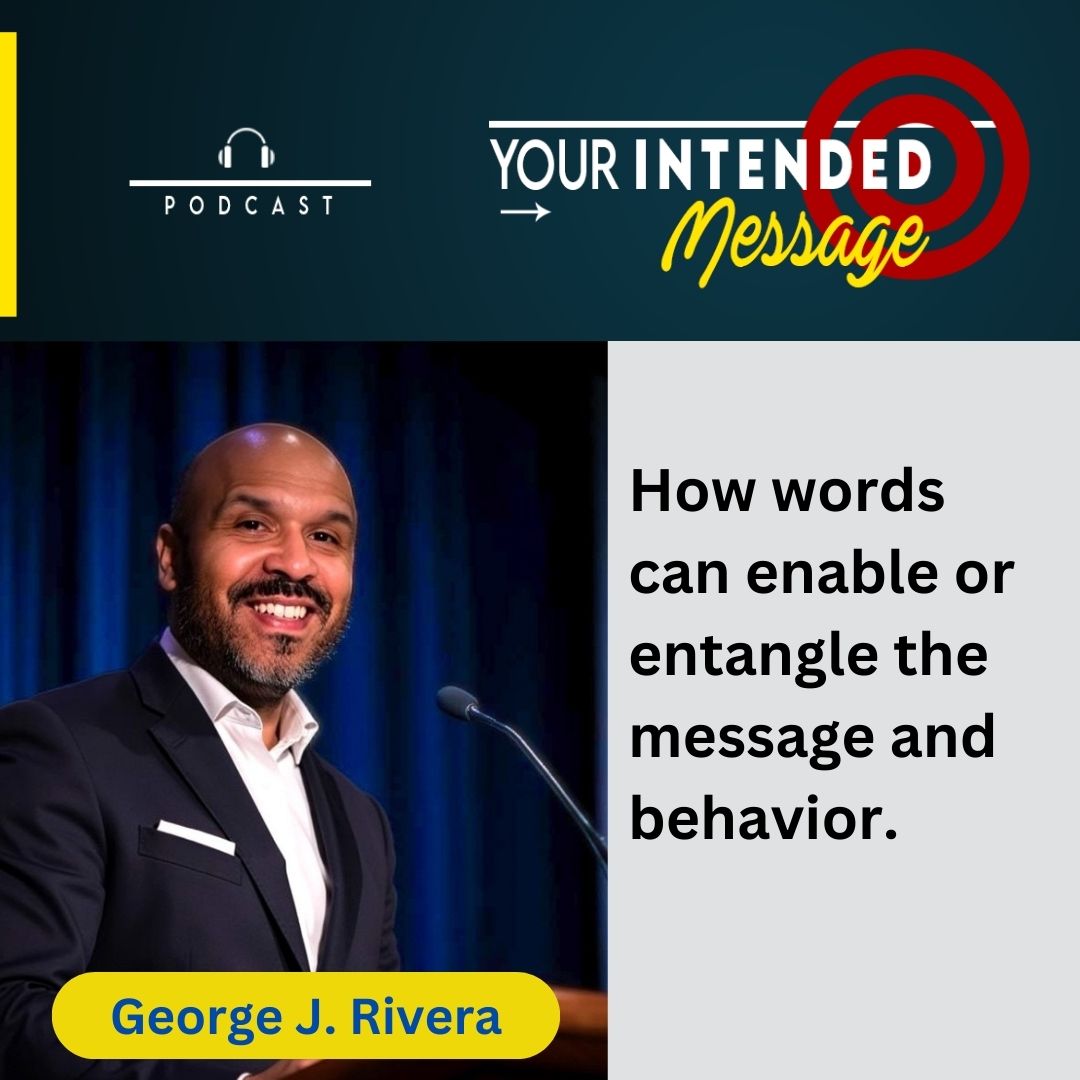
Episode #237 (George is based in New York City)
In this conversation with George J. Rivera we explore:
- The deeper meaning of behavior and communication, and why understanding the 'why' is essential for meaningful interactions.
- How to handle difficult conversations with strategies like mental rehearsal and reflection for improved outcomes.
- The role of leaders in shaping physical and emotional environments to support team success.
- The importance of psychological safety in fostering creativity, collaboration, and authenticity in teams.
- Techniques for using humor and empathy to reduce stress and enhance communication.
- The critical connection between leadership and environmental awareness, from physical settings to cultural dynamics.
- Lessons from nature, like mangrove trees, that reveal how creating the right conditions enables people to thrive.
- The value of self-awareness in leadership and its impact on team dynamics and organizational culture.
-----
About our guest George R. Rivera:
A member of Toastmasters International for the last 26 years, and serving as the District 46 Director this year. District 46 includes north of 34th street through Westchester NY. Behavior Analyst the last 20+ years serving families, school districts, and hospitals in the Tri-State area. Fun fact: Cast and performed in a few Off-Broadway productions including Assassins, Bellevue Sketches, and Man of La Mancha. Connect with George https://www.linkedin.com/in/george-j-rivera-msed-9b689a5/ -----Here are the key learning points from the interview with George Rivera:
1. Understanding Behavior and Communication- Behavior is not labeled as "good" or "bad"; it always serves a function based on context and underlying motives.
- Language itself is considered a behavior and reflects deeper thought processes and emotions.
- Self-Soothing Techniques: Use cognitive behavioral exercises like "time travel" to mentally rehearse the conversation and reflect afterward.
- Anticipate possible responses and prepare for them to maintain composure and improve outcomes.
- Acknowledge and manage perceived consequences to reduce avoidance or fear.
- A leader’s awareness of the physical and emotional environment is critical for team success.
- Environmental factors, such as physical space, communication systems, and the leader’s demeanor, significantly impact team dynamics.
- Leaders themselves are a central part of the environment they influence.
- Creating a sense of psychological safety fosters risk-taking, creativity, and authentic communication within teams.
- Leaders can encourage openness by modeling vulnerability and gradually introducing opportunities for team members to share thoughts and feelings.
- Structure communication to suit the needs of the team, balancing technology (e.g., email, messaging) with opportunities for live interaction.
- Recognize environmental stressors, such as overcrowded or noisy spaces, that can hinder communication.
- Humor, particularly self-deprecating humor, can reduce stress, build trust, and foster openness in communication.
- Empathy allows for better acknowledgment of others’ perspectives, reducing defensiveness and conflict.
- The mangrove tree analogy highlights the importance of creating an environment conducive to growth and thriving, much like the tree’s ecosystem supports unique organisms.
- Leaders should act like "mangrove trees," fostering collaboration, diversity, and interconnectedness.
- Leaders should:
- Reflect inwardly on their role in shaping the environment.
- Promote open and honest communication over time.
- Foster collaboration and a shared purpose to reduce stress and enhance teamwork.
Would you like these summarized for a specific audience, such as LinkedIn readers or podcast listeners?
-----
----more----
Your host is George Torok
George is a specialist in communication skills. Especially presentation. He’s fascinated by the links between communication and influencing behaviors. He delivers training and coaching programs to help leaders and promising professionals deliver the intended message for greater success.
Connect with George
www.SpeechCoachforExecutives.com
https://www.linkedin.com/in/georgetorokpresentations/
https://www.youtube.com/user/presentationskills
https://www.instagram.com/georgetorok/