You Must Remember This
273 episodes — Page 4 of 6

S10 Ep 119119: Bela and Ed Wood (Bela & Boris Part 5)
Forgotten by Hollywood, struggling with morphine addiction and a dependency on alcohol, at the end of his life Bela Lugosi was welcomed into a rag tag bunch of micro-budget movie-making freaks led by Edward D. Wood Jr,, who would later become known as the worst filmmaker of all time. Through their collaborations on movies like Glen or Glenda? and Bride of the Monster, did Ed Wood help Bela, exploit him, or a little of both? Featuring Taran Killam as Bela Lugosi and Noah Segan as Ed Wood. To learn more about listener data and our privacy practices visit: https://www.audacyinc.com/privacy-policy Learn more about your ad choices. Visit https://podcastchoices.com/adchoices
S10 Ep 118118: Bela vs. Boris (Bela & Boris Part 4)
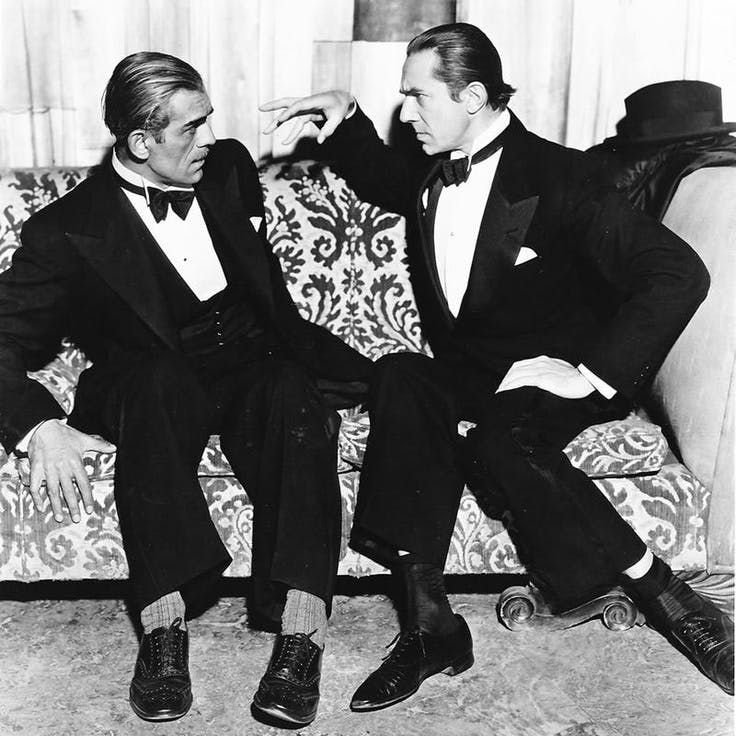
Lugosi and Karloff, the two stars made by Universal’s monster movies, made eight films together. Today we’ll dive deep into some of these movies (including The Black Cat, The Raven, Son of Frankenstein and Val Lewton’s The Body Snatcher), and continue to explore how even when their careers brought them together, Karloff and Lugosi remained worlds apart. Featuring Patton Oswalt as Boris Karloff and Taran Killam as Bela Lugosi. To learn more about listener data and our privacy practices visit: https://www.audacyinc.com/privacy-policy Learn more about your ad choices. Visit https://podcastchoices.com/adchoices
S10 Ep 117117: Boris and the Monsters (Bela & Boris Part 3)
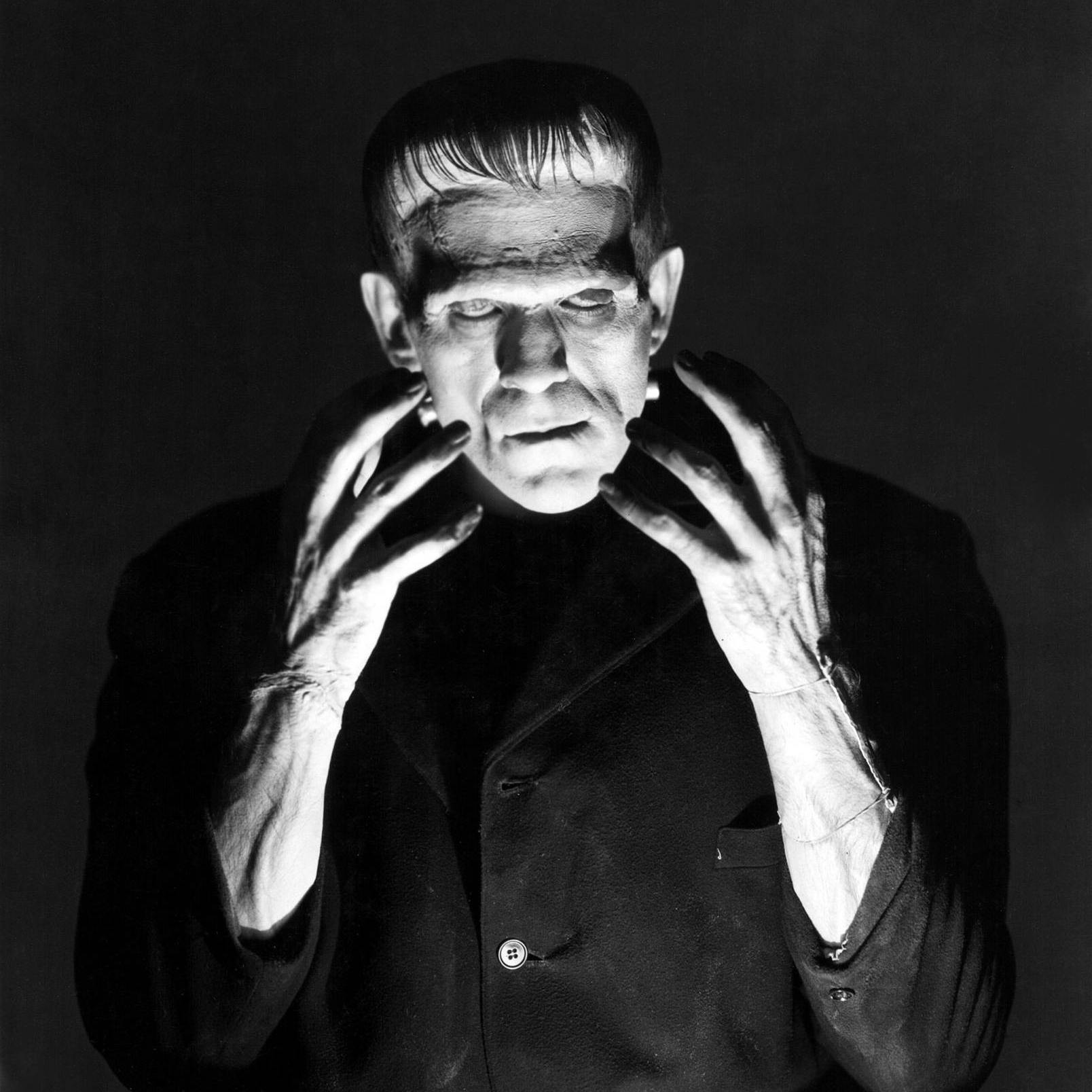
After twenty years as a journeyman actor/laborer, Boris Karloff became an instant superstar as the Monster in Frankenstein (1931). Today we’ll explore how Karloff, unlike Lugosi, managed to maintain a steady stardom throughout the decades, returning to the monster that made him without feeling trapped by the character. Featuring Patton Oswalt as Boris Karloff. To learn more about listener data and our privacy practices visit: https://www.audacyinc.com/privacy-policy Learn more about your ad choices. Visit https://podcastchoices.com/adchoices
S10 Ep 116116: Bela and the Vampires (Bela & Boris Part 2)
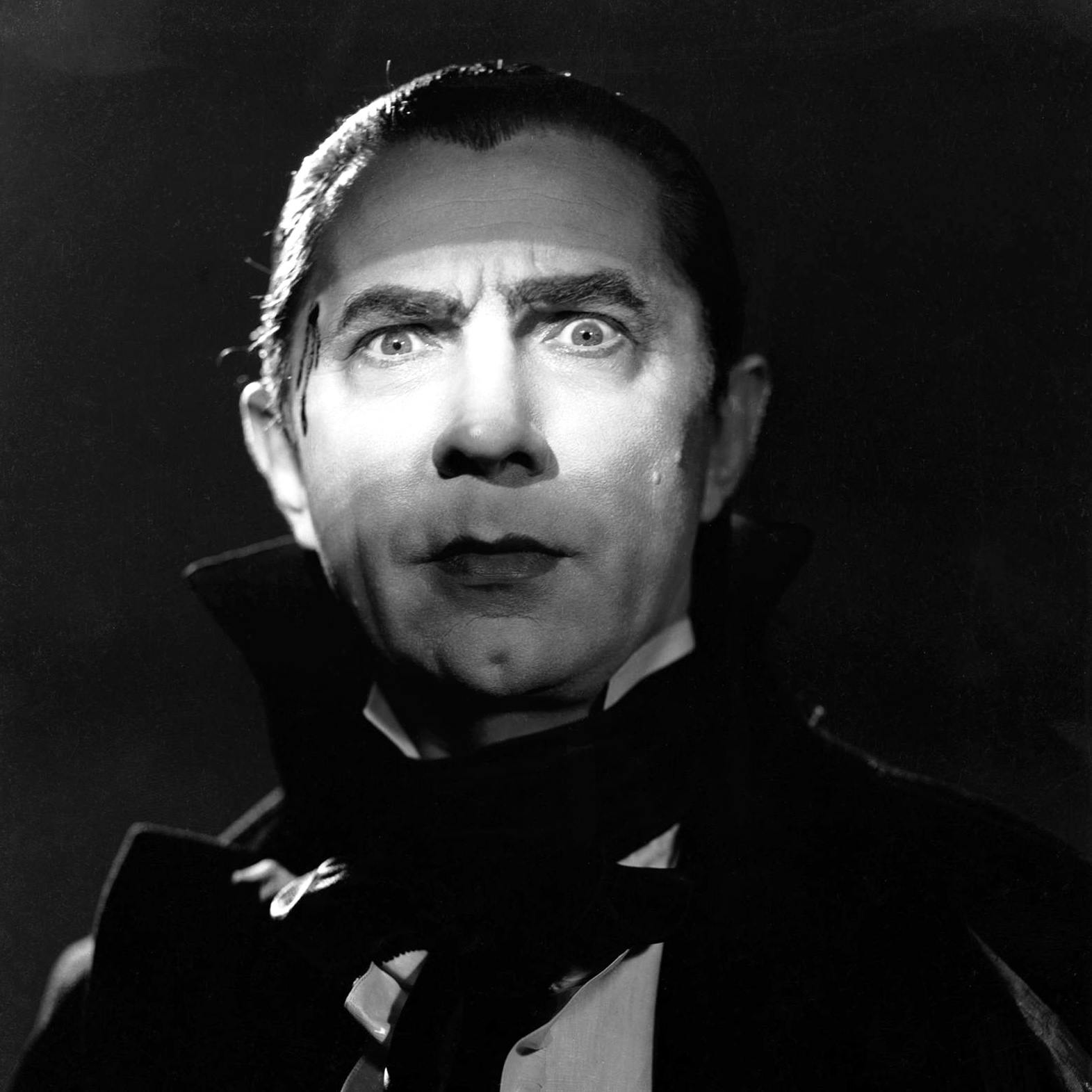
With Dracula (1931), Bela Lugosi instantly became the first horror star of sound cinema. It’s not easy being a trailblazer, and Bela would have difficulty capitalizing on his newfound stardom. In this episode we’ll discuss how Dracula made him, and trapped him, and trace the subsequent vampire roles that became his bread and butter. To learn more about listener data and our privacy practices visit: https://www.audacyinc.com/privacy-policy Learn more about your ad choices. Visit https://podcastchoices.com/adchoices
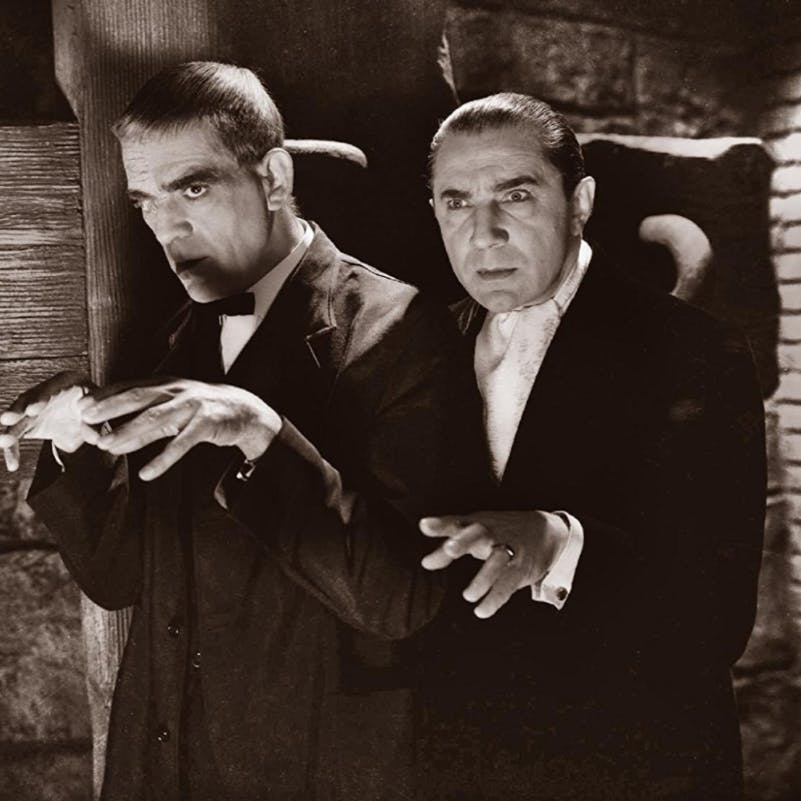
S10 Ep 115115: Where the Monsters Came From (Bela & Boris Part 1)
Bela Lugosi and Boris Karloff were two middle-aged, foreign, struggling actors who became huge stars thanks to Dracula and Frankenstein, the first two of a trend of monster movie hits released by Universal Studios during the 1930s. This season, we’ll discuss their parallel but very different lives and careers. Today, we’ll start by exploring where each man came from, what they were doing before they got to Universal, and why Universal began making monster movies in the first place. To learn more about listener data and our privacy practices visit: https://www.audacyinc.com/privacy-policy Learn more about your ad choices. Visit https://podcastchoices.com/adchoices
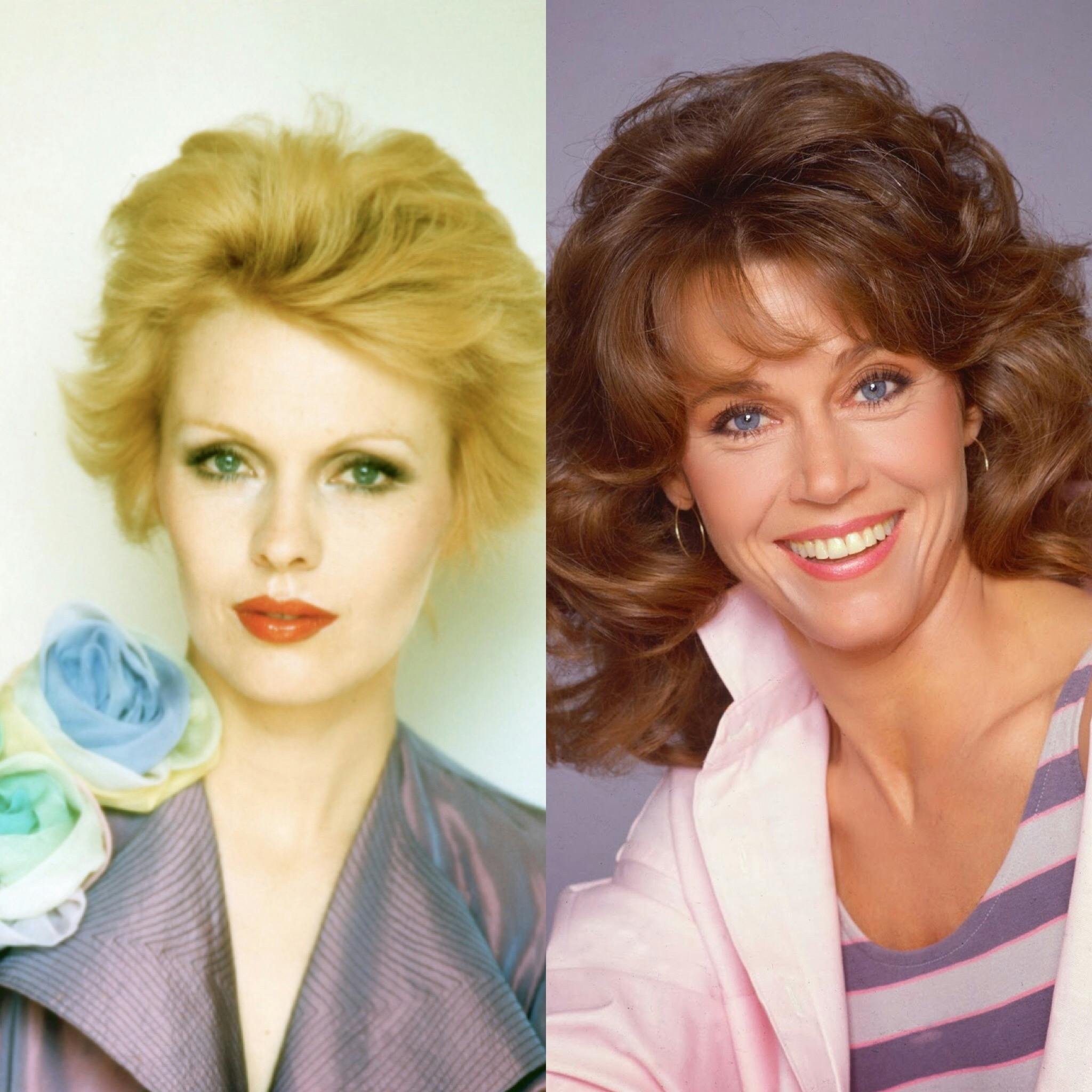
S9 Ep 114114: The Last of Jean/Jane Works Out (Jean & Jane Part 9)
EJean Seberg, now plagued with mental illness and alcoholism, comes to a tragic end in Paris. Jane Fonda reinvents herself, once again, for the 80s. To learn more about listener data and our privacy practices visit: https://www.audacyinc.com/privacy-policy Learn more about your ad choices. Visit https://podcastchoices.com/adchoices
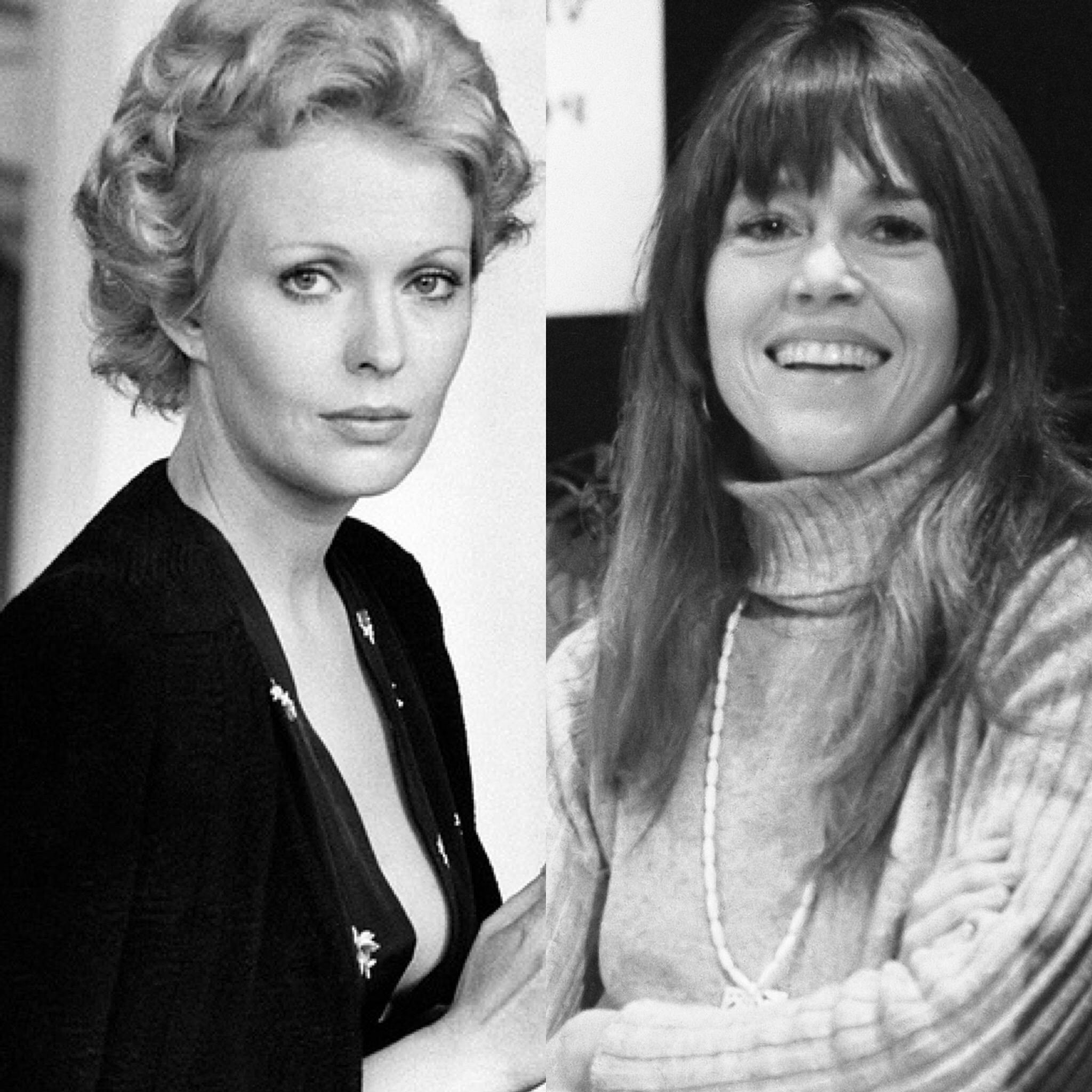
S9 Ep 113113: Coming Home (Jean & Jane Part 8)
EJean buries her child in Iowa, and then returns to Paris in a fragile mental state. Increasingly plagued by both justifiable paranoia and delusions, she makes her last significant films (including another misguided collaboration with Romain Gary), and another attempt at marriage. Back in the States, Jane subsumes her passion for activism into her new marriage to Tom Hayden, and works to get her movie career back on track by producing commercial yet socially conscious vehicles in which she can star in. One of these films, Coming Home, would become both an anti-war and feminist landmark, and would win Jane another Oscar. To learn more about listener data and our privacy practices visit: https://www.audacyinc.com/privacy-policy Learn more about your ad choices. Visit https://podcastchoices.com/adchoices
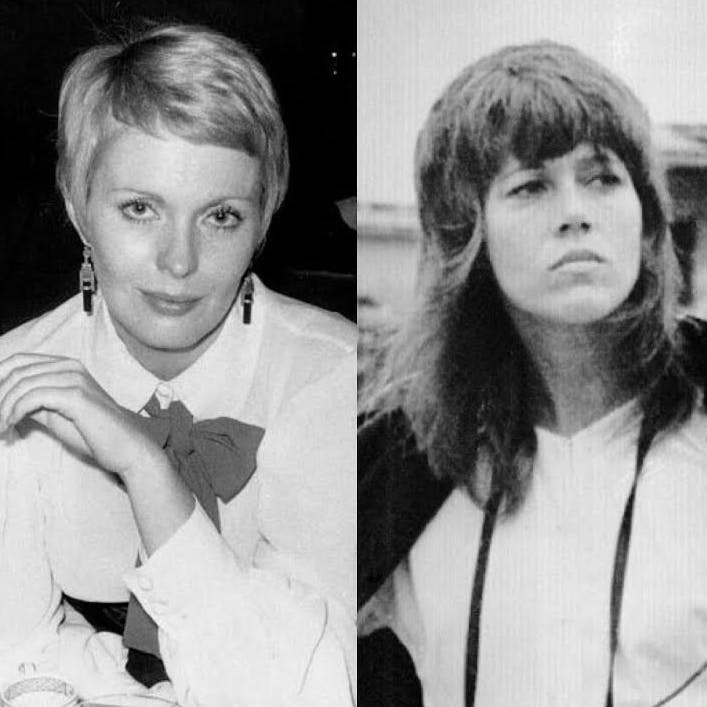
S9 Ep 112112: Hanoi Jane & The FBI vs. Jean Seberg’s Baby (Jean & Jane Part 7)
EAfter shooting a film with a much-changed Jean-Luc Godard, Jane Fonda travels to Vietnam, where she naively participates in a stunt that would leave her branded “Hanoi Jane” for decades. The world media had a field day mocking her, the US government set to work plotting to destroy her, and Jane would seek refuge in a new relationship with activist-turned-politician Tom Hayden. Meanwhile, in the midst of divorcing Romain Gary, Jean found herself pregnant. Having wiretapped a phone call between Jean and a Black Panther about her pregnancy, the FBI decided to “neutralize” both Seberg and her unborn child. To learn more about listener data and our privacy practices visit: https://www.audacyinc.com/privacy-policy Learn more about your ad choices. Visit https://podcastchoices.com/adchoices
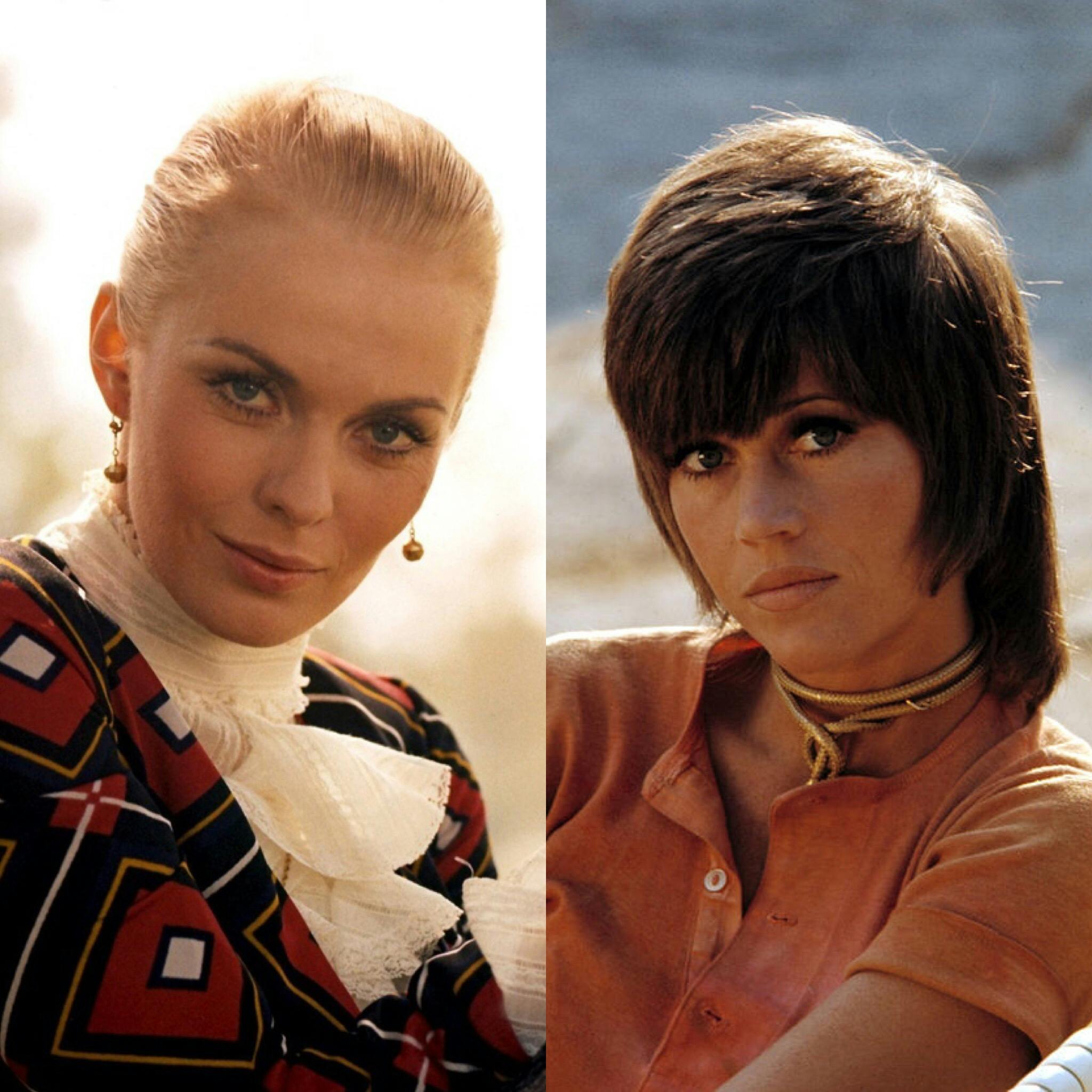
S9 Ep 111111: Jean and Jane Become Public Enemies (Jean & Jane Part 6)
EOn the heels of making her biggest Hollywood movies in years, Jean Seberg becomes involved with two black radicals, one a cousin of Malcolm X who spouted violent, anti-white rhetoric, the other a leader of the Black Panthers. Jean starts offering money and support to these men and their causes, which attracts the attention of the FBI. Meanwhile, Jane leaves Vadim - and Hollywood - to find herself as a political activist, working on behalf of American Indians, the Black Panthers, and Vietnam veterans. Despite all her best efforts, Jane hadn’t yet alienated Hollywood - while she was being watched by the FBI, Jane starred in one of the great surveillance thrillers of the 1970s, Klute. To learn more about listener data and our privacy practices visit: https://www.audacyinc.com/privacy-policy Learn more about your ad choices. Visit https://podcastchoices.com/adchoices

S9 Ep 110110: Jane vs "Barbarella" (Jean & Jane Part 5)
EHaving coaxed Jane into participating in an open marriage, Vadim began casting her in films as a male fantasy of female sexual liberation. This phase of her career would peak with Barbarella, a sci-fi film based on an erotic comic book featuring Jane as a horny space warrior. Jane’s perfect body was on full display and fetishized the world over, but no one knew the self-destruction that went on behind the scenes in order to maintain her looks. While Vadim was building her up as an international sex kitten, Jane was gradually becoming more socially conscious. For all of his experience with women, Roger Vadim didn’t know what to do with a woke wife. To learn more about listener data and our privacy practices visit: https://www.audacyinc.com/privacy-policy Learn more about your ad choices. Visit https://podcastchoices.com/adchoices
S9 Ep 109109: Jean vs "Lilith" (Jean & Jane Part 4)
EHaving left her husband to be the mistress of writer/diplomat Romain Gary, Jean secretly gave birth to a son, and then made the movie that she thought would prove herself as an actress once and for all. In Lilith, Seberg would go all in on her portrayal of madness - perhaps too deep. After a disastrous collaboration with Gary, Jean happily accepted an offer to star in a big budget Hollywood musical. But it was 1969, the studio system had crumbled, and that musical - Paint Your Wagon - would become a symbol of everything that was wrong with the Hollywood establishment. To learn more about listener data and our privacy practices visit: https://www.audacyinc.com/privacy-policy Learn more about your ad choices. Visit https://podcastchoices.com/adchoices
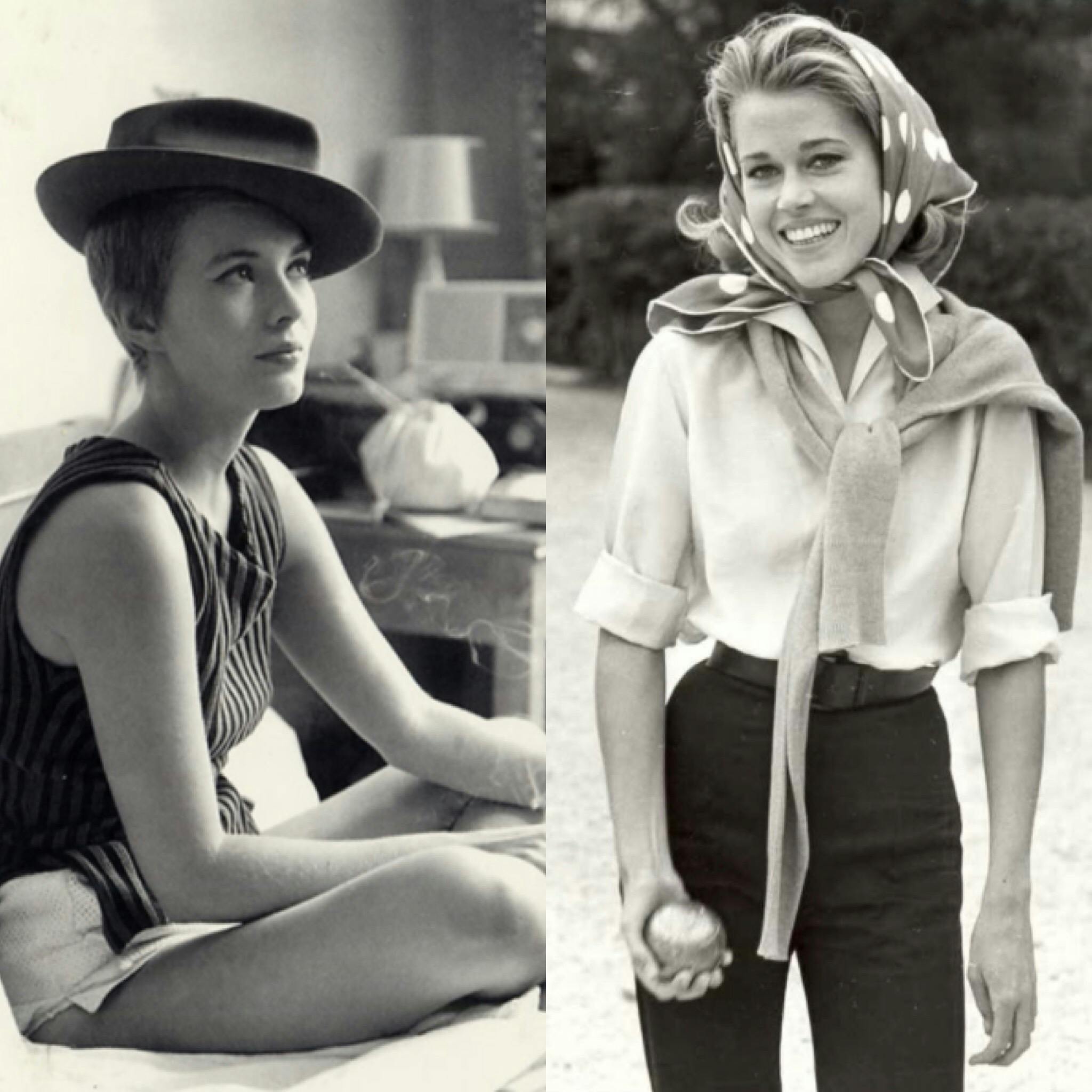
S9 Ep 108108: Jean and Jane in Paris (Jean & Jane Part 3)
EWith her Hollywood career already something of a disappointment, Jean Seberg took a chance on a French film critic turned first-time director who wanted her to play an amoral American in an experimental movie without a script. The result was Breathless, the catalyzing hit of the French New Wave and the movie that would make Jean Seberg an icon. Soon thereafter, Jane Fonda got her own invitation to come make a movie in Paris, where she’d soon fall in love with Roger Vadim, the man who discovered Brigitte Bardot. Jane Fonda would become Vadim’s new creative muse, as well as his third wife. To learn more about listener data and our privacy practices visit: https://www.audacyinc.com/privacy-policy Learn more about your ad choices. Visit https://podcastchoices.com/adchoices
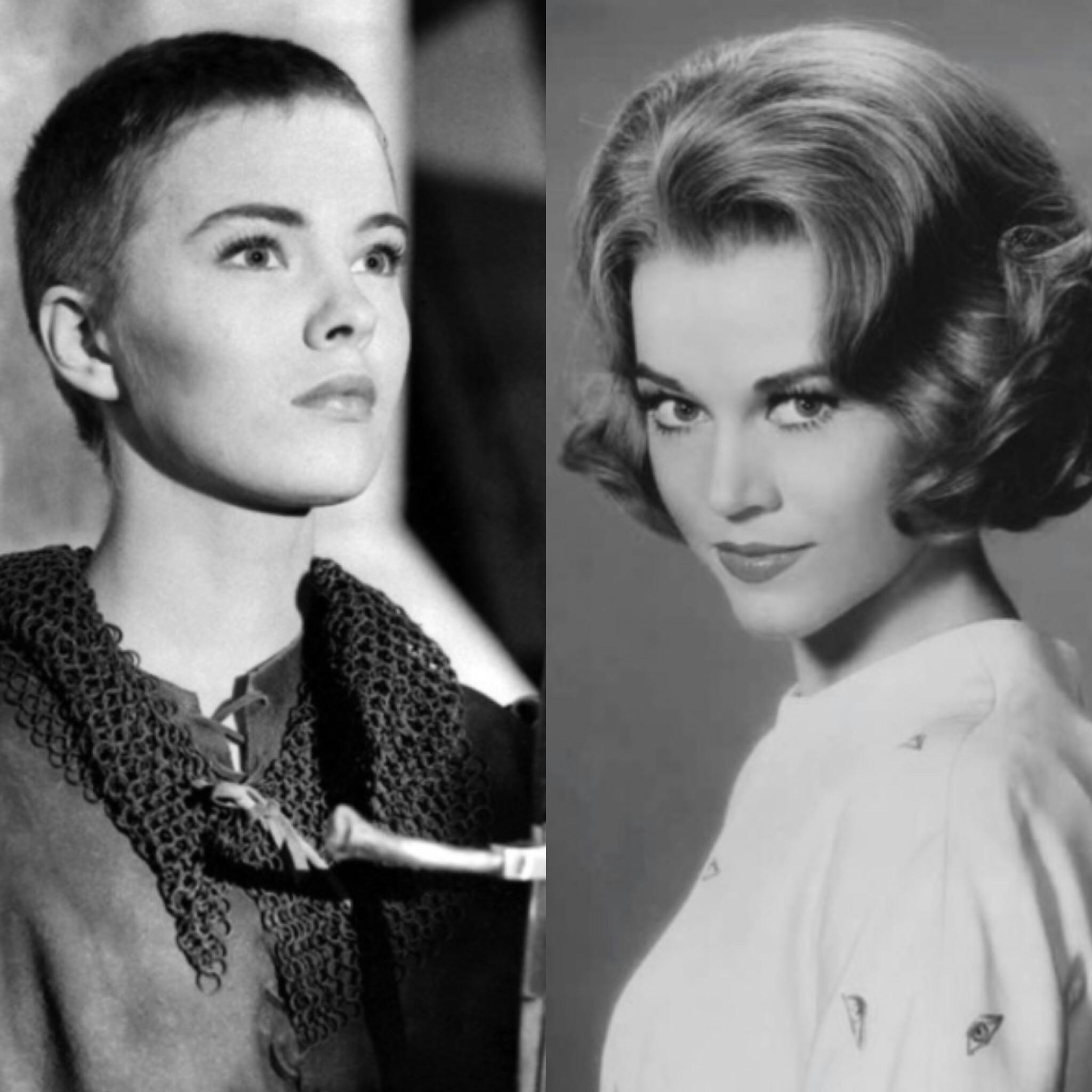
S9 Ep 107107: Jean and Otto Preminger/Jane in New York (Jean & Jane Part 2)
Jean Seberg made her first two films, Saint Joan and Bonjour Tristesse, for director Otto Preminger, a tyrannical svengali character whose methods would traumatize Jean for the rest of her life and career. No wonder she rebelled against this bad dad figure by marrying a handsome French opportunist. Meanwhile, Jane Fonda moves to New York, joins the Actors Studio, takes up with her own hyper-controlling male partner, and tries to define herself as something other than Henry Fonda’s daughter. To learn more about listener data and our privacy practices visit: https://www.audacyinc.com/privacy-policy Learn more about your ad choices. Visit https://podcastchoices.com/adchoices
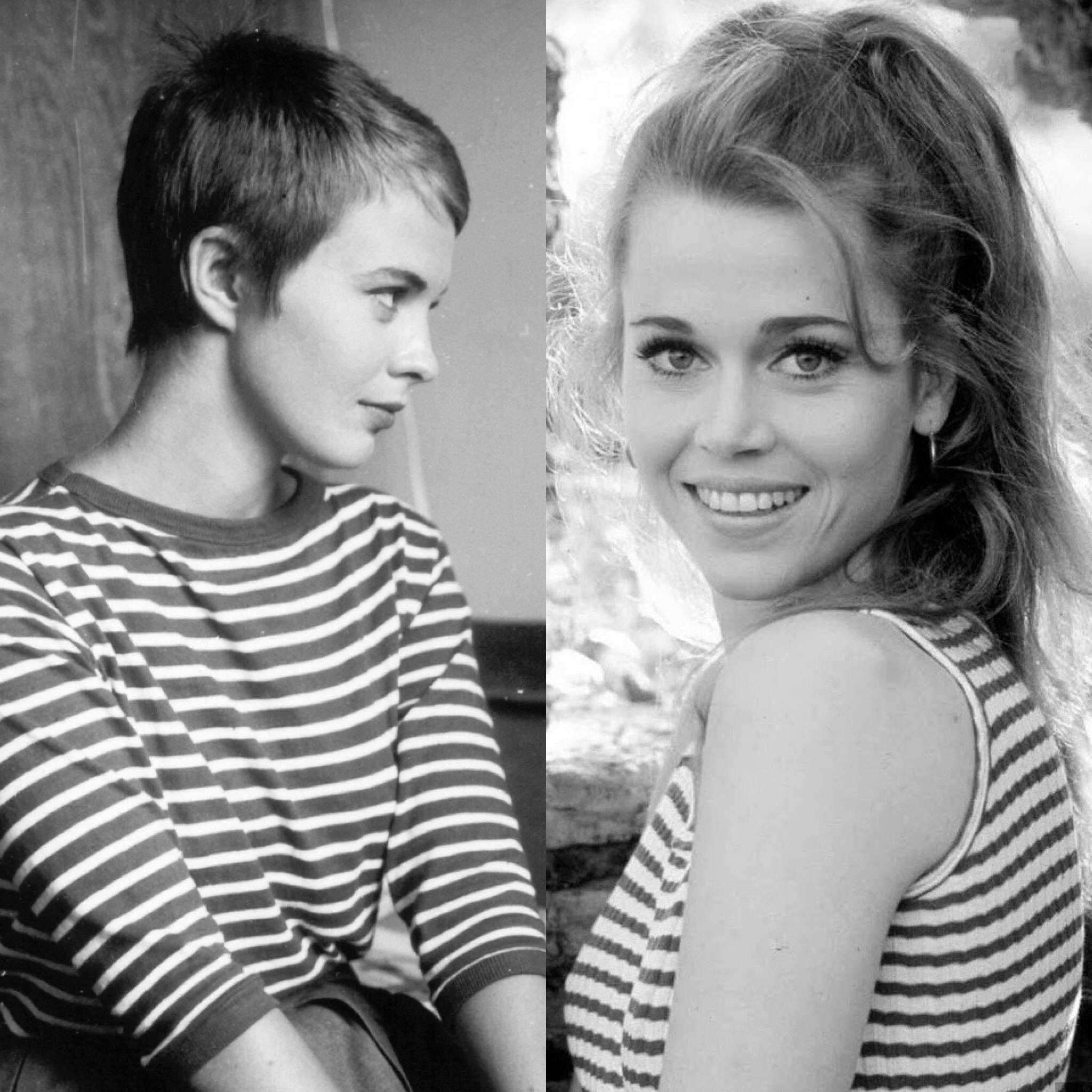
S9 Ep 106106: Hollywood Royalty/Middle-American Martyr (Jean & Jane Part 1)
Introducing our new series, “Jean and Jane,” exploring the parallel lives of Jane Fonda and Jean Seberg, two white American actresses who found great success (and husbands) in France before boldly and controversially lending their celebrity to causes like civil rights and the anti-war movement. Fonda and Seberg were both tracked by the FBI during the Nixon administration, which considered both actresses to be threats to national security. But for all their similarities, Jane and Jean would end up on different paths. They also started from very different circumstances. Today we’ll track Jane’s difficult upbringing with her famous but absentee father and troubled mother, and the path of privilege - and tragedy - that led her to the Actor’s Studio. Meanwhile, in small town, church-dominated Iowa, Jean Seberg announced herself as the town rebel at age 14 when she joined the NAACP. Three years later, she was plucked out of obscurity by a mad genius movie director to star in one of the highest-profile Hollywood movies of the late-50s. To learn more about listener data and our privacy practices visit: https://www.audacyinc.com/privacy-policy Learn more about your ad choices. Visit https://podcastchoices.com/adchoices
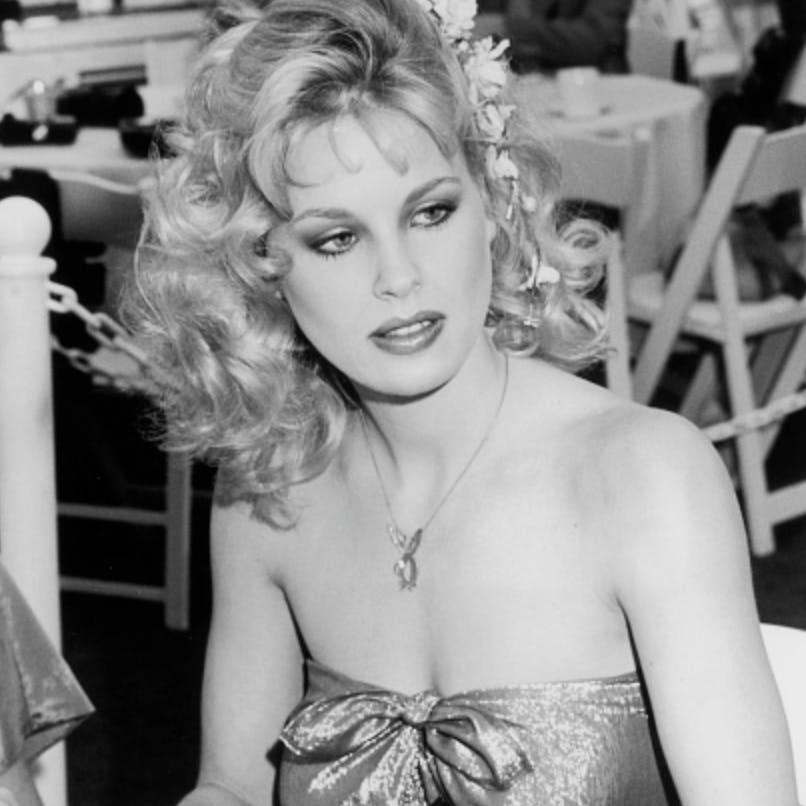
S8 Ep 105105: Dorothy Stratten (Dead Blondes Part 13)
Our Dead Blondes season concludes with the story of Dorothy Stratten. Coaxed into nude modeling by Paul Snider, her sleazy boyfriend-turned-husband, 18 year-old Stratten was seized on by Playboy as the heir apparent to Marilyn Monroe. She ascended to the top of the Playboy firmament quickly, and just after Hugh Hefner decided to make her Playmate of the Year, she met filmmaker Peter Bogdanovich, who fell in love with her and rewrote his upcoming film, They All Laughed, to give Dorothy a star-making role. After filming They All Laughed Dorothy planned to leave Snider and Playboy for life with Bogdanovich - but her husband had other ideas. To learn more about listener data and our privacy practices visit: https://www.audacyinc.com/privacy-policy Learn more about your ad choices. Visit https://podcastchoices.com/adchoices
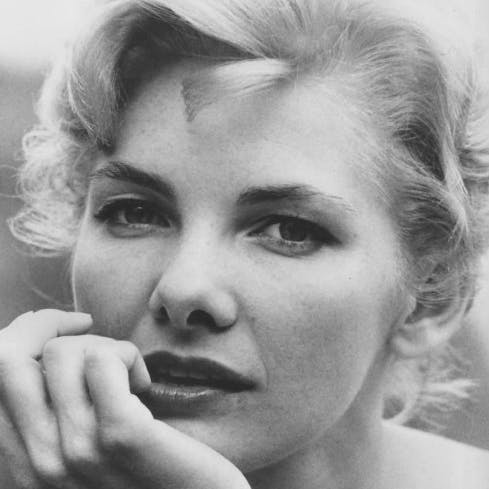
S8 Ep 104104: Barbara Loden (Dead Blondes Part 12)
EBarbara Loden won a Tony Award for playing a character based on Marilyn Monroe in Arthur Miller’s After the Fall. Like Marilyn, Barbara was a beauty with no pedigree who fled a hopeless upbringing in search of the fulfillment of fame. Like Marilyn, Loden found some measure of security as the mistress (and eventual wife) of a powerful man, in Loden’s case Elia Kazan. But instead of satisfying her, her small taste of fame and her relationship with Kazan left Barbara Loden wanting more, which would lead her to write, direct and star in a groundbreaking independent movie of her own. To learn more about listener data and our privacy practices visit: https://www.audacyinc.com/privacy-policy Learn more about your ad choices. Visit https://podcastchoices.com/adchoices
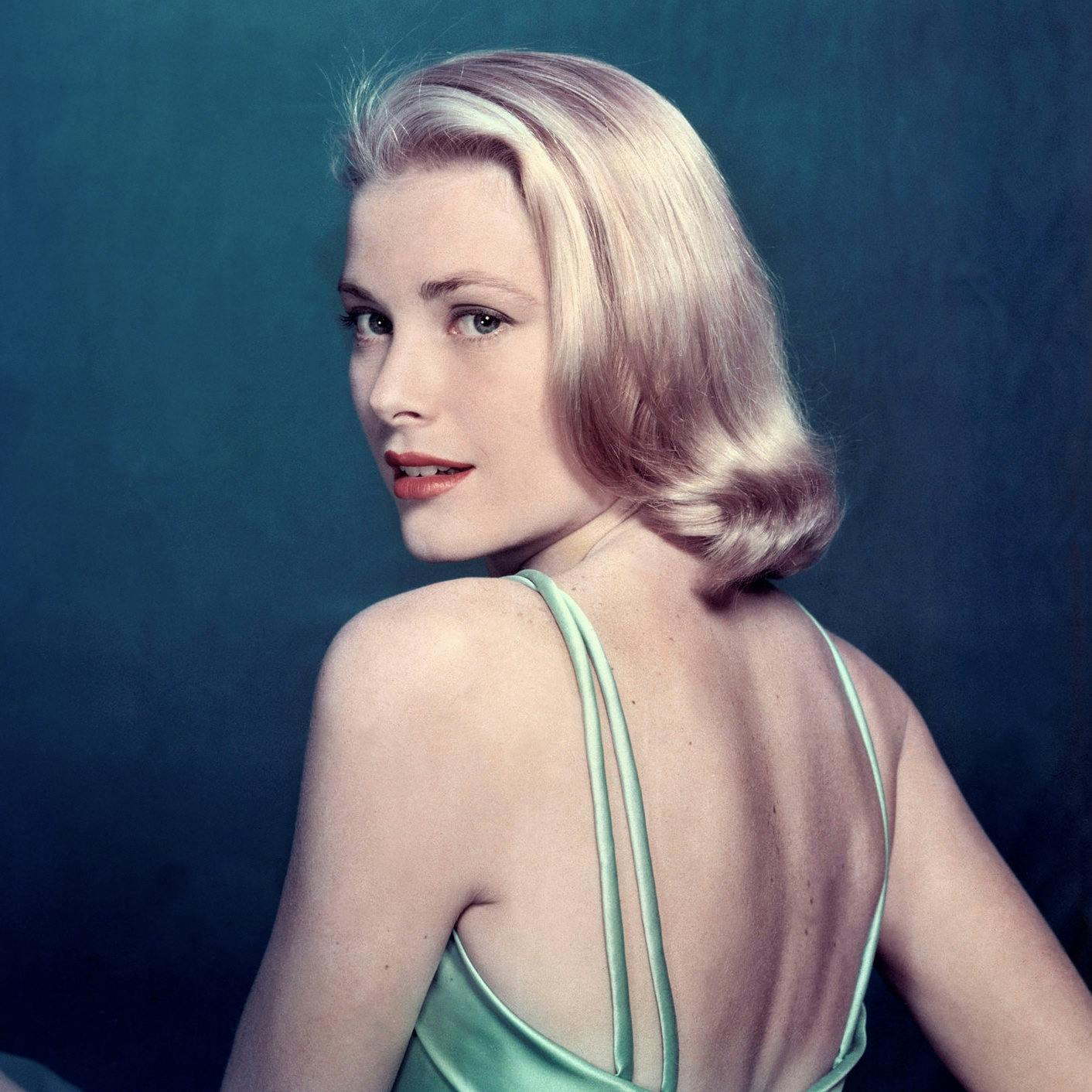
S8 Ep 103103: Grace Kelly (Dead Blondes Part 11)
EThe quintessential “Hitchcock blonde,” Grace Kelly had an apparently charmed life. Her movies were mostly hits, her performances were largely well reviewed, and she won an Oscar against stiff competition. Then she literally married a prince. Was it all as perfect as it seemed? Today we’ll explore Kelly’s public and private life (and the rumors that the two things were very different), her working relationship with Hitchcock, her Oscar-winning performance in The Country Girl, the royal marriage that took her away from Hollywood and Kelly’s very specific spin on blonde sexuality. To learn more about listener data and our privacy practices visit: https://www.audacyinc.com/privacy-policy Learn more about your ad choices. Visit https://podcastchoices.com/adchoices
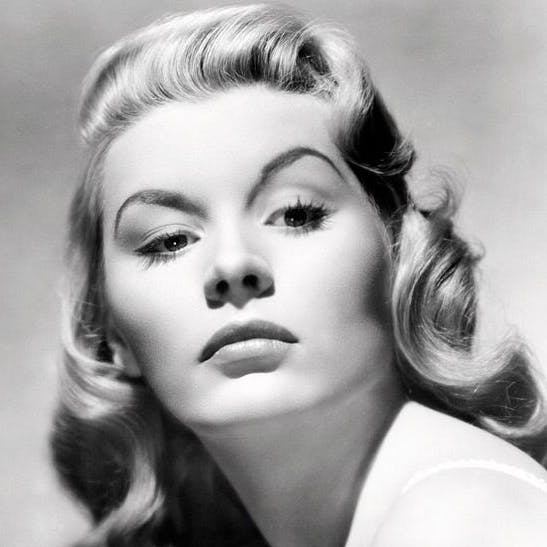
S8 Ep 102102: Barbara Payton (Dead Blondes Part 10)
EIn our Joan Crawford series, we talked about Barbara Payton as the young, troubled third wife of Crawford’s ex Franchot Tone, whose inability to choose between Tone and another actor brought all three of them down into tabloid Hell. Today, we revisit Payton’s story, and expand it, to explore her rise to quasi-fame, and the slippery slope that reduced her from “most likely to succeed” to informal prostitution, to formal prostitution, and finally to a way-too-early grave. To learn more about listener data and our privacy practices visit: https://www.audacyinc.com/privacy-policy Learn more about your ad choices. Visit https://podcastchoices.com/adchoices
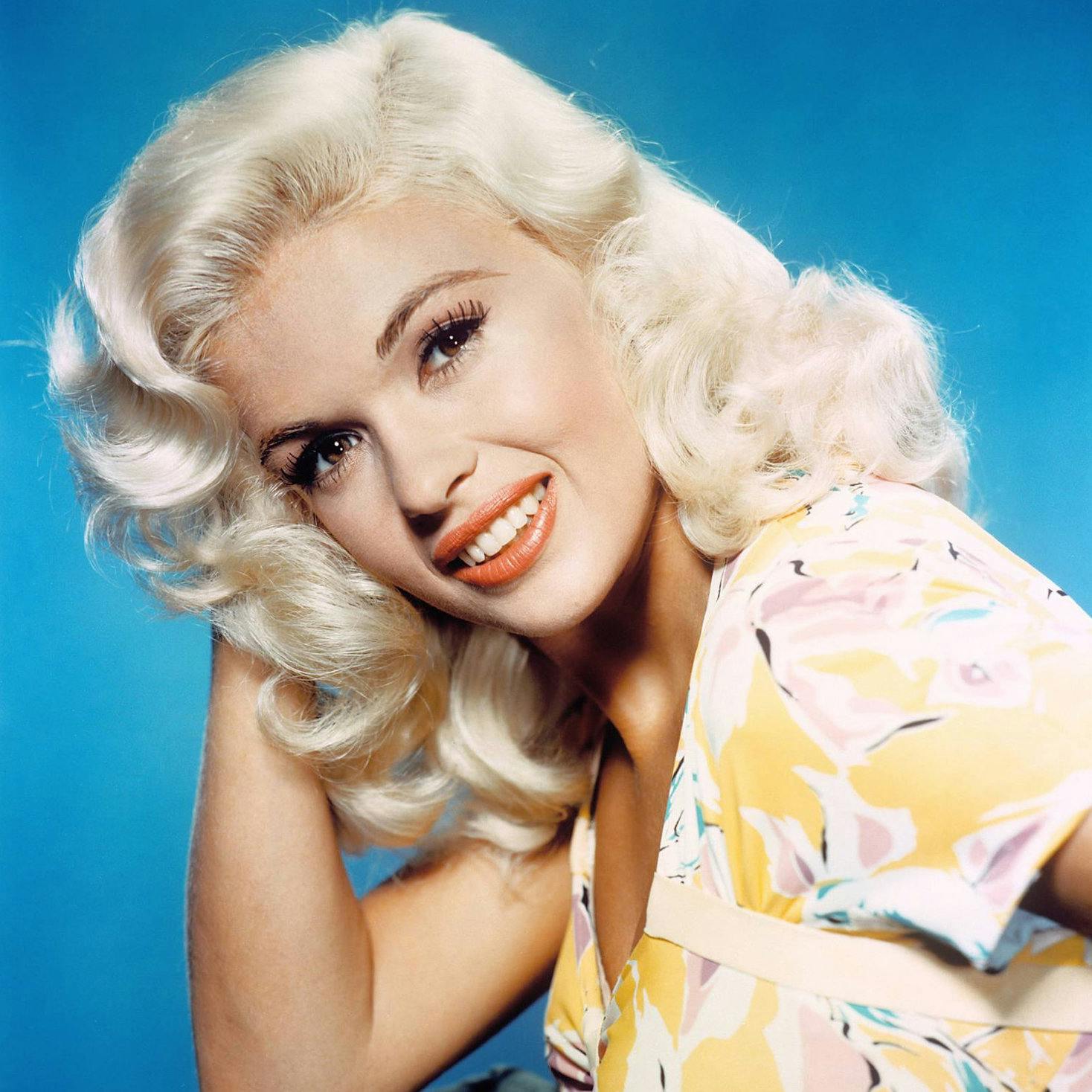
S8 Ep 101101: Jayne Mansfield (Dead Blondes Part 9)
EMore famous today for her gruesome car crash death than for any of the movies she made while alive, Jayne Mansfield was in some sense the most successful busty blonde hired by a studio as a Marilyn Monroe copy-cat. Mansfield’s satirical copy of Monroe’s act was so spot-on that it helped to hasten the end of the blonde bombshell, paradoxically endangering both actress’ careers. But she did manage to star in Hollywood’s first rock n’ roll movie, Hollywood’s first postmodern comedy, meet The Beatles, experiment with LSD, cheerfully align herself with Satanism for the photo op, and much more. To learn more about listener data and our privacy practices visit: https://www.audacyinc.com/privacy-policy Learn more about your ad choices. Visit https://podcastchoices.com/adchoices
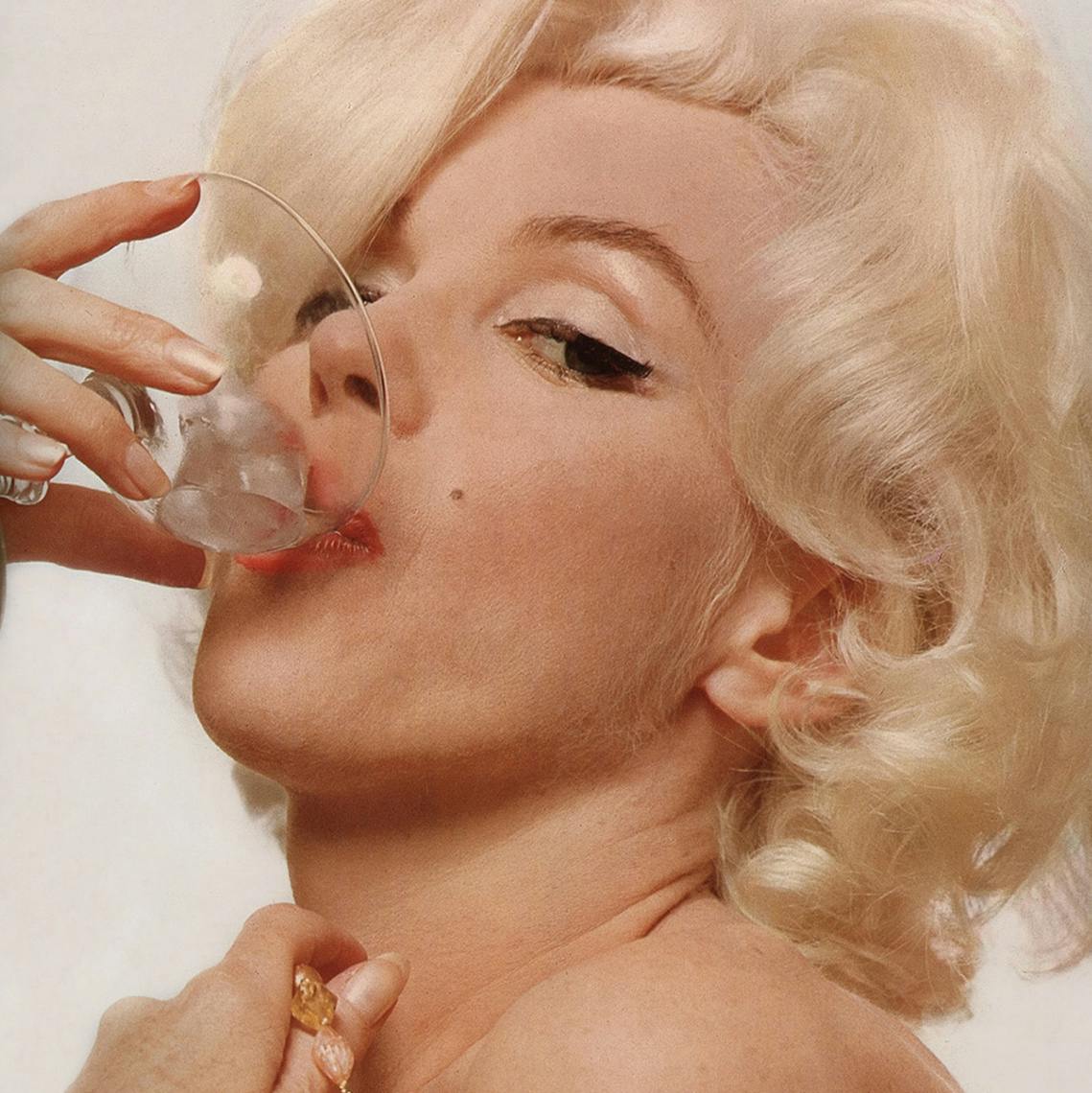
S8 Ep 100100: Marilyn Monroe: The End (Dead Blondes Part 8)
EHow did a star whose persona seemed to be all about childlike joy and eternally vibrant sexuality die, single and childless, at the age of 36? In fact, the circumstances of Marilyn Monroe’s death are confusing and disputed. In this episode we will explore the last five years of her life, including the demise of her relationship with Arthur Miller, the troubled making of The Misfits, and Marilyn’s aborted final film, and try to sort out the various facts and conspiracy theories surrounding her death. To learn more about listener data and our privacy practices visit: https://www.audacyinc.com/privacy-policy Learn more about your ad choices. Visit https://podcastchoices.com/adchoices
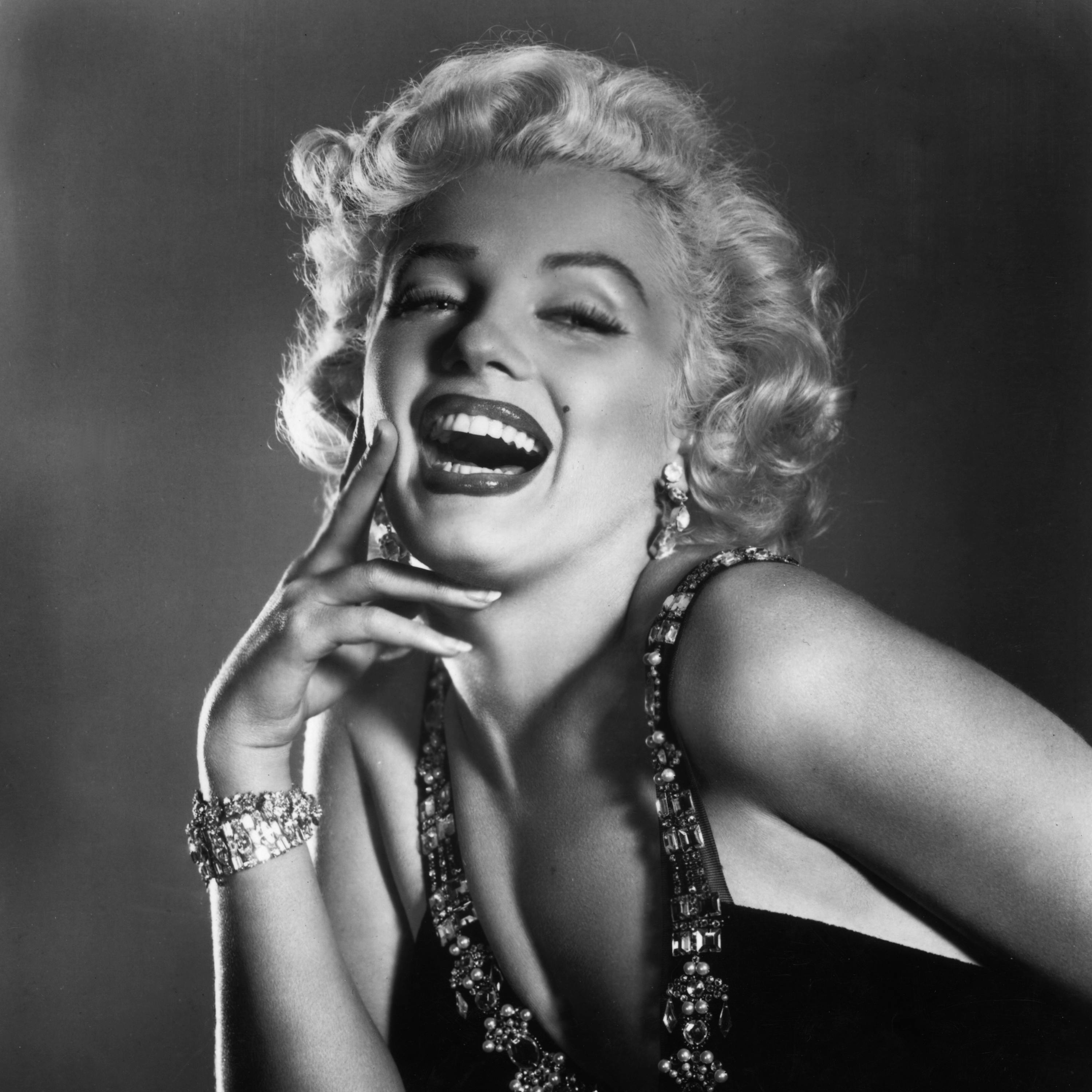
S8 Ep 9999: Marilyn Monroe: The Persona (Dead Blondes Part 7)
EHow did Marilyn Monroe become the most iconic blonde of the 1950s, if not the century? Today we will trace how her image was created and developed, through her leading roles in movies and her featured coverage in the press, with special attention to the way Monroe’s on-screen persona took shape during the height of her career. We’ll pay special attention to the films Niagara, Gentlemen Prefer Blondes, How to Marry a Millionaire, and Bus Stop, and the struggles behind the scenes of Seven Year Itch and The Prince and the Showgirl. To learn more about listener data and our privacy practices visit: https://www.audacyinc.com/privacy-policy Learn more about your ad choices. Visit https://podcastchoices.com/adchoices
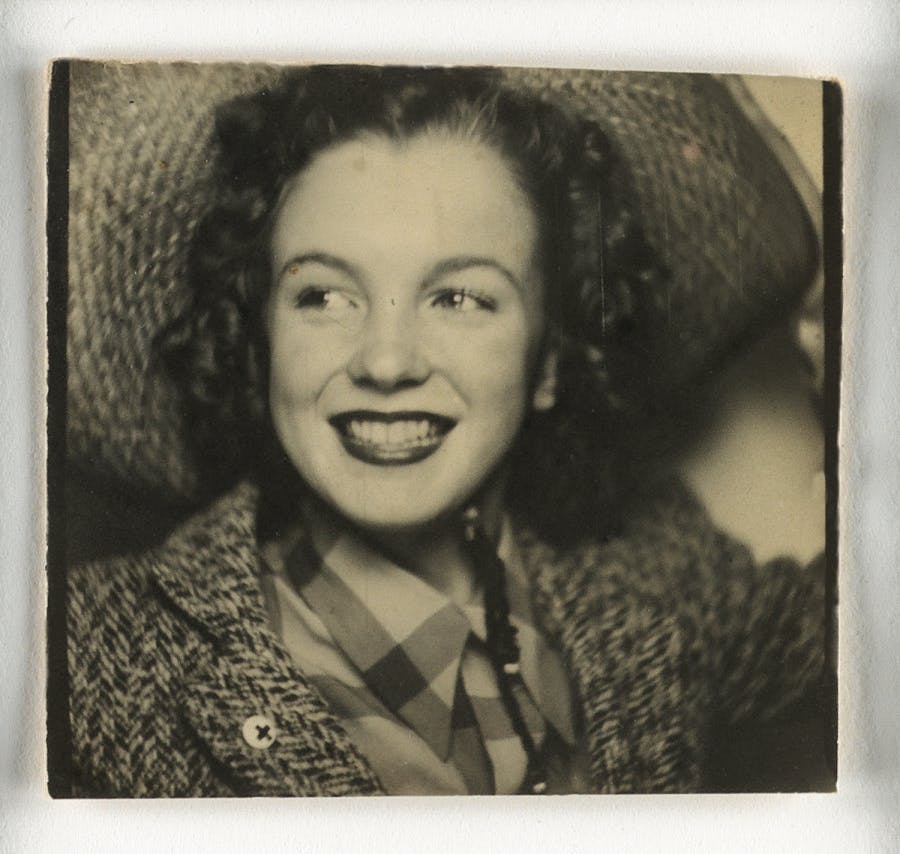
S8 Ep 9898: Marilyn Monroe: The Beginning (Dead Blondes Part 6)
EToday we begin the first of three episodes on the most iconic dead blonde of them all, Marilyn Monroe. We’ll start be revisiting our episode on Marilyn from our series on stars during World War II, in which we traced the former Norma Jean from her unhappy, almost parentless childhood through her teenage marriage, her work in a wartime factory, her hand-to-mouth days as a model, her struggles to break into movies and, finally, the sex scandal that made her a star. To learn more about listener data and our privacy practices visit: https://www.audacyinc.com/privacy-policy Learn more about your ad choices. Visit https://podcastchoices.com/adchoices
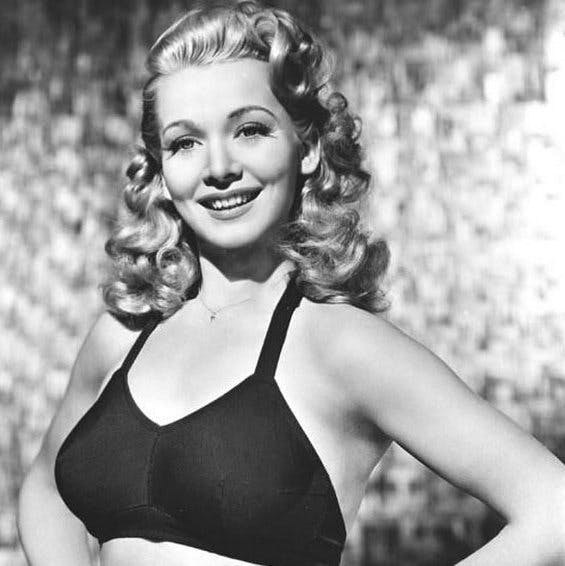
S8 Ep 9797: Carole Landis (Dead Blondes Part 5)
ECarole Landis was a gifted comedienne, a decent singer, and - once she dyed her natural brown hair blonde - perhaps the most luminous beauty in movies of the early 1940s. Plus, she was one of the most dedicated USO performers of WWII, and her elopement with an Air Force pilot on her travels became the inspiration for a book, movie and long running tabloid narrative. But then Landis fell into an affair with Rex Harrison - and this affair turned out to be Landis’ last. To learn more about listener data and our privacy practices visit: https://www.audacyinc.com/privacy-policy Learn more about your ad choices. Visit https://podcastchoices.com/adchoices
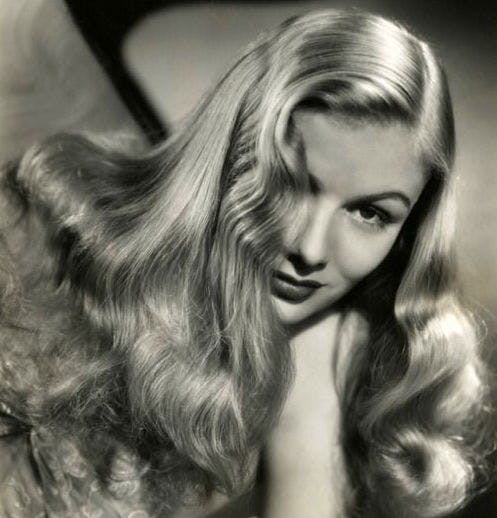
S8 Ep 9696: Veronica Lake (Dead Blondes Part 4)
EVeronica Lake had the most famous hairdo of the 1940s, if not the twentieth century. Her star turn in Preston Sturges’ Sullivan’s Travels and her noir pairings with Alan Ladd made her Paramount’s biggest wartime draw behind Hope and Crosby, but behind the scenes, Lake was a loner with a drinking problem who didn’t give an F about Hollywood etiquette. Bankrupt and without a studio contract, in the early 1950s she consciously quit movies. She claimed she left Hollywood to save her own life - so how did she end up dead at 50? To learn more about listener data and our privacy practices visit: https://www.audacyinc.com/privacy-policy Learn more about your ad choices. Visit https://podcastchoices.com/adchoices

S8 Ep 9595: Jean Harlow Flashback (Dead Blondes Part 3)
EJean Harlow was the top blonde of the 1930s, and even though she didn’t survive the decade - she died in 1937 at the age of 26 - she’d inspire a generation of would-be platinum-haired bombshell stars. Today we revisit our 2015 episode on Harlow, to set the stage for the relentless forward march of Dead Blondes through the Twentieth Century. To learn more about listener data and our privacy practices visit: https://www.audacyinc.com/privacy-policy Learn more about your ad choices. Visit https://podcastchoices.com/adchoices

S8 Ep 9494: Thelma Todd (Dead Blondes Part 2)
Thelma Todd - a curvaceous white-blonde who predated Jean Harlow - was a sparkling comedienne who began in the silent era and flourished in the talkies, both holding her own opposite the Marx Brothers and playing straight woman in one of cinema’s first all-girl comedy teams. She was also an early celebrity entrepreneur, opening a hopping restaurant/bar with her name above the door. But today, Thelma is best remembered for her shocking 1935 death, which was deemed an accident but still sparks conspiracy theories that it was really murder. To learn more about listener data and our privacy practices visit: https://www.audacyinc.com/privacy-policy Learn more about your ad choices. Visit https://podcastchoices.com/adchoices
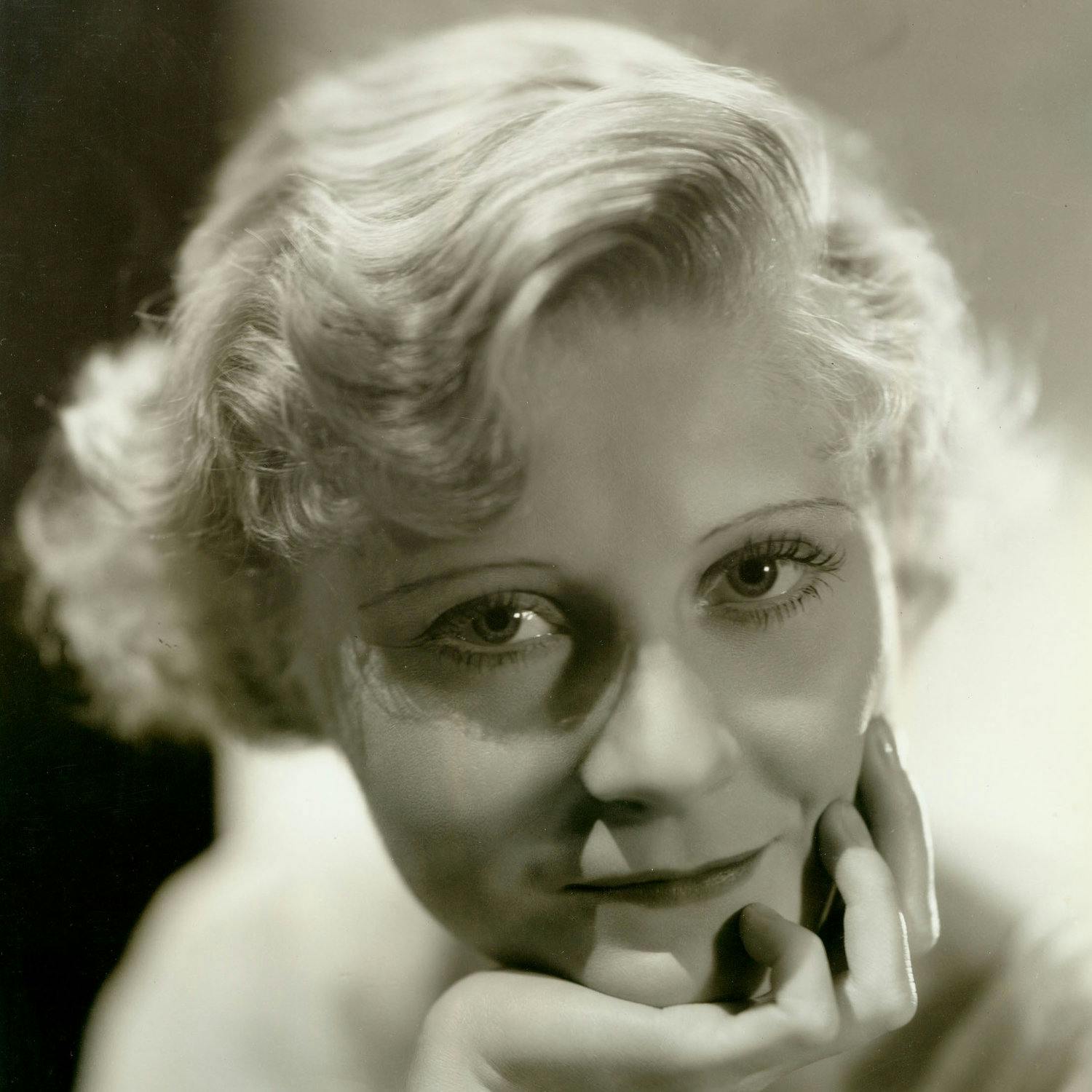
S8 Ep 9393: Peg Entwistle (Dead Blondes Part 1)
This season we’re going to explore the stories of 11 blonde actresses who died unusual, untimely or otherwise notable deaths - deaths which, in various ways, have outshined these actress’ lives. Today we’ll explain why we’re doing this, and will tell the story of Peg Entwistle - idol of Bette Davis, successful stage star turned movie aspirant, and one of the first Hollywood blondes who became more famous in death than in life. This episode contains selections from the album Industry, by Unheard Music Concepts. Used in accordance with Creative Commons: https://creativecommons.org/licenses/by/4.0/. To learn more about listener data and our privacy practices visit: https://www.audacyinc.com/privacy-policy Learn more about your ad choices. Visit https://podcastchoices.com/adchoices
S7 Ep 9292: Six Degrees of Joan Crawford: Mommie Dearest
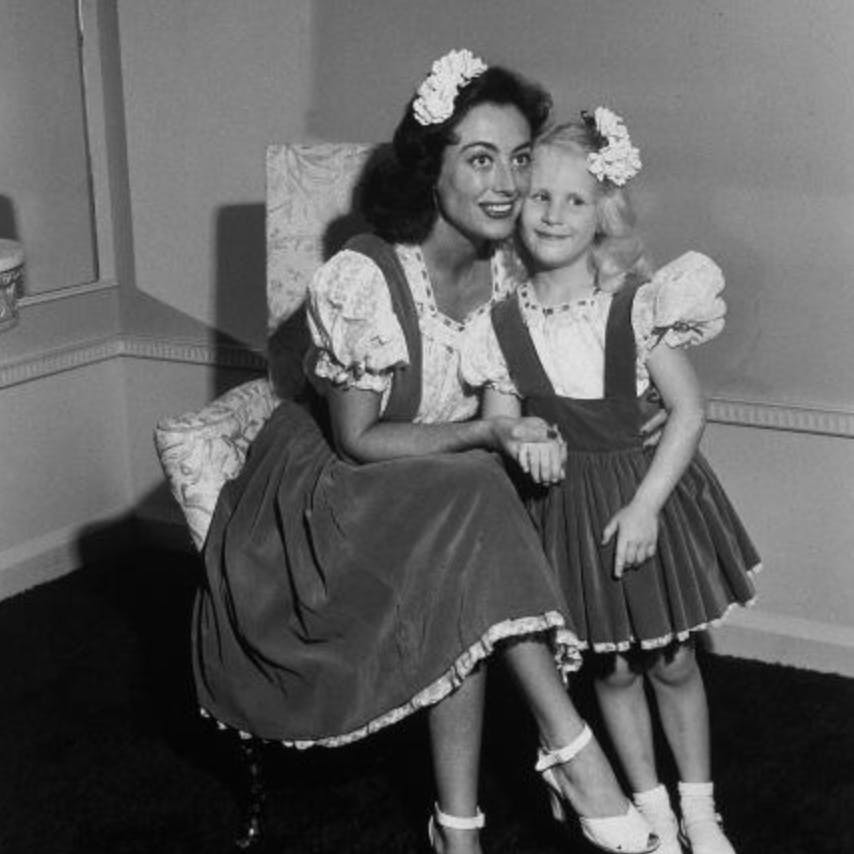
The year after Joan Crawford died, her estranged, adopted daughter Christina published a tell-all, accusing her late mother of having been an abusive monster when the cameras weren’t around. Three years later, Mommie Dearest became a movie, starring the only actress of the “new Hollywood” who Joan herself had commended, Faye Dunaway. The disastrous production of that film revealed how much had changed in Hollywood since Joan’s heyday, and the finished film did much to mutate Joan’s persona in the minds of future generations. To learn more about listener data and our privacy practices visit: https://www.audacyinc.com/privacy-policy Learn more about your ad choices. Visit https://podcastchoices.com/adchoices

S7 Ep 9191: Six Degrees of Joan Crawford: Bette Davis, "What Ever Happened to Baby Jane?," and Crawford’s last years
Robert Aldrich’s What Ever Happened to Baby Jane? has done more to define later generation’s ideas about who Crawford was than perhaps any other movie that she was actually in. Unfortunately, most of those ideas center around Crawford’s supposed feud with co-star Bette Davis, which began as a marketing ploy and turned into something quasi-real - or, at least as real as certain celebrity “feuds” of today. To learn more about listener data and our privacy practices visit: https://www.audacyinc.com/privacy-policy Learn more about your ad choices. Visit https://podcastchoices.com/adchoices

S7 Ep 9090: Six Degrees of Joan Crawford: The Middle Years (Mildred Pierce to Johnny Guitar)
Joan Crawford struggled through what she called her “middle years,” the period during her 40s before she remade herself from aging, slumping MGM deadweight into a fleet, journeywoman powerhouse who starred in some of the most interesting films about adult womanhood of the 1940s and 1950s. That revival began with Mildred Pierce (for which Crawford won her only Oscar), and included a number of films, such as Daisy Kenyon and Johnny Guitar, directed by men who would later be upheld as auteurs, subversively making personal art within the commercial industry of Hollywood. To learn more about listener data and our privacy practices visit: https://www.audacyinc.com/privacy-policy Learn more about your ad choices. Visit https://podcastchoices.com/adchoices

S7 Ep 8989: Six Degrees of Joan Crawford: Clark Gable, Franchot Tone and Barbara Payton
By the mid-1930s, Joan Crawford was very, very famous, and negotiating both an affair with Clark Gable (her most frequent co-star and the only male star of her stature), and a new marriage to Franchot Tone, who, like Joan’s first husband, was an actor who was not quite on her level of stardom. Crawford’s marriage to Tone would span the back half of the decade, as Crawford’s stardom peaked, and then began its first decline. Today we’ll talk about that, and then we’ll tell a story about what happened to Franchot Tone after Joan Crawford - particularly, the strange love triangle he entered into in the 1950s, with the gorgeous but self-destructive starlet Barbara Payton at its center. To learn more about listener data and our privacy practices visit: https://www.audacyinc.com/privacy-policy Learn more about your ad choices. Visit https://podcastchoices.com/adchoices
S7 Ep 8888: Six Degrees of Joan Crawford: Douglas Fairbanks Jr. / Our Dancing Daughters to Grand Hotel
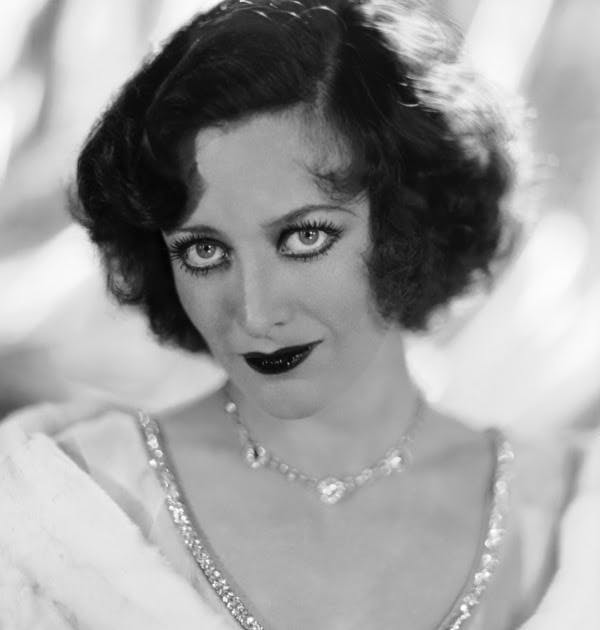
Joan Crawford’s early years in Hollywood were like - well, a pre-code Joan Crawford movie: a highly ambitious beauty of low birth does what she has to do (whatever she has to do) to transform herself into a well-respected glamour gal at the top of the food chain. Her romance with Douglas Fairbanks Jr - the scion of the actor/producer who had been considered the King of Hollywood since the early days of the feature film - began almost simultaneous to Crawford’s breakout hit, Our Dancing Daughters. But the gum-snapping dame with the bad reputation would soon rise far above her well-born husband, cranking out a string of indelible performances in pre-code talkies before hitting an early career peak in the Best Picture-winning Grand Hotel. To learn more about listener data and our privacy practices visit: https://www.audacyinc.com/privacy-policy Learn more about your ad choices. Visit https://podcastchoices.com/adchoices

S7 Ep 8787: Six Degrees of Joan Crawford: Douglas Fairbanks / Lucille LeSueur Goes to Hollywood
In order to understand Joan Crawford’s rise to fame, we have to talk about what Joan - born Lucille LeSueur, and called “Billie Cassin” for much of her childhood - was like before she got to Hollywood, and what Hollywood was like before she got there. To accomplish the latter, we’ll focus on Douglas Fairbanks: top action star of the silent era, the definition of Hollywood royalty, and the father of Crawford’s first husband. To learn more about listener data and our privacy practices visit: https://www.audacyinc.com/privacy-policy Learn more about your ad choices. Visit https://podcastchoices.com/adchoices

S6 Ep 8686: The Blacklist Part 16: Kirk Douglas, Dalton Trumbo, and Otto Preminger (Breaking the Blacklist, Part 2)
How did the Blacklist come to an end? If you ask Kirk Douglas, the end began with his hiring of Dalton Trumbo to write Spartacus -- or, rather Douglas flaunting of that hiring. Otto Preminger, who hired Trumbo to write Exodus, might see it differently. In truth, the end of the blacklist was a process that took over a decade, and couldn’t have happened without actions taken by Charlie Chaplin, Gary Cooper, director Joseph Losey, and president John F. Kennedy. We'll talk about the connection between the end of the blacklist and the weakening of the production code, and what both had to do with the slow dissolution of the studio system amidst the rise of independent producers and a younger generation of audiences. Finally, we’ll discuss how those who had been blacklisted struggled to move on. To learn more about listener data and our privacy practices visit: https://www.audacyinc.com/privacy-policy Learn more about your ad choices. Visit https://podcastchoices.com/adchoices

S6 Ep 8585: The Blacklist Part 15: Frank Sinatra and Albert Maltz (Breaking The Blacklist, Part 1)
In the first of two episodes about major stars attempting to end the Blacklist, we’ll look at Frank Sinatra’s efforts to hire Hollywood Ten member Albert Maltz. Timing got in the way of Sinatra’s good intentions: this was the exact moment when Sinatra had become the coolest middle-aged man in America as “chairman of the board” of the newly-formed Vegas act now known as the Rat Pack. It was also the moment when Sinatra thought he was on the verge of acquiring real political power through his proximity to presidential candidate John F. Kennedy. To learn more about listener data and our privacy practices visit: https://www.audacyinc.com/privacy-policy Learn more about your ad choices. Visit https://podcastchoices.com/adchoices
Blacklist Flashback: Frank Sinatra through 1945
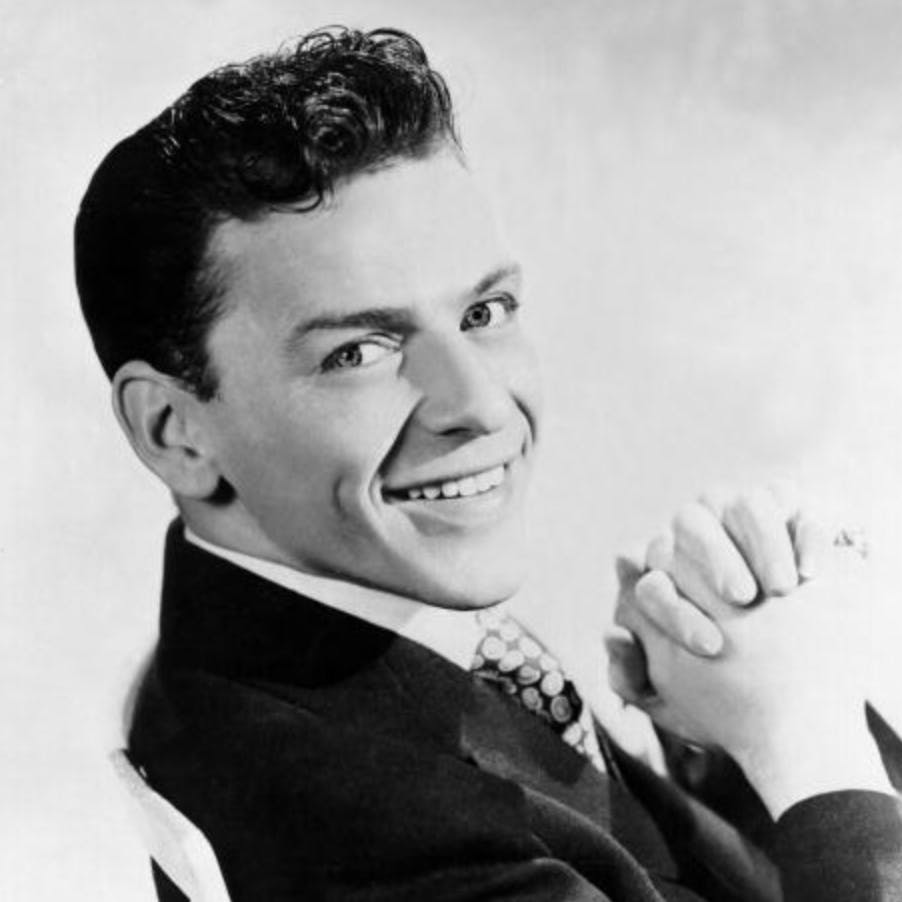
Before our episode on Frank Sinatra’s attempt to end the blacklist, we’re going to flashback to an episode from April 2015, on Sinatra’s rise to fame and his experiences during World War II. In the early 1940s, shortly after skyrocketing to fame as a heartthrob crooner, Sinatra was perceived, and from some corners pilloried, as a draft dodger. Today we’ll talk about how Sinatra acquired that reputation, how it impacted his early career, and the early success which, as we’ll see next week, faded, and became something that Sinatra struggled to recapture, and couldn’t bear to let go of once he did so. This episode is brought to you by Audible.com. For a free 30-day trial membership and a free audiobook. Just go to audible.com/REMEMBER This episode is also brought to you by Blue Apron. Check out this week’s menu and get your two meals free with free shipping by going to blueapron.com/REMEMBER To learn more about listener data and our privacy practices visit: https://www.audacyinc.com/privacy-policy Learn more about your ad choices. Visit https://podcastchoices.com/adchoices

S6 Ep 8484: The Blacklist Part 14: After the Fall: Arthur Miller
Arthur Miller considered Elia Kazan a close friend and collaborator, but when Kazan named names to HUAC, Miller broke with him and wrote The Crucible, a parable about anti-communist hysteria set amidst the Salem Witch Trials. But despite the committee’s sensitivity to criticism, HUAC didn’t subpoena Miller until he became engaged to Marilyn Monroe, then the biggest star and sex symbol of her day. Miller and Kazan would remain estranged for a decade, until the latter directed a play written by the former which, while drawing headlines for its depiction of Monroe, also seemed to parallel their falling out over HUAC. This episode is brought to you by Slack. Visit Slack.com/REMEMBERTHIS, Create a new team and you’ll get $100 in credit for when you decide to upgrade to a paid plan. This episode is also brought to you by Harry's. Free shipping for Father’s Day razor kits ends on Friday, June 3rd , so act now. Go to Harrys.com and enter code REMEMBER at checkout to get $5 off to get Dad something he’ll actually use this Father’s Day. To learn more about listener data and our privacy practices visit: https://www.audacyinc.com/privacy-policy Learn more about your ad choices. Visit https://podcastchoices.com/adchoices

S6 Ep 8383: The Blacklist Part 13: On the Waterfront: Elia Kazan
Elia Kazan introduced audiences to Warren Beatty, James Dean and Marlon Brando. His films of the 1950s -- including A Streetcar Named Desire, On the Waterfront, and East of Eden -- comprise perhaps the most impressive body of work of an American director of the decade. But Kazan, who was briefly a Communist in the 1930s, likely would not have been able to make many of those films had he not named names to HUAC in 1952. This episode is brought to you by Slack. Visit Slack.com/REMEMBER, Create a new team and you’ll get $100 in credit for when you decide to upgrade to a paid plan. To learn more about listener data and our privacy practices visit: https://www.audacyinc.com/privacy-policy Learn more about your ad choices. Visit https://podcastchoices.com/adchoices

S6 Ep 8282: The Blacklist Part 12: Stormy Weather: Lena Horne + Paul Robeson
Horne's last years at MGM overlapped with the first HUAC hearings. Horne, an outspoken proponent of equal rights, who from the beginning of her career had associated with leftists and “agitators,” got caught up in the anti-communist insanity. One of those agitators was Paul Robeson, a singer, actor and political firebrand who was a mentor and friend to Horne. But once the red panic began to heat up, that friendship became problematic for Lena, and like so many others, she was forced to choose between her career and her friendships. To learn more about listener data and our privacy practices visit: https://www.audacyinc.com/privacy-policy Learn more about your ad choices. Visit https://podcastchoices.com/adchoices

Blacklist Flashback: Lena Horne During WWII
Stunning singer/actress Lena Horne was the first black performer to be given the full glamour girl star-making treatment. But as the years went on and her studio failed to make much use of her, Horne started feeling like a token — and she wasn’t wrong. Today we’ll detail Horne’s experiences rising through the ranks of the black nightclub world to MGM, where she remained under contract through the 1940s, and found herself competing with Ava Gardner for parts. Next week, we’ll talk about Horne’s post-MGM career and her struggle to stay off the blacklist. This episode originally ran in February 2015. To learn more about listener data and our privacy practices visit: https://www.audacyinc.com/privacy-policy Learn more about your ad choices. Visit https://podcastchoices.com/adchoices

S6 Ep 8181: The Blacklist Part 11: Born Yesterday: Judy Holliday
Judy Holliday won an Oscar for her first starring film role, and of her eight major film roles between 1950 and 1960, four were in films now considered classics. She was one star who was subpoenaed to testify about her ties to Communism who was fully supported by her studio and subsequently wasn’t blacklisted from movies. Holliday’s career was short-lived nonetheless, in part because she represented a highly idiosyncratic, working-class, urban, Jewish authenticity in a time when conformity was being peddled as an equivalent to safety. This episode is brought to you by Smith and Noble. Contact Smith & Noble today for 25% off on your window treatments plus free design consultation. Go to smithandnoble.com/REMEMBER This episode is also brought to you by The Great Courses Plus. For a limited time, The Great Courses plus is offering my listeners a chance to stream hundreds of their courses for FREE at thegreatcoursesplus.com/REMEMBER To learn more about listener data and our privacy practices visit: https://www.audacyinc.com/privacy-policy Learn more about your ad choices. Visit https://podcastchoices.com/adchoices

S6 Ep 8080: The Blacklist Part 10: Salt of the Earth: Howard Hughes + Paul Jarrico
Today we explore one of the more troubling aspects of Howard Hughes’ legacy: the firm hand he played in enforcing the blacklisting of Hollywood workers, both as the head and owner of RKO Pictures, and as a powerful rich guy whose influence went as high as the U.S. Congress. This episode also tells the story of Paul Jarrico, the first screenwriter to be taken to court by a studio (RKO) over the question of his firing during the blacklist period. In partnership with the also-blacklisted writer Michael Wilson and director Herbert Biberman, Jarrico then made Salt of the Earth, a pro-Union, proto-feminist, Neorealist-influenced independent film which the blacklisting-supporting unions effectively silenced, with the help of the media, politicians, and Hughes. This episode is brought to you by 1-800-Flowers. Order One Dozen beautiful, assorted Roses and receive another Dozen Roses and a vase for FREE – just $29.99. Go to 1800Flowers.com/REMEMBER. This episode is also brought to you by Slack. Visit Slack.com/REMEMBER. Create a new team and you’ll get $100 in credit for when you decide to upgrade to a paid plan. To learn more about listener data and our privacy practices visit: https://www.audacyinc.com/privacy-policy Learn more about your ad choices. Visit https://podcastchoices.com/adchoices

Blacklist Flashback: Howard Hughes + Jane Russell
In advance of next week’s episode dealing with Howard Hughes’ role in the blacklist, we revisit our October 2014 episode on Hughes’ relationship with Jane Russell, his wartime efforts to balance his aviation and moviemaking businesses, and his shaky run as head of RKO Pictures. Also: Ava Gardner gets violent, Hughes’ 15 year-old muse, and how Russell’s boobs did what the Spruce Goose couldn’t. To learn more about listener data and our privacy practices visit: https://www.audacyinc.com/privacy-policy Learn more about your ad choices. Visit https://podcastchoices.com/adchoices

S6 Ep 7979: The Blacklist Part 9: She: Richard Nixon + Helen Gahagan Douglas
The wife of actor Melvyn Douglas (Ninotchka, Being There), Helen Gahagan Douglas transformed herself from a Broadway and opera star into an exciting new politician in the days of FDR. A persistent, nagging voice of conscience in Congress during the time of HUAC and nuclear panic, Douglas’ political career came to an end amidst irresponsible allegations that she was a Communist supporter -- many of which were leveled at her by her opponent in the 1950 Senate race, Richard Nixon. This episode is brought to you by 1-800-Flowers. Order One Dozen beautiful, assorted Roses and receive another Dozen Roses and a vase for FREE – just $29.99. Go to 1800Flowers.com/REMEMBER. This episode is also brought to you by The Great Courses Plus. For a limited time, The Great Courses plus is offering my listeners a chance to stream hundreds of their courses for FREE at thegreatcoursesplus.com/REMEMBER. To learn more about listener data and our privacy practices visit: https://www.audacyinc.com/privacy-policy Learn more about your ad choices. Visit https://podcastchoices.com/adchoices
S6 Ep 7878: The Blacklist Part 8: Storm Warning: Ronald Reagan, the FBI and HUAC
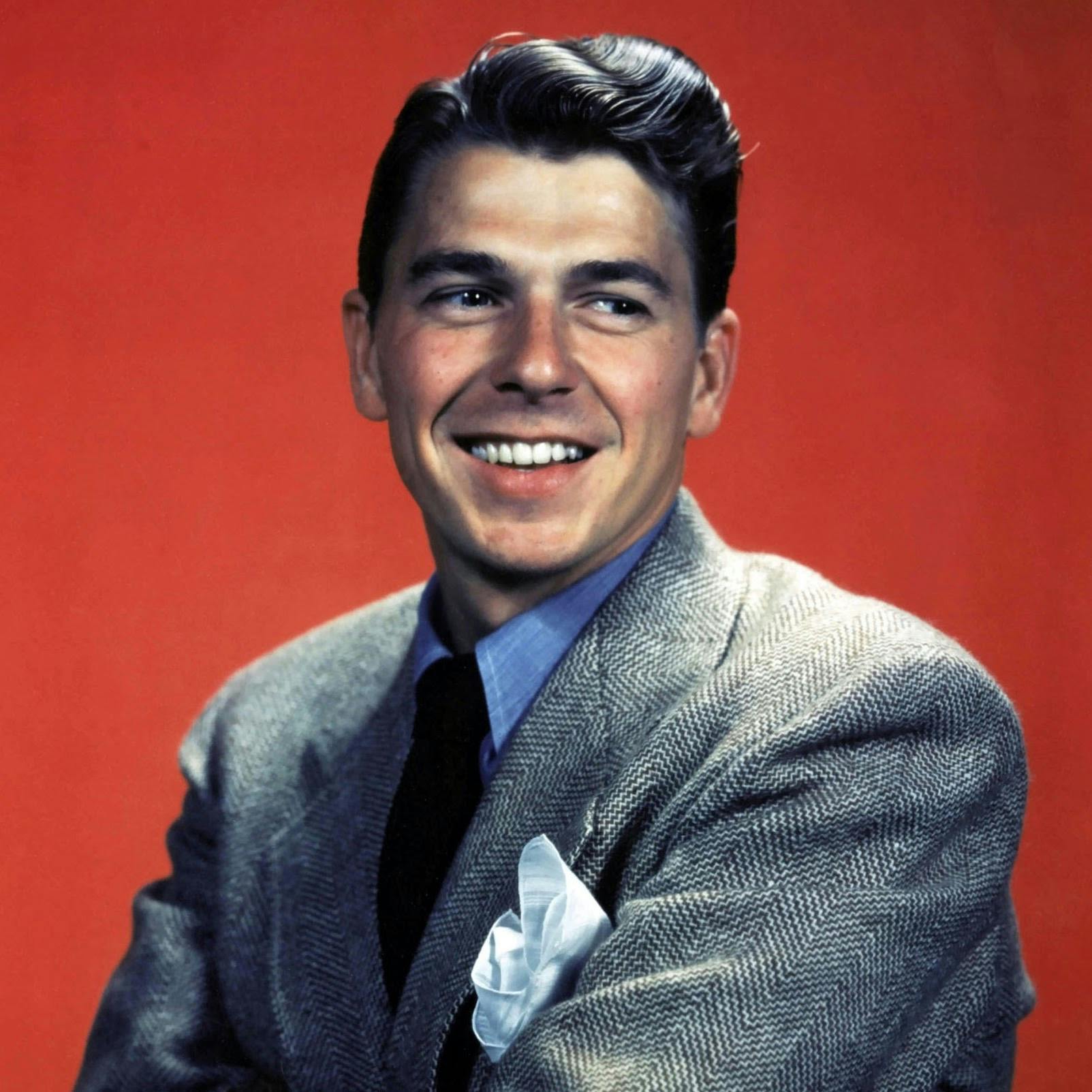
The post-war Communist witch hunt had a big impact on Ronald Reagan’s evolution from movie actor to politician, and from Democrat to Republican. And Ronald Reagan had a major personal impact on the witch hunt’s manifestation in Hollywood, the Blacklist. This episode will trace the years in which Reagan was primarily known as a movie and TV star, and explore his two marriages to actresses, his testimony to HUAC, his behind-the-scenes work as an informer to the FBI, his late-career incarnation as bridge between Hollywood and corporate America, and more. To learn more about listener data and our privacy practices visit: https://www.audacyinc.com/privacy-policy Learn more about your ad choices. Visit https://podcastchoices.com/adchoices

S6 Ep 7777: The Blacklist Part 7: Monsieur Verdoux: Charlie Chaplin's Road to Hollywood Exile
Picking up where last week’s episode left off, we’ll catch up with Chaplin’s post-The Great Dictator activism, talk about Chaplin’s savage satirical follow-up, Monsieur Verdoux, and explain the witch hunt that ended with him forced to leave his adopted home, and Hollywood career, behind. This episode is brought to you by Audible.com, who has more than 180,000 audiobooks and spoken-word audio products. Get a free audiobook of your choice at audible.com/REMEMBER. This episode is also brought to you by Blue Apron. You can get your first two meals for free at BlueApron.com/REMEMBER. To learn more about listener data and our privacy practices visit: https://www.audacyinc.com/privacy-policy Learn more about your ad choices. Visit https://podcastchoices.com/adchoices
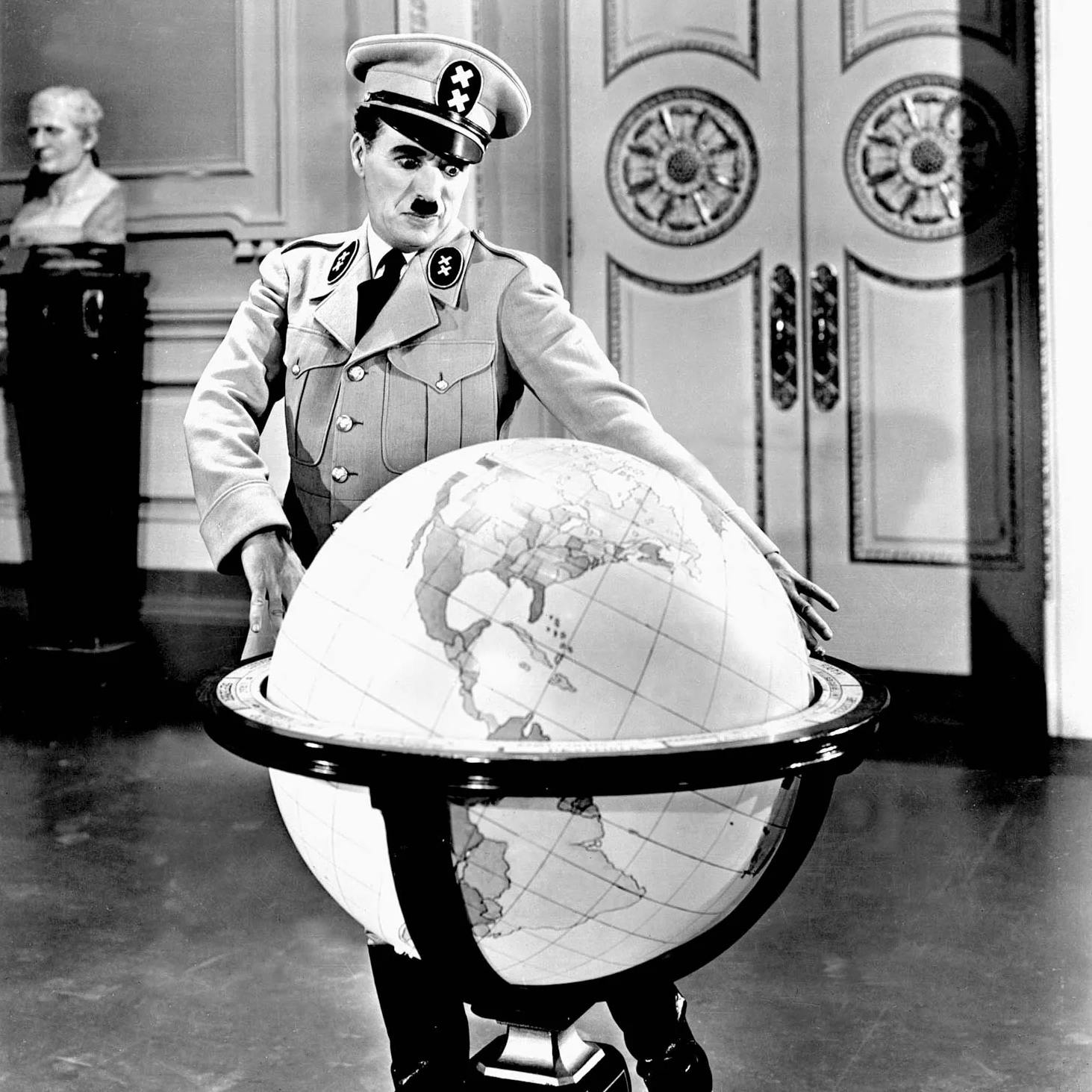
Blacklist Flashback: Charlie Chaplin During World War II
In 1922, Charlie Chaplin was one of the most beloved men in the world. In 1952, after over a decade of being publicly shamed, he was essentially manipulated into self-deportation. What happened in between? We’ll explain over two episodes, beginning with this flashback to an episode that originally ran in March 2015, detailing Chaplin’s politics, his fascination with Adolf Hitler, the making and release of The Great Dictator, and the sex scandal that gave J. Edgar Hoover an opening to persecute Chaplin. To learn more about listener data and our privacy practices visit: https://www.audacyinc.com/privacy-policy Learn more about your ad choices. Visit https://podcastchoices.com/adchoices

S6 Ep 7676: The Blacklist Part 6: He Ran All The Way: John Garfield
John Garfield was Brando before Brando -- a Method-style actor who repped the New York working class while becoming a major sex symbol in film noir and World War II films. Garfield was not a Communist; most of his friends -- and his wife -- were, but they mostly thought “Julie” was well meaning but not a serious political animal. HUAC disagreed, and in the early 1950s, Garfield became the biggest star to be blacklisted. To learn more about listener data and our privacy practices visit: https://www.audacyinc.com/privacy-policy Learn more about your ad choices. Visit https://podcastchoices.com/adchoices

S6 Ep 7575: The Blacklist Part 5: The Strange Love of Barbara Stanwyck: Robert Taylor
Barbara Stanwyck’s first marriage helped to inspire A Star is Born. Her second marriage, to heartthrob Robert Taylor, didn’t make sense in a lot of ways, but the pair were united by their conservative politics. Both joined the blacklist-stoking Motion Picture Alliance for the Preservation of American Ideals, but only Taylor testified before HUAC. Called to shame MGM for forcing him to star in wartime pro-Soviet film Song of Russia, Taylor would become the only major star to name names. Today we’ll talk about Taylor and Stanwyck’s relationship, and the difference between her groundbreaking career as the rare actress who refused to sign long term studio contracts, and his much more conventional experience as MGM chattel. To learn more about listener data and our privacy practices visit: https://www.audacyinc.com/privacy-policy Learn more about your ad choices. Visit https://podcastchoices.com/adchoices

S6 Ep 7474: The Blacklist Part 4: The African Queen: Humphrey Bogart, Katharine Hepburn and John Huston
In the late 1940s, as the country was moving to the right and there was pressure on Hollywood to do the same, Katharine Hepburn, Humphrey Bogart and John Huston all protested HUAC in ways that damaged their public personas and their ability to work in Hollywood. Hepburn’s outspokenness resulted in headlines branding her a "Red" and, allegedly, audiences stoning her films. Bogart and Huston were prominent members of the Committee For the First Amendment, a group of Hollywood stars who came to Washington to support the Hollywood Ten -- and lived to regret it. With their career futures uncertain, the trio collaborated on the most difficult film any of them would ever make, The African Queen. To learn more about listener data and our privacy practices visit: https://www.audacyinc.com/privacy-policy Learn more about your ad choices. Visit https://podcastchoices.com/adchoices