Show overview
Yogaland Podcast has been publishing since 2016, and across the 10 years since has built a catalogue of 452 episodes, alongside 1 trailer or bonus episode. That works out to roughly 320 hours of audio in total. Releases follow a weekly cadence, with the show now in its 184th season.
Episodes typically run thirty-five to sixty minutes — most land between 34 min and 53 min — though episode length varies meaningfully from one episode to the next. It is catalogued as a EN-language Health & Fitness show.
The show is actively publishing — the most recent episode landed 6 days ago, with 26 episodes already out so far this year. The busiest year was 2022, with 59 episodes published. Published by Andrea Ferretti.
From the publisher
This down-to-earth podcast by Andrea Ferretti (former executive editor of Yoga Journal) will keep informed and inspired to practice yoga. Topics run the gamut from nitty gritty technique (her yoga teacher husband Jason Crandell often joins to help with this) to down-to-earth conversations about how to apply yoga's lessons and tools to help craft a happy, balanced life.Support this show http://supporter.acast.com/yogaland. Hosted on Acast. See acast.com/privacy for more information.
Latest Episodes
View all 452 episodesIs Yoga Enough? What It Trains Brilliantly and Where it Leaves Gaps
3 Resistance Band Exercises That Transform Your Backbends & Build Shoulder Strength
The Six-Phase Structure to Build a Strong Yoga Class
Yoga(ish): Life Updates, Big Changes, and What This Summer Taught Us
Yoga Philosophy Explained — The 6 Core Teachings That Unite Every Tradition
Your Twists Are Missing This
Does Yoga Build Strength? The Science Behind What Yoga Actually Does
3 Breathwork and Pranayama Techniques for Yoga Teachers Who Keep Putting It Off
Boat Pose Is Not an Ab Exercise
The Real Reason Your Hamstrings Are Still Tight — A Mobility Breakdown for Teachers & Students
Yoga Teachings That Have Endured — 10 Years and 8 Million Downloads Later
Instability and Love: A Conversation About Family, Addiction, and Recovery
What Science Actually Says About Getting More Flexible — No Cherry Picking
Yoga(ish): Moon Joy, the Overview Effect, and Why Astronauts Sound Like Meditators
Why Community Matters for Yoga Teachers
The Four Factors That Actually Control Your Flexiblity
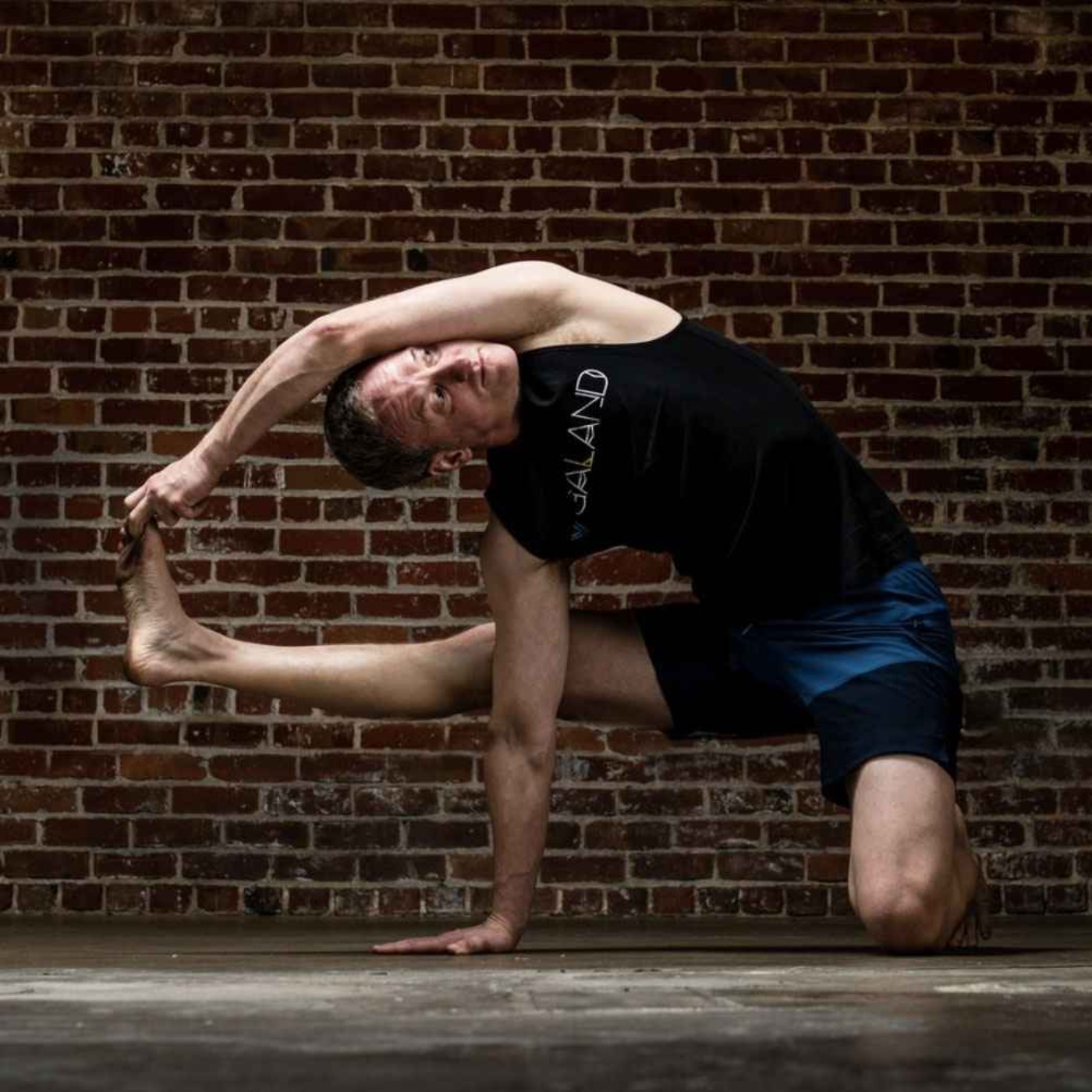
Why Flexibility & Mobility Matter
The yoga world has done important work questioning its obsession with extreme range of motion — and rightly so. But the pendulum has swung too far. Flexibility and mobility aren't relics of an outdated paradigm. They're essential physical qualities with real implications for how well you move, how long you stay independent, and how good you feel in your body.In this podcast, Jason makes the case for why flexibility and mobility still matter — not as performance goals, not as aesthetic pursuits, but as foundational components of a healthy, functional body.We cover:-Why flexibility and mobility are longevity qualities, not just fitness qualities- How restricted range of motion leads to fibrosis, compensation patterns, and decreased independence over time.-Why flexibility actually contributes to strength — and why the idea that they're opposites is a false premise.-The length-tension relationship and what it means for how muscles generate force.-Why a body with usable, controlled range of motion is more resilient and less injury-prone.-Why feeling good in your body — moving freely, moving fully — is a legitimate and important goalThis isn't a rejection of everything the yoga community has learned about the importance of strength and stability. It's a reclamation of the full picture: a healthy body is strong, stable, mobile, and free. These qualities complement each other. Intelligent practice develops all of them.Support this show http://supporter.acast.com/yogaland. Hosted on Acast. See acast.com/privacy for more information.
Why Yoga Philosophy Matters
Yoga philosophy gives context to the physical practices many of us experience first — postures, breathwork, and meditation. It connects modern yoga to its historical roots and helps us understand the deeper purpose of the tradition.In this conversation, I explore several reasons yoga philosophy still matters today. It provides a framework for values, offers existential perspective, and strengthens the mind in the same way that asana strengthens the body. Philosophy also helps protect yoga from becoming overly performative or purely consumer-driven, reminding us that yoga is ultimately about self-understanding and transformation.Whether you’re a yoga teacher, longtime practitioner, or simply curious about yoga beyond the poses, philosophy can add depth, clarity, and meaning to your practice.Support this show http://supporter.acast.com/yogaland. Hosted on Acast. See acast.com/privacy for more information.

5 Sequencing Myths That Keep Yoga Teachers Stuck
Most yoga teachers are taught that sequencing should be creative, complex, and always different. But these common beliefs often making teaching harder -- and keep both teachers and students stuck.Support this show http://supporter.acast.com/yogaland. Hosted on Acast. See acast.com/privacy for more information.

Why Strength Matters
This is our second in a series of solocasts (you might remember that Andrea did one recently, Why Mindfulness is Still Important). In this week's episode, I explain why strength matters for yoga practitioners and teachers — not as a performance goal, but as a foundational quality that supports stability, protects joints, improves proprioception, and ultimately helps us practice for a lifetime. 💡 In this episode, you’ll learn: • Why strength protects joints and connective tissue • How strength improves stability and supports mobility • Why flexibility without strength can become a liability • How resistance training enhances proprioception and body awareness • Why yoga practitioners especially benefit from developing strength • How strength supports longevity in yoga practiceAs yoga practitioners, we’re already very good at creating flexibility and range of motion. But strength gives us the ability to control that range. It creates tone, stability, and resilience.If you’re a yoga teacher, this perspective may completely change how you think about programming, sequencing, and long-term student development.Support this show http://supporter.acast.com/yogaland. Hosted on Acast. See acast.com/privacy for more information.