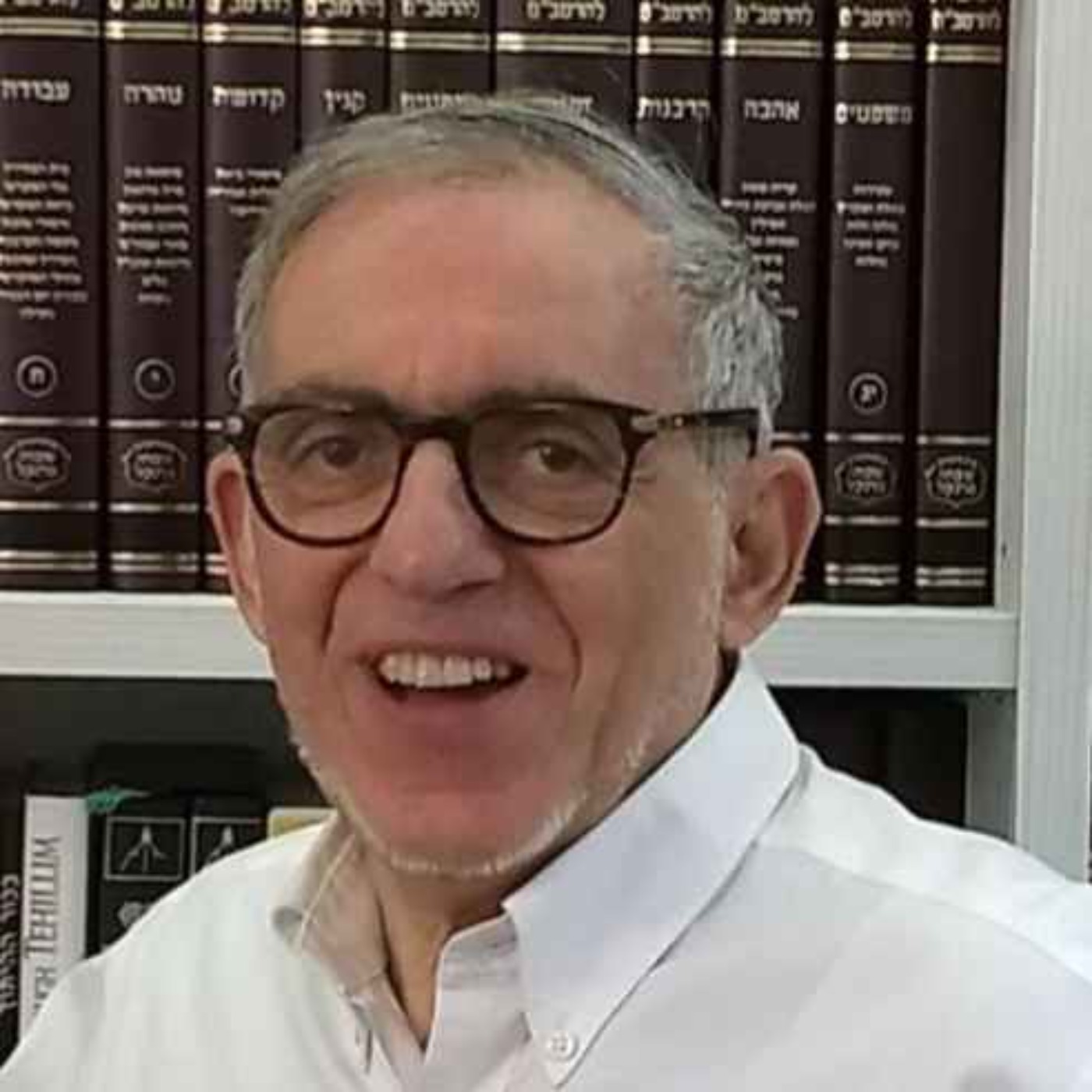
Standing in Two Worlds with Doctor Sam Juni-Episode 17-Eliminating Pater-Your child is destined to resent you-It's the only way to grow up
November 4, 202044m 49s
Audio is streamed directly from the publisher (records.jewishpodcasts.fm) as published in their RSS feed. Play Podcasts does not host this file. Rights-holders can request removal through the copyright & takedown page.
Show Notes
Rabbi Kivelevitz begins this episode by citing the disturbing trend that has increased during thecoronavirus outbreak ofmillions of American young adults, moving in with family members. The share of 18- to 29-year-olds living with their parents has become a majority since U.S. coronavirus cases began spreading early this year, surpassing the previous peak during the Great Depression era.Beginning with the postulate that children are destined to leave their parents as a means of establishing their own identity, Dr. Juni argues from a psychology perspective that adultsshould notbe living with parents.Rabbi Kivelevitz weighs in from the vantage of his studies in sociology, and engages the professor to remark on cultures wherethe norms and customs foster a life long bond with parents that is predicated on living in very close proximity with them.Citing basic principles of Developmental Psychology, Dr. Juni outlines the elements of adolescent rebellion against the parental figures ( frustration, anger, resentment), and while they appear to present as forces of negativity, Juni asserts that they are in actuality part of the healthy process of maturation.The professor concedes to the Rabbi that the challenge to parental and cultural rules and mores, and outright critique of religious values increases tension and strife in families.Kivelevitz notes that Rabbinic Literature seems very aware of these issues and sketches the evolution in Halacha on using corporal punishment towards children as a method of guidance.From the Talmud through mediaeval times, beating a child, even one whose behavior wascommendablewas seen as acharacterbuilder.It was only during the period of the European Enlightenment that thenormative stance began todissuadeparents and teachers from employing the rod.Juni counters that it was replaced with verbal shaming and abuse that could leave even deeper scars.Returning to the doctor's central thesis,the Rabbiquotes Pirkei Avosto underscore that at some point disconnection from the home and the difficulties that follow in its wake, are part of priming the child to deal with life’s expected challenges.Kivelevitz continues to insist, however, that outright enmity toward parents is not necessary for healthy development.Juni takes the fatalist position that resentment toward parents is inevitable regardless of how supportive a parent may be. He warns against allowing children full leeway, citing cases from his own practice where those raised with excesspermissiveness suffered in regular social settings.Rabbi Kivelevitz stresses the importance of carving out personal space in these anxious times for children and other family members who find themselves living together.Doctor Samuel Juniis one of the foremost research psychologists in the world today.He has published groundbreaking original research in seventy different peer reviewed journals, and is cited continuously with respect by colleagues and experts in the field who have built on his theories and observations.Samuel Juni studied inYeshivas Chaim Berlinunder Rav Yitzchack Hutner, and in Yeshiva University as aTalmidof Rav Joseph Dov Soloveitchick.ProfessorJuni is a prominent member of theAssociation of Orthodox Jewish Scientists, and has regularly presented addresses to captivated audiences.Associated with NYU since 1979,Juni has served as Director of MA and PhD programs, all the while heading teams engaged in important research.Professor Juni's scholarship on aberrant behavior across the cultural, ethnic, and religious spectrum is founded onpsychometric methodologyand based on a psycho-dynamicpsychopathologyperspective.He is arguably the preeminent expert inDifferential Diagnostics, with each of his myriad studiesentailing parallel efforts in theory construction and empirical data collection from normative and clinical populations.Professor Juni created and directed NYU's Graduate Program in Tel Aviv titledCross-Cultural Group Dynamics in Stressful Environments.Based inYerushalayim, he collaborates with Israeli academic and mental health specialists in the study of dissonant factors and tensions in the Arab-Israeli conflict and those within the Orthodox Jewish community, while exploring personality challenges of second-generation Holocaust survivors.Below is a partial list of the journalsto which Professor Juni has contributed over 120 articles.Many are available on lineJournal of Forensic PsychologyJournal of Aggression, Maltreatment, and Trauma.International Review of VictimologyThe Journal of Nervous and Mental DiseaseInternational Forum of PsychoanalysisJournal of Personality AssessmentJournal of Abnormal PsychologyJournal of Psychoanalytic AnthropologyPsychophysiologyPsychology and Human DevelopmentJournal of Sex ResearchJournal of Psychology and JudaismContemporary Family TherapyAmerican Journal on AddictionsJournal of Criminal PsychologyMental Health, Religion & CultureAs Rosh Beis Medrash, Rabbi Avraham Kivelevitz serves asRavandPosekfor the morningminyanat IDT.Hundreds of listeners around the globe look forward to his weeklyShiurinTshuvos and Poskim.Rav Kivelevitz is aMaggid ShiurforDirshu Internationalin Talmud and Halacha as well as a Dayan with theBeth Din of America.Please leave us a review or email us at [email protected] more information on this podcast visityeshivaofnewark.jewishpodcasts.org See acast.com/privacy for privacy and opt-out information. This podcast has been graciously sponsored by JewishPodcasts.fm. There is much overhead to maintain this service so please help us continue our goal of helping Jewish lecturers become podcasters and support us with a donation: https://thechesedfund.com/jewishpodcasts/donate