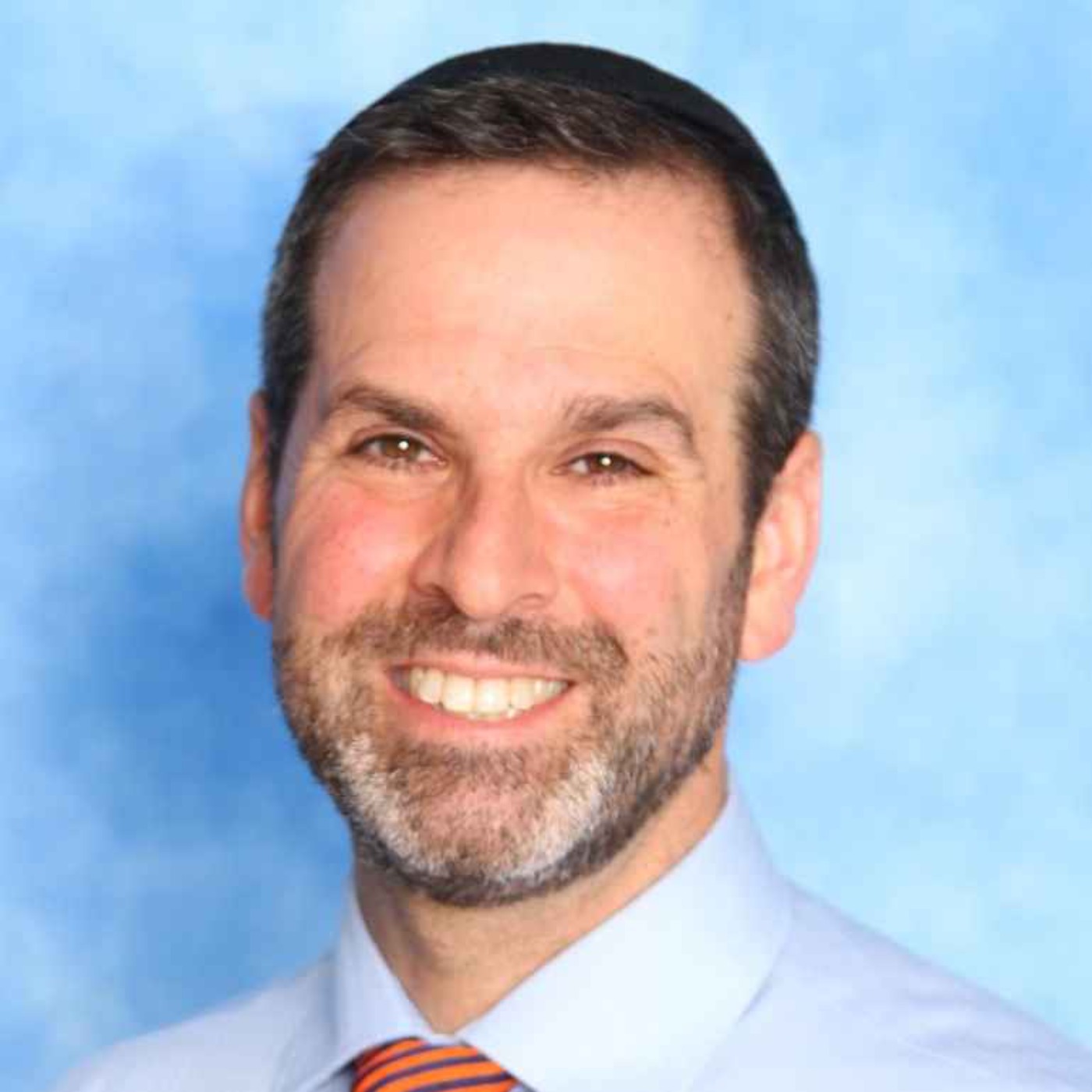
On Principle -22-Challenges in Jewish Education with Rabbi Jon Kroll-Crafting a working "Electoral College" by having our High-schoolers engaged and voting on the issues beyond personalities
October 30, 202034m 49s
Audio is streamed directly from the publisher (records.jewishpodcasts.fm) as published in their RSS feed. Play Podcasts does not host this file. Rights-holders can request removal through the copyright & takedown page.
Show Notes
The renowned educator and Principal ofSAR High SchoolRabbi Jonathan Kroll and Rabbi Kivelevitz discuss what the special Election day programming at the school, and what has been done to promote better citizenship and speak honestly about divergent opinions.Below is a letter Rabbi Kroll and his administration sent out to parents :Teaching & Learning in Anticipation of Election Day 2020October 29, 2020Dear Parents,As citizens of the United States, we have the right to vote, to participate in shaping the government and the laws under which we live. And we have the responsibility to participate in political life in a way that respects the diversity of opinions of the citizens of our country. At SAR High School, we are a community of learners united by our commitments to Torah and Modern Orthodoxy, but with different perspectives on how those commitments translate into American politics. We want to prepare our students to be informed and civil participants in national and communal political discourse.We would like to share highlights of what we have been teaching and learning in anticipation ofElection Day 2020, as well as guidance for how to foster reflective conversation with your children.Sincerely,The SAR AdministrationCURRICULAR AND CO-CURRICULAR INITIATIVES:The History Department is preparing all of the students in SAR High School to be informed about some of the key policy stakes of this election, as well as about election procedures. 9th and 10th graders will gain a basic understanding of the differences between the two parties on issues, as well as the mechanics of how a presidential election is run. 11th and 12th graders, with more background in American history, will be able to discuss some of these issues in greater depth. The 12th grade AP US Government and Politics and Values of Citizenship classes will devote additional class time to deeper discussions of this year's election in the broader historical and political context.On Election Day, we will run a schoolwide election, enabling all SAR High School students to cast their ballots for president. We will continue our quadrennial tradition of Return for the Returns, although this year, it will of necessity take place on Zoom. In addition to watching the returns on Zoom together, teachers and some student leaders of the Electoral Politics and Government club will offer short presentations about key issues and races to watch.HOW TO TALK WITH HIGH SCHOOL CHILDREN ABOUT THE ELECTIONParents and teachers are well-equipped to navigate open and objective conversation and grapple with complexity, to help students concentrate on the important issues at play or where our candidates stand on them, and to model respectful disagreement and discourse.Nonetheless, kids are tuned into the current political climate. They are listening in to our conversations and trying to make sense of the ideas they encounter around the table, in the news, and on social media, and they share what they've heard with friends at school, which can often be skewed or flawed. Campaigns fraught with tension can bring up many challenging questions and emotions for children, making our influence as adults all the more important.When discussing the election with your child(ren), please consider the following:Focus on issues—not people, regardless of the candidates you support. This enables children to distinguish between a person's position and the person.Respect differing viewpoints. Let's resist the temptation towards the all-or-nothing discourse so common in American politics now. Model how to listen openly and consider diverse perspectives. Help our children understand that multiple points of view are possible, that not everyone thinks the way they do, and that we can respect another person's right to have an opinion even when disagreeing with them. A worthwhile exercise is to consider the values behind someone's position. You may not share those values, or you may think other ones are more important. But understanding that others' politics emerge from their values helps us engage differently, in a less scorched-earth way.Monitor your messaging. Kids are paying attention. Be conscious of your words and tone when expressing your views on the candidates and their stance on different topics. In a community of diverse political views, our children are learning from our modeling how to engage with people with whom they differ.Encourage deeper understanding. Ask, "What do you think about ___?" What questions do you have?" It's okay to let them know that you don't have all the answers, and to follow up with, "Let's find out," or "Let's think about that together." Often, our children's understanding of the issues of the day is limited to a snippet they saw on social media or a sound byte on the news. Our kids may be really interested in understanding the issues and the debates around them, and we should encourage them to formulate informed, thought-out positions, rather than knee-jerk, often partisan, responses.Talk about issues and qualities you value, even when it feels difficult. Politics can sometimes feel like a sports fandom, as much about whom one is rooting against as whom one is rooting for. But often, our politics are deeply rooted in our values, and it is important to communicate that to our children. What positions do we support, and why? What tradeoffs do we make among the many things we value, as we choose which candidates to support? Talking about politics this way helps our children think about politics less as Yankees and Red Sox, and more about deep questions about the best ways to structure a society and promote the general welfare.Brainstorm ways that they can contribute to their community, which nurtures a sense of agency and civic responsibility. Our political discussions often focus heavily on national elections, and even then, almost exclusively on the presidency. But there is a great deal at stake in state and local politics, and it is an arena in which smaller groups can have a great deal of impact. Who are your local elected officials? What are the issues facing your community? If students want to get involved, organizations that are active in local communities and politics are a great place to start.Teach students about the importance of being media-literate - how to evaluate and think critically about information. We are awash in information from innumerable sources, streamed into our phones all day. The challenge of our moment is to assess that information, to figure out what sources are reliable, and what assumptions or biases they might carry. "Who said or wrote that?" "Whose views are represented?" "Whose views are missing?" "Is there a different way of thinking about it?"Meet our children where they are. Not all students are equally invested in politics and elections, even at this time. All SAR High School students are learning about election procedures and some of the issues in their classes, but beyond that, shareyour values with your children while being responsive to their levels of interest.Please leave us a review or email us at [email protected] more information on this podcast visityeshivaofnewark.jewishpodcasts.org See acast.com/privacy for privacy and opt-out information. This podcast has been graciously sponsored by JewishPodcasts.fm. There is much overhead to maintain this service so please help us continue our goal of helping Jewish lecturers become podcasters and support us with a donation: https://thechesedfund.com/jewishpodcasts/donate