
Yara's Crop Nutrition podcast
208 episodes — Page 4 of 5

Manganese is Attractive to Plant Development - Dr. Steve's ATW Ep 19
Manganese, Mn, is important to photosynthesis in plants and can have a dramatic impact on your yield and profitability. In this podcast, Dr. Steve Petrie discusses how Mn availability is driven by soil pH and organic mater, how to identify and diagnose deficiencies and toxicities and how to correct it for optimum plant growth and profits

Copper is Elemental - Dr. Steve's ATW Ep 18
Before we identified copper as an essential nutrient, we were using it as a natural fungicide. Copper is essential in reproductive systems in the plant. Copper deficiencies are not wide spread, but where there is a deficiency, it is hard to visually identify. Copper effects the reproductive growth but not vegetative growth, therefore the plant may show good healthy growth but actually have a copper deficiency. If you have pH higher than 7 and high organic content, it might be wise to experiment with some copper applications. If you have a comment or suggestion, please leave one at our podcast web page. If you want to learn more about Copper, please visit our web pages: www.yara.us www.yaracanada.ca

Pumping Iron - Dr. Steve's ATW Ep 17
Our next micronutrient in the series is Iron (Fe). Sometimes agronomy is more art than science. Fe diagnosis and application is one nutrient where this is the case. Fe is key in the production of chlorophyll that helps our plants grow healthy and strong. Dr. Steve Petrie discusses how we can understand plant available iron in the soil and how to determine Fe deficiencies and how to implement Fe, via the 4 R's, in a balanced nutrition plan. He also explains how soil Ph level is critical for plant available iron.

The Importance of Boron - Dr. Steve's ATW Ep 16
Boron (B) is the first micronutrient that we will be discussing over the next weeks. It is critical to the growth and health of crops. It can be considered a "sister" nutrient to Ca because it is a component of plant cell walls and membranes. Dr. Steve explains that recent research has shown that B aids in Ca uptake and visa versa. If you want to learn more about Boron please visit our web pages: www.yara.us www.yaracanada.ca

How Does Calcium Control Physiological Disorders and Environmental Stresses - Dr. Steve's ATW Ep 15
On our third and final ATW on calcium, we talk about physiological disorders that are common in plants and how calcium aids in reducing or eliminating these common problems. We also discuss how adequate levels of calcium may help plants fair better when the environment and weather are trying to stress them out. To learn more about Calcium click HERE We would love to hear your questions, feedback and suggestions HERE

Protect Your Investment: Orchard Establishment Tips with Tim Roos
Orchards can be an expensive investment. This podcast discusses tips and practices to increase your success and long-term profitability. Our guests Tim Roos, Roos Tree Nursery, Tom Devol, Almond Board of California, and Yara's Peter DeBoer and Devin Clarke talk about the many variables and solutions that will help you establish your new orchard and maximize your profits. Here are some useful links that we discussed during the podcast: UCCE Young Orchard Manual Almond Irrigation Improvement Continuum California Almond Sustainability Program

The 4 R's of Calcium - - Dr. Steve's ATW Ep 14
This is part 2 of 3 of our discussion on Calcium. In this episode, we discuss the 4 Rs for Calcium, what are the right sources, application timings, how much to use and where to apply it. To find out more click HERE If you have a comment, question or suggestion please click HERE. We would love to hear from you.

Your Best Yields are Ahead of You
Crop Manager, Markus Braaten, joins us at the end of the 2019 season to put our results in perspective. We have come a long way over the years and are optimistic that we will continue to improve our profitable yields in the future. There are many variables in farming, some are controllable and some are not. Our plan at the beginning of the season needs to be flexible and changeable as the season unravels. There are some key principles to know and follow as we dynamically shift our plans to adjust for the season.

Importance of Calcium- Dr. Steve's ATW Ep 13
Although Calcium is considered a secondary nutrient, Dr Steve Petrie explains that it should be one of the most important nutrients to consider. Calcium is the 5th most common element in the earths crust and can be 2nd or 3rd most common element in plants. Despite its abundance, we need to know how much is plant available so that the plant can take advantage of this important nutrient. To learn more, please click here

Potassium: The 4 R's - Dr. Steve's ATW Ep 12
Dr. Steve Petrie discusses the 4 R's of Potassium: What is the Right Sources of K What is the Right Rate of K What is the Right Timing of K application What is the Right Placement of K If you have a comment, question or suggestion please click HERE. We would love to hear from you.

Why is Potassium Important to Plant Health - Dr. Steve's ATW Ep 11
Dr. Steve Petrie helps us understand what potassium is, what it's roll is in crop biology, and how to test for potassium. If you have a comment, question or suggestion please click HERE. We would love to hear from you.

Phosphorus: the 4 R's - Dr. Steve's ATW Ep 10
Last week Dr. Steve Petrie taught us why Phosphorus is so important for plant health and production. This week we dive in deeper to understand the 4 R's for Phosphorus: What is the Right Rate? What are the Right Sources? What is the Right Placement What is the Right Timing If you have a comment, question or suggestion please click HERE. We would love to hear from you.

Why is Phosphorus Important for Plant Health? - Dr. Steve's ATW Ep 9
Phosphorus is a macronutrient that is responsible for energy transfer in the plant. We discuss why we should worry about P, the different forms of P and how it interacts with the other nutrients attributes to overall plant health and productivity. Next week we will dive into the 4 R's for Phosphorus. If you have a comment, question or suggestion please click HERE. We would love to hear from you.

Soil pH Part 2 - How Does it Affect Biology and Chemistry in the soil - Dr. Steve's ATW Ep 8
In part 2 of Soil pH, Dr. Steve Petrie talks about how pH affects the biology and chemistry in the soil, canning tomatoes, and how to change the soil pH to maximize soil health and productivity

Soil pH Part 1- What is it & Why is it Important? Dr. Steve's ATW Ep 7
Soil pH is a fundamental characteristic of soil. It should be the first factor to be considered when learning about a soil. In this first of two podcasts on soil pH, Dr. Steve Petrie discusses what pH is, how it is measured, why it is important to healthy soils.

Dr. Steve's Agronomic Tip of the Week Ep 6: The Right Timing
This is part 4 of 4 where Dr. Steve discusses the four R's of Nutrient Stewardship. In this episode he will be discussing the final "R" of the Four R's in Nutrient Stewardship: The Right TIMING of application Once you know the right RATE, right SOURCE, and right PLACEMENT of fertilizer, you need to know WHEN to apply the treatment to maximize the crops use efficiency.

Optimizing Your Irrigation With Farm Water Advisor
There are many reasons to optimize your irrigation: Increase nutrient uptake efficiency Control Pest, Fungi, and diseases Improve plant health and productivity Reduce nutrient leaching Environmental sustainability Conserve water Reduce pumping costs We discuss some of the common methods used to determine irrigation frequency and duration. Evapotranspiration and crop water demand Weather variability and importance of Hyper-Local weather We introduce Yara's Farm Water Advisor, a simple, easy to use mobile application that delivers precise crop water demand forecasts and irrigation recommendation that are precise for YOUR crop, YOUR field, and YOUR cultural practices. Learn more and download the Ap at www.FarmWaterAdvisor.com or download at the Apple Ap Store or Google Play Store. If you have comments, questions, or suggestions, please contact [email protected]. 916-390-2999 or [email protected]

Dr. Steve's Agronomic Tip of the Week Ep 5: The Right Placement
This is part 3 of 4 where Dr. Steve discusses the four R's of Nutrient Stewardship. In this episode he will be discussing the third "R" of the Four R's in Nutrient Stewardship: Using the Right Placement of nutrients. Once you know the right RATE and right SOURCE of fertilizer, you need to apply the nutrients in the right place to maximize the uptake to the plant.

Dr. Steve's Agronomic Tip of the Week Ep 4: The Right Source
This is part 2 of 4 where Dr. Steve discusses the four R's of Nutrient Stewardship. In this episode he will be discussing the second "R" of the Four R's in Nutrient Stewardship: Using the Right Source/form of Nitrogen. Some may believe that it doesn't really matter what form of N you use; that all forms are essentially the same. But this is not true. Dr. Steve talks about the different forms, focusing on the Nitrate form and the many advantages of Nitrate N.

Dr. Steve's Agronomic Tip of the Week Ep 3 - The 4 R's of Nutrient Stewardship
Right Rate Four R's of Nutrient Stewardship is a framework that can be used to increase productivity, better utilize a nutrition plan, increase profitability and improve environmental sustainability. Right Rate of application Right source of fertilizer Right place Right time In the next four podcasts, we will be discussing each of these separately. Today we begin with the Right Rate. We will be using Nitrogen as our base example. He will help you understand how much N to apply depending on your yield expectations, environmental factors and efficiencies.

Key Strategies for Ultradwarf Bermudagrass Greens Management
In this podcast we take a deep dive on ultradwarf bermudagrass greens management with Stephen Miles, Director of Operations at the Preserve Golf Club and Dr. Beth Guertal, Professor of turfgrass management at Auburn University. Weather extremes and the effect it has on managing high quality surfaces Topdressing and verticutting strategies A proper cultivation plan is critical for providing great greens, especially implementing aerification Customer expectations and the misperception of ball speed Fall preparation and winter management strategies Determining when to fertilize during less than optimal growing conditions Light requirements A take on where the future of golf course management heading

Post-Harvest Nutrition and Irrigation Strategies for Almonds
Yara's Nut Tree Crop Manager, Devin Clarke, andTom Devol, newly crowned Senior Manager of Outreach and Education for the Almond Board of California talk about the critical post-harvest nutrition and irrigation strategies that will set you up for a successful 2020 season. Resources: Yara's MyAlmonds Yara's Farm Water Advisor Almond Board's Irrigation Improvement Continuum Almond Board's Sustainable Almond Growing UNANR's Almond Production Manual The Almond Doctor
Dr. Steve's Agronomic Tip of the Week: Crop Production is all about GEMs
Dr. Steve's Agronomic Tip of the Week is about the three factors that determine crop yield: The GEM factors: Genetics Environment Management We discuss these three factors and how to increase the capabilities of each. We also discuss 2 main management components: Nutrient Management – specifically the Four R's Right nutrient rate Right nutrient source Right nutrient application timing Right nutrient placing Irrigation – the right frequency and duration for the plant need
Dr. Steve's Agronomic Tip of the Week EP 1
When it comes to the most effective nutrition plan, Liebig's Law of the Minimum states that yield is proportional to the amount of the most limiting nutrient, whichever nutrient it may be. From this, it may be inferred that if the deficient nutrient is supplied, yields may be improved to the point that some other nutrient is needed in greater quantity. Director of Agronomic Services at Yara, Dr. Steve Petrie, discusses this law of minimum as we begin a weekly series of agronomic tips that will be published each Tuesday.

Removing the Guesswork
For more information go to Jimmy's recent ARTICLE Also learn how Yara's Megalab can help you with your nutritional decisions.
Tissue Testing - Refining your Fertility Program in Broad Acre Crops
Yara Crop Managers Jimmy Ridgeway and Markus Braaten discuss the opportunities for growers and advisors using tissues to refine fertility programs. Topics addressed include; Currently level of tissue test adoption Key learning from petiole testing in potatoes Using tissue tests in conjunction with soil test Recommendation for incorporating tissues testing in broad acre crops
The Right Time for Nutrient Stewardship is Now
Farmer's freedom to use fertilizer is being challenged. The 4R Practice results in increased yield and maximum nutrient utilization and protects against the treat of mandatory rate reductions. Grower Benefits Economic Benefits, increased profitability Environmental Sustainability – not abusing the soil Optimum nutrient efficiency To find out more, please click HERE

Turf & Ornamental - Advantages of Homogeneous Fertilizers
Optimum Turf Crop Manager, Neil Mayberry, assembles an all-star team of turf experts to break down why homogeneous fertilizers may play an integral part in your turf nutrition plan. Some things todays turf managers have to balance is cost versus return and effectiveness of the products Listen in as James Huntoon, David McGhee and Brian Grill help us understand homogeneous fertilizers Guests James Huntoon, Golf Course Superintendent at The Heritage Club in Pawley's Island, SC David McGhee with Helena Brian Grill, T & O Sales Agronomist with Yara (Legendary Turf Beard) Yara OptimumTurf https://www.yara.us/crop-nutrition/turf/
Digital Farming by Yara Introduction with SVP Stefan Furnsinn
Potato Peels and More - Introduction to potato crop nutrition

OptimumTurf - Concerns in the Turfgrass Industry
Dr. Unruh, Professor and Center Director at University of Florida at Jay, FL discusses his concerns in the turfgrass industry and why BMPs are important for successful turf Industry Concerns: Labor/decreasing budgets Competition from other companies Innovative ways of doing things Enrollment into turf programs Online vs face-to-face programs Lack of Assistant Superintendents BMPs Why are BMPs important? How do they vary from state to state How has establishing BMPs helped the superintendent or turfgrass manager How important do you think it is for each individual facility to have their own set of BMPs plan
MyAlmonds: Does Deficit Irrigation Mean Deficit Profits?
Devin Clarke, Yara's Tree Nut Crop Manager, talks with the Almond Board of California's Spencer Cooper about Deficit Irrigation on Almonds How has this year's weather been a challenge for almond growers? What is strategic deficit irrigation; how and why should it be used? How can I know when to start irrigating? When can we reduce irrigation without affecting the crop? How to use ETo and ETc to schedule irrigation? How to determine tree stress using a pressure chamber? Where can a grower find baseline pressure readings? How can growers with limited irrigation flexibility manager water better? What impact does post-harvest irrigation have on next year's crop? The Almond Board's 2025 goals Helpful resource links: http://thealmonddoctor.com/2012/08/05/irrigating-from-hull-split-to-harvest/ almonds.com/irrigation http://thealmonddoctor.com/2018/06/15/irrigating-summer-considerations-deficit-irrigation/

OptimumTurf Launches a New Liquid Fertilizer Line of Products!
OptimumTurf Crop Manager, Neil Mayberry, talks with Yara's Product Development Chemist, Laura Hathway, and Toby Goodroad, Market Development Director about the exciting new line of liquid fertilizers for Turf 2:15 Foliar applied fertilizers = precision nutrition 4:10 Yara's history growing Optimum Turf 6:10 New OptimumTurf liquid line of products 11:00 Yara's laboratory – designing, developing and manufacturing process 19:20 Differences / advantages of Yara's OptimumTurf liquids
2019 Planting Struggles continue: Strategies to make the most of this seasons crop

Turf - Aerification strategies on golf courses and best management practices for ensuring a speedy recovery
Guests: Parker Ferran, Golf Course Superintendent at St. Andrews Golf Club in South, FL Cole McNally, T & O Sales Agronomist with Yara Aerifcation The importance of aerification is on turf and how many times is it performed What methods Strategies for a Speedy recovery Other strategies superintendents utilize in South Florida What products and programs do you recommend?
Micronutrient Nutrition: A complex conversation with large implications
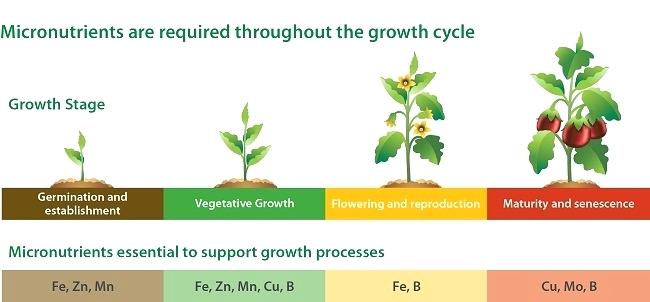
Making micronutrient decisions are often confusing. How do you determine what micronutrients to apply, what rates, what applications method, or even to apply them at all? What things are there to consider beyond a soil test report? Listen to Yara's crop managers, Trey Cutts and Markus Braaten, dive into this complex topic and give growers a better framework to make these management decisions. For more information: https://www.yara.us or https://www.yaracanada.ca
Citrus - HLB or not Balanced nutrition is the key to tree health
Ag Economy Update with Moe Russelll

What can you learn from a soil analysis? Simple ways to glean insight

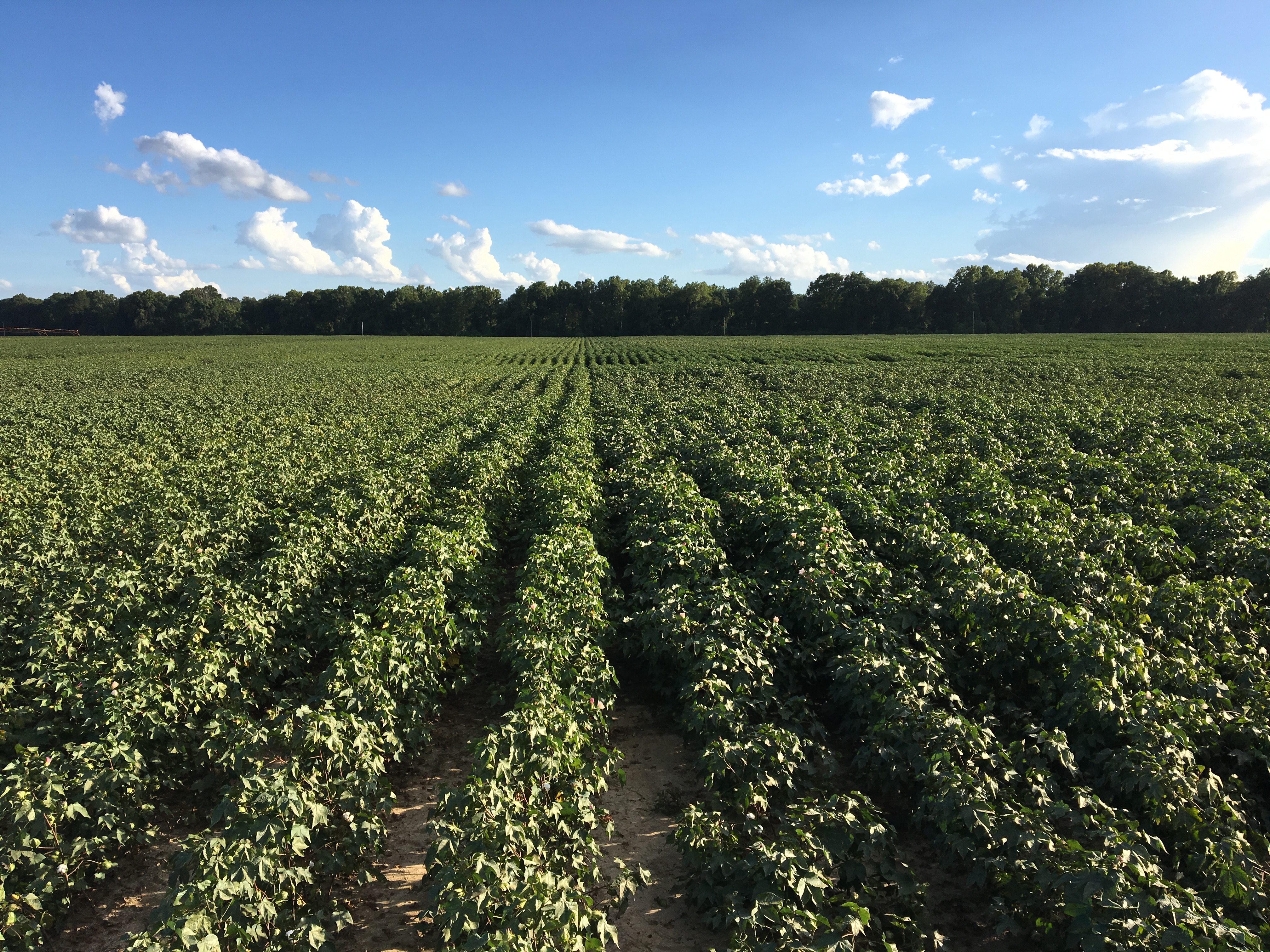
Cotton - Nitrogen Source Matters to your Cotton Crop - Find out Why

Lettuce - State of the Industry with T&A Director of Agronomic Services Anthony Duttle
Interpreting Soil Analysis - New Way of Thinking
Understand what your soil is telling you. Learn some very simple concepts that will help to create an effective crop program this season.

Top 4 Turf Diseases For Warm Season Turf - Dr. Maria Tomaso-Peterson
Dr. Maria Tomaso-Peterson, Research Professor at Mississippi State University, teaches us about turf diseases in turf, when it is at risk and how to treat. 2:34 Top 4 diseases for warm season turfs 11:50 When is turf most susceptible to diseases? 15:12 Prevention of large patch in lawn turf 19:20 Proper nutrient balance can sustain a pathogen attack 23:12 Best method to send in a sample for analysis 26:40 How has the turf industry change in the last 40 years and where are we going? 30:20 What is the best advice Dr. Tomaso-Peterson can give turf managers for spring and summer

Successful Spring Transition for Turf
Neil Mayberry discusses strategies and rules that can help you transition your turf quickly and successfully this spring. 1:40 150-degree Rule 2:39 Spring is a tough time to grow turf 6:06 Preventative fungicide program is important 6:39 Well-balanced nutrition program is critical 7:18 Stay to ½ lb. of N until you hit the 150-degree rule 8:20 Importance of Phosphorus 8:32 Importance of Potassium 9:00 Other nutrients & their importance 11:00 Soil and Tissue Sampling during the summer as a barometer
Calcium Nitrate - Ideal for Fall and Spring Nutrition
Fall and Spring Nutrition is critical for plants to prepare for the colder temperatures and the upcoming season. Applying the right form of Nitrogen and Calcium have been proven to help soil quality and overall balanced nutrition: Advantages of Nitrate-N Does not volatilize Does not contribute to soil acidity Is immediately available to crops Promotes balanced nutrition Advantages of Calcium Improves soil quality Reduces environmental stresses Reduces physiological disorders Reduces crop diseases
Ep 13A Deeper Dive into Turf Nutrition: Keeping Turf Healthy and Happy
We're back with a deeper dive in turf nutrition! Neil Mayberry is the Crop Manager for Turf and Ornamental and Brian Grill and Cole McNally are both the Sales Agronomists for Turf and Ornamental at YARA. We also have special guest Dr. Bryan Unruh, Professor of Environmental Horticulture and Associate Center Director at the University of Florida. Today's show does a deep dive into turf nutrition, what it takes to keep it healthy during the winter months, the biggest mistakes turf managers make with their turf, and so much more! Key Takeaways: [1:15] Neil is with Dr. Bryan Unruh today and explains a little bit about Dr. Unruh's background. [1:50] What does Neil mean by 'good roots'? [2:20] How does someone grow healthy roots? [4:00] How can a sports turf manager identify whether the roots are growing well? [5:55] Brian was a golf superintendent and explains what he was looking for in cup samples. [7:15] What does Dr. Unruh look for in his turf samples? [9:30] What are some of the biggest mistakes a superintendent or sports turf manager might make? [15:55] What do sports managers need to know about their turf going into the winter months? [17:55] What do turf growers need to take into consideration when growing turf? [21:00] How does Cole manage the turf grasses in Florida? [22:45] What kind of research is Dr. Unruh focused on right now? [26:10] Neil shares some final thoughts on turf grass nutrition. Mentioned in This Episode: Yara.com Yara.us/crop-nutrition/turf/ Neil on LinkedIn Brian on Twitter Cole on Twitter Dr. Unruh on UFL
Ep 12A General Overview on the Significance of Nitrogen for Plant Nutrition
Dr. Steve Petrie, the Director of Agronomic Services at Yara International, joins Scott Warr to discuss the macronutrient, nitrogen! Steve explains in detail why nitrogen is so important for our crops, there are even different types of nitrogen that works better than others for our crop growth and yield, and he also explains what you need to be aware of when it comes to reducing your greenhouse gas emissions when using different types of nitrogen fertilizer. Key Takeaways: [0:35] Why is Steve such a regular guest on the podcast? It's because he knows everything!! [1:45] What is nitrogen and how is it manufactured? [4:45] How did farmers add nitrogen to crops back 100 or so years ago? [5:35] How has technology changed our nitrogen practices? [7:40] What are some of the major types of nitrogen available to farmers? [9:55] Steve explains why so many farmers use ammonia for growing corn. [13:50] Crops in general prefer nitrate nitrogen. Those types of fertilizers may cost a little bit more, but you will see a greater quality in yield. [17:25] What do farmers need to be aware of when it comes to sustainability and to reduce their greenhouse gas footprint? [19:40] How can farmers keep and maintain a good nitrogen management program in their irrigation systems? [20:35] Water is also a really important macronutrient! [21:45] Steve and Scott have only scratched the surface about nitrogen. Look forward to a part 2 on this topic soon! [22:10] How much nitrogen gets applied to agriculture in a typical year? Mentioned in This Episode: Yara.com Steve on LinkedIn
Ep 11Understanding Strawberry Growth Cycles for Better Yield
Patricia Dingus, the Regional Sales Manager, and Steve Petrie, the Director of Agronomic Services at Yara International, join Scott War to discuss strawberries! How important is a foliar application to strawberries? Are there advantages to growing transplanted strawberries earlier in the season? And what nutrients do growers need to be aware of for healthy, happy strawberries? All these questions answered and more on this week's episode! Key Takeaways: [1:30] What does a traditional strawberry growing cycle look like? [3:25] What does a strawberry grower need to think about when it comes to nutrition? [6:10] Steve explains some of the advantages of using a foliar application. [7:35] Patricia explains some of the advantages of starting the strawberry growing cycle (through a transplant) a little earlier in the season. [9:30] What kind of challenges does a farmer need to take into consideration when dealing with warmer temperatures? [11:55] Why is magnesium so critical for plant growth? [15:00] What other nutrients do farmers need to pay attention to in strawberries? [17:55] How many people rely on the strawberries farming industry? [18:50] Patricia explains what kind of rotation crops are paired with the strawberry. [19:35] Steve offers some parting wisdom on how to get the most out of your strawberries this growing season. [22:05] Patricia offers some field-level advice on how to handle and grow the best strawberries. Mentioned in This Episode: Yara.com Yara.us/crop-nutrition/strawberry Patricia on LinkedIn Steve on LinkedIn
Ep 10What Goes on Behind the Scenes of Growing Cotton
On today's show, Scott Warr is joined by Trey Cutts, the High Cotton Crop Manager, Christy Hicks, the Sales Agronomist, for YARA, and Garrett Dixon, a young cotton farmer. Cotton farms are an important part of our agriculture and today's guests provide interesting insight into what it's like tending to the cotton crop. Find out more about Yara's High Cotton Solution as well in the links below! Key Takeaways: [1:00] Why does Garrett refer to himself as a 'young farmer'? [2:55] Why is cotton an important crop to Yara? [4:00] How has the cotton crop been doing so far this year? [5:05] Garrett explains what his family's farm land looked like before he decided to take it over and become a farmer. [7:40] How does Yara's High Cotton Solution help make cotton more profitable for growers? [8:40] What is Garrett's biggest lesson so far about farming? [10:20] Christy shares some of the biggest wins she sees cotton growers having. [11:05] What is the hardest nutrient to manage? [12:55] Trey shares insight into what the biggest opportunity steps are for cotton. [16:10] How did Christy get into this career? [16:40] How did Garrett get into farming? Mentioned in This Episode: Yara.com Yara.us/crop-nutrition/cotton Trey on LinkedIn
Ep 9The Best Post-Harvest Irrigation Methods for Almonds
Scott Warr and Peter DeBoer are back with another podcast episode about almonds! Peter is the Sales Agronomist at Yara International and he is joined by Spencer Cooper, the Senior Manager for the Almond Board of California. Today's topic dives into the steps farmers need to take to properly irrigate their almond plants post-harvest and our guests share ways you can minimize your plant stressors to get the most out of your crop for next year! If you want more information about almonds, Almond Board of California is hosting a free conference in December. The Link is in the show notes. Key Takeaways: [1:00] What does Spencer do for field outreach and education? [1:35] How do you pronounce 'almonds'? [3:20] What does the Almond Board of California do? [4:50] Today's podcast will focus on post-harvest irrigation methods. [6:10] What kind of risks do farmers face if they don't see through the irrigation process? [12:15] During the harvest season, how much mostriure gets depleted in the soil? [16:15] What is the most misunderstood topics about irrigation? [18:05] What does it mean when you have to put on 2 inches of water? How much time do you have to run the irrigation system? [19:40] Peter recommends treating your irrigation system post-harvest the same way you treat it during the first year after winter. Even though it's a pain to fix and get right, it's a worthwhile investment. [21:20] For many farmers, watering their plants is a very emotional decision, but the good news is we have tools to help you through the process. [22:25] How did the California drought affect farmers? [26:15] Almond trees are tough plants! They can survive without water. [26:45] When is it smart to turn off the water? [28:00] Want more info? YARA is hosting a conference just for you! And it's free..! [32:45] Feel free to reach out to Spender for more information about the Almond Board of California. Mentioned in This Episode: Yara.com Yara.us/crop-nutrition/almond/myalmonds/ Almonds.com Almondconference.com Peter on LinkedIn Spencer on LinkedIn