
Writing Tech Brief By HackerNoon
141 episodes — Page 2 of 3

'Vibe Coding' Is Now In The Collins Dictionary - But What About 'Technical Debt'?
This story was originally published on HackerNoon at: https://hackernoon.com/vibe-coding-is-now-in-the-collins-dictionary-but-what-about-technical-debt. The addition of 'Vibe Coding' to the Collins Dictionary made headlines recently. But somewhat poetically, there is no entry for the consequences that can easily Check more stories related to writing at: https://hackernoon.com/c/writing. You can also check exclusive content about #writing, #technical-debt, #vibe-coding, #collins-dictionary, #vibe-coding-dictionary, #what-does-vibe-coding-mean, #vibe-coding-meaning, #technical-debt-meaning, and more. This story was written by: @elegantaf. Learn more about this writer by checking @elegantaf's about page, and for more stories, please visit hackernoon.com. 'Vibe coding' captures the care free, improvisational side of programming; Write what feels good, and see where it goes. Technical debt captures the inevitable consequences.

You Don't Have to Be a Subject Matter Expert to Excel at Technical Writing
This story was originally published on HackerNoon at: https://hackernoon.com/you-dont-have-to-be-a-subject-matter-expert-to-excel-at-technical-writing. You don’t need to be an expert to write great technical stories. Learn how curiosity, clarity, and structure beat credentials every time. Check more stories related to writing at: https://hackernoon.com/c/writing. You can also check exclusive content about #technical-storytelling, #non-sme-technical-writing, #technical-writing-tips, #writing-for-tech-audiences, #software-documentation-tips, #writing-for-developers, #how-to-write-technical-guide, #hackernoon-top-story, and more. This story was written by: @editingprotocol. Learn more about this writer by checking @editingprotocol's about page, and for more stories, please visit hackernoon.com. You don’t have to be a subject matter expert to write world-class technical stories—just curious, structured, and thoughtful. This guide breaks down how non-experts can create credible, engaging, and accurate tech content by building trust with SMEs, translating complex ideas into clear narratives, fact-checking rigorously, and crafting stories that serve the reader—not the technology. The result? Technical writing that connects clarity with curiosity.

Academic Publishing and Fairness: A Game-Theoretic Model of Peer-Review Bias
This story was originally published on HackerNoon at: https://hackernoon.com/academic-publishing-and-fairness-a-game-theoretic-model-of-peer-review-bias. Exploring how biases in the peer-review system impact researchers' choices, showing how principles of fairness relate to the production of scientific knowledge Check more stories related to writing at: https://hackernoon.com/c/writing. You can also check exclusive content about #writing, #academic-publishing, #peer-review, #economic-bias, #game-theory, #knowledge-economy, #academic-research, #economic-modeling, and more. This story was written by: @tokenomy. Learn more about this writer by checking @tokenomy's about page, and for more stories, please visit hackernoon.com. Exploring how biases in the peer-review system impact researchers' choices, showing how principles of fairness relate to the production of scientific knowledge based on topic importance and hardness.

How to Adjust the Blue Yeti Microphone Settings For Podcasting
This story was originally published on HackerNoon at: https://hackernoon.com/how-to-adjust-the-blue-yeti-microphone-settings-for-podcasting-szwo37fg. Over the past year, I've made many audio mistakes and it has been fabulous for my career and growth. Here are the lessons I've learned from using the Blue Yeti. Check more stories related to writing at: https://hackernoon.com/c/writing. You can also check exclusive content about #slogging, #podcast, #podcast-recording, #podcasting, #podcasting-tips, #audio, #hackernoon-top-story, #audio-content, and more. This story was written by: @amymtom. Learn more about this writer by checking @amymtom's about page, and for more stories, please visit hackernoon.com.

Transcendence Book 10: The Ultimate "Why?"
This story was originally published on HackerNoon at: https://hackernoon.com/transcendence-book-10-the-ultimate-why. As humanity sits between their past and future, Elara and Lyra embark on a spaceship, along with the crew tasked with stopping consciousness from transcending. Check more stories related to writing at: https://hackernoon.com/c/writing. You can also check exclusive content about #speculative-fiction, #transcendence, #philsophical-sketch, #consciousness, #soul, #digital-soul, #digital-intelligence, #digital-consciousness, and more. This story was written by: @damocles. Learn more about this writer by checking @damocles's about page, and for more stories, please visit hackernoon.com. 8 months have passed since “The Rupture” occurred for the first time. “We still do not know the cause. What matters now, however, is that we put an end to it,” he says. ‘Many souls became lost, and many more will become, unless we all hold hope that, in the end, everything will come to pass,’ he adds.
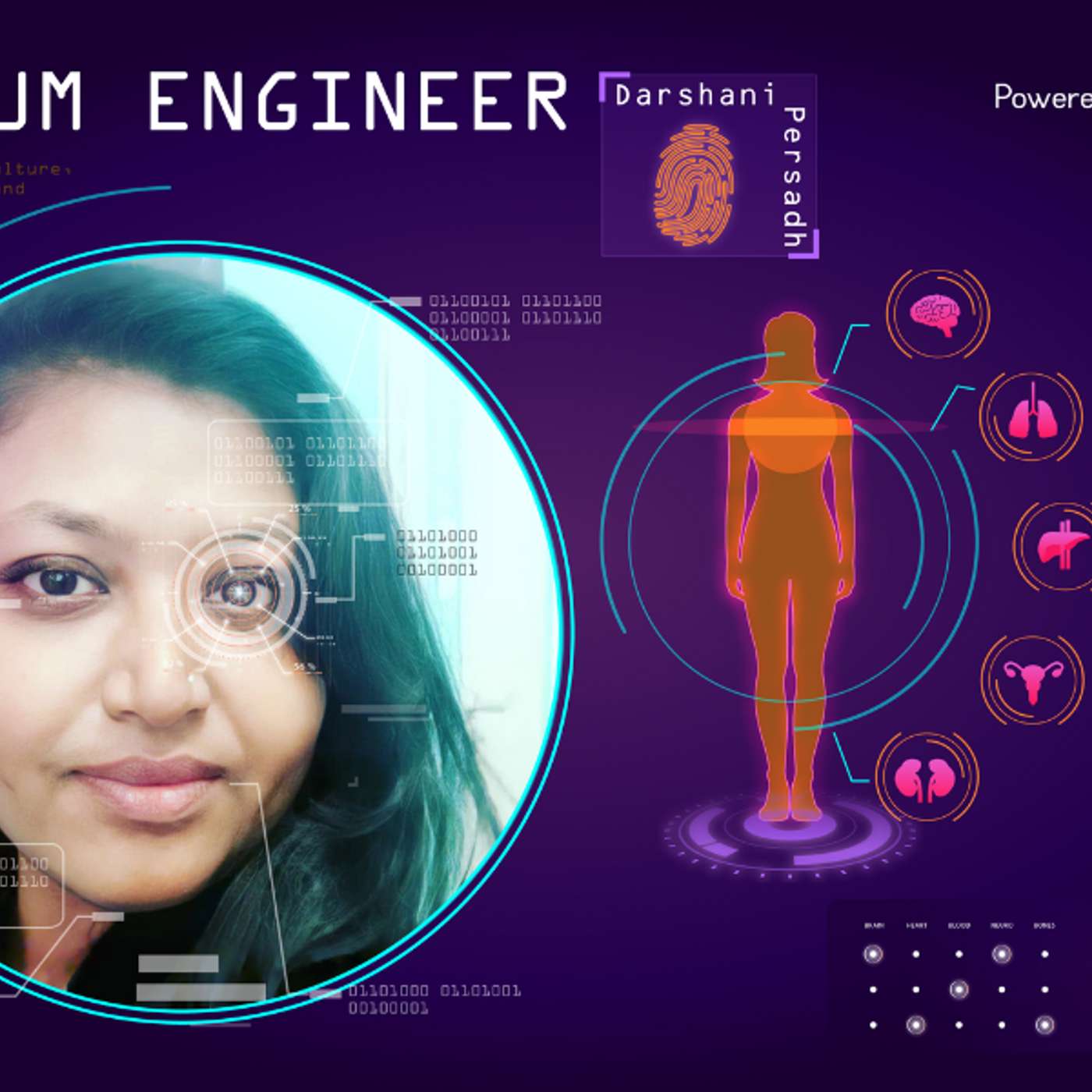
Meet the Writer: HackerNoon's Contributor Darshani Persadh, Quantum Engineer
This story was originally published on HackerNoon at: https://hackernoon.com/meet-the-writer-hackernoons-contributor-darshani-persadh-quantum-engineer. Darshani Persadh, Quantum Engineer, her latest trending article was so good, HackerNoon just had to interview her for our Meet-the-Writer series. Check more stories related to writing at: https://hackernoon.com/c/writing. You can also check exclusive content about #meet-the-writer, #hackernoon-writer, #hackernoon-interview, #quantum-engineer, #writer-interview, #hackernoon-contributors, #hackernoon-community, #quantum-engineer-interview, and more. This story was written by: @drpersadh. Learn more about this writer by checking @drpersadh's about page, and for more stories, please visit hackernoon.com. Meet Darshani Persadh, Quantum Engineer and Technical Co-founder at DARJYO. In one of our recent trending HackerNoon Top Stories, she explored her dive into the IBM Quantum Challenge 2024. Darshani discusses her journey in quantum computing, the joys and challenges of writing about tech, and her love for War movies like The Deer Hunter. Get insights into her writing routine, career aspirations, and more in our Meet-the-Writer series.

Meet the Writer: HackerNoon's Contributor Darryl Bayliss, Software Engineer
This story was originally published on HackerNoon at: https://hackernoon.com/meet-the-writer-hackernoons-contributor-darryl-bayliss-software-engineer. Hear about Darryl Bayliss, Hacker Noon Contributor Check more stories related to writing at: https://hackernoon.com/c/writing. You can also check exclusive content about #meet-the-writer, #hackernoon-writers, #software-engineer, #hackernoon-community, #hackernoon-contributors, #writer-interview, #content-writer, #writer, and more. This story was written by: @darrylbayliss. Learn more about this writer by checking @darrylbayliss's about page, and for more stories, please visit hackernoon.com. Hear about Darryl Bayliss, Hacker Noon Contributor

I Tried All the Top Resume Builders So You Don’t Have To
This story was originally published on HackerNoon at: https://hackernoon.com/i-tried-all-the-top-resume-builders-so-you-dont-have-to. There are a lot of resume builders out there now, and it felt overwhelming to figure out which one is the best one. So, I tried as many as I could Check more stories related to writing at: https://hackernoon.com/c/writing. You can also check exclusive content about #resume, #resume-builders, #finding-a-new-job, #job-search, #job-hunting, #job-hunting-tips, #job-search-tools, #ai-resume-builder, and more. This story was written by: @hackerclxxwie1700003b6vzlp41m0s. Learn more about this writer by checking @hackerclxxwie1700003b6vzlp41m0s's about page, and for more stories, please visit hackernoon.com. Rezi.ai is an AI-powered platform designed to help job seekers create optimized resumes that are tailored for applicant tracking systems. Canyon is a job platform tool designed to streamline the job search process for users. TealHQ offers features like personalized career advice, job tracking boards, and resources to enhance professional development.

How to Succeed as a Content Writer
This story was originally published on HackerNoon at: https://hackernoon.com/how-to-succeed-as-a-content-writer. I love writing, but that doesn't mean I'm aiming for a career in journalism or seeking professional success as a fiction writer. Check more stories related to writing at: https://hackernoon.com/c/writing. You can also check exclusive content about #content-strategy, #content, #content-writing-career, #start-a-blog, #successful-blogging, #professional-content-writer, #content-writing-internships, #journalism-career, and more. This story was written by: @hacker-gqthjgc. Learn more about this writer by checking @hacker-gqthjgc's about page, and for more stories, please visit hackernoon.com. I love writing, but that doesn't mean I'm aiming for a career in journalism or seeking professional success as a fiction writer.
My Plan to Make a Million Dollars Writing Online
This story was originally published on HackerNoon at: https://hackernoon.com/my-plan-to-make-a-million-dollars-writing-online. Everyone wants to make a million bucks online, but few actually do. Why? Because they’re too busy chasing shortcuts and gimmicks instead of building something. Check more stories related to writing at: https://hackernoon.com/c/writing. You can also check exclusive content about #writing, #the-simulation-strategists, #online-business-success, #growth-hacking-for-business, #content-marketing-hacks, #benoit-malige, #tips-for-the-creator-economy, #hackernoon-top-story, and more. This story was written by: @benoitmalige. Learn more about this writer by checking @benoitmalige's about page, and for more stories, please visit hackernoon.com. You might not see it yet, but your brain is a treasure filled with incredible ideas. Writing is the net that catches and organizes them. The more you write, the clearer and more exciting your thoughts become.
Introducing The HackerNoon Blogging Fellowship
This story was originally published on HackerNoon at: https://hackernoon.com/introducing-the-hackernoon-blogging-fellowship-9g1d37cn. The HackerNoon Blogging Fellowship is a free remote online writing program where you can get mentored by a seasoned Editor and build up your writing portfolio. Check more stories related to writing at: https://hackernoon.com/c/writing. You can also check exclusive content about #blogging-fellowship, #free-education, #online-education, #writer-fellowship, #writing, #tech-careers, #hackernoon-top-story, #hackernoon, #web-monetization, and more. This story was written by: @limarc. Learn more about this writer by checking @limarc's about page, and for more stories, please visit hackernoon.com.
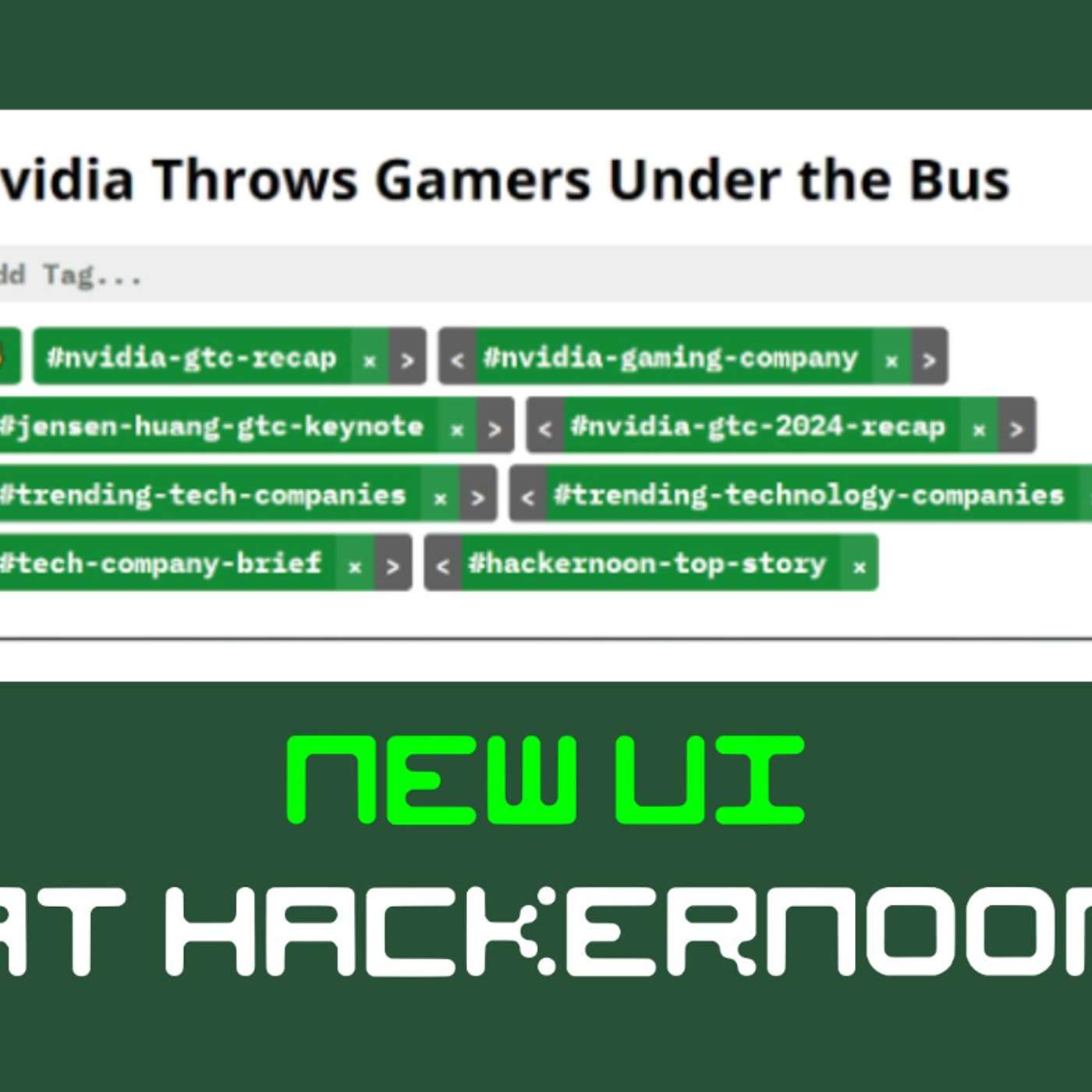
Understand the New HackerNoon UI and Let’s Get Submittin’ (Some Cool Stories)
This story was originally published on HackerNoon at: https://hackernoon.com/understand-the-new-hackernoon-ui-and-lets-get-submittin-some-cool-stories. HackerNoon has updated its CMS with thoughtful upgrades and new writer flows. Read on to learn more. Check more stories related to writing at: https://hackernoon.com/c/writing. You can also check exclusive content about #hackernoon-writers, #hackernoon-ui, #hottest-features-deployed, #hackernoon-product, #product, #product-management, #hackernoon-top-story, #cms, and more. This story was written by: @product. Learn more about this writer by checking @product's about page, and for more stories, please visit hackernoon.com. HackerNoon has updated its CMS with thoughtful upgrades and new writer flows. The biggest change in the writer's UI is the submission process. HackerNoon now incentivizes authors who post original content with faster turnaround times. Read on to learn more.

"Kurosawa", A Script Writer's Assistant: Abstract and Intro
This story was originally published on HackerNoon at: https://hackernoon.com/kurosawa-a-script-writers-assistant-abstract-and-intro. In this paper, researchers introduce KUROSAWA, an AI script-writing workbench for plot and script generation, addressing automation in entertainment media. Check more stories related to writing at: https://hackernoon.com/c/writing. You can also check exclusive content about #storytelling, #script-writing, #ai-based-automation, #plot-generation, #script-generation, #gpt-3, #entertainment-industry, #dataset-annotation, and more. This story was written by: @teleplay. Learn more about this writer by checking @teleplay's about page, and for more stories, please visit hackernoon.com. In this paper, researchers introduce KUROSAWA, an AI script-writing workbench for plot and script generation, addressing automation in entertainment media.

"Kurosawa": A Script Writer's Assistant: Motivation
This story was originally published on HackerNoon at: https://hackernoon.com/kurosawa-a-script-writers-assistant-motivation. In this paper, researchers introduce KUROSAWA, an AI script-writing workbench for plot and script generation, addressing automation in entertainment media. Check more stories related to writing at: https://hackernoon.com/c/writing. You can also check exclusive content about #storytelling, #script-writing, #ai-based-automation, #plot-generation, #script-generation, #gpt-3, #entertainment-industry, #dataset-annotation, and more. This story was written by: @teleplay. Learn more about this writer by checking @teleplay's about page, and for more stories, please visit hackernoon.com. In this paper, researchers introduce KUROSAWA, an AI script-writing workbench for plot and script generation, addressing automation in entertainment media.

How to Write Effective Prompts and Make the Most Out of Using AI
This story was originally published on HackerNoon at: https://hackernoon.com/how-to-write-effective-prompts-and-make-the-most-out-of-using-ai. This article will become your helpful guide to effectively using AI in your routine tasks. Check more stories related to writing at: https://hackernoon.com/c/writing. You can also check exclusive content about #writing-prompts, #productivity, #chatbots, #using-ai-to-write, #ai-writing-prompts, #ai-assisted-writing, #chatbots-tips, #how-to-use-ai-chatbots, and more. This story was written by: @acwriter. Learn more about this writer by checking @acwriter's about page, and for more stories, please visit hackernoon.com. Chatbots can be either universal (helping you with any task, from writing a business letter to creating a complaint to an airline) or more specialized ones. If you're new to chatbots, I suggest starting with either [ChatGPT] or [ChatOn] Many chatbots already have pre-made prompts on the main screen ready for your use.
SEO 101: Content Readability Matters!
This story was originally published on HackerNoon at: https://hackernoon.com/seo-101-content-readability-matters. Writing readable content is now urgent and needful for every writer regardless of their domain. People stop reading as soonas they find difficult to read. Check more stories related to writing at: https://hackernoon.com/c/writing. You can also check exclusive content about #writing, #seo-content-writing, #content-creation, #content-writing, #seo-strategy, #blogging, #readability, #search-engine-optimization, and more. This story was written by: @shahzebspeaks. Learn more about this writer by checking @shahzebspeaks's about page, and for more stories, please visit hackernoon.com.

Is it Safe to Store Credit Card Information on Google Chrome?
This story was originally published on HackerNoon at: https://hackernoon.com/is-it-safe-to-store-credit-card-information-on-google-chrome. Do not store your credit card information on Google Chrome! This article discusses why it's not safe to store your credit card information on Google chrome. Check more stories related to writing at: https://hackernoon.com/c/writing. You can also check exclusive content about #blogging-fellowship, #credit-card-scam, #security, #cybersecurity, #phishing-attacks, #google-chrome-data-privacy, #data-privacy, #privacy, and more. This story was written by: @jtruong. Learn more about this writer by checking @jtruong's about page, and for more stories, please visit hackernoon.com. Google Chrome has a feature that allows you to store your credit card information on the browser. If someone were to hack into your system, they would be able to get access to everything on your laptop. The only piece of information hackers still don’t have is your CVV number and the only way for them to obtain that number is through phishing attacks. If you have the autofill option enabled, you put yourself at risk of hackers being able to make purchases with your card.

THREE DAYS
This story was originally published on HackerNoon at: https://hackernoon.com/three-days. “There is, I believe,” said Lincoln. “But for you—! If you would like to occupy yourself with that, we can make you a sworn aeronaut to-morrow.” Check more stories related to writing at: https://hackernoon.com/c/writing. You can also check exclusive content about #novel, #science-fiction, #hackernoon-books, #project-gutenberg, #books, #h.g.-wells, #dystopian-fiction, #the-sleepers-awakes, and more. This story was written by: @hgwells. Learn more about this writer by checking @hgwells's about page, and for more stories, please visit hackernoon.com. Lincoln awaited Graham in an apartment beneath the flying stages. He seemed curious to learn all that had happened, pleased to hear of the extraordinary delight and interest which Graham took in flying. Graham was in a mood of enthusiasm. “I must learn to fly,” he cried. “I must master that. I pity all poor souls who have died without this opportunity. The sweet swift air! It is the most wonderful experience in the world.”
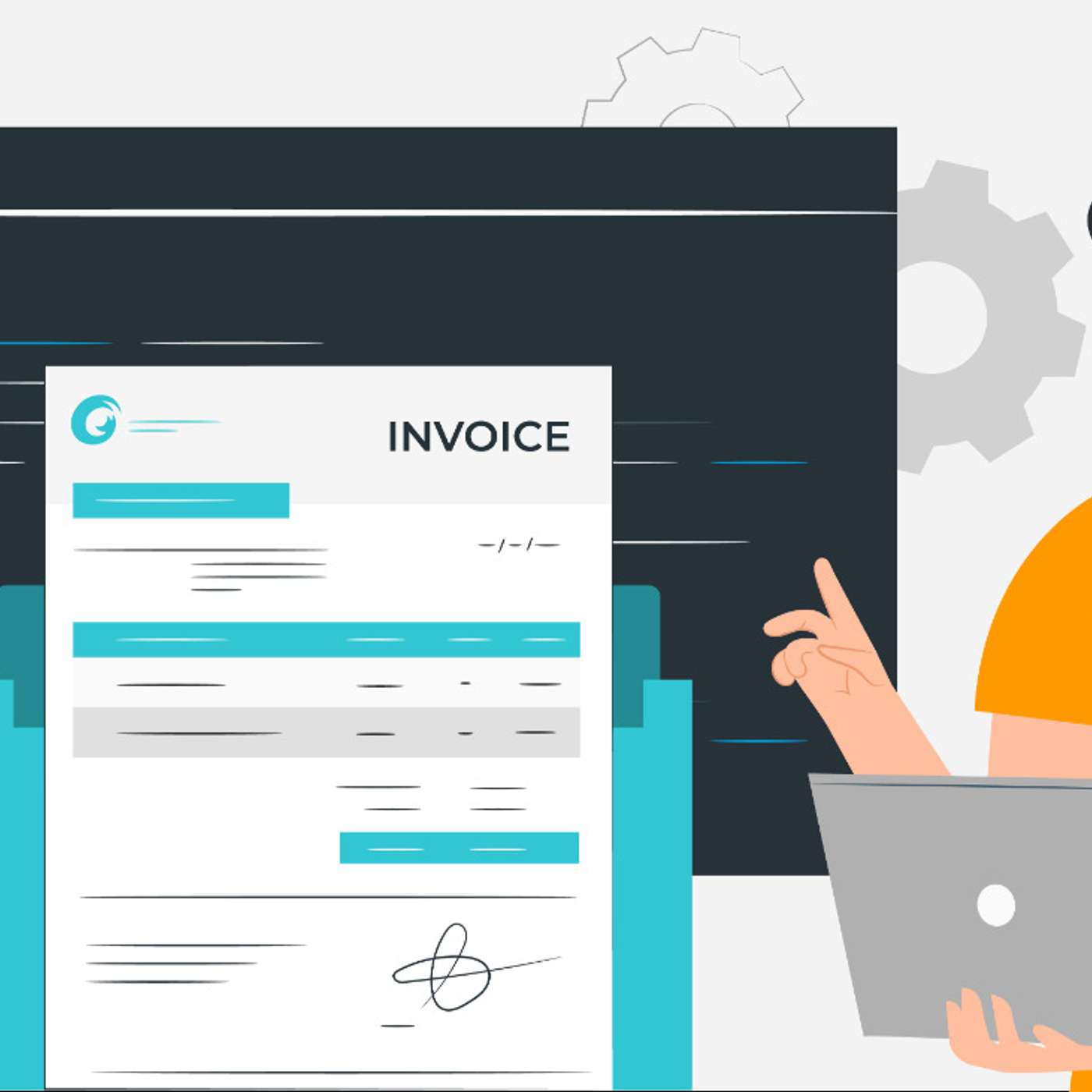
How to Create a PDF Invoicing Web Application Using NodeJS and Foxit PDF SDK
This story was originally published on HackerNoon at: https://hackernoon.com/how-to-create-a-pdf-invoicing-web-application-using-nodejs-and-foxit-pdf-sdk. Generating payment invoices is a crucial aspect of any business, and digital invoicing has become a common practice across various industries. Check more stories related to writing at: https://hackernoon.com/c/writing. You can also check exclusive content about #pdf, #javascript, #web-app, #pdf-generator, #invoicing, #web-development, #good-company, #pdf-invoicing, #hackernoon-es, #hackernoon-hi, #hackernoon-zh, #hackernoon-vi, #hackernoon-fr, #hackernoon-pt, #hackernoon-ja, and more. This story was written by: @foxitsoftware. Learn more about this writer by checking @foxitsoftware's about page, and for more stories, please visit hackernoon.com. Digital invoicing has become a common practice across various industries. Web application developers often face the task of programmatically generating and sending PDF invoices. Foxit’s __PDF library provides a quick and secure solution for generating PDF files. In this tutorial, we will walk you through the process of building a web application that enables your billing department to manage unpaid invoice effectively.

Engineer Onboarding: The Ugly Truth About Ramp-Up Time
This story was originally published on HackerNoon at: https://hackernoon.com/engineer-onboarding-the-ugly-truth-about-ramp-up-time-7e323t9j. Though people often think about the time it takes for a new engineer to start delivering value, they rarely ask themselves how long it takes for them to be fully ramped-up. Check more stories related to writing at: https://hackernoon.com/c/writing. You can also check exclusive content about #hackernoon-top-story, #productivity, #leadership, #management, #growth, #software-development, #remote-working, #onboarding, and more. This story was written by: @Tom Ahi Dror. Learn more about this writer by checking @Tom Ahi Dror's about page, and for more stories, please visit hackernoon.com. Engineer Onboarding: The Ugly Truth About Ramp-Up Time. Swimm surveyed 80 engineers and engineering managers about their onboarding journey. They reported it takes, on average, 3–9 months to fully ramp-up. This could mean a great deal of extra engineering time for your organization. From the moment you find your estimated time, the next step would be to try and decrease it. The rewards can be very significant. If you manage to cut the time of full ramp up in half, that would mean around 17 more developer-years in that year.

Common Mistakes in Engineer-Authored Docs and How to Fix Them
This story was originally published on HackerNoon at: https://hackernoon.com/common-mistakes-in-engineer-authored-docs-and-how-to-fix-them. How to fix these issues using the tools of the “docs-as-code” approach. Check more stories related to writing at: https://hackernoon.com/c/writing. You can also check exclusive content about #documentation, #software-engineering, #technical-documentation, #docsascode, #ide, #tech-writing, #hackernoon-top-story, #programming, #hackernoon-tr, #hackernoon-ko, #hackernoon-de, #hackernoon-bn, and more. This story was written by: @indrivetech. Learn more about this writer by checking @indrivetech's about page, and for more stories, please visit hackernoon.com. Over the last six months, our development team has embraced the "docs-as-code" approach (you can learn more about our journey in this article). Regularly reviewing the documentation created by my colleagues from the Tech Division, I compiled a list of the most common issues found in writing technical documentation. In the article, I will show you how to fix these issues using the tools of the “docs-as-code” approach and not only.
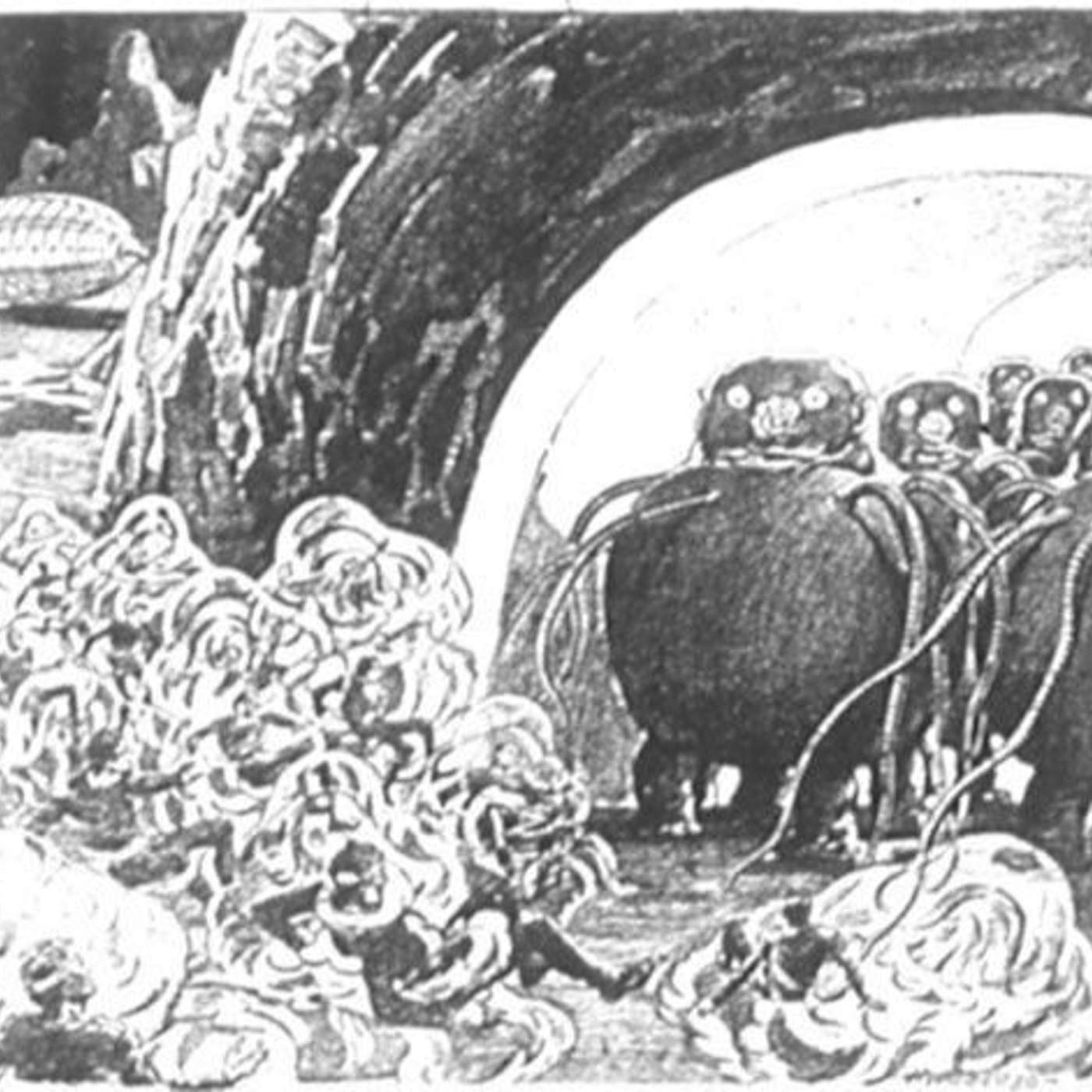
A Death More Hideous
This story was originally published on HackerNoon at: https://hackernoon.com/a-death-more-hideous. Astounding Stories of Super-Science April 1931, by Astounding Stories is part of HackerNoon’s Book Blog Post series. You can jump to any chapter in this book here. Four Miles Within - Chapter V: A Death More Hideous Check more stories related to writing at: https://hackernoon.com/c/writing. You can also check exclusive content about #hackernoon-books, #project-gutenberg, #a-death-more-hideous, #fiction, #i, #iterature, #science-fiction, #astounding-stories, #hackernoon-es, #hackernoon-hi, and more. This story was written by: @astoundingstories. Learn more about this writer by checking @astoundingstories's about page, and for more stories, please visit hackernoon.com. Four Miles Within - Chapter V: A Death More Hideous? The story is part of HackerNoon’s Book Blog Post series. You can jump to any chapter in this book here. Quade was all unconscious of it. His final words reached Phil's consciousness. "And this time, of course, I will keep the top disintegrators on. No other monster will then be able to weigh me down!" And that movement was the signal that brought his doom. Without a sound, the poised mass above dropped. There was a brief moment of frantic lashing, of tortured struggles.

Building a New Tab Chrome Extension with Zero Dependencies
This story was originally published on HackerNoon at: https://hackernoon.com/building-a-new-tab-chrome-extension-with-zero-dependencies-5zlh3ue6. This story will walk you through the basic steps needed to get started building a new tab Chrome Extension powered by an API without any dependencies. Check out our Tech Stories Tab extension for reference. Check more stories related to writing at: https://hackernoon.com/c/writing. You can also check exclusive content about #hackernoon-top-story, #chrome-extension, #javascript, #html, #css, #tutorial, #chrome, #browsers, #web-monetization, and more. This story was written by: @Dane. Learn more about this writer by checking @Dane's about page, and for more stories, please visit hackernoon.com. Building a New Tab Chrome Extension with Zero Dependencies will walk you through the basic steps needed to get started building a new tab Chrome Extension powered by an API without any dependencies. Google provides a ton of boilerplate examples, but digging through that mess can be a little like navigating through a labyrinth. Google recommends having a 128x128 pixel icon and a 16x16 pixel icon at minimum. The extension will be used when a user opens a new browser window and fetches content from an API.

From Code to Content: Max, Hacker Noon's Frontend Innovator
This story was originally published on HackerNoon at: https://hackernoon.com/from-code-to-content-max-hacker-noons-frontend-innovator. Meet Max Kazemi, a Lead Frontend Engineer and Hacker Noon writer, sharing insights on tech trends and front-end development breakthroughs. Check more stories related to writing at: https://hackernoon.com/c/writing. You can also check exclusive content about #meet-the-writer, #tech-careers, #tech-writers, #tech-writing, #engineering-mindsets, #writer-interview, #hackernoon-writers, #interview, and more. This story was written by: @smakss. Learn more about this writer by checking @smakss's about page, and for more stories, please visit hackernoon.com. Max Kazemi is a Frontend Engineer with a passion for developing cutting-edge web applications. Kazemi often writes about front-end technologies, focusing on frameworks like React and Vue. He also shares insights on web performance optimization and software development best practices. He hopes to expand his expertise in cloud technologies and AI.
213 Stories To Learn About Writing Prompts
This story was originally published on HackerNoon at: https://hackernoon.com/213-stories-to-learn-about-writing-prompts. Learn everything you need to know about Writing Prompts via these 213 free HackerNoon stories. Check more stories related to writing at: https://hackernoon.com/c/writing. You can also check exclusive content about #writing-prompts, #learn, #learn-writing-prompts, #technology, #hackernoon, #interview, #metaverse, #meet-the-writer, and more. This story was written by: @learn. Learn more about this writer by checking @learn's about page, and for more stories, please visit hackernoon.com.
Unveiling the Best of 2023: Top Stories, Writers, Tech Categories, and Templates! 📚
This story was originally published on HackerNoon at: https://hackernoon.com/unveiling-the-best-of-2023-top-stories-writers-tech-categories-and-templates. We've compiled a 2023 roundup of the top most-read stories, top active writers, top tech categories, and even the top most popular templates. Take a look! Check more stories related to writing at: https://hackernoon.com/c/writing. You can also check exclusive content about #writing, #writers, #writing-prompts, #hackernoon-writers, #writing-tips, #2023-recap, #best-of-2023, #top-stories-2023, and more. This story was written by: @editingprotocol. Learn more about this writer by checking @editingprotocol's about page, and for more stories, please visit hackernoon.com. ✨ As we welcome 2024, let's take a moment to applaud the incredible stories that fueled our hacker minds in 2023! 🚀 We've compiled a 2023 roundup of the top most-read stories, top active writers, top tech categories, and even the top most popular templates. These insights might be just what you need to start the 2024 right!

Meet the Writer: HackerNoon's Contributor Aayush Naik, Software Engineer @ Apple
This story was originally published on HackerNoon at: https://hackernoon.com/meet-the-writer-hackernoons-contributor-aayush-naik-software-engineer-apple. Meet Aayush Naik, Apple Software Engineer, as he shares insights into his tech and writing journey, personal interests, and future goals. Check more stories related to writing at: https://hackernoon.com/c/writing. You can also check exclusive content about #meet-the-writer, #writing, #hackernoon-writers, #hackernoon-interview, #interview, #hackernoon-interview-series, #interview-series, #hackernoon-contributors, and more. This story was written by: @aayn. Learn more about this writer by checking @aayn's about page, and for more stories, please visit hackernoon.com. Aayush Naik, a Software Engineer at Apple and a writer for HackerNoon, discusses his multifaceted tech expertise, early passion for computer science sparked by video games, and diverse personal interests like meditation, violin, and calisthenics. He highlights his journey in tech writing, focusing on Python and software design, and shares his aspirations for more prolific writing and starting his own company. Aayush also talks about the importance of promoting writing in tech culture.

Healing From Verbal Abuse
This story was originally published on HackerNoon at: https://hackernoon.com/healing-from-verbal-abuse. An Essay Concerning Humane Understanding, Volume II, by John Locke is part of HackerNoon’s Book Blog Post series. Check more stories related to writing at: https://hackernoon.com/c/writing. You can also check exclusive content about #hackernoon-books, #humane-understanding, #john-locke, #philosophy, #essay, #humanity, #literature, #history, #hackernoon-es, and more. This story was written by: @johnlocke. Learn more about this writer by checking @johnlocke's about page, and for more stories, please visit hackernoon.com. 1. Remedies are worth seeking. The natural and improved imperfections of languages we have seen above at large: and speech being the great bond that holds society together, and the common conduit, whereby the improvements of knowledge are conveyed from one man and one generation to another, it would well deserve our most serious thoughts to consider, what remedies are to be found for the inconveniences above mentioned. 2. Are not easy to find. I am not so vain as to think that any one can pretend to attempt the perfect reforming the languages of the world, no not so much as of his own country, without rendering himself ridiculous. To require that men should use their words constantly in the same sense, and for none but determined and uniform ideas, would be to think that all men should have the same notions, and should talk of nothing but what they have clear and distinct ideas of: which is not to be expected by any one who hath not vanity enough to imagine he can prevail with men to be very knowing or very silent. And he must be very little skilled in the world, who thinks that a voluble tongue shall accompany only a good understanding; or that men's talking much or little should hold proportion only to their knowledge.

8 Stories To Learn About Hackernoon Letter
This story was originally published on HackerNoon at: https://hackernoon.com/8-stories-to-learn-about-hackernoon-letter. Learn everything you need to know about Hackernoon Letter via these 8 free HackerNoon stories. Check more stories related to writing at: https://hackernoon.com/c/writing. You can also check exclusive content about #hackernoon-letter, #learn, #learn-hackernoon-letter, #hackernoon, #web-monetization, #hackernoon-community, #state-of-the-noonion, #hackernoon-product, and more. This story was written by: @learn. Learn more about this writer by checking @learn's about page, and for more stories, please visit hackernoon.com.
157 Stories To Learn About Meet The Writer
This story was originally published on HackerNoon at: https://hackernoon.com/157-stories-to-learn-about-meet-the-writer. Learn everything you need to know about Meet The Writer via these 157 free HackerNoon stories. Check more stories related to writing at: https://hackernoon.com/c/writing. You can also check exclusive content about #meet-the-writer, #learn, #learn-meet-the-writer, #interview, #hackernoon-writers, #writer-interview, #writing, #hackernoon-contributors, and more. This story was written by: @learn. Learn more about this writer by checking @learn's about page, and for more stories, please visit hackernoon.com.

112 Stories To Learn About Hackernoon Community
This story was originally published on HackerNoon at: https://hackernoon.com/112-stories-to-learn-about-hackernoon-community. Learn everything you need to know about Hackernoon Community via these 112 free HackerNoon stories. Check more stories related to writing at: https://hackernoon.com/c/writing. You can also check exclusive content about #hackernoon-community, #learn, #learn-hackernoon-community, #hackernoon, #hackernoon-contributors, #hackernoon-writers, #meet-the-writer, #interview, and more. This story was written by: @learn. Learn more about this writer by checking @learn's about page, and for more stories, please visit hackernoon.com.

131 Stories To Learn About Hackernoon Awards
This story was originally published on HackerNoon at: https://hackernoon.com/131-stories-to-learn-about-hackernoon-awards. Learn everything you need to know about Hackernoon Awards via these 131 free HackerNoon stories. Check more stories related to writing at: https://hackernoon.com/c/writing. You can also check exclusive content about #hackernoon-awards, #learn, #learn-hackernoon-awards, #noonies, #interview, #tech-awards, #noonies2020, #technology, and more. This story was written by: @learn. Learn more about this writer by checking @learn's about page, and for more stories, please visit hackernoon.com.

How does Tor actually work?
This story was originally published on HackerNoon at: https://hackernoon.com/how-does-tor-really-work-5909b9bd232c. The United States Naval Research Laboratory developed The Onion Routing Protocol (T0r) to project U.S. intelligence communications online. Ironically, Tor has seen widespread use by everyone — even those organisations which the U.S. Navy fights against. Check more stories related to writing at: https://hackernoon.com/c/writing. You can also check exclusive content about #hackernoon-es, and more. This story was written by: @brandonskerritt. Learn more about this writer by checking @brandonskerritt's about page, and for more stories, please visit hackernoon.com.

My Friend Stumbled on an Invention That Could Revolutionize Human Life
This story was originally published on HackerNoon at: https://hackernoon.com/my-friend-stumbled-on-an-invention-that-could-revolutionize-human-life. Certainly, if ever a man found a guinea when he was looking for a pin it is my good friend Professor Gibberne. Check more stories related to writing at: https://hackernoon.com/c/writing. You can also check exclusive content about #hackernoon-books, #project-gutenberg, #h.g.-wells, #twelve-stories-and-a-dream, #books, #ebooks, #short-story, #literature, and more. This story was written by: @hgwells. Learn more about this writer by checking @hgwells's about page, and for more stories, please visit hackernoon.com. Certainly, if ever a man found a guinea when he was looking for a pin it is my good friend Professor Gibberne. I have heard before of investigators overshooting the mark, but never quite to the extent that he has done. He has really, this time at any rate, without any touch of exaggeration in the phrase, found something to revolutionize human life. And that when he was simply seeking an all-round nervous stimulant to bring languid people up to the stresses of these pushful days. I have tasted the stuff now several times, and I cannot do better than describe the effect the thing had on me. That there are astonishing experiences in store for all in search of new sensations will become apparent enough.
Of the eleventh horn of Daniel's fourth Beast
This story was originally published on HackerNoon at: https://hackernoon.com/of-the-eleventh-horn-of-daniels-fourth-beast. A Seer, Επισκοπος, is a Bishop in the literal sense of the word; and this Church claims the universal Bishoprick. Check more stories related to writing at: https://hackernoon.com/c/writing. You can also check exclusive content about #non-fiction, #literature, #hackernoon-books, #project-gutenberg, #books, #isaac-newton, #ebooks, #observations-upon-prophecies, and more. This story was written by: @isaacnewton. Learn more about this writer by checking @isaacnewton's about page, and for more stories, please visit hackernoon.com. Now Daniel, considered the horns, and behold there came up among them another horn, before whom there were three of the first horns pluckt up by the roots; and behold in this horn were eyes like the eyes of a man, and a mouth speaking great things,—and his look was more stout than his fellows,—and the same horn made war with the saints, and prevailed against them: and one who stood by, and made Daniel know the interpretation of these things, told him, that the ten horns were ten kings that should arise, and another should arise after them, and be diverse from the first, and he should subdue three kings, and speak great words against the most High, and wear out the saints, and think to change times and laws: and that they should be given into his hands until a time and times and half a time. Kings are put for kingdoms, as above; and therefore the little horn is a little kingdom. It was a horn of the fourth Beast, and rooted up three of his first horns; and therefore we are to look for it among the nations of the Latin Empire, after the rise of the ten horns. But it was a kingdom of a different kind from the other ten kingdoms, having a life or soul peculiar to itself, with eyes and a mouth. By its eyes it was a Seer; and by its mouth speaking great things and changing times and laws, it was a Prophet as well as a King. And such a Seer, a Prophet and a King, is the Church of Rome.

Mastering Micro-Copy With ChatGPT
This story was originally published on HackerNoon at: https://hackernoon.com/mastering-micro-copy-with-chatgpt. Writing good copy is hard. Using ChatGPT to write good copy can be hard too, but with a few tricks you can get some amazing results. Check more stories related to writing at: https://hackernoon.com/c/writing. You can also check exclusive content about #copywriting, #microcopy, #ui-design, #design, #product-design, #ai-tools, #chatgpt, #use-chatgpt-to-save-time, and more. This story was written by: @raykhrud. Learn more about this writer by checking @raykhrud's about page, and for more stories, please visit hackernoon.com. Using an AI tool like ChatGPT can save time for non-native speakers who need to write a lot of copy for a mobile app or web service. The article tests ChatGPT's ability to write error messages and empty states, and concludes that it can be very helpful for monotonous copywriting tasks. The "skilled copywriter" prompt can sometimes improve results, but it's not always reliable. ChatGPT has its limitations, but overall it can make life easier for anyone involved in writing UI copy.

A CRITICISM OF CHRISTIANITY
This story was originally published on HackerNoon at: https://hackernoon.com/a-criticism-of-christianity. A religious system so many-faced and so enduring as Christianity must necessarily be saturated with truth even if it be not wholly true. Check more stories related to writing at: https://hackernoon.com/c/writing. You can also check exclusive content about #non-fiction, #literature, #hackernoon-books, #project-gutenberg, #books, #h.g.-wells, #ebooks, #first-and-last-things, and more. This story was written by: @hgwells. Learn more about this writer by checking @hgwells's about page, and for more stories, please visit hackernoon.com. And here perhaps, before I go on to the question of Conduct, is the place to define a relationship to that system of faith and religious observance out of which I and most of my readers have come. How do these beliefs on which I base my rule of conduct stand to Christianity?

7 Color Pattern Trends in Mobile App Design
This story was originally published on HackerNoon at: https://hackernoon.com/8-top-trends-of-color-patterns-in-mobile-app-designing-xsnyo3zgc. You must have heard the words like trends of color schemes/patterns in mobile app development and designing because mobile phones are the best and most convenient way to connect yourself to the digital world. Check more stories related to writing at: https://hackernoon.com/c/writing. You can also check exclusive content about #hackernoon-top-story, #color-pattern-trends, #mobile-app-design, #mobile, #design, #design-trends, #mobile-development, #software-development, #hackernoon-es, and more. This story was written by: @R-Sharma. Learn more about this writer by checking @R-Sharma's about page, and for more stories, please visit hackernoon.com. The mobile app market is extremely huge, and it is kept on increasing. Mobile apps are projected to generate the U.S. $189 billion of revenue rate by 2020. The number of downloads for mobile apps is expected to reach $258.2 billion in 2022 from $178.1 billion yearly in 2017. The following are 7 mobile app color schemes/patterns to follow in 2020: Focused Color Palette With Minimal Color Usage, High-Contrast Colors in UI Shadows and Less Noticeable Colored Colored icons.

How I Use Notion to Manage My Relationship
This story was originally published on HackerNoon at: https://hackernoon.com/how-i-use-notion-to-manage-my-relationship-op1u33xl. A list of reasons why you should try documenting your relationship on Notion Check more stories related to writing at: https://hackernoon.com/c/writing. You can also check exclusive content about #documentation, #relationships, #love, #project-management, #hackernoon-top-story, #notion, #product-management, #self-improvement, and more. This story was written by: @mdmeetstechie. Learn more about this writer by checking @mdmeetstechie's about page, and for more stories, please visit hackernoon.com. For her 28th birthday, I decided to create a research paper about my partner in collaboration with her friends. I intended the paper to cover all aspects of her life and serve as the biggest surprise possible to a person who was a scientific researcher by profession. In this article I intend to share ideas on how you too can hack the internet to do the same.

Beyond the System: Anomalies and Building Your Own Moat
This story was originally published on HackerNoon at: https://hackernoon.com/beyond-the-system-anomalies-and-building-your-own-moat. The power of crafting your own path beyond rigid rules and catastrophic anomalies. Check more stories related to writing at: https://hackernoon.com/c/writing. You can also check exclusive content about #writing, #anomalies, #systems-management, #adaptability, #building-your-own-path, #learning-from-failure, #personal-growth, #coping-with-uncertainty, and more. This story was written by: @tona. Learn more about this writer by checking @tona's about page, and for more stories, please visit hackernoon.com. Systems are rigid, constant and not to be tampered with. Rules are rules and they cannot be bent or broken in a system. When a system fails, the victims become the victims of circumstances. An anomaly can either ruin your life or change a life, depending on the system you’re on.
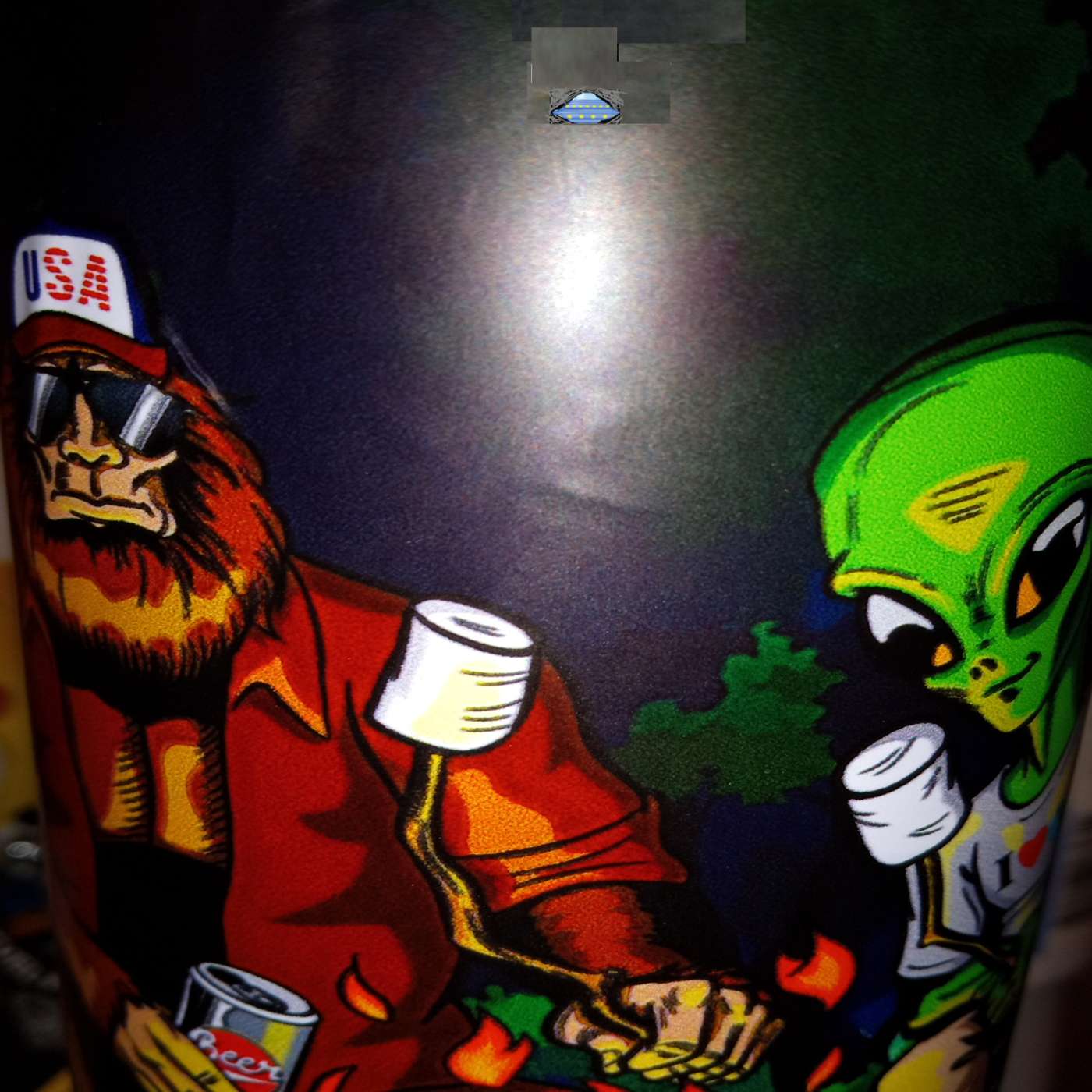
A Conversation at Area 42
This story was originally published on HackerNoon at: https://hackernoon.com/a-conversation-at-area-42. A fiction piece debates the roles of two men in crafting illusions for dignitaries, reflecting on the dubious nature of their military charades by a campfire. Check more stories related to writing at: https://hackernoon.com/c/writing. You can also check exclusive content about #fiction, #science-fiction, #ufo, #aliens, #aliens-must-exist, #corruption, #technology, #politics, and more. This story was written by: @hacker8107669. Learn more about this writer by checking @hacker8107669's about page, and for more stories, please visit hackernoon.com.

Crack Long-Form Blogs: Complete Guide & Experts' Insights
This story was originally published on HackerNoon at: https://hackernoon.com/crack-long-form-blogs-complete-guide-and-experts-insights. Complete guide to writing original and unique long-form blogs that entice your readers to stay, and convert. Steal the best tips from the greatest writers. Check more stories related to writing at: https://hackernoon.com/c/writing. You can also check exclusive content about #content-writing, #writing-guides, #b2b-saas, #content-marketing, #sms-marketing-best-practices, #seo-optimization, #writing, #content-marketing-hacks, and more. This story was written by: @masroorahmad. Learn more about this writer by checking @masroorahmad's about page, and for more stories, please visit hackernoon.com. - Why you should publish long-form blogs - Complete guide to creating long-form blogs that ranks - What the best writers have to say - I answer your questions
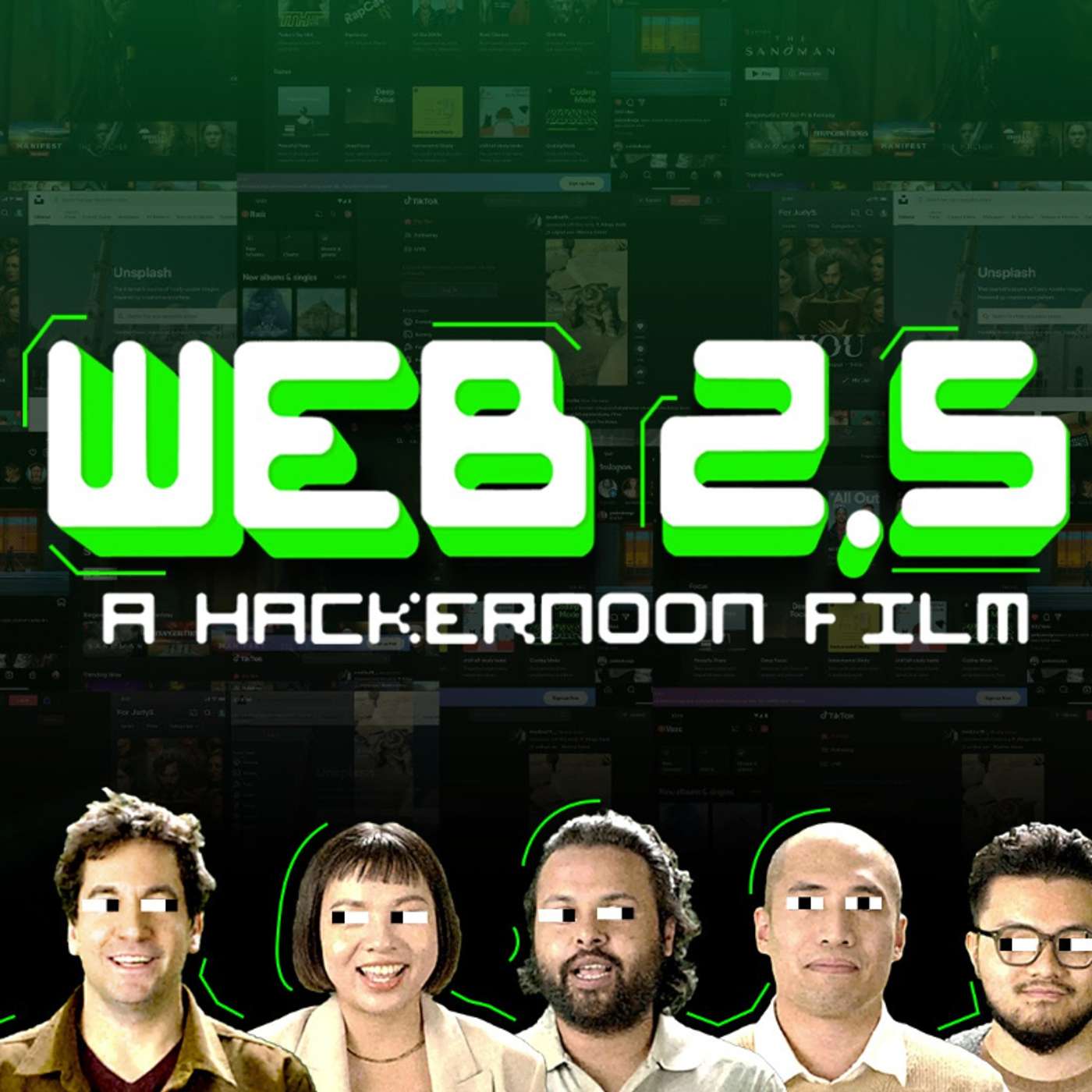
2.5 Reasons to Watch HackerNoon's Self-made Documentary
This story was originally published on HackerNoon at: https://hackernoon.com/25-reasons-to-watch-hackernoons-self-made-documentary. Web 2.5, HackerNoon’s original documentary, is now available for streaming. This documentary addresses the problems of web3. Watch it now! Check more stories related to writing at: https://hackernoon.com/c/writing. You can also check exclusive content about #hackernoon-top-story, #web2.5-documentary, #web-2.5, #hackernoon-documentary, #web2.5, #web3, #web1-vs-web2-vs-web3, #hackernoon-features, and more. This story was written by: @product. Learn more about this writer by checking @product's about page, and for more stories, please visit hackernoon.com. Web 2.5, HackerNoon’s original documentary, is now available for streaming. This documentary, filmed in December of 2022, just a month into crypto's worst year yet, is like a capsule in time. It addresses the problems of web3, while being cautiously optimistic about its future. Watch it now!

Diabetic Chocolate has a Hidden Potentially Dangerous Ingredient
This story was originally published on HackerNoon at: https://hackernoon.com/diabetic-chocolate-has-a-hidden-potentially-dangerous-ingredient. Discovering the hidden ingredient in diabetic chocolate and other sweet treats directed toward people with diabetes: Maltitol. Check more stories related to writing at: https://hackernoon.com/c/writing. You can also check exclusive content about #blogging-fellowship, #diabetes, #maltitol, #diabetic-friendly, #sugar-substitute, #food-industry, #diabetic-chocolate, #chocolate, #hackernoon-es, and more. This story was written by: @melissaebrown. Learn more about this writer by checking @melissaebrown's about page, and for more stories, please visit hackernoon.com. Hidden ingredient in diabetic chocolate and other sweet treats directed toward people with diabetes. Hidden ingredient, Maltitol, is a natural sugar found in fruit and veg. It can cause blood sugar instability due to its glycaemic index (a numerical value indicating foods' impact on increasing blood sugar levels). Maltitol is highly fermented in the colon, commonly causing digestive discomfort such as bloating, gas and diarrhea. It is essential to look at the ingredients of foods directed as diabetic-friendly to ensure there are no hidden carbohydrates such as Maltitol.

NLP Tutorial: Topic Modeling in Python with BerTopic
This story was originally published on HackerNoon at: https://hackernoon.com/nlp-tutorial-topic-modeling-in-python-with-bertopic-372w35l9. Topic modeling is an unsupervised machine learning technique that can automatically identify different topics present in a document (textual data). Data has become a key asset/tool to run many businesses around the world. With topic modeling, you can collect unstructured datasets, analyzing the documents, and obtain the relevant and desired information that can assist you in making a better decision. Check more stories related to writing at: https://hackernoon.com/c/writing. You can also check exclusive content about #hackernoon-top-story, #topic-modeling, #machine-learning, #blogging-fellowship, #data-science, #python, #artificial-intelligence, #machine-learning-tutorials, and more. This story was written by: @davisdavid. Learn more about this writer by checking @davisdavid's about page, and for more stories, please visit hackernoon.com.

Try This: Text Only in Emojis 💬😃😞💬🤐
This story was originally published on HackerNoon at: https://hackernoon.com/try-this-text-only-in-emojis-1af2bfcfec78. In case you’ve been sleeping for the past twenty years, emoji usage has been going 📈📈📈. By mid-2015, half of all comments on Instagram included an emoji. Hollywood released a full feature-length film titled The Emoji Movie. Even Google’s CEO Sundar Pichai is posting about urgent fixes to the hamburger emoji. Check more stories related to writing at: https://hackernoon.com/c/writing. You can also check exclusive content about #language, #social-experiment, #text-only-in-emojis, #emoji, #hackernoon-es, and more. This story was written by: @stervy. Learn more about this writer by checking @stervy's about page, and for more stories, please visit hackernoon.com.

To Manufacturers of Knitted Goods
This story was originally published on HackerNoon at: https://hackernoon.com/to-manufacturers-of-knitted-goods. The Circular Stocking Frame, from 2 in. to 5½ in. diameter. These circular frames, with my last improvements, are as near perfection as possible. Check more stories related to writing at: https://hackernoon.com/c/writing. You can also check exclusive content about #non-fiction, #scientific-and-technical, #project-gutenberg, #hackernoon-books, #books, #various, #scientific-american, #vol.14-no.12-march-18-1871, and more. This story was written by: @scientificamerican. Learn more about this writer by checking @scientificamerican's about page, and for more stories, please visit hackernoon.com. JOHN KENT is now in England, completing arrangements so as to be able to supply his American friends with his improved Knitting Machines with greater dispatch, and with all the latest improvements. He would beg to call especial attention to The Improved Rib Top Frame, now so well known, and acknowledged to be the best rib top frame ever built, for speed and quality of goods produced. Price, delivered free in New York, $520, currency. The Improved Circular Web Frame, for drawers and shirts, built of any size and gage. Price for a 4-head set, 17 inch to 20 inch diameter, $810, currency, delivered free in New York. The Circular Stocking Frame, from 2 in. to 5½ in. diameter. These circular frames, with my last improvements, are as near perfection as possible. The Patent Full-fashioned Shirt, Drawers and Stocking Frames produce the most perfect goods ever made by steam-power machinery, and cost fifty per cent less to keep in repair than any other Knitting Machine. Built 10 to 24 gage, and from 30 to 140 inch wide, to order.
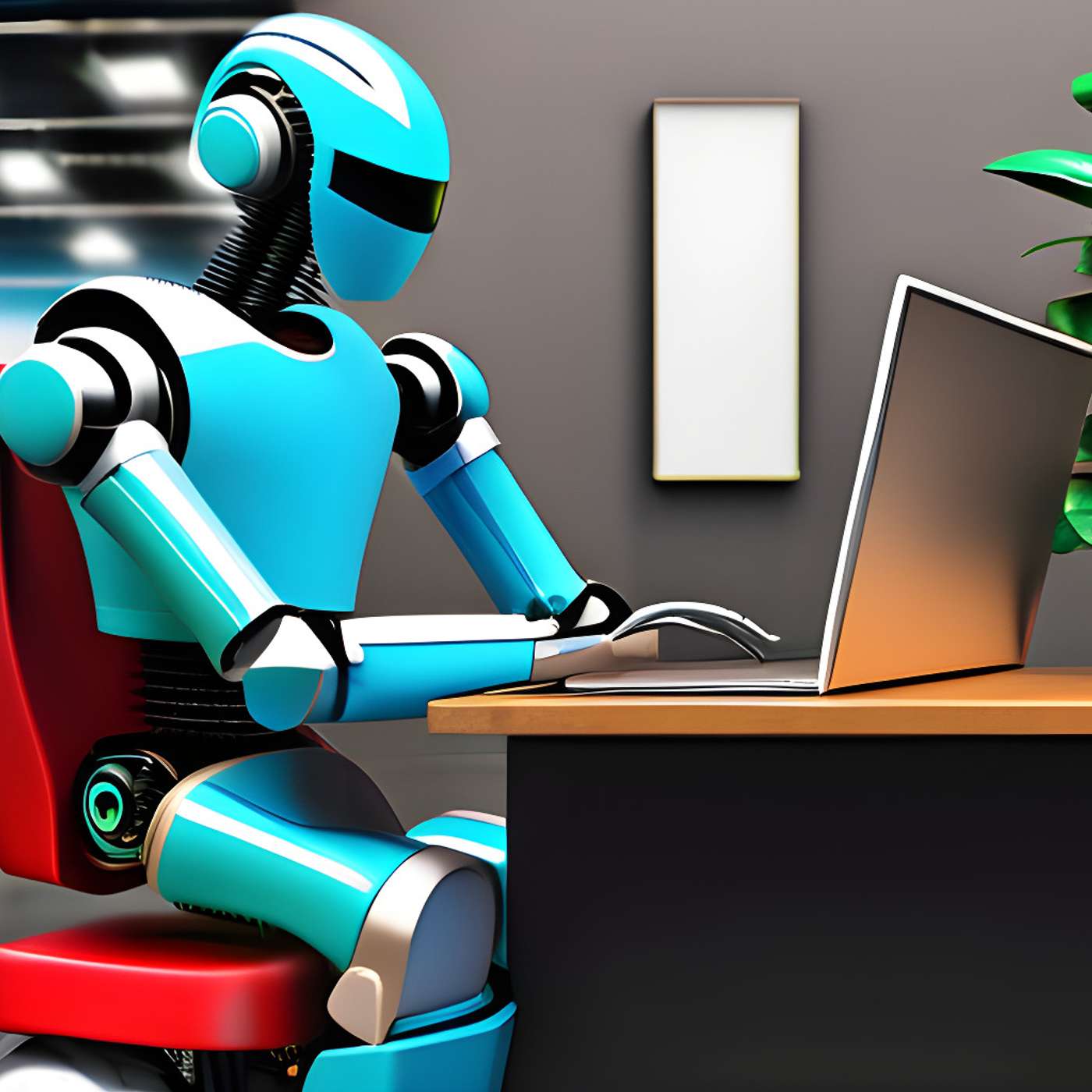
How AI Streamlines Digital Content Creation (Writing, Images, and Videos)
This story was originally published on HackerNoon at: https://hackernoon.com/how-ai-streamlines-digital-content-creation-writing-images-and-videos. ChatGPT captivated millions overnight by writing articles, poems, & coding scripts. Now, AI bypassed parlour tricks into digitally dominating entire professions Check more stories related to writing at: https://hackernoon.com/c/writing. You can also check exclusive content about #content-creation, #ai-generated-content, #automating-content-creation, #ai-generated-content-ideas, #using-ai-to-generate-ideas, #chatgpt-idea-generation, #chatgpt-effective-prompts, #creating-good-chatgpt-prompts, and more. This story was written by: @jannismoore. Learn more about this writer by checking @jannismoore's about page, and for more stories, please visit hackernoon.com. ChatGPT captivated millions seemingly overnight by writing coherent articles, poems, and coding scripts. Now, artificial intelligence (AI) is moving beyond parlour tricks into digitally dominating (or streamlining) entire professions. ChatGPT can ingest a basic prompt and research synopsis to produce a complete first draft in just minutes.

The value of the Scientific American as an advertising medium cannot be over-estimated
This story was originally published on HackerNoon at: https://hackernoon.com/the-value-of-the-scientific-american-as-an-advertising-medium-cannot-be-over-estimated. Engravings may head advertisements at the same rate per line, by measurement, as the letter-press. Check more stories related to writing at: https://hackernoon.com/c/writing. You can also check exclusive content about #non-fiction, #scientific-and-technical, #project-gutenberg, #hackernoon-books, #books, #various, #scientific-american, #vol.14-no.12-march-18-1871, and more. This story was written by: @scientificamerican. Learn more about this writer by checking @scientificamerican's about page, and for more stories, please visit hackernoon.com. The value of the Scientific American as an advertising medium cannot be over-estimated. Its circulation is ten times greater than that of any similar journal now published. It goes into all the States and Territories, and is read in all the principal libraries and reading-rooms of the world. We invite the attention of those who wish to make their business known to the annexed rates. A business man wants something more than to see his advertisement in a printed newspaper. He wants circulation. If it is worth 25 cents per line to advertise in a paper of three thousand circulation, it is worth $2.50 per line to advertise in one of thirty thousand.

The State of Content Creation in the Age of Artificial Intelligence
This story was originally published on HackerNoon at: https://hackernoon.com/the-state-of-content-creation-in-the-age-of-artificial-intelligence. Using AI and ChatGPT to create content such as a blog post or story is like trying to replace Shakespeare with a computer program. Here's to the age of AI. Check more stories related to writing at: https://hackernoon.com/c/writing. You can also check exclusive content about #content-creation, #content-writing, #ai-generated-content, #chatgpt-generated-content, #chatgpt-for-writing, #chatgpt-for-authors, #state-of-content-creation, #age-of-artificial-intelligence, and more. This story was written by: @technologynews. Learn more about this writer by checking @technologynews's about page, and for more stories, please visit hackernoon.com. Using ChatGPT to write content such as a blog post is like trying to replace Shakespeare with a computer program that generates words from billions of sentences based on known patterns. It's nothing more than a digital ventriloquist trying to mimic the rhythm of a professional speaker, and the audience doesn't pick up a whisper of the strings being pulled.