Witness History
2,139 episodes — Page 22 of 43
The release of Gilad Shalit
On 18 October 2011, Israeli solider Gilad Shalit was freed after spending over five years in captivity in Gaza. His release was part of a controversial prisoner exchange which saw more than 1,000 Palestinian prisoners freed from Israeli jails. Alex Collins talks to Israeli spy, David Meidan, who was successful in negotiations where others had failed.(Photo: Gilad Shalit and David Meidan standing directly behind him. Credit: IDF via Getty Images)

The funk and soul club that changed Manchester
EIn 1962, Nigerian man Phil Magbotiwan opened a brand new nightclub in Manchester, England. In part because of his own personal experiences of racism, Phil wanted to create somewhere where everyone would be welcome – Manchester’s first racially inclusive nightclub. The Reno was born. The nightclub became a particularly important space for Manchester's mixed heritage community, who felt unwelcome in city centre venues. Phil’s youngest daughter, Lisa Ayegun shares her memories, of the Reno and her dad, with Matt Pintus.This programme contains descriptions of racial discrimination.(Photo: Phil Magbotiwan (right) standing in front of the Reno nightclub in Manchester. Credit: The Magbotiwan family)
Dassler brothers’ rift
In 1948, brothers Adi and Rudi Dassler who lived in a small German town fell out. They went on to create globally renowned sportswear firms Adidas and Puma. Adi Dassler played a crucial role in West Germany's victory in the 1954 World Cup with his game-changing footwear. Reena Stanton-Sharma hears from Adi Dassler’s daughter Sigi Dassler, who remembers her dad’s obsession with sports shoes and talks about her fondness for rappers Run-DMC who paid tribute to her dad’s shoes in their 1986 song My Adidas.(Photo: Adi Dassler. Credit: Brauner/ullstein bild via Getty Images)
The raising of the Mary Rose
It’s 40 years since a wrecked English Tudor warship was brought back to the surface. On 11 October 1982, 60 million people worldwide watched the extraordinary feat live on television – the raising of the 400-year-old Mary Rose – from the seabed off the south coast of England. Susan Hulme spoke to Christopher Dobbs, one of the archaeologists who helped excavate the Mary Rose. This programme was first broadcast in 2017.(Photo: The Mary Rose is raised above the water by a crane near Portsmouth Harbour, 11 October 1982. Credit: Fox Photos/Hulton Archive/Getty Images)
Castrating Pablo Escobar's hippos
When drug kingpin Pablo Escobar died in 1993 having built a billion dollar cocaine empire, he left behind a zoo. While his rhinos, giraffes, elephants and kangaroos were re-housed, the hippos were left in Escobar’s abandoned ranch in the Colombian countryside. In 2007 they started turning up 100 kilometres away, frightening fishermen. Vet Carlos Valderrama was called in to tackle the problem. He describes to Josephine McDermott his experience of the first ever castration of a hippo in the wild.(Photo: Carlos Valderrama castrating the hippo. Credit: Carlos Valderrama)
The power of Jomo Kenyatta
In the 1970s, Sharad Rao was Kenya’s assistant director of public prosecutions, working closely with Kenyan leader Jomo Kenyatta who was seen as ruthless and unpredictable. Rao took the unusual step of defying Kenyatta’s orders by refusing to jail students after they rioted about chapatis in 1972. Rao also tells Alex Collins how he witnessed Kenyatta chasing a British diplomat with a stick.(Photo: Jomo Kenyatta. Credit: BBC)
Festival of Light
In September 1971, Christians from all over the UK held the Nationwide Festival of Light to protest against what they saw, as increasingly liberal attitudes to sex and the change in traditional family values. Katie Edwards hears from three people who attended the event - organiser Peter Hill, Christian activist Celia Bowring and LGBT rights campaigner Peter Tatchell who protested against the event. A Made in Manchester production for BBC World Service.(Photo: Nationwide Festival of Light. Credit: Getty Images)
Iran-Iraq War begins
The Iran-Iraq war began on 22 September 1980. It lasted for eight years and became one of the bloodiest wars in recent history. Pooneh Ghoddoosi was just a child when it started - a teenager when it ended. She told her story to Alan Johnston in 2010. (Photo: Iranian artillery, tanks, arms and munitions. Credit: AFP via Getty Images)
The first Pope to visit Africa
In the 1960s, popes rarely left the Vatican City. So it was a major event when Pope Paul VI accepted an invitation to visit Uganda in 1969. Hugh Costello talks to Mobina Jaffer, whose Ismaili Muslim family played an enthusiastic role in welcoming the Pope to the family’s hotel. A Whistledown production for BBC World Service. (Photo: Pope Paul VI meets President of Uganda Apollo Milton Obote. Credit: Getty Images)
Ancient fossils give new insight
In 1967, a major breakthrough was made in our understanding of the evolution of the world. A student discovered fossils at Mistaken Point in Newfoundland, Canada. The fossils give us a record of the oldest multi-cellular organisms to inhabit the earth. Catherine Harvey has been speaking to Dr Shiva Balak Misra about his ground-breaking find. A Made in Manchester production for BBC World Service.(Photo: Image of Newfoundland's shores. Credit: Getty Images)
World War Two child evacuees in Britain
The 1 September 1939 was Kitty Baxter’s ninth birthday, it was also the day her life and millions of other people’s changed with the beginning of World War Two. Kitty was among the hundreds of thousands of children taken out of UK cities and into the countryside, away from the risk of German bombs. She’s been speaking to Laura Jones.(Photo: child evacuees leaving a London train station. Credit: Getty Images)
The last days of Queen Victoria
Queen Victoria died on 22 January 1901. In this programme from 2010, Claire Bowes looks back on the monarch’s last days.She speaks to the author Tony Rennell and hears recollections from the BBC archive. (Photo: Queen Victoria. Credit: Press Association)
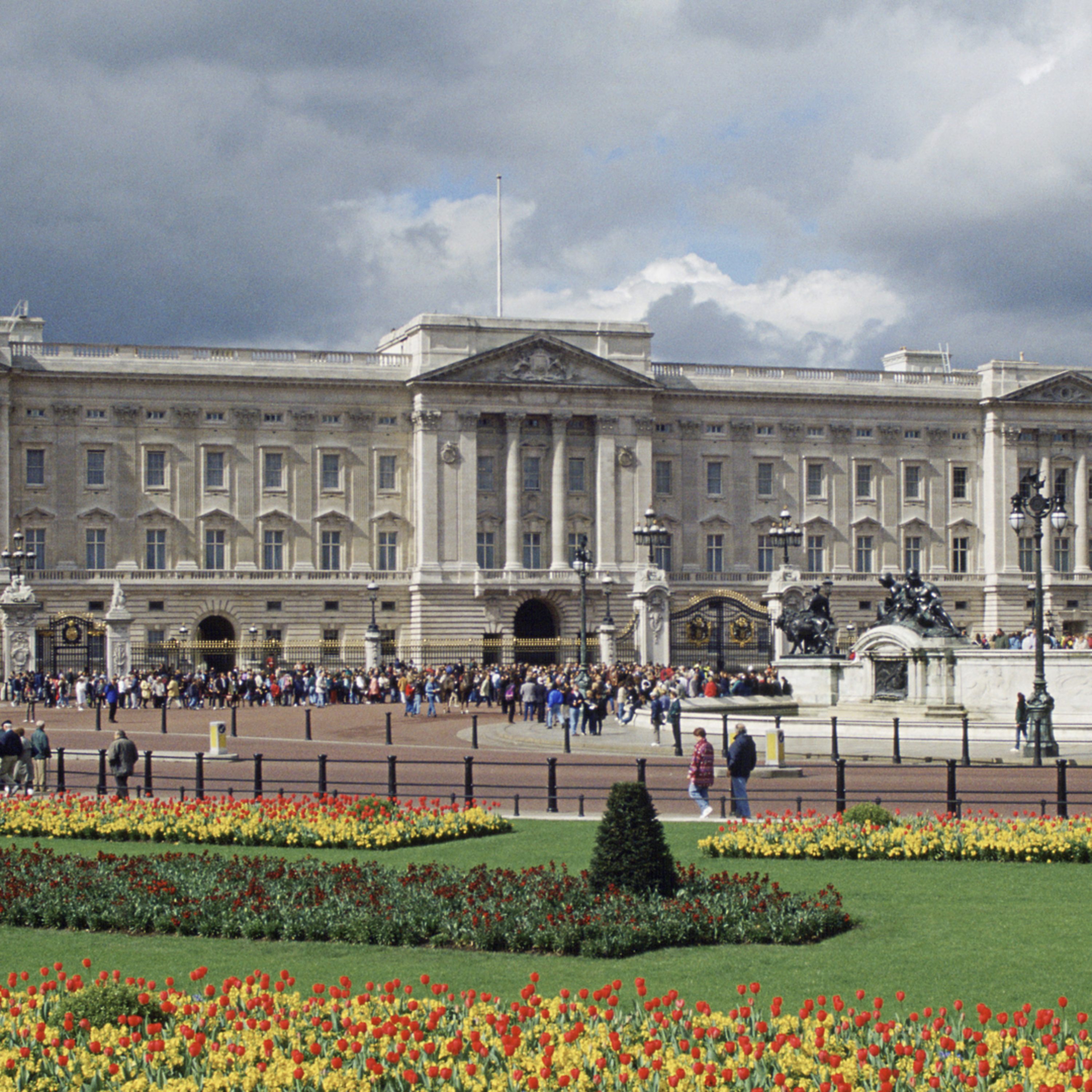
When the Queen opened Buckingham Palace
Queen Elizabeth II first opened her London home to the paying public on 7 August 1993. Tourists were allowed to look round Buckingham Palace while the Royal family was staying elsewhere for the summer. In 2018, Ashley Byrne spoke to former royal press secretary Dickie Arbiter. This is a Made in Manchester production for BBC World Service. (Photo: Buckingham Palace. Credit: BBC)
Windsor Castle fire
In November 1992, a fire devastated Windsor Castle - a symbol of the British monarchy and Queen Elizabeth II’s weekend home. Coming at the end of a year of family problems, the blaze upset the Queen deeply and led her to declare 1992 her ‘annus horribilis’. In 2012, Simon Watts spoke to Sir Hugh Roberts, one of Her Majesty’s art experts.(Photo: Windsor Castle on fire. Credit: Press Association)

Queen Elizabeth II's Coronation Derby
A few days after Queen Elizabeth II was crowned, she had her best chance of owning the winner of the Derby, but first the horse would have to beat the British public’s favourite jockey. Peter O’Sullevan talked to Julian Bedford in this programme first broadcast in 2012.(Photo: Champion jockey Sir Gordon Richards being led in after winning the Coronation Derby on 'Pinza'. Credit: Fox Photos/Getty Images)
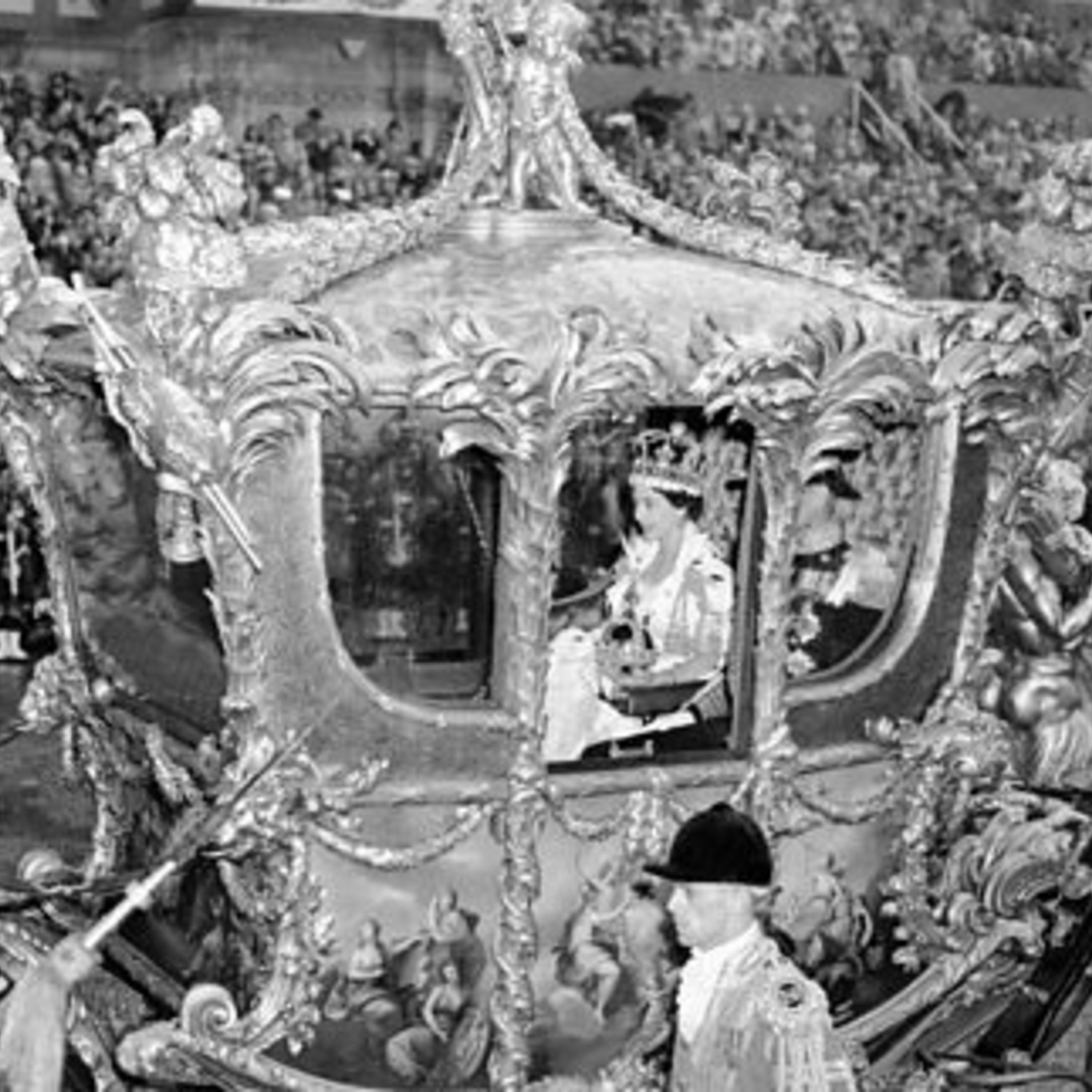
The coronation of Queen Elizabeth II
In June 1953, the young Queen Elizabeth II was crowned at Westminster Abbey. Two of her Maids of Honour, Lady Anne Glenconner and Lady Jane Vane-Tempest-Stewart, share their memories of Coronation Day. This programme, presented by Claire Bowes, was first broadcast in 2013.(Photo: Queen Elizabeth II in a carriage during the Coronation. Credit: Getty Images)

The car that charmed Brazil
Since its launch in the 1950s, the Brazilian version of the VW Beetle has had a special place in the nation's heart. Cheap, charismatic and virtually indestructible, it was many Brazilians' first car and is affectionately known as the Fusca. The Fusca played a key role in the development of Brazil's economically and politically vital national car industry. In 2014, Candace Piette spoke to two Fusca superfans, Silio Boccanera and Edivaldo Fernandes. (Photo: A Fusca in the colonial town of Paraty. Credit: Getty Images)
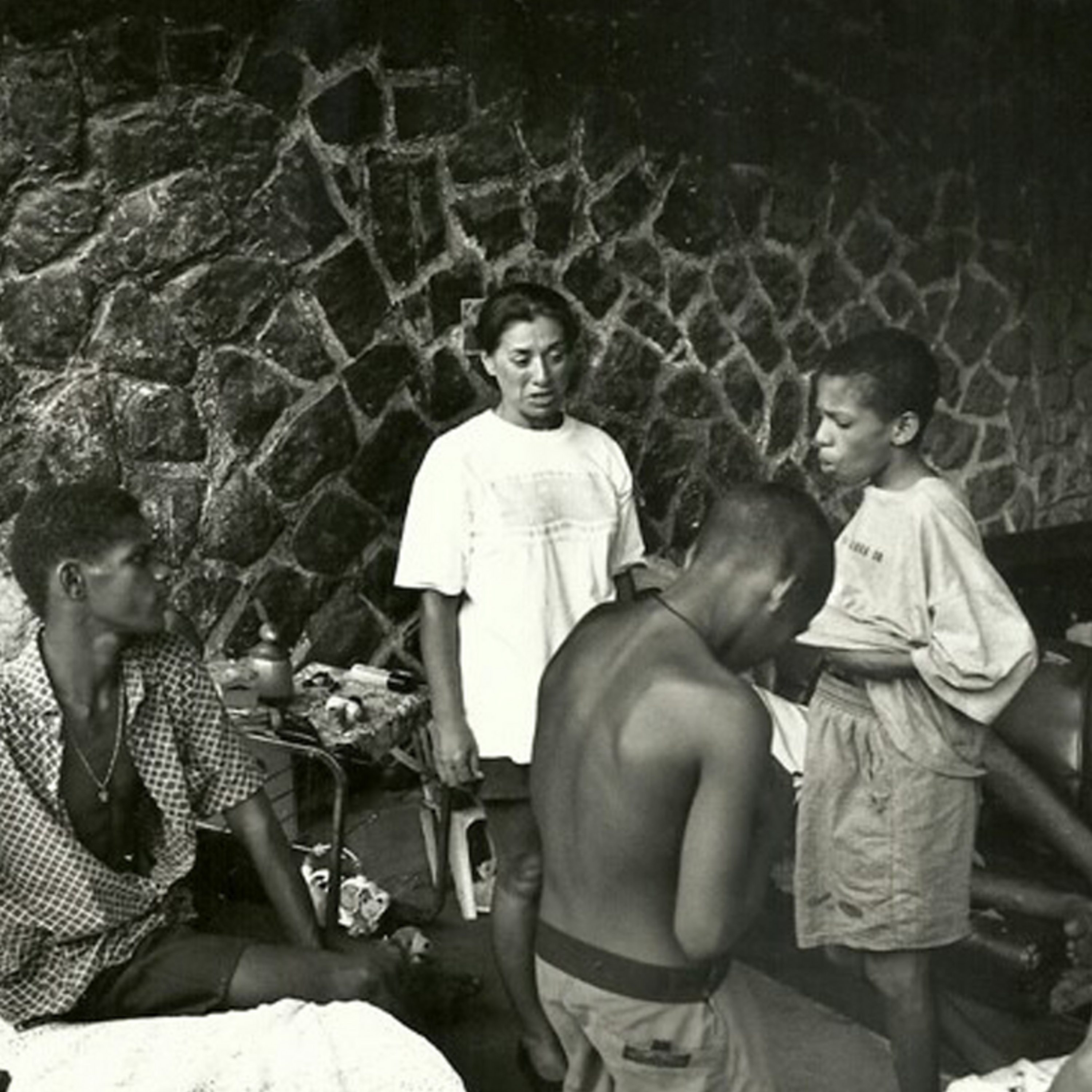
The Candelaria child massacre
In 1993, eight homeless children were murdered outside the Candelaria church in Rio De Janeiro. The murders caused international outrage and put a spotlight on corrupt policing in Brazil. Matt Pintus has been speaking to Yvonne Bezerra de Mello, a social worker and teacher who had worked with the Candelaria children for years before the massacre.(Photo: Yvonne Bezerra de Mello with the Candelaria children, Credit: courtesy of Yvonne Bezerra de Mello)
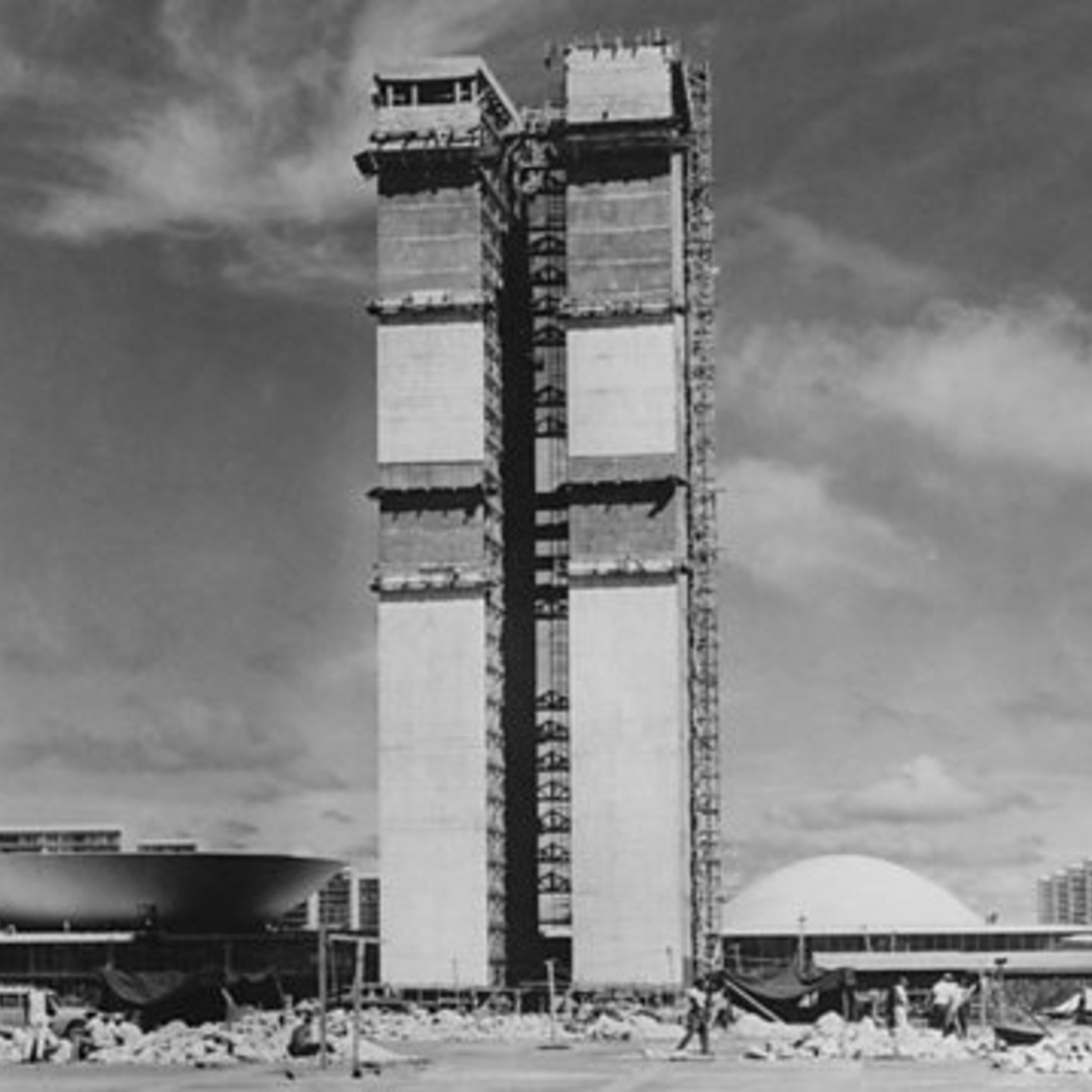
Building of Brasilia
In 1960, Brazil opened a new capital city in its remote central plains.The city was designed by modernist architect Oscar Niemeyer and was supposed to symbolise Brazil's future ambitions. In 2014, Claire Bowes spoke to Osorio Machado, an engineer who worked on the city's construction.(Photo: The building of Brasilia. Credit: Getty Images)

The murder that shocked Brazil
In 2002, an investigative journalist called Tim Lopes was brutally killed by a drug gang in Rio de Janeiro. The murder sent shockwaves throughout Brazil. His son, Bruno Quintella, spoke to Mike Lanchin in 2014. This programme contains descriptions of violence and some listeners may find parts of it distressing. (Photo: Tim Lopes and his son, Bruno, courtesy of the family)

Doomed hero of Brazilian democracy
In March 1985, Brazil experienced the most traumatic moment in its transition to democracy when the first civilian president-elect in more than 20 years was rushed to hospital on the eve of his inauguration. Tancredo Neves, who had led political opposition to military rule in Brazil, eventually died 38 days later. He is now regarded as a hero in Brazil. In 2018, Simon Watts spoke to Tancredo Neves' press secretary, Antonio Britto.(Photo: Tancredo Neves, centre, on a visit to Spain. Credit: Getty Images)

Mikhail Gorbachev: Release of Irina Ratushinskaya
Mikhail Gorbachev - the last leader of the Soviet Union - has died aged 91. On the eve of an important summit on nuclear disarmament between the Soviet Union and America in October 1986, Gorbachev ordered the release of a dissident poet called Irina Ratushinskaya.In 2012, Louise Hidalgo spoke to Irina about her imprisonment, her poetry, and the day she was set free.(Photo: Irina and her husband Igor, arriving in London in December 1986. Credit: Topfoto)

Mikhail Gorbachev: Perestroika
Mikhail Gorbachev, the last leader of the Soviet Union, has died aged 91. Gorbachev came to power in 1985 at a time when the Soviet economy was on the brink of collapse. He introduced a radical reform programme called Perestroika. 25 years on from Perestroika, in 2012, Louise Hidalgo spoke to three people who remembered those exciting days in Moscow.(Photo: Mikhail Gorbachev (centre right) meets with participants of the Warsaw Pact Foreign Ministers' Committee in Moscow on March 25, 1987 Credit: AFP / Getty Images)

Princess Diana dances with John Travolta
It's the 25th anniversary of the death of Princess Diana, who was killed in a car crash in an underground tunnel in central Paris on the 31st August 1997.She was one of the most famous and glamorous women in the world - a mega star. In 1985, Princess Diana and Prince Charles made their first joint visit to the US. The highlight of the tour was a gala dinner at the White House where the young princess danced with the star of Saturday Night Fever John Travolta. Speaking in 2011, the Daily Mirror’s royal correspondent James Whitaker told Kirsty Reid about the glamorous night.Image: John Travolta dances with Princess Diana at a White House dinner, November 9th 1985 (Credit: Reuters/File photo)
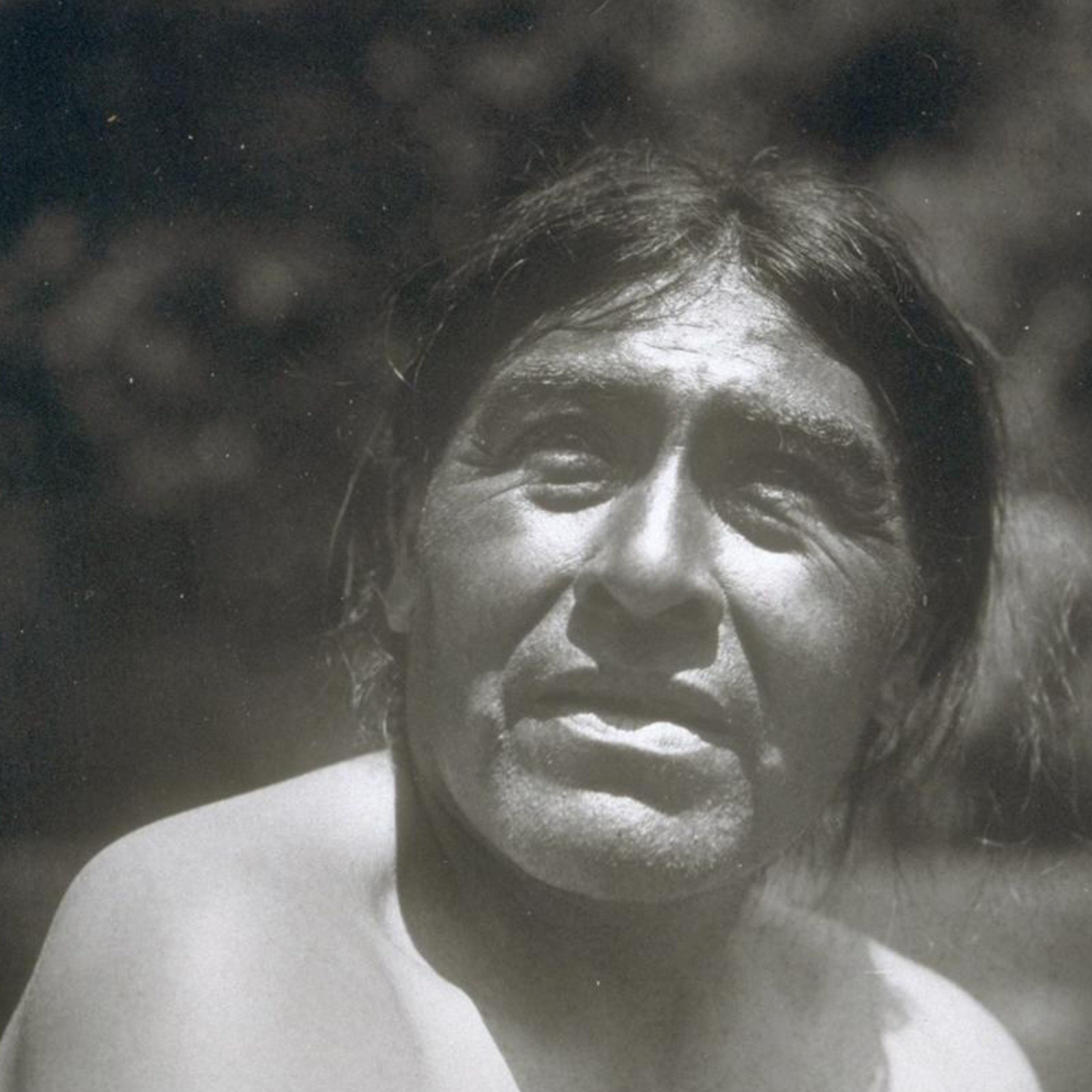
The 'Last Indian'
In 1911, a mysterious Native American man called Ishi emerged from the North Californian forest after more than three decades in hiding. He is thought to be the last survivor from the Yahi tribe. Ishi became a tourist attraction in San Francisco and many recordings were made of his stories and music.In 2012, Louise Hidalgo retraced his story. She spoke to the author Ursula Le Guin and filmmaker Jed Riffe. (Photo: Ishi. Credit: Phoebe A. Hearst Museum of Anthropology, University of California)
Marikana Massacre
On 16 August 2012, police shot dead 34 striking miners at a platinum mine in Marikana, South Africa. It was one of the bloodiest police operations since apartheid. Rachel Naylor speaks to one of the survivors, Mzoxolo Magidiwana, who was shot nine times.(Photo: Miners on strike in Marikana, demanding a pay rise, on 16 August 2012. Credit: AFP/GettyImages)
India's onion election
In January 1980, Indira Gandhi's Congress (I) party was voted into power in India. Before the election, inflation meant that onions were unaffordable for many Indians and became a big election issue. Indira Gandhi used the issue to appeal to voters during her campaign which would help to secure her victory that year. Reena Stanton-Sharma speaks to Suda Pai, a former professor of political science at Jawaharlal Nehru University.Image: Vendor Pushing Cart With Onions On Road. Credit: Venkataramana Allam / EyeEm
The 'Nixon Shock' and the end of the Gold Standard
In 1971, inflation was a huge problem in the USA so the President, Richard Nixon, made one of the most drastic moves in economic history: abandoning the Gold Standard. It became known as the 'Nixon Shock' and nearly caused a trade war between America and its allies. But, it also saved the US's economy from a crisis. Ben Henderson spoke to Bob Hormats, an economic adviser in the Nixon administration, who was at the heart of decision-making.(Picture from Bettmann via Getty Images: President Nixon with his economic advisers in 1971)
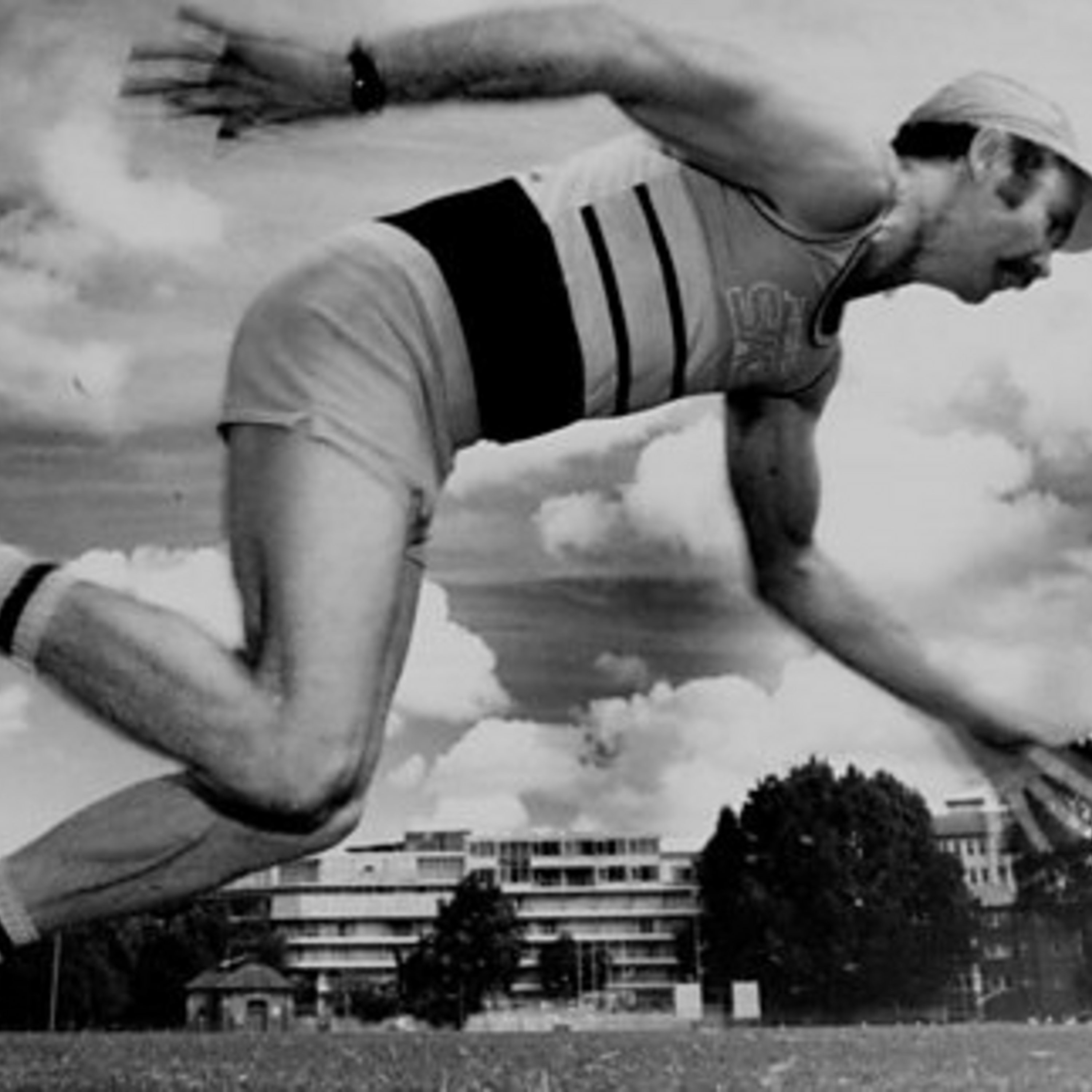
The Gay Games
It has been 40 years since the first ever Gay Games were held in San Francisco. Attracting a large crowd and featuring more than 1,000 athletes from more than 100 countries, the event was organised by a group of LGBT activists, including former Olympians, to raise awareness about homophobia in sport. The Gay Games are now held every four years at venues around the world. In 2019, Ashley Byrne spoke to organiser Sara Waddell Lewinstein and athlete Rick Tomin. A Made in Manchester production for BBC World Service.Photo: An athlete at the first Gay Games. Credit: Getty Images.
Hundreds die in Darayya
Ten years ago, Syrian government soldiers surrounded Darayya, a suburb of Damascus, bombing buildings and searching for people opposed to President Assad. Hundreds of people died over four days. Mohamad Zarda was there and has been speaking to Laura Jones. This episode contains descriptions of violence.(Image shows a Syrian government tank in Darayya in 2016 during the four year siege. Credit: Getty Images)

Bulgaria's cash crisis
In 1997, Bulgaria was in financial meltdown with hyperinflation making money in the country worth a lot less. Bulgaria had emerged out of communism following the fall of the Soviet Union in 1989. Like other post-Soviet regimes in eastern Europe, the country found the transition from communism to capitalism harder than expected. The President of Bulgaria, Petar Stoyanov, knew he had to do something and a recovery plan from one of Ronald Reagan’s former economic advisers was on the table. But would it work? Matt Pintus has been speaking to the economist, Steve Hanke.Photo: Steve Hanke and Liliane Hanke meet Petar Stoyanov. Credit: Steve Hanke
The Bard of Bengal
In August 1941, one of the greatest poets India has ever produced died. Known as the "Bard of Bengal", Rabindranath Tagore was the first non-European to win a Nobel Prize for Literature.Farhana Haider spoke to Professor Bashabi Fraser, Director of the Scottish Centre of Tagore Studies, in 2017.Photo: June 1921, Indian poet and philosopher Rabindranath Tagore in London. Credit: Getty Images
The death of Jawaharlal Nehru
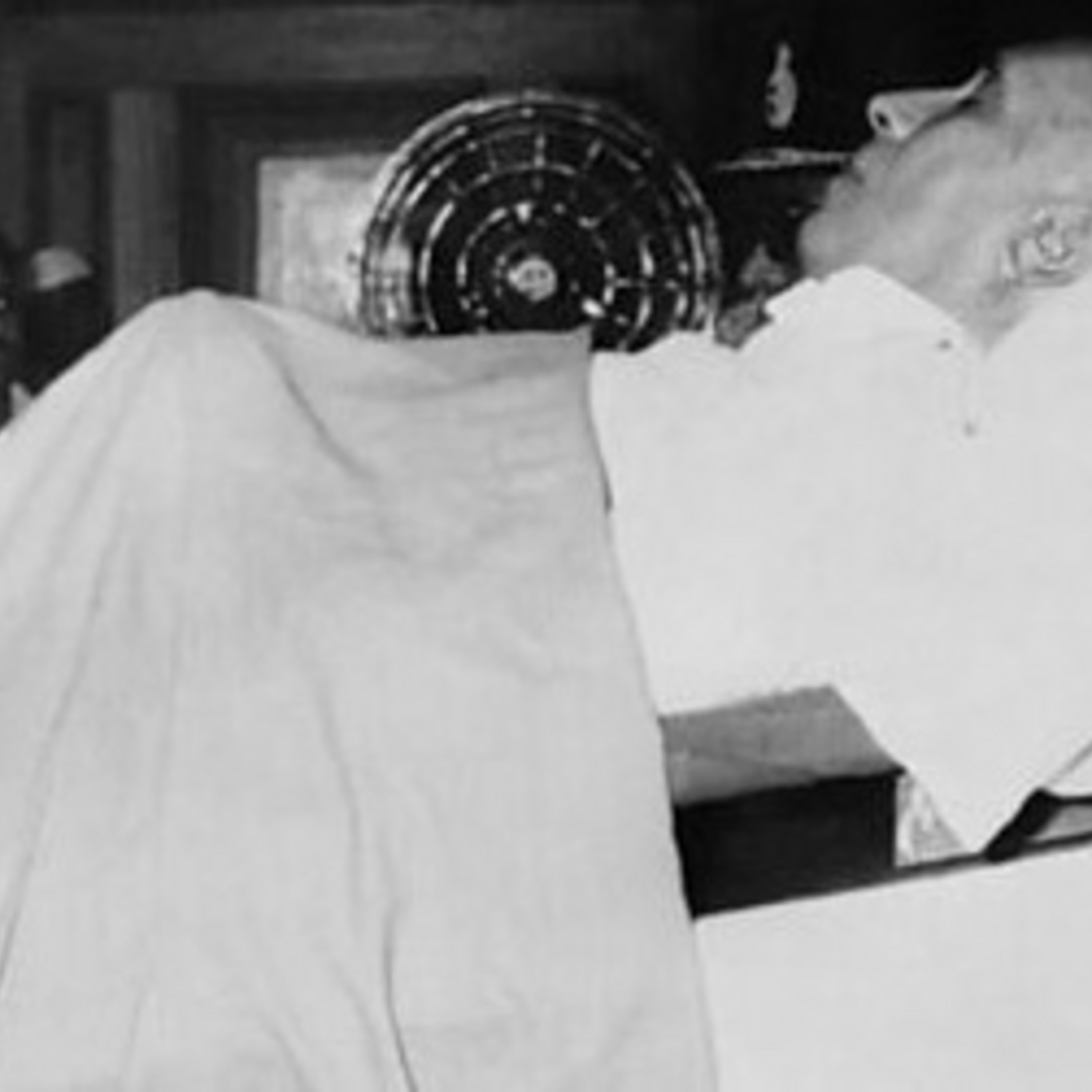
In May 1964 India's first prime minister and the man who led India to independence, Jawaharlal Nehru, died. On the 50th anniversary of his death in 2014, Nehru's niece, the writer Nayantara Sahgal, shared memories of her famous uncle with Louise Hidalgo. Photo: Indira Gandhi paying her respects at the body of her father, Jawaharlal Nehru.(AFP/Getty Images)
The last Viceroy of India
The daughter of the last British Viceroy in India, Lord Mountbatten, remembers the transfer of power in 1947. Lady Pamela Hicks accompanied her father as he attended celebrations in both Karachi and Delhi. She remembers encounters both with Mohammad Ali Jinnah, the founding father of Pakistan, and Jawaharlal Nehru, the first prime minister of independent India. Lady Hicks spoke to Louise Hidalgo in 2012.Photo shows Lord and Lady Mountbatten travelling by carriage and shaking hands with crowds in the streets of New Delhi on the 15th August 1947. Credit: Getty Images.
India's Partition - Part Two
The partition of India led to millions of Hindus, Muslims and Sikhs fleeing their homes during horrific religious violence. This is the second of two programmes remembering that time.Lucy Williams spoke to Chandra Joashi, was only 12-years-old when his family was caught on the wrong side of the dividing line.This episode was first broadcast in 2010.Photo: Millions of families became refugees after the partition of India in 1947 Credit: Keystone-France / Contributor
India's Partition - Part One
The partition of India led to millions of Hindus, Muslims and Sikhs fleeing their homes amid horrific violence. This is the first of two programmes remembering that time.Listen to the story of Saleem, who was only five-years-old when his family tried to escape to the new Muslim country of Pakistan. This programme was first broadcast in 2010.Photo: Wrecked buildings after communal riots in Amritsar, Punjab, during the Partition of British India, March 1947 Credit: Keystone Features / Stringer
The nightclub that changed Ibiza
In June 1973, the nightclub Pacha opened in Ibiza. Other clubs with the capacity to fit thousands of people on the dancefloor opened in the years after, turning Ibiza into a destination for music and party lovers from around the world. Vicky Carter speaks to Carlos Martorell who organised Pacha’s opening party and Francis Van Orden, a Dutch hippy who danced all night on the opening night.(Photo: Sunset over the sea with boats in the distance. Credit: BBC and Minnow Films)
Discovering Hale Bopp
Hale Bopp is one of the most widely observed comets of the 20th century. Its discovery in 1995 resulted in huge advances in science. Russell Crewe spoke to astronomer Dr Alan Hale who discovered the comet alongside Tom Bopp. This is a Made in Manchester production for the BBC World Service.(Photo: Hale Bopp Comet in the night sky. Credit: Getty Images)
Indonesia's forest fires
Twenty five years ago in Indonesia, some of the worst forest fires in history devastated the environment and resulted in a smog which engulfed South East Asia for months. The fires, which were set deliberately, burned out of control for months. Mesdiono Matali Samad, known as Memes, worked on the Indonesian Red Cross relief effort helping people in East Kalimantan, Borneo. He's been speaking to Laura Jones.
Sweden’s pronoun battle
Sweden has a long history of championing LGBTQ+ rights. But campaigners spent years battling to get the gender-neutral personal pronoun ‘hen’ included in Swedish dictionaries. The word was finally added in 2015. Maddy Savage spoke to Nasim Aghili from the "queer" art collective Ful, which rallied to get the word recognised. This is a Bespoken Media production for the BBC World Service. (Photo: Nasim Aghili. Credit: Thomas Straub)
The resignation of President Nixon
On 8 August 1974 Richard Nixon became the first US president in history to resign from office, following the Watergate scandal. In 2014, Farhana Haider spoke to journalist Tom DeFrank, who watched the drama unfold minute by minute.(Photo: Nixon announces his resignation on national television. Credit: Getty Images)
The return of Asians to Uganda
When President Yoweri Museveni came to power in 1986, he encouraged exiled Asians to return to Uganda and reclaim their homes and businesses to help rebuild the country. The economy had collapsed under the dictator Idi Amin after he expelled the Asian population in 1972. Dr Mumtaz Kassam went back to Uganda years after arriving in the UK as a refugee. She talks to Reena Stanton-Sharma about returning to her birthplace. Caption: Dr. Mumtaz Kassam receiving a Golden Jubilee Presidential medal at the 56th independence celebrations. Credit: Dr Mumtaz Kassam The following programme has been updated since its original broadcast.
The city shaped by Ugandan Asians
EThousands of Asians who were expelled from Uganda in 1972, settled in the UK and many made Leicester their home. Their arrival in the East Midlands helped to shape its identity and now Leicester plays host to the largest Diwali celebrations outside of India. Nisha Popat was nine-years-old when she arrived in the city with her family who later opened up a restaurant in the area that became known as the Golden Mile. Reena Stanton-Sharma spoke to her about moving there in the 70s as a child. This programme contains descriptions of racial discrimination. Caption: Nisha Popat at the Bobby's deli counter Credit: Nisha Popat
The exodus of Asians from Uganda
EIn 1972, the dictator Idi Amin announced that all Asians had just 90 days to leave Uganda. Teacher Nurdin Dawood, who had a young family, didn't at first believe that Amin was serious. But soon he was desperately searching for a new country to call home. Farhana Dawood spoke to her father Nurdin Dawood in 2011. This programme contains descriptions of racial discrimination.Caption: President of Uganda Idi Amin. Credit: Keystone/Getty Images
When Asians were forced to leave Kenya
EMany South Asians migrated to Kenya in the early 20th century. They lived in a society divided by race and experienced discrimination from the white rulers, and after Independence, from black Kenyans too. Saleem Sheikh’s parents fled South Asia for Kenya to escape the violence of partition. His family joined a thriving Asian community there. But, they were forced to leave in 1967 after a rise in violence against the Asian population. This programme contains descriptions of racial discrimination. (Photograph of Saleem Sheikh (bottom right) with his brothers and sisters in Nairobi, Kenya in the 1960s)
Why Asians came to Uganda
In the early 20th century, South Asians migrated to Uganda in search of a better life. Jamie Govani’s grandparents married in Gujarat, India, in the 1920s. They were excited by the economic prospects in Uganda so they moved there with their young family. Jamie told Ben Henderson how it was a wonderful place to grow up, but racial segregation lingered in the background, and things began to change after Ugandan independence in 1962. (Picture of Jamie Govani's family in Uganda in the 1950s) The following programme has been updated since its original broadcast.
The Leaflet Bomber
In 1971, young communist Bob Newland left the UK and headed to South Africa to take part in a secret mission to support the African National Congress. Known as one of the London Recruits, he took gunpowder from the UK to make bombs that would scatter leaflets on the streets containing information that a post Apartheid South Africa was possible. Bob has been speaking to Alex Collins.
The Tangshan Earthquake
On 28 July 1976, one of the deadliest earthquakes in modern history hit the city of Tangshan in north-eastern China - killing hundreds of thousands of people. Lucy Burns spoke to eye-witness Yu Suyun in 2016.(Photo: A building in Tangshan after the earthquake. Credit: National Oceanic and Atmospheric Administration)
Inventing nicotine patches
By the 1990s, nicotine patches became commercially available all over the world but their origins go back to the early 1980s, when Dr Daniel Rose suggested to his brother Professor Jed Rose, to look into creating a nicotine patch. The idea turned into an invention with the help of Murray Jarvik. Professor Rose tells his story to Ashley Byrne. A Made in Manchester production for BBC World Service. (Photo: image of a nicotine patch on a man's chest. Credit: Getty Images)
The Surkov leaks
In 2016, Ukrainian hackers leaked thousands of emails belonging to Russian President Vladimir Putin's right hand man, Vladislav Surkov.They provided a rare glimpse into the inner workings of the Kremlin and fresh insight into the invasion in Ukraine.Rachel Naylor speaks to Alya Shandra, the journalist who read them all.(Photo: Vladislav Surkov in 2008. Credit: DMITRY ASTAKHOV/AFP/Getty Images)