Breaking the Spell: Questioning the Foundations of IHOPKC and Branhamism - David Fish
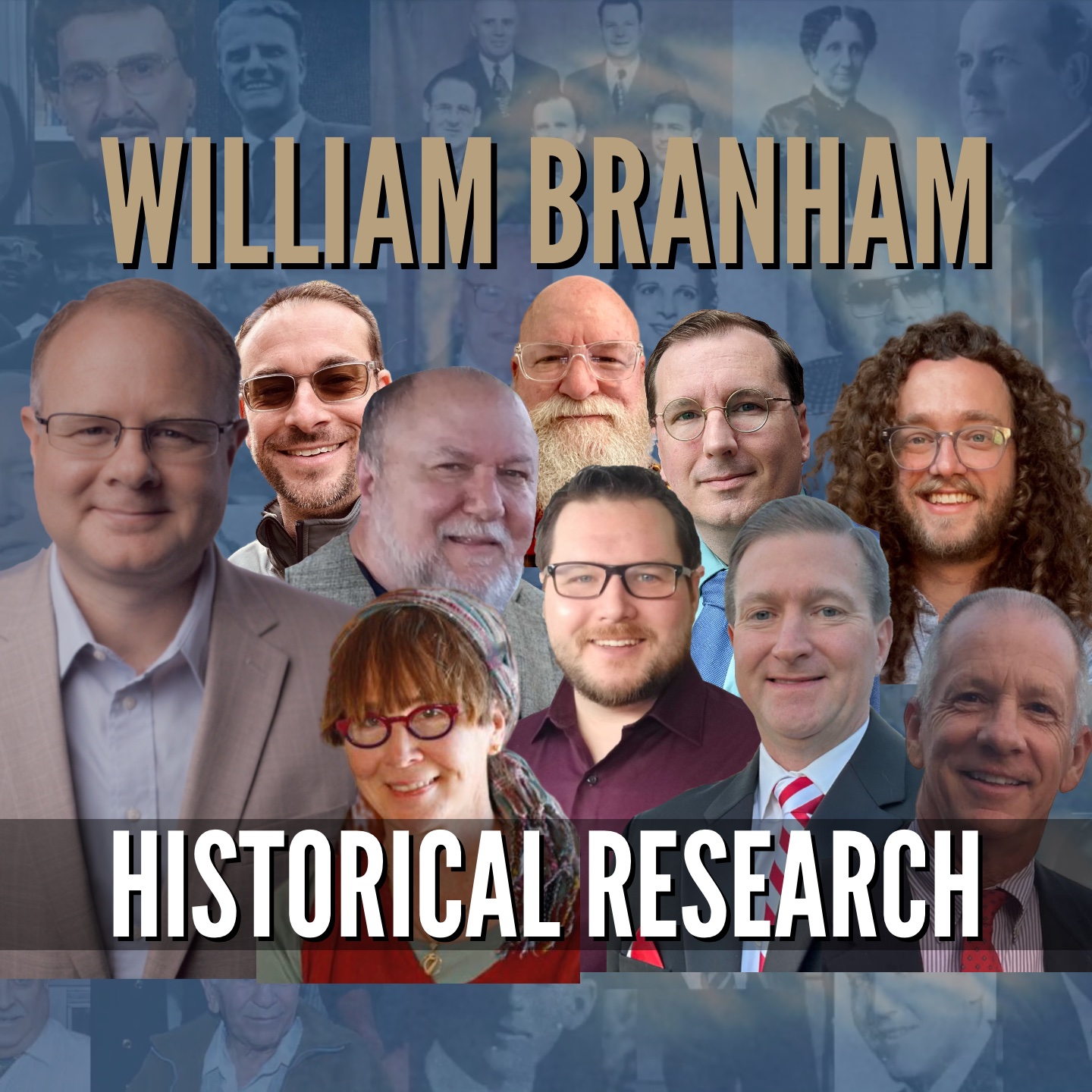
William Branham Historical Research Podcast · John Collins
Audio is streamed directly from the publisher (william-branham.org) as published in their RSS feed. Play Podcasts does not host this file. Rights-holders can request removal through the copyright & takedown page.
Show Notes
Support the show:
https://www.patreon.com/branham
Available on Spotify, Google, and Apple Podcasts:
https://william-branham.org/podcast
Weaponized Religion: From Christian Identity to the NAR:
Paperback: https://www.amazon.com/dp/1735160962
Kindle: https://www.amazon.com/dp/B0DCGGZX3K
John and David discuss the historical and theological roots of various charismatic movements, focusing on their personal journeys through organizations like IHOP KC and their departures from those belief systems. David shares his upbringing in a charismatic church, his deep involvement with IHOP KC, and the transformative process of questioning the theology and prophetic history that underpinned his faith. He recounts how leaders within these movements often constructed prophetic narratives that couldn't be verified and how these stories shaped his beliefs until contradictions began to emerge. John and David reflect on the similarities between William Branham's movement and its offshoots, particularly how figures like Mike Bickle and Paul Cain continued the tradition of unverifiable prophetic histories and apocalyptic expectations.
As their conversation unfolds, they examine the militant undercurrents that have persisted in some branches of these movements, tracing connections between the early Pentecostal healing revivals, latter rain theology, and modern charismatic expressions. They explore the enduring influence of William Branham, whose legacy remains deeply embedded in contemporary charismatic movements despite widespread acknowledgment of his theological errors. David concludes by encouraging those questioning these traditions to embrace the simplicity of faith in Christ rather than being drawn into hierarchical, personality-driven religious structures. He emphasizes that spiritual significance is not determined by association with a prophetic figure but by a relationship with God that exists outside of manipulative theological frameworks.