
We Need to Talk About Oscar
176 episodes — Page 2 of 4
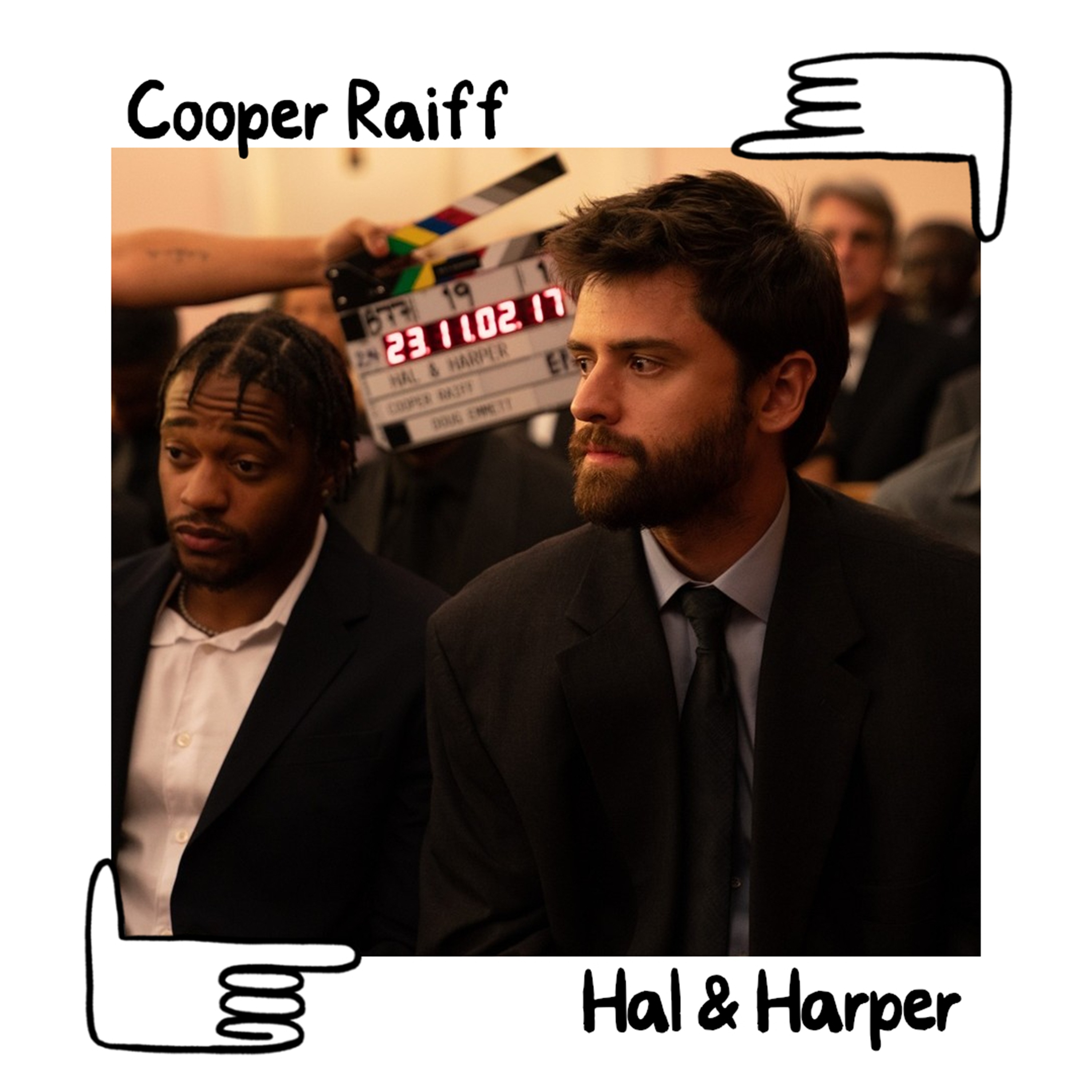
We Need to Talk About Emmy #27: Cooper Raiff is a kid at heart in ‘Hal & Harper’
This time around, we talk with Cooper Raiff, the creator, director and star of the limited series ‘Hal & Harper,’ about navigating the indie scene on the TV side.Cooper breaks down one of the show’s central conceits: he and Lili Reinhart playing their characters as kids in certain scenes. We explore what it took to get into that childhood headspace and how those scenes shape the series.We also dig into what it’s like juggling multiple roles on a project, from directing and acting to editing, and how that creative control shapes his storytelling approach.(Photo credit: MUBI)
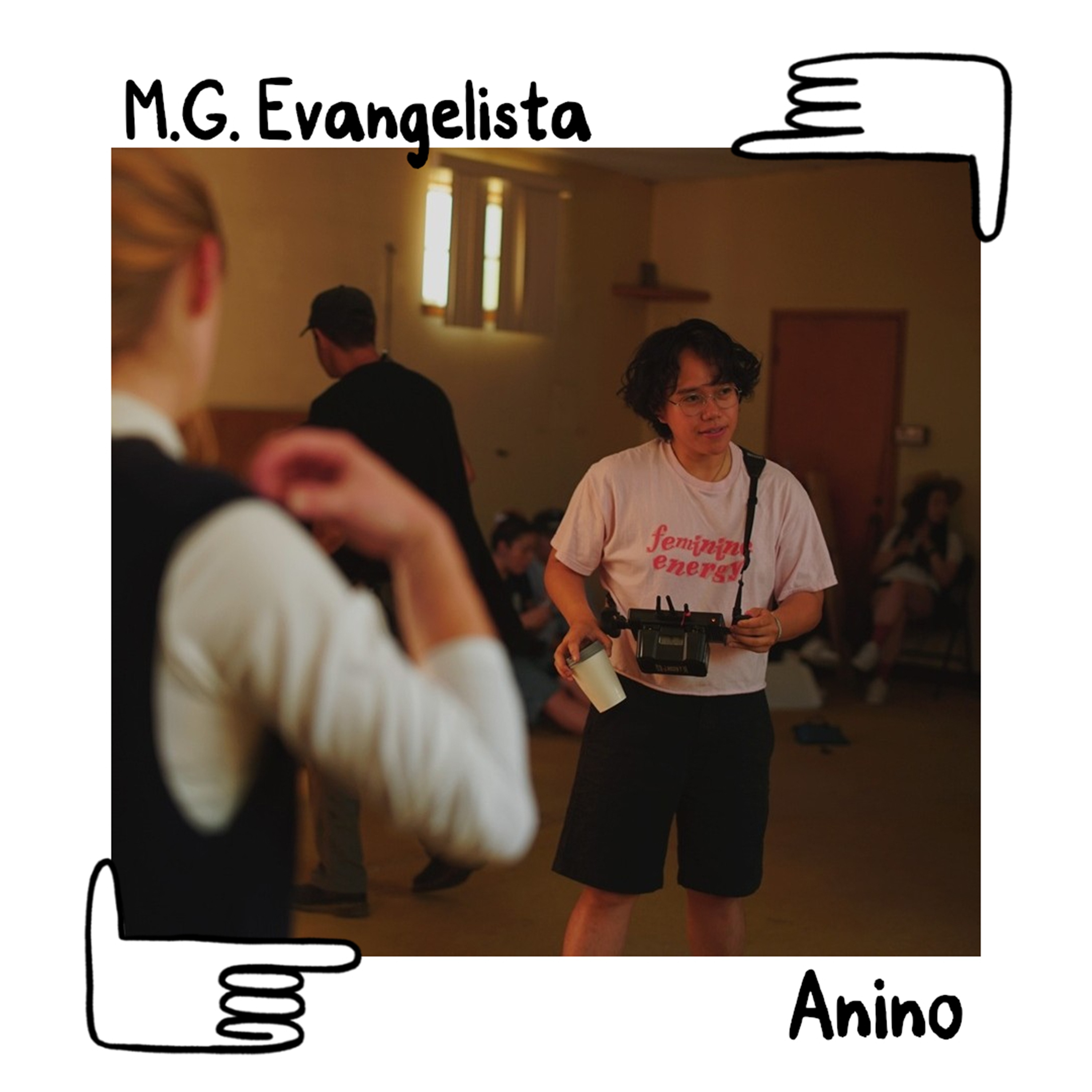
‘Anino’ director M.G. Evangelista on genre and identity
Filmmaker M.G. Evangelista joins us to discuss their horror short 'Anino,’ premiering at this year's NewFest. Our conversation explores the integral role of language in shaping their film's narrative and the ongoing search for identity that drives their work. M.G. opens up about their venture into genre filmmaking with this monster story, revealing how horror became a vehicle for exploring deeper personal themes.We also delve into the extensive development journey of their debut feature 'Burning Well,' which has been in progress for over five years. M.G. shares insights into the challenges and evolution of bringing this project to life, demonstrating the patience and persistence required in independent filmmaking.
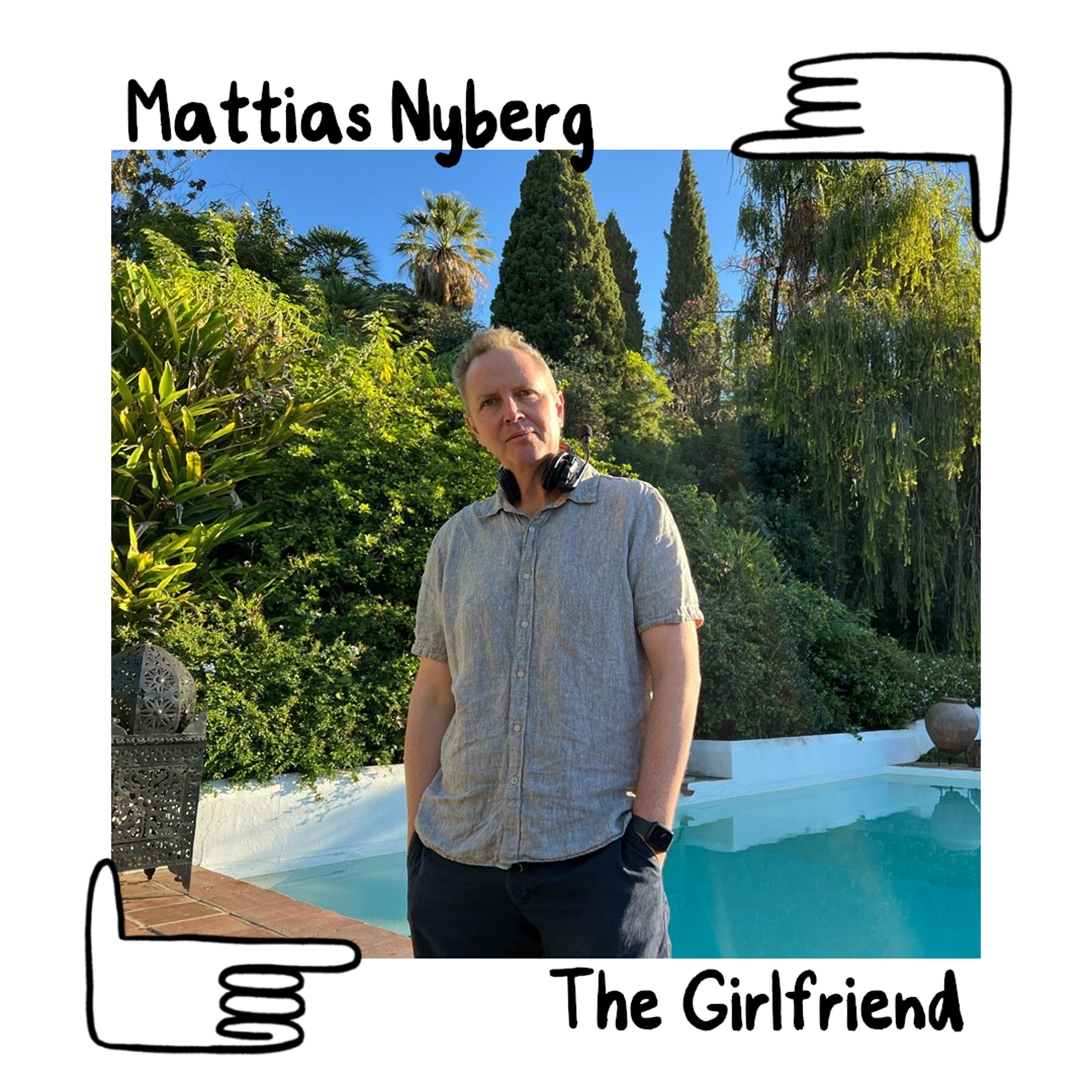
We Need to Talk About Emmy #26: Mattias Nyberg on the subjectivity of 'The Girlfriend'
Cinematographer Mattias Nyberg joins us to discuss his work on episodes 1-3 of 'The Girlfriend,' directed by Robin Wright. Mattias reveals what drew him to the project - the opportunity to collaborate with Wright, whose directorial vision he'd long admired - and how they developed a visual language that serves the story's emotional core.Our conversation explores Mattias's tailored approach to capturing the dual perspectives of Laura and Cherry, deliberately avoiding neutral shots to position viewers within each character's distinct emotional landscape. He discusses the technical challenges of shooting in constrictive yet stunning locations, from London's Sanderson house to a Spanish villa, where spatial limitations sparked creative innovation in camera movement and staging.Mattias delves into specific visual choices, particularly the hospital sequences where he introduced warm colors into typically sterile environments to enhance emotional complexity. His reflections on using extended shot lengths to build tension and deepen feeling demonstrate the delicate balance between technical precision and emotional storytelling.

Mercedes Bryce Morgan & Nick Matthews navigate the twisted waters of 'Bone Lake'
Director Mercedes Bryce Morgan and cinematographer Nick Matthews join us to discuss 'Bone Lake,' a film that shifts the typical thriller focus from "whodunit" to exploring why chaos unfolds in the first place.Our conversation explores how Mercedes and Nick crafted a visual experience that subverts audience expectations, blending genres and pushing boundaries. Mercedes discusses the creative evolution that brought this twisted world to life, while Nick reveals his approach to creating imagery that serves the film's unpredictable narrative.(Photo: Courtesy of FLASCH)
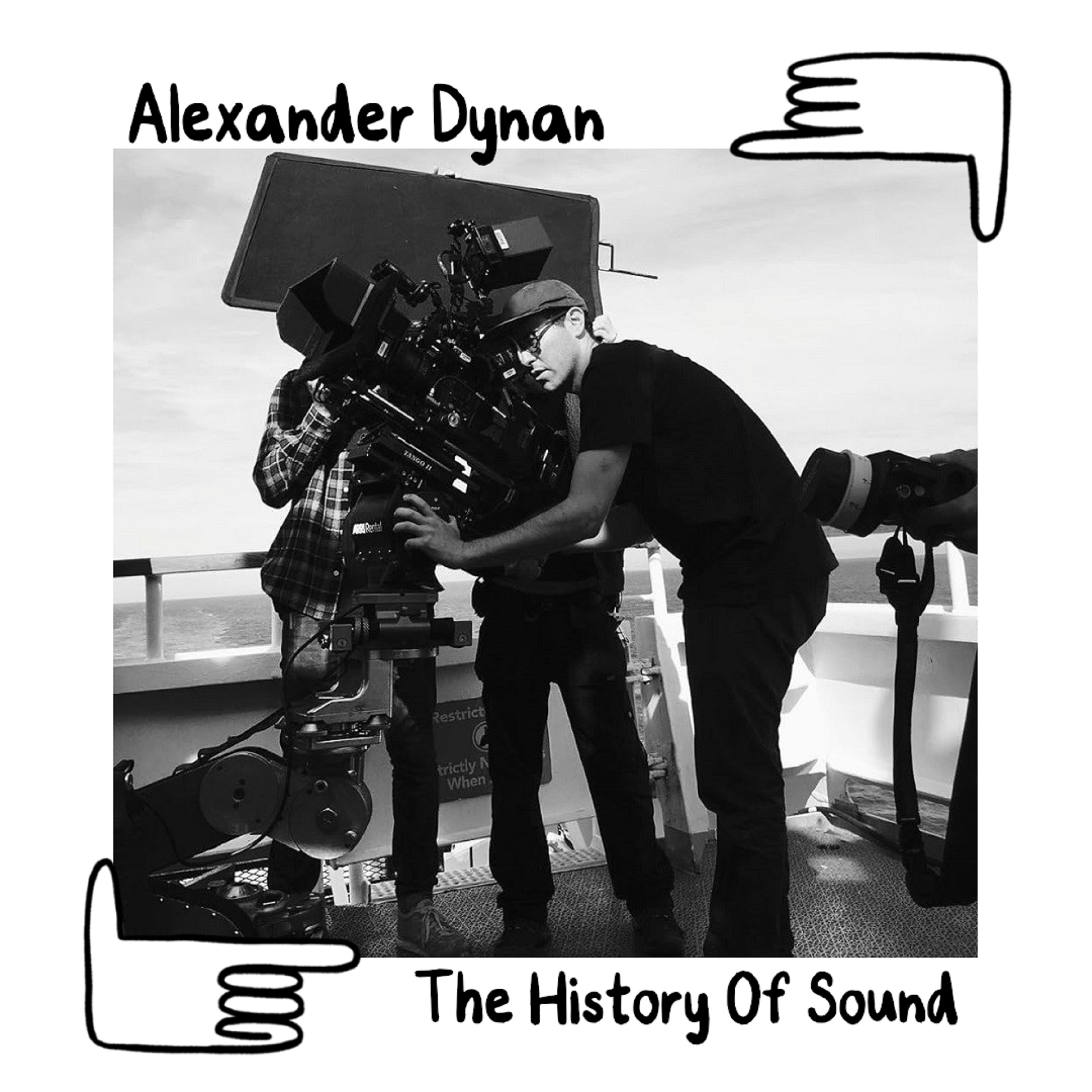
Alexander Dynan on visualizing sound and time in 'The History of Sound'
Cinematographer Alexander Dynan joins us to discuss his work on 'The History of Sound,' tracing his collaboration with director Oliver Hermanus from their previous project 'Mary & George.' Alexander reveals how lessons from episodic filmmaking informed his feature approach, while acknowledging the distinct storytelling demands of each medium.Our conversation explores the film's ambitious temporal scope, spanning decades. From visual strategies for communicating the passage of time - from color grading choices to production design collaborations - showing how every element from costume to camera movement contributes to the film's emotional weight, alongside the unique challenge of visually representing musical performances.
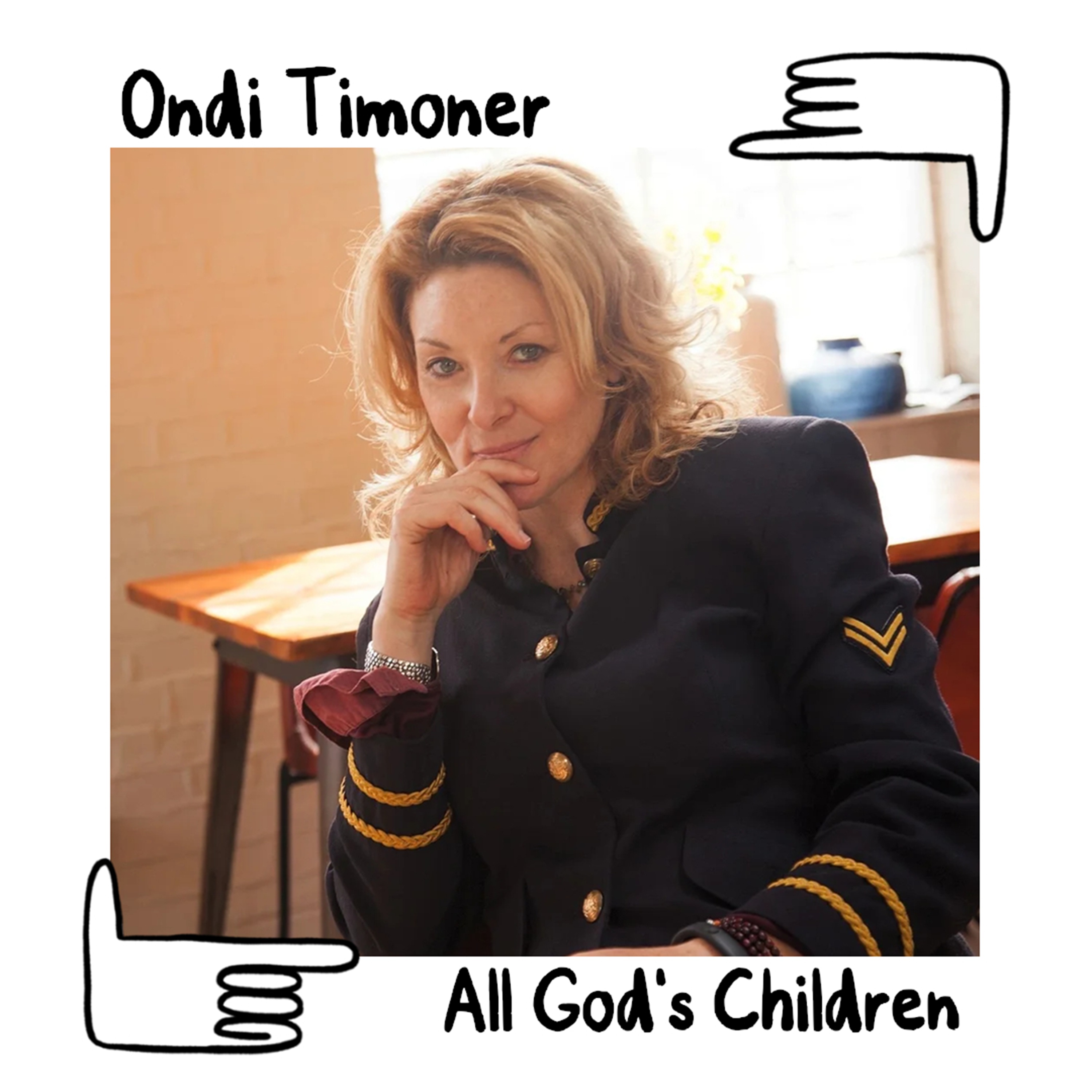
Building bridges in Brooklyn, with ‘All God’s Children’ director Ondi Timoner
This week, we sit down with director Ondi Timoner to talk about her documentary ‘All God’s Children,’ which follows the partnership between Congregation Beth Elohim and Antioch Baptist Church in Brooklyn.Ondi walks us through how the project began with her sister’s activism and the challenges of filming within sacred spaces while balancing her roles as both filmmaker and family member. We explore the messy realities of the partnership - including moments that threatened to fracture the alliance - and how both communities learned to thrive together.We also talk about her evolution as a documentary filmmaker and how she’s handling distribution through her production company Interloper Films.
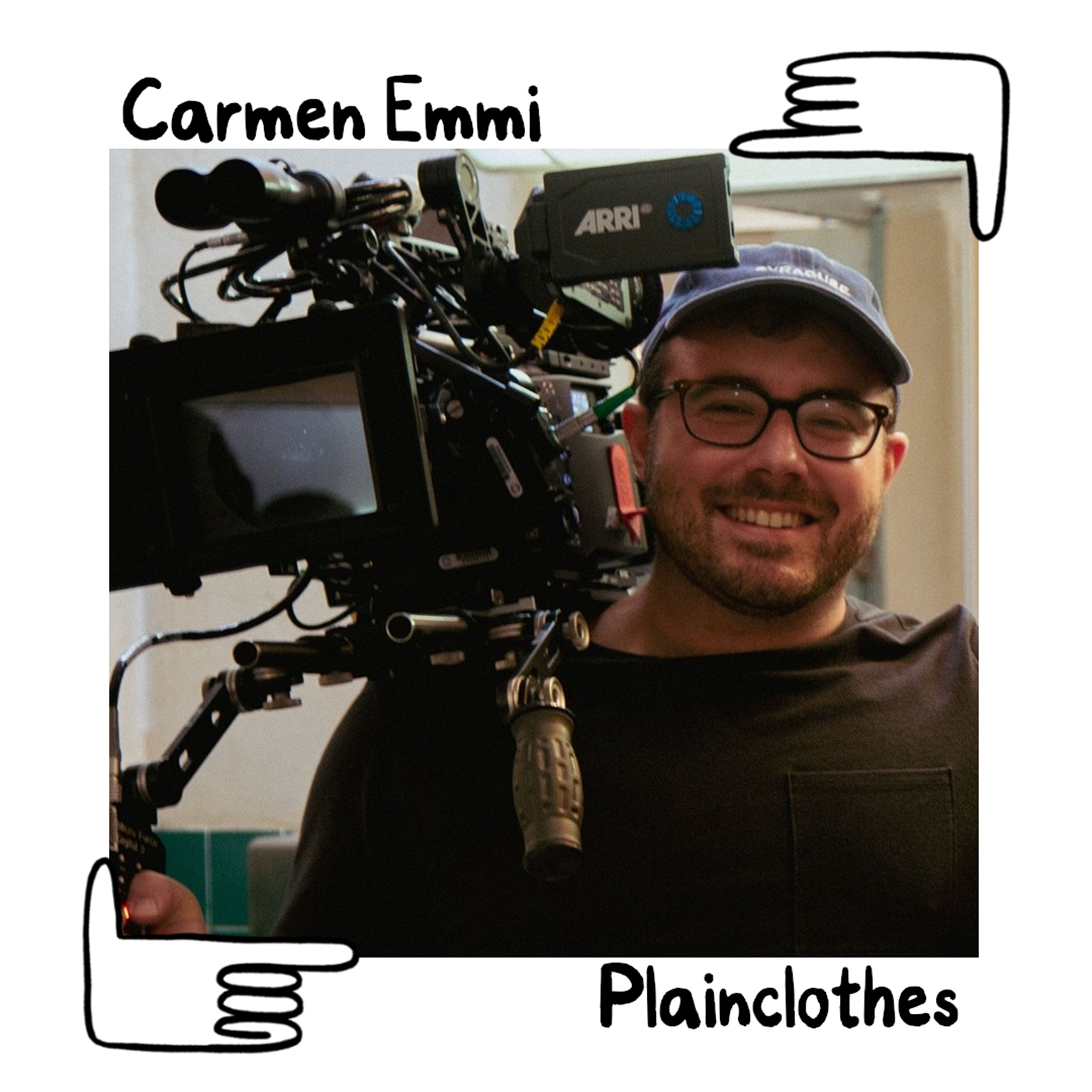
Policing Your Feelings: Carmen Emmi on the emotional depth of ‘Plainclothes’
This week, writer-director Carmen Emmi takes us through his creative process for ‘Plainclothes,’ where he threw technical perfection out the window to focus on raw, heartfelt storytelling.Carmen shares his journey from cinematographer to director, and how he navigated the transition from worrying about flawless shots to weaving a personal story that resonates with queer audiences. We talk about the film’s festival run, including stops at Sundance and Frameline, and the meaningful connections he’s made with peers and audiences along the way.(Photo: Courtesy of Magnolia Pictures)
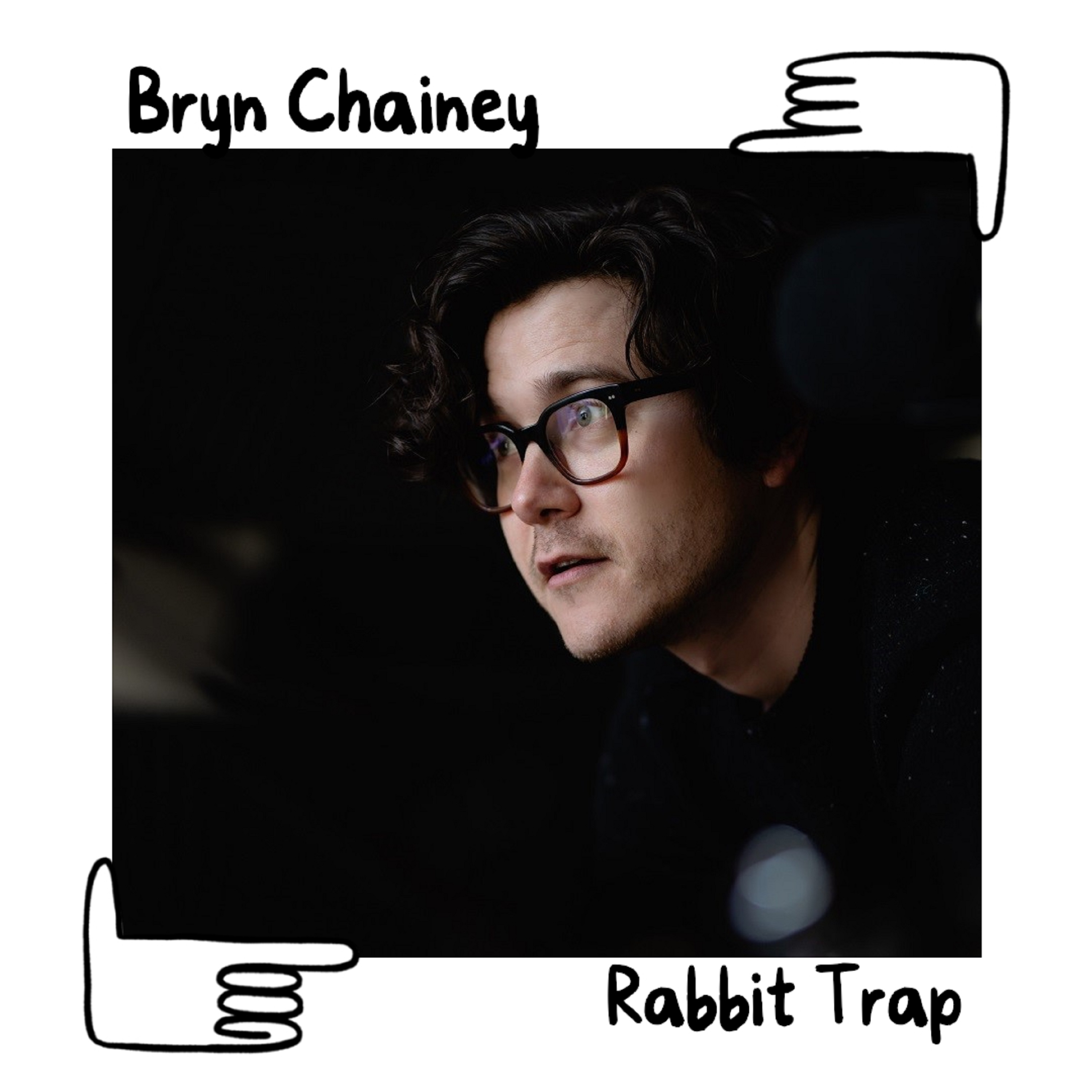
The soundscape of the supernatural, with 'Rabbit Trap' director Bryn Chainey
Writer-director Bryn Chainey joins us to discuss 'Rabbit Trap,' his haunting exploration of how supernatural folklore mirrors our deepest human experiences. Bryn reveals his unique approach to using nature and the otherworldly as tools for confronting inner truths, tracing his thematic evolution from early work like 'Moritz and the Woodwose' to this latest feature.Our conversation centers on Bryn's innovative integration of sound and visuals, where he treats audio not as an afterthought but as the film's heartbeat. He explains how blurring the lines between music, sound design, and visual storytelling creates an immersive experience that resonates on deeply personal levels, emphasizing the crucial synergy between all filmmaking departments.(Photo: Courtesy of Magnet Releasing)
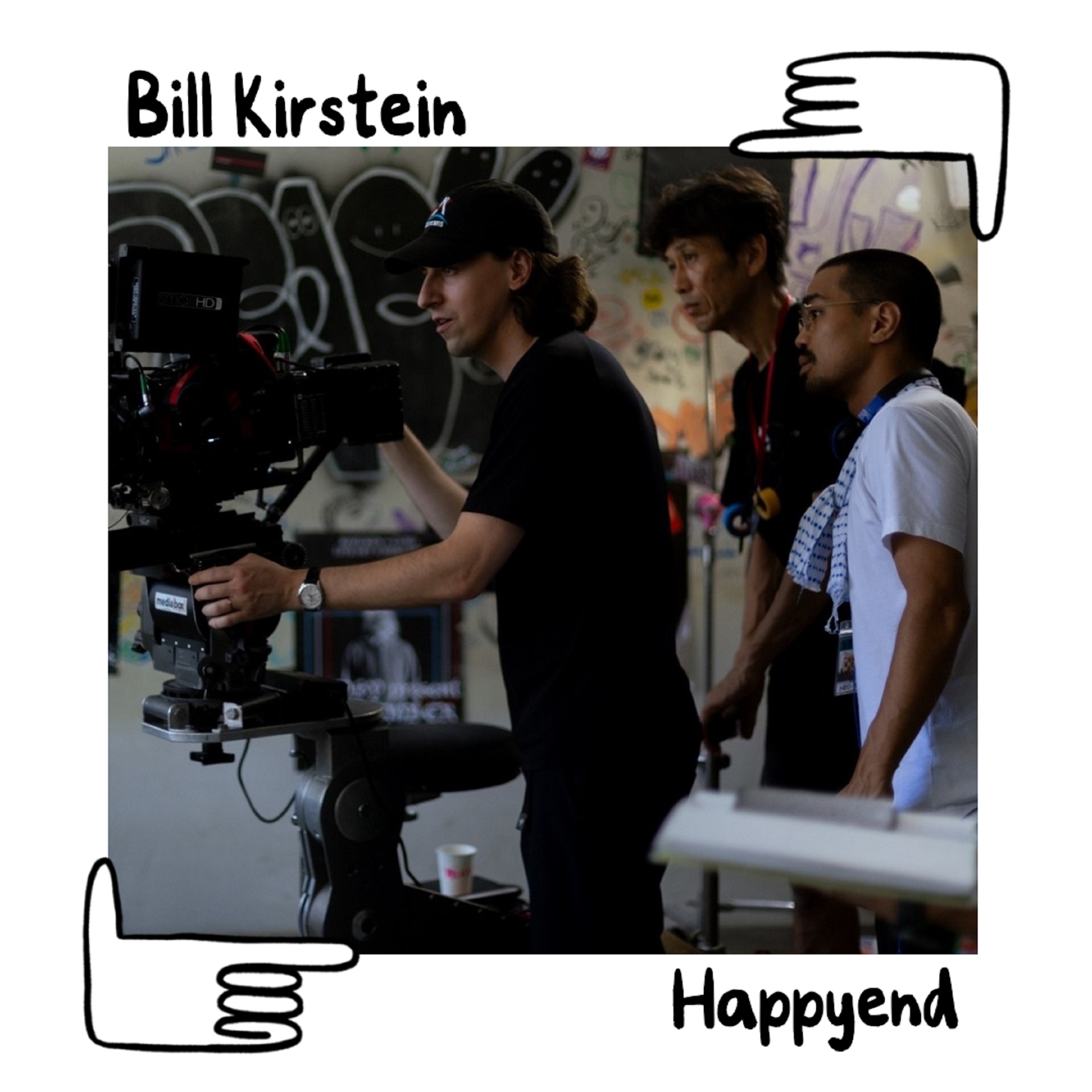
Shaking up the future, with 'Happyend' cinematographer Bill Kirstein
This week, we talk with cinematographer Bill Kirstein about his work on ‘Happyend,’ which premiered at the Venice Film Festival last year.Bill shares stories from his childhood, and how that rebellious spirit carries into his approach to filmmaking. We explore what draws him to projects where directors have bold visions that challenge conventional execution.Our conversation digs into the artistic choices behind Happyend, a near-future story about friendship set against impending disaster. Bill walks us through how constraints can actually fuel creativity, and breaks down his cinematographic approach - from color palette decisions to camera positioning - that helps immerse viewers in the film’s atmospheric world.(Photo credit: Eunhae Mary Park)
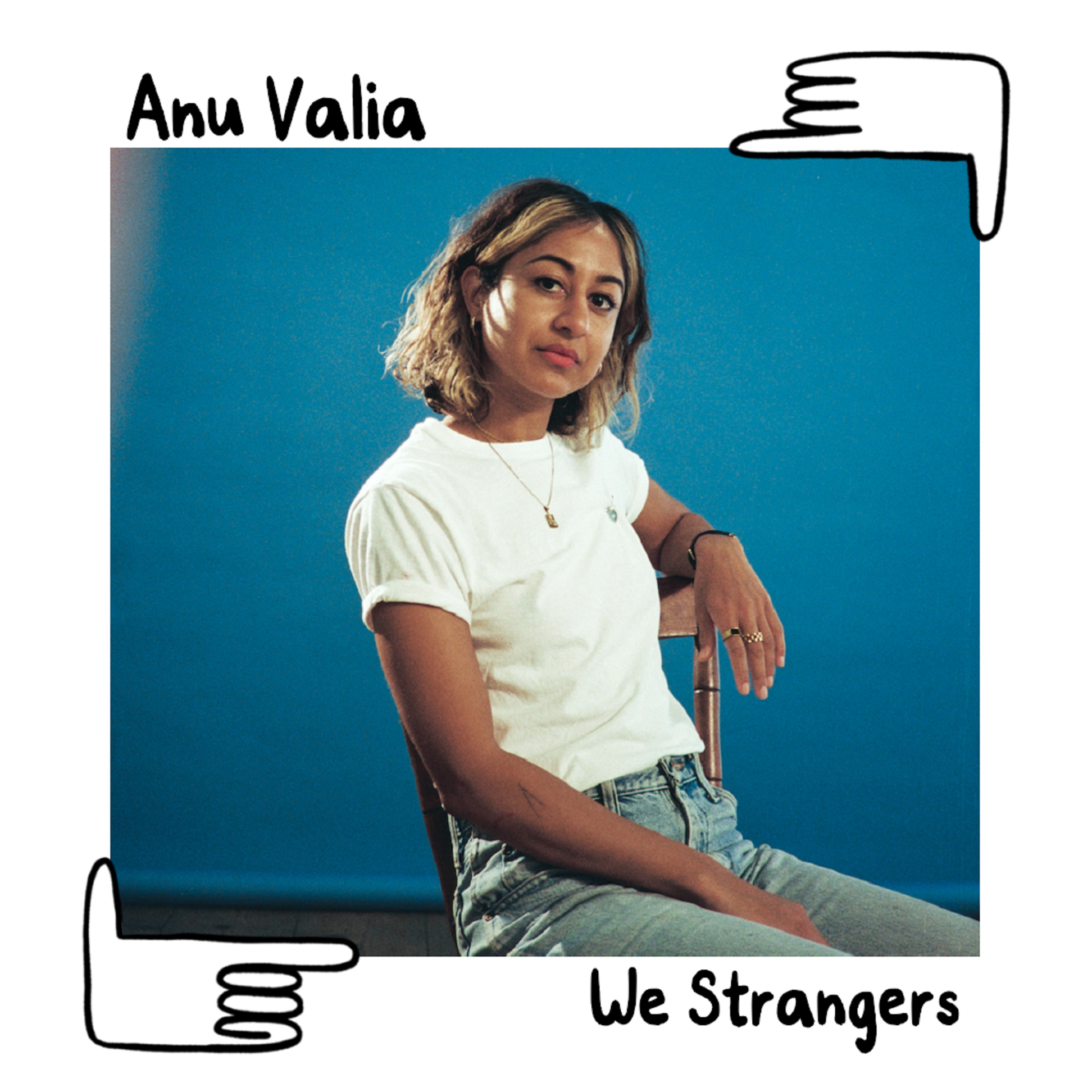
Anu Valia on the many layers of 'We Strangers’
This week, we sit down with writer-director Anu Valia to talk about her feature debut ‘We Strangers,’ which premiered at SXSW 2024.Anu walks us through the journey from festival premiere to theatrical release, and how her relationship with the film has evolved along the way. We dig into the story of Ray, a woman navigating spaces where she feels like an outsider, and explore how Anu wove themes of identity, class, and belonging into her character’s journey.Coming from directing episodes of ‘Shrinking,’ ‘Never Have I Ever,’ and ‘The Afterparty,’ Anu also shares what it was like making the leap to feature filmmaking and the collaborative nature of indie storytelling.
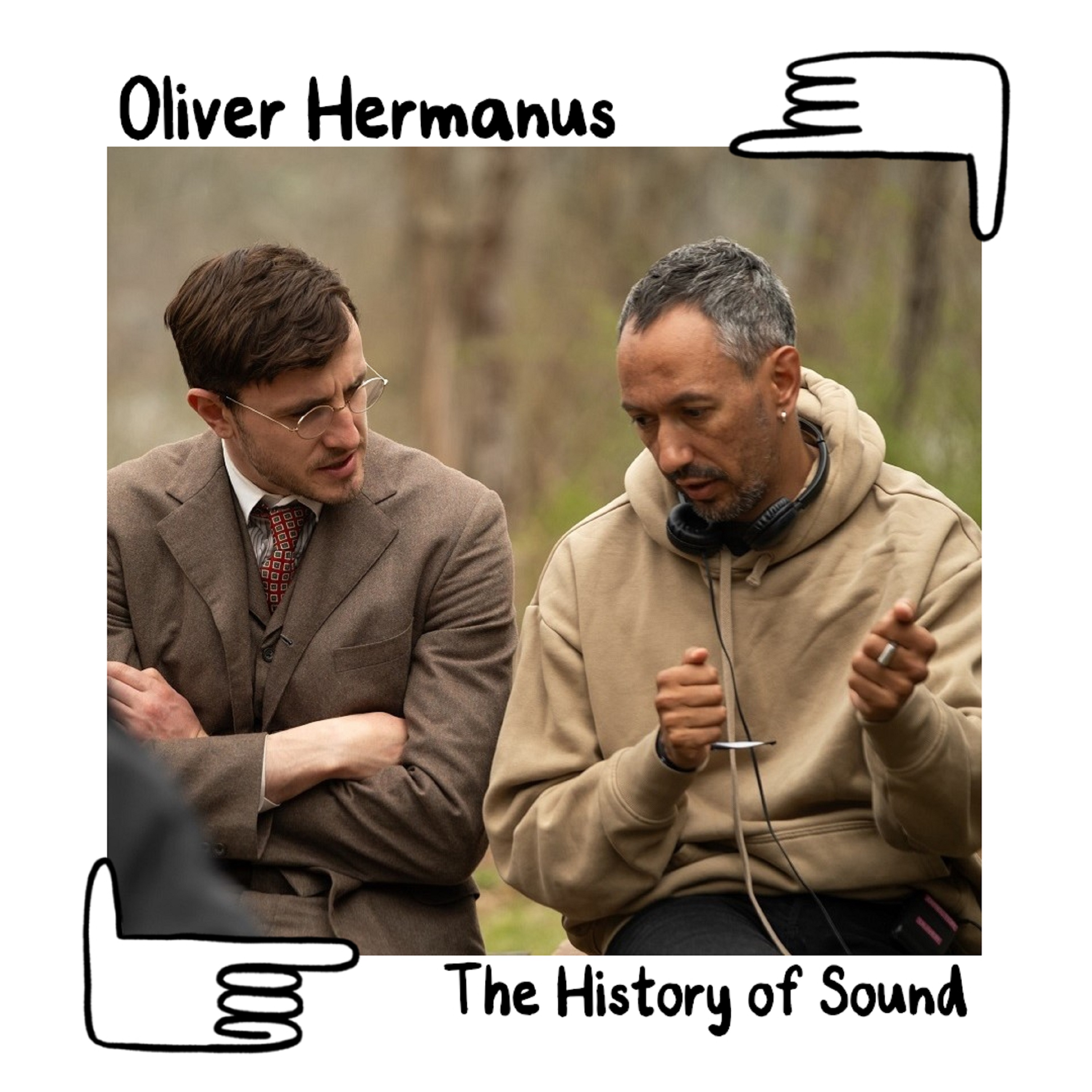
Director Oliver Hermanus on how music shapes the story in ‘The History of Sound’
Director Oliver Hermanus joins us to discuss 'The History of Sound,' drawing from his South African background to explore how cinema can foster empathy across divides. Oliver reflects on his commitment to creating narratives that invite audiences into unfamiliar perspectives, shaped by experiences in a country where marginalized voices were systematically silenced.Our conversation explores his collaboration with Ben Shattuck, who adapted his own short story despite having no screenwriting experience. Oliver reveals his supportive approach to this creative partnership and his thoughtful use of narration to enhance storytelling without overwhelming the visual medium.
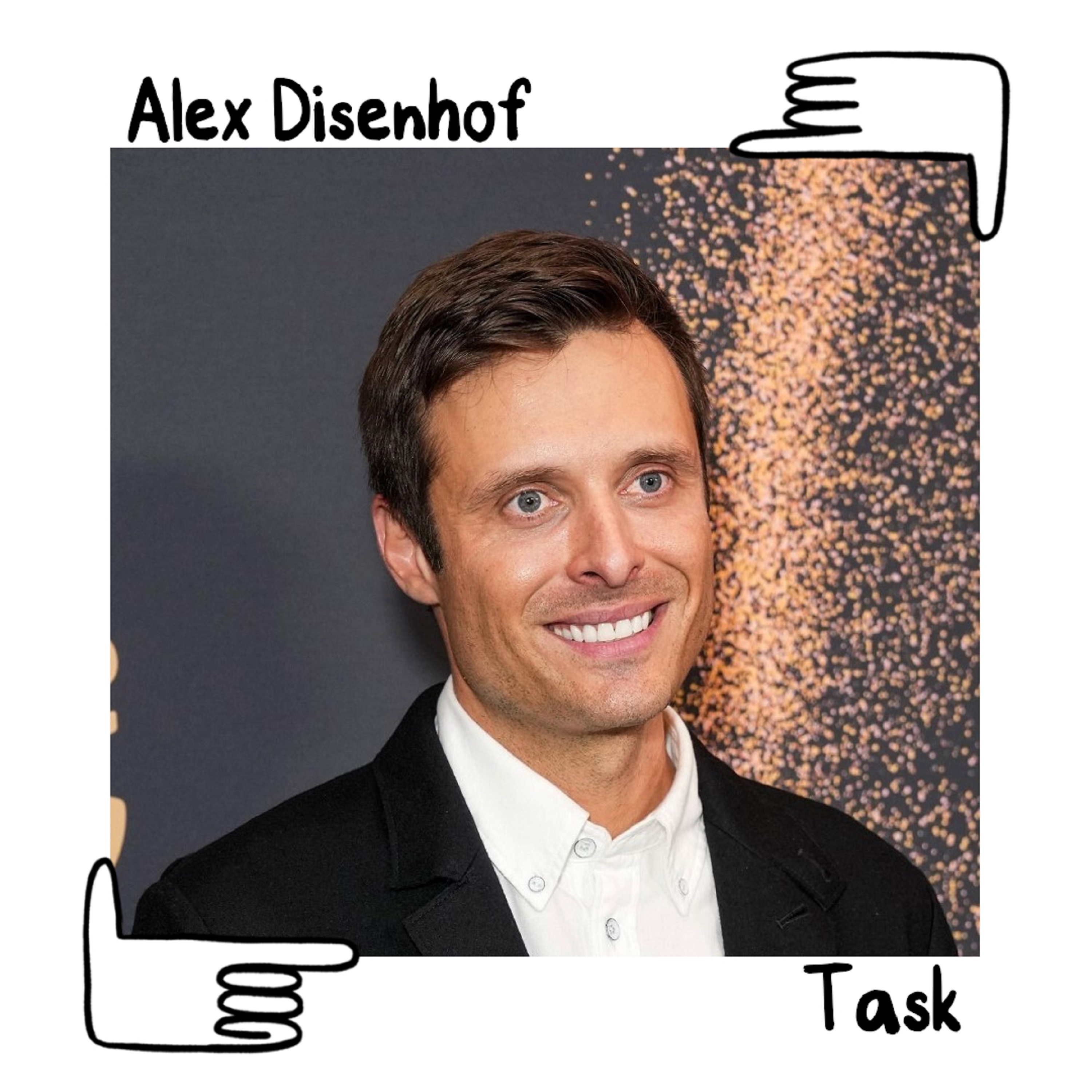
We Need to Talk About Emmy #25: Alex Disenhof on the art of character-driven action in 'Task'
Cinematographer Alex Disenhof joins us to discuss his work on HBO's limited series 'Task,' revealing the dramatic shift from the fantastical landscapes of 'The Lord of the Rings: The Rings of Power' to the gritty streets of Philadelphia. Alex opens up about his creative philosophy—that every project demands genuine emotional investment, and without that personal connection to the script, he simply cannot deliver his best work.Our conversation explores the nuanced art of genre transition, as Alex explains how he navigates between epic fantasy and intimate crime drama while maintaining his distinctive visual voice. We also discuss the challenge of creating intimacy within high-stakes action sequences, emphasizing his commitment to grounding viewers in the characters' emotional reality rather than relying on spectacle alone.Alex's approach to capturing both the weight of character studies and the intensity of crime narratives offers fascinating insights into contemporary cinematography. His thoughtful balance of philosophical reflection and hands-on technique demonstrates how visual storytelling can elevate material beyond surface-level drama.
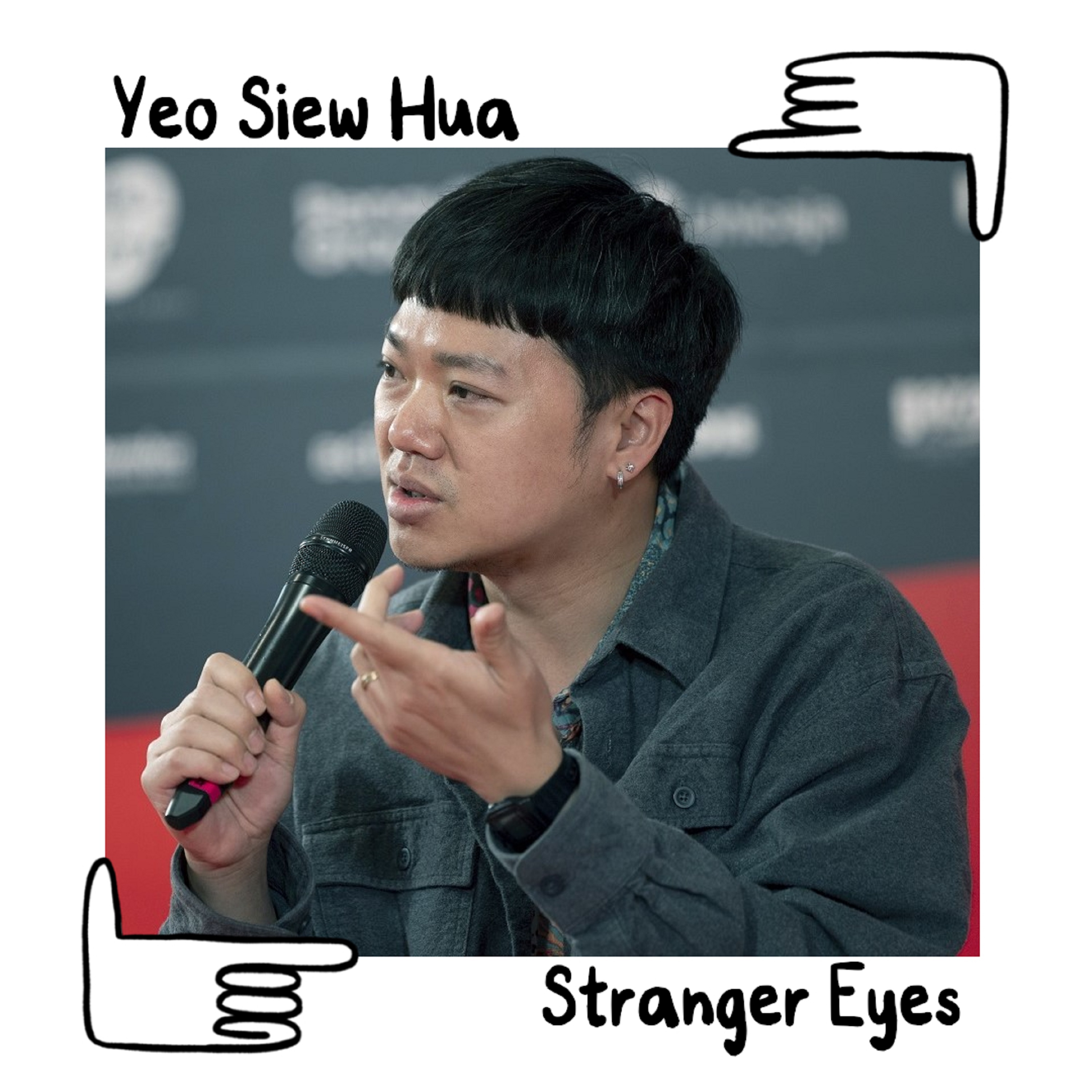
Yeo Siew Hua wants you to see through ‘Stranger Eyes’
Yeo Siew Hua joins us to discuss 'Stranger Eyes,' the thriller that made history as the first Singaporean film ever to compete for the Golden Lion at Venice International Film Festival. A year after this landmark achievement, he reflects on creating a deeply culturally rooted story that resonates internationally, exploring how surveillance paranoia transcends geographical boundaries while remaining authentically Singaporean.Our conversation delves into Siew Hua's distinctive approach to day and night cinematography, revealing how different shooting conditions shaped the film's psychological tension. From his previous Golden Leopard win at Locarno for 'A Land Imagined' to this Venice milestone, Yeo discusses the evolving landscape of Southeast Asian cinema and how local stories can achieve global recognition without compromising their cultural specificity.
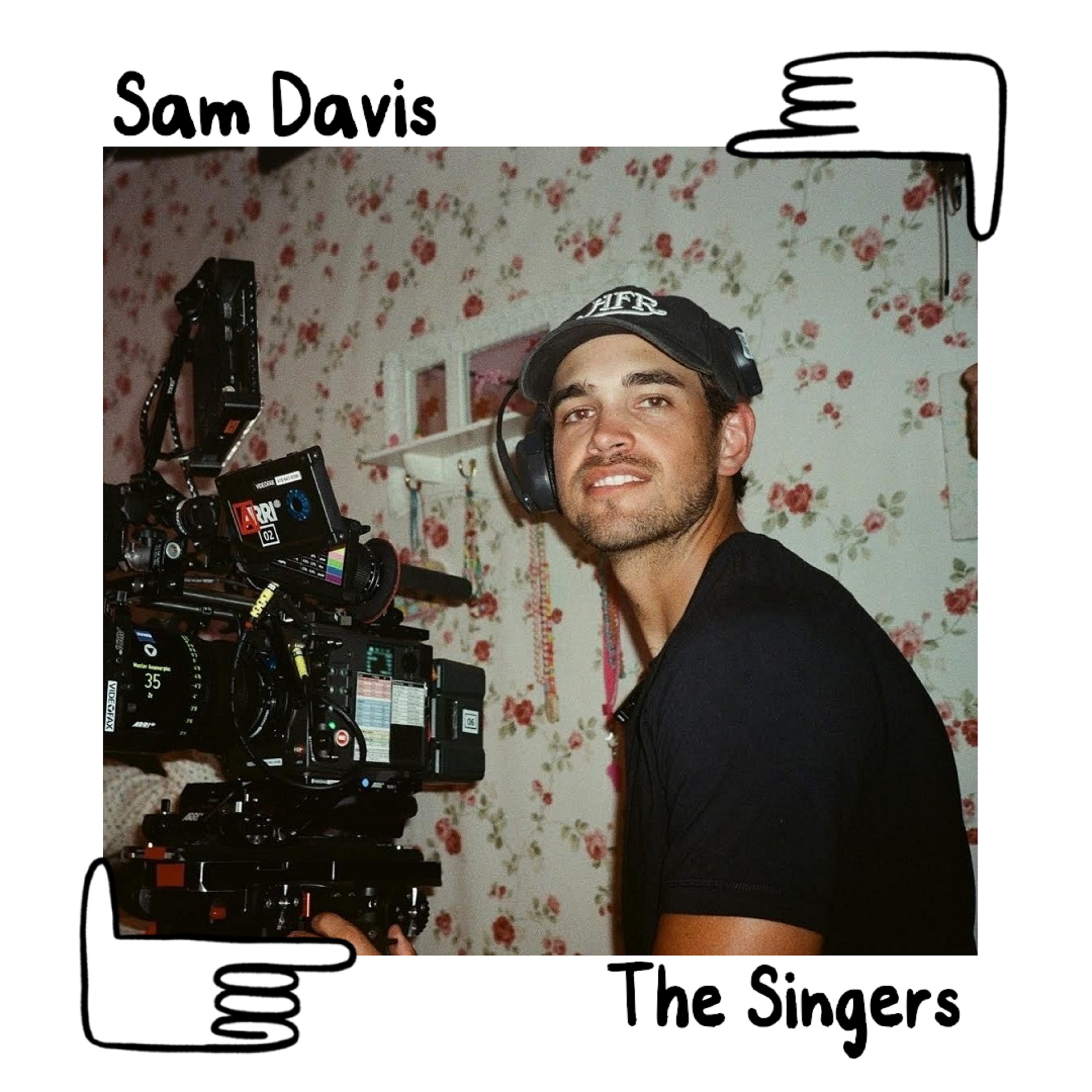
Improv Magic: How Sam Davis and Co redefined short film storytelling on 'The Singers'
Academy Award nominated filmmaker Sam Davis joins us to discuss 'The Singers,' his genre-bending adaptation of Turgenev's 19th-century tale that transforms a lowly pub into a stage for unexpected human connection. Working exclusively with first-time actors discovered on TikTok and YouTube, he reveals how embracing spontaneity led to moments of pure cinematic magic—including a bathroom performance that became one of the film's most powerful scenes.Our conversation explores Sam's commitment to authenticity over convention, from shooting on film to allowing real vulnerability to emerge naturally from his cast of non-actors. He discusses subverting masculine stereotypes while capturing the raw emotional isolation that defines his characters' lives within the bar's confines.Davis' approach blends classical filmmaking elegance with documentary unpredictability, creating something entirely unique in contemporary cinema. As our chat concludes, he hints at future projects that continue pushing the boundaries between narrative and documentary storytelling.
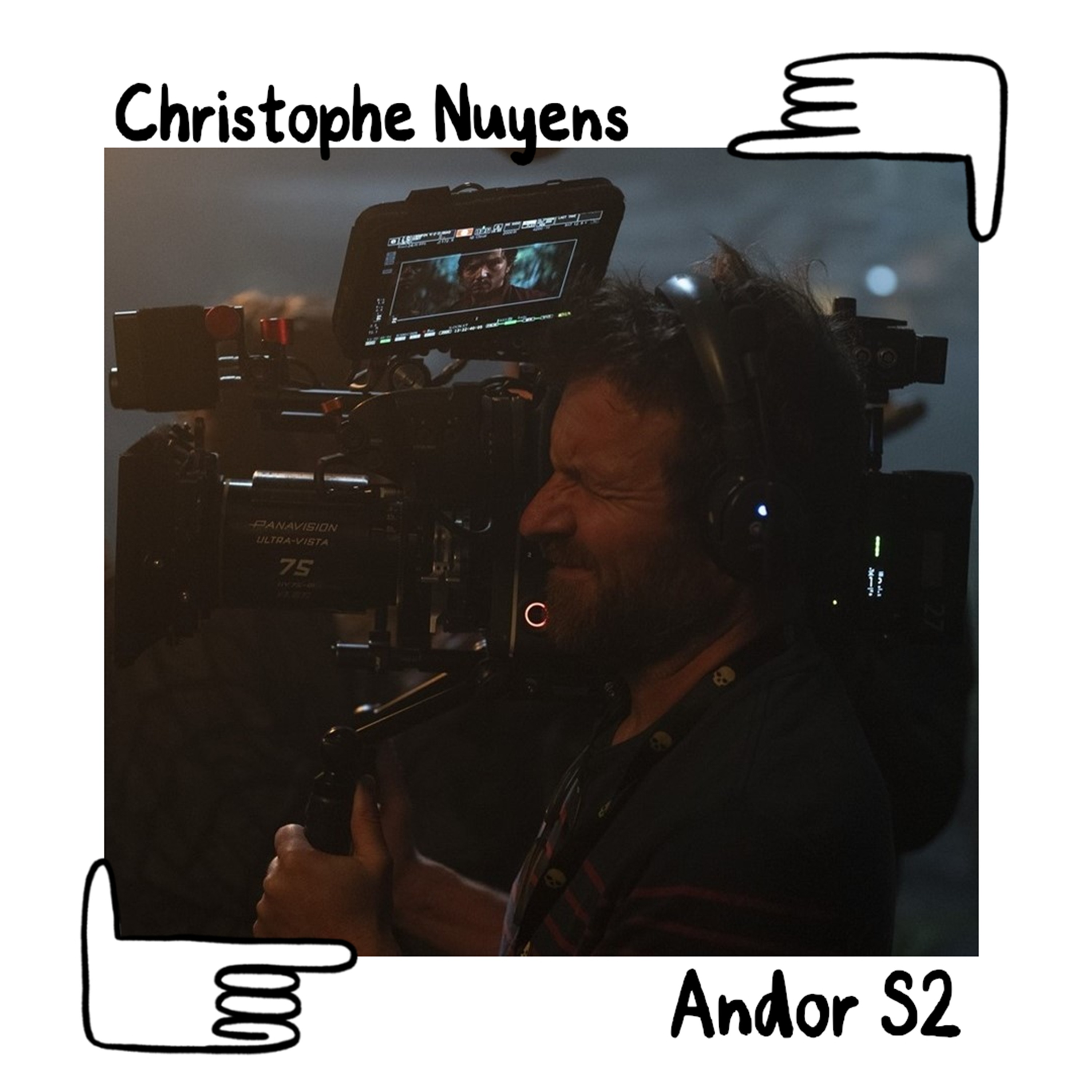
We Need to Talk About Emmy #24: Christophe Nuyens on navigating the galaxy in 'Andor'
Cinematographer Christophe Nuyens joins us to discuss his work on 'Andor' Season 2, where he partnered with director Ariel Kleiman to expand the show's established visual language. Treating each episode block as a standalone film, Christophe reveals his character-driven approach to framing—finding angles that immerse audiences in the emotional weight of rebellion rather than relying on spectacle alone.Our conversation touches on his international filmmaking experience and how working across Belgium, France, and the UK taught him to adapt his visual storytelling to different cultural approaches.
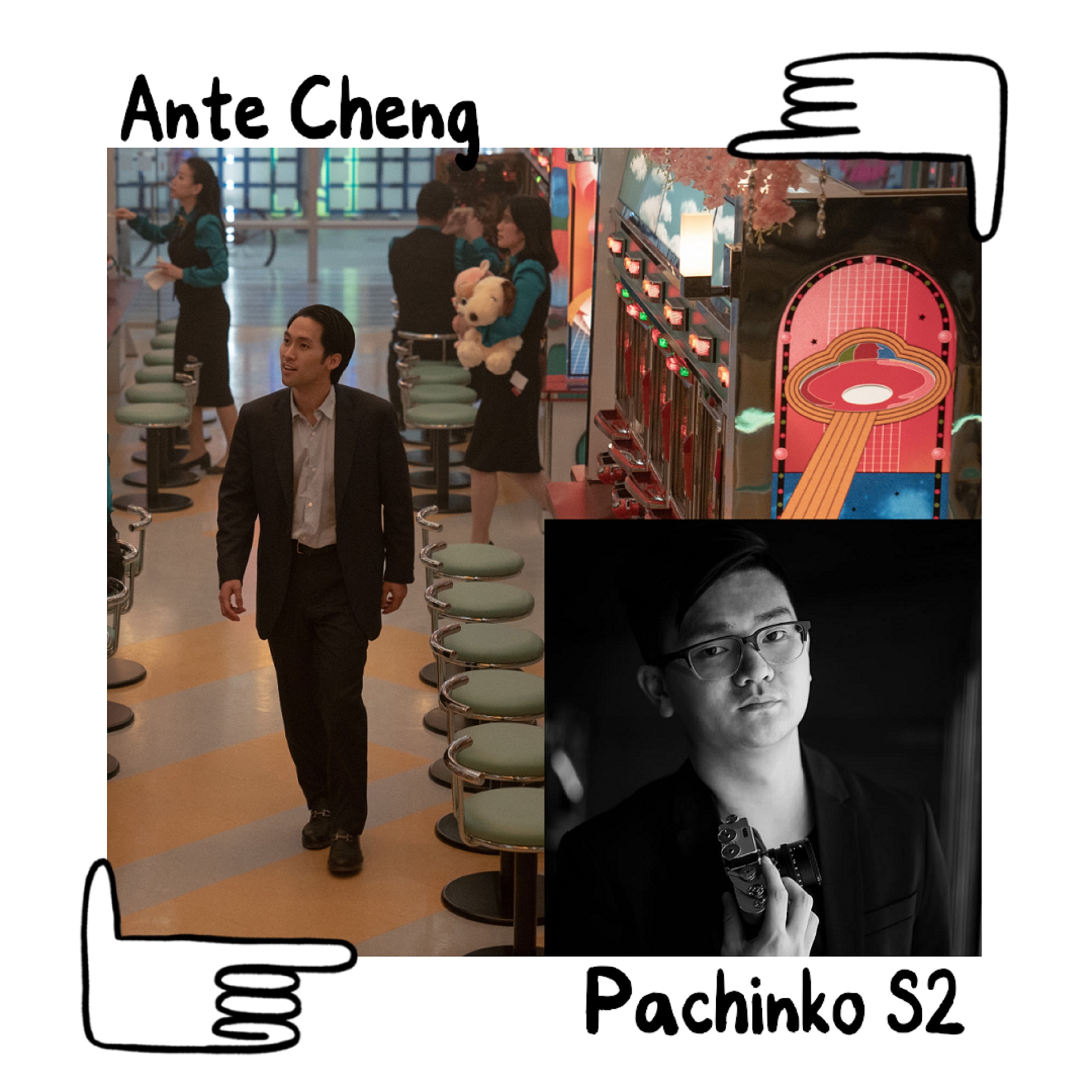
We Need to Talk About Emmy #23: Ante Cheng takes us across the seasons and generations of 'Pachinko'
How do you visually transport audiences across three decades while maintaining narrative cohesion? Ante Cheng, whose breathtaking cinematography on 'Pachinko' Season 2 earned him an Emmy nomination, joins us to unravel this complex creative puzzle. Fresh off his recognition for the season's opening chapter, Ante discusses the ambitious leap from an already celebrated first season and the artistic freedom that showrunner Soo Hugh and new directors afforded him.Beyond the technical mastery, Ante opens up about navigating the beautiful complexity of multilingual filmmaking, where crew collaboration becomes a cultural dance that ultimately enriches the storytelling. As we wrap up, Ante shares his enthusiasm for potentially exploring Season 3's untold stories.

We Need to Talk About Emmy #22: Kalina Ivanov’s designs bring color to the world of ‘The Penguin’
Production designer Kalina Ivanov takes us inside the visual world of HBO's 'The Penguin,' revealing how she adapted Matt Reeves' Gotham for television. From the surprising discovery that Penguin's iconic Maserati is actually purple to the intentional color storytelling that contrasts Oz's pastel childhood memories with his dark present reality.We discuss her collaboration with cinematographer Darren Tiernan in creating Gotham as a living character, the technical challenges of transitioning from film to series format, and how production design deepens character development. She also shares the delicate balance of honoring Batman lore while bringing fresh perspective to the Penguin's world.
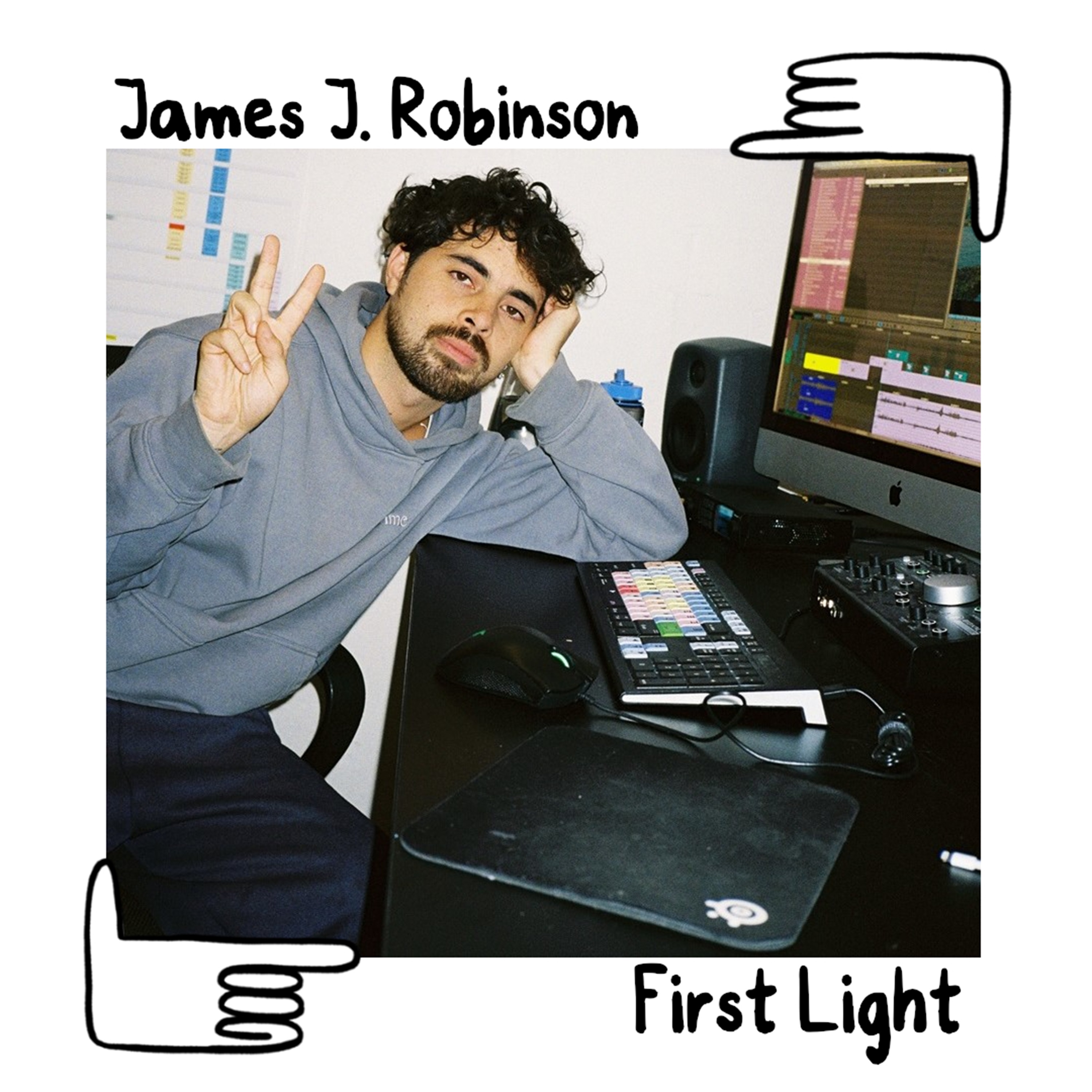
Visual storytelling and cultural roots: James J. Robinson on 'First Light'
Filmmaker James J. Robinson joins us to discuss his debut feature 'First Light,' which premieres at the Melbourne International Film Festival. Robinson opens up about his Filipino-Australian identity and how reconnecting with his roots shaped this deeply personal project, exploring themes of cultural heritage, belonging, and authentic representation.We dive into James' transition from still photography to filmmaking, his philosophy of creating breathing room in visual storytelling, and the ethical considerations of portraying his cultural perspective as both outsider and insider. The conversation also explores his collaboration with lead actress Ruby Ruiz and how their shared experiences informed the film's nuanced exploration of faith and human relationships.
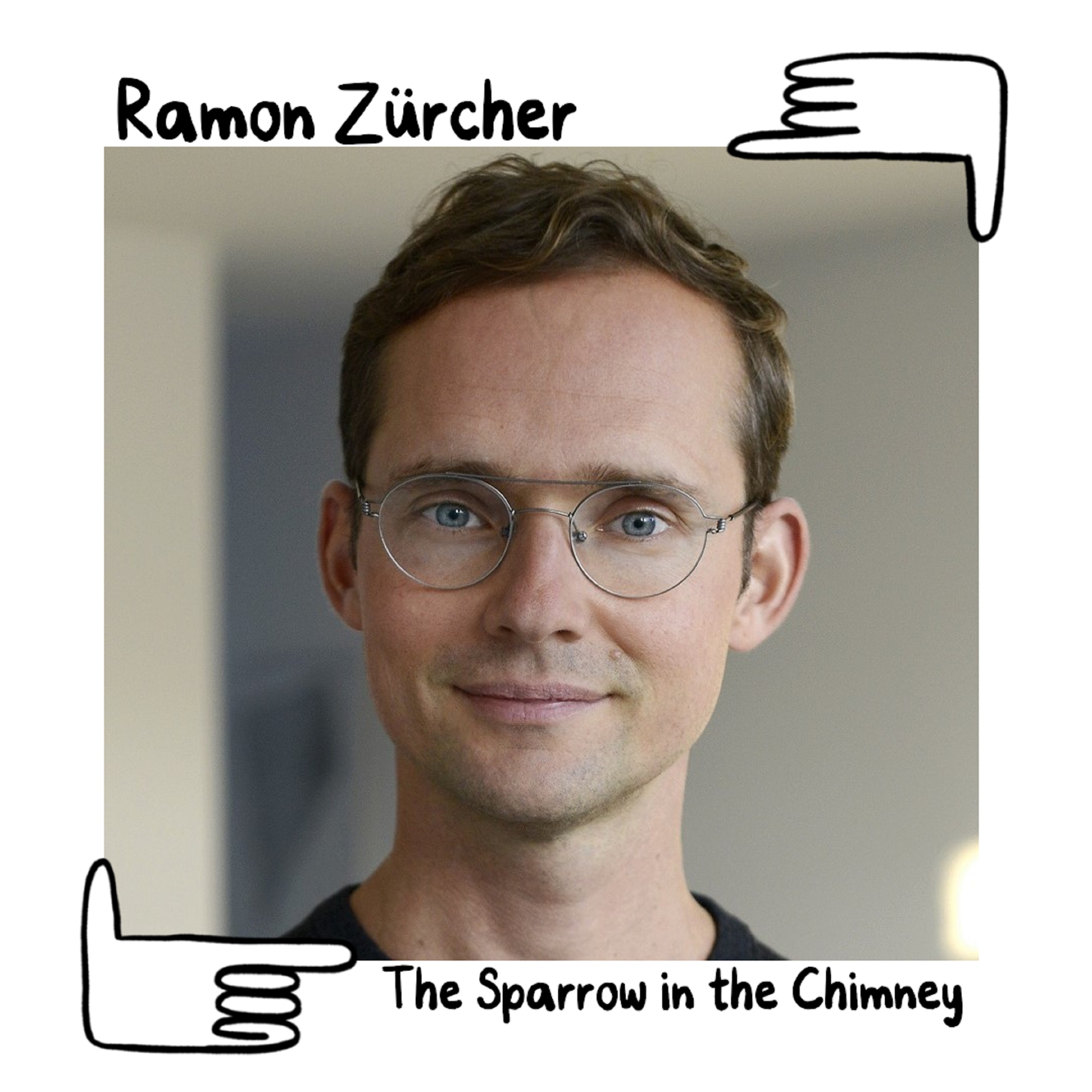
Sibling Synergy: Ramon Zürcher takes us inside the making of 'The Sparrow in the Chimney'
Filmmaker Ramon Zürcher joins us to discuss 'The Sparrow in the Chimney,' the final installment in his trilogy with twin brother Silvan that explores family dynamics through a seemingly simple birthday gathering. We dive into how the brothers navigate their creative partnership—sometimes co-directing, other times working solo—while maintaining their unique collaborative relationship.Ramon walks us through the film's exploration of two very different sisters, Karen and Jule, whose contrasting personalities create mounting tension during a family visit. He explains his approach to character development and why he avoids clichéd family drama tropes, instead focusing on the complex layers beneath everyday interactions. The conversation touches on his background in choreography and how it influences his meticulous attention to sound design and visual storytelling.From the lengthy development of this trilogy to his philosophy of writing scripts that incorporate audio and visual elements from the start, Ramon offers insights into creating what he calls a complete sensory experience rather than just a visual narrative.
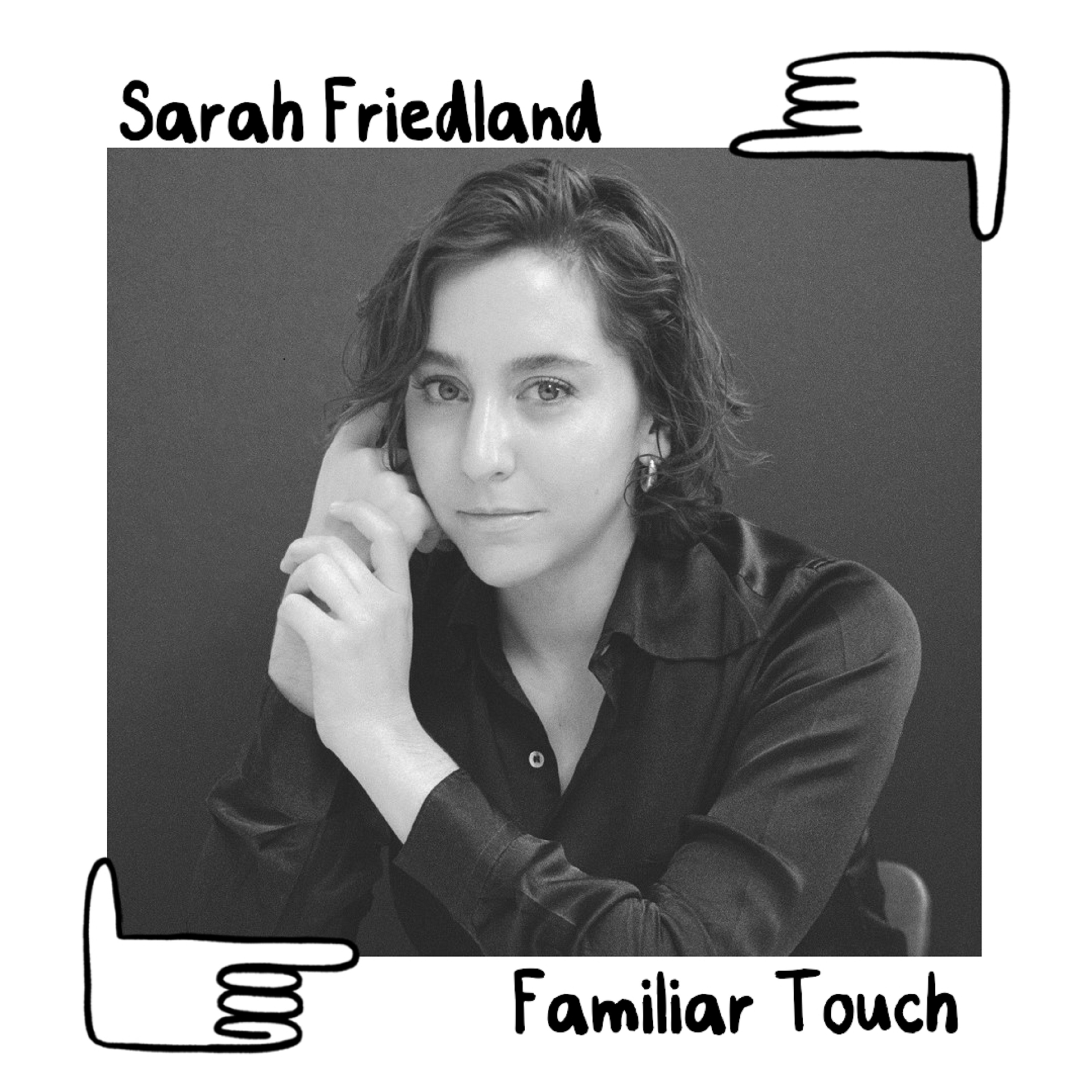
Interpreting the Unfamiliar, with 'Familiar Touch' director Sarah Friedland
Writer-director Sarah Friedland joins us to discuss 'Familiar Touch,' her debut feature that follows Ruth, an octogenarian woman navigating memory and desire as she transitions into assisted living.We explore how the film reclaims the coming-of-age genre for older characters, with Sarah describing it as a "coming-of-old-age" story that emphasizes how Ruth remains herself even as her world transforms. From the lengthy development process to working with Kathleen Chalfant in the lead role, Sarah offers insights into bringing this Venice Film Festival award-winner to life while challenging both cinematic conventions and societal attitudes toward aging.(Photo credit: Anna Ritsch)
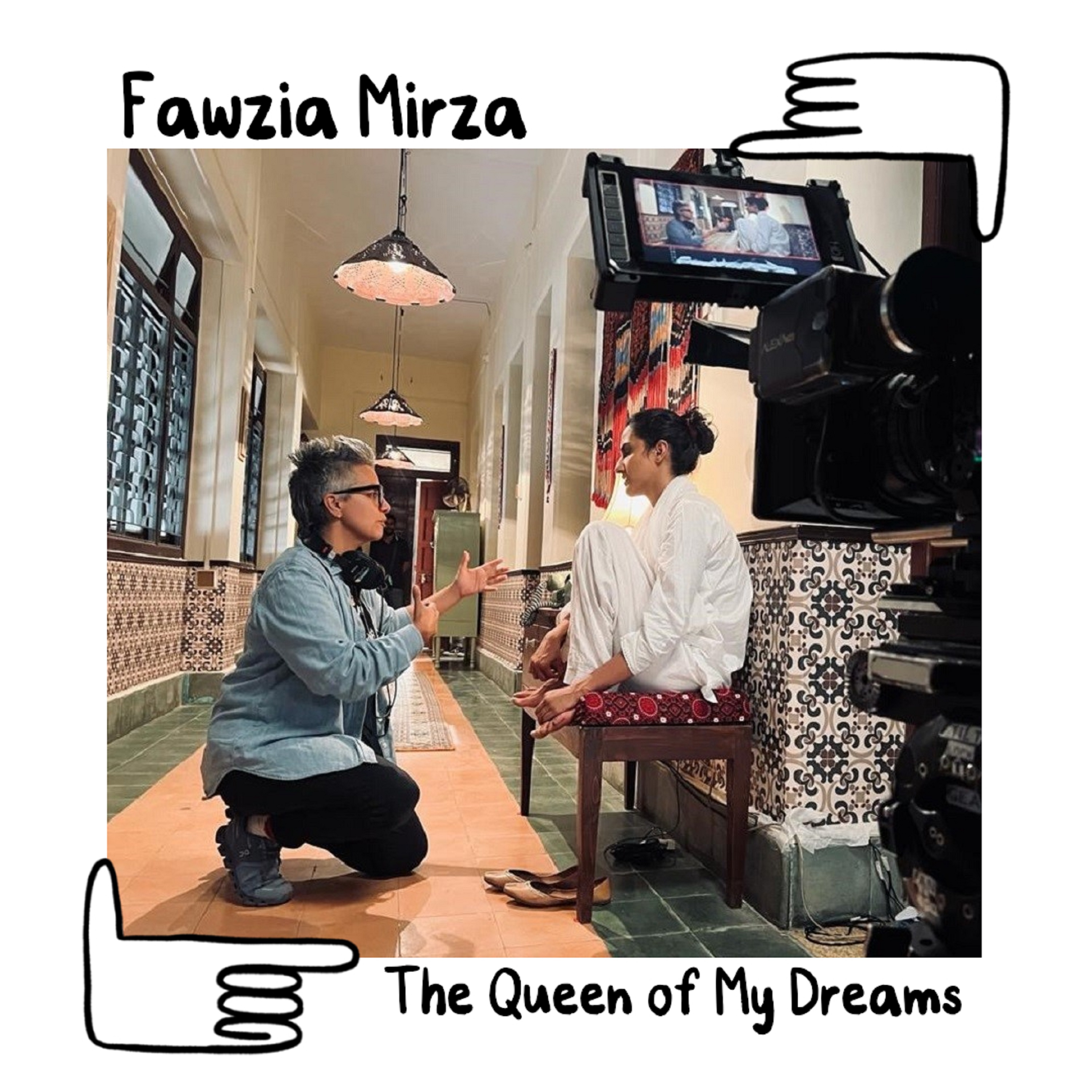
Fawzia Mirza transforms personal truth into 'The Queen of My Dreams'
This week, we're joined by Fawzia Mirza, the writer-director behind 'The Queen of My Dreams', a deeply personal film that has garnered multiple award nominations since its TIFF premiere.Fawzia opens up about her artistic evolution from acting to filmmaking, revealing how creating this story became essential for processing her identity as a queer Muslim woman. Her journey into directing wasn't just creative ambition—it was about carving out space for narratives that mainstream cinema consistently overlooks.We also discuss her approach to storytelling, addressing the fears and uncertainties that accompany creative leaps while revealing how she discovered her unique voice—one that weaves Bollywood's fantastical elements with deeply personal emotional truths.
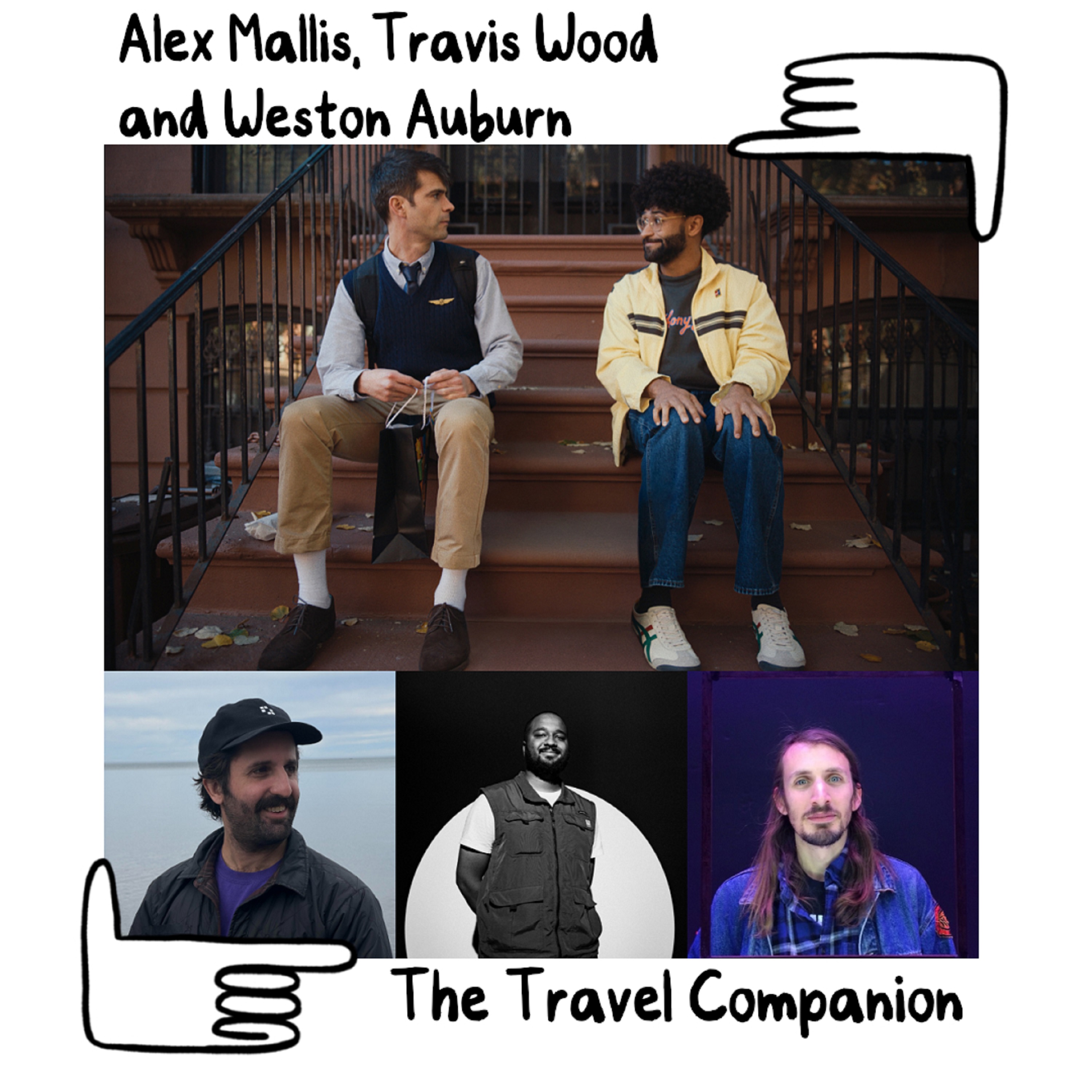
From free flights to creative freedom: The trio behind 'The Travel Companion'
Fresh off their Tribeca premiere, we are joined by the creative team behind 'The Travel Companion' - Alex Mallis, Travis Wood and Wes Auburn. Their latest project brilliantly captures the messy reality of creative ambition through Simon, a struggling documentarian whose desperation for free flights becomes a mirror for every filmmaker's hustle. But this isn't your typical "artist suffers for art" story.In our conversation, Alex, Travis, and Wes pull back the curtain on their collaborative process, revealing how three minds can wrestle a single vision into existence. They share war stories from the scriptwriting trenches, discuss the delicate balance between friendship and creative partnership, and explore how their film tackles the unglamorous truth behind the filmmaker's journey.From navigating creative blocks to embracing the beautiful chaos of independent filmmaking, these directors prove that sometimes the best art comes from the spaces between success and failure. Their candid insights into resilience, rejection, and the power of shared creative struggle make for essential listening for anyone who's ever dreamed of making it in the arts.(Photo credits: Eric Phillips-Horst, Oliver Corvette and Michelle Torres)

Back in the Driver’s Seat with Sarah Adler, star of ‘Dead Language’
Sarah Adler joins us to discuss her return to the character of Aya in ‘Dead Language’, the feature-length adaptation of the Oscar-nominated short film ‘Aya’.In our conversation, Sarah reflects on revisiting a role after more than a decade, exploring how both she and the character have evolved since the original 2012 short. She shares insights into working again with directors Mihal Brezis and Oded Binnun, who made the decision to have her reprise the role despite the time gap—a choice that ultimately served the story’s exploration of how relationships and priorities shift as we age.We dig into the creative process of expanding a short into a feature, including the dynamics of working with returning cast members like Ulrich Thomsen alongside new additions to the story. Sarah discusses the challenges and rewards of rekindling past on-screen chemistry while building new character connections.
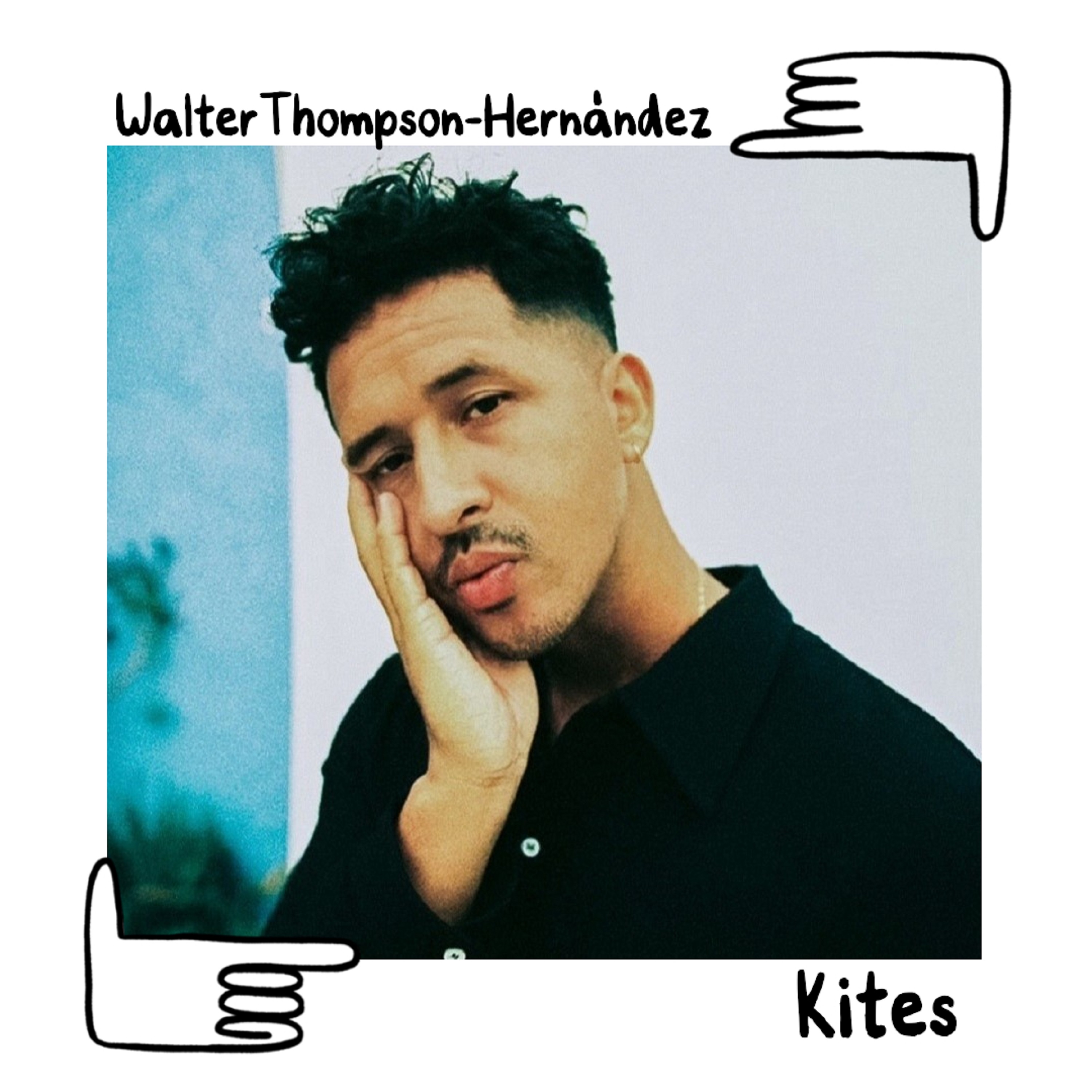
Flying High: The Journey of 'Kites' and its director Walter Thompson-Hernández
Walter Thompson-Hernández joins us to discuss his film ‘Kites’, which premiered at this year’s Tribeca Film Festival. In our conversation, Walter reflects on the five and a half year journey that brought ‘Kites’ to life, describing how the project evolved organically rather than following a traditional scripted approach. Working without a strict script, Walter embraced a fluid storytelling method that allowed characters to shape their own narratives—a technique that mirrored the dynamic nature of the Rio favelas where the film is set.We dig into Walter’s collaborative process with cinematographer (and previous guest in the show) Michael ‘Cambio’ Fernandez. Together, they navigated the challenges of shooting in an unpredictable yet inspiring environment, working closely with local talent to ensure authentic representation.Walter also shares his philosophy on depicting the complexities of favela life without glorifying violence, instead focusing on hope and innocence—beautifully symbolized by the kites that dance throughout the film.(Photo credit: Kemal Cilengir)
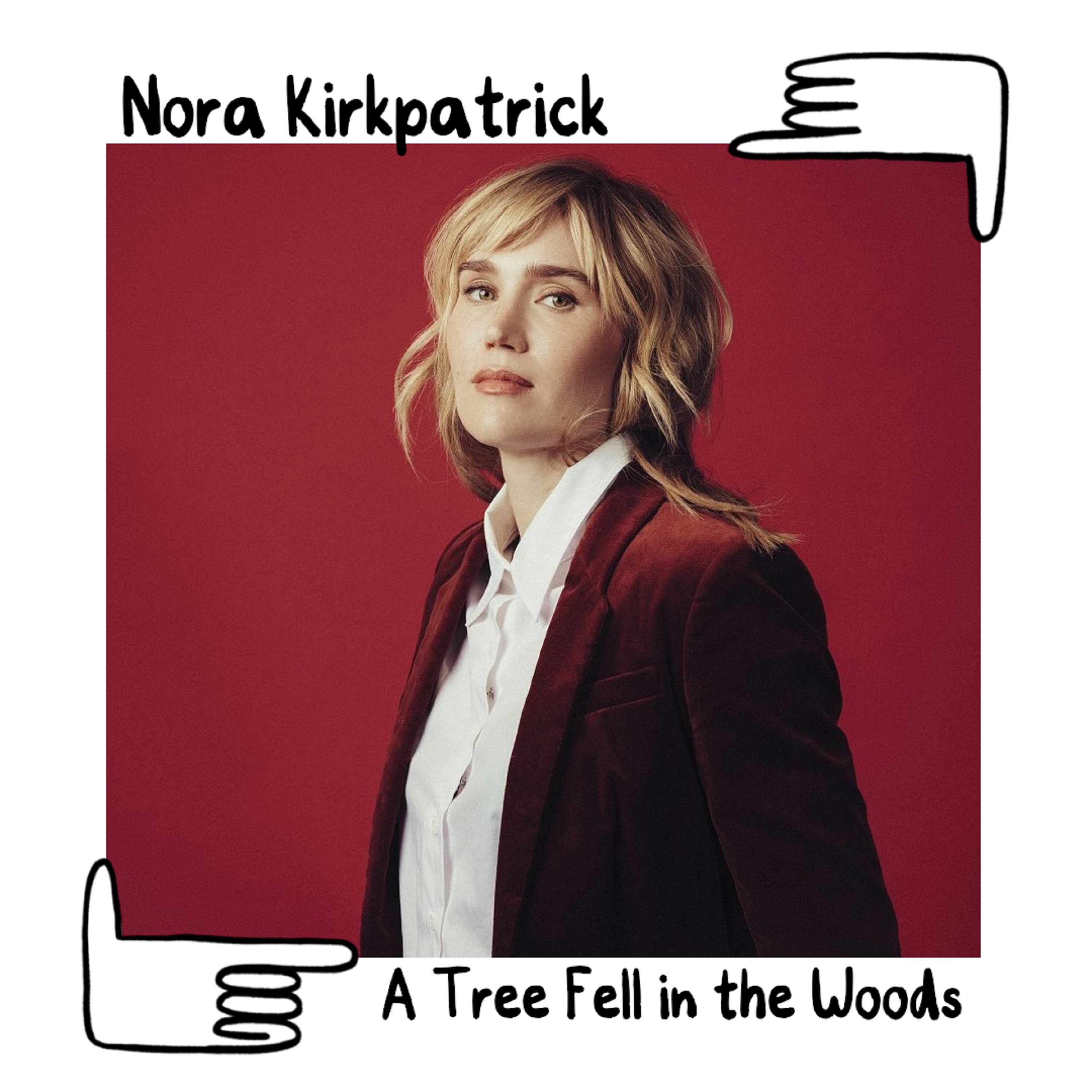
Cabin Fever: Nora Kirkpatrick on exploring relationships in 'A Tree Fell in the Woods'
Nora Kirkpatrick has burst onto the scene with her debut feature 'A Tree Fell in the Woods', and she joins us for a delightful deep dive into her creative process. With a cast that reads like a who's who of talent—Alexandra Daddario, Daveed Diggs, Josh Gad, and Ashley Park—Kirkpatrick explores her desire to present multiple perspectives on a singular event, ensuring no character becomes the "bad guy".Nora reflects on the painstaking yet exhilarating journey of bringing her vision to life, comparing it to rock climbing—setting seemingly unreachable goals and figuring out how to scale those heights. Our conversation reveals the myriad challenges of indie filmmaking, from securing financing to assembling a dream cast, while exploring the film's thematic core: how a single event—a tree falling on New Year's Eve—unleashes a cascade of changes in everyone's lives.
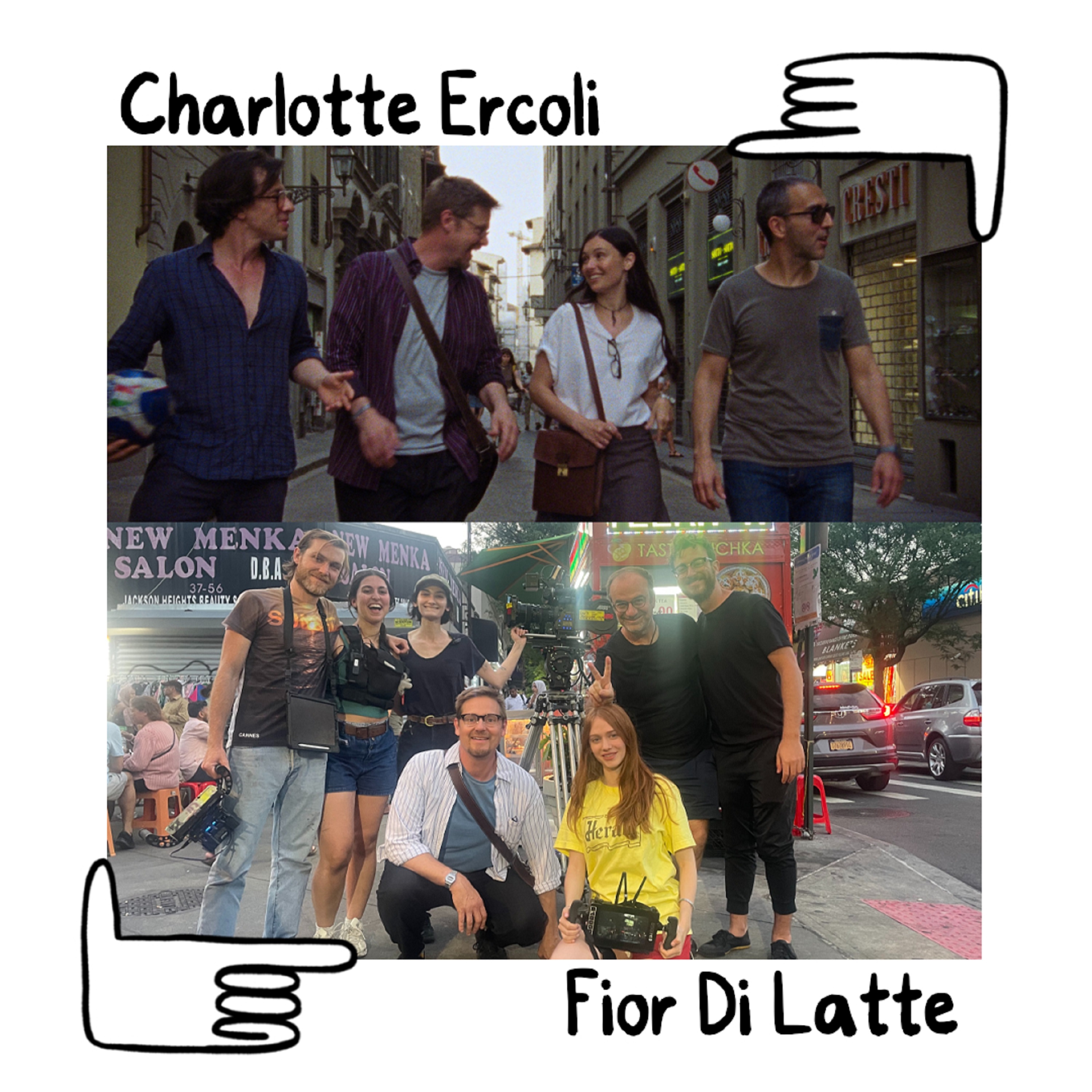
Scented memories, with 'Fior Di Latte' director Charlotte Ercoli
Charlotte Ercoli joins us to discuss her debut feature 'Fior Di Latte,' a film as rich and layered as its title suggests. Her journey of transforming a personal obsession with perfume into a meditation on memory and identity reveals an artist unafraid to mine her own fascinations for cinematic gold.Charlotte opens up about the intimate process of translating scent into cinema, revealing how she captured the essence of Italy within a demanding filming schedule. We dive into the meticulous production design choices that bring her vision to life, and explore the complex character of Mark—played by Tim Heidecker—as he navigates nostalgia's double-edged sword.Our conversation weaves between the film's thematic depths and Charlotte's sharp wit, creating a dynamic that mirrors the movie itself: sometimes a delightful journey, other times a hazardous plunge into uncomfortable truths. A candid discussion about the art of storytelling and the treacherous power of remembering.(Photo credit: Thimios Bakatakis)
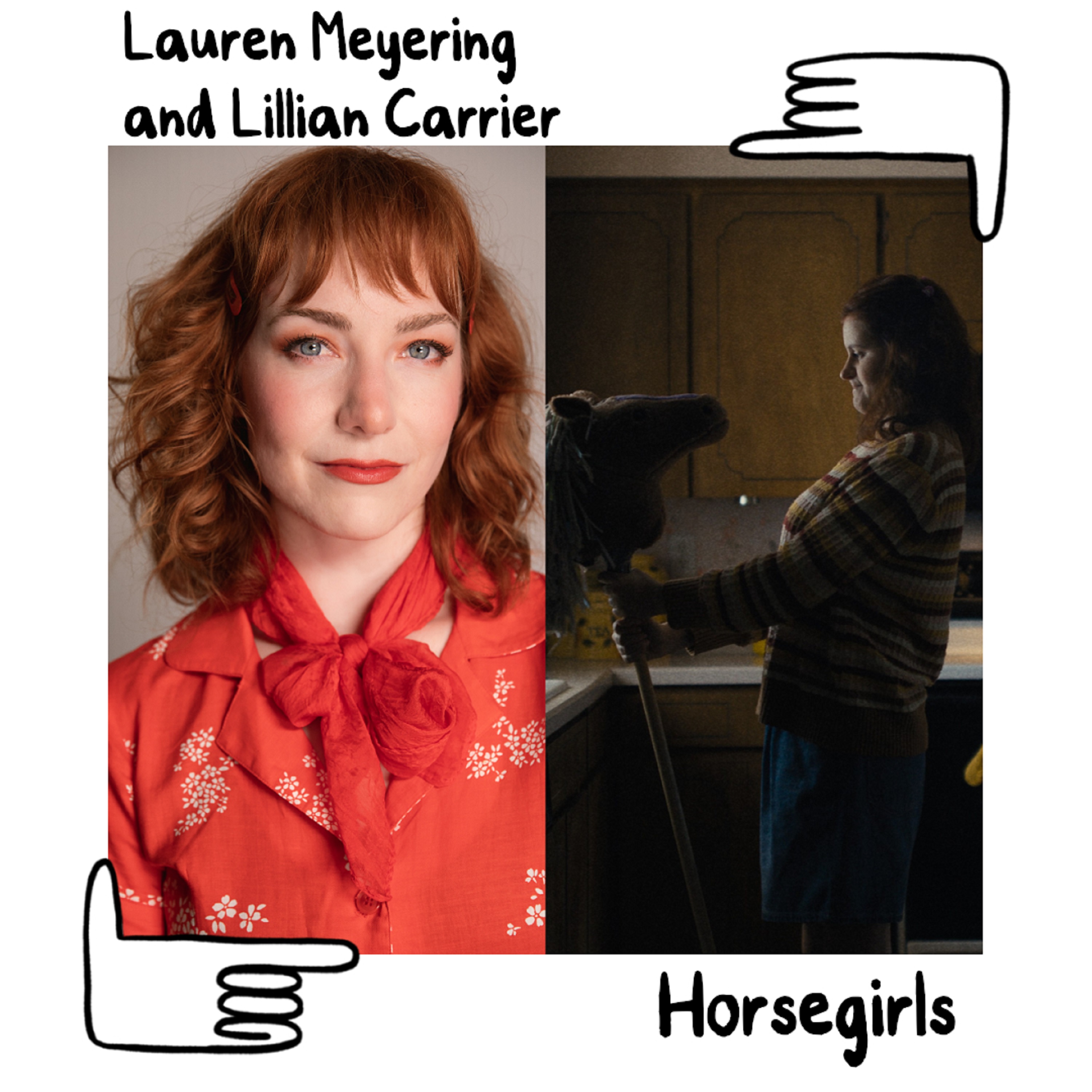
Galloping through life, with 'Horsegirls' director Lauren Meyering and star Lillian Carrier
What happens when you take a hobby that once seemed outlandish and turn it into a poignant narrative about friendship, acceptance, and personal growth? That's the heart of today's discussion with Lillian Carrier and Lauren Meyering, the creative minds behind 'Horsegirls'.Lillian shares her audition journey and the emotional depth she discovered in Margarita, a character that breaks the mold of typical autistic portrayals in media. Lauren reveals how their collaborative process allowed for richer storytelling, where every detail mattered—from character room decor to interaction nuances.
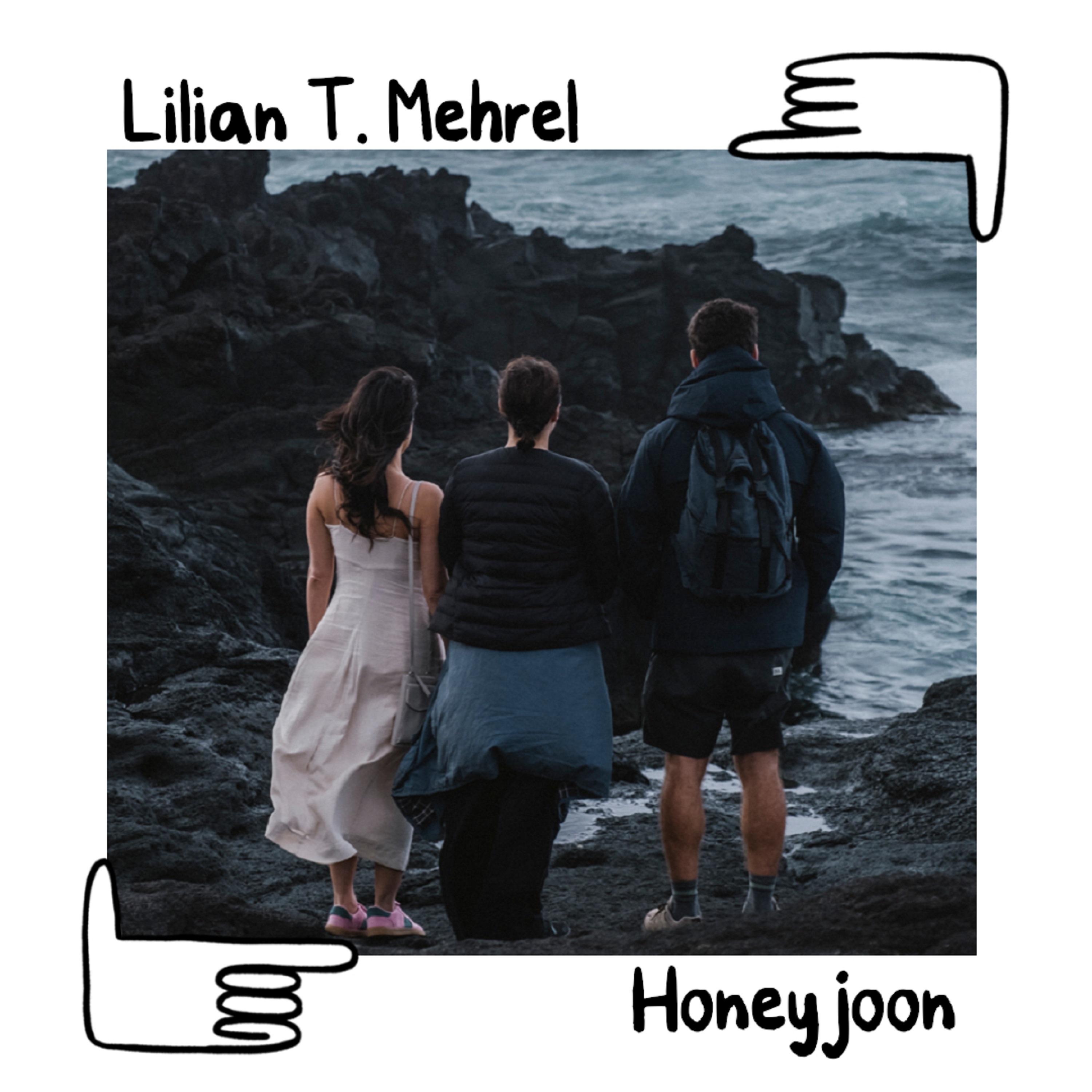
A mother-daughter tale of light and dark, with 'Honeyjoon' director Lilian T. Mehrel
What happens when grief meets paradise? Lilian T. Mehrel's 'Honeyjoon' finds profound beauty in this collision, following a mother and daughter whose contrasting responses to loss play out against the stunning backdrop of the Azores. Lilian's debut feature asks whether we can laugh while we mourn, love while we ache.She describes her characters through a yin-yang lens: where one woman chases light and humor as shields against pain, the other surrenders to shadow and sorrow. Their dynamic becomes the film's beating heart, raising questions that linger long after the credits roll.The journey to bring 'Honeyjoon' to life has been one of perfect timing and validation. After winning the Tribeca Film Festival's Untold Stories grant last year, Mehrel's film now premieres at the very same festival—exactly one year later. It's a full-circle moment that speaks to both the film's resonance and Mehrel's commitment to telling stories that matter.
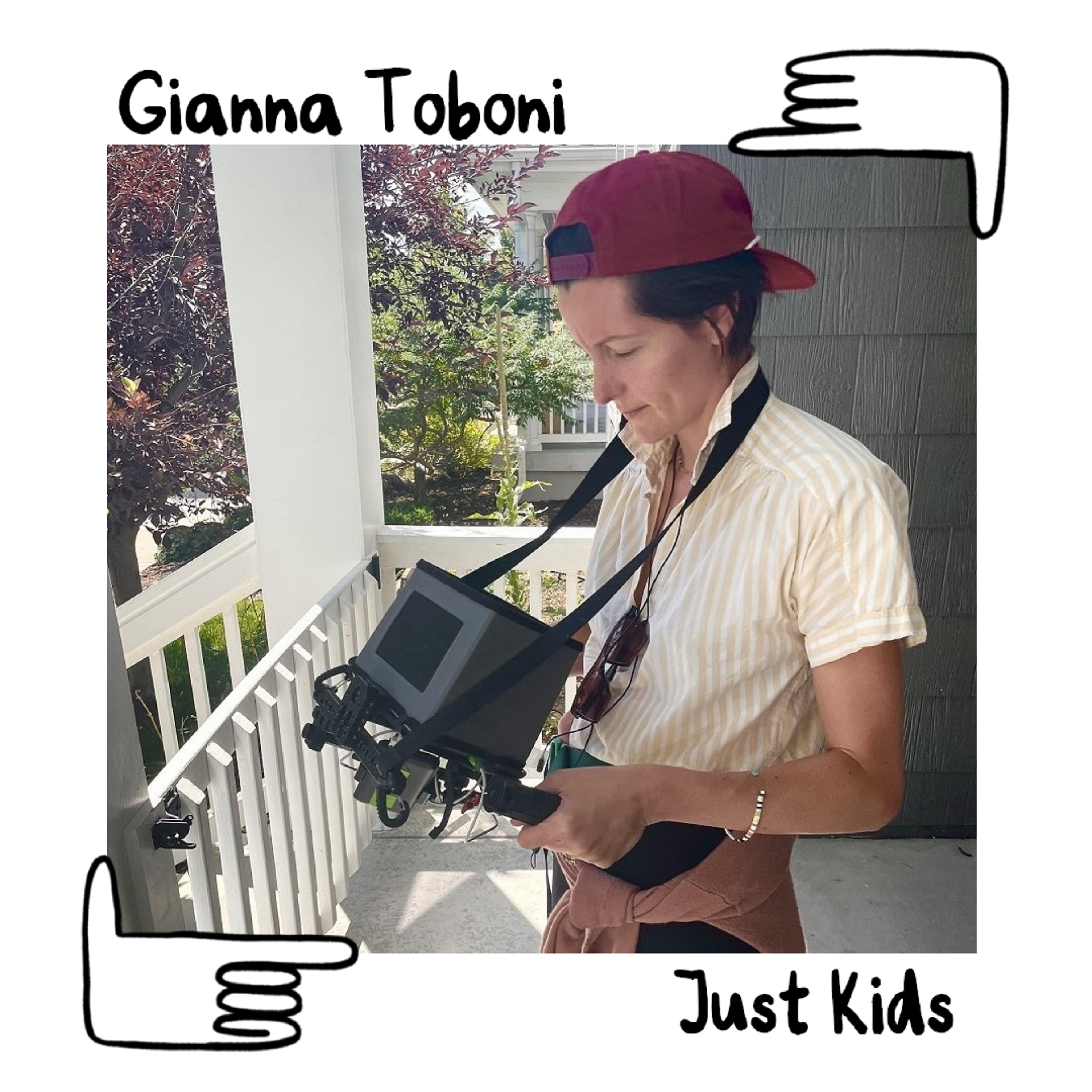
Fighting for Love: Gianna Toboni on families vs government in 'Just Kids'
Exploring the emotional landscape of parental love amidst legislative turmoil, our conversation with Gianna Toboni, director of the poignant documentary 'Just Kids,' delves deep into the heart-wrenching choices faced by families in states where gender-affirming care is under siege.In a world where government policies threaten the well-being of transgender minors, Toboni's film follows three families as they navigate the treacherous waters of life-altering decisions. The narrative isn't just a documentary—it's a raw account of resilience, showcasing the lengths to which these parents will go to secure their children's health and safety. The bond between parent and child is tested in ways that no one should have to endure.As we unpack Gianna's insights, we find ourselves reflecting on the universal themes of love and sacrifice, examining how family dynamics shape these narratives. It's a powerful reminder that at the core of this struggle lies a simple truth: the fiercest warriors are often those who fight not for themselves, but for their children.
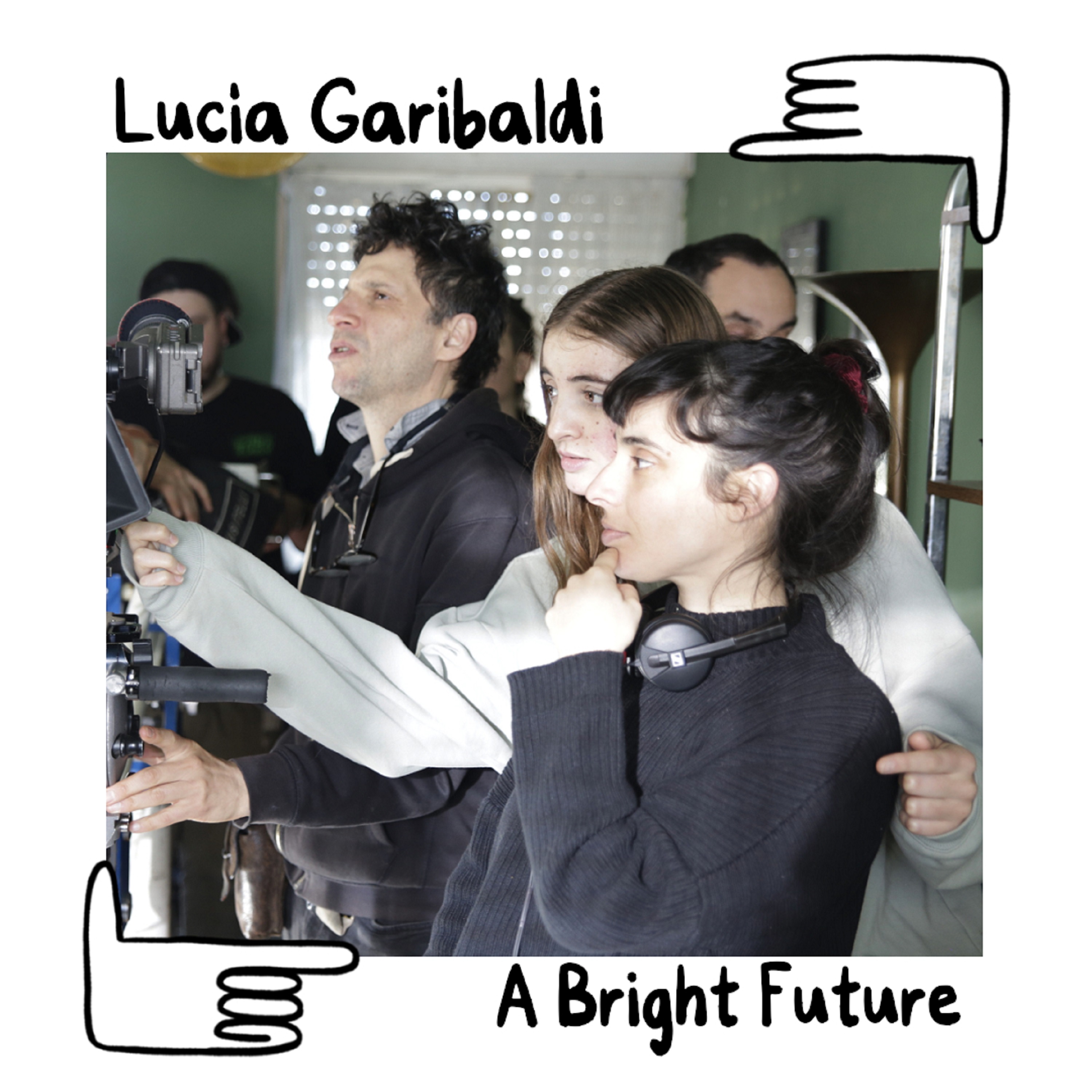
Old school rebels and new age challenges, with 'A Bright Future' director Lucía Garibaldi
Lucía Garibaldi's latest film, 'A Bright Future', making its world premiere at Tribeca, offers a compelling exploration of rebellion and belonging through the lens of a South American neighborhood that feels both intimately familiar and strangely otherworldly. Our conversation with the Uruguayan writer-director delves into her distinctive approach to crafting a narrative backdrop that blends reality with surrealism, creating a world that resonates on multiple levels.What's particularly intriguing is how Lucía presents her protagonist Elisa's struggle against societal expectations as both deeply personal and universally relatable. The director shares her creative choices behind the film's unique locations, deliberately selecting spaces that eschew the conventional in favor of the obscure and distinctive. As we explore the film's themes, she reveals how the pandemic subtly influenced her narrative, pushing audiences to reconsider relationships and question the absurdity of productivity culture.(Photo: Courtesy of Montelona Cine)

'We Are Pat' director Rowan Haber on how a 90s character mirrors today's gender conversations
Rowan Haber's documentary 'We Are Pat' explores the intricacies of identity and representation in the film industry through the lens of Julia Sweeney's groundbreaking character Pat. As the Tribeca Film Festival premieres approach, we delve into how this character became a cultural touchstone that reflects the evolving conversation around gender non-conformity, examining its unexpected relevance in contemporary discussions of identity.Rowan's approach to the documentary embodies a refreshing blend of light-heartedness and serious inquiry, as he grapples with the balance between honoring the past and critiquing it. With a sprinkling of humor and a lot of heart, he explores how 'We Are Pat' isn't just about nostalgia; it's also a call for compassion and understanding as we reflect on how far we've come and how much further there is to go. The film serves as a platform for discussion, encouraging viewers to unpack their feelings about gender and identity, and ultimately, to recognize that these conversations are ongoing and incredibly vital.
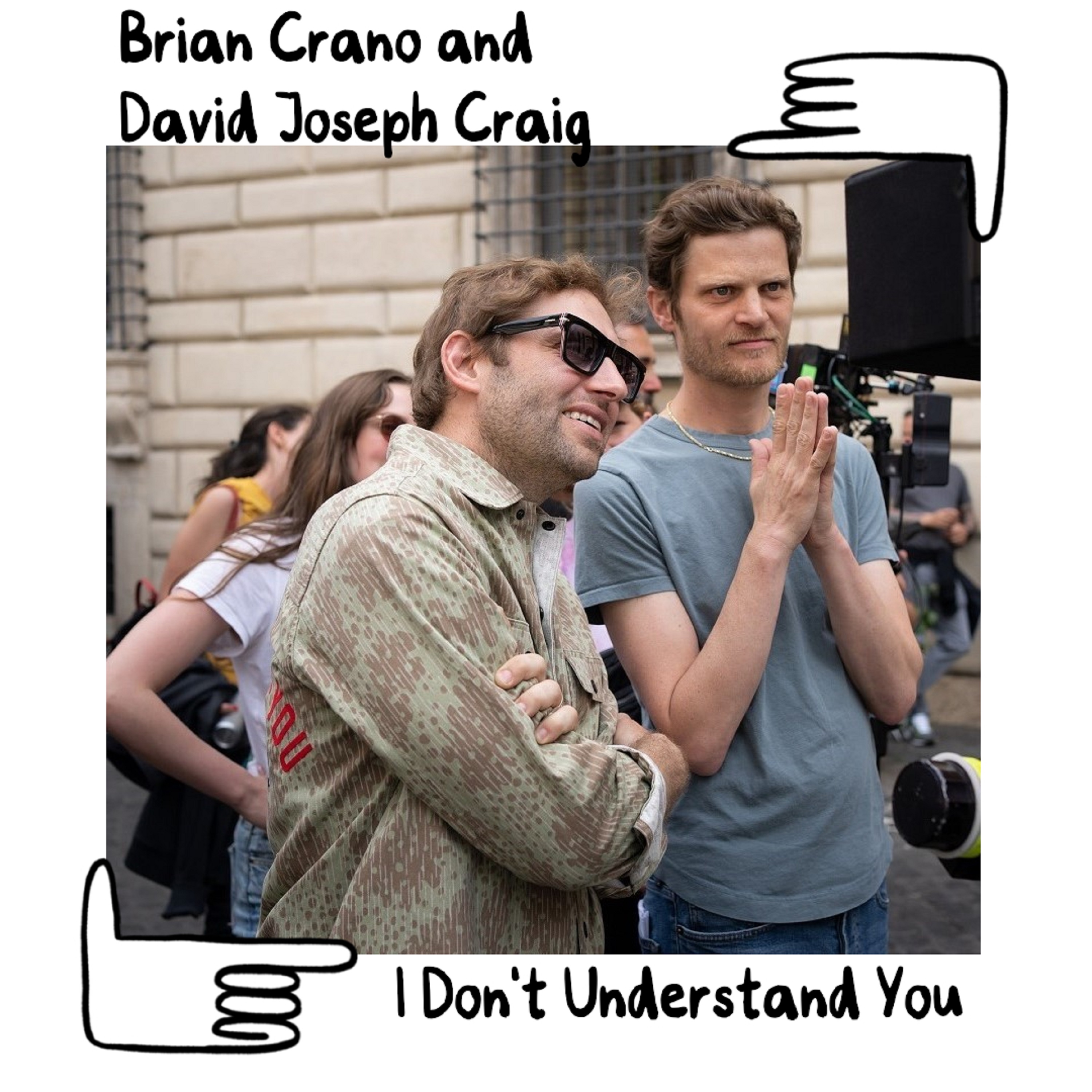
Navigating Love and Miscommunication: The Making of 'I Don't Understand You'
Navigating the choppy waters of modern communication while attempting to craft a film about it can feel like trying to tame a wild goose—an exercise in futility and occasional hilarity. Brian Crano and David Joseph Craig, the duo behind the lens of 'I Don't Understand You,' dive deep into the intricacies of their creative process. Our conversation with the two reveals how they tackled the overwhelming presence of cell phones, a modern-day nemesis that threatens to drown out genuine connection.The film's narrative dances around the absurdities of miscommunication in this hyper-connected age, all while threading through their personal experiences as they portrayed the chaos of adoption, a theme that resonates deeply within their own lives. The directors share how their partnership grew stronger during the filmmaking process, not just as collaborators but as friends navigating the emotional rollercoaster of bringing their story to life.
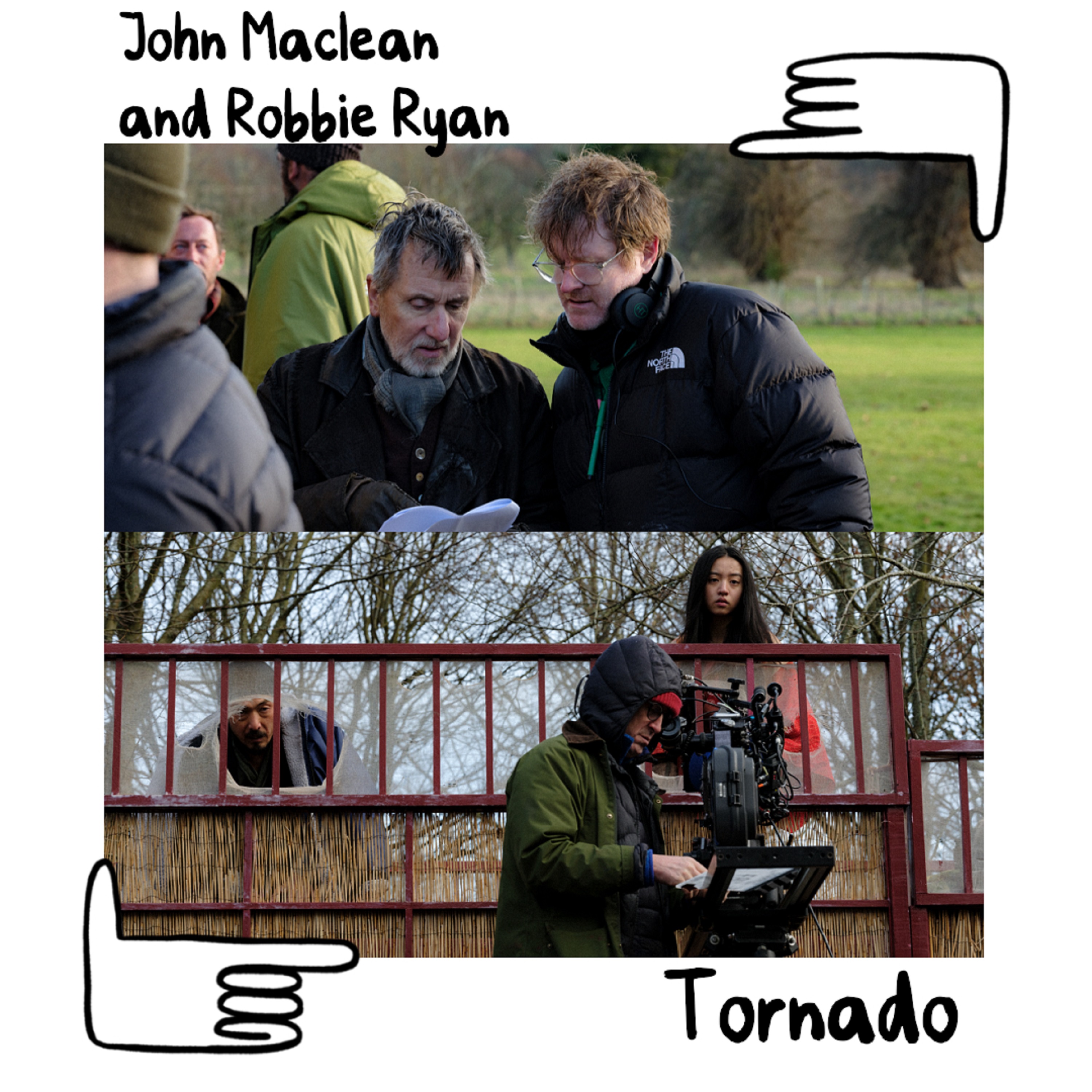
Out of place but in control: John Maclean and Robbie Ryan on 'Tornado'
John Maclean and Robbie Ryan take us on an insightful journey through the creative process behind their film 'Tornado', reflecting on their decade-long collaboration that has shaped their artistic identities. We dive deep into the thematic undercurrents of their films, with a keen focus on displacement as a recurring motif.Ryan's cinematographic perspective adds a rich layer to the discussion, as he elucidates how the visual language of 'Tornado' borrows from the stylistic elements of classic Westerns and samurai films. Their exchange is peppered with references to legendary filmmakers like Kurosawa and Tarkovsky, showcasing how their influences shape the film's visual storytelling. The duo shares amusing anecdotes about their shooting experiences, particularly the challenges posed by the unpredictable Scottish weather, which they embraced as a dynamic aspect of the film's character.As we discuss their filming techniques, the conversation shifts to the importance of spontaneity in capturing authentic moments. John and Robbie emphasize that while storyboarding provides a framework, it's often the instinct-driven choices on set that yield the most compelling results. The candidness in their dialogue reveals a deep-seated camaraderie that enhances their collaborative process, allowing them to push creative boundaries together.
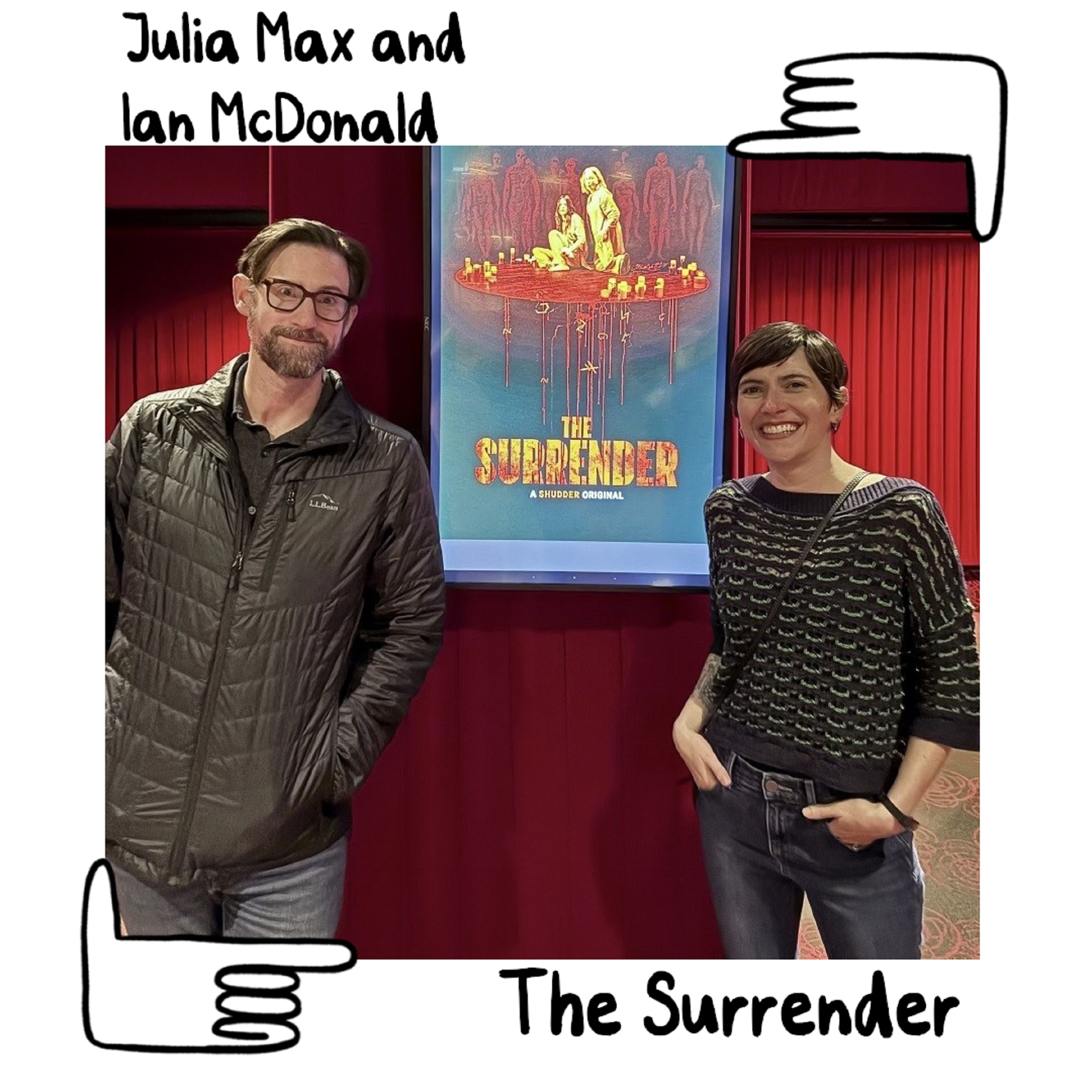
Back for More: Julia Max and Ian McDonald talk 'The Surrender'
We have a delightful treat for you today as we welcome back Julia Max and Ian McDonald to discuss ‘The Surrender,’ which you can now watch on Shudder. This episode is extra special because they are our very first returning guests—yes, you heard that right! Ian joined us last fall to discuss the screenplay for ‘Woman of the Hour,’ while Julia first appeared on the show when ‘The Surrender’ screened at SXSW this March.We explore the rollercoaster of emotions that comes with sharing a deeply personal story, the challenges of distributing a slow-burn horror film, and how they navigated the demanding expectations of the filmmaking journey. We also delve into the nuances of genre audiences and discuss how crucial it is to find the right home for a film like theirs. So settle in as we explore the art of surrendering to creativity!
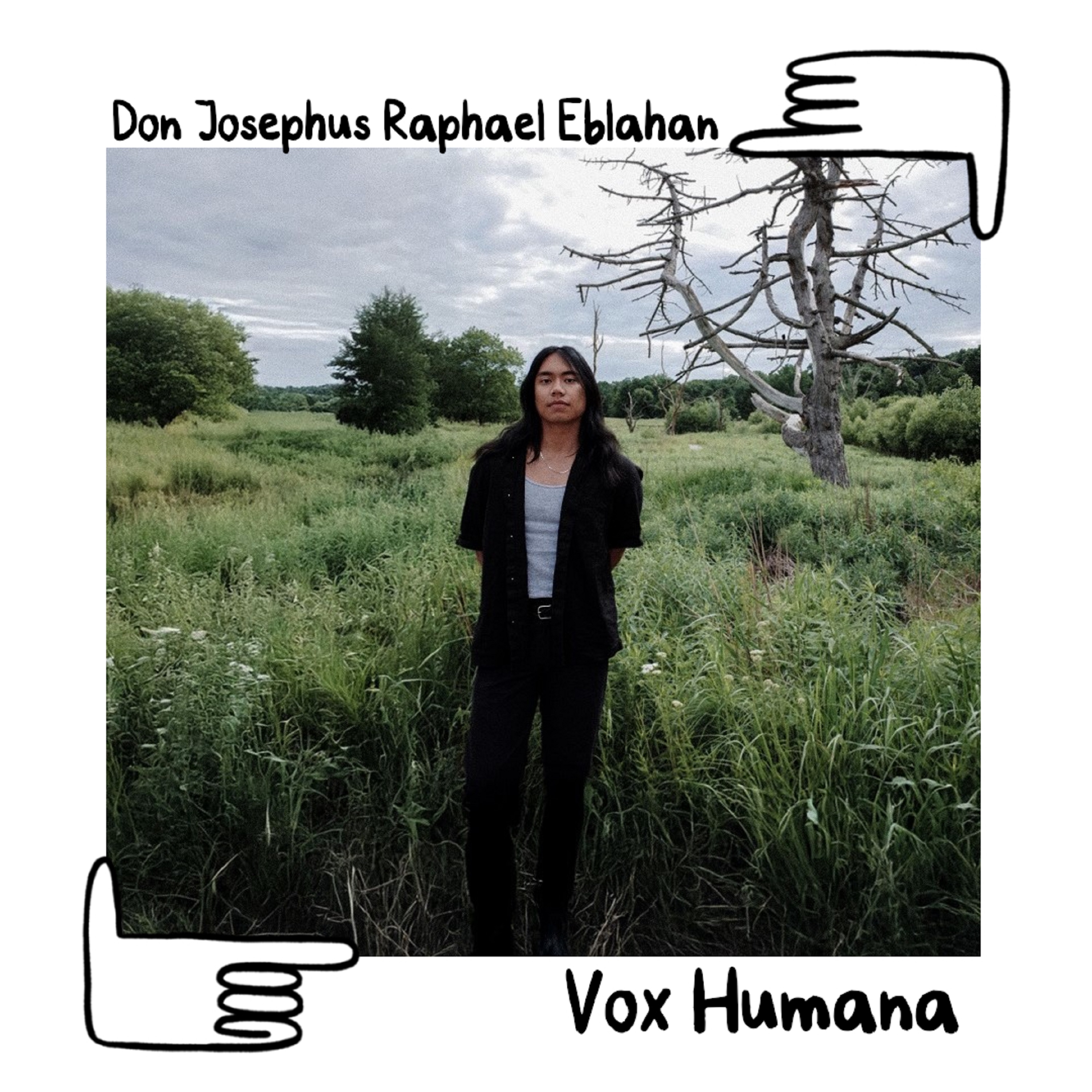
The Sonic Bridge: Don Josephus Raphael Eblahan on Nature, Sound, and Storytelling
Today, we're diving deep into the world of sound and its uncanny ability to bridge the chasm between humanity and nature with the incredibly talented Don Josephus Raphael Eblahan! We kick off our chat with a thought-provoking observation: nature is not just a backdrop, but an active participant in our emotional narratives.As we unravel the layers of Don's latest project, 'Vox Humana', we explore how he ingeniously intertwines sound design with storytelling, turning scripts into sonic experiences that resonate on multiple levels. His approach to crafting a screenplay that almost resembles a symphony of sounds rather than traditional dialogue reveals a unique creative process that challenges conventional filmmaking. Throughout our conversation, we examine our complex relationship with the natural world, discovering how sound can capture both our reverence for and tension with nature.
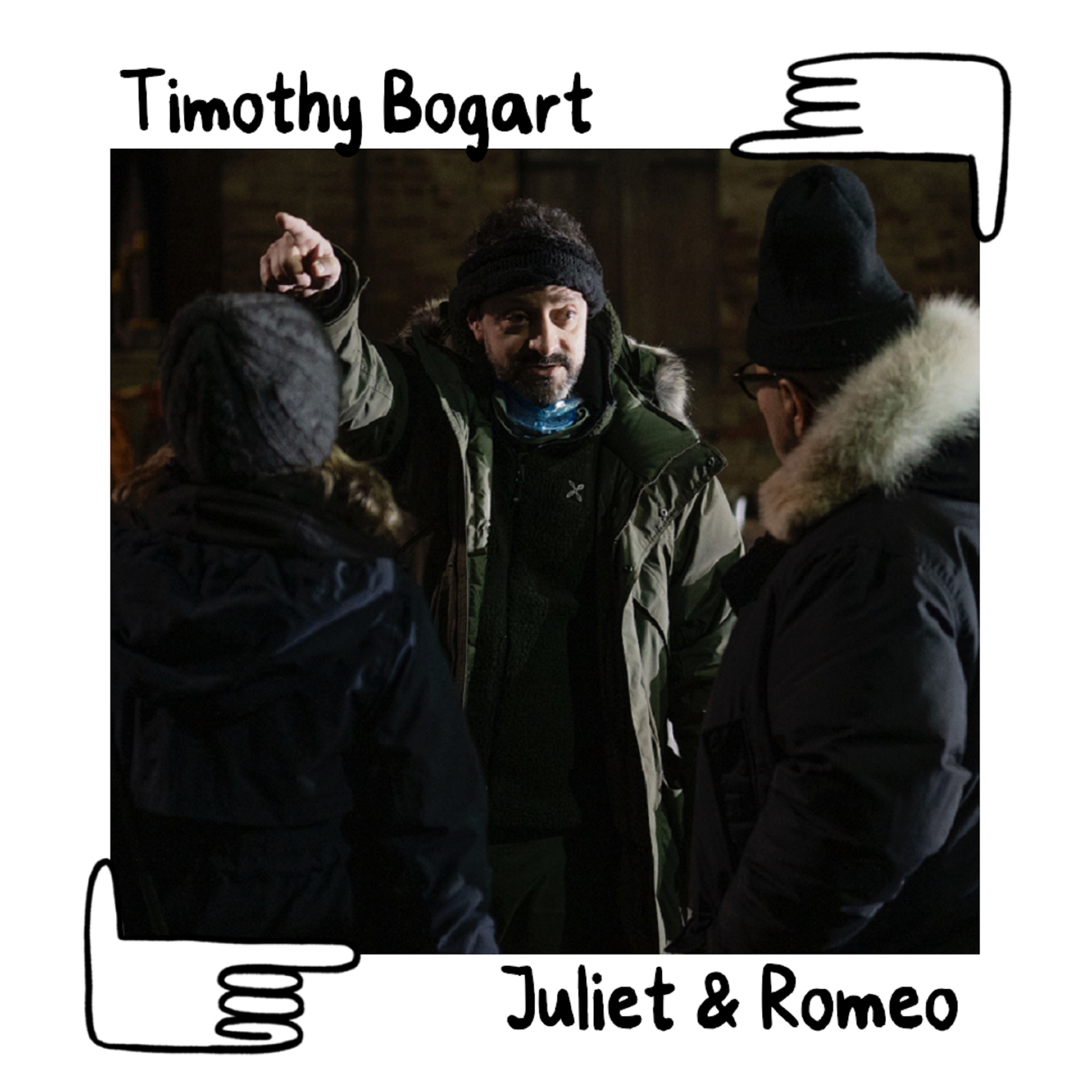
Unlocking Verona: Tim Bogart on modernizing Shakespeare's masterpiece
Our deep dive into the world of 'Juliet & Romeo' brought us face-to-face with the marvels and tribulations of adapting such a revered text. Writer-director Timothy Bogart opened up about the challenges of reimagining Shakespeare's work, and we couldn't help but chuckle at how he navigated the fine line between honoring the original material and injecting new life into it.What's particularly enlightening is the discussion surrounding the modern reinterpretation of characters like Juliet, who Tim argues deserves more agency than she's typically afforded in past adaptations. He crafted a narrative that allows her and the other characters to shine, giving them the emotional depth that often gets lost in translation.The conversation also explores how Bogart approached the iconic love story from fresh angles, reimagining the tale for contemporary audiences while preserving the timeless themes that have captivated hearts for centuries. His insights into the creative decisions behind key scenes reveal both his reverence for Shakespeare and his courage to challenge traditional interpretations when the story demanded it.(Photo: Courtesy of VPP LLC)
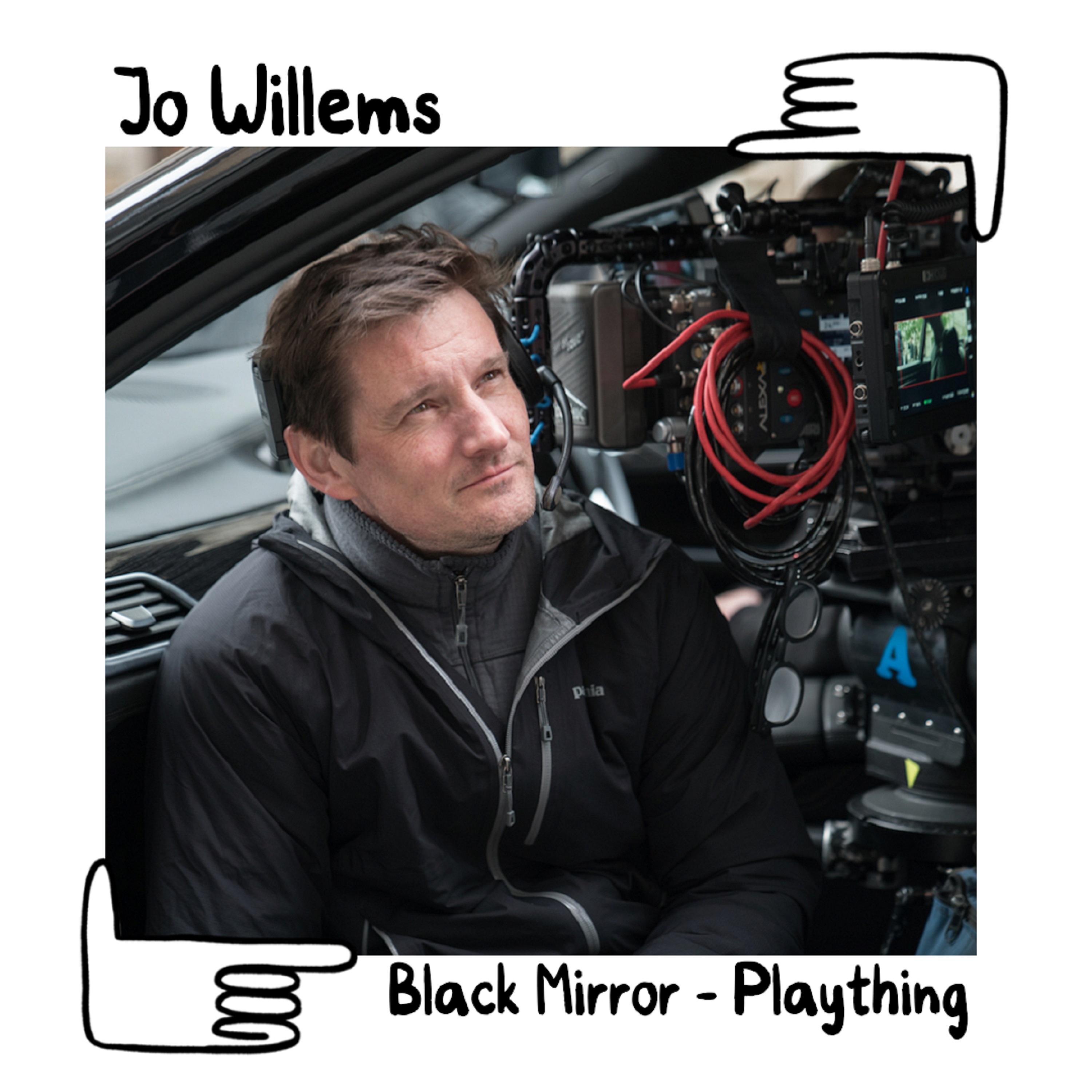
We Need to Talk About Emmy #21: Jo Willems breaks down the visuals of 'Black Mirror S7 - Plaything' from the 90s to 2032
In our chat with Jo Willems about the fourth episode of 'Black Mirror' Season 7, 'Plaything', we took a thrilling detour into the minds of those who create the visual magic behind the screen. Jo, an engaging storyteller himself, painted a vivid picture of his long-standing partnership with director David Slade.What's particularly intriguing is how Jo approached the dual timelines of the episode, threading together the past and future with a cohesive visual narrative that captures the emotional essence of the characters. He shared some delightful anecdotes about the technical challenges they faced, especially during the trippy sequences that required a creative use of lighting and camera work.As we dive deeper into the themes of memory and reality, Willems articulated the complexities of shooting scenes that exist in the nebulous realm between truth and perception. His insights into how he balances the subjective nature of memory with the objective demands of cinematography added layers of depth to our understanding of the visual storytelling process.
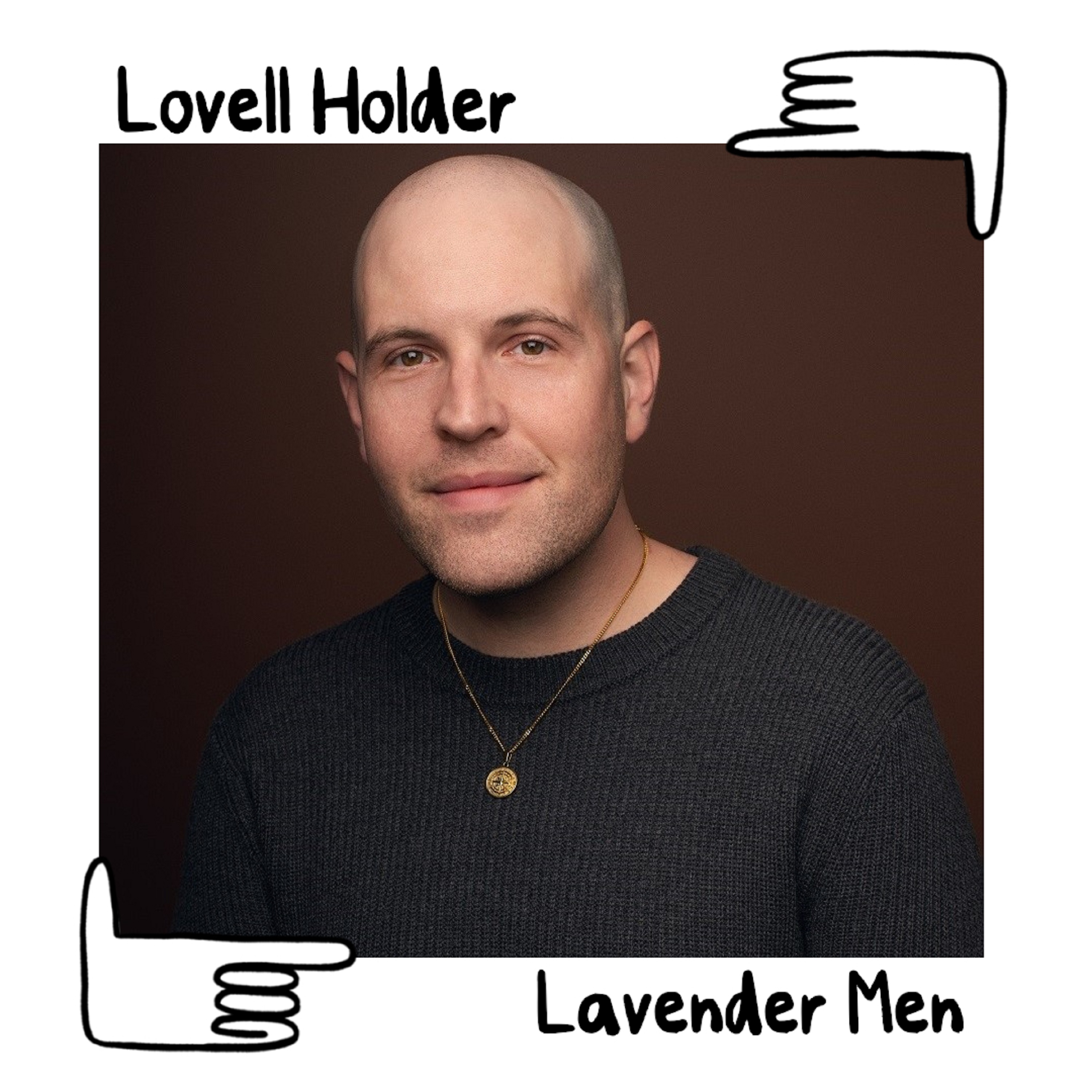
From Stage to Screen - Lovell Holder on the journey of 'Lavender Men'
In a world where history and art intersect, Lovell Holder offers fresh insights on 'Lavender Men.' Our conversation traces the journey from stage to screen, balancing historical accuracy with personal storytelling. Lovell candidly describes being a "midwife" to Taffeta's evolution from the play's bookends to the film's protagonist.We also chat about how timing shapes Lovell's creative choices – whether he's working with film or text – and the different approaches each requires.(Photo credit: Luke Fontana)
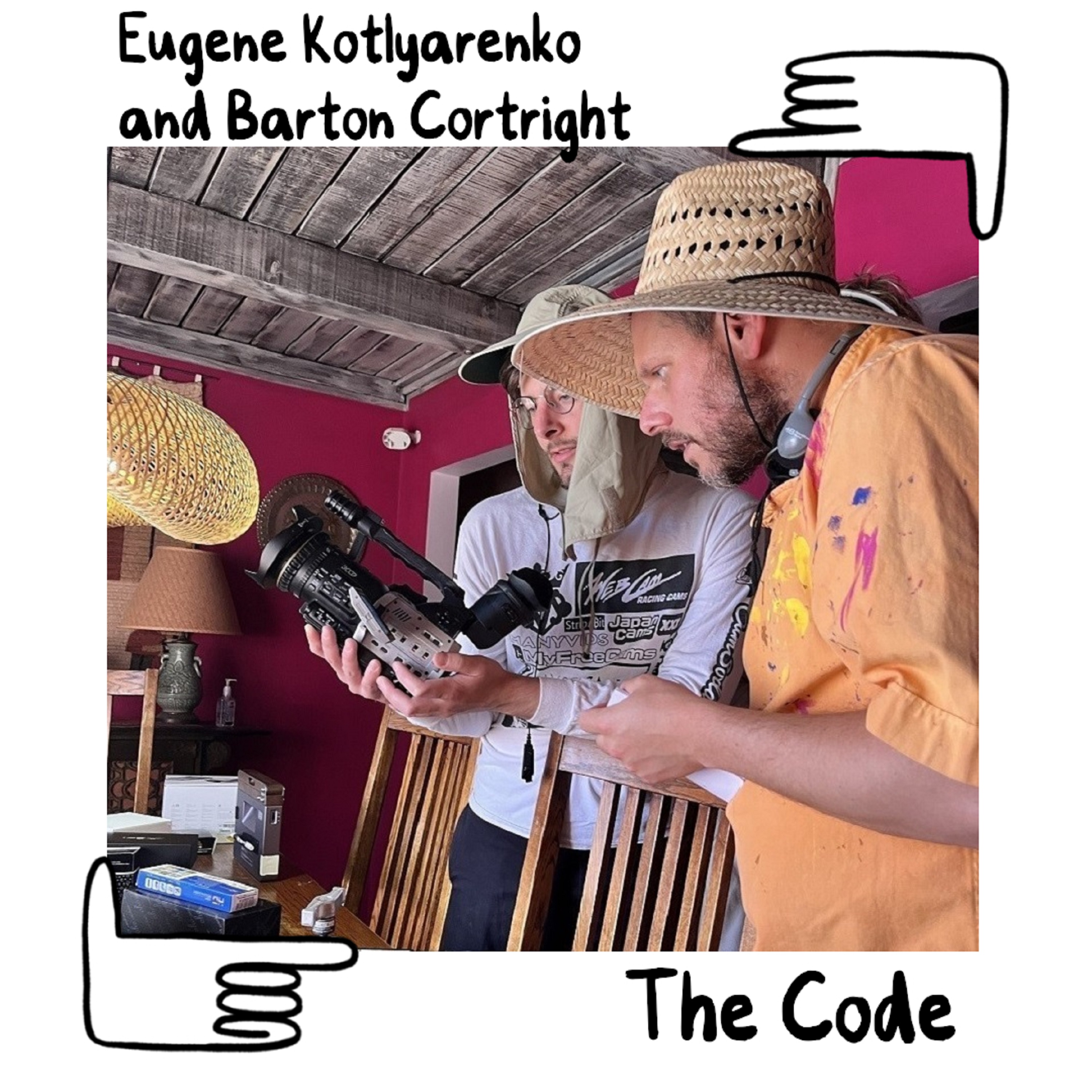
Rolling with 70 Cameras: Eugene Kotlyarenko and Barton Cortright on the wild metaverse of 'The Code'
Eugene Kotlyarenko and Barton Cortright take us on a wild cinematic ride in their discussion about 'The Code’, a film that defies conventional storytelling and embraces the chaos of modern filmmaking. With a whopping 70 recording devices in play, the film transforms the act of observation itself into a central theme. Eugene's insistence on each camera serving a narrative purpose creates a rich tapestry of perspectives, challenging viewers to consider their roles as witnesses in a world dominated by digital surveillance.As we peel back the layers, we explore the film's unique commentary on our surveillance culture, where characters oscillate between paranoia and acceptance. Bart shares insights into the technical challenges of capturing such a vast array of footage while maintaining image quality that serves the story. And we also dive into how 'The Code' integrates themes of longing and memory as a response to the pandemic.(Photo credit: Francesca Palombo)
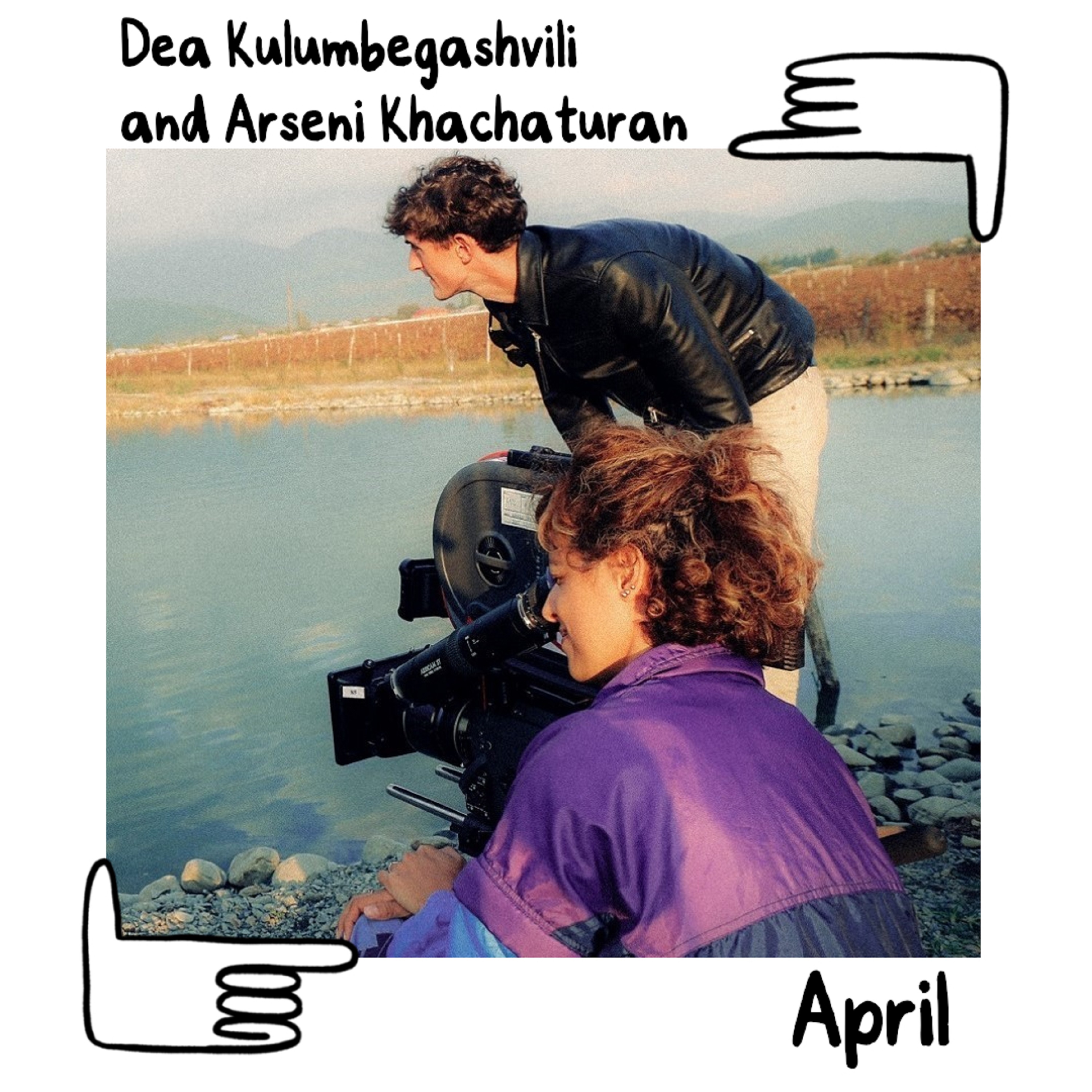
Dea Kulumbegashvili & Arseni Khachaturan on framing the unseen in 'April'
This week, we welcome the visionary duo behind the hauntingly beautiful film 'April' – Georgian writer-director Dea Kulumbegashvili and her longtime collaborator, cinematographer Arseni Khachaturan, known for his mesmerizing visual poetry. Together, they've crafted a cinematic experience that defies conventional storytelling while captivating audiences with its deliberate pacing and breathtaking imagery.Our conversation ranges from the magic of what's captured in the frame to the enchanting mysteries of what lies just beyond it. It's a playful yet profound exploration of perspective, where we question not just what we see, but how we perceive our very existence through the lens of film.As we banter about titles and the creative process, you'll find out how the two dance between intense collaboration and friendly debates—because let's be real, who doesn't love a good argument over artistic vision, especially when it's all moving toward a similar goal?
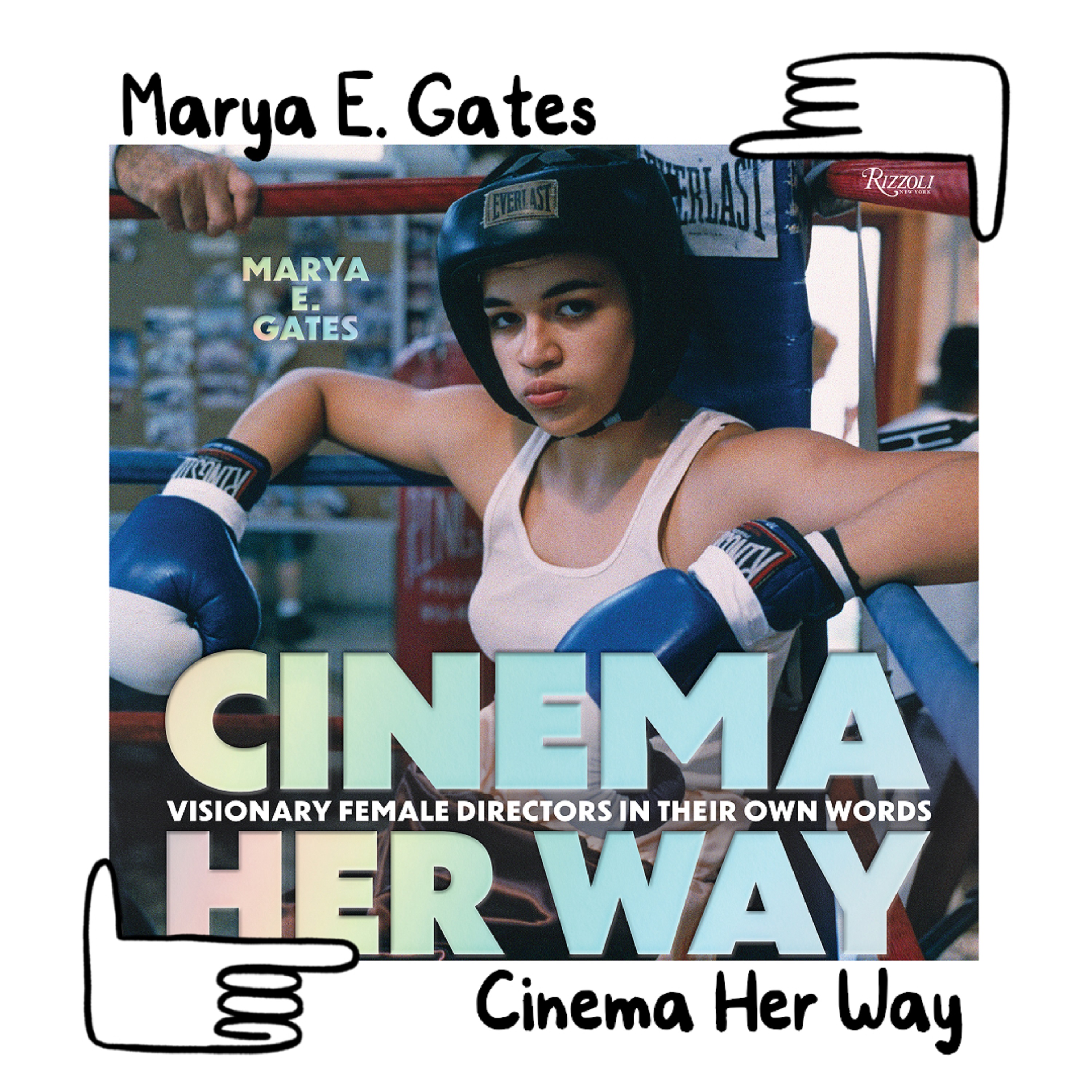
From Film Critic to Author: Marya E. Gates on her new book - 'Cinema Her Way'
Marya E. Gates, a film critic turned author, takes us on a cinematic journey through the untold stories of women filmmakers in her debut book, 'Cinema Her Way'. We explore the intricate tapestry of female contributions to cinema, uncovering countless voices and narratives that have often been overshadowed.Her decade-long quest to spotlight women directors, which began with her project 'Female Filmmakers in Focus', emerged as both a personal challenge and a passionate response to the male-dominated industry that had left her disenchanted with mainstream cinema.Through extensive interviews and profiles, Gates illuminates the artistic brilliance of filmmakers who have made significant yet underappreciated contributions. From pioneering visionaries to emerging talents, this conversation captures the essence of Marya's mission: to celebrate, recognize, and amplify women's voices in film.
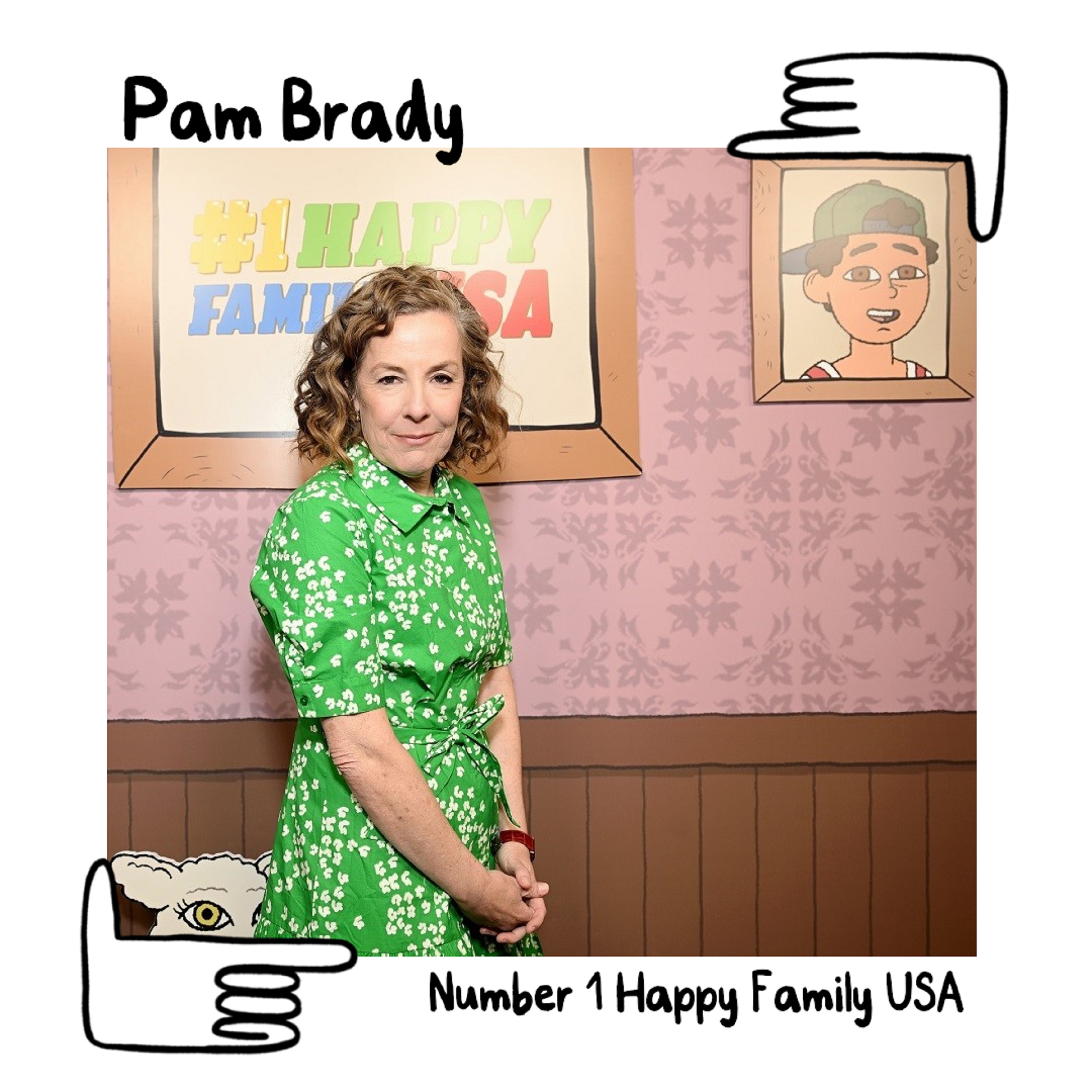
We Need to Talk About Emmy #20: ‘No1 Happy Family USA’ Co-Creator Pam Brady on crafting stories that resonate
Pam Brady, the co-creator and co-showrunner of '#1 Happy Family USA', joins us to share insights from her impressive career that includes hit projects like 'South Park' and 'Team America: World Police'.Our conversation explores how comedy serves as her vehicle for tackling serious themes, inviting audiences to engage with poignant moments through laughter. Pam speaks passionately about her creative partnership with Ramy Youssef and the delicate balance they've struck between humor and heart while navigating cultural representation in their show.We also dive into the evolution of her creative process, examining how the pandemic transformed collaborative writing and why maintaining authentic characters remains at the core of her storytelling approach.(Photo: Courtesy of Valerie Terranova / Getty Images For Prime Video)
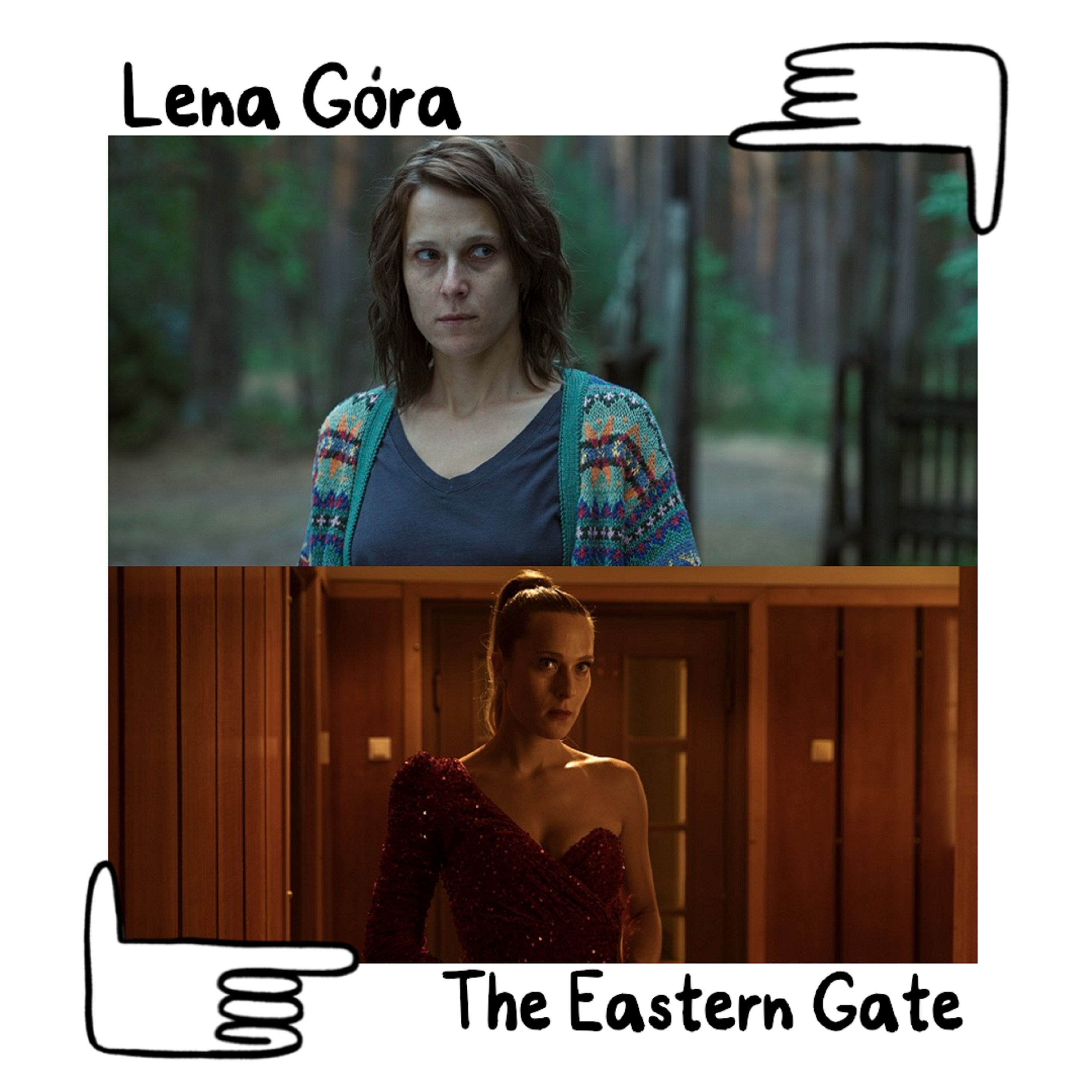
We Need to Talk About Emmy #19: 'The Eastern Gate' star Lena Góra on language, emotion, and expectations
This week we're chatting with Lena Góra, the lead actress starring in 'The Eastern Gate'. We get into the nitty-gritty of her acting process with Lena, especially how she tackles different languages and all that comes with it. She opens up about how each language has its own rhythm and energy that completely transforms her performance – it's not just memorizing lines, but really living and breathing the culture behind the words.The way she preps for those epic fight scenes is seriously impressive – putting in countless hours to make every punch and movement look effortless on screen. Hearing her talk about the sweat and dedication behind those seamless action sequences gives you a whole new appreciation for what goes into creating such a believable character.(Photos: Courtesy of Max)
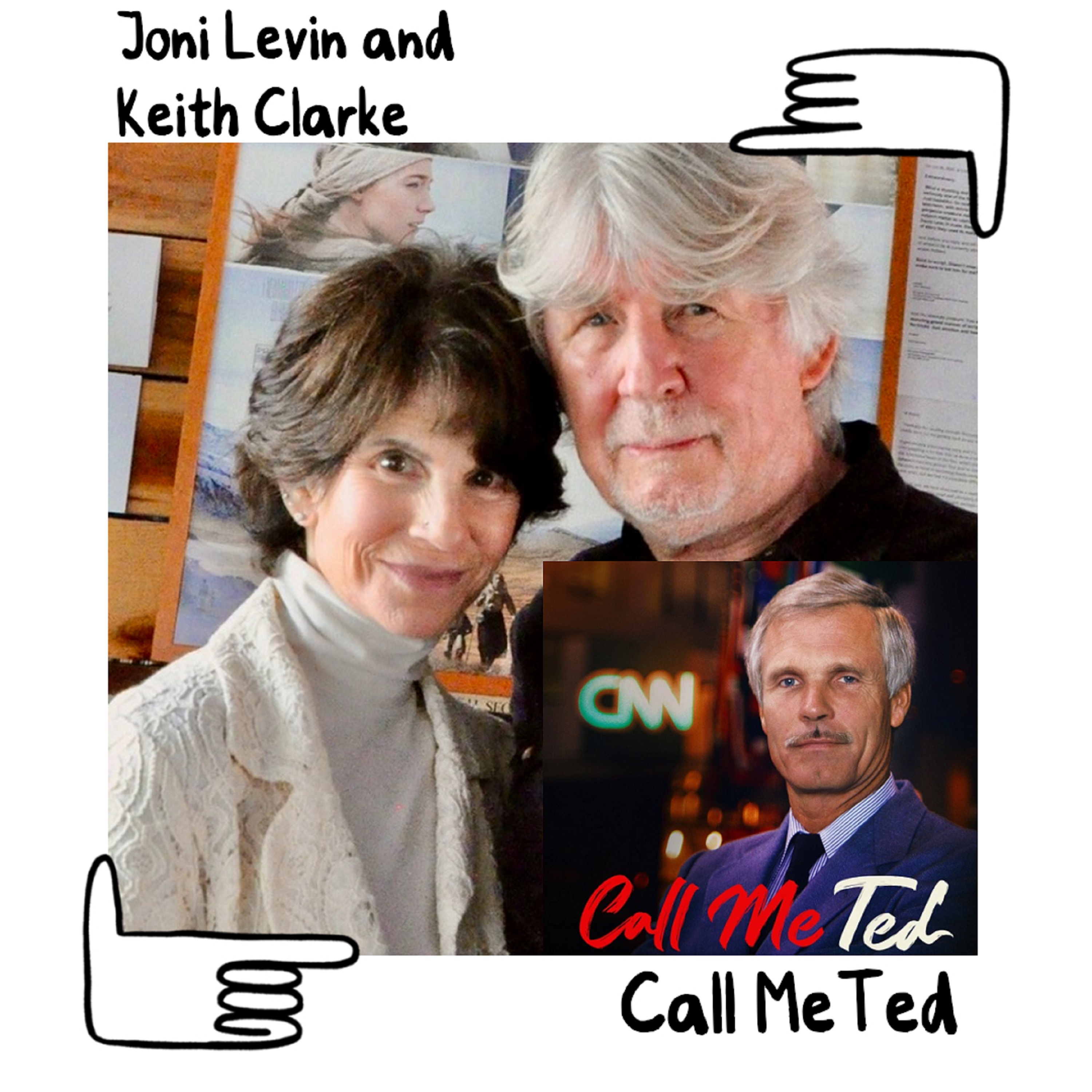
We Need to Talk About Emmy #18: 'Call Me Ted' - A journey through the life of a media icon
Capturing the essence of an iconic figure like Ted Turner is no small feat, but in this conversation, we dive deep with Joni Levin and Keith R. Clarke, the creative minds behind the documentary series 'Call Me Ted'.Their insights reveal how they navigated the complexities of Turner’s life—from his monumental achievements in media to his personal struggles and the shadows cast by familial relationships. This isn't just a biography; it’s a journey through the highs and lows of an individual who has profoundly shaped modern media and philanthropy.Joni and Keith discuss the challenges of creating a narrative that balances Ted's public persona with the vulnerability he shares in his autobiography, all while ensuring the documentary resonates with both longtime fans and newcomers alike. They explore themes of resilience, ambition, and the human experience, shedding light on the man behind the myth and inviting audiences to connect with Ted in a meaningful way. In a world that often prioritizes sensationalism, Joni and Keith's approach stands out for its honesty and depth.
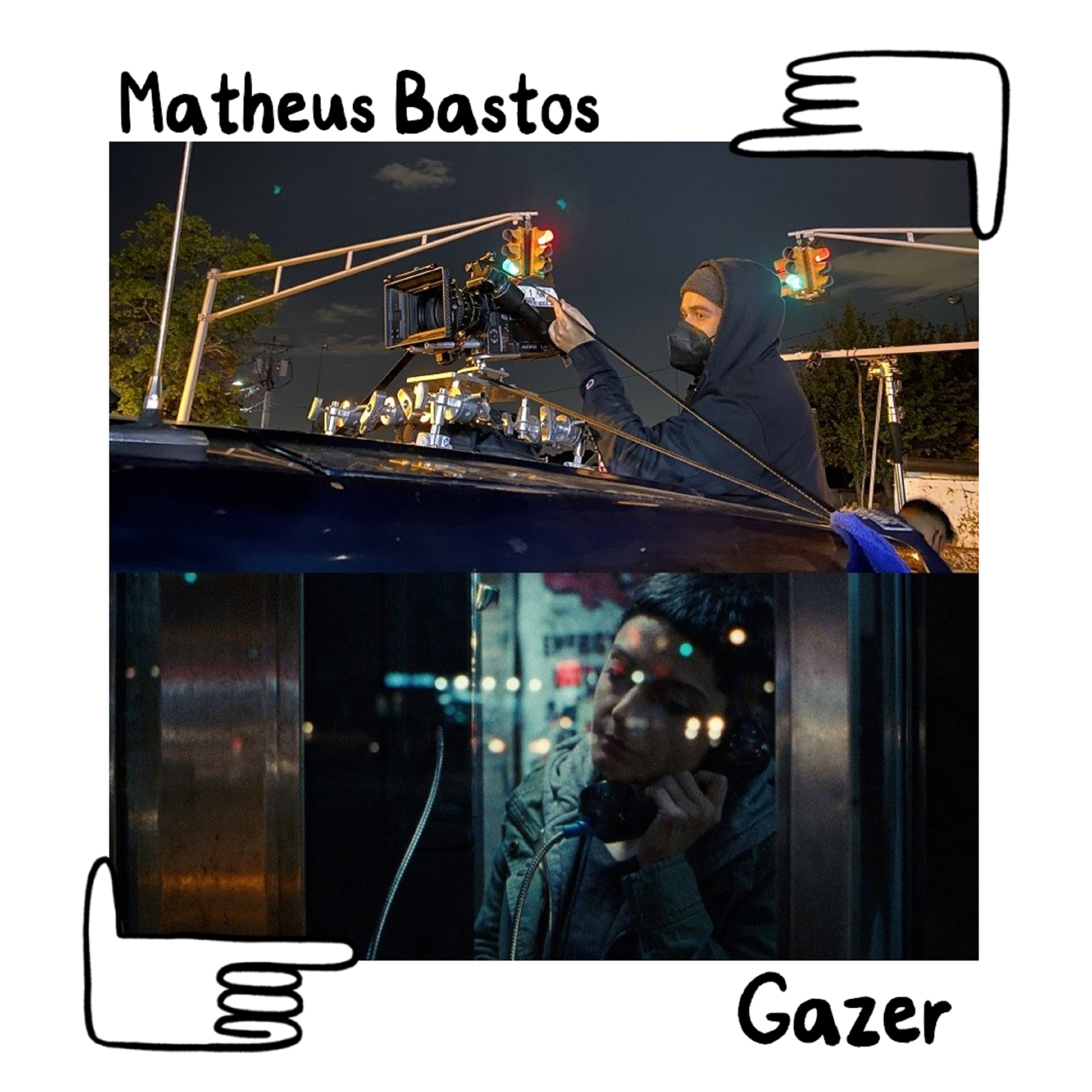
No rest for the independent, with ‘Gazer’ DP Matheus Bastos
In this episode, we sit down with Matheus Bastos, the cinematographer of 'Gazer', to talk about his path, intricately weaving tales of passion, creativity, and the sheer love for cinema that drew him into the world of filmmaking.We delve into the production of 'Gazer', exploring the unique challenges of a project shot over an extended timeline, which allowed for a challenging, yet fluid evolution of the narrative and characters. Matheus tells us about the importance of adaptability, revealing how the interplay of changing seasons and personal growth influenced the film's aesthetic.He also shares insights on the craft of cinematography, emphasizing that true artistry lies in capturing the emotional core of a story, rather than adhering strictly to technical standards, reminding us that filmmaking is just as much about the heart as it is about the lens.(Photos: Courtesy of Matheus Bastos)
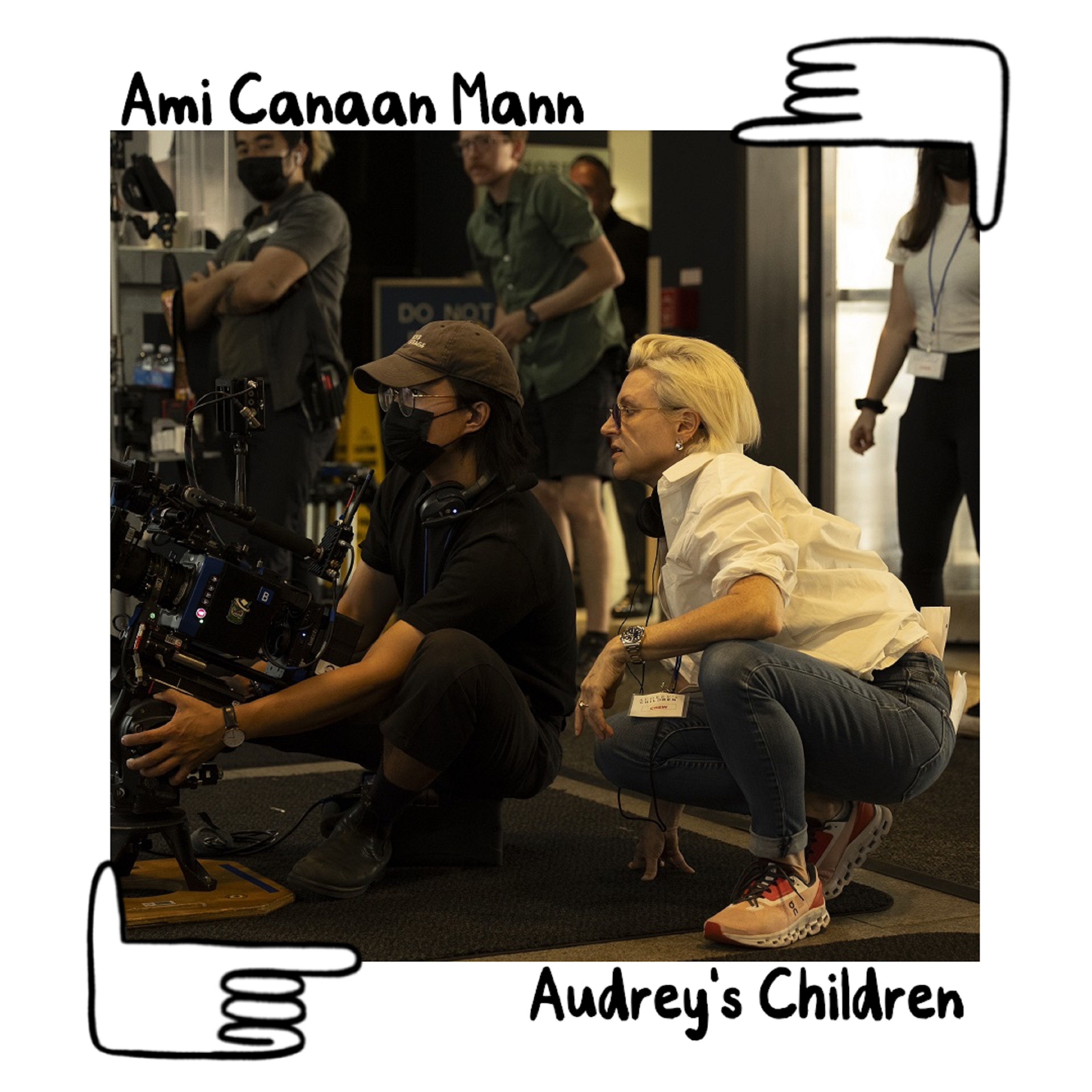
'Audrey's Children' director Ami Canaan Mann on the timelessness of the gender gap
Our conversation with 'Audrey's Children' director Ami Canaan Mann takes us on a journey that explores not just the film itself, but the essence of storytelling, particularly the responsibility inherent in portraying real lives.The film, rooted in the historical context of 1969, serves as a mirror reflecting contemporary societal issues, especially the subtle sexism that women like Audrey faced in male-dominated fields. Ami walks us through the nuances of her directorial approach while showcasing the tenacity required to bring such a meaningful story to life.(Photo: Courtesy of Blue Harbor Entertainment)
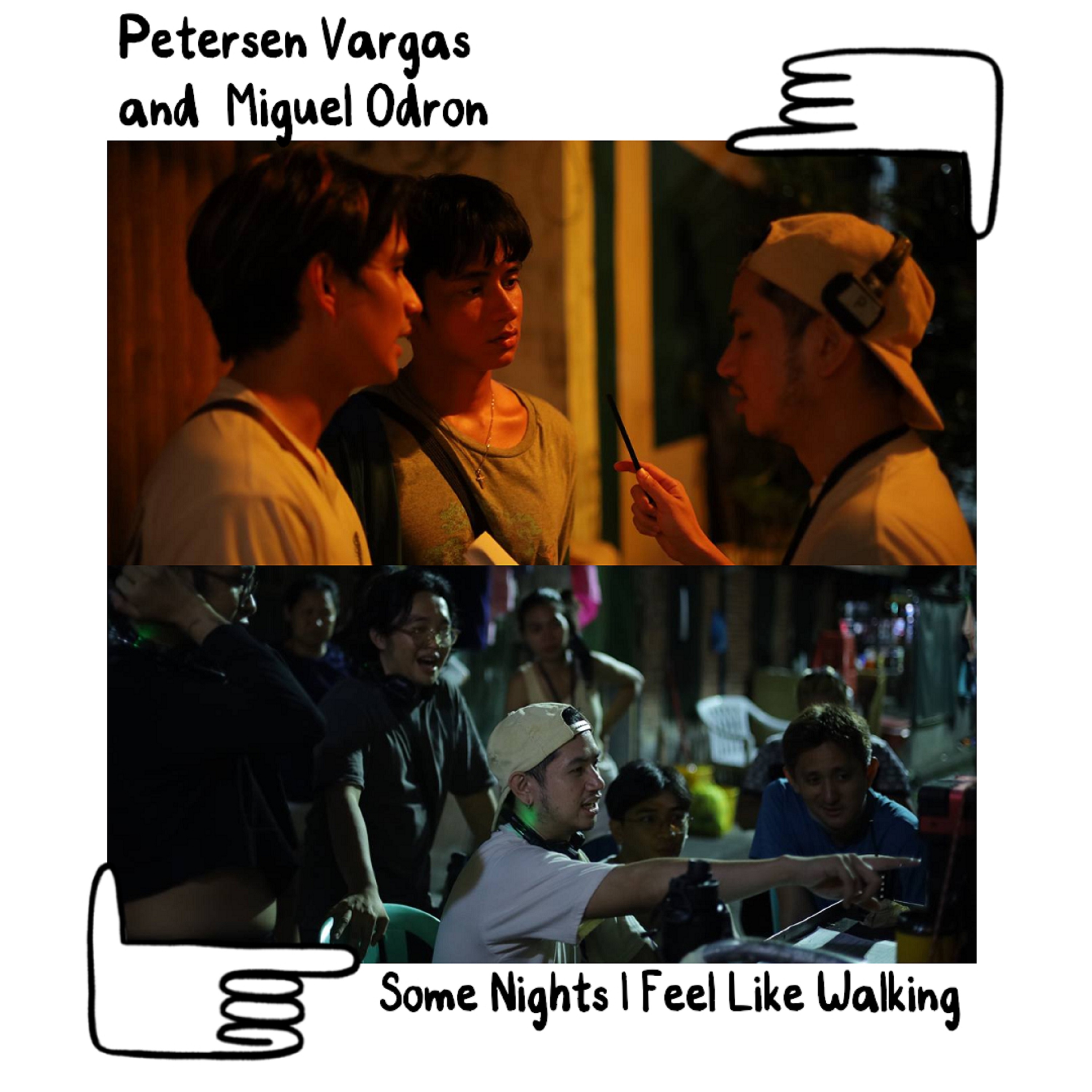
Magic in the Mundane: How 'Some Nights I Feel Like Walking' Captures Queer Intimacy
Diving straight into the heart of indie filmmaking, this episode features a captivating conversation with Petersen Vargas, the visionary writer-director of 'Some Nights I Feel Like Walking', and Miguel Odron, the film's breakout star in his debut role. The film, which has taken festivals by storm from Tallinn to Glasgow, explores the intricacies of queer identities within the vibrant yet tumultuous Filipino landscape.Together, they discuss how the film's structure—set in a single night—heightens the emotional stakes, turning mundane moments into powerful reflections on life, love, and loss amidst societal chaos. As they recount their experiences at various film festivals, it becomes clear that the film resonates deeply with audiences, bridging cultural gaps and inspiring conversations about vulnerability and connection in a world that often feels disconnected.(Photos: Courtesy of Daluyong Studios)
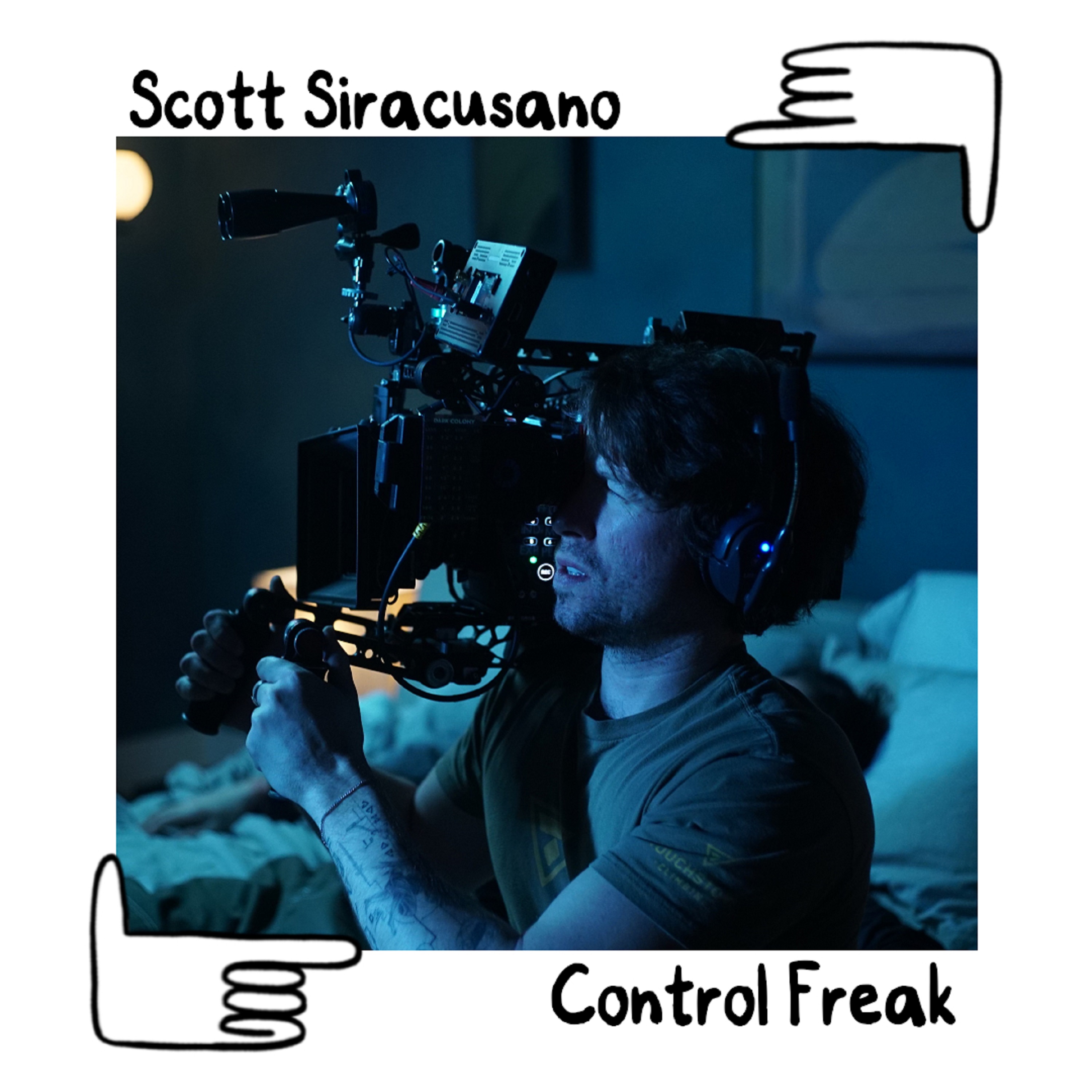
Framing fear, with 'Control Freak' cinematographer Scott Siracusano
This week on the show, Scott Siracusano, cinematographer of 'Control Freak,' takes us behind the scenes of the nuanced process of bringing a feature film to life, especially one that builds on the eerie undercurrents of its short film predecessor. Scott shares his approach to lighting and camera movement, revealing how he crafted scenes to create an atmosphere of tension and suspense.We also discuss the technical challenges of shooting with mirrors—an innovative choice that not only enhances the film's aesthetic but also serves to deepen the audience's understanding of the characters' internal struggles. From the chaotic joy of filming and the exhilarating moments of creativity to the nerve-wracking pressures of a first-time feature, we cover it all!
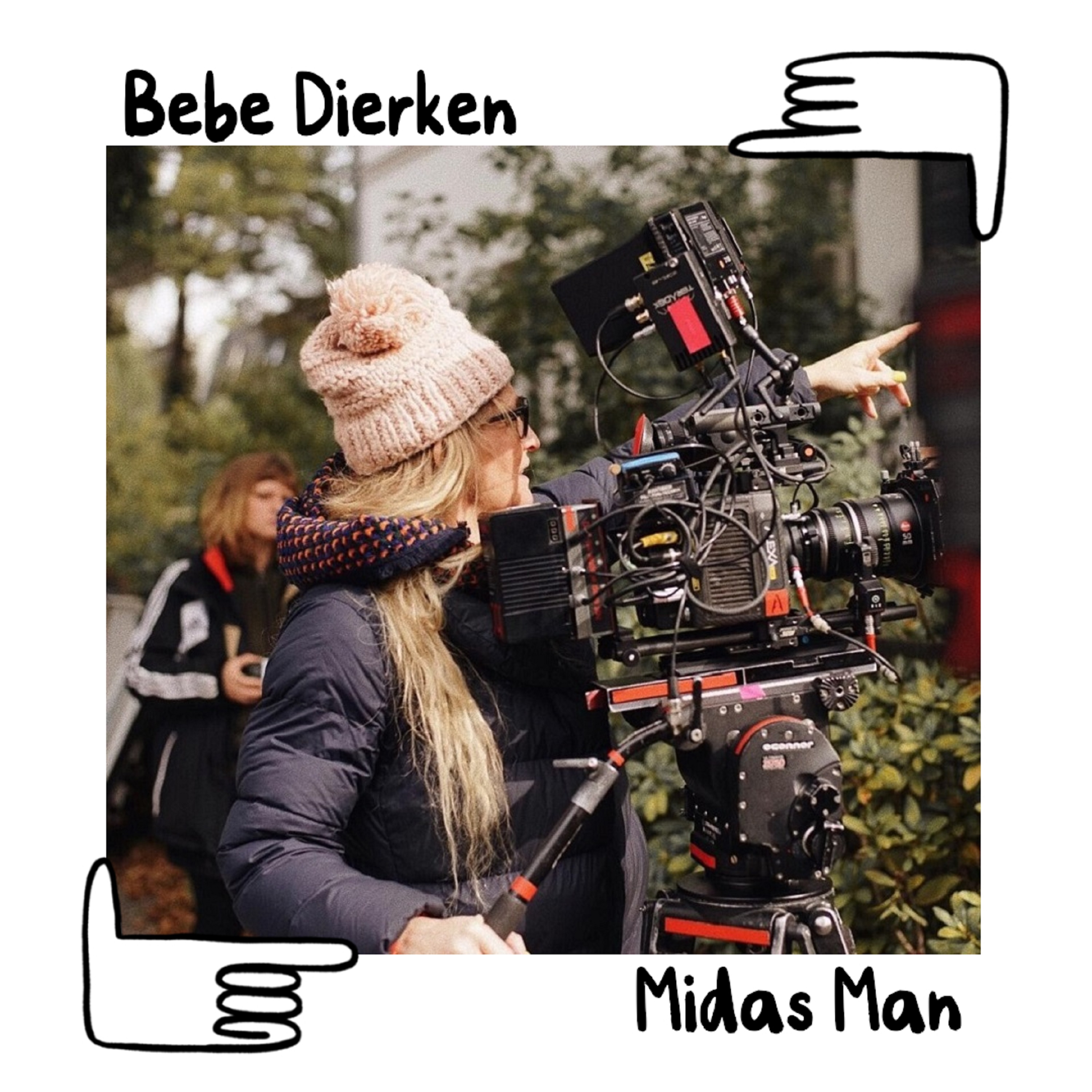
From Paintbrush to Camera: Bebe Dierken's cinematic focus through the ranks
Bebe Dierken's journey through the cinematic landscape is a tapestry woven with passion, perseverance, and a dash of serendipity. From her early days as a painter, where the still life of pumpkins nearly sent her to a creative grave, to the bustling film sets where she became a revered cinematographer, Bebe's tale is as vibrant as the frames she captures.In our chat, she shares how she stumbled upon cinematography almost by accident, discovering her love for the craft in a dark room rather than a gallery filled with canvas. With years of experience as a focus puller, she navigated the ranks of the film industry, steadily climbing from assistant to director of photography, a journey marked by both challenges and triumphs. We dive deep into her philosophy of storytelling through the lens, where lighting, composition, and emotional resonance come together to create a visual narrative that speaks universally, transcending language barriers. Her insight into the collaborative nature of filmmaking reveals how vital it is to build trust within a crew, and how her unique experiences have shaped her understanding of the industry. We also discuss her recent work on 'Midas Man', a film that embodies the quiet complexities of Brian Epstein's life, where the visuals had to serve the narrative without overshadowing it.
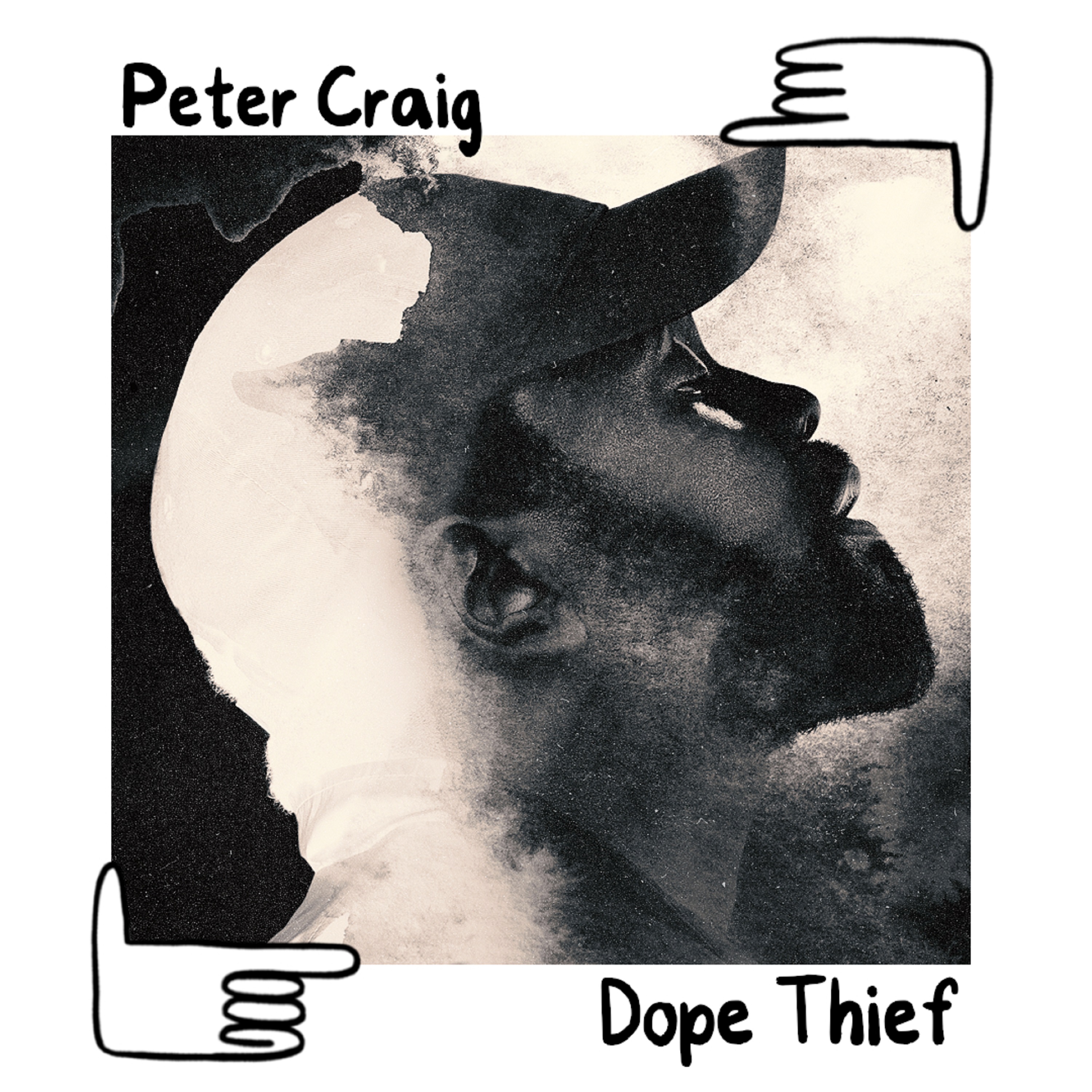
We Need to Talk About Emmy #17: Peter Craig adapts ‘Dope Thief’
As we dive into the creative universe of Peter Craig, the mastermind behind the gripping series 'Dope Thief', we explore the intricacies of storytelling and character development that make this show a must-watch.Peter shares his passion for writing, revealing that the thrill of crafting a narrative comes from fully immersing himself in his characters' lives. He likens the process to an egoless trance, where the line between himself and his characters blurs, leading to deeply authentic portrayals of their struggles and triumphs.We also discuss the alchemy of transforming a book into a visual masterpiece—how he stumbled upon Dennis Tafoya's source material and immediately recognized its potential for a rich, dramatic narrative. By embracing both the chaos and humor of life, 'Dope Thief' captures the complexities of human nature in a way that is both compelling and deeply resonant.(Photo: Courtesy of Apple)