We Are Not Doomed
Optimism in a changing climate.
Puddle Creative
Show overview
We Are Not Doomed launched in 2024 and has put out 16 episodes in the time since. That works out to roughly 9 hours of audio in total. Releases follow a roughly quarterly cadence.
Episodes typically run twenty to thirty-five minutes — most land between 32 min and 41 min — and the run-time is fairly consistent across the catalogue. None of the episodes are flagged explicit by the publisher. It is catalogued as a EN-language Society & Culture show.
There hasn’t been a new episode in the last ninety days; the most recent episode landed 10 months ago. The busiest year was 2024, with 12 episodes published. Published by Puddle Creative.
From the publisher
Optimism in a changing climate. Interviews with industry leaders, authors, journalists, and real people who are making an impact on climate change everyday. We Are Not Doomed is hosted by Jonah Geil-Neufeld, the Executive Producer of Puddle Creative.
Latest Episodes

Eco-Grief, Burnout, and Building Resilient Conservation Teams
Michelle Doerr runs Anavah Consulting, a Minnesota-based firm that works with conservation organizations to build capacity, foster inclusive teams, and improve communication. After spending years as a wildlife biologist managing urban deer populations and working in the archery industry, she recognized a critical gap: 90% of wildlife management is people management, but professionals receive almost no training for it. Conservation workers face unprecedented challenges—83% report experiencing burnout, according to Doerr's research. They deal with cognitive dissonance (entering the field to help animals, then having to kill them), hostile public meetings, and the emotional weight of watching their science questioned daily. Add eco-grief from witnessing environmental destruction and eco-anxiety about the future, and you have a field in crisis. Doerr argues that the burnout narrative places too much responsibility on individuals when the real issue is systemic. Organizations throw workers into high-stakes, public-facing roles without training in conflict resolution, cooperative language, or emotional processing. Her approach shifts from self-care to capacity building—creating systems where people can thrive before they hit survival mode. The conversation covers practical strategies: setting agreements for public meetings, acknowledging pain instead of skipping to solutions, tying mundane tasks to bigger purpose, and making time to actually be in nature.
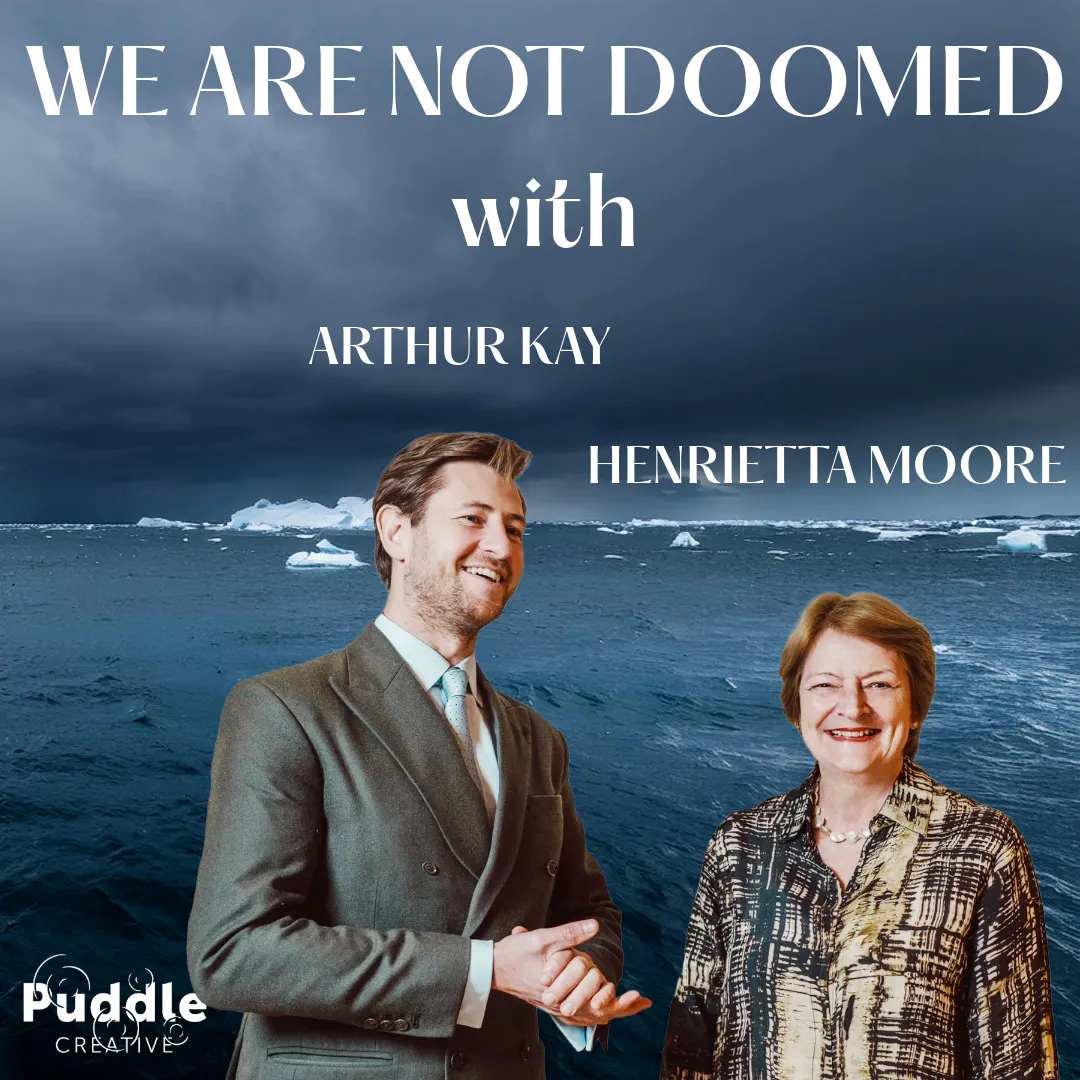
Rethinking Our Toxic Relationship with Cars
Professor Dame Henrietta Moore and urban designer Arthur Kay, co-authors of "Roadkill: Unveiling the True Cost of Our Toxic Relationship with Cars," challenge the myth that cars represent freedom while offering practical solutions for reducing car dependency. The conversation explores how the "car industrial complex" has shaped our cities and lives, from the surprising history of electric vehicles in the 1890s to the hidden costs of car-centric urban planning. Moore and Kay reveal that 60-70% of car-related air pollution doesn't come from tailpipes, discuss how parking requirements increase housing costs, and examine innovative transportation solutions emerging from cities in the Global South. Rather than being anti-car, they advocate for expanding transportation choices and reimagining urban spaces around people instead of vehicles. The authors present over 100 actionable ideas for creating more livable cities while reframing 21st-century freedoms around clean air, walkable neighborhoods, and reduced car dependency.

Smart Bathrooms Are Solving America's Hidden Infrastructure Crisis
Fletcher Wilson and Jessica Heinzelman, founders of Throne Labs, discuss their mission to address America's surprisingly poor public restroom infrastructure through solar-powered smart bathrooms. The US ranks just 30th globally in public restroom availability, creating real challenges for rideshare drivers, families, and people with medical conditions that became more apparent during the pandemic. Their innovative solution combines traditional indoor bathroom experiences with modern technology including 21 sensors, real-time cleanliness ratings, and flexible deployment that allows cities to quickly install and relocate units based on community needs. From reducing public defecation at LA Metro stations by 50% to enabling families to spend more time together in public spaces, Throne Labs demonstrates how addressing basic human needs can strengthen communities and support climate goals by encouraging public transit use.

Fighting the Polycrisis with Radical Honesty
Mike Berners-Lee, author of "A Climate of Truth," discusses how radical honesty in politics, media, and business represents our highest leverage point for addressing the interconnected global crises we face. Berners-Lee explains how his work evolved from carbon accounting to identifying truth as the most powerful tool for collective action amid climate destabilization. Despite acknowledging the gravity of our situation, particularly amid political challenges, he offers practical steps individuals can take—from supporting ethical media to making conscious consumer choices—while maintaining a surprisingly optimistic perspective on human capacity for transformation. The conversation provides a clear-eyed framework for staying engaged with difficult truths while finding meaning in community action and personal responsibility.

Weaving Sustainability into a 440-year-old Family Business
Andrea Piana, CEO of Piana Technology, shares the journey of transforming a 440-year-old family textile business into a sustainable innovation powerhouse. Through circular design principles, the company is revolutionizing industries like automotive and bedding, with a focus on reducing waste and carbon emissions. Piana discusses how climate change inspired their shift towards zero-waste technologies and creating products that benefit both human health and the planet. The conversation offers an inspiring look at how businesses can reimagine their purpose and contribute to positive environmental change.
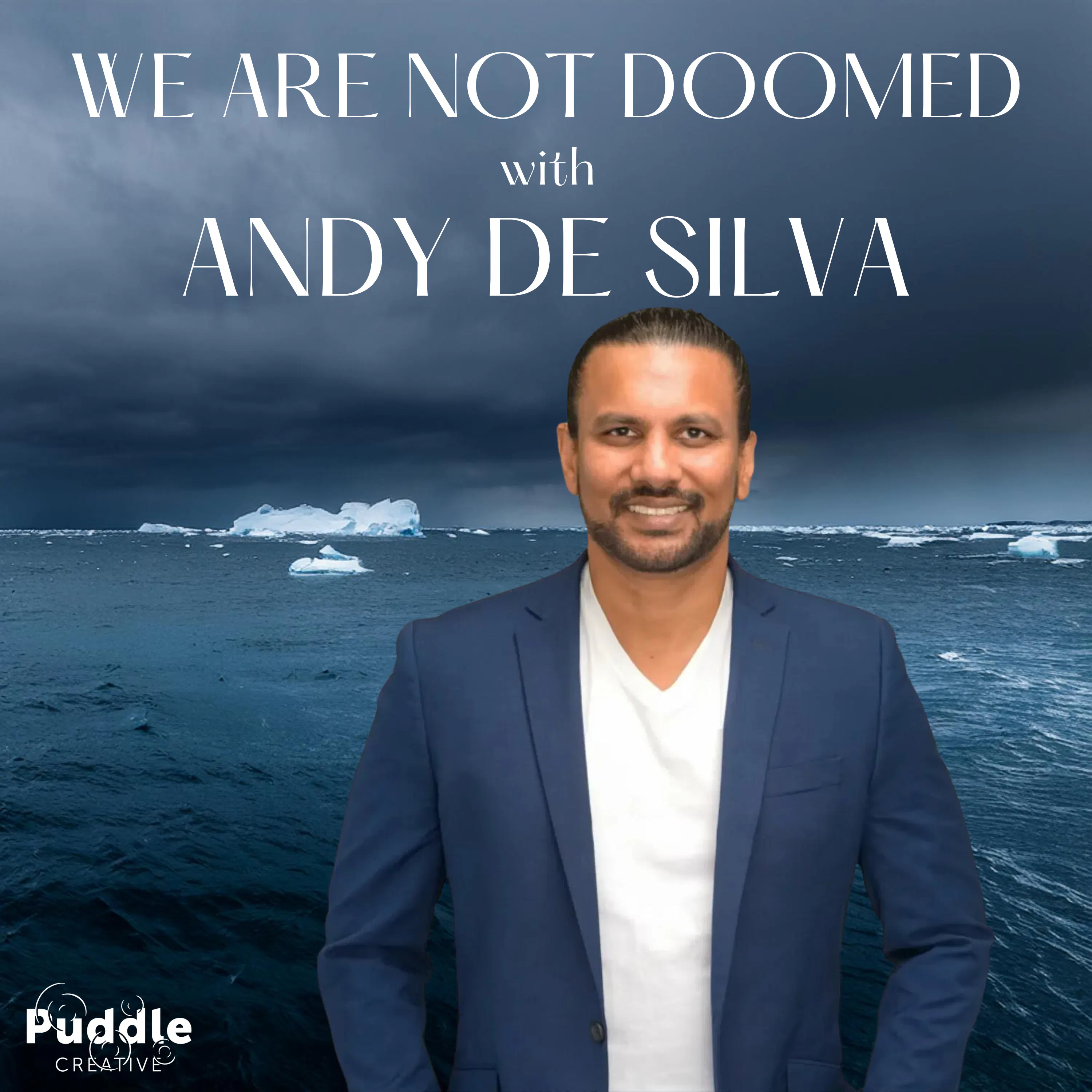
Reinventing Hotel Amenities
Andy De Silva, CEO of Hotel Emporium, shares his journey from growing up in Sri Lanka to becoming an eco-friendly hotel amenities innovator. He discusses how his childhood experiences shaped his commitment to sustainability and his mission to reduce plastic waste in the hospitality industry. Through his company, Andy has developed innovative products like the Eco Pod and is continuously working to create more sustainable solutions. Hear how one entrepreneur is making a difference in the fight against environmental challenges.

From Red Party Cups to Green Innovations
In this episode of We Are Not Doomed, Jonah Geil-Neufeld interviews Raegan Kelly, the head of product and sustainability at Better For All, a company revolutionizing single-use items with their home-compostable cups. Raegan shares the journey of creating an eco-friendly alternative to the ubiquitous red party cup, the challenges of replacing petroleum-based plastics, and the promise of PHA biomaterials. This inspiring conversation highlights how small changes in consumer habits and innovative solutions can drive significant environmental impact.

Making Every Job a Climate Job with Sanders Lazier
Sanders Lazier, CEO of Carbonhound, shares how businesses of all sizes can measure and reduce their carbon emissions while turning climate action into profit. Through practical examples and expert insights, Sanders breaks down complex topics like scope emissions and regulatory requirements into actionable steps for companies. Drawing from his personal journey and industry experience, he illustrates how climate reporting is rapidly becoming a crucial business differentiator rather than just a compliance requirement. His optimistic perspective shows how every role in every company can become a platform for meaningful climate action.

4 Critical Shifts to Incorporate Regenerative Thinking into Your Life and Work
In this thought-provoking episode of We Are Not Doomed, host Jonah Geil-Neufeld sits down with Daniel Lawse, co-founder and co-owner of the Verdis Group, a sustainability and regenerative consulting agency based in Omaha, Nebraska. Lawse shares his journey from studying theology to becoming a leader in environmental sustainability, and how his company is helping large organizations shift from traditional sustainability practices to a more holistic, regenerative approach. The conversation delves into the four critical shifts that Lawse believes are essential for creating a more resilient and thriving world: moving from short-term to long-term thinking, from separate to interconnected systems, from static to dynamic approaches, and from closed to open systems. Through engaging examples from his work with aquariums, zoos, and other complex organizations, Lawse illustrates how these principles can be applied to create meaningful change. He also discusses the importance of scope 3 emissions, the growing focus on climate adaptation and resilience, and how individuals can incorporate regenerative thinking into their daily lives. Topics Discussed: Daniel Lawse's journey from theology to sustainability consulting The shift from sustainability to regenerative thinking Four critical shifts for creating a thriving world: a. Short-term to long-term thinking b. Separate to interconnected systems c. Static to dynamic approaches d. Closed to open systems Examples of regenerative practices in zoos and aquariums The importance of scope 3 emissions in organizational sustainability Growing focus on climate adaptation and resilience The Seventh Generation Principle and its potential impact on decision-making How individuals can incorporate regenerative thinking into daily life The role of compassion and repair in personal and organizational growth Optimism for the future based on organizational progress in sustainability
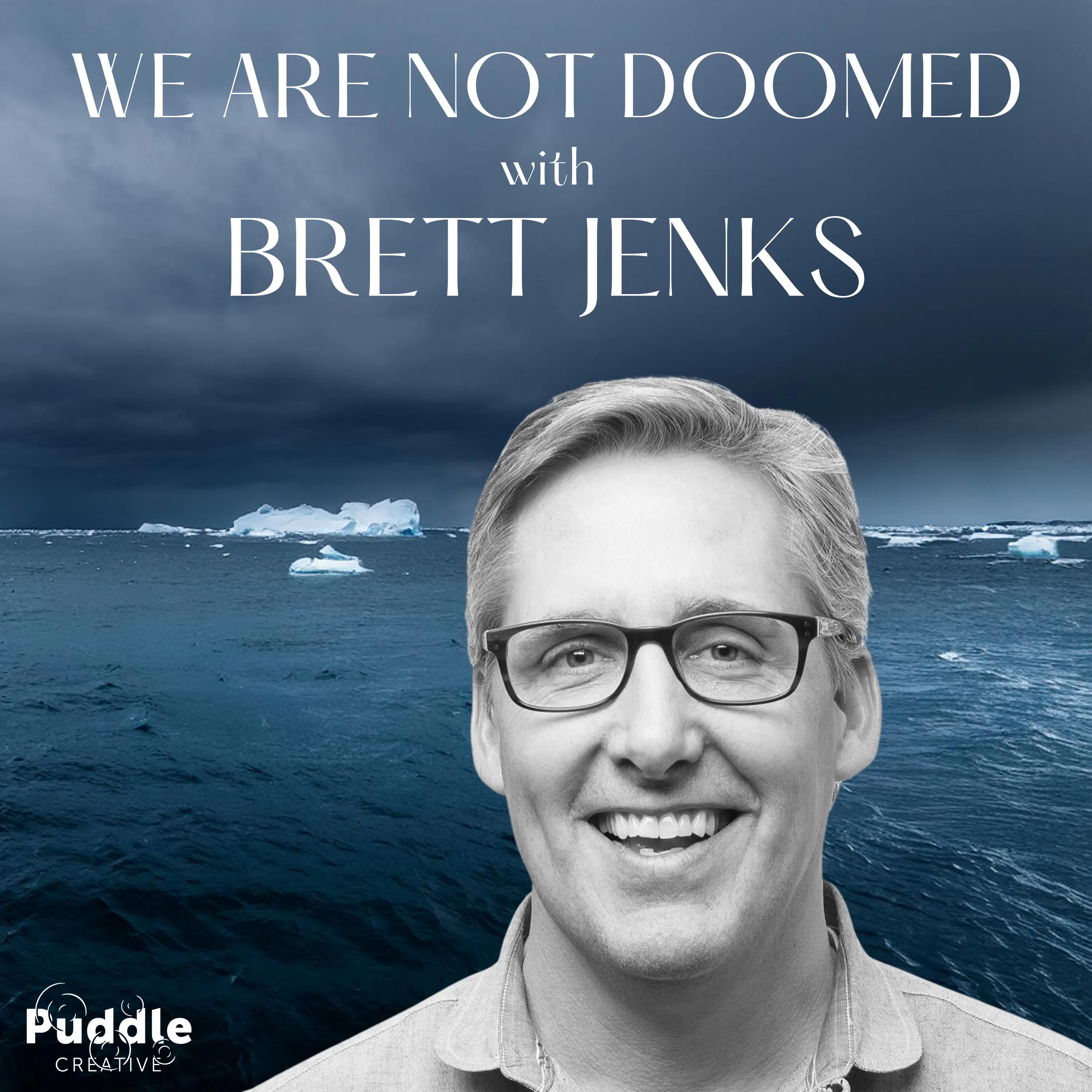
What Behavioral Science Can Teach Us About Climate Action
What does it take to future-proof humanity in the face of climate change? In this episode of We Are Not Doomed, Brett Jenks, CEO of Rare, shares his journey from producing Dunkin' Donuts commercials to leading global conservation efforts that are helping to reshape our relationship with nature. From empowering coastal fishing communities to leveraging behavioral science for large-scale environmental change, Brett explains how Rare is building a global movement that combines conservation, innovation, and community-led action to fight climate change. Tune in to hear how these efforts are creating real change—and why Brett believes we are better at adapting than we think.

How Cotopaxi is Tackling Climate Change and Poverty
Sustainability is at the very core of Cotopaxi. The company's legal designation allows it to prioritize people and planet, alongside profit. In this episode of We Are Not Doomed, host Jonah Geil-Neufeld talks with Annie Agle, Vice President of Impact and Sustainability at Cotopaxi. Annie shares how the outdoor gear company is setting a new standard for sustainability, from their circular business model to their philanthropic efforts in global poverty alleviation. She dives into Cotopaxi’s unique approach to corporate responsibility and the environmental challenges facing the apparel industry, while offering insights into how businesses can be a force for good.

Powering AI with Clean Energy
Greg Robinson, co-founder and CEO of Aston, joins We Are Not Doomed to discuss how clean energy can meet the growing power demands of AI data centers. Greg shares his journey from working in solar energy to founding Aston, a company focused on providing firm power service through renewable sources like solar and geothermal. Greg is a wealth of knowledge on the future of clean energy, independent power networks, and how climate change is shaping the way we power technology.

The Impact of Forest Carbon Offsets
In this episode, Jonah Geil-Neufeld interviews Whitney Flanagan, Director of Marketing at Finite Carbon, to explore the powerful role of forest carbon offsets in climate change mitigation. Whitney shares how her upbringing in East Tennessee shaped her passion for conservation, and how Finite Carbon is helping landowners protect forests while generating revenue through carbon finance. Learn about the difference between voluntary and compliance markets, and hear inspiring stories, including one from the Pasamaquoddy tribe, about how forest conservation is improving communities.

From Fiction to Reality: Lessons from Stanford's Design Leaders
In this episode, Jonah sat down with Carissa Carter and Scott Doorley from Stanford's d.school to explore the intersection of design, technology, and future possibilities. Carissa, the Academic Director, and Scott, the Creative Director, share their perspectives on how emerging technologies like AI and synthetic biology are reshaping design education and practice. They discuss their book, "Assembling Tomorrow: A Guide to Designing a Thriving Future," and highlight the critical role of design in addressing global challenges such as climate change. Join us for a thought-provoking conversation about the power of design to inspire innovation and build a sustainable future. Chapters: 00:00:00 - Introduction 00:07:08 - Describing the Book: A Designer’s Perspective 00:07:52 - Histories of the Future: Speculative Fiction in Design 00:10:24 - Mammoth De-extinction: Exploring Future Ecosystems 00:14:59 - AI in Design Education: Tools and Implications 00:16:40 - Emerging Technologies: Beyond Traditional Mediums 00:24:34 - The Role of Designers: Healing Gaps in Systems 00:31:53 - Climate Change Impact on Food Systems 00:32:42 - Optimism in Technology and Human Ingenuity

CNN's Bill Weir on Climate Change, Fatherhood, and Hope
Jonah Geil-Neufeld sits down with Bill Weir, CNN's Chief Climate Correspondent, to discuss his new book, "Life as We Know It: Stories of People, Climate, and Hope in a Changing World." Bill shares heartfelt letters written to his son, River, born in 2020, amidst a world grappling with the dual crises of climate change and COVID-19. This conversation delves into personal reflections, the impact of climate change on future generations, and the inspiring stories of resilience and innovation that offer a glimpse of hope for our planet.
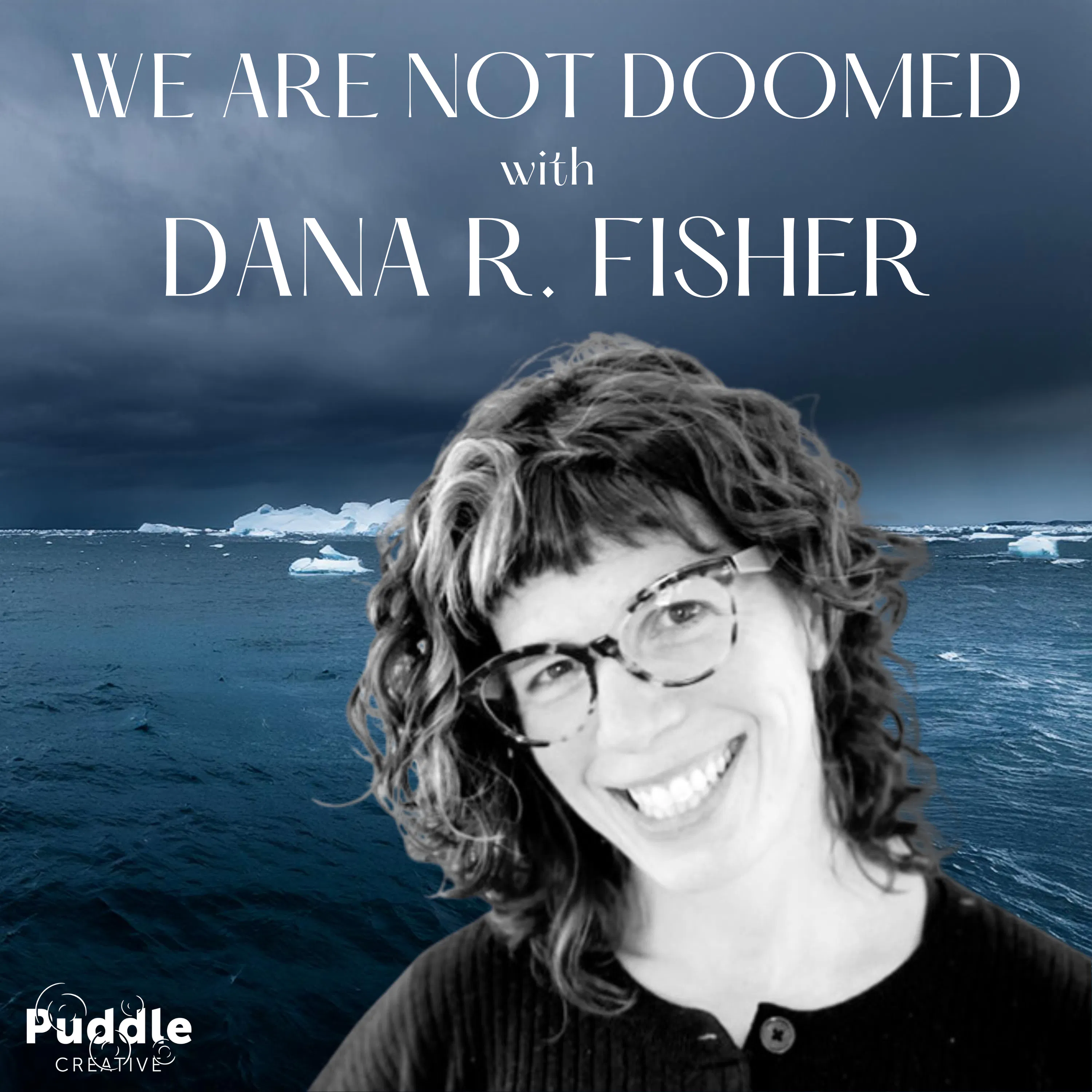
Saving Ourselves: Dana R. Fisher
In our first episode, Jonah talks with Dana R. Fisher, Director of the Center for Environment, Community, and Equity at American University. Dana shares insights from her book Saving Ourselves and her journey from environmental policy work to becoming a leading voice in environmental sociology. She emphasizes the power of individual and collective action in pushing against entrenched power structures and advocates for a massive systemic transformation to address the root causes of climate change. Their conversation explores the concept of 'apocalyptic optimism' and the idea that significant environmental disasters might be necessary to catalyze global societal shifts towards serious climate action. They also talk about personal stories of climate impact and the potential for societal change through what is termed 'Anthro-Shift'.