We Are ETH
72 episodes — Page 1 of 2
Ep 70Building Tomorrow: ETH President Joël Mesot on Innovation, Partnerships, and Real-World Impact
In this episode of We Are ETH, host Susan Kish speaks with Joël Mesot, President of ETH Zurich, a scientist and people-first leader who has guided ETH through rapid change with calm resolve and big ambition. With warmth and humility, Mesot explains how collective intelligence across departments turns ideas into impact, from the Geo Lab and next-generation space research to AI and climate technologies. He shares why ETH is speeding up translation from lab to society, how programmatic fundraising unlocks bold projects, and why close industry partnerships matter for Switzerland. They revisit lessons from COVID that strengthened autonomy and speed, and they talk about an education model that blends technical excellence with values, leadership, and communication. Mesot is generous about his team, candid about geopolitical headwinds, and clear about the legacy he hopes to leave: faster paths to impact, stronger ties with society, and a university that listens. Inspiring, pragmatic and deeply human.Chapters(00:29) A Day in the Life of ETH President(01:45) Fundraising and External Relations(03:06) Research Initiatives and Achievements(04:19) Collective Intelligence and Collaboration(05:08) COVID-19 Response and Rapid Innovation(07:10) Autonomy and Speed in Research(08:35) Legacy and Future Vision(10:28) Climate Change and Environmental Research(11:12) Educational Values and Competencies(15:20) AI and Space Research(21:27) Challenges and Opportunities Ahead(29:34) Final Thoughts and Farewell
Ep 69Redefining the Human: Tobias Rees on AI, Microbiomes, and the New Brain
In this episode of We Are ETH, Susan Kish speaks with Tobias Rees, philosopher, and anthropologist, about how science and technology are rewriting our idea of “human”. Tobias explains the shift from seeing the brain as fixed chemistry to a living system that renews and adapts. He explores how the microbiome and climate research dissolve the old boundary between humans and nature. Then he turns to AI as an “in-between” presence: a built system that learns, models, and creates in ways once reserved for living beings. The result is a fresh take on agency, identity, and participation in a world where machines and organisms increasingly overlap. Along the way Rees shares the moments that shaped his thinking, the projects he is pursuing now and the practices that keep his ideas moving. Bold, clear and provocative, this is a fast track into the future of what we are.Chapters:(01:42) The brain: From fixed organ to living system(06:04) The human as a concept(07:43) Ancient philosophy: Who counted as human?(09:54) The birth of universal humanity(12:09) Microbiomes and climate change: Rethinking nature(13:08) AI: Between machine and being(16:03) Tobias's work and philosophy(17:04) Growing up without career expectations(18:03) Reading recommendations and daily practicesbooks and podcasts mentioned in this episode:The Genius Of Trees by Harriet RixPossible by Reid Hoffman and Aria FingerNo Priors by Sarah Guo and Elad GilZEIT Literatur Podcast "Was liest du gerade?"F.A.Z. Literatur Podcast
Ep 68Smart Cities, Hot Climates: How Estefanía Tapias is turning research and experience into real cities
In this episode of We Are ETH, host Susan Kish talks with Dr. Estefanía Tapias, ETH Zurich alumna and smart-city expert, about building resilient, people-centered cities. Estefanía traces a path from Bogotá to Zurich, through the Future Cities Lab in Singapore, to her current work in Dubai, advising on urban development across the Gulf. She explains how extreme heat reshapes street design, materials, and building operations, why public transport, shading, and walkability still win in hot climates, and how to scale sustainable construction. The conversation explores Saudi Arabia’s NEOM and other build-from-scratch projects, weighing bold vision against practical constraints. Estefanía reflects on “living the problems” before critiquing, how Zurich shaped her systems view, and how data bias and missing perspectives can distort planning models. She closes with advice for young planners: go where change is happening, blend tech with anthropology, and test ideas in real streets.(00:00:48) Introduction: From Colombia to Dubai(00:02:03) The Middle East's Technology Transformation(00:02:34) Combining Urban Planning with Technology(00:03:39) Public Transportation and Urban Design(00:05:22) Falling in Love with Zurich(00:07:07) Working with Visionary Professor Gerhard Schmitt(00:09:13) Understanding Extreme Heat and Climate Adaptation(00:12:41)Living the Problems Before Criticizing(00:13:31)Cities Built from Scratch: Saudi Arabia's Opportunity(00:16:49) NEOM: Successes and Challenges(00:19:08) Advice for Young Urban Planners(00:20:16) What Makes ETH Special(00:21:20) Curiosity About Future Cities(00:22:17) Data Bias and Diverse Perspectives in Technology
Ep 67Debugging AI Agents at Scale: Roman Engeler on Traces, Guardrails & Atla
Host Susan Kish talks with Roman Engeler, ETH Zurich alumnus and co-founder of Atla, about how modern AI agents make decisions and how to keep them safe, reliable, and fast. Roman explains traces – the step-by-step records of an agent’s reasoning – s and shows how Atla helps teams debug, evaluate and improve agent performance at scale. He shares the move from ETH research to building a company in London, compares startup cultures in Zurich, Palo Alto and London, and reflects on how ETH’s rigor translates into product execution. The conversation covers the promise and risks of growing autonomy, why guardrails matter for real deployments, and ways alumni can give back, including the Founder’s Pledge. Clear, candid and practical, this episode is for anyone shaping the next wave of intelligent systems.Chapters:(00:00:48) Living in London: Startup Scene Comparison(00:03:36) From Research to Startups: Roman's Journey(00:05:33) What Are AI Agents and Traces?(00:07:30) Introducing Atla: Debugging AI Agents(00:09:24) Case Studies: Real-World Applications(00:11:08) Pricing Model and Customer Success(00:13:43) The ETH Difference: Rigor and Freedom(00:16:05) Founder's Pledge: Giving Back to ETH(00:18:21) The Future of AI: Progress and Predictions(00:21:42) Advice for Future AI Students(00:23:42) Giving Back: Scholarships and Support(00:25:19) Personal Questions: Growing Up and Early Dreams(00:26:03) Current Reading: Biographies and AI Safety(00:28:34) Favorite Zurich Spot and Closing
Ep 66From Physics to Flavor: Sue Tobler & Remo Gisi’s Tastelab Revolution
In this episode of We Are ETH, host Susan Kish sits down with ETH alumni Sue Tobler (physics) and Remo Gisi (computer science). They are the cofounders of Tastelab, a culinary studio that turns algorithms and physics into unforgettable plant based dining. Sue and Remo share how they moved from corporate careers to entrepreneurship and how they use data analysis, sensory testing, and event storytelling to design dishes where science amplifies joy. They explain their approach to algorithmic recipe development, texture and heat transfer informed by physics, and a pragmatic view of sustainability that showcases what is possible rather than prescribing limits. Along the way they reflect on lessons in negotiation, balancing creativity and constraints, and building a business that finds the sweet spot between precision and play. From pop up gastronomy to bespoke experiences, Tastelab shows that the future of food can be deliciously data driven and truly memorable.books mentioned in the podcast:Book of ideas (Sue)https://www.amazon.com/Rel%C3%A6-Ideas-Christian-F-Puglisi/dp/1607746492Goliath's Curse (Remo)https://en.wikipedia.org/wiki/Goliath%27s_Curse(00:59) The Passion for Food(02:48) Cooking as Science(06:43) Creating Memorable Experiences(11:38) Sustainability in Culinary Arts(16:46) The Journey to Taste Lab(28:08) Advice for Aspiring Innovators(30:00) Closing Thoughts and Reflections
Ep 65From ETH Zurich to ANYbotics: Péter Fankhauser on Building the Future of Robots
In this episode of We Are ETH, host Susan Kish talks with Péter Fankhauser, CEO and co-founder of ANYbotics, about his journey from an ETH Zurich spinoff to leading one of the world’s most exciting robotics companies. Péter shares how his fascination with robots turned into a global business, the real-world challenges of scaling deep-tech innovation, and why combining AI with robotics is transforming industries. From oil and gas inspections to autonomous machines designed for complex and dangerous tasks, ANYbotics is showing how robots can take on work once thought impossible – while deliberately steering clear of military applications. Along the way, Péter offers candid advice for aspiring entrepreneurs: get out of the lab, listen to your customers, and embrace leadership that goes beyond engineering. This episode is a front-row seat to the future of robotics, and to the mindset that makes it possible.Books mentioned in this episode:The Hard Things About The Hard Things - Ben Horowitzhttps://www.amazon.de/Hard-Thing-About-Things-Building/dp/0062273205Build - Tony Fadellhttps://www.amazon.com/Build/dp/1787634108Chapters:(00:43) Peter Fankhauser's Journey into Robotics(01:23) The Focus Project at ETH Zurich(02:17) Building the Inverted Pendulum Robot(03:31) The Tipping Point in Robotics(04:52) Founding Anybotics and Embracing AI(06:03) Funding and Scaling Anybotics(08:23) Applications of Robotics in Industry(11:34) Ethical Considerations and Future of Robotics(19:47)Advice for Aspiring Entrepreneurs(22:19) Closing Thoughts and Reflections
Ep 64From Campus to Cosmos: ETH Zurich’s Space Vision with Marco Tempest and Nanja Strecker
ETH Zurich is reaching for the stars – literally. In this special episode of We Are ETH, host Susan Kish speaks with techno-magician Marco Tempest and innovation strategist Dr. Nanja Strecker, two visionary forces behind ETH Zurich’s rapidly growing space ecosystem. They explore how ETH is transforming itself into a launchpad for space innovation, education, and entrepreneurship: through bold initiatives like the Master program in Space Systems and the PI Innovation Hub, which connects deep tech research with real space missions. The conversation highlights the role of Switzerland in the lunar economy, the creative and technical challenges of building for space, and how ETH’s interdisciplinary strength is positioning it at the forefront of this next frontier. Marco and Nanja also share their personal journeys and what it will take to prepare the next generation of space pioneers and entrepreneurs.Chapters:(01:27) The Magic and Fascination of Space(03:07) Space Startups and Entrepreneurship(07:39) ETH Zurich's Role in Space Innovation(12:15) Thomas Zurbuchen's Journey to ETH(19:52) ETH Zurich's Space Master's Program(25:29) Personal Insights and Recommendations(33:00) Conclusion and Closing Remarksbooks mentionned in this episode:Nanjas recommendations:The Culture Map - Erin Meyerhttps://erinmeyer.com/books/the-culture-map/The Space Economy - Chad Andersonhttps://www.spacecapital.com/space-economy-bookMarcos recommendations:Signs Of Storytelling - Will Storrhttps://www.thescienceofstorytelling.com/Mindware - Tools for Smart Thinking - Richard Nisbetthttps://lsa.umich.edu/psych/people/emeriti-faculty/nisbett.html
Ep 63Olympian, Engineer, Cookbook Author: Emma Pooley’s Impressive Life
Olympic medalist, world champion cyclist, engineer, and cookbook author – Dr. Emma Pooley has never fit into a single box. In this episode of We Are ETH, host Susan Kish sits down with the ETH Zurich PhD alumna to talk about her extraordinary path from Cambridge mathematics student to elite endurance athlete and published author. Emma shares how switching to engineering helped her make sense of the world, how she trained for the Olympics while finishing her doctorate, and why her ETH supervisor Sarah Springman played a pivotal role in making it all possible. They discuss the joys and chaos of racing bikes, adjusting to life in Zurich, writing her deeply personal cookbook OAT to Joy, and what it takes to balance ambition with wellbeing. This episode is a warm, honest, and energizing reminder that it’s possible to pursue excellence – without giving up joy.(01:01) Emma's Academic Journey(01:54) Transition to Engineering(03:09) Moving to Zurich(04:43) Discovering Cycling(07:04) Early Cycling Challenges(10:07) Balancing PhD and Cycling(12:58) PhD Research Explained(15:10) Balancing Athletics and Personal Growth(16:12) Experiences at ETH Zurich(16:42) Cycling Challenges and Crashes(17:38) Transitioning from Cycling to Triathlon(18:25) Publishing a Cookbook(20:55) Career Shift to Engineering
Ep 62Reinventing Haifa for the 21st Century: Einat Kalisch-Rotem’s Urban Vision
In this episode of We Are ETH, host Susan Kish speaks with Dr. Einat Kalisch-Rotem, the first woman mayor of Haifa and a visionary force in modern urban planning. Trained as an architect at ETH Zurich, Einat shares how her ETH experience shaped the bold strategies she’s using to reimagine Haifa’s future. From creating Israel’s first bilingual school to fighting for better public transportation and more livable, inclusive spaces, she reveals how thoughtful design can transform cities. Einat talks candidly about navigating political hurdles, breaking new ground in sustainable urban development, and her drive to position Haifa as a hub of culture, tourism, and innovation. This episode offers an inspiring look at how leadership, vision, and design can work together to reshape a city for the challenges of the 21st century.(00:27) Meet Dr. Einat Kalish-Rotem: Architect, Urban Planner, and Mayor(00:53) Zurich's Influence on Urban Planning(01:41) Challenges and Achievements in Haifa's Infrastructure(01:45) The Journey into Politics(04:14) The Vision for Haifa's Future(05:01) The Impact of Zurich on Leadership(06:18) Anthropological Insights and Public Spaces(10:09) Political Challenges and Triumphs(20:42) Future Endeavors and Reflections(22:14) Closing Thoughts and Reflections
Ep 61Capturing Carbon at Scale: Jan Wurzbacher on Engineering Climate Solutions
Dr. Jan Wurzbacher, ETH alumnus and co-founder of Climeworks, joins host Susan Kish to talk about the urgent need—and emerging science—behind removing CO₂ from the atmosphere. Born out of a vision shared with fellow ETH engineer Christophe Gebald, Climeworks has grown from lab experiments at ETH Zurich to building the world’s first large-scale direct air capture plants in Iceland. Jan explains the mechanics of carbon capture using sorbent materials, the hurdles of scaling such a system, and how engineering and climate science must work together to meet the planet’s carbon removal targets. He also reflects on the importance of market creation, policy support, and public trust as Climeworks moves toward its ambitious goal of gigaton-scale CO₂ removal by 2050. This episode is a deep dive into innovation at the edge of climate action—and a rare look inside one of ETH Zurich’s most impactful spin-offs.books mentioned in this episode:Jim Collins «From Good to Great».Verne Harnish «Scaling Up»chapters:(00:27) Meet Dr. Jan Wurzbacher: Co-Founder of Clime Works(00:56) The Origin Story: Meeting at ETH(02:19) Applying Mechanical Engineering to Climate Change(02:31) How Clime Works Extracts CO2 from the Air(03:26) Building and Scaling Clime Works(05:16) Challenges and Innovations in CO2 Removal(08:03) Early Prototypes and Market Development(11:39) Scaling Up: From Pilot to Gigaton Scale(17:48) The Future of CO2 Removal and Personal Actions(19:34) Leadership and Organizational Growth(22:44) Closing Thoughts and Personal Insights
Ep 60Where Architecture Meets Marine Biology: Ulrike Pfreundt on Coral Restoration
Marine biologist and ETH alumna Dr. Ulrike Pfreundt shares her journey from rainforest activism to coral reef regeneration. As co-founder and co-CEO of RRREEFS, she is pioneering a novel approach to rebuilding lost reef ecosystems—using 3D-printed clay structures inspired by architecture, biology, and fluid dynamics. In conversation with host Susan Kish, Ulrike explains how coral reefs protect coastlines, why reef loss is accelerating, and how interdisciplinary collaboration at ETH Zurich sparked her mission. She speaks candidly about the challenges of scaling impact, the importance of transparency in climate work, and the need to rethink financial models for regeneration. From dive training on Elba to launching one of the world’s most innovative reef restoration startups, Ulrike’s story is a powerful testament to curiosity, purpose, and the power of science to heal ocean ecosystems.books mentioned in the episode:Bernhard Kegel - Graschapters:(00:32) Meet Dr. Ulrike Pfreundt and RRREEFS(01:27) The Meaning Behind RRREEFS(02:09) Corporate Values and Mission(03:32) Challenges and Goals in Coral Reef Restoration(06:00) Understanding Coral Bleaching(09:55) Dr. Pfreundt's Journey into Marine Science(12:49) Innovative Approaches to Reef Restoration(16:26) Interdisciplinary Collaboration at ETH(22:16) Final Thoughts and Reflections(27:32) Closing Remarks and Podcast Information
Ep 59Teaching Drones to See with Margarita Chli
In this episode, host Susan Kish speaks with Professor Margarita Chli, a leading figure in robotic vision and autonomous systems. As the head of the Vision for Robotics Lab at ETH Zurich and the University of Cyprus, Professor Chli discusses how her research enables drones to perceive and navigate complex environments. She delves into the challenges of developing vision systems for autonomous drones, the potential applications in areas like wildfire management and search and rescue, and the importance of interdisciplinary collaboration in advancing these technologies. The conversation also touches on the ethical considerations of dual-use technologies and the role of curiosity in scientific discovery. This episode offers insights into the cutting-edge work at the intersection of robotics, AI, and real-world applications.Chapters(00:26) Meet Professor Margarita Chli(01:07) Understanding Vision in Robotics(03:24) Challenges in Robotic Vision(05:38) Swarm Robotics and Communication(10:56) Hardware vs. Software in Robotics(13:47) Drones in Warfare and Humanitarian Efforts(17:54) The Future of Robotics and AI(19:48) Personal Insights and Curiosities
Ep 58From the Amazon to the World: Forging Global Climate Solutions – Benjamin Bollmann
In this follow-up episode, Benjamin Bollmann, CEO of Swissnex Brazil, delves into Brazil’s prominent role in global climate initiatives, particularly with the upcoming COP30 in the Amazon. He explains how Swissnex is working to foster international cooperation, focusing on the intersection of scientific research, local knowledge, and sustainable development. Benjamin also highlights Brazil’s potential as a leader in green energy and bio-economy, while emphasizing the importance of interdisciplinary collaboration to address climate challenges. Drawing comparisons between innovation ecosystems across Boston, Silicon Valley, Zurich, and São Paulo, he discusses how different approaches contribute to advancing sustainability solutions. This episode offers a grounded perspective on how countries like Brazil are positioning themselves within the global dialogue on climate action. Chapters:(01:36) Brazil on the World Stage(02:13) Swissnex Brazil and COP30(03:18) The Göldi Museum and Swiss Legacy(06:01) Innovation Ecosystems Around the World(07:55) Comparing Boston and Silicon Valley(11:54) Personal Insights and Reflections(18:23) Closing Thoughts and Farewellbooks mentioned in the episode:Facing Gaia – Eight Lectures on the New Climatic Regime (Bruno Latour)Lina Bo Bardi 100 – Brazil's Alternative Path to ModernismAmazonia by Marcio Souza
Ep 57From ETH Zurich to São Paulo: Leading Innovation Ecosystems – Benjamin Bollmann
ETH alumnus Benjamin Bollmann, CEO of Swissnex Brazil, discusses his diverse path from ETH Zurich to his leadership role at Swissnex, connecting science, innovation, and education. With a background in neuroscience and technology from ETH Zurich and MIT, Benjamin reflects on the challenges and opportunities of building global partnerships. Comparing innovation ecosystems from Boston’s deep tech to Silicon Valley’s digital innovation and Zurich’s research-driven approaches, he highlights the distinct strengths of each region. Now based in São Paulo, he shares his experiences navigating the unique innovation environment of Brazil, particularly through Swissnex’s initiatives to support Swiss startups and foster global collaborations in science and technology. This episode provides valuable insights into the evolving landscape of international innovation and collaboration.Chapters:(00:28) Settling into Sao Paulo(02:48) Benjamin's Journey: From Skateboarding to Science(05:39) Academic Pursuits and Neuroscience(08:06) The Boston Experience and MIT(11:29) Creating Neural Architectures(13:10) Swissnex: A Global Network(15:51) Reflections on ETH and Interdisciplinary Learning(19:46) Conclusion and Upcoming Topicsbooks mentioned in the episode:Facing Gaia – Eight Lectures on the New Climatic Regime (Bruno Latour)Lina Bo Bardi 100 – Brazil's Alternative Path to ModernismAmazonia by Marcio Souza
Ep 56Reimagining Architecture with Traditional Craft and Modern Design with Guillaume Othenin-Girard
ETH alumnus Guillaume Othenin-Girard, an assistant professor at the University of Hong Kong and co-founder of the Architectural Land Initiative, explores how architecture connects history, sustainability, and social impact. From a Dezeen Award-winning project in Peru, where he led ETH and Peruvian students in designing a community-focused structure at an endangered archaeological site, to his ongoing work in Armenia, Guillaume’s journey spans continents and cultures. He shares insights into traditional construction methods, the role of local materials in modern architecture, and the challenges of teaching design in a digital world. Reflecting on his time at ETH Zurich, he highlights how interdisciplinary thinking and hands-on learning have shaped his career. This episode offers a compelling look at the intersection of architecture, heritage conservation, and global collaboration.Books mentioned in this episode:Lukas Bärfuss, Vaters Kiste: Eine Geschichte über das Erben Joseph Kessel, Les CavaliersUrsula K. Le Guin, The Carrier Bag Theory of FictionChapters:(00:25) Meet Guillaume Othenin-Girard: From Switzerland to Hong Kong(01:56) Navigating the Pandemic in Hong Kong(04:04) Teaching Design and Architecture During COVID(06:55) The Pachacamac Project in Peru(15:38) Exploring the Armenia Project(17:43) Founding the Architectural Land Initiative(21:04) Personal Insights and Reflections(23:24) Conclusion and Podcast Information
Ep 57Unraveling Marine Mysteries of Walking Fish and Vanishing Sharks – Fabienne Ziadi Künzli
Fabienne Ziadi Künzli, a Swiss fish ecologist and ETH Zurich alumna, takes us from Zurich to Okinawa, where she studies the intricate world of fish behavior and marine ecosystems. From the astonishing adaptability of mudskippers—fish that can walk on land—to the urgent threats facing shark populations, Fabienne’s work bridges species ecology, conservation, and climate science. She explains how micro-CT helps uncover the secrets of fish anatomy and sheds light on how climate change and human activity are reshaping ocean life. A passionate advocate for education and outreach, she works to shift public perceptions of sharks and highlight their critical role in marine ecosystems. Reflecting on her time at ETH Zurich, she shares how curiosity and a strong research foundation shaped her career and commitment to ocean conservation.This episode is a must-listen for anyone fascinated by marine life and the challenges of protecting it.Book mentioned in this episode:The Song of the Dodo by David Quammenchapters:(00:00) Introduction: The Impact of Shark Fishing(00:17) Meet Fabienne: A Journey into Ichthyology(02:13) Fascinating Mudskippers: Fish That Walk on Land(04:07) Innovative Research Techniques in Fish Anatomy(10:34) Challenges in Fish Ecology and Conservation(16:56) Changing Perceptions: The Importance of Sharks(18:35) Reflections on ETH Zurich and Career Insights(21:35) Personal Insights and Recommendations(24:58) Conclusion and Farewell
Ep 54How Does Quantum Computing Work? – Fabio Scafirimuto
Learn about quantum computing with ETH alum Fabio Scafirimuto, who shares quantum basics, career opportunities, and his inspiring journey from ETH Zurich to IBM Quantum.ETH alum Fabio Scafirimuto, Education & Workforce Lead for IBM Quantum in EMEA, breaks down quantum basics—qubits, superposition, and entanglement—while sharing his journey from ETH Zurich to IBM Quantum. Learn about the challenges of making quantum tech accessible, future job prospects in this cutting-edge field, and Fabio's personal passions beyond physics.Books mentionned in the episode:Sourrounded by idiotsChapters:(01:21) Basics of Quantum Computing(01:56) Understanding Qubits and Superposition(03:52) Entanglement Explained(06:01) Quantum Gates and Their Functions(07:14) Challenges in Quantum Education(12:20) Career Opportunities in Quantum Computing(15:36) Fabio's Academic and Professional Journey(18:00) Reflections on Research and Teaching(22:14) Personal Interests and Recommendations(26:15) Conclusion and Farewell
Ep 53Transforming Space Travel with Nutrient Recycling – Grace Crain-Wright
Grace Crain-Wright, a plant ecologist and STEM educator, takes us on an extraordinary journey from her academic roots in the US to her cutting-edge research at ETH Zurich. As a key figure in the European Space Agency’s MELiSSA project, Grace pioneers nutrient recycling technologies for sustainable space travel, bridging environmental and space sciences. Her work embodies interdisciplinary innovation, integrating indigenous knowledge and multicultural perspectives to tackle global challenges. Beyond research, Grace inspires future generations through the GLOBE program, engaging students worldwide with hands-on STEM education tied to earth and space sciences. Her reflections on balancing life, mentorship, and science highlight the human side of discovery, offering a compelling narrative of resilience, innovation, and a passion for creating a sustainable future both on Earth and beyond.Chapters:(00:00) Introduction to Science Beyond the Lab(00:17) Meet Grace Crain-Wright: Plant Ecologist and STEM Educator(00:59) Grace's Journey Across the States and Europe(01:56) PhD Research at ETH Zurich(02:27) Challenges and Discoveries in Space Agriculture(08:15) The GLOBE Program and STEM Education(14:32) Grace's Passion for Extreme Environments(20:42) Reflections on ETH Zurich Experience(29:15) Teaching and Inspiring Future Scientists(30:28) Closing Thoughts and Personal Insights

Ep 52Transforming Waste into Resources – Christophe Gence
ETH alumnus Christophe Gence shares his journey from mechanical engineering to leading Paprec, exploring innovations in recycling and the importance of lifelong learning and networking.ETH alumnus Christophe Gence talks about his journey from mechanical engineering to leading Paprec Switzerland and emphasises the innovations that transform waste into secondary raw materials. He sheds light on technologies such as AI-driven sorting and PET recycling and explains the cultural, legal and technological changes that characterise sustainable waste management. Personal stories emphasise the value of networks, lifelong learning and the lessons he learned at ETH Zurich.

Ep 51From Architecture to Sustainable Vertical Farming – Mark Essam Zahran
Mark Essam Zahran, ETH alumnus, co-founder and CEO of Swiss vertical farming pioneer Yasai, shares how he transitioned from architecture to revolutionizing food production with innovative systems like hydroponics and aeroponics.Explore how vertical farming saves water, reduces imports, and creates sustainable local food systems. The discussion delves into the challenges and market acceptance of vertical farming, the industry’s future potential. Mark also shares his entrepreneurial journey, the power of collaboration, and his personal inspirations.Books mentioned in this episode:Playground by Richard PowersOverstory by Richard PowersFeeding the world in the 21st century by Dickson DespommierPodcasts mentioned in this episode:Joe Rogan Experience with Michio KakuLex FriedmanChapters:(00:43) Introduction to Chagaccino(02:08) From Architecture to Vertical Farming(04:52) The Concept of Vertical Farming(07:25) Market Acceptance and Global Demand(13:04) Entrepreneurial Journey and Inspirations(17:05) Reflections and Future Aspirations(24:04) Rapid Fire Questions(26:32) Closing Remarks
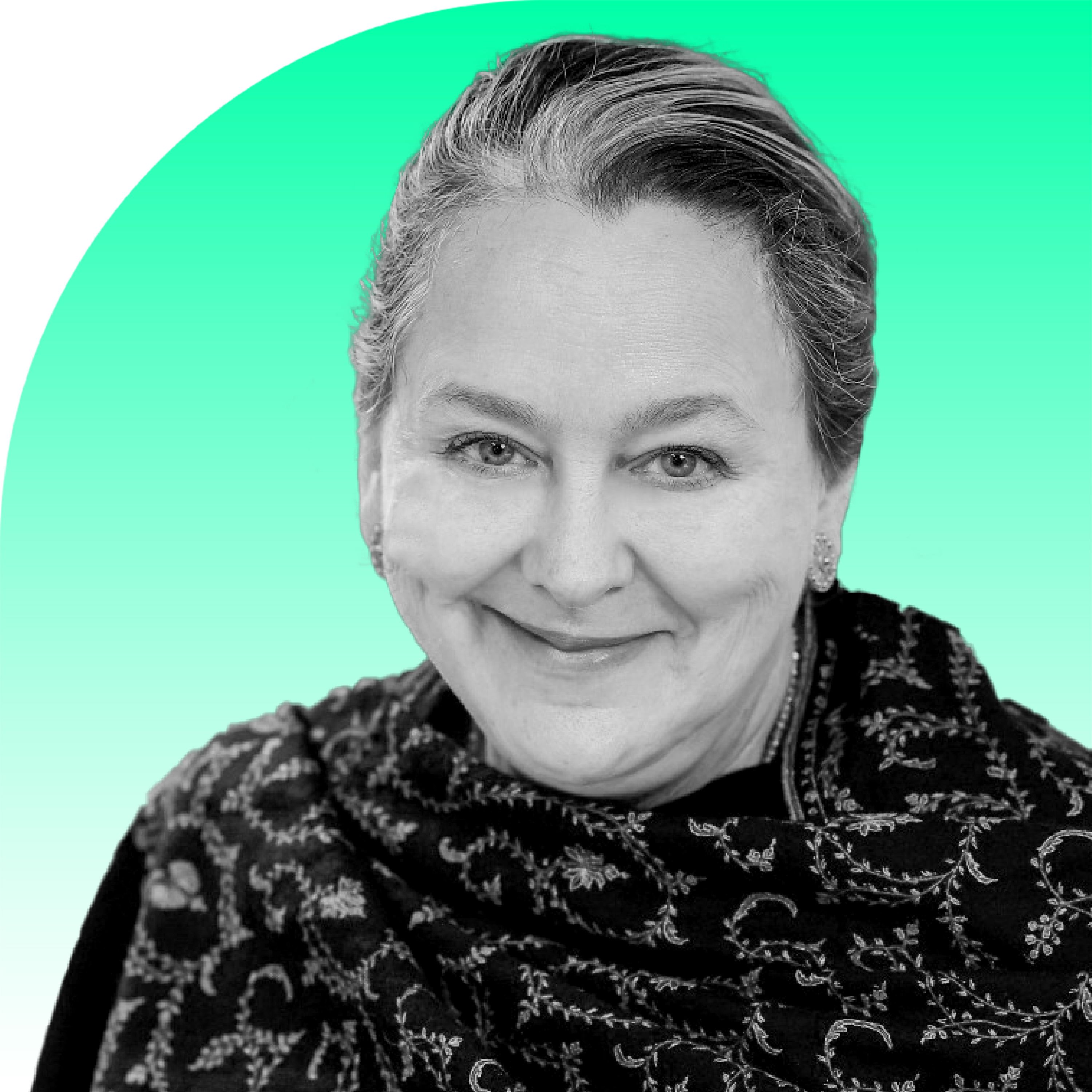
The Host Takes the Spotlight: Susan Kish's Journey and Insights
bonusIn this special We Are ETH episode, host Susan Kish shares her inspiring career journey, Nordic roots, and behind-the-scenes podcast insights.For this special episode, the tables turn as our regular host, Susan Kish, becomes the guest! Susan, an entrepreneur, strategist, and executive, opens up about her fascinating career journey—from her beginnings in investment banking to thriving as an entrepreneur and executive consultant.Susan reflects on her Nordic heritage, her strong connection to ETH, and the transformative power of storytelling. She also shares memorable moments from behind the scenes of We Are ETH, insights into the diversity of guests, and her favorite book recommendations for the holiday season.Books mentioned in the episode:Wind and Truth - Brandon SandersonChapters:(02:18) Susan's Multifaceted Career Journey(04:02) Connecting with ETH Zurich(07:59) The We Are ETH Podcast Experience(16:13) Behind the Scenes and Favorite Moments(19:01) The Essence of a Great Podcast(26:23) Holiday Traditions and Book Recommendations(30:08) Conclusion and Holiday Wishes

Ep 50How Can AI and the Community Drive Climate Action? – David Dao
David Dao, ETH alumnus and GainForest scientist, shares his journey from climate activism to XPRIZE-winning AI innovations, supporting indigenous communities, and driving impactful solutions.David Dao, ETH Zurich alumnus, co-founder and chief scientist of GainForest, talks about his journey from climate activism, his experiences at the COP climate conferences to winning the XPRIZE. From AI innovation, valuable support for indigenous communities to mapping Brazilian nut trees, Dao reflects on his personal story as the son of Vietnamese refugees and how it has influenced his pursuit of meaningful impact. From preserving cultural heritage with AI to redefining climate finance, Dao offers a compelling narrative of resilience, innovation, and community-led action. This is his story.books mentioned in this episode:Matilda - Roald DahlChapters:(00:43) David Dao's Recent Experience at COP(02:19) Climate Finance Negotiations(03:53) Role of Youth Activists at COP(04:36) GainForest and the XPRIZE Journey(07:08) AI and Indigenous Communities(18:39) David Dao's Personal Journey(23:35) Final Thoughts and Reflections(26:13) Closing Questions

Ep 49From Doodle to Decarbonization – Myke Naef
ETH alumnus and computer scientist Myke Naef shares his journey from founding Doodle to pioneering investments in climate tech, blending innovation, entrepreneurship, and sustainability.What sparked the idea for Doodle, the tool we all love for scheduling? How did an ETH alumnus go from building a game-changing startup to leading investments in climate tech? Myke Naef, founder of Doodle and Übermorgen Ventures, shares his journey of innovation, reveals the surprising origin of Doodle, and explains how his unique mix of computer science and didactics shaped his path to champion sustainable innovation in climate tech.This is his story.books mentioned in this episode:Good Strategy, Bad Strategy - Richard RumeltFahrenheit 451(01:01) Educational Background: Didactics and Computer Science(03:03) Early Career: From Commodore 64 to Cybersecurity(09:16) The Doodle Journey: From Hobby to Success(14:28) Life After Doodle: Business Angel and Übermorgen Ventures(16:57) Focus on Climate Tech: The Mission of Übermorgen(21:51) Reflections and Personal Insights(25:05) Closing Thoughts

Ep 48Embracing Innovation - Robotics and Hugs - Alexis E. Block
ETH alumna Alexis E. Block and assistant professor at the Case Western Reserve University discusses her HuggieBot research, designed for high-quality hugs, highlighting its emotional benefits, design process, and her journey from grief to innovation.Discover Alexis' heartfelt journey with her HuggieBot, a robot crafted to deliver meaningful hugs based on eleven guiding principles. She shares the profound emotional and physical benefits of hugging, emphasizing its role in enhancing social support and reducing stress.Through her personal experiences, Alexis illustrates the power of interdisciplinary research in creating emotionally intelligent robots. Tune in to hear how her time at ETH Zurich shaped her path and her secret tip about her favorite spot on campus, plus enjoy the unforgettable musical serenade with Susan!This is her story.Books mentioned in this episode:The Nightingale by Kristen HannaThe Dutch House by Anne PatchettChapters:(00:18) Meet Alexis Block: Robotics Expert and Hugging Enthusiast(00:42) The Science of Hugging Robots(02:18) Experimenting with Hugging Robots(05:05) Changing Perceptions of Robotics(07:30) The Journey to HuggieBot(08:09) The Importance of Hugs(08:59) Personal Motivation and Academic Journey(18:18) From ETH to Case Western: A Career in Robotics(19:49) Reflections and Future Directions(22:27) Closing Thoughts and Personal Insights

Ep 47A Journey Beyond Time – Stephan Sigrist
With a background in biochemistry and former researcher at Collegium Helveticum, Stephan Sigrist, founder of the think tank W.I.R.E., is dedicated to the power of collaboration and creative thinking.Remember the DeLorean from Back to the Future? Listen to the conversation with Stephan Sigrist, founder of W.I.R.E., as he shares his story about owning that iconic car and W.I.R.E.'s mission: to provide a foundation for business decision-making, rather than just predictions about the future. Discover Stephan's unexpected journey from studying biochemistry at ETH Zurich to becoming a thought leader, along with insights on long-term thinking amid societal changes. This is his story.Authors or magazine's mentioned in the podcast:Wired MagazineHarvard Business Review Friedrich DürrenmattChapters:(01:23) The Evolution of W.I.R.E.(03:34) Geographical Journey: Zurich to London and Back(06:30) The DeLorean Story(11:15) Curating the Future: Methodologies and Challenges(13:46) Understanding W.I.R.E.'s Role and Services(17:32) Stephan's Academic and Professional Background(23:08) Final Thoughts and Reflections(27:13) Closing Remarks and Podcast Information

Ep 46Combating «Forever Chemicals» – Fajer Mushtaq
Did you know that toxic pollutants can even be found in some water bottles? Fajer Mushtaq, co-founder and CEO of Oxyle, an ETH spin-off, has developed a breakthrough technology that removes toxic PFAS from water through chemical oxidation, resulting in cleaner and safer drinking water. Fajer talks about her personal journey, how she left her home country at the age of 17 to study mechanical engineering in England, her motivation in the fight against water pollution through her experience and why she wanted to come to ETH for her PhD. This is her story.Chapters:(00:15) Meet Fajer Mushtaq: CEO of Oxyle(00:37) Cultural Differences: From Kashmir to Zurich(01:08) Educational Journey: From India to the UK(02:09) Discovering Microanalysis Systems(04:43) The Birth of Oxyle(05:01) How Oxyle's Technology Works(09:44) Scaling the Solution(15:54) Personal Reflections and Future Goals(21:20) Closing Thoughts and Reflections

Ep 45Tackling Drug Resistance in Cancer Treatment – Stefanie Flückiger
Stefanie Flückiger, co-founder and CEO of Tolremo Therapeutics, is transforming cancer treatment with her innovative biotech company. Discover how Tolremo, an ETH spinoff, is tackling non-genetic drug resistance with cutting-edge technology. Hear about Stefanie's unique journey from academia to entrepreneurship, the impact of diversity in driving innovation, and the intriguing science behind cancer cells' resistance to drugs.This is her story.Chapters:(01:06) The Role of Awards and Female Leadership(03:52) Diversity in Leadership and Innovation(06:21) The Catalyst for Starting Tolremo(10:30) Understanding Cancer Cell Resistance(15:30) From Academia to Biotech: The Journey of Tolremo(19:47) Stephanie's Academic Background and ETH Experience(22:34) Closing Thoughts and Personal InsightsBooks mentioned:Why We Sleep by Matthew WalkerPodcast mentioned:Huberman Lab Podcast

Ep 44How to Cultivate Meat – Nicole Kleger
Transitioning from academia to entrepreneurship, Nicole Kleger co-founded Sallea, a startup focused on pioneering sustainable solutions in the cultivated meat industry, driven by her passion for impactful science.Nicole Kleger transitioned from academic research to entrepreneurship, co-founding the startup Sallea to create scaffolds for cultivated meat, focusing on sustainability and ethical food production. Her shift from a Ph.D. at ETH Zurich to starting Sallea reflects her passion for making a tangible impact through science. Nicole also highlights the role of ETH Zurich, emphasizes the importance of meaningful work, particularly in addressing environmental challenges through food tech innovation. Balancing her personal life with her professional responsibilities, she finds energy and well-being through sports. Sallea's mission is to push boundaries in the male-dominated food tech industry, aiming to inspire more women to join the field.This is her story. The podcast mentioned in this episode:• Kopf voran, SRFChapters(00:23) Meet Nicole Kleger: Entrepreneur and Co-Founder of sallea(00:59) Balancing Life: Sports, Family, and Career(02:20) The Journey to sallea: From PhD to Startup(05:12) Building the Team: Finding the Right Co-Founders(06:33) Fundraising Challenges and Market Analysis(12:18) From MedTech to Food Tech: Choosing the Right Path(14:40) Understanding Scaffolding in Cultivated Meat(17:43) Ecological and Ethical Impacts of Cultivated Meat(19:42) The Role of ETH Foundation and Future Plans(20:44) Closing Thoughts and Personal Insights
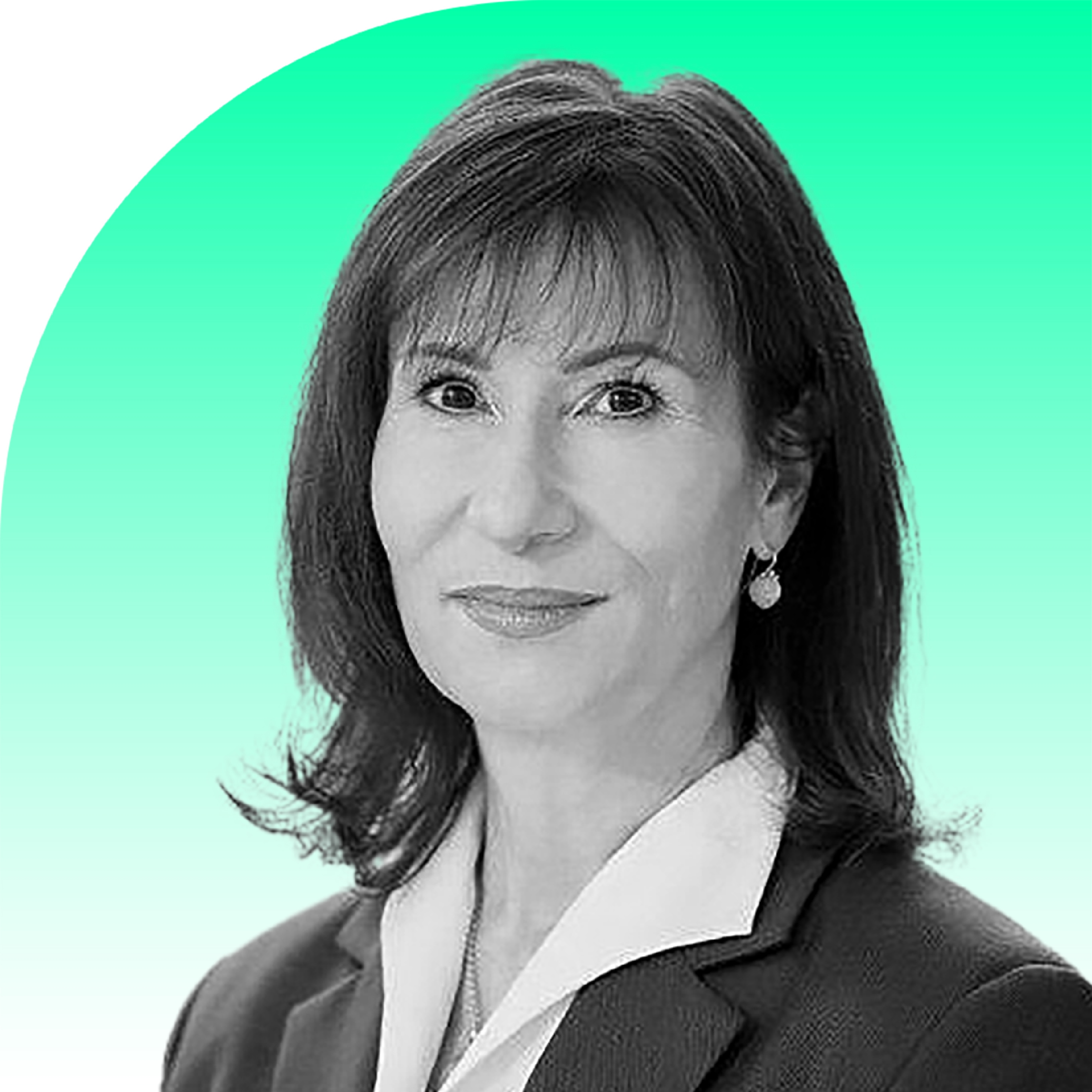
Ep 43Leadership, Innovation, and the Power of Education – Suzanne Thoma
Suzanne Thoma, Sulzer’s executive president and ETH Zurich alumna, discusses her career journey, the power of engineering education, and her role in transforming the Swiss industry.Dr. Suzanne Thoma, executive president of the Sulzer Group, is widely recognized as one of the most influential women in Swiss industry. In this episode, she opens up about her remarkable career path, shedding light on the strategic transformation she’s spearheaded at Sulzer and the critical importance of engineering education. Reflecting on her formative years at ETH Zurich, Thoma discusses how the university’s rigorous curriculum laid the foundation for her innovative approach to leadership and problem-solving. She also underscores the significance of female role models in shaping her journey and the broader evolution of the industry.This is her story.Chapters(00:00) Introduction to Dr. Suzanne Thoma(01:15) Joining Sulzer's Board(01:53) Strategic Analysis and Market Focus(04:23) Sulzer's Role in Energy and Natural Resources(07:03) Personal Journey and Education(14:52) Balancing Career and Family(18:06) Current Role and ETH Involvement(19:38 Advice for Young Women in Engineering(21:06) Closing Thoughts and ReflectionsThe book, mentioned in this episode:· Why Nations Fail: The Origins of Power, Prosperity, and Poverty (Daron Acemoglu, James A. Robinson)

Ep 42Transforming the Chemical Industry – Remy Buser
Remy Buser's journey from studying at ETH to founding Bloom Biorenewables and how he emphasises the need to defossilise materials and find sustainable alternatives.Remy Buseris on a mission to replace fossil carbon with renewable carbon in the chemical industry! The CEO and co-founder of Bloom Biorenewables explains how the use of petrochemicals has shaped our world and the need to defossilise materials. He discusses the complexity of the transition and the role of political commitment and scientific understanding in driving this change. Remy emphasises the need for a global perspective and collaboration to tackle climate challenges. The conversation also touches on Remy's personal experiences, including his time at ETH and his passion for understanding the materials that shape our world.This is his story.Podcasts mentioned in the episode:· Podcasts of The Economist· Podcast with Jean-Marc JancoviciChapters:(00:00) Introduction and the Need to Defossilize Materials(03:05) Remy Busse's Background and the Story of Truffles(05:23) From Swiss Blot to Bloom BioRenewables(09:00) Moving Away from Fossil-Based Carbon(11:45) The Role of Petrochemicals in the Chemical Industry(15:34) Replacing the Petrochemical Sector with Biomass(20:19) Working with Politicians on Environmental Bills(21:42) The Importance of Politics in Addressing Climate Change(23:35) Childhood Aspirations and Curiosity about Materials(28:52) Favorite Places in Zurich

Ep 41From Research to Action: Combating Climate Extremes – Wim Thiery
Wim Thiery, a climate scientist and associate professor at the University of Brussels, revealed during his recent visit at ETH Zurich, that children born in 2020 will face significantly more extreme weather events than previous generations.Wim Thiery, climate scientist and Associate Professor at the University of Brussels, talks about the urgent need for robust mitigation and adaptation strategies to address the increasing frequency and intensity of these climate phenomena.He also highlights the critical role of climate scientists in informing litigation against governments and corporations failing to take sufficient climate action.Thiery shares with us his background and experiences that have shaped his career and gives an inspiring insight into the life of a scientist who wants to make a difference. This is his story.Chapters(00:00) Introduction to Climate Injustice(00:16) Meet Wim Thierry: Climate Scientist(01:10) Seminar Insights: Unprecedented Lives(01:30) Intergenerational Climate Inequities(02:30) Heatwaves and Future Climate Scenarios(03:30) Global Climate Extremes and Regional Disparities(09:33) The Urgency of Climate Action and Adaptation(10:26) Three Pillars of Climate Action(12:54) My Climate Future: Personalized Climate Impact(13:42) The Role of AI in Climate Research(15:40) Preparing Future Generations for Climate Challenges(17:08) Climate Litigation and the Role of Scientists(19:12) Wim Thierry's Academic Journey(22:18) Closing Thoughts and Personal Reflections(25:32) Final Words and Podcast Outro

Ep 40Closing the Gender Data Gap: FemTech and Female-Centric Healthcare – Oriana Kraft
Oriana Kraft, entrepreneur and founder of the FemTechnology Summit explains the need for gender-specific care in medicine and the potential of FemTech to revolutionise healthcare.In this episode, Oriana Kraft, founder of Fem Technology, delves into the gender data health gap and the burgeoning field of FemTech. Fem Technology specialises in solutions that improve women's healthcare in the areas of reproductive health, autoimmune diseases and cardiovascular health. The conversation highlights the need for gender-specific care in medicine and FemTech's potential to revolutionise healthcare. Oriana shares insights from organising the first FemTechnology Summit at ETH and the collaboration with Roche. The episode concludes with a discussion about the synergy between science and art and Oriana's favorite spots in Zurich. This is her story.Chapters(00:00) Introduction and Queen Victoria's Endometriosis(04:29) The FEM Tech Guide and Proactive Women's Health Solutions(13:51) Collaboration with Roche and the Role of Big Pharma in Femtech(22:30) From Medicine to Entrepreneurship and the Intersection of Science and Art

Ep 39Revolutionising Stroke Treatment – Christophe Chautems
Meet Christophe Chautems, CTO of Nanoflex Robotics, bridging Mars rover expertise to medical robotics, revolutionising stroke treatment with magnetic technology.Christophe Chautems, CTO of Nanoflex Robotics, talks about the breakthrough medical robotics technology that uses magnets to navigate catheters in the treatment of strokes. With 15 years of experience in robotics, including at NASA, Christophe emphasises the importance of combining research with practical applications, underlining Nanoflex's commitment to advancing healthcare. Nanoflex's magnetic system is not only promising for strokes, but could revolutionise various medical procedures through the integration of AI.This is his story.Chapters(00:00) Introduction to Medical Robotics(08:24) Navigating the Vasculature(13:31) Time-Sensitive Stroke Treatment(24:21) The Importance of Integration and Learning

Ep 38Sustainability Through Collaboration - Etienne Jeoffroy
Join us on an inspiring journey with Etienne Jeoffroy, CEO of ETH spin-off FENX, as he shares insights into sustainable materials innovation and its potential impact on reducing carbon footprints.Etienne Jeoffroy, co-founder and CEO of FENX, talks to Susan Kish about his journey in sustainable materials innovation. He recalls how his grandmother, a farmer, instilled in him a deep appreciation for materials and the importance of longevity. Looking back on his diverse academic and professional career, Etienne explains the genesis of FENX's pioneering mineral foam insulation technology and emphasises its potential to significantly reduce building emissions and emphasises the paramount importance of collaboration between stakeholders. You can also find out more about Etienne's diverse interests, such as his unwavering love of basketball,This is his story.Chapters(00:00) Introduction and Background(03:05) Journey from France to Switzerland(06:15) Development of FENX's Mineral Foam(09:32) Challenges of Scaling Up in the Construction Industry(10:26) Collaboration and Stakeholder Involvement in Construction Innovation(12:47) The Influence of ETH Zurich(13:43) Curiosity, Learning, and Running a StartupLinks mentionned:Books:'The Mamba Mentality' von 'Kobe Bryant'Show Dog: https://en.wikipedia.org/wiki/Shoe_DogPodcastNota Bene

Ep 37A Swiss AI Journey – Daniel Naeff
According to ETH Alumni Daniel Naeff, it is important to strike a balance between leveraging the positive aspects of AI and understanding the potential challenges.In this episode, Susan Kish interviews Daniel Naeff, an entrepreneur and one of the leads at the ETH AI Center. They discuss angel investing, the inspiration behind starting companies, and Switzerland's potential in AI. They also touch on an exciting new development at the ETH Alumni Association, where Daniel is a Member of the Board: the ETH Knowledge Network, an AI-powered platform where members can connect and interact with each other.This is his story.Chapters(00:00) Introduction and Switzerland's Potential in AI(01:13) The Role of Angel Investors in Startups(08:28) The ETH Alumni Network: Connecting and Sharing Knowledge(11:46) Navigating the Opportunities and Risks of AI(14:02) Insights from Newsletters and Podcasts

Ep 36Revolutionising the construction industry – Mariana Popescu
Here’s how to put the ‘fabric’ into fabricate, as ETH Zurich alumna and TU Delft Assistant Professor of Digital Fabrication Mariana Popescu explains. Could a knitting machine revolutionise construction? For her PhD, ETH Zurich alumna Mariana Popescu worked with the Block Research Group to show that it’s possible to use lightweight knitted textiles as a mold for concrete. Mariana discusses knitting machines, complex geometry, and why her PhD project needed two suitcases to get to Mexico.This is her story. Chapters(00:00) Introduction to the Knit Candela project(01:18) Using fabric formwork for casting concrete(04:08) Construction of the Knit Candela structure(04:32) Computation and modeling in the project(05:26) The Swiss influence on the project(06:21) Applicability of the project beyond Switzerland(07:21) Scaling up the project and future developments(08:18) Improving the design for reusability and waste reduction(08:48) The multidisciplinary skills required for the project(09:12) Choosing ETH Zurich for further studies(10:40) The process of selecting the thesis topic(11:39) The role of collaboration and openness in the project(12:33) Mariana's knitting and programming skills(13:01) Understanding parametric design and computational design(14:24) Setting up a group focused on fabrication(15:20) The potential impact of the projects on architecture and construction(16:18) Mariana's curiosity in fabrication and materials(18:08) Closing remarks and podcast outro
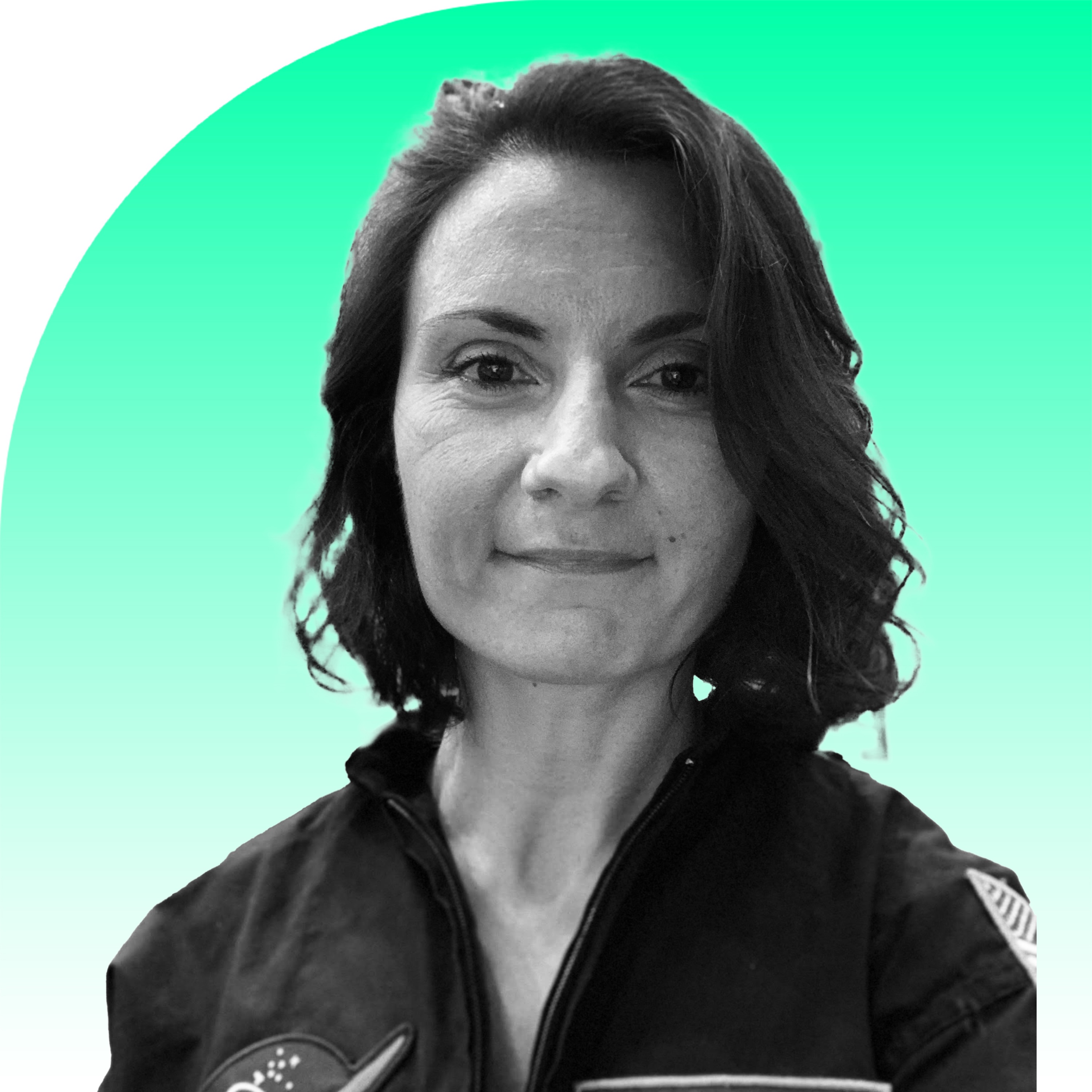
Ep 35Stepping Out of Your Comfort Zone – Sandra Herrmann
ETH Alumna Sandra Herrmann is an oceanographer, a geologist, a paleontologist, a pilot… and member of NASA's Analog Astronauts.Sandra Herrmann studied geology and palaeontology at TU Bergakademie Freiberg and completed her doctorate in natural sciences at ETH Zurich. She subsequently emigrated to the USA and spent 12 years working for the International Ocean Discovery Program (IODP) in various posts. Since October 2023, she has been conducting research at the Scripps Institution of Oceanography in San Diego. Sandra explains what an analog astronaut is and shares her experience of spending 45 days in a space capsule as part of NASA's research on human behavior in stressful situations. She discusses the qualifications and application process to become an analog astronaut, and highlights the importance of cohesion, sleep, and hobbies on such missions. All of this makes her a strong candidate for future space missions…This is her story.Links:“Catucation” Catboss & Furrfriends, Cat talk RadioGlobe article: https://ethz.ch/en/news-and-events/eth-news/news/2023/12/globe-modern-adventurer.htmlChapters(00:00) Introduction and analog astronaut(01:15) NASA's analog astronaut program(02:39) Experiences in the space capsule(03:36) Becoming an analog astronaut(05:05) Experience as an oceanographer(08:17) Cohesion, sleep, and hobbies(11:29) Applying the three Key observations(15:12) Academic background and PhD(20:50) Commercial pilot's license(22:46) Childhood aspirations and curiosity(24:51) Favorite places in Zurich

Ep 34Becoming AI Literate – Anne Scherer
Anne Scherer, co-founder of Delta Labs AG and author of the book You and AI, explains why trust and comfort are crucial in human-machine interaction.The development of AI has sparked a lot of interest and enthusiasm, and Anne Scherer thinks its rate of development is expected to continue to surprise us. Anne is co-founder of Delta Labs AG and author of the book You and AI, in which she tries to make people more aware of what's going on in this field by reducing fear of that technology. Before founding Delta Labs, she was an Assistant Professor of Quantitative Marketing at the University of Zurich, a researcher at ETH Zurich, and completed her PhD at the Technical University of Munich. Anne shares her experience at ETH Zurich and how it influenced her entrepreneurial spirit, and discusses the intersection of AI and creativity. She explains why increasing AI literacy in society is important to have more informed discussions about AI.This is her story.Chapters(00:00) Introduction and Personal Background(02:00) The Connection Between Travel and Technology Exploration(03:21) Taking Different Perspectives and Exploring New Things(04:15) The Impact of AI and the Rate of Development(05:41) The Hype Cycle and the Potential of AI(07:02) Generative AI and its Ease of Use(08:21) The Book 'You and AI'(10:42) Trust and Comfort with AI(12:31) The Design of Technology and Human Interaction(14:44) ETH Experience and Research(17:36) Becoming AI Literate(18:33) Recommendations for Learning about AI(19:59) AI and Creativity(20:28) Conclusion
Ep 33The Future of Human Civilisation – Olivier de Weck
Olivier de Weck is a leading systems engineering expert, which he describes as “the art and science of building, implementing, and operating complex systems.” Born in Switzerland, he holds degrees in industrial engineering from ETH Zurich (1993) and aerospace systems engineering from MIT (2001), where is now Professor of Aeronautics and Astronautics and Engineering Systems.In this episode of the We Are ETH Podcast, he compares ETH Zurich and MIT, highlighting their similarities and global impact. He explains the concept of “ilities” (as in reliability, flexibility, etc.) in systems engineering and its importance in designing and maintaining complex systems. He shares his fascination with space, and explains the potential for Mars settlement.This is his story.Chapters(00:00) Introduction and ETH-MIT comparison(01:10) Founding of ETH and MIT(02:07) Definition of systems engineering(03:00) Origins and growth of systems engineering(03:57) Interdisciplinary research and systems science(05:39) Importance of illities in systems(06:35) Interest in space and Mars settlement(11:50) Excitement in the field of space exploration(13:41) Exploration of lagrange points(15:06) Mars as a potential settlement(17:15) Long-term vision for Mars settlement(18:10) Educational background and journey to MIT(21:28) ETH's space program and future opportunities(22:45) Childhood dreams and current curiosity(26:03) Reading preferences and interest in science fiction(27:03) Favorite places in Zurich(28:23) Closing remarks

Ep 32Transportation for All — Georg Polzer
Georg Polzer went straight from completing his studies at ETH Zurich to co-founding Teralytics, an official Spin-Off company of ETH Zurich. An AI-powered platform providing mobility data solutions, Teralytics collects and analyzes large amounts of location data to improve transportation efficiency and equity.Georg highlights the importance of designing transportation systems based on recent and all-encompassing data. He also emphasizes it is essential to incorporate the needs of all citizens, including vulnerable populations. With this information, he canhelp understand emerging trends, and advise how they impact people’s mobility choices.This is his story.(06:40) Starting Terralytics and Addressing Transportation Inefficiencies(09:28) Using Data to Design Transportation for All Citizens(12:42) Addressing Data Privacy and Protection in Transportation Data(14:39) Designing Transportation for Different Groups of People(17:53) The Role of AI and Machine Learning in Transportation Data Analysis(19:43) How ETH Prepared Georg for His Work at Terralytics(21:26) Georg's Childhood Aspirations and Current Curiosity(23:28) Georg's Reading List and Hobbies(24:39) Favorite Places in Zurich
Ep 31Earth, Mars, and beyond – Mariko Burgin
ETH Zurich alumna and NASA JPL engineer Mariko Burgin discusses her passion for space exploration.Mariko transitioned from ETH Zurich to the University of Michigan before joining NASA, where she works on mission formulation: the journey from a mere idea, to a project for space exploration complete with scientific objectives, cost constraints, and technological feasibility, which can take several years.The conversation covers planetary protection, the evolution of remote sensing technologies, and the search for Martian groundwater. We learn about the holistic approach to space programs, the importance of mentoring, and why everyone should be paying forward to the next generation.This is her story.Chapters(00:00) Introduction and Planetary Protection(03:04) Evolution of Remote Sensing(06:21) Mission Formulation(08:17) Journey from Idea to Mission(10:14) Searching for Martian Groundwater(12:34) Timeline of Mission Formulation(13:28) Transition from ETH to NASA(15:10) Importance of Mentoring(20:17) Holistic Approach to Space Programs(22:41) Involvement with ETH Today(23:36) Childhood Dreams and Curiosity(24:03) Interest in Marine Debris(24:57) Reading and Podcasts(25:25) Science Fiction and ConclusionLinks mentionedPlanet Money: https://www.npr.org/sections/money/Code Switch: https://www.npr.org/podcasts/510312/codeswitchImage Gallery from NASA Perseverance: https://mars.nasa.gov/mars2020/multimedia/images/NASA Decadal Survey: https://science.nasa.gov/earth-science/decadal-surveys/
Ep 30Why Switzerland may host the next Silicon Valley – Pascal Mathis
Pascal Mathis, co-founder of Get Your Guide and Wingman Ventures, shares his journey as an entrepreneur and angel investor.Starting as an entrepreneur, Pascal Mathis co-founded Get Your Guide, ETH Zurich's first tech unicorn, and later transitioned to angel investing and co-founding Wingman Ventures. Pascal believes that Switzerland has the potential to become the next Silicon Valley due to its talent pool and stable business environment. Pascal emphasizes the importance of logical thinking and problem-solving skills acquired during his time at ETH Zurich. He shares insights into the pre-seed stage of investing, and offers advice for both investors and entrepreneurs.This is his story.Chapters(00:00) Introduction and background(01:17) Time at ETH and Vordiplom(02:13) Internship and semester in Barcelona(03:10) Entrepreneurial journey begins(04:07) Starting Get Your Guide(06:04) Pivoting Get Your Guide(08:29) Leaving get your guide and working at Google(09:57) Starting Wingman Ventures(10:52) Investing in Swiss startups(12:44) Transitioning to a fund structure(15:06) Investing in pre-seed stage(17:30) The Art of angel investing(20:17) Preparing for investor meetings(22:41) Switzerland as the next silicon valley(24:49) Impact of ETH on Pascal's journey(27:37) Curiosity and inspiration(28:06) Reading and podcasts(29:04) Favorite places in Zurich(29:42) Closing remarks

Ep 29What does education mean to you? - Patricia Schramm
For Patricia Schramm, former president of the American Swiss Foundation, learning the classics at ETH’s neighbour, the University of Zurich, was invaluable. From using Latin to learn English, and now working as a consultant for the Alumni Association of ETH Zurich, education has been the core of her career. Patricia talks about following your passions wherever they lead, how an unexpected move to New York led to her staying there, and the importance of letting serendipity have a say in your future.This is her story.

Ep 28Do you know where your clothes really come from? – Michela Puddu
For Michela Puddu, ETH Zurich alumna and Co-Founder of Haelixa Ltd, giving fabrics their own DNA enhancestraceability for consumers and retailers. Moving from Rome to study at ETH Zurich, Michela Puddu’s PhD experience inspired her to become an entrepreneur. Her work has been recognized with several awards, and she is a regular speaker at Swissand international events. Michela speaks about building her own company, overcoming a fear of public speaking, and why it’s important to have a co-founder – or two! This is her story.

Ep 27Where do you have the most impact? - Lian Pin Koh
Biodiversity expert and former ETH faculty Lian Pin Koh is a pioneer in the use of drones in conservation. As an ex-nominated MP in Singapore, and a professor at the National University of Singapore, Lian Pin’s impact extends to different areas of policy and education. We hear about the nexus of nature and technology, the creation of conservation drones, and his love of Star Wars.This is his story.

Ep 26Innovation can be everything, right? – Petra Ehmann
For Petra Ehmann, ETH Zurich alumna and Chief Innovation Officer of Ringier AG, innovation truly is everything. From product development to encouraging more people into STEM, Petra wants her work to have an impact in every possible area. She is passionate about driving innovation at every level, and credits ETH Zurich with helping her achieve the type of structured thinking required to do this.Find out why she speaks four languages fluently, what brought her to study mechanical engineering at ETH Zurich, and learn about the joys of childhood trips to Technorama, the Swiss Science Centre.This is her story.

Ep 25Can you simplify sustainability? – Nicoletta Piccolrovazzi
For ETH Zurich alumna Nicoletta Piccolrovazzi, integrating small sustainability practices intoour everyday lives can make the topic less complicated.Nicoletta is keen to highlight that, in spite of having a long career in a single company, shewas able to seize the opportunities that came her way. That notably led her to heading thetechnology and sustainability part of Dow’s partnership with the Olympic Games, which laidthe foundations for her current work in sustainability.As we count down to COP28, it’s clear we cannot live as if we had three planets at ourdisposal, when we have only one.In this episode, Nicoletta tells us how her journey in sustainability began – and why makingthe topic real for people can help integrate sustainability into our daily lives.This is her story.
Ep 24Women’s right to vote and swimming in rivers – Renata von Tscharner
Architect Renata von Tscharner discusses how women in Switzerland got the vote,the importance of swimming in rivers, and learning to play the accordion. Renata’s fascinating life was shaped by the events she witnessed in Paris in May1968, when a student revolt became a general strike that ground the Frencheconomy to a halt. She speaks with host Susan Kish about campaigning to getwomen the vote in Switzerland, her architecture experiences at ETH Zurich and asan urban planner in London and Bern, and how swimming in Switzerland created theCharles River Conservancy in Massachusetts, an NGO she founded, striving to makethe Charles River and its parks a well-maintained network of natural urban places forthe local community.It’s hard to believe that women only got the vote in Switzerland in 1971. Renata vonTscharner, retired President of the Charles River Conservancy, shares candidinsights based on her unique experiences campaigning for the vote. Through theinspiring story of her colourful life, she highlights the importance of swimming inrivers, and learning to play the accordion.Be sure to listen until the end for a musical surprise…

Ep 23What do you really know about fungi? – Sonja Billerbeck
Synthetic biologist and ETH Alumna Sonja Billerbeck discusses microbiology, mushrooms, and metabolisms – as well as the threat and promise of AI in research.From discovering that microbes breathe oxygen and eat sugar, Sonja became enthralled in the world of microorganisms and understanding their applications in agriculture and healthcare. Through stints at ETH Zurich and Columbia University, Sonja’s interest in engineering microbiology has led her to her own lab at the University of Groningen, where she studies how we can engineer yeast for applications in human health and agriculture.How do antifungal proteins in yeast practice forms of warfare against each other? What could this mean for the development of antifungal medicines? Sonja’s in-depth knowledge and passion for the world of fungi helps us understand that mushrooms are more than just a pizza topping…This is her story.

Ep 22How much do you love your robot vacuum cleaner? – Vincent Bédat
Vincent Bédat thinks it’s time to take robotics to the next level. After successful applications in industrial and manufacturing settings, robots need to find a place in our homes.Vincent’s journey has taken him from Switzerland to Germany and now the US. He studied Mechanical Engineering at ETH Zurich, and went on to do an MBA at MIT. About moving back to Europe, Vincent says he’ll stay in California as long as it remains the place where he thinks he can make the biggest changes, work on the biggest innovations, and have the biggest impact.Ultimately, Vincent would like to science to shift the focus from theory to real applications. He’s not interested in engineering for engineering’s sake, but engineering with purpose. With this in mind, we learn about his work in robotics and how robots are coming out of factory settings into our homes.This is his story.