Warm Regards
73 episodes — Page 2 of 2

Warm Regards Announcement
Warm Regards is taking a hiatus until mid-summer. We're working on exciting new content and ideas for the show, and look forward to relaunching bigger and better! Continue to connect with us on social media: Facebook: facebook.com/WarmRegardsPodcast/ Show Twitter: twitter.com/ourwarmregards Eric's Twitter: twitter.com/EricHolthaus Andy's Twitter: twitter.com/Revkin Jacquelyn's Twitter: twitter.com/JacquelynGill
Talking mammoths, timescales, and rewilding with "Welcome to Pleistocene Park" writer Ross Andersen
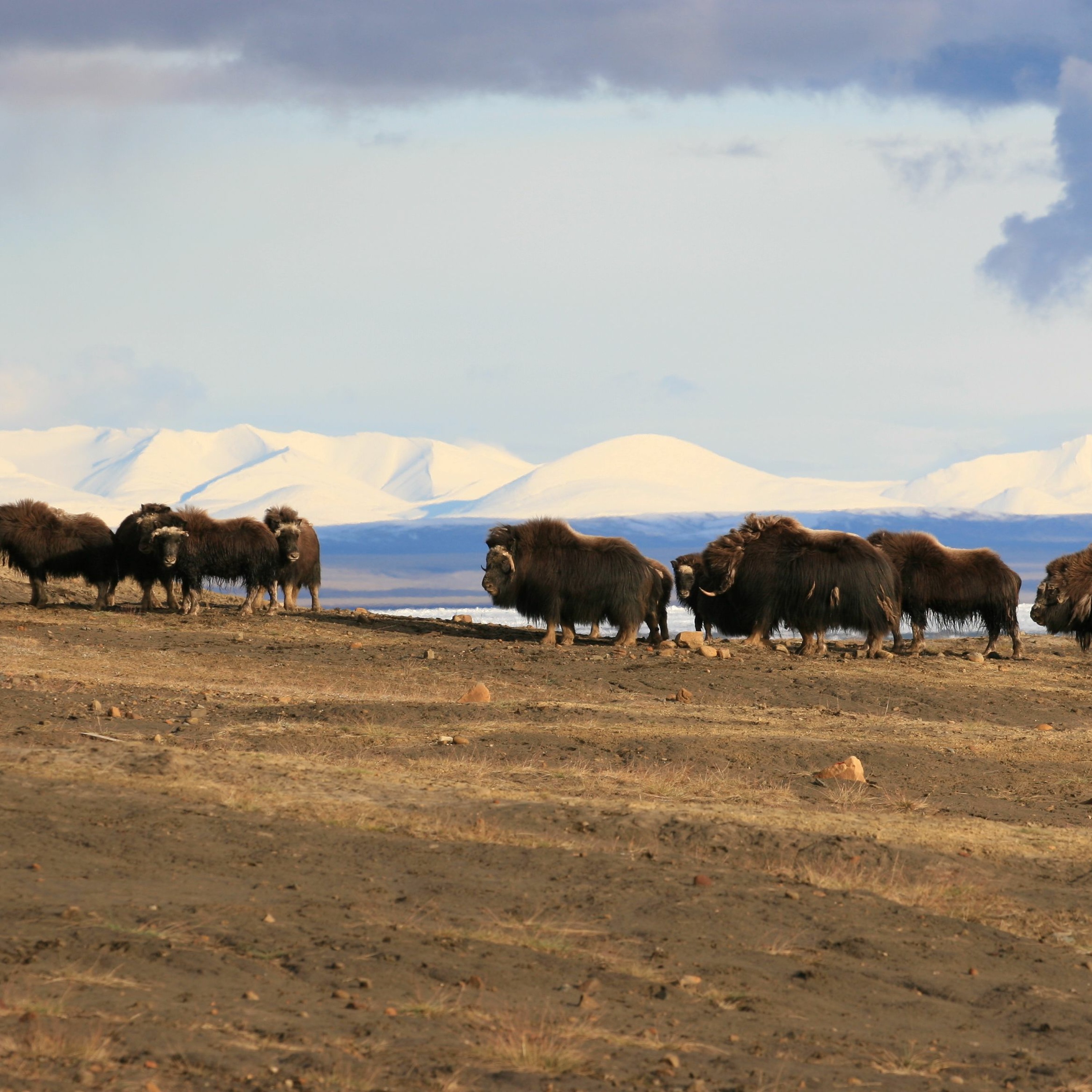
One of the most fascinating climate change stories of the year comes from Ross Anderson at The Atlantic. In "Welcome to Pleistocene Park", Ross writes about Pleistocene Park, a reserve in Siberia that aims to stave off climate change by attempting to recreate the conditions of the Pleistocene, turning the reserve into a grassland steppe ecosystem by importing large herbivores. The article also explores the possibilities of bringing back the woolly mammoth, specifically for a place like Pleistocene park. Read the full article at The Atlantic - https://www.theatlantic.com/magazine/archive/2017/04/pleistocene-park/517779/ Ross Anderson joins hosts Jacquelyn Gill and Andy Revkin for a discussion on this compelling project and related issues like long timescales, our understanding of the anthropocene, the ethics of rewilding, and the culture of elephants. Check out the recommended reading list below: Pop-up forests: https://dotearth.blogs.nytimes.com/2012/06/03/warming-arctic-tundra-producing-pop-up-forests/ Elephant memories: https://dotearth.blogs.nytimes.com/2008/08/12/on-elephants-memories-human-forgetfulness-and-disaster/ Links to IIASA’s 2300 projections are here (with context on long time scales): https://dotearth.blogs.nytimes.com/2014/05/14/three-long-views-of-life-with-rising-seas/ We've staved off next ice age (Jim Hansen in 03 and many others since): http://www.nytimes.com/2003/11/11/science/when-will-the-next-ice-age-begin.html Jacquelyn's blog on mammoth cloning: https://blogs.scientificamerican.com/guest-blog/cloning-woolly-mammoths-its-the-ecology-stupid/ Stephen Jay Gould's Time's Arrow, Time's Cycle: https://www.amazon.com/Times-Arrow-Cycle-Geological-Jerusalem-Harvard/dp/0674891996 -- Thumbnail image courtesy of Gregory "Slobirdr" Smith https://www.flickr.com/photos/slobirdr/ Do you want to support this podcast – while also earning money and helping the U.S. solar industry? Check out our sponsor, WunderCapital, which has developed an online platform to help individuals invest directly in solar projects and earn up to 8.5%. Set up an account: WunderCapital.com/warm.
Why more scientists are running for office
In this week’s show, we’re talking about the growing movement to get more scientists to consider public office. Why do we need more scientists in office in the first place? Jacquelyn and Andy will talk with Shaughnessy Naughton, a chemist who ran for the House of Representatives in 2016. That experience inspired her to found 314 Action, an organization that helps scientists start campaigns. Jacquelyn will also talk about how she’s grappled with what it means to stand up for science in an era of alternative facts and outright attacks on America’s scientific infrastructure. For many in the scientific community, this is totally new territory. Learn more about 314 Action: http://www.314action.org/ Follow Shaughnessy on twitter: @VoteShaughnessy Want to support this podcast and the American solar industry at the same time? Visit our sponsor, Wunder Capital, and set up an account to invest directly in solar projects: WunderCapital.com/warm

Science in a ‘post-fact’ world
We were expecting to take a longer break while preparing ourselves for 2017. But it’s clear we need to respond to the whirlwind first week of Donald Trump’s presidency –- specifically what it means for science and climate change. We’ll also spend some time on the emerging resistance movement in favor of science. In this week’s episode, we detail the different ways that the Trump Administration may be systematically undermining climate science. There are a lot of bad signs. But there’s still a lot we don’t know. We are now living in a country in which our head of state is clearly lying to us about even mundane things -- about things that can’t possibly have happened the way he says they did. How are we supposed to carry on as normal? This is the theme of today’s conversation. As normal, the episode features dialogue between Eric Holthaus, Jacquelyn Gill and Andy Revkin. Do you want to support this podcast – while also earning money and helping the U.S. solar industry? Check out our sponsor, WunderCapital, which has developed an online platform to help individuals invest directly in solar projects and earn up to 8.5%. Set up an account: WunderCapital.com/warm.

The year in review
This episode will be the last in Season 1 of Warm Regards. We’ve had a tremendously positive response to the podcast so far from you, our listeners, and from the larger podcast community. We’re going to be back in action this spring. This week, we’re going to run down the four biggest climate stories of the year, as voted on by that ultimate arbiter of truth—Twitter. The stories include: Number 4: Coral bleaching. Number 3: Paris Accord becomes international law. Number 2: Earth’s warmest year. Number 1: Arctic sea ice continues to its spectacular decline. Joining Eric, Jacquelyn and Andy this week is Kim Kobb, a climate scientist at Georgia Tech who specializes in collecting and analyzing paleoclimate information from corals, caves, and the global water cycle. Warm Regards is supported by Arcadia Power, the first company to give you a clean energy choice on your monthly power bill. Arcadia's online platform provides clean energy options to homeowners and renters in all 50 states. Help to change the way America consumes energy: arcadiapower.com/warmregards.
On humanizing science
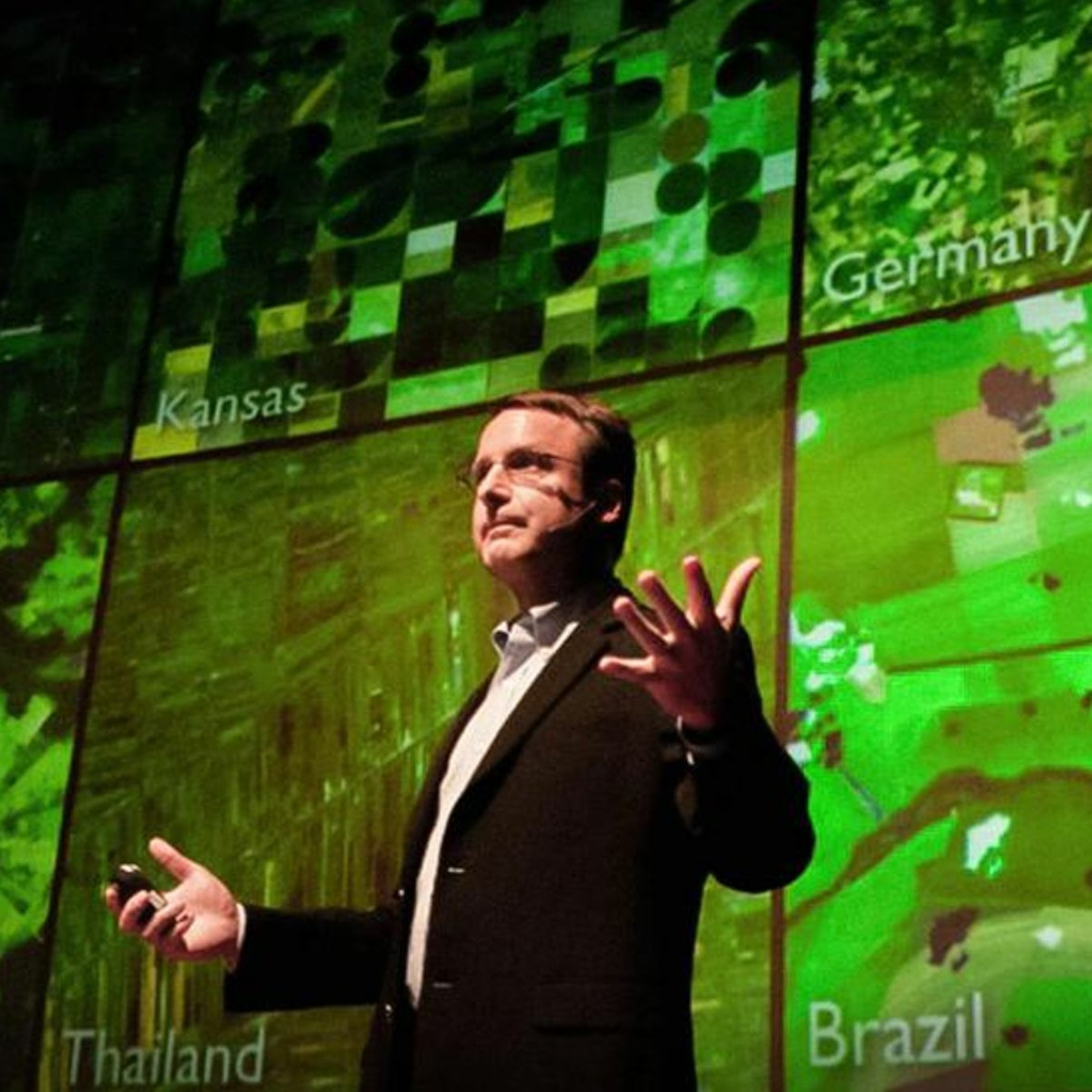
This week, we’re talking with Dr. Jonathan Foley, executive director at the California Academy of Sciences. The California Academy bills itself as the greenest museum on the planet and one of the most future-focused scientific institutions in the world. He's the author of over 130 scientific articles and has had numerous accolades from the nation's most respected scientific institutions, not only for his global change research, but also his commitment to public outreach, including popular articles in National Geographic, The New York Times, and Scientific American. In this episode, we talk about the importance of museums and childlike wonder, Jonathan’s writing, tipping points, land use, eating habits, personal responsibility, and so much more. Thanks very much to our sponsor, Arcadia Power. Arcadia's online platform allows anyone who pays a power bill to subscribe to solar panels from projects across the country and get savings on their monthly bill. Learn more about Arcadia’s Community Solar and find out how much you can save at arcadiapower.com/solar Show links: Jonathan’s piece about his mother’s death: https://the-macroscope.org/science-a-deathbed-promise-and-a-mothers-gift-36cc36ca1a9c#.4q069ygx7 Jonathan’s TED Talk: https://www.ted.com/talks/jonathan_foley_the_other_inconvenient_truth Andy on the hashtag #iamascientistbecause http://dotearth.blogs.nytimes.com/2015/04/07/scientists-swarm-around-the-twitter-hashtag-iamascientistbecause/ About Andy’s move to ProPublica: https://www.propublica.org/atpropublica/item/andrew-revkin-to-join-propublica-as-senior-reporter-on-climate-change

Climate anxiety in the Trump era
It’s been a long week and a half. We’re still processing everything that’s happening, just like all of you. We might never understand it, but it’s clear the consequences for the climate are immediate and have already begun. This week’s episode will be a little bit different. We’ve recorded three separate interviews with leaders on the environment, and asked them what they’re doing in response to the election results. We’ve also asked them what we can do. Our first interview is with Jeff Hayward, who is vice president of landscapes and livelihoods for the Rainforest Alliance. He spoke to us from Marrakech, Morocco where he is attending COP 22. Our second interview is with Katherine Crocker, an evolutionary ecologist at the University of Michigan and a member of the Kaw Nation. Days after the election, she travelled to support the water protectors of the Standing Rock Sioux in North Dakota. Read about her journey here: http://katherinecrocker.com/2016/11/09/going-to-north-dakota-stem-activism-part-ii-posted-before-part-i/ Our final interview is with Renee Lertzman, who works to understand the psychology of how we deal with environmental issues. Her words are especially useful in this time of shared anxiety and concern and uncertainty. Thanks to Arcadia Power for supporting the podcast. Arcadia’s game-changing technology is giving anyone that pays a power bill the ability to go solar and save. No need for a rooftop. Reduce your impact and save with Arcadia’s Community Solar: arcadiapower.com/solar

First thoughts on President-Elect Trump
The climate stakes of last night's election are so huge as to be almost unfathomable. Hundreds of years, dozens of generations. We can't get around that fact. The future of humanity -- and all the species we share this planet with -- is much more murky now than it was 24 hours ago. That's not an exaggeration. This week, Eric, Jacquelyn and Andy are answering three questions: What changes on climate, now that Trump is President-Elect? How are people in the climate community responding? Where do we go from here, as a community, and as climate-focused individuals? Warm Regards is supported by Arcadia Power, the first company to give you a clean energy choice on your monthly power bill. Arcadia’s online platform provides clean energy options to homeowners and renters in all 50 states. Reduce your impact and get 4 free LED light bulbs sent to your door when you sign up: arcadiapower.com/warmregards.
Rise of the eco-right
This week, we’re going to tackle what might be in store when it comes to climate after the election. Specifically, we’re going to examine the future of the Republican party – and sketch out a scenario that could lead to full-blown bipartisan climate policy in the near-term. Maybe. We recorded this episode November 1, exactly a week before the election. At this point, the race continues to tighten. Whether or not Trump becomes president, some factions of the Republican party are already gearing up to make sure future conservative presidential candidates aren’t so out of touch with their thinking on the world’s most important issue. Our special guest this week is squarely at the center of what the emerging Eco-Right. Alex Bozmoski is the director of strategy and operations for the Energy and Enterprise Initiative at George Mason University, also known as RepublicEn, where he’s helped lead an educational initiative to help motivate his fellow conservatives on climate change. His journey from climate denier and troll to clean energy campaigner could serve as an example, in a single person, of the future of the Republican Party. Links: Check out RepublicEn: http://www.republicen.org/ Eric’s New Yorker article quoting Alex: http://www.newyorker.com/tech/elements/how-the-reaction-to-trump-could-be-good-for-the-climate WA state carbon tax swap: https://ballotpedia.org/Washington_Carbon_Emission_Tax_and_Sales_Tax_Reduction,_Initiative_732_(2016) FL solar ballot initiative: https://ballotpedia.org/Florida_Solar_Energy_Subsidies_and_Personal_Solar_Use,_Amendment_1_(2016)
Years of Living Dangerously's co-creator on telling the 'biggest story out there'
Television journalists don’t give much airtime to climate change. In all of 2015, American broadcast networks only collectively devoted 146 minutes to climate stories – a 5 percent drop from 2014. And that’s why David Gelber and Joel Bach decided to launch their own series on climate change. Gelber was a producer at 60 Minutes for 25 years. Bach worked at the news magazine for seven years. At the urging of Bach, the two started working on more climate-related stories. And it changed their careers. “The more we did, the more we sort of realized that this is absolutely is the biggest story out there – there’s just nothing that touches this,” said Gelber, in an interview on Warm Regards. They both started pushing for more climate stories. “We became kind of nags to our bosses,” said Gelber. When they both realized there was a limit to climate coverage, they assembled a group of producers and celebrities and set off on their own – creating “Years of Living Dangerously,” a gripping climate series that is now in its second season. “What’s different from [the stories] we did at 60 Minutes is that each of these correspondents – whether it’s Sigourney Weaver or Jack Black or Dave Letterman – the go on kind of a journey. And they learn things as they go,” said Gelber. In this week’s podcast, Gelber talks about the origin of the series and the difficulties in getting the audience to care about the “biggest story out there.” Warm Regards is supported by Arcadia Power, the first company to give you a clean energy choice on your monthly power bill. Reduce your impact and get 4 free LED light bulbs sent to your door when you sign up: arcadiapower.com/warmregards. Resources: Why Gelber and his team are pushing a carbon tax: http://yearsoflivingdangerously.com/learn/news/put-price-carbon/ Andy remembers Jacquelyn’s colleague, Gordon Hamilton: http://dotearth.blogs.nytimes.com/2016/10/24/remembering-gordon-hamilton-an-edge-pushing-prober-of-eroding-ice/ Watch the first episode of “Years” here: http://yearsoflivingdangerously.com/story/david-letterman-india/

Does climate matter in America's election?
This week, we’re talking once again about climate politics as this insane presidential race nears the final stage. And we’ve got a special guest co-host this week — Kate Sheppard, an enterprise editor and senior reporter at the Huffington Post. She joins us to talk about the national race, Clinton's emails, ratification of the international climate agreement, and a whole range of other issues. Warm Regards is supported by Wunder Capital, an award winning online investment platform that allows individuals to invest in solar energy projects across the U.S. Create an account for free: WunderCapital.com/ warm
What caused the end of the Ice Age?
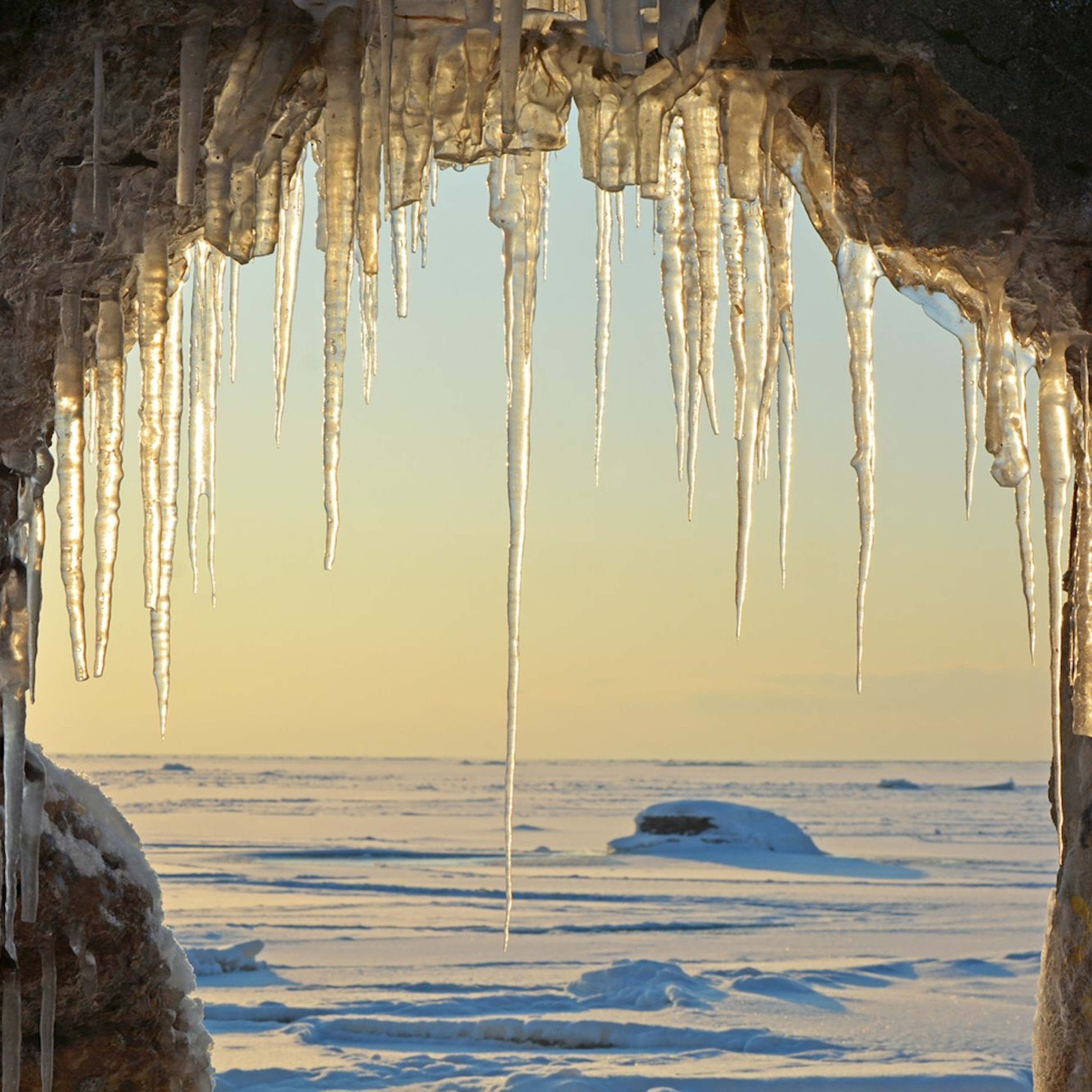
What caused the end of the Ice Age? It’s a 20,000-year old mystery that’s being tackled by climate scientists across the county. Answering this question is not just about understanding the past -- it’s about developing a unified theory of the atmospheric system. And it can help refine climate models that project current and future rates of warming. Aaron Putnam and his research team from the University of Maine are searching for clues as to what caused this rapid melting of glaciers and ice sheets. To find answers, Putnam's team traveled to a remote ice field in the Mongolian Altai, a vast range of mountains that touch Russia, Mongolia, China and Kazakstan. This story is brought to us by Kevin Stark. He’s an environmental journalist who lives in Chicago. He embedded with Putnam’s team for the entire 6-week journey, a part his work as a Comer journalism fellow at Northwestern University. Make sure to read Kevin’s companion piece at Pacific Standard Magazine: http://bit.ly/2eJbZ4T Thanks to our sponsor, Wunder Capital. Create an account for free and invest directly in U.S. solar projects: Wundercapital.com/warm
The Climate Context of Hurricane Matthew
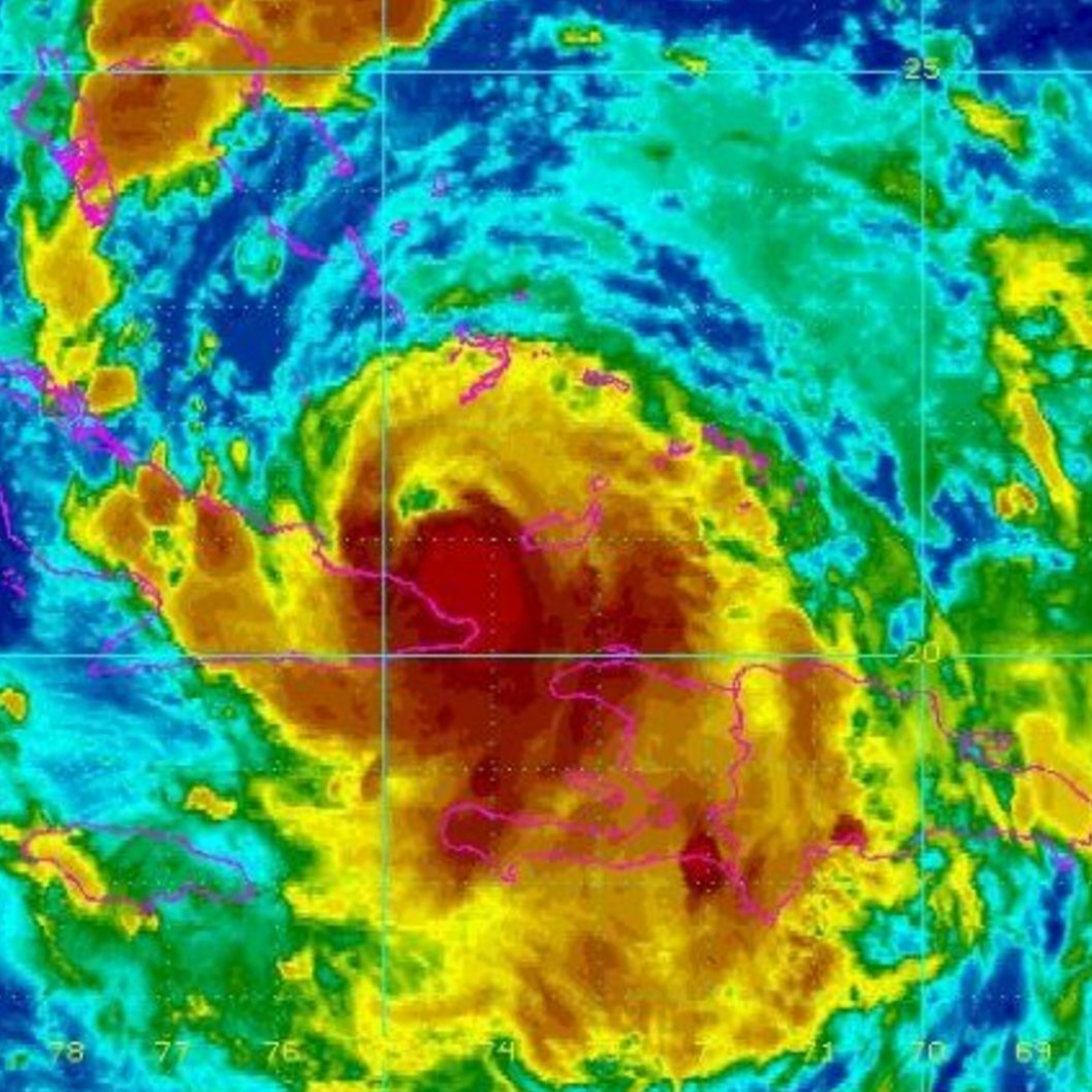
This week, we have a special interview with Kerry Emanuel, a meteorologist and climate scientist who specializes in hurricane physics. We’re talking to him today about Hurricane Matthew, which is threatening to be one of the most destructive hurricanes in U.S. history.
Is 2016 the warmest year in all of history?
Is 2016 the warmest year in all of history? We’re going to tackle a bold and controversial statement this week: that 2016 is likely the single warmest year in the history of human civilization. We’re joined by Gavin Schmidt, director of NASA’s Goddard Institute for Space Studies, to talk through it. Is it fair to say this year is the warmest one we’ve ever experienced? We’d like to thank Wunder Capital for their support. Invest directly in solar projects here: WunderCapital.com/warm. Links: Kxcd climate comic: http://xkcd.com/1732/ A new article from Gavin Schmidt at FiveThirtyEight: http://fivethirtyeight.com/features/why-we-dont-know-if-it-will-be-sunny-next-month-but-we-know-itll-be-hot-all-year/
Climate scientists are people too!
This week, we're joined by Katharine Hayhoe, an atmospheric scientist at Texas Tech University. Katharine talks about how she discusses climate change with her friends, family and skeptics. She'll also provide advice for young parents who are concerned about our kids' futures. Below are some resources mentioned by Katharine in this week's show. Berkeley carbon calculator: http://coolclimate.berkeley.edu/calculator Bruce Anderson's study: http://journals.ametsoc.org/doi/abs/10.1175/JCLI-D-11-00645.1
Where Earth's future is headed
This week, we wrap up our three-part series on the past, present and future of climate science. We’re going to do our best to envision how today’s emissions will impact tomorrow’s planet. Eric, Jacquelyn and Andy will unpack the uncertainties about what we know and don’t know about the future – and lay out where we’re headed together. There’s one thing we know for sure: The more carbon dioxide we emit as a species, the hotter our planet will get. Make sure to listen to part one and two for additional context. Part one: https://soundcloud.com/warmregardspodcast/climate-forensics-how-scientists-reconstruct-the-past-to-understand-todays-climate Part two: https://soundcloud.com/warmregardspodcast/how-do-you-take-the-planets-temperature
Flood watch: putting Louisiana's epic floods in a climate context
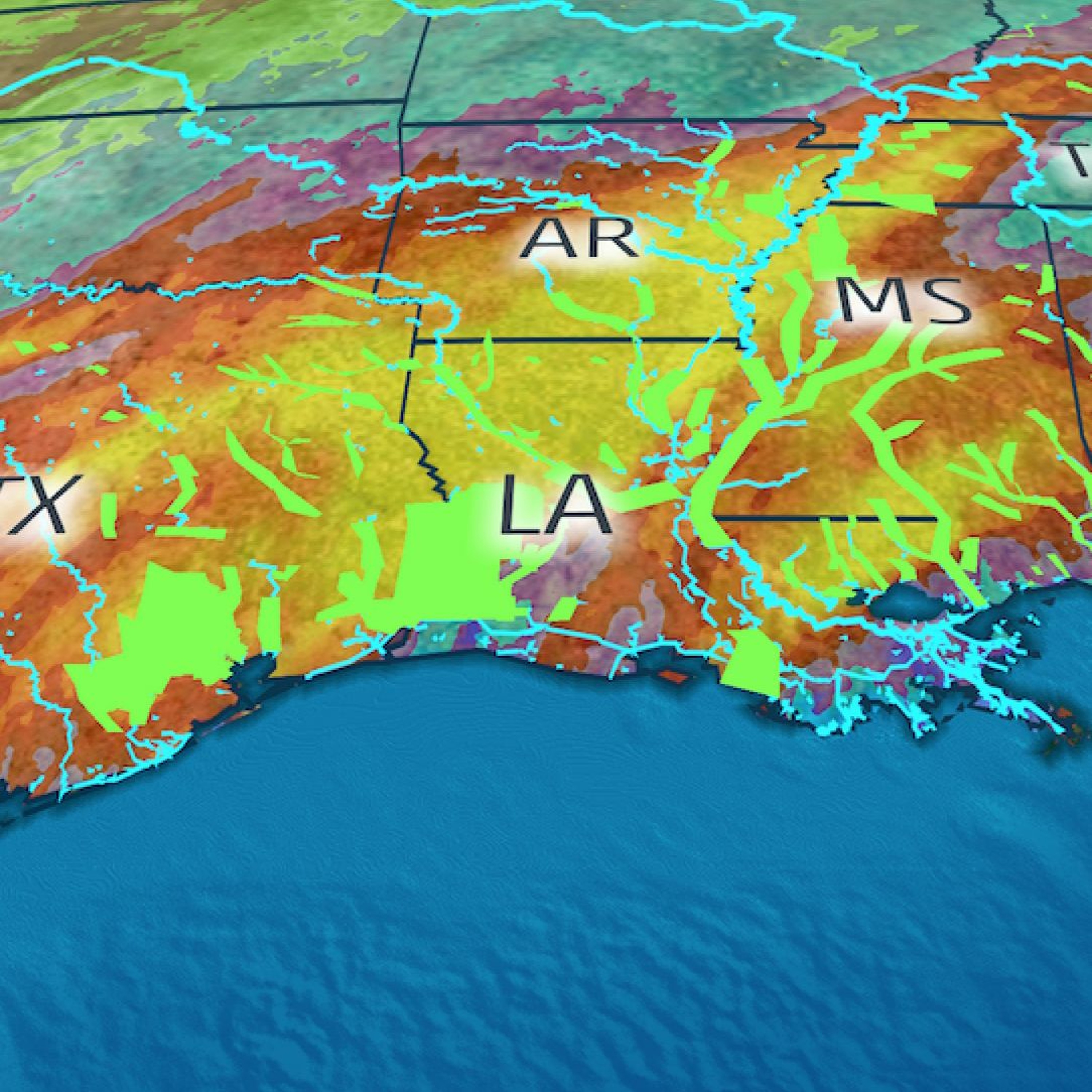
This week, we’re talking about the ongoing flooding in Louisiana, which the Red Cross now says is likely America’s worst disaster since Hurricane Sandy. Early last week, the National Hurricane Center began tracking a slow moving low pressure system over the Gulf of Mexico, and projected a foot or two of rain to hit the Gulf Coast over the following week or so. Gradually, that storm creeped westward and tapped into a moisture source that was among the most saturated that’s ever been measured, according to NWS weather balloon data—boosted by record warm, 90-degree water temperatures in the Gulf. We’ll talk about the impact of the flood, the (lack of) media coverage, and how to think about flooding events like this in a climate change context. Find out how to help flooding victims through the Red Cross: http://rdcrss.org/2b04d0E
How do you take the planet's temperature?
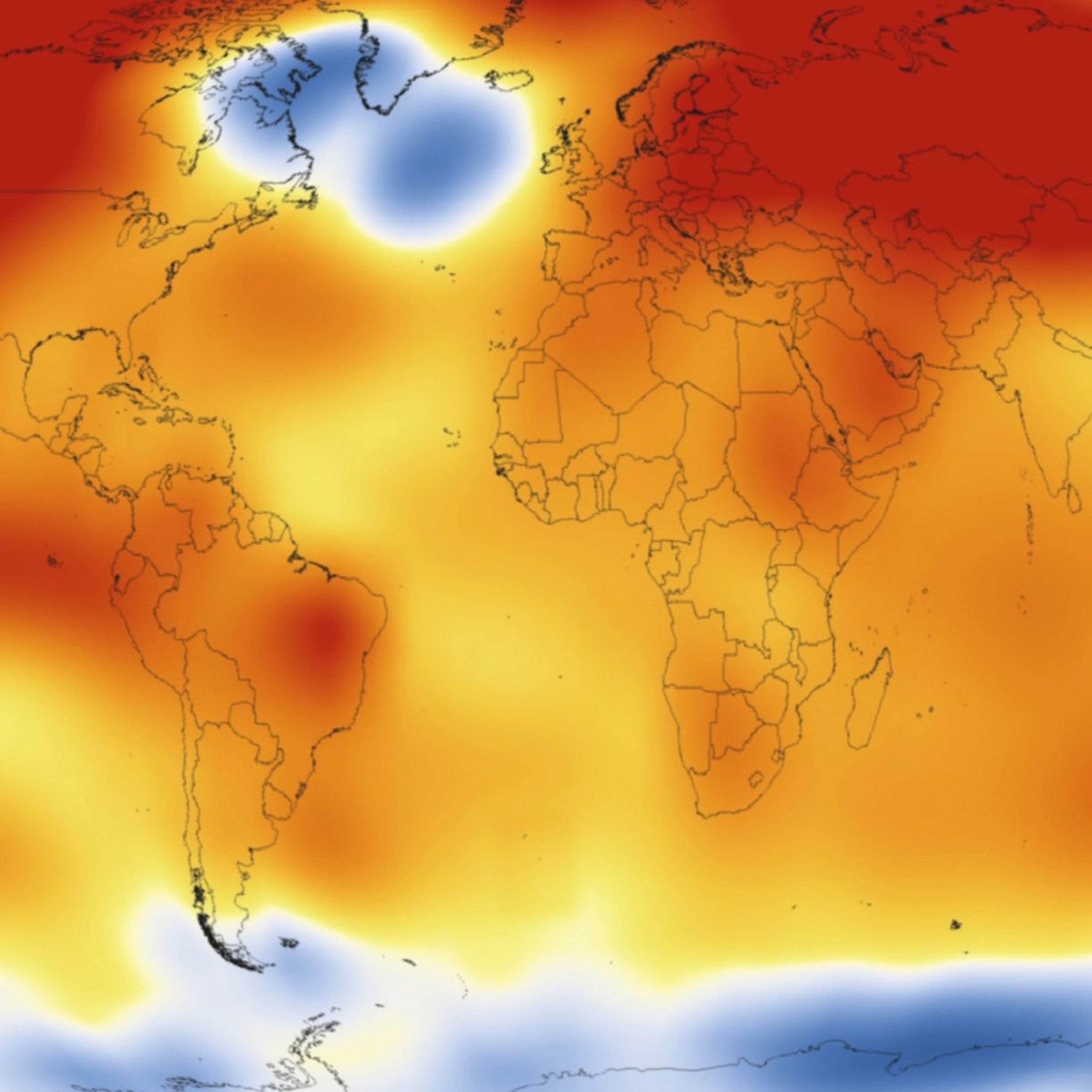
For this week’s show, we’re going to continue what we started last week: A brief interlude into the science of climate change. We’re right in the middle of what’s very likely to be the hottest year on record, and we’ve just passed what is historically the planet’s warmest week of the year. This week’s show will examine how we know what we know about our current climate. And to do that, we’ll rely on the reporting expertise of veteran environmental journalist, Andy Revkin.

Climate forensics: How scientists reconstruct the past to understand change today
For the next three weeks, we’ll bring you bite-sized chunks of science that’ll hone in on how we got to where we are right now -- in the middle of the warmest year that humanity has likely ever experienced -- and where science says we’re headed if we don’t get our act together. This week’s show will focus on the past. And our all-star expert on paleoclimate, Jacquelyn Gill, will help us navigate backwards to place today’s planetary-scale changes in context.
Bonus: The Global Cooling Myth
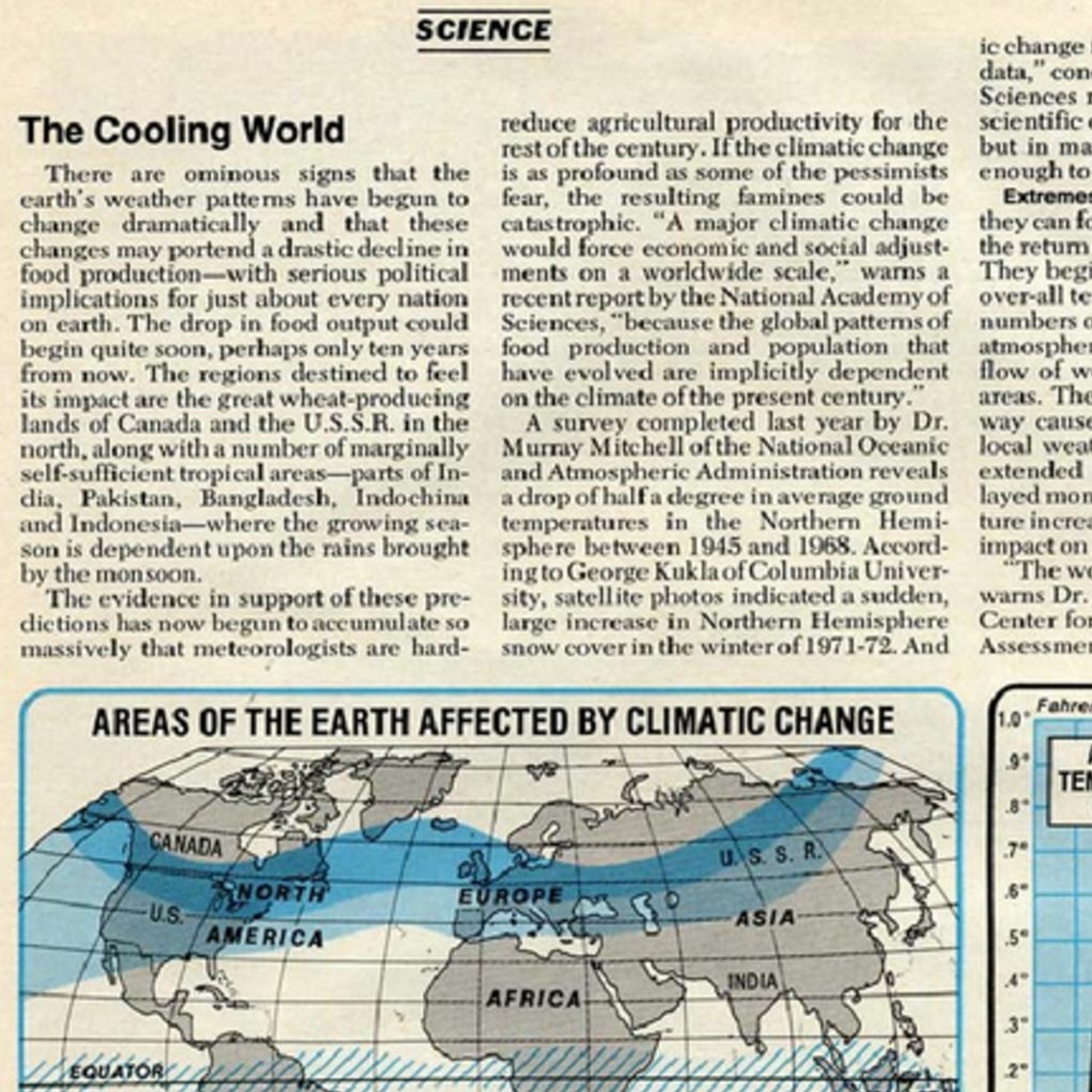
This week, we present a bonus episode of Warm Regards. Forty years ago, on April 28th, 1975, Newsweek magazine published an article that created one of the most pervasive scientific myths in modern history. It was a one-page story, buried in the middle of the magazine. But it became the most widely cited article in Newsweek’s history. The piece, called “A Cooling World," raised concerns about a global cooling trend. It was published on page 64. But it became front page news for climate skeptics, who point to it as proof that scientists were confused, or even deliberately misleading, about global warming. In this episode, producer Stephen Lacey revisits the myth 40 years later.
Climate politics in America's crazy presidential race
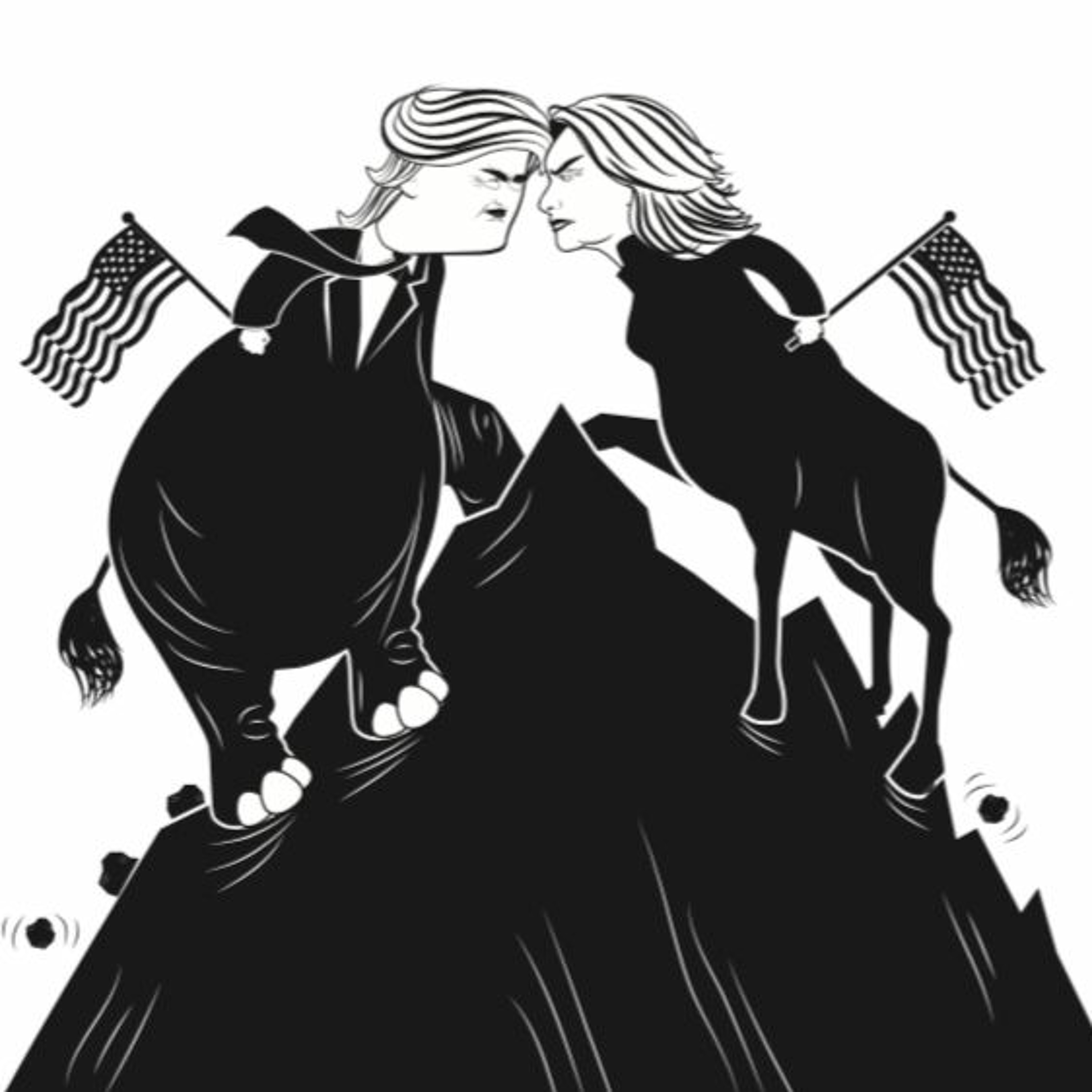
If you’re listening to this from a post-apocalyptic Pokemon-dominated global-warming ravaged future –- welcome! We’re getting to crunch time in the election, and a whole suite of new climate-related polls have been released in just the last few days. Is this finally the election in which climate change is going to play a big role? When you look at America as a whole, climate change still ranks relatively near the bottom in terms of voters’ priorities. Last week, a Pew survey ranked the environment as 12th out of 14 major issues, just below trade policy. But if you burrow in to the large and growing section of America that’s deeply concerned about climate change, you’ll find there are a lot of single-issue voters that are very engaged. We have a lot in store for today’s show: Pokemon is making people go outside for the first time; Bernie has endorsed Hillary; Trump is still Trump. Sheer craziness. Check out the recommended reading list below. Eric’s links: Hillary’s climate plan: http://www.slate.com/articles/health_and_science/science/2016/06/hillary_s_climate_change_plan_isn_t_as_good_as_bernie_s_revolution_might.html A Green Party comeback: http://www.vice.com/read/can-the-green-party-make-a-comeback-in-2016-209 Trump supporters and climate: http://www.slate.com/articles/news_and_politics/politics/2016/03/what_do_trump_supporters_think_about_climate_change_i_went_to_a_rally_and.html Jacquelyn’s links: Pokemon Go gets people outside: http://www.latimes.com/science/sciencenow/la-sci-sn-pokemon-go-real-animals-20160711-20160711-snap-story.html Jet Stream mania: http://www.forbes.com/sites/marshallshepherd/2016/07/02/lessons-from-jet-stream-crossing-the-equator-mania/#5f3756d05a8c 2008 DNC platform: http://www.presidency.ucsb.edu/ws/?pid=78283 Hillary's climate plank: https://www.hillaryclinton.com/issues/climate/ AR4 vs AR5: http://treealerts.org/wp-content/uploads/2013/09/AR4-AR5-comparison.pdf Stephanie Svan on "voting green on principle": http://the-orbit.net/almostdiamonds/2016/06/20/voting-green-principle/ Andy’s links: Video summarizing the politics of climate: https://www.facebook.com/andrew.revkin.5/videos/vb.631851039/10155022172286040/?type=2&theater Sri Lanka mangroves. https://www.seacology.org/project/sri-lanka-mangrove-conservation-project/

Is it time to freak out about the Arctic?
Snow and ice are disappearing from the Arctic region at unprecedented rates, leaving behind open water that’s much less reflective to incoming sunlight than ice. That, among other factors, is causing the northern polar region of our planet to warm at a faster rate than the rest of the northern hemisphere—a phenomenon called Arctic Amplification. And over the past several months, it’s become increasingly obvious that big changes are happening now. Right now, not 5 or 10 or 20 years from now, Now. In this week’s episode, we’ll talk about all those changes -– and what they say about what we do and don’t know about the melting Arctic. Oh, and we’ll also talk about how Game of Thrones relates to climate change. Check out the recommended reading list below. Eric’s links: Arctic melting: http://www.climatecentral.org/news/arctic-sea-ice-breaks-may-record-20415 https://www.washingtonpost.com/news/energy-environment/wp/2016/02/18/scientists-are-floored-by-whats-happening-in-the-arctic-right-now/ Arctic greening: https://www.washingtonpost.com/news/energy-environment/wp/2016/06/27/its-official-humans-are-making-the-earth-much-greener/ Jacquelyn’s links: Twinkies: https://www.boston.com/culture/lifestyle/2016/06/27/heres-twinkie-maine-school-kept-40-years-counting Cloning mammoths: http://reviverestore.org/projects/woolly-mammoth/ Science group’s letter to Congress: https://www.washingtonpost.com/news/capital-weather-gang/wp/2016/06/28/top-science-groups-tell-climate-change-doubters-in-congress-to-knock-it-off/ Andy’s links: Pop-up forests: http://j.mp/popupforests North pole sounds: https://www.youtube.com/watch?v=9GqjvjiXp4E
How do we talk about climate change?
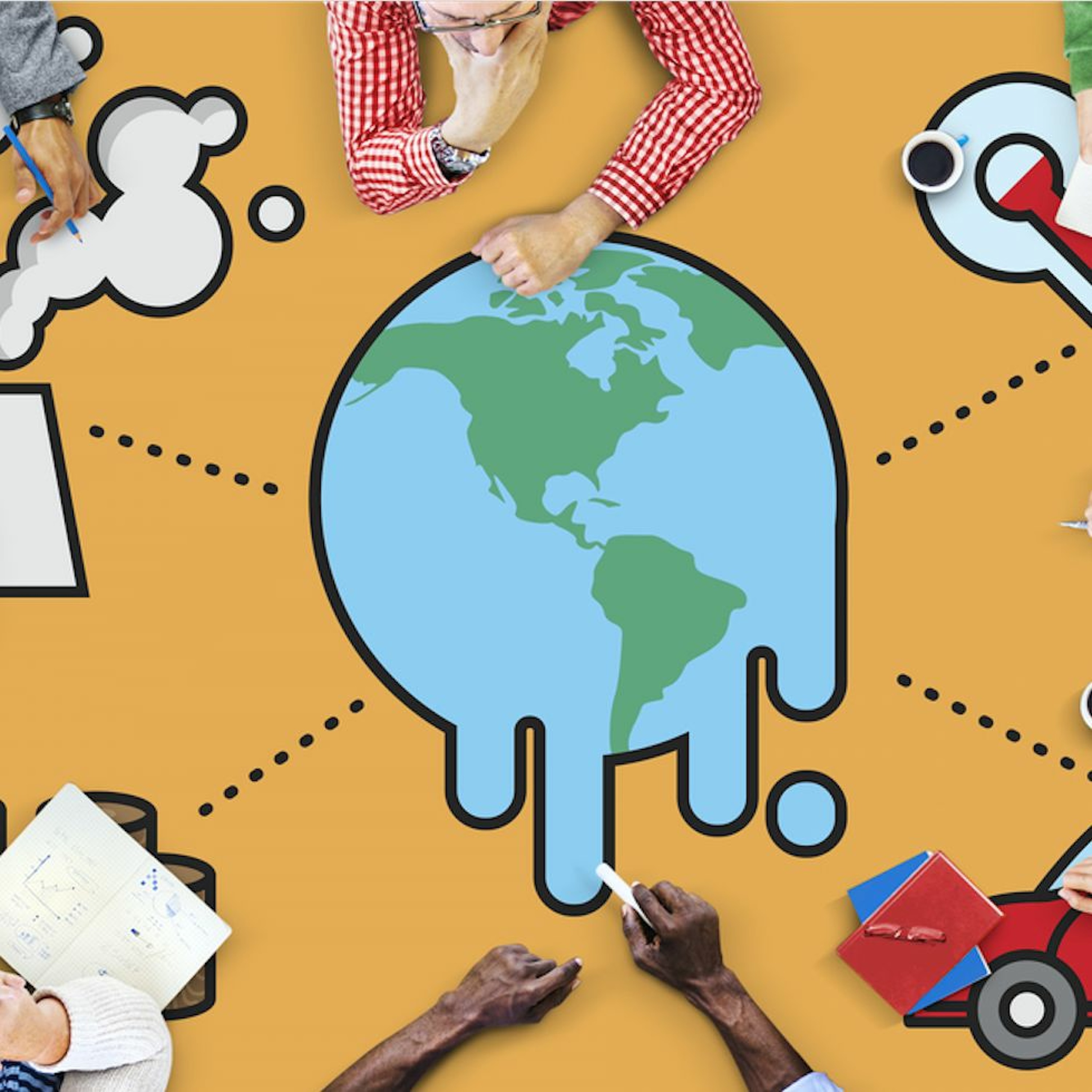
For those of us who think about climate change often -- like unhealthily often -- there's sometimes a sense that you're missing the story. Climate change is quite possibly the biggest story of all time. But it can feel remote, abstract, and lost in a sea of statistics. There's no way to do this story justice in just a few hundred words on a blog post. That's why we made Warm Regards. In this inaugural episode of Warm Regards, we'll tackle what it means to talk about climate change at this unique moment in human history. Warm Regards is hosted by Slate Magazine's Eric Holthaus, a self-professed weather and climate geek who Rolling Stone once called "the rebel nerd of meteorology." Co-hosting is Andy Revkin, veteran environment reporter for the New York Times who has covered climate change from all angles for 30 years, and Jacquelyn Gill, a paleoecologist at the University of Maine who is an actual, real-life climate scientist who flawlessly navigates social media. Together, they're opening a window into the world of people devoted to finding out what matters most about climate change.