Walk Around
45 episodes
Love everyone, and tell the truth
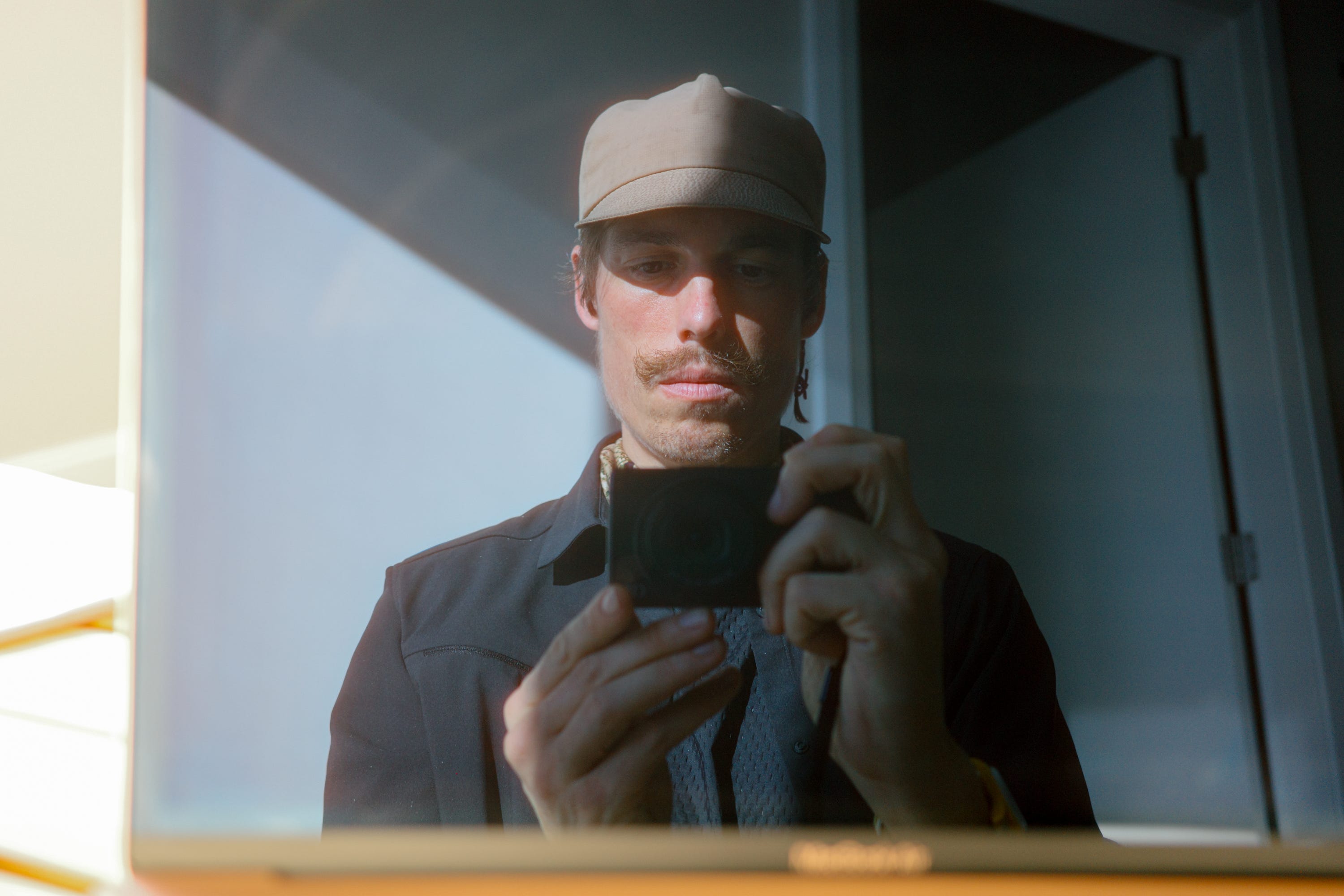
All The Energy in the World for Nothing At All
I am sitting on the floor, at a pine coffee table I bought from IKEA a few months back. Simmering on the stove is a blend of herbs I formulated for the challenges of my current stage of life.In the oven is a piece of salmon caught in a distant ocean.I am typing on a laptop that is essentially a magic rock, made of elements (Aluminum, Copper, Gold, Selenium, Silicon, rare earth metals) from supernovæ that somehow made their way to earth over inexplicable time.Its quiet in this room, in this condo in a building in downtown. It feels, in some ways, like a library. As possessions go, I could fit everything I own in here in my van and drive away, with plenty of room for a passenger. But I own more things than I have in ten years. I am living a life I never could have imagined.And yet, amidst all the change, life always feels about the same. I guess because it is me that is living it. There is a strange thread that continues, day after day after day, and that thread I suppose I call myself. Resilient through changes and losses and gainses (sic), it continues while all else falls away.Until, I suppose, it doesn’t.But I don’t know what that feels like, and can only guess at the hereafter.There is so much talk of big shifts this year. “A new world order” as a world leader said. Large movements of distant planets that are said to impact our emotions. A lunar new year with double fire energy.Everyone seems to be saying: get ready.Get ready.Get ready.But ready for what?To me, readiness creates tension. Some kind of bracing for a fast start, or some future that cannot be controlled.But I don’t know what to get ready for. Maybe others do, maybe they know exactly where they are headed and how to do it all.I own that I don’t. I have no idea what to be ready for. And to fabricate something seems to be fabricating a form of augury that I don’t have an honest claim on.And so maybe what I need to be ready for, is to release control. To allow what comes.In many ways, living alone, I am spending more time on my own, with my own thoughts, than I have in some time. And studying medicine, I’m finding yet again that I am on a somewhat solitary, inward journey.Having come through the most difficult two years of my life, I am now sitting at a precipice, looking into the future. What will I do with all the supposed potential of my current life? I want to create a healing arts center in the high desert that will allow expressions of creativity as a form of life giving culture. And the opportunity for people to come practice healing modalities of many different kinds there.But to be honest, I don’t even know what healing is.And some days, I suck at caring for myself.I have a hard time eating alone, because it’s boring. I like cooking for people.Living alone and being single in a city can be hard. There are rules here that I have had to learn, and a lot of unhealthy social dynamics that people accept as status quo.Though I feel that all of this is on some kind of thread of direction that feels real to me. At least as real as anything I’ve done before, with the added aspect of being recognized after this passage as more than just a random artist with a camera, laptop, microphone, and notebook. I’ll have a license, be an “acupuncturist.”Is this what becoming yourself looks like?Because to me it feels messy, imperfect, uncertain, misty, painful, lonely, and strange—and this process has been going on for a LONG time.Sometimes I don’t know where its leading me.Two springs ago, when I couldn’t sleep more than a couple hours for weeks on end, was having panic attacks and night terrors when I did sleep, felt haunted by my own psyche, like I was an embarrassment to myself, my family and the world—I went to visit my sister in Boise. It was a blur of a trip. I can’t remember really what happened. My nervous system was so dysregulated, that even with my years of mediation experience, I couldn’t get myself into a calm state. I had to stop consuming any form of caffeine for half a year—I went off sugar completely for over a month. I experienced a complete nervous system collapse. This is what recovery from a long term addiction looks like, in case you were wondering.But there was a moment in the airport on the way, when I was sitting in the atrium area, and I noticed an old man dressed nicely, accompanied by his wife. They came up to me. I was listening, as I often do, to an album, and had recently been inspired to investigate dance by a person I was dating. The track was called Scythe Master by Four Tet. So I was dancing a little in the chair. I don’t know if he saw me dancing, or was just attracted to whatever vibe I was giving off.But he sat down at the table with me, after asking permission. He looked to be late 80s or early 90s, and his wife had a beautiful German accent. He told me he was a retired doctor, from WSU Medical Center in Seattle. He asked where I was going, and told me about the train trip he had taken north, long ago, through a tunne
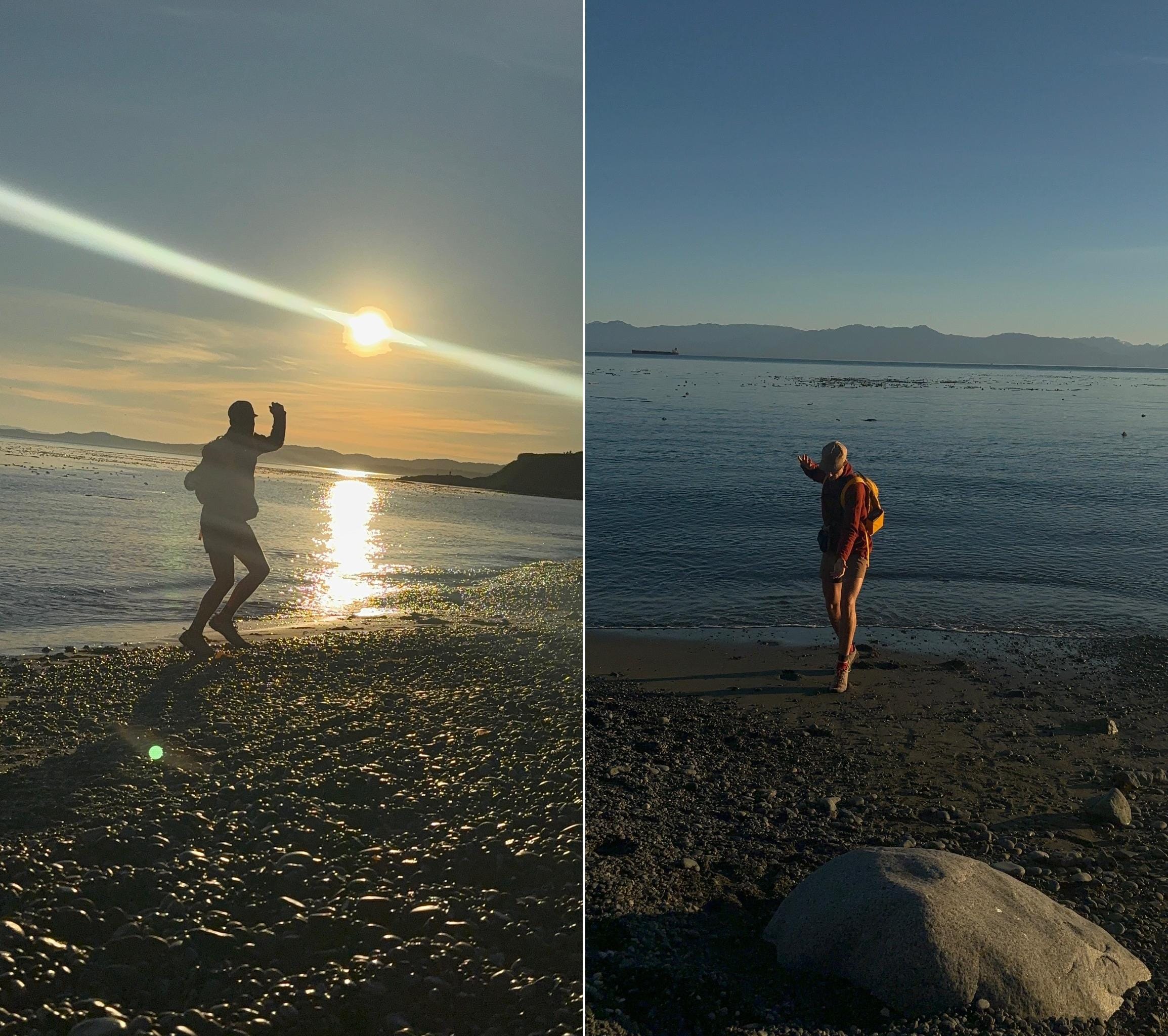
Resistance Takes Effort
Without honesty, life becomes a pantomime. And yet it’s hard to know what’s true.I’ve found that truth unfolds in concentric rings; like ripples in a still pool of water, or the growth of a tree.And each ring references, yet also takes space from, the previous.And so only in cycles of time, and in seasons, is a kind of long term knowing revealed.It’s easy to forget that there is a kind of glacial energy to the every day, like leaves unnoticed piling in drifts in the gutters in autumn. Each day another leaf, and soon enough, there’s a drift of half noticed moments, forgotten days, and the occasional memory that stays forever. And this is life?Through the threads of being and days, acting and passivity, choices and impositions, life passes.There’s a phrase in the northern part of Italy, up against the alps: “Tiempo alla passa. Passa il bin.” Which is dialect for: Time passes. Pass it well.And I came across a phrase, translated from Lao Tze by Lori Dechars, that says:How do I know the way of things at the beginning?I feel like I’ve come to a thought about life and love in general recently that feels clear: which is that I should let what loves me do so, and I should love only what I love. And endlessly let go of those things that aren’t this.In that way, I stop resisting the flow of life, and live out a trajectory that is true. And maybe I’ll gain some energy from no longer resisting the inevitable course that my journey wants to make.In all this, in writing and in conversation, I try to find the words that are true. And yet its always hard to find the right words. And in that same way, its hard to know when to follow what is easy, or pursue what is hard.It’s important to remember the rules of life. But I lost my rule book long ago. I do my best to make up whatever makes sense to do, whatever’s true, vital, alive, and real. And to remember that resisting is a form of safety. That it’s good to be safe sometimes, but a life that’s always safe... is maybe one that produces no living.Thanks for listening ~ This is a public episode. If you would like to discuss this with other subscribers or get access to bonus episodes, visit www.walkaround.run
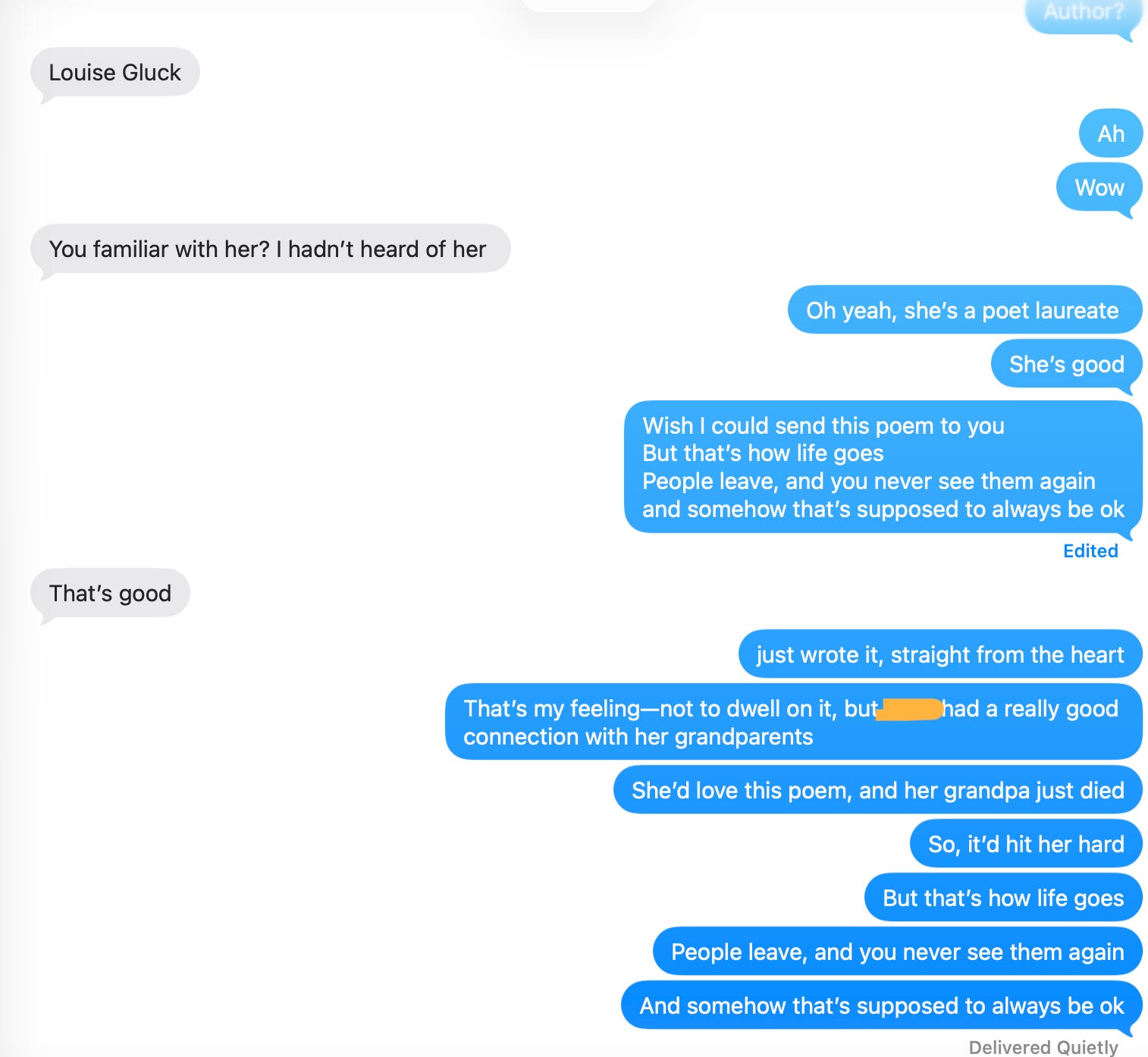
Delivered Quietly
Vic PlaylistApple Music • SpotifyTRANSCRIPTA long time ago, I used to have some friends who liked to go around the country by riding freight trainsThey'd hitch out of Omaha or Lincoln or usually Kansas City and end up in Pennsylvania or Montana, California, ArizonaI never caught a ride with any of themI didn't really ever have the chanceBut I liked to sit with them on the rails and the bridges and watch the trains go byAnd they'd tell me about the different kinds of cars and which ones were good rides, where they were going, what you had to look out forMaybe that's why when I went for a walk recently and found an old abandoned railroad trestle in the western part of Victoria's downtown in Canada, where I live now. I climbed over a fence and went and sat on it for a whileAnd I've been going back to it, sitting there and watching cars go by, people, a couple of stories up above the groundI don't really have anything else to say but that, just a funny memory, I guessMaybe a reflection about living in an urban place because I've lived out in the countryside for so long nowRead more here This is a public episode. If you would like to discuss this with other subscribers or get access to bonus episodes, visit www.walkaround.run
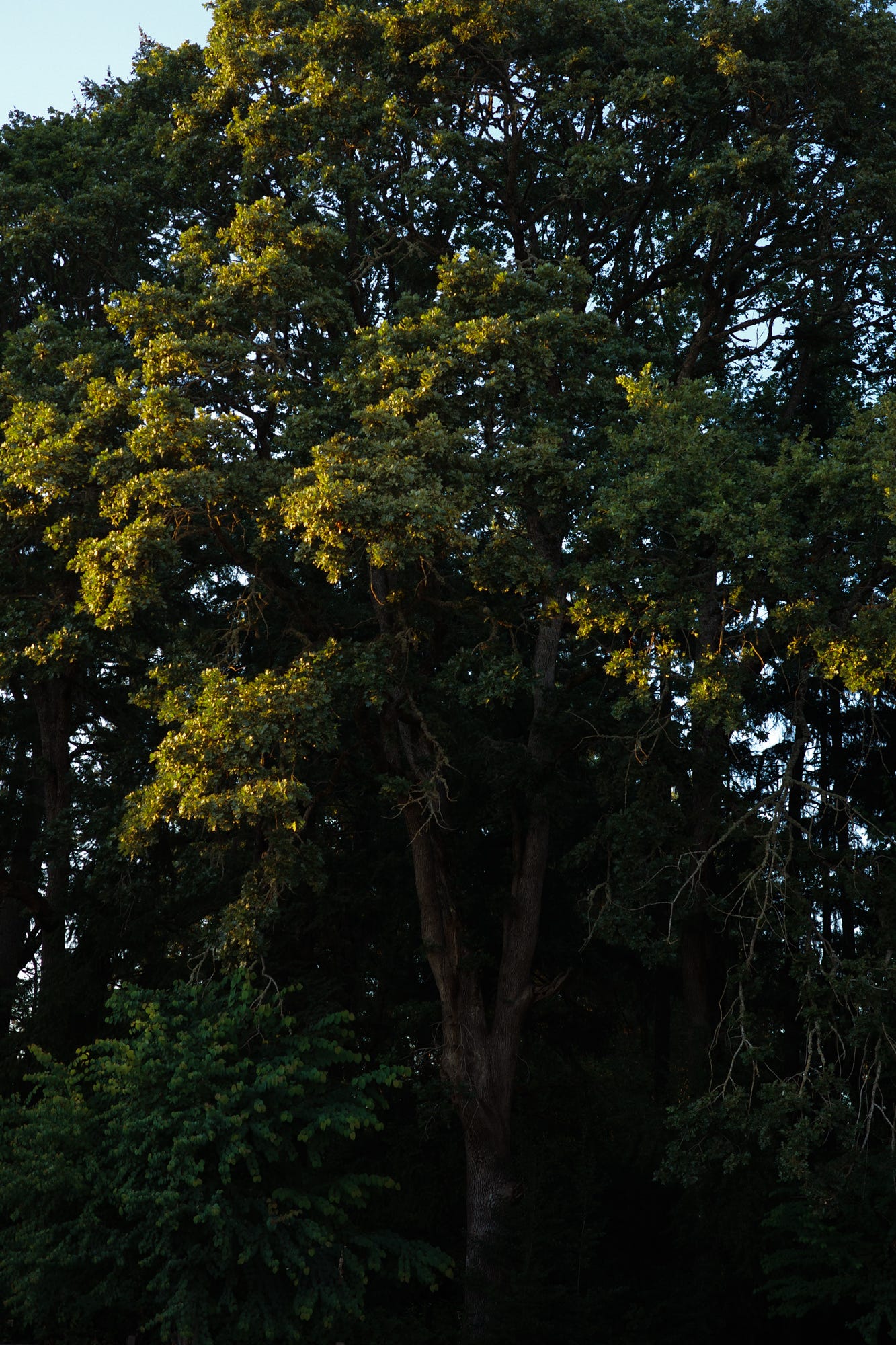
It Takes A Long Time
At the checkout counter, the southeast Asian guy whose country affiliation I can’t quite figure out smiles at me and asks how my day is going. We smile back and forth, subtly catching each others eye, like we are in on the same joke that neither of us know. His haircut is high and tight, he’s got a golden wedding band, he’s always here at apna, the Indian cafeteria and grocery store I come to for cheap chai, dosas, and studying. ....Full text & photos: https://walkaround.run This is a public episode. If you would like to discuss this with other subscribers or get access to bonus episodes, visit www.walkaround.run
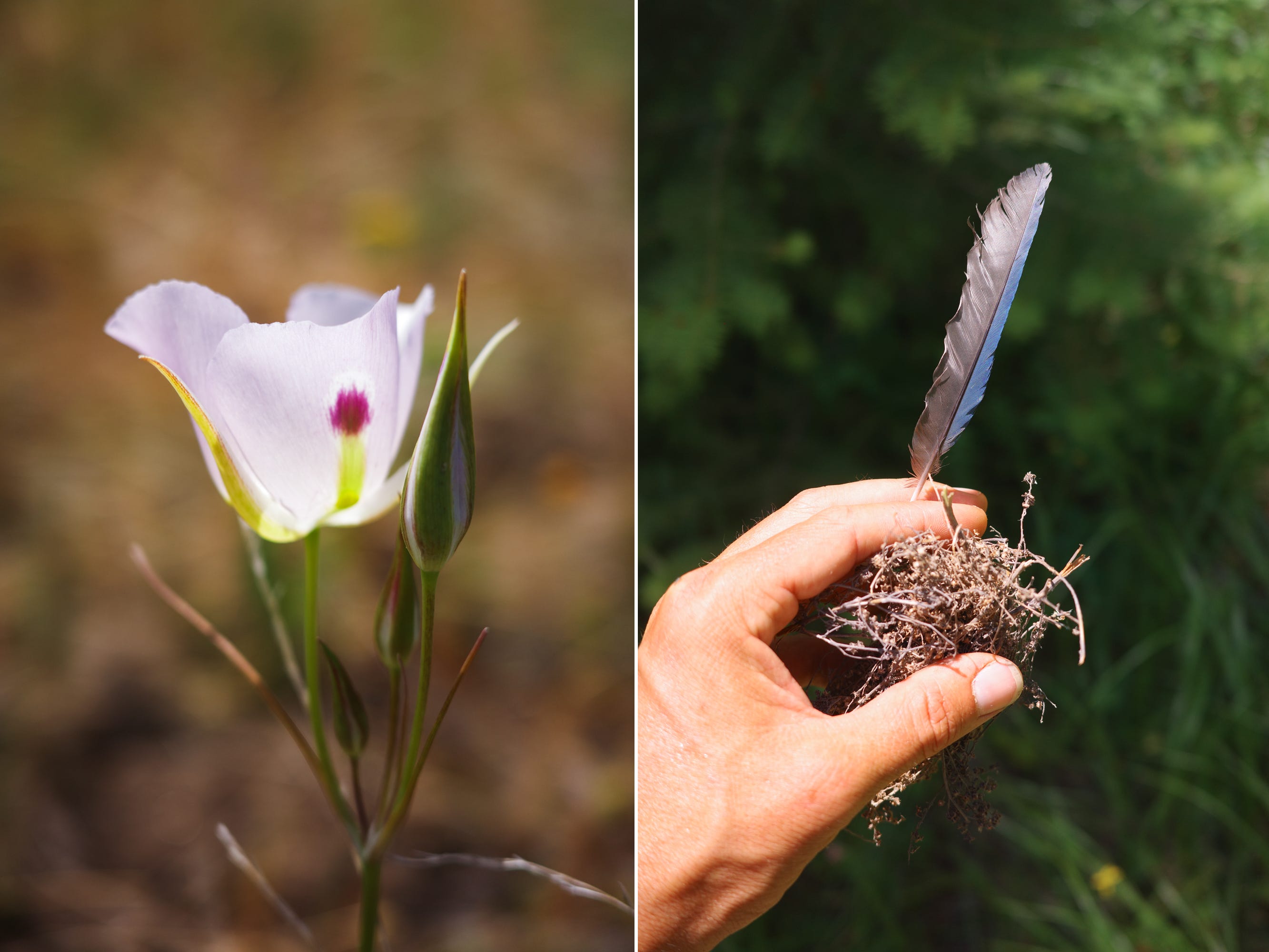
S2 Ep 3Faith, Beauty, and Bonds
LakeYou are a young girl playing on a log with your brother and dog The water in the lake clear and cold and deep, the rocks warm on the bank, little cottonwoods grow on the edge, in the distance: Mountains near enough to cast their shape on the waters surface. The water blue and green some rocks white, moved there in glacial time. One day you will be a woman Living in a city apartment And you will go down to a corner bar And you will meet a man, with curling dark hair And apricot eyes And you will tell him About the pink bathing suit you wore that day About how you called your dog giggles, but his name was Oliver How you tried to get him to float on the log About how warm the sun, and cold the water was About the moment your uncle and giggles fell off the log and shriekedAbout how your brother died that summer And you'd run down a winding road With the wind blowing in one ear,The grass cicadas drone in the other You’ll be shocked to feel so young Yet so far from something long ago Be alarmed and excited at the warm hand of this once stranger Holding your arm as your memories surge And you cry, and are held. This is a public episode. If you would like to discuss this with other subscribers or get access to bonus episodes, visit www.walkaround.run
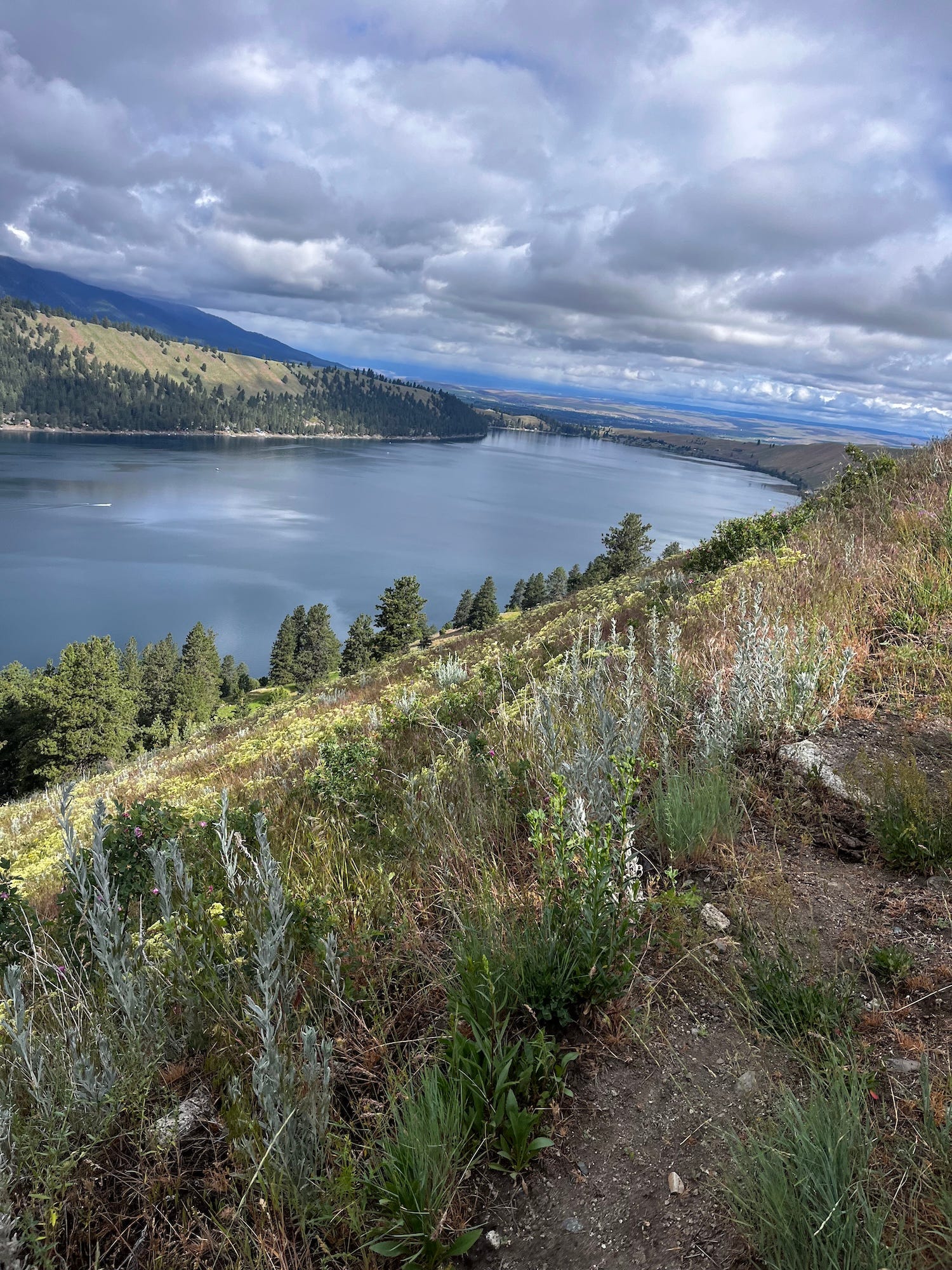
Lake Shore Document
TranscriptHello...I am on the hillside listening to two coveys of quail call back and forthThey've been slowly getting closer over the last 15 minutes, and I think they're going to link upI saw one groupThey had a bunch of fluffy little hatchlings running aroundI don't know how big the other group is thoughI'm below a range of mountains with snow and avalanche gullies, forests up the sides, larch and fir, ponderosa pineAh, wow, a western tanager just landed in a pine treeI haven't seen one yet this yearThat was coolThey're bright, bright orange, bright red, yellow, golden, crazy looking birdsProbably the most brilliant bird in the west maybeI guess there's lazuli buntings out here tooOr is it indigo buntings?....that quail is trying to get the other quails to come overThere's boulders on this hillside, and one of my favorite tea plants which is wild tarragonI gathered about eight stems of it just nowIt's a good spot for itThere's a bunch of plantsIt's nice to be hereI feel like my mind is already clearing out from the dampness of the coastal, humid, cold Salish SeaUp here in the high mountains, a divergent part of the Rockies above a big lakeOn a glacial moraineI guess I wanted to offer this today as just kind of way of saying of thanks to peopleEverybody that's supported me over the yearsEveryone who listens to this podcastI guess these quail are listening to it right nowI just feel really gratefulI'm kind of a recovering pessimist, you know, so a lot of that has to do with gratitudePessimism is kind of this idea that there's no safety. Or that things are never going to really be what you wantAnd the opposite of that, obviously, is gratitude for what you haveWhich is actually simple, but for a pessimistic mind, it's harder than it might seemAnd there's a lot to say about pessimismIt definitely comes from damageDefinitely comes from painIt's definitely a protective mechanismBut I feel like I'm growing less and less pessimistic as time goes on, which kind of relieves a huge burden on a personI heard a meadowlark this morning as I was runningDiscovered some physiological linkages between my lumbar and knee that have to do with nervesResearched this type of technique called prickly...prickling nerve stimulation technique, which is developed by a Japanese neurosurgeonAnd it's a technique that's used to stimulate the nerves in the lumbar spineWhich is developed by a Japanese neurosurgeonNeurologist named DrNagata, I thinkBasically, it's the idea that our skin is a direct door of access to our nervous systemWhich means that we wear our nervous system on our sleevesWhich is something to remember, as sensitive humansI think we're all very sensitive, actuallyUnless we've been damaged to the point where we've been able to turn it off, or we've learned how to turn it off, or have been in a mode of having it shut offAnd it's really fascinating to note that there can be healing in the skin and in the tissues, just by stimulating the nerves around areas of traumaAnd it's interesting to note that, more or less, that's what acupuncture functions on, to access the meridians and the internal organs as wellKind of working with the nervous system in a lot of waysI kind of see these quail as part of the Earth's nervous systemAs showing what the weather's doing, and where the good grass seeds and the insects are right nowIt's quiet here, I like itIt's easy to get away, just be in a quiet space that feels really bigI like thatI like to be able to wanderIt feels like it clears my mindIt's starting to rain a little bitAnd I've run out of things to sayI'm gonna walk down this draw and back to the van and head into town, get some groceries and finish settling in to my friend's house where I'll be for the summer doing rangeland surveys out here until I go to school in the fallGot a condo in VictoriaEverything's lining up it seemsI feel really luckyThank you for your support, and thank you for listening. This is a public episode. If you would like to discuss this with other subscribers or get access to bonus episodes, visit www.walkaround.run
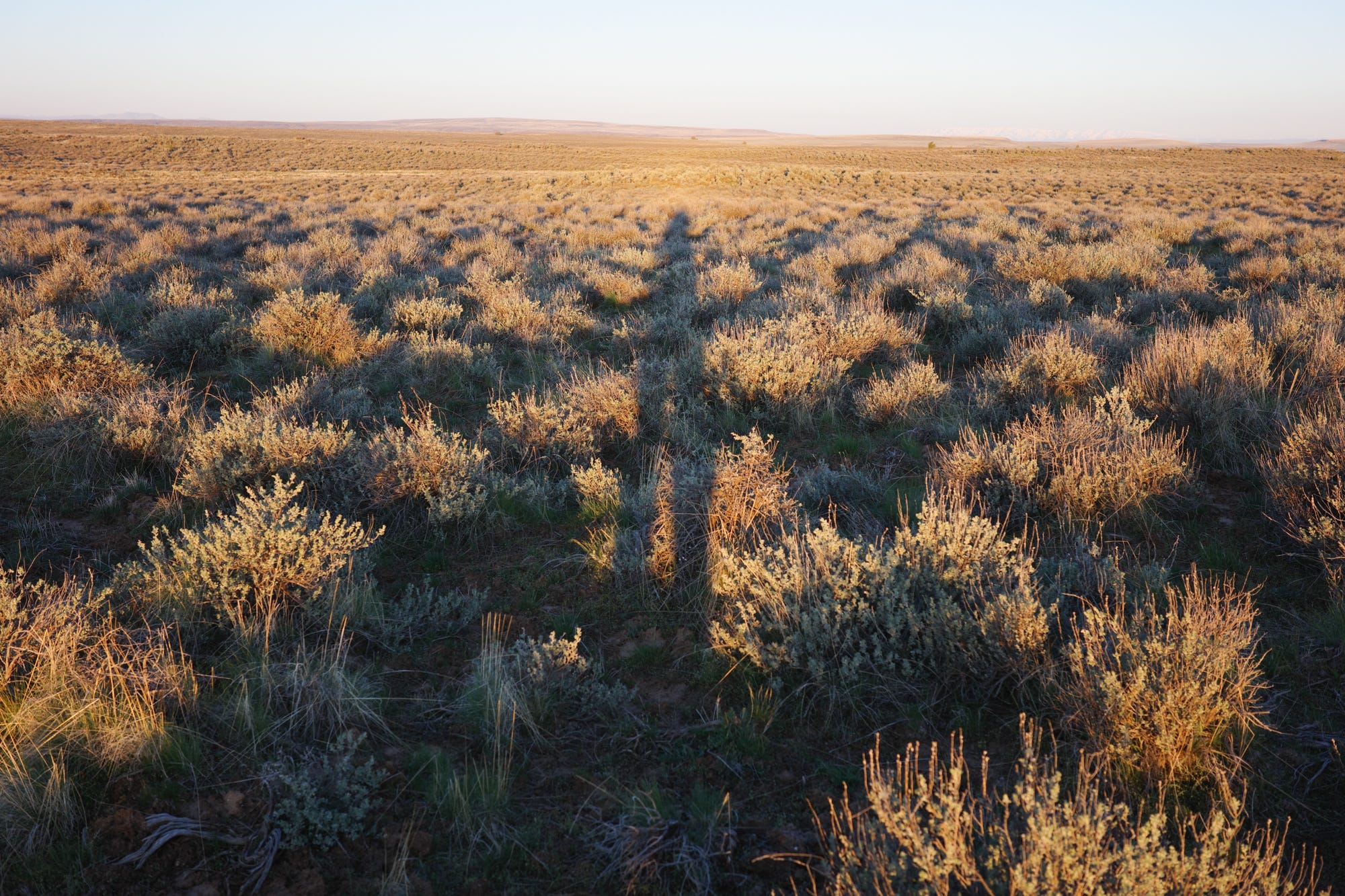
S2 Ep 37Owhyee Country
There’s finality to certain things in life. One kind has to do with naming something. Another has to do with speaking its name.Listen for some thoughts on quietude in vast spaces.https://walkaround.run/p/owhyee-countryPublic lands are in the process of being sold. Call your reps!(202) 224-3121https://www.backcountryhunters.org/take_action#/Owyhee Canyonlands: Road to 30 PostcardsMore on Northern Paiute Tribal Member, and FOTO Board Member, Wilson Wewa This is a public episode. If you would like to discuss this with other subscribers or get access to bonus episodes, visit www.walkaround.run
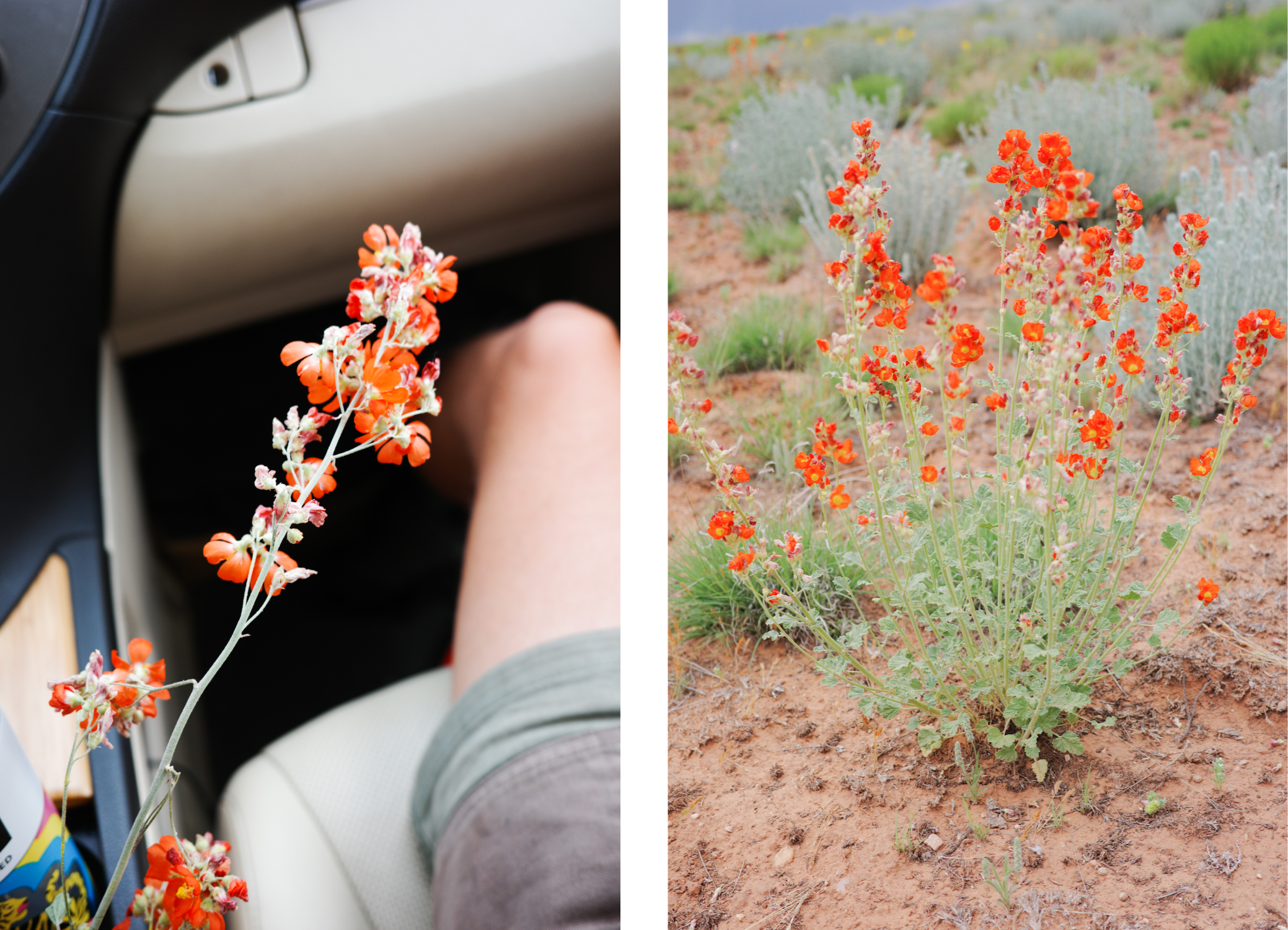
Globemallow
Distilled moments of presence in nature More at: https://walkaround.run This is a public episode. If you would like to discuss this with other subscribers or get access to bonus episodes, visit www.walkaround.run
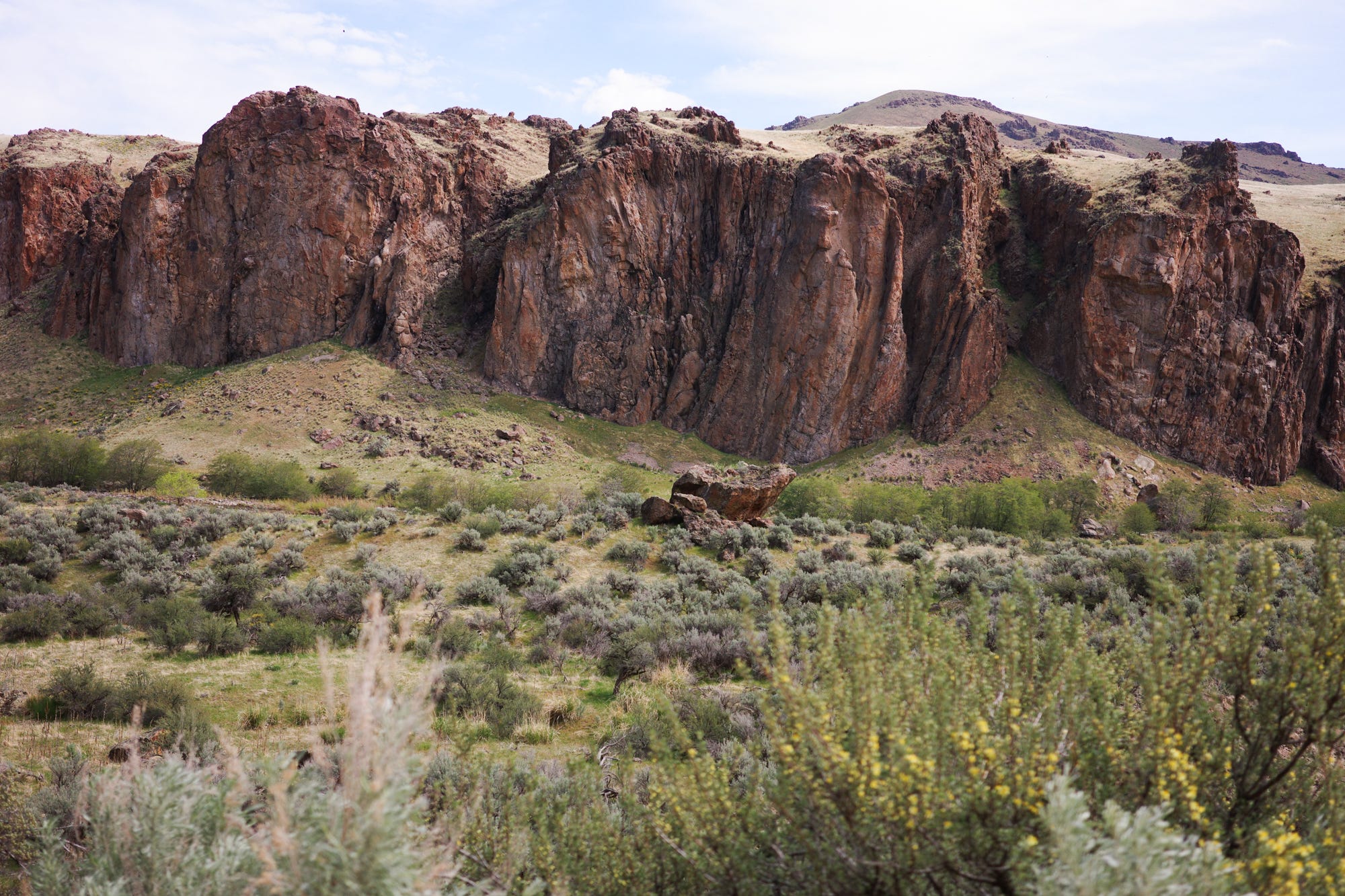
Canyon Thinking
TranscriptHey thereSo I am walking the backside of this little meadow, forested area where my mom livesIt's on the edges of old farmland and I'm about to hop over a split rail fence, which is a little awkward, it's a little tallThere's some, a lot of native plants around here, and also some volunteers from elsewhereOregon ash and cottonwood, willow, aspenThere's a grove of hawthorn in full flowerThis is a place where deer hang outFloods in the winterIt's marshy where I am right nowI could probably set up a tent back hereIt's quietI've just come back from the far east side of the stateI was off grid, down in a canyon for four days, in some pretty crazy country, working on a project and just existing reallyI think it was probably the least I've interacted with screens and media in maybe a decadeI didn't really have cell phone signal for about a week and a half, pretty intentionallyI basically just didn't turn my phone on unless I needed navigationAnd then there were three nights and four days when I was down in the bottom of this canyon where I really didn't do anything at allI just kind of existed down thereAte food and had a little fire now and thenWatched the light changeAnd it was beautiful and hard, easy, lonely, quiet, all the thingsAnd I've been thinking a lot about why I do what I do, my work as an artist and personI don't want to think about it too much, but doing something like that made me really consider a lot about why I make things, share things, live the way I doThere's just a lot thereThere's a lot of assumptions, a lot of reasons I've been doing stuff for yearsA lot of time passed, a lot of habits, that kind of thingNow I'm in the Grove of CottonwoodsIt's kind of a flood groveSome reeds back in hereMaybe there's sedgesSo I don't have a lot of answers about why, but I think I discovered a new language of some kind down in that canyonDefinitely a new relationship with myselfThere wasn't much to hide down thereTurns out being alone for long periods of time is pretty toughI mean, I've done it before, but this was different somehowIt's really good to do, but it's not easy sometimesParts of it aren't easyParts of it are really incredibleIt's always funny to be alone in a place like that and run into a person once in a while and realize that pretty much everybody else is out there with other peopleIt really got me thinking about the reasons why people do things and why I do thingsFor me, a lot of it is to get away from loneliness, actuallyFrom being alone with my own thoughtsPartially because they can be boringPartially because it's really not maybe the healthiest long term to always just be alone with one's own thoughtsBut I think that there's something really deep thereAnd I don't consume much mediaI mean, maybe a podcast every two or three daysSometimes I don't listen to one for a week or soBut something I thought was really strange down there is I had songs that I hadn't listened to for many days just repeatedly looping in my headAnd it was almost like my mind was just spinning in neutral, trying to find something stimulating to remember or to latch on toOr maybe it was just digesting everythingMy friend Martin said metabolizing, which I really likeActually metabolizing the experiences that I've hadAnd I think it takes a really silent, open, empty space without any direction, honestlyNo structureNo one else aroundNo informationJust the sun rising and settingAnd sitting in places like that really makes me reconsider kind of my whole life.Why do I do what I do? Why do I want to share writing and recordings with people? What's really at the base of all that? What need of mine is being met? Am I doing it as a means to an end? Or am I doing it as an end in and of itself? And I've decided pretty conclusively that I want to do things in my life that are an end in and of themselvesI don't want to be chasing different activities for a lot of my life because they're giving me something that's not inside of the activity itselfAnd I think I do want to share what I make, but it's difficult to know whether that's worthwhile or not for othersAnd so I decided that I'll do it for my own joy and my own insightsAnd if others want to come along for the ride and see what's thereI mean, I've been doing it this way all along, but I think that there's always these shadow sides, like hidden unconscious sides of any activity or anything a person does that aren't fully available to them unless they sit and really delve into the whyAnd an activity I've been doing recently is asking myself why seven or eight times about something really gets down to the root of what's going onIt's hardI feel like my mind wants to squirm away from those kinds of inquiriesBut I think it's pretty necessary and helpful in the long runI'm leaning on a tree and there's moss on itIt's youngWhat happened is it fell overProbably got blown overThat happened a while agoThe original shoot has since been pruned off by the tree itselfIt's broken off and
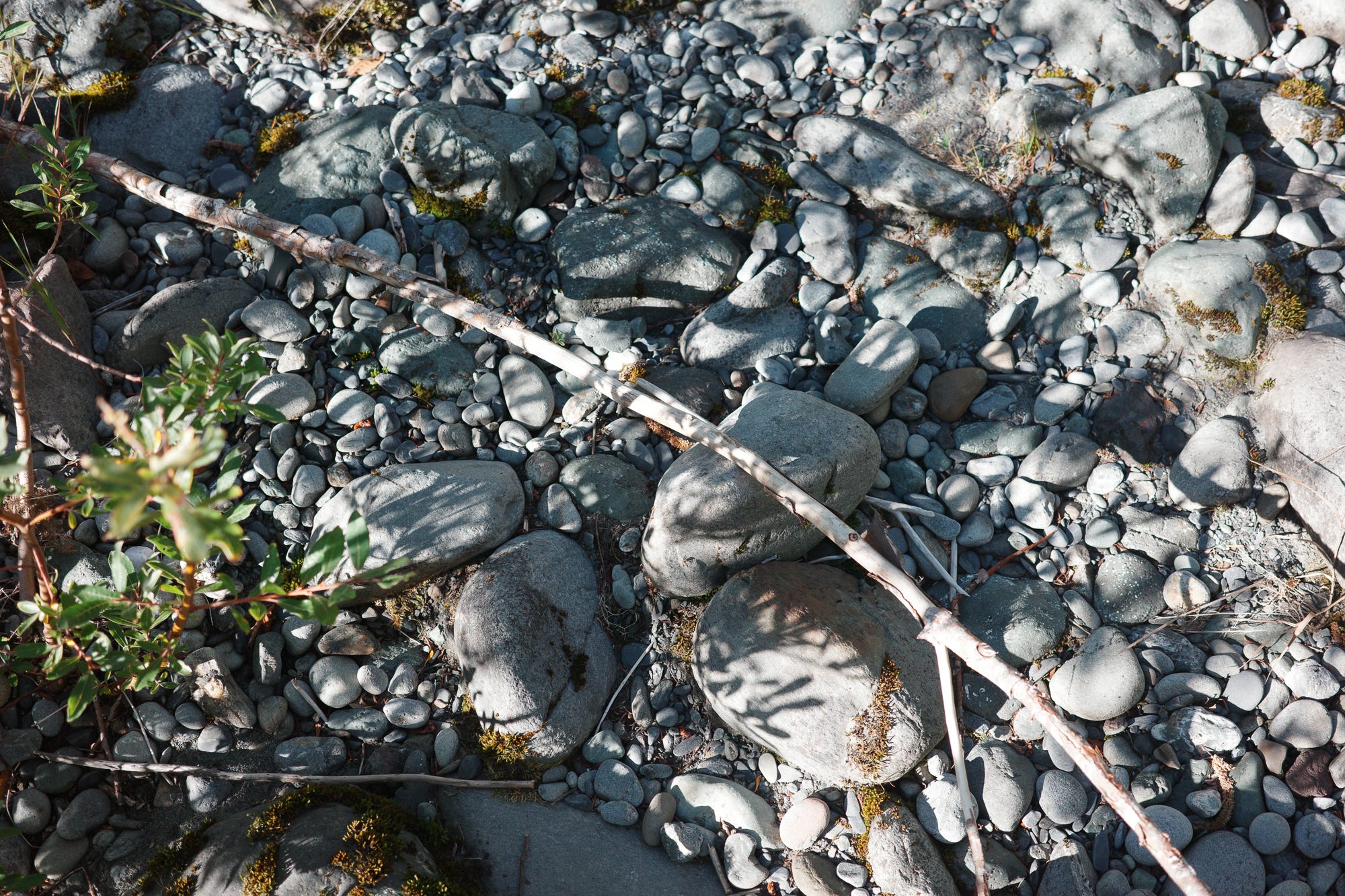
S2 Ep 135 - Atlant(is)
DONATIONSI am currently at a residency, in the midst of a self-funded project. Donations on Buy Me A Coffee, PayPal, or Venmo are all seriously appreciated right now—Thank you! In this episode I share a poem I wrote in Idaho last summer, reflections on the residency I'm attending, and some insight about remnants, joy, and grief—life, and death. I also have shared some photos from recent times.Listen, read, and subscribe on the website: https://walkaround.run! This is a public episode. If you would like to discuss this with other subscribers or get access to bonus episodes, visit www.walkaround.run
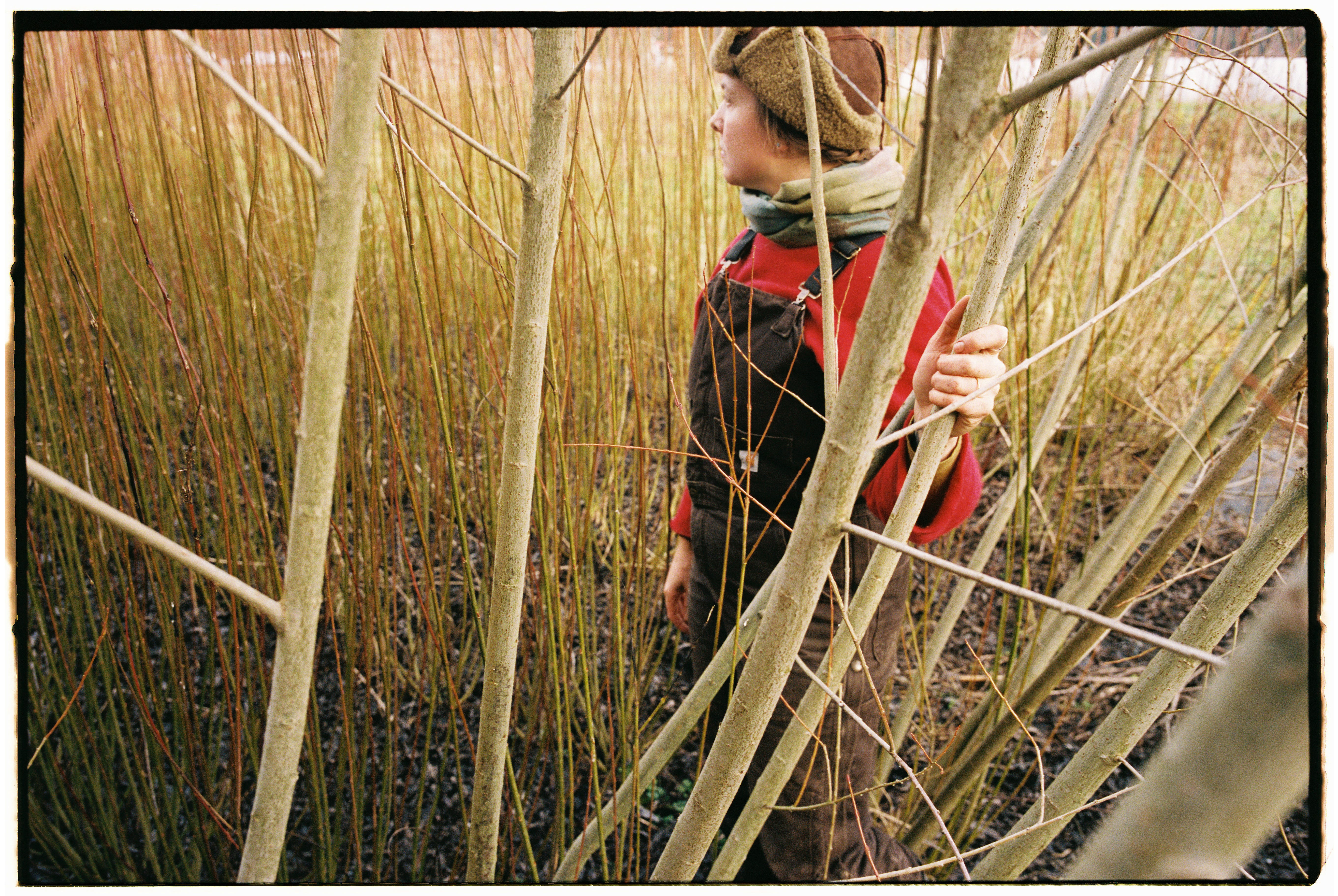
S1 Ep 3434 - Unravel & Reweave
If you think about it, what draws people toward something these days is often about reclaiming our humanity.What's healthful, and thus has gravity, are positive expressions about who we are, resiliency, and beauty, especially amidst hardship and grief. Dance, song, creating—expressions of our hands and bodies, and what we can do as humans. The modern craft movement is reweaving the tapestry of our culture—towards something that is functional and healthy, through our own hands and bodies.Mo Hohmann first learned to grow and weave willow in the mountains of Oregon from Peg Matthewson. A craft older than pottery, weaving comes from our ancestral past. Nowadays it's being brought into the light of the present by courageous and inspired makers like Mo and Peg."It's an innate human experience to be drawn by beauty. And beauty is pretty subjective. But it's my experience with the baskets that there is this gravitational pull towards what is beautiful. Because it feeds this deep need as human beings. It's a soul food right? It's something that brings a sense of belonging."Check Mo’s work on her Instagram and website: https://woventhresholds.com. Also, Mo offers online classes through Coyote Willow Schoolhouse, and plans to offer in person classes soon.https://linktr.ee/woventhresholds2025.03.08 Update: In the podcast, Mo discusses watertight baskets and her teacher Peg. However, Peg did not teach her about them, which may have been unclear in the original episode This is a public episode. If you would like to discuss this with other subscribers or get access to bonus episodes, visit www.walkaround.run
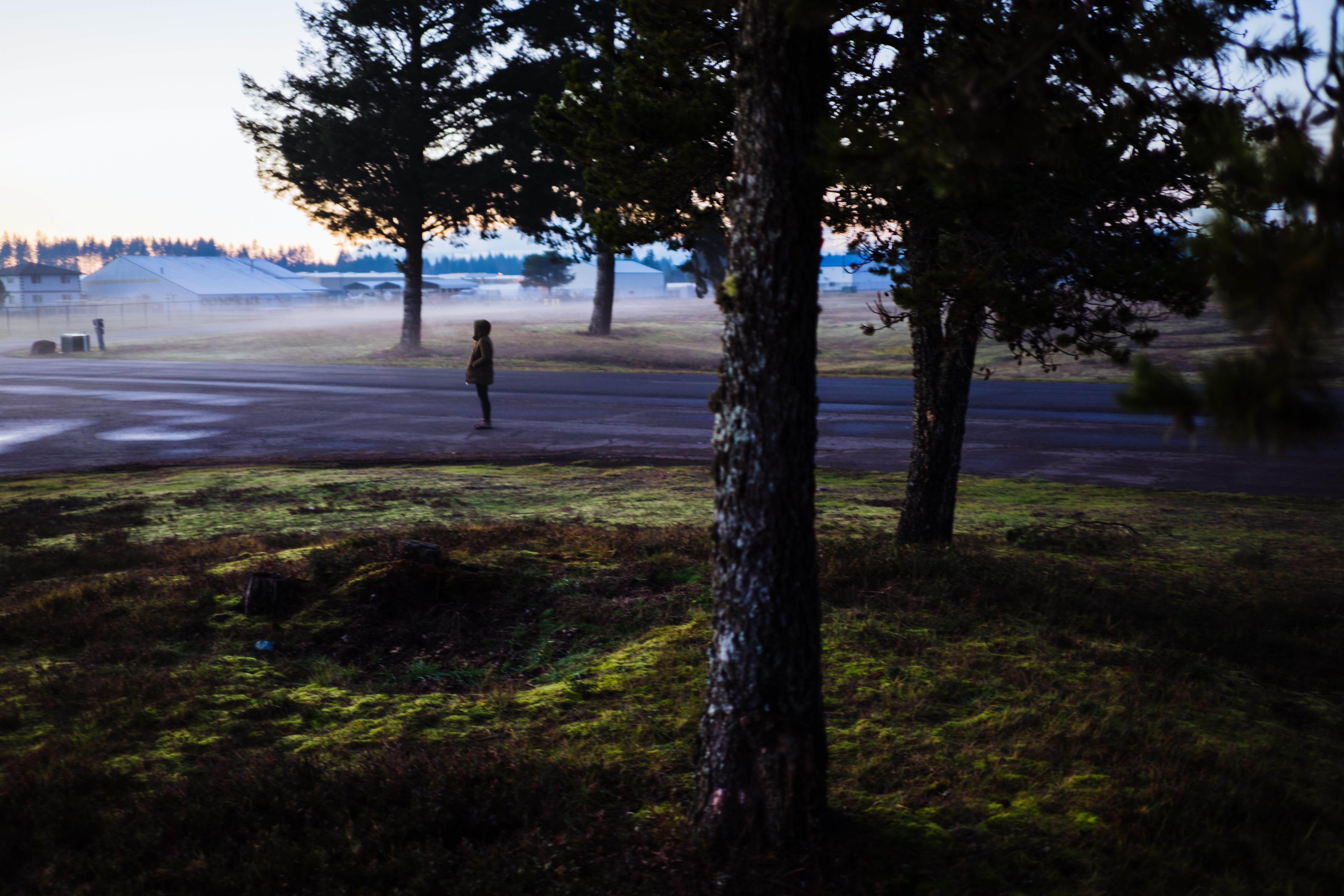
S1 Ep 3333 - Mā
There's a moment in most of Miyazakis films, when the dialogue and often the music cuts, and a single character (usually the protagonist) is left alone in the raw and open experience of something. It takes mastery to convey a moment such as this, a moment of space and presence.This is the kind of moment I can relate to, when I know that I am who I am, when everything makes sense, when I know right from wrong, when there is magic in the landscape around me. But this type of moment is under relentless assault. https://www.walkaround.run/p/ma This is a public episode. If you would like to discuss this with other subscribers or get access to bonus episodes, visit www.walkaround.run
S1 Ep 3232 - On Violence And Lust - A Short Note On Election Day
TranscriptThis morning I downloaded and logged into InstagramSomething I haven't done in a month or twoI mostly got off of the platform because I don't really think it's doing good things for humanityThe problem is so many people use itTheir communication and time is used up on itAnd many people have a picture of their reality from itAnd so to not participate is somehow to not exist as a creative personThis is something I've been ruminating on for yearsBut this is just such a short note because what I saw on there this morning, after I made a post about possibly selling some prints to support my schooling, was the two of the most extreme directions that humanity participates in, which are death and birthDeath and birthAnd I saw them in extremely gross expressionsI saw an explosion on a roadwayI saw a giant fireball engulfing cars in a place that I have no idea if I've ever been to or will ever go to or know any of the people or even if it's realBecause it very well and even likely could have been something that an application generatedI don't even like to use the word, but artificial intelligenceIt was probably thatIt probably wasn't even realAnother thing I saw was a video of someone getting slapped so hard that they passed outBut it wasn't only thatIt was an AI-generated image that showed his face collapsing in an unbelievable wayBut it wasn't realBut if someone's just scrolling and they're not paying attention and they see these things, they think, oh, this is realThat just happenedSomething I thought could never happen just happened in front of my very eyesAnd so that's deathThat's actually the death of the human spiritThat is complete collapse and destructivenessBasically to be creating fear through falsehoodAnd then on the other side, I saw a picture of a woman in a dressCould have been AII don't knowI don't know the contextI didn't click on the imageBut she was standing in a shimmery dressAnd so these images..I guess I should add that the dress was very tight-fittingSo basically what I saw was extreme violence and pornographyThat's what is being shown in the algorithmic feed on Instagram that people in general are just being subjected toSo what do we do with that? Well, I reported every single post that I sawIt's not going to change anythingIt's not going to do anythingBut it made me feel better to at least do somethingIn fact, it might make it worseIt only took me about five seconds to do these thingsBut I think it was worth itThe point of this, though, isn't to blame the Instagram platform and the creators for being evil, even though they areEven though the platform is destructive and horrific and terrible and uselessIt's also useful and creative and profound and abundantThe fact is, everything in the world ends up being related to these thingsTo skate along on the surface and believe that these experiences won't touch us is impossibleBut by interacting with the world through a screen, it seems like we can have some distance from the realitiesAnd we can just entertain ourselves by watching them instead of engaging with our livesAnd I think that this is extremely dangerous, and actually more dangerous than being shown violenceI think what's more dangerous is complacency and lack of connection and engagement with life, which is what these platforms really wantThey want you to just feel fear, feel lust, and then not do anything about itJust to consume more fear and more lustThat's the goalBut there's something profound beneath all of this, which is that the reality of fear and desire is inescapable in lifeBut the fact is, we have to be in control of our fears and desiresAnd it doesn't matter what the world shows us or serves us, what the algorithm displays, if we can't keep a center, there's no hopeRight now, it's election day, and the political stratum is basically birth and deathNot a positive form of birth and death, but the most deranged formsIs one better than another? I don't knowIt's all part of a cycleThe cycle doesn't want to endSo, we have to be the endI don't really know what that means, but I'm going to keep engaging with my internal world, with my internal workStaying true to what I know is important and what mattersI'm going to keep focusing on what is beautiful, and what seems powerful to meAnd I won't let my center be swayed by violence and lustThank you for listening. This is a public episode. If you would like to discuss this with other subscribers or get access to bonus episodes, visit www.walkaround.run
S1 Ep 3031 - Nehalem
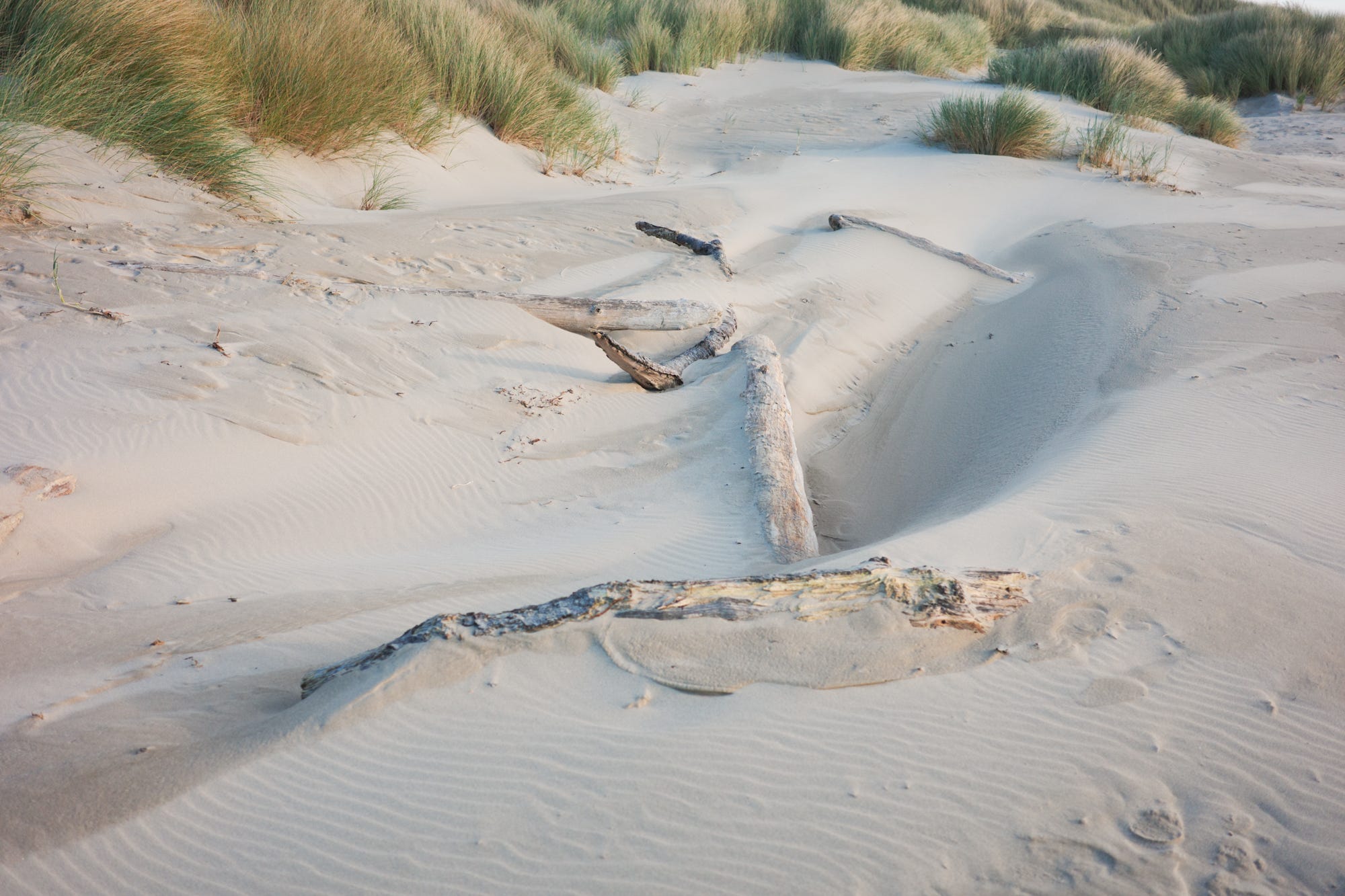
Questioning my assumptions, and an encounter with Amanita, the Fly Agaric mushroom. Be sure to check out the images of the Nehalem and Wilson as well as the dunes at Bayocean Spit on the website This is a public episode. If you would like to discuss this with other subscribers or get access to bonus episodes, visit www.walkaround.run

S1 Ep 2930 - Imagine
Hello,Welcome to Walk Around. This is Hudson Gardner. It's been a little while.I've been out and about, traveling, hiking, running, doing things that I love, spending time with wonderful people, seeing beautiful things, having really beautiful conversations—learning about myself, learning about others, and by that, learning about this world we all co-create and exist in togetherI'm back in Port Townsend, where I live, and sitting in the pasture near a stand of trees on the edge of the field.It was my birthday a couple of days ago, actually, a week ago, and I have been coming back into some kind of personal awareness and depth inside of my own body and mind recently, thinking about things I've left behind for too long, things I've been incapable of doing, reflecting on life in general.Read more here at walkaround.run This is a public episode. If you would like to discuss this with other subscribers or get access to bonus episodes, visit www.walkaround.run
S1 Ep 2829 - Heart Lessons from Poison Hemlock
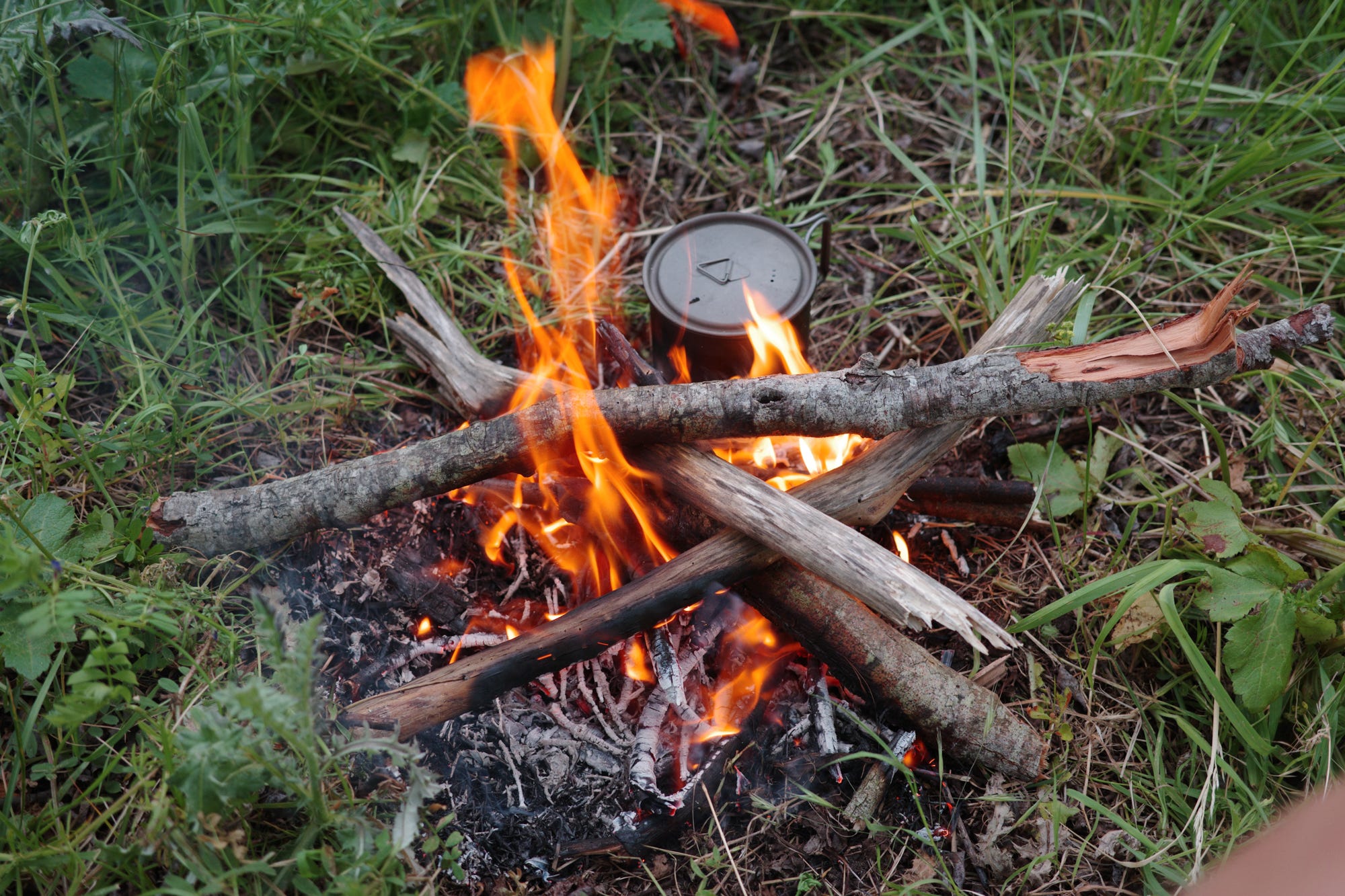
Transcript (includes errors)Hello.Welcome to Walk Around.This is Hudson Gardner.I am sitting at the edge of a field where the trees come out a little bit into the grass.And there's a little secret spot surrounded by hawthorn trees, there's an aspen that has a lot of young aspen around it.And down beneath the willow tree is a place that I come and make a little fire and have tea.I want to tell you a story today.Something that happened 10 summers ago, which feels like a different life, completely different time. A different world, a different person who was living and somehow that person was me and it was the same life in the same world.A hummingbird just landed on a twig of this little snag and he's just watching me.I almost feel like he's listening.So I'll tell him the story too.Ten years ago,I was living in southeast Nebraska in the town that I more or less grew up in called Lincoln.And I was getting ready to do something.I had been there a long time.My luck was running out.There was a general feeling of uncertainty, major change coming that I sensed.I had gotten out of a relationship that was,had been about three years long and it was a messy breakup and it was a hard time.My mom was living on a farm outside of town.And so I was staying in one of the guest rooms as I figured out what I was going to do with my 25-year-old life.And back then I felt that I didn't really have a conviction yet about who I was or what I had to offer I had the beginnings of it, but it was more like just a question and it's safe to say that I now know what that answer is but how to do it is still elusive.But back then I'doften go out to this zendooutside of town on a farm called Branched Oak Farm.It's a dairy farm with probably 15, 20 Jersey cows, some pigs, chickens.Pretty sure it's still going.And it was the best milk I've ever tasted in my life came from that place.Deep, deep yellow.I've never had anything like it.There's something about the pastures in the Great Plains that are just unlike anyother place from all those millions of years of bison and care.And one time I went out to the Zendo and I was in a strange headspace, I guess.I mean, who doesn't go to a Zendo in a strange headspace?And I went out there and before I went to the Zendo that day, I went out to thislittle reservoir nearby.It's the namesake of the farm, Branched Oak Reservoir, Branched Oak Lake.And below the Branched Oak Lake, there's a series of loess hills that were blown there by the wind over millennia.And there's grass and trees and little groves of flowers andI pulled off on the dirt road and in Nebraska you pull off on a dirt road 20 minutes outside of town and you can sit there for an hour and you don't see anybody else.It's a quiet place.And it was probably one of those days like today, beautiful, sunny, big puffy cumulonimbus clouds growing on the horizon, some kind of storm forming in the distance—the wind blowing across the grass and I went into this draw and I don't know what drew me there.I just had a feeling that I should go there and I walked up through the grass and I came to a grove of plants. And I had this intense feeling inside of me this anger at myself for being so old and so incompetent.I felt like I didn't know anything about the world,like I'd been wasting my life sitting around putting myself through school andcollege that I didn't want to go to,staying probably too long in a relationship that wasn't good for me or for the other person, unfortunately.And just being too comfortable.And so I had all those feelings when I walked into the draw and I knew I was on the brink of change.It felt that way.And I felt so angry and there was this plant, there's a big patch of them.And I thought I'm going to show that I have some competence.And I know what to do when I'm out in the wild places.And I took out my knife, which is something I would never do now.And I used it to dig up the root of one of these plants.And it was a pale white root.And it smelled like carrots.But it was not carrot.It was hemlock.And I ate it.And I didn't die.I've been thinking about why that happened.I've never really figured it out for all these years.And the fact is there's so many things to learn in the world and there's so many ways to learn.There's such an expansion of possibility, so much beauty.so much intricacy, so much information.And then it's also so simple.And because of that, it's so heartrendingly elegant and it's so beautiful.And it's taken me 10 years to find out what the simplistic, elegant message from that plant was for me.And it happened just a few days ago.I was harvesting hawthorn flowers with a friend.And there's this kind of back corner of this tree.pasture I live on and it's all overgrown with roses and blackberries and it's allbrambly and thorny and there's a bunch of hawthorn trees back there and we werekind of going through this shadowy shady part and as I was going through there withmy orchard ladder and picking bag moving on to the next tree
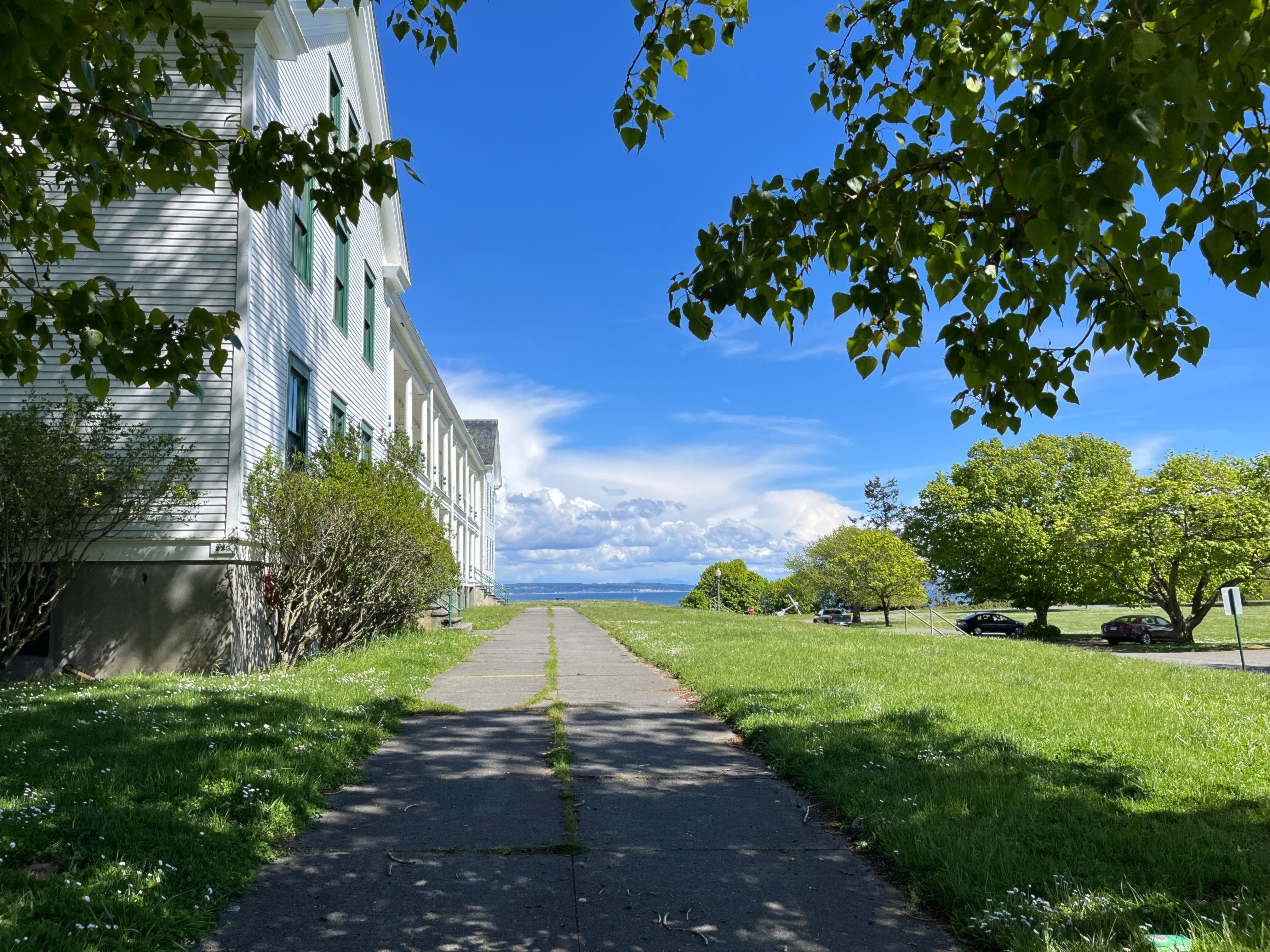
Aquamarine
This poem came to me when I was sitting on the rocks near a wharf off water street in Port Townsend. I had climbed down off the sidewalk and found a spot where kids hang out and tag. It’s a quiet place but some other person came with a notebook and started sketching. She kept looking toward at me, and I wonder if I made it in the drawing.I’ve been out on my bike recently, and the color of the sky and water is almost unbelievable. I’ve started to notice things again, my sense of smell has begun to return, my mind feels clearer. I get headaches now and then, still sleep strangely, often feel like crying or angry out of place, and often the urges almost overcome me. But I am not going to give up.Thank you for reading & listening.AQUAMARINEThe water blue, no, green — offshore glistens The wind • • • in fits & starts traces low along the surface. Creosote pillars sunk deep in, braced, kept stable by toxcicity — nooks where life still lives despite heavy - metals - pain. Imperfectness, imperfection, needless ease, persistence of the tides, wind on the water and — look, be open — and the view becomes so wide. This is a public episode. If you would like to discuss this with other subscribers or get access to bonus episodes, visit www.walkaround.run
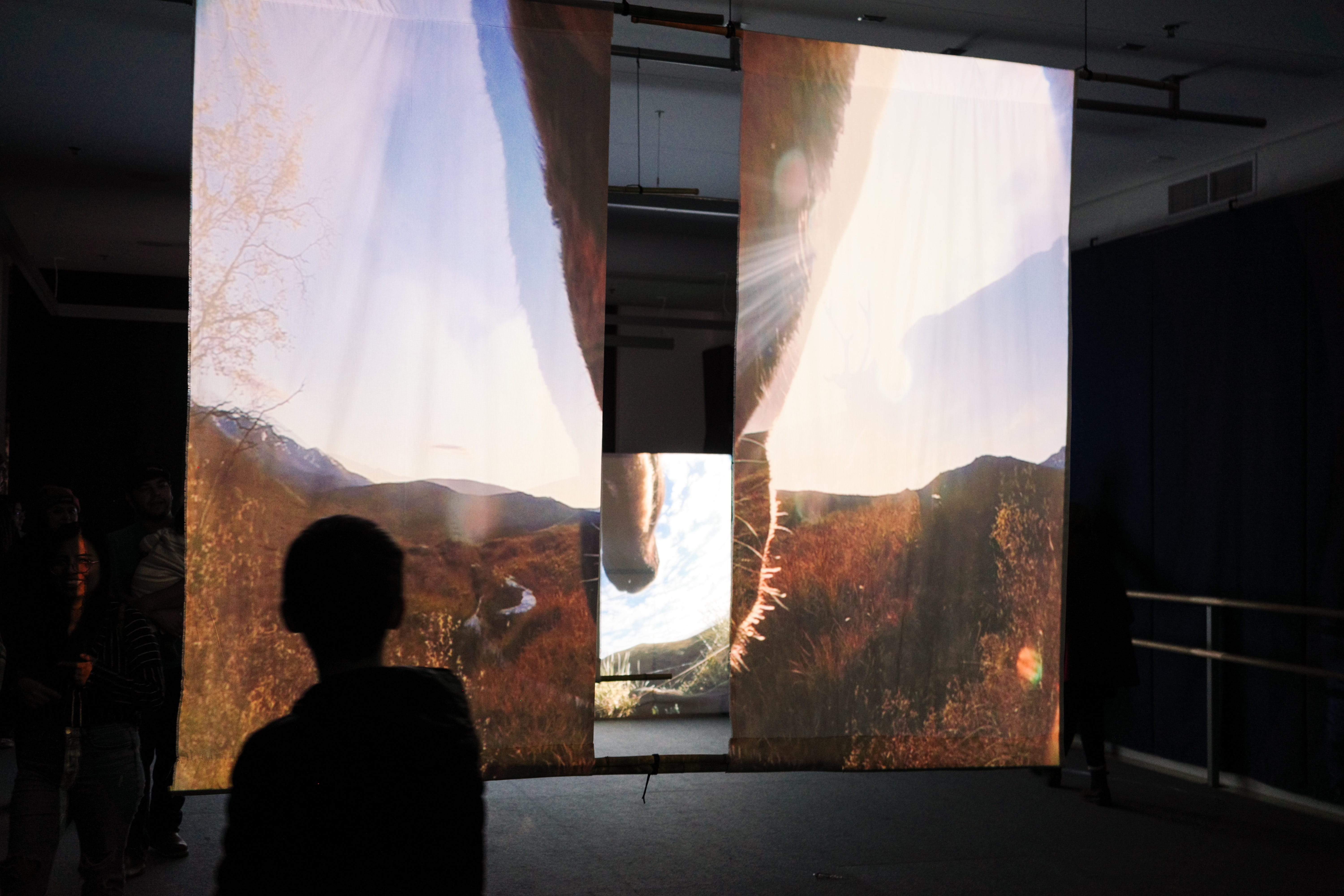
S1 Ep 2828 - Overabundance
As spring has gotten into gear around here, I've been noticing the general abundance of plant life, and weather, and birds, and social engagements—and it's got me reflecting on different kinds of abundance, overabundance, scarcity, relationships, community... From that corner of the human experience of consuming and creating the dynamic between those two aspects of our nature, you could say...Listen & Read More This is a public episode. If you would like to discuss this with other subscribers or get access to bonus episodes, visit www.walkaround.run
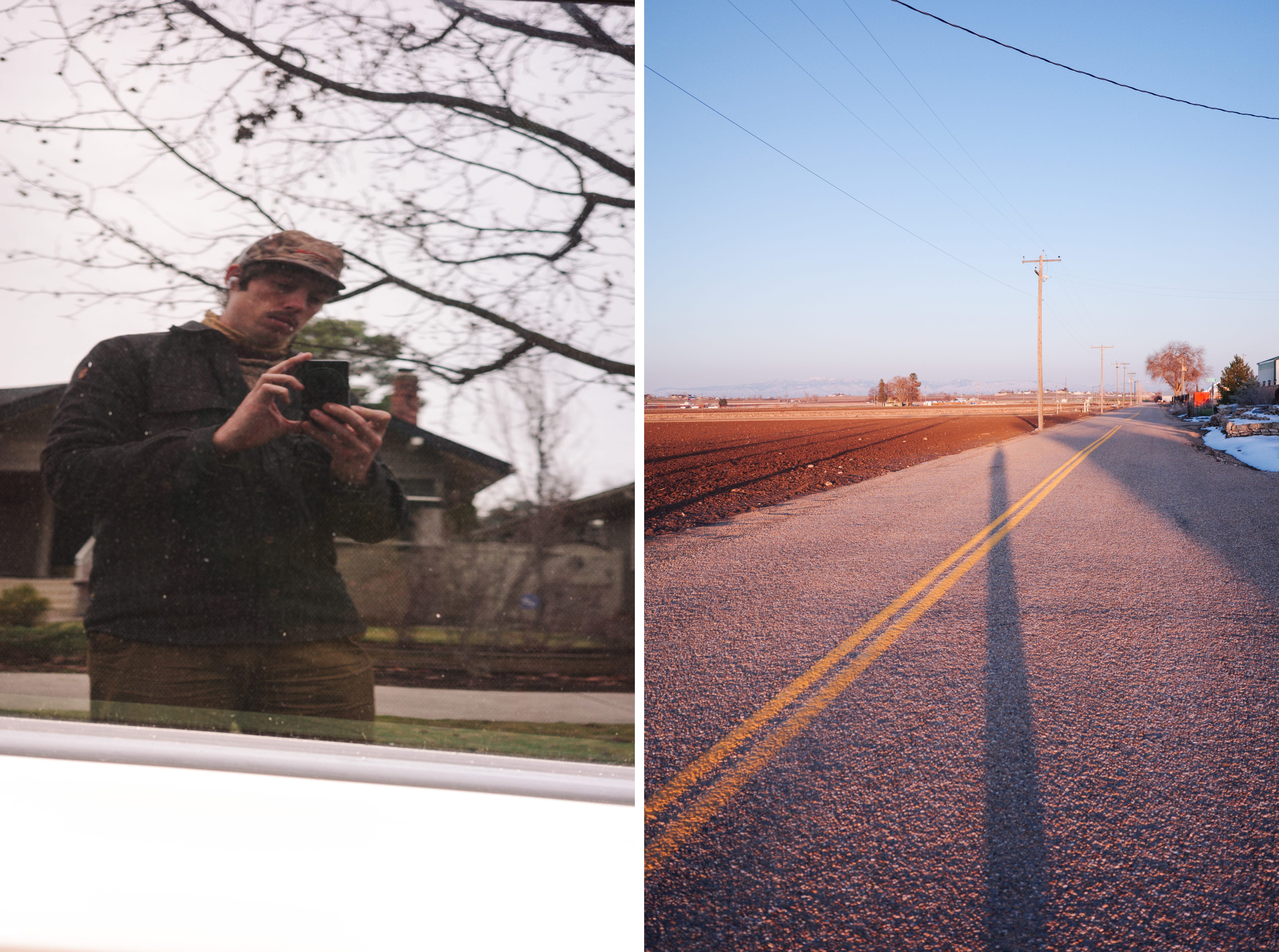
S1 Ep 2727 - Thank You For Listening
This podcast covers the issue of addiction.If you are in need of help, call the national hotline, 988.Transcript (may contain errors)There's a bell that I've taken around with me wherever I've livedI can't remember where I got it, maybe in Portland at the Japanese GardenAnd I've often hung it up outside and the sound has become familiar, even as all the places I've lived have changed for so longAnd that familiar feeling just hit me as I rode up this little hill through an orchard towards the cabin that I'm living in these daysI never really realized I'd developed a familiarity with it until that momentNow I'm standing out kind of more towards the field behind the cabin looking at a willow that's flowering and the first bumblebees I've seen this year are collecting nectar and pollen from the flowersThat's pretty hopefulBack in the forest behind the edge of the woods there's a giant ant nest, the biggest I've ever seen actuallyIt's probably home to hundreds of thousands of antsIt's probably four or five feet wide, a couple feet tallIt's been there who knows how longOld growth ant nest, ant pileRead more or listen here: https://www.walkaround.run/p/thank-you-for-listening This is a public episode. If you would like to discuss this with other subscribers or get access to bonus episodes, visit www.walkaround.run
S1 Ep 2626 - The Most Important Thing About Life Is That It Happens
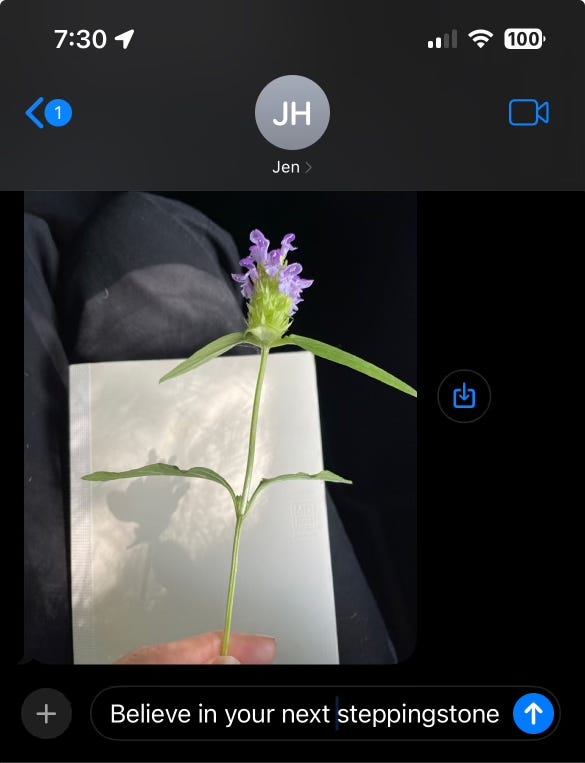
A week ago I sent my friend Jen a poem I wrote called Selfheal. They told me that they too have a meaningful connection with the plant, and then sent the above image back. When I saw it, for some reason these words came: "Believe in your next steppingstone."Jim Harrison interview: https://www.youtube.com/watch?v=3L3STymsjeg&t=932sListen and read more: https://www.walkaround.run/p/the-most-important-thing-about-lifeJen's Instagram: https://www.instagram.com/chthoneural_/ This is a public episode. If you would like to discuss this with other subscribers or get access to bonus episodes, visit www.walkaround.run
S1 Ep 2525 - By Firelight
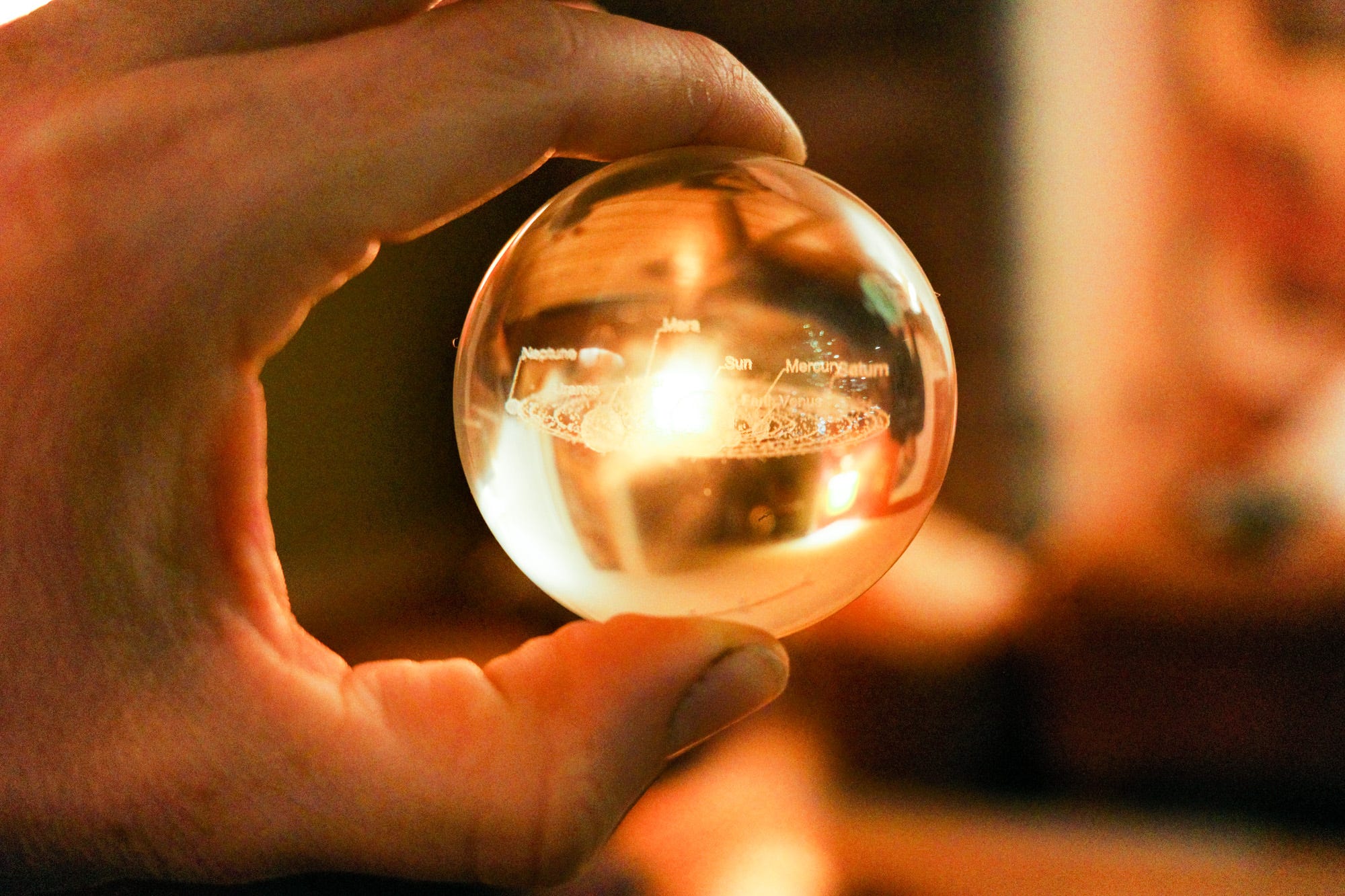
Recorded near Port Townsend, Washington. A short rumination on movement, landscapes, and people—how they all connect. I read a poem called By Firelight, and discuss a run I took on Christmas Eve. This is a public episode. If you would like to discuss this with other subscribers or get access to bonus episodes, visit www.walkaround.run
S1 Ep 2424 - Harvest
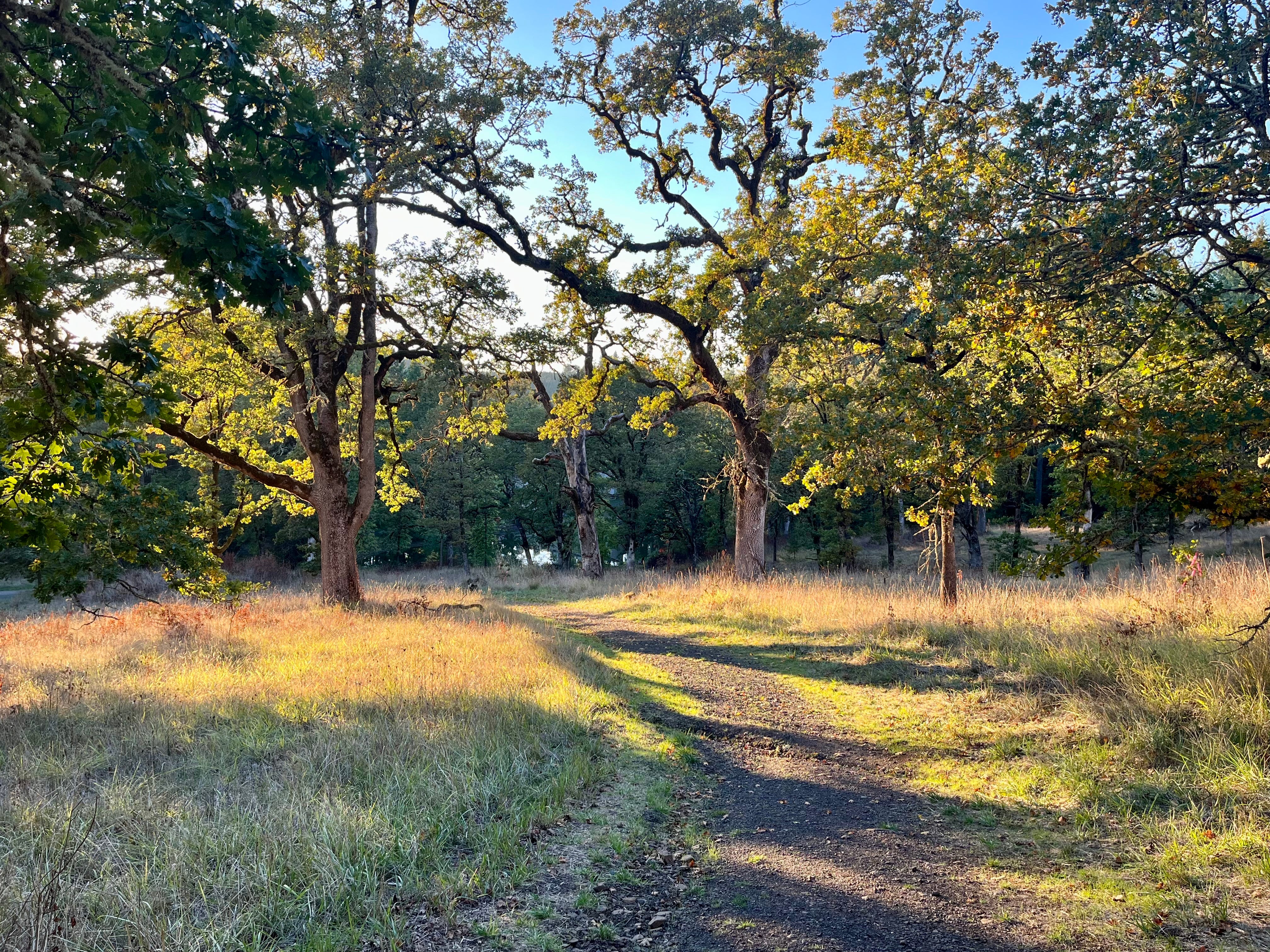
Transcript (Includes typos and run on sentences)Welcome to Walk Around. This is Hudson Gardner.I've always been attracted to edges.And I feel like I've written about it.About edges, I guess, many times, trying to understandWhy I'm always kind of going along to edges and right now I'm sitting right at the edge of light in open oak woodland in western Oregon in the Willamette Valley.It's a really rare type of place these days, actually, in this area.It used to be the dominant ecotone or guild, kind of a mix of sedges and grasses, reeds in the more marshy areas, madrone, old standing doug fir.and kind of some open meadows and kind of like a prairie savanna.I think they call it an oak savanna.And it's one of the most beautiful types of environment that I think exists in the world.You have these huge gnarled oak trees that have branches going every different direction and they're so articulate and so complicated and so beautiful and so stable it seems, so strong.And then you have the grasses in between them and younger oaks coming up and flowers when it's raining in the spring and all these insects that you can hear.Stellar’s Jays going from dead trees, from a snag to a snag looking around for things to eat.Woodpeckers and hawks.And then you have this forest edge here that's just a solid wall of big doug fir and some elderberries and young ash trees.And here I am sitting right at the edge and the edge of the light thinking about how I'm so attracted to spots like this once again.I was once talking to a friend who was an ecology major in college, and she was mentioning that when we were stopped somewhere, we were standing with some trees behind us looking out on an open space—and she said “it feels good to be here.” And we both started talking about: why is that?Why does it feel good to be in a spot like this?With the trees behind and open space in front and I think it's a very old feeling.It's a feeling of possibility and openness in front and then behind safety and shelter and places to hide and get out of the elements and stuff and also another different type of food and resource available.And I think that's why standing on the edges of forests and fields has always felt good to me.Maybe it's this very old kind of a feeling.And then there's all these edges in life, like transition, which I feel like in a weird way for the last 10 years or something, I've been in some state of transition where I haven't ever really touched down and stayed wherever I've been.I feel like there's many people who listen to this podcast who've met me in one of the many places that I've lived and then moved on from.And transition is really hard, actually, because everything's up in the air.You have to find all the things.Whenever you get to the next place you're going, you're constantly considering about what you need.Friends aren't just a given.Community isn't just a given.It's this thing you're having to build actively every time you move somewhere else.Being on the edge like that for so long, like I have, I feel like has been really hard.And it makes me wonder why I prolonged this kind of lifestyle, endlessly moving around.I feel like I've talked about this before,It's all led me to where I am now which is I think been an essential and really important and extremely I guess extremely necessary pathIt's like the more situations I've found myself in and moved on from, the more I've learned.And not just touching down and staying somewhere has really opened my world to a massive possibility of people and interactions and ways of life and ways of thought and it's really cleaned my brain out and my body I think in many ways.and kind of detoxified me from some of my harsher tendencies towards judgment and criticism and things like that.To set out into the world really makes a person realize how insignificant they are.Especially if you go somewhere and you're always having to rebuild your life wherever you stop.You're new to everyone.You have to explain your story.After a while it starts to get old and you want to just rest and be somewhere and have community and it's hard.I guess I would call that an edge too.Edges are important because it's where interchange happens.If you look at the edges of a cell orA bioregion or the ocean or a field in a forest, that's where all the activity is happening.Or a lot of it.A lot of the biodiversity, for example, in ecology is in the edges of places like estuaries or where rivers meet the sea or the edges of forests, as I was mentioning.because the light penetrates and allows different things to grow and it brings creatures there and then they have interactions with the plants and other creatures and if you often look around on the edges of fields and you see old trees cut back in the forest there will almost always be a hawk in them if you look long enough because the hawks are watching the edge of the field for mice where the mice come to get the fallen grains and seeds from the grassAnd so it's this
S1 Ep 2323 - Don't Worry
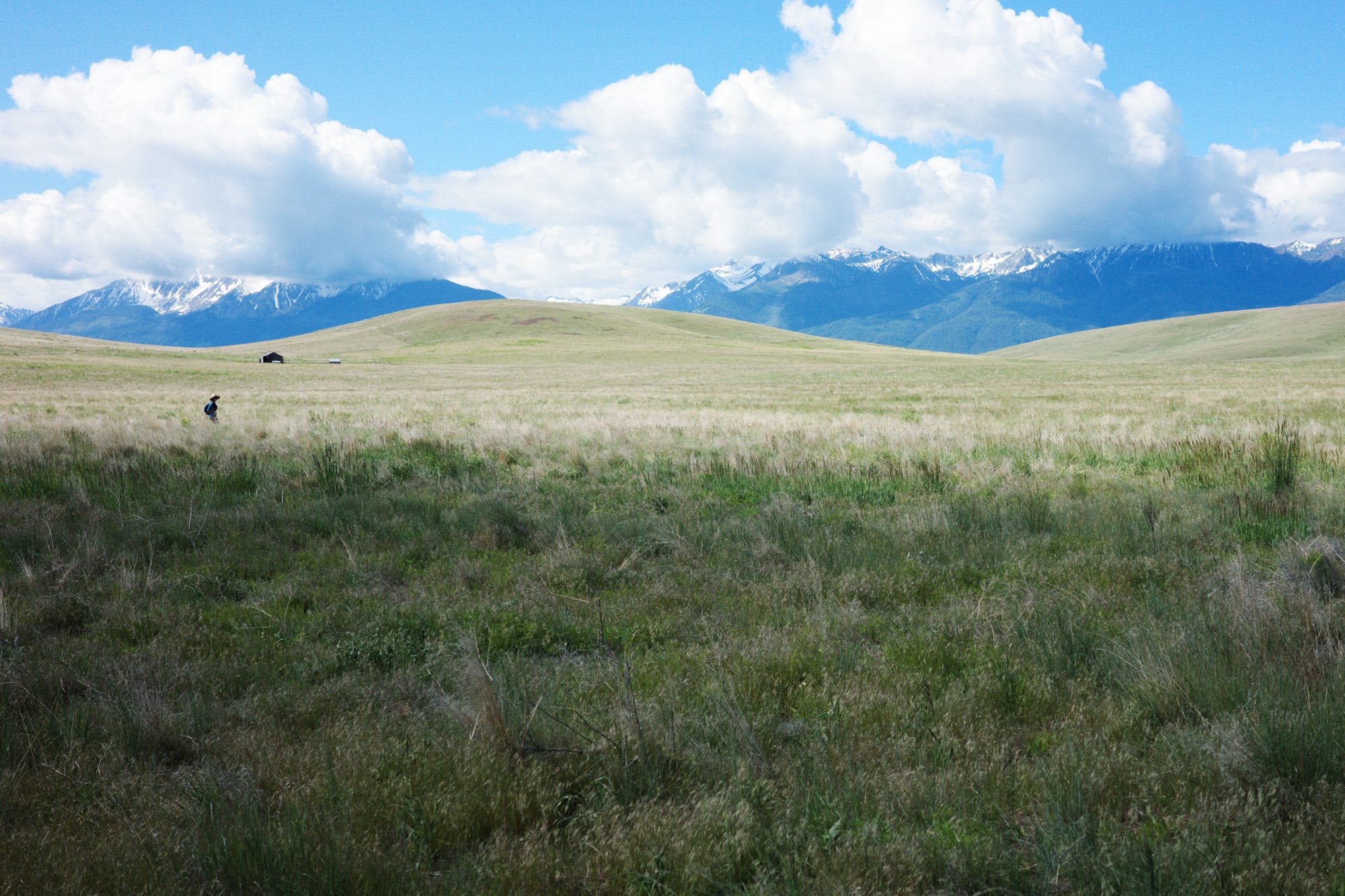
This is Hudson Gardner. Welcome to Walk Around.Right now I am sitting in the shade. It's really hot today. So I’m sitting next to a guest house I'm living in, looking out across an unmowed, untended field. It's kind of like a little pasture. This is actually a place I've been coming since I was four or five years old. The first time I came here, I can't even remember. But it's my aunt's house.And it's such a beautiful place. It's one of the only places that has stayed the same for my whole life in terms of something that I returned to, which is really neat and rare for me.I've been walking around a lot recently. Surveying for what some people call invasive weeds, walking the prairies in northeastern Oregon....For full transcription & beautiful images, please visit the Walkaround.run website: https://www.walkaround.run/p/dont-worry This is a public episode. If you would like to discuss this with other subscribers or get access to bonus episodes, visit www.walkaround.run
S1 Ep 2222 - Globemallow
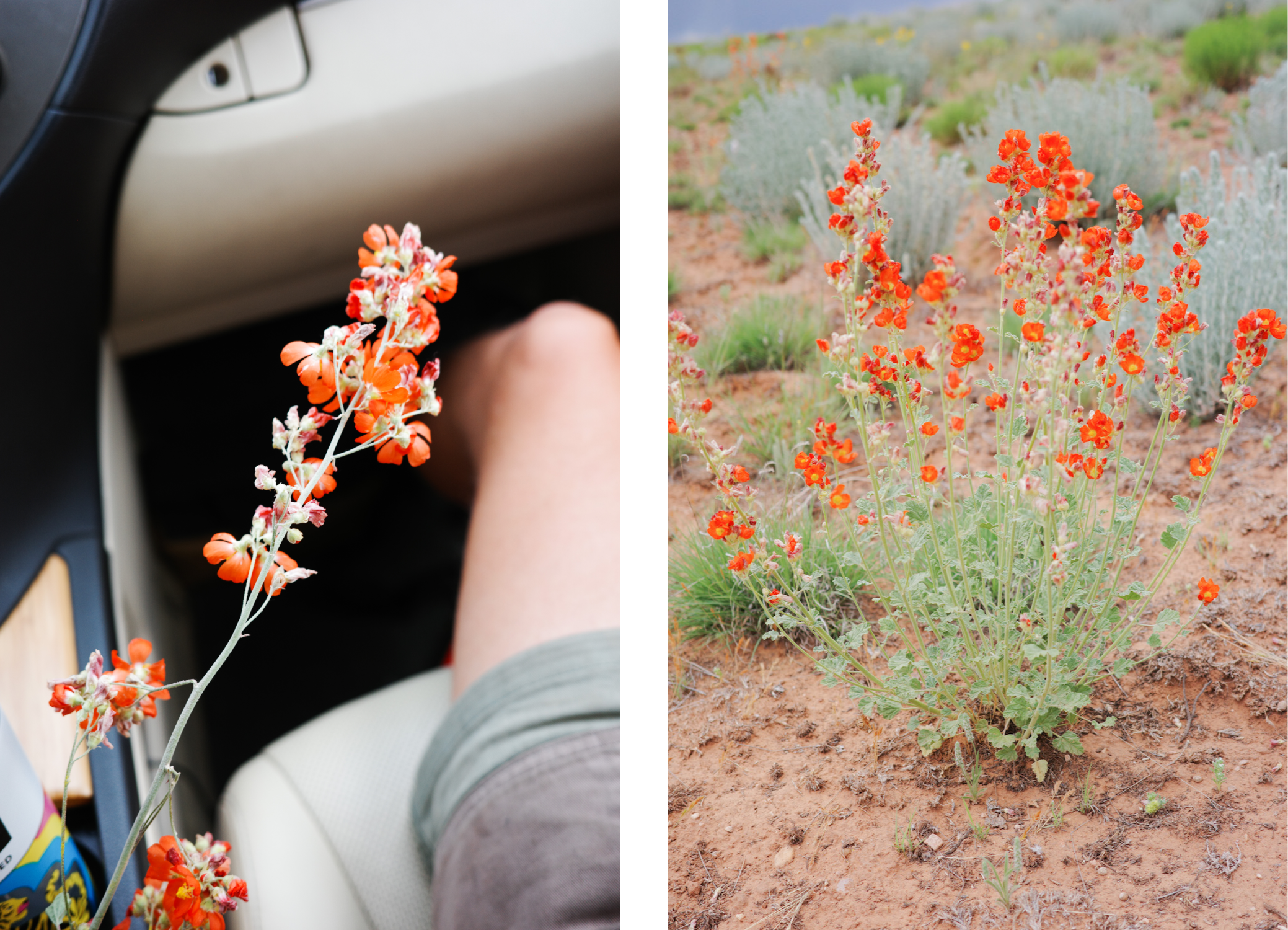
GlobemallowYear after year after yearSmooth rocks smoothenedBy water and even sand in wind and even windJuniper scrub grew to a tree split and diedRemains as snag mostly still aliveRodent holes take refuge in sandy soilBeneath the globe mallow crop waiting for the seven year piñon to dropSeeds. Many young evenOaks in little gullies of green grass meadows hidden pond and aspen stands big Mesatops catch the rain as ifSome rock giant has been slowly gardeningThese clefts for a billion yearsBut groves of bright orange mallow and yellow and blue penstemonAgainst the rain fingers touching the horizon, blurring the distanceAnd us journeying along an imperfectFamily group forged and beaten still smoking from the birthWithout a place to call home together so we wander, create traditions and stories, move onward to places never heard ofA group of young souls just born into the still smoking mud of which we feel the heat of what we were also molded fromAnd a rag of trash wound up in an ancient sagebrush bush that I take three stems from and show them to Todd for a sniff, stuff myMouth full of globemallow flowers and gain sustenance from the land and I’ll tell you I’ve given up on meaning and instead work with how I find feelings out in places both empty and full suchMoments of presence to convey a kind of resonance that doesn’t need these words for you to come close to itBut it’s like a fire stoked by attention only and itGoes out and everything is dark in that realm that you don’t know or see into become likeThe old ones who rest in the hills gardening their patch near the piñons and living with theLeast chipmunks and the mule deer and the visitor who comes for cota from the house overPuts his feet up by the door and stares out at the rain fingers and the mallows and the piñons and junipers and rodents and distant cities and collapse and reforming and smallnesses and bignesses and the Colorado river and the lack of water in the lakes and he sits with his friend staring out and and says only for hours: after all these years…..PS. Thanks for reading. Funds are tight right now so if you feel like it, throw a few dollars my way. This is a public episode. If you would like to discuss this with other subscribers or get access to bonus episodes, visit www.walkaround.run
S1 Ep 2121 - A Pond In Beaverton
In many ways my experience is as vast or constrained as I allow it to be. I mused on this idea in this week’s show. My conclusion? Walk around, and look around. And maybe be slower to be define how something is, or isn’t. This is a public episode. If you would like to discuss this with other subscribers or get access to bonus episodes, visit www.walkaround.run
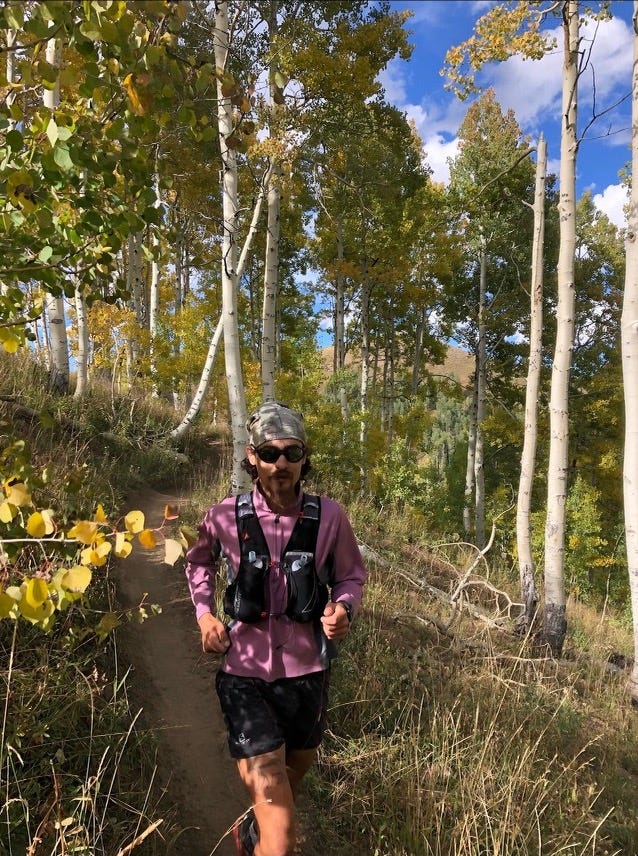
S1 Ep 2020 - Running Beyond Reason With Blaine Benitez
It's rare to find a flow in life where all needs align. Usually, some needs have to be traded for others. And sometimes it's hard for me to even know what it is I really need.Talking with my friend Blaine Benitez on this episode, I think he's someone who is working to understand the ebb and flow of life, pursuing his needs, and the discovery of them, in an intuitive way. And there's something beyond all that too, something impractical, purely biological, in the way and for the reasons he runs. To me, Blaine is an artist of movement.To build an altar for something that others see as unproductive, to shape your life around that idea or pursuit, takes a lot of belief in that thing. It takes a kind of patience or endurance that is found all on your own. But the flow of motivation is a collaborative act. Blaine is inspired by his friends, the mountains he lives near, and the feeling he gets from running in them.In the podcast we talk about taking it easy, but taking it. How the idea of running all 11,000 foot peaks in the Wasatch outside SLC came about, and what it was like to do that in one push. We talk about how we both go outside every day, how Blaine runs every day, about sleeping and napping, sponsorship and priorities in life, how endurance doesn't need to be an intense thing. We talk about how a mindful, content feeling can be accessible in the next breath, the next step, and the idea that resistance uses energy, and creates tension. And we end talking about running beyond reason.Be sure to listen to the whole episode if you have time, it's really worth it. And feel free to donate here to help me keep making things like this: DonateBlaine's AccountsInstagramStravaYouTubeIndex* 3:50 - How Blaine found his way to Salt Lake City* 7:00 - Figuring out how to camp for free, and how to travel to trial and error* 9:40 - Making a living* 12:10 - Stability vs flexibility* 14:10 - How the idea of the Wasatch 11's came about* 20:00 - Waking up on an 11,000' summit and running into work that same morning* 21:00 - Memories of the Wasatch traverse* 22:50 - Wasatch Traverse: Being present and easing tension* 24:40 - Focusing on the next step, and having a healthy internal environment* “A really mindful, content feeling is accessible in the next breath that you take, so it's nice to spend that long in such a vulnerable and physically demanding state”* 26:16 - "Take it easy, but take it" - Running without suffering* 27:10 - Gary Snyder - "Watch the ground below your feet speed by"* 29:30 - "You can always take another step, you can always alleviate some tension"* 30:10 - Asking hard questions about making things and being someone* 31:20 - The use of the word endurance, and its relationship to patience* "Endurance doesn't have to be an intense thing"* 32:10 - Running every day* 34:00 - Finding a flow in running* 37:00 - Running as a way toward mental wellbeing* Running is primarily a tool for me to navigate internal framework/mental health* Instead of thinking about something, I turn myself outwards* 39:40 - Going outside every day* "Running outside is a biological need. I absolutely need it just like I need food"* "Running is a way to fulfill biological needs and to fulfill a purpose"* 43:30 - How running and athletic can be simple, and without goals* 52:50 - Dan Price and living life on your old terms* 54:20 - Injuries* 59:00 - Getting sleep* 1:05:00 - Hardest runs that Blaine has done, and the Bonneville Shoreline trail* 1:18:00 - Traven's Dragon Wing Visualization in the Quad Lock (Rock) Race* https://www.youtube.com/watch?v=2PmcNmzdjbE* https://www.youtube.com/@EnduranceSlack/videos* 1:21:00 - Fear and the unknown* 1:38:00 - Sponsorship and priorities* 1:45:40 - Running beyond reason* When I'm at work or when I'm around other people I can be a lot more pleasant person around my coworkers* 2:00:00 - How resistance takes energy This is a public episode. If you would like to discuss this with other subscribers or get access to bonus episodes, visit www.walkaround.run
S1 Ep 1919 - Strength & Fear
TranscriptThis morning I went for a run in the woods, on these really beautiful trails that are used by snowmobiles.The organization that maintains the trails and works with landowners to allow access is called VAST - The Vermont Association of Snow Travelers.I'm not really sure if you're supposed to walk on them, but I don't really mind it, I meanI'm not a snowmobiler. I don't think it messes up the trails when they're really hard to walk on them, or to run on them. And they're really the only trails I could walk on right now without snowshoes around here. So I just kind of do it.The run goes up the hill beyond the yard and down into a field and it crosses a little road. And then it goes into some woods. The woods are pretty young, I'd say between 10 and 50 years old at the absolute maximum of the trees. There are a lot of beech trees with this canker disease, they have some yellow birch, silver birch. And a couple of maple trees, paper birch, and once in a while there's a pine tree. Kind of a scraggly woods over there.But the trail is nice, it goes up and down following the grade of a hill. And it eventually gets to this really large field that's owned by a family called the Mudges. And they are summer people, so they aren't here right now. There, the field opens up, the view opens up to something more than you'd expect in Colorado or something. There's a split rail fence and a grove aspen trees and you can see a far ridge with trees on top. If you took a photo of the right way, and people didn't really notice that you're surrounded by deciduous forests, you probably would think that you are in the Rockies or something.And the magic thing about it is of course, besides the snowmobiles that sometimes go by, there's no one on the trail ever. Because, this part of Vermont is pretty remote. It's not really close to anything, it's about an hour away from everything. And that makes it nice in some ways, but also pretty lonely.I ran up a steep hill after that through a different set of woods after crossing another road. And into this area that was a logging tract that's owned by owned by this guy named Hemenway who owned a couple thousand acres of forests around here. And he is a good forester type of a person. He contracted out to companies that just do very careful cutting. And so there's a lot of diversity in his woods. And he himself loved to walk in them. And there's been some memorials about him because he did such a beautiful job of preserving access and the woods themselves.And so those woods are pretty nice, they're pretty well thinned, and some pretty old trees in there that he left, probably told the loggers to leave some of the old trees, which is really good for wildlife.It's quite a steep hill over there, and running in the snow makes it really hard. And I think it's probably 500 feet vertical from the bottom to the top of it, maybe a little bit more. And the whole course is around 1000 or 1200. I would say it's about three and a half miles one way.I was trying to run in a pretty decent pace today. But running is always weird. I just I never know how fast I'm gonna run. Maybe it's because I have a phone that's like five years old. Doesn't really record stuff very accurately. But anyway, it was a good run.As I was coming back down to the big field. I started thinking about something that has been on my mind for a while. Which is this experience that I had when I got a vasectomy recently because this morning I had talked to my friend Beau, who's a Chinese medicine doctor, acupuncturistand herbalist, Alexander Technique practitioner, Tai Chi practitioner, lots of different things he's, he's into and really skilled at, and I was doing a consult with him. And so something I wanted to ask him about was this experience that happened during the vasectomy that I just had. I went to the Planned Parenthood in Burlington because I've only had good experiences with Planned Parenthood. With my girlfriend's needs, different gynecological needs over the years. And everything went pretty well.But there was this moment when I was on the table, when the nurse practitioner had cut the wrong part of some tissue, that was supposed to be the vas deferens. And the situation with this surgery is that they have to find the vas deferens by palpating them, touching them with the fingers, and then essentially using forceps or some kind of a clamp to pull them out of the pelvis.And it's extremely traumatic.I didn't really know that going into it. But it's like the worst pain I've ever felt, probably is like getting shot in the pelvis or getting kicked or hit with something really hard.And so she had to do that sensation, where she grabbed the vas deferens with some kind of forceps like three times instead of just two. And it did some damage.In the moment, what happened was I had what's called vessel vaso-vagal syncope, which means that you're fainting. It's like a state of shock. So what happened was, my hands and my feet start
S1 Ep 1818 - Music To Share
A short episode about a piece of music by Dario Lessing that I have been enjoyingElfe by Dario Lessinghttps://open.spotify.com/track/5DVGcnv54vwvqFxYg5rH7n This is a public episode. If you would like to discuss this with other subscribers or get access to bonus episodes, visit www.walkaround.run
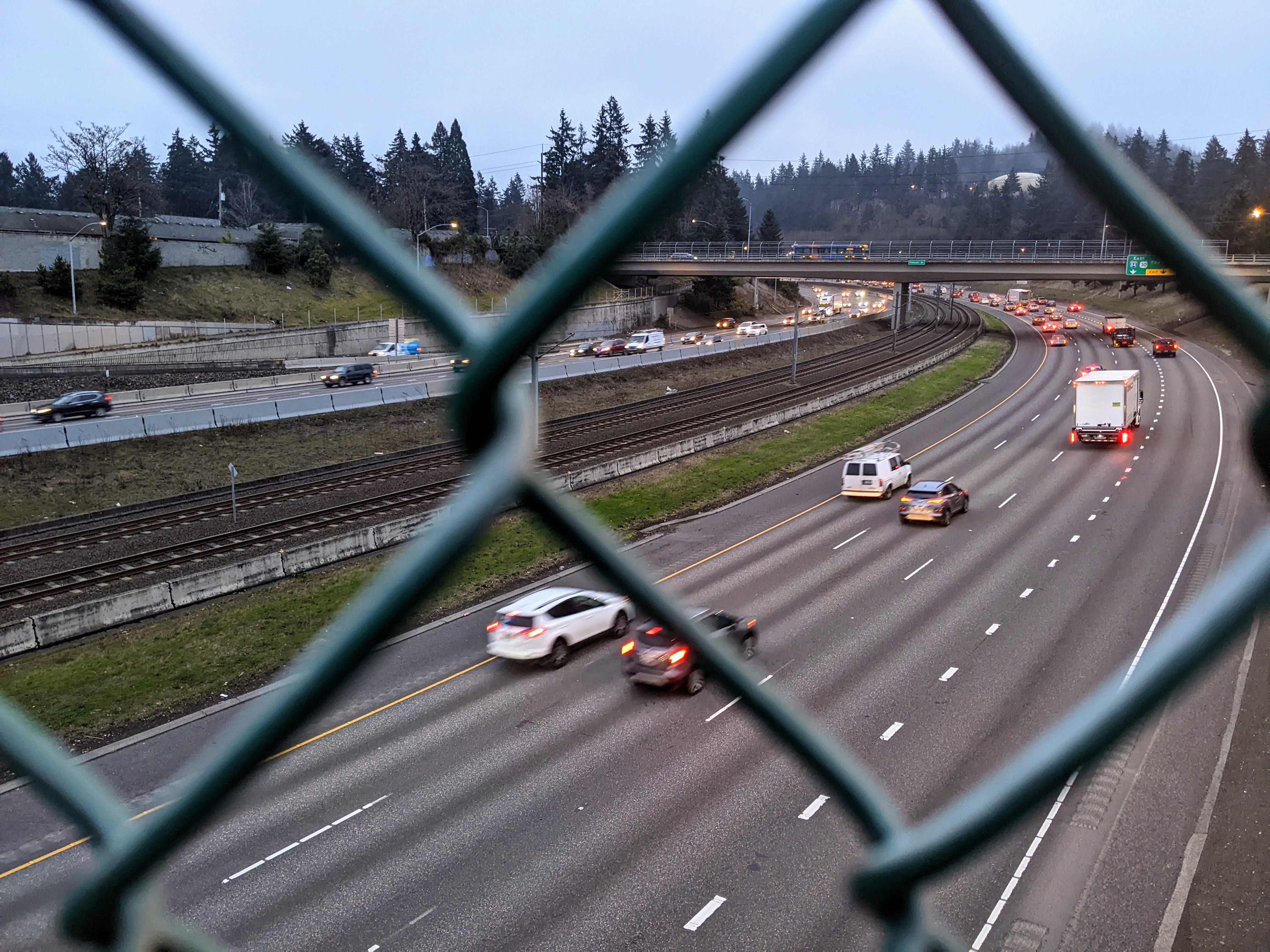
S1 Ep 1717 - The Bridge
Some writing about a bridge I used to run across all the time, and my thoughts on a manuscript I’ve been working on. Recorded by a small pond on the edge of a field outside Forest Grove, Oregon. This is a public episode. If you would like to discuss this with other subscribers or get access to bonus episodes, visit www.walkaround.run
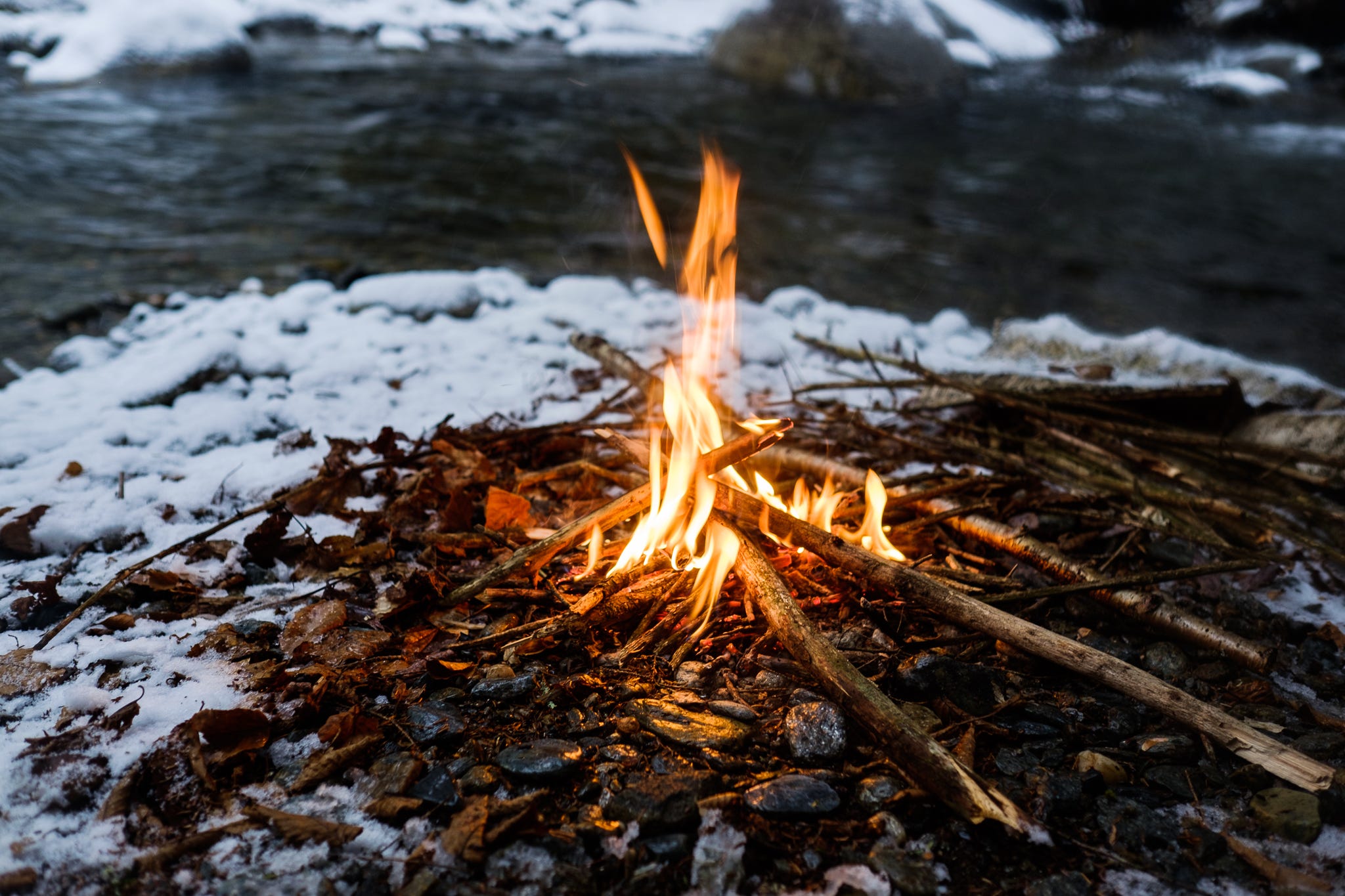
S1 Ep 1616 - The Heart
Transcript (sorry about typos)I've been trying to learn a short song on the piano recently. Because right now, I'm house sitting at the place across the road from the yurt that I live in. And there's a piano in here, an upright. It's not very clean, it's actually kind of out of tune. And that is just the kind of quality of sound that I like. Trying to learn something that someone else made, trying to copy it, is a very different process then just sitting down at the piano and playing whatever comes into my head—which is what I've always done. Trying to intentionally press certain notes is a lot more difficult than just letting the notes come out as they will. But as soon as I started to learn some of this tune, I realized that there is music in the tune; that there is expansion available to these pre-made notes. In other words, there is further music inside of that tune to be found—and so I started playing around within the phrase, I guess it's called. To be honest, I have no training in music, so I don't know what I'm talking about. But I started playing around in the notes themselves.And I've realized that just in that snippet of the song, there was maybe so much variation—just in five seconds of music.And I really like that. Doing more with less: the idea behind that, what it brings up, what it results in. And I like that even though I'm not good at copying someone else's work, when I start playing, immediately what comes to mind is finding the music within the music.When I write, I write in an unconstrained way. I never find myself writing to a rubric. I never set a certain amount of time I'm going to write for. I never set a time itself to write. I never set any kind of a goal.I just have this general idea that I need to write as much as I can, which doesn't always work out. Because it's not very disciplined. But actually, it kind of does, because it seems like I tend to write a lot by not putting any constraints on it. It seems like I allow what comes to come, and I don't deal with the garbage. I don't produce crap in order to get to the good stuff. I just don't produce when there isn't anything worth writing, which I think is up for debate with a lot of people. And the funny thing is I recently haven't been able to really write, as well as I've been able to just talk. And talking is even more unconstrained, because as I speak I don't really remember what I just said.All I'm doing is following a thought pattern. I can't go back and read the words I wrote down, I'm just here in the present saying whatever is coming to the forefront of my mind. And I think that it's a sign of a lack of constraint and an abundance of creativity: to be able to just talk, and not need a form, and still produce something intelligible.Which I think is pretty difficult.So, I've been thinking about the heart recently. Just last night, I read a piece by someone, I kind of, sort of know, who lives in Maine. Her name is Jenna Rozelle, and she writes about food, but it's more the idea of nourishment. I really appreciate her writing.I think she's very articulate and prolific, and I like that. She hunts and has a relationship with wild landscapes. And she wrote about the heart recently just last night. In the article, she explained her experience of this season, and taking heart, and what gets her through some of the times, and other things.Anyway, you should go check out her newsletter, Appetites. You can search for her name too.So it got me thinking about the heart. And what I think of the heart has a very particular association with a lack of constraint. Because if anything, the heart ceases to function when it's constrained—when it has atherosclerosis in the arteries, calcification, or a lot of people deal with arrhythmia. Or afib.And it's this idea of constraint that brings me back to thinking about the heart. My experience of the culture I live in, and what is being asked for in that culture and what is being permitted, and not permitted. In other words, constraint has a direct effect on the heart, in my opinion.And this is coming from my studies recently with Chinese medicine and energetics and holistic medicine. But also, just my sense about these things that has developed for a decade or so now. And so what I see when I see constraint is a lack of heartAnd to me the heart means also—so there's this idea in biomedicine that the heart is a pump, and it's goal is to push blood through the body. And while that's true in some sense, the heart has been shown by other medicine forms to be more of a sensory organ. And the perspective of Chinese medicine, of many perspectives on the heart, is that the blood actually is what pumps the heart.So to explain that—the blood carries information in its temperature and flow. And so when it heads out to the periphery, it is cooled and comes back. The heart notices those changes. And it adapts as a result of the process of the blood moving through the body. And then the blood does so many thin
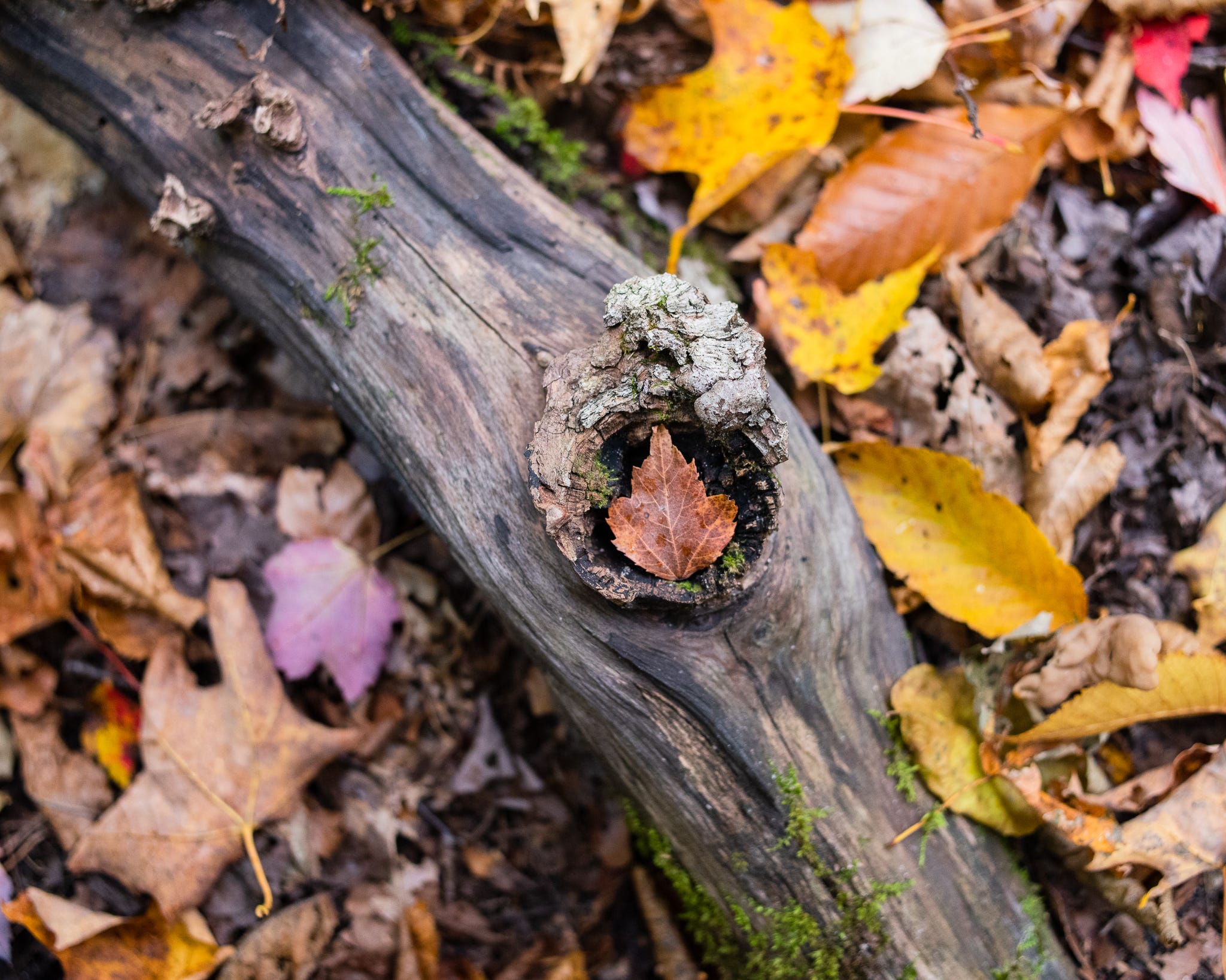
S1 Ep 1515 - That Makes Sense To Me
I recently heard about a story telling event nearby. The theme was Rural Life in Vermont. It made me pause, consider: if I had an audience in front of me, what kind of story would I tell?Awhile back I set out toward what interested me. You could say that by today's standards, I set out to be a failure, because attached to that idea was no intention to make money. In other words, to most people, my future had no future in it.As time has passed I haven't always felt like I chose the right way forward. And there have been moments, that have become funny over time, where people challenge and judge my way of life. And yet despite the hard times and so on, I never felt like I've chosen the wrong route—on the good days.There were moments when I could have been this or that—for example, a magazine photographer. But when I was taking photos of people doing interesting things, and writing profiles about them, I realized that it was actually I who wanted to live that interesting life. I didn't want to be someone who documented it, I wanted my own way.And what I've realized is that living a truly interesting life isn't usually paid for. What I mean is, the back and forth commute and static routine most people have, I would say, is not interesting to me. And yet so many people I've met tend to think, and demand of others, that it's the only way. If it works for them, that's fine. But to demand others live the way you do because you think it's the best way, makes no sense at all. It says more about who you are than anyone else really. To be honest, this kind of policing and judgement makes me sick.For one reason or another attention to basic things has always been interesting to me. I remember being very small, just a child, and having one toy I cherished above all. For a while it was a tiny grey fighter jet no longer then the first joint of my finger. And then it was a black plastic goat. Now I find myself interested in the details of life. Where do I hang the kitchen towel so it stops being in the way, yet is easily reachable? How do I make efficient use of this single room I live in with another person? How do I maintain and lovingly take care of my axe and knives? My body? My relationships? How much do I really need to be content?I was lucky in that I found out about a philosophy when I was just 19 that talked a lot about contentment, and what it required. Turns out it can require very little, to be content. As for me, I've found challenges that I overcome to be the most satisfying type of possessions. Who I become through growth and change, is all I really have. And to be clear, I don't even have that, in the end.The route I've chosen has made up a meaningful life so far, if only for myself. And while I may not have much security, or own a home, and I share a car with my partner, I feel healthy overall. I had this idea recently that the entire point of my life is good health. If my health is good, it means everything else is going well, right? At least, that makes sense to me. This is a public episode. If you would like to discuss this with other subscribers or get access to bonus episodes, visit www.walkaround.run
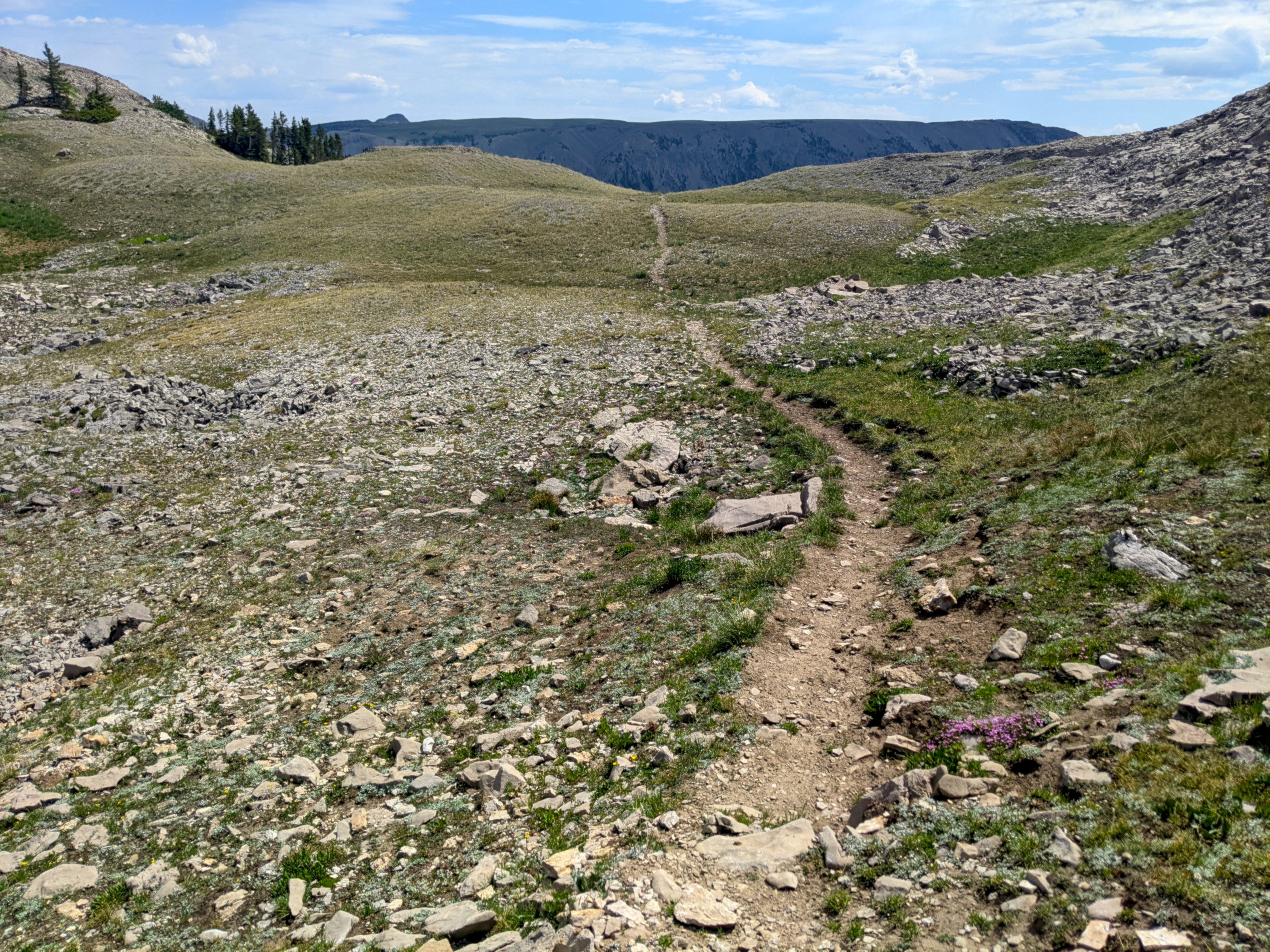
S1 Ep 1414 - To Be Here
Welcome to Walk Around—a new direction for this podcast.Last summer, 2021, I had an idea while walking in the high country—to make a podcast about walking. I've walked a long way, and to be honest, my creative path as an artist started right there, with walking.Walking itself is so simple, yet so corrective and health generating. For me walking, running, or any self-powered movement have always helped me find traction on ideas, reckon with problems, or work through difficulty, in ways nothing else can. Maybe it’s that moving my body through space at an understandable rate allows me to untangle what I seek to understand. Movement unties the knots, mental and physical, that life builds up. It clears my eyes, mind, and spirit.I never got far with the idea, to rename this podcast & newsletter, because it seemed too single-minded. I don’t intend to write “about” walking. I just want to write what I find useful in the moment, along themes of understanding and communing with nature.Below is a transcript I recorded during a run today. I hope you enjoy listening or reading what I shared, and the new direction I am heading.Transcript(the text below is verbatim, so it’s a little awkward read rather than listened to)There's a beaver pond a couple ridges over from where I live. Recently, I rode my bike past—and yesterday I stopped there on the way back from picking up some flour with Anna for the bread baking that she's getting into. The first time I drove by the pond, I saw a beaver swimming along. And the pond was really smooth and glass like, reflecting the hills and the trees around it.It's not much of a pond though. It's kind of abandoned looking. The trees aren't very big the brushes scraggly. There's an old dike or something, some kind of an old dam. Someone used to drive their car over it to someone's house, back in a hollow that's now been razed. And the only only thing left is a stone foundation. In other words, it's just the kind of place I love.I like places that aren't really noticed by anyone else. And they have a quiet solitude. Anna & I walked over the Beaver Dam and into this old pasture-meadow, that's since grown up with a lot of trees. There were many game trails crisscrossing the area, headed to the apple trees, down to the water, along the creek, through the trees. It was astonishing. Animals seem to go where people don't like to go. And I guess that's why I like some of these places. They have a special gentleness to them.I like beaver ponds too because while they serve a function that we can all see and understand: by slowing down the flow of water, allowing it to soak into the ground, creating a reservoir underneath the pond, keeping the water cold for fish, allowing cleared areas along the edges of it that the beavers keep cut for food. Allowing amphibians and other small mammals and large animals to flourish because of the abundance of food and space and water. And allowing sediment to be trapped from the rivers to keep them running clear and high. Those are all the physical functions of the beaver pond. But I see it as a refuge. I see them as refuges. Especially now, when everywhere weather is more drastic, temperatures are higher and lower. Even though they're small, they maintain a homeostasis in some way. Just because of the amount of water that's sitting there, which acts as a sink for hot air and a reservoir for cool water.And energetically I think that kind of a feeling is present in those places. When a person goes to a beaver pond if they're in the right frame of mind, they can feel that it's a refuge. And it's not just a physical refuge. It's a refuge for emotional well-being.And that's just really the kind of place I like.I'm going to read a poem I wrote recently when my mom was visiting. It was a beautiful visit. She is such an amazing person, and I love her so much. She's taught me so many things and she's so wise. She's really seen a lot of people. She was a teacher for three decades, moved all over the country—and she just has a lot that she understands about how the world works. Most recently, her final frontier has been true self-care. (laughs) Which is good because she's always been someone who's given herself away to everyone else around her. So, if you're listening, mom, try to find a beaver pond or some refuge to go to today. And here's the poem I wrote when we were walking along one of the branches of the rivers here in Vermont together. It was on one of the only paths I've been able to find that goes right along a river without a road between the path, or running too close. It's really rare here. Every single valley has a road through it. But maybe there are some mountain streams I haven't found yet. I'm sure that there are, but there aren't trails along them. It's interesting. There needs to be more relationships with rivers here in that way. It is the circulatory network after all.So here's the poem.The title is from something my mom said, as we are standing at the end
12 - Winnowing
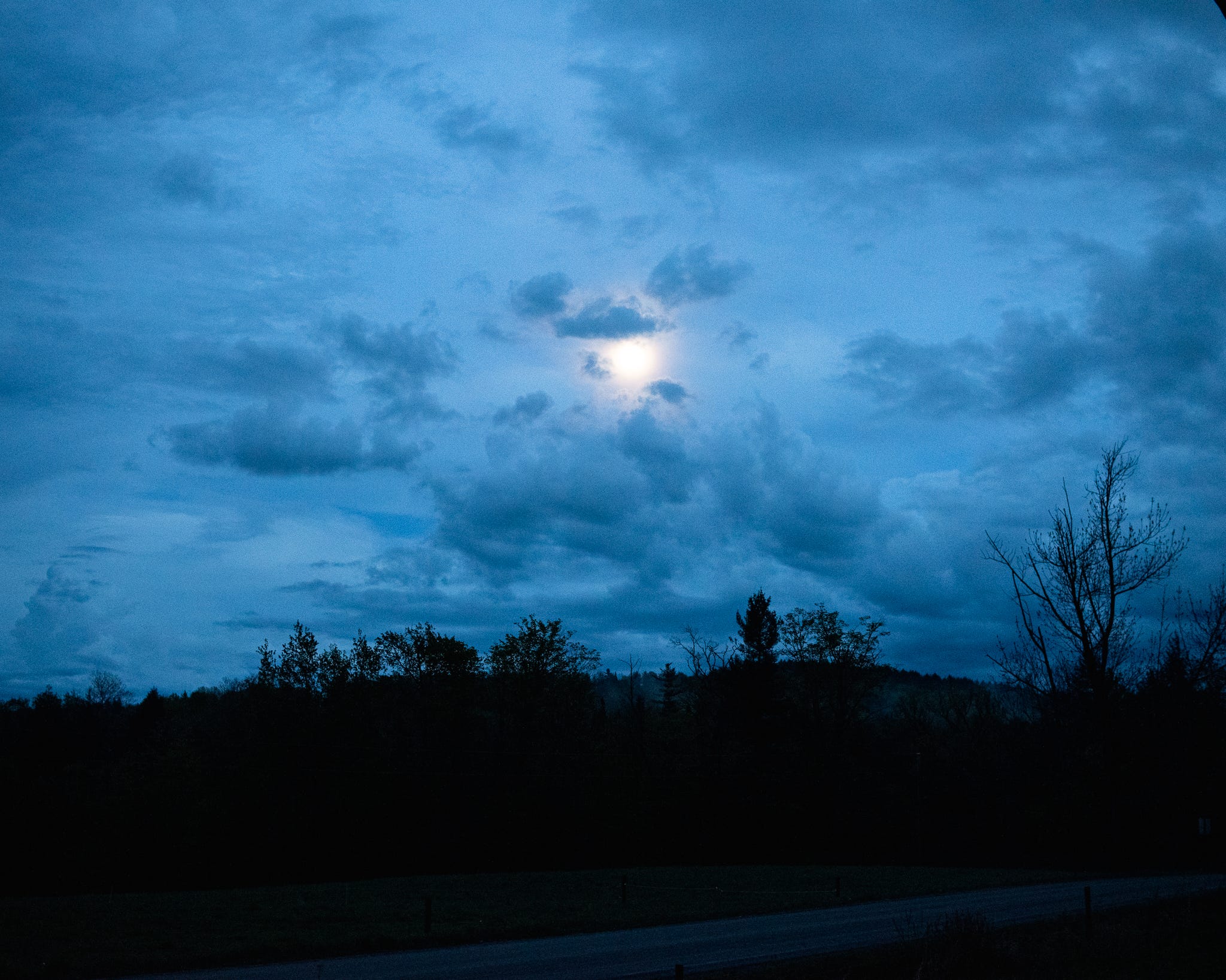
WinnowingIt happened when the grass was flowering: pale puffs of dust, appearing with a breeze, or even from a tiny beetle landing on a stem. Just enough to send life outward. Snipe stood on a log that morning, just watching. I thought about the sound he makes as he flies all night and he watched me, and I watched him, and as usual, the sun rose. The good from bad, it seems the thoughts, or feelings are of different weights. Tossing them to the wind what blows away from me are good feelings. What falls to the earth are the bad thoughts. Which seem to pile up. But what is good, or bad, to a snipe? Or to a tiny granule of contained life sent forth by a beetle's landing or the hum of a flies wing? Snipe stands on one leg and scratches his head, watches me, pollen, trees, beetles, sunrise, and as always things I can't yet see. What do you see snipe? What does the winnowing sound of your night flights mean? Why this morning do you stop, on a log, to watch me? Have your eggs hatched? Do you know if your nestlings will have a marshy home? Or are such thoughts beyond you? You must be just a piece of life itself. Not good, not bad, but beautiful fully real, and peaceful. Your silent morning log watch and scratch, your handsome, calm brown eyes are a gift to me. This is a public episode. If you would like to discuss this with other subscribers or get access to bonus episodes, visit www.walkaround.run
S1 Ep 1111 - The Present
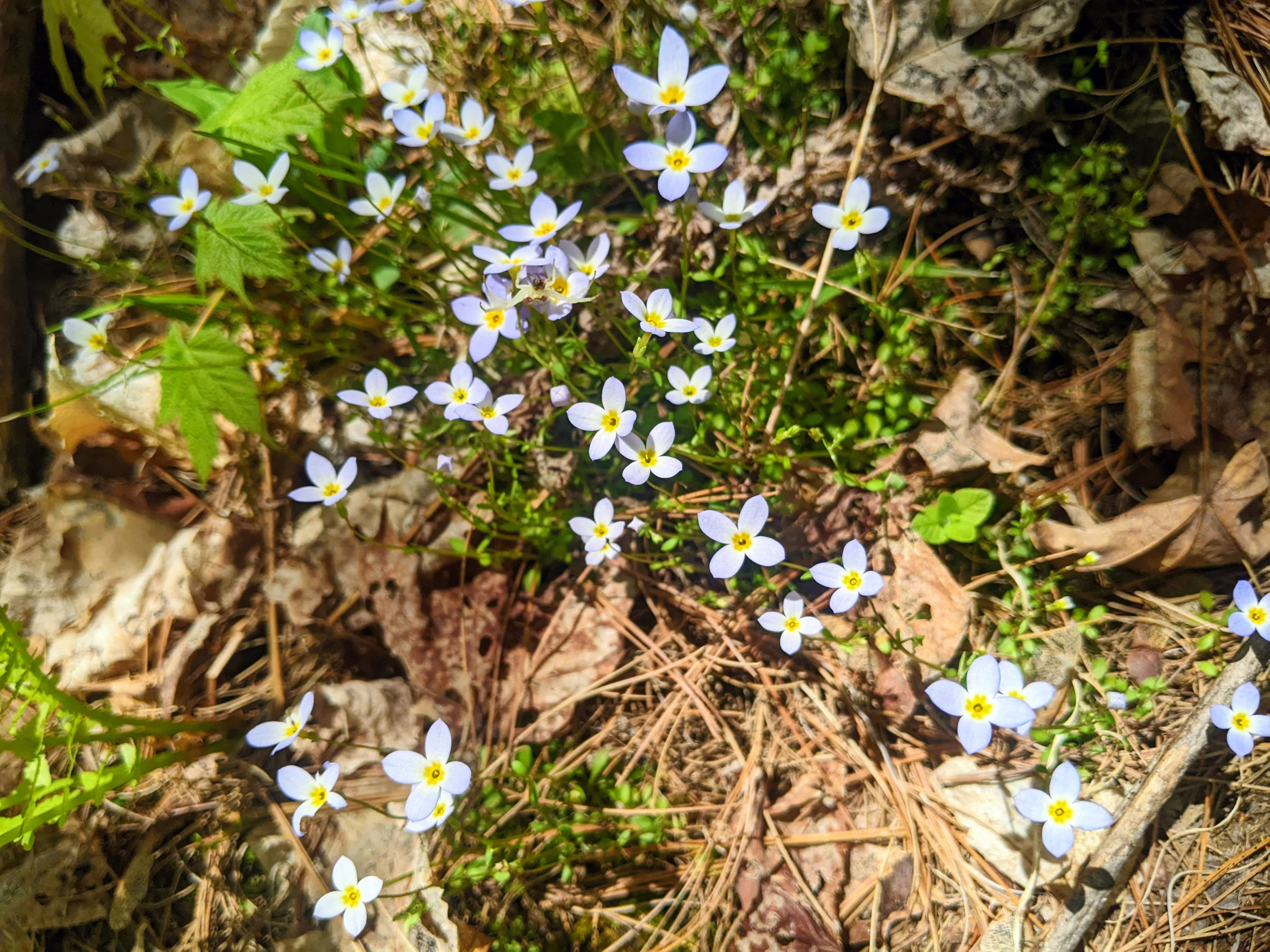
I think it’s hard to be present, because I have been taught all my life that the point of life, the purpose of it, is to progress. There’s always some achievement or some better future off in the distance.Yet what I’ve learned is that the present is where life occurs. It doesn’t happen in the future, and it isn’t a goal. It’s actually happening right now as you read this.I decided to record some words about this. Feel free to listen—it was recorded totally off the cuff, with no planning, on the edge of a huge beaver pond near where I live in Vermont. This is a public episode. If you would like to discuss this with other subscribers or get access to bonus episodes, visit www.walkaround.run

S1 Ep 1010 - Wellbeing
Wellbeing is a net.And we are a strand in the net. The strands around us are made of people, places, what we consume, produce, see, feel, experience.I think of this in the fading evening. The leaves and hills have changed slowly this season. The tops of mountains have snow. Distant hills disappear in morning mist. To the south the valley is hidden by mountains. The air cold in the morning, the grass gold or brown, the trees bare, the geese moving and honking. The water of the river reflects the clouds, turning silver. The pebbles darken with morning dew.Most evenings I go running. During the day I study sleep, neuroscience, nutrition, plants—just to pass the time. I write and organize. Life is but people and places and things, and what you do. Wellbeing is a net.I notice that experience compounds as my life goes on, but my gathering basket has holes. Most times are forgotten, those that matter stay. What matters is not always good. What matters is what impacts, changes: for better, or worse.I wandered Elko, Nevada between work days, talked with a friend, and we both agreed it might be impossible to even understand one thing fully, in one life. And so many regressions.The great task is to be here for it. To not run, to accept, compress, and take care, pay attention, and receive instruction from what occurs.The good and bad, the things that matter. To forgive and realize: the wounds others carry make up part of their net, one of their many strands. And isn't it amazing that individual neurons can live over a hundred years? Maintaining, connecting, remodeling, constantly in connection with others around them, or they die. The sense of ourselves is encoded, somehow, in the form and waves of activity that science has revealed are less based in parts of the brain, but the interconnectedness of them all—and the neurons themselves are nets with strands: axons, dendrites, synapses. Yet there's a difference between knowing and feeling. And physiology doesn't explain everything. And we have known this intuitively for thousands of years. Yet as there is more powerful ways to study, the "truth" eludes. There is still, and always will be, mysteryWellbeing is a net. We are a strand. There is no separation between ourselves and wellbeing. The things that come together, or move apart, are part of us. They produce thoughts and feelings that become us. This is what it means to be a strand in the net.The geese and trees know this. Or better, they feel, or produce it. There are human cultures in my dreams that greet each other by saying:"I am you, But,I am myself too"I wish I could throw a rope around certain feelings that would never fade. But wellbeing, and life, are a net, and the strands are manifold, moving, changing, uncovering, disappearing—never staying the same. That's the beauty of it.Thoughts come and go, come and go with the currents of the mind.I wrote this once. Then I wrote again. I write my present and my future, and I write my past. It is written into me, my thoughts, feelings, my "amygdala", my "neurons", my strands, and what is beyond—my friends and relationships. The future depends on how I feel, and what I have, or what I choose to do even now. To think, to be, stay or change, are for me to know. But I am also you.And we are: together,little gossamer strands.Glowing in the sunlight.Growing and changing, severing, or explaining. Rippling in the wind.Wellbeing is a net And we a strand This is a public episode. If you would like to discuss this with other subscribers or get access to bonus episodes, visit www.walkaround.run
S1 Ep 99 - Start Where You Are
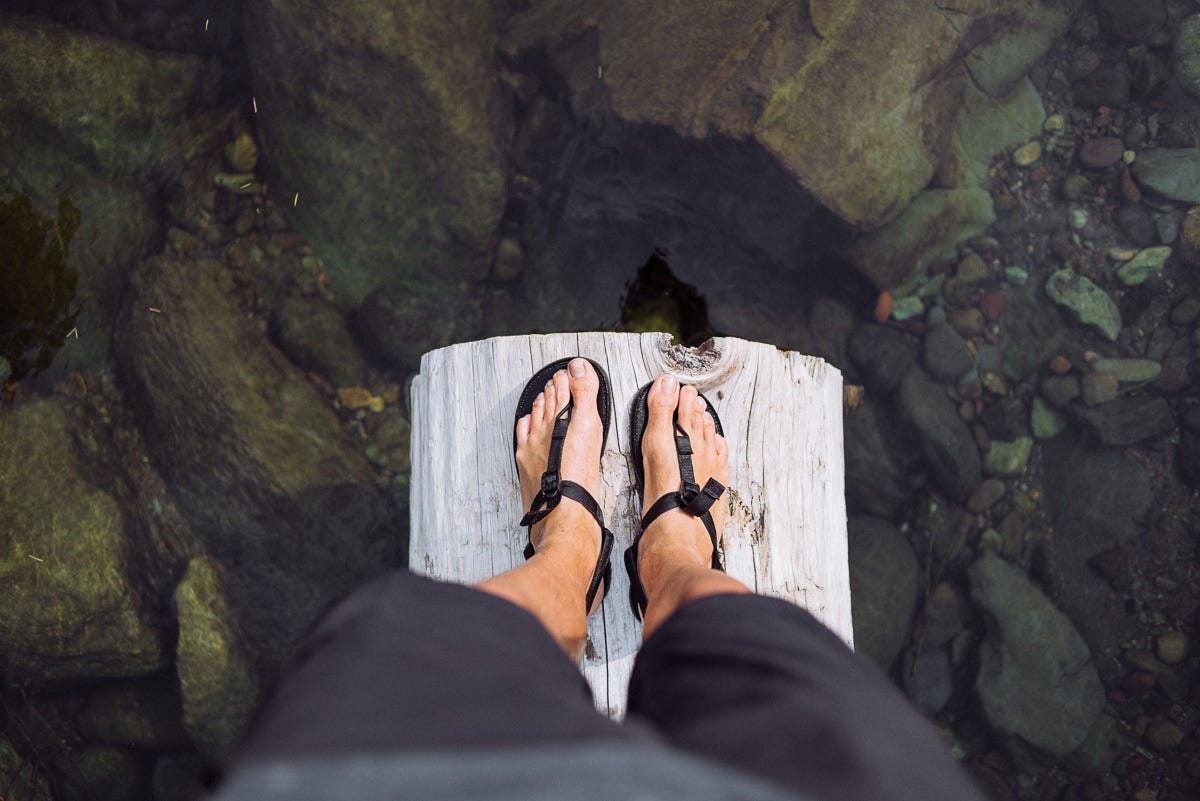
Thoughts about being present and ignoring obstacles—to focus instead on what you can do. Credits to the young hawthorne tree that has taken root on a hillside where I boil tea. This is a public episode. If you would like to discuss this with other subscribers or get access to bonus episodes, visit www.walkaround.run
S1 Ep 88 - Pain as a Practice
There is a little piano against one wall of this house I live in. I play it from time to time. When I first began, I noticed all the melodies I played were sad. I knew I had some sadness in me. Actually, I knew I had a lot. But, I didn’t really know what to do with it. So I played the piano most days, but the songs were always pretty sad.For one reason or another, I have been carrying some sadness based on grief for a few years. It has been hard but not without its lessons. I think that sadness can teach us about what others feel. So I’ve learned that. But there is a point when the lesson has been learned, yet the sadness still hangs around.And then about a week ago I was looking at the field below the house where I live. In the sky a few hawks circled. A group of renegade chickens, who escaped months ago from a coop and went wild, took notice of the hawks and fled under the porch—their shelter.And just before that, I had stood up from the table. But this was different than the hundreds of times I had stood up from a table recently, because for years I have been dealing with knee pain—but at this moment, there was none. Yet, I noticed my muscles tighten, as if trying to protect myself from pain that was no longer there.I stood watching the chickens cower, and thinking about pain. About how mental pain becomes physical, and physical pain becomes mental—about how pain works its way into us, and hangs around.It’s not that I haven’t done my best to grieve, or get rid of pain. I have really tried. But I failed. Yet in this moment, noticing the lack of pain, I felt the way my body still held itself tense around pain that wasn’t there. I thought about the chickens hiding from the death of the hawks. I thought about what it is to protect oneself. And I thought about vulnerability, and how opening is needed to allow healing. I knew all this, and have practiced it too. Yet somehow in feeling my body respond automatically to pain that was no longer there, I saw a different way forward.Later that week, I listened to Wilson Wewa, a Northern Pauite elder, tell the story of the grieving woman and the sage grouse.Long ago, before there were people, there was a woman. She was crying, crying, crying endlessly because her husband had died. She was utterly and completely overwhelmed with grief. Her people did not understand her grief, and they did not know what to do. So she grieved alone. She was carrying so much pain. And so she went out into the desert all by herself. While she was out there alone, she heard a noise. She walked to the top of a rise and looked down. There, down below her in the sage was a group of sage hens. And they were dancing. They were in a big circle, and they were having a good time. And at the end of their song, they would open up their wings and let out a big joyful whoop.One of the sage hens noticed the woman crying. So she came up to her. And she said to the woman that she should not grieve uncontrollably. And the sage hen said that our grief is not good for us when it makes us sick. The sage hens then taught her a song that she sang. And she found comfort in the song.When she came back to her village, she brought the song and the dance, and she taught the people.I listened to this story, turned it over and over in my mind. And the words came to mind: Pain is a Practice.It is a practice because it’s something that we have, whether we want it or not. A practice is something you have to work on. So the practice of pain is a choice. Though this practice is not a comfortable one.As I wrote the poem Pain as a Practice, something left me. And something came in, too. But I don’t know if this pain I carried for a long time is gone forever, in my knee, or in my mind.But, I do know one thing: the grief has passed. It has stopped making me sick. And I hope that going forward, I can play other songs on the piano, and write other words than the ones that are sad.Pain as a PracticeWhen I stand up from the table, I shift slightlyto allow my weight to land on my right leginstead of the left.Twisting under weightseems to bother the left knee.When I write I try to make the wordscome out in long sentences and paragraphs, again.But I cannot.Pain has modified my ability to write stories.Each sentence written has to hold what it needs— like me, in each moment.I can’t always tellwhat is good for me.So I use pain as a practice— because it shows what hurts. It’s important to keep up the practice, of painto not let it slip awayinto numbness.Because, I’ve learned, the pain will still be there.I am getting in good shape this spring because I am planning to walk five hundred miles, or morestringing together a rough route on CalTopoon Shoshone, Bannock, Crow, and Blackfeet land.And so, just recently, I noticed my left instep is weaker than my right which causes my knee to sway slightly inward. My suspicion is that this most subtle instabilityis behind a nebulous knee pain I’ve had for years.And so I practice: little exercisest
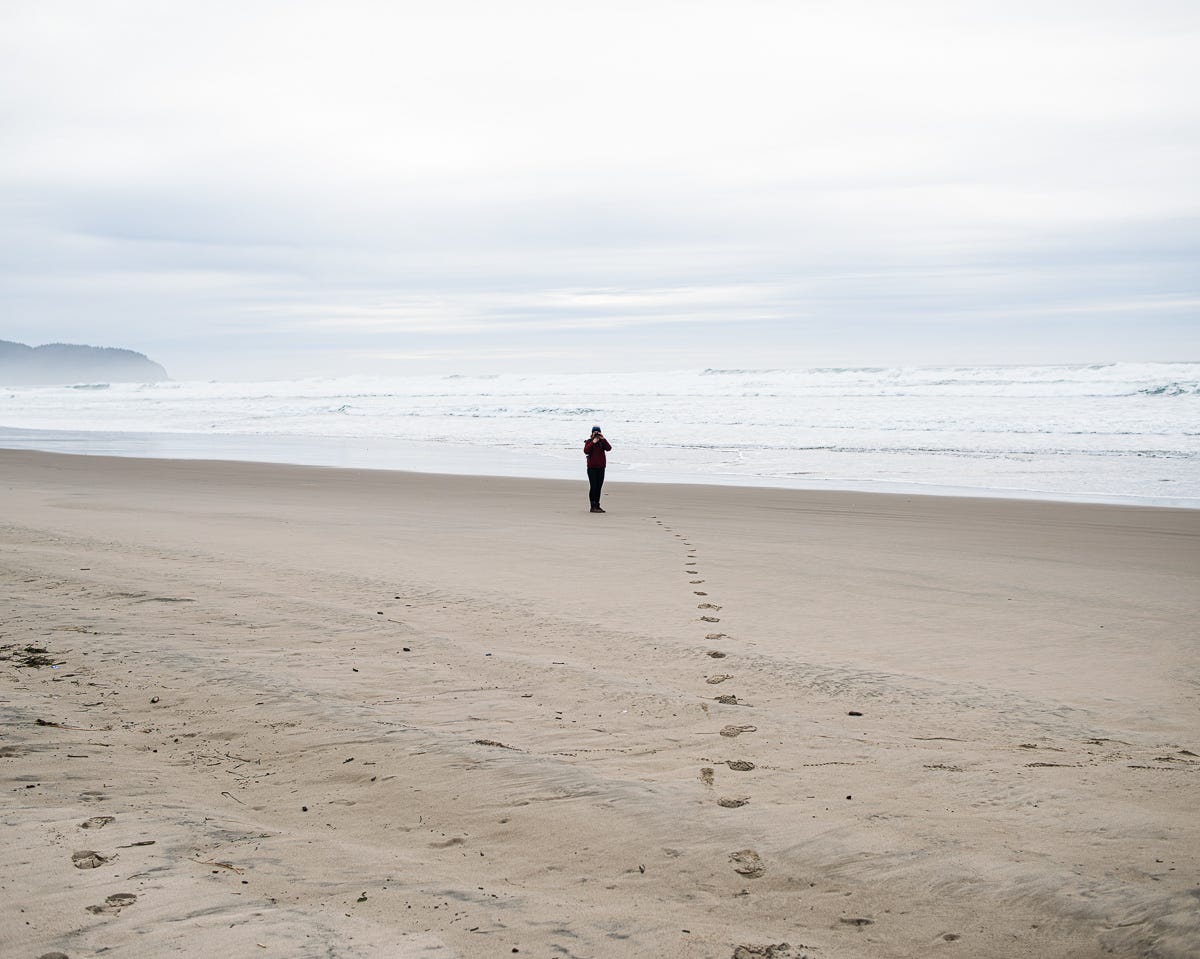
S1 Ep 77 - Backtracking
A story about following a coyote’s tracks in fresh snow. And, in turn, thinking about my own life. Full text below.Piano and story by me, Hudson Gardner. Tracks by coyote and deer. Snow by earth.…At the base of the hill, past the muddy shopyard and cattle fences, across the bridge that planks over Chimacum creek, and just before the salmonberry groves, were two perfect prints in the fresh snow.Light snow filled in the almond shaped grooves, with the gradually tapering tips softened by fresh flakes that fell overnight.The tracks were staggered, by just a few inches, almost one atop another. About an inch long, they went nearly through to the dark ground. They were the tracks of a young black tailed deer.We followed them, leading away from the road, down a path through a low boggy area where gravel had been spread in late summer. Halfway through the bog, the tracks met a coyotes—coming the opposite direction. Though the coyotes were fresh: not hours, maybe not even minutes ago had his-her warm breathing body passed this spot. So we followed the tracks, one going forward, one backward, and read the animals stories.Late in the night the deer had been walking north. Early this morning, the coyote was headed south. At one point, the deer tracks split and headed west, into a thick cedar bog. The coyotes backtracks continued clearly up the hill.The coyote showed a habit of winding around, following their nose. A shuffling around spot in the snow revealed a hole down to bare grass, where the coyote had ambushed a rodent in their track.Further up the hill the coyote had deviated from the main line of path, heading into a field. Another hole, another rodent crunched. That brought the count to at least two rodents for breakfast, probably in the space of less than five minutes.Around an alder copse the tracks went, then to a little rise in the ground. And then they stopped.There was a little circle of melted snow and ice, where they coyote had, at some point late last night, curled up to sleep. And beyond that little circle, a path of older tracks led away into the distance, marking where he-she had come from.Standing, looking at this little place of rest, the choice made no sense. It was open on all sides, with no tree cover. But the longer I looked, the more I realized how perfect of a place it was. The grass all around was flattened, giving good sight lines in all directions. By barely lifting his-her head, the coyote could see hundreds of yards in all directions. Yet, due to their location on the small rise, they couldn't be seen until they either heard someone approaching, or saw them. It may have been the most protected place, as far as sight lines and escape routes, in a square mile of hills, forest, and bog.From the little melted circle of rest, the coyote's tracks led into the distance, toward a farm house and a few hills. Beyond there, I knew that a lake lay, and somewhat remote young forests interspersed with clearcuts. The coyote may have come all the way from up there, or he-she may spend a lot of time in this field, hunting the plentiful voles and mice. I would never have known this story, but for the rare snow that told it to me.Following this track in the snow got me thinking about my own story. I set out a while ago to write in a way that was like a river: vital, ever moving, multi branched, yet still knowable. Formed, and form-ing, ever changing, never staying the same, yet having some sense to it. I wanted to write like that. And in learning to write that way my life itself has inevitably taken course changes.Life always seems hazy to me, a constant process of testing. And yet there are these crystalline moments, where it seems like everything has led somewhere that it all makes sense, like how a river always has a source. Yet just as that feeling is grasped, the solidity and good feelings tend to dissolve again.I wonder if there are more trails I can follow, larger than my own knowing. To be supported by, yet not be exploited by. Such things make me think of my best times. I think of when I have felt understood, or made something worth understanding. And like I told someone recently, these crystalline moments seem like little guide posts I have hammered into the ground as I've gone. And from some perfect place of rest, on a low hill, it may be possible to look back at them. And then to wake up, and keep on going....That was backtracking, and I hope you enjoyed it. You may notice in this episode that I avoided using the word "it" when referring to the deer and coyote. That is because the word "it" often refers to something inanimate, something without consciousness. I don't believe animals lack consciousness, I believe they feel things just as we do—have memories, stories, and lives—so I prefer to use the word "he-she" when I don't know their gender, or "they" instead of "it". Just something to think about.I love you. Take care — Hudson This is a public episode. If you would like to discuss this with
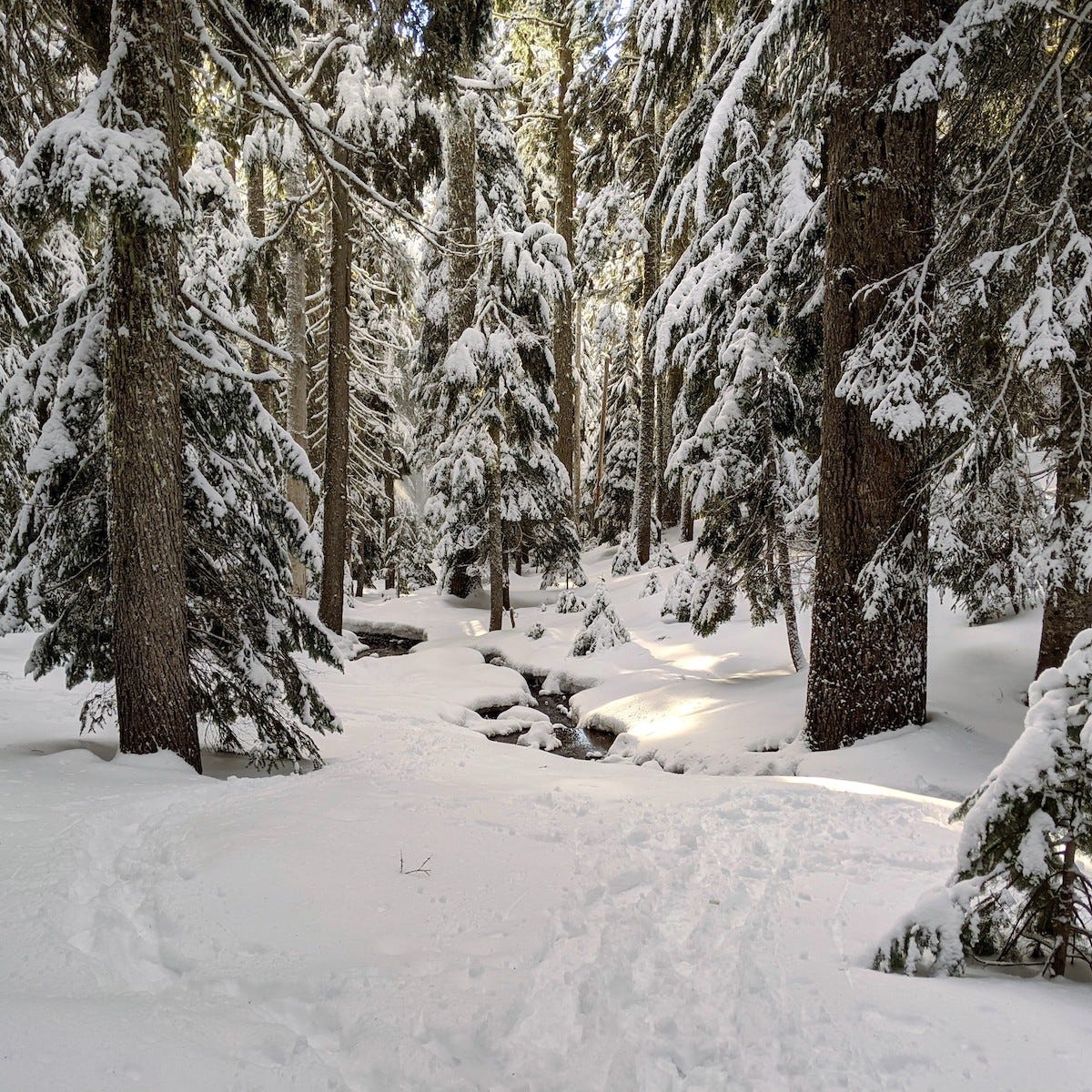
S1 Ep 66 - Calligraphy of a Stream
In this episode, I share a poem I wrote, and a little about my writing difficulties and successes over the last year or two. I really like this poem, and think it is one of my best. So I hope you find something in it too.Music Credits: Liberty Bell by Darkside.Calligraphy of a StreamI A gray jays wing looks like old cedar wood grain. Grown from melted snow, and stolen sandwich bits. The jays move in flocks, take turns landing softly on my hat. The lower lake, frozen solid, but for the edges, coated in glistening snow. A small stream flows from one end— like black ink spilled on paper, then melting it, and running downslope. The jays drink, and watch us in all our human awkwardness. Gracefully stealing tidbits for a free lunch Even though I heard: nothing in life is "free" The woods are soundless today, but for the shushing of trees shedding snow. Almost like the silence is asking me to listen, but then laughing: a jay swoops in to steal part of my sandwich again. II The cold creeps downhill, along the stream. Flat rocks on a dark, gravelly bottom. People walking far, up from stuffed parking lot, into this silence leaving behind their cars carrying their conversations holding onto things. Then resting in the rare light, here at the edge of a lake. I wonder how easy it is to leave it all behind? To come clean to the creek-burble? To cleanse the mind? —Grey jays winging softly, along tree'd edge of the lake III In mind, I gathered thoughts, and things, but wasn't always there for the beauty. Maybe if I drink snow melt, sleep outside, these things become me Or am I them? The transparency of the self grows clearer, in the calligraphy of a stream: Slowly flowing under frozen snowy bridges As we walk together Back to our complicated lives. This is a public episode. If you would like to discuss this with other subscribers or get access to bonus episodes, visit www.walkaround.run
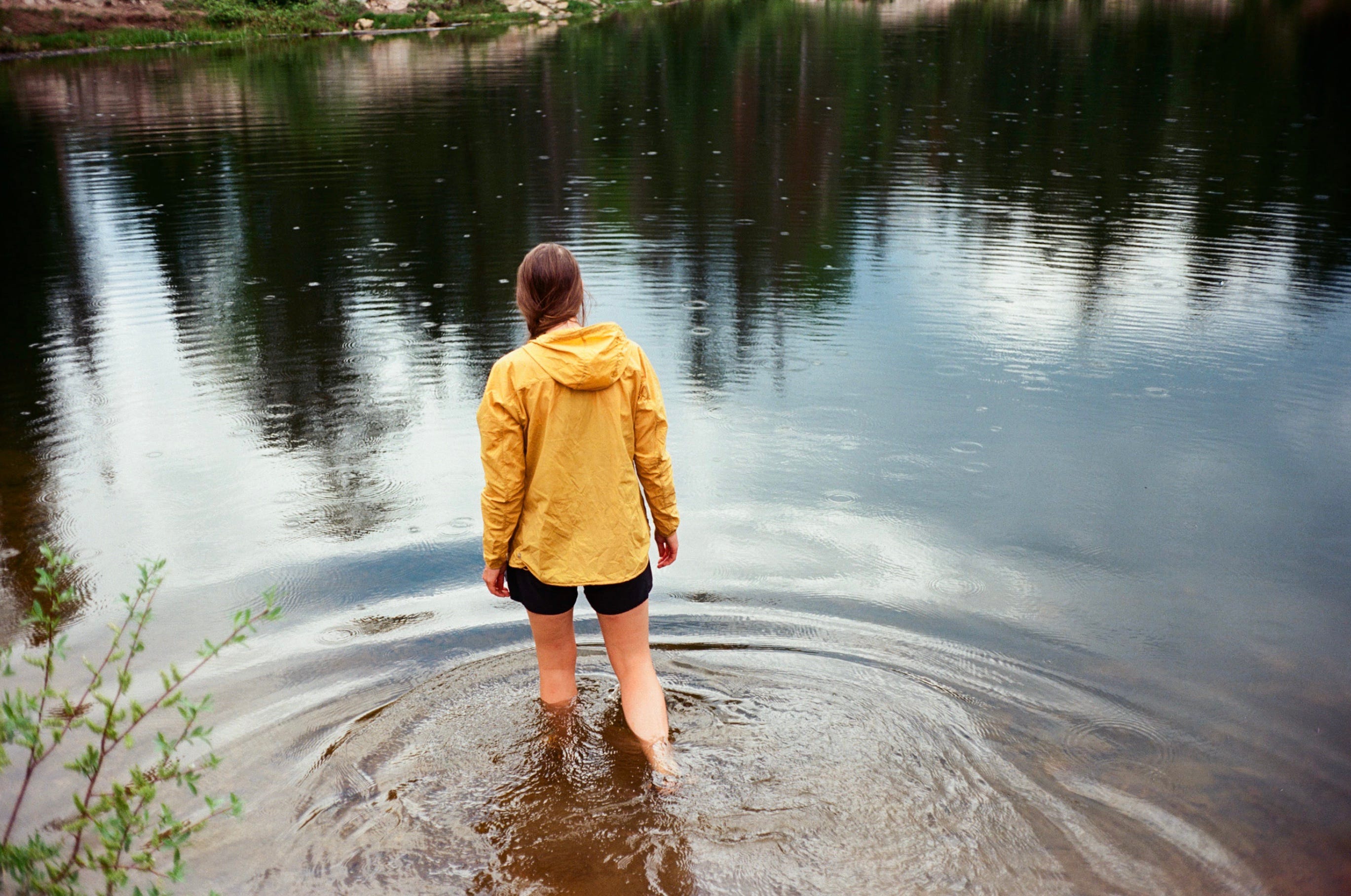
S1 Ep 55 - Three Years of Growth
Credits:Piano by Hudson Gardner, Fire cracklings by fire, Wind by Earth UntitledTrackless trackless mountain cloudwhat do I ask to be?To be you, to be you.Coming—going into nothingwhat do I ask to see?To see you, to see you.Trackless trackless mountain pathwhere do I ask to go?To find you, to find you.Trackless trackless meadow of flowersWhat do I ask of you?To believe you.To believe you.Does it ever feel, to you, like you are doing what you were made to do? I wonder if everyone has some feeling like that, at some point in their life. It comes in and out, like static on radio, for me.I think the idealized life is often said to be “in balance”—work-life balance, family balance, relationship balance, or balancing your checkbook (just kidding). Maybe a life that feels aligned is one of balance? Yet, for me, those moments where I feel properly “in the flow” aren’t continuous. Which leaves me wanting them when they are gone, which, in a way, creates imbalance.I read recently that the idea of balance in the natural world is actually misguided. The natural world is a chaotic series of successions. A forest burns and fireweed sprouts. Aspens, their roots underground and safe from fire, send up shoots in every direction, eventually shading out the fireweed and almost anything else. In fifty to a hundred years the aspens grow huge and die and fall, just in time for the seedlings of fir and pine and hemlock, which grew from seeds brought there and cached by birds and mammals, to rocket skyward.The idea of balance, this unattainable thing (if we’re being honest), is applied to human lives, since it exists in nature, right? What if it doesn’t exist in nature, what then? Maybe our lives are actually not meant to be balanced, and the attempt to seek some perfect balance is impossible. It makes us chase that “in the flow” feeling, which sets up life to be a series of ups and downs. Life is and always was and always will be a series of unpredictable events. There is no perpetual balance within uncertainty. Maybe life is more like an infinite act of rebalancing, or, you could say, flowing.And yet nature functions well, and we do too. Nature has us beat in that it does not worry about balance. It just expresses, in all its mystery, the breath of life. And I feel myself, myself, what I am made to do, if I am honest, is to do the same.Yesterday Anna and I drove the truck up the mountain to a creekside trail we found a year ago. We went down it together, amazed at the colors and motion of butterflies that seemed to spontaneously appear in the sunlight. The aspen trunks were white and snow lay in crevices along the path. We wound down to the river and walked along it for a while, then found a meadow. I set up my tent, just for fun, and used a small camp axe to buck some wood for whoever would have a fire there next. Anna laid in the sun, or watched the river flow by.Over Anna’s chest and down the left side of her body hung a massive, thick braid. I picked up the end of it. “Remember biking the road up to Big Bear?” I asked. “Yeah, I was just looking at photos from then”, she said, “and three years ago we did that ride. After we got back I went up to Washington and stayed with Brit and Sam and then went to my mom’s house and cut off all my hair.” “Three years of growth,” I said pulling lightly at her thick braid.To realize three years had passed since then felt funny and sad at the same time. Because, mostly, this flow of experiences we name Life doesn’t always flow easily or clearly. The pain of the turns can be acute. And yet, they all flow together somewhere, and get bunched up in memory, and then you can sit on a rock in the spring sun in the mountains and think about all the times when things weren’t so good, and the times also when they were good, and then come back to the time right now—which is really all the time we have. And it’s strange to think of, that there is a physical representation of all that time that hangs beautiful and thick from Anna’s head—of a thousand thousand strands braided together—of three years of growth. This is a public episode. If you would like to discuss this with other subscribers or get access to bonus episodes, visit www.walkaround.run
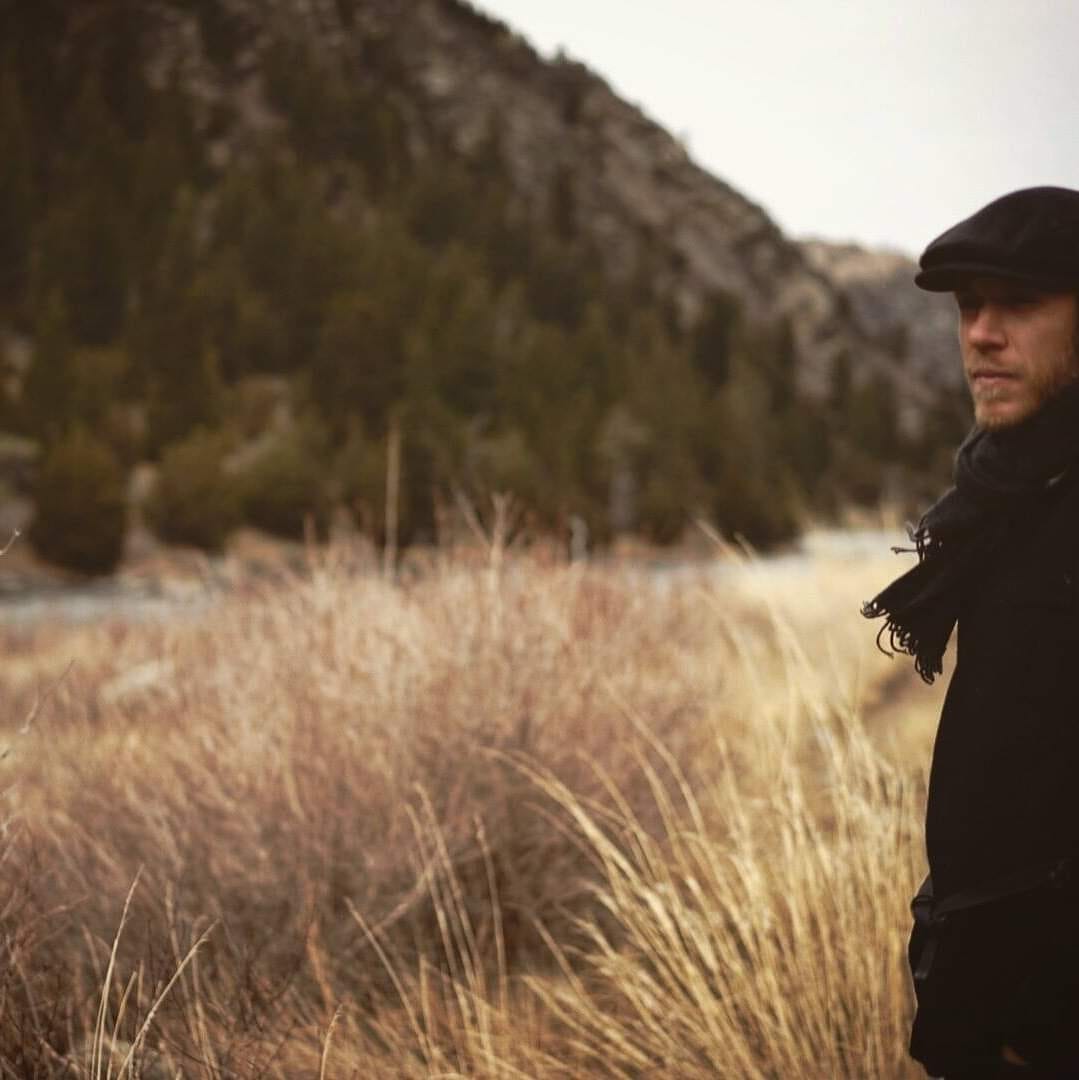
S1 Ep 44 - Coming Into Contact With Ourselves - Beau Vandendolder On Wilderness
Thanks for tuning in to this edition of Grass Journal, titled: Coming Into Contact With Ourselves.In this episode I discuss wilderness with Beau Vandendolder. He is a doctor of Classical Chinese Medicine, licensed acupuncturist, and Alexander Technique practitioner. He is also a dear friend, though I have seen him only sporadically over the five years we have known each other. He and I have one of those rare connections that seems to not rely on having to see each other that much. I've only had a handful of friendships in my life like this one, and so I am really glad to have him on the podcast to talk about his view of wilderness, medicine, and getting off the trail of life.Thank you for listening and I hope you enjoy our conversation. This is a public episode. If you would like to discuss this with other subscribers or get access to bonus episodes, visit www.walkaround.run

S1 Ep 33 - The Wilderness Within
Beautiful intro music by Anna Pallotta, cover of Regina SpektorDear anyone,I hope the world isn't hurting you too much these days. What have you been up to? Today the sun came in through the clouds and the south facing windows. It made me remember how important it is to notice things like that. For a span of time, to have just a few thoughts of my own.But, I know you have felt a lot of that lately. Being alone has been the theme lately. As I looked at the lonely looking clouds I listened to some music this morning. And that reminded me of how great it is to share a feeling with someone else. To be able to talk and to share things.—The sun was bright as I trespassed through the grassy field filled full of broken down cars at a turn in the gravel road. Through the fragrant woods I walked, to a trail flagged by hanging plastic tape. Up into the ferns and alder slopes, then along and above a draw into the darkness of a spruce wood. Out into the sunlight again on the flat of a ridge I went. Then down a gravel logging road, looking into the trimmed firs on both sides for a way through the ferns and stacked thinning piles. I struggled through the head high brush for a time and then saw a few boulders seated amidst a low natural spring, where deer, squirrels, and birds come to drink. In the distance a pileated woodpecker seesawed his way up a tree trunk, and in the distance were bright maple leaves signalling a direction to walk in. Following my eyes, to where looked best, I came to a two-stemmed cedar near a little marsh. I cleared some brush off the uneven ground. I sat down and gathered a few twigs. I started a fire in a folding wood stove to make doug fir tea.As the tea simmered I used a small axe to notch a rotting alder so as to mark, from a distance, this space I had found by the brightness of fresh cut wood. I gathered handfuls of alder twigs to stoke the small fire. I fed the fire and smelled the smoke of the alder, and the spicy smoke of a few cedar twigs.After the fire burned down I sipped tea, and watched the light fade in the West, through the tree trunks. Far below a car or two passed. Not too far aside from where I sat a gravel road ran where people would sometimes walk their dogs. But no person ever came back to where I was. In this space, not silent, not far away, I came to contemplate. Indeed, to think on certain things.I have heard of such a place—kept in mind, or in physical space. A place of refuge. Yet the tendrils of certain things still creep in. The sound of a car below, a plane above, of someone walking their dog—calls me back to a moment out the window with a small chickadee, eating seed. A truck blasted by on the road above, which made the chickadee flee, to the grape vines above the ground. As the world shrinks smaller, the footprint of our sounds grow larger. And where is the wilderness left to be seen, burned by fires, trees, no leaves, salvage logged and steel cabled, to the cry of more people who need jobs to live on.And it all sinks into me, in this quiet place under these young trees. A deep breath, then another, as the light fades further and the leaves open their own stomata to breathe. And I breathe too. And so we together breathe.“We practice in order to cultivate a sense of agency. To understand that a range of responses are open to us. We practice to remember to breathe.To have space in the midst of adversity.To remember our values,and to seewhat we really care about.We practice to find support in our inner strength,and in one another.” — Sharon Salzberg This is a public episode. If you would like to discuss this with other subscribers or get access to bonus episodes, visit www.walkaround.run
S1 Ep 22 - Spider Ballooning - And why is the rent so expensive?
Dear subscribers, You can find my podcast on all major platforms now. Also, every episode will also be sent out on this newsletter. Here are some links:Spotify • iTunes • ListenNotes • Google • TuneInLast week, I sat down at my birch table and recorded this episode more or less on accident in the bright late October sun.Things discussed* Community* How spiders move in the fall* Rent* Rootedness* Paying attention to beauty This is a public episode. If you would like to discuss this with other subscribers or get access to bonus episodes, visit www.walkaround.run
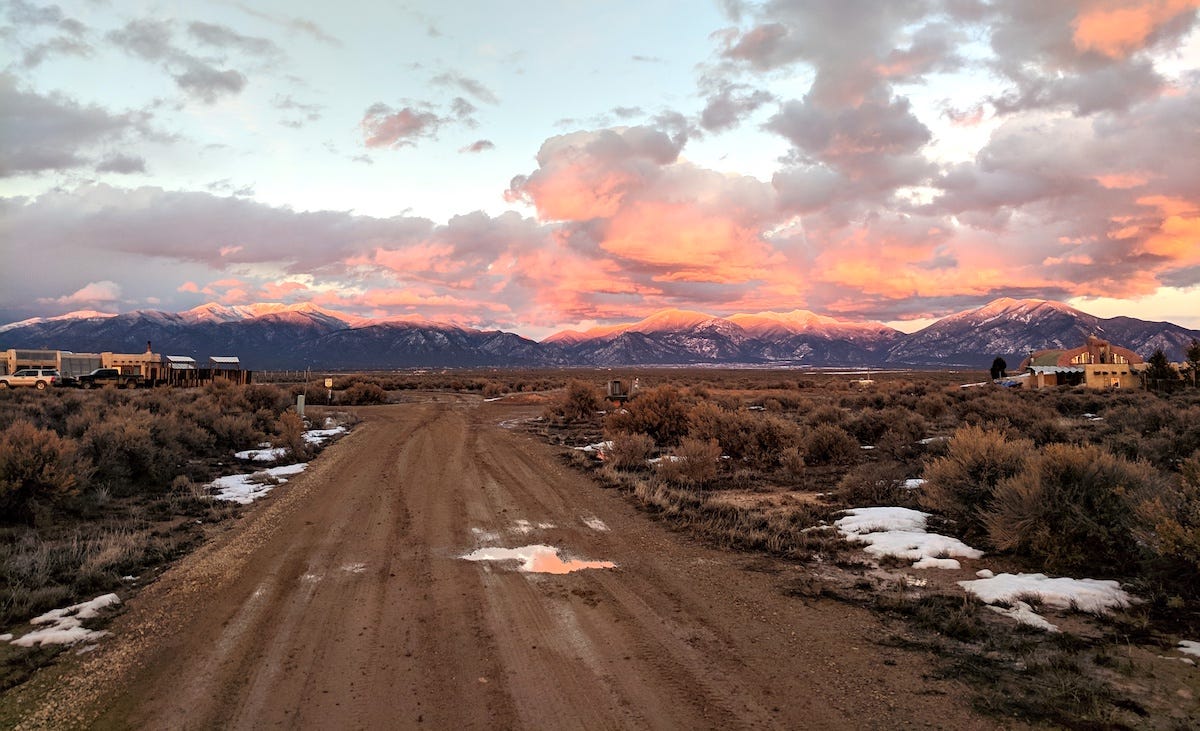
S-12 Ep 11 - Taos, Being Born
Sangre De Cristo Mountains above TaosThis newsletter is now a podcast too. I will send an email when the podcast is available on all podcast platforms. I also have a donate button on the bottom of this post.I have often felt confused in my life about how I fit into the world as an artist. Or in simpler terms, how my ideals can coexist with a world that is inevitably not ideal. Partly, the confusion I feel is about finding my place, my work. While I know what matters to me, I've had a hard time actualizing it.This poem, from my Body of Water manuscript, is my way of writing about this confusion. It was written when Anna and I were driving around in our car in Northern New Mexico, looking for a place to live in Taos. We slept in canyons and closed campgrounds and somehow it was cold and rainy almost every day; which, at 7,000 feet, when your car is packed with your worldly belongings, is not the ideal situation. It means dealing with wet gear on top of socks, boxes, and kitchen stuff.Looking back, it was just a month or so of this kind of situation before we found a small adobe apartment in Talpa, a spot in the road just outside of Taos. But for some reason, when enmeshed with the difficulty of finding a place time seems to drag, and everything feels impossible. Nowadays, I am still not sure what my path is towards offering something. I think I hit on it when trying to understand my confusion in this poem: I want to be someone who goes out into the larger world, then comes back to the human realm with something to offer. And maybe the offering will only be who I become. There is a saying in Buddhism and probably in other places: the messenger becomes the message.Confusion is a kind of loop. So what do I come back to again and again? The idea that I want to be a steward of something. Just a caretaker. Not to leave a permanent, indelible mark, but to maintain something, even restore something—heal something. Then be ready to pass it on to the next person, place, animal. Again, and again, and again. But how do I do that with no money, no platform, no place particularly in mind? Being in community seems to be part of it. But to have a home, a place, and somewhere to steward isn’t as easy as it sounds. It’s not that I want to start some kind of foundation. I just want some kind of living space on the edge of a field, with trees behind, and a stream nearby, that I take care of. Maybe a place people can come by and feel at peace in. And then, to be able to work on writing, and to make enough money in an ethical way. That’s the entire goal. This poem also has notes of pain and chaos—about a murder that happened down the road from our little apartment, about the barbed wire people relentlessly string and layer everywhere to protect their property, and the dogs that will chase and attack you if you get too close—all done to protect what people have worked hard for.Yet for me, I don’t desire protection of my hard earned work. I want my work to be open to all, accessible to all, free for all. I don’t want to profit off my hard work, or protect it.That’s what I have to say about this poem.Reader Note: Please flip your phone to wide orientation, or read on a laptop for proper line breaks.Taos means Red Willow. The people of Taos Pueblo call themselves The Taos People, and a long time resident of Taos in general is called a Taoseño. The Red Willow People.Taos — Being BornFirst night of wood smoke.First flow of water.First time picking trash from the acequiaamidst old rocksplaced by hands passed on.Clear water runsbelow roadspast dogsunder barbed wire hungby someone.And after a hundred yearsfalling downand rustingin the water.Across streams are strandsof old, bad barbed wire as ifwater were something to be protected from life—Though I see no sign saying this or that.And a man was shotjust a hundred feet down streetfrom where this acequia flowsunder barbed wire.At the end of a roadI open a smooth wire gateand walk past wild rosesand along Rio Chiquito,where an acequia is blocked, pools—the water floods a field.Six old apple treesgrow above the dry streamthat sometimes has water.Their fruit hangs heavy above strands of rusty barbed wire.~~The water less every yearsixty degrees between day and nightpeople grow things still—burn brush fireslate at night.An old man stands, and says“The best wayis to go into the fieldand make a fireand cut them stalksand cook them on the fire.Asparagus in the storecomes five hundred milesten days old by the time it gets here.Isn’t the same thingas what grows out of this groundbeneath my feetthat I cut and I cook, and I eat.”Rocks rise on the edge of a piñon plainwhere I was born.There were treesmostly: cottonwoods.Hills, arroyos, dry rockclean streamsthe sun rising or settingcrystal blue skies.And children don’t notice heat or cold, or what is a homeuntil they lose it.Patterned portraits on yellow sand, red, green, or white.Roasting chiles, eating at night.No sky as clear as a desert,no mind as cl