Voices of the Wild Earth Podcast
The Idaho Mythweaver · Idaho Mythweaver
Show overview
Voices of the Wild Earth Podcast has been publishing since 2021, and across the 4 years since has built a catalogue of 17 episodes. Releases follow a roughly quarterly cadence.
None of the episodes are flagged explicit by the publisher. It is catalogued as a EN-language Society & Culture show.
There hasn’t been a new episode in the last ninety days; the most recent episode landed 11 months ago. Published by Idaho Mythweaver.
From the publisher
Here you will find all podcasts from the Idaho Mythweaver! For more information and to donate please check out our website at www.mythweaver.org thank you!
Latest Episodes
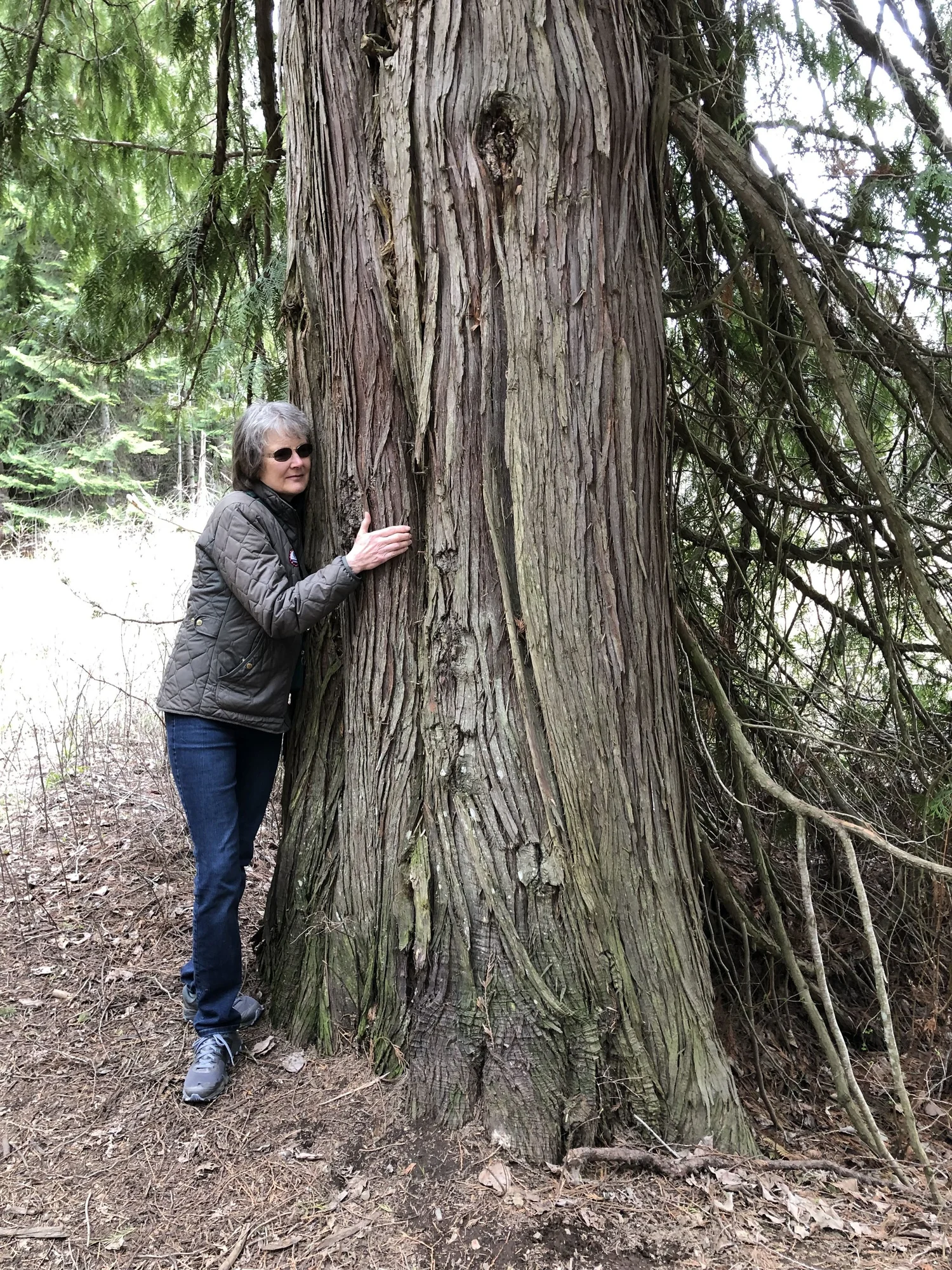
People and Trees 1999
WELCOME TO VOICES OF THE WILD EARTH. I’M JANE FRITZ. BACK IN THE LATE 1990s, I PRODUCED THIS STORY THAT IS OUR LAST PODCAST FOR THE YEAR. SINCE WE HAVE LOST FUNDING FROM FEDERAL HUMANITIES AND PUBLIC MEDIA DOLLARS, WE’RE GOING TO TAKE A PAUSE UNTIL WE CAN SECURE MORE FUNDING TO CONTINUE. YOU, DEAR LISTENER, CAN SURELY HELP US BY DONATING WHATEVER YOU CAN AT OUR WEBSITE, MYTHWEAVER.ORG. WE THANK YOU, AND ARE TRULY GRATEFUL IF YOU DO GIVE.
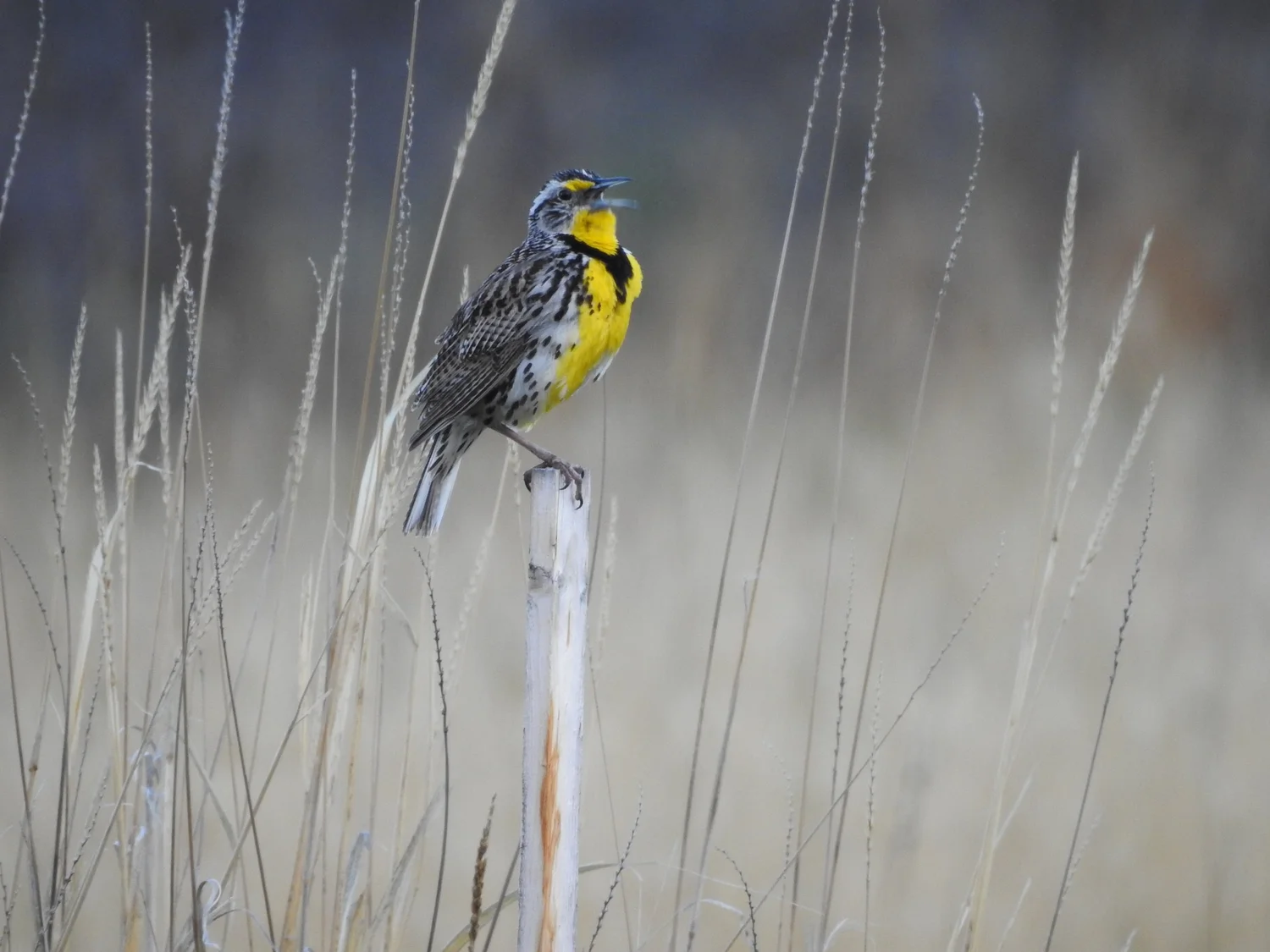
Earth Song Reprisal
Amateur birdwatchers, take note! Our friend, Shane Sater (WildWithNature.com), really knows our beloved songbirds. He is a naturalist and produced for us a podcast and radio documentary back in 2023, called Earth Song, that is one of our favorite and most popular Voices of the Wild Earth programs.
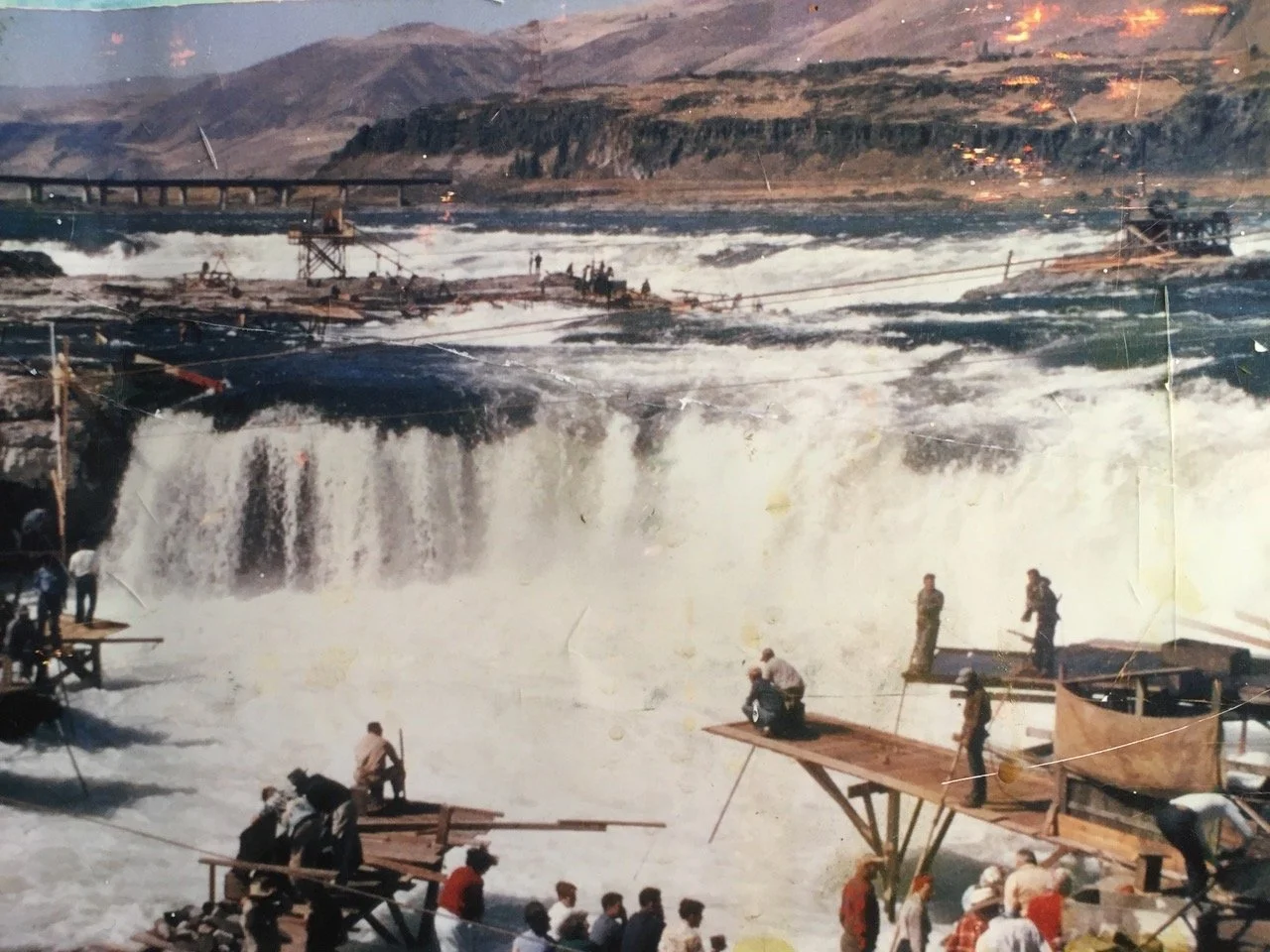
People of the Salmon
A one hour documentary on the history of Salmon in the Pacific Northwest, the threatened species, their relationship to the Native peoples, specifically the Nez Perce, and our attempts to restore them to the rivers and lakes they are native to.
Shoshone-Paiute Keepers of the Earth
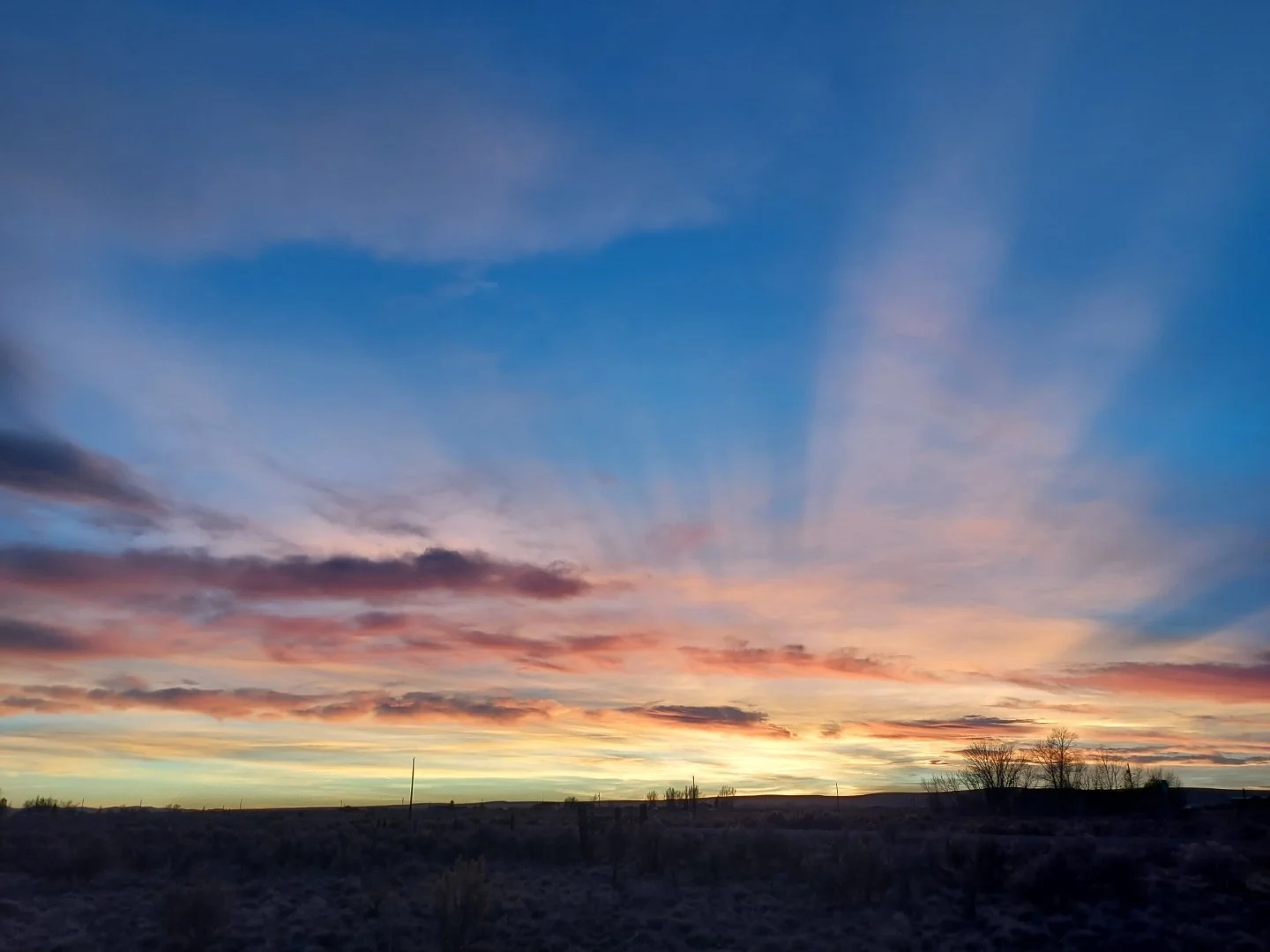
As you drive south from Mountain Home or north from Elko, 100 miles in either direction through the vast stretches of high desert plains skirted by the Owyhee Mountains, miles of seemingly endless fence lines, mark cattle ranches and frame the highway. But fences suddenly disappear as you enter the Duck Valley Indian Reservation, home to the Newa and Numa peoples — the Western Shoshone and Paiute.
Shoshone-Bannock Keepers of the Earth
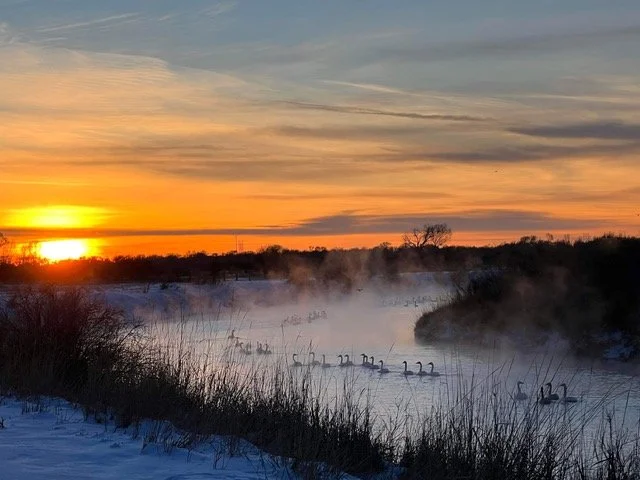
In the very heart of Idaho wilderness beneath its most spectacular mountain range, the Sawtooths, springs forth a river like no other river. The Salmon. It carves its way through rocky canyons for hundreds of miles. It is home to spawning steelhead and chinook salmon that journey from the sea. Indian people have always fished these waters and they hunted the wild sheep that live among the rocky crags. Lemhi Shoshone people. Keepers of the Earth.
Asking the Stones to Speak
Often the word myth is used in conjunction with these stories. If we interpret stories not literally, but metaphorically; if we look at their symbolism, we can see that they point to all sorts of literary as well as spiritual truths that are shared by all of humanity.
Coeur d’Alene Keepers of the Earth
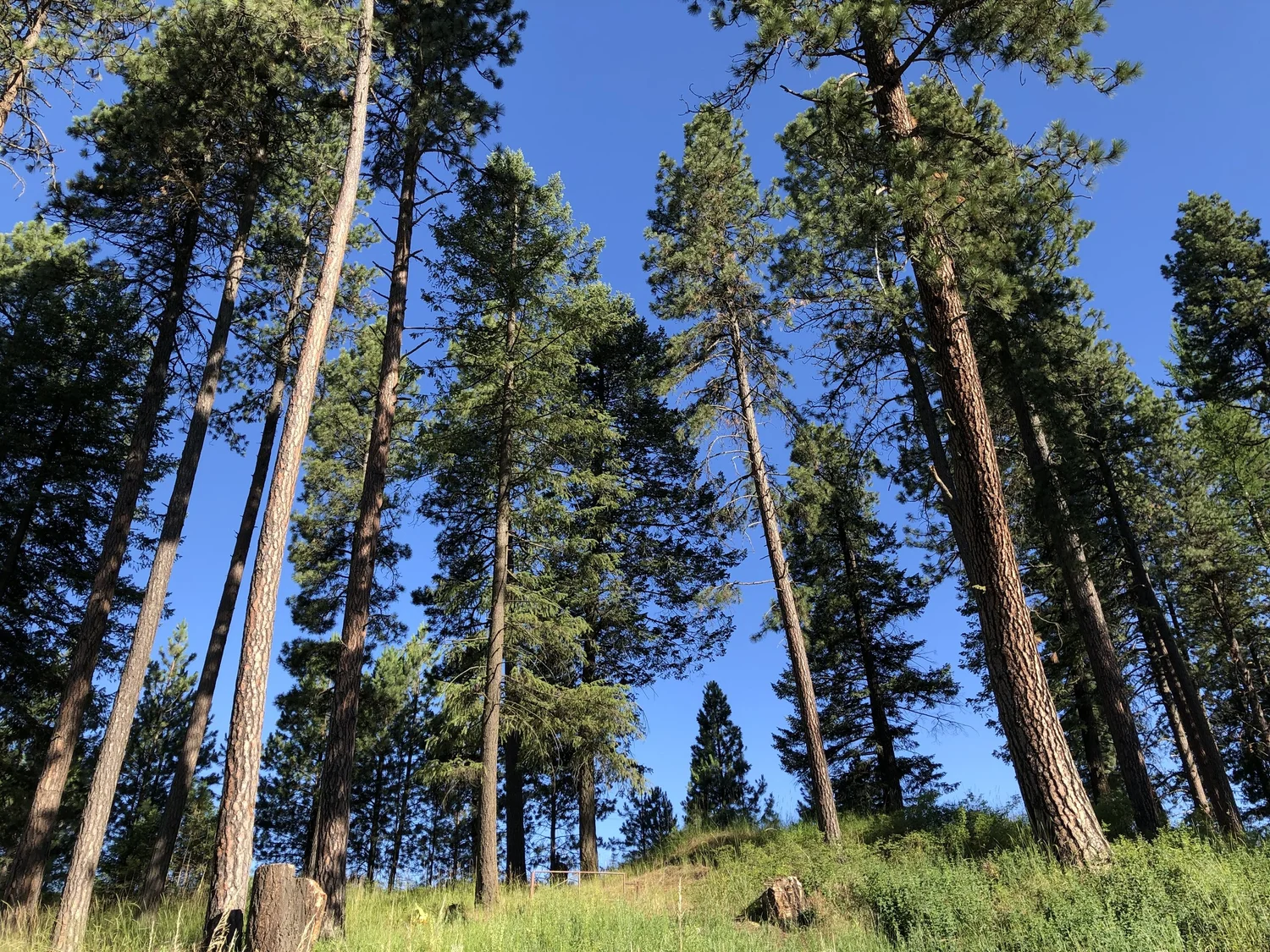
Their villages were once along the shores of pristine lakes— Coeur d’Alene, Benewah, Chacolet — and wild rivers — the St. Joe, St. Maries, Spokane. They fished for salmon and cutthroat trout, hunted deer, bear and elk, dug camas and bitterroot. They picked huckleberries. Spirituality was their signature on daily living.
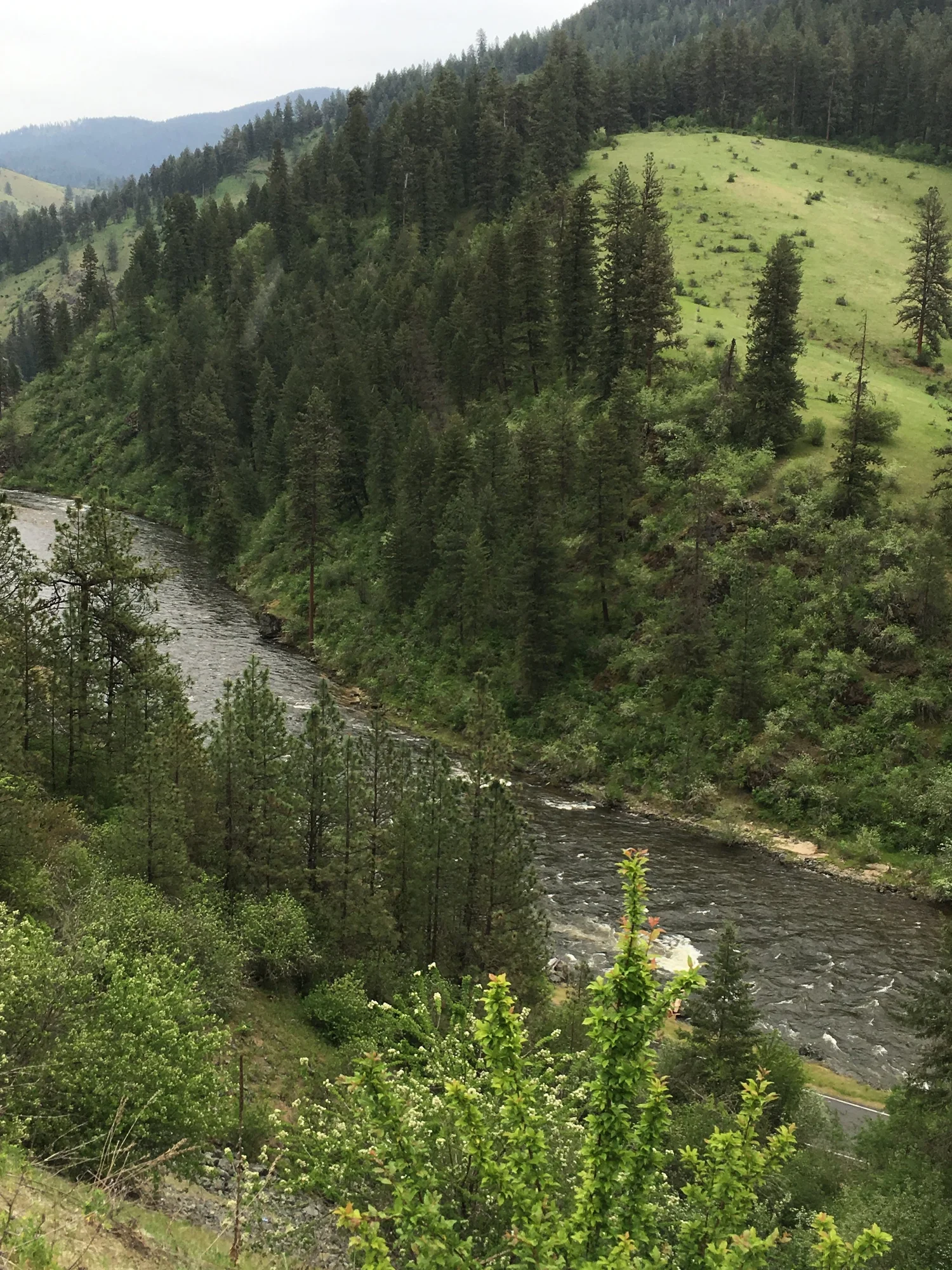
Nez Perce Keepers of the Earth
Coyote, ‘iceyeeye, he was going upstream. Coyote is always going upstream. He was going along and he noticed the salmon were having some difficulty there. So he says. I'll build a fish ladder so that the salmon can go up river and feed my people. And so he's busy working along there and Magpie he flies over and says. Ahg! What are you doing? And Coyote looks up and he says, ‘I'm building a fish ladder for the fish to go up to feed my people.’
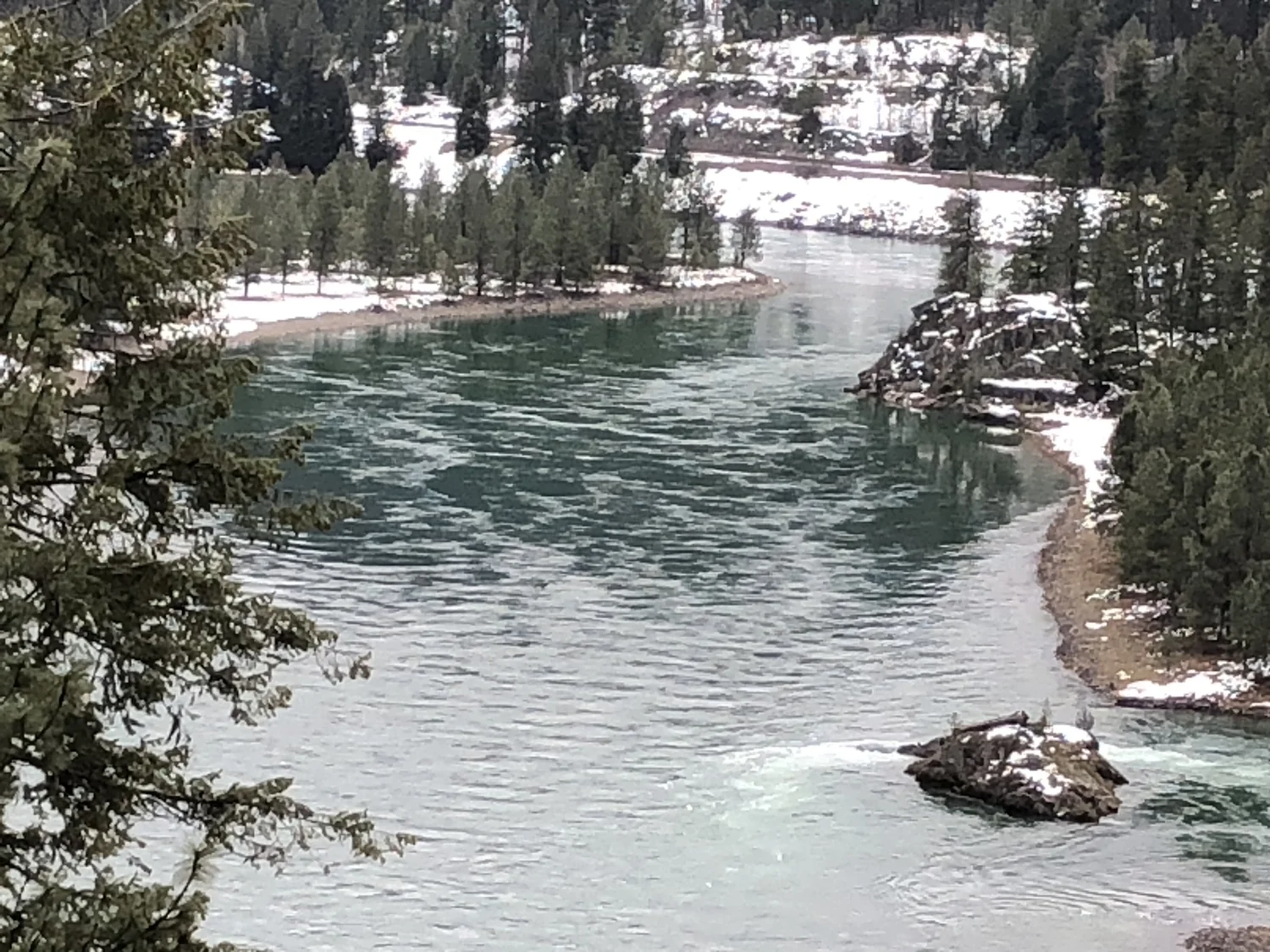
Kootenai Keepers of the Earth
Rebroadcast of the 1991 Keepers series by Jane Fritz
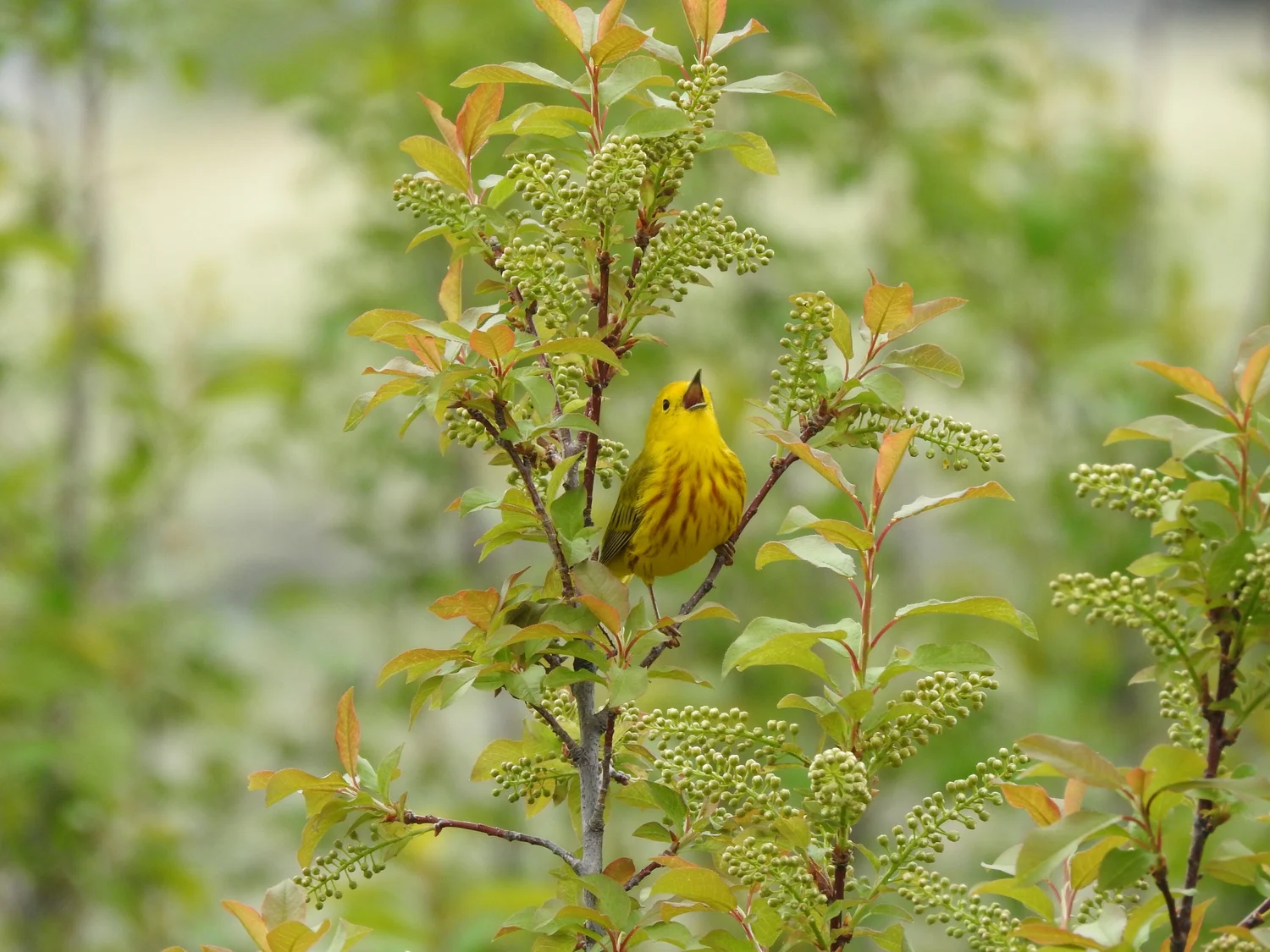
Earth Song
“I arrive long before sunrise in this dry part of western Montana. The mountains are black silhouettes around me.”
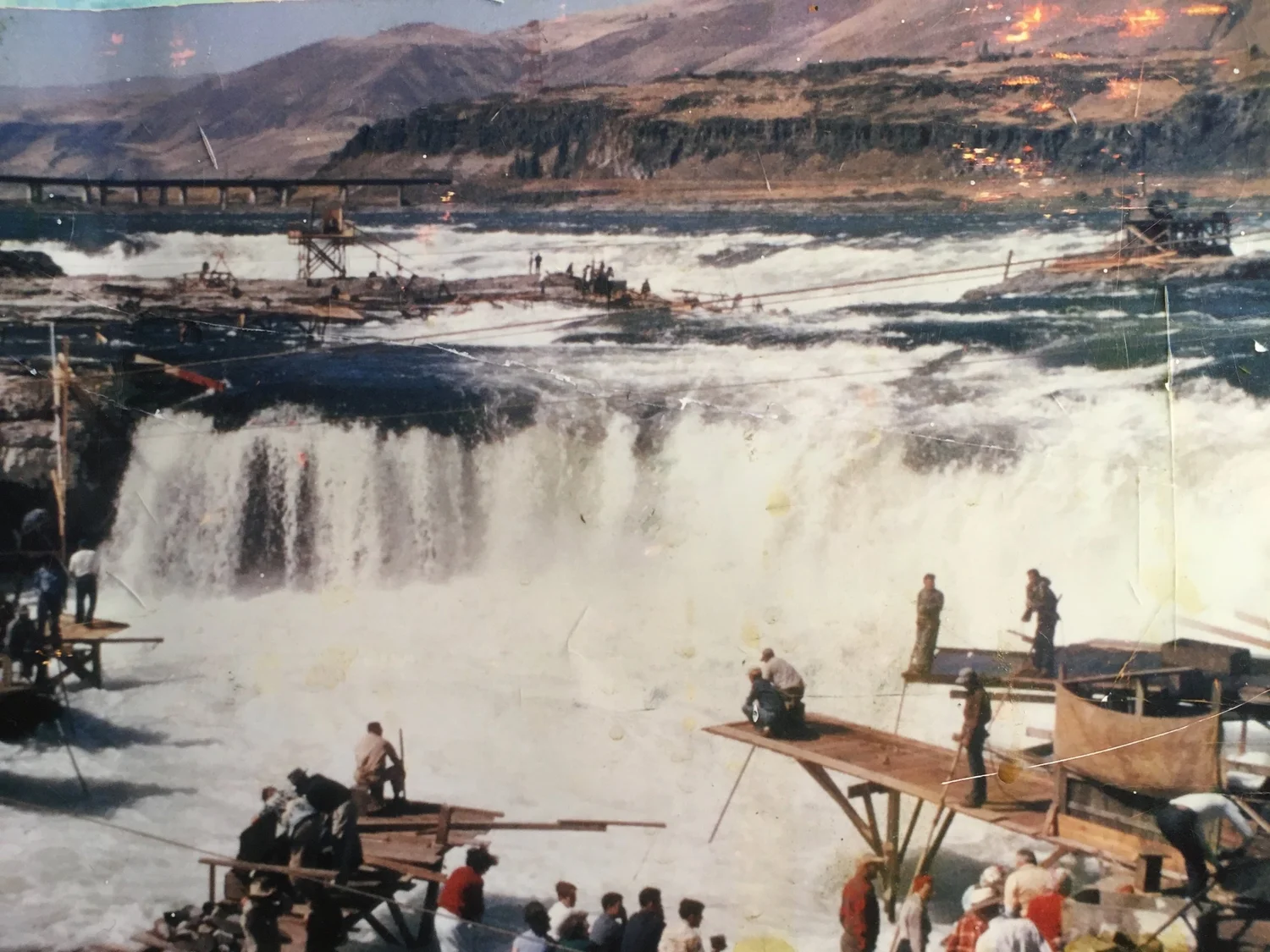
Going Upstream
Coyote, he was going upstream. Coyote is always going upstream. He was going along and he noticed the salmon were having some difficulty there. So he says. I'll build a fish ladder so that the salmon can go up river and feed my people.
Nez Perce return to the Wallowa
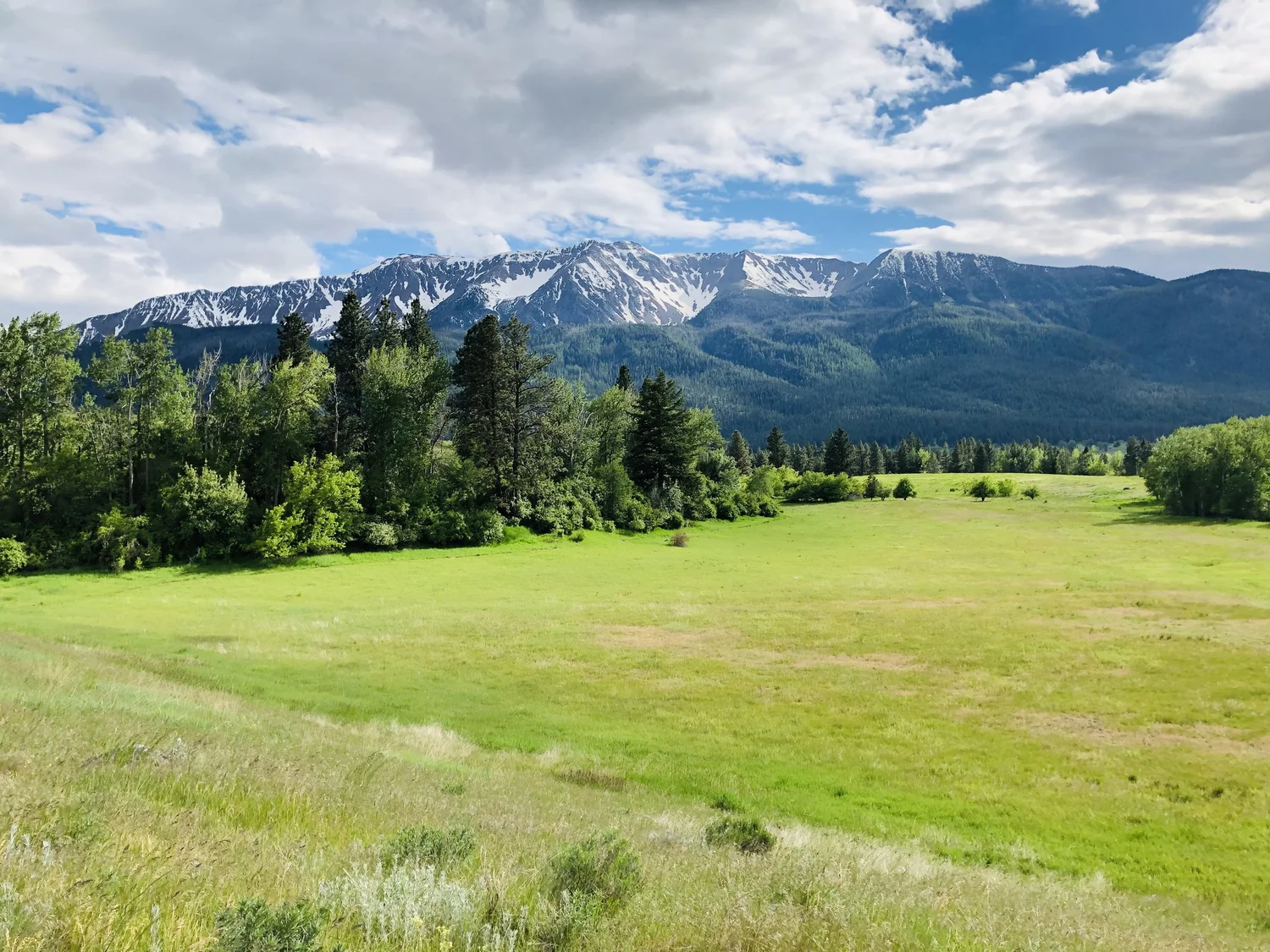
The longer I live in this stunning Wallowa-Snake River country, the more complicated the past becomes. The present too! Like the country at large, we are experiencing a Native Revival. Fire, fish, and reconciliation with the past are fueling a nation-wide “surge”—that’s Ojibwe writer David Treuer’s term—and the same is true here.
Nimi’ipuu History in the Wallowa
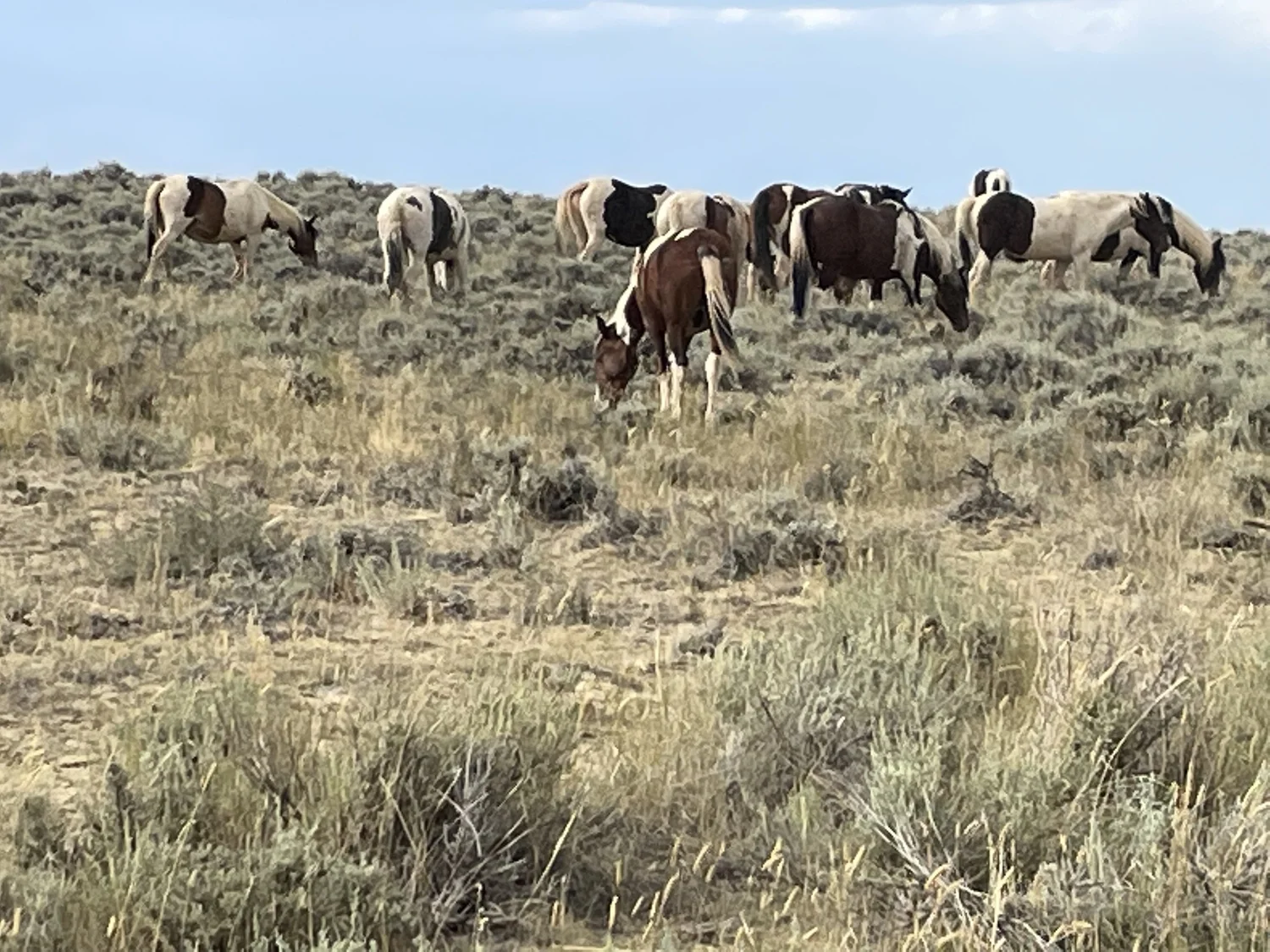
I first encountered the Nez Perce, or Nimi’ipuu, in 1989 when I walked through the doors of the unique, triangular shaped building of the Nez Perce National Historical Park, near Lapwai, Idaho. Their story was my introduction to Idaho’s native peoples and for the next 13 years, I worked on cultural projects with the Lapwai tribe, including producing features and documentaries for Spokane public radio.
Nez Perce Storytelling
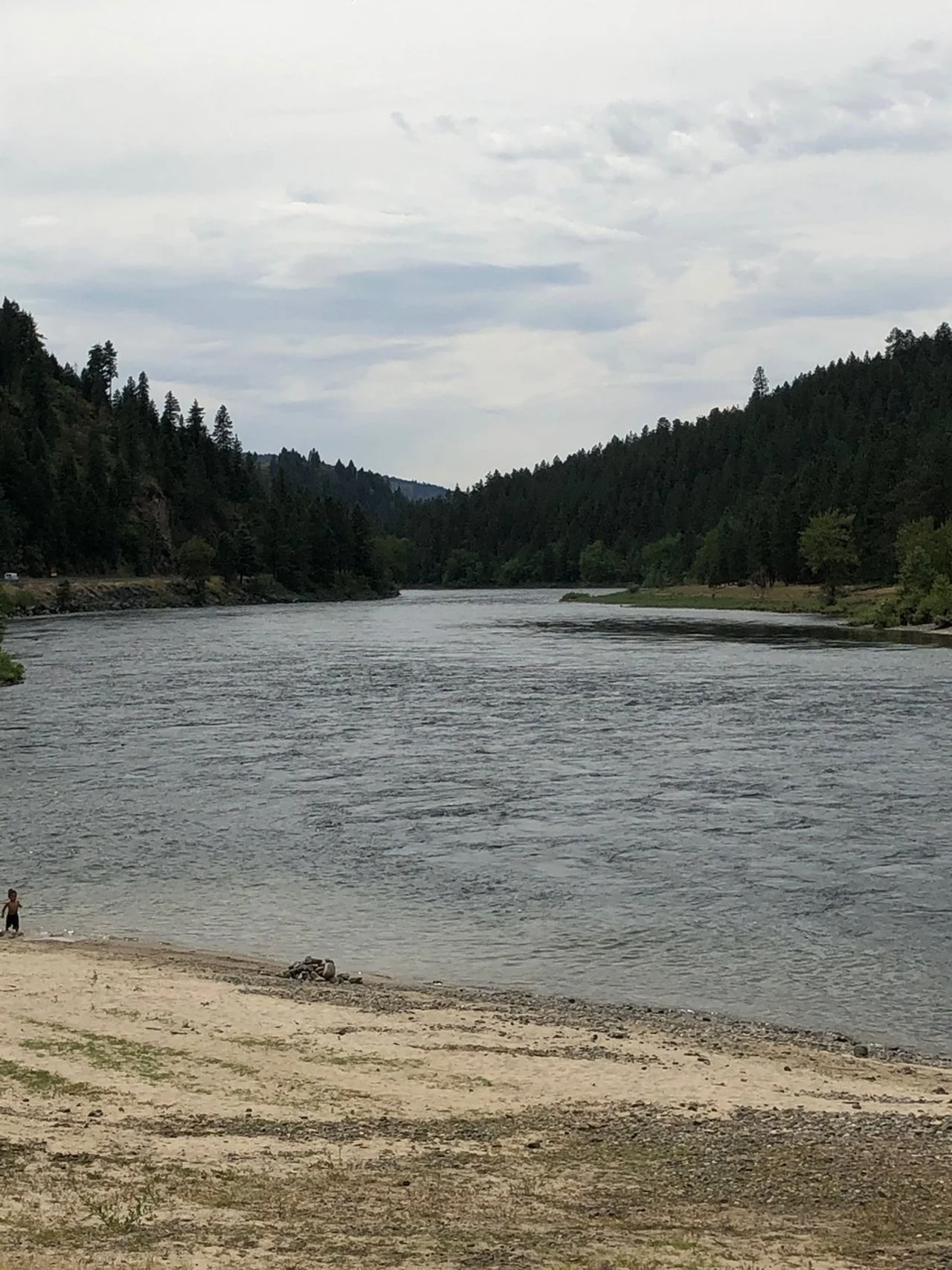
Hello, my name is Jeanette Weaskus and I’m an enrolled member of the Nez Perce Tribe of Idaho, or Nimiipuu. Today I’ll be talking about Nez Perce legends and how they relate to the tribal landscape. As a folklorist, I have gotten to know the mythologies of many cultures around the world and have learned how traditional stories function within those cultures. Specific cultural knowledge is conveyed to the listener who will remember it, thus learning from the stories.
Coyote Breaks the Fish Dam
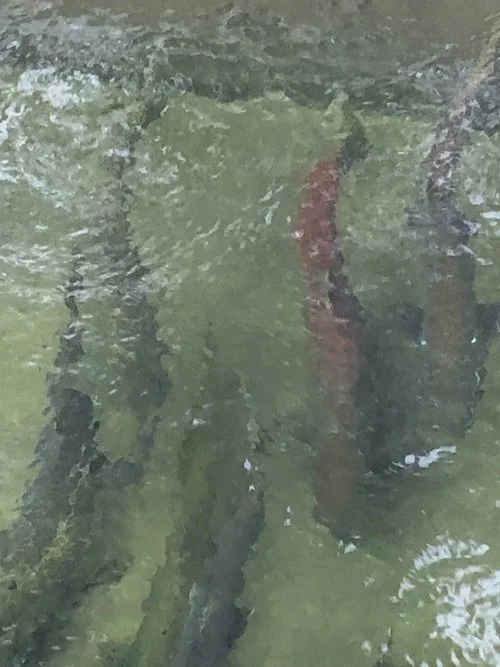
Hello, my name is Jeanette Weaskus and I am an enrolled member of the Nez Perce Tribe, or Nimi’ipuu. I used to work for the tribal radio station, KIYE and my show was called “Titwaatit Time” which means “Story Time.” This podcast for The Idaho Mythweaver’s Voices of the Wild Earth focuses on the natural world with topics about trees, wolves, and salmon, and its archive of Indigenous oral histories.
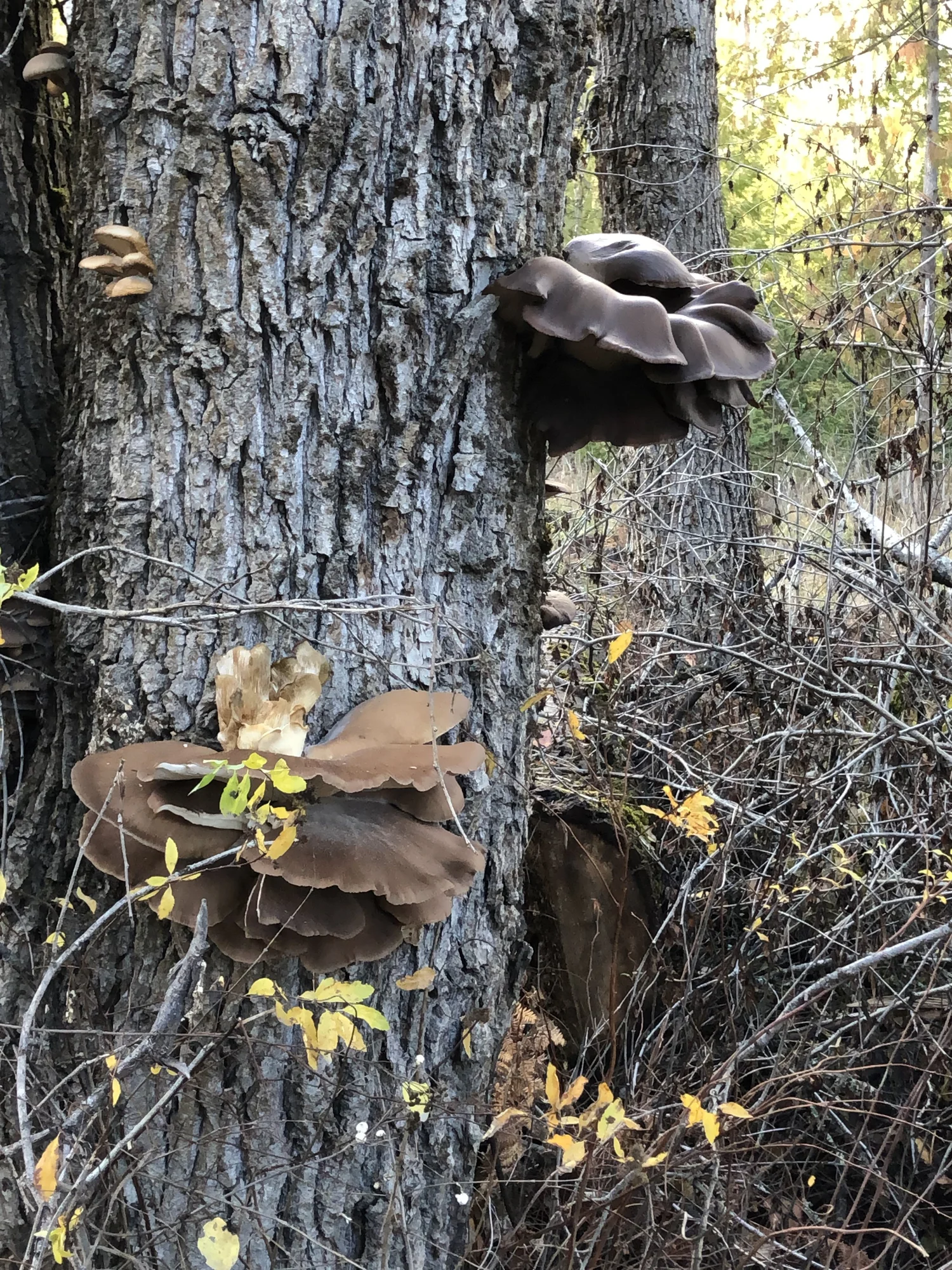
People and Trees part 2
I always notice trees, I've traveled a lot, I have taken so many different pictures of trees that really speak to me. There is a tree in Lisbon, Portugal, that was absolutely huge. The branches covered a whole plaza. When we were in Africa, on a safari, we came across this very, very old tree. And it was dying, but it was still standing; and I noticed how many colors were in it, so I took a picture of that and then came home and did my own rendition of that.
People and Trees part 1
When a woman was going to make a basket from a cedar tree, she would stand in front of that tree and pray to it. ‘You are a mighty tree. You have been shelter to us in the winter. You give us heat in the winter. You give us shade in the summer. You help us at all times. But now I am going to take some of your bark. I will need this bark to make a basket to carry my huckleberries. I ask your forgiveness. I will take only what I need, and I thank you.