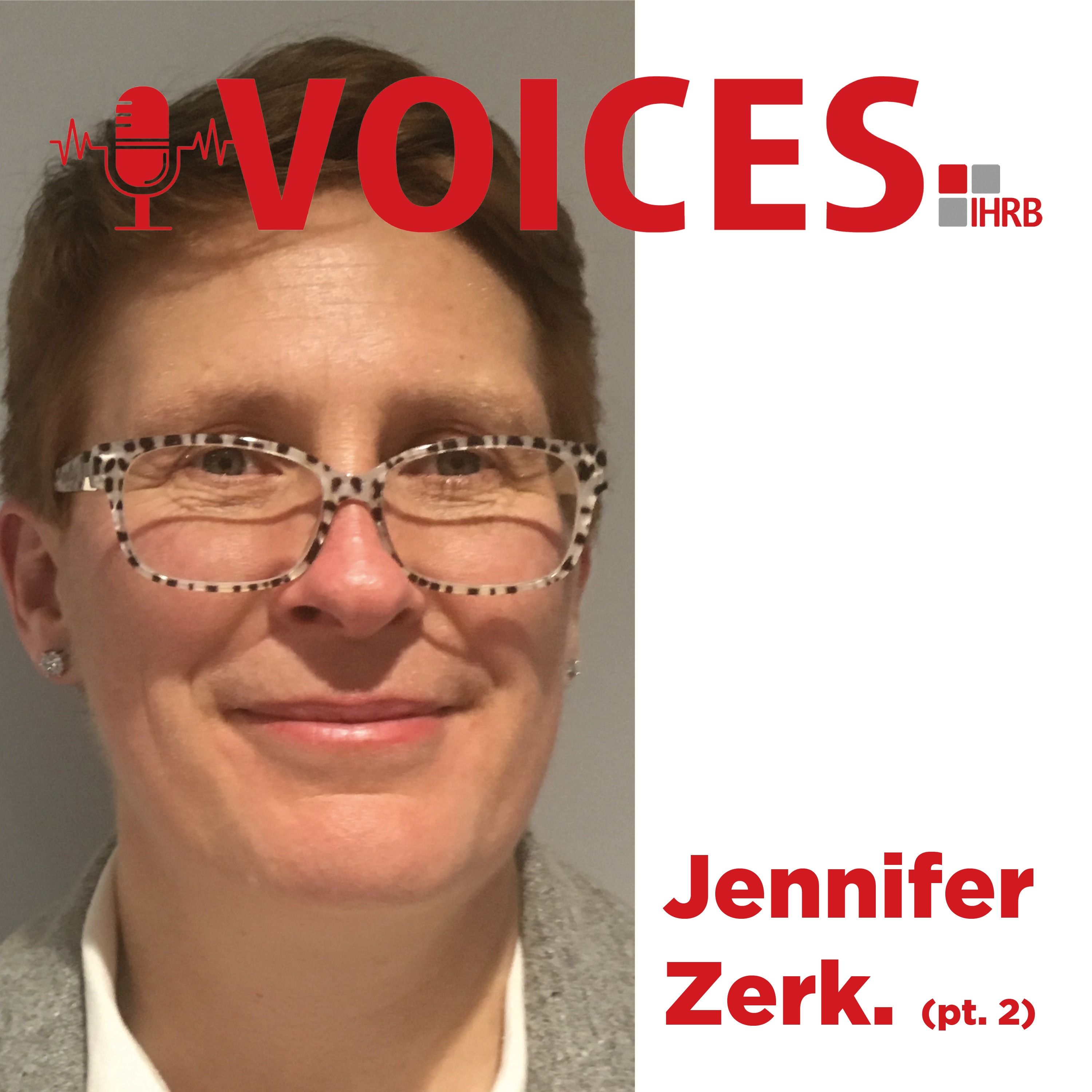
S06E03 (Pt 2) Jennifer Zerk on Human Rights Impacts Assessments of International Trade Agreements
The human rights impacts of trade can be both positive and negative. Governments want to understand them better, and companies committed to undertaking rigorous due diligence would want a clearer idea about how their activities affect the rights of workers and communities. Civil society organisations too want to know more about the effects of specific policy measures that increase - or reduce - trade between countries. However, human rights impact assessment of trade is an inexact science, because connecting a specific policy measure, or the activities of one company, with any specific impact - positive or negative - is not simple. In this podcast, human rights expert Jennifer Zerk speaks to IHRB's Salil Tripathi about the state of play in this field. She recently wrote a report for the Royal Institute for International Affairs, or Chatham House, the independent policy think tank in the UK, where she examines existing impact assessments, explores their capability and limitations, and proposes a way forward for practitioners. The podcast is in two parts. In Part 1 Jennifer and Salil discuss the key findings of the research, who should carry out human rights impact assessments - states or corporations, and when during the trade agreement negotiations they should be carried out. In this Part 2, they discuss whether any human rights impact assessments have influenced policy changes, who should pay for them, and what expertise is required.
Voices - Conversations on Business and Human Rights from Around the World · Salil Tripathi
Audio is streamed directly from the publisher (cdn.simplecast.com) as published in their RSS feed. Play Podcasts does not host this file. Rights-holders can request removal through the copyright & takedown page.
Show Notes
In this podcast, Jennifer Zerk talks to IHRB's Salil Tripathi about research she conducted for Chatham House on the benefits of including human rights impact assessments in international trade agreements. The podcast is in two parts.