Vikingology Podcast
64 episodes — Page 1 of 2
The Anatomy of a Raid
Denmark’s Viking Age Ring Fortresses
The Vikings in Francia
Treasures of the Vikings
Viking Logistics
The Saga of the Earls of Orkney
The Secret Code of the Vikings
Playing in the Halls of Asgard
For the love of Beowulf
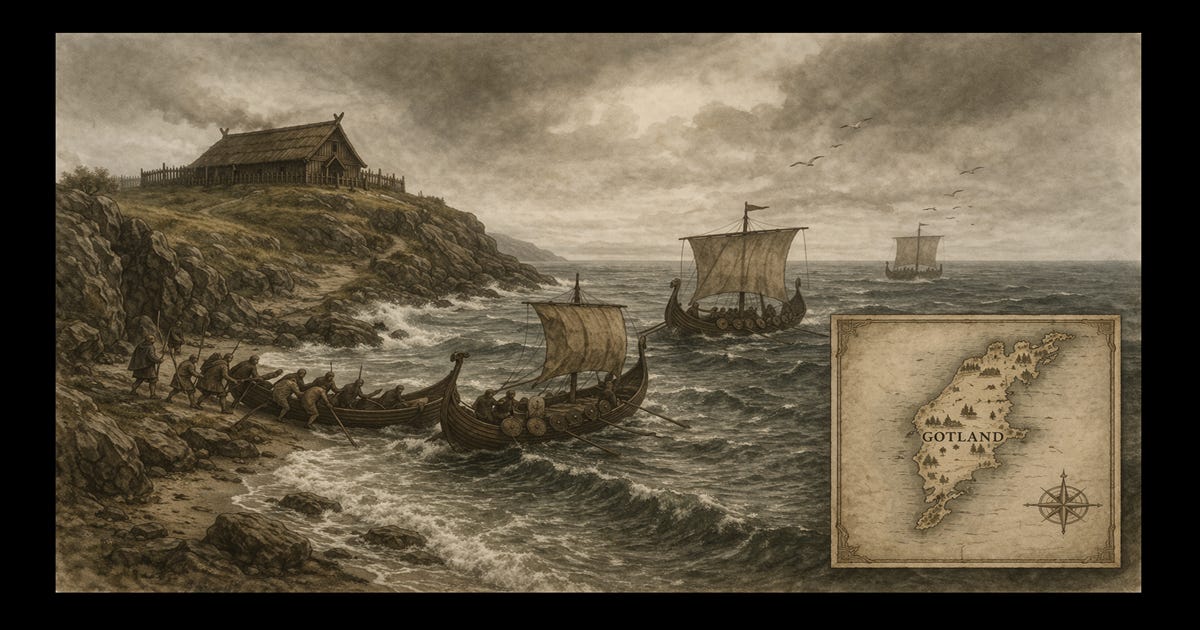
For centuries explorers have been searching for El Dorado, the famed ‘city of gold’. Ditto the lost city of Atlantis. Many long believed the historical city of Troy was not real until archaeologist Heinrich Schliemann proved them wrong. And now we have Hans Wanneby and Rikard Evertsson who also hope to prove the unbelievers wrong by finding the home of Beowulf, the famed warrior protagonist of the medieval poem by the same name. They believe not only was Beowulf real, but his home was on the island of Gotland just off the east coast of Sweden, and they’ve written a book about it: Home of Beowulf, just published in late 2025.We sat down with Hans and Rikard to find out about their research and decided to invite friend of the show Rowdy Geirsson along for the ride, since he too is interested in this quest and has written about the Beowulf mystery more than once, including on his own website and recently on Medievalists.net.Whether you believe the poem is a fictional account or true history, you’ll be intrigued by Hans and Rikard’s findings and dedication to finding more. We learned some interesting things about Gotland and its important role during the Migration Period and Viking Age. And a special shout out to our friend Octavia — the unofficial ambassador of Gotland — for putting us in touch! After you watch this episode, revisit our chat with her. If by the end you’re not (a) a Beowulf believer and (b) booking a flight and ferry to Gotland, then we fear you are beyond help!Skál!Vikingology Podcast is reader-supported. To support us and keep the good stuff coming, please consider becoming a paid subscriber. Get full access to Vikingology Podcast at vikingology.substack.com/subscribe
A milestone episode with Jackson Crawford
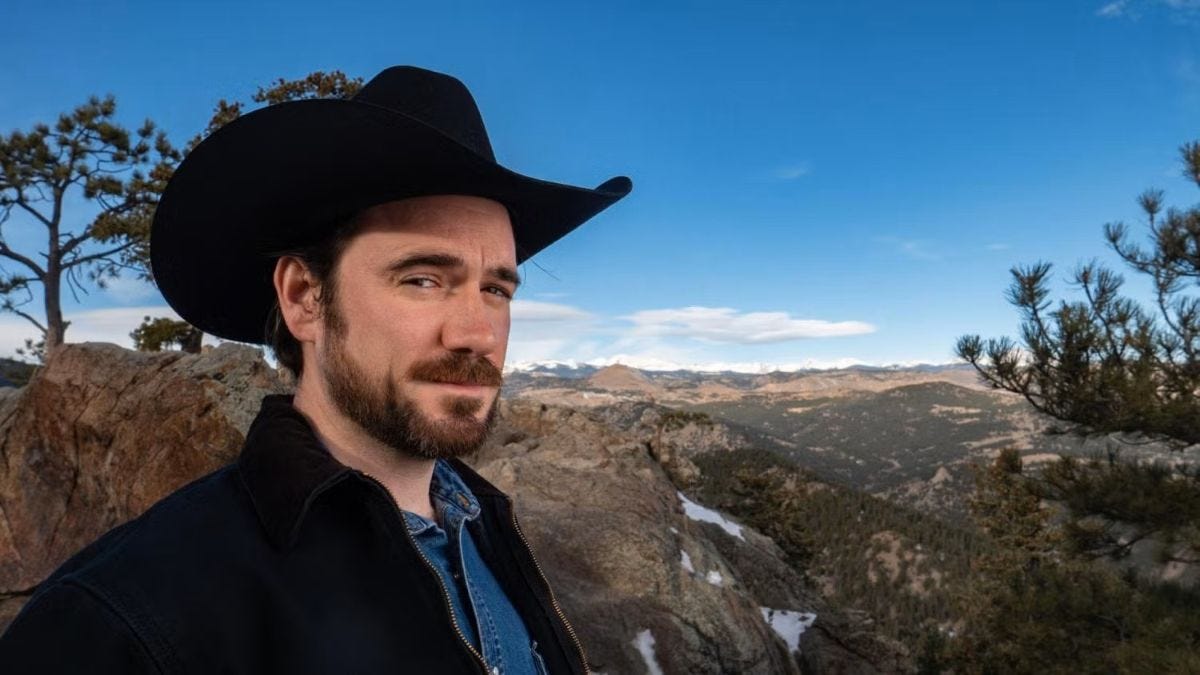
It’s our 60th episode! And what better way to spend our Diamond Jubilee than a long-awaited chat with Old Norse scholar Dr. Jackson Crawford?Many of you will be familiar with him through his immensely popular YouTube channel, where you can experience the intersection of cowboy cool and the vikings. He has produced hundreds of videos about Old Norse, history, and the literature of the Viking Age, much of it set in a wild west backdrop. He has also done saga and poem translations, including The Poetic Edda, The Saga of the Volsungs, and Hávamál, and is currently working on a translation of The Prose Edda.We chatted with him about a lot of things, as we tend to do, but we started with the word ‘viking’ and its linguistic origins in the Old Norse words viking and víkingr. Did actual vikings use that word to describe themselves? Did it mean the same to them as it does to us? Was it seen as a good thing to be a viking? Was it a full-time profession, or were they just seasonal violence workers?Watch or listen for the answers to all of that and more!Takk fyrir Jackson for spending some time with us. It was well worth the wait!Vikingology is reader-supported. To support what we do, please consider becoming a paid subscriber. Get full access to Vikingology Podcast at vikingology.substack.com/subscribe
Myth and belief in the Viking Age and beyond
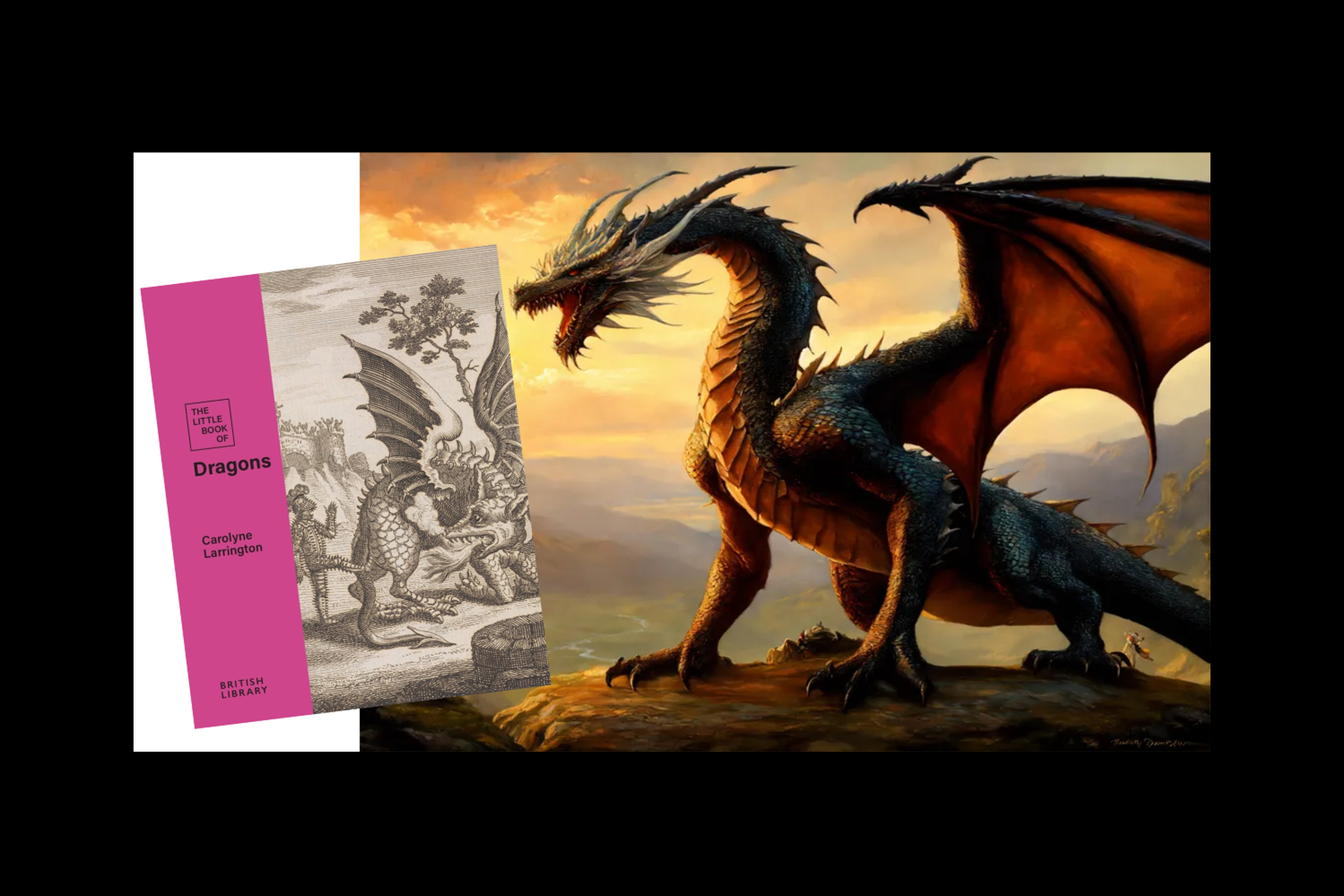
We were honored to finally chat with Carolyne Larrington, Professor and Emeritus Research Fellow of Old English and Old Norse literature at St. John’s College, Oxford. She is one of the world’s foremost experts on mythology with many many books and publications, including her most recent books The Little Book of Trolls and The Little Book of Dragons. She has also done a translation of The Poetic Edda.Since we are both historians, and C.J. is an historical fiction author to boot, we are hardwired for creating narratives about the past and storytelling in general, so we were delighted to get a chance to talk with Prof. Larrington about what stories and myths mean to us humans as a species. This took us not only to the Viking Age and Norse myths, but much farther afield into the realms of religion, modern medievalism, and the human condition in general.This was a fun and enlightening chat. We could have talked for hours! Thank you Carolyne. We hope you will visit us again in the future!Skál!Thank you to all who watch or listen to us! To further support our work, please consider becoming a paid subscriber. Get full access to Vikingology Podcast at vikingology.substack.com/subscribe
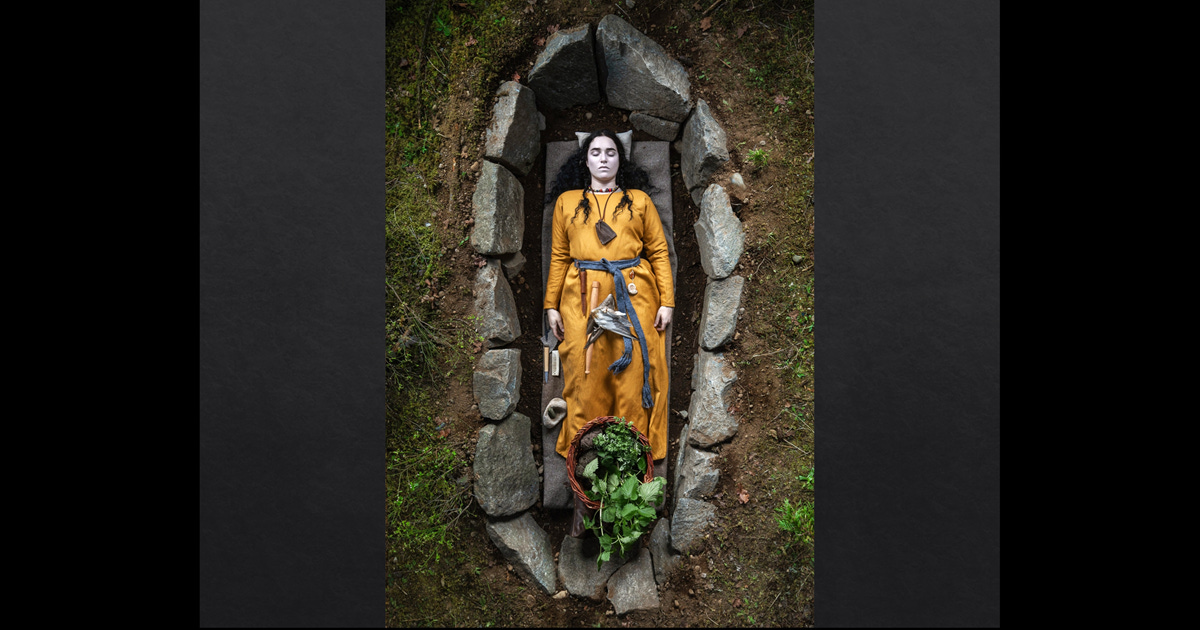
The Art of Viking Death
This time we are excited to welcome back to the show experimental archaeologists and living history experts Kevin Alexandrowicz and Devon Rawlings of Regia Anglorum and Jarnborg Vikings. They have collaborated on a new book project that brings Viking Age death to life in a stunningly visual and visceral way. Painstakingly staged and photographed, and based on the archaeology of actual burial sites, the graves Kevin, Devon, and their team created give us a glimpse into how the Norse prepared the dead for the next life. You’ll definitely want to watch instead of listen to see some of their amazing photographs as they explain the history and interpretation behind them. Published by Hyldyr in Washington State, which has also brought to life other Norse themes such as the poems Völuspá and Hávamál, the Fuþark runic alphabets, and the Galdrabók, this new book promises to change the way we visualize death and burial in the Viking Age. It even includes introductions by friends of the show archaeologists Leszek Gardeła and Giorgia Sottotetti! If you want to see an intriguing new way to engage with the Viking Age past, please buy the book! You’ll be supporting history, archaeology, artists, and publishers all at the same time.Thanks so much Kevin and Devon for sharing your knowledge and artistry. Can’t wait to see what you do next!Skál!Thanks for reading! This post is public so feel free to share it. And it you like what we do, please consider becoming a paid subscriber. Get full access to Vikingology Podcast at vikingology.substack.com/subscribe
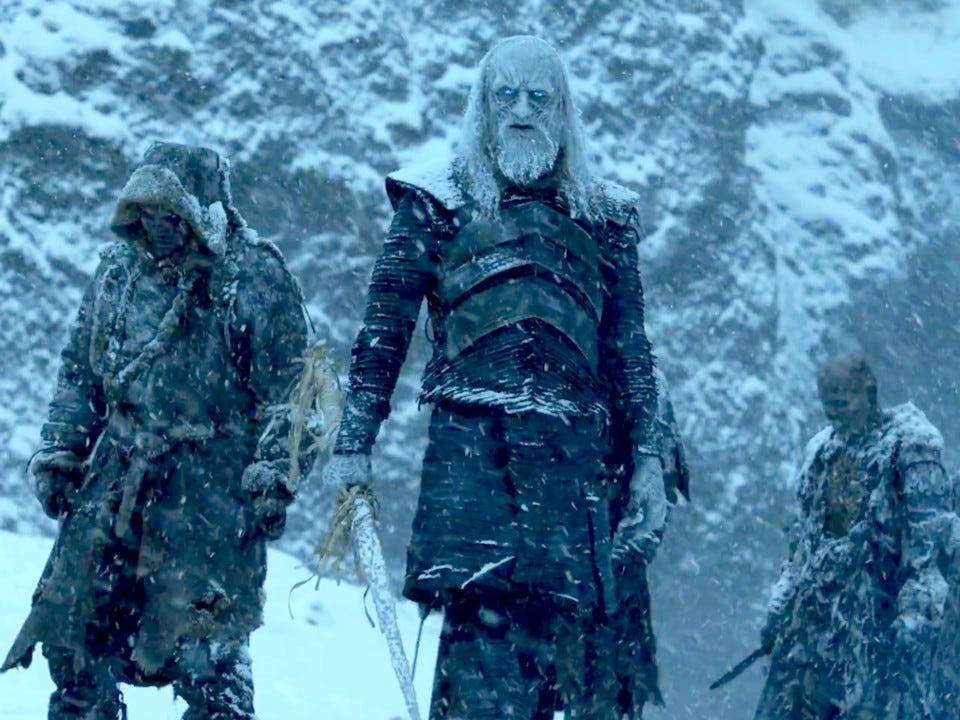
Viking Ghost Stories
The Norse during the Viking Age inhabited a world that was both utterly foreign to us and yet humanly familiar. Like us, they believed in ghosts. But maybe unlike us they believed in revenants and other supernatural creatures of all kinds. It seems their world was pretty porous when it came to the line between the living and the dead.In this episode we chatted with Irina Manea, a scholar of Norse myth and the saga literature, to get a sense of the viking mind regarding death and the afterlife. How did they deal with dead bodies? Where did they believe people went after death? Were ghosts and revenants welcomed or shunned? Were the dead scary or benevolent? Did they take steps to protect against them? And how much did the Christianization of Viking Age Scandinavia change those beliefs?It’s a fascinating topic that we hadn’t delved into much on the show. We learned a lot, including the fact that maybe an important way to keep bad spirits away is to cover your anus. To be safe, you’d better watch or listen and find out why :)Thanks Irina! We must do it again soon.You can find Irina on her Shield of Skuld newsletter right here on Substack. Do check it out. Lots of great viking content there.Skál Get full access to Vikingology Podcast at vikingology.substack.com/subscribe
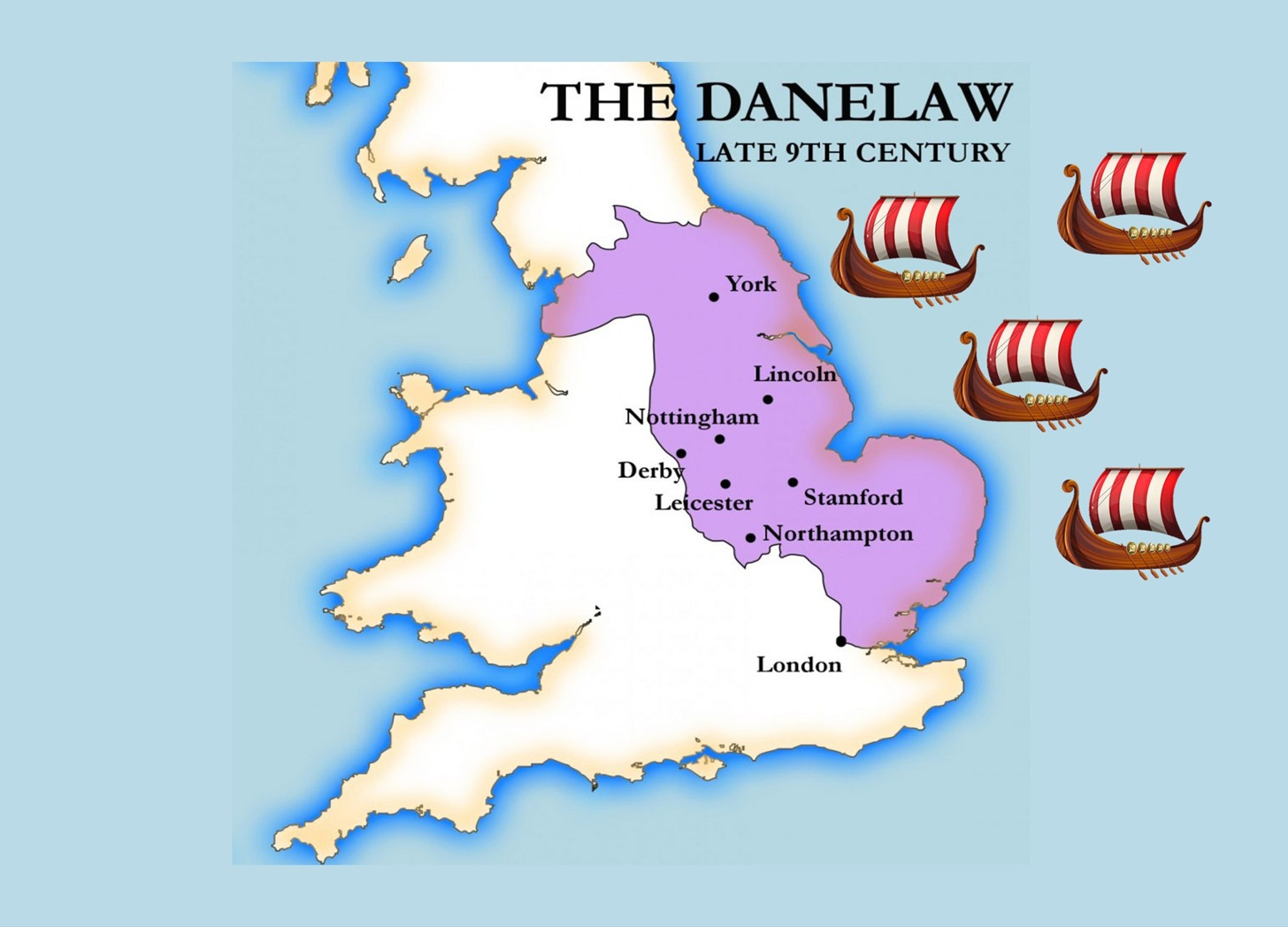
Viking Law and Order: English Edition
Historians and archaeologists who study the vikings are constantly grappling with the question of the amount and level of influence they had on the various parts of the world they ventured into. In this episode we add legal customs to the mix with Dr. Jake Stattel, a legal historian and postdoc research fellow at Cambridge University's Department of Anglo-Saxon, Norse & Celtic, who is looking into this very thing — pun intended :)We talked about how legal institutions in England were changing dramatically from AD 900 to 1200 due in part to internal political developments but also to the incursion of the vikings who not only raided and traded but eventually settled there, creating a new hybrid culture based on traditional Scandinavian legal systems, in an area that came to be known as the Danelaw.Want to know the difference between customary and common law, how a person would know which laws they needed to obey when living in a hybrid world, and what happened to 13-year old thieves? Jake’s got you covered.His article Legal culture in the Danelaw: a study of III Æthelred has won several awards for its novel approach to this subject, so if you’re interested in a deeper dive, do check it out.Thanks Jake for a really interesting chat that got our wheels turning!Vikingology is reader-supported. Thanks for watching and listening! To support our work, please consider becoming a paid subscriber. Get full access to Vikingology Podcast at vikingology.substack.com/subscribe
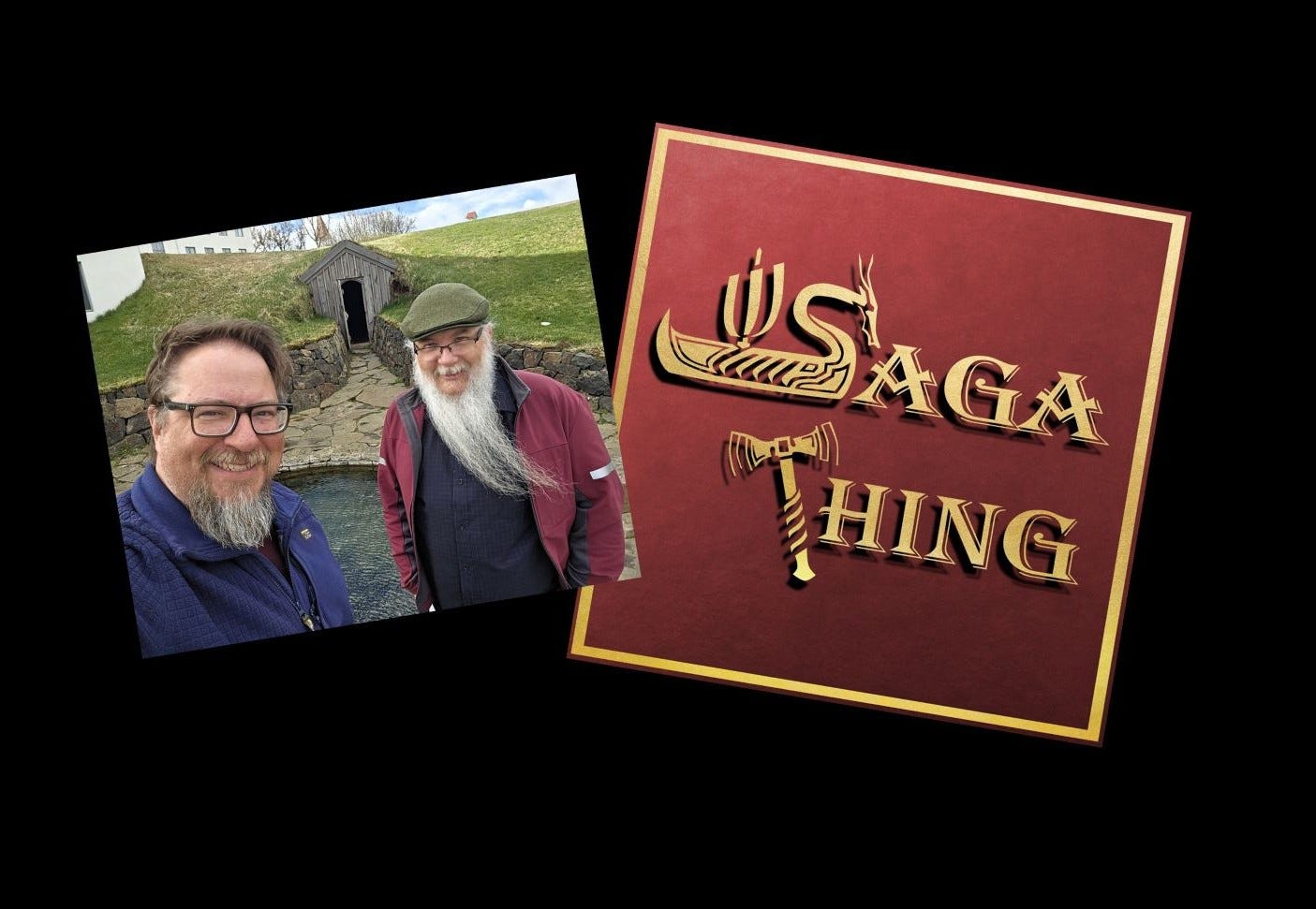
It's a Saga Thing!
Four podcast hosts geeking out on the Viking Age. What could be better, right?We finally got our chance to sit down with John Sexton and Andy Pfrenger, Medieval Studies scholars who found they shared a love of the Icelandic sagas and started a podcast about it. They’ve been at it for over a decade now, bringing in-depth readings and discussion of the sagas — those tales about people living on a harsh little island in the North Atlantic during the Viking Age — which are chock full of utterly human situations and emotions that are still relatable all these centuries later. And sometimes they even put them on trial.But oddly enough, we started the conversation by talking about Beowulf and what it means to be killed in the Vikingverse. Go figure. John and Andy are leading a saga tour of Iceland in April 2026. If you are interested in tagging along, check out their website Saga Thing Tours. Space is limited so sign up early!And don’t forget to listen to their podcast. You’ll get a deep dive into the saga literature and occasionally hear an interview with top scholars and general viking enthusiasts as well. All great stuff.Thanks John and Andy! We hope we get to do it again. Skál!Vikingology is reader-supported. Please consider becoming a paid subscriber so we can continue bringing you great guests like John and Andy. Get full access to Vikingology Podcast at vikingology.substack.com/subscribe
Catching up with Clare
This time we welcome friend of the show Professor Clare Downham of the University of Liverpool back to the show for an unprecedented THIRD time. We always have so much fun chatting with her that we can’t seem to stop! Clare is one of the world’s foremost scholars on vikings, particularly vikings in Ireland and England, and this time she talked to us about the new compilation of primary sources she’s just completed that will be published by Penguin Classics next year. But that wasn’t all.As we historians tend to do, we wandered into philosophical questions about the human condition which transcends time. It seems vikings were so very different from us and not so very different at the same time.We hope you enjoy it as much as we did. It’s your opportunity to eavesdrop on what historians talk about when they talk like no one is listening.Skál!Vikingology is reader-supported. To make sure the fun doesn’t end, please consider becoming paid subscriber. Get full access to Vikingology Podcast at vikingology.substack.com/subscribe
A Norse is a Norse, of course. Or is it?
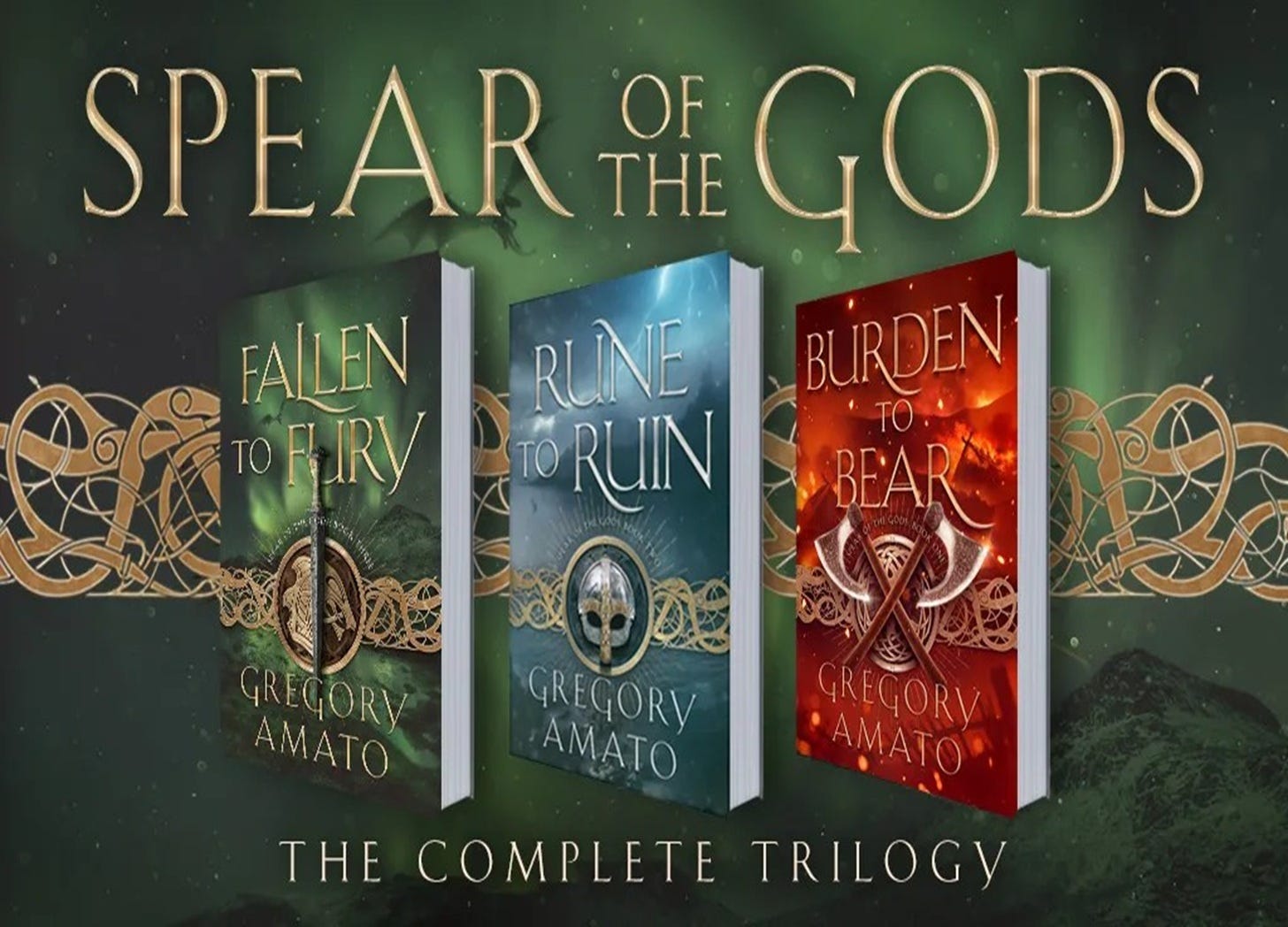
Imagine a past much like our own, only the myths and sagas of Norse legend are all true. Vikings roam the northern seas in search of plunder while skalds compose poetry about great adventures. Sorcerers manipulate unseen spirits and runes to cast powerful spells. Dragons and undead draugar hoard gold and other great treasures. Dwarves forge magic swords, change shape, and brew incredible mead and ale.And Odin is a massive a*****e.If any of that seems intriguing to you, well, it did to us too! So we decided to talk with author Gregory Amato who wrote that bit describing his books of fantasy fiction set in the Viking Age, most recently through his series Spear of the Gods. We talked about what drew him to this genre and how his two lives as a former FBI intelligence analyst and now author collide in his work.In addition to telling good stories and immersing his readers in another world, Gregory also hopes his work can help people to better understand Norse magic, myth, and people on their own terms, rather than through those more nefarious uses which abound in various corners of our world. This was an interesting and, at times, deep conversation about not only writing but engaging with the past responsibly in general. We hope you enjoy it as much as we did.Thanks Gregory! C.J. is looking forward to reading your signed copies ;)For more information, head to Gregory’s website where a free surprise awaits you! You can also find his other musings on his Substack.And you can buy his books here.Vikingology is reader-supported. Please consider becoming a paid subscriber so we can keep on truckin’. Get full access to Vikingology Podcast at vikingology.substack.com/subscribe
Of shieldmaidens and stories...
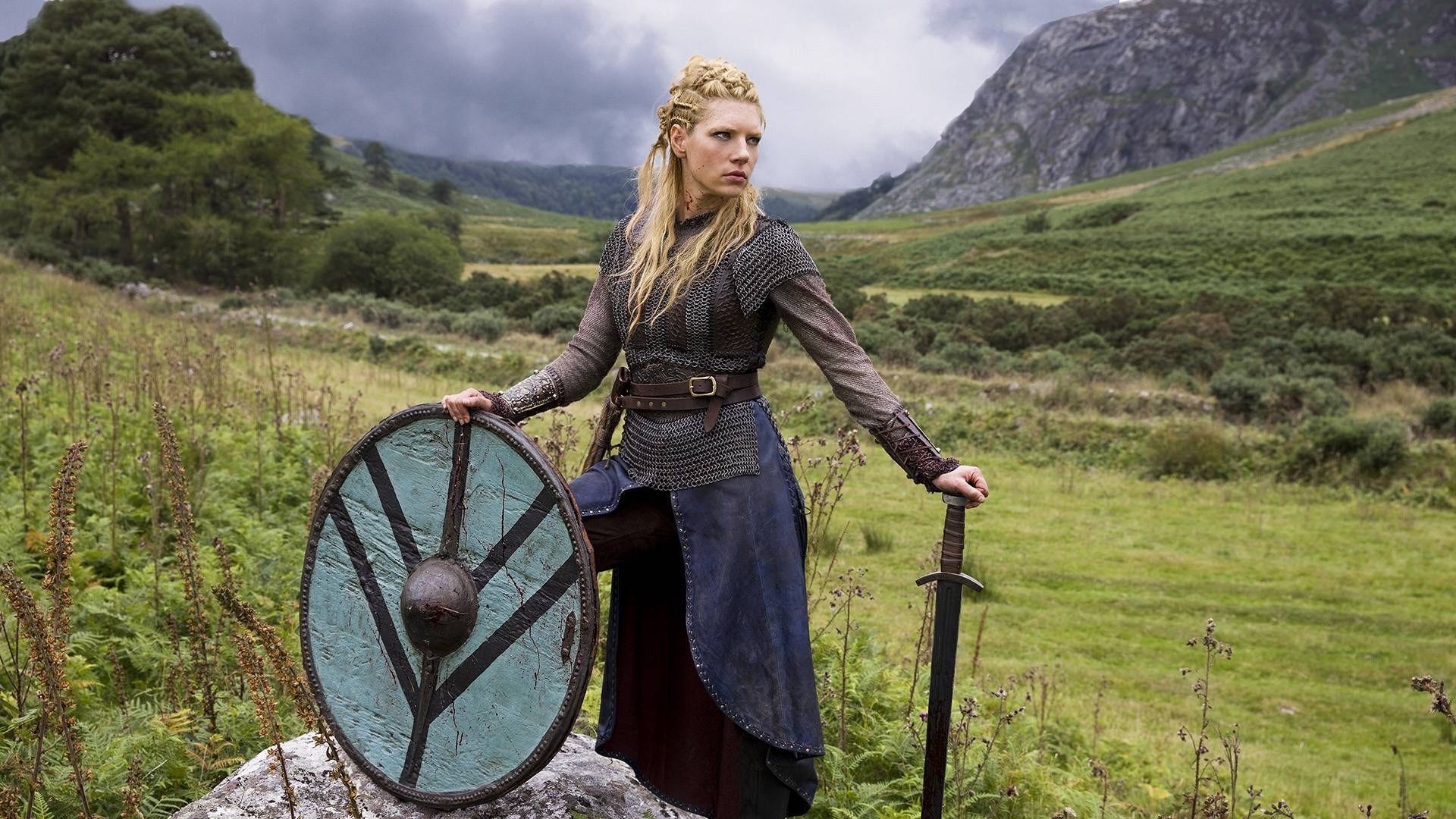
This time on the podcast the authors outnumbered the historians. We got a fun glimpse into the world of historical fiction writing set in the Viking Age from authors Johanna Wittenberg and K.S. Barton. Johanna writes the Norse Women series. K.S. is author of the Norse Family Saga trilogy. And that’s not all! They also co-host the podcast Shieldmaidens: Women of the Norse World where they discuss what it meant to be a woman in the Viking Age. With a mix of history, writing, and podcasting, they are our kind of people!We talked to them about why they chose the Viking Age as the backdrop for their stories, the art of writing and what it takes to appeal to readers of historical fiction, and what role AI may play in changing the writing game. And we also waded into the murky waters of women warriors. Did shieldmaidens exist? Watch or listen and find out!Thank you Johanna and K.S.! We had a great time.You can learn more about their work on their websites:johannawittenberg.com and ksbarton.com. Vikingology is reader-supported. Please consider becoming a paid subscriber to keep the content coming. Get full access to Vikingology Podcast at vikingology.substack.com/subscribe

"Valkyrie" sets sail!
It’s our 50th episode! A giant thanks to all of you who have listened, watched, and supported us in our little viking endeavor. We have a real treat that we’ve saved up special for the occasion — our long-awaited chat with Erik Knudsen, captain of the replica viking ship “Valkyrie”.In our three years of doing Vikingology Podcast, we have talked surprisingly little about viking ships, which seems kinda weird since they are one of the most iconic images of the Viking Age. But thanks to Erik, his dad David, and their shipwright Jay Smith of Aspøya Boats in Washington State who have recreated a 56-foot long replica inspired by a Skuldelev ship from the Viking Age in Denmark, we finally get to dive into some of the nitty gritty details of how those magnificent works of art and craft were created. We learned about building techniques and materials, what it feels like to sail a viking ship, why they were different than other boats of the time, and what it means to have a special, perhaps emotional, connection to such a vessel. If you’re used to listening to us, you’ll definitely want to watch our interview this time to see the cool images that we discuss.If you want to check out “Valkyrie” in person, you are in luck! Erik and his crew have been approved by the U.S. Coast Guard to take people out in her, so you can experience what it meant to be a viking for yourself (minus the raiding and pillaging, of course). Head to their website, Northwest Viking Ship, for more information and to book a tour. They are also hiring, so if you want a job as a viking, now is your opportunity!Tusend tak Erik! It was a real pleasure. Fair winds and following seas!Vikingology is reader-supported. Please consider becoming a paid subscriber to keep the magic coming. Get full access to Vikingology Podcast at vikingology.substack.com/subscribe
Meet the Normans
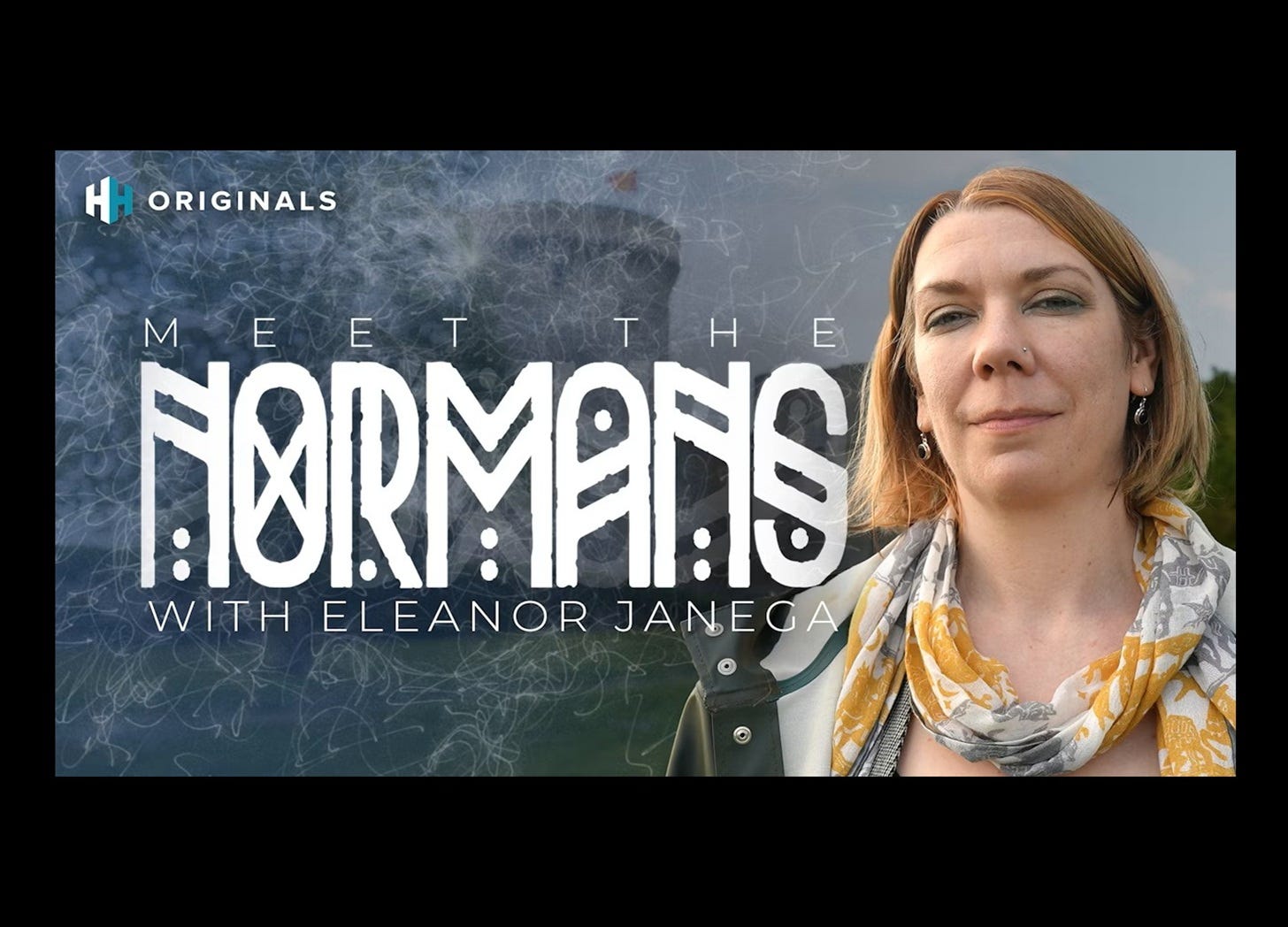
Terri and C.J. are finally back together again!After a summer hiatus so that C.J. could move to France, we reunite for a very special chat with medievalist historian and fellow American Pacific Northwesterner Eleanor Janega. Some of you might recognize her from her incredibly popular History Hit TV series that she’s done on everything from the history of body modification to the plague, King Arthur, the medieval afterlife, and more.But we wanted to talk to her about her latest series about vikings named Norman.Well, actually the ones named “Rollo the Walker” and “William the B*****d” whose viking opportunism and medieval badassery gave us the area in France that we still call Normandy to this day because of them. We find out how and why a viking chieftain could create a dynasty that would change the history of a French region and the entirety of England forever. And why those Normans are the tech bros of the Viking Age.Thanks so much Eleanor! You are great fun and we look forward to chatting again soon.You can find out more about Eleanor’s work, including her books THE ONCE AND FUTURE SEX: Going Medieval on Women’s Roles in Society and The Middle Ages: A Graphic History on her website.You can also check out Eleanor on her two podcasts: Gone Medieval and We’re Not So Different.Vikingology is reader-supported. Please consider becoming a paid subscriber to keep the magic coming. Get full access to Vikingology Podcast at vikingology.substack.com/subscribe
The Headless Norsemen
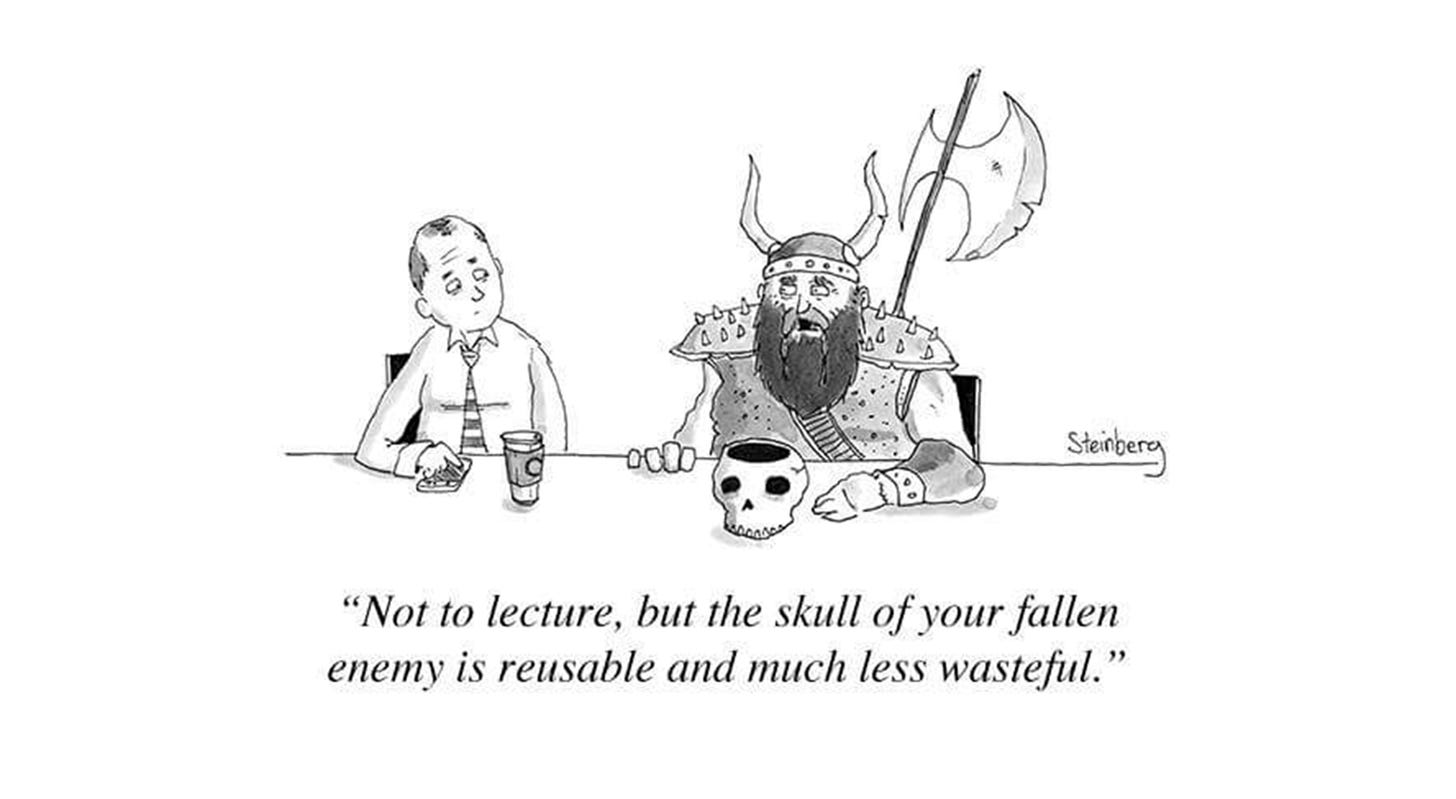
Oh, the tropes and stereotypes we have to endure as historians and enthusiasts of the Viking Age. From horned helmets to shieldmaidens, there’s lots about the period that is either false or shrouded in mystery, yet it endures in our popular imagination.But hang on to your heads, kids! In a new article, archaeologist and associate professor Martin Rundkvist is shedding light on another trope you may have heard about — vikings doing strange things with skulls. Did vikings really drink from the skulls of their dead enemies? Probably not, but did they do other stuff with them? According to Martin’s research the answer is a definite yes. But why? And whose skulls were they?In this episode we talked with him about his study of 34 skulls in Sweden and Denmark. The conclusions may seem shocking, but the Norse were far from alone in human history in what they did with those skulls. Watch the episode and then check out the article yourself here. You can also find some of his other work on his academia page. It’s super interesting stuff.Tack Martin! What a fascinating chat! We look forward to it again so we can hear about your adventures in Gotland.Vikingology is reader-supported. If you like what we do, please consider becoming a paid subscriber. Get full access to Vikingology Podcast at vikingology.substack.com/subscribe
Vikings in Cornwall?
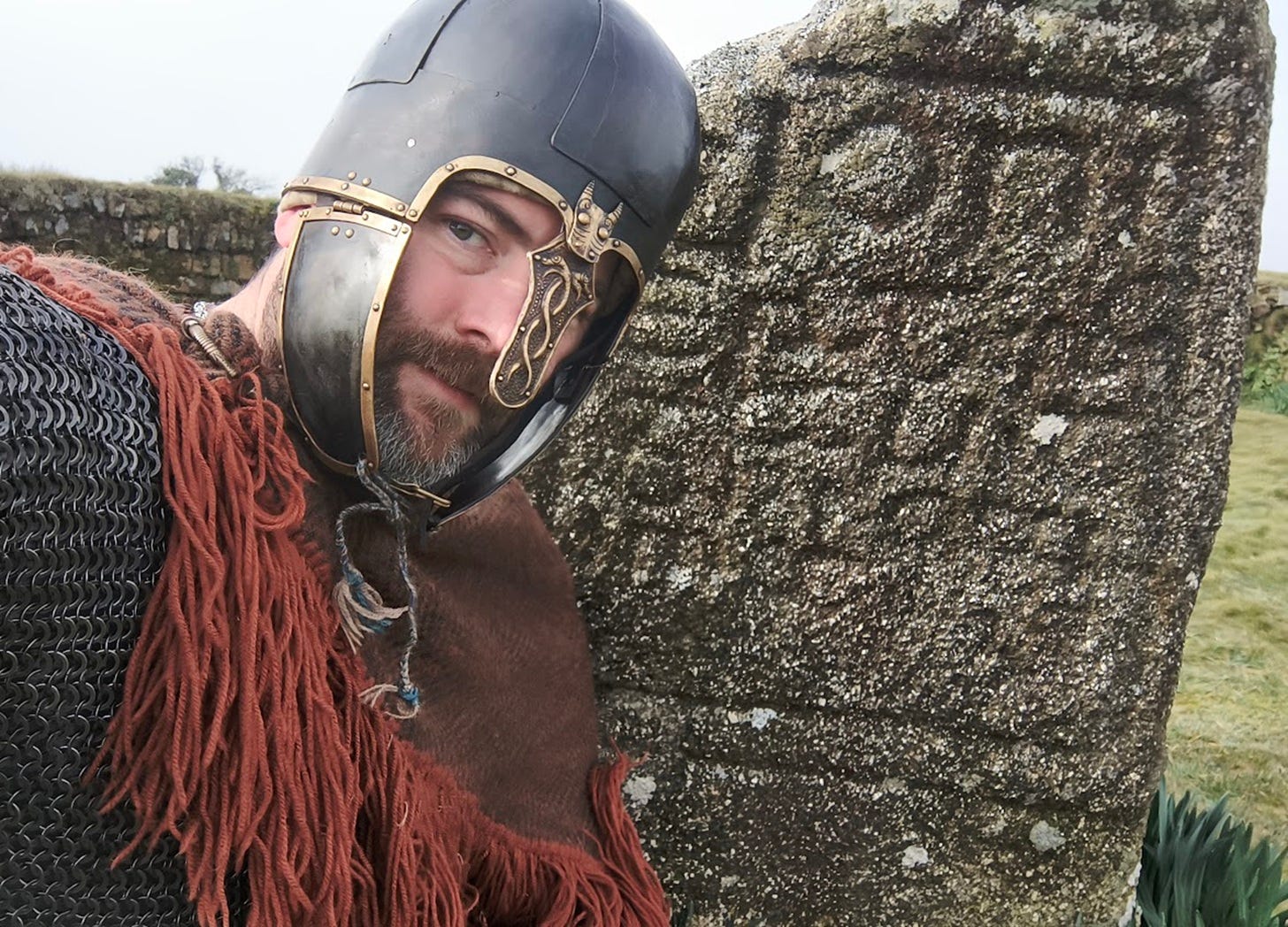
Here at Vikingology we spend what we often think is an outsized amount of time focusing on viking activity on the eastern shores of England. From the raid on Lindisfarne monastery in 793 — the so-called start of the Viking Age — and into the creation of the Danelaw, to the Battle of Stamford Bridge in 1066, it seems all the action in the British Isles was in the east.But in today’s episode, we had the pleasure of speaking with historian John Fletcher who told us about the importance of Cornwall in the viking story, in the southwest of England. He specializes in that part of Britain during the early medieval period and in 2023 published The Western Kingdom: The Birth of Cornwall. He is currently researching the impact of viking and Scandinavian activity there from the 9th to 11th centuries. It appears that while our eyes have been on the east, just like the vikings, Cornwall sort of snuck up on us.From being the “true” heirs of the Roman Empire in the North, to tin mining, King Arthur, lots of Catholic saints, and being a sandbox for vikings to hone their skills, suffice it to say there’s lots more to Cornwall than meets the eye. To check it all out, watch the podcast and then buy John’s book!You can also find John on Facebook and Instagram @authorjohnfletcherThanks so much John! We look forward to chatting again. 'Eghes da!This Substack is reader-supported. Please consider becoming a paid subscriber to help us keep the good stuff coming. Get full access to Vikingology Podcast at vikingology.substack.com/subscribe

Norse Mythology for Smaht People
This time on the podcast we laughed a lot with Rowdy Geirsson, the author of several books and articles based in the Viking Age, both its history and mythology. Like us, Rowdy is an American who has a passion for the Norse — he even spoke to us from Sweden where he is soaking up local viking history for the month.So, what do Boston, Snorri Sturluson, warriors, Leif Eriksson, Óðin’s bird poop of wisdom, and getting sucked into black holes in the Vikingverse have in common? Watch the interview and find out!You can follow Rowdy and his work on his website Scandinavian Aggression, and also on Instagram @rowdygeirsson. His writing on Norse culture and history has appeared in many places from Scandinavian Review to McSweeney’s. You’ll basically find him wherever vikings and humor collide. And for Óðin’s sake, buy his books!Thanks Rowdy! We hope we can do it again.Skál!Thanks for reading! To support our work, please consider becoming a paid subscriber. Get full access to Vikingology Podcast at vikingology.substack.com/subscribe

Law & Order: Viking Edition
Everyone knows that Viking Age Scandinavia was a barbaric and lawless place, right? With all that stealing, killing, property destruction, and selling of people into slavery, who else could get away with all that mayhem if not people with a complete disregard for law and order? Well, if that’s your view of the viking world, we’ve got news for you. In this episode we chat with Professor and Dr. Alexandra Sanmark of the University of the Highlands and Islands in Scotland, an expert in all things legal and judicial in Viking Age society. Turns out, those Scandinavians knew a thing or two about crime and punishment and took it very seriously. The result was an intricate set of laws, courts, and procedures that were part of Germanic custom going all the way back to the Roman era. We talked to her about various legal policies and procedures, what our sources are for them, and where those public assemblies took place. We also discussed the legal parity that the Viking Age is famous for in our modern imaginations. The reality may surprise you.Her book Viking Law and Order: Places and Rituals of Assembly in the Medieval North spells out the complex nature of Norse systems at a time when laws were not written down but performed and remembered visually and orally. It’s a fasinating look into a culture that counters our every impulse thought about what it meant to be a “viking.”Thanks Alex, it was a most interesting and thought-provoking pleasure!To comment on our posts and support our work, please consider becoming a paid subscriber. Get full access to Vikingology Podcast at vikingology.substack.com/subscribe

Catching up with C.J. and Terri
Góðan Daginn, Bonjour, and Hello!This post is a quick update for our subscribers. Learn about our new projects and podcast guest teases for May. There’s lots of good Viking stuff coming up.Thanks for reading, watching, and listening. We appreciate your support!You’ll find C.J.’s Substack here.You´ll find Terri´s Substack here.And lots of good stuff for Viking and medieval nerds on Medievalists.net, including information about Terri’s online Viking history courses.Skál! Get full access to Vikingology Podcast at vikingology.substack.com/subscribe

Forgotten Vikings
In this episode we have one of our most wide-ranging conversations yet, and if you follow us at all you’ll know that’s saying something because we are very prone to ranging wide!We chat with Alex Harvey, an archaeologist from Yorkshire, England, who has written several books on medieval history. But we wanted to hear all about his Forgotten Vikings which was published in the U.K. in 2024 but is just now reaching audiences in the U.S. in 2025. Alex’s book and research had us asking many questions — What is the meaning of “Viking” and how is that changing? When did the Viking Age actually begin and end? How did he become interested in Vikings in the first place? Then we ventured into how the Romans may have influenced the Viking Age North, the intermix of myth and reality in storytelling then and now, the importance of modern pop culture for getting people interested in Viking history, authenticity in the movie The Northman and TV series Vikings and The Last Kingdom, and how Vikings look to us like a mix of Walter White and Tony Soprano. We warned you that we ranged pretty wide. But just who are the “Forgotten” Vikings? You’ll have to watch/listen to find out.Thanks so much Alex! We look forward to doing it again soon when we can dig into more about archaeology. After you’ve read Forgotten Vikings, don’t forget to check out his other book Riddles of the Isle and then be on the lookout for his forthcoming book Little Kingdoms: An A-Z of Early Medieval Britain.This Substack is reader-supported. To support our work, please consider becoming a paid subscriber. Get full access to Vikingology Podcast at vikingology.substack.com/subscribe

Viking Blood and Blade
When one of Peter Gibbons’ book reviews reads, “A great read full of blood and gore,” you know you’re in for an interesting ride! And so it was that we had a great ride (and time) talking with Peter about his best-selling book series set in the Viking and Saxon worlds: The Saxon Warrior and Viking Blood & Blade Saga. Peter is not only a prolific writer but a very accomplished one as well, winning the highly coveted Kindle Storyteller Award in 2022 for his book King of War. He lives in Ireland, but was born in the north of England. His love of reading as a kid and growing up in the shadows of Viking settlements helped to spark his interesting career. We talked with Peter about several things like how he got his start as a writer, when he was fortunte enough to quit his day job to write full time, the intrusion of AI into the writing field, and how the world still needs the creativity and passion that only humans can bring to the table. We also asked him who it is that he sees when he looks at Vikings. His passion for them and their Age was immediately apparent and infectious.But as we tend to wander on Vikingology, we ended our talk on King Arthur. Go figure.Thanks so much Peter for such a fun chat!Sláinte!You can shop for all of Peter’s books on his website.This Substack is reader-supported. To receive new posts and support our work, please consider becoming a paid subscriber. Get full access to Vikingology Podcast at vikingology.substack.com/subscribe

Icelandic Magic and Aliens?
Do you believe in elves or magic spells? In Iceland those things have been part of the traditional folklore for a very long time. To learn about what that meant, and continues to mean, we spoke with experts in Old Norse religion and folk beliefs Kári Pálsson and Giorgia Sottotetti. They worked together on a new book, The Galdrabók: Forbidden Icelandic folk magic with Hyldyr, a small, independent publisher in Washington State that has also published other books on related themes.This episode was a bit of a spooky one for Terri. As a researcher of Vikings and Iceland herself, coincidentally (or not?) back in 2019 she had seen Jarðskinna, the tiny manuscript that we discuss and that is the focus of Kári and Giorgia’s book (along with the Galdrabók), and always wondered what it meant. As you can see from her photo above, taken in the Árni Magnússon Institute in Reykjavík, it contains strange images and symbols that still defy explanation. Luckily, Kári and Giorgia have transcribed the Icelandic text, but they have yet to crack the code. If you have any experience with Icelandic folkloric magic and potential insight into what the images might mean, they would love to hear from you. You can reach them through their publisher.The episode was a bit spooky for C. J. too. All he could see in the images and symbols was an alien abduction! But perhaps that was because he was a bit under the weather and could really have used a magic healing spell. Or maybe he’s just spent too much time in the Vikingverse ;)This was a really interesting and fun chat, not only about the manuscripts, but the beliefs of Nordic peoples that have withstood the test of time, from before and during the Viking Age straight through to the present. And we ended on a recitation of a Fart Rune, so what’s not to love about that?!Takk fyrir Kári and Giorgia! Vikingology Podcast is a reader-supported publication. To support our work, consider becoming a paid subscriber. Get full access to Vikingology Podcast at vikingology.substack.com/subscribe

A new book looks at inclusivity and extremism in modern Paganism and its connection to the Viking world
This time we sat down with Ross Downing to talk about the new book he co-wrote and edited with Kaarina Aitamurto, Germanic and Slavic Paganisms: Security Threats and Resiliency, which through a collection of essays looks at the various ways the Viking past is interpreted and misinterpreted in modern Paganism. Ross has an extensive academic and professional background in the study of religions and Old Norse mythology as well as in investigating right wing extremism’s misuse of them. In this interview, we talk about the background of modern Paganism and how it is deeply rooted in the romantic nationalism of the 19th century — a time when modern nation states were just being born in Europe, and many of them — including in Scandinavia — looked to the Vikings as the perfect model for how those nations wanted to be viewed: as strong, independent, and courageous folk with an adventurous spirit. But, as Ross explains, the creation of that history and folklore also resulted in what his books calls “The Folkish Problem.” Originating in the German word völkisch, folkish refers to a more nativist and exclusive view of what it means to have Germanic heritage. And this “you’re either one of us, or you’re not” has become the basis for many right wing extremist movements who also co-opt Paganism and use the Vikings as their ideal. Ross’ book highlights the problems this has caused and continues to cause in the world, and argues for an inclusive Paganism, or Heathenry, as well as provides tools for how it can work toward a set of beliefs and practices that are less prone to misuse and abuse by those who seek to use Viking history and symbols in dangerous ways. It should be read by anyone interested in the “Old Ways.”We also discuss the obligation that academics who research Vikings have in helping us understand that past in a way that is grounded in the evidence. As a researcher who has taken his expertise into the world of security and threat assessment, Ross is the very embodiment of the ways that responsible scholarly knowledge of the past can be used to help address some of the most pressing issues of our time.Thank you Ross for a very thought-provoking conversation!Vikingology Podcast is a reader-supported publication. To support our work, please consider becoming a paid subscriber. Get full access to Vikingology Podcast at vikingology.substack.com/subscribe

The Vikings in Poland
We are delighted to welcome back to the show Dr habil. Leszek Gardeła. It’s been two years since our last conversation with him, and so we were excited to get a chance to speak with him again and hear about his new book The Vikings in Poland (hardback now available, paperback to be released soon). Leszek is a Polish archaeologist, so this history is personal for him, and this book has been a long time in the making. But thankfully he undertook the task of researching and writing it, for it finally brings to light an often-neglected but very important aspect of the Viking Age. In addition to his book, we talk about our changing understanding of just what a “Viking” is (or was) and the art and artifacts that help us to see them a bit more clearly. We also talk about the misuse of history and symbols of the past particularly those connected with the Viking Age. And we cover the migrations and mixes of past peoples that show us a dynamic world that can’t easily be reduced to Scandinavian or Slav, Viking or warrior, us or them. As always, the conversation with him is thoughtful and enlightening.Leszek is a prolific writer. He is skilled at taking the complexities and nuances of the Vikings and bringing reason and clarity — in short, he finds the humans behind the legends. We highly recommend his books for anyone interested in the Viking Age. Dziękuję Leszek! We look forward to chatting again.Click the images to buy his books. Vikingology has no affiliate relationship and does not profit from book sales. We provide links simply to support the author.Interested in our previous chat with Leszek? We’ve got you covered…Vikingology Podcast is a reader-supported publication. To receive support our work, consider becoming a paid subscriber. Get full access to Vikingology Podcast at vikingology.substack.com/subscribe

In Search of the Great Viking Army
The search for the Great Viking Army is both literal and figurative. For years, scholars have tried to answer the questions surrounding this supposed “army” — What, exactly, was it? How big was it? Who fought in it? Who commanded it, and what were their goals? In this episode we welcome back friend of the show archaeologist Tom Horne to help us answer these questions and understand the exciting ways our knowledge of the Great Army is changing. If you’ve ever wondered what the difference between a Viking raider and a Viking army warrior was, this episode has you covered!Another crucial question has been, where did the Army go? Turns out it was likely right in Tom’s backyard in central and northern Scotland all along. For evidence, Tom shows us some artifacts at Dunblane Museum and explains what they tell us about the Viking presence in places we’ve not known about until now. To keep up with all the latest updates and finds, check out Tom’s website and Viking blog. We also highly recommend his book A Viking Market Kingdom in Ireland and Britain, which gives context for the trade networks and silver fever that helped to drive the Great Army’s expansion.Also follow Tom on his several social media platforms to read more about his work and see lots of really cool images of Viking stuff.Thanks Tom. We look forward to next time and more epiphanies!Vikingology Podcast is a reader-supported publication. To support our work, consider becoming a paid subscriber. Get full access to Vikingology Podcast at vikingology.substack.com/subscribe

Monarchs and Hydrarchs
What comes to your mind when you think of Vikings? If it’s a bunch of hairy thugs in boats with swords and axes coming to steal your things, you are only partially correct. In this chat with Dr. Christian Cooijmans we found out that Viking activity in Francia — which encompassed a large swath of Continental Europe 1,200 years ago — was a much more sophisticated and calculated affair than anyone has previously thought.Through investigating various sources which document Viking activity across the realm, Chris paints a picture of Vikings as economic actors with a level of business acumen rarely ascribed to them. Rather than random farmers out for an occasional good time, think planning, logistics, risk/reward calculations, and a very adaptable infrastructure, and you’ll be on the right track. These are not your grandmother’s Vikings.After watching or listening to the episode, read more about it in his book Monarchs and Hydrarchs: The Conceptual Development of Viking Activity Across the Frankish Realm (c. 750 - 940) which is available directly from the publisher here. Use code VIKINGOLOGY for 25% off until January 31, 2025. It will make a perfect holiday gift for that Viking nerd in your life.We also talked to Chris about his involvement in The Great Viking Survey, which is part of a research project looking into modern perceptions of Vikings on a global scale. Responses will help inform researchers about how the world sees Vikings at this moment in the 21st century. Anyone can participate in the survey which you’ll find here on our site by clicking the story below. Thanks Chris for a fun and illuminating conversation about the changing nature of how we see Vikings. We look forward to chatting again very soon!Skál!Vikingology Podcast is a reader-supported publication. To support our work, please consider becoming a paid subscriber. Get full access to Vikingology Podcast at vikingology.substack.com/subscribe

Bro, you wanna be a Viking?...
Have you ever thought, like really thought, about what it would be like if you took a time machine to the Viking Age? Where would you get food? How do you make clothes? What do you brush your teeth with, or do you brush them at all? And what on earth do you do without cellphones and the internet? Our guests today know firsthand the answer to all these questions and more.This time we had the privilege of sitting down with Kevin Alexandrowicz and Devon Rawlings, both members of Járnborg Vikings, a chapter in the Northwest Viking Alliance. These are NOT your garden-variety cosplay enthusiasts, but people who are deeply interested in experiencing the past, and learning from it, in an authentic way through living history experimental archaeology — a big fancy phrase meaning they understand the small mundane things that constituted daily life in northern Europe 1,000 years ago.Things like how to make a wooden spoon, how to forge a needle to sew your clothes with, what it’s like to butcher an animal, and even how women dealt with that time of the month.But besides learning some cool specialized knowledge or skills, why on earth would anyone really want to experience the Viking Age in this way?? We asked them about that and found ourselves wandering into the more philosophical issue of embracing the past versus escaping the present. It was an interesting and enlightening chat!Þanciaþ! If you live in the Pacific Northwest and you’re interested in finding out more or even maybe joining a group, check out the Northwest Viking Alliance. If you live outside the PNW, they can probably help you find similar groups in your area.Kevin and Devon are also artists. Please check out their craft on their sites below. There’s some really beautiful stuff, and they’ll appreciate the support.Kevin’s work at Archaic Growth and on Instagram @archaicgrowth.Devon’s work at Baseborn and on Instagram at @baseborn.co Vikingology Podcast is a reader-supported publication. To support our work, please consider becoming a paid subscriber. Get full access to Vikingology Podcast at vikingology.substack.com/subscribe

Oh, the humanity!
This time we are thrilled to welcome Dr. Eleanor Barraclough to the show. We nerded out in a previous episode about her book Beyond the Northlands: Viking Voyages and the Old Norse Sagas, which is a great read we highly recommend, so we were very excited to speak with Eleanor about her new book Embers of the Hands: The Hidden Histories of the Viking Age.In the new book, she delves into all kinds of evidence, both written and archaeological, to try and find the little bits of “gold” from the Viking Age past — you know, those bits that represent the utter humanity that often gets lost in the shuffle. That search for humanity took us on a wide-ranging chat. We talked about Eleanor’s interest in the Sámi, an often overlooked Nordic culture that both shared and didn’t share space with the Vikings. And then true to our style at Vikingology, we wandered into all sorts of oddities like squirrels, whether Vikings would have been vegan, monsters, and turds — all things that defined what it meant to be human in the Arctic North 1,000 years ago, and that we can still relate to today.We also ponder what we can learn from the Viking Age and whether at least some of it is worth repeating, based on Terri’s recent post.To read more about all the interesting things she’s up to, check out Eleanor’s site. And for an intimate and seriously entertaining yet educational way to learn about the Viking Age, for goodness sake buy her books! You won’t regret it.We had such a fun time! For an extra treat, stay tuned at the very end for a behind-the-scenes look at our pre-show banter.Thanks Eleanor! We definitely look forward to meeting up again soon.Skál!Vikingology Podcast is a reader-supported publication. To receive new posts and support our work, consider becoming a free or paid subscriber. Get full access to Vikingology Podcast at vikingology.substack.com/subscribe

News and Musings
It’s been a minute, but Terri and C.J. are finally back together, so in this episode it’s time for life updates from Vikingology.First up, Happy Birthday! We were both born on September 18, so shout out to us for recently completing another turn around the sun.Terri is just back from Iceland, while C.J. is preparing to move to France. We talk about the Viking connection to both places including Terri tricking friend of the show Reynir into helping uncover a stone ship setting (which he didn’t mind too much) and finally getting to meet his Hurstwic sidekick William in person, and C.J. proposing a business idea for when he settles in France that also involves a Viking ship.C.J. shares that he’s putting the finishing touches on the fourth book in his series The Saga of Hasting the Avenger. The newest installment is The Fell Deeds of Fate and will be available soon. Follow him on Amazon or his Substack for updates.Lastly, we tease some cool upcoming guests that you won’t want to miss. And as always, we laugh a lot. So, there’s lots going on at Vikingology!Vikingology Podcast is a reader-supported publication. To support our work, consider becoming a paid subscriber. Get full access to Vikingology Podcast at vikingology.substack.com/subscribe
Burning Down the House
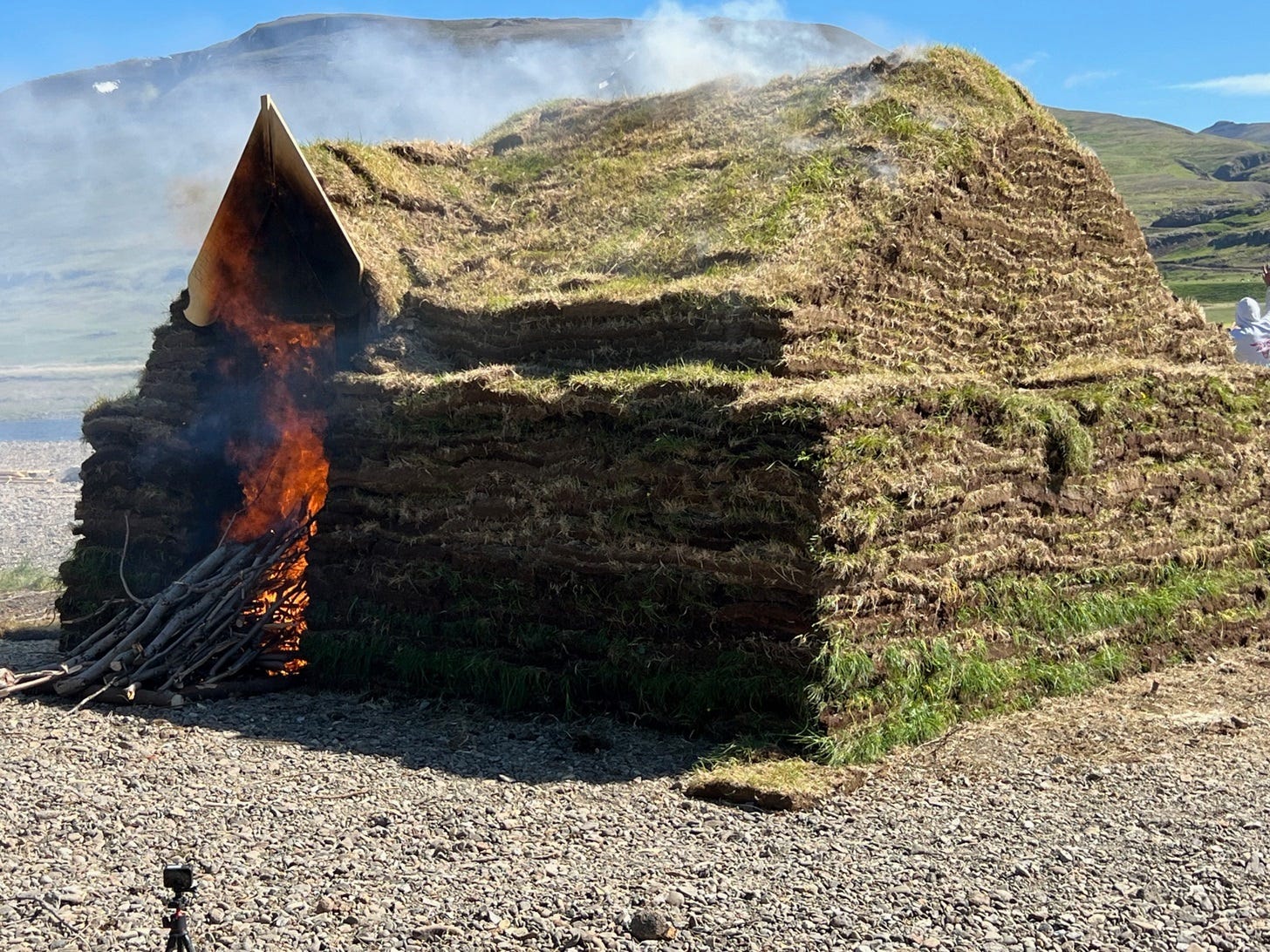
"Let us burn him house and all," said Mord.Then they took the vetch-stack and set fire to it, and they who were inside were not aware of it till the whole hall was ablaze over their heads.Then Flosi and his men made a great pile before each of the doors, and then the women folk who were inside began to weep and to wail. Njal’s saga, chapters 76 and 128This time on the podcast we are thrilled to welcome back William Short and Reynir Óskarson of Hurstwic. They were our very first guests way back in December 2022 when they told us about their experience and expertise in Viking Age weaponry.This time they are here to tell us all about a Viking battle tactic found in several sagas: burning an enemy’s house. If a certain Talking Heads song is in your head right now, it should be.But this is not your usual historical discussion. William and Reynir are renowned for their years of mixing research of the written sources such as sagas and law codes with experimental archaeology to try and determine firsthand in real time what aspects of life in the Viking Age were like. So, in early July they didn’t just publish an academic paper or write a book about a burn, they actually performed one on a recreated Viking Age house (well, half of one anyway) near Eiríksstaðir in Iceland.Take a listen to hear all about what went into planning this experiment, how it was carried out, and some of what they learned from it. You won’t want to miss this one. It’s about as raw and close to the past as you can get!You can also check out more about Viking weapons and tactics in their book Men of Terror: A Comprehensive Analysis of Viking CombatVikingology Podcast is a reader-supported publication. To support our work, please consider becoming a paid subscriber. Get full access to Vikingology Podcast at vikingology.substack.com/subscribe
The Irish vs. Vikings: The Battle of Clontarf
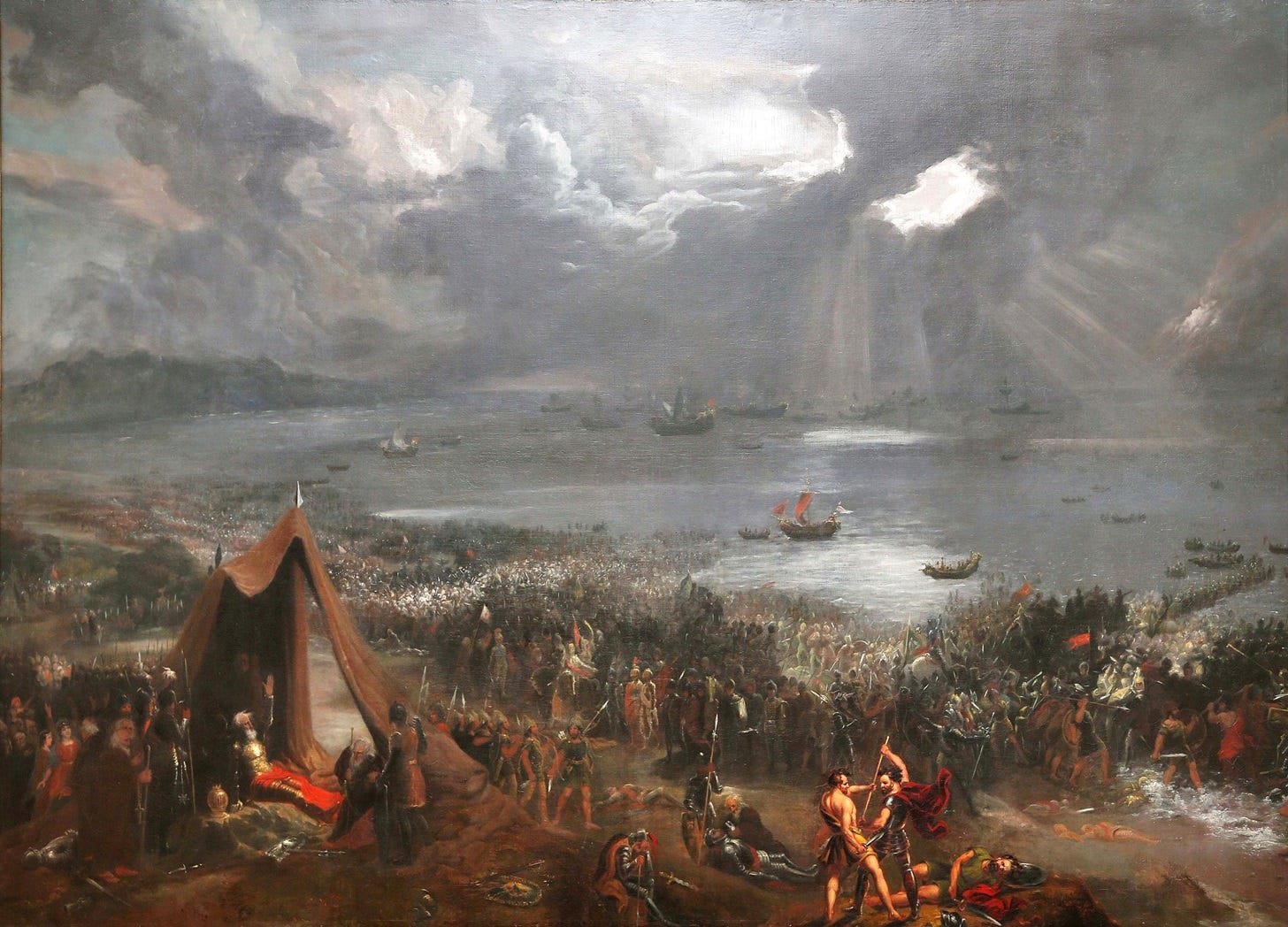
We are so happy and excited to welcome Professor Clare Downham back to the show. If you didn’t catch our first episode with her, you should. We had a great chat about lots of Viking, historical, and philosophical stuff.But this time we decided to do something a little different and engage in a bit of storytelling. Since Clare is one of the world’s leading experts on Vikings in Ireland, we asked her to tell us about one of the most important battles in Irish history, The Battle of Clontarf in 1014 — a battle much beloved and remembered by many in Ireland to this day.With the Irish side being led by national hero King Brian Boru, this battle has everything: Vikings, politics, greed, magical raven banners, scorned ex-wives, religion, beheading, ambition, martyrdom, good vs. evil, and female spirits weaving the grisly fate of it all. It’s the stuff that legends are made of.The battle appears in several sources that we discuss in the episode, but arguably the most famous is Cogad Gáedel re Gallaib ("The War of the Irish with the Foreigners"). We hope you enjoy this one. Though it’s difficult to tease fact from fiction at times, there’s one thing we know for sure — someone needs to make this movie, stat!On another note…..If you are in the Aberdeen, Scotland area or would like to travel there, be sure to check out the Scottish Society for Northern Studies’ big conference from 26-28 June. Clare will be presenting on Thursday, and there are other interesting talks, as well as a side trip to a museum and distillery. Of course. It’s Scotland! Please do check it out and support their work.Also, remember to check out Clare’s books if you are interested in medieval Irish history. You won’t be disappointed.* Viking Kings of Britain and Ireland: The Dynasty of Ívarr to A.D. 1014* Medieval IrelandVikingology Podcast is a reader-supported publication. Thank you for reading and watching. If you would like to further support our work, consider becoming a paid subscriber. Get full access to Vikingology Podcast at vikingology.substack.com/subscribe
Were Vikings the founders of Russia??
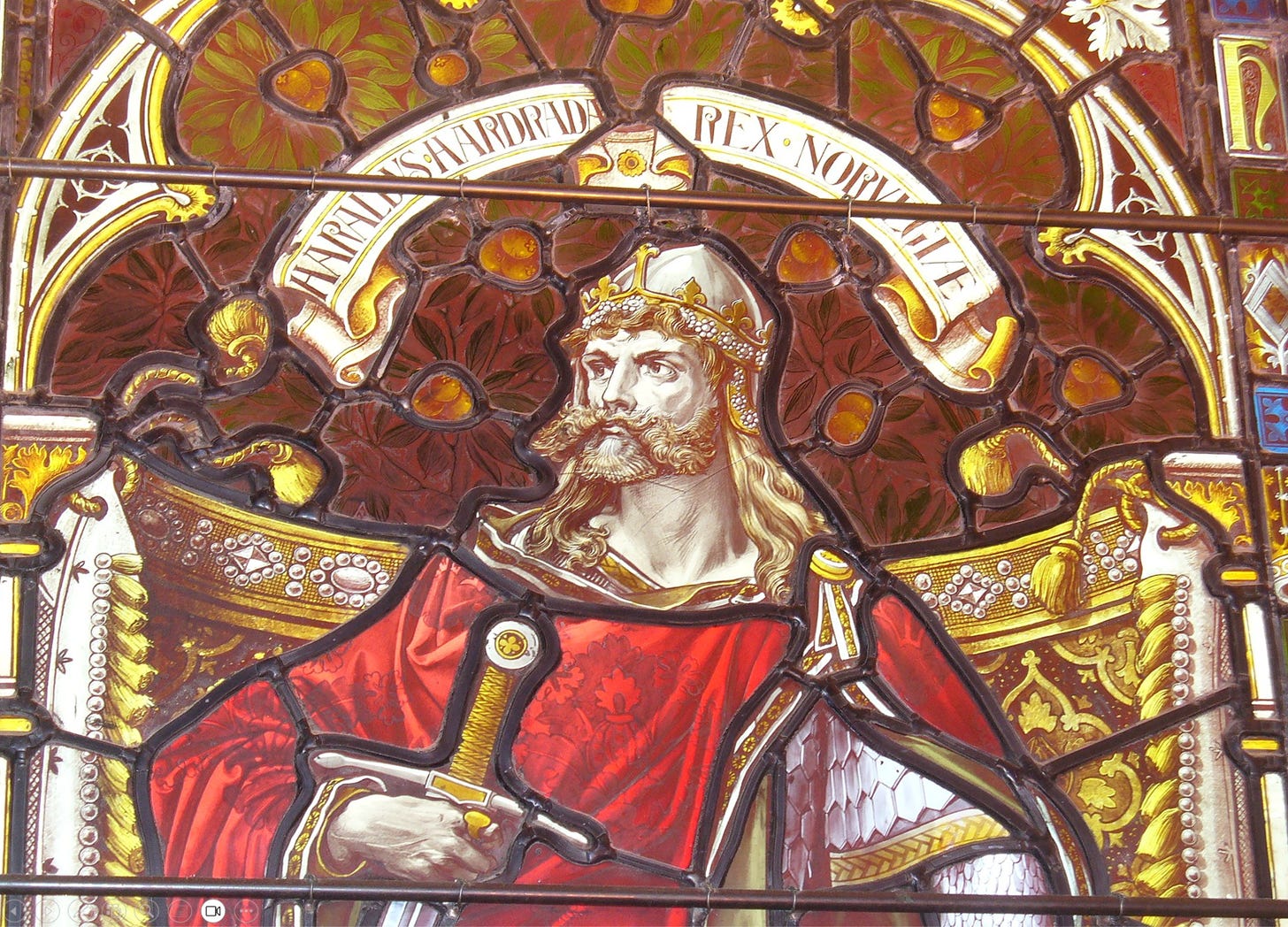
For much of the English-speaking world, the “Viking Age” ostensibly got its start with the infamous raid on Lindisfarne in A.D. 793. But did you know by that time there was already a half century of Viking activity in the East in what is now the Baltic States and all the way south to Ukraine?And did you also know that they may even have laid the foundation for what is now Russia?In this episode we wanted to learn a bit more about those eastern Vikings — known there as the Rus, and an elite subset of them known as Varangians who served as “special forces” soldiers in Constantinople — so, we turned to Icelandic scholar and professor of medieval history Sverrir Jakobsson.Sverrir has researched and written extensively on the medieval and Viking Age history of Iceland, but he has particular interest in the Rus and Varangians who are the subject of his book The Varangians: In God’s Holy Fire.We learned from him who they were, how we know that from surviving sources such as the Annals of St. Bertin, and how they compared to Vikings in the West. Turns out they started out as the ultimate “others” seen as terrifying forces of nature and, for some at least, ended up becoming honored members of elite society. A case in point: Sverrir writes about King Harald III of Norway — nicknamed hardrada, or “hard ruler” — who embodies this progression from Viking to mercenary to royalty. His article “Araltes: The Evolution of a Varangian Stereotype” is well worth the read, as is his book, for anyone interested in the fascinating history of the Scandinavians who helped to shape the East and who are so often overlooked.Vikingology Podcast is a reader-supported publication. To receive new posts and support our work, consider becoming a free or paid subscriber. Get full access to Vikingology Podcast at vikingology.substack.com/subscribe
"A Base Camp on the Moon"
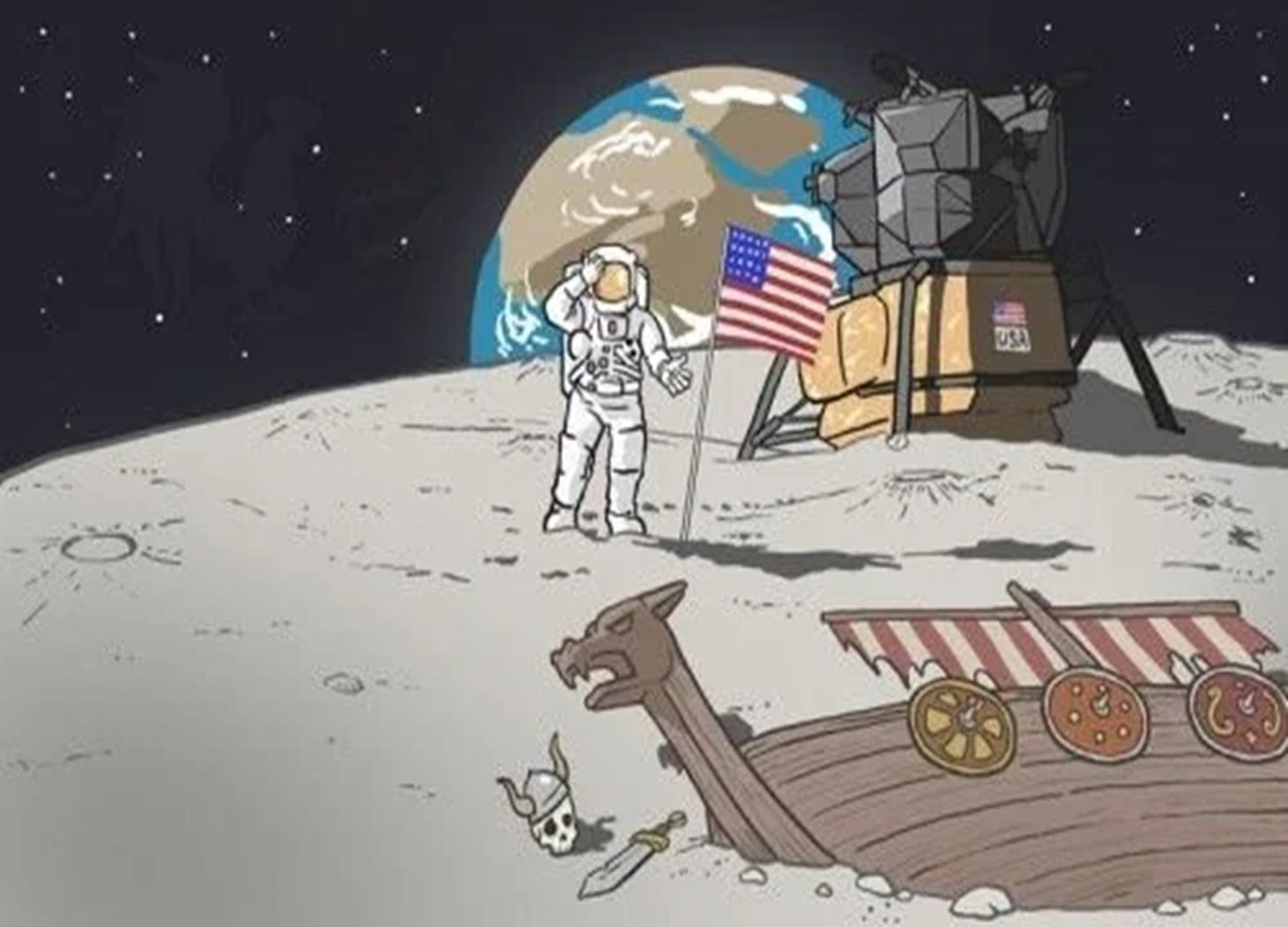
Move over Christopher Columbus. Leif Eriksson got there first.To celebrate our 30th episode we’ve pulled out all the stops! We are finally getting to talk about the Norse in North America during the Viking Age. If you’re into Vikings, you probably know they made contact almost 500 years before any other Europeans, touching down and creating a small settlement in what is now L’Anse aux Meadows, Newfoundland, Canada. So far, it’s the only Norse settlement that’s ever been found on the continent. And thanks to new science we know it was built in the year 1021 C.E., smack in the Viking Age. To tell the story, our special guest is Loretta Decker. She works for Parks Canada which has responsibility for maintaining and interpreting the UNESCO World Heritage Site. It was a smallish way station for the Norse at the edge of their world, which Loretta says for them may as well have been “a base camp on the moon.” But her connection runs deeper than that. It was Loretta’s grandfather George who owned the land on which the Vikings settled, so her childhood was steeped in Nordic archaeology. We couldn’t ask for a better person to give us a front seat at the table (or under the table as she recalls!) of this story.But before archaeology, hard science, and Loretta could tell the story of this place, the Icelandic sagas were our guides. In particular, The Saga of Erik the Red and The Saga of the Greenlanders (collectively known as the Vinland sagas) have for centuries told of Norse exploits in a land that was new to them, replete with strange landscapes, a one-legged being, and Native Americans whom the Norse called skrælings. It’s the fantastical stuff that saga legends are made of.But at L’Anse aux Meadows at least some of those legends were true.Thanks Loretta! We know you’re getting ready for your busy summer season, so we appreciate you taking the time. It was a true delight!Vikingology Podcast is a reader-supported publication. To receive new posts and support our work, consider becoming a free or paid subscriber. Get full access to Vikingology Podcast at vikingology.substack.com/subscribe
What if we gave a TED talk about Vikings?...
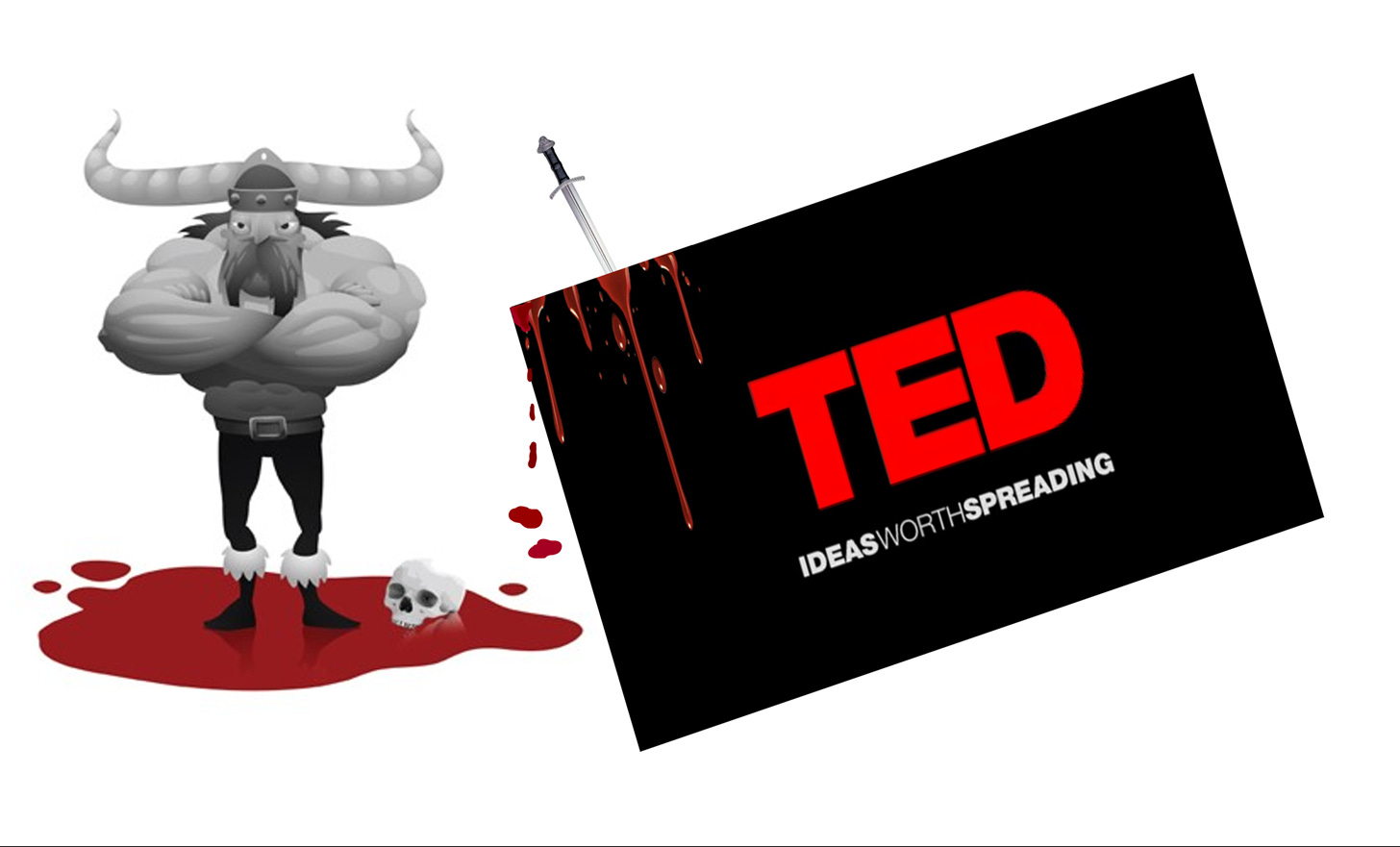
This time on the podcast C. J. and Terri muse about what a TED talk on Vikings might look like. We get philosophical — as we often do — about how people engage with the Viking Age past and history in general, and we try to thread the needle between our tendency to overly romanticize Vikings with our need to acknowledge that some pre-modern ways of life could actually be antidotes to the stresses of our modern existence. Heady stuff.But just when you think we might be overthinking things, we also laugh a lot and somehow end up talking about the concept of “Viking washing,” a new Disney Viking-themed park, and Otto von Bismarck. Go figure.Take a listen and enjoy the ride! And as always, if you like what we do let us know and…..Thank you for reading Vikingology Podcast. This post is public so feel free to share it with any and all you think might like it. Get full access to Vikingology Podcast at vikingology.substack.com/subscribe
Entering the Vikingverse
I shall be telling this with a sighSomewhere ages and ages hence:Two roads diverged in a wood, and I—I took the one less traveled by,And that has made all the difference. Robert FrostFor an exciting change of pace we sat down with Ian Stuart Sharpe, the creative mind behind the multifaceted Vikingverse, an alternate world where Viking history plays out, shall we say, a bit differently than in your uni textbook.From comics and novels to tutorials for learning “modern” Old Norse and RPGs, Ian’s Nordic story world brings the Viking Age to life in ways even the Norns could never have fated.The entire enterprise is based on the “what if?” proposition, or what we historians call Counterfactual History. At any given moment each of us is faced with decisions in life and multiple paths we can take. How do we choose which one? What if we can go back in time and take an alternate path? Can we rewrite history and learn from it? These are the questions that Ian applies to the Vikings. The Viking Age was a time of big change, including leaving behind the Old Ways in favor of becoming Christian. But what if that had never happened? What if Odin and Thor still ruled the day, and the world was still populated with spirits like the alfar and dvergar? This is the world Ian invites us to explore. And if you venture in, you just might find it’s a path worth taking.Click here to buy any of Ian’s products or access his free content.Vikingology Podcast is a reader-supported publication. To receive new posts and support our work, consider becoming a free or paid subscriber. Get full access to Vikingology Podcast at vikingology.substack.com/subscribe
Remembering Not to Forget
If you’re a fan of the show, you’ll remember our fascinating chat last year with Mathias Nordvig. He’s an expert in Norse mythology, folklore, and the Nordic Story World. Some people may think that those myths are just cool, fanciful stories about the exploits of gods like Odin and Thor or creatures like dwarfs and giants meant simply to entertain and pass the time on those long Scandinavian winter’s nights. But in this new episode, we dove deep into Mathias’ research about why that wasn’t the case for Viking Age people and why it shouldn’t be for us moderns either.Our conversation stemmed from his new translations of Danish and Norwegian, Icelandic and Swedish rune poems and also arguably the most widely read and studied poem from the Viking Age, Völuspá: The Vision of the Witch, which contains some deeply embedded themes about survival in a harsh yet magical Northern world. It also recounts some pretty dark stuff about the Nordic world’s view of the cataclysmic end times event known as Ragnarök. Why did they believe in such a thing? Was it really THE END, or did something come after? Was there a way to forestall it? The poem’s themes of social discord, the breaking of bonds in families, climate change, environmental disaster, and nervous anticipation of an unknown and yet inevitable future seem eerily similar to where we are in the world today. Are we headed for our own Ragnarök? Can the way they viewed it tell us something about how to cope in a turbulent modern world? Yeah, we went there.This episode will make you think about the connection between us and the Viking Age in ways you’ve probably never thought of before. As Mathias warns, we forget our past and traditions at our peril.In checking out Mathias’ new translations, you’ll also be supporting small, independent publishing and the artists who helped him bring these works to life. At Vikingology we have no affiliate relationship and do not profit from any sales. We just believe interesting people doing cool important things should be supported :)Vikingology Podcast is a reader-supported publication. To receive new posts and support our work, consider becoming a free or paid subscriber. Get full access to Vikingology Podcast at vikingology.substack.com/subscribe
Age of Wolf and Wind
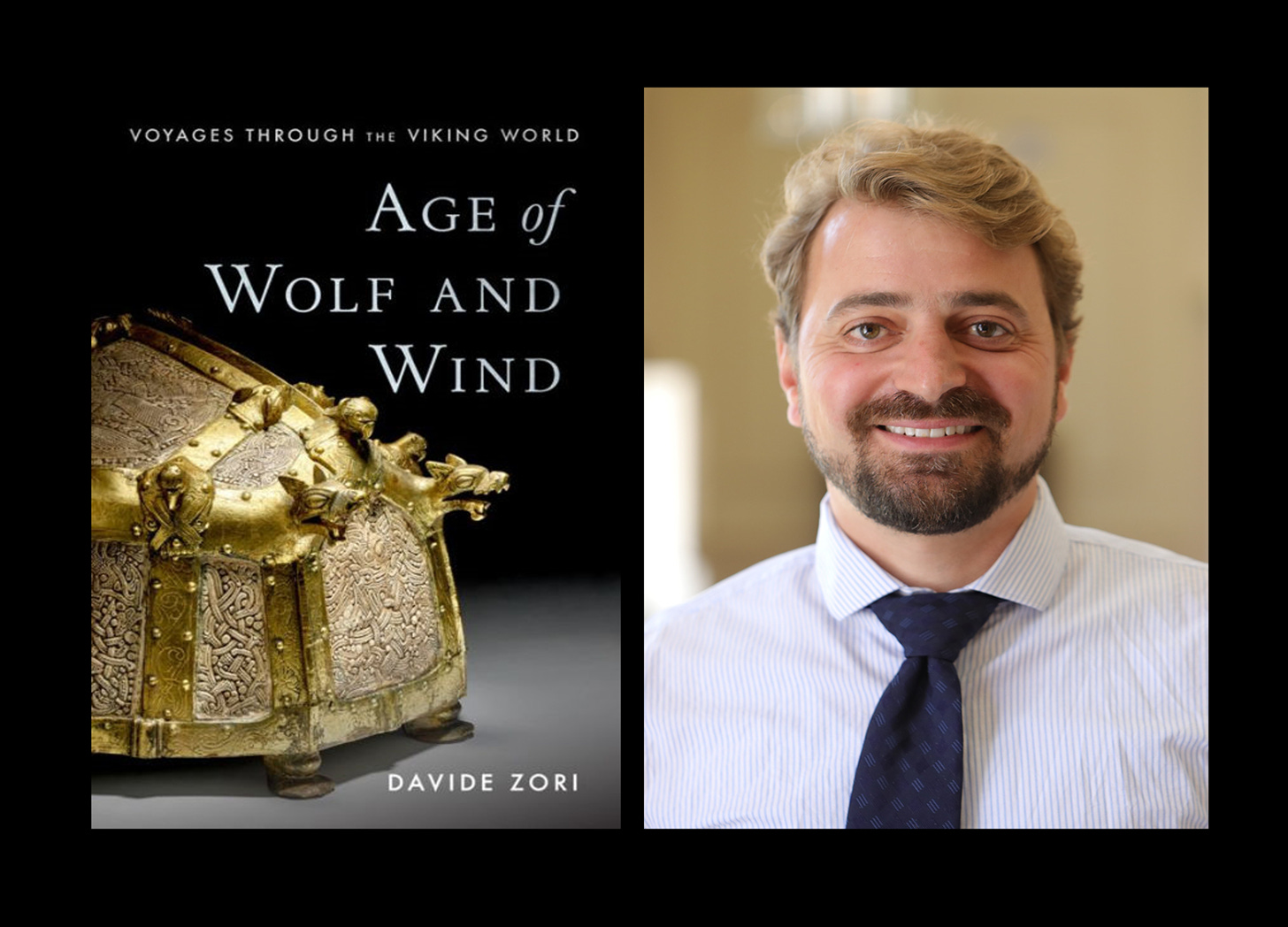
Brothers must battle one another,become each other’s slayer,and sisters’ sons will sever the bonds of kinship.There will be hardship in the world and much whoredom,axe-age, sword-age, shields smashed to pieces,wind-age, wolf-age, until the world falls,no man will spare another.Völuspá, stanza 45. Translation by Mathias Nordvig.This time on the podcast, archaeologist, historian, and friend of the show Davide Zori of Baylor University is back for a third time to share his new book on the history of the Viking Age, Age of Wolf and Wind: Voyages Through the Viking World.Painstakingly researched over many years and beautifully written, it’s a book about Viking history but just as importantly it’s about how we know what we do about that time which continues to captivate so many of us. Through case studies of the written evidence such as sagas, the material culture from archaeology, and a bit of hard science such as genomics, Davide’s approach to the Viking world is interdisciplinary and at the forefront of where the study of this past is headed. We at Vikingology couldn’t be happier to help spread the word. It’s a must-read for anyone interested in this fascinating history.The book is published by Oxford University Press, who is offering a 30% discount. Simply order online and use promo code AAFLYG6OR, if you’d like to sample a free chapter first, you can read Chapter 1/Introduction for free until March 15 by going here.Hang on to your hats kids! We are on the cusp of learning more than ever before about the Viking Age, and Davide’s book is the perfect place to start.To hear more from Davide, check out our previous interviews with him:Vikingology Podcast is a reader-supported publication. To receive new posts and support our work, consider becoming a free or paid subscriber. Get full access to Vikingology Podcast at vikingology.substack.com/subscribe
Vikings, then and now
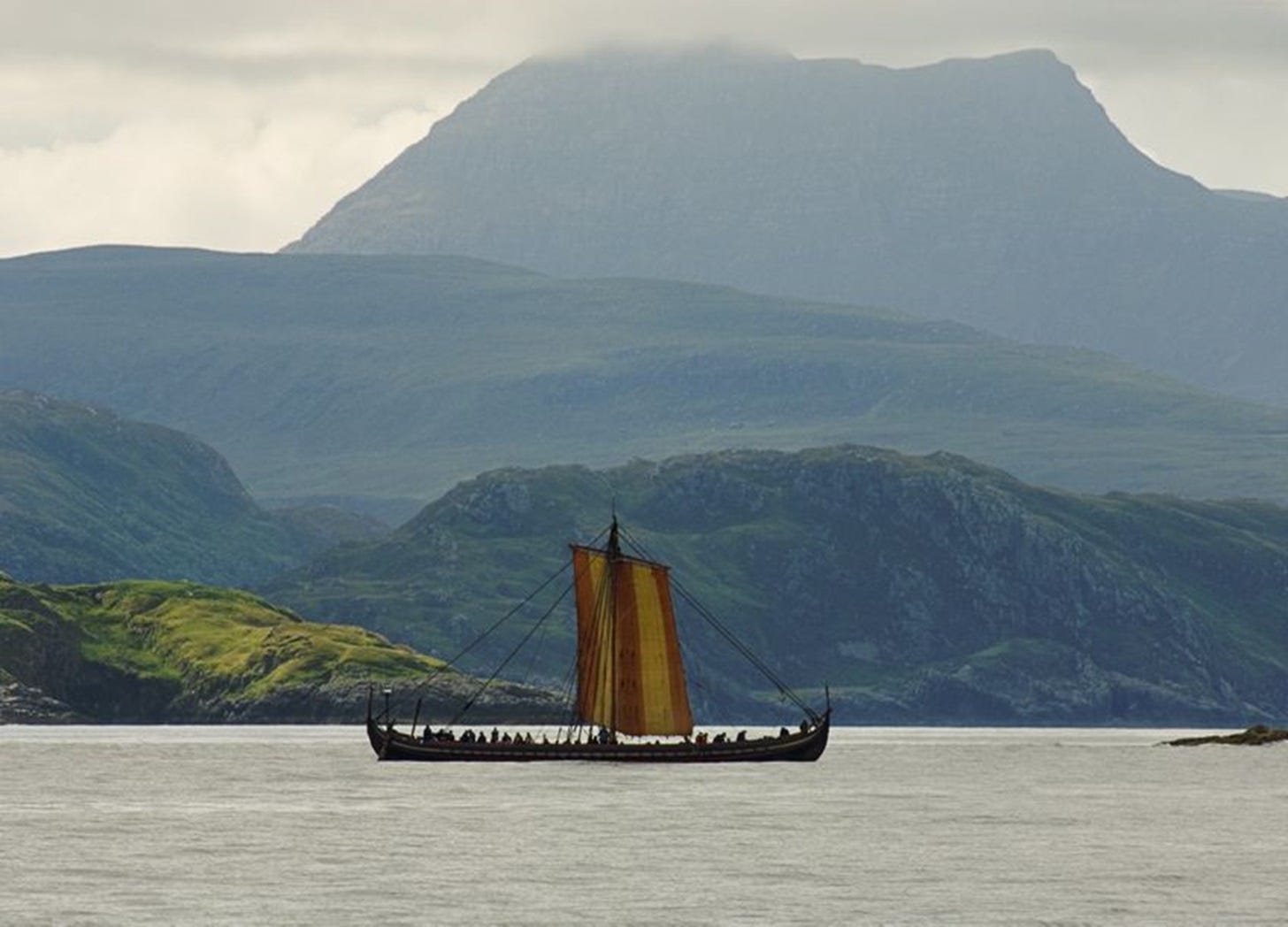
So far, 2024 has been exciting for us at Vikingology, and our good fortunes continue with this chat we had with Professor Clare Downham of the University of Liverpool. She is the leading scholar in the world regarding Vikings in Ireland, but as you’ll see we talked about much, much more.From what drove Clare to study medieval Ireland in particular to issues of gender and ethnicity both then and now, we ran the gamut. And when you get three historians together, there’s bound to be a philosophical twist regarding how we interpret and engage with the past, so we went there too.But we started in Ireland. Did you know the quintessentially Irish city Dublin was a Viking creation? Vikings are recorded in Ireland in the early years of the Viking Age, so Clare explained why it was an attractive target to them to begin with and what they did when they got there. We also explored the matter of female Viking warriors, particularly in light of the bombshell discovery that was published in 2017 about a Swedish grave. Finally a true shieldmaiden? Or just a figment of our modern hopes and desires? We asked Clare for her thoughts on the topic and just why it ended up being so controversial.We then talked about what the Viking Nordic world was actually like, based on the latest science and evidence, versus what some in the modern era wish it was like. Clare set the record straight about the truth of the diverse and multi-ethnic world that was medieval northern Europe during the Viking Age.There was so much more we wanted to discuss — including lots of questions C.J. has about Viking connections in Ireland and France! — but in the end we had to agree to meet up again to finish the conversation, so stay tuned!Thanks so much Clare! It was a real privilege and honor. We very much look forward to part two of our chat soon!Clare is the author of two books on Vikings: Viking Kings of Britain and Ireland: The Dynasty of Ivarr to AD 1014 and Medieval Ireland AD 400-1500, with another on Viking Age Britain and Ireland forthcoming from Penguin Classics. You can also find many of her articles available on her page at Academia.edu.Vikingology Podcast is a reader-supported publication. To receive new posts and support our work, consider becoming a free or paid subscriber. Get full access to Vikingology Podcast at vikingology.substack.com/subscribe
From Heathen to Heaven...
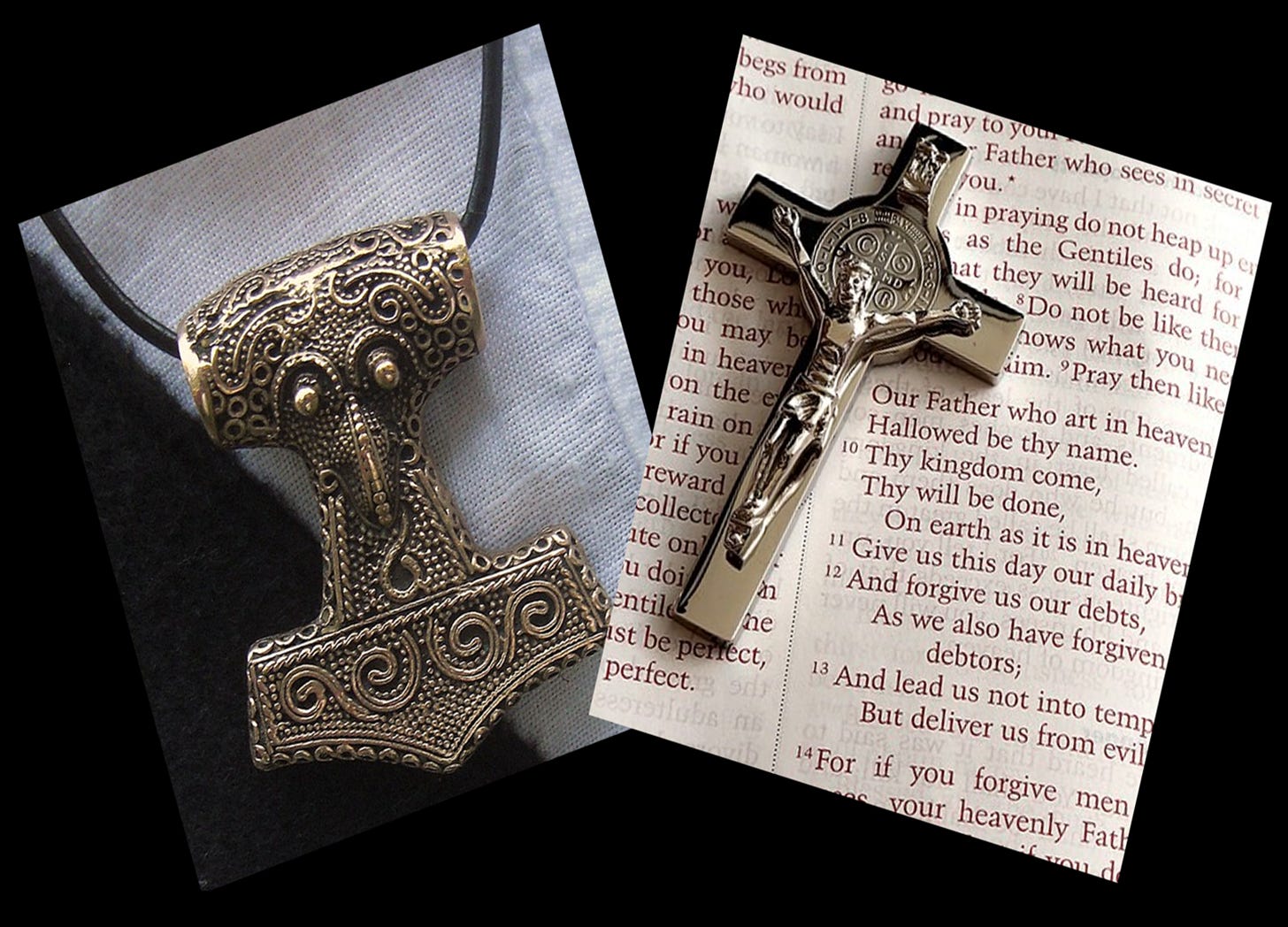
This time we had the very great privilege and pleasure of welcoming Dr. Anders Winroth to the show for our first episode on one of the most important game changers in the Viking Age Nordic world — the introduction and acceptance of the Christian faith in Scandinavia. The Vikings would never be the same.Anders is one of the world’s foremost scholars on medieval Christianity. He is currently faculty at the University of Oslo after spending several years at Yale University and has published widely about the topic and about Vikings, so we knew he was the right person for the job when we wanted to explore the story around why on earth Vikings — who seemed to be at the top of their game as European menace #1 — would end up settling down and embracing Christianity.And, it’s not the story you might think. Scandinavia underwent a lot of change during the roughly 3-1/2 centuries that constitute the Viking Age. They went from traders to raiders and back to traders again, from chieftains to kings, from Nordic to European, and from heathen to Christian. And all of these changes were intertwined.We asked Anders about how the conversion process played out in various regions of Scandinavia and what it might have taken to convince people who had been pagan for as long as anyone could remember to make that switch. Turns out it depends on whom you would have asked at the time. Chieftain or peasant? That mattered a lot.But what about a legit Viking warrior? You know, the sword-and-shield badass types we see in modern pop culture? Weren’t they having too much fun sailing and pillaging to think about baptism? Wouldn’t they prefer the excitement of a good raid to being tamed by Christ? Evidently not, as Anders explains, when one could look at Thor and Jesus and, over time, begin to see the same god.Another important factor: the perennial Viking question, What’s in it for me?Never underestimate the power of self-interest. It appears that even when it came to the coming of Christianity, the Vikings were the same old opportunists we’ve always known them to be.Tack så mycket, Anders!You can find Anders’ books about Vikings at all the usual book outlets. We highly recommend you take a look if you’re interested in a good general history about the Viking Age or prefer a deep dive into what it took to make them Christian.Vikingology Podcast is a reader-supported publication. To receive new posts and support our work, consider becoming a free or paid subscriber. Get full access to Vikingology Podcast at vikingology.substack.com/subscribe
The Most Iconic Viking Ships Ever
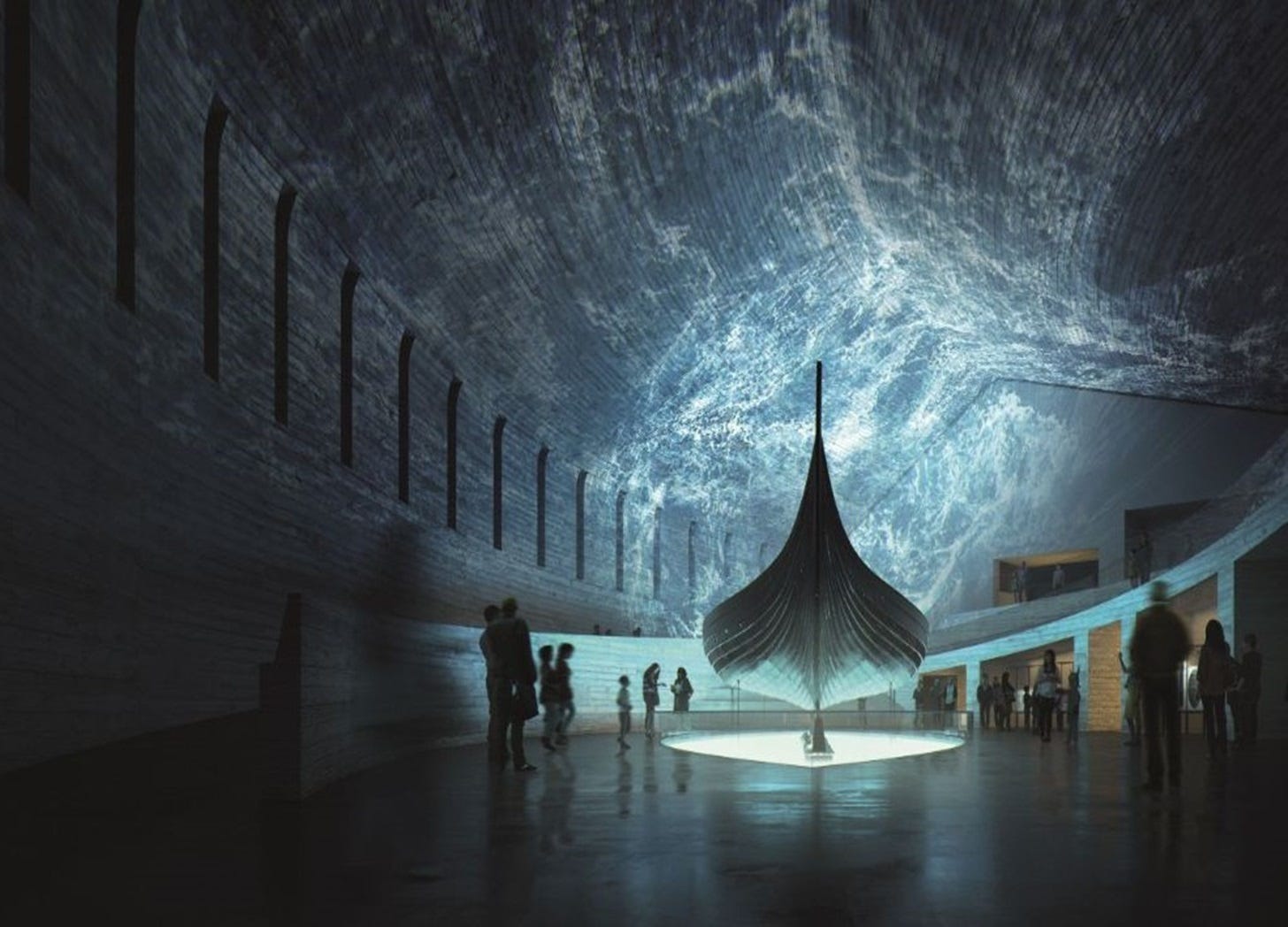
This time we had the lovely opportunity to sit down with Ellen Marie Næss, an archaeologist and lecturer at the Museum of Cultural History in Oslo, Norway. She is someone very passionate about Viking ships and has worked for many years at Oslo’s famous Vikingskipshuset which houses three important ships from the Viking Age: the Tune, Gokstad, and the Oseberg.Each of these ships has important stories to tell about the Viking Age, and they are in process of getting a new home in which to tell them. If you’ve ever had the good fortune to visit them in your travels to Oslo, you will certainly remember the “church-like” structure they have been housed in for many years, which was built specially for them in the earlier 20th century. The space has provided a quasi-religious experience for thousands of visitors interested in these iconic vessels. If you’ve never had the opportunity, you can experience a digital walk-through.But that building wasn’t built to the standards we now know are best for preserving the ships and the many thousands of artifacts found with them, so a new museum is being constructed with a target date of re-opening to the public in 2026. The ships will be able to tell their stories once again in state-of-the-art facilities.And stories they are…..The Oseberg ship in particular is the most opulent and significant Viking ship ever found. It was a burial ship created for two women — one of its most intriguing and puzzling aspects — and all of their various grave goods, including animals and possessions that they’d need in the afterlife. According to Ellen, we don’t know who those women were, but we certainly know they were important and they went out in style.If you’re interested in even more after watching our interview, check out Ellen and other top scholars on Amazon Prime’s series Viking Dead. There are six episodes covering different archaeological finds with fascinating insight into how the Nordic peoples viewed death and their practices surrounding it. In episode 5, “The Skeletons of the Oseberg,” you’ll learn more about this very special ship burial.As you may have heard us discuss in our interview with Søren Sindbæk, how we tell the story of the Vikings matters a lot if we want to understand those people on their own terms. At Vikingology we couldn’t agree more. The sagas and other sources about the Viking Age are clear. The Vikings longed to leave a mark in the world and be remembered forever. Thanks to Ellen and her colleagues at the new Museum of the Viking Age, it looks like they will get their wish.Vikingology Podcast is a reader-supported publication. To receive new posts and support our work, consider becoming a free or paid subscriber. Get full access to Vikingology Podcast at vikingology.substack.com/subscribe
The Story of the Vikings is the Story of Us
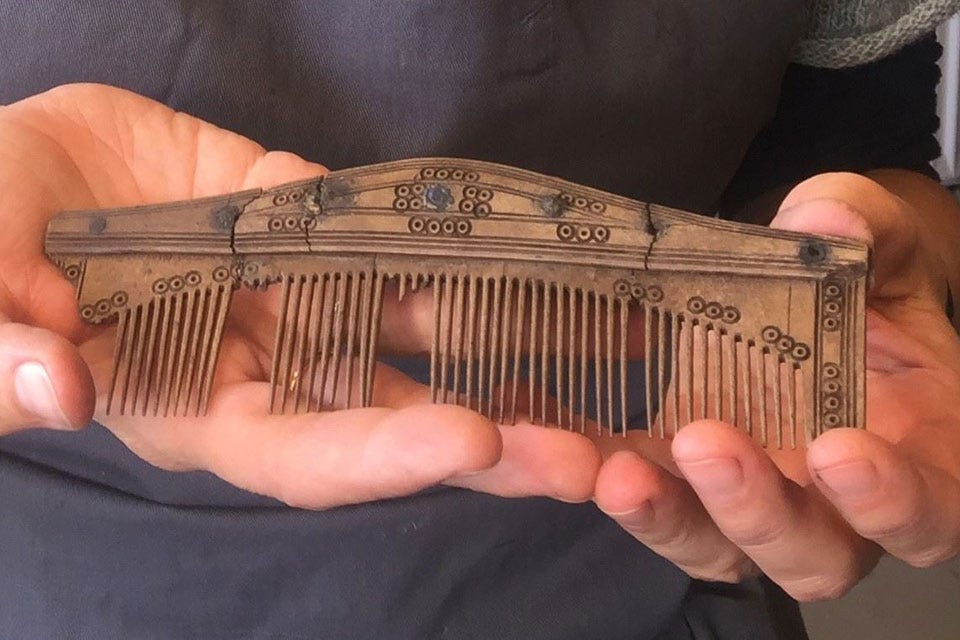
If you know anything about the study of the Viking Age or have listened to our podcast this year, the name Søren Sindbæk will not be foreign to you. A Danish archaeologist and professor at Aarhus University, Søren has been researching and writing about Vikings for many years, particularly about the maritime trade networks and towns that proliferated during the Viking Age. Sure, the Vikings were often farmers, but the urban centers were really where the action was. Søren is also the project coordinator of the Northern Emporium Project, which since 2017 has been excavating at Ribe, a Viking Age Danish town that was important in the North Sea trading world. The work being done there has proven just how rich the urban experience was in the Viking Age.In one of our most wide-ranging conversations yet, we discussed why hair combs were the iPhone of the Viking Age, the maritime legacy of the Nordic people, whether C.J.’s salt hypothesis holds any weight, the ethics of archaeology, and how Vikings get interpreted and misinterpreted in the modern era, plus more.While we meandered around as we tend to do at Vikingology, there was a common thread. In so many ways, the Vikings were simply ordinary people just like us who managed to do some extraordinary things. Though they lived 1,000 years ago, we can still relate to them in many ways.We hope you enjoy the conversation. We sure did. Mange tak, Søren!To learn all about the excavations at Ribe and what they reveal about the Vikings, check out the two-volume series edited by Søren (click the book images).Vikingology Podcast is a reader-supported publication. To receive new posts and support our work, consider becoming a free or paid subscriber. Get full access to Vikingology Podcast at vikingology.substack.com/subscribe

The Business Habits of Highly Successful Vikings
This time we dive into the economics of the Viking world by chatting with Dr. Tom Horne, an archaeologist and historian in Glasgow, Scotland, who specializes in Viking trade networks. The nuts and bolts of commerce may not sound like the sexiest topic, but we certainly had a laugh and learned a thing or two. Contrary to what most people think about Vikings, it turns out where business tactics were concerned they did some pretty “un-viking” things.Tom’s work focuses on market “kingdoms” and the silver trade which he writes about in his 2021 book A Viking Market Kingdom in Ireland and Britain: Trade Networks and the Importation of a Southern Scandinavian Silver Bullion Economy.Also, check out Terri’s article that we mention, How Breaking Bad and a Renegade Economist Can Explain the Viking Age. She was thrilled to see some similar themes argued in her work and Tom’s.We talk about Tom’s book, but also why Vikings operated in much the same way as all humans throughout history when it came to getting what they wanted, what exactly it was they wanted most, how sophisticated their business operations were, and how remarkably similar they seem to business practices today.Want to know who the “El Chapo” of the Viking cartel was? Take a listen and find out.We also touched on Tom’s work in media outreach, at the Govan Stones Museum, and in archaeology podcasting — his is aptly titled The Shindig — and why it’s important to have these avenues for sharing our knowledge about Vikings with everyone interested to learn. We at Vikingology couldn’t agree more and urge you to check out all of Tom’s projects and buy his book.Thanks Tom! We had a great time and hope to continue the conversation.You can follow Tom on X (formerly Twitter) and Instagram. There you can see lots of cool pictures of Viking stuff he and his colleagues have unearthed.Enjoy!Vikingology Podcast is a reader-supported publication. To receive new posts and support our work, consider becoming a paid subscriber. Get full access to Vikingology Podcast at vikingology.substack.com/subscribe
Terri's Search for Vikings in Denmark: An Update
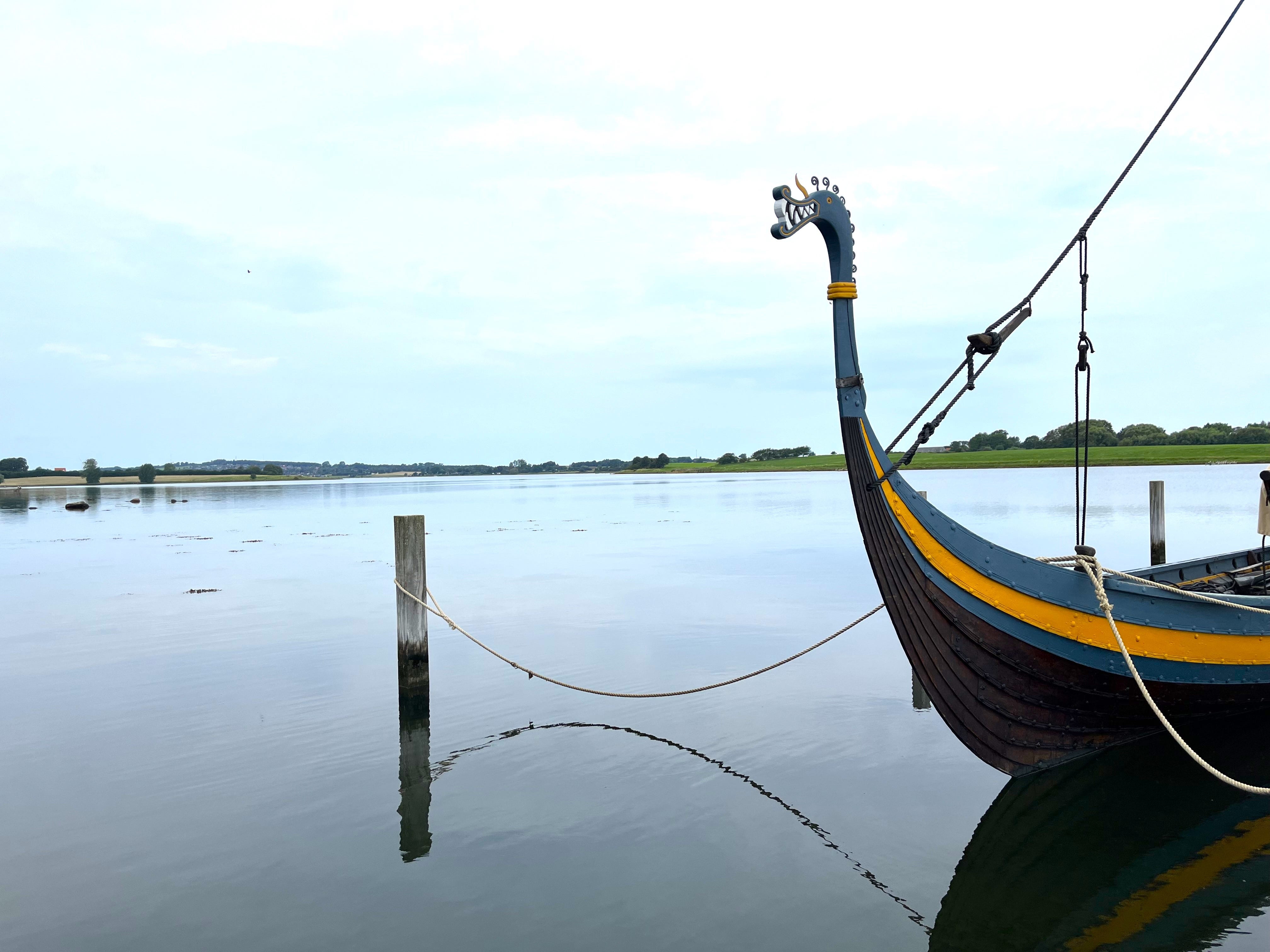
If you saw our recent post about Terri heading to Denmark in search of Vikings, you may be wondering what she found. Wonder no more! In this Vikingology Podcast episode, C.J. and Terri talk about the places that resonated the most for her, all of which she has been teaching about for years but never got to experience firsthand until now.First up, Terri discusses the Ladby Ship on the island of Fyn — a burial mound experience like no other. Extremely impressive, but also visceral in the way it transported her back to the Viking Age. The next highlight was all the treasures at the National Museum of Denmark in Copenhagen where they have a beautiful exhibit about Viking Age history complete with hundreds of artifacts ranging from weapons to coins to jewelry and even a very large Viking ship. They also have the Hjortspring Boat, a much older vessel that may be something of a precursor to the famed Viking longship and which C.J. has written and given a public talk about that you can check out on his website.Terri then headed to the royal sites of Jelling and the Trelleborg and Fyrkat Fortresses, all constructed during the reign of Danish King Harald Bluetooth — yes, that one for whom your wireless technology is named — in the late-10th century as expressions of his power. Terri wrote a piece about Harald, who looms pretty large in the Danish imagination regarding the origins of their nation and monarchy.Last, it was off to Lindholme Høje, a major burial site in northern Jutland with around 700 stone settings, many in the shape of a ship. Visually and spiritually stunning!We end this episode as we often do, by meandering into other things such as movies and historical fiction authors, but we bring things back around to Denmark and Terri’s final impressions of it as a very content, clean, well-designed place that is extremely family friendly. Go to Denmark and take your kids with you! None of you will regret it.You can also check out Terri’s other posts about her travels in Denmark on her personal Substack.Vikingology Podcast is a reader-supported publication. To receive new posts and support our work, consider becoming a free or paid subscriber. Get full access to Vikingology Podcast at vikingology.substack.com/subscribe
Viking Philosophy 101
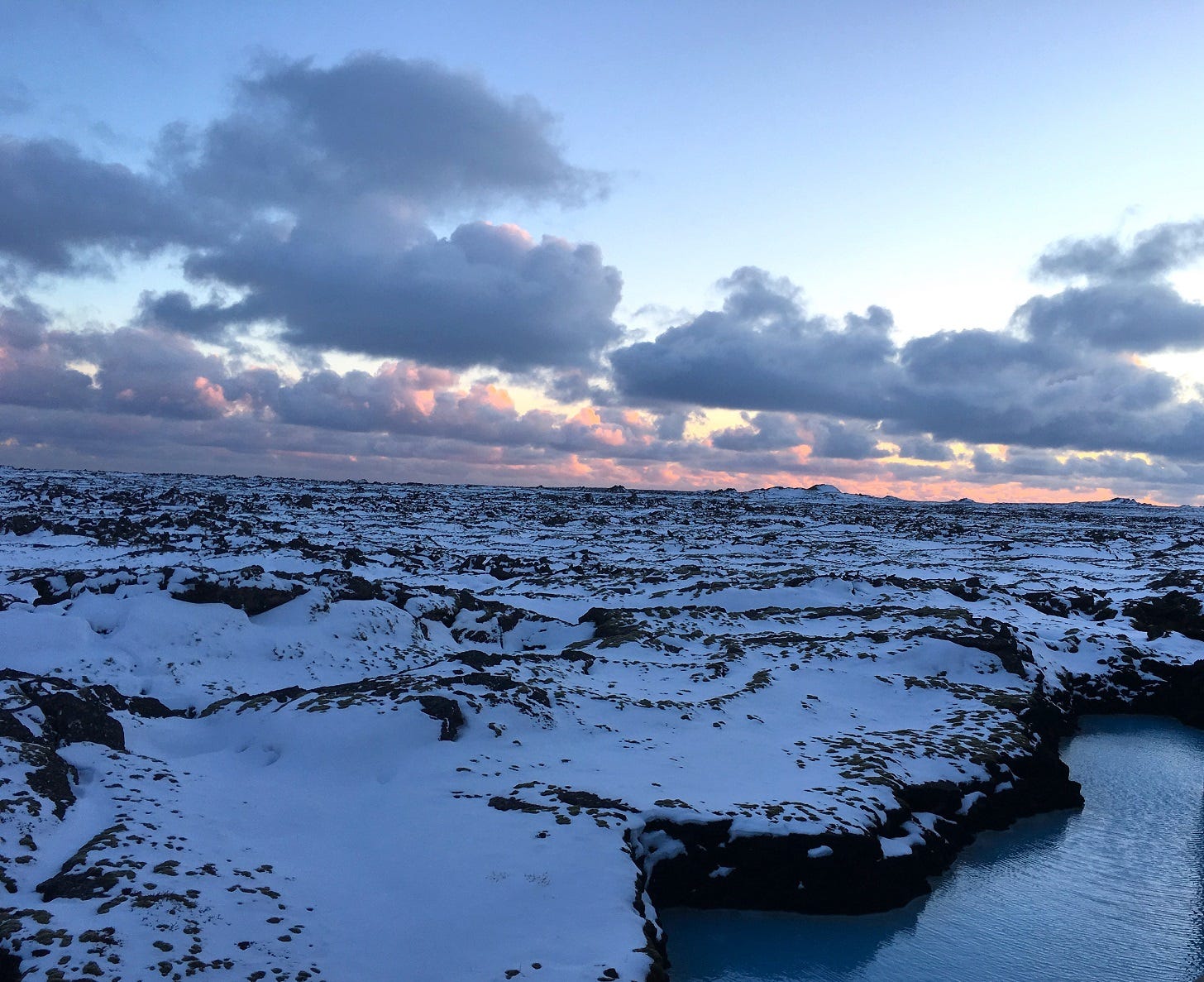
This time on the podcast we had the very great pleasure of exploring the Viking mind with Dr. Mathias Nordvig, a Nordic myth and folklore scholar from the University of Colorado Boulder. Arguably, for most of us when we think of “Norse mythology,” what comes to mind may be the sagas or visions of Odin and Thor, or maybe Freyja, thanks to the popularization of these things by people like game creators or the Marvel Universe. But what do those figures or stories tell us about how Nordic people viewed their world? Can we inhabit the headspace of a Viking and know how they perceived their place in the cosmos?Mathias Nordvig thinks we can and that there are powerful lessons there for living in the modern age. In this enlightening conversation we talk about volcanoes, elders, tradition, belief versus knowing, what he calls the “Nordic Story World,” the natural world, and more. Don’t worry about the meander; it’s all related. And worth it. Lots of deep food for thought.As a Dane who has lived all over the Scandinavian world, Mathias brings a lot to the table on this topic. He skillfully weaves his knowledge as a researcher with his practice as a follower of the Old Ways in his book Ásatrú For Beginners: A Modern Heathen’s Guide to the Ancient Northern Way wherein he connects past to present in an accessible and thoughtful way. Turns out Viking philosophy has a lot to teach us about our relationship to each other and to the planet. And if we listen, we might just create a better future.You can also find Mathias on The Nordic Mythology Podcast, as well as his new solo endeavor The Sacred Flame Podcast. Please do take a listen.Takk fyrir Mathias! You are a gift. Get full access to Vikingology Podcast at vikingology.substack.com/subscribe