Using the Whole Whale - A Nonprofit Podcast
311 episodes — Page 1 of 7
AI Politics Are Getting Ugly; Nonprofits Can't Sit It Out (news)
PayPal Giving Fund: A Deep Dive into Donation Dynamics (news)
Spam Texts, Scam PACs, and the Burn-and-Churn Fundraising Machine (news)
The $32B Charitable Wave Is Coming. Your "Donate" Button Isn't Ready. (news)
Taiwanese Nonprofits Leave GlobalGiving Over “Chinese Taipei” Relabeling (news)
To AI Or Not To AI (news)
Government Data Losses & ChatGPT Ads Are Here, Whether We Like It Or Not (news)
SCOTUS' Voting Rights Rulings Will Have Immediate Impact On The Ground 🗳️ (news)
Nonprofit Newsfeed: Fraud, Mergers, and Sector Shifts (news)
AI Implementation Strategies for Nonprofit Leaders | Whole Whale + Fundraise Up
AI's Impact on Nonprofits and Advertising: Unpacking the Double Standard (news)
Ep 485Big Tech Found ⚖️ Liable ⚖️ for Mental Health Harm In Groundbreaking Verdict 🧑⚖️ (news)
This week's episode of Nonprofit Newsfeed the hosts delve into significant legal developments affecting major tech companies and their broader implications for nonprofits. They discuss two landmark lawsuits involving Meta and YouTube, focusing on their platforms' addictive features and false safety claims. These cases, settled in California and New Mexico, respectively, highlight a shift towards holding tech giants accountable through civil litigation, despite the relatively small damages awarded. Key Insights: Tech Accountability: A California jury found Meta and YouTube liable for creating addictive platform features harmful to young users' mental health, awarding $6 million in damages. In New Mexico, Meta faced a $375 million penalty for violating state consumer protection laws by making false safety claims. Impact on Nonprofits: These legal precedents underscore the changing reputational and regulatory landscape surrounding tech platforms. Nonprofits operating on these platforms must remain aware of these shifts and consider diversifying their engagement strategies to avoid potential risks. Legal Advocacy: The episode emphasizes the role of legal advocacy as a tool for holding tech companies accountable, drawing parallels to the tobacco industry's historical legal challenges. This approach may inspire similar future lawsuits targeting social media's impact on youth.
Ep 484Google Workspace For Nonprofits Shows The Real Potential Of AI-Unified Systems 🤖💼 (news)
Exploring Google's AI Innovations and the Philanthropy Pledge Dilemma This week's episode of the Nonprofit News Feed the hosts delve into two significant developments impacting the nonprofit sector. First, they discuss Google's latest AI offerings for nonprofits, highlighting the integration of the Gemini model across Google Workspace tools. This development promises to enhance productivity by seamlessly connecting applications like Gmail, Drive, Calendar, Docs, and Sheets. Although Gemini may not yet rival other chatbots, its integration into existing Google tools provides a unified, secure platform for nonprofits to explore AI capabilities without additional cybersecurity risks. The second major topic is the recent critique of the Giving Pledge, which was featured on the New York Times' business front page. The pledge, initiated by Bill Gates and Warren Buffet in 2010, aimed to encourage billionaires to commit a significant portion of their wealth to philanthropy. However, new signups have dwindled, and there's skepticism about the actual follow-through on these pledges. The episode explores how cultural shifts and critiques from figures like Peter Thiel might influence billionaire philanthropy, questioning the effectiveness and sincerity of such pledges.

Ep 483America’s Charities CEO Jim Starr on the CFC’s Uncertain Future, $1B Milestone, and Emergency Assistance Funds
Interview with Jim Starr, President and CEO of America’s Charities, about the organization’s mission to “mobilize the power of giving” through workplace giving, corporate volunteering programs, emergency assistance funds, and scholarships. They explain the Combined Federal Campaign (CFC)—founded in 1961, once raising $280M in 2009 but down to $68M from about 70,000 donors in 2024—its shift from paper catalogs to an online platform, and factors behind its decline, including new charity fees, government shutdowns, and workforce morale; retiree giving is noted as a bright spot. Starr says OPM has paused or signaled possible cancellation, shut down the reporting portal, and has not opened 2026 applications, raising concern the CFC may end and that much of the $70M would not be replaced due to payroll giving’s low-friction nature. Starr also highlights America’s Charities reaching $1B in total funds processed to nonprofits and describes how emergency assistance funds provide confidential, tax-free grants for employee hardships and how the organization administers scholarship programs with vetting and fraud checks. 00:00 Welcome and Introductions 00:57 Mission and Services 01:50 Origins in the CFC 04:12 CFC Decline and Drivers 05:53 Is the CFC Ending 09:02 Fees and Participation Basics 09:56 Rebrand Joke and Real Stakes 11:42 Why Payroll Giving Matters 13:39 Billion Dollar Milestone 16:56 Emergency Assistance Funds 18:02 How EAFs Work 19:45 Privacy and Employer Benefits 20:41 Who Should Offer EAFs 21:00 Who Uses Emergency Funds 22:15 Retention And Community Impact 24:56 Direct Giving Versus GoFundMe 26:29 Life After The CFC 29:03 Expanding Corporate Philanthropy 29:50 Scholarship Program Walkthrough 33:17 Pricing And Review Workflow 35:13 Fraud Checks In The AI Era 37:17 Billion Dollar Milestone Wrap
Ep 482Flipcause Bankruptcy Fallout and Greenpeace Legal Battle (news)
In this week's episode of Nonprofit Newsfeed, the hosts delve into significant challenges impacting the nonprofit sector, focusing on two major stories: the Flipcause donation platform's bankruptcy and the legal troubles faced by Greenpeace. Flipcause Bankruptcy and Nonprofit Losses The episode opens with an update on Flipcause, a donation platform that went bankrupt, leaving nonprofits in financial turmoil. The platform, unable to disperse funds made through it, owes $29 million to various parties, primarily nonprofits. Despite valuing their platform at $15 million, Flipcause's recent filings show only $70,000 in their account, highlighting severe mismanagement. The California Attorney General issued a cease and desist order, and a lawsuit from 29 organizations alleges fraud, with some nonprofits owed hundreds of thousands of dollars. A recent bidding process valued the platform at a mere $400,000—far short of its claimed worth—leaving nonprofits unlikely to recover their donations. The discussion emphasizes the importance of nonprofits maintaining control over their payment gateways to avoid similar pitfalls. Greenpeace Legal Challenges The episode also covers a $345 million verdict against Greenpeace in the Dakota Access Pipeline lawsuit, a significant legal challenge that threatens its U.S. operations. This case, seen as a strategic lawsuit against public participation (SLAPP), underscores the vulnerability of nonprofits involved in activism. The hosts discuss the broader implications for organizations engaged in direct action and the potential chilling effect on nonprofit advocacy.
Ep 481Using AI to Turn Human Stories Into Insight (and Build Trust)
On the Whole Whale podcast, George interviews Andy Citizen, CTO of Share More Stories, about collecting 150–300+ word experience-based stories (typed or voice) from targeted constituencies via a web app and analyzing them with AI. Share More Stories uses sequential classification across ~70 cloud models to score stories for evidence of emotions like anxiety, joy, and self-transcendence, combining these scores with light demographics and survey data, then using a generative AI agent constrained to the dataset to explore themes, anomalies, and demographic differences iteratively. They discuss nonprofit uses such as before-and-after journaling and program impact, the importance of prompts, and how AI should augment rather than automate, with emphasis on user competency, intent, validation, and avoiding hallucinations. Citizen critiques “AI everywhere” features and AI-written social content as trust-eroding, argues trust is a major opportunity, shares concerns about DevOps at scale, and reflects on community involvement and moving faster by reducing process gaps. 00:00 Meet Andy Citizen 00:50 What Share More Stories Does 01:57 Collecting Real Experience Stories 02:41 AI Scoring Emotional Signals 04:14 How Stories Are Gathered 05:24 Prompts Versus Surveys 06:26 Dashboards Reports And Agents 09:20 Nonprofit Program Evaluation Uses 12:06 Prompt Craft And Hidden Insights 14:05 AI Adoption And Training Gaps 17:46 Use Cases Lanes And Hallucinations 20:27 AI Side Of Fries And Trust 25:44 Rapid Fire Tech Questions 29:39 Personal Advice And Community 31:58 Magic Wand For Human Connection 34:12 How To Connect And Wrap Up
Ep 480The Donor You're Undervaluing Is the One Who Gives the Most 🤑 (news)
In the latest episode of the Nonprofit News Feed, the hosts delve into the intricacies of giving and volunteering across the United States, as well as the pressing environmental challenges facing nonprofits today. The conversation highlights the recently conducted "Total Civic Generosity Report" by Whole Whale, which sheds light on geographic disparities in generosity and the significant contributions of small-dollar donors. Key Insights: Generosity Across Income Levels: The report reveals a striking contrast in charitable contributions between income levels. Households earning under $50,000 contribute about 14.2% of their income to charity, while those earning between $500,000 and $2 million contribute only 3.9%. This challenges the notion that high-value donors are more crucial than small-dollar donors, emphasizing the importance of valuing all levels of giving. State-Specific Generosity: Utah leads with the highest ratio of adjusted gross income giving at 6.61% and remarkable volunteer rates. This underscores the need for nonprofits to tailor messaging based on geographic data, recognizing the unique philanthropic landscapes of each state. Impact of Religious and Non-Affiliated Trends: The decline in religious affiliation impacts volunteerism, with many informal acts of generosity going unreported. This highlights the need for better data representation in understanding volunteer contributions.
Ep 479Why 2025 Will Set a Record for DAF Asset Growth, and What It Means for Your Nonprofit (news)
Key Trends in Donor-Advised Funds and AI's Role in Nonprofits In this episode of the Nonprofit Newsfeed, the hosts discuss significant trends shaping the nonprofit sector, focusing on Donor-Advised Funds (DAFs) and AI's evolving impact. Main Topics: Website Update: The Nonprofit Newsfeed site has been revamped for better user experience and branding. Donor-Advised Funds (DAFs): Predicted to exceed $450 billion in assets, indicating mainstream adoption. Nonprofits should adapt strategies to include dedicated DAF donation pages. DAFs are becoming accessible beyond ultra-wealthy donors. AI and Nonprofits: The era of "free AI" is ending, with rising costs expected for AI tools. Nonprofits need to strategize for continued AI access, possibly through collaboration. Digital inequity concerns as AI access may widen the gap for underserved communities. Candid's Strategy: Candid aims to become a key AI data source amid workforce reductions. Reflects challenges in content monetization due to AI-driven changes. Innovative Community Solutions: The Nomad Alliance in Utah operates a mobile shelter for the homeless, showcasing empathy-driven innovation. Key Insights: DAF growth offers new fundraising avenues but requires strategic adaptation. Rising AI costs necessitate proactive planning by nonprofits. Candid's pivot highlights changing data dissemination dynamics in philanthropy. Community-driven solutions like the Nomad Alliance demonstrate impactful innovation. Call to Action: Evaluate and update fundraising platforms for DAF contributions. Explore collaborative strategies for AI tool access as costs increase. Draw inspiration from innovative community projects for addressing local needs.
Ep 478Direct-To-Consumer Philanthropy: What Invest America (Trump Accounts) Means For The Sector (news)
A New Era of Direct-to-Consumer Giving In this week's Nonprofit Newsfeed, the hosts delve into a groundbreaking development in philanthropy that was highlighted during the Super Bowl. The episode explores the introduction of Invest America accounts, a federally backed initiative providing tax-advantaged investment accounts for U.S. children under 18. The Treasury Department plans to seed each account with $1,000 for newborns starting in 2025, with the accounts unlocking in 2026. A standout philanthropic commitment comes from the Dell Foundation, pledging $6.25 billion to deposit $250 into the accounts of 25 million children from low-income zip codes. This marks a shift towards a direct-to-consumer philanthropic model, allowing foundations to target specific communities, akin to how digital ads are targeted. Key Insights: Invest America Accounts: These accounts are likened to retirement accounts for children, maturing over time and unlocking when the child turns 18. Philanthropic Targeting: The Dell Foundation's targeted approach sets a precedent for how philanthropy can leverage these accounts to support disadvantaged families directly. Nonprofit Opportunities: Nonprofits can play a crucial role in helping families navigate the opt-in process for these accounts, similar to assisting with food stamp applications. Pros and Cons: Pros: Provides a new charitable avenue for direct support; potential to engage low-income families in capital markets. Cons: Opt-in nature may leave many children out; not inherently progressive, as all eligible children receive the same amount regardless of need.
Ep 477The $326B DAF Opportunity | Chariot head of strategy explains
Donor-advised funds (DAFs) are no longer a niche tool for ultra-wealthy donors—they’re a fast-growing, fragmented ecosystem holding more than $326 billion in charitable assets and expanding at ~25–30% annually. In this episode of the Whole Whale Podcast, Mitch Stein, Head of Strategy at Chariot, breaks down what’s really happening inside the DAF economy: over 1,400 DAF programs, millions of households using them, payout rates that consistently exceed private foundations, and a surge in contributions driven by appreciated stock and late-year tax planning. The takeaway for nonprofits is clear: DAFs are becoming a mainstream giving vehicle, not an edge case, and ignoring them means ignoring where a growing share of charitable dollars now live. We also dig into the friction problem—and why it matters. DAFs reduce the mental friction of giving by separating “how much to give” from “where to give,” but outdated workflows still create drop-off at the moment of donation. Chariot’s role is to remove that last mile of friction through shared infrastructure like DAF Pay, making it as easy to give from a DAF as using Apple Pay. The result: higher conversion, larger gift sizes, and more money actually moving to nonprofits. For fundraisers, the message is practical and urgent—get DAF-ready, normalize DAF giving, and stop treating it like a rare edge case. The money is there. The question is whether your organization is easy to give to. Sector Data & Reports Annual DAF Report 2025 — Donor Advised Fund Research Collaborative (latest US DAF stats including assets, contributions, payouts, and account counts) https://www.dafresearchcollaborative.org/annual-daf-report/2025 DAF & Payout Rate Insights — Chariot Resource on 2025 DAF Report for Fundraisers (breakdown of payout rates vs private foundations, DAF trends) https://www.givechariot.com/resources/insights/7-top-takeaways-from-the-new-2025-daf-report-for-nonprofit-fundraisers Annual Donor Advised Fund Report Overview (NPT/DAF Research Collaborative) https://www.nptrust.org/reports/daf-report/ 📈 Supplemental News & Context Inside Philanthropy – DAF Growth Story & Trends (context on how assets and grants are growing) https://www.insidephilanthropy.com/home/inside-the-explosive-growth-of-donor-advised-funds AP News – Fidelity Charitable Grants Data (Nonprofit relevance) https://apnews.com/article/7a483a4f69115f467ecfb1c4348bbdc3 🧠 Practical & Community Resources Give Chariot – DAF Checkout + Resources for Nonprofits — Chariot’s official site with platform info. DAFgiving360 Organization — large independent DAF sponsor with giving impact stats: https://www.dafgiving360.org/ 📌 Other Helpful References DonorsTrust (Wikipedia) — example of a standalone donor-advised fund organization: https://en.wikipedia.org/wiki/DonorsTrust
Ep 476🤖💸 Will The Future of Nonprofit Discoverability Be Donations on LLMs? Why We Think It's Coming...And More! (news)
AI's Impact on Nonprofit Visibility and the Changing Landscape of Foundation Support This week's episode of the Nonprofit Newsfeed, the hosts delve into the evolving dynamics of AI's influence on nonprofit visibility and the current state of foundation support. Main Topics: AI's Knowledge Windows and Nonprofit Visibility: George and Nick discuss a new beta feature from OpenAI's ChatGPT called "knowledge windows." This feature presents information about organizations directly within the AI interface, potentially reducing website traffic as users get essential details without needing to visit the source. This development could significantly alter how nonprofits engage with potential donors and supporters, as AI becomes the gatekeeper of information. Foundation Support and Nonprofit Perception Gap: A report from the Center for Effective Philanthropy highlights a significant perception gap between foundations and nonprofits. While 93% of foundation leaders believe they understand grantee challenges, only 54% of nonprofits agree. The report also notes that foundation responses have weakened post-COVID, despite increased demand for nonprofit services.
Ep 475AI Ads Are Here: A New Frontier for Nonprofits (news)
AI Ads: A New Frontier for Nonprofits This week on the Nonprofit Newsfeed the hosts dive into a game-changing announcement from OpenAI that could revolutionize nonprofit marketing strategies. OpenAI has revealed plans to pilot advertising on ChatGPT, marking a significant shift in how nonprofits might engage with audiences. Key Highlights: OpenAI's Announcement: OpenAI is testing ads in select markets for ChatGPT's free and low-cost tiers, aiming to provide more users with access to its AI tools without usage limits. Implications for Nonprofits: With approximately 800 million weekly active users, ChatGPT offers nonprofits a vast audience for targeted advertising. This presents an unprecedented opportunity to engage users during meaningful conversations across diverse contexts, from education to health advice. Concerns and Opportunities: While the prospect of ads in AI raises concerns about data privacy and the influence on AI-generated content, it also opens doors for nonprofits to reach audiences in innovative ways. The challenge will be crafting ad content that complements AI interactions without disrupting user trust. Transparency and Analytics: The move towards advertising may also introduce valuable analytics tools, enabling nonprofits to gain insights into user behavior and optimize their engagement strategies. Nonprofit Wellness Index Update: The podcast also highlights Whole Whale's Nonprofit Wellness Index, which tracks sector health through job postings, layoffs, and ad spending. December's index hit a record high, indicating a positive rebound from previous lows, suggesting a revitalized nonprofit sector. Feel-Good Story: In a lighter segment, the hosts share a unique fundraising initiative from an Alaskan bird conservation group. For Valentine's Day, donors can name a rat after an ex, which will then be fed to a bird of prey, offering both cathartic satisfaction and support for wildlife conservation.
Ep 474Grok’s Deepfake Crisis Is Forcing a Global Reckoning on AI, Platform Safety, and Accountability (news)
This week on the Nonprofit News Feed, the hosts dive into pressing digital safety issues and uplifting philanthropic news. The episode covers the alarming rise of deep fakes and their implications for nonprofits, and celebrates a significant donation to support LGBTQ+ youth. Main Topics: Global Crisis of Deep Fakes: The episode highlights the disturbing trend of deep fakes, particularly on the AI platform Grok, which is generating non-consensual and sexualized images. The hosts stress the urgent need for nonprofits working with vulnerable groups to advocate for stricter regulations and educate communities on digital safety. Implications for Nonprofits: The conversation emphasizes the critical role of nonprofits in combating AI-enabled cyberbullying and gender-based violence. Organizations are called to update internet safety protocols and engage in advocacy to protect affected communities. Mackenzie Scott's Transformative Gift: In a beacon of hope, Mackenzie Scott's $45 million unrestricted donation to the Trevor Project is celebrated. This lifeline comes after federal funding cuts and highlights the importance of substantial, unrestricted support for nonprofits in crisis. Dissolution of the Corporation for Public Broadcasting: The episode also covers the dissolution of this vital organization due to funding cuts, impacting local journalism and broadcasting. The hosts discuss the potential repercussions on local news and the need for new revenue streams.

Ep 473Neurogiving: Science of Donor Decision-Making | Author Interview
The Neurogiving: The Science of Donor Decision-Making by Cherian Koshy In this episode of the Whole Whale Podcast, host George interviews Cherian Koshy, the author of the bestselling book 'Neurogiving: The Science of Donor Decision-Making'. The discussion delves into the role of neurochemicals like dopamine, serotonin, and oxytocin in promoting generosity and trust in fundraising. Koshy shares insights on how understanding these neurochemical triggers can create more effective donor engagement strategies. The episode also addresses the limitations of current giving measurements and the importance of aligning donor reinforcement techniques with scientific principles for habit formation and long-term loyalty. Additionally, Koshy offers practical advice on storytelling, intentional donor communication, and the impact of new technologies like AI on nonprofit fundraising. 00:00 The Dopamine Generosity Connection 00:32 Introducing Cherian Koshy and His Book 02:22 The Science Behind Generosity 03:01 Creating the Book: A Journey Through Research 12:59 Understanding the Helper's High 16:38 The Decline in Giving: A Complex Issue 23:25 Leveraging Generosity in Communication 24:50 The Power of Cognitive Dissonance 26:42 Storytelling for Nonprofits 31:52 The Impact of Mirror Neurons 35:08 Challenges and Opportunities in Fundraising 42:27 Rapid Fire Questions and Insights

Ep 472Social Services Fraud In Minnesota: How A Few Bad Actors Foment Collective Punishment (news)
Episode Overview: Fraud in Minnesota's Social Services: Federal prosecutors have uncovered widespread fraud in Minnesota's social safety programs, with fewer than 100 individuals exploiting pandemic-era funds, resulting in over $1 billion in misappropriations. The lack of effective oversight allowed fraudulent activities to flourish, leading to significant repercussions for the Somali community in Minnesota. The "blast radius" effect highlights how a few bad actors can have widespread negative impacts on an entire community, affecting funding and perception. Flipcause Bankruptcy Fallout: Flipcause, a fundraising platform, has filed for bankruptcy, owing over $29 million to more than 3,200 nonprofits. The insolvency raises questions about the platform's financial management practices, emphasizing the need for nonprofits to maintain control over their payment processing systems. Chan Zuckerberg Initiative's Strategic Shift: The Chan Zuckerberg Initiative has withdrawn support from Forward Us, an immigration nonprofit, citing a strategic focus on science and education. This decision reflects a broader trend of philanthropic organizations re-evaluating their commitments to social justice initiatives.
Ep 4712025 in Review: Navigating AI Shifts and Nonprofit Challenges (news)
In the latest episode of the Whole Whale Podcast, hosts George and Nick reflect on the transformative themes that shaped the nonprofit sector in 2025. With a focus on AI's impact, they explore how answer engine optimization (AEO) has redefined nonprofit discovery and engagement. AI's rapid adoption has led to decreased organic traffic for nonprofits, necessitating strategic pivots in content and donor engagement. George highlights a significant increase in AI-generated content, with Whole Whale producing nearly a million words daily. This shift underscores the need for nonprofits to establish internal AI policies and balance AI use with human oversight to maintain ethical standards and foster innovation. Nick introduces the "crawl, walk, run" framework, guiding nonprofits in adopting AI responsibly. He emphasizes the importance of maintaining human expertise and authority in an AI-saturated world, urging organizations to focus on quality over quantity in content creation. The episode also revisits key rants from 2025, including Microsoft's controversial changes to its nonprofit grant program and GoFundMe's unauthorized creation of shadow donation pages for nonprofits. These challenges highlight the importance of maintaining autonomy and control over nonprofit branding and fundraising. Looking ahead to 2026, George and Nick advise nonprofits to prioritize strategic use of AI, leveraging high-quality intelligence tokens to amplify impact while avoiding the pitfalls of AI-generated "slop." They stress the importance of creating original, authoritative content that reflects an organization's mission and expertise. As they close the episode, George and Nick express optimism for 2026, anticipating renewed energy and opportunities for nonprofits amidst upcoming midterms and sector transformations.
Ep 470Navigating Donation Platform Risks and AI Opportunities (news)
In this episode of the Nonprofit Newsfeed the hosts dive into the latest developments in the nonprofit sector, focusing on the aftermath of Giving Tuesday, challenges with donation platforms, and exciting AI opportunities for nonprofits. Key Topics: Giving Tuesday Overview: The hosts reflect on the impact and outcomes of the recent Giving Tuesday, with hopes that it reached the predicted $4 million mark to kickstart the fundraising season for nonprofits. Donation Platform Concerns: A significant issue discussed is the case of Flip Cause, a donation platform that inadvertently kept "shadow campaign pages" live, leading to a $500,000 loss in donation revenue. The California State Attorney General issued a cease and desist order after nonprofits reported these discrepancies. This incident underscores the risks associated with outdated or unauthorized donation pages, emphasizing the need for nonprofits to regularly audit and verify their donation processes and data integrity. AI for Nonprofits: Anthropic's announcement of Claude for Nonprofits offers a 75% discount on AI access, aiming to enhance nonprofit operations with AI tools for grant writing, engagement, and program evaluation. The hosts compare this offering to Google's AI tools, discussing pricing and the importance of choosing the right AI tools to maximize impact while ensuring data privacy. Mr. Beast and Rockefeller Foundation Collaboration: The partnership between YouTuber Mr. Beast and the Rockefeller Foundation aims to engage young people in philanthropy by combining storytelling with data-driven philanthropy. The discussion highlights the potential impact and pitfalls of influencer-led philanthropy, emphasizing the importance of ethical storytelling and the need to avoid reinforcing negative narratives about aid recipients.

Ep 469Unapologetic Ambition: The "Badass Softie" Leader with JJ Peterson
Redefining Leadership for Sensitive Ambitious People: Dr. JJ Peterson on Badass Softie In this episode of the Using the Whole Whale podcast, Dr. JJ Peterson discusses his journey as a sensitive but ambitious leader, which led to the creation of the Badass Softie podcast. Peterson explores the misconception that ambition and empathy must be separate in leadership and explains how combining these qualities can enhance team success. He highlights the importance of clarity and specific goals in achieving meaningful outcomes, and shares insights on how AI can support, but not replace, human empathy and leadership. Peterson also touches on the challenges nonprofit leaders face and offers strategies for effective communication and problem-solving. 00:00 Introduction to Leadership Challenges 00:43 Introducing Dr. JJ Peterson and Badass Softie 01:17 Defining Badass Softie 02:50 Balancing Ambition and Empathy 04:41 The Dance of Leadership Styles 07:13 Standing in Your Authority 13:42 Communicating with Clarity 17:29 Setting Clear Goals and Themes 21:16 The Problem with Ambiguous Values 22:16 The Importance of Clarity in Leadership 23:18 Ambition Without Clarity 26:14 Case Study: Charity Water's Ambitious Goals 32:34 The Role of AI in Enhancing Human Creativity 39:26 Final Thoughts and How to Connect

Ep 468From Impressions to Impact: Leveraging LinkedIn for Nonprofits
In this episode of the Whole Wheel Podcast, host George engages with Mario Hernandez, co-founder of Impact Circle, to discuss the power of LinkedIn for nonprofits. Mario shares insights into the importance of value-driven content over mere posting frequency, and how organizations can leverage LinkedIn to secure corporate partnerships. Through practical tips and personal anecdotes, the conversation delves into strategies for building genuine relationships, utilizing LinkedIn's features effectively, and avoiding common pitfalls like over-relying on AI or playing the virality game. Mario also offers valuable advice on resisting the temptation of pay-to-play options and focusing on long-term relationship building for sustainable growth. The episode highlights the challenges and opportunities for nonprofits in a changing landscape, emphasizing innovation, empathy, and methodical engagement on LinkedIn. Find Mario on LinkedIn Topics Covered 00:00 The Myth of Posting Frequency 00:33 Introducing Mario Hernandez and Impact Circle 01:35 The Challenges Nonprofits Face Today 02:32 The Power of LinkedIn for Nonprofits 05:39 The Importance of Personal Branding on LinkedIn 12:13 The Role of AI in LinkedIn Content 16:16 Effective LinkedIn Tactics for Nonprofits 23:51 Maximizing LinkedIn Connection Requests 24:25 Challenges with LinkedIn Video Engagement 25:56 Effective LinkedIn Posting Strategies 27:51 The Importance of Authentic Engagement 31:31 Case Study: Nonprofit Success on LinkedIn 38:01 Balancing Personal and Professional Content 38:40 Navigating LinkedIn's Algorithm and Engagement 43:07 Rapid Fire Questions and Insights
Ep 467Scary Truth about Nonprofit Mergers & Failing | Kate Harris Group
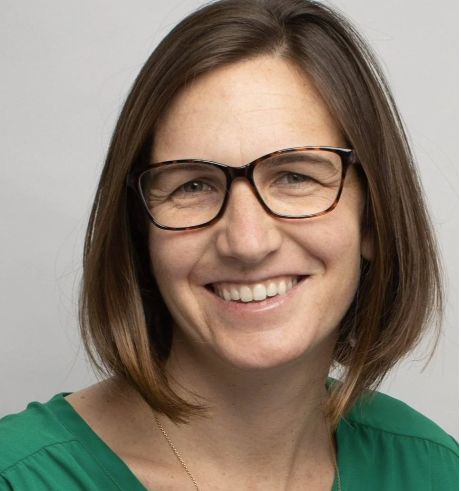
Interview with Kate Harris: https://www.kateharrisgroup.com/who-we-are In this episode of the Whole Whale podcast, host George speaks with Kate Harris, founder and principal of the Kate Harris Group, about the often misunderstood and stigmatized concept of collaboration and mergers in the nonprofit sector. Kate explains how her organization helps nonprofits navigate significant transitions, often involving mergers or shared services, to better align their mission and structure. They discuss the benefits of structural changes, the nuances of different types of mergers, and the vital role of funders in these processes. Kate also emphasizes the importance of continuous collaboration and adaptability for nonprofit survival and growth, and the need to normalize conversations about mergers and organizational changes to better serve communities.
Ep 466DEVELOPING: GoFundMe Backtracks After Backlash to Millions of Auto-Generated Nonprofit Donation Pages (news)
*****UPDATE: After we recorded this episode, GoFundMe announced they would reverse their stance on auto-generated nonprofit donation pages made without their consent making them opt-in instead of opt-out. Unclaimed Nonprofit Pages, they wrote in a public response, would be removed and de-indexed.***** In this episode of Nonprofit Newsfeed, George Weiner, Chief Whaler of Whole Whale, and Nick Azulay, digital strategist at Whole Whale, dive into a startling discovery involving GoFundMe's creation of 1.4 million shadow donation pages for US nonprofits. Without outreach or consent, GoFundMe auto-generated these pages, raising significant concerns within the nonprofit community. Discovery of Shadow Pages: The hosts note how they discovered that many nonprofits, including Whole Whale clients, had active GoFundMe pages soliciting donations without their knowledge or consent. Potential Ramifications: The hosts discuss the implications of GoFundMe using nonprofit logos and public information without permission. The platform also initially set a default tip for itself at 16.5%, which has since been reduced following public backlash. Impact on Nonprofits: The episode emphasizes the risk to nonprofit brand management, especially with the upcoming end-of-year giving season. Nonprofits now face the challenge of ensuring their brand integrity and donor relationships are not compromised. Recommendations for Nonprofits: George and Nick outline a "claim, clean, and correct" strategy. They advise nonprofits to claim their GoFundMe pages, correct any inaccuracies, and make the pages private to protect their brand and donor data. Broader Implications: The conversation extends to the potential impact on AI systems that rely on indexed information from such pages, affecting how nonprofits are represented in digital spaces.
Ep 465Government Shutdown's Impact on Nonprofits & A $500M AI Initiative (news)
In this week's episode the hosts delve into the ongoing U.S. government shutdown and its implications for the nonprofit sector. The shutdown, now extending over half a month, poses significant challenges for nonprofits that rely on government partnerships. With 750,000 federal workers furloughed, nonprofits face operational hurdles, particularly in grant management and accessing social services like SNAP benefits. The shutdown's ripple effects could increase demand for nonprofit services as more workers remain unpaid and public services remain halted. In brighter news, a consortium of ten major philanthropic foundations has announced a $500 million initiative, Humanity Forward, to explore AI's societal impacts. This collaborative effort includes the Doris Duke Foundation, Ford Foundation, and MacArthur Foundation, among others. The initiative aims to investigate AI's influence on democracy, economy, culture, and education, with funds being distributed as early as fall 2025. The episode highlights the importance of nonprofits actively engaging with AI to drive innovation rather than being passive participants. The hosts also introduce a fun, albeit tongue-in-cheek, mini-game created by Whole Whale. The game serves as a metaphor for the challenges nonprofits face in fundraising, emphasizing innovative content strategies to engage audiences beyond traditional written articles. This interactive approach underscores the potential for nonprofits to leverage AI and technology in new ways. For nonprofits navigating these uncertain times, the episode underscores the importance of strategic planning and adapting to technological advancements. The discussion encourages nonprofits to explore AI's potential and consider how these tools can enhance their mission-driven work.
Ep 464SHUTDOWN. How The Closure of the U.S. Government Will Impact Nonprofits. (news)
Nonprofit Sector Faces Challenges Amid Government Shutdown and Advocacy Efforts In this week's episode the focus is on the implications of the U.S. government shutdown and recent advocacy efforts within the nonprofit sector. The episode tackles two primary topics: the immediate impacts of the government shutdown on nonprofits and a coalition's response to political challenges against the Open Society Foundations. Government Shutdown Impact on Nonprofits The episode begins with a discussion on the current government shutdown, the first since 2018. George and Nick outline the immediate consequences, such as non-essential federal employees facing furloughs and potential delays in grant disbursements. This could lead nonprofits to seek high-cost loans, cut services, or reduce staff if the shutdown persists. Organizations like food banks and those relying on government contracts are particularly vulnerable. The hosts suggest nonprofits explore temporary lines of credit to manage cash flow during this period. Advocacy Against Political Retaliation The episode also highlights a broad coalition of nonprofits, including the ACLU and NAACP Legal Defense Fund, condemning political retaliation against the Open Society Foundations. The coalition argues against the Department of Justice's investigation, viewing it as a threat to free speech and democratic values. The hosts emphasize the importance of advocacy and coalition building in protecting civil society from political interference.

Ep 463Are you asking for the right asset? Fundraising Secrets with the Philanthropy Guy
Navigating the Philanthropy Landscape with the 'Philanthropy Guy' In this episode, host George Weiner sits down with Rick Peck, also known as "The Philanthropy Guy," to discuss strategies for nonprofits preparing for the crucial Q4 giving season, commonly referred to as the "nonprofit philanthropy Super Bowl." Rick, a seasoned consultant in the nonprofit space, shares insights on donor engagement, effective fundraising strategies, and the importance of cultivating relationships with major donors. Main Topics: Rick Peck, a consultant helping midsize nonprofits engage with larger donors, shares his expertise. Discussion on the importance of diversifying revenue streams amidst shrinking grant availability. Emphasis on building a strong case for support and soliciting non-cash asset donations. Insights into donor personas and the nuances of engaging high-net-worth individuals. Critical Insights: Many nonprofits face a "quiet panic" as they scramble to prepare for year-end giving, often due to a lack of preparation and over-reliance on grants. Peck advocates for a strategic approach, urging nonprofits to develop a strong foundational case for support and to consider soliciting non-cash assets, such as real estate or stocks, to maximize donations. Understanding donor personas—such as "drivers" and "expressives"—can significantly improve donor engagement strategies. The role of donor-advised funds (DAFs) is explored, highlighting both their potential benefits and the complexities they introduce into the philanthropic landscape.
Ep 462DEBATE! 📽️ 🎬 🎞️ Emmys Charitable Donation Stunt Raises Money, And Eyebrows (news)
Emmy's Gamification of Charity: A Hit or Miss? In a recent podcast episode, the hosts dissect the unconventional charity initiative at the Emmy Awards, where host Nate Bargatze pledged $100,000 to the Boys and Girls Clubs of America. The twist: the donation amount would decrease based on the length of celebrity speeches, while shorter speeches would add to the fund. Despite the initial $100,000 dropping by $60,000 due to long speeches, Bargatze and CBS ultimately donated $350,000. The hosts debated the merits of this gamified approach to philanthropy. Critics argue it cheapens the serious work of nonprofits and aligns charity with guilt and shame. Conversely, supporters highlight the significant funds raised and the increased visibility for the Boys and Girls Clubs, as evidenced by a spike in Google searches. They argue that such creative fundraising efforts engage the public and inject fun into philanthropy.
Ep 461Nonprofit Wellness Index: Nonprofits See Positive Signs (news)
Nonprofit Sector Sees Positive Trends and AI Empowerment Amidst Challenges In this week's episode of the Nonprofit Newsfeed the duo delve into the latest updates and insights impacting the nonprofit world. Nonprofit Wellness Index Sees Positive Shift The episode kicks off with an encouraging update on the Nonprofit Wellness Index, which has reported its best month since inception. This index, tracking metrics like donation activity, ad spend, and job sector churn, showed a significant rebound from previous months, with notable increases in nonprofit job postings on platforms like Glassdoor and a rise in ad spending on Facebook. While some of this growth might be seasonal, the data suggests a positive trend for the sector, potentially signaling a more stable period ahead. Google for Nonprofits Expands AI Capabilities A major highlight is Google's expansion of its Nonprofits Workspace, now offering AI credits to organizations in the program. This includes access to powerful tools like Google Sheets, Gemini Notebook, and other AI-driven resources, providing nonprofits with high-value, cost-effective solutions. George emphasizes the importance of leveraging these free resources before investing in third-party tools, likening their value to the underutilized Google Ad Grant. Legal and Governance Challenges with ESG The conversation shifts to the complex landscape of ESG (Environmental, Social, and Governance) policies, spotlighting a lawsuit by Texas against corporations implementing ESG practices. This legal pushback, fueled by conservative think tanks, highlights the contentious nature of ESG in corporate governance. Despite criticisms of ESG's broad metrics, George underscores the inevitable market forces that will drive sustainable practices, regardless of political opposition. Gender Equity in Nonprofit Leadership The episode also touches on the Candid 2025 Nonprofit Compensation Report, revealing persistent gender disparities in nonprofit leadership. Despite efforts towards DEI (Diversity, Equity, and Inclusion), women remain underrepresented in CEO roles at large organizations, prompting ongoing discussions about achieving true equity in the sector.
Ep 460Godfather of Google Analytics Gives us $100k in AI Consulting Wisdom! 📊
Navigating the Future of Nonprofits: AI, Analytics, and Philanthropy Shifts In this episode of Nonprofit Newsfeed the hosts dive into several key topics impacting the nonprofit sector. After a brief hiatus, the duo returns with insights from a compelling interview with Avinash Kaushik, a leading figure in the analytics world, known as the "godfather of Google Analytics." Key Highlights: Answer Engine Optimization (AEO): The conversation with Avinash emphasizes the transition from traditional SEO to AEO, where nonprofits must adapt to question-and-answer interactions driven by LLMs (Large Language Models). Avinash predicts a potential decline in nonprofit web traffic by 16% to 64% and paid search traffic by 5% to 30% as AI changes how audiences find information. The key takeaway is for nonprofits to focus on creating content with novelty, depth, and authenticity to stand out. Nonprofit Wellness Index: George and Nick introduce the Nonprofit Wellness Index, a metric tracking nonprofit sector health through digital ad spend, job listings, and volunteer opportunities. July's data indicated a slight downturn, which could suggest a seasonal trend or a broader economic slowdown. This index aims to offer insights into the sector's macro trends. Gates Foundation's Strategic Shift: The episode discusses the Gates Foundation's decision to end new grants to Arabella Advisors, a major player in progressive philanthropy. This move, potentially influenced by political pressures, reflects a broader trend of risk aversion in high-tier philanthropy, which could impact progressive causes. Feel-Good Spotlight: Health in the Hood, a nonprofit tackling food insecurity in Miami, is highlighted for its efforts in distributing 15,000 pounds of food monthly through urban gardens and large-scale distribution. This initiative addresses food deserts and supermarket redlining, providing essential nutrition to underserved communities. Insights and Recommendations: Nonprofits should leverage human creativity alongside AI tools, ensuring their content remains unique and engaging to maintain visibility and relevance in an AI-driven landscape. The Nonprofit Wellness Index serves as a valuable tool for organizations to track and respond to sector trends, helping them navigate economic fluctuations. Philanthropic organizations need to be aware of the political and economic environments influencing their strategies and partnerships.

Ep 459“10 blue links” era is over, Create AI-Resistant Content | Avinash Kaushik
Nonprofits, your “10 blue links” era is over. In this episode, Avinash Kaushik (Human-Made Machine; Occam’s Razor) breaks down Answer Engine Optimization—why LLMs now decide who gets seen, why third-party chatter outweighs your own site, and what to do about it. We get tactical: build AI-resistant content (genuine novelty + depth), go multimodal (text, video, audio), and stamp everything with real attribution so bots can’t regurgitate you into sludge. We also cover measurement that isn’t delusional—group your AEO referrals, expect fewer visits but higher intent, and stop worshiping last-click and vanity metrics. Avinash updates the 10/90 rule for the AI age (invest in people, plus “synthetic interns”), and torpedoes linear funnels in favor of See-Think-Do-Care anchored in intent. If you want a blunt, practical playbook for staying visible—and actually converting—when answers beat searches, this is it. About Avinash Avinash Kaushik is a leading voice in marketing analytics—the author of Web Analytics: An Hour a Day and Web Analytics 2.0, publisher of the Marketing <> Analytics Intersect newsletter, and longtime writer of the Occam’s Razor blog. He leads strategy at Human Made Machine, advises Tapestry on brand strategy/marketing transformation, and previously served as Google’s Digital Marketing Evangelist. Uniquely, he donates 100% of his book royalties and paid newsletter revenue to charity (civil rights, early childhood education, UN OCHA; previously Smile Train and Doctors Without Borders). He also co-founded Market Motive. Resource Links Avinash Kaushik — Occam’s Razor (site/home) Occam's Razor by Avinash Kaushik Marketing <> Analytics Intersect (newsletter sign-up) Occam's Razor by Avinash Kaushik AEO series starter: “AI Age Marketing: Bye SEO, Hello AEO!” Occam's Razor by Avinash Kaushik See-Think-Do-Care (framework explainer) Occam's Razor by Avinash Kaushik Books: Web Analytics: An Hour a Day | Web Analytics 2.0 (author pages) Occam's Razor by Avinash Kaushik+1 Human Made Machine (creative pre-testing) — Home | About | Products humanmademachine.com+2humanmademachine.com+2 Tapestry (Coach, Kate Spade) (company site) Tapestry Tools mentioned (AEO measurement): Trakkr (AI visibility / prompts / sentiment) Trakkr Evertune (AI Brand Index & monitoring) evertune.ai GA4 how-tos (for your AEO channel + attribution): Custom Channel Groups (create an “AEO” channel) Google Help Attribution Paths report (multi-touch view) Google Help Nonprofit vetting (Avinash’s donation diligence): Charity Navigator (ratings) Charity Navigator Google for Nonprofits — Gemini & NotebookLM (AI access) Announcement / overview | Workspace AI for nonprofits blog.googleGoogle Help Example NGO Avinash supports: EMERGENCY (Italy) EMERGENCY Transcript Avinash Kaushik: [00:00:00] So traffic's gonna go down. So if you're a business, you're a nonprofit, how. Do you deal with the fact that you're gonna lose a lot of traffic that you get from a search engine? Today, when all of humanity moves to the answer Engine W world, only about two or 3% of the people are doing it. It's growing very rapidly. Um, and so the art of answer engine optimization is making sure that we are building for these LMS and not getting stuck with only solving for Google with the old SEO techniques. Some of them still work, but you need to learn a lot of new stuff because on average, organic traffic will drop between 16 to 64% negative and paid search traffic will drop between five to 30% negative. And that is a huge challenge. And the reason you should start with AEO now George Weiner: [00:01:00] This week's guest, Avinash Kaushik is an absolute hero of mine because of his amazing, uh, work in the field of web analytics. And also, more importantly, I'd say education. Avinash Kaushik, , digital marketing evangelist at Google for Google Analytics. He spent 16 years there. He basically is. In the room where it happened, when the underlying ability to understand what's going on on our websites was was created. More importantly, I think for me, you know, he joined us on episode 45 back in 2016, and he still is, I believe, on the cutting edge of what's about to happen with AEO and the death of SEO. I wanna unpack that 'cause we kind of fly through terms [00:02:00] before we get into this podcast interview AEO. Answer engine optimization. It's this world of saying, alright, how do we create content that can't just be, , regurgitated by bots, , wholesale taken. And it's a big shift from SEO search engine optimization. This classic work of creating content for Google to give us 10 blue links for people to click on that behavior is changing. And when. We go through a period of change. I always wanna look at primary sources. The people that, , are likely to know the most and do the most. And he operates in the for-profit world. But make no mistake, he cares deeply about nonprofits. His expertise, , has frankly been tested, proven and reproven. So I pay atte
Ep 458🚨 The Future of Search Is Here, And It's Skipping Your Website! 💻 (news)
AI's Impact on Search Behavior and Direct Cash Assistance: Key Insights for Nonprofits In this week's episode of Nonprofit Newsfeed the hosts dive into the evolving landscape of digital search and the effectiveness of cash assistance programs. They explore how AI-generated summaries on search engines like Google are altering user behavior and the implications for nonprofit content strategies. They also discuss a recent study on cash assistance's impact on low-income families and children's development. Main Topics Discussed: AI's Influence on Search Behavior: A Pew Research Center survey reveals that AI summaries in search results significantly reduce click-through rates. Users are 50% less likely to click on links when AI summaries are present, and browsing sessions tend to end faster. AI summaries are more prevalent in long-tail search queries, especially those starting with question words like "who," "what," "when," "where," "why." The discussion highlights the need for nonprofits to adapt their content strategies, focusing on brand presence and conversion optimization as traditional traffic metrics evolve. Effectiveness of Cash Assistance Programs: A New York Times report on a four-year cash assistance pilot shows no measurable improvement in children's development among low-income families receiving $333 monthly. Researchers suggest factors like the pandemic and small payment size might have influenced results. The findings spark debate on direct cash assistance's effectiveness, with George emphasizing the need for comprehensive support systems beyond financial aid. AI for Nonprofits Book Release: George shares excitement about contributing to "AI for Nonprofits," a comprehensive guide featuring insights from 57 experts on leveraging AI across nonprofit operations, fundraising, and marketing.
Ep 457DEBATE: New Data Centers Fueled By AI Race Already Causing Environmental Justice Concerns (news)
In this week's episode of Nonprofit Newsfeed the focus is on the environmental impacts of AI data centers. This conversation is sparked by a New York Times article highlighting the plight of a family in Georgia affected by a nearby Meta data center. The discussion evolves into a broader debate on the ecological footprint of AI technologies and how nonprofits can navigate these concerns. Main Topics and Insights: AI Data Centers and Environmental Concerns: The episode delves into the environmental impact of AI data centers, which require significant water and energy resources. For instance, a new Amazon data center in Indiana demands 2.2 gigawatts of electricity, enough to power a million homes. The hosts discuss the story of Beverly and Jeff Morris, whose well water quality deteriorated following the construction of a Meta data center near their home, illustrating the localized environmental strain caused by such facilities. Debate on AI's Environmental Footprint: George and Nick engage in a debate, weighing the environmental costs against the technological advancements AI brings. George argues for a balanced view, noting that all technological innovations initially consume significant resources but become more efficient over time. Nick emphasizes the real and immediate impact on local communities, advocating for more responsible and sustainable practices by tech companies. Nonprofit Sector Considerations: The episode provides insights for nonprofits on communicating these complex issues to their audiences. It encourages a nuanced approach, recognizing the potential benefits of AI in enhancing operational efficiency and impact, while also advocating for sustainable practices in tech development. Additional Highlights: OpenAI's $50 Million Nonprofit Fund: The episode briefly touches on OpenAI's initiative to support community organizations, focusing on leveraging AI for education, economic opportunities, and community organizing. IRS Changes on Political Activity for Religious Institutions: A new IRS ruling allows religious 501(c)(3) organizations to endorse political candidates, raising concerns about potential loopholes in campaign finance laws.
Ep 456🚨 Our Shocking Discovery: Everything Nonprofits Need To Know About AI & Server Costs (news)
Navigating AI and Nonprofit Challenges: Insights from Whole Whale In this episode of the Nonprofit Newsfeed the focus is on the evolving landscape of AI and its implications for nonprofit organizations. With a special emphasis on the intersection of technology and nonprofit operations, this episode dives into the rising challenges and opportunities presented by AI. Skyrocketing Bot Traffic and Server Strain: Nonprofits, especially those with extensive digital resources, are experiencing increased server costs due to AI-driven bot traffic. This surge is attributed to AI companies aggressively crawling websites, leading to higher hosting expenses and potential performance issues for human users. Nonprofits like libraries, cultural institutions, and research organizations are particularly affected. Mitigating Bot Traffic: Strategies to manage this include analyzing server logs beyond standard analytics to identify non-human traffic and implementing regional and type-specific bot blocking. Tools like CloudFlare are introducing measures to help manage crawler access, including a pay-per-crawl system to offset costs. AI Avatars in Humanitarian Contexts: The episode discusses a controversial UN experiment using AI avatars to simulate refugees, sparking debates about empathy, representation, and the ethical use of AI in sensitive humanitarian contexts. The conversation highlights concerns about AI's role in potentially distancing aid efforts from the real experiences of affected individuals. Grok AI Model's Controversy: The episode touches on the recent issues with X AI's Grok model, which exhibited problematic behavior with minimal prompting, leading to its temporary deactivation. This incident underscores the importance of thorough testing and red-teaming to prevent AI tools from spreading harmful content.
Ep 455The 10% Trap: Why Overhead Obsession is Still Killing Nonprofits | Ken Berger
In this conversation, George Weiner speaks with Ken Berger, the former CEO of Charity Navigator, about the evolution of nonprofit evaluation, the challenges of measuring overhead, and the importance of adapting to changing funding landscapes. They discuss the impact of effective altruism, the necessity of mergers in the nonprofit sector, and the role of storytelling and data in demonstrating outcomes. Ken shares valuable insights and advice for current and future nonprofit leaders, emphasizing the need for humility, collaboration, and strategic planning in navigating the complexities of the nonprofit world. takeaways The overhead debate has historically hurt nonprofits. Metrics for evaluating nonprofits are evolving beyond just overhead. Nonprofits must strategically manage their overhead to thrive. Advocacy and strategic planning are crucial in times of funding cuts. Mergers can be a viable solution for struggling nonprofits. Effective altruism has its limitations and assumptions. Measuring outcomes is a significant challenge for many nonprofits. Data can help bridge the gap between outputs and meaningful outcomes. Storytelling remains a powerful tool for nonprofits. Future nonprofit leaders must be humble and open to learning.
Ep 454🕵️♂️ INVESTIGATION: How Donation Platforms "Lock-In" Nonprofits By Making Migrating Monthly Donors Nearly Impossible (news)
In this week's episode of the Nonprofit Newsfeed, George and Nick delve into the critical issue of donor data ownership within donation platforms. They reveal that for 25% of platforms, nonprofits cannot seamlessly migrate recurring donors, potentially severing relationships with monthly contributors. George emphasizes the importance of understanding donor payment tokens and the impact of being locked into platforms without data portability. The episode also touches on the philanthropic landscape, highlighting Warren Buffett's record $6 billion donation to various foundations and the ongoing influence of billionaire philanthropy. This brings into focus the necessity of smart, long-term philanthropic planning to avoid potential pitfalls of sudden funding withdrawals. Moreover, the conversation shifts to the legislative sphere, discussing the ramifications of the "big, beautiful bill" that threatens significant cuts to Medicaid and SNAP benefits, impacting millions of Americans. The hosts underline the urgency for nonprofits to prepare for increased demand on their services and the potential closures of rural hospitals and food banks due to these cuts.

Ep 453The Monthly Donor Lockup Problem: When Platforms Hold your Donor Data Hostage
In this episode of the Whole Whale podcast, host George Weiner speaks with Sal Alpietro, Chief Community Officer at Fundraise Up, about a critical issue affecting nonprofits: the ownership and transfer of payment tokens for monthly donors. Sal shares alarming stories of nonprofits facing exorbitant fees and resistance when trying to move donor data between platforms. They discuss the importance of asking the right questions before signing contracts with donation platforms and the potential financial and operational risks of not doing so. Sal also shares advice on best practices and offers insights into recent developments at Fundraise Up. -- If your nonprofit does not own the payments portal account (IE Stripe, Braintree, Paypal) and it has monthly donors, then it may not actually “own” those donors. While standard donation platform contracts allow for donor contact information to be exported, they may not allow the Donor Payment Tokens that allow for ongoing monthly donations to be exported. This means your nonprofit would lose the ability to continue to charge monthly donations from donors that had opted-in to donate if you moved platforms. Donation platforms range from small to huge fees to export this data, while some block this ability all together. Here is a great LinkedIn explanation of this Here is information going back to 2018 from the Agitator calling out this monthly donor lockup issue. “I have seen nonprofits literally in tears when they were told they needed to payup $30k to get permission to migrate their monthly donorbase built over years.” Salvatore Salpietro, Chief Community Officer, Fundraise Up Full article on the Monthly Donor lockup problem.
Ep 452NO KINGS Protests Draw Millions In Major Civil Society Action (news)
In this episode of the Nonprofit Newsfeed, hosts George and Nick explore the intricacies of recent mass mobilizations and the challenges facing nonprofits. The podcast focuses on the recent "No Kings" protests, a massive mobilization across all 50 states with participation from an estimated 5 to 7 million people. Nick shares his firsthand experience at the New York protest, emphasizing the diverse and passionate turnout despite the rain. The event's success hinged on strategic digital organizing through platforms like Mobilize Us and support from major organizations such as the ACLU and Indivisible. A key takeaway is the power of peaceful protest and the impressive organization behind such large-scale events, including a comprehensive 17-page guide for rally hosts. The discussion transitions to the broader theme of attacks on civil society, both domestically and globally. An article from Lawfare highlights how authoritarian regimes worldwide, including those in Nicaragua, Turkey, Hungary, and Russia, are suppressing civil society under the guise of national security. This pattern is mirrored in the U.S., where political rhetoric is increasingly used to justify crackdowns on nonprofits and civil liberties.
Ep 451Understanding The “Big Beautiful Bill’s” Nonprofit Provisions (news)
This week on the Nonprofit Newsfeed by Whole Whale, George and Nick delve into the ramifications of the GOP's newly proposed tax bill and its potential impact on the nonprofit sector. As the bill progresses from the House to the Senate, nonprofits face several looming challenges. These include the "foundation tax bomb," which proposes a tiered excise tax on foundation assets that could drastically reduce grant-making capacities, and a disincentive for major donors, which might discourage wealthy contributions. Smaller nonprofits are particularly at risk due to a proposed 1% minimum giving threshold that could eliminate tax incentives for small businesses. This, coupled with increased taxes on nonprofit payrolls, paints a grim picture for nonprofit funding and operations. In a shift from fiscal policies, the episode also critiques the College Board for allegedly straying from its nonprofit mission. Originally aimed at democratizing college access, the College Board is now criticized for operating like a corporation, heavily lobbying to maintain its monopoly over standardized testing. This raises broader questions about mission drift in nonprofits. On a brighter note, the episode concludes with a feel-good story about the successful reintroduction of otters in New Mexico's Rio Grande, thanks to a partnership between the New Mexico Department of Game and Fish and the nonprofit Amigos Bravos. This effort highlights the positive impact of public-nonprofit collaborations on local ecosystems.
Ep 450Microsoft Pulls Free, Donated Software Licenses To Nonprofits 📊💰 (news)
In this week's episode of the Nonprofit Newsfeed from Whole Whale, hosts Nick and George focus on significant shifts in nonprofit tech strategy and community recognition initiatives. Main Topics: Microsoft's Software Grant Changes: Microsoft announced the end of its decade-long grant program providing free Microsoft 365 business premium accounts and Office 365 E1 licenses to around 400,000 nonprofits. This change, effective for renewals on or after July 1, 2025, will require nonprofits to transition to paid licenses with only two months' notice. The financial impact is notable, especially for smaller organizations with minimal revenue, where the cost could represent 1-2% of their operating expenses. George and Nick discuss the broader implications, including the risks of dependency on single tech solutions and the potential stifling of open-source development. Whole Whale's Foundation Study: Whole Whale released its 2020-2024 foundation study, analyzing 1,600 US foundations with over $25 million in revenue. The study offers insights into grant distribution, advertising, and promotion expenses, highlighting sectors like arts, education, and legal aid as lower recipients of funding. The study is a valuable resource for nonprofits to understand funding landscapes and strategize accordingly. Legislative Updates: Recent developments in the GOP's "one big beautiful bill" indicate the removal of a controversial provision that threatened nonprofit tax-exempt statuses. This provision allowed for revocation without due process and had raised significant concerns within the nonprofit sector. Advocacy efforts from organizations like the ACLU and the Council for Nonprofits were instrumental in this outcome, though vigilance remains necessary as the bill progresses. United Way's Courage Project: The United Way launched a $5 million initiative to honor community heroes through grants of up to $50,000. Initial recipients include teachers who defended students against ICE agents and organizations supporting immigrants. This project underscores the importance of recognizing and supporting grassroots efforts that uphold community values and justice.

Ep 449Alert: Microsoft 365 Grant Cancelled & What you need to know
Understanding Microsoft Nonprofit Licensing Changes: Survival Guide and Solutions In this episode, Joshua Pesky, the Chief Product Officer at RoundTable, discusses with George the partial termination of Microsoft's grants program around Office 365 licenses. The discussion covers the impact on nonprofits, the timeline for changes, and possible solutions for affected organizations. Joshua explains the importance of checking license statuses through the admin portal and suggests alternatives like using web applications, Google Suites, or open-source software to mitigate costs. The episode also delves into the broader implications of tech expenses in the nonprofit sector and offers practical advice for managing these upcoming changes. 00:00 Introduction and Overview 00:02 Microsoft's Licensing Changes Explained 01:19 Impact on Organizations 02:37 Timeline and Deadlines 03:09 Options and Solutions 05:37 Navigating the Admin Portal 09:03 Financial Implications 09:50 Nonprofit Sector Challenges 11:17 Security and Obfuscation 12:10 Practical Advice and Final Thoughts 17:18 Survival Guide and Final Remarks
Ep 448Taxes & Bill(s) & Foundations, oh my! (news)
Gates Foundation's Bold Plan and Legislative Challenges for Nonprofits In this week's episode of the Nonprofit Newsfeed, George and Nick dive into significant developments affecting the nonprofit sector. The discussion kicks off with Bill Gates' groundbreaking announcement regarding the Gates Foundation, the largest American foundation by asset volume. Gates revealed plans to dissolve the foundation by December 2045, aiming to spend down its entire endowment of over $200 billion. The foundation will focus on three key goals: reducing preventable maternal and childhood deaths, eradicating deadly infectious diseases, and alleviating poverty. This decision is driven by cuts in U.S. foreign aid and the pressing need for immediate action in health and human development. Gates' approach reflects a shift in philanthropy, emphasizing immediate impact over legacy preservation, reminiscent of Mackenzie Scott's philanthropic strategy. This move is seen as both radical and necessary, aligning with the current urgency in addressing global challenges. The episode also covers legislative developments that could impact nonprofits. A provision in the House budget bill, dubbed the "One Big Beautiful Bill," could grant the executive branch broad powers to revoke 501(c)(3) status from nonprofits without due process. This echoes past legislative attempts and raises concerns about potential executive overreach, particularly targeting organizations involved in immigration, gender rights, and other contentious areas. Additionally, the bill proposes taxing investment income from large endowments, affecting major foundations and universities. While intended to address equity issues, critics argue it could harm philanthropic efforts by redirecting funds away from charitable work.
Ep 447The June Cliff for Nonprofit SWAG | Social Imprints
Social Imprints CEO Jeff Scheinbein warns of an impending June "cliff" for the promotional products industry as Chinese tariffs threaten to disrupt the $25 billion swag market. As a workforce development company where 85% of employees face employment barriers, Social Imprints exemplifies the American social enterprise success story now at risk from trade policies. Scheinbein explains that contrary to political narratives, manufacturing can't simply shift to the US overnight - the infrastructure doesn't exist and would take decades to develop, putting nonprofits and businesses alike in jeopardy when current inventory runs out. For nonprofits, who "live and die by the bag" at conferences, this disruption threatens a crucial donor engagement strategy. Scheinbein highlights why promotional products offer exceptional ROI: they create a sense of belonging and tribal identity while providing affordable advertising compared to traditional media campaigns. As he explains, outfitting 10,000 people with branded shirts costs just $7-9 per item - turning supporters into walking billboards for your cause at a fraction of what conventional advertising would cost. Beyond economic concerns, Scheinbein shares that successful promotional products like tote bags (with Trader Joe's boat totes being the single most popular promotional item in the US) and hats deliver the highest visibility, while eco-friendly and socially responsible items represent growing industry trends that align perfectly with nonprofit values.