
Show overview
US Presidential Speeches has been publishing since 2023, and across the 3 years since has built a catalogue of 19 episodes, alongside 2 trailers or bonus episodes. That works out to roughly 9 hours of audio in total. Releases follow a roughly quarterly cadence.
Episodes typically run twenty to thirty-five minutes — most land between 18 min and 40 min — though episode length varies meaningfully from one episode to the next. None of the episodes are flagged explicit by the publisher. It is catalogued as a EN-language Education show.
There hasn’t been a new episode in the last ninety days; the most recent episode landed 5 months ago. The busiest year was 2025, with 12 episodes published.
From the publisher
<p>This podcast features famous speeches by US presidents</p>
Latest Episodes
Barack Obama Address to the British Parliament - 2011
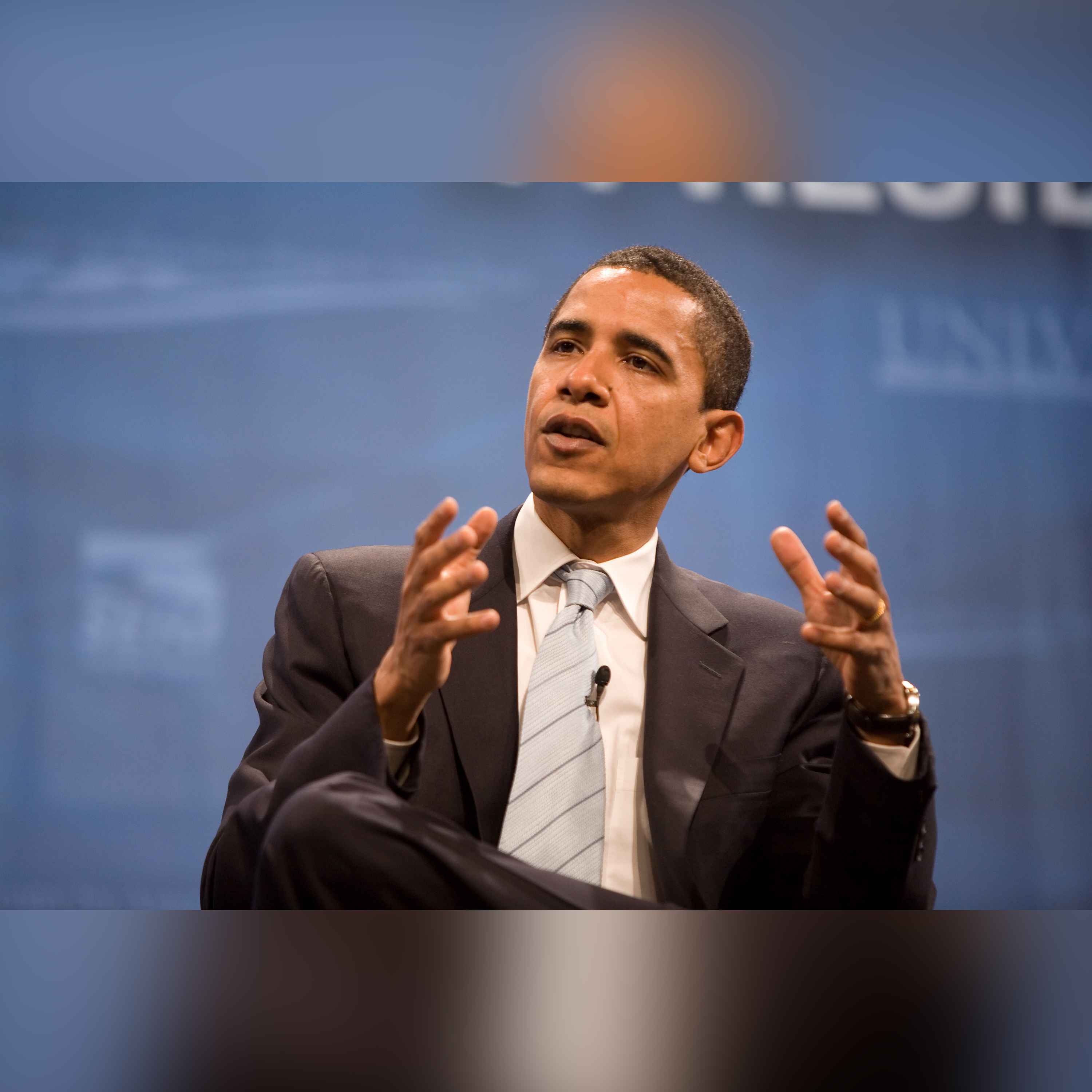
Obama State of the Union Address - 2011
<p>The president delivers his State of the Union address, with Vice President Joe Biden and Speaker of the House John Boehner.</p>
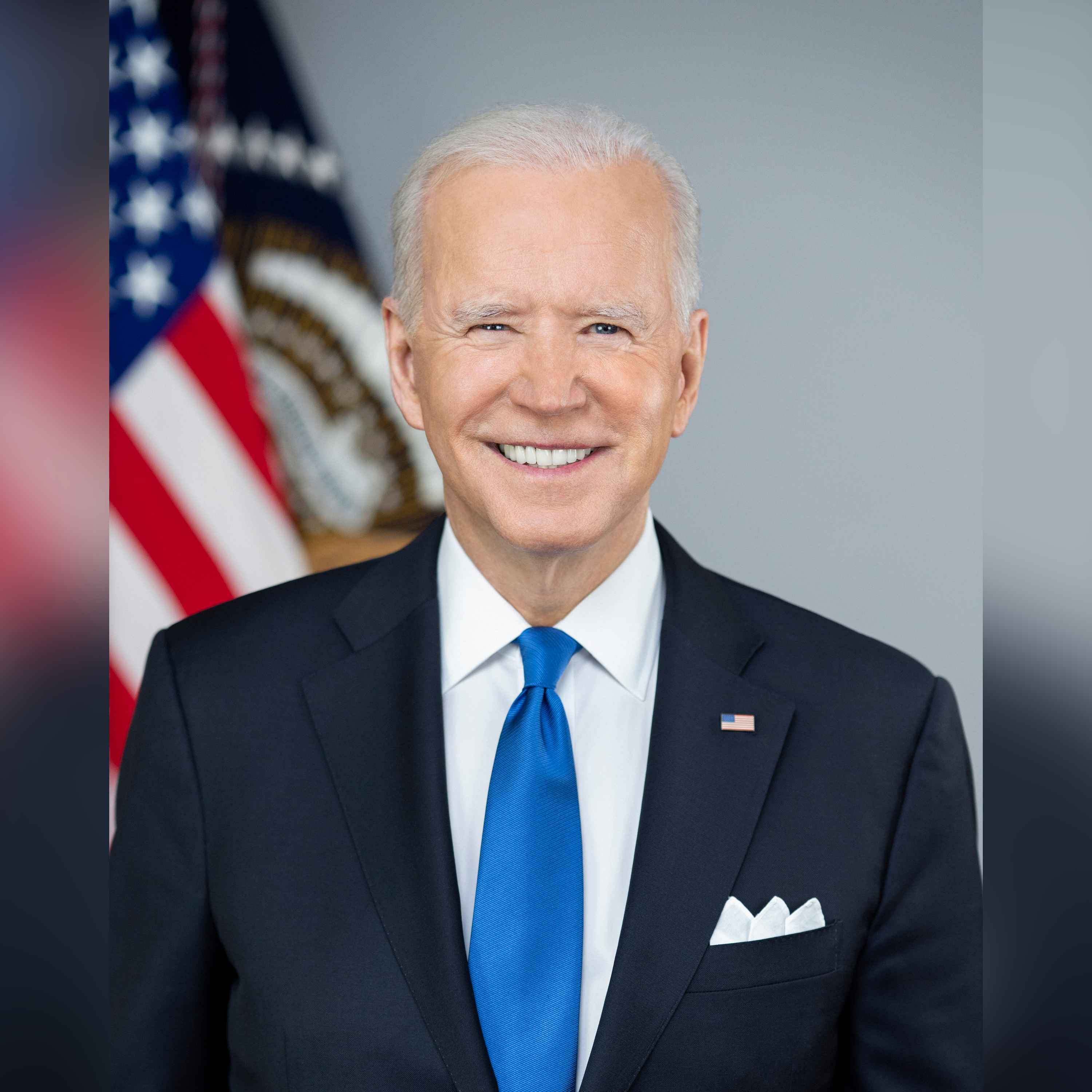
Biden on the American Rescue Plan - 2021
<p>Test 0</p> <p>Test 1</p> <p>Test 3</p> <ul> <li>test 1</li> <li><strong>test 2</strong></li> <li>test 3</li> </ul>
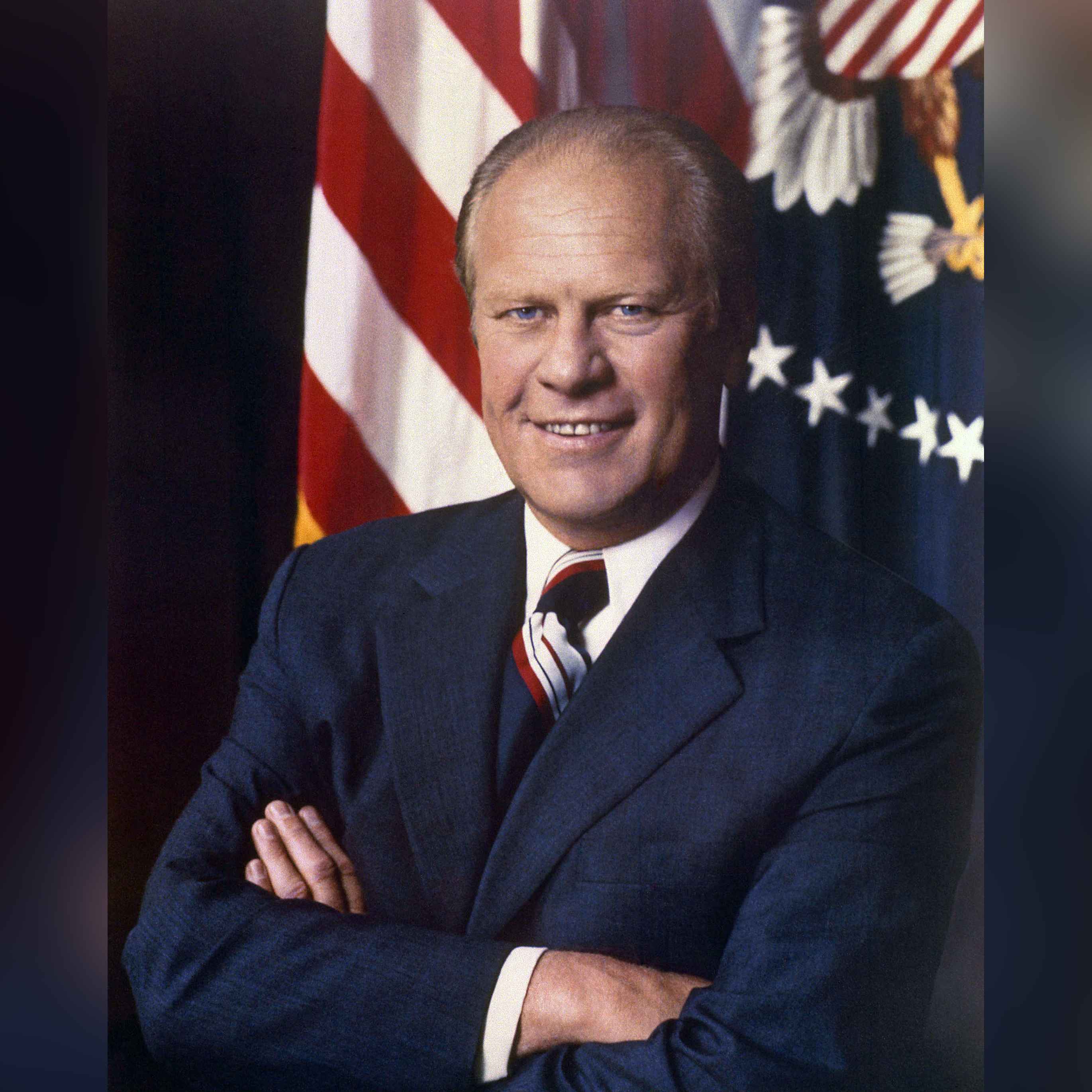
Gerald Ford State of the Union Address - 1977
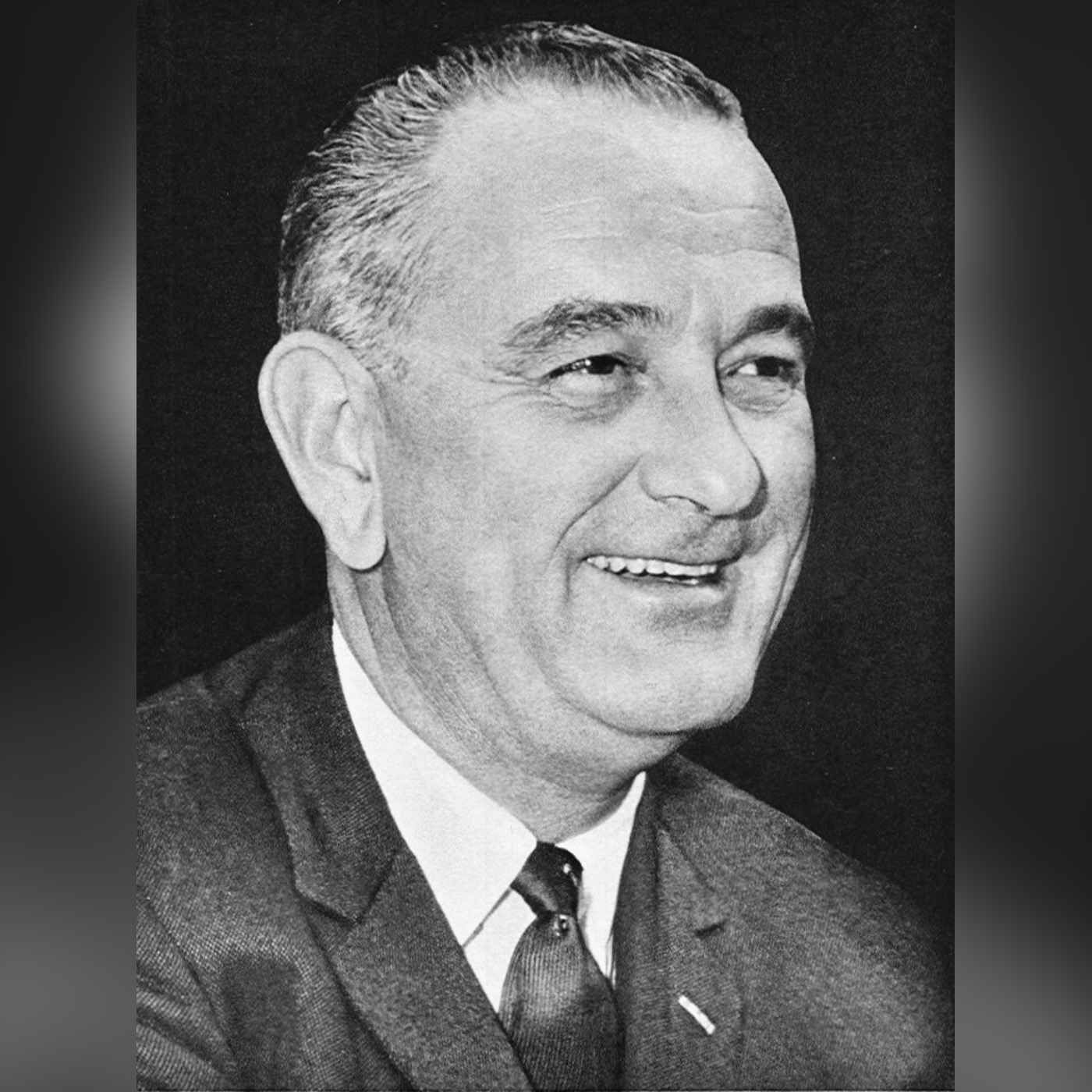
LBJ Remarks on the Signing of the Voting Rights Act - 1965
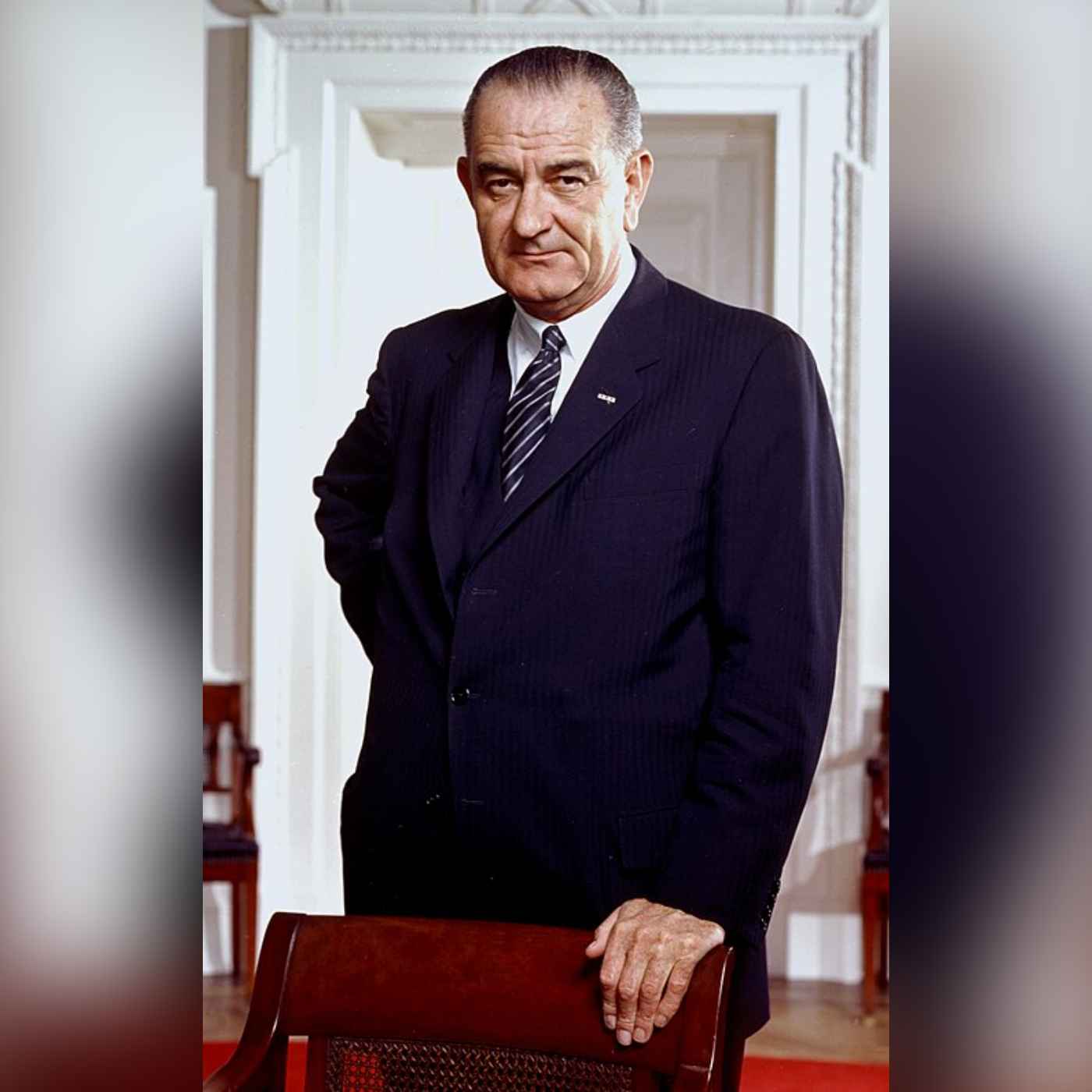
LBJ State of the Union - 1969
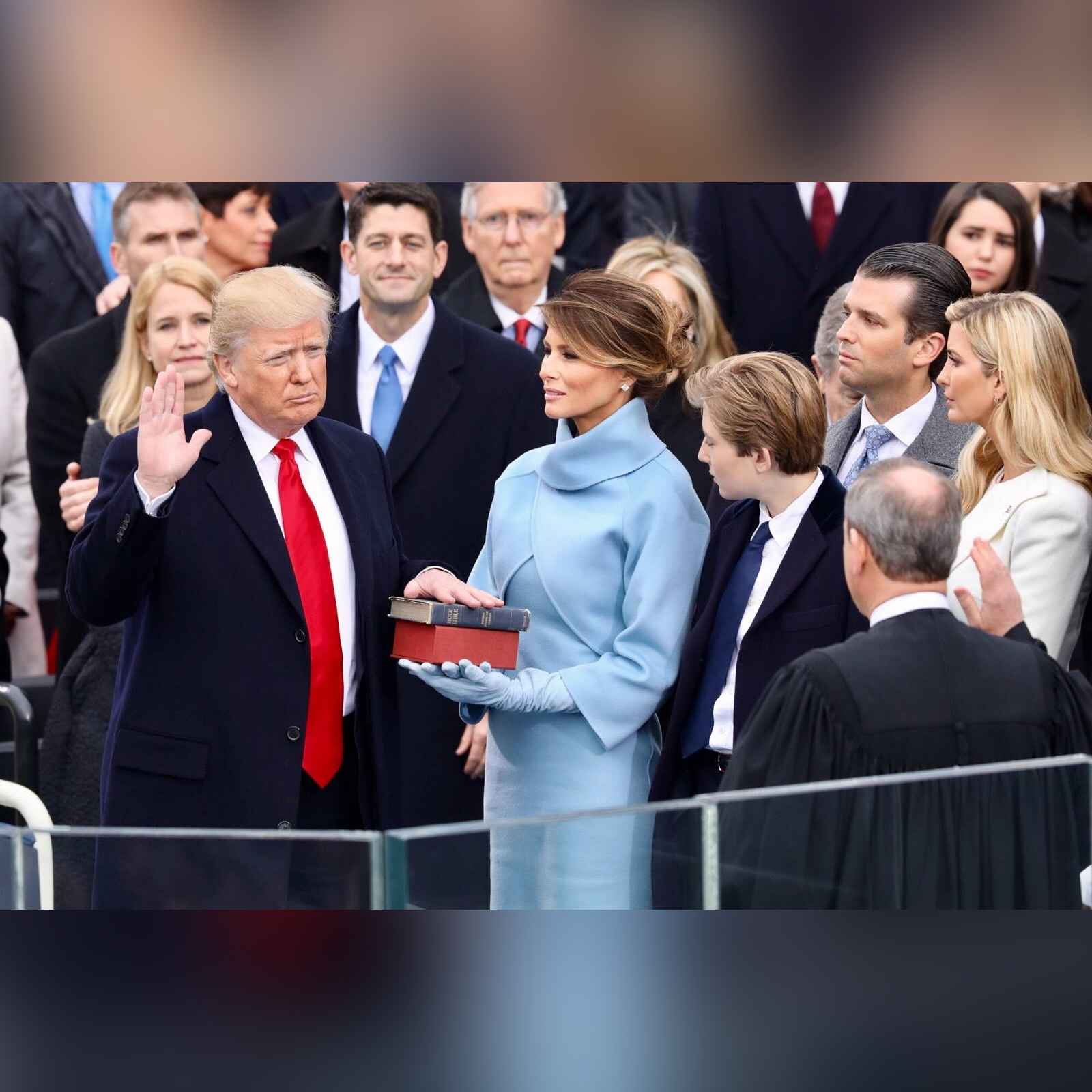
Donald Trump Inaugural Address - 2017
<p>Donald J. Trump was inaugurated on January 20, 2017. His speech had an anti-establishment message that focused on populism and his campaign slogan of "American First."</p>
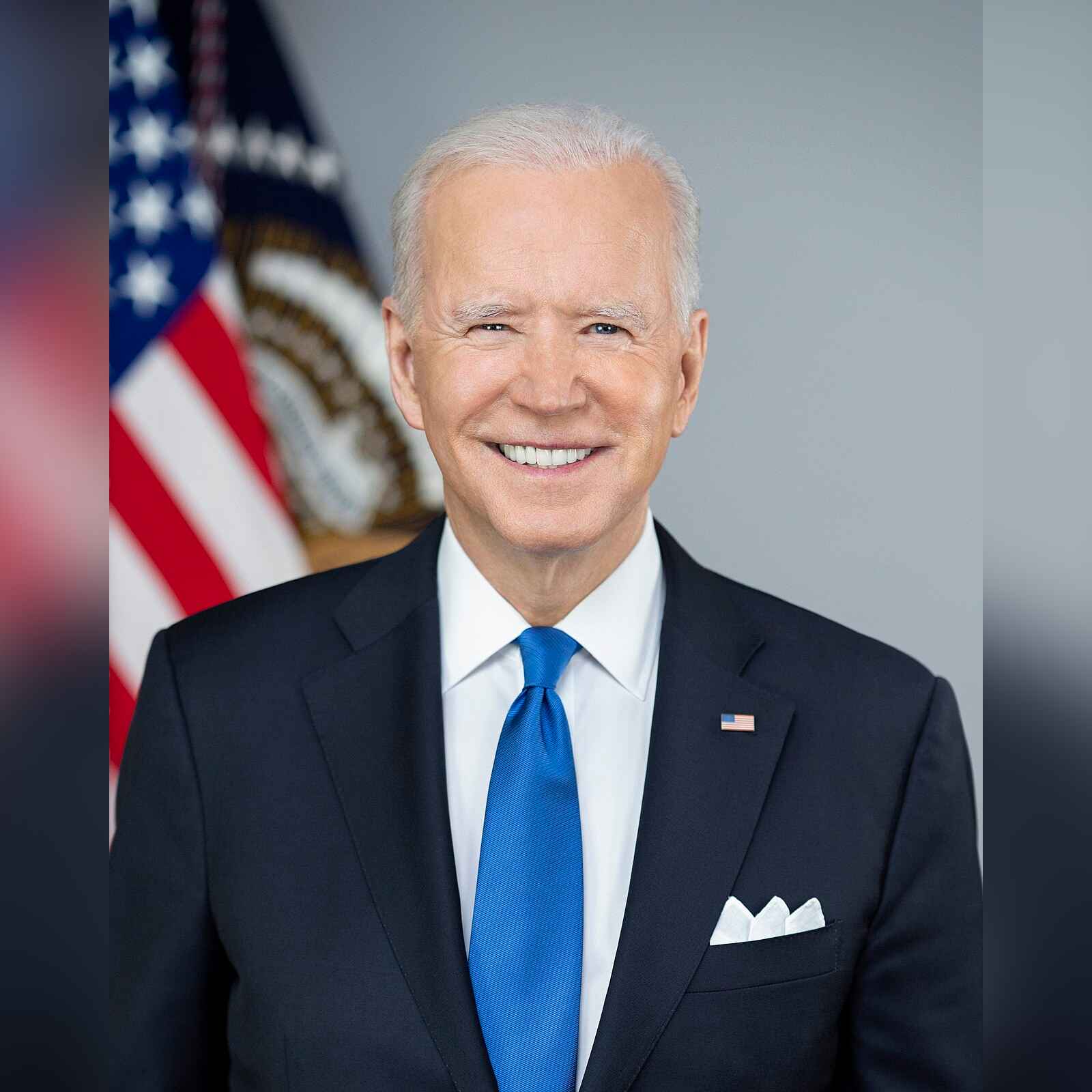
Joe Biden Statement to the American People - 2024
bonusBill Clinton Remarks on the Signing of NAFTA - 1993
<p>In light of a changing global economy, President Bill Clinton discusses the North American Free Trade Agreement (NAFTA), which allows for fairer and more efficient trade between the United States, Canada, and Mexico. He believes that this agreement, by creating the world’s largest trade zone, will promote both economic and social progress.</p>
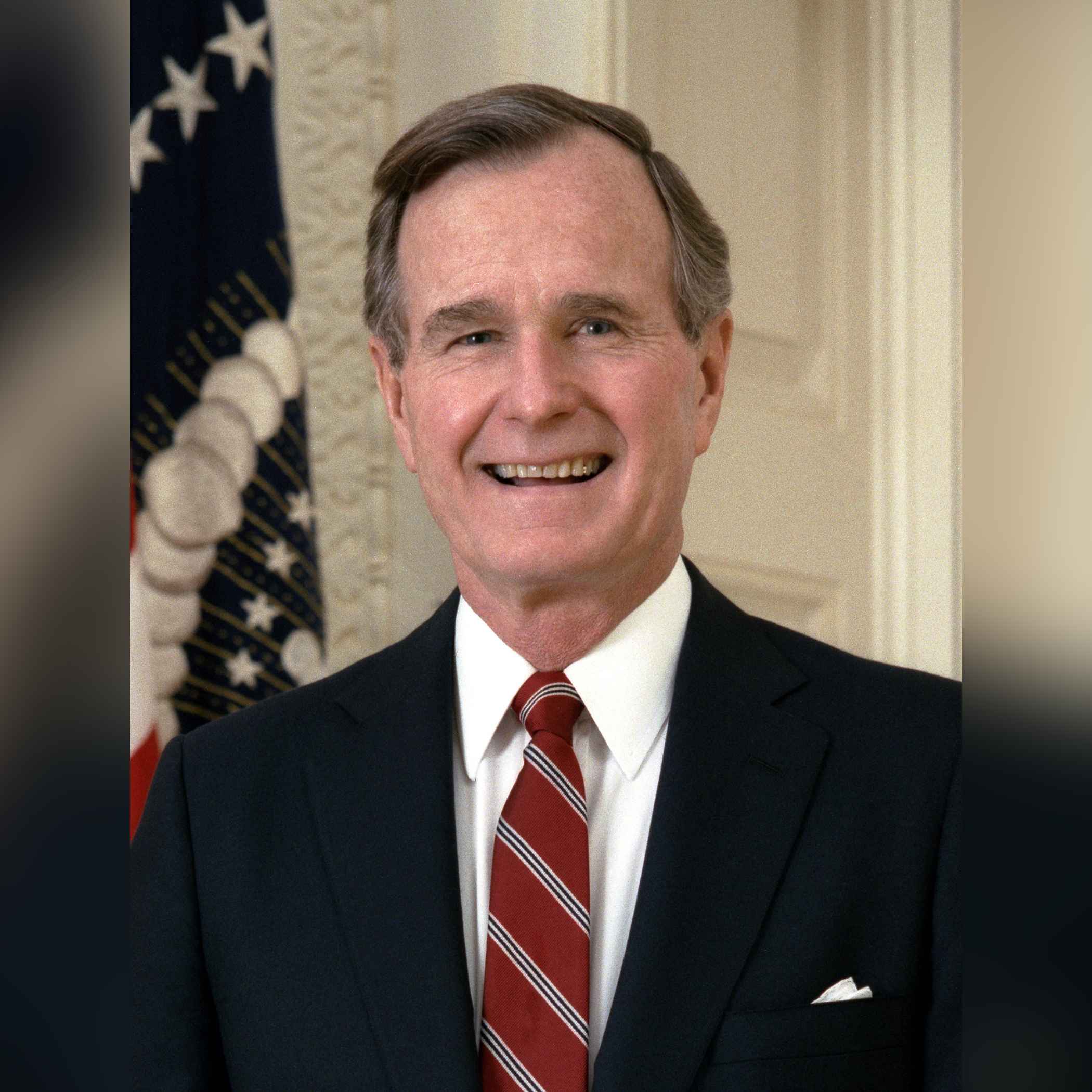
George H. W. Bush State of the Union Address - 1990
<p>In his 1990 State of the Union Address, President George H.W. Bush reflects on the monumental changes of 1989, particularly the fall of communism in Eastern Europe, and outlines his vision for America's future in a rapidly changing world.</p> <p>Key Topics:</p> <ul> <li>The Changing World Order</li> <li>Domestic Policy Goals</li> <li>Economic Investments</li> <li>Education</li> <li>Environmental Stewardship</li> <li>International Relations</li> </ul> <p>Summary:</p> <p>President Bush begins by highlighting the transformative events of 1989, characterizing them as revolutionary changes that mark a new era. He references the restoration of democracy in Panama, the rise of Solidarity in Poland, and the fall of the Berlin Wall as examples of freedom's triumph over oppression. He emphasizes that these events validate America's long-standing commitment to freedom and positions the nation at the center of a widening circle of liberty.</p> <p>The President shifts to domestic priorities, outlining a vision for a better America characterized by opportunity, equality, and progress. He envisions a nation where everyone who wants a job can find one, where women have access to quality childcare, where environmental and economic needs are balanced, and where American-made products are synonymous with quality. He stresses the importance of including disabled citizens in the mainstream of society, addressing homelessness, improving schools, and ensuring a drug-free environment for children.</p> <p>To meet the challenges and opportunities of the global market, President Bush calls for strategic investments in America's future. He highlights the need to encourage the creation of physical, intellectual, and human capital. He introduces the Family Savings Plan to encourage savings, proposes a cut in the capital gains tax to stimulate risk-taking and job creation, and pledges to increase funding for research and development, housing initiatives, drug prevention programs, space exploration, and education.</p> <p>President Bush then focuses on education, announcing America's education goals developed in cooperation with the nation's governors. These goals include ensuring that every child starts school ready to learn, increasing the high school graduation rate to 90%, assessing student performance in core subjects, making U.S. students first in the world in math and science achievement, ensuring that every adult is a skilled and literate worker, fostering disciplined learning environments, and creating drug-free schools.</p> <p>Acknowledging the importance of environmental stewardship, President Bush announces plans to elevate the Environmental Protection Agency to cabinet rank and proposes over $2 billion in new spending to protect the environment. This includes funding for global change research, expanding national parks and wildlife preserves, improving recreational facilities, and planting a billion trees a year. He urges Congress to act on key issues such as clean air, child care, education, crime and drugs, and offers his hand in cooperation. He reaffirms the government's commitment to Social Security and calls for careful consideration of health care reform.</p> <p>President Bush emphasizes the importance of maintaining democratic decency and condemns racism, anti-Semitism, bigotry, and hate. He encourages Americans to help their neighbors, address community problems, and be "points of light" to those in need. He shares a letter from a soldier who died in Panama, underscoring the values of service, freedom, and sacrifice. He concludes by addressing the changes taking place in the Sovie</p>
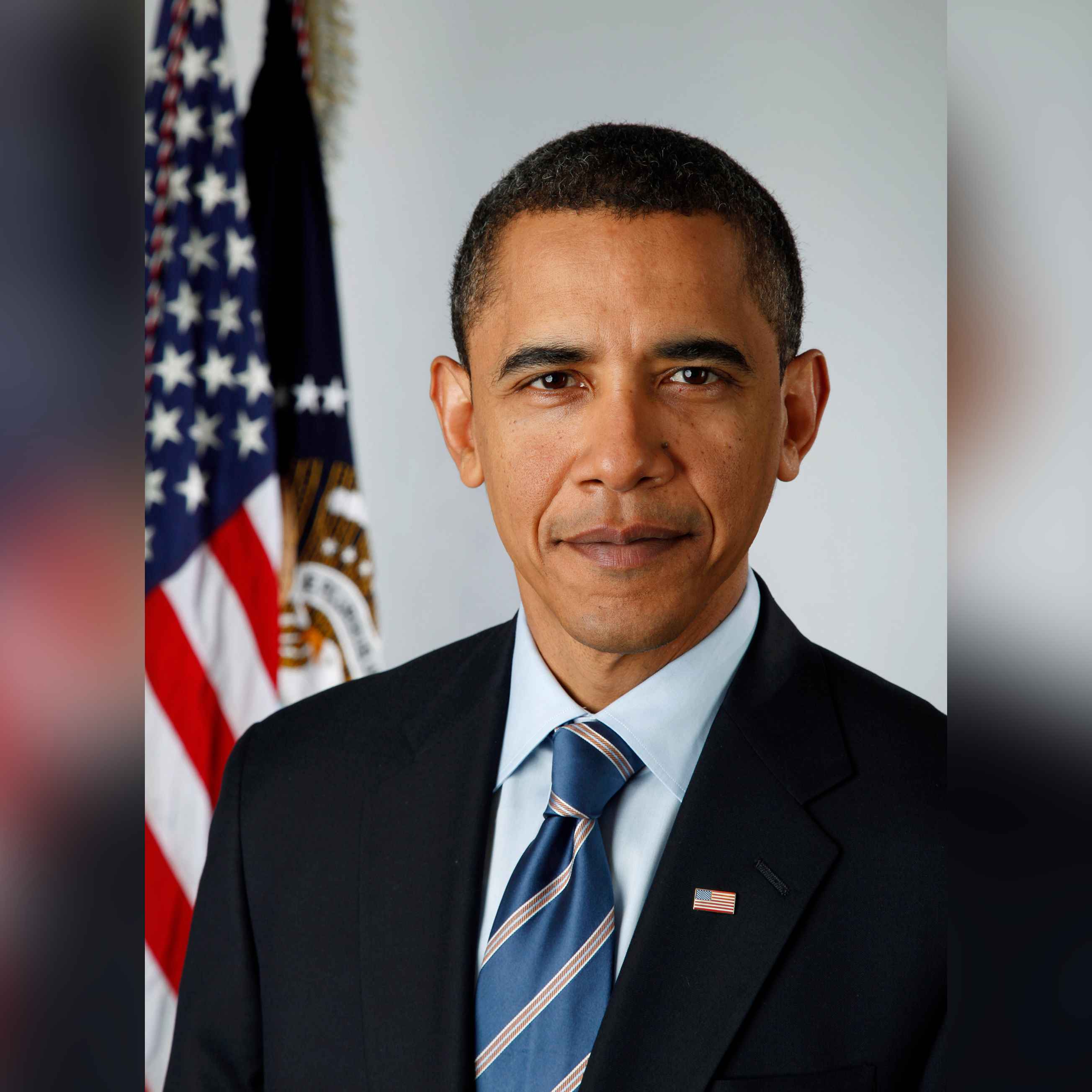
Barack Obama on Health Care Reform - 2010
<p><em>Get the full 33-minute speech early by <strong>subscribing</strong> to the show or <strong>purchasing</strong> this episode.</em></p> <p>In this podcast, President Obama discusses the urgent need for healthcare reform, highlighting the story of Natoma, an Ohio resident who lost her health insurance and was later diagnosed with leukemia.</p> <p>Key Topics:</p> <ul> <li>Healthcare Reform</li> <li>Insurance Industry Practices</li> <li>Medicare</li> <li>Affordable Care</li> </ul> <p>Summary:</p> <p>President Obama addresses a crowd in Ohio, emphasizing the critical need for healthcare reform. He introduces Natoma's story, a self-employed Ohioan who, despite years of responsible insurance payments, was priced out of her health plan due to rising premiums and subsequently diagnosed with leukemia. Obama uses Natoma's plight to illustrate the human cost of inaction on healthcare.</p> <p>He criticizes the current healthcare system, which he believes favors insurance companies over individuals. Obama outlines his healthcare proposal, which aims to build on the existing system where most Americans get insurance through their employer. The proposal focuses on three key changes: ending the worst practices of insurance companies, offering uninsured individuals and small businesses the same insurance choices as members of Congress, and lowering healthcare costs for families, businesses, and the government.</p> <p>Obama details specific aspects of his plan, such as banning insurance companies from denying coverage to children with pre-existing conditions, dropping coverage when someone gets sick, and imposing lifetime or restrictive annual limits on care. He also mentions that young adults would be able to stay on their parents' policy until age 26. The proposal includes creating a pool for uninsured individuals and small businesses to increase their negotiating power and offering tax credits to make insurance more affordable, constituting the largest middle-class tax cut for healthcare in history.</p> <p>The President addresses concerns about the cost of the plan, explaining it would be funded by reallocating existing healthcare spending, eliminating wasteful taxpayer subsidies to insurance companies, and imposing a new fee on insurance companies. He asserts the plan is fully paid for and will reduce the deficit over the next two decades, according to the Congressional Budget Office. Obama refutes arguments that the plan would harm Medicare, stating that it would actually strengthen Medicare, add almost a decade of solvency, close the prescription drug coverage gap, and make preventive care free for seniors.</p> <p>Obama urges Congress to hold a final vote on the healthcare proposal, calling for courage and leadership to prioritize the needs of the American people over politics. He concludes by emphasizing that healthcare reform is not just about solving a policy problem, but about defining the kind of country America wants to be, where ordinary working folks have a chance to live out their American dream.</p>
George W. Bush - 2002 State of the Union Address
<p><strong>President George W. Bush</strong> delivers the <em>2002 State of the Union address</em>, focusing on the war on terror, homeland security, and economic recovery in the wake of the September 11th attacks.</p> <p>Key Topics:</p> <ul> <li>War on Terror</li> <li>Axis of Evil</li> <li>Homeland Security</li> <li>Economic Recovery</li> <li>USA Freedom Corps</li> <li>American Values</li> </ul> <p><a href="https://en.wikipedia.org/wiki/George_W._Bush">President Bush</a> begins by acknowledging the ongoing war, economic recession, and global dangers, yet affirms the strength of the Union. He recounts the progress made in Afghanistan, highlighting the defeat of the Taliban, the liberation of women, and the establishment of a new alliance. Bush praises the military's success in dismantling terrorist training camps and vows to pursue terrorists globally.</p> <p>Bush details the discoveries in Afghanistan that exposed the enemy's deep hatred and plans for destruction, including targeting American nuclear power plants and developing chemical weapons. He asserts that the war on terror is only beginning and emphasizes the need to prevent terrorists and regimes from acquiring weapons of mass destruction. Bush identifies North Korea, Iran, and Iraq as an "axis of evil," for their pursuit of these weapons and sponsorship of terror. He commits to working with allies to deny terrorists and state sponsors the means to create and deliver weapons of mass destruction, develop missile defenses, and take necessary action to ensure national security.</p>
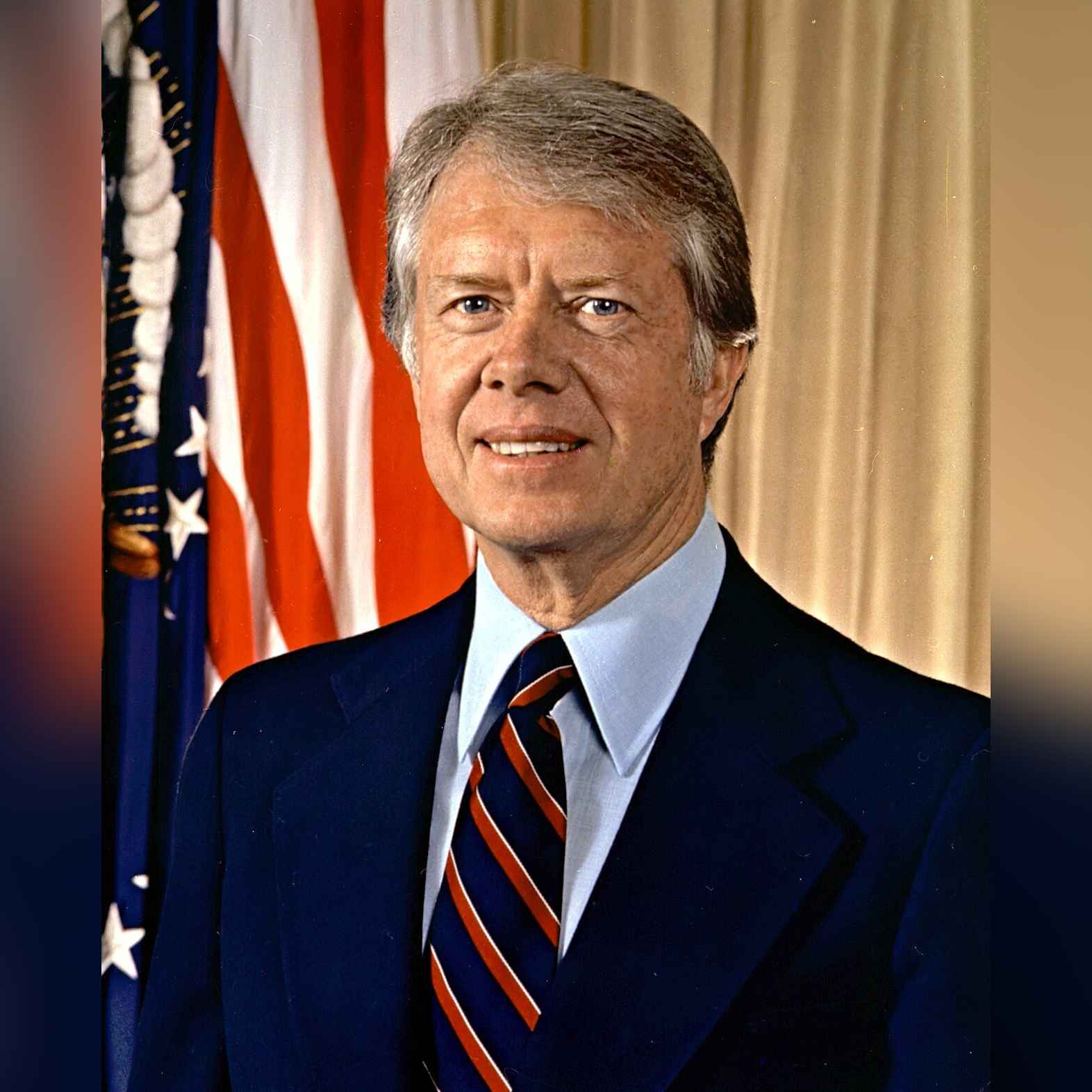
Jimmy Carter Inaugural Address
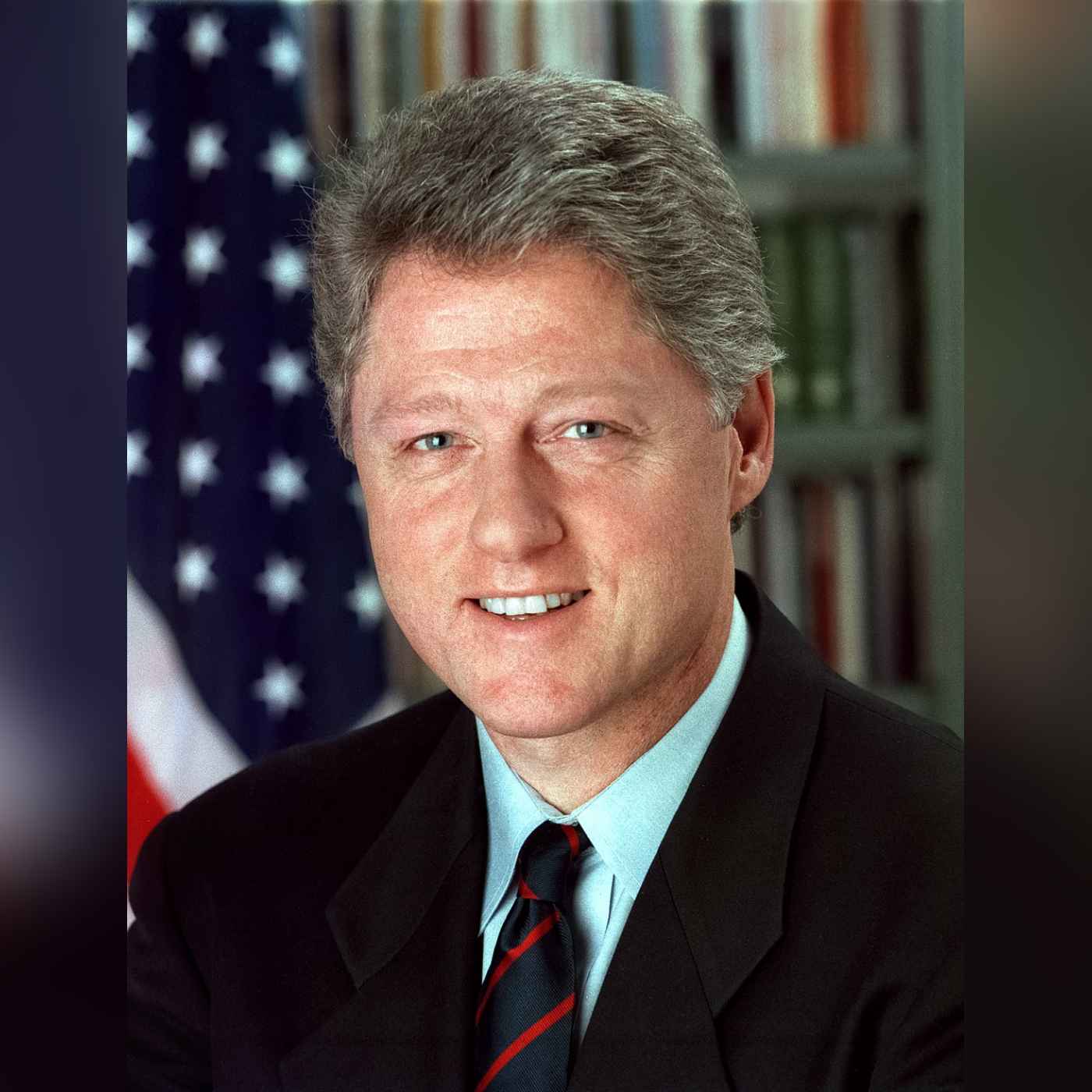
Bill Clinton State of the Union - 1999
bonus<p>In this State of the Union Address, President Clinton reports on the strong state of the union, highlighting economic expansion, budget surpluses, and the need to address future challenges such as the aging population and education.</p> <p>Key Topics:</p> <ul> <li>Social Security</li> <li>Medicare</li> <li>Education</li> <li>Healthcare</li> <li>Economy and Trade</li> <li>National Security</li> <li>Community and Social Issues</li> </ul> <p>Summary:</p> <p>President Clinton begins by acknowledging the new Speaker of the House and paying tribute to fallen Capitol Hill police officers. He reports on the nation's economic success, including job creation, rising wages, home ownership, and balanced budget. He emphasizes that the state of the union is strong, but warns against complacency, urging the nation to address future challenges.</p> <p>The President's primary focus is on saving Social Security for the 21st century. He proposes investing 60% of the budget surplus for the next 15 years, including a small portion in the private sector, to keep Social Security sound for 55 years. He also calls for bipartisan efforts to put Social Security on a sound footing for 75 years, reduce poverty among elderly women, and eliminate earnings limits for seniors on Social Security. He also proposes using a portion of the surplus to strengthen Medicare, aiming to guarantee its soundness until 2020, and calls for bipartisan work to secure Medicare for the next two decades and cover affordable prescription drugs for seniors. Additionally, Clinton introduces Universal Savings Accounts (USA accounts) to help all Americans save and invest for retirement, supplementing Social Security and private pensions. He also proposes a tax credit for the aged, ailing, or disabled and their families, acknowledging the growing challenge of long-term care.</p> <p>On education, Clinton notes improvements in SAT scores and math scores but emphasizes the need to improve performance in higher grades. He proposes an Education Accountability Act, holding states and school districts accountable for progress and rewarding them for results. The Act includes ending social promotion, turning around failing schools, ensuring teacher quality, empowering parents with information and choices, and implementing sensible discipline policies. He also calls for building or modernizing 5,000 schools. To support working parents, Clinton proposes raising the minimum wage, ensuring equal pay for equal work, providing quality childcare through tax credits and subsidies, and offering a new tax credit for stay-at-home parents. He advocates for extending the Family and Medical Leave Act to more Americans and prohibiting workplace discrimination against parents.</p> <p>Regarding healthcare, Clinton asserts that Americans should have the right to know all medical options, see specialists when needed, access emergency care, and keep their doctor during treatment. He urges Congress to pass a Patients' Bill of Rights for all Americans and promises to protect the privacy of medical records. Clinton also advocates for extending health coverage to more children, making it easier for small businesses to offer health insurance, giving older Americans the chance to buy into Medicare, and ensuring access to family planning. He also discusses the importance of addressing mental health, resisting the tobacco lobby, and taking the tobacco companies to court to strengthen Medicare.</p>

Ronald Reagan's Challenger Disaster Speech - 1986
<p>…</p>

Dwight Eisenhower's Military Industrial Complex Speech - 1961
<p>Testing audio + video.</p>

Ronald Reagan’s Berlin Wall Speech - 1987
<p>…</p>

JFK Moon Speech - 1962
<p>…</p>

FDR Inaugural Address - 1933
<p>…</p>