
Uri L'Tzedek: Orthodox Social Justice
163 episodes — Page 4 of 4
Ep 13Interview: Ilana Kaufman, Jews of Color Initiative
Rabbi Dr. Shmuly Yanklowitz interviews Ilana Kaufman, Executive Director of Jews of Color Initiative.
Ep 12Shemitah and Shared Ownership – Rabbanit Sara Wolkenfeld
Inspired by the idea of relinquishing land ownership for the Sabbatical year, we will explore the possibilities that arise when we free ourselves from old constraints and are ready to improvise, embrace new models, and share resources with others.

Ep 11You Shall Not Oppress the Ger: To Whom Does This Apply? – Professor Zvi Zohar
In four verses, the Bible cites God as requiring the Israelites to be especially considerate of persons who are in the status of 'Ger', because the Israelites themselves had been in such a status when they were in Egypt (Exodus 22:20; Exodus 23:9; Leviticus 19:34 and Deuteronomy 10:19). But who is the Ger to whom this mitzvah applies? The answer to this question has varied over the millennia.
Ep 10Tzedaka: Negotiating Civic Order and Social Justice – Rabbanit Dr. Hannah Hashkes
This LIVE Shiur looks at the tensions between the management of a municipal corporation and the individual needs of its weaker members. We will explore how the rabbis negotiate this tension through rabbinic discussions in Bava Batra 7b-8b. This discussion is part of the Mishnah chapter about the kind of boundaries that make good neighbors and partners, or generally put, between goodwill and law.
Ep 9Interview: Abby Leibman, MAZON: A Jewish Response to Hunger
Learn about our Jewish responsibility to feed the hungry A new Uri L'Tzedek interview with Abby Leibman, President & CEO of MAZON: A Jewish Response to Hunger
Ep 8Interview: Rabbi Yitz Greenberg
Our Torah-rooted Social Justice Movement with Rabbi Yitz Greenberg Join Uri L'Tzedek for a Conversation with Rabbi Yitz Greenberg & Rabbi Dr. Shmuly Yanklowitz!
Ep 7Darkhei Shalom: The Path to Building Community – Rabbi Rahel Berkovits
How important is it to compromise the letter of the law for the sake of peace among people? Whom do the Rabbis consider to be part of an average Jew’s concentric community? How are people with disabilities, people from low socioeconomic backgrounds, or those who are not Jewish viewed? Which areas in life do the Rabbis feel cause the most fighting and unrest in communities? (Don’t be surprised when the Synagogue tops the list!) How does one not compromise their personal identity when interacting with people who are different from themsleves? To answer these questions and more we will analyze the literary and meta-thematic structures of the Mishnayot in Tractate Gittim which deal with the laws of Darkhei Shalom- pathways to peace.
Ep 6Interview: American Jewish World Service (AJWS) President & CEO, Robert Bank
AJWS President & CEO Robert Bank interviewed by Uri L'Tzedek's Rabbi Dr. Shmuly Yanklowitz
Ep 5Interview: Avodah CEO, Cheryl Cook
Cheryl Cook, CEO of Avodah in conversation with Uri L'Tzedek's President Rabbi Dr. Shmuly Yanklowitz
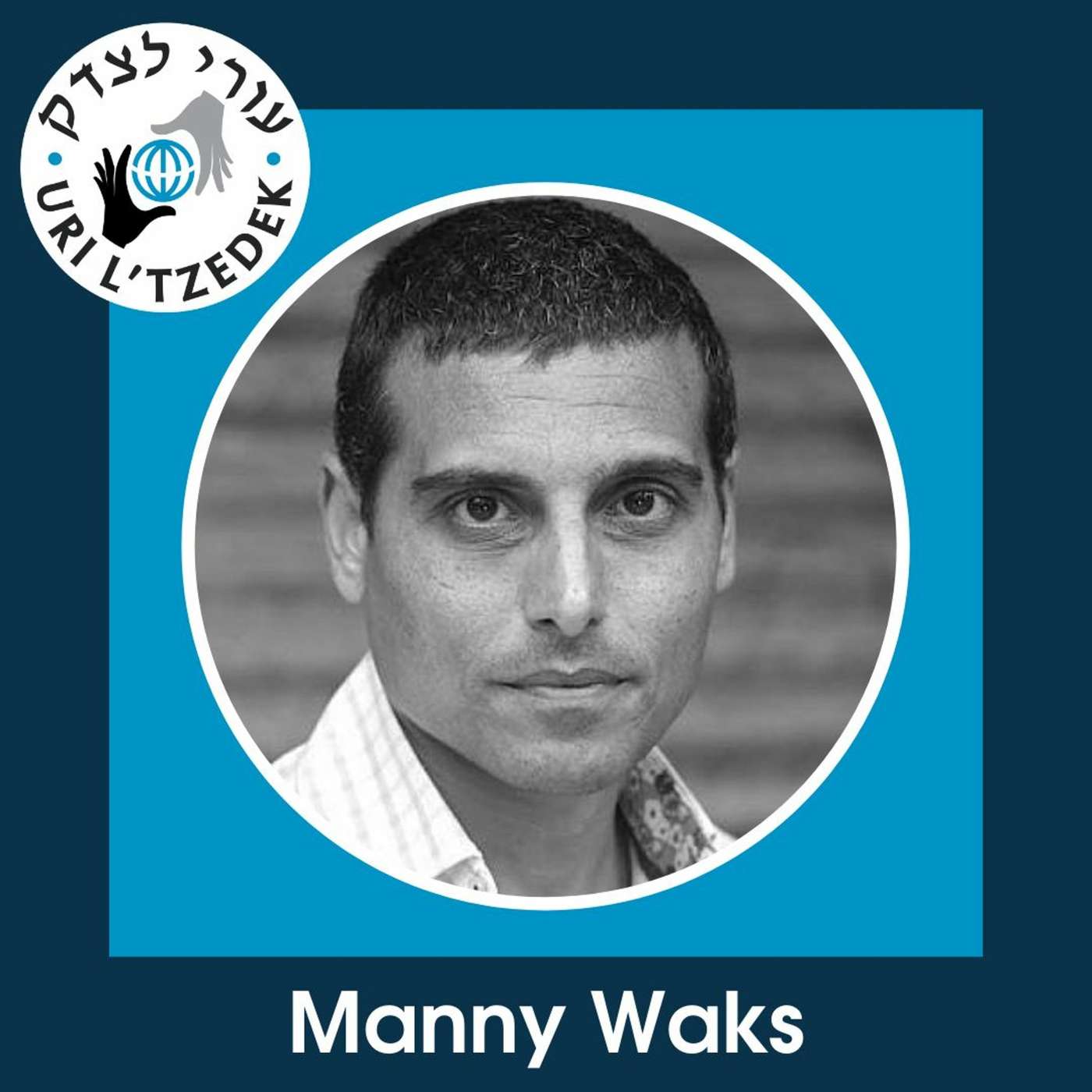
Ep 4Child Sexual Abuse in the Global Jewish Community – Manny Waks
Manny Waks, a survivor of child sexual abuse and CEO of VoiCSA, an Israel-based organisation that combats child sexual abuse in the global Jewish community, will share his personal story as a tool to educate the community on child protection and discuss his work as an international victims' advocate over the past decade.
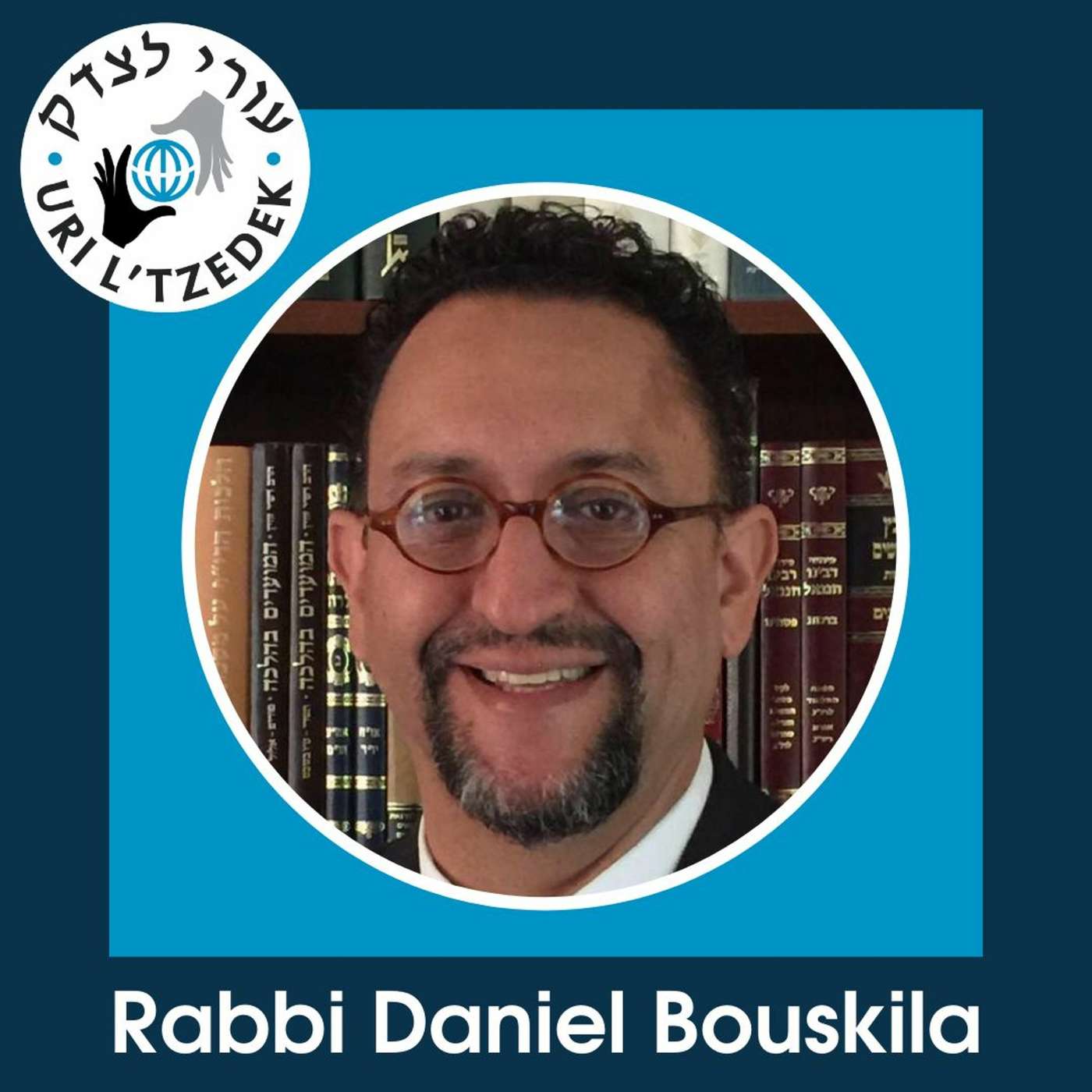
Ep 3The Sephardic Quest for Halakhic Social Justice – Rabbi Daniel Bouskila
From Damascus to Jerusalem, Sephardic Rabbinic leaders have always made halakhic social justice one of their highest communal priorities. This session will explore a sampling of Sephardic halakhic texts where Sephardic Chief Rabbis
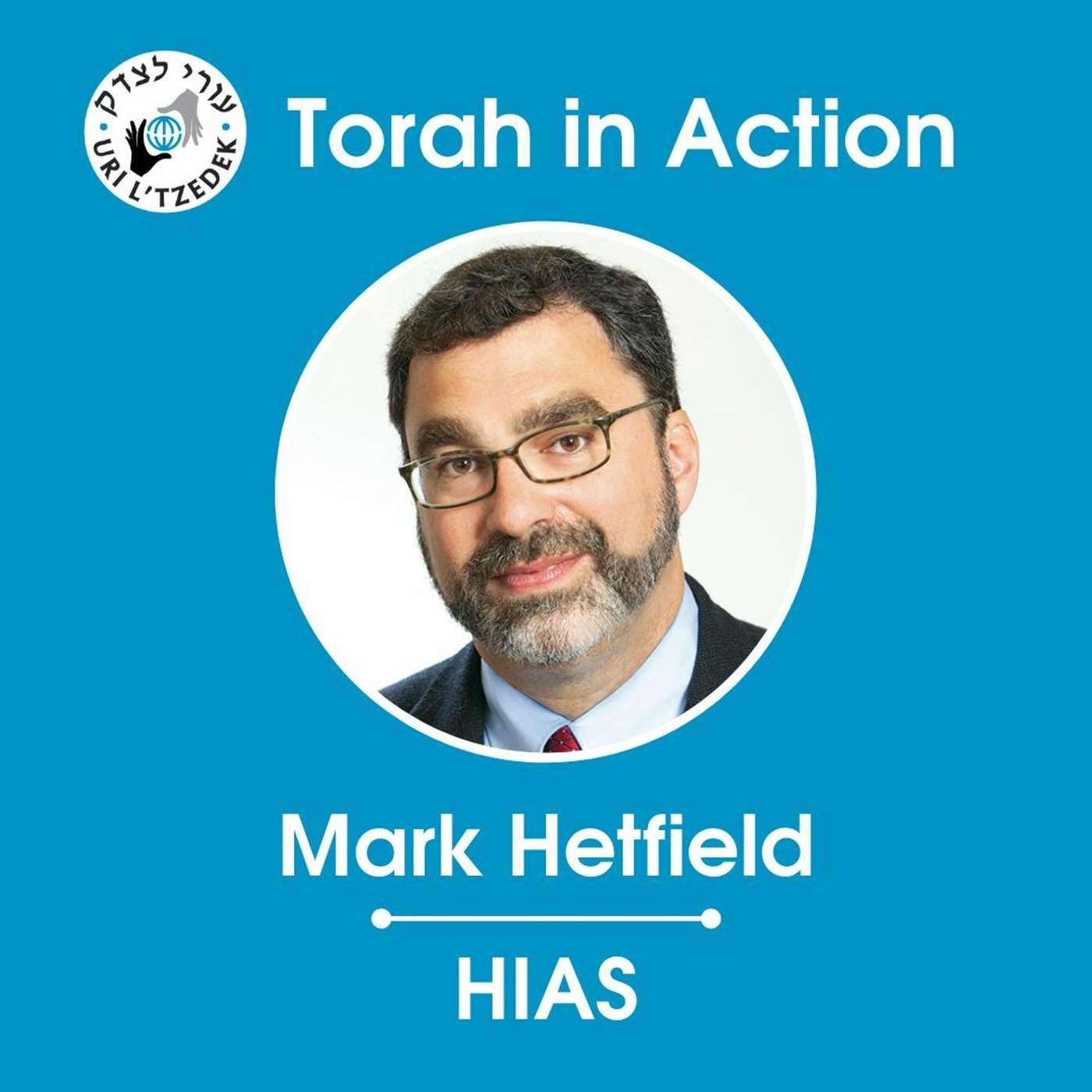
Ep 2Interview: HIAS CEO, Mark Hetfield
HIAS' CEO Mark Hetfield in conversation with Uri L'Tzedek's Rabbi Dr. Shmuly Yanklowitz

Ep 1Interview: Jewish World Watch, Serena Oberstein
Jewish World Watch Executive Director Serena Oberstein speaking with Rabbi Dr. Shmuly Yanklowitz