Under the Cortex
100 episodes — Page 2 of 2
Ep 103Loneliness Across the Globe: A Life-Span Approach
Did you know that loneliness is different from social isolation? Psychologists define loneliness as a subjective concept which is related to one’s own expectations. In this episode, Under the Cortex hosts Samia Akther Khan, PhD candidate from King’s College London, whose research examines the feeling of loneliness across lifespan. The conversation with APS’s Özge G. Fischer-Baum focuses on the difference between loneliness and social isolation and highlights six key social relationship expectations of older adults: (1) availability of social contacts, (2) receiving care and support, (3) intimacy and understanding, (4) enjoyment and shared interests, (5) generativity and contribution, and (6) being respected and valued. Along with other implications, Samia discusses the importance of global research and specific challenges that global research teams face. Samia Akhtar Khan also published on this topic in APS’s Perspectives with co-authors Matthew Prina, Gloria Hoi-Yan Wong, Rosie Mayston, and Leon Li. The article is titled, Understanding and Addressing Older Adults’ Loneliness: The Social Relationship Expectations Framework.

Ep 102Wendy Wood: It’s Time We Trained Students for Diverse Careers in Psychological Science
Psychology PhDs have skills broadly relevant for teaching, industry, and government. They are integral to producing basic research and evidence-based solutions for policy and industry. Only about half of psychology PhDs are hired in academia, but psychology graduate training in the United States has largely retained the classic graduate training model of a direct path to an academic job. It's time to change that, says APS President Wendy Wood.
Ep 101Best Of: Revisiting Episodes on the Myers-Briggs Test, the Grieving Brain, and More
At the height of the COVID-19 epidemic in 2020, the Association for Psychological Science joined countless other organizations around the world in turning to podcasts to share findings and conversations. The result is Under the Cortex, which now celebrates 100 episodes in which psychological scientists help us understand some of their most interesting and impactful new research. This special episode is a bit of a greatest hits compilation, featuring clips from six of our favorite episodes to date. Dan McAdams provides a skeptical deep dive on the Myers Briggs test. Mary Frances O'Connor discusses what happens in the grieving brain. APS's Charles Blue and Ludmila Nunes debunk some common myths of psychological science. Nathan Cheek explores some of the unintended negative consequences of restricting freedoms. Eiko Fried makes the case against the tendency to oversimplify mental health diagnoses. And Andrew Devendorf examines the bias within the research community against "me-search.” You can hear the rest of these interviews by clicking on the links above. And subscribe to all episodes of Under the Cortex by visiting your favorite podcast app or the APS podcast page at psychologicalscience.org.

Ep 100Understanding Childhood Adversity Across Time and Cultures
Scientists usually expect childhood to be nurturing, safe, and characterized by high levels of caregiver investment. However, evidence from history, anthropology, and primatology can challenge this view. Throughout human evolution, children have faced threats and deprivation, at varied levels across space and time. And these varied levels of exposure to adversity—which over time were higher than is typical in industrialized societies—likely favored a high degree of phenotypic plasticity, or the ability to tailor development to different conditions. Willem Frankenhuis, an evolutionary and developmental psychologist at Utrecht University, and Dorsa Amir, a developmental scientist at the University of California, Berkeley, have published research synthesizing evidence from history, anthropology, and primatology relevant to estimating childhood adversity across human evolution. These cross-cultural investigations have focused on three forms of threat (infanticide, violent conflict, and predation) and three forms of deprivation (social, cognitive, and nutritional). Willem and Dorsa discuss their findings, along with some implications, in this conversation with APS’s Ludmila Nunes. They have also published on this topic, and Willem also recently presented some of their findings at the 2023 APS Annual Convention in Washington D.C. “What are the types of conditions that our ancestors experienced?” Dorsa asks. “And what does that perspective offer to us today in trying to better understand adversity?”

Ep 99Nobody’s Fool: How to Avoid Getting Taken In
How can our habits of thinking make us vulnerable to deception? What characteristics of information make it more likely to manipulate us? And how can we spot deception before it’s too late? In this episode of Under the Cortex, Daniel Simons and Christopher Chabris join APS’s Ludmila Nunes to answer these questions and more, drawing from their brand new book: Nobody's Fool: Why We Get Taken In and What We Can Do About It. Daniel Simons is a cognitive scientist and professor of psychology at the University of Illinois, where he researches the limits of human awareness and memory. Christopher Chabris is a cognitive scientist who has taught at Union College and Harvard University. In 2010, they co-authored the best-selling book The Invisible Gorilla: How Our Intuitions Deceive Us, in which they wrote about cognitive illusions.
Ep 98Carl Hart on Clinicians’ Bias Toward Drug Use
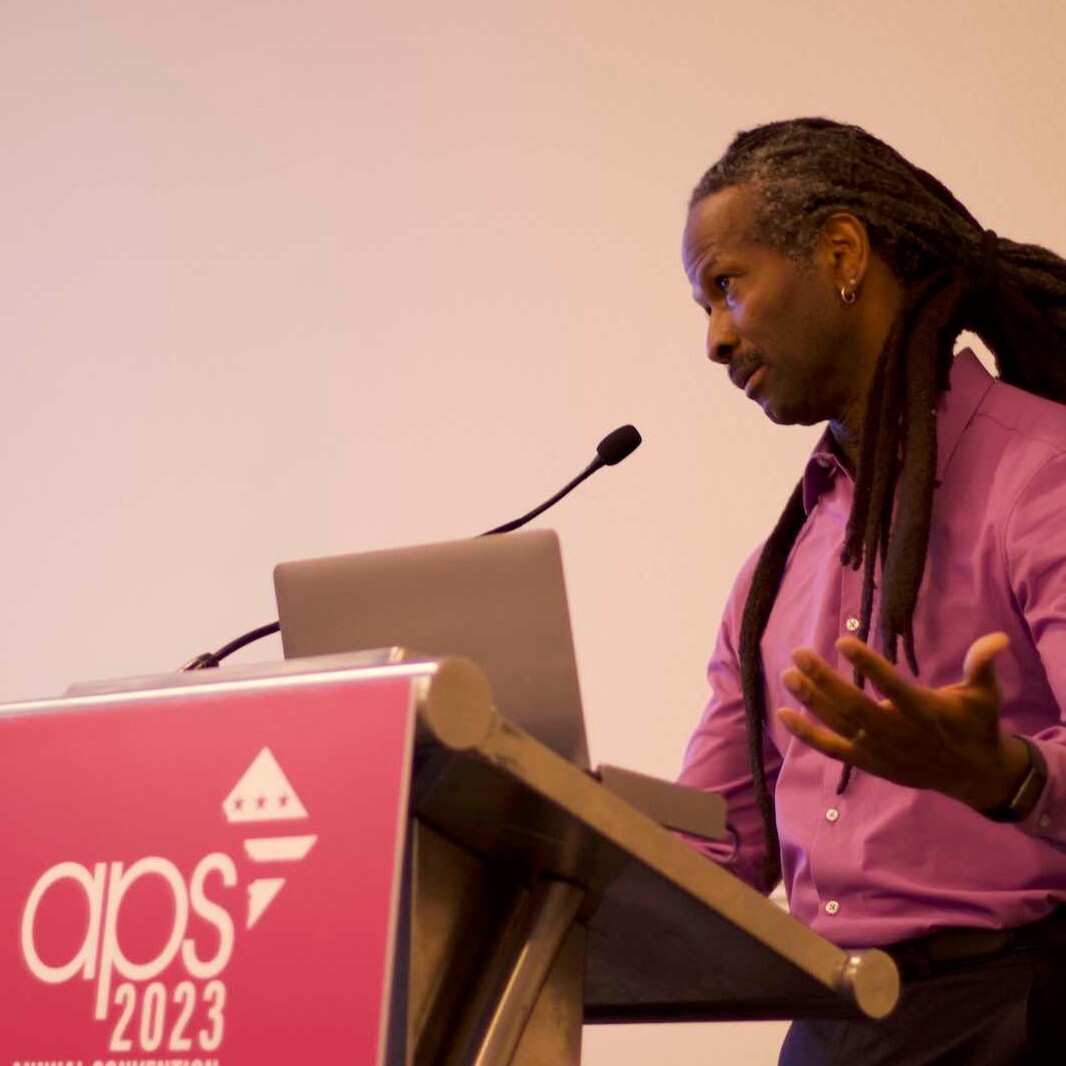
Pervasive misconceptions about and bias against drug use in the United States have led to clinical norms that pathologize any use of certain kinds of drugs. This bias has harmful consequences. For instance, conflating substance use with substance disorder is used to justify curtailing certain people’s rights, which has broad consequences. Treating drug use as a brain disease reveals clinician bias. How can these misconceptions, and the actions they lead to, be corrected? And how can researchers and policymakers demystify drug use? This episode of Under the Cortex features Carl Hart, a neuroscientist at Columbia University who has studied the behavioral and neuropharmacological effects of psychoactive drugs in humans. His lab attempts to understand factors that mediate drug use, to develop effective treatments, and to translate that knowledge into more humane drug policies. In May, Carl spoke about some of his findings in a very popular presentation at the 2023 APS Annual Convention titled “Clinician Bias About Drug Use Contributes to Growing Restrictions on Liberty and Bodily Autonomy.” He explained how the inclination to think that any use of a certain drug, like cocaine or heroine, is pathological reveals a clinician bias. This conversation, with APS’s Ludmila Nunes, was recorded on-site at the convention shortly after Carl delivered his presentation.
Ep 97Bringing Contexts In, Taking Racism Out: How to Improve Cognitive Psychology
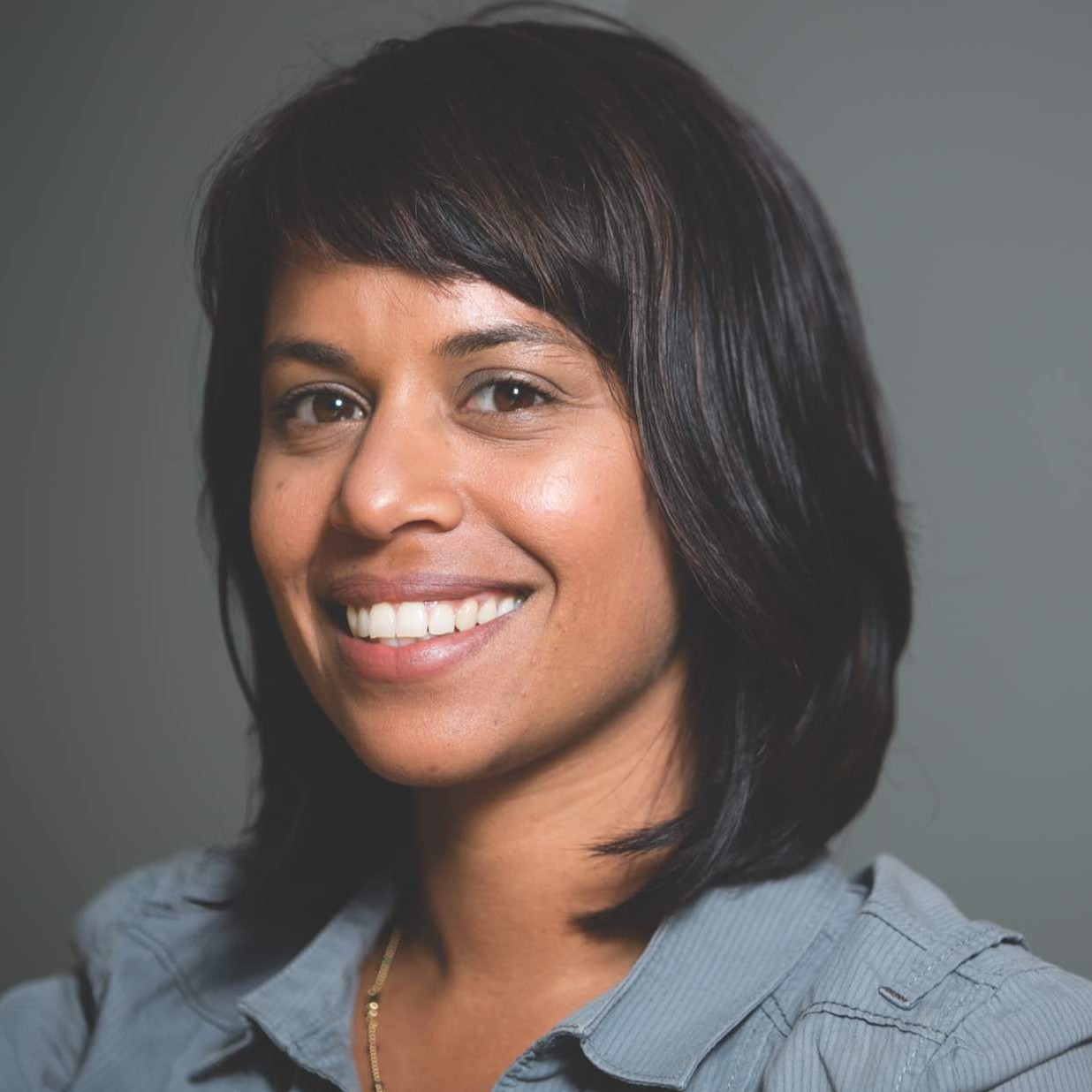
Cognitive psychology studies universal processes such as memory, decision making, or emotions, for example. However, the theoretical, epistemological, and methodological assumptions that support the field’s longtime focus on studying “cognitive universals” might have resulted in a science of human cognition based on the performance and behavior of people who are predominantly White, English-speaking, and socially dominant. In other words, scientific racism has likely influenced the study of cognition. How can researchers reshape cognitive psychology to become more aware of the roles of culture and context? Ayanna Thomas is a professor at Tufts University and lead author of an article published in Current Directions in Psychological Science that explores how psychological scientists can reshape the field of cognitive psychology and move toward well-developed theories of cognition in context. Ayanna joins APS’s Ludmila Nunes to discuss scientific racism in cognitive psychology.

Ep 96Endless Love: You’ve Got Ideas About Consensual Nonmonogamy. They’re Probably Wrong
Consensually nonmonogamous relationships are defined by explicit mutual agreements to have multiple emotional, romantic, and/or sexual relationships. But is there really a type of person who engages in this type of relationship? And are these relationships actually lower in quality compared with monogamous relationships? Research has revealed several misconceptions about consensually nonmonogamous relationships and patterns of how others judge people in these relationships. In this episode of the podcast, Amy C. Moors, psychologist who researches and teaches about LGBTQ+ issues, consensual non-monogamy, gender, and inclusion in higher education at the Kinsey Institute and Chapman University, demystifies common misconceptions about consensually nonmonogamous relationships. She explores this topic further in a recent article published in Current Directions in Psychological Science.
Ep 95Psychology’s Role in the Criminalization of Blackness
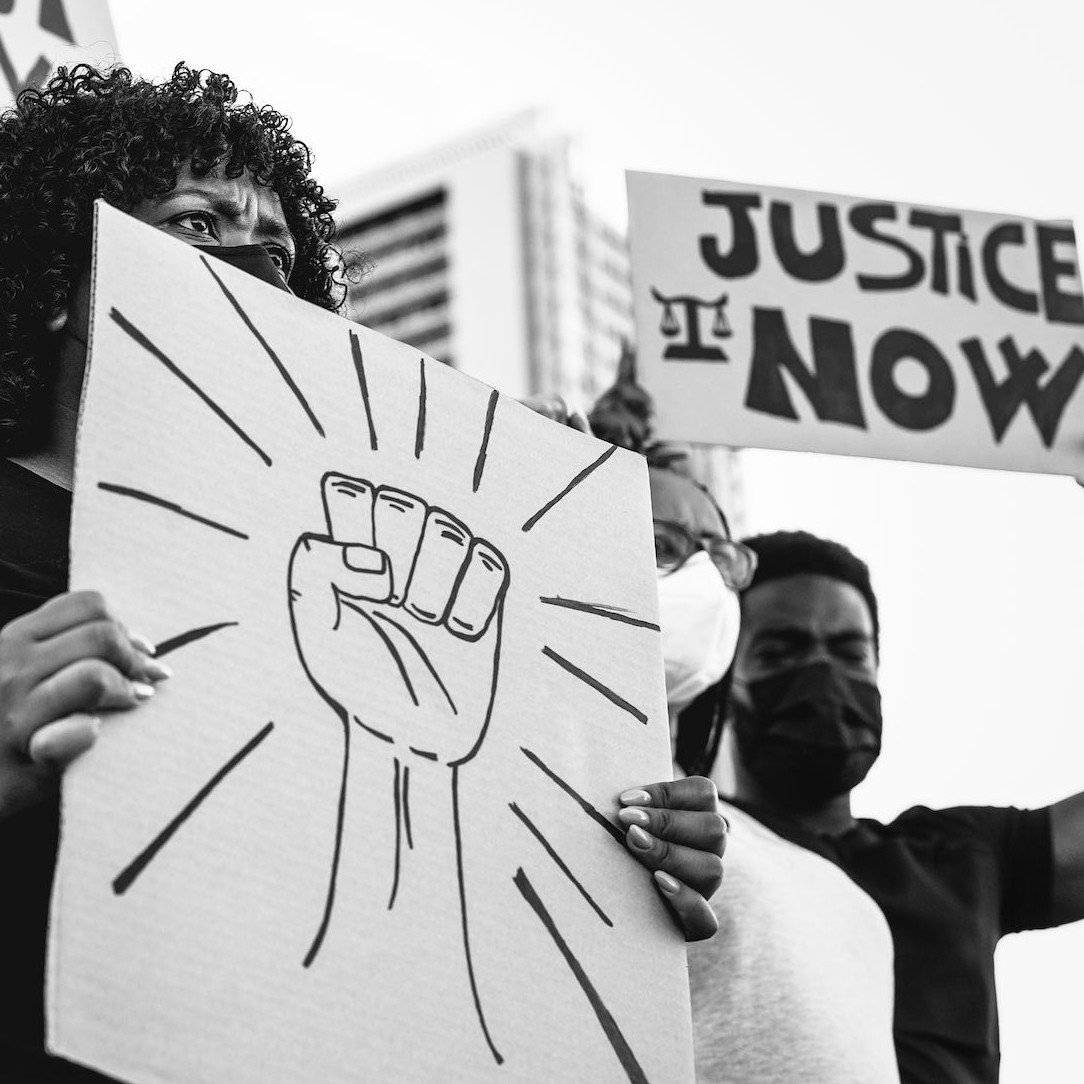
The mass incarceration of Black people in the United States is gaining attention as a public health crisis with extreme mental-health implications. Despite Black Americans making up just 13% of the general U.S. population, Black people constitute about 38% of people in prison or jail. What does this have to do with psychological science? Well, historical efforts to oppress and control Black people in the United States helped shape definitions of crime but also mental illness. And, through its research and clinical practices, the field of psychological science might even have contributed to the perpetuation of anti-Blackness. To speak about psychology’s contributions to anti-Blackness, this conversation features Evan Auguste, a researcher and professor at the University of Massachusetts, Boston, and Steven Kasparek, a graduate student at Harvard University, talking with APS’s Ludmila Nunes. Auguste and Kasparek co-authored a recent article published in Perspectives on Psychological Science that explored how psychology has contributed to anti-Blackness within psychological research, criminal justice, and mental health, and what scientists and practitioners can do to interrupt the criminalization of Blackness and redefine psychology’s relationship with justice.

Ep 94Silver Linings in the Demographic Revolution
While we are fussing about the artificial-intelligence revolution, a demographic revolution may have much more radical consequences: There are more older people than ever in the world. In her last presidential column for the APS Observer, APS President Alison Gopnik, who studies learning and development at the University of California, Berkeley, writes about how psychological science may help us to understand and deal with the challenges that come with this increased longevity. An underexplored approach, she says, involves appreciating our brilliant, fragile young human learners as well as our wise, vulnerable, old human teachers, and then finding creative ways to bring the two groups together. She reads her column in this episode.
Ep 93Industrialized Cheating in Academic Publishing: How to Fight “Paper Mills”
A growing problem in research and publishing involves “paper mills”: organizations that produce and sell fraudulent manuscripts that resemble legitimate research articles. This form of fraud affects the integrity of academic publishing, with repercussions for science as well as the general public. How can fake articles be detected? And how can paper mills be counteracted? In this episode of Under the Cortex, Dorothy Bishop talks with APS’s Ludmila Nunes about the metascience of fraud detection, industrial-scale fraud and why it is urgent to tackle the fake-article factories known as “paper mills.” Bishop, a professor of neurodevelopmental psychology at Oxford University, is also known for her breakthrough research on developmental disorders affecting language and communication. To read the transcript, see here.
Ep 92Exploration vs. Exploitation: Adults Are Learning (Once Again) From Children
How do you balance innovation and implementation, possibility and practicality? How do you resolve the tension between the lure of the crazy new thing and the safe haven of the tried and true? In her latest presidential column for the APS Observer, APS President Alison Gopnik, who studies learning and development at the University of California, Berkeley, writes about what makes children bad at acting effectively but good at learning, exploration, and discovery and how adults—including cognitive scientists and computer scientists conducting exciting new research—may learn from them. She reads her column in this episode.
Ep 91Lived Experiences Can Be a Strength. So Why the Bias Against “Me-Search”?
Questions often emerge when researchers tend to engage in research on topics that are personally relevant for them. For example, when someone with depression also studies it, should they disclose their personal interest? How is this type of self-relevant research—“me-search,” as it’s popularly known— perceived by the academic and scientific community? In a recent study published in Clinical Psychological Science, researchers found that more than 50% of participants had conducted self-relevant research. Those who had not engaged in self-relevant research made more stigmatizing judgments of it and its disclosure than did those who did engage in self-relevant research. We discuss these findings and their implications with the study’s lead author, Andrew Devendorf of the University of South Florida. To read the transcript, see here.

Ep 90Special Episode II: APS 2023 Spence Awardees on Sharing Minds, the Development of Learning, and Implicit Bias
The APS Janet Taylor Spence Award recognizes APS members who have made transformative early career contributions to psychological science. Award recipients reflect the best of the many new and cutting edge ideas coming from of our most creative and promising investigators who together embody the future of psychological science. The APS 2023 Janet Taylor Spence Award for Transformative Early Career Contributions joined Ludmila Nunes to talk about their research and careers. In this episode, the second of two, Julian Jara-Ettinger, Emily Fyfe, and Calvin Lai discussed reading and sharing minds, the development of learning and its practical applications, and the importance of studying the gap between what people value (for example, racial equality) and what people do (for instance, racial discrimination) and assessing and creating better diversity training for police officers. Read more here.
Ep 89Special Episode I: APS 2023 Spence Awardees on Fresh Starts, Time Perception, and the Well-being of Black Families
Research contributions can be transformative in various ways, such as the establishment of new approaches or paradigms within a field of psychological science, or the development or advancement of boundary-crossing research. The APS Janet Taylor Spence Award recognizes APS members who have made transformative early career contributions to psychological science. The APS 2023 Janet Taylor Spence Award for Transformative Early Career Contributions joined Ludmila Nunes to talk about their research and careers. In this episode, the first of two, Riana Elyse Anderson, Ed O’Brien, and Hengchen Dai discussed how to study and improve the well-being and functioning of Black families, the importance of time in how people perceive progress, and how fresh starts can feel motivating. Read more here.

Ep 88Is Cheating Just a Symptom (and Not the Cause) of Declining Relationships?
Does infidelity predict an unhappy relationship? Or is it the other way around? Can a relationship recover after infidelity? In a recent study published in Psychological Science, researchers found that relationship functioning starts to decline before infidelity happens and that, in most cases, well-being did not recover in the years following the infidelity. The lead author, Olga Stavrova, a researcher and professor at Tilburg University, explains these findings and elaborates on how they can expand our knowledge about the dynamics of romantic relationships. To read the transcript, see here.

Ep 87Stop Oversimplifying Mental Health Diagnoses
Diagnoses often oversimplify complex mental health problems. How can researchers and practitioners avoid oversimplifications, improve research, and provide more effective and customized clinical practices? A recent article published in Current Directions in Psychological Science presented the advantages of studying mental health problems as systems, not syndromes. The author, APS Fellow Eiko Fried, a psychologist and methodologist at Leiden University, explains this new approach to how we see and classify mental health problems and how mental-health professionals might create better tools to address early risk of certain conditions, such as depression. To read the transcript, see here.

Ep 86A Very Human Answer to One of AI’s Deepest Dilemmas
Imagine that we designed a fully intelligent, autonomous robot that acted on the world to accomplish its goals. How could we make sure that it would want the same things we do? In her latest presidential column for the APS Observer, APS President Alison Gopnik, who studies learning and development at the University of California, Berkeley, writes about how looking at caregivers who raise human children—the parents and grandparents, babysitters and preschool teachers—might help to make sure that robot’s goals align with human goals. She reads her column in this episode.
Ep 85Top 10 Articles of 2022: Opinionated Fetuses! Cheating Spouses! And Much More
Do fetuses care about what their mothers eat? When do spouses cheat? Does the use of social media predict depression and anxiety? How can we understand and address older adults’ loneliness? Some of the top articles published in the APS journals in 2022 explored these questions and much more. In this conversation, Ludmila Nunes talks with Amy Drew, who heads up APS’s journals team, for a countdown of the most impactful articles published in 2022.
Ep 84What You Know Changes What and How You See
Can what we know about an object change the way we see it? Or the way we feel about it? If so, could that be because different brain areas process different features of any given object, such as what we know about its uses? In this episode of Under the Cortex, APS’s Ludmila Nunes speaks with Dick Dubbelde, a recent postdoc and adjunct professor of psychology and neuroscience at George Washington University, about how quickly and how well we process different objects. “In an environment such as surgery, where small spatial details are super important, or in an environment like driving, where reaction time is super important, those little differences can add up, especially at the societal scale,” Dubbelde explains. He explores this research more fully in an article he coauthored with Sarah Shomstein in Psychological Science: “Mugs and Plants: Object Semantic Knowledge Alters Perceptual Processing With Behavioral Ramifications.”
Ep 83Children, Creativity, and the Real Key to Intelligence
Human innovation will always be the essential complement to the cultural technologies we create, including artificial intelligence. In her latest presidential column for the APS Observer, APS President Alison Gopnik, who studies learning and development at the University of California, Berkeley, writes about how psychology, and especially child psychology, will play a crucial role in creating and using the technology of the future. She reads her column in this episode.

Ep 82Failure and Flourishing
In the final discussion with social psychologist David Myers, a professor of psychology at Hope College in Michigan, APS’s Ludmila Nunes talks with him about the third section of his book, in which he applies his psychological insights to the larger world around us. Listen to the previous episodes featuring David Myers and his latest book, How Do We Know Ourselves? Curiosities and Marvels of the Human Mind. You’ll get to know more about David’s career and his goals of helping his readers and students think critically, savor the world, and develop a sense of wonder and respect for “the human creature.” Read more about David Myers’s new book, including an excerpt of the chapter Failure and Flourishing here.

Ep 81Why Is Everyone Else Having More Fun?
David Myers, a social psychologist and professor of psychology at Hope College in Michigan, joined us in the last episode to speak about his latest book, How Do We Know Ourselves? Curiosities and Marvels of the Human Mind. In this episode, he and APS’s Ludmila Nunes discuss the second section of the book, which focuses on who we are, and takes a closer look at a chapter called “Why is everyone else having more fun?” Read more about David Myers’s new book here.
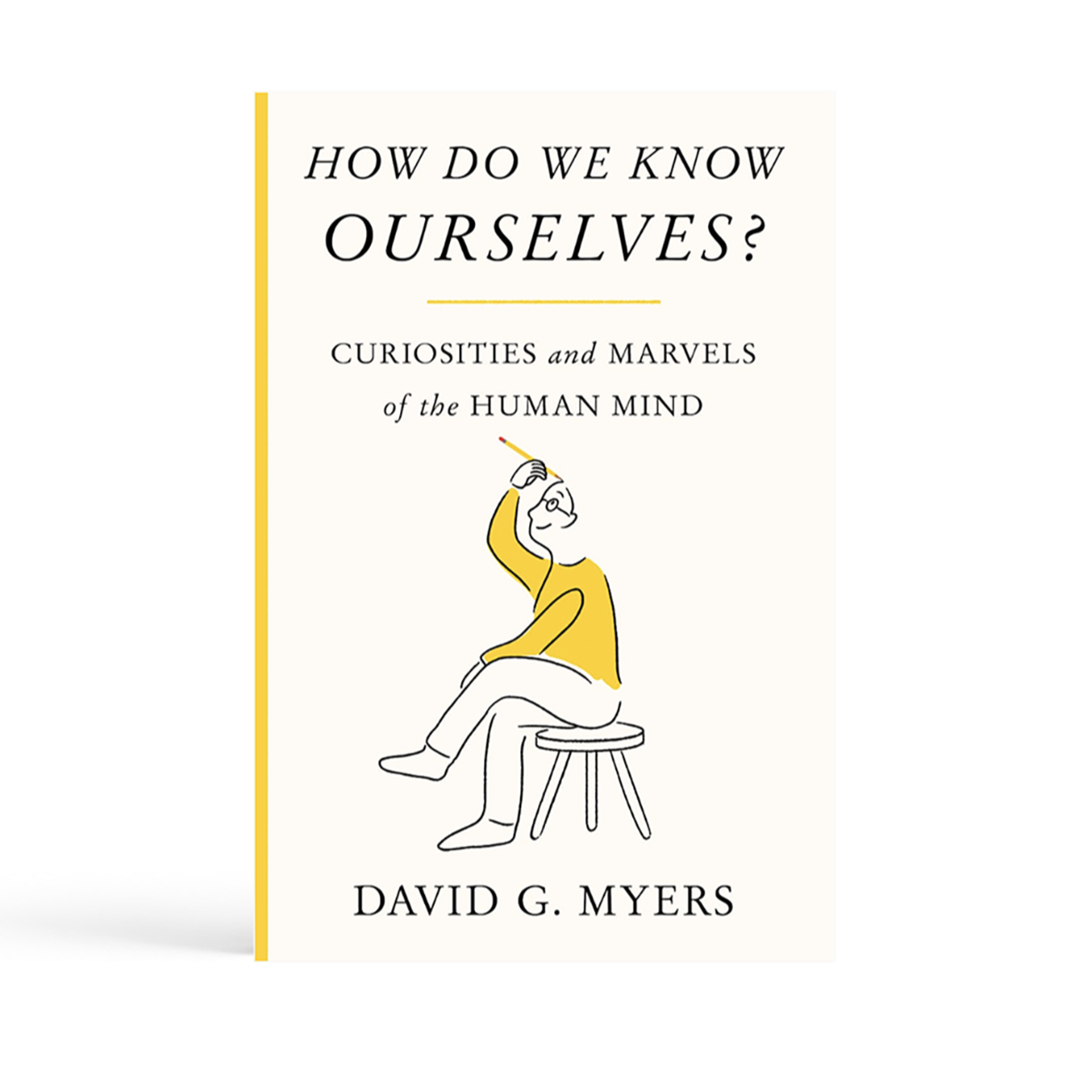
Ep 80How Do We Know Ourselves?
Social psychologist David Myers, a professor of psychology at Hope College in Michigan, is the author of seventeen books, including psychology’s most widely read textbook. But he doesn’t write only textbooks. For the last several decades, he has translated findings from psychological science for the general public as well, in books on topics ranging from the scientific pursuit of happiness to the powers (and perils) of intuition. In his new book, How Do We Know Ourselves? Curiosities and Marvels of the Human Mind, Myers presents a collection of short essays on how psychological science contributes to so much of what we can and should know about ourselves and the world around us. In the first of three discussions on Under the Cortex, David Myers joined APS’s Ludmila Nunes to speak about his career, his new book, and how we really do know ourselves. Read an article about David Myers’s new book here.

Ep 79What Music Does to Us
What is the relationship between music and autobiographical memories? Why do we like the music that we like? And what are the challenges that a psychological scientist studying music might face throughout their career? Amy Belfi from the Missouri University of Science and Technology joined APS’s Ludmila Nunes to speak about her career as a neuroscientist studying music perception and cognition as well as how poetry and other forms of art impact brain and behavior. If you want to know more about this research, Amy Belfi’s career and psychological science in general, see her profile in the latest issue of the Observer magazine at psychologicalscience.org.

Ep 78Exploration and Risk-Taking: Hallmarks of Adolescence That Increase Well-Being
Exploration is a fundamental human behavior. Exploring our environment can promote the acquisition of knowledge by exposing us to novelty. Adolescence is a prime time to explore, take risks, and learn, but why is exploration so enticing—and so rewarding—in the lives of teenagers and young adults? The role of exploration and risk taking in sustaining adolescent well-being and establishing social connectivity is the topic of a recent article published in Psychological Science. In this podcast, you’ll hear from the two psychological scientists who wrote this article, Natalie Saragosa-Harris, of the University of California in Los Angeles, and Catherine Hartley, of New York University. They’ll talk with APS’s Ludmila Nunes about their examination of exploration patterns in adolescents and young adults.
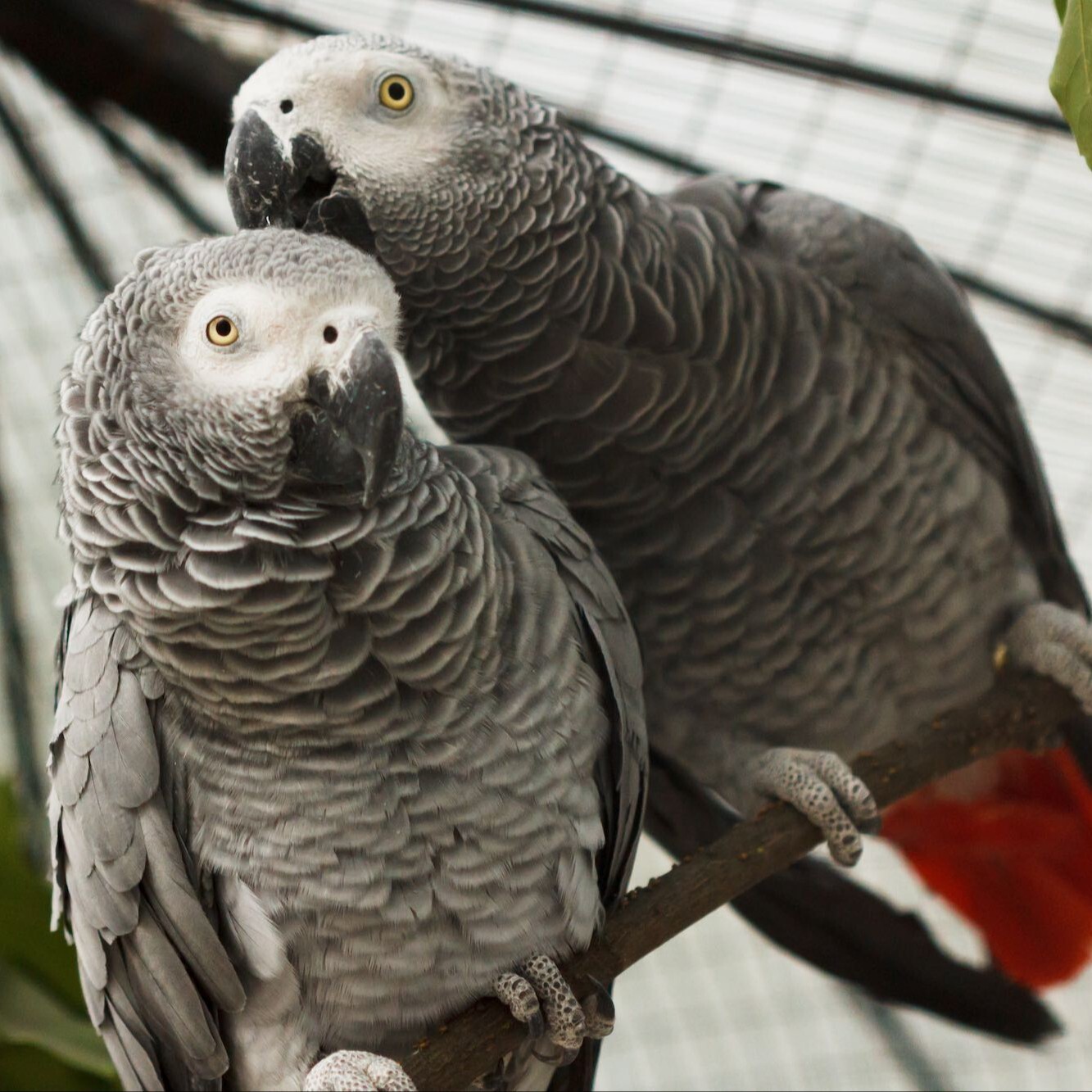
Ep 77Talking With Birds: The Fascinating World of Avian Intelligence
Can birds be as intelligent as chimpanzees or dolphins? Can they communicate and use language like a child would? Can they even outsmart undergraduate students? A line of research started more than 40 years ago continues to reveal new findings about parrots’ intelligence and even their ability to use English speech to communicate with humans. Irene Pepperberg, an APS Fellow and adjunct research professor at Boston University, pioneered the study of bird cognition back in the 70s and still studies the cognitive and communicative abilities of grey parrots, comparing their abilities with those of great apes, dolphins, and young children. In this conversation with APS’s Ludmila Nunes, she speaks about research on parrots’ cognitive, their conservation and preservation in the wild, and much more. Learn more about this and other research at psychologicalscience.org.

Ep 76The September Collection: New Technology Can Be Scary, Why to Stop Worrying and Love the Eco-Apocalypse, and Much More
What determines how we feel about new technologies? Can an existential approach help us deal with apocalyptic fears about the climate crisis? And does having brothers or sisters influence our personality? New research in APS journals explores these questions and much more, including what makes a joke funny and how social support can prevent depression in breast-cancer survivors. In this episode of Under the Cortex, cognitive psychologist Ludmila Nunes and her colleague Amy Drew, APS’s Director of Publications, discuss five of the most interesting new articles from the APS journals. Learn more at psychologicalscience.org.

Ep 75Attitudes Improve for Sex and Race. Disability and Age? Not So Much
How did attitudes about race, sexuality, age, or disability change in the last decade or so? In the United States, it appears that bias decreased across all explicit attitudes, but implicit biases decreased only for certain attitudes, including sexuality and race. Moreover, biases have remained stable for variables such as age or disability. What can these patterns of change tell us about our society and the different nature of certain attitudes? Researchers examined more than 7 million implicit and explicit tests for an article published recently in Psychological Science. In this conversation, APS’s Ludmila Nunes speaks with APS member Tessa Charlesworth, the article’s lead author, an experimental psychologist, and currently a postdoctoral researcher at Harvard University. To find your implicit attitudes about race, gender, sexual orientation, and other topics, check out the Project Implicit website at https://implicit.harvard.edu/implicit/. To read the transcript, see here.

Ep 74Self-Injury: Can the Internet Play a Positive Role?
Anywhere between 17% and 38% of adolescents and young adults engage in behaviors of nonsuicidal self-injury, defined as “the deliberate, self-inflicted damage of body tissue without suicidal intent.” These behaviors, which might include cutting, scratching, head-banging, and burning, sometimes help people cope with negative emotions or even serve to keep them from attempting actual suicide, but they can also pose real harms. A recent study in Clinical Psychological Science explores the role that online groups and e-communities can play in reducing the harm posed by nonsuicidal self-injury and in contributing to more effective treatments of this behavior. To speak about self-injury and how online communities might help, Emma Preston, an APS member and graduate student at the University of Southern California, joined APS’s Ludmila Nunes. To read the transcript, see here.
Ep 73Love Lets Us Learn: Psychological Science Makes the Case for Policies That Help Children
Adverse early experiences, quite literally, can kill. In her latest presidential column for the APS Observer, APS President Alison Gopnik, who studies learning and development at the University of California, Berkeley, writes about the growing moral and scientific case for early childhood policies that can mitigate or prevent the effects of experiences such as poverty, physical or emotional neglect and abuse, and mental illness, addiction, and violence in the home. She reads her column in this episode.

Ep 72Underweight and Overexposed: How Women’s Perceptions of Thinness Are Distorted
How people judge others’ bodies might be influenced by what they are used to seeing in magazines, TV, or social media. Recent research suggests that women’s judgments about other women’s bodies can be biased by an overrepresentation of thinness. In a recent study published in Psychological Science, young women were more likely to judge bodies they had previously considered “normal” as overweight when they were repeatedly exposed to samples of computer-generated female bodies that became increasingly thin as a group. in which the percentage of thin bodies increased gradually. The lead author, Sean Devine, a graduate student in cognitive psychology at McGill University, explains these findings and elaborates on their implications for policy. To read the transcript, see here.
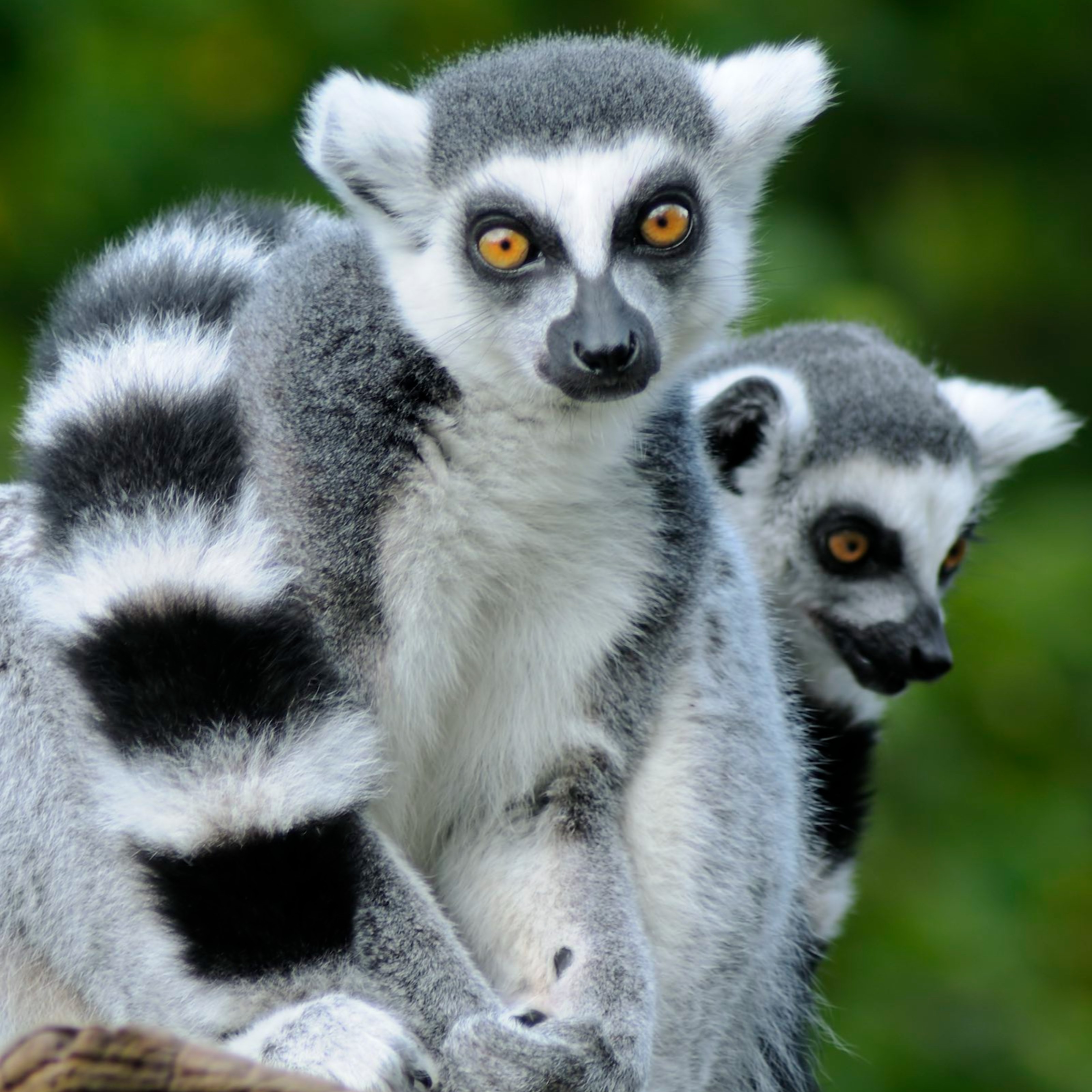
Ep 71The August Collection: Attitude Changes, Cognition in Lemurs, and Much More
How have our biases and attitudes changed in the last decade? Are there sex or gender differences in verbal skills? And do the impressions of personality we form from someone’s face depend on our culture? New research in APS journals explored these questions and much more, including ADHD, and cognitive control in lemurs. In this episode of Under the Cortex, cognitive psychologists Ludmila Nunes and Andy DeSoto discuss five of APS’s most interesting new articles. APS members get advance notice of all new research through our This Week in Psychological Science newsletter and may access the complete archive of APS journal articles. Learn more at psychologicalscience.org.

Ep 70A Paradox in the Field: Mental-Health Disorders Among Psychologists
It’s been estimated that at least one third of the population will experience mental disorders and difficulties in their lifetimes, from anxiety to depression. Those affected can be helped by people working in applied fields of psychological science, such as clinical psychology, counseling, or school psychology. But what do we know about the prevalence of mental-health difficulties among psychological scientists themselves—that is, among the same professionals who seek to understand and alleviate suffering in others due to mental disorders? To speak about mental health among psychologists and paths for future research, APS member Sarah Victor, a clinical psychologist and professor at the Texas Tech University, joined APS’s Ludmila Nunes.
Ep 69The July Collection: Five Research Briefs
What gives away a deceitful 911 caller who might have committed a crime? From a cross-cultural spin on the classic “marshmallow experiment” to deceitful 911 homicide calls to what true smiles do, new research in APS journals explores a broad range of topics, including visual memory and success. In this episode of Under the Cortex, APS’s Ludmila Nunes and Andy DeSoto—both of whom are psychological scientists themselves—discuss five of our most interesting new research papers. APS members get advance notice of all new research through our This Week in Psychological Science newsletter and may access the complete archive of APS journal articles. Learn more at psychologicalscience.org.
Ep 68The New Riddle of the Sphinx: Life History and Psychological Science
Life history—the transformations that occur throughout the lifespan—shapes the human mind. This idea cuts across all the subdisciplines of psychology and underlies the answers to the two main questions that drive psychological scientists: What is universal about human minds and what is special and particular about specific minds? In her inaugural presidential column for the APS Observer, APS President Alison Gopnik, who studies learning and development at the University of California, Berkeley, writes about life history and psychological science. In this episode, she reads her column, which you can find here.
Ep 67I Don’t Care If It’s Fake News, I Believe It
While the past several decades can rightly be called the “information age,” the rise of social media platforms makes is seem like the past few years could be considered the misinformation age. The viral nature of alternative facts, rumors, and planned disinformation campaigns has taken its toll on global politics, the economy, and healthcare. If only we could be told when we were reading “misinformation” that might just solve our problems! Or perhaps not. Does knowing that a news story is false really inoculate us against its misinformation? Taking a new look at misinformation is "Max” Bai, a post-doctoral scholar in the Polarization and Social Change Lab as part of the Stanford Impact Labs. who presented new research at the 2022 APS Annual Convention earlier this year.

Ep 662022 Spence Award Mini Episode: Brian Anderson and Habit-Reinforcing Behavior
The winners of the 2022 APS Janet Taylor Spence Award for Transformative Early Career Contributions represent some of the brightest and most innovative young psychological scientists in the world. In a series of mini-episodes, Under the Cortex talks with each winner about their research and goals. Today we hear from Brian Anderson (Texas A&M University) about his research on what captures human attention and how that influences behavior. Learn more about our sponsor by visiting https://macmillanlearning.com/psychsessions.
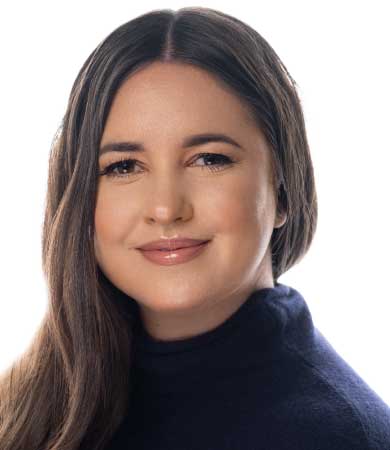
Ep 652022 Spence Award Mini Episode: Patricia Lockwood and the Foundations of Social Learning
The winners of the 2022 APS Janet Taylor Spence Award for Transformative Early Career Contributions represent some of the brightest and most innovative young psychological scientists in the world. In a series of mini-episodes, Under the Cortex talks with each winner about their research and goals. Today we hear from Patricia Lockwood (University of Birmingham), who is researching the foundations of social learning and decision-making throughout life. Learn more about our sponsor by visiting https://macmillanlearning.com/psychsessions.
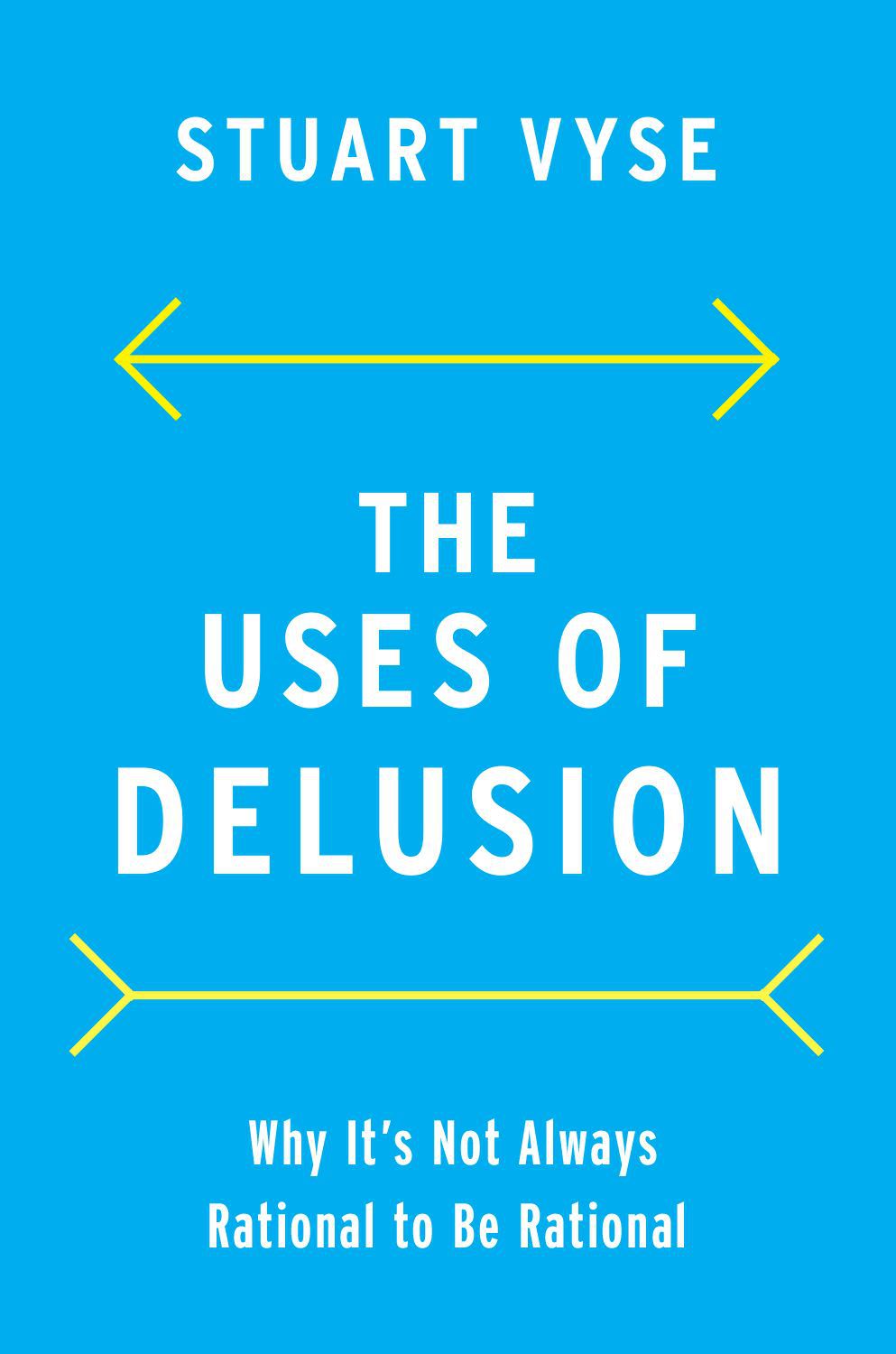
Ep 64Delusion and the Uses of Not Being Rational
Being rational is an often-admired quality. After all, a rational mind allows us to calmly and carefully evaluate situations based on the facts rather than letting emotions cloud our thinking. There are times, however, when irrational thought has its advantages. Shedding some light on the human propensity for delusion thinking is psychologist, writer, and APS Fellow and Charter Member Stuart Vyse, who has published a new book “The Uses of Delusion: Why It’s Not Always Rational to Be Rational.” Learn more about our sponsor by visiting https://macmillanlearning.com/psychsessions.
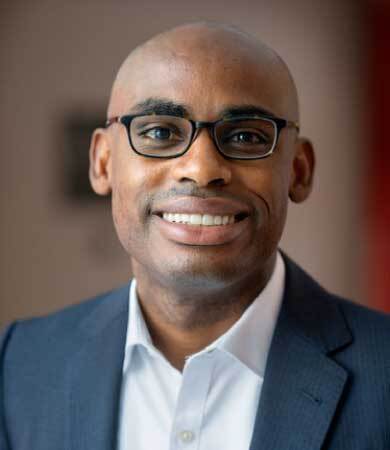
Ep 632022 Spence Award Mini Episode: Neil Lewis Jr. on the Unequal Nature of Society
The winners of the 2022 APS Janet Taylor Spence Award for Transformative Early Career Contributions represent some of the brightest and most innovative young psychological scientists in the world. In a series of mini-episodes, Under the Cortex talks with each winner about their research and goals. Today, Neil Lewis Jr. (Cornell University) talks about how the unequal nature of the society that we live in affects the way we think.

Ep 622022 Spence Award Mini Episode: Human to Nonhuman Interactions with Kai Chi (Sam) Yam
The winners of the 2022 APS Janet Taylor Spence Award for Transformative Early Career Contributions represent some of the brightest and most innovative young psychological scientists in the world. In a series of mini-episodes, Under the Cortex talks with each winner about their research and goals. Today, Kai Chi (Sam) Yam (National university of Singapore) tells us about his research on human-nonhuman communication. Learn more about our sponsor by visiting https://macmillanlearning.com/psychsessions.

Ep 61Traffic Stops and Race: Police Conduct May Bend to Local Biases
New research covering tens of millions of U.S. traffic stops found that Black drivers were more likely than White drivers to be stopped by police in regions with a more racially biased White population. Pierce Ekstrom, a researcher at the University of Nebraska and lead author on one of two concurrent papers in the journal Psychological Science talks about how these studies shed new light on how countywide attitudes toward race correlate with local policing. Read the news release and watch the video segment here.
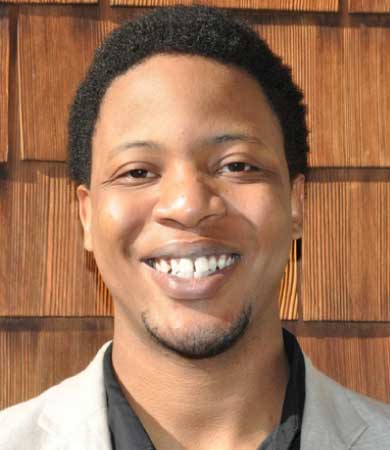
Ep 602022 Spence Award Mini Episode: Jason Okonofua and the Power of Empathy
The winners of the 2022 APS Janet Taylor Spence Award for Transformative Early Career Contributions represent some of the brightest and most innovative young psychological scientists in the world. In a series of mini-episodes, Under the Cortex talks with each winner about their research and goals. Today, Jason Okonofua (University of California, Berkeley) tells us about his research on empathy and social-psychological processes that contribute to inequality.
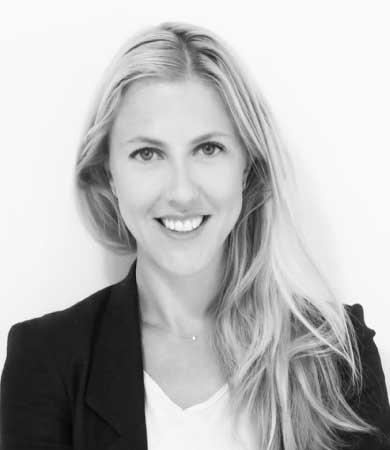
Ep 592022 Spence Award Mini Episode: Investigating Complex Brain Processes
The winners of the 2022 APS Janet Taylor Spence Award represent some of the brightest and most innovative young psychological scientists in the world. In a series of mini-episodes, Under the Cortex talks with each winner about their research and goals. Today Oriel FeldmanHall (Brown University) tells us about her research to disentangle the cognitive and neural processes behind the complex choices that form the basis of human social behavior.
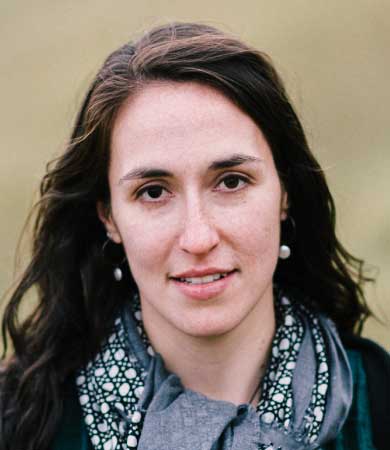
Ep 582022 Spence Award Mini Episode: How People Manage Their Emotions
The winners of the 2022 APS Spence Award represent some of the brightest and most innovative young psychological scientists in the world. In a series of mini-episodes, Under the Cortex talks with each winner about their research and goals. Today we hear from Brett Ford (University of Toronto) who is examining the basic science and health implications of how individuals think about and manage their emotions.

Ep 57Mini Episode: How We Internalize Disorders
The winners of the 2022 APS Spence Award represent some of the brightest and most innovative young psychological scientists in the world. In a series of mini-episodes, Under the Cortex talks with each winner about their research and goals. Today we hear from Antonia Kaczkurkin (Vanderbilt University) who is researching the neurobiological mechanisms of how we internalize disorders.

Ep 56Constellations Across Cultures: How Our Visual Systems Pick Out Patterns in the Night Sky
There are hundreds of billions of stars in our galaxy, though only about 5,000 are visible to the naked eye. Under ideal conditions and far from city lights, you can see about half of them on any given night. Cultures the world over see similar shapes in the night sky--the Big Dipper, Orion, and the Pleiades are just a few. New research, as discussed by Charles Kemp and published in the journal Psychological Science, reveals that our visual processing system may explain the striking commonality of constellations across cultures. Read the transcript here. Image credit: Milky Way from the Atacama Desert by Derek Demeter

Ep 55Freedom vs Security: Can We Find the Right Balance?
During the pandemic and when other natural disasters strike, governments may curtail certain liberties in an effort to save lives. These compromises also happen in everyday life, from seatbelt laws to food-safety regulations. A paper published in Perspectives on Psychological Science, however, suggests that restricting freedoms may have other unintended negative consequences for behavior and health. One of the authors, Nathan Cheek with Princeton University, explains how there may be a balance that can be achieved and how psychological science could help policymakers promote public health, safety, and well-being in times of crisis. To read the transcript, see here.

Ep 54Debunking Four Common Myths of Psychological Science
You hear them so often they must be true! Or are they? Popular myths about the human brain include old chestnuts like people only use 10% of their brains, too much sugar sends kids into hyperdrive, and there are left-brain and right-brain personalities. How did these beliefs get started and why are they so widespread? Charles Blue and Ludmila Nunes take a skeptical deep dive to explore some the most common myths about psychological science and the brain. These are just some of the facts and debunking you'll find on the Association for Psychological Science's Myths and Misinformation Research Topic page.