Understanding the Science Behind Microdosing
In this episode, Julie Hagen continues her discussion with Uncle Marv about microdosing psychedelics. She explains the importance of understanding the difference between a full psychedelic experience and a sub-perceptual microdose. Julie shares her personal journey from feeling unfulfilled as a lawyer to finding purpose through coaching and microdosing. She provides insights into the science behind microdosing, particularly its effects on the brain's default mode network. Julie also outlines her 30-day microdosing protocol, emphasizing the importance of setting intentions, journaling, and meditation.
Uncle Marv's UnHealthy Podcast · Julie Hagen
Audio is streamed directly from the publisher (dts.podtrac.com) as published in their RSS feed. Play Podcasts does not host this file. Rights-holders can request removal through the copyright & takedown page.
Show Notes
Julie Hagen clarifies the distinction between a full psychedelic trip and a sub-perceptual microdose, where one's consciousness remains unaltered. She stresses the importance of trusting the source and dosage when microdosing to avoid unintended effects.
Julie recounts her struggles with mental health during law school and her early career as a lawyer, leading her to seek therapy and eventually coaching. She found coaching more constructive and aligned with her purpose of helping others.
A friend introduced Julie to microdosing as a means of personal growth and healing. She explains how microdosing can help quiet the brain's default mode network, which is associated with rumination, anxiety, and depression.
Julie outlines her 30-day microdosing protocol, which involves setting intentions, journaling, and meditation. She emphasizes the importance of simplicity and tailoring the practice to individual needs.
Key Takeaways:
- Understand the difference between a full psychedelic trip and a sub-perceptual microdose.
- Microdosing can help quiet the brain's default mode network, reducing rumination and negative thought patterns.
- Setting intentions, journaling, and meditation are essential components of a microdosing protocol.
- Simplicity and personalization are key when developing a microdosing practice.
=== About the Unhealthy Podcast
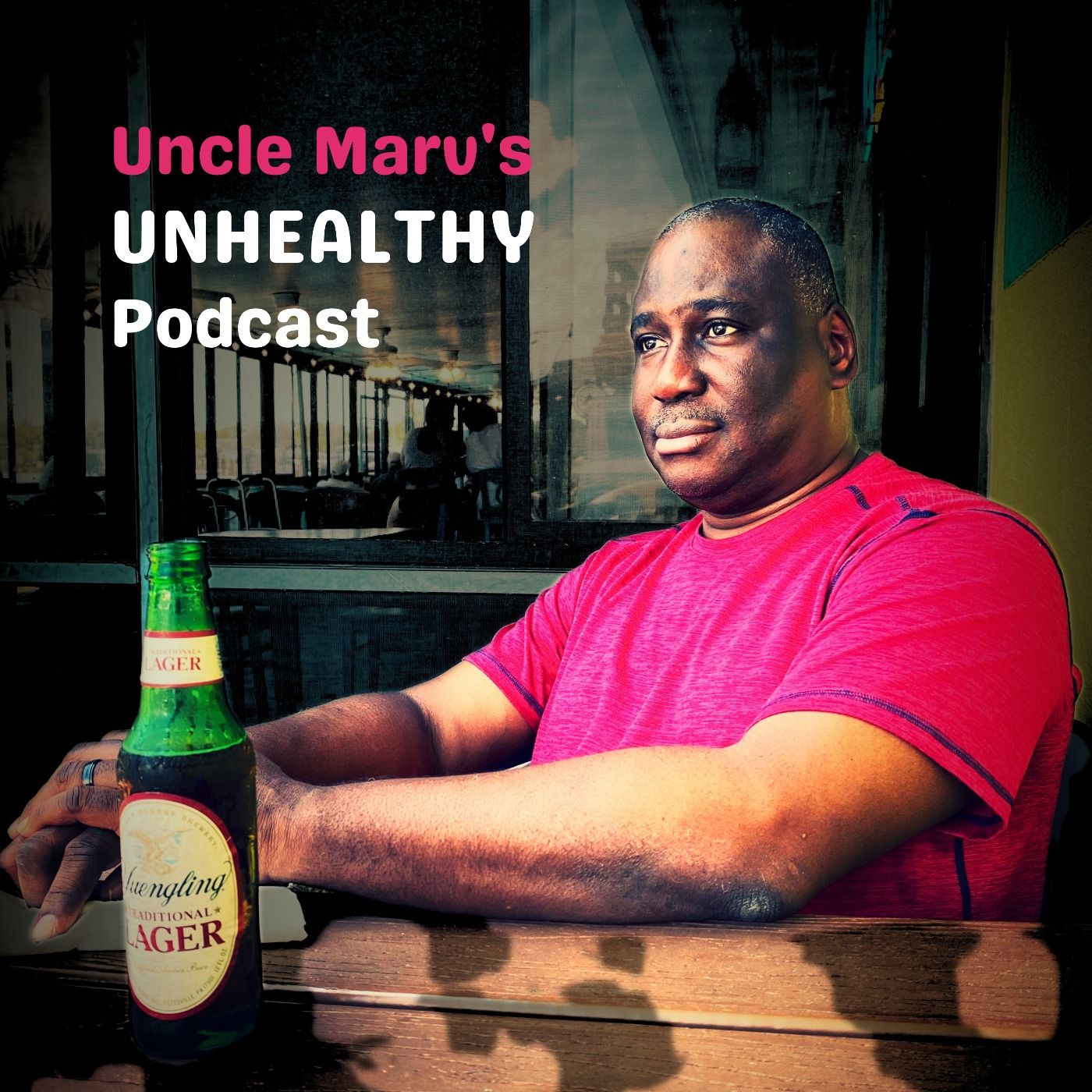
Hosted by Marvin Bee (Uncle Marv), the Unhealthy Podcast dives into real conversations about health, wellness, and everyday habits that impact how we live, work, and age. From nutrition myths to stress management and tech-life balance, Uncle Marv brings humor, insight, and honesty to every episode.
- Visit our website: https://www.unhealthypodcast.com/
- Connect on Facebook: https://www.facebook.com/iamunclemarv
- Connect on LinkedIn: https://www.linkedin.com/in/marvinbee/
Follow and Subscribe: Stay updated with new episodes every week on Apple Podcasts, Spotify, YouTube, and more. Join the conversation about real-life health, fitness, and personal growth from the lens of an everyday guy striving to be healthier.