PLAY PODCASTS
UMN Extension Nutrient Management Podcast

UMN Extension Nutrient Management Podcast

Welcome to University of Minnesota Extension's Nutrient Management Podcast.

University of Minnesota Extension

115 episodesEN

Show overview

UMN Extension Nutrient Management Podcast has been publishing since 2019, and across the 7 years since has built a catalogue of 115 episodes. That works out to roughly 65 hours of audio in total. Releases follow a monthly cadence, with the show now in its 7th season.

Episodes typically run twenty to thirty-five minutes — most land between 28 min and 38 min — and the run-time is fairly consistent across the catalogue. None of the episodes are flagged explicit by the publisher. It is catalogued as a EN-language Science show.

The show is actively publishing — the most recent episode landed 1 weeks ago, with 10 episodes already out so far this year. The busiest year was 2025, with 29 episodes published. Published by University of Minnesota Extension.

Episodes
115
Running
2019–2026 · 7y
Median length
33 min
Cadence
Monthly

From the publisher

Welcome to University of Minnesota Extension's Nutrient Management Podcast. Each month we bring you the latest research in nutrient management for crops and how you can incorporate the latest tips and best management practices to your farm.

Latest Episodes

View all 115 episodes

Nitrates & placement: Factors for reducing nitrogen loss to water

May 6, 202634 min

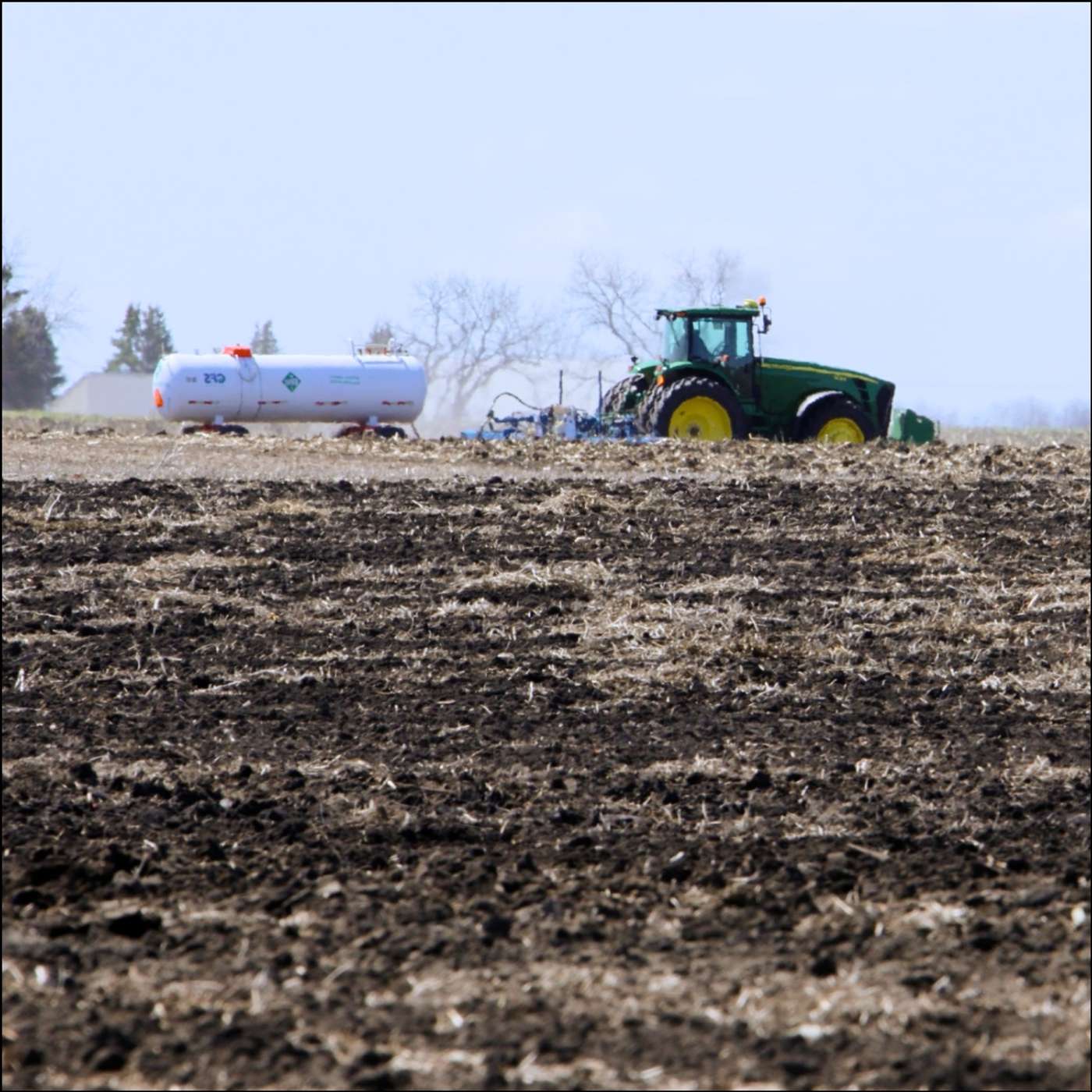
The pre-sidedress nitrate test (PSNT): Sampling, standards & values to know
Apr 22, 202638 min

S7 Ep 8Spring fertilizer outlook: How is price volatility impacting input planning in 2026?

Early April means it's time for the Spring Fertilizer Outlook here on the Nutrient Management Podcast. Our panel of four specialists and researchers begin by discussing current field conditions throughout Minnesota. World events affecting farmers and other ag professionals are top-of-mind right now. How is price volatility impacting input planning - or is it? Should farmers consider changes to their management plans, and /or potentially cut back on specific inputs? If so, which ones and why? Does soil testing become more important during times when other costs are high? As our panelists talk with farmers across Minnesota, what silver linings and bright spots have they noticed in today's ag environment, and why is it important to keep these in mind? All this and much more on today's episode.Guests:Brad Carlson, Extension educator (Mankato)Daniel Kaiser, Extension nutrient management specialist (St. Paul)Jeff Vetsch, Lead SROC researcher (Waseca)Lindsay Pease, Extension nutrient and water management specialist (Crookston)Additional Resources:cornnratecalc.org (MRTN rate calculator)Are you overspending on fertilizer?Drought conditions overviewPhosphorus: Rate guidelines, sources & best practices for Minnesota, Midwest farmersDo biostimulant seed treatments boost soybean yields? New study across 103 locations in 22 states says noNutrient management--- For the latest nutrient management information, subscribe to the Nutrient Management Podcast. And don't forget to subscribe to the Minnesota Crop News daily or weekly email newsletter, subscribe to our YouTube channel, like UMN Extension Nutrient Management on Facebook, follow us on X (formerly twitter), and visit our website.If you have questions or comments, please email us at [email protected] for the Nutrient Management Podcast is provided by Minnesota's fertilizer tonnage fee through the Agricultural Fertilizer Research & Education Council (AFREC). Learn more at MNsoilfertility.com.

Apr 7, 202634 min

S7 Ep 7Active sensors & variable rate nitrogen: What MN farmers should know

Brad Carlson and Jeff Vetsch talk about variable rate sensors on today's Advancing Nitrogen Smart Podcast episode. What is meant by the term 'active sensors' and what data do active sensors capture? Which specific brands of sensors have the Southern Research and Outreach Center (SROC) researched, and how did they perform? What stage does corn need to reach before sensors can best contribute to variable rate decision making? How do other field variables like soil texture or irrigation systems contribute (or not) to variable rate sensing? Join us today for part one of a two-part discussion on variable rate technology with Brad and Jeff.Guests:Brad Carlson, Extension educator (Mankato)Jeff Vetsch, Lead researcher at the Southern Research and Outreach Center (Waseca)Additional Resources:5 Things to consider for sensor-based nitrogen managementVariable rate nitrogen and nitrogen advisory tools: Do they work?Variable rate technology: How should farmers evaluate outcomes?Things to consider when sidedressing nitrogenNitrogen smartNitrogen--For the latest nutrient management information, subscribe to the Nutrient Management Podcast. And don't forget to subscribe to the Minnesota Crop News daily or weekly email newsletter, subscribe to our YouTube channel, like UMN Extension Nutrient Management on Facebook, follow us on X (formerly twitter), and visit our website.If you have questions or comments, please email us at [email protected] Nitrogen Smart is proud to be supported by the farm families of Minnesota and their corn check-off investment through Minnesota Corn.
Mar 26, 202621 min

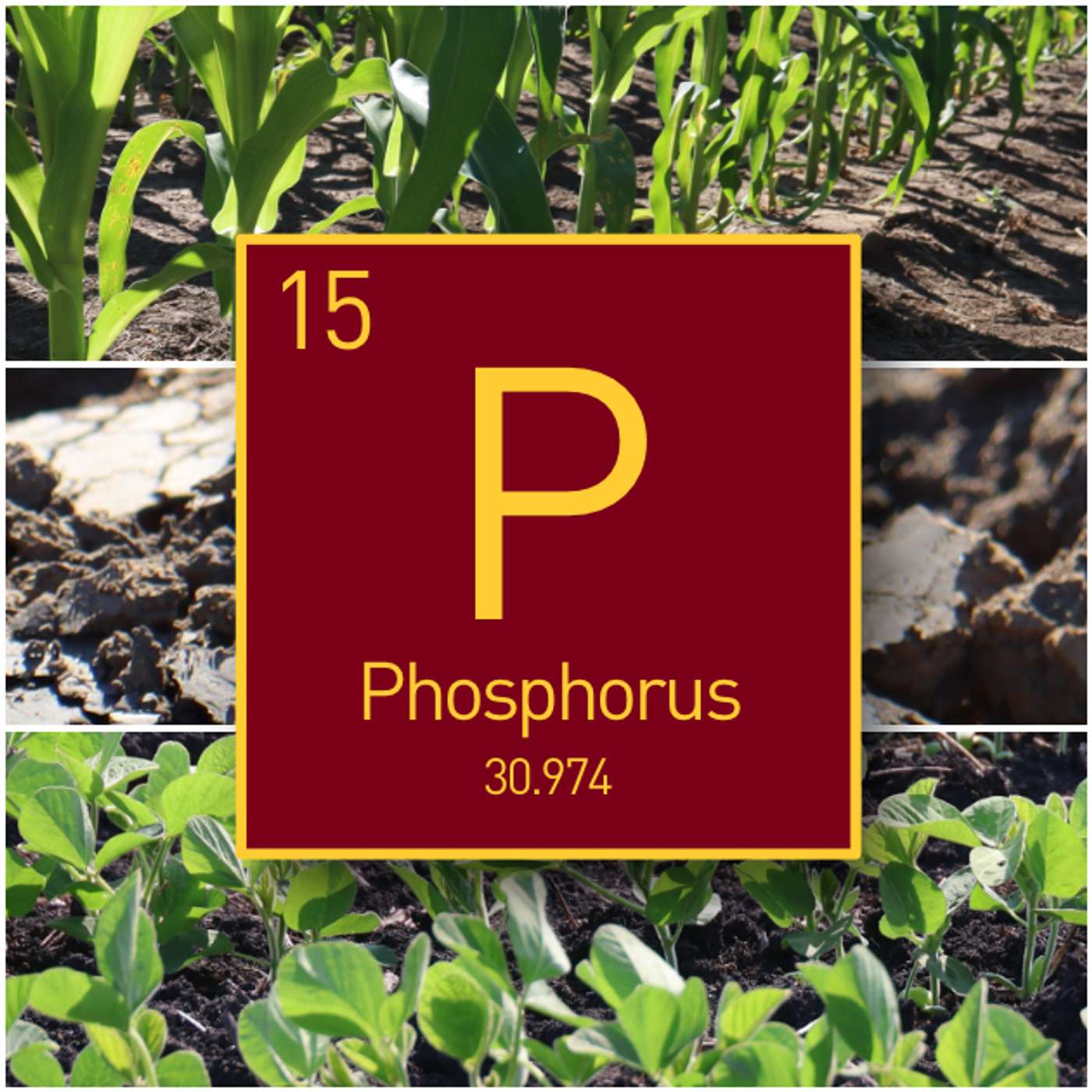
S7 Ep 6Phosphorus: Rate guidelines, sources & best practices for Minnesota, Midwest farmers

Today on the Nutrient Management Podcast we discuss phosphorus with experts from Minnesota and across the Midwest. Why are Midwest phosphorus guidelines different from state to state? Are Minnesota's current P guidelines satisfactory - or do states' P guidelines need revision? Would a P-rate calculator that incorporates economics be a useful tool, similar to nitrogen's MRTN calculator? What 'Phosphorus & the 4R's' tips and suggestions do our Minnesota, Ohio, Illinois and South Dakota panelists recommend for area farmers? Nitrates and water quality issues continue to be top-of-mind - would switching P sources be beneficial? What new and ongoing phosphorus-related research projects are panelists watching? All this and much more on today's show.Guests:Daniel Kaiser, Extension nutrient management specialist (St. Paul)John Jones, soil fertility, plant nutrition, and nutrient management research, University of Illinois Urbana-Champaign (Champaign, IL)Jason Clark, Extension soil fertility specialist, South Dakota State University (Brookings, SD)Manbir Rakkar, assistant professor, soil fertility and nutrient management, The Ohio State University (Brewster, OH)Additional resources:Understanding phosphorus in Minnesota soilsVideos of the 2026 Nutrient Management and Nitrogen Conferences are now availablePhosphorus fertilizer sources: What are the differences and which one should you use?Is 'fixed' P lost? 4 things to considerMinnesota Nutrient Reduction Strategy--For the latest nutrient management information, subscribe to the Nutrient Management Podcast. And don't forget to subscribe to the Minnesota Crop News daily or weekly email newsletter, subscribe to our YouTube channel, like UMN Extension Nutrient Management on Facebook, follow us on X (formerly twitter), and visit our website.If you have questions or comments, please email us at [email protected] for the Nutrient Management Podcast is provided by Minnesota's fertilizer tonnage fee through the Agricultural Fertilizer Research & Education Council (AFREC). Learn more at MNsoilfertility.com.
Mar 17, 202639 min

S7 Ep 5Minnesota's Nutrient Reduction Strategy: Practices, progress & solutions

Today on the Advancing Nitrogen Smart podcast we speak in-depth about the recently-revised Minnesota Nutrient Reduction Strategy with Matt Drewitz from the Minnesota Pollution Control Agency. What are the goals of the MN Nutrient Reduction Strategy, and how are they being addressed specifically? Are we on track to meet our objectives? How have environmental changes over the years affected our progress? How have wastewater treatment plants contributed to the effort, and what have we learned from them? What kinds of other practices can be leveraged to meet the goals of the NRS, and how should farmers approach these ideas? Who's a farmer's point of contact with questions about adopting these practices? All of this on today's episode, recorded on the road from the recently held Nutrient Management Conference in Mankato, MN.Guests:Brad Carlson, Extension educator (Mankato)Matt Drewitz Minnesota Pollution Control Agency, (St. Paul)Additional resources:Minnesota Nutrient Reduction StrategyOne Watershed, One PlanAddressing nitrate in southeastern MinnesotaThe state of Minnesota's soil health: How many farmers are doing no-till, cover crops, and moreEdge of field N and P reduction strategies: What to know about conservation drainage practicesVideos of the 2026 Nutrient Management and Nitrogen Conference presentations are now available---For the latest nutrient management information, subscribe to the Nutrient Management Podcast. And don't forget to subscribe to the Minnesota Crop News daily or weekly email newsletter, subscribe to our YouTube channel, like UMN Extension Nutrient Management on Facebook, follow us on X (formerly twitter), and visit our website.If you have questions or comments, please email us at [email protected] Nitrogen Smart is proud to be supported by the farm families of Minnesota and their corn check-off investment through Minnesota Corn.
Mar 9, 202620 min

S7 Ep 4Incorporating conservation practices: County SWCDs, farmer resources & successes

Today we’re going on the road with a conversation recorded during the Minnesota Association of Social and Water Conservation Districts' (MASWCD) annual conference. Mike Schultz, district manager at the Le Sueur County SWCD talks with Brad Carlson about actual methods of incorporating conservation practices into the landscape. What are general categories of conservation practices? How are watershed plans written, and how do they address a balanced set of interests? Which practices tend to appeal to farmers the most? What kinds of resources can a County SWCD provide? What are some examples of successful implementation? Are there cost-share programs available - and if so how do farmers find them? All that and more on today's episode of the Advancing Nitrogen Smart Podcast.Guests:Brad Carlson, Extension educator (Mankato)Mike Schultz, district manager, Le Sueur SWCD Additional resources:Le Sueur County SWCDSoil and Water Conservation District Directory MN SWCDs (from the MN Board of Soil and Water Resources)Minnesota Nutrient Reduction StrategyNitrogen SmartOne Watershed, One Plan---For the latest nutrient management information, subscribe to the Nutrient Management Podcast. And don't forget to subscribe to the Minnesota Crop News daily or weekly email newsletter, subscribe to our YouTube channel, like UMN Extension Nutrient Management on Facebook, follow us on X (formerly twitter), and visit our website.If you have questions or comments, please email us at [email protected] Nitrogen Smart is proud to be supported by the farm families of Minnesota and their corn check-off investment through Minnesota Corn.
Feb 25, 202618 min

S7 Ep 3Looking ahead to spring manure: ManureDB, research updates & best practices for MN farmers

Today on the Nutrient Management Podcast we discuss all things manure as we head into spring. Our three manure nutrient management specialists and researchers talk about recent updates to ManureDB (the online manure database). Why was ManureDB created, and what makes it a helpful tool for farmers and producers? What's the status of current and future manure research projects? How can Minnesota farmers partner with the University of Minnesota manure team for on-farm research projects? What are some top-of-mind best practices for sampling and safety as we head into the growing season? All of that and much more on today's show.Guests:Melissa Wilson, Extension manure nutrient management specialist (St. Paul)Eduardo Garay Lagos, manure research manager (St. Paul)Nancy Bohl Bormann, manure nutrient management researcher (St. Paul)Additional Resources:Introducing ManureDB: A new way to view manure variability and trends Manure ManagementHow to put together a manure management plan'Manure is complicated': 5 Reasons you need a manure management planManure sampling and testing: Variability, guidelines & safety for your operation—
Feb 23, 202624 min

S7 Ep 2Nitrogen BMPs and nitrate water quality issues in southeast Minnesota: What should growers be thinking about?

Today on the show we join a panel of 5 specialists, practitioners, Extension educators to discuss nitrates and water quality in southeast Minnesota. What is the current situation with nitrates and water quality in southeast Minnesota? Is the situation improving over time? What are some key factors affecting nitrate concentrations? What should growers in the region be thinking about in terms of nitrogen best management practices? What are some other ways that farmers in southeast Minnesota can help improve water quality? What else should we be thinking about related to N BMPs and nitrate water quality issues in southeast Minnesota? What resources (financial and otherwise) are available to farmers in southeast Minnesota? All this and much more today's Nutrient Management Podcast from University of Minnesota Extension. Video of this podcast is available on our YouTube channel! Watch it here. Guests:Mary Nesberg, Extension educator (Rochester)Daniel Kaiser, Extension nutrient management specialist (St. Paul)Brad Carlson, Extension educator (Mankato)Kevin Kuehner, Hydrologist, Minnesota Department of Agriculture (Preston)Jeff Vetsch, U of M researcher (Waseca)Additional Resources:Improved understanding of groundwater age and nitrate trendsGreenCovR: Cover crop management tool provides local information on green cover achieved by managementMinnesota Agricultural Water Quality Certification ProgramTap-In: Safe Drinking Water for SE MinnesotaGrain Gathering 2026 Olmested County SWCDCorn Nitrogen Rate CalculatorMinnesota Nutrient Reduction StrategyNitrates and drinking water: Resources for southeast Minnesota well users, farmersSoutheast Minnesota nitrogen meeting presentations now available onlinez.umn.edu/NitrogenSmartAddressing nitrate in southeastern MinnesotaExtension addresses nitrate water quality issues in southeast MinnesotaWhat decade are we measuring? Improved understanding of groundwater age and nitrate trends (YouTube video)

Jan 26, 202649 min

S7 Ep 1The 5 main pathways of nitrogen loss: What are they, and how can you increase efficiency?

We return to first principles with a detailed discussion about nitrogen loss on today's Advancing Nitrogen Smart Podcast episode. The five terms that describe how nitrogen is lost from the soil are: leaching, denitrification, volatilization, crop removal and soil erosion & runoff. But what do those terms actually mean? How does nitrogen's chemistry change during loss? Do N loss processes (also called pathways) happen at the same speed? How do temperature and precipitation affect N loss pathways? How might farmers hedge against the risk of loss by incorporating the 4Rs into their N planning? All of this and much more on today's show.GuestsBrad Carlson, Extension educator (Mankato)Dan Kaiser, Extension nutrient management specialist (St. Paul)Additional resourcesNitrogen Conference (held annually in February; past videos are available online)Four things I’ve learned about nitrogen management for corn based on a decade of research in MinnesotaNitrogen Nuggets (YouTube playlist)Understanding nitrogen in soilsNitrogen Smart---For the latest nutrient management information, subscribe to the Nutrient Management Podcast. And don't forget to subscribe to the Minnesota Crop News daily or weekly email newsletter, subscribe to our YouTube channel, like UMN Extension Nutrient Management on Facebook, follow us on X (formerly twitter), and visit our website.If you have questions or comments, please email us at [email protected] Nitrogen Smart is proud to be supported by the farm families of Minnesota and their corn check-off investment through Minnesota Corn.

Jan 12, 202642 min

S6 Ep 29All about cover crops: Lower seeding rates, weed control, advice for farmers & more

It's December and we're rounding out the year with an in-depth discussion on cover crops here on the Nutrient Management Podcast. What are panelists' observations regarding covers with lower seeding rates? What are some pros and cons relating to erosion or nutrient uptake? Does planting early at a lower seed rate vs. planting later with a higher seed rate result in the same outcome? What are some weed control characteristics of cover crops? What advice do our panelists have for farmers new to cover crops? What kinds of state and local resources are available for growers? All this and lots more on today's show so be sure to tune in.Guests:Anna Cates, Extension soil health specialist (St. Paul)Ryan Beutow, Minnesota NRCS State Agronomist (St. Paul)Eric Yu, Extension educator (Farmington)Additional Resources:UMN Cover Crops row cropsUMN Cover crops in vegetablesCover crop AcademyMN Agronomy Technical Note 33Single species cereal rye cover crop implementation requirementsCover Crop Termination GuidelinesMN NRCS Cover Crop Design ToolMidwest Cover Crop CouncilSARE Managing Cover Crops ProfitablyMN Field Office Technical Guide folder on cover crops--- For the latest nutrient management information, subscribe to the Nutrient Management Podcast. And don't forget to subscribe to the Minnesota Crop News daily or weekly email newsletter, subscribe to our YouTube channel, like UMN Extension Nutrient Management on Facebook, follow us on X (formerly twitter), and visit our website.If you have questions or comments, please email us at [email protected] for the Nutrient Management Podcast is provided by Minnesota's fertilizer tonnage fee through the Agricultural Fertilizer Research & Education Council (AFREC). Learn more at MNsoilfertility.com.

Dec 11, 202523 min

S6 Ep 28Micronutrients: Current research, tissue sampling, toxicity symptoms & more

Today on the Nutrient Management Podcast we're turning our attention to micronutrients. What does current research tell us about micronutrients - for corn specifically - that growers need to consider? Boron is another important micronutrient in Minnesota. What should farmers be aware of regarding boron? Is tissue sampling the answer to help predict where some of these micronutrients are needed? What are other important micronutrient takeaways? All this and much more on today's episode. Guests & Contact Info:Jeff Vetsch, U of M researcher (Waseca) - email: [email protected] Kaiser, Extension nutrient management specialist (St. Paul) - email: [email protected] Rosen, Extension nutrient management specialist (St. Paul) - email: [email protected] Resources:Micro- and secondary macronutrientsUnderstanding plant analysis for cropsZinc for crop productionAre you overspending on fertilizer?Is boron deficiency a problem for crops in Minnesota?---For the latest nutrient management information, subscribe to the Nutrient Management Podcast. And don't forget to subscribe to the Minnesota Crop News daily or weekly email newsletter, subscribe to our YouTube channel, like UMN Extension Nutrient Management on Facebook, follow us on X (formerly twitter), and visit our website.If you have questions or comments, please email us at [email protected] for the Nutrient Management Podcast is provided by Minnesota's fertilizer tonnage fee through the Agricultural Fertilizer Research & Education Council (AFREC). Learn more at MNsoilfertility.com.

Nov 24, 202533 min

S6 Ep 27Variable rate zones: Field mapping, soil characteristics, tools & more

On today's episode of the Advancing Nitrogen Smart podcast, Brad and Dan talk about variable rate application - and zones in particular. What's the overall point to variable rate N application? How might an initial starting N rate be determined? How do farmers' fields and equipment introduce their own variables, and how can these variables be monitored? How should farmers think about - and plot out - field zones? What's the difference between a yield map and a zone map, and should farmers rely on yield maps for zoning purposes? Do the best yielding spots always need the most nitrogen? All of this and much more on today's show.Guests:Brad Carlson, Extension educator (Mankato)Dan Kaiser, Extension nutrient management specialist (St. Paul)Additional resources:With high nitrogen fertilizer prices and low corn prices, can you decrease your nitrogen rate for 2026? www.cornnratecalc.org (Corn Nitrogen Rate Calculator)Is variable rate nitrogen based on yield maps a good idea?Variable rate nitrogen: What are we trying to accomplish?Brad Carlson's email address: [email protected] Kaiser's email address: [email protected] the latest nutrient management information, subscribe to the Nutrient Management Podcast. And don't forget to subscribe to the Minnesota Crop News daily or weekly email newsletter, subscribe to our YouTube channel, like UMN Extension Nutrient Management on Facebook, follow us on X (formerly twitter), and visit our website.If you have questions or comments, please email us at [email protected].

Nov 12, 202540 min

S6 Ep 26Updated corn nitrogen rates: Regional differences, profit vs yield, water quality & more

This month on the Nutrient Management Podcast, we talk about a recent increase in N rate recommendations for corn. Why have these suggested nitrogen rates for corn increased over time? How are regional differences across Minnesota factored into this increase? Why does the Maximum Return to Nitrogen (MRTN) method of N rate calculation bring economics into the mix? Why should growers focus on profit instead of yield? Won't a higher nitrogen rate make our SE Minnesota water issues worse? Our panelists answer these important questions - and many more - on today's show.Guests:Jeff Vetsch, U of M researcher (Waseca)Daniel Kaiser, Extension nutrient management specialist (St. Paul)Brad Carlson, Extension educator (Mankato)Additional Resources:www.cornnratecalc.org (N Rate Calculator)Updated corn nitrogen rates: What are we currently seeing for N fertilizer requirements in Minnesota?An introduction to MRTN: Efficiencies & economics in mind2025 fall fertilizer outlook: Management tips during economic uncertaintyWith high nitrogen fertilizer prices and low corn prices, can you decrease your nitrogen rate for 2026?---For the latest nutrient management information, subscribe to the Nutrient Management Podcast. And don't forget to subscribe to the Minnesota Crop News daily or weekly email newsletter, subscribe to our YouTube channel, like UMN Extension Nutrient Management on Facebook, follow us on X (formerly twitter), and visit our website.If you have questions or comments, please email us at [email protected] for the Nutrient Management Podcast is provided by Minnesota's fertilizer tonnage fee through the Agricultural Fertilizer Research & Education Council (AFREC). Learn more at MNsoilfertility.com.

Oct 22, 202531 min

S6 Ep 25An introduction to MRTN: Efficiencies & economics in mind

Brad Carlson and Daniel Kaiser discuss the maximum return to nitrogen method (MRTN) for determining an optimal N rate on today's episode of Advancing Nitrogen Smart Podcast. What is the MRTN and why was it created? What are differences between an N investment model versus a maximum yield model? What should farmers keep in mind while using the MRTN? Where can Minnesota farmers, producers and ag professionals find the MRTN? All this and more on today's show.Guests:Brad Carlson, Extension educator (Mankato)Dan Kaiser, Extension nutrient management specialist (St. Paul)Additional resources:www.cornnratecalc.org (N rate calculator)Are you overspending on fertilizer?Nutrient ManagementUpdated corn nitrogen rates: What are we currently seeing for N fertilizer requirements in Minnesota?For the latest nutrient management information, subscribe to the Nutrient Management Podcast. And don't forget to subscribe to the Minnesota Crop News daily or weekly email newsletter, subscribe to our YouTube channel, like UMN Extension Nutrient Management on Facebook, follow us on X (formerly twitter), and visit our website.If you have questions or comments, please email us at [email protected] Nitrogen Smart is proud to be supported by the farm families of Minnesota and their corn check-off investment through Minnesota Corn.

Oct 14, 202528 min

S6 Ep 24Biological soil fertility products for corn and soybeans: How should farmers be thinking about them?

Dan Kaiser and Brad Carlson continue their discussion on N-fixing biostimulant products in today's episode of the Advancing Nitrogen Smart Podcast. What's the most up-to-date working definition of a crop biostimulant? On which crops are N-fixing products typically used? What is NCERA103.org, and in what ways it it a useful resource for farmers and other agricultural professionals? What are some of the different categories of nitrogen-fixing biostimulants? How should farmers be thinking about biological soil fertility products in general? All this and more on today's show.Guests:Dan Kaiser, Extension nutrient management specialist (St. Paul)Brad Carlson, Extension educator (Mankato)Additional resources:NCERA103.orgNitrogen-fixing biologicals: What farmers should knowNitrogen-fixing biological products: New report summarizes research from across the corn beltNitrogen-fixing biological products: Four Midwest experts weigh in on industry claims, on-farm research tips, and more---For the latest nutrient management information, subscribe to the Nutrient Management Podcast. And don't forget to subscribe to the Minnesota Crop News daily or weekly email newsletter, subscribe to our YouTube channel, like UMN Extension Nutrient Management on Facebook, follow us on X (formerly twitter), and visit our website.If you have questions or comments, please email us at [email protected] Nitrogen Smart is proud to be supported by the farm families of Minnesota and their corn check-off investment through Minnesota Corn.

Sep 25, 202538 min

S6 Ep 23Fall manure application: Plans, resources & strategies for Minnesota farmers

On this episode of the Nutrient Management Podcast, we talk all about fall manure application. What should be on a farmer's to-do list to prepare for fall application? What names need to be on an operation's emergency response plan, and what kind of PPE should farmers keep nearby? How much lead time does a lab need to return sample results? If a farmer plans to work with a commercial applicator, what can they do ahead of time to ensure a successful season? All of this, plus a farmer Q&A, on-farm research advice, an update on ManureDB and more on today's show.Guests:Melissa Wilson, Extension manure nutrient management specialist (St. Paul)Chryseis Modderman, Extension manure nutrient management specialist (Morris, MN)Nancy Bohl Bormann, researcher, manure and nutrient management (St. Paul)Eduardo Garay, on-farm research manager, manure management (St. Paul)Additional Resources:How to put together a manure management planUMN Manure (YouTube)ManureDBManure management: Agitation and pumpingFor on-farm research inquiries, contact Eduardo Garay at: [email protected]—For the latest nutrient management information, subscribe to the Nutrient Management Podcast. And don't forget to subscribe to the Minnesota Crop News daily or weekly email newsletter, subscribe to our YouTube channel, like UMN Extension Nutrient Management on Facebook, follow us on X (formerly twitter), and visit our website.If you have questions or comments, please email us at [email protected] for the Nutrient Management Podcast is provided by Minnesota's fertilizer tonnage fee through the Agricultural Fertilizer Research & Education Council (AFREC). Learn more at MNsoilfertility.com.

Sep 9, 202531 min

S6 Ep 22Bioreactors in-depth: Carbon sources, incorporation, maintenance & more

Today on the Advancing Nitrogen Smart Podcast we take a close-up look at bioreactors as an edge-of-field practice. How does this important tool work, and how does it help mitigate nitrate loss? What types of carbon sources have traditionally been used in a bioreactor, and what types of carbon could be used in the future? How are bioreactors incorporated in to a farmer's operation, and how are they maintained? How effective and efficient are bioreactors? What's on the horizon for the next generation of bioreactor technology? All this and more on today's episode.Guests:Brad Carlson, Extension educator (Mankato)Jeff Strock, Extension soil scientist (Lamberton)Additional Resources:Nitrogen and phosphorus removal from agricultural drainage water by a modular bioreactorBioreactor research3 takeaways from the Conservation Drainage Network’s annual meetingEdge of field N and P reduction strategies: What to know about conservation drainage practicesNitrogen Smart---For the latest nutrient management information, subscribe to the Nutrient Management Podcast. And don't forget to subscribe to the Minnesota Crop News daily or weekly email newsletter, subscribe to our YouTube channel, like UMN Extension Nutrient Management on Facebook, follow us on X (formerly twitter), and visit our website.If you have questions or comments, please email us at [email protected] Nitrogen Smart is proud to be supported by the farm families of Minnesota and their corn check-off investment through Minnesota Corn.

Aug 27, 202531 min

S6 Ep 212025 Fall fertilizer outlook: Management tips during economic uncertainty

It’s that time of year again; time for the Fall Fertilizer Outlook on the Nutrient Management Podcast. Given the overall economics of crop production right now, how should farmers be approaching their fertilizer decisions this fall? What are some regional differences with respect to fertilizer management this year? There has been a renewed focus on the issue of water quality in Minnesota - how should this affect farmers’ decision-making? How many fertilizer decisions can be pushed off until spring? All of this and more on today’s show.Guests:Brad Carlson, Extension educator (Mankato)Lindsay Pease, Extension nutrient and water management specialist (Crookston)Jeff Vetsch, Research supervisor (Waseca)Daniel Kaiser, Extension nutrient management specialist (St. Paul)Additional Resources:Are you overspending on fertilizer?Making sense of Minnesota's corn fertilizer guidelines: Frequently asked questions, and answersNo P, no problem? Skipping phosphorus fertilizer application may make agronomic, economic senseSmart Nitrogen Management webinar (YouTube)—Click here to listen to all Nutrient Management Podcast episodes.For the latest nutrient management information, subscribe to the Nutrient Management Podcast. And don't forget to subscribe to the Minnesota Crop News daily or weekly email newsletter, subscribe to our YouTube channel, like UMN Extension Nutrient Management on Facebook, follow us on X (formerly twitter), and visit our website.If you have questions or comments, please email us at [email protected] for the Nutrient Management Podcast is provided by Minnesota's fertilizer tonnage fee through the Agricultural Fertilizer Research & Education Council (AFREC). Learn more at MNsoilfertility.com.

Aug 19, 202535 min

S6 Ep 20Manure laws and regulations in MN: Feedlots, storage, buffers & more

On today's Advancing Nitrogen Smart Podcast, Brad Carlson and Melissa Wilson explain aspects of Minnesota laws and regulations that manure applicators should be aware of. What are the requirements for manure testing, and how often should you do it? What are some general restrictions for manure application in Minnesota? How do buffers and setbacks help you? What kinds of documents should be incorporated into a manure management plan? What contingencies should be put into place in the case of an emergency? All this and more on today's show.Guests:Brad Carlson, Extension educator (Mankato)Melissa Wilson, Extension manure nutrient management specialist (St. Paul)Additional resources:Land Application of manure: Minimum requirementsManure managementManure sampling and nutrient analysisManure sampling and testing: Variability, guidelines & safety for your operationManureDBFor the latest nutrient management information, subscribe to the Nutrient Management Podcast. And don't forget to subscribe to the Minnesota Crop News daily or weekly email newsletter, subscribe to our YouTube channel, like UMN Extension Nutrient Management on Facebook, follow us on X (formerly twitter), and visit our website.If you have questions or comments, please email us at [email protected] Nitrogen Smart is proud to be supported by the farm families of Minnesota and their corn check-off investment through Minnesota Corn.

Aug 13, 202533 min
© 2025 Regents of the University of Minnesota