
Tumble Science Podcast for Kids
296 episodes — Page 3 of 6
Winter Road Trip Adventure!
Join Marshall as he treks through a blizzard to find a warm spot by the fire, and listen to these great winter-themed episodes of Tumble. In this Road Trip Pack, you'll hear these episodes: The Great Seal Count The People of the Snow The Power of Pika Scientists The Volcanic Eruption Adventure Whether you're curled up by the fire with a cup of hot cocoa or out on a snow-shoe trek through the wilderness, enjoy these great episodes about science in the snow!

S8 Ep 9Do Aliens Exist?
How likely is it that we’ll find intelligent alien life on other planets? Are there extraterrestrial civilizations that we could contact - or that could contact us? And what would these aliens be like? We’re going to try to answer these big questions with the help of two scientists, and a very famous math equation. Hear more from Kaitlin Rassmussen and Arik Kershenbaum in our special bonus interview episode, available to Patrons who pledge just $1 or more a month to support the show on patreon.com/tumblepodcast We have free resources available on the blog on our website, https://www.sciencepodcastforkids.com/single-post/do-aliens-exist Here's a podcast we think you'll like: Armchair Adventures! It is a super-fun and a little bit bonkers series for kids aged 6-10. Join Connie and her gang of explorers for a new adventure every episode. Using your awesome imagination, you’ll visit magical places, meet extraordinary people and learn a thing or two along the way. It’s jam-packed full of sing and move-along fun. It's perfect for playtime, those gloomy rainy days, boring car journeys, and even round at your grans!
Thanksgiving Road Trip - Making a Difference
In this special road-trip collection of Tumble episodes, you'll hear all about scientists who are making a difference in their communities. This episode pack contains: How to be Helping Scientist Reinventing the Wheel What to do about Trash? If you're a teacher and you want to participate in our group of teacher advisors, please follow this link to apply: https://bit.ly/TumbleTeachers

S8 Ep 7How Do Toilets Work?
When you have to go, where does it go? That’s what our listener Ellie wants to know. Prepare for potty humor and science as we hear from civil engineer and toilet expert Francis de los Reyes! Who invented the toilet? And what’s “The Great Stink?” We’ll be plunging into the past, present, and future of flushing to discover how toilets don’t just save us from stinky smells - they save lives. Are you a teacher? Participate in our NSF-funded research project! Sign up here: https://bit.ly/TumbleTeachers Learn more about toilets and sanitation around the world, on our bonus interview episode with Francis de los Reyes. It’s available to Patreons who pledge just $1 a month at patreon.com/tumblepodcast. We have free resources about this episode on the blog on our website: https://www.sciencepodcastforkids.com/single-post/how-do-toilets-work All episodes have transcripts now!

S8 Ep 6The Tomb of the Animal Mummies
Ever wonder what a mummy smells like? Or why millions of animals were mummified - including baboons? We climb into ancient tombs with Egyptologist Salima Ikram, to discover the science and culture of animal mummies. Salima is a real life tomb adventurer, cautious of scorpions and curious about the dead. Join us this Halloween as we excavate the secrets behind mummies! We’re participating in Nat Geo Kids’ Podcast Party: Ancient Egypt in honor of the 100th anniversary of the discovery of King Tut’s tomb. Together with other kids podcasts we are making episode about Ancient Egypt. If you are interested in listening to more, check out Greeking Out. We're also participating in a Kids Listen Survey! Grownups, take a moment to tell us about your family media habits in this quick survey. Hear more from Salima in a bonus interview episode available on our ad-free Patreon feed! It’s available for just $1/month when you pledge to support Tumble at patreon.com/tumblepodcast. We have free resources about this episode available on the blog on our website, sciencepodcastforkids.com.

Gas Busters - Life Lab, Pt. 5
If there’s too much gas in the atmosphere, who you gonna call? Gas Busters! Find out how a bacteria from a rabbit’s gut could help fight climate change, in our final episode of Life Lab. This episode features Dr. Ryan Tappel of LanzaTech, and a song collaboration with Basho Mosko, of Basho & Friends! You can find a transcript and other educational materials about this episode on the blog on our website, sciencepodcastforkids.com. Life Lab is supported by the Engineering Biology Research Consortium, a non-profit committed to educating the next-generation and building a community dedicated to solving big challenges with engineering biology. Funded by the National Science Foundation. Find more of Basho’s educational music here.

S8 Ep 4Fashion's New Spider Sense - Life Lab, Pt. 4
Take the Kids Listen Survey! Tumble’s Life Lab Show at the Cambridge Science Festival Spider silk? Mushroom leather? Discover what’s next in fashion: Clothes made from synthetic biology. We hear the story of how a synthetic biologist went from collecting spiders in his bedroom to working with some of the biggest names in fashion. This episode features Dr. Dan Widmaier, CEO of Bolt Threads. You can find a transcript and other educational materials about this episode on the blog on our website, sciencepodcastforkids.com. Life Lab is supported by the Engineering Biology Research Consortium, a non-profit committed to educating the next-generation and building a community dedicated to solving big challenges with engineering biology. Funded by the National Science Foundation.

S8 Ep 3“Is This a Good Idea?” - Life Lab, Pt. 3
So far in Life Lab, we’ve uncovered the power of synthetic biology. But with great power comes great responsibility! In this episode, we’ll ask “Is this a good idea?” when it comes to changing the DNA of mosquitoes to fight a deadly virus. This episode features Dr. Sam Weiss Evans and his 8 year old daughter, Izzy Weiss Evans. Hear more from Sam about modified mosquitoes and making decisions about science, in our bonus interview episode! They’re available to Tumble Patrons who pledge just a dollar or more a month, on patreon.com/tumblepodcast. You can find a transcript and other educational materials about this episode on the blog on our website, sciencepodcastforkids.com. Life Lab is supported by the Engineering Biology Research Consortium, a non-profit committed to educating the next-generation and building a community dedicated to solving big challenges with engineering biology. Funded by the National Science Foundation.

S8 Ep 2Moving to Mars? - Life Lab, Pt 2
Should we make the move to Mars? And how would we live there? Join us as we pack our bags for Mars with the help of synthetic biology. We’ll find out how astronauts could grow their own food, medicine, and even building materials on the Red Planet. But when Lindsay and Marshall start to disagree about moving to another planet, some tricky questions threaten the mission… Welcome to Life Lab! This is the first part of our five part series about how tiny life can change our world. In Life Lab, we explore the incredible power of synthetic biology to solve some of our biggest challenges - and asking how it could change our future. This episode features Adam Arkin and Kris Prather. Life Lab is supported by the Engineering Biology Research Consortium, a non-profit committed to educating the next-generation and building a community dedicated to solving big challenges with engineering biology. Funded by the National Science Foundation. We have two bonus interviews for you this week, featuring Christina and Kris! They’re available to Tumble Patrons who pledge just a dollar or more a month, on patreon.com/tumblepodcast. You can find a transcript and other educational materials about this episode on the blog on our website, sciencepodcastforkids.com. Episode Advertiser: National Children's Museum STEAM Daydream Podcast

S8 Ep 1More Cheese, Please - Life Lab Pt. 1
What does cheese have to do with technology? What does engineering have to do with biology? And why should we know about it? We’ll slice into these questions to get a taste of what synthetic biology is, how it's already in our lives, and how it got there. Welcome to Life Lab! This is the first part of our five part series about how tiny life can change everything. In Life Lab, we explore the incredible power of synthetic biology to solve some of our biggest challenges - and asking how it could change our future. This episode features Christina Agapakis and Kristala Prather. Life Lab is supported by the Engineering Biology Research Consortium, a non-profit committed to educating the next-generation and building a community dedicated to solving big challenges with engineering biology. Funded by the National Science Foundation. We have two bonus interviews for you this week, featuring Christina and Kris! They’re available to Tumble Patrons who pledge just a dollar or more a month, on patreon.com/tumblepodcast. You can find a transcript and other educational materials about this episode on the blog on our website, sciencepodcastforkids.com.

Tumble Season 8 Starts September 16!
trailerSeason 8 of Tumble begins September 16 with a special, five-part series called “Life Lab.” Life Lab will explore the incredible power of a new technology you probably haven’t heard of. This technology could solve some of the biggest challenges on our planet, and beyond. But with great power, comes great responsibility. We’ll be asking important questions about whether it could - or should - change our future. Bonus: Life Lab will be released weekly, for five weeks! After that, we’ll return to our regular schedule of science discovery, every other week. Help us spread the word! If you can’t wait for all new episodes of Tumble, tell your friends, family, and your teachers to listen along with you. Subscribe or follow wherever you listen to Tumble Science Podcast for Kids.

The Biggest Space Telescope in the Universe (UPDATE!)
Hear sounds created from images by NASA's James Webb Space Telescope, in this updated episode! The biggest space telescope in the universe had a busy summer, wowing us with incredible images of the cosmos like we've never seen before. But it took a lot of work to get there! Learn about it in this episode, originally released in December 2021. Hear more Webb sound here. Watch the launch here. See Webb's first images here. How do you launch the largest space telescope ever built into space? The James Webb Space Telescope will travel 1.5 million miles away from Earth to help answer some of our biggest questions about the universe. But first, it has to be launched on a rocket - and the telescope is too big to fit on a rocket. So NASA decided to fold it up - and then unfold it in space. How? NASA scientist Knicole Colón and NASA engineer Alphonso Stewart take us on a journey through the world’s biggest origami project. We have big news to share about Season 8 next week, so keep your ears out for the trailer!

Dinosaur Road Trip Adventure
Join Marshall for our final Road Trip adventure of the summer, as we travel back to the age of the dinosaurs! We'll be sharing a bunch of our favorite episodes about everyone's prehistoric creatures. In this collection, you'll find: The Rise of the Dinosaurs How to Be a Fossil Fixer The Call of the Antarctic Dinosaur with Julia Clarke The Dinosaur Asteroid You'll also get to help Marshall repair his broken time machine with some Dino-trivia questions after each episode. Enjoy! Support Tumble on Patreon: patreon.com/tumblepodcast

Tumble Presents: Cereal
Tumble presents one of our favorite podcasts from RTÉjr Radio: Cereal! Deception, Mystery and so much more in “Cereal” RTÉjr Radio’s (not really) True Crime Podcast for all the family. Picture the scene. A brand new TV talent show for kids called “The Novice”. Middle Grade students battle it out to get funding and promotion for their mini company on the national stage. The candidates? Fergus, an ambitious eco-warrior who’s invented “The Bog Log” a product that turns your poop into compost for your garden. Xander, a tech whizkid who’s dreamt up the “Homework Helper”, an App that literally does your homework for you. Brother and Sister Duo PJ and Clara, forced to enter by their teacher in place of detention, have conjured a colour changing Mood Ring. And Aoife and Katie, best buds for life cooked up the product that gives this podcast it’s name. Crunch Ems; a Cereal bar treat that’s truly healthy and tastes like a dream. Four perfect products. But all is not what it seems. When the show goes sideways a tale of blackmail and intrigue is revealed. And who better to chart it in his own podcast but 15 year old Rian, runner on The Novice and budding TY podcast presenter. Ryan Tubridy cameos as himself, a veteran broadcast adviser to the young podcast host. And amateur sleuth in his own right. Across 6 episodes Rian takes the listener on a complex journey of discovery to unveil the truth behind the scandal. Find Cereal on on the RTÉ website, or wherever you get your podcasts.
Road Trip: Journey to the Center of Your Brain
Join Marshall on a fantastic adventure to the center of the human brain. In this road trip adventure pack, we've put together four classic episodes of Tumble for your listening enjoyment. Learn all about the wonders of the human brain in these episodes: Do Dreams Have Meaning? (20min) Why Words? How we learn language (16min) The Magic Memory Molecule (20min) The Science of Colors Dive deep, and enjoy this selection of great episodes.
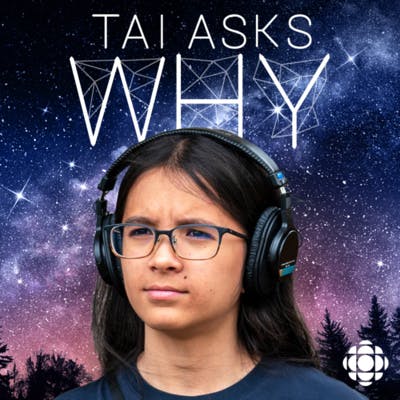
TUMBLE PRESENTS: Tai Asks Why
Since Lindsay and Marshall are on a break for the summer, we thought we'd share with you one of our favorite other podcasts! We present to you: Tai Asks Why. Fifteen-year-old Tai Poole won’t rest until he’s uncovered the mysteries of the universe, one probing question at a time. In Season 4 of his Webby-winning podcast, Tai talks to everyone from NASA scientists to stand-up comedians to his equally curious little brother. If you’ve ever wondered what we can do when we’re anxious or if we’re alone in the universe, Tai has you covered. More episodes are available at hyperurl.co/taiaskswhy
A Special Culinary Road Trip Adventure!
Join Marshall out to eat as we share this special road trip fun pack of Tumble episodes having to do with food! This collection of five classic Tumble episodes includes: The Science of your Favorite Foods The Tale of the Hungry Koala The Science of Smell The Bacteria Cookbook The Jack O’Lantern Science Mystery Buckle up and enjoy this great selection of episodes.

S7 Ep 17What If Oceans Didn't Exist?
What would Earth be like if our oceans never existed? That’s what Charlie wants to know! We recruit Earth detective Lucia Perez-Diaz to help us track down clues hidden within our planet’s rocks. Our investigation takes us through the mysteries of how water got on Earth, the giant plates moving beneath our feet, and why our oceans are shaped the way they are. Lucia’s also an illustrator, and will draw us an Earth without oceans. What will it look like? Listen to find out. Learn more about how Lucia uses her detective skills to reveal the last 200 million years of Earth’s history, on our special bonus interview episode. It’s available to Patrons who pledge $1 a month or higher! You can support our show and get our ad-free feed on patreon.com/tumblepodcast. You can see some of Lucia’s illustrations on our blog at sciencepodcastforkids.com, along with other resources to learn more about water and plate tectonics on our planet!
S7 Ep 16The Science of Bubbles
Why do bubbles pop, and why do bubbles have shadows? We’re in double bubble trouble with two listener questions. Luckily, Dr. Bubbles is here to save the day! We’ll find out how a normal, everyman physicist named Justin Burton became a superhero bubble scientist, on a quest to make a scientifically proven recipe for giant bubbles. Along the way, we’ll discover the answers to our listeners’ bubbling curiosity. Hear from the inventor of edible bubbles, Li Wei Tan, in a bonus interview episode available on our ad-free Patreon feed! It’s available for just $1/month when you pledge to support Tumble at patreon.com/tumblepodcast. We’ll have free resources about bubbles on the blog on our website, sciencepodcastforkids.com. This episode is sponsored by MEL Science. Check out their awesome science boxes at https://melscience.com/sBHH/ Make sure to use the offer code "TUMBLE" at checkout for 60% off your order. Here is Dr. Bubble’s Giant Bubble Recipe, courtesy of Emory University: Ingredients 1 liter of water (about 2 pints) 50 milliliters of Dawn Professional Detergent, which is available online (a little over 3 tablespoons) 2-3 grams of guar powder (or guar gum), a food thickener sold in some grocery stores or available online (about 1/2 heaping teaspoon) 50 milliliters of rubbing alcohol (a little more than 3 tablespoons) 2 grams of baking powder (about 1/2 teaspoon) Directions Mix the guar powder with the alcohol and stir until there are no clumps. Combine the alcohol/guar slurry with the water and mix gently for 10 minutes. Let it sit for a bit so the guar hydrates. Then mix again. The water should thicken slightly, like thin soup or unset gelatin. Add the baking powder and stir. Add the Dawn Professional Detergent and stir gently, to avoid causing the mixture to foam. Dip a giant bubble wand with a fibrous string into the mixture until it is fully immersed and slowly pull the string out. Wave the wand slowly or blow on it and enjoy the physics of giant soap bubbles! Results may vary based on humidity.
S7 Ep 17The Seed Treasure Map [UPDATE!]
How many seeds sprouted in the historic Beal Seed experiment we covered in 2021? Find out in this updated version of one of our favorite episodes for spring! We tag along with scientists following a secret map on a mission under the cover of night, to find a buried treasure. It’s all part of one of the longest running, most legendary experiments in science history! We follow plant biologist David Lowry and his team on this secret scientist-spy-treasure hunt, which only happens once every 20 years. But things don’t go quite as planned. Find out what happens on this epic science quest. To learn more about the Beal Seed Experiment, listen to our bonus interview episode with David. It’s available to Patrons who pledge just $1/ month or more on patreon.com/tumblepodcast. Learn more about the experiment and plant biology on the blog on our website, sciencepodcastforkids.com. Send us your science questions at [email protected].

S7 Ep 16Why Do Colors Exist?
Why do colors exist in the world? That’s what Phoebe wants to know. The answer might change how you think about the colors that you see! Neuroscientist and artist Bevil Conway bends our minds and our eyes, to show us how colors are the ultimate optical illusion. We’ll discover what color is made of, why even plants can “see” color, and what color can tell us about how our brains work. Take out your coloring supplies and prepare for a color journey. Want to learn why we choose our favorite colors, or if the red I see is the same as the red you see? Listen to our bonus interview episode with Bevil, available on Patreon ad-free feed. Just pledge $1 a month or more to support the show, at patreon.com/tumblepodcast. We’ll have free resources about the science of color on the blog on our website at sciencepodcastforkids.com.
S7 Ep 14What to Do About Trash?
Trash is one of the biggest problems on the planet. But scientists are coming up with solutions that might surprise you. In this Earth Day episode, we meet two researchers who are tackling trash in two very different ways. Kevin Solomon hopes to solve the challenge of recycling plastic with the help of meal worms, and Lily Pollans is figuring out what kids can do to help everyone make less trash. Find out how science can help tackle Earth’s biggest challenges - and how you can help. Learn how one city learned to make less trash, in a special bonus interview episode with Lily Pollans. To listen, pledge to support us on Patreon for just $1 a month or more, at patreon.com/tumblepodcast. We’ll have free resources to learn more about how to make less trash - and new solutions for recycling - on the blog on our website at sciencepodcastforkids.com. Hey! We’re doing a live show as part of The River's Family Music Meltdown and Book Bash in Northampton, MA. Come out and see us at Smith Voke, on April 30th, 2022. We can’t wait to see you there!

S7 Ep 14The Dinosaur Asteroid
Where did the asteroid that killed the dinosaurs come from? That’s what our listener Lucian wants to know. Prepare to hear a “podcast movie” about the fateful impact, starting with an explosive collision in space that sent asteroids careening towards Earth. Then we’ll discover the science behind the story, with the help of planetary scientist Sean Gulick. He led an expedition along with Dr. Joanna Morgan to drill into the impact crater - and find the final piece of evidence in the asteroid theory. This episode is sure to blow your mind. *Special thanks to the kids who helped us collect the sound effects used in the “podcast movie” section of this episode!* Learn more about the asteroid that killed the dinosaurs on our bonus interview episode with Sean. It’s available to patrons who pledge just $1 or more a month at patreon.com/tumblepodcast We have free resources about science behind the effects of the asteroid impact, and the debate around the asteroids’ origins. Go to our blog at sciencepodcastforkids.com to check it out.
S7 Ep 13Do Dreams Have Meaning?
Come on a trip to Dreamland, as we explore the history of dreaming - and how science changed their meaning, forever. Our guide is Sidarta Ribiero, neuroscientist and author of “The Oracle of Night.” We’ll travel back to ancient times when gods and goddesses appeared in dreams, visit the offices of Dr. Sigmund Freud, and watch as an 8 year old boy contributes to a huge scientific breakthrough - while he slept. Plus, we’ll send you off to sleep with the three steps to exploring the meaning of your dreams. Let’s get dreaming! Want to learn more about dreams? Tune into our bonus interview episode with Sidarta to learn more about when dreams have meaning, and how dreams might make us better at learning. We have free resources available on our blog at sciencepodcastforkids.com - including dreaming octopuses! (not octopi)

S7 Ep 12Why Do Cats Purr?
Why and how do cats purr? That’s what Reid wants to know. It sounds like a simple question, but it leads us to a deep challenge: Can we ever understand cats? To find out, we launch a full-scale cat purr investigation. You’ll hear from a puzzled veterinarian, a scientist who studied her cat’s annoying purr, and the author of purring.org, the premier cat purr research website. It’s a purr-fect episode for everyone who’s curious about cats. Learn more about cat purrs - and cat smiles - in our bonus interview episode! It’s available on our ad-free podcast feed on Patreon. It’s just $1/month to get access to all our bonus episodes. Pledge at patreon.com/tumblepodcast. Watch the cheetah purr video mentioned in the episode and discover more cat purr research, on the blog at sciencepodcastforkids.com. Animal audio courtesy of Dr. Karen Masters, Dr. Robert Eklund and Stoeger AS et al, under a Creative Commons license.

S7 Ep 11Do Bugs Have Elbows?
Clare wants to know if bugs have elbows. Her question starts a debate between Team Bug Arms and Elbows, and Team Bug Legs and Knees! Choose a side, and come on the trail of a bug bod mystery with superstar entomologist and dragonfly specialist Jessica Ware. Turns out, dragonflies are a lot weirder (and ancient!) than you might think! Hear more from our interview with Jessica! Check out our bonus interview episode, available to patrons who support the show at just $1 a month or more. It’s on our exclusive ad-free podcast feed, along with all of our other bonus episodes! We also have free resources of cool bug and dragonfly science on the blog at our website, sciencepodcastforkids.com.

S7 Ep 9The Science of Butts
What is a butt? That’s what science journalist Katherine Wu wanted to know. Her quest for an answer leads her into a web of big butt questions, and a search to find the top butt scientists in the world. She discovers a debate over where butts come from, and a very strange butt that could rewrite the annals of butt history. This episode features an original song called, “Sometimes Butt.” Trust us, it’s a fun one! (And yes, we say the word “butt” and other butt-related words a lot.) Can’t get enough of butt science? There’s plenty more! Listen to a bonus interview episode with Katherine Wu, available to Patrons who support Tumble at a level of $1 a month or more. You’ll get access to an ad-free feed with all our bonus episodes, at patreon.com/tumblepodcast This episode is based on Katherine’s article, “The Body’s Most Embarrassing Organ is an Evolutionary Marvel.” Find more butt science resources on the blog on our website, sciencepodcastforkids.com.

S7 Ep 9The Great Seal Count
How do you count the cutest seals on the planet? With the help from thousands of people around the world! Conservation scientist Leo Salas explains the story behind the first-ever global count of Weddell seals in Antarctica. Plus, you’ll find out what counting seals shares with searching for ancient tombs! Learn more about Weddell seals in our special bonus episode with Dr. Leo Salas, available to Tumble Patrons who pledge just $1 or more a month - along with an ad-free episode feed! Support us today at patreon.com/tumblepodcast. We’ll have free resources to learn more about Weddell seals (or the ‘widdle Weddells’) on the blog on our website, sciencepodcastforkids.com. Do you speak Spanish, or are you a Spanish language learner? Subscribe to Tumble En Español to listen to episodes adapted to Spanish! The podcast relaunches on January 28. Weddell seal recordings in this episode were obtained under NMFS Permit No. 1032-1917.

S7 Ep 9Dinopoop Series Part 2 [ENCORE]
All-new Tumble episodes return January 21! We can't wait to share what we have in store. Today, we're sharing the exciting conclusion of our two part dinosaur poo series, "The Coprolite Queen." In the 1800’s, Mary Anning was known as the best fossil hunter in England. She made many great discoveries, including dinosaur poop. With help from our friend Kidosaurus and children’s science historian Melanie Keene, we dig into Mary Anning’s story and her place in the history of women in science. Check out the blog about this episode on our website, sciencepodcastforkids.com.
S7 Ep 8A Big Announcement and Dinopoop Series Part 1 [ENCORE]
We have some exciting changes to share with you at the beginning of this episode! Plus, Part 1 of our favorite-ever two part series about dinosaur poop! In "Who Dung It," paleontologist Karen Chin shares how she cracked the mystery behind an ancient dinosaur doo-doo, or coprolite. It's a super fun story, and you can learn more about ancient fossil feces on our blog. We're on winter break until January 21, when we'll be back with all new episodes. Lindsay and Marshall had so much fun recording special video messages for new Patreons, we're extending our sign-up special through early January 2022! All you have to do is pledge at the $5 or higher level at patreon.com/tumblepodcast before Dinopoop Part 2. HAPPY HOLIDAYS FROM THE TUMBLE TEAM!

S7 Ep 7The Biggest Space Telescope in the Universe
How do you launch the largest space telescope ever built into space? The James Webb Space Telescope will travel 1.5 million miles away from Earth to help answer some of our biggest questions about the universe. But first, it has to be launched on a rocket - and the telescope is too big to fit on a rocket. So NASA decided to fold it up. How did they do this? NASA astrophysicist Knicole Colón and NASA engineer Alphonso Stewart take us on a journey with the world’s most complicated origami project. Don't miss Webb's launch! As of this episode's release date, it is scheduled for December 22, 2021. Learn more with free resources on the blog on our website, sciencepodcastforkids.com. This will be our last new episode until January 21. But you can look forward to hearing a few of your favorite previously published episodes, and brand new birthday shoutouts on each episode! Plus, if you join our Patreon at patreon.com/tumblepodcast for just $1/month, you'll get all our bonus interview episodes!

S7 Ep 6Kids’ Vaccines Tackle COVID-19
What do you need to know about the new COVID-19 vaccines for ages 5 - 11? Sam, age 8, and Natalie, age 10, are here to help! They participated in a COVID vaccine trial, which is an important part of the science that will help end the threat of coronavirus. Along with Dr. Kawsar Talaat, an epidemiologist who helped run the trials, they share the behind-the-scenes of the process that helps us know that vaccines are safe to take. Nervous about getting your shot? Natalie and Sam have some great advice to share, so you can help the world get back to normal. Visit vaccine.gov for information of where to get your shot, and answers to more common questions about the COVID-19 vaccines. We have more resources and trusted sources for vaccine information and updated coronavirus news on the blog on our website, sciencepodcastforkids.com. Happy Thanksgiving, friends!!
S7 Ep 5The Cave of The Neanderthal Tools
What tools did Neanderthals use? That’s what Leo wants to know. We dig into the past of Neanderthal archeology, back to when people used to excavate caves with dynamite! Archeologist and author Rebecca Wragg Sykes shares the explosive story of how Neanderthals made tools, and what they can tell us about how Neanderthals lived. Listen to our bonus interview episode with Rebecca about Neanderthals caves, available for Patrons who pledge just $1/ month or more on patreon.com/tumblepodcast. Learn more about Neanderthals and their “knapping” habits with the free resources on our blog at www.sciencepodcastforkids.com.

S7 Ep 4The Jack O'Lantern Science Mystery
Why do carved pumpkins rot faster than uncarved pumpkins? That’s what Ari, an 11 year old podcast host, wants to know. To find out what’s making good Jack O’Lanterns go bad, we turn to squash detective/ scientist Michael Mazourek. Together, we track down clues to crack the case - and find out how we make a Jack O’Lantern last forever. Learn more about pumpkin science, like the shocking truth of what’s in your can of pumpkin puree (spoiler alert: it’s not pumpkin), with the free resources on our website, sciencepodcastforkids.com. We have a special bonus interview episode about how to breed vegetables, with Michael Mazourek! It’s available for Patrons who pledge just $1 or more a month on patreon.com/tumblepodcast. Find out what it’s like to make a brand new pepper!

S7 Ep 3Where Does Laughter Come From?
How do you find out why we laugh? With tickling, of course! Gorillas and other great apes appear to love being tickled, and sound like they’re laughing just like us. Animal biologist Marina Davila-Ross thought tickling might connect humans and great apes - and hold the clues to the origin of laughter. To find out, she assembled teams of ticklers in an experiment full of giggles. It’s the silliest science you’ve ever heard, but the discoveries will blow your mind. Learn more about laughter in animals and humans in our interview with Marina Davila-Ross. Listen to the bonus interview episode available to Patrons who support Tumble at the $1/level or higher, at patreon.com/tumblepodcast. See videos of gorillas being tickled, and more free educational resources on our blog at sciencepodcast.com.
S7 Ep 2How to Be an Ocean Explorer
Want to explore the hidden treasures of the deep sea? Come on board the EV Nautilus, a research ship that searches the seafloor with the help of robot submarines! Our guide is Taylorann Smith, who’s on her third trip on the ship! We’ll witness a whalefall, meet the submarines, and learn how Taylorann discovered what it really means to be a marine biologist. Want more? You can visit the Nautilus from home! Join Taylorann and the Nautilus team on live deep sea exploration expeditions online at nautiluslive.org. Check out their exciting animal discovery videos, fun try-at-home activities, and explorer career features to envision yourself as a future ocean explorer! Taylorann has an amazing story of how she found her way to the Nautilus. Hear it on our bonus interview episode, when you pledge $1 or more a month on Patreon! patreon.com/tumblepodcast We’ll have more links and our favorite Nautilus materials on our website, sciencepodcastforkids.com. This episode was supported by The Ocean Exploration Trust with support from the National Marine Sanctuary Foundation. Audio from the Whalefall is credited to Ocean Exploration Trust / NOAA ONMS.

S7 Ep 1The Worst Sounds in the World
What are the worst sounds in the world? Lots of noises that can send your hands rushing to cover your ears, but only a select can be the most horrible! Fortunately, one brave acoustic scientist named Trevor Cox decided to find out, by asking hundreds of thousands of people to rank the worst of the worst sound. It was one of the first online sound experiments - and the result was a lot of fun! Note: This episode features sound effects, and if you’re sensitive to sounds, you may want to skip it. Hear more about this pioneering internet psychology study on our bonus episode with Trevor Cox, available to Tumble patrons who pledge $1 or more a month! Pledge now at patreon.com/tumblepodcast Learn more about the horrible sounds experiment on the blog on our website, sciencepodcastforkids.com.

Tumble Season 7 Starts September 17!
trailerTumble's seventh season is coming at you THIS FRIDAY! Here's a little taste of what's in store. While you're waiting, why don't you share Tumble with a friend instead of anxiously refreshing your podcast app all week? Just send them your favorite Tumble episode, show them how to subscribe on their phones, or even share a link to our website where we have lots of educational resources! We'll thank you now, and your friend will thank you later. See you here on September 17!
What's Inside of An Atom? [ENCORE]
We’re only two weeks away from starting our new season, with all new episodes, on September 17! We’re putting the finishing touches on the first episode as we speak, and we can’t wait to share it with you. But for now, enjoy one of our most favorite episodes about what everything in the universe is made of. What are protons, neutrons, and electrons made out of? That’s what listener Xander wants to know. Physics expert Aatish Bhatia takes us on a journey into the atom, and explains how scientists discover things that are too small to see. You’ll find out how Albert Einstein helped prove the existence of atoms, and why physicists smash particles like pinatas in massive tunnels. Learn more about this episode on the blog on our website.

The Poop Collector [ENCORE]
Tumble will return with all new episodes for Season 7, starting September 17! In the meantime, enjoy one of our favorite episodes of Season 6. If someone asked you to collect your poop every day for a year, would you say yes? That’s what microbiologist Lawrence David did, after watching a movie about a man who said yes to everything. Accepting the challenge led to a year of very stinky international adventures, turning Lawrence into the James Bond of poo. And, he loved every minute of it. Join us for the incredible story of a secretive project about the human microbiome. Want to learn more about Lawrence and why we are what we eat? Watch curated videos, listen to related podcast episodes, and discover the cutting edge science on a blog for this episode at sciencepodcastforkids.com. Find out what Lawrence eats, and if he’s good at dealing with bad smells, in a special bonus episode for Patreon supporters. The answers will definitely surprise you. Just go to patreon.com/tumblepodcast and pledge just a dollar a month to hear it, and all our other scientist interviews.

Science Pirates Road Trip
Arrrrr! Join two of our favorite pirates on an adventure across the seven seas of science. In this ocean-themed road trip compilation, you'll hear a bunch of our favorite ocean episodes. Whether it's going on a deep-sea expedition with the JOIDES resolution, attending the largest whale shark party in the world, or collecting whale snot with tiny robots, this episode will take you all over the world's oceans. This road trip episode includes: The Expedition of the Science Ship The Snot and the Whale The Science of Whiskers The Voyage of the Ocean Trash with Jenni Brandon The Case of the Whale Shark Party

Tumble Presents: Yoga Kids Adventure
Tumble Media has a new podcast, Yoga Kids Adventure! Lindsay and Marshall share why we decided to make a yoga podcast for kids, and how to use the show! Then, try out our first episode. It's a trip to the beach! With Yoga Kid Adventures, you can do yoga from anywhere! All you need is your ears, your imagination, and a safe place to move. In today’s adventure, we’ll salute the sun, splash in the waves, and spot some ocean animals. Get ready to stretch your imagination and your body. You can subscribe to Yoga Kids Adventure anywhere you get your podcasts, or on our website at yogapodcastforkids.com! We'll be back with more summer Tumble programming soon!

Yoga Kids Adventure - A new yoga podcast from Tumble Media!
From the makers of Tumble, meet Yoga Kids Adventure - the first ever yoga podcast for kids! Lindsay and Marshall give a sneak of our brand new yoga podcast in this mini-episode. Yoga Kids Adventure host and kids’ yoga teacher Kathryn invites young yogis to join her on creative journeys through movement. Stretch out with a morning swim at the beach, or calm your body before bedtime in a cozy bear cave. Wiggle with wild animals on a safari or lift off from your chair as you breathe and bend among the stars. Subscribe and go on your first yoga adventure, wherever you listen to Tumble! Check out the website at yogapodcastforkids.com. Return to these routines as many times as you want, and do them anywhere that you want! This podcast brings free family yoga to you in your living room, classroom, and even outdoors.
Time Machine Animal Safari
How did some animals start to walk on land? Why were dinosaurs so huge? What did our primate ancestors look like? Let’s dive into this special road-trip edition of Tumble, a safari through animal evolution. Your tour guides have put together some of their favorite episodes about evolution and their time traveling jeep will take you waaaaaaay back in time. Now buckle up, because it's gonna be a bumpy ride! This road trip episode includes: What if Fish Had Legs? Rise of the Dinosaurs Whooooo are Owls? The Skull of the Ancient Primate Decoding Dog DNA

S7 Ep 20The Volcano Eruption Adventure [ENCORE]
Would you fly to the top of a volcano that’s about to erupt at any moment? Volcanologist Helena Buurman did, and survived to tell the tale! In 2008, Helena was monitoring Mount Redoubt in Alaska, when the ground beneath the volcano began to shake. What follows is a tale of volcanic adventure, involving earthquakes, helicopters, and a massive eruption! Tumble is on our summer break right now, working on some exciting new projects. Stay tuned to hear them in our feed! We'll be back with new episodes of Tumble in September 2021. We invite you to invent your own volcano! Find resources to learn more about volcano warning signs and eruptions, on our website at www.sciencepodcastforkids.com We have more from our interview with Helena Buurman for our Patrons who pledge just $1/month or more. To listen, pledge today at patreon.com/tumblepodcast.

S6 Ep 19How To Be a Helping Scientist
How can science help people? Charita Castro is a scientist who’s spent her life using science to make kids’ lives better, all over the world. When she was little, she saw something that made her ask a big question: “Why don’t other kids have what I have?” She decided to dedicate her life to helping other people. But she didn’t know how until she discovered social science. Follow Charita’s journey to find out about a very special kind of science! Did you know: Saturday, June 12 is the World Day to End Child Labor! 2021 is the International Year for the Elimination of Child Labor. We have resources on the blog on our website to get involved with the fight against child labor, anytime you want to start! Learn more about how social science works during our special bonus interview episode with Charita. It’s available to Patrons who pledge just $1/month or more, on patreon.com/tumblepodcast This is our last episode of Season 6! But don’t worry, we have lots to share over the summer. Stay subscribed (and listen to birthday shoutouts) throughout the summer. We’ll be launching a BRAND NEW PODCAST and you don’t want to miss it!!

S6 Ep 18The Science of Your Favorite Foods
What’s your favorite food? Why does it taste so good? It turns out, what we think is tasty isn’t just a matter of opinion. It’s science! Ecologist and science writer Rob Dunn takes us on a journey back in time, before kitchens, cooking, and even farming! We find out how our ancestors’ tastes shaped our own cravings - and how our experiences lead us to pick our favorites. Curious to learn more about the science of taste? Listen to our bonus interview episode with Rob Dunn on Patreon! Available for Patrons who support Tumble at the $1/ level or higher! Pledge at patreon.com/tumblepodcast. We have free resources to learn more about taste and our ancient ancestors on the blog on our website, sciencepodcastforkids.com. Our next episode on June 11 will be the final episode of Season 6! But don't worry, we'll have plenty of listening on our feed over the summer - and we'll be doing Patreon birthday shoutouts!

S6 Ep 17The Seed Treasure Map
How long can a seed live? To find out, scientists follow a secret map on a mission under the cover of night, to find a buried treasure. It’s all part of one of the longest running, most legendary experiments in science history! We follow plant biologist David Lowry and his team on this secret scientist-spy-treasure hunt, which only happens once every 20 years. But things don’t go quite as planned. Find out what happens on this epic science quest, if seeds will sprout after 141 years underground, and what a wise, ancient rabbit has to do with it all. Curious to learn more about David and the Beal Seed Experiment? Listen to our bonus interview episode on Patreon! Available for Patrons who support Tumble at the $1/ level or higher! Pledge at patreon.com/tumblepodcast See photos of the experiment, read more about the 2021 dig, and find out how to do your own seed experiments - all on the blog on our website, sciencepodcastforkids.com.
S6 Ep 14The Hunt for the Alien Viruses
Can viruses live in space? That’s what our listener Julian wants to know. It turns out, that’s a question that scientists are asking, too! Kathryn Bywaters is one of the scientists starting the search for viruses in space. She believes that finding viruses might be the easiest way to discover life on other planets. But first, we have to learn more about what a virus is, and how to find them. Discover why viruses are like the “message in a bottle” of alien life, and how you could become a real life alien virus hunter on Mars. Hear more from Kathryn about viruses in space! Listen to our special bonus interview episode available for patrons who pledge $1 or more a month on patreon.com/tumblepodcast. Visit our website, sciencepodcastforkids.com, for more resources to learn about the search for life and viruses in our solar system. Parents! This week, we're recommending Science Vs, a science podcast for adults! Find it wherever you listen to podcasts.

How To Name A Galaxy
How do you get a galaxy named for you? In this episode, we learn about the incredible life of Burçin Mutlu-Pakdil, who discovered a new type of galaxy now known as “Burçin’s Galaxy.” Since she was young, Burçin dreamed of studying the stars as an astrophysicist. But she faced many challenges to getting an education, because of what she wanted to wear. Burçin was determined to both be true to her beliefs, and become a scientist. Find out how she did it, and made a huge discovery that changes the way we think about the universe. Hear more from Burcin about her work on dark matter! Listen to our special bonus interview episode available for patrons who pledge $1 or more a month on patreon.com/tumblepodcast. Visit the blog on our website, sciencepodcastforkids.com, for more resources on this episode including videos, photos, and links to more galaxy science.