
Trending
190 episodes — Page 2 of 4
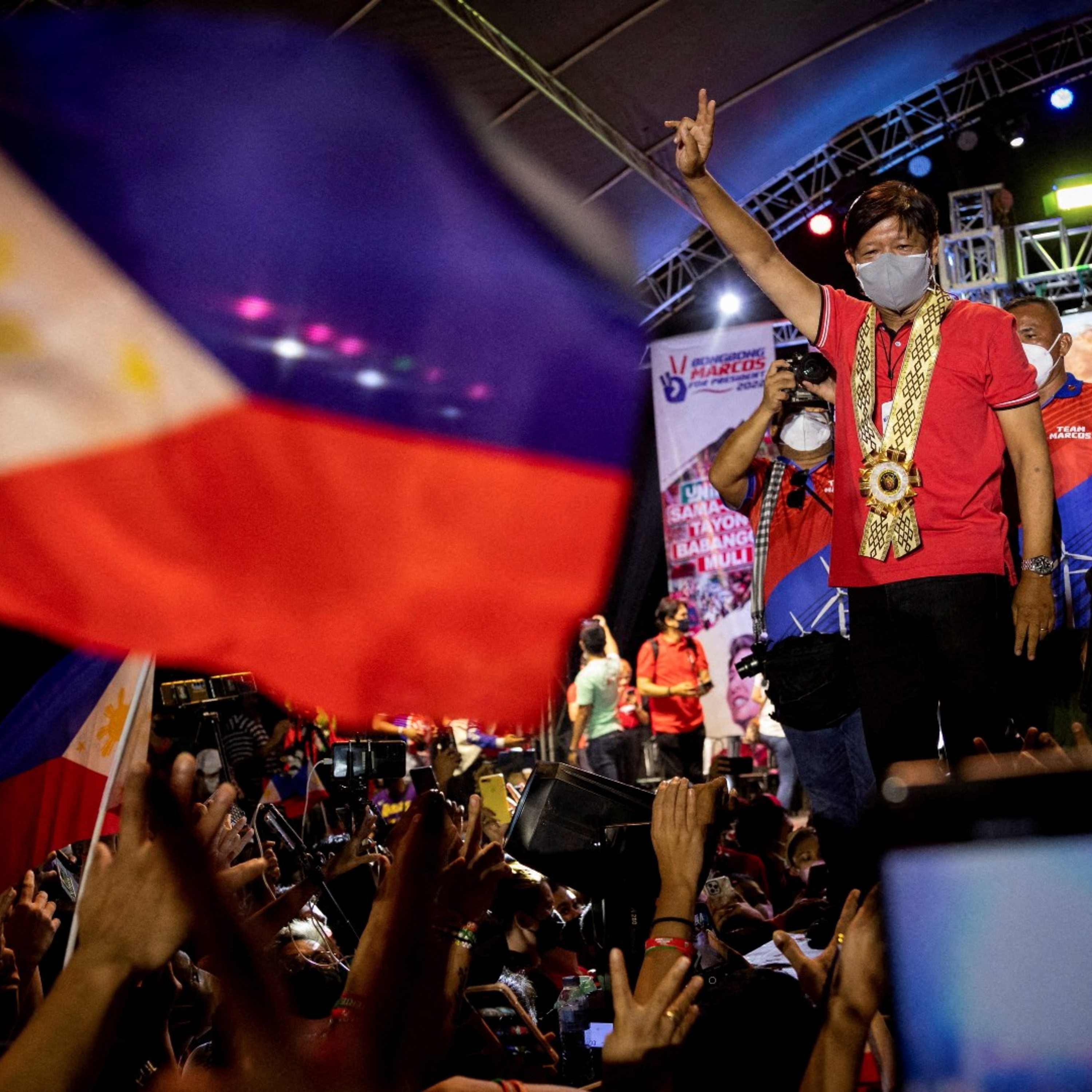
Confessions of an election troll in the Philippines
We hear from a troll from the Philippines - the "patient zero" of fake news. Experts say the problem is as bad as ever, as a new election looms. Researchers claim that tactics seen playing out in the southeast Asian country have cropped up elsewhere since Rodrigo Duterte rose to power – perhaps most notably in the US in 2016. Now it’s time for Filipinos to return to the polls, and the experts warn that the problem hasn’t been solved – the current campaign has been plagued by disinformation. Not only do we hear from those looking into the issue, but Trending speaks to a self-confessed troll who says he’s been hired by multiple political candidates. Some of the tactics he employs are more sophisticated than you might think. Presenter: Kayleen Devlin Picture caption: Philippine presidential candidate Ferdinand "Bong Bong" Marcos Jr gestures during a rally in Lipa, Batangas province, Philippines, 20 April. Picture credit: Eloisa Lopez/Reuters
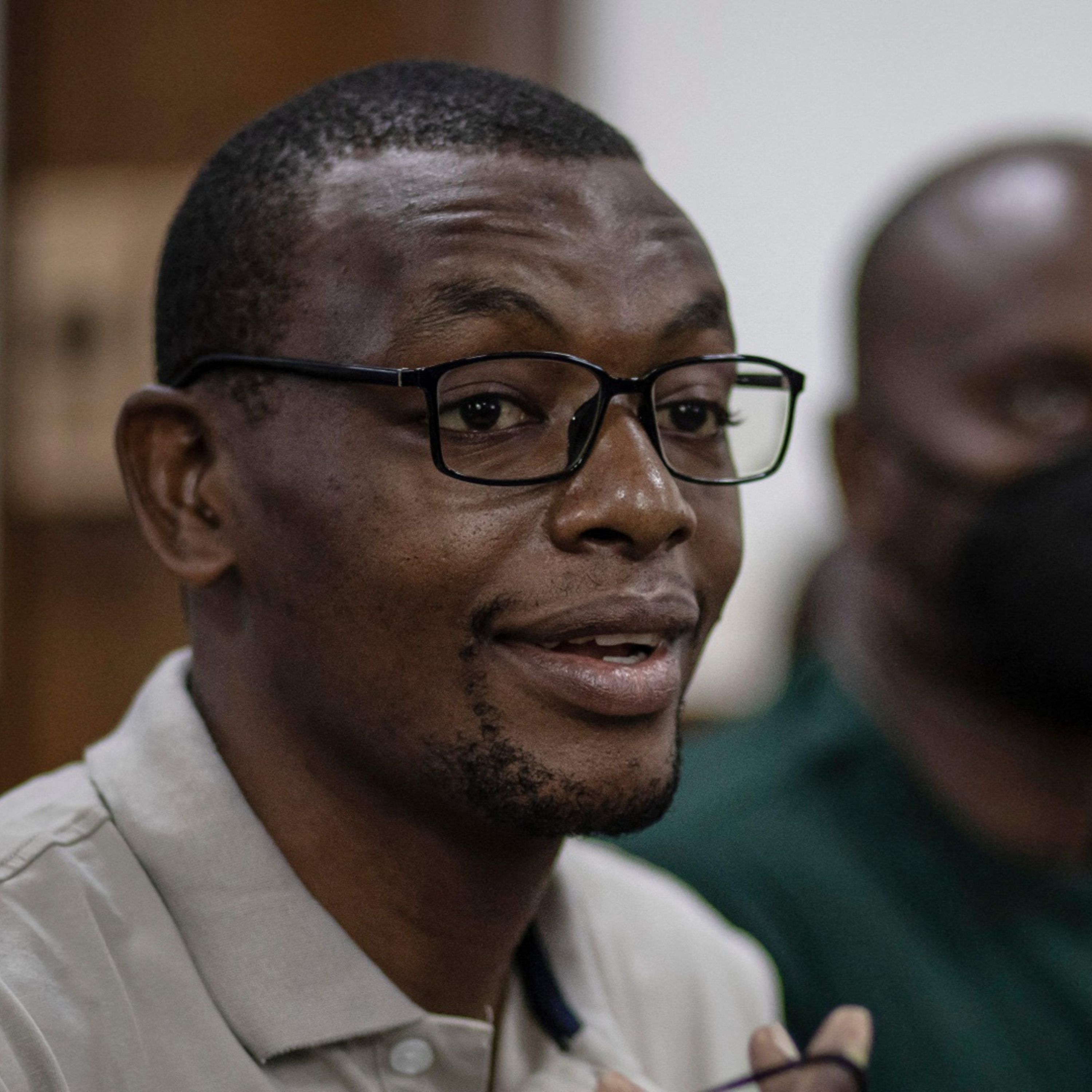
Tortured for tweeting?
When Kakwenza Rukirabashaija mocked the Ugandan president’s son on Twitter, he knew he was playing with fire. Within 24 hours, the satirist had been arrested, and says he was tortured before fleeing the country. Throughout the ordeal, he has not stopped tweeting. He wants the world to know what is happening in Uganda before he returns to face trial, risking his life in the process.Kakwenza’s story is not unique, A report from Human Rights Watch says hundreds of people - opponents of President Yoweri Museveni - have been illegally detained and tortured in recent years.We meet members of the Ugandan diaspora protesting the government’s actions online. They say their accounts have been hacked and hijacked by government-sponsored cybercriminals. And that even overseas, they may not be completely safe.Reporter: Sam Judah(Photo: Kakwenza Rukirabashaija in court in Kampala in February, facing charges of offensive communication involving insulting the country's ruling family. Credit: Getty Images)
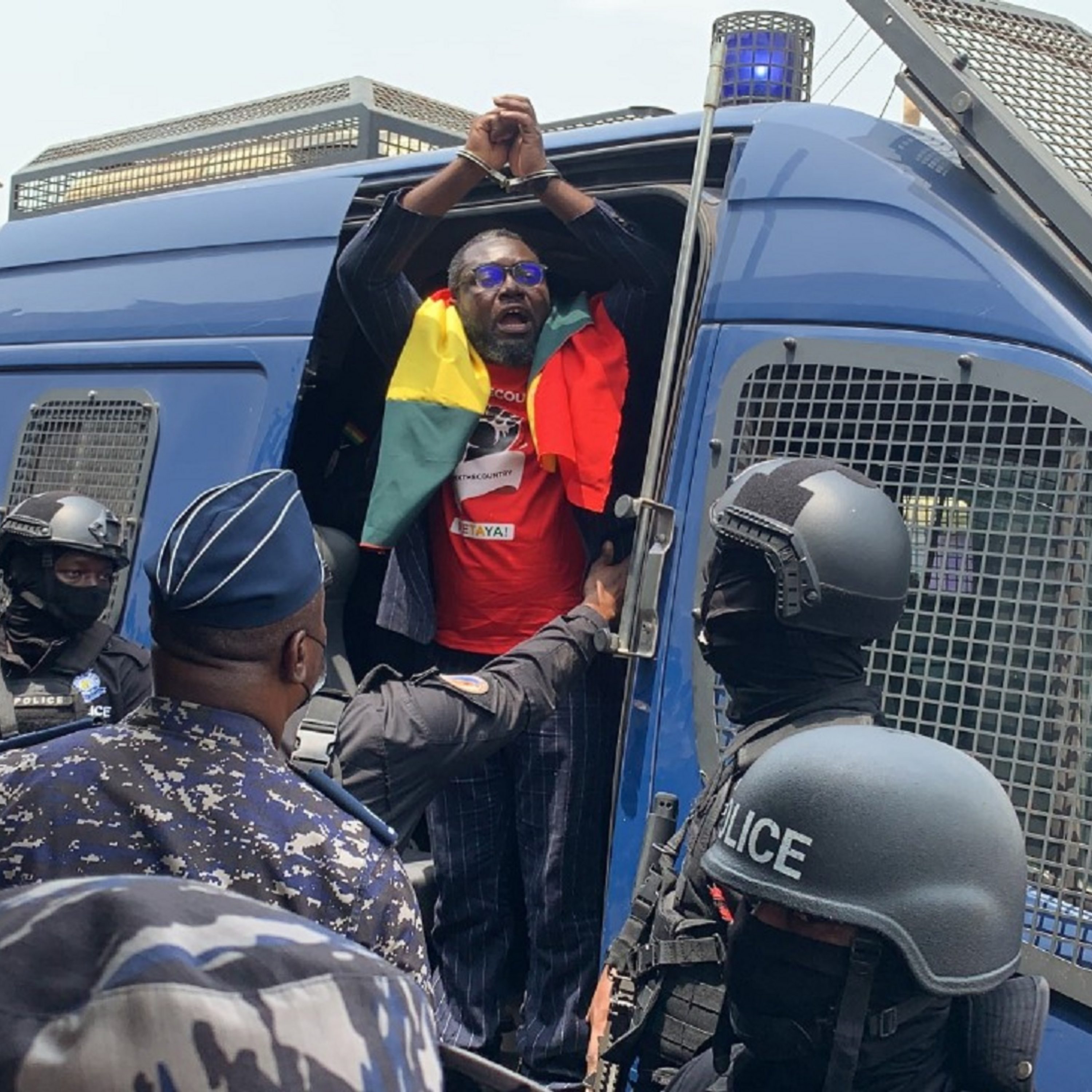
Ghana's free speech crackdown
A number of Ghanaian journalists and influencers have been arrested in recent years – with several recent high-profile cases. Critics say freedom of speech is under serious threat.It wasn’t always this way. In 2018, Ghana was ranked the top country in Africa for press freedom by Reporters Without Borders. But in recent years it has dropped down the table and since the start of 2022 a handful of prominent journalists and social media influencers have been detained. We speak to those who say they are paying a price for the words they posted or broadcast, including radio presenter Bobie Ansah who faces a charge of “publication of false news and offensive conduct”.So what’s behind the crackdown, and is freedom of speech under attack?Presenter: Jonathan Griffin Producer: Favour Nunoo Photo: Oliver Barker-Vormawor, an activist recently arrested in Ghana, arrives at Ashaiman District Court on 28 February. Photo credit: Favour Nunoo/BBC
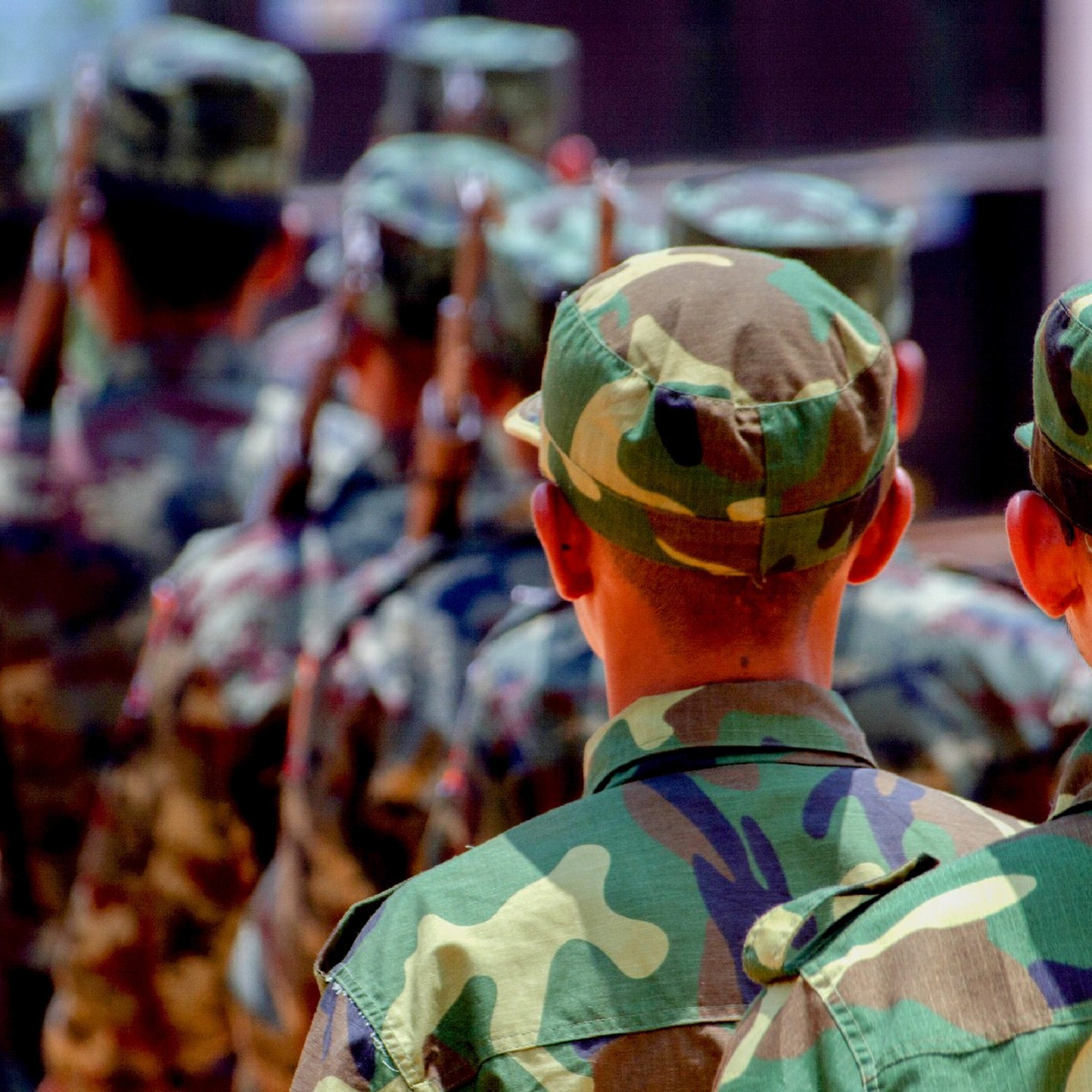
Defecting online: How soldiers are deserting the Burmese army
Myanmar has been engulfed by a civil war which is getting deadlier and more violent as time goes on. Last year the Tatmadaw – the Burmese armed forces – overthrew the civilian-led government, led by Aung Sun Suu Kyi. Now they’re acting with impunity, allegedly committing heinous crimes against those who oppose them. In the past year many Tatmadaw soldiers – thousands, according to the opposition – have had second thoughts about their military service and are defecting to the other side. Trending has spoken to several of the defectors. They told us how they changed their minds, how they used social media to connect with the rebels and how they’re now using online tools to work against the military leaders they once served. Presenter: Reha Kansara Photo: Burmese soldiers line up with guns hoisted Photo Credit: Getty Images
War scams: The criminals exploiting conflict in Ukraine
When war broke out in Ukraine, President Zelensky’s plea for financial aid triggered a wave of donations from ordinary people around the world. But scammers also heard the call. They fired into action, spreading emotional appeals into every corner of the internet. On TikTok, unverified war footage is being exploited by fraudsters, pushing viewers to send emoji hearts that can be swapped for hard cash. And fake websites and emails circulated, complete with heartbreaking stories designed to shake money from unwitting members of the public who just want to help. We track down a real-life doctor whose identity was stolen by a fake charity touting for Bitcoin. The message claimed to be from a clinic in Ukraine – but we found the real doctor in Mexico. And we speak to Unicef, whose brand has been hijacked by scammers, to ask how people can make sure their donations go to the right place.Reporter: Hannah Gelbart Special thanks to Cristina Criddle Photo credit: Getty Images
8. Russia’s climate scepticism problem
In the eyes of the Kremlin, global warming is a threat that needs to be dealt with. So, President Putin is taking action: he wants Russia to go carbon neutral by 2060.And yet, Russia remains one of the world’s top producers of fossil fuels: oil and gas that bring in big money into the state’s coffers. And that poses a question: does Moscow mean business when it comes to climate action?If you look at the media, at what’s said in political circles, climate scepticism is still alive and kicking. Global warming is often portrayed as part of sinister Western cabal to hinder Russia’s economic progress.Trending and BBC Russian have been investigating where those views stem from, and how damaging they could be - not only for Russia, but for the entire planet.
7. The truth behind Saudi’s eco-city
Saudi Arabia, one of the world's biggest oil producers, says it’s pivoting to green energy. It has a host of big projects and initiatives. But will reality live up to the country’s rhetoric? And why do some activists say they’ve become victims of the government’s grand plans?We’ve been looking at online chatter and PR campaigns pushing the country’s green credentials. At the same time, experts say Saudi officials are trying to secure the future of the country’s huge fossil fuel energy industry. And we hear from an activist who’s fighting on behalf of people displaced by NEOM, a brand new futuristic eco-city in the middle of the desert.Trending and BBC Arabic have been investigating the truth behind Saudi Arabia’s green plans, and we ask whether the government is really serious about reducing its reliance on fossil fuels.Presenter: Merlyn Thomas Producer: Reha Kansara Series producer: Vibeke Venema
6. How bad information polluted the climate debate
Setting the record straight on some of the most common misleading narratives and tactics to explore what future climate change battlegrounds might look like. We look at how fossil fuel interest groups use division as a distraction: either stoking fear that action to tackle climate change will hurt the poor, or attacking the messengers who raise the alarm. And we take you back to the start of 2021, when blackouts in Texas which killed hundreds were misleadingly blamed on wind turbines. The idea that renewables, like solar or wind power, are dangerously unreliable has been a common theme. What’s the truth behind the claim? And how does bad information surface after extreme weather events and times of climate crisis?
5. ‘We fight climate denial on Wikipedia’
At the grand old age of 20, Wikipedia remains one of the world’s most popular websites. The fact that anyone with internet access can edit its pages is a key part of its success. But the website’s openness to the public is also the reason why it has become an unlikely battleground on global warming. Despite the overwhelming body of science proving climate change is real and man-made, deniers are still active on Wikipedia. Whether it is by editing climate pages or spreading conspiracy theories, they have for a long time tried to reframe our understanding of climate change. But a small group of dedicated volunteers is determined to keep them at bay, setting the record straight on the facts and the science behind global warming. In this episode of the Denial Files, we set out to meet some of those volunteers and investigate how vulnerable Wikipedia remains to climate denial today.
4. From Covid conspiracy to climate change denial
Covid conspiracists are now shifting focus to climate change. An online movement infected with extreme pandemic conspiracies is looking for new territory as debates over lockdowns and vaccines subside in many richer countries. We hear from Matthew in New Zealand. His family is really worried about the future of the planet, but he’s involved in groups where people believe that climate change is a “hoax” designed to limit our personal freedoms. They’ve swapped in “climate science” for “Covid” in their viral online conspiracy theories. Matthew found himself drawn into this conspiratorial belief system through a global anti-lockdown movement called The White Rose. The White Rose has local channels around the world, and researchers at the Institute for Strategic Dialogue think tank say the local group dedicated to New Zealand is where climate change conspiracies have taken off the most. Researchers point out that a ready-made network of people who have fallen for misleading claims about global Covid-19 plots has created a receptive audience for lies about climate change.And in Germany, we hear about how members of the Covid-denying Querdenken group travelled to a region devastated by floods, intimidating helpers and spreading confusion about what had taken place. Locals were mystified and insulted, but it was another sign that climate change has become the new front line in the fight against online misinformation. Presenter: Marianna Spring Reporter: Jessica Bateman Producer: Ant Adeane
3. The good science of ‘bad Brazilians’
Brazil has pledged to end deforestation within a decade in a pledge signed by more than 100 nations at the COP26 climate summit. But do Brazilian leaders really believe in fighting climate change?Inside the country, climate change disinformation is thriving, while good and credible information is being undermined, even by the country’s own president.Influential voices with connections to the agriculture industry are spreading baseless conspiracy theories that man-made climate change is a hoax, invented by foreigners to hold the country’s economy back. Scientists at one of the government’s own agencies were accused of being “bad Brazilians” by President Jair Bolsonaro, after they produced data which showed an alarming rate of deforestation in the Amazon. The row resulted in the sacking of the head of the agency, who now fears the government is in the grip of climate change denialism. However, President Bolsonaro insists he is stepping up protection of the environment and has warned other countries not to meddle in Brazil’s internal affairs. Is the Amazon, one of the most important regions in the world for fighting climate change, safe in his hands?
2. Big oil in the dock
Is big oil trying to mislead the public about what it’s doing about climate change?Several US states are suing some of the world’s largest oil and gas companies, accusing them of “greenwashing”.They claim the fossil fuel industry is deceiving consumers about how much it’s actually doing to tackle climate change.Accusations which are strongly denied by the companies who may face having to make huge compensation payouts if they lose in court.At the heart of many of these cases are adverts which highlight how energy giants are supporting greener, more sustainable solutions, but do not mention their much greater investment in developing new oil and gas fields.Questions about this alleged deception have now entered the political arena with big oil’s top brass being invited to appear before the US Congress.So, why do these lawsuits matter so much? In this episode, we head to Massachusetts where one such case is playing out in the courts.
1. The 'd-words' v the planet
How much do disinformation and new forms of climate change denial threaten the fight to save the planet?In the first episode of a special new series running around the COP26 climate conference, BBC Trending speaks to a leading scientist who says the battle to prevent catastrophe may depend on winning the information war.Professor Michael Mann first made headlines in 1998 when he published the pioneering “hockeystick graph” which showed how carbon emissions caused by human activity are harming the planet.Since then mounting evidence has made it harder for the fossil fuel industry and its allies to deny the existence of man-made climate change.The overwhelming majority of scientists agree that we are now at a turning point where only urgent and dramatic action can save humanity.In November world leaders will gather at in Scotland to agree targets for cutting admissions. Many observers regard it as our last best chance to avert disaster.Professor Mann argues that in the face of this reality, what he calls “the forces of inaction” have developed new strategies to try to prevent humanity from kicking its addiction to oil, gas and coal.So does the future of life on earth depend on understanding the playbook of these new climate war tactics?
Beirut blast: Looking for Eleni
When an Ethiopian woman called Eleni disappeared amid the chaos of the Beirut blast there seemed little hope of discovering what had happened to her.In the wake of the explosion that devastated the Lebanese capital, rescuers searched through the rubble to try to locate hundreds of dead and missing people.As the death toll mounted, the only clue to Eleni’s fate was a pool of blood on her employer’s kitchen floor. It fell to two complete strangers - who had never met Eleni or each other - to try to solve the mystery using social media. Presenter: Reha Kansara Producers: Najib Deeb, Abiy Getahun & Yadeta Berhanu Editor: Ed Main Photo: Graphic showing a highlighted profile picture of a woman among lots of other social media profile pictures.Photo credit: BBC
The Kenyans who help the world to cheat
If a lazy student in London or New York goes online to pay somebody to do their essay, the chances are the work will actually end up being done by somebody in Kenya.So who are the African ghost writers who are paid to help wealthy foreigners fake their way to unearned success, and what do they think about what they do?Kenya has become a key hub in the international cheating industry, because it is an English-speaking country with a good education system, but where there are often limited economic opportunities, particularly for younger people.Thousands of people are making a living supplying faked assignments commissioned by unethical students in other countries, through websites mainly based in the US and Eastern Europe. Many of those employed to do this work are students themselves.Although essay selling offers some a route out of poverty, universities say it is increasingly undermining the integrity of education around the world. And there are calls, even from within Kenya, for action against this booming online industry.Presenter: Reha Kansara Producer: Michael Kaloki Editor: Ed Main Photo: Graphic of hand writing an essay while another hand takes it and offers cashPhoto credit: BBC
The cops weaponising copyright
Could your favourite song be used to cover up the misdeeds of the police? Officers across the US have been filmed playing music - out loud - on their phones in public. They weren’t hoping this unusual display would make them go viral on social media. In fact, the aim was quite the opposite.Some officers believe that by blasting music while being filmed, the videos would get blocked by automatic copyright protection software and activists wouldn’t be able to post them online.Should we be concerned by these attempts to evade scrutiny by gaming technology, and do they even work?Presenter: Sam JudahEditor: Ed MainImage: A graphic of a police officer with a mobile phone in his breast pocket blaring out music. Image copyright: BBC
Nesara: The financial fantasy ruining lives
Nesara is a decades-old conspiracy theory whose followers believe all their debts will be magically cancelled in a radical reset of the world’s economic system.It’s a bizarre and baseless idea whose promoters peddle a vision of a financial neverneverland that is always just round the corner.Many of those who get sucked in, develop an almost cult-like belief in Nesara that inspires them to make horrific financial decisions that they think will make them rich. It’s a fantasy whose real life impact is dividing families and ruining lives. So why during the Covid-19 pandemic has Nesara become more popular than ever?Presenters: Jonathan Griffin & Shayan Sardarizadeh Additional reporting: Olga Robinson Editor: Ed MainPhoto: A graphic of a banknote with an N at the centre. Photo credit: BBC
Who is TikTok’s masked vigilante?
Think you’re safe being an anonymous TikTok troll or cyber bully? Think again. The Great Londini could be your worst nightmare come true. You might think you’re anonymous - but if you leave a threatening, racist or homophobic comment on someone’s video, Londini will find out who you are. If you’re a kid, he’ll contact your parents or your school. If you’re an adult, he'll really tell on you.In just a few months, the mysterious online vigilante has gained a huge following for his efforts to clean up TikTok. Londini says he’s doing the job that the platform should be.But does social media need moderation vigilantes - or are they a problem in themselves? Presenter: Sophia Smith Galer Editor: Ed Main Photo: The Great Londini Photo credit: BBC
Anti-vaxxers only
As the pandemic progresses, some opponents of Covid-19 vaccines are taking things one step further.An emerging international grassroots movement is seeking to create online and offline communities away from the vaccinated world.Trending meets the people who are setting up dating sites, house share groups, even blood banks specifically for the unvaccinated only. Underpinning many of these efforts is the totally unfounded belief in “vaccine shedding” - the false idea that the unvaccinated can be made ill simply by being around people who have had a coronavirus jab.But will any of these alternatives to mainstream society take root? Presenters: Marianna Spring & Chris GilesEditor: Ed Main Photo: Graphic of hand holding mobile phone with dating app onscreen.Photo credit: BBC
The TikTok news revolution
TikTok became successful by being the app for watching viral dance videos. But with global downloads of the app recently topping three billion, it’s also increasingly a place where users are also going to find news - though not any old news.While traditional media organisations are struggling to gain a foothold on the platform, a wave of fresh and diverse creators are finding innovative ways to present the news in a style that engages TikTok’s massive young audience. Trending explores the potential and the pitfalls of news on TikTok. We hear from the journalist who makes comedy videos in which he plays a Covid-19 variant and his dad. And we meet the man who is the biggest star in TikTok news - who despite his fame still has to work other jobs to make ends meet.Presenter: Jonathan Griffin Reporter: Abbie Richards Producer: Matt Munday Editor: Ed Main Photo: Collage of TikTok news creators Photo credit: BBC/TikTok
The anti-vax influencer plot that flopped
Who was behind a secret plot to pay social media stars to falsely discredit the Pfizer coronavirus vaccine?Trending investigates an attempt to weaponise the power of influencer marketing in the online disinformation war over the pandemic.In May this year a marketing agency contacted influencers in several countries with an extraordinary offer. A mystery client was offering big money if the influencers would use their YouTube and Instagram videos to spread lies about the health risks associated with the Pfizer vaccine. The anonymous sponsor wanted them to pretend they weren’t being paid so the fake message would appear genuine.The plan failed spectacularly when several influencers went public and blew the whistle. But who was behind it and what were their motives?Presenter: Charlie HaynesReporter: Flora CarmichaelEditor: Ed Main Photo: French YouTuber Leo GrassetPhoto credit: Leo Grasset

Vaccine heroes fight back
Nicole is a paediatrician in Ohio who was shocked when she received a ton of nasty comments on one of her online videos. Her “mistake” was providing reliable, evidence-based information about vaccines.It meant that anti-vaccine activists targeted her. But with the help of a group of volunteer medical professionals called Shots Heard Around the World, she led a fight back against abuse and disinformation. The pandemic is far from over – but there are signs that science is winning out over hardcore anti-vaccine lies. In the final episode of the series, we reveal the extent of vaccine disinformation in countries around the world. And we meet some of the volunteers on the frontlines of the push back. They’re filling in some of the gaps, but shouldn’t that be the job of the social media companies? We quiz a Facebook executive about whether their policies and systems are really working. Presenter: Mike Wendling Reporter: Marianna Spring Producer: Ant Adeane
Brazil’s bubble of bad information
A helicopter carrying vaccines is greeted in a by a crowd in an indigenous village – and the villagers are armed with bows and arrows. It’s just one, thankfully rare incident. But it’s a symptom of the creeping misinformation hitting some of Brazil’s most remote communities. But rather than being a vestige of traditional ideas or village life, rumours about health and vaccines are being spread in a very modern way. Mobile phone operators in Brazil often include free data in their user plans, but the package is limited only to select social media platforms. These plans, popular in poorer, rural and indigenous communities, allow Brazilians to spend hours online for free – but limit access to other apps and alternative sources of online information. It means Brazil’s poorest can find themselves unable to check what they’re reading on chat apps – and stuck in a misinformation bubble. And the fact that some religious and political leaders – including President Jair Bolsonaro – have been spreading falsehoods and anti-vax messages doesn’t help either. In Brazil, the uptake of vaccines in indigenous communities is now significantly lower than expected – but the news isn’t all bad. We meet indigenous people trying to convince their families to take the jab.Presenter: Mike Wendling Reporter: Juliana Gragnani Producer: Jonathan Griffin
The rise of India’s ‘Covid quack’
As India struggles with a surge in Covid-19 cases, it is also dealing with a wave of misinformation about the virus and vaccines. Although now banned from Facebook and YouTube, self-proclaimed nutritionist Biswaroop Roy Chowdhury built his social media stardom by claiming that conventional medicine is almost entirely wrong about coronavirus.Labelled a dangerous “quack” by his critics, Chowdhury has a track record of spreading outrageous medical falsehoods. He is opposed to all vaccines and even claims AIDS is not caused by HIV. During the global pandemic he has gained a new audience by spreading conspiracy theories about Covid-19, which he calls “the scandal of the millennium”.Chowdhury says – contrary to scientific evidence - that masks and lockdowns are harmful and warns that hospital treatment only increases a patient’s chances of dying.He claims to have “cured” thousands of Covid-19 patients through diet alone and has set up a course where followers can pay to learn his methods. We challenge his bogus claims and uncover new details about the death of one of his followers. Presenter: Mike Wendling Reporter: Reha Kansara Producer: Ed Main With reporting by: Shruti Menon, BBC Reality Check, Delhi
One woman’s escape from the rabbit hole
Catherine’s family believed in alternative medicine and she grew up in relatively poor, fringe communities that didn’t have much to do with mainstream science or Britain’s national health system. And when social media became a big part of her life, she started believing in all sorts of wild conspiracy theories. But when she slowly realised that she was being conned by some of the pseudoscientists and charlatans she had put her trust in, she started to turn a sceptical eye on her online sources.Catherine now lives a quiet life in southern England with her family, gardening and selling clothes at festivals. She also dedicates her free time to spreading reliable information about medicine and science online. It’s a mission that’s become ever more urgent throughout the global pandemic. Her story gives us insight into why people fall victim to anti-vaccine conspiracy theories - and what can help them to get out.Presenter: Mike Wendling Reporter: Marianna Spring Producer: Joseph Martin
Targeting Germany’s youth
The Querdenken (in English, “lateral thinking”) sprung up last summer – it’s Germany’s anti-vaccine, Covid-denying, anti-lockdown movement, and it’s created a new crop of social media figures. The baseless conspiracy theories they spread have got more extreme over time – and one man in particular has used parents’ worries about the impact of lockdown on their children as a vehicle for false narratives. Samuel Eckert, a former evangelical preacher, runs a private Telegram group for under-18s called Samuel Eckert Youngsters. There are more than 300 children involved, all aged between 10-17, despite Telegram only being open to those aged 16 and above. Eckert says the group is for Covid-sceptic children to meet and support each other. An inside source tells us that the children adore Eckert, post selfies with him - and some even refer to him as “father”. But the children involved have also been exposed to far-right content, and some have been bullied for their views. What really goes on inside Germany’s secret Telegram group for Covid-sceptic teens?Presenter: Mike Wendling Reporter: Jessica Bateman Producer: Reha Kansara
South Africa's imported 'infodemic'
Recent surveys indicate that there might be rising scepticism about vaccines in South Africa. But even before the coronavirus pandemic started, the Rainbow Nation was battling a tide of anti-vaccine misinformation online. And one study found that although there is a relatively small group of South African anti-vaccine activists, they are being bolstered by a wave of material coming from abroad. We meet a pharmacist who has been tracking the alarming reach of that small group of hardcore anti-vaccinators for the last five years. And we hear how the country’s class system contributes to a big divide in willingness to take vaccines. Plus we hear from the activists staging a fightback against the Covid-19 “infodemic”. Sarah is a mole in a number of anti-vax chat app groups and runs a pro-vaccine Facebook page aimed at countering their disinformation. But can she convince someone with questions about vaccines to actually get one? Pres: Mike Wendling Reporter: Jonathan Griffin Additional production: Jack Goodman
France’s misinformation fight
France is one of the most vaccine sceptical countries in the world. A recent poll suggests just 40% of French people intend to take a Covid-19 vaccine, but what's fuelling the doubt?We meet the superstar doctor whose anti-authoritarian zeal has inspired an army of devotees, and the conspiracy obsessed shaman with a huge following on social media.Plus, the activists staging a fightback. “Marie” runs a pro-vaccine Facebook group aimed at countering disinformation but wants to remain anonymous following a string of death threats. And Tristan Mendes France works with the team behind “Conspiracy Watch”, a site that keeps a close eye on the spread of toxic information online.Presenter: Mike Wendling Reporter: Marianna Spring Producer: Sam Judah
How anti-vax went viral
Scientists say only a vaccine will really get us out of the Covid-19 pandemic. So why has the anti-vaccine movement grown stronger than ever over the last year? In the first episode of this new series, BBC Trending and a team of disinformation reporters will investigate how hardcore anti-vaccine activists have used social media to spread their message far and wide, capitalising on fear and mistrust to advance their own agendas. We’re not talking about legitimate medical debate or questions that people have about the safety and effectiveness of vaccines. No, we’re talking about completely debunked conspiracy theories – that the vaccines contain microchips in order to track everyone who takes them, that they will make you infertile or are poisonous, or that they will alter your DNA. Exclusive research by BBC Monitoring shows just how popular far anti-vaccine material has spread on Facebook and Instagram. With the help of some of the world’s leading researchers, we investigate how these posts increase vaccine hesitancy and find out how some fringe activists are turning their online efforts into real-world action. Presenter: Mike Wendling
Votes, viruses, victims: 2020 in disinformation
From the global pandemic to the US election, the extraordinary events of 2020 have both fuelled, and been shaped by, the online spread of falsehoods, propaganda and bizarre conspiracy theories. Trending’s Mike Wendling and Marianna Spring, the BBC’s specialist disinformation reporter, look back at some of the most viral rumours, how they debunked them, and discover what happened next. Producer: Jonathan Griffin Picture caption: Photo illustration of a phone showing “fake news” Picture credit: BBC
The truth behind a ‘woke’ Instagram network
It sounds like a dream proposition. A company with a big online following messages you out of the blue, asking you to represent them as a “brand ambassador”.They promise you a boost in Instagram followers, and a discount on their products. And they even promise to donate large sums to charity.But take away the rosy filter, and the reality does not look quite so good. New followers aren’t guaranteed. And the products for sale are so vastly overpriced that even with the discount, you’re losing out.And perhaps most ethically dubious of all, we’ve found a network of accounts making false or dubious claims about charity contributions. The accounts pledge large chunks of their profits to environmental projects, racial justice, LGBT rights organisations and other progressive causes that many are passionate about. The word “woke” comes to mind. But we’ve discovered that these accounts often fail when it comes to delivering the profits – and the goods for sale.Presenter: Reha Kansara Reporter: Sean AllsopPicture: Screenshot of a now-deleted account pledging charitable donations. Picture credit: Instagram/BBC
The roots of Donald Trump’s ‘voter fraud’ strategy
A Facebook group named Stop the Steal sprung up in the hours after the US presidential election. Within hours it had gained hundreds of thousands of followers. Members alleged the election had been “rigged”, despite a lack of evidence. But this claim came from the very top. Months before, President Trump was planting seeds of doubt over the vote – mentioning “voter fraud” and similar phrases more than 70 times on Twitter. BBC Trending looks into some of the most viral specific allegations – and we find out how “Stop the Steal” members kept pushing rumours built on disinformation. Presenters: Marianna Spring and Mike WendlingPicture: Protesters hold signs with the “Stop the Steal” slogan at a pro-Trump rally Credit: Getty Images
Doxxed and hacked In Hong Kong
The fight over democracy in Hong Kong continues. In the week that pro-democracy lawmakers resigned en masse in protest at the sacking of four of their colleagues, we take a look at the secretive struggles happening online. Trade union leader Carol Ng was shocked to find her phone number and photo on a mysterious website – HK Leaks – which lists names and personal details of some 1,800 activists.Who is behind the site? It appears to be hosted in Russia, but many believe it’s a smear campaign driven by the Chinese authorities.Also featured on the site is Nathan Law, one of Hong Kong’s youngest-ever lawmakers. He fled to the UK in the wake of a new security law.We meet him in London, where he tells us about “government backed” attempts to hack his online accounts, and also about his unique relationship with California’s social media giants. Big tech appears to be standing shoulder to shoulder with the activists, and protecting them from government intrusion online – but that doesn’t mean the companies want to say much about it.Facebook, Google and others have previously tried to court the Chinese government, in hopes of gaining access to an enormous new market. So this time around, are the firms acting out of nobility – or are there more strategic forces at play?Presenter: Sam Judah(Photo: Hong Kong pro-democracy activist Nathan Law. Credit: Getty Images)
How to be a social media star… without the internet
Wasil is well known for his funny, flirtatious satirical videos. But he also lives in Indian-administered Kashmir, which is arguably one of the least-connected places on earth. The internet is often cut off or slowed down to a trickle. It’s one of a number of measures the Indian government has taken to restrict information in the province. The government says the measures are necessary to clamp down on militants – but rights organisations call them a serious breach of civil liberties. For Wasil, it makes making and uploading content extremely difficult. Even worse, his career came to a crashing halt when the Indian government banned the app where he has his biggest following - TikTok. The longest continuous internet blackout in Kashmir began more than a year ago. So how is he coping?Presenter: Reha Kansara (Photo: Wasil with the sun setting behind him, Credit: Wasi)l
Sex, monks and video fakes
Luon Sovath is a softly spoken Buddhist monk who has long been a thorn in the side of the Cambodian government. And now, he’s been targeted by a state-sponsored disinformation campaign.Earlier this year, a series of mysterious videos appeared on Facebook, accusing him of having affairs with four women from the same family.Soon after he was defrocked and charged with raping another woman, one who didn’t feature in the videos. Luon Sovath denies all the allegations, and fled the country to go into exile in Switzerland. He and his supporters say he was the victim of an obvious smear campaign. Human rights organisations say the people responsible didn’t cover their tracks very well – and that officials operate with impunity in Cambodia.Should Facebook have moved quicker to disrupt an online plot to destroy a powerful voice for the powerless?Presenter: Reha Kansara Reporter: Ed MainPhoto: Luon Sovath in the Swiss countryside Photo credit: Luon Sovath
Help! My mum is a conspiracy influencer
What would you do if your mum became a conspiracy theory influencer?Kate Shemirani is one of Twitter’s most popular anti-mask, anti-vaccine, anti-5G activists. She calls coronavirus a “plandemic” and a “scandemic”, makes the false claim that 5G radio waves cause the symptoms of the disease and even says, contrary to all the evidence, that the virus that causes Covid-19 doesn’t exist. She’s built up a huge following on social media, speaks to rallies in London and encourages people to ignore guidelines on social distancing and mask wearing recommended by health authorities and written into law.Her influence on public health has grown so much that one popular British newspaper recently asked: “Is this the most dangerous woman in Britain?”But her son is worried that his mum has gone down the rabbit hole – and he’s sounding a warning for others who might be in the same situation.Sebastian Shemirani describes how conspiracy theories always had a grip on his mother, but the coronavirus pandemic thrust her into the public eye. Conspiracy theories have torn the family apart – and now Sebastian has spoken exclusively to the BBC about the toll it has taken on him.Plus we hear from experts about the right way to talk to friends and family members who are being drawn in by conspiracy theories.Presented by Jonathan Griffin and Marianna SpringPhoto: Sebastian ShemiraniPhoto credit: BBC
Disinfo wars and the all-American ‘troll farm’
The 2016 US election was beset by so-called “fake news” – but what’s happening this time around?Four years ago, fictitious and scandalous news articles emanating from Russian backed troll farms went viral. Some even claim it may have changed the course of the election.Now a new disinformation battle is raging, but this time the game has changed. Instead of creating content overseas, a number of campaigns have been discovered enlisting American citizens in creating content designed to destabilise the political landscape.That’s what happened to Colin Wood, a freelance writer from Binghamton, New York. He was delighted to start writing for a new left-wing website called PeaceData.But as he soon learned, the site was being coordinated by people connected with Russia’s Internet Research Agency, the notorious troll farm responsible for much of the disinformation created in 2016.The site’s editors turned out to be completely fictional, their social media profile photos generated by artificial intelligence.And another disinformation campaign was unearthed, designed and coordinated entirely on US soil.Turning Point, a right-wing lobby group, paid teenagers to systematically repost messages casting doubt on the legitimacy of the election.Was the swift discovery of these networks a good news story? Or does it just show that disinformation is now an inextricable part of American politics?Presenter: Mike Wendling Reporter: Sam JudahPicture credit: Getty Images
QAnon and the rabbit hole election
Millions of Americans are tuning into an alternative US election campaign. This one isn’t full of sobering news about the pandemic, the Supreme Court and the American economy – instead it’s filled with chatter about elite cabals, rumours and allegations of the most vile crimes.The rabbit hole election is a subterranean campaign taking place online. And there's one conspiracy theory in particular that is spreading widely and is becoming increasingly well-known among voters: QAnon.At its heart is the completely unfounded claim that Donald Trump is fighting a secret war against a “deep state” of satanic paedophiles. But could this unhinged idea actually have an impact on the upcoming election? We’ve been investigating.Presenter: Mike Wendling Reporter: Marianna Spring Producer: Ant Adeane
Did a state news agency troll its critics?
The people in charge wanted state-run news agency Notimex to become the “BBC of Mexico”. And after President Andres Manuel Lopez Obrador was elected in 2018, he appointed people who took on that mission. But now the agency has been rocked by allegations that it targeted online abuse at former employees and critical independent journalists. An investigation by three organisations alleges that people among the most senior Notimex executives orchestrated the use of fake accounts to attack people they didn’t like. We find out how the trolling campaigns worked, speak to people who have been at the receiving end of the messages, and even talk to someone who admits they were told to carry out orders from the top. Presenter: Reha Kansara Producer: Marcos Martinez Picture: Photo illustration of an anonymous troll Picture credit: Getty Images
Why do some influencers back bad products?
If you're on Instagram, you'll have seen influencers promoting all sorts of products - from gadgets to clothes or food. But can you really trust their recommendations? A BBC investigation found a number of top influencers pushing products that are fake and poor quality. There’s no evidence to suggest these social media stars knew they were openly promoting questionable brands and companies. And yet, many customers say the only reason why they bought these products was because influencers suggested they ought to. So should social media stars be held accountable for the promotional deals they make? We explore the dark underbelly of influencer marketing. Presenter: Marco Silva Reporter: Omar Mehtab Additional production: Osman Iqbal Picture caption: Stock photo of a social media influencer filming herself. Picture credit: Getty Images
QAnon and on and on
It’s bursting into the mainstream – a bizarre conspiracy theory that casts US President Donald Trump as its hero. QAnon claims that the president is secretly fighting a cabal of high-placed paedophiles in Hollywood and the so-called “deep state”. But why has it had an apparent surge in popularity during the global pandemic?Since it first emerged in an anonymous post on an online message board in 2017, QAnon has developed into a movement which is now making inroads into the American political psyche.However, many families of QAnon followers feel they have lost their relatives to a dangerous cult. Several people have been arrested plotting attacks while seemingly under the influence of the conspiracy theory. This week Twitter banned thousands of QAnon-themed accounts, but it’s likely that at least one adherent will enter the US Congress after elections in November. What role might this strange belief system play in US politics?Presenter: Mike Wendling Reporter: Stephanie HegartyPicture caption: A man in a crowd flashes a QAnon T-shirt Picture credit: Getty Images
The online heroes of the coronavirus pandemic
They’re going viral for all the right reasons. Health care workers, scientists and experts have been spreading sound facts and solid advice about coronavirus.It’s a push back against all the misinformation, speculation and conspiracy theories that have been swirling around about the pandemic. In this programme we’ll meet four Covid-19 information heroes – from India, the US, and the UK. Each comes from a different background, and they all have different motivations driving what they’re doing online. So what are their strategies for getting sound science to the public? And in a social media world fuelled by emotion, how do they reflect both the facts and the human toll of the disease?Presenter: Mike Wendling Reporter: Sean AllsopPhoto Caption: Illustration of a phone with a heart Photo Credit: Getty Images/BBC
How to talk about conspiracy theories
We’ve all been there – that awkward situation that happens over the dinner table or at a party, when someone starts talking about conspiracy theories. With the coronavirus pandemic has come a huge wave of novel online misinformation – including some outlandish ideas and panicky people who are buying into them. So what do you do when confronted with someone who starts spouting obvious falsehoods about “evil plots” and “deadly vaccines”? Trending brings together a man who’s been drawn towards social media’s fringes and an expert who studies the psychology of people who believe in conspiracy theories. What happened when they sat down for a socially distanced chat? Plus we give some tips on how to talk to people who are edging towards the rabbit hole. Presenter: Jonathan Griffin Reporter: Marianna SpringPhoto caption: Woman wearing a mask looking at a computer screen Photo credit: Getty Images
Who spread the ‘5G coronavirus’ conspiracy theory?
In April, dozens of mobile phone towers were set on fire across Britain and demonstrators took to the streets to protest the rollout of 5G. They had the bizarre and entirely false idea that phone towers were somehow causing coronavirus. Fake news and conspiracy theories were given a huge boost by the Covid-19 pandemic, and many of the whispers coalesced around politicians, scientists, and former Microsoft chief executive Bill Gates. They weren’t true of course, so why did people believe them? We speak to protestors who were sucked into the rabbit hole - and question one of the key players responsible for spreading the myth.Presenters: Mike Wendling and Marianna SpringPhoto caption: A mobile phone tower Photo credit: Getty Images
The scammers promising poison on Facebook
They seem to be selling a deadly chemical, and have no qualms about offering it to people who may be at risk of suicide. But is their business what it seems - or just an elaborate scam? A Trending investigation has uncovered dozens of pages claiming to sell a highly toxic substance that, in many countries, cannot be bought without a licence. While the substance has some industrial uses, the supposed sellers running these pages have their eyes on a different type of customer: someone looking online for a way to take their own life. Facebook says it won’t allow content on their platform that encourages suicide – yet some of these pages have been running for several years. Experts say they are a scam – but how exactly does it work? We went undercover to investigate the shadowy pages peddling deadly poison. If you are affected by the issues in this programme, you can find information about support organisations on the Befrienders Worldwide website: https://www.befrienders.org/ Presenter: Marco Silva (Photo caption: illustration of a smartphone showing a bottle of poison containing Facebook logos/ Photo credit: BBC)
Can viral videos stop police brutality?
It was a brutal killing which captured the attention of the US and the world. But the death of George Floyd wouldn’t have caused such an outcry if it hadn’t been captured on camera. The person who shot that famous video was 17-year-old Minneapolis resident Darnella Frazier. Her footage, along with other angles captured by other witnesses on that day in late May, galvanised a social media wave and prompted protests around the world. But are viral videos really an effective check on police abuse? We talk to the experts, look at the evidence – and talk to witnesses and people on the front lines of the protests. Presenter: Michael Wendling Reporter: Reha KansaraPicture caption: A protest sign reading “No justice, no peace” Picture credit: Getty Images
The children’s video game that turned toxic
It’s full of garish colours and blocky animals. Club Penguin was a huge smash for Disney upon its release 15 years ago. And an unofficial version became an unlikely comeback hit during the coronavirus pandemic, with millions of new players.But things have gone downhill quickly. The unofficial version is outside of the entertainment giant’s control, and a BBC investigation found that moderation is lax to non-existent. Cybersecurity correspondent Joe Tidy donned his undercover avatar and discovered widespread bullying, sexual content, and racist abuse.Disney says it’s “appalled” by the unofficial version of the game and has ordered it to be shut down, and parents say it shouldn’t exist anymore. So how did Club Penguin turn sour?Presenter: Jonathan Griffin Reporter: Joe Tidy Picture caption: A screengrab from the Club Penguin game Picture credit: Disney/Club Penguin Power down sound effect courtesy of qubodup.
Are Instagrammers ruining nature?
A beautiful shot in the wild can get thousands of likes – but some influencers are going too far. We speak to a nature lover who’s had enough. He says that disrespect of nature has risen alongside the popularity of social media. So he’s fighting fire with fire, with an Instagram account called Public Lands Hate You. His more than 70,000 followers and fans – and a host of similar accounts – call out influencers who damage national parks and break the rules of open spaces. Some Instagrammers are getting the message, and welcome the intervention. But Public Lands Hate You also has its fair share of opponents, with some saying it incites hate. Presenter: Mike Wendling Reporter: Sean AllsopPhoto caption: A woman takes a selfie in a field of wildflowers Photo credit: Getty Images
The human cost of viral misinformation
What’s the human cost of viral misinformation? In an exclusive report, we track the worldwide effects of bad information about coronavirus. Misleading info has led to deaths in the US, alcohol poisonings in Iran, drug overdoses in Nigeria and Vietnam, religious violence in India and arsons by people convinced by conspiracy theories. It’s a sobering tally of the human effects of so-called “fake news”. So what can we do to stop it? Presenter: Reha Kansara Reporter: Marianna Spring Picture caption: Brian Lee Hitchens believed conspiracy thoeries about coronavirus – until he and his wife became seriously ill with the disease. Picture credit: Brian Lee Hitchens
Inside the world of the meninists
On Facebook and Reddit, they’ve collected hundreds of thousands of members with their criticisms of feminism and campaigning on a range of gender issues. We’ve visited the International Conference on Men’s Issues in Chicago to meet the internet personalities driving the men’s rights movement. They say they’re looking out for men and boys. But their critics claim this conference is just a “gathering of insecure and sexist man-babies”.So what’s the truth - who are the men’s rights activists?Presenter: Mike Wendling Reporter: Jonathan GriffinPicture credit: BBC