The Past, Present, and Future of Organized Labor in America
Trending Globally: Politics and Policy · The Watson School
Audio is streamed directly from the publisher (dts.podtrac.com) as published in their RSS feed. Play Podcasts does not host this file. Rights-holders can request removal through the copyright & takedown page.
Show Notes
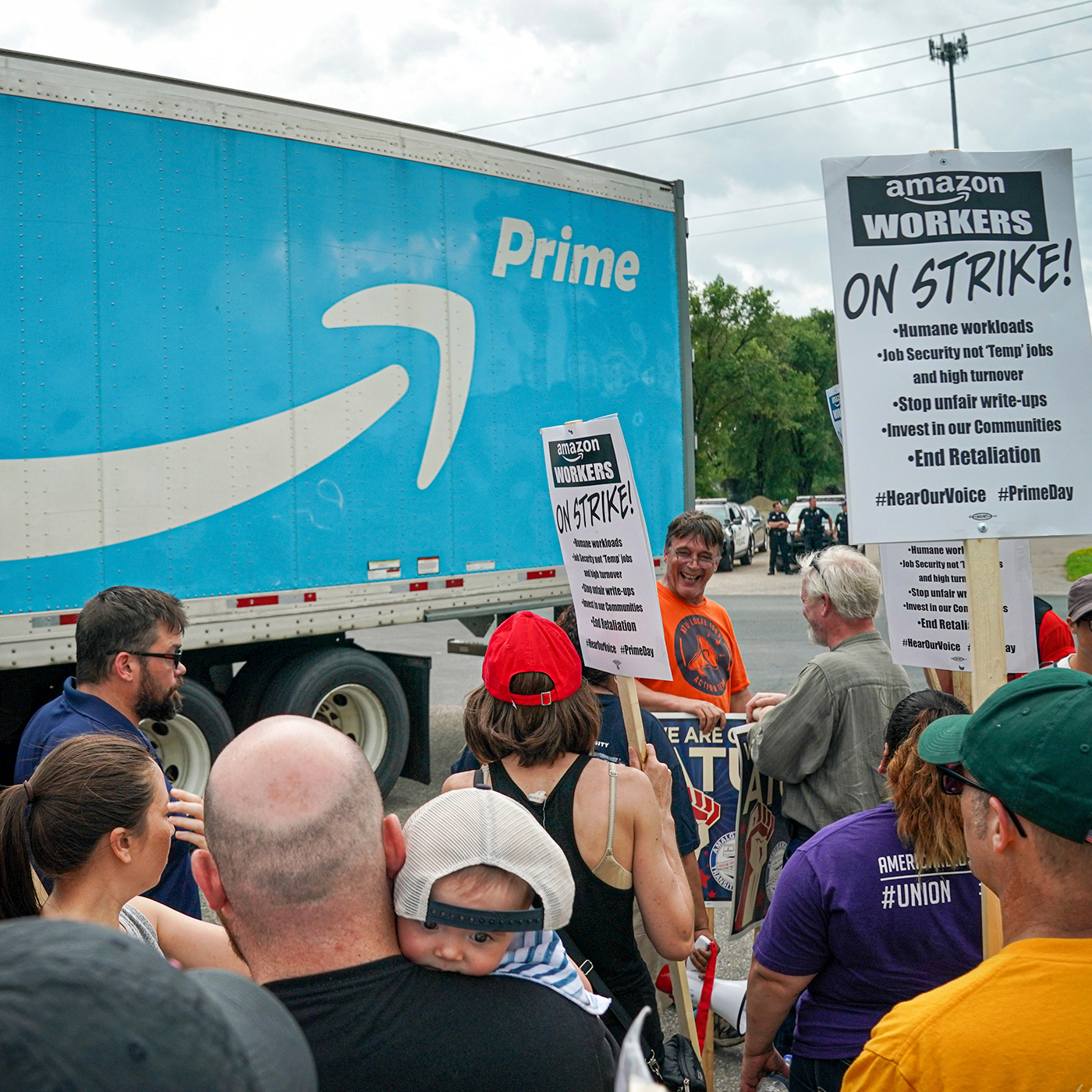
High-profile unionization drives at companies like Amazon, Apple, and Starbucks have focused attention on organized labor in the US in a way unseen in half a century. The attention isn’t without merit: there were more successful union elections in 2022 than in any year since 2005, and public approval for organized labor is the highest it's been in over 50 years.
Yet despite these signs of a growing labor movement, the percentage of Americans belonging to unions is still substantially smaller than it was during the peak of organized labor participation in the 20th century.
So how should one think about the state of organized labor today? On the eve of Labor Day weekend, maybe it’s also worth revisiting why we should care about the state of organized labor in the first place.
On this episode of Trending Globally, you’ll hear from Andrew Schrank, professor of sociology and international and public affairs at Watson and an expert on organized labor, about the past, present, and future of the labor movement in America. Because, as he explains, it’s more than just workers’ wages on the line: our country's prosperity and stability might depend on giving workers a greater voice in the future of our economy.
Read Andrew Schrank’s 2019 article ‘Rebuilding Labor Power in the Postindustrial United States’