
Travel Wisdom Podcast -travel and learn languages for success and money
229 episodes — Page 3 of 5
Me not adapting as much as I should have to India
Adaptation and adjusting to an environment are some of the most important things in my mind. I see that a person able to adjust to a situation is the one that will be the most successful. I talk about how I am am not happy with my ability to adjust during my Masters thesis in India. I talk about how I could have done a better job with blending in. I think it was because I had a reasons for it, that the way I was doing things previously was more correct. That was my big dilemma, do I do things the local way or my 'best' way? Since I believe that those people who are most able to adjust and integrate will be the most successful I think that I could have done a better job
Learning about what can be changed and what cannot
There are very few things that are set in stone. Travel helps you see that things are done differently in different places by different people. By seeing that cultures and ways of doing things are different you become aware of the fact that some things are variables. When something is a variable it means that you can change those things in life. Maybe it was all based on a false belief and that the only thing holding yourself back is yourself. Blaming other forces such as a boss, the economy, or god could actually be in your hands.
Is Travel more useful than going to University or College?
In this episode I ask if travelling can be more valuable than a College degree. In the US a bachelors degree can cost $30k and this doesn't even guarantee you a job. I have found that travel costs about $15k per year, so would this money be better used in travel? Can you learn more in travel than you could in the classroom? To find the value of College or University ask yourself: are you learning a trade that can make you money such as engineering, science, or trades such as welding or automotive work? are you getting a network which can help you later in life, especially if you are going into a field? are you diving deep into the subject and learning all that you can learn so that you actually come away with useful knowledge? To find the the value of travel ask yourself: are you diving into the culture and are you only talking to hotel staff or are you learning the language in a local village? are you staying a week, 3 months, or are you living abroad to understand more of the location? are you going somewhere interesting with many learning experiences? So of course it depends on what your answers to all of these criteria are but in many cases travel can be better than a University degree
How expanding your limits sets a new normal and stretches your limits
In this episode I talk about how expanding your limits allows you to do more revolutionary things in the future. Because stretching your limits allows you to see what is possible and your reality has then changed. It can only be beneficial. I talk about how I did this when I wrote most of my 70 page Masters thesis in one 20 hour chunk. By doing this I was able to break any previous ideas what is possible for me. I learned a bit about myself and found that actually it was probably the best way to write something. From now on, I can't complain about doing lots of work at one time now that I see I am capable of more. It is also possible to do this using uncomfortable or generally growth-inducing experiences. The limitations you have are only in your head, this is the best way to discover that you are capable of whatever you want.
Things have been good in the past, so why wouldn't it be in the future?
In this episode I talk about a prompt that a previous guests had mentioned of "if things have been good in the past, why not the future?" This was a profound thought because things for me have always seemed to work out fortuitously so I should expect that it may continue. This thought can give you confidence that you are capable in what you plan to do. I talk about how you can use confidence from other parts of your life such as sports, hobbies, or other things that you are good at and transfer that to whatever you are having troubles with. You are going to get the same results from your actions in the past, is that good or is it time to change?
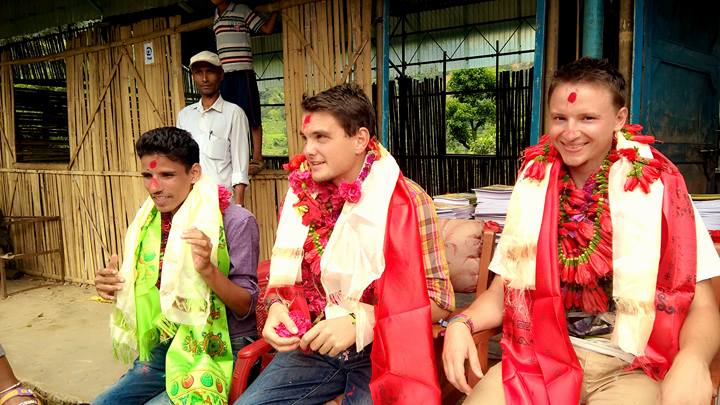
Marcus Stein on how to combine charity and travel to make a difference
My former Couchsurfing host, Marcus Stein, came to visit me in Bangalore, India after doing a charity trip in nearby Nepal. He shared his story of how he was able to raise 4000 euros back in Germany which he had promised to donate in Nepal after their terrible earthquake in April 2015. He used his own money to get there and to do fun things so this money was only to be used for charity. He and his friend originally were going to buy school materials for children such as notebooks and pens but later also bought water filters and solar lamps. In this episode we talk about how he got this idea as well as some of the challenges in doing this. Since the money goes about 5x further in a place like Nepal, it is almost like trying to use 20,000 euro in a few weeks. He also talks about how he found a great guide and helper to buy all of these supplies. Then he talks about how he had made this change from a set career to something more flexible where he is happier. Finally he asks, what does magic mean to you?
Happy 2016! Here are my plans for the future, what are yours?
First of all, apologies for the delay in the episode. I had finished my work in India and my family came right after to travel India and didn't have time to uploaded the episodes I had finished. In this episode I talk about what I am planning to after my stay in India. I have been trying to figure out what to do after and I am ready to share my plans. I talk about how I am excited to go look at Switzerland and potentially go move there. It is a great place for my field in nanorobotics and looks like one of the best places in the world for this. It is also very comfortable for me being in Europe, travelling is very quick and easy, and it is a multilingual country, and a good business environment for startups. I talk about the 3-6 things that were most important for me to decide on this location. I also go through how you can decide on where to go if you want to make a change in your life Let me know if you are planning a change and want to figure out where to go next at [email protected]

James Abbott on sailing around the world in a coworking space
James Abbott is a cofounder of Coboat which is a coworking space which is on the sea. The boat goes to different paradise locations as it circumnavigates the world. Entrepreneurs and people who can work online can then join and take part in activities like snorkeling and swimming while getting fast 3G-4G Wifi connections. Everything (except alcohol) is included in the 980 euro per week price in places like Greece, Maldives, Thailand, Sri Lanka, and other beautiful places. In this episode we had technical issues in the beginning and I was unable to record the first 15 minutes of the show. However, before the show he talked about how he moved to Thailand and set up a coworking space. On this island, he has about 30 people
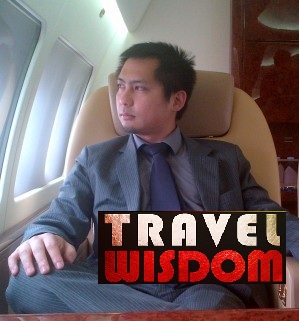
Vinh Ly on persuading people to buy $100 million jets
Vinh Ly used to be a private jet salesman traveling around the world and was a contestant on the French version of the Apprentice. Now he a digital nomad and author of Billion Dollar Influence: A Persuasion Skills Masterclass from Someone Who Sells Private Jets for a Living. He also started a Conversion Optimization business and and has had many global experience - and leaving a prestigious corporate job to become an entrepreneur nomad. In this episode we talk about how he got into the private jet business and some funny things he did in order to get more sales. Since we started the podcast before an official introduction he didn't realize we were recording and therefore had to remove some sensitive parts. But he talks about what he did within this company to make sure these $100 million machines were sold well. Then we talk about his leaving the company to teach people about persuasion which he learned selling jets. He goes over his MITT method of Meditation, Improvisation, Technique and Training. These are good ways to learn almost any skill. He talks about how this method can help especially in job interviews and sales. His tip is to make sure you know what your 3 main strengths are and to make sure they shine through in the interview. Finally we talk about his experience with travel and how he has been used to it his whole life. We also talk about the ways that French people travel and how they only go to places that also speak French.
Learn about my observations with the Indian work culture vs. Germany and US
I have now been working in India for over 6 months and have noticed many differences between the work culture in India, the US, and Germany. I talk about a few including the differences in power dynamics and how everyone spends their time. Do you have experiences working abroad? Tweet to me at @ladanwisdom
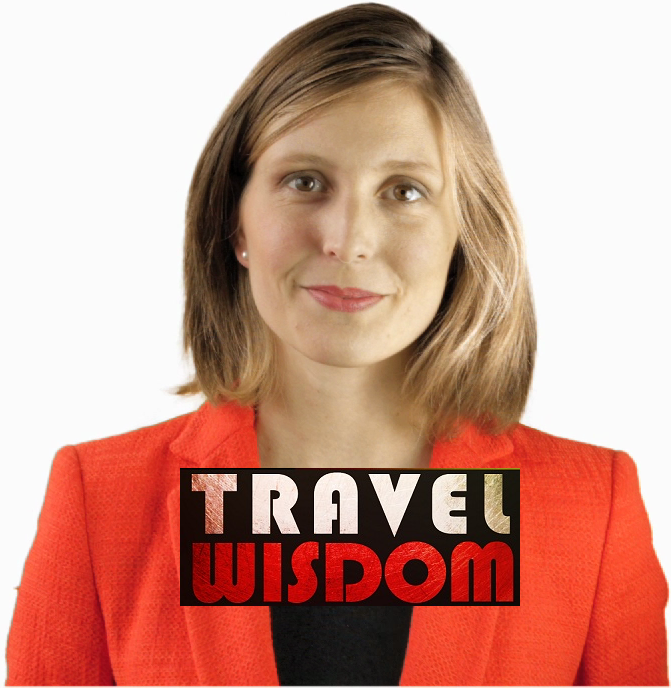
Kara Ronin on the mysterious Indian head bobble and what it means
Kara Ronin is the founder of Executive Impressions which provides international business etiquette training and consulting to companies, universities and individuals to help them succeed in the international business arena. Her services focus on business etiquette, leadership skills, and executive communication. In this episode we talk about how she got started in providing tips for international business people because of her having lived on 4 continents. She talks about her experiences speaking and seeming interested in her new home in France. We then talk about the mysterious Indian head wobble and she explains a bit about the differences between showing yes and no. She mentions a video which can be watched here. She then talks about how when you are in a new culture you have to respect their customs. Simply doing what you want to do may not be received too well and could hurt your relationships. Then we talk about my experiences with my boss at my work in India and the way things are different there. Finally she talks about how travel helps you learn about the world and learn about yourself.

Guthrie Chamberlain on spending 2 hours a day to make the Wisdom Trek Podcast amazing
Guthrie Chamberlain is the host of the Wisdom Trek podcast where he teaches wisdom and discipline. He helps you understand the insights of the wise, to teach you to live disciplined and successful lives, to help you do what is right, just, and fair. By obtaining this wisdom then you will be able to create a living legacy for today that will live on and be multiplied through the lives of others. In this episode we talk about how Guthrie grew up in a family of 10 children which has shaped how he looks at the world. We talk about the analogy of life with hiking through the mountains. If you take things slow and know where you are going you will get there before you know it. He then talks about how you can't expect to plant a seed and expect a plant tomorrow. You need to work and harvest fruit in different seasons. It seems he is full of analogies to life and I absolutely love it because it helps clear things up and make it more understandable. He then talks about his grueling schedule making the podcast, spending about 2 hours each day to put the 7 minute podcast together. He then talks about the benefits of taking your children with you while going to conferences or generally travelling for your career.
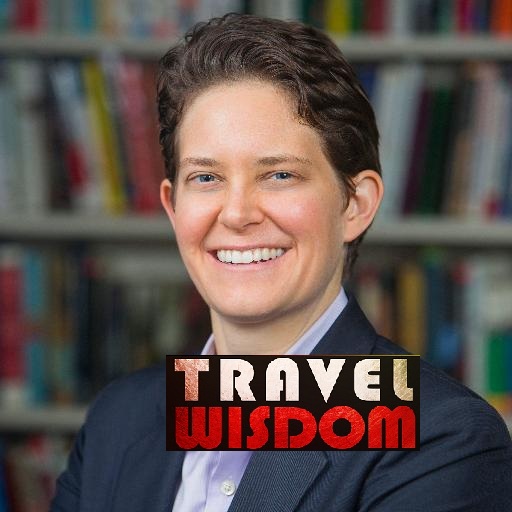
Dorie Clark on how to do 160 podcast interviews to promote your idea
Dorie Clark is the author of Reinventing You: Define Your Brand, Imagine Your Future and her most recent book, Stand Out: How to Find Your Breakthrough Idea and Build a Following Around It. She talks about how in order to succeed in today's world you need to have some sort of brand or things you are good at in order to get above the noise. She also consults and speaks for a diverse range of clients, including Google, the World Bank, Microsoft, Morgan Stanley, the Ford Foundation, the Bill & Melinda Gates Foundation, Yale University, the Mount Sinai Medical Center, and the National Park Service. In this episode we talk about her crazy podcast interview schedule having been on about 160 podcasts in the last 9 months. She talks about how she got into this field through the field of politics and a nonprofit. We then talk about a story from Reinventing You who was let go from his passion job as a Rail trail advocate (bike and hiking trails on old railroad tracks). After being laid off he was able to use his creative side by opening a bed and breakfast next to a rail trail and becoming the place to stay for those loving rail trails. Then he got his real estate license and became the rail trail real estate agent. She then talks about how interests and other elements in your background can be brought together in order to make wonderful new things which have never been done before. Finally she talks about how travel can help you 'speak different languages' as well manage different social settings.

Emilie Wapnick on the importance of having multiple talents and interests
Emilie Wapnick runs puttylike which is the home of multipotentialites online. She says that most people have multiple potentials and should not be led to do only one thing in life. In her TED talk she mentions her start as a lawyer and how that has changed to blogging as well as many other passions over the years. She embraces the changes in direction of her life and thinks it is beneficial. In this episode we talk about her coming trip in a trailer and my experience with ladybugs in camping trailers. She then talks about how she has gone through many careers and how it is ok to explore and jump around. Then she talks about how having these many kinds of backgrounds can be beneficial and can make unexpected combinations that could be very popular. We throw around ideas like scuba diving for historians, laundromats with ice cream, bike shops that are also coffee shops, and other non intuitive businesses that can be surprisingly successful. She has helped people find their passions for the last few years and hopes to do this for the future. We then talk about how being flexible and puttylike is the way to thrive in the new economy. Most jobs existing today did not exist 10 years ago and our current jobs will not exist in 10 years.
Grant Baldwin on how he got paid $1k to speak for one hour
Grant Baldwin is a professional public speaker and host of the How Did You Get Into That podcast. He talks about living your life's passion and doing what you were put on this earth to do. He especially likes to give students the confidence to face the real world. In this episode we talk about why he started his podcast after being asked so many times how he became a professional speaker. He has earned $1k for his first one hour keynote speech and he also teaches how you can do something you love and make a good living at it. He knew that he was always good at it and passionate so he just jumped in and did it as well as made sure to get better at his skill. He also gives some tips on how to book speaking events whether you are experienced or not. He talks about the non-glamorous side of speaking and compares it to his friends who do over 100 events per year. Finally he talks about how travel gets you out of the bubble that you are comfortable with and being able to experience other cultures.
I talk about how travel and living somewhere are different and teach different things
I have now lived in India for over 6 months and even now things seem to shift every week. The travel mindset and sense of wonder goes away a bit and now it is more like I am living here. Travel and living somewhere are different but I think that both are recommended in order to expand your wisdom Let me know about your experiences living somewhere versus simply travelling there @ladanwisdom
Scott Beebe on being inspired to start a for profit company in Nigeria
Scott Beebe is the proprietor of My Business On Purpose; a multi-broadcast platform that equips, inspires, and mobilizes business professionals to live out their skill set to society. He helps small business owners and organizational decision makers uncover things that they cannot see, and create game-changing strategies so they can take immediate action and live out their life and business with purpose and intentionality. In this episode we talk about his trips to Nigeria to help businesses there get help. He does coaching and has fallen in love with Nigeria over the last decade because it has so much potential. He does lots of face to face interaction as well as online interviews and helps people find where the business is going. He also hosts Masterminds where people get together to help each other with their problems in business and in life. He talks about how he got connected to the work in Nigeria and why it is so special. We then talk about the benefits of doing a for profit company even if it is in the developing world.
I talk about not knowing what or where I will be in the next few months
I talk about how when I finish my work here in India I am not really sure what we will do next. Travel has unfortunately opened the door to many options and now it seems we must slowly choose what career path and part of the world to live in. I feel I have left behind good recommendations and know that there is lots of places I could make a good living. However, now it is just a question of where I want to stay and what I want to do. Have you had any life questions like this? I want to hear about your struggles and how you got through them. Email me at [email protected]
Jonathon O'Byrne on coworking spaces and their importance in the future
Jonathon OByrne is the founder of Collective Works, the largest coworking space in Singapore. Looking over 90 businesses there, his business has quadrupled in size since he opened it two years ago. This allows small companies or startups to rent office space and have access to people one otherwise wouldn't have access to. It is what hostels are to the business office rental. He opened this coworking space in isolation and when he opened his he thought he had opened the first one in the world. Seeing a need in Singapore to make it easy for someone to easily rent office space, especially for high performing spouses. Since Singapore attracts a host of high performance people, their high performance spouse usually comes along with nothing to do. This means that they now have something to apply themselves towards. Since the minimum and maximum stays are not really set, a company could stay as long as needed. Many times even corporations and for their regional branches to be held in a coworking space.
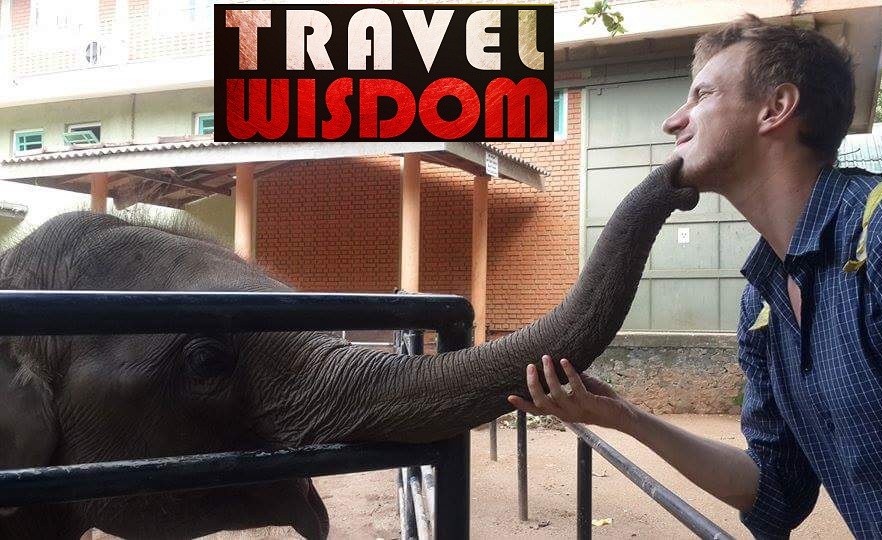
I talk about our recent trip to Sri Lanka and what we learned from it
We went to Sri Lanka to extend my visa in India. Although we only stayed for 9 days it was a really fun time. Our visa processes took even longer and we were forced to stay in the capitol city of Colombo longer than we would have liked. In the end we only spent one day on the beach but this was enough for me to get an epic sunburn. I talk about making sure that you have enough time to get administrative stuff done when you travel. We had to jump through many hoops to speed up the visa process by even one day which could have cost us a hundred dollars extra. Luckily I got the visa just an hour before closing and was successful!
Ryan Williams on the changing Influencer Economy and what it will mean to be a leader
Ryan Williams is the host of the Influencer Economy which is about the changing world of media. Where before, it would take a media company to give the green light to something, now this is done by the audience instead. What this means is that some things end up being wildly successful yet is very strange. A good example of this is something called machinima which uses existing video games in order to act out a story. What he shows is that the future is changing and that we need to be successful. Ryan talks about what happens when the niches become mainstream In this episode we talk about the the power of this new community and their relationship with their audience. People who supply content or somehow are an influencer online are following a whole new set of rules than before. Collaboration is the new name of the game with the bigger person giving social proof and credibility to the little person. This is the new way the games are being played which will influence the way media will be done. These people are able to crowdfund over $2 million from fans by allowing access in a way not possible before. Although it looks like an overnight success, all of the people he profiled had done their craft for many years before being 'discovered.'
Drugs and how they can be good for you and increase wisdom
I believe that it is important to become a wiser person. I think that experiences are important in life and that to experience more is to live a fuller life. That is why I thought that trying different types of drugs was important for my quest for wisdom. It started picking the brain of a colleague working at UPS who, although young, had tried many things Then when I was living on my own I made friends that could give access to the things I wanted to try I was told that there were a few drugs you should never try because the risk was too high, heroin, crack, and meth. I think drugs can be an eye opening experience, it can completely reset your way of thinking I eventually found that most drugs were kind of useless and a waste of time but that psychadelics had a use You should be mature enough to understand and interpret what you are seeing and what it means I then moved to the opinion that especially psychadelics could have beneficial effects just like a spirit quest You can ask a question or somehow focus on a problem to get it resolved. For example, on a mushroom trip I realized that I already had all the power within me to do the things that I wanted. Only I was holding myself back and that I needed to stop stopping the things I knew would lead to success I think that psychadelics should be done in a good environment. Going to the amusement park is dangerous but being with trusted friends can be beneficial Once or twice per year is probably the upper limit because more than that might be damaging Psychadelics are like heat applied to plastic. It can help soften it to mold it easier. The plastic is like your psyche and ways of thinking. Over time it can become deformed or rough and has to be smoothened Trying to shape plastic without heat can work but it can take time or break it. Also, applying too much heat can cause a mess The plastic can be smoothened if done correctly but if done incorrectly it can make it even more deformed or rough. The plastic would then cool and it would be stuck like that for a very long time One needs to be extremely careful and be mindful with any drug. Know why you are taking it and what outcome you are trying to achieve by doing it Dislcaimer: Of course don't do illegal things and make sure that you are in a place that these things are allowed With great power comes great responsibility Special thanks to Diana Dell for getting in contact with your unique story. She is finishing up her Masters degree in environmental science and is moving to Armenia. Its a crazy idea but as far as I know she has never done drugs :P Good luck! :P
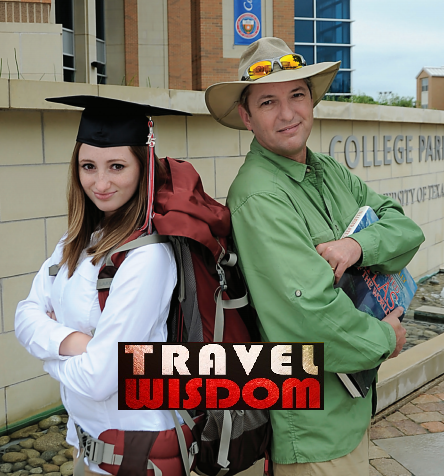
The Hicks family on their amazing adventure around the world together
The Hicks family of Grady, Mason and Brianna have all gone through a pretty amazing trip. Starting out as a fun graduation present for the oldest, now the father Grady has taken all his children on a month-long trip around the world. During this time they decided to make things more fun and they gave themselves a checklist of things they had to do and see everyday. They have since turned it into a series of books for the adventure with each child. Grady's hard work pays off with his planning of hundreds of things to see and why to see them for each trip. In this four way episode we talk about how the idea for a Amazing Race themed trip around the world. We talk about how he was able to plan the trips and the amount of time it took for each trip to be planned. We discuss the ability for the children to remember the places versus the father and how things were forgotten. We also talk about the power of travel to make the world smaller. Finally, the show turns into a bit of a therapy session on how this travel experience can be used to enhance the rest of life. By not only keeping some experiences segmented in one part of your life but allowing it to become who you are, you can take in even more of the experiences.
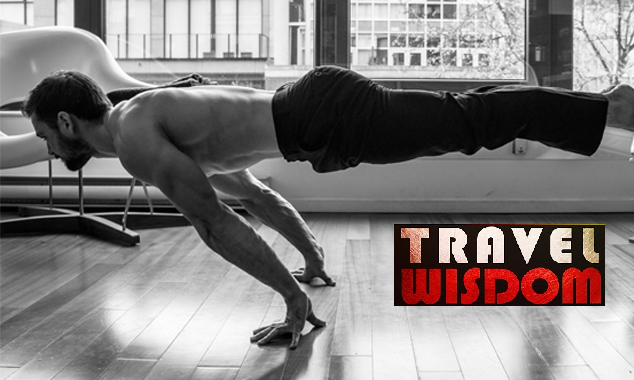
Exercise and the importance of staying strong to stay fit especially during travel
Exercise has been an interest of mine for over a decade and I have always wanted to be fit and have a sexy body. Over that decade I have learned more about the body and experimented with many things myself. Now I feel that my exercises are much more effective than they used to be I was interested in working out and exercise ever since hitting puberty. It was my surefire way of getting laid! Unfortunately I found it is just a multiplier and that if you are starting from zero, anything times zero is still zero As I mentioned in the previous episode, exercise is not the best way to lose weight but nutrition is. Exercise can activate some things in your body to make weight loss even faster and not to mention you look more sexy when fit no matter if you are a man or a woman I was always pretty fit but never a meat head and even if I had muscles it could be hidden by the right shirt. But I was never able to keep it due to my travels since I was 18. I would go on a multi month trip at least once per year and it would screw up my workout plans Many times I would lose lots of weight on a trip and it would take many months to get it back to how it was. This would mean with the length of the trip and the recovery I would lose about 6 months. Any gains during the rest of the year were then later wiped out by lack of good nutrition while travelling I have never really maintained an exercise regimen while travelling although I know theoretically what should be done. Some elastic bands are often useful which allow you to train almost anything with about 10-45 pounds (5-20kg) resistance. Also bodyweight exercises are useful like pushups, pull ups, squats, or even running up and down stairs I have never wanted to do these exercises so much because it always got in the way with activities that I was doing throughout the day. I think I also really liked the weights at the gym and jumping up and down didn't feel like a good substitute Anyways, what I have found out is that shorter and more intense workouts are more effective. I used to do jogging for an hour or be on a cycle for that long but then some people I follow and personal experience showed that doing 4 minutes of intense exercise and 1 minute of rest was much better. Repeating this a few times would give much better results than an hour long run ever could This is something I recommend (although I will only start doing it again this week) is to do sprints and to run about 5 times longer or further than your walks in between these runs. If you repeat it 2 to 5 times this is about the best workout you can do I believe that lifting weights is also essential, even for girls. Girls look sexy when they are strong and don't worry, your hormones will not allow you to look like Arnold Schwarzenegger. Those women you see in the muscle magazines have loaded themselves with Testosterone and have devoted many years of their lives to this, so its not just going to sneak up on you! Woman who are surprisingly strong yet sexy are pole dancers / strippers. They have to hold themselves up using only their grip and move their legs and body around. It is very hard and it requires lots of strength (try it!). So if you are a girl worried about gaining to much muscle, just remember if you try hard then you will probably end up just as muscly as a stripper. Said another way, you will have a strippers body Men, of course, do not need much convincing to go lift weight because it is what makes us look good. But it is also important to not get lost in numbers competitions trying to outdo the next person which could lead to bad form while lifting or focusing on it too much at the expense of your other muscle groups. This can lead to an imbalanced body which is also not sexy, the opposite of what you were going for! Besides simply looking sexy, exercise gives you energy in the long run because your body learns to handle using so much energy. That means that you then have more energy for the other things in your life like career, family or other projects. It gives you strength for those times or tasks where you need it. I find it can also triple your sex drive, perfect if you have a partner. It improves your posture. Also it can become addictive and refreshing. After about two months of exercise your body starts to get used to it and craves some sort of physical activity. How is that for a healthy addiction?! So what kind of weightlifting regimen is the best? I find that the most essential movements are squats, deadlift, pull ups, incline bench press, clean and press and the row. If you don't understand what all those mean, just click through to the links here or google it yourself. If these 6 exercises formed 70% of your exercises you would be quite successful in becoming much stronger. These 6 will hit every part muscle in your body and you will end up looking great. Doesn't matter if you are a man or a woman. Another key thing to remember is how much to lift. Some have said that you need to do ea
Tijana Momirov on how to travel the world on 20 hours of work per week
Tijana Momirov of Follow the Elements has been an independent Software Engineer since 2010. Before being a digital Nomad was a thing, she was earning money while travelling. She especially loves Kitesurfing, letting it take her take her all over the world. Now she teaches how it is possible to In this episode we talk about how she has been able to be a freelance software engineer for the last 5 years. She has not been in a set location since then and has been living from her suitcase ever since. It all started during a job in Greece where she realized that being in the office was not necessary and the clients did not even know where she was. She now is a freelancer and generally works about 20 hours per week in order to make more money. We then talks about the first steps in setting up a freelancing job. She recommends going through some of the largest freelancer sites in order to gain more visibility. Then we talk about the benefits of living on the beach and how to get into Kitesurfing. I love the water so I am sure that I would love it, if it only wasn't so expensive that would be great!
The importance of diet when trying to lose weight and how I lost 45lbs / 20kgs
Losing weight and staying fit seems like an impossible thing to many people. It can feel like you are desperately flipping switches and pulling levers on the inputs of your body with no response. Of course it is no surprise that many have given up on staying fit because what we know we should do is not as powerful as they say. I will talk about my struggle with weight and how I now have been able to keep off 45lbs (20kg) I was raised in a health conscious family so health and weight were always at the forefront of my mind I was chubby between the ages of about 12-15 and being made fun of for it. In our group of friends I was the fat one. Then when puberty hit, the weight came off very quickly I was a normal weight for a long time until I started dating my first gf which caused me to become lazy and I ended up gaining about 40 pounds (~20kg) in 8 months. At first I was hopeful that it was muscle because it was being put on in the right places, but then I realized it was actually just fat. Then after doing my study abroad a year later in Germany and again being separated from that gf I was able to first lose 20 pounds (~10kg) in 3 months and later the final 20 pounds (~10kg) over about 6 months. I have been able to keep it at that level now for 2 years with some more minor 10 pound fluctuations but when I notice that happening I take care of it and can have it fixed within a month. I am a big guy at 6'3” (193cm) and my 'thin weight' is about 175 pounds (80kg) so for some of you smaller people it would be like a 5 pound (~2kg) fluctuation In the end, all that I had learned during my minor in Nutrition during my Bachelors degree proved to be useless or completely wrong. The US government's recommendations was actually part of what kept me fat and when I broke from that I was able to control my weight the way I wanted I realized that nutrition was the most important factor in weight management and health. Exercise is important also but it is almost impossible to make up for bad eating decisions by exercising more (you would need to chop wood for 2 hours a day). I find the impact on weight is about 80% nutrition and 20% exercise. I will talk about exercise in the next episode So, now for the most important part. I found through my experience that sugars (also carbohydrates) are pretty much to blame for gaining weight. This is of course found in anything sweet or starchy: bread, rice, potatoes, many sauces, sweets, sugar, soft drinks, and anything along these lines was the biggest contributor to fat creation. This means eating fried chicken with extra oil is nowhere near as fat generating as eating a bowl of pasta. Crazy, isn't it? Actually, it could be healthier as well. Science is finding out that the rate you create insulin, or the hormone that is secreted when you eat sugars, is the rate that you age. Creating insulin along with the spikes in blood sugar are very stressful for your cells and contribute to aging. Cutting down on sugar or at least eating more slowly digestible sugars could help you live longer If you are able to minimize carbs, then you can pretty much eat as much of the other stuff as you like. It is just not possible to eat enough of the other stuff to gain weight and you will be full and not be able to eat anymore first It is impossible and unwise to completely eliminate carbs as they are everywhere and some baseline is essential for human function. But for me, I went from carbs being about 75% of my diet to about 25% of my diet and now I can eat what I want Generally, you want to eat lots of veggies which is good for your digestion. Fruits however, are not very good because they contain so much sugar and all of the vitamins can also be found in veggies. That is why you should limit fruits or fruit smoothies. High quality fats are also very essential. Because your entire brain is pretty much made of fat, you need to keep it healthy. Coconut butter, quality milk butter or ghee are very good sources of oil. Since you have also cut down on your carbs you can add more butter so your food tastes even more amazing! Good protein is also very important. This is the type of food that will keep you full the longest. I have sometimes eaten a whole chicken and then not been hungry for about 36 hours following that. If you eat more protein like meat, fish, eggs, or beans, you won't be like a yoyo to the refrigerator every two hours. You should be able to easily manage going 5 hours between meals and if you are getting hungry after less than 2 hours your body is telling you that your last meal was not very nutritious This now becomes a more expensive way of eating, because you are trading cheap food for expensive ones. You trade rice for beans, vegetable oil for ghee, and a plate full of pasta to one full of meat. Since there are no more 'filler' foods, you need to eat more of the expensive 'good stuff' Finally, an advanced thing I follow is something called 'Intermittent fasting.' This basically says you
Aprille Janes on how run a Bolder Business, all from a trip in the Yukon
Aprille Janes of the Bolder Biz Community and Podcast talks about how to make a difference in your business. Aprille is a former corporate business consultant formerly working for companies like Coca-Cola and Minute Maid, something most other business coaches cannot claim. Because of this she is able to better give the outcome of everything that is possible. That is why she focuses on entrepreneurial soloprenenuers who want to better manage their work rather than those trying to double their business every month. In this episode we talk about a trip to the Yukon in Alaska which changed her life. She was originally in corporate business consulting and after a long overnight drive she realized that she wanted to help people on a personal level. Since she believes that business is personal and it is impossible separate those, she has tried to give people the ability to create that for themselves. From this she has also created a meeting for women that were interested in business networking. She has been quite successful in this and has had many sold out events. We then talk about how to maintain these kinds of events and prevent them from being filled with bad people.
Episode 101 celebration and one year anniversary!
It feels great to have 100 episodes and 1 year of podcasting behind me. Things have gotten even better now that I am hearing more from you. It is finally starting to pay off! :) Thanks so much for listening and here's to another 400 episodes!
Callum Laing on networking in emerging markets and how to make money in this space
Callum Laing has been called the most networked man in Asia. He is a New Zealander that has started built, bought and sold half a dozen businesses in a range of industries across two continents. He is the owner of Fitness-Buffet a company delivering employee wellness solutions in 11 countries and he is also the CEO of Entrevo Asia, a company that runs 40 week Growth Accelerator programs allowing executives and business owners to become a ‘Key Person of Influence’ in their industry. In this episode we talk about Callum's move from working in technology in Netherlands during the tech bubble to Asia. He talks about how markets do not like profits and that only during times of large change is it possible to take advantage of massive opportunities. We talk about how when he moved he had to create a new network that was no longer based on convenience and location. He ended up starting some networking events which brought people together. During his meetings he might be personally connected to about 1000 people and tens of thousands went through his networking groups in Asia. He also shares the story of how he was able to make $50k by putting a group together within a few months.
Homosexuality and why we have it all wrong, what to improve in society
I think that Western society's way of looking at sexuality is wrong. I think it can be extremely damaging and I believe that other parts of the world may have solutions. By suggesting that only gay or not gay exist, it pidgeonholes people into only these two possibilities and limits what might actually be happening in development. I also think that gender reassignment surgery is not a good idea First of all I recognize that it is a privilege brought by wealth that you could choose anything except a heterosexual marriage Money and technology have made the unimaginable a reality. Transgender people are extremely common in Thailand which would not have been possible a few decades ago I am a bit worried about these kinds of surgeries especially the fact that they are irreversible Since people don't know what they want even 10 years from now it should not be allowed or at least heavily regulated to allow something that is not reversible Being done at a young age is even worse. Imagine a child who is in love with Tennis and wants to get a tennis racket implanted in their hand to improve their game. Should this be allowed? What if the child REALLY loves tennis and has so since they were young? I am a scientist and understand the arguments that being gay or wanting to be transgender is genetic and rooted in biology. I don't buy it. I think that the same forces that make somebody love tennis and think about it all the time are the same ones involved in homosexuality Just because sex, and sexual organs are involved does not make it any different. It is only our sex averse culture that doesn't want to touch or discuss it because it involves stuff 'down there' So if we would not allow that tennis surgery because the possibility of changing your mind is too high, why allow it with something else? We live in an age now where our careers are expected to change every 10 years and we will completely have to reinvent ourselves. The world will change so much so why do we think that we will love the same thing 60 years from now? I think this is a ridiculous idea no matter what the subject is, tennis, becoming a woman, or knowing what you want to do with your life I am friends with some transgender people but I still question their motivations. Maybe it is just too different from my reality and I won't be able to understand it. My opinion is that homosexuality is too common and that it is an excuse for merely being different, more effeminate, or scared to do anything with women The irreversibly of coming out of the closet is also apparent to me. Many voices on the media promote being gay but I have not heard much about the trouble of being stuck one way. If you did a big show to 'come out of the closet' is it possible to change your mind a few years later or is it irreversible? I have had these questions based on my travels especially in Thailand. I saw this place as one of the most interesting places I had been especially in terms of sexuality. I definitely think that a documentary should be done especially of the ladyboys in Pattaya just because it is so different than anything else. I think there is much to learn there. But the question of permanence of your choice is still troubling to me I also have struggled with these questions at a personal level. Although I am in a happy relationship with an awesome girl, I remember a time many years ago when I was struggling to get laid. I had made a semi serious commitment that I would turn to men if that drought would go on longer This is why I see the possibility that announcing that you are gay is a way to get rid of responsibility. It prevents you from doing the hard thing of getting with a girl and instead going the easy route. Its like trying to feed a baby versus trying to feed a hungry dog. One takes much less effort to get them fed I also think that entering the gay scene could also be a blunt way of saying you reject traditional masculine roles. Being ostracized from a young age could leave you with resentments which could manifest them as joining this community. It may not be completely correct that is why I think there should be more emphasis on the fluidity of sexuality Sexuality should be taken as a fluid thing and that it can change over time. Depending on your environment or your social group it can be different. I can't think of any other decision that has such a permanent impact. Whether it be a choice in a career, to have children, or to devote your life to a sport, none have such long lasting impacts as declaring your sexuality. This is expected at a time when you are too uncertain to make the small decisions let alone the permanent ones Although I like to try new things, and have done some things with guys I have done enough to know I don't want to do everything. I'll let you decide what that means So many of the opinions I've shared are either based on myself, people I met, or things I had observed. They are just opinions and theories that can be changed in ligh
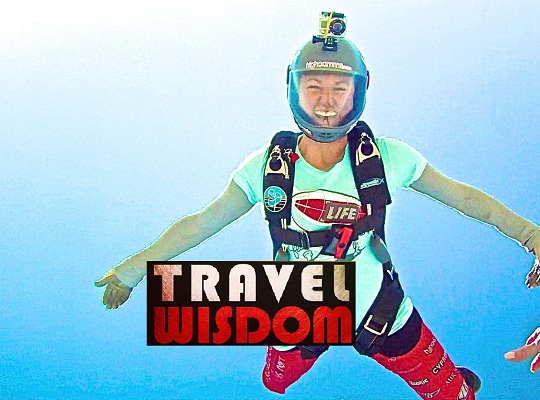
Melanie Curtis on life coaching and her switch from professional skydiving
Melanie Curtis is a life coach, author, and location independent entrepreneur. She started as a corporate American, turned professional skydiver, turned life coach, fear consultant, and mobile-entrepreneur expert. Her 10,000 jumps out of a plane were not interesting enough so she decided to stop that and start her own consulting business while doing a world tour. In this episode we talk about her transfer from being a famous professional skydiver into a life coaching business. After having started this for some years she decided to quit the skydiving and then do a many month world tour. During this time she was able to run her business as well as gain the wisdom from being abroad. We also talk about what it means to be a life coach as well as what they do. We discuss her qualifications and how she got accredited in this field. We then do a bit of a life coaching session to discuss my issues with my fear of speaking German.
How to get Wisdom by doing everyday things, even at home
I believe that it is important to become a wiser person. I think that experiences are important in life and that to experience more is to live a fuller life. That is why I have always tried to say yes to any experience that has come my way. I am not one to say no to something like skydiving, river rafting, trying new foods, going to strange lands, or trying out new business ventures. I have a heard a good quote that stuck with me recently “Good judgment comes from experience, which often comes from bad judgment.” So in order to have more good judgment, my opinion is that you need to have as many experiences as possible and from that you can gain good judgment. What I try to show is that travel can open your life to experiences which is absolutely essential to gain wisdom. I have also tried to show that travel is not the only way to obtain wisdom. Since experiences can really be anything, and generally are simply reacting to new things, attaining wisdom can be all around you. All you have to do is put yourself in a new situation like talking to people you wouldn't otherwise talk to, doing things you wouldn't normally do, or going places to places you have never been. You can do all of these things without ever leaving your hometown, all it takes is the adventurer's mindset. By putting yourself in this mindset you can put yourself in learning mode which will allow you to continually get better in what you do. Doing new things will give you perspective on your life and will help you realize that the way you have been doing things is not necessarily the right way. You can start to see that there are many ways to be successful and even if you continue doing what you were doing before, you become richer through this knowledge. Who would you rather listen to for advice and guidance, someone who had never left their hometown? Or someone who had travelled around the world and had experienced much more. I think the latter is one who could have a more balanced perspective on things and might be able to offer solutions that others implemented in faraway lands. Of course one of my heroes, Immanuel Kant, never left his home town. He was still able to become a world renowned philosopher who's ideas are respected to this day, especially my favorite idea of the categorical imperative. This basically asks the question that if everybody on earth was doing what you were doing, would it be a good place? This is something I ask myself often whenever I embark on something new. Is it good, is it sustainable, and what will be the benefits of it? Finally, is this something only I can do or would it work if a large amount of people were doing it? The way that Kant was able to do this is by immersing himself in books. So although he did not travel, he was able to effectively have a one way conversation with someone who may have been alive or dead. This follows the first rule of talking to people you wouldn't otherwise talk to. By having these 'conversations' one can learn more about the world around them and possibly solutions to everyday questions. Remember, a book holds the same information you could get as talking to someone, just more condensed and better organized. However, just like while travelling, it is important not to listen to only one person. Otherwise you could be led astray by the fallacies of one source. It is when you talk to more people that you get a sense of the options available and what everyone is leaning towards. Especially here in India, I make sure to ask a few people when asking for directions. Everybody tries to be so helpful even if they end up leading you the wrong way. This leads to the next method of gaining more wisdom, talking to new people. By going out and seeking those people that you normally do not talk to, you can get a different perspective on life, lifestyle, beliefs and more. So if you are a student, or working in a corporate job, get out of your usual circle of friends and explore a bit. Go to the poor part of town and strike up a conversation with someone. It will surely be interesting and even if they don't convince you of another way of looking at things, it will be enlightening. A common community that people ignore is those of immigrants. No matter where you live, there is most likely a neighborhood of a particular group of people from a different region of the world. In this way you do not need to walk more than an hour in order to get the same insights you could get by going across the world. Listening to them and hearing how your town is different from where they are from can be very interesting. Additionally, these people are often very grateful for outside social contact as they can often seclude themselves because of not knowing the language well enough. But if you have patience, and wear a smile, you will make friends and become beloved in that community. My friends Liz and Veit have started an community in Dresden, Germany where they help out the refuges ending up there. These p
Andrew Henderson on how to be a Nomad Capitalist and how to get the best of every country
Andrew Henderson is host of the Nomad Capitalist where he helps people discover the offshore secrets "they" don't want you to know about. He share 100% legal strategies for wealth creation, asset protection, and doing business overseas. He talks about how you can shop around to go where you are treated best in terms of a passport, bank account, business accounts and even simply talking to people. He teaches that the US might not be the best place for any of these things. In this episode we talk about how 'flag theory' is something that can allow you to shop around for the best deals in terms of all aspects of your life. Since travel is so easy and cheap now, it is easy to have a second residency somewhere and banking somewhere else. He says that it is always best to be treated as a tourist wherever you are. Many of these things affect mostly those who have their own companies or those making more than $100k a year. Although this probably does not affect you now, it is always a good thing to know and to know that options exist. Finally we talk about the possibility of me giving up my US passport to get something else, although I am not sure about this at the moment.
I talk about addiction and how travel has been the cause and the cure
Addiction. Now, I can get in lots of trouble for talking about this but this has been a part of my journey and I think it has helped me on my road to wisdom. This is a very dangerous thing to say especially in my home country of the US where drugs are demonized and even soft drugs like marijuana are seen as the devil incarnate. However, through my travels around the world I have made it a point to not say no to anything and to experience all that I can. I think that drugs can be used as a tool for gaining wisdom or perspective, the same way travel can. By using some drugs you are removed from your present state of thinking which allows you to see that there is more than what you perceive. Just like travel, it can also be done in such a way that no beneficial thing comes out of it. It can be abused and the learning opportunities ignored. I had remained extremely clean for the first 18 years of my life. Possibly living with my family deep in the suburbs prevented me from making any contacts with people who could tarnish me. But as soon as I moved out on my own I felt independent to make my own friends and to live my own life. Part of this was experimenting all sorts of things that I wanted to try so that then I could judge for myself if it was good or not. An old friend used to say “you cant knock it until you try it.” The same way you couldn't talk about how horrible it is to live in Australia for example, if you've never even been there, you can't speak of the horrors of a drug and shun the people who use it if you've never tried it. That is why I went on a journey of exploration to see all that I could see and to try as much as I could. Partway down the path I got hooked on some but now I feel I am back to where I should be. Let me explain what I define as a drug. Anything that changes your body or brain chemistry to me is a drug. Even food and especially sugar does this. I have had some bites of sweets when I was hungry and my first reaction was to grab all of it and stuff it in my mouth. That is why I was always a bit surprised when the Mormons in my home city of Salt Lake City had very strict rules on what a drug was. They said they didn't want to alter the mind not knowing that Indonesian sailors who don't drink regularly get 'high' on sugary drinks. In Europe many centuries ago, sugar offered another way to get high. So chances are if you have had some sweet coffee, you have already had at least two drugs, caffeine and sugar. The reason I am talking about this is because my travels directly led to my drug use. Whether it be getting drunk for the first time in Russia, or smoking weed for the first time in Netherlands, it was the place that opened the door for me. However, I was actually seeking out that this door would be opened and I was happy that it was. Experiencing all that there is and knowing more about life was something going back early in my life. I remember as a 16 year old talking to the druggy work colleagues on the pros and cons of each drug and the route one should go on in trying them. This was research for my later years. Looking back on it now, it feels like a research project that I had intentionally set out on in order to learn more about the world. Essentially, what I learned is that any drug can be useful, beneficial, or harmful depending on the mode of use and the frequency. Even though I have never tried it, I think even a drug like Heroin might not be so bad if done in a safe setting maybe once a year. I think the addiction is the most damaging part and it can sneak up on your. Even I thought I wasn't addicted even though hardly a week would go by if I didn't smoke weed or drink. The main question I learned from overcoming addiction, or at least getting it under control, is to ask why are you doing this. What is the purpose of doing what you are doing and what do you hope to accomplish. Who do you want to be like, and if you continue down this road where are you likely going to end up? Is this a place you want to be? This is what I asked myself and my answers weren't shocking like I'll end up dead on the streets but it was actually much worse. I will end up in the same place as I am now in the next 5 years and nothing will have changed. This is what I noticed when a friend would always come over with some nice weed to smoke, nothing ever got done even though there was much to be done. I would complain about all the homework I would have to do for school even though I would waste 30 hours a week getting high. Even realizing this, its hard to stop the cycle unless you change your environment. In my case I got a girlfriend and as things tend to happen, I did not meet as often with my friends. This definitely helped but probably the biggest thing was my allergic reaction to weed that developed. Possibly after getting into some really bad stuff, I became extremely paranoid and couldn't function after smoking. It was so bad that I had to stop. A few times I forgot the power of this a
Cheval John on how a study abroad changed his perspective on life
Cheval John is the host of the What's the Word podcast, a show about finding out what motivates people to be successful in their respective careers. Cheval is an Amazon Best-Selling author, blogger and social media consultant. Every week, he asks guests how they chose their career paths and how they overcame the odds to be successful. In this episode we talk about how his study abroad in Mexico and Chile affected his life. While his classmates were complaining about the conditions there he was offended by their perspectives. Instead, he decided to embrace the people and the culture. There he learned about what to do and what not to do, especially sensitive things to talk about like someone's favorite sports team. Then the show devolved into a therapy session to get Cheval to go back to Chile and live there. Since he seemed very happy over there I think it could be good for him to go back to the place that he loved so much.
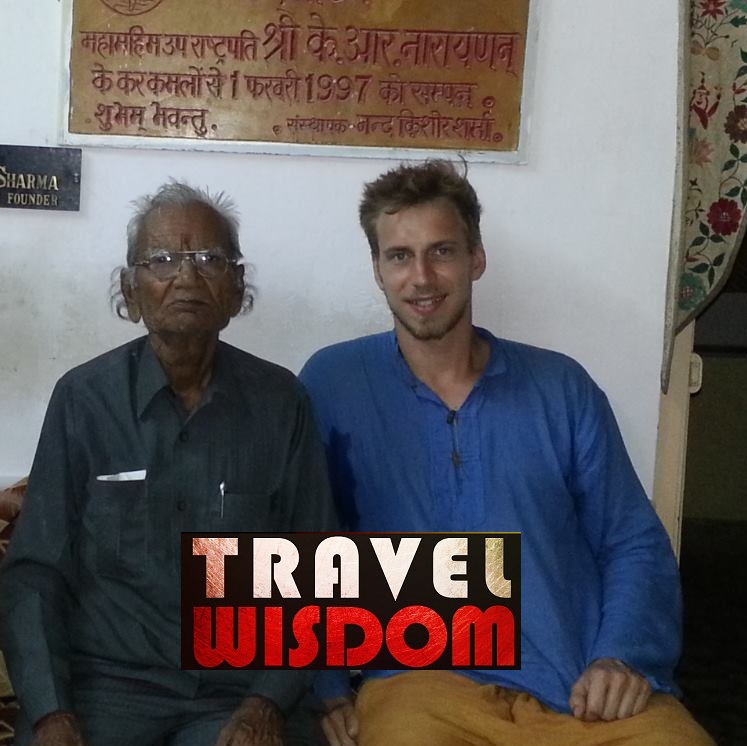
M.K. Sharma of the Desert Cultural Center in Rajasthan on keeping culture alive
MK Sharma has been trying to preserve the history of the desert state of Rajasthan India in his Desert Cultural Center for almost 20 years. He has collected many rare historical artifacts into one museum which is mostly self funded. When we went to his museum we started talking to him and it was so interesting that I knew I had to come back to get an interview. He had seen so many changes in his state and was a wealth of information about the history and culture of his state. In this interview we talk about the importance of keeping your culture. He talks about how the young people are chasing money and fancy things that the West has to offer instead of how to live a balanced and tradtional life. We talk about his efforts to maintain history and how we should do this as well. Finally we talk about how things will change over the next 50 years and if there is hope in even maintaining this. This is an interesting episode because with Westernization and modernization many cultures are sure to be lost. How do we preserve our culture and who we are for the future?

Ani Alexander on how to Write to be Read, making sure you authorship is successful
Ani Alexander is the host of the Write to be Read podcast where she talks about being a writer and making sure you sell books. She has written a few books like Highfall that have been quite successful and now is sharing what she did in order to make sure it went well. We talk about the travel and moving around that Ani did for much of her life. She has lived in many countries and she shares how she started getting into writing. It is a strange story that shows how your mind knows what you want to do before you know yourself. We talk about her success getting successful people on her podcast as well as creating relationships with some of the most successful people in the industry. She does this by first creating a relationship and providing value in order to get names like this on her show. She then talks about her company which helps people publish and become successful. Finally we talk about how her travel has affected her writing.
How to use your money, what I learned after travelling and living in many countries
I have felt insanely rich during my stay here in India. Because the cost of living here is so low, I am able to live on less than $300 a month for all my expenses. During the travels for 6 weeks in Northern India and Nepal, I think I only spent around $600. This has ended up being one of the cheapest places that I have ever travelled to and needless to say I love it! I am not one to hold back on money on certain things. For some things like fashion, hotels and other luxuries I find relatively pointless, I am incredibly cheap. However, in terms of food, travel, education, electronics and the things that I find useful I am not afraid to spend money. Sometimes I even spend more than I have. Then I have to look at it as an investment rather than just a fun thing to do. If I can't justify the expenditure as something that can benefit my future, I won't buy it. From some investments and other things back in the States I have about $1000 a month that comes in passively. This means that whenever I can live for less than that, I can choose to work for fun instead of working in order to live. Honestly, when I was in the US and then later in Germany, it was a bit difficult to live on this amount and I sometimes had to supplement my income doing odd jobs or little side projects to make me money. Not having enough money was not fun as I could not focus on things that could help me grow as a person but instead had to potentially work in a soul crushing job which would not get me anywhere. Whenever I didn't need the money as much, I was free to do unpaid or lowly paid internships which would allow me to progress in my career and teach valuable skills. This is one of the main things that I attribute to being able to get to where I have. I feel very privileged to have gotten to do the things I have because it was a luxury to be able to pick and choose the path that I wanted. Before this, I had experienced a very turbulent environment which would force me down a certain path only for money. It was only after a certain distance down this path that I would discover that it was not where I wanted to go. By then it would feel like I wasted time and I felt a certain 'sunk cost.' It would be tempting to just stay on the path because I had gone so far already and it would take my friends and family to convince me to take the path to be happy, but more on that in another episode. Maybe that is why I never really went all in on any certain path. I have always been one to try many things before making a decision and always enjoyed being sent on other jobs at some of my previous employers. I wanted to see how everything was done and I wanted to make sure that I was doing the thing that would be the most interesting. Maybe this is the reason I have gone to 80 countries, to see them all and eventually to pick a few I liked. I finally feel like going all in, now that I feel like I know what I am choosing from, but more on that in another episode. So back to this situation in India. Even when I was travelling here I was spending less than the money than comes in passively. I realized I was eating well, doing the things I wanted to do, seeing the things I wanted to see and I still had money left over. But I really didn't see a point in spending more. I had my needs met and was living a comfortable life. Anything more would be just an invented or fabricated way to spend money. I did not need fancy suits, fancy cars, or somehow showoff my status. But it wasn't always this way, I used to be the opposite. I attribute everything to outside influences. I feel that the way I acted before was not really the way I actually am. The BMW, 1000W stereo, and other flashy ways to get attention were probably encouraged by the things I surrounded myself with. The pop radio playing songs about showing off money, the TV shows about fancy things, and finally surrounding myself with people who would blow a paycheck in a weekend on a good time. Being surrounded by these sorts of things makes it really hard to then do the opposite. But I wasn't happy. It really wasn't until I went to Germany that I was able to experience the things that I really needed. There they have a culture against spending money and everyone is a hipster, rolling their own cigarettes and wearing old clothes. I ended up liking this much more as the culture focused on having and spending time with friends. It felt like there I was able to get better at these skills as well. Needless to say, I loved it and when I came back to the US to finish my bachelors I couldn't wait to come back. There, a crazy night out would cost maybe $10 but back in the States it could cost $50. I've gotten a bit off topic, but what I meant to say was that moving to Europe made me see that the way I was living before was a bit strange. There were other ways of spending money and more importantly not wasting money. After living there for some time I started to focus only on the essentials: food, drinks, a few electroni
Matt McLeod on his Austrailian Backpacking podcast and seeing people change while travelling
Matt McLeod is the host of the Austrailian Backpacking podcast. He has worked in the hostel industry for over 6 years and has seen the change of many people who go through the doors. The podcast talks about what to see while in Austrailia from an expert in the industry. In this episode we talk about his life journey which eventually led him to work in a hostel in Australia. We talk about the trip that made him change his mind about what is important to see while in Australia. We talk about the work opportunities doing farmwork and other ways to make money while travelling. They have many people coming through who spend many months and can do it without much in terms of savings. Finally we talk about how he has personally seen travel around Australia change people's lives. He talks about how after 3 months the same people come through his hostel and he can see a change in their behavior and speech. How mothers call him and thank him for the changes done to their child during their stay abroad. This has been the episode that has proven the idea of the show the most, Travel is a learning experience which can lead to success.
How to never charge your phone again and never run out of batteries!!
First of all I want to hear what you guys think about my new microphone. Although I had bought it about 9 months ago, I was too cheap to pay for the faster shipping and therefore it was sitting in my mom's house until now. I hope you guys like it as well as my ever increasing commitment to quality. I hope I can have a super sexy voice that you guys will fall even more in love with! Now this episode might be a bit strange but in my mind it is incredibly important! What would it be worth to you if you never had to charge your phone again? Our phones are becoming the centers of our world as they have replaced a dozen devices from a decade ago. I myself have seen this shift in my travels and what I needed to carry with me while backpacking. Earlier, I had to carry my camera, laptop, books, microphone, ipod, and of course my cell phone. Now this is all in one convenient device which has dropped my packing weight in half! The problem with this is, before you had many batteries to handle all these things, but now you only have one device. I can sometimes drain my smartphone battery in only a few hours. These are usually the times that I need it most! When I need to check my bookings, find my accommodation, or take that once in a lifetime picture. The stress that comes with a low battery is real and I can start to act differently depending on the numbers at the top of my phone screen. So what would you do or pay in order to never have to charge your phone again? What would you do in order to have unlimited phone charge? I have tried many devices and methods in order to make this happen. I have used battery banks, battery cases, charging it wherever I go, and even turning it on airplane mode for most of the day. However, no method works nearly as well as simply having extra batteries. With extra batteries, as soon as your phone is dead, you can simply pop out the old ones and put in new ones. There is no time to wait for charging and you can get on with your work within 30 seconds. You might also carry an extra one in addition to that which means your battery life could extend for days. I did this as I was looking for a location in London. I was actually given the wrong address and therefore was using Google Maps for about 4 hours. But I was not worried even as my battery bar kept going down, I knew I had a few backups. That day I actually went through 3 batteries, and I could not have imagined finding the place without it. Since I hosted many events in Germany I would always laugh when there was a get together and inevitably there was someone with a dead phone. Sometimes they would try to revive it and frantically ask around for a charger. It was like a drug addict running around wanting more 'juice.' It actually ended up being somewhat of a constant and I now estimate that one out of every 20 people at an event would want to charge their phones. I actually have gone many months without charging my phone. What I would do is simply pop out my dead batteries and then put in the new ones. I would then put the old battery on a charger. This would mean that when it was charging, I would not have to be tied to an outlet to do whatever work I needed on the phone. I was free to move around or even leave the battery there while it did its work. Since the chargers also have an external USB, it is also possible to charge both at the same time. This means that overnight in your hotel or hostel, you can charge twice as much. Some people use power banks and I used to also. However, it doesn't make sense to need to hold two devices for a few hours in order to get it to work. They are big and clunky and I have actually messed up my charging port by putting both of them in my pocket at the same time. But mostly, the biggest inconvenience is the time it takes to charge it. Finally there is a great problem to be solved in terms of emergencies. Even if you charge your phone as you normally have, it is always wise to keep a spare in case of an emergency. I tried to tell my friend, that even if you only use the spare battery once per month it is still worth it. That one time in that month would likely save your ass and you would be very grateful that you had it. Now, some phones with sealed in batteries don't have this option. This is a huge problem as phones like the iPhone think that their product looks better when you can't look inside. And if you have this phone, all I can say is I'm sorry, nobody is perfect. You will be stuck with a powerbank or tied to an outlet. That's what you get for getting the wrong type of phone :P I have a recommendation for this. This is the charger and batteries that I used for over 6 months before my phone was stolen in Northern India. I absolutely loved it and it was very useful. It came with 3 batteries which were only about 80% the strength of original ones but that didn't matter much with 3 extras. It is only $20 with shipping and this is the cost to never need to charge your phone again. You will al
Jasper Ribbers on how to make a great income using AirBnB and travelling the world
Jasper Ribbers is the author of Get Paid for Your Pad which is all about how to make money by renting your place on AirBnB. In March 2010 Jasper gave up his finance career to pursue a lifelong dream: to travel the world full time. To support himself, he runs several online businesses. He shares his adventures with the world through his blog, The Traveling Dutchman, which he also wants to use to inspire others to live their dream. In this episode we talk about his journey to start listing his apartment in Amsterdam on AirBnB. By doing this he was able to earn over $200 a day all while travelling the world. This money was more than enough to cover his expenses while travelling, especially in cheaper countries. We talk about the importance of having good trustable staff to take care of the place while you are away. Keyless entry, talking to the landlord, telling your neighbors, and listening to your guests.
I talk about our experiences moving and getting settled to India, the ups and the downs
It has been an absolute headache getting settled in India! I hope that the things I share here will be the worst of anything you will ever experience when moving to a new country or city, it certainly has been for me. Anytime I move, I always try to remember that things are not the way as I am used to and that I cannot expect immediate results. When I moved to Germany I was frustrated at finding a place for so long and some other differences in the ways of doing things. However, it seems like now in India the struggles are much higher. Although I was warned about this and had done a bit of mental preparation, actually being inside of it has proven to be frustrating and kind of makes me never want to move again. When we first came to Bangalore we stayed with some friends of my gf from a few years ago. They were very nice in letting us stay at their apartment and we had a nice bed under the foosball table. It was honestly quite comfortable but I wanted to get out because I felt I needed my own place to start getting settled in. I was anxious to move out also because the place I was going to work was a 2 hour bus ride from where we were located. But looking back, it was still a good location and we could be happy to be living there. After many days of deciding where we wanted to live, either close to work or close to the nightlife, we decided to stay at the Guest House on campus. This was a price friendly option and the living there was quite nice. It also satisfied my curiosity about having a maid clean the house and change the sheets, a potentially expensive option if we did this ourselves. We were sold on the idea the second that we saw it. It being only a few minutes walk from where we were going to do our work was also a big plus. However, it seemed to take a long time to get all the paperwork done for this. Perhaps I was just anxious to get out on my own, but every extra day felt like an eternity. Finally, after a week we were able to move in. This was about two weeks after we had come to India, honestly we thought this would be much worse! The place was furnished but we still had to get the small things that make it comfortable for living: refrigerator, stove, dishes, utensils, and other small stuff like this. This honestly added up and took considerable time to track down. Since we are students and are both cheap at heart, we wanted second hand items which was a bit hard in our neck of the woods. After about 3 weeks of living in the apartment we had collected everything that we needed. Another issue was internet. Did I mention I am a podcast host and I need Skype quality internet to work? Our internet was based on a wireless one for the whole Guest House and was only available in certain positions through the window. It was extremely difficult to get things done and Skype was out of the question. We eventually tracked down a wireless router after two weeks and set it all up. But it still didn't work! We had to do some fancy configuration and the guys from IT department came to our apartment to set it up. This was a frustrating extra week while we tried to make it work. I was fine without steady internet for the 3 months prior, but now that I was expecting to have good internet, not having it was really aggravating!! Finally it was fixed about 3 weeks after we came and has been good ever since. The hardest thing we had to deal with so far was getting SIM cards and replacing my stolen smartphone. This is also something that is incredibly important especially when you have gotten settled in a place and want to do more than just wander around. When you want to be in contact with people it becomes much more necessary. Since a residence permit is required to get anything done, it was absolutely horrible that the Guest House didn't provide ours. We honestly spent maybe 20 hours walking around and asking places if we could get it there. We tried all sorts of documentation that could be accepted, followed people's advice which led to a dead end on more than one occasion. Finally, I bought the used phone I wanted and got the SIM card a full month after arriving in India. Since in Germany a SIM card is something you can buy as an afterthought in a supermarket, I never thought it would've taken 20 hours and one month to get this done. Finally the traffic here is horrible! This is literally the worst traffic I have ever experienced or even heard about! Since we live in the Northwest side of the city and all the cool events happen in the Southeast side of the city, we have to travel across the city to do anything fun. Since rush hour is all day, we have to spend two hours in a bus to go each way. Four hours of transportation really puts a damper on anything you really want to see. This means that our nights out end up being mostly being in a bus and hanging out with friends for a short time before heading back. We want to buy a motorbike which could speed things up but the current monsoon season is slowing that idea
Chris Christenson on building an amazing travel podcast over the last 10 years
Chris Christenson is the host of the Amateur Travel Podcast which talks about different locations around the world and what to do and see there. It is essentially an audio travel guide to help plan your trip. This gives the best long term value and is evergreen content. In this show we talk about Chris's travel experience and experience working in Silicon Valley. He started doing a show just on his own travels and then to get more material by interviewing people about different cities and countries. He also talks about how he makes his work coincide with his travels. He also talks about how even when he is offered free trips he sometimes rejects them because it is not a good fit. Then he talks about his motivation of doing the podcast and the great stories about different cultures especially in places that you have never gone to before.
Learn a bit about Indian poverty and my takeaways regarding begging
One of the first things that one notices when coming to India is the extreme poverty. This is a deal killer for many people and that is why they say that India is too extreme for them. However, for me it was not as bad as many people made it out to be and as I had already seen worse. I will share my thoughts on poverty, begging, and what it means to be poor in the world. Actually, really the only place that I had seen which was in worse shape than India had been Ethiopia. I had visited in 2010 and spent about 5 weeks exploring the amazing country with tons of history. It was here that you would be mobbed by a group of children following you through the city saying quite impolitely to “give me money!” Although I had sympathy for the children in their dirty and tattered clothes, I quickly realized that even if I gave money I would not have enough for all of them. I also realized that giving one money would start a shitstorm of yelling and demands for more from the others. This eventually led to more problems for me than it solved so I ended up not giving any money to anyone. The children might have been a sad thing to see, but what really got me was the old and the disabled. Since the social net in poorer countries relies on family and friends helping you instead of the government, many can slip through the cracks and eventually end up dead. First coming to Ethiopia and then later to India, it was heartbreaking to see old people who should be respected as bearers of wisdom within the community, cast out on the streets asking for pennies. Even worse were the deformed and disabled. Somehow, the poor communities had somehow made bodily deformations more severe. One man who was missing a bone in his arm turning half of their arm into a boneless jelly mass was among the most impactful. There was one man who had arms which could only be described as wings, the anatomy looking exactly like something you might get in a KFC bucket. Finally there were many with the same deformity shortening their legs to about 10 inches (25cm) long making them look like they were walking dogs. But would giving these people a few cents help their problems? Would giving the man with the ongoing watermelon-sized infection on his leg lead him to buying antiseptic? Did he know what antiseptic was and how quickly his problem it could be solved? Or had he discovered a new source of income that could outcompete anything else he might earn in a day? Would he continue to keep this wound open to maintain his income? Sometimes it felt like my seconds-long interactions with some people was not nearly enough to answer the questions that needed to be asked to know if I could really help. My medical knowledge was also quite lacking in order to give anything close to useful help. Am I cold? Am I heartless? Or would the amount of help and interaction needed be thousands of times higher than what I wanted to or could give? I became agnostic in this viewpoint and just tried to remember there were professionals devoted to this very task. Just like an inexperienced surgeon, I could cause more damage than benefit with my dull dagger of “help.” I knew that institutions would be better at solving this, but more than that later. So when I came to India, the situation was something I had already seen. I had already had time to think about my actions five years before and I knew what to expect. Overall, the poverty seemed to be less. There seemed to be fewer people in abject poverty who looked like they were dying before your very eyes. The people laying on the streets covered in blankets now looked like they were just resting during the hot day instead of dead corpses lying everywhere. Was it the same situation and had my perspective changed so much in the last few years? Or was the actual poverty of the people not as bad as the ones in Africa those years before? When you visit Yellowstone National Park, or any other wildlife park, they tell you not to feed the animals. The bears become dependent on the picnic baskets they steal and eventually end up starving during the winter. This is something that I noticed in some of the poorer countries as well. The more lucrative begging became, the more people saw it as a viable way to live leaving them up to the whims of those giving. It was really only in the cities where it was possible to lead a life of begging. In the rural towns it was much harder to see this way of life and therefore it seemed more peaceful for me as a traveller. Perhaps cities are an aberration and they cause some sort of weird behavior that you just don't see in villages. That is actually somewhat of a conclusion I have reached, but more on that in another episode. And then you see other people who are also disfigured that seem to be leading normal lives. Dressed in business attire, they walk along with their crutch supporting their deformed leg. I was excited to see this, partially in a selfish way because it meant she wouldn't bother me for mon
Lara Loest on using previous job experience to launch a creative business
Lara Loest is from Show Notes Made Easy which is a service to provide show notes which she now does for some of the biggest names in the industry. It has gotten so large she has had to hire people to keep up with demand. In this episode we talk about what she does in her job. She says the biggest key is to know the audience as well as possibly knowing some keywords to help grow your audience. She talks about how she started about a year and a half ago for a friend which helped grow this business. Since then she has not done any advertising and has grown only through referrals. In this time she has been able to grow the business so much that she now has to hire help in order to keep up with the job demand. She then gives some her experiences having lived in Ireland after being in a writing job. There she did some schooling and was able to travel a bit which really piqued her interest. She then talks about how much she loves travel and how it should be mandatory to live abroad for some time to challenge your assumptions.
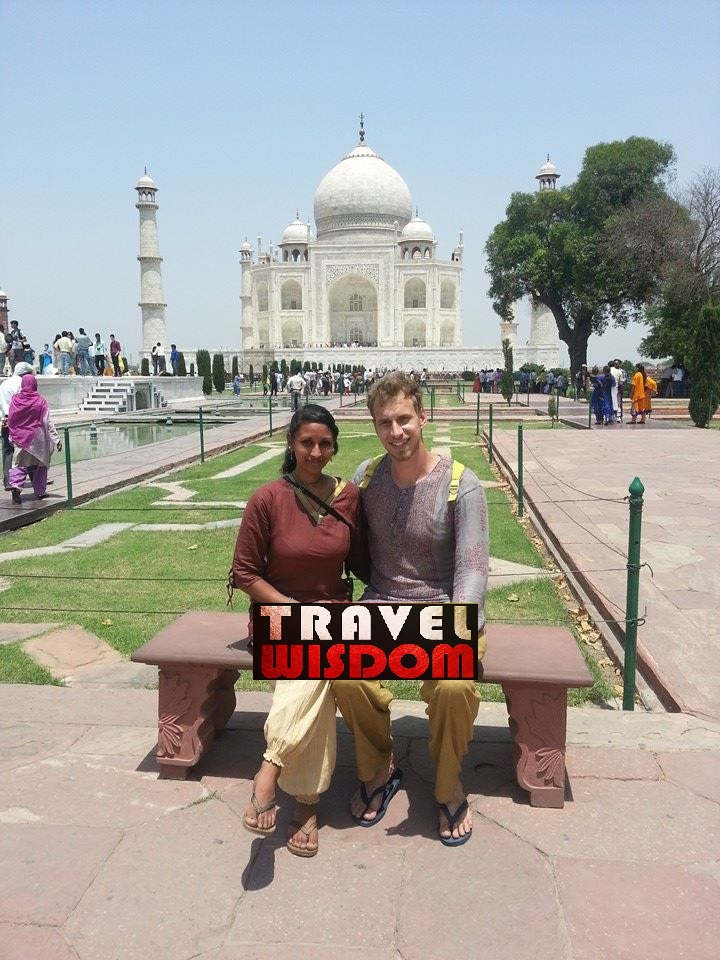
My latest travels in India and bouncing around for almost 3 months
These last few months have been crazy. If I had not already been to over 80 countries and considered myself a citizen of the world I think it would have been too intense for me. It started 10 weeks ago when I was getting ready to leave my home in Germany where I had lived for a year and a half. Germany was amazing. With a great group of classmates and friends I had many events to choose from every night and life was great! Why would I ever want to leave? And it was especially crazy to leave after enduring the cold winter, right before the amazing summer full of festivals and lounging by the river. This is a something I have been wondering ever since leaving the US and a future with a nice paying engineering career. The itch that I need to scratch, ADVENTURE!!! It is that same sense of adventure that has driven me to explore the world, go to countries I didn't know existed, and meet some of the most interesting people I had ever seen. It was always my plan that the last semester of my Masters degree would be abroad, but I had never thought of India would be a possibility. It all started after becoming interested in the work of one of my favorite professors that the idea started to form. He was working on the propulsion for nano robots, how could I not be interested?!!? And better yet, much of his collaborative work was done in India! He said it was done in Bangalore...Bangladesh he surely meant. Or was it the capitol of Bangladesh? I wasn't really sure where it was but it sounded fun! As my date began to come closer I was able to negotiate a pause from my studies. Three months would give me enough get my things in order in Germany, travel India, and get settled into my new home in this place called Bangalore. It was a brutal last few weeks because I wanted to make sure that my podcast would keep running at my twice per week rate. That meant I had to prepare 24 interviews for while I would be gone! This together with packing up my stuff, finishing up my schoolwork, saying goodbye to my friends proved to be quite time consuming. Meanwhile the trip to India was all that I could talk about. After talking to my Indian friends and professors who had come from there, I was getting anxious. Everyone had horror stories of the big cities losing power, not having water for many hours per day, and the extremely slow internet. Did I mention I host a podcast? Skype-speed internet is something that I depend on in order to provide the value that I do. I was starting to question whether I had made the right choice, by my wanderlust was egging me on! I will talk more about doing what you love and not being afraid to be the person you want to be in a later episode. As a spontaneous and carefree traveller I scoffed at my Indian-German travel companion as she carefully entered all the cities we would visit in her Excel spreadsheet. I laughed at how it was such a German stereotype to be planning so much and to be so efficient but am I glad she did it! The trains in India are overcrowded and tickets are almost impossible to get. Tickets sell out about a month in advance and if you want a same-day train ticket then you have to bribe someone and pay about three times as much. I was starting to eat my words and she told me the ever hated “I told you so.” At last, my girlfriend and I were finally on a plane. Off to India we were going! We had planned 6 weeks of travel around India before finally getting settled into our home in Bangalore. We arrived in New Delhi at a friend's house. There we got adjusted to the food and prepared for the inevitable 'Delhi belly' which never came. At that point we headed overland to Nepal, a grueling 24 hours of busses away from Delhi. For whatever reason, we decided to do this instead of flying. I guess there was a bit of a masochist in us both! We first went to Lucknow, the home of the most pure Hindi language and a city with very few tourists. Next we went on through many small cities and finally ending in Kathmandu, Nepal after many uncomfortable bus rides. Actually I was doing fine but Sonya was taking it a bit harder. I guess I am used to long bus rides after going across the African continent so 8 hours in a bus is not problem. Also I had podcasts downloaded to my phone so I had educational material to entertain me the entire way. This is something I highly recommend this because during these 8 hours it is as if I had read 2.5 books. This means that bus rides can become very educational!! Be sure to download 'Travel Wisdom' to learn even more! :P Nepal was amazing. It was so cool to just be there and the prices were even better than India. Did I mention India was cheap? Food was about $1-4 per meal and the bus ticket all the way to Nepal was around $20. In Nepal the prices were even lower and it was possible to live quite well for almost nothing. I saw Nepal as a outdoor-lovers paradise! Mountain biking, hiking, river rafting, trekking, and anything else you could imagine was all being taken care
Kristina Crowley on the importance of being visible on Google using SEO
Kristina Crowley is an Search Engine Optimization master at Harlo SEO who helps get your website noticed by Google. This can improve the visibility of your website by increasing exposure which can increase revenues. She is also the host of the Inspiration Morning podcast which helps give you positive thinking linked with action. In this episode we talk about how Kristina got into SEO and how she was able to grow her skills. She talks about how its important to maintain the basics when having a website so that the Google spiders can go in and rank you well based on having good content. There are many penalties but generally it is logical and you can get benefits by having good content which talks about what your site is about. The importance is to stay in it for the long game and not just try to cheat the system, although things can be done quickly. She also talks about the need to protect yourself from attacks from others who might want to knock you down. Finally we talk about how important it is to travel because you can start to see that we are all similar.
Alex Rawlings on finding a community to help support his healthy addiction
Alex Rawlings was voted the most linguistic youth in England in 2012 having been tested in 11 languages being under 20 years old. Now he teaches Polyglot Workshops which helps people interested in learning lots of languages do this more effectively. In this episode we talk about the language learning process and how he got started with this addiction. After realizing that other languages existed when he was young, he saw how useful they were while growing up in London around many different languages. He thought he was strange until being showcased in a BBC video about his abilities and that is how he found the polyglot community. Now he no longer thinks he is strange. We then talk about what it actually means to speak a language and the differences between 'functional' and 'fluency.' We then talk about how travel makes you reexamine your cultural assumptions.
James Woosley on how everything you do involves partnership, even DIY projects
James Woosley is the writer of Conquer the Entrepreneur's Kryptonite and the host of the podcast of the same name. He coaches entrepreneurs and business starters through the difficult processes they might go through. He teaches about the 3 P's of Profit: Product, Process and People. He can take you through the sweet spot of planning, not too much and not too little. In this show he talks about the power of adaptability especially in this increasingly changing world. He talks about the importance of having a bedrock like family especially when you are moving around the country or generally travelling. He talks about his shift into the coaching field after some mentorships and a particularly impactful conversation with a person he respected. Then about a year ago, he decided to go coaching full time after being layed off from his job. After this we talk about the importance of different types of partners you do things with. Even if you things DIY (do it yourself), you still are essentially partnering with someone to get something done, even if you do most of the work. You can't be a hermit and be successful. You also need to have a purpose, know your limits, and keep reserves otherwise you will likely fail.
Omar Zenhom on his business experience and his new project of passion
Omar Zenhom is the host of the $100 MBA podcast which was voted to be a best of 2014 podcast by iTunes. On this show Omar gives short 10 minute business guides to help people already in business or those wanting to start a business take the steps they need in order to get started. He is also the co-creater of the $100 MBA program which tries to teach all the essential things that are taught in a typical MBA program but without the $50k price tag. In this episode we talk about Omar's path to starting the $100 MBA by first being an educator in Dubai and not liking it. He talks about his father's outlook of having a stable job and how it affected his goals for his career. He chose education but soon found that there was lots of bureaucracy and improvements in the education system are very slow coming. He ended up leaving that and doing a string of start ups from auto sales to clothing before finally getting started on his Business Republic project to teach business lessons for a fraction of the price. He also talks about the importance of writing in order to clarify your ideas and to become a better communicator. Finally he talks about how travel can make you question your beliefs which can give you opportunities to grow. His joke "Why don't seagulls fly by the bay? Because then they would be bagels"