Three Buddy Problem
244 episodes — Page 3 of 5
US government's VPN advice, dropping bombs on ransomware gangs
Three Buddy Problem - Episode 26: We dive deep into the shadowy world of surveillance and cyber operations, unpacking Amnesty International's explosive report on NoviSpy, a previously unknown Android implant used against Serbian activists, and the links to Israeli forensics software vendor Cellebrite. Plus, thoughts on the US government’s controversial guidance on VPNs, Chinese reports on US intel agency hacking, TP-Link sanctions chatter, Mossad's dramatic exploding beeper operation and the ethical, legal, and security implications of escalating cyber-deterrence. Also, a mysterious BeyondTrust 0-day! Cast: Juan Andres Guerrero-Saade, Costin Raiu and Ryan Naraine.
Surveillance economics, Turla and Careto, and the AI screenshots nobody asked for
Three Buddy Problem - Episode 25: An update on Romania’s cancelled election, the implications of TikTok on democratic processes, and the broader issues around surveillance capitalism and micro-targeting. Plus, news on Turla piggybacking on cybercriminal malware to hit Ukraine, the return of Careto and the absence of IOCs, Claroty report on an Iran-linked cyberweapon targeting critical infrastructure, ethical considerations in cyberwarfare, and the implications of quantum computing on security and cryptocurrencies. Cast: Juan Andres Guerrero-Saade, Costin Raiu and Ryan Naraine.
Inside the Turla Playbook: Hijacking APTs and fourth-party espionage
Three Buddy Problem - Episode 24: In this episode, we did into Lumen/Microsoft’s revelations on Russia's Turla APT stealing from a Pakistani APT, and issues around fourth-party espionage and problems with threat actor attribution. We also discuss Citizen Lab’s findings on Monokle-like spyware implanted by Russian authorities, the slow pace of Salt Typhoon disinfection, the Solana web3.js supply chain attack affecting crypto projects, and the Romanian election crisis over Russian interference via TikTok. Cast: Juan Andres Guerrero-Saade, Costin Raiuand Ryan Naraine.
Volexity’s Steven Adair on Russian Wi-Fi hacks, memory forensics, appliance 0days and network inspectability
Three Buddy Problem - Episode 23: Volexity founder Steven Adair joins the show to explore the significance of memory analysis and the technical challenges associated with memory dumping and forensics. We dig into Volexity’s “nearest neighbor” Wi-Fi hack discovery, gaps in EDR detection and telemetry, and some real-talk on the Volt Typhoon intrusions. We also cover news on a Firefox zero-day exploited on the Tor browser, the professionalization of ransomware, ESET's discovery of a Linux bootkit (we have a scoop on the origins of this!), Binarly research on connections to LogoFAIL, and major visibility gaps in the firmware ecosystem. Cast: Juan Andres Guerrero-Saade (SentinelLabs), Costin Raiu (Art of Noh) and Ryan Naraine (SecurityWeek). Honorary buddy: Steven Adair (Volexity)

Sid Trivedi on the RSA Innovation Sandbox $5 million investment gambit
Episode sponsors: Binarly (https://binarly.io) Binary Risk Hunt (https://risk.binarly.io) In this reboot of the Security Conversations interview series, Foundation Capital partner Sid Trivedi weighs in on major changes to the RSA Innovation Sandbox, the mandatory $5M uncapped SAFE investment for all 10 finalists, and red-flag concerns around discounts and pro-rata rights. Also discussed: controversial pay-for-play dynamics involving CISOs and venture capital firms, ethical implications of CISOs taking advisory positions in startups, and the challenges of investing in seed-stage startups amidst a trend towards platformization.
Russian APT weaponized nearby Wi-Fi networks in DC, new macOS zero-days, DOJ v Chrome
Three Buddy Problem - Episode 22: We discuss Volexity’s presentation on Russian APT operators hacking Wi-Fi networks in “nearest neighbor attacks,” the Chinese surveillance state and its impact on global security, the NSA's strange call for better data sharing on Salt Typhoon intrusions, and the failures of regulatory bodies to address cybersecurity risks. We also cover two new Apple zero-days being exploited in the wild, the US Government’s demand that Google sell the Chrome browser, and the value of data in the context of AI. Cast: Juan Andres Guerrero-Saade (SentinelLabs), Costin Raiu (Art of Noh) and Ryan Naraine (SecurityWeek).
What happens to CISA now? Is deterrence in cyber possible?
Three Buddy Problem - Episode 21: We dig into an incredible government report on Iranian hacking group Emennet Pasargad and tradecraft during the Israel/Hamas war, why Predatory Sparrow could have been aimed at deterrence in cyber, and the FBI/CISA public confirmation of the mysterious Salt Typhoon hacks. Plus, discussion on hina’s cyber capabilities, the narrative around “pre-positioning” for a Taiwan conflict, the blending of cyber and kinetic operations, and the long tail of Chinese researchers reporting Microsoft Windows vulnerabilities. The future of CISA is a recurring theme throughout this episode with some speculation about what happens to the agency under the Trump administration. Cast: Juan Andres Guerrero-Saade (SentinelLabs), Costin Raiu (Art of Noh) and Ryan Naraine (SecurityWeek).
Mysterious rebooting iPhones, EDR vendors spying on hackers, Bitcoin 'meatspace' attacks
Three Buddy Problem - Episode 20: We revisit the ‘hack-back’ debate, the threshold for spying on adversaries, Palo Alto watching EDR bypass research to track threat actors, hot nuggets in Project Zero’s Clem Lecinge’s Hexacon talk, Apple’s new iOS update rebooting iPhones in law enforcement custody, the mysterious GoblinRAT backdoor, and physical ‘meatspace’ Bitcoin attacks and more details on North Korean cryptocurrency theft. Cast: Juan Andres Guerrero-Saade (SentinelLabs), Costin Raiu (Art of Noh) and Ryan Naraine (SecurityWeek).
The Sophos kernel implant, 'hack-back' implications, CIA malware in Venezuela
Three Buddy Problem - Episode 19: We explore Ivan Kwiatkowski’s essay on the limits of threat intelligence, Sophos using kernel implants to surveil Chinese hackers, the concept of ‘hack-back’ and legal implications, geopolitical layers of cyber espionage, CIA malware in Venezuela, Vatican/Mossad mentioned in high-profile Italy hacks, and Canada bracing for .gov attacks from India. Cast: Juan Andres Guerrero-Saade (SentinelLabs), Costin Raiu (Art of Noh) and Ryan Naraine (SecurityWeek).
Fortinet 0days, Appin hack-for-hire exposé, crypto heists, Russians booted from Linux kernel
Three Buddy Problem - Episode 18: This week’s show covers the White House's new Traffic Light Protocol (TLP) guidance, Reuters expose of Appin as a hack-for-hire mercenary company, Fortinet zero-day exploitation and missing CSRB investigations, major cryptocurrency heists, Apple opening Private Cloud Compute to public inspection, Russians removed from Linux kernel maintenance and China’s Antiy beefing with Sentinel One over APT reporting. Cast: Juan Andres Guerrero-Saade (SentinelLabs), Costin Raiu (Art of Noh) and Ryan Naraine (SecurityWeek).
ESET Israel wiper malware, China's Volt Typhoon response, Kaspersky sanctions and isolation
Three Buddy Problem - Episode 17: News of a wiper malware attack in Israel implicating ESET, threats from wartime hacktivists, China's strange response to Volt Typhoon attribution and Section 702 messaging, an IE zero-day discovery and web browser rot in South Korea, the ongoing isolation of Kaspersky due to sanctions, and the geopolitical influences affecting cybersecurity reporting. Cast: Juan Andres Guerrero-Saade (SentinelLabs), Costin Raiu (Art of Noh) and Ryan Naraine (SecurityWeek).
Typhoons and Blizzards: Cyberespionage and national security on front burner
Three Buddy Problem - Episode 16: We break down the new GCHQ advisory on the history and tactics of Russia’s APT29, the challenges of tracking and defending against these sophisticated espionage programs, the mysterious Salt Typhoon intrusions, the absence of technical indicators (IOCs), the risks of supply chain attacks. We also touch on the surge in zero-day discoveries, the nonstop flow of exploited Ivanti security bugs, and why the CSRB should investigate these network edge device and appliance vendors. Cast: Juan Andres Guerrero-Saade (SentinelLabs), Costin Raiu (Art of Noh) and Ryan Naraine (SecurityWeek).
Careto returns, IDA Pro pricing controversy, crypto's North Korea problem
Three Buddy Problem - Episode 15: Juanito checks in from Virus Bulletin with news on the return of Careto/Mask, a ‘milk-carton’ APT linked to Spain. We also cover the latest controversy surrounding IDA Pro's subscription model, a major new YARA update, and ongoing issues with VirusTotal's value and pricing. The conversation shifts to North Korean cyber operations, particularly the infiltration of prominent crypto companies, Tom Rid's essay on Russian disinformation results, and the US government's ICE department using commercial spyware from an Israeli vendor. Cast: Juan Andres Guerrero-Saade (SentinelLabs), Costin Raiu (Art of Noh) and Ryan Naraine (SecurityWeek).
Exploding beepers, critical CUPS flaws, Windows Recall rebuilt for security
Three Buddy Problem - Episode 14: The buddies are back together for a discussion on Juan’s LABScon keynote and mental health realities, Microsoft rewriting the Windows Recall security architecture, a new CVSS 9.9 Linux CUPS flaw, Kaspersky's controversial transition to Ultra AV, and the intelligence operations surrounding exploding pagers in Lebanon. (This episode is dedicated to the memory of Jeff Wade from Solis, who was an important part of the LABScon family.) Cast: Juan Andres Guerrero-Saade (SentinelLabs), Costin Raiu (Art of Noh) and Ryan Naraine (SecurityWeek).
Ep13: The Consolation of Threat Intel (JAG-S LABScon keynote)
Three Buddy Problem - Episode 13: This is a special edition of the show, featuring Juan Andres Guerrero-Saade's full keynote day remarks at LABScon2024. In this talk, Juanito addresses the current state of the threat intelligence industry, expressing a need for a difficult conversation about its direction and purpose. He discusses feelings of disenfranchisement among professionals, the void in meaningful work, and the importance of reclaiming control and value in cybersecurity. Juan emphasizes the need for researchers, journalists, and even VCs, to be the change to reinvigorate the industry and ensure its relevance and impact. Cast: Juan Andres Guerrero-Saade (SentinelLabs). Costin Raiu and Ryan Naraine are listening to this episode.
Ep12: Security use-cases for AI chain-of-thought reasoning
Three Buddy Problem - Episode 12: Gabriel Bernadett-Shapiro joins the show for an extended conversation on artificial intelligence and cybersecurity. We discuss the hype around OpenAI's new o1 model, AI chain-of-thought reasoning and security use-cases, pervasive chatbots and privacy concerns, and the ongoing debate between open source and closed source AI models. Cast: Gabriel Bernadett-Shapiro , Juan Andres Guerrero-Saade (SentinelLabs), Ryan Naraine (SecurityWeek). Costin Raiu is on vacation.
Ep11: Cyberwarfare takes an ominous turn
Three Buddy Problem - Episode 11: Russia's notorious GRU Unit 29155 (previously tied to assassinations, poisonings and coup attempts) now blamed for destructive cyberattacks for sabotage; FBI and DOJ take down 'Doppelganger' network spreading Russian propaganda; CISA's budget, staff, advisories and YARA rules; Influence Operations 2.0; prolific Chinese hackers and global bug-disclosure implications; North Korean hacking capabilities and 0day expertise. Cast: Juan Andres Guerrero-Saade (SentinelLabs), Costin Raiu (Art of Noh), Ryan Naraine (SecurityWeek)
Ep10: Volt Typhoon zero-day, Russia's APT29 reusing spyware exploits, Pavel Durov's arrest
Three Buddy Problem - Episode 10: Top stories this week -- Volt Typhoon zero-day exploitation of Versa Director servers, Chinese APT building botnets with EOL routers, the gap in security solutions for network devices and appliances, Russia's APT29 (Midnight Blizzard) caught reusing exploits from NSO Group and Intellexa, Microsoft’s upcoming Windows endpoint security summit in response to the CrowdStrike incident, and the arrest of Telegram’s Pavel Durov in France. Plus, the NSA is launching a podcast. Hosts: Costin Raiu (Art of Noh), Juan Andres Guerrero-Saade (SentinelLabs), Ryan Naraine (SecurityWeek)
Ep9: The blurring lines between nation-state APTs and the ransomware epidemic
Three Buddy Problem - Episode 9: On this episode, we look at the hacking scene in Taiwan, the sad state of visibility into big malware campaigns, the absence of APTs linked to the prolific MIVD Dutch intelligence agency, the blurring lines between big ransomware heists and nation-state actors caught using ransomware as a tool for sabotage and misattribution. Plus, Chinese mobile OS vendor Xiaoimi caught disabling parts of its infrastructure -- including its global app store -- to thwart Pwn2Own contestants; and news of an addition to the LABScon 2024 keynote stage. Hosts: Juan Andres Guerrero-Saade (SentinelLabs), Costin Raiu (Art of Noh), Ryan Naraine (SecurityWeek)
Ep8: Microsoft's zero-days and a wormable Windows TCP/IP flaw known to China
Three Buddy Problem - Episode 8: This week’s show digs into Microsoft’s in-the-wild zero-day woes, Patch Tuesday and the absence of IOCs, a wormable Windows TCP/IP flaw that the Chinese government knew about for months, Iran’s aggressive hacking US election targets, CrowdStrike v Qihoo360 and major problems with APT naming conventions. Hosts: Costin Raiu (Art of Noh), Juan Andres Guerrero-Saade (SentinelLabs), Ryan Naraine (SecurityWeek)
Ep7: Crowd2K and the kernel, PKFail supply chain failures, Paris trains sabotage and Russian Olympic attacks
Three Buddy Problem - Episode 7: In this episode, we try to close the book on the CrowdStrike Windows BSOD story, Microsoft VP David Weston’s technical documentation and issues around kernel access and OS resilience. We also discuss Binarly’s PKFail research, secure boot bypasses, Dan Geer and tech monoculture, software vendor liability issues and the need for inspectability in security mechanisms. The conversation explores cyber angles to train service disruptions in Paris, the history of cyber operations targeting the Olympics, the lack of public acknowledgment and attribution of cyber operations by Western intelligence agencies, and the importance of transparency and case studies in understanding and discussing cyber operations. Hosts: Juan Andres Guerrero-Saade (SentinelLabs), Costin Raiu (Art of Noh), Ryan Naraine (SecurityWeek)
Ep6: After CrowdStrike chaos, should Microsoft kick EDR agents out of Windows kernel?
Three Buddy Problem - Episode 6: As the dust settles on the CrowdStrike incident that blue-screened 8.5 million Windows computers worldwide, we dig into CrowdStrike’s preliminary incident report, the lack of transparency in the update process and the need for more robust testing and validation. We also discuss Microsoft's responsibility to avoid infinite BSOD loops, risks of deploying EDR agents on critical systems, and how an EU settlement is being blamed for EDR vendors having access to the Windows kernel. Other topics on the show include Mandiant's attribution capabilities, North Korea’s gov-backed hacking teams launching ransomware on hospitals, KnowBe4 hiring a fake North Korean IT worker, and new developments in the NSO Group surveillance-ware lawsuit. Hosts: Costin Raiu (Art of Noh), Juan Andres Guerrero-Saade (SentinelLabs), Ryan Naraine (SecurityWeek)
Ep5: CrowdStrike's faulty update shuts down global networks
Three Buddy Problem - Episode 5: Hot off the press, we dive into the news of the CrowdStrike software update that caused blue screens on computers worldwide, the resulting chaos and potential connections to the Microsoft 365 outage, the fragility of modern computing and the risks of new software paradigms. We also discuss the AT&T mega-breach and the ransom paid to delete the stolen data; the challenges of ransomware and the uncertainty surrounding the deletion of stolen data; the FBI gaining access to a password-protected phone, the prices for zero-click exploits; and the resurgence of APT 41 with expanding targets. Plus, some news on upcoming keynote speakers at LabsCon 2024. Hosts: Costin Raiu (Art of Noh), Juan Andres Guerrero-Saade (SentinelLabs), Ryan Naraine (SecurityWeek)
Ep4: The AT&T mega-breach, iPhone mercenary spyware, Microsoft zero-days
Three Buddy Problem - Episode 4: The boys delve into the massive AT&T call logs breach, the Snowflake incidents and the notion of shared-fate/shared responsibilities; news on fresh Apple notifications about mercenary spyware on iPhones and the effectiveness of notifications for different types of controversial targets. Plus, thoughts on Microsoft's zero-day disclosures and useless Patch Tuesday bulletins, AI-powered disinformation campaigns, and the US government's malware sharing initiative fading away. Hosts: Costin Raiu (Art of Noh), Juan Andres Guerrero-Saade (SentinelLabs), Ryan Naraine (SecurityWeek).
Ep3: Dave Aitel joins debate on nation-state hacking responsibilities
The 'Three Buddy Problem' Podcast Episode 3: Former NSA computer scientist Dave Aitel (Immunity Inc., Cordyceps Systems) joins Juan Andres Guerrero-Saade for a frank discussion on the OpenSSH unauthenticated remote code execution vulnerability and the challenges around patching and exploitation, the CISA 'secure-by-design' pledge and its impact on software vendor practices, Microsoft lobbying and the CSRB report, and changing face of government's attempts at cybersecurity regulations. We discuss the disruption caused by political changes and the potential implications for cybersecurity policies, impact from the Supreme Court Chevron ruling, security regulations and the challenges of writing laws for future technology, the role of CISA and its accomplishments, the debate around offensive cyber operations and the responsibility of companies like Google in addressing vulnerabilities. The need for clear separation between counterterrorism and espionage operations is highlighted, as well as the importance of understanding both defensive and offensive perspectives. Costin Raiu is on vacation.
Ep2: A deep-dive on disrupting and exposing nation-state malware ops
The 'Three Buddy Problem' Podcast Episode 2: Ryan Naraine, Costin Raiu and Juan Andres Guerrero-Saade go all-in on the discussion around Google Project Zero disrupting counter-terrorism malware operations. A deep dive on disruption vs exposure, the effects of US government sanctions on private mercenary hacking companies, hypocricy and the tricky relationship between malware researchers are the intelligence community, and the lack of 'success stories' from so-called benevolent malware. We also discuss the implications of the TeamViewer breach by a skilled Russian APT, new Microsoft notifications to Midnight Blizzard victims and share thoughts on the Polyfill.io supply chain compromise.
Ep1: The Microsoft Recall debacle, Brad Smith and the CSRB, Apple Private Cloud Compute
Welcome to Episode 1 of a brand new cybersecurity podcast discussing the biggest news stories of the week. Ryan Naraine hosts a fast-moving conversation with Juan Andres Guerrero-Saade (LABScon) and Costin Raiu (Art of Noh) on the Microsoft Recall debacle, the dark patterns emerging as big-tech embraces AI, Brad Smith's testimony and the lingering effects of the CSRB report, Apple's new Private Cloud Compute (PCC) infrastructure and Cupertino's long game. Oh, we also talk about the KL ban.

Cris Neckar on the early days of securing Chrome, chasing browser exploits
Episode sponsors: Binarly, the supply chain security experts (https://binarly.io) XZ.fail backdoor detector (https://xz.fail) Cris Neckar is a veteran security researcher now working as a partner at Two Bear Capital. In this episode, he reminisces on the early days of hacking at Neohapsis, his time on the Google Chrome security team, shenanigans at Pwn2Own/Pwnium, and the cat-and-mouse battle for browser exploit chains. We also discuss the zero-day exploit marketplace, the hype and promise of AI, and his mission to help highly technical founders bring products to market.

Costin Raiu joins the XZ Utils backdoor investigation
Episode sponsors: Binarly, the supply chain security experts (https://binarly.io) XZ.fail backdoor detector (https://xz.fail) Malware paleontologist Costin Raiu returns for an emergency episode on the XZ Utils software supply chain backdoor. We dig into the timeline of the attack, the characteristics of the backdoor, affected Linux distributions, and the reasons why 'Tia Jan' is the handiwork of a cunning nation-state. Based on all the clues available, Costin pinpoints three main suspects -- North Korea's Lazarus, China's APT41 or Russia's APT29 -- and warns that there are more of these backdoors lurking in modern software supply chains.

Katie Moussouris on building a different cybersecurity businesses
Episode sponsors: Binarly, the supply chain security experts (https://binarly.io) FwHunt (https://fwhunt.run) Katie Moussouris founded Luta Security in 2016 and bootstrapped it into a profitable business with a culture of equity and healthy boundaries. She is a pioneer in the world of bug bounties and vulnerability disclosure and serves in multiple advisory roles for the U.S. government, including the new CISA Cyber Safety Review Board (CSRB). In this episode, Moussouris discusses Luta Security's new Workforce Platform profit-sharing initiative, the changing face of the job market, criticisms of the CSRB's lack of enforcement authority, and looming regulations around zero-day vulnerability data.

Costin Raiu: The GReAT exit interview
Episode sponsors: Binarly, the supply chain security experts (https://binarly.io) FwHunt (https://fwhunt.run) Costin Raiu has spent a lifetime in anti-malware research, working on some of the biggest nation-state APT cases in history, including Stuxnet, Duqu, Equation Group, Red October, Turla and Lazarus. In this exit interview, Costin digs into why he left the GReAT team after 13 years at the helm, ethical questions on exposing certain APT operations, changes in the nation-state malware attribution game, technically impressive APT attacks, and the 'dark spots' where future-thinking APTs are living.

Danny Adamitis on an 'unkillable' router botnet used by Chinese .gov hackers
Episode sponsors: Binarly, the supply chain security experts (https://binarly.io) FwHunt (https://fwhunt.run) Danny Adamitis is a principal information security engineer at Black Lotus Labs, the threat research division within Lumen Technologies. On this episode of the show, we discuss his team's recent discovery of an impossible-to-kill botnet packed with end-of-life SOHO routers serving as a covert data transfer network for Volt Typhoon, a Chinese government-backed hacking group previously caught targeting US critical infrastructure. Danny digs into the inner workings of the botnet, the global problem end-of-life devices becoming useful tools for malicious actors, and the things network defenders can do today to mitigate threats at this layer.

Allison Miller talks about CISO life, protecting identities at scale
Episode sponsors: Binarly, the supply chain security experts (https://binarly.io) FwHunt (https://fwhunt.run) Allison Miller is founder and CEO of Cartomancy Labs and former CISO and VP of Trust at Reddit. She has spent the past 20 years scaling teams and technology at Bank of America, Google, Electronic Arts, PayPal/eBay, and Visa International. In this conversation, we discuss the convergence of security with fraud prevention and anti-abuse, the challenges and complexities in IAM implementations, the post-pandemic labor market, the evolving role of CISOs and new realities around CISO exposure to personal liability, thoughts on the 'build vs buy' debate and the nuance and dilemma of paying ransomware demands.

Rob Ragan on the excitement of AI solving security problems
Episode sponsors: Binarly (https://binarly.io) FwHunt (https://fwhunt.run) Rob Ragan, principal architect and security strategist at Bishop Fox, joins the show to share insights on scaling pen testing, the emergence of bug bounty programs, the value of attack surface management, and the role of AI in cybersecurity. We dig into the importance of proactive defense, the challenges of consolidating security tools, and the potential of AI in augmenting human intelligence. The conversation explores the potential of AI models and their impact on various aspects of technology and society and digs into the importance of improving model interaction by allowing more thoughtful and refined responses. We also discuss how AI can be a superpower, enabling rapid prototyping and idea generation. The discussion concludes with considerations for safeguarding AI models, including transparency, explainability, and potential regulations. Takeaways: Scaling pen testing can be challenging, and maintaining quality becomes difficult as the team grows. Bug bounty programs have been a net positive for businesses, providing valuable insights and incentivizing innovative research. Attack surface management plays a crucial role in identifying vulnerabilities and continuously monitoring an organization's security posture. Social engineering attacks, such as SIM swapping and phishing, require a multi-faceted defense strategy that includes technical controls, policies, and user education. AI has the potential to augment human intelligence and improve efficiency and effectiveness in cybersecurity. Improving model interaction by allowing more thoughtful and refined responses can enhance the user experience. Algorithms can be used to delegate tasks and improve performance, leading to better results in complex tasks. AI is an inflection point in technology, comparable to the internet and the industrial revolution. Can be game-changing to automate time-consuming tasks, freeing up human resources for more strategic work. Autocomplete and code generation tools like Copilot can significantly speed up coding and reduce errors. AI can be a superpower, enabling rapid prototyping, idea generation, and creative tasks. Safeguarding AI models requires transparency, explainability, and consideration of potential biases. Regulations may be necessary to ensure responsible use of AI, but they should not stifle innovation. Global adoption of AI should be encouraged to prevent technological disparities between countries.

Seth Spergel on venture capital bets in cybersecurity
Episode sponsors: Binarly (https://binarly.io) FwHunt (https://fwhunt.run) Seth Spergel is managing partner at Merlin Ventures, where he is responsible for identifying cutting-edge companies for Merlin to partner with and invest in. In this episode, Seth talks about helping startups target US federal markets, the current state of deal sizes and valuations, and the red-hot sectors in cybersecurity ripe for venture investment.

Dan Lorenc on fixing the 'crappy' CVE ecosystem
Episode sponsors: Binarly (https://binarly.io) FwHunt (https://fwhunt.run) Dan Lorenc is CEO and co-founder of Chainguard, a company that raised $116 million in less than two years to tackle open source supply chain security problems. In this episode, Dan joins Ryan to chat about the demands of building a "growth mode" startup, massive funding rounds and VC expectations, fixing the "crappy" CVE and CVSS ecosystems, managing expectations around SBOMs, and how politicians and lobbyists are framing cybersecurity issues in strange ways.

Cisco Talos researcher Nick Biasini on chasing APTs, mercenary hackers
Episode sponsors: Binarly (https://binarly.io) FwHunt (https://fwhunt.run) Nick Biasini has been working in information security for nearly two decades. In his current role as head of outreach for Cisco Talos Intelligence Group, he leads a team of threat researchers tasked with tracking nation-state APTs, mercenary hacker groups and ransomware cybercriminals. In this episode, Biasini talks about the cryptic world of threat actor attribution, the rise of PSOAs (private sector offensive actors) and why network edge devices are a happy hunting ground for attackers.

Allison Nixon on disturbing elements in cybercriminal ecosystem
Episode sponsors: Binarly (https://binarly.io) FwHunt (https://fwhunt.run) Allison Nixon is Chief Researcher at Unit 221B and a trailblazer in the world of cybercrime research. In this episode, we deep-drive into the shadowy dynamics of underground criminal communities, high-profile ransomware attacks, teenage hacking groups breaking into big companies, and the challenges of attribution and law enforcement. Allison sheds light on why companies continue to be vulnerable targets and what they're often missing in their cybersecurity strategies.

Dakota Cary on China's weaponization of software vulnerabilities
Episode sponsors: Binarly (https://binarly.io) FwHunt (https://fwhunt.run) Dakota Cary is a nonresident fellow at the Atlantic Council’s Global China Hub, conducting research on China’s efforts to develop its hacking capabilities, artificial-intelligence and cybersecurity research at Chinese universities, the People’s Liberation Army’s efforts to automate software vulnerability discovery, and new policies to improve China’s cybersecurity-talent pipeline. In this episode, Cary expands on a new report -- 'Sleight of Hand' -- that delves into the changing legal landscape for vulnerability disclosure in China, the PRC's weaponization of software vulnerabilities, advanced threat actors in China and that infamous Bloomberg 'rice grain' spy chip story.

Abhishek Arya on Google's AI cybersecurity experiments
Episode sponsors: Binarly (https://binarly.io) FwHunt (https://fwhunt.run) Abhishek Arya is director of engineering at Google, overseeing open source and supply chain security efforts that include OSS-Fuzz, SLSA, GUAC and OSV DB. In this episode, Arya talks about some early success experimenting with AI and LLMs on fuzzing and vulnerability management, the industry's over-pivoting on SBOMs, regulations and liability for software vendors, and the long road ahead for securing software supply chains.

Dr Sergey Bratus on the 'citizen science' of hacking
Episode sponsors: Binarly (https://binarly.io) FwHunt (https://fwhunt.run) Dr Sergey Bratus is a Research Associate Professor of Computer Science at Dartmouth College and a program manager at DARPA. In this episode, he discusses his pioneering work on securing parsers and patching long-forgotten devices. He also puts the AI hype into context and showers praise on the labor-of-love "citizen science" of hacking all the things.

DARPA's Perri Adams on CTF hacking, new $20M AI Cyber Challenge
Episode sponsors: Binarly (https://binarly.io) FwHunt (https://fwhunt.run) DARPA program manager Perri Adams joins the conversation to chat about her love for CTF hacking competitions, the hunt for leapfrog security technologies in DARPA’s Information Innovation Office (I2O), and the goal of the new AI Cyber Challenge (AIxCC) offering $20 million in prizes to teams competing to develop AI-driven systems to automatically secure critical code.

Ryan Hurst on tech innovation and unsolved problems in security
Episode sponsors: Binarly (https://binarly.io) FwHunt (https://fwhunt.run) Peculiar Ventures chief executive Ryan Hurst joins the show to talk about a career that spanned 20 years at Microsoft and Google, his work building the plumbing for encryption on the web, unsolved problems in BGP security, the hype and promise of AI, and Microsoft's ongoing cloud security hiccups.

Jason Chan on Microsoft's security problems, layoffs and startups
Episode sponsors: Binarly (https://binarly.io) FwHunt (https://fwhunt.run) Bessemer Venture Partner's Jason Chan returns to the show for a frank discussion on the state of cyber, including thoughts on Microsoft's prominent security failures, the meaning of layoffs hitting security teams, the excitement around AI, and the long road ahead. The former Netflix security chief also talks about merging of the IT and security functions and the importance of cybersecurity proving its value to the business.

GitHub security chief Mike Hanley on secure coding, AI and SBOMs
Episode sponsors: Binarly (https://binarly.io) FwHunt (https://fwhunt.run) GitHub security chief Mike Hanley joins the show to discuss merging the CSO and SVP/Engineering roles, securing data and code in an organization under constant attack, the thrilling promise of AI to the future of secure code, the dangers of equating SBOMs to supply chain security, and new SEC reporting rules for CISOs.

Jason Shockey, Chief Information Security Officer, Cenlar FSB
Episode sponsors: Binarly (https://binarly.io) FwHunt (https://fwhunt.run) Cenlar FSB security chief Jason Shockey joins the show to discuss the task of securing a financial institution, pivoting from a career in the military to the private sector, the current state of the job market, managing risk from APTs, and the mission of his My Cyberpath project.

Federico Kirschbaum on a life in the Argentina hacking scene
Episode sponsors: Binarly (https://binarly.io) FwHunt (https://fwhunt.run) Faraday chief executive Federico 'Fede' Kirschbaum joins the show to talk about building a startup in the vulnerability management space, the intricacies of the Argentinian hacking culture, stories of exploit writers and mercenary hackers, and the overwhelming U.S.-centric view of the cybersecurity industry.

Kymberlee Price reflects on life at the MSRC, hacker/vendor engagement, bug bounties
Episode sponsors: Binarly (https://binarly.io) FwHunt (https://fwhunt.run) Product security executive Kymberlee Price joins the show to gab about life in the trenches at the Microsoft Security Response Center (MSRC), the challenges of maintaining healthy hacker/vendor relationships, the harsh realities of bug-bounty programs, and thoughts on the cybersecurity job market.

OpenSSF GM Omkhar Arasaratnam on open-source software security
Episode sponsors: Binarly (https://binarly.io) FwHunt (https://fwhunt.run) New General Manager of the Open Source Security Foundation (OpenSSF) Omkhar Arasaratnam joins Ryan for a candid conversation on the challenges surrounding open-source software security, lessons from the Log4j crisis, the value of SBOMs, and the U.S. government efforts at securing America's software supply chains.
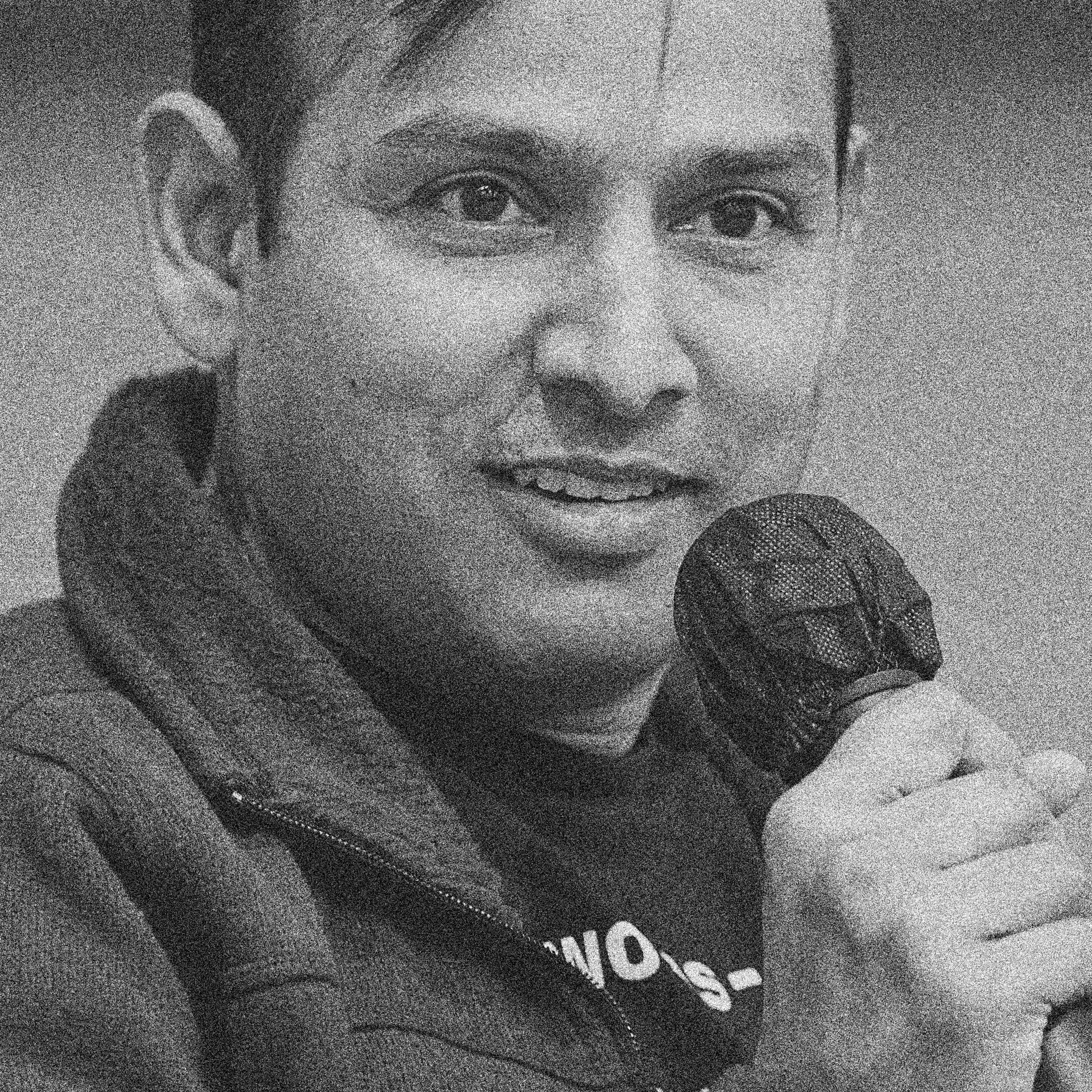
Serial entrepreneur Rishi Bhargava on building another cybersecurity company
Episode sponsors: Binarly (https://binarly.io) FwHunt (https://fwhunt.run) Rishi Bhargava and the team of entrepreneurs behind Demisto’s $560 million exit are back at it with a new startup building technology in the customer identity market. The new company, called Descope, raised an abnormally large $53 million seed-stage funding round with ambitious plans to take on rivals big and small in the customer identity and authentication space. On this episode of the podcast, Bhargava joins Ryan to talk about the VC funding landscape, the confusing 'identity' category, the responsibilities of vendors in the identity ecosystem, the emergence of Microsoft and Google as big security players, and some thoughts on the Israeli startup scene.