There's More to That
58 episodes — Page 1 of 2
The Remarkable, Amazing Stories of Route 66 Reflect the Twists and Turns of 100 Years of Americana
A Photographer's Glimpse Into the Dwindling World of the Cascade Red Fox
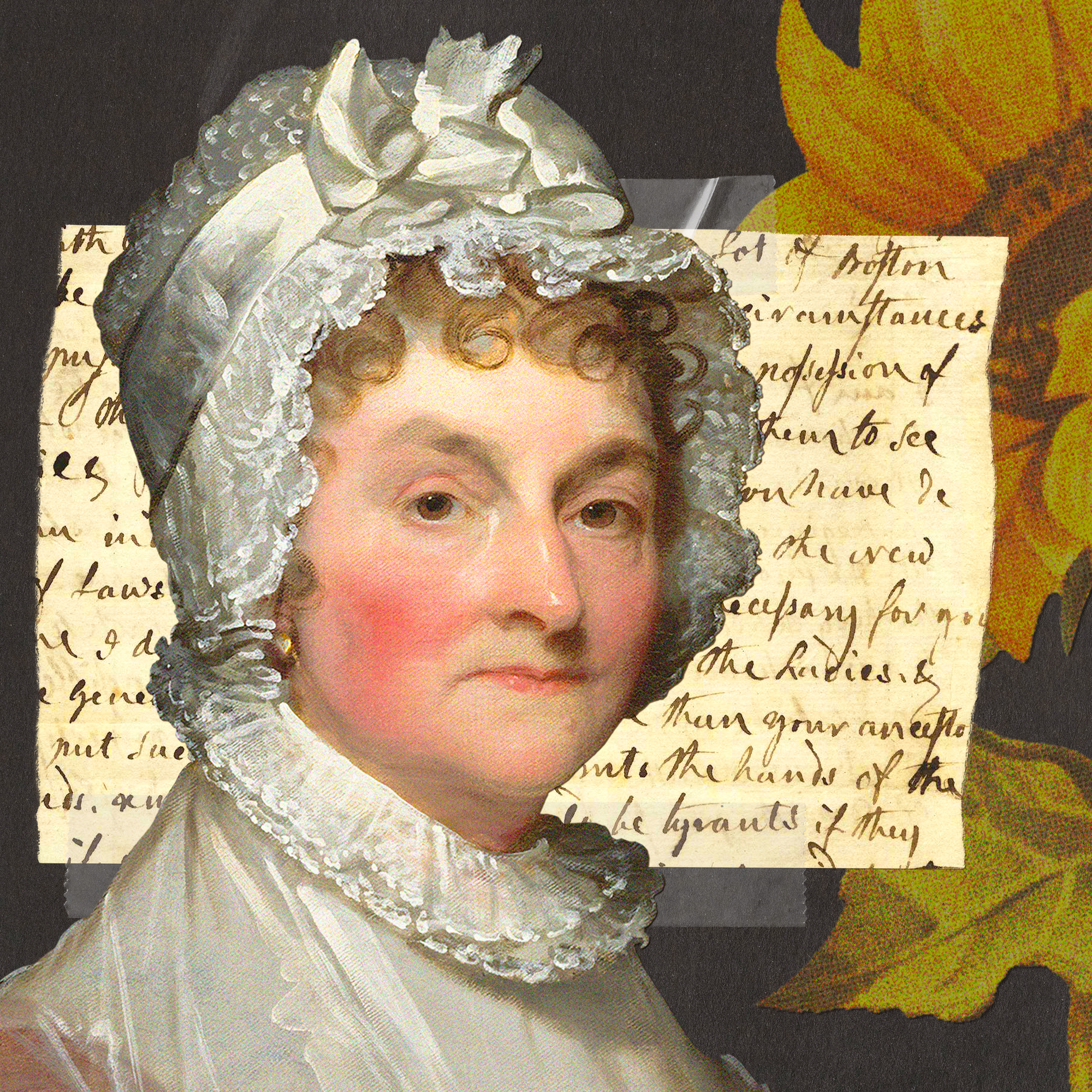
S2 Ep 24The Real Story Behind Abigail Adams' 'Remember the Ladies' Letter
In March of 1776, Abigail Adams — who would go on to become the nation’s second first lady — wrote a letter to her husband, John Adams, as he and the other founders were debating independence. She wrote, "I desire you would remember the ladies and be more generous and favorable to them than your ancestors. Do not put such unlimited power into the hands of the husbands."A common contemporary interpretation is that Abigail Adams was advocating for women’s suffrage and rights more broadly. But most historians offer an alternative understanding. They believe that she was condemning husbands who had unchecked power over their wives.In this episode, host Ari Daniel speaks with historian Cassandra Good about the role of women in revolutionary America, the importance of this letter at the time, and how it has been interpreted since.A transcript is below. To subscribe to “There’s More to That” and to listen to past episodes about Smithsonian magazine’s interactive map to celebrate the 250th birthday of the United States, the discovery of an enslaved man’s narrative about his fight for freedom, and a baseball field resurrected in a World War II-era Japanese internment camp, find us on Apple Podcasts, Spotify, iHeartRadio or wherever you get your podcasts.“There’s More to That” is a production of Smithsonian magazine and PRX Productions. From the magazine, our team is Ari Daniel, Debra Rosenberg and Brian Wolly. From PRX, our team is Ali Budner, Cleo Levin, Genevieve Sponsler, Sandra Lopez-Monsalve and Edwin Ochoa. The executive producer of PRX Productions is Jocelyn Gonzales.Fact-checking by Stephanie Abramson.Episode artwork by Emily Lankiewicz. Images via Massachusetts Historical Society / National Gallery of Art and public domain
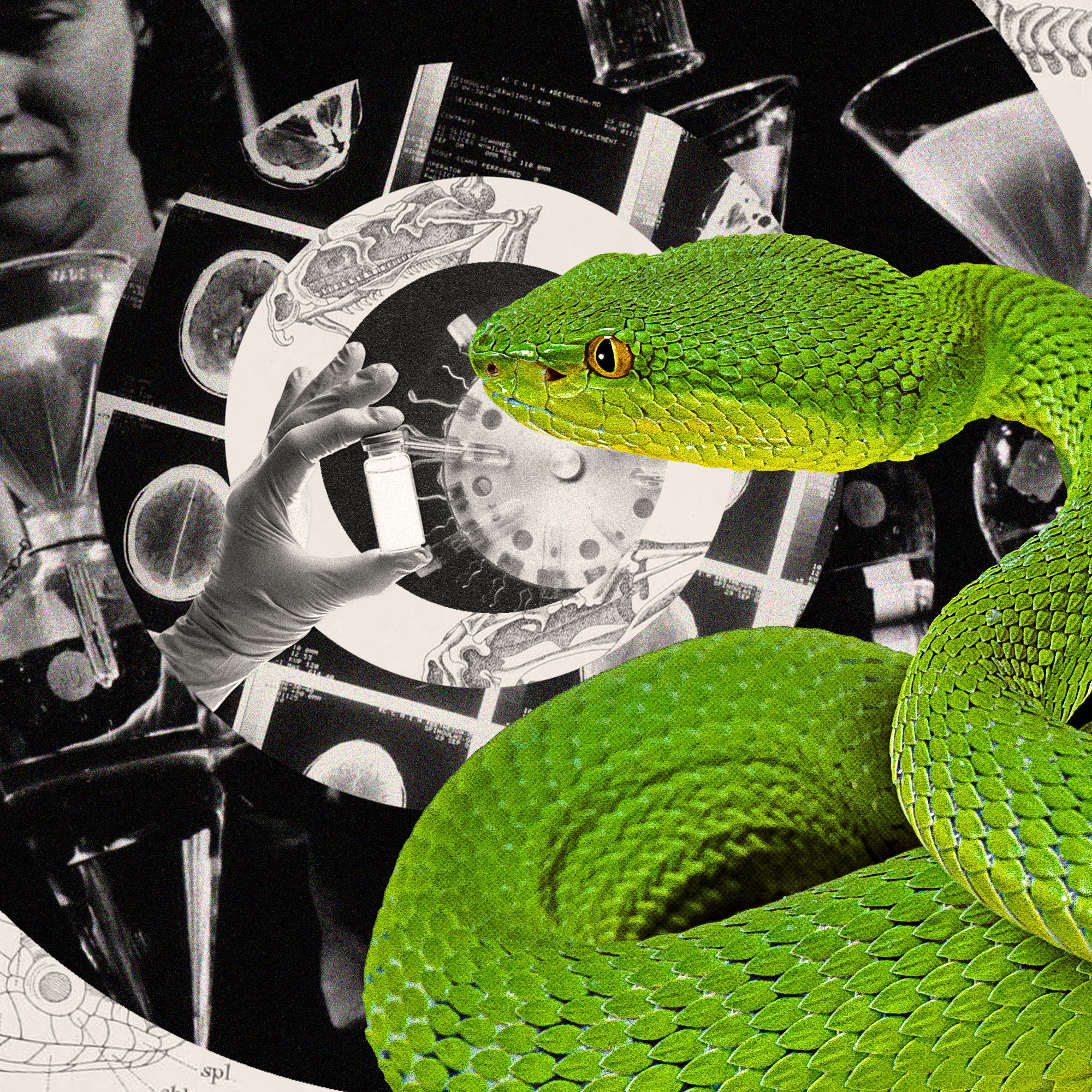
S2 Ep 23Venomous Snakes Represent a Serious Public Health Problem. Scientists Are Biting Back With a Groundbreaking Antidote
Snakes bite five million people each year, killing some 125,000 and disfiguring or blinding three times as many. Antivenoms aren’t always readily available where the problematic snakes live. They also can be deadly themselves, as they could induce life-threatening allergic reactions.Within the last couple years, however, researchers have made substantial progress toward creating safer antivenoms, reducing the chance of anaphylaxis. Some dream of a universal remedy, but venom is a complex brew, and many of its most dangerous components remain unknown to science.In this episode, host Ari Daniel speaks with journalist Victoria Malloy, who wrote a story for Smithsonian magazine about antivenoms, and researcher Irene Khalek. They discuss the danger of snakebites globally, the history of antivenoms and their traditional manufacture, and the various efforts underway to create safer versions.To subscribe to “There’s More to That,” and to listen to past episodes about the teeming world of migrating birds, bats and bugs above our heads; a prehistoric cave that entombed animals for millennia; and the army of experts and citizen scientists devoted to protecting native bees, find us on Apple Podcasts, Spotify, iHeartRadio or wherever you get your podcasts.“There’s More to That” is a production of Smithsonian magazine and PRX Productions. From the magazine, our team is Ari Daniel, Debra Rosenberg and Brian Wolly. From PRX, our team is Ali Budner, Cleo Levin, Genevieve Sponsler, Sandra Lopez-Monsalve and Edwin Ochoa. The executive producer of PRX Productions is Jocelyn Gonzales.Fact-checking by Stephanie Abramson.Episode artwork by Emily Lankiewicz. Illustration by Emily Lankiewicz / Images from Paul Starosta via Getty Images and public domain.
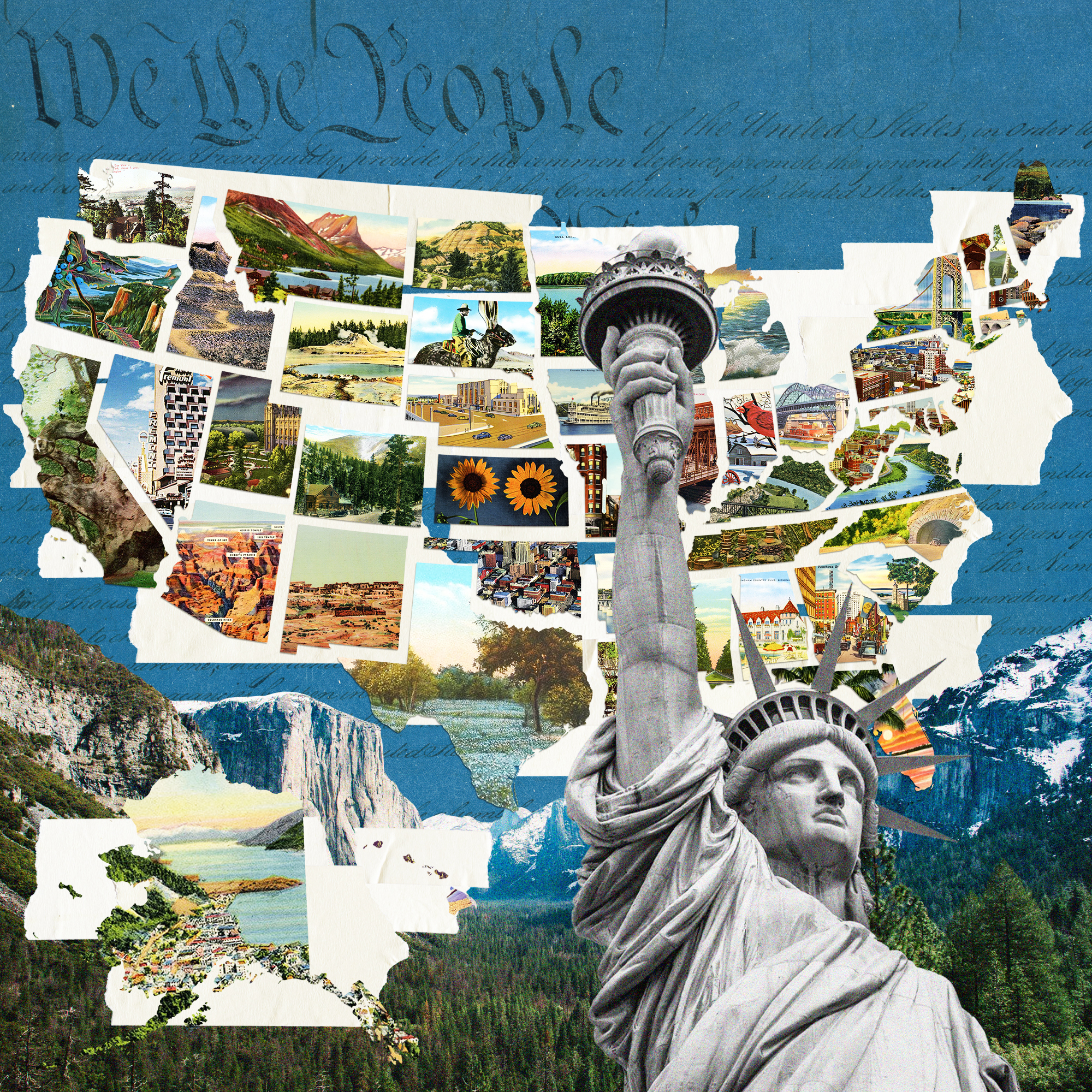
S2 Ep 22How to Fit 250 Years of American History and Culture Into One Map
In honor of the United States’ 250th birthday this year, Smithsonian magazine has curated an interactive map, “250 Places to Celebrate America.” The map features 250 of the most dramatic, intriguing, and surprising places to visit across the country, spanning ten categories including food, film and oddball Americana.In this episode, we speak with one of the editors behind the map project. In addition, we interview a preeminent historian and co-host of the podcast “This Day” to discuss the significance of the 250th anniversary, how other national birthdays have been celebrated in the past and the larger context of this moment in American history.To subscribe to “There’s More to That,” and to listen to past episodes about the growing concerns around human-made objects in orbit hurtling back toward Earth, the vast fleet of shipwrecks at the bottoms of the Great Lakes and the L.A. wildfires as viewed through the eyes of two photographers, find us on Apple Podcasts, Spotify, iHeartRadio or wherever you get your podcasts.“There’s More to That” is a production of Smithsonian magazine and PRX Productions. From the magazine, our team is Ari Daniel, Debra Rosenberg and Brian Wolly. From PRX, our team is Ali Budner, Cleo Levin, Genevieve Sponsler, Sandra Lopez-Monsalve and Edwin Ochoa. The executive producer of PRX Productions is Jocelyn Gonzales.Fact-checking by Stephanie Abramson.Episode artwork by Emily Lankiewicz. Illustration by Emily Lankiewicz / Images via public domain.

S2 Ep 21The Tragedy of the Alps’ Disappearing Glaciers for Those That Live, Visit and Ski There
Some 2,500 huts dot the landscape across the Alps. For more than two centuries, hikers and climbers have sought out these refuges as they’ve navigated the snowy, high elevations. But the mountain glaciers that have defined this region are melting, putting these huts, the entire culture of alpine hiking, and nearby towns and communities in danger.Avalanches, rockfalls, mudslides and flooding—brought on by a changing climate—are happening at a time when the Alps are more popular than ever. And the subject of an altered alpine habitat takes on additional importance amid the Winter Olympics in Italy.In this episode, we speak with Smithsonian magazine’s Megan Gambino, who edited a story on this topic, and environmental scientist Markus Stoffel, who studies how climate change is impacting higher elevations. Both are skiing enthusiasts, so the issue is personal to them as well.To subscribe to “There’s More to That,” and to listen to past episodes about the growing concerns around human-made objects in orbit hurtling back toward Earth, the vast fleet of shipwrecks at the bottoms of the Great Lakes and the L.A. wildfires as viewed through the eyes of two photographers, find us on Apple Podcasts, Spotify, iHeartRadio or wherever you get your podcasts.“There’s More to That” is a production of Smithsonian magazine and PRX Productions. From the magazine, our team is Ari Daniel, Debra Rosenberg and Brian Wolly. From PRX, our team is Ali Budner, Cleo Levin, Genevieve Sponsler, Sandra Lopez-Monsalve and Edwin Ochoa. The executive producer of PRX Productions is Jocelyn Gonzales.Fact-checking by Stephanie Abramson.Episode artwork by Emily Lankiewicz. Illustration by Emily Lankiewicz / Images from Martin Bergsma via Adobe Stock and public domain.
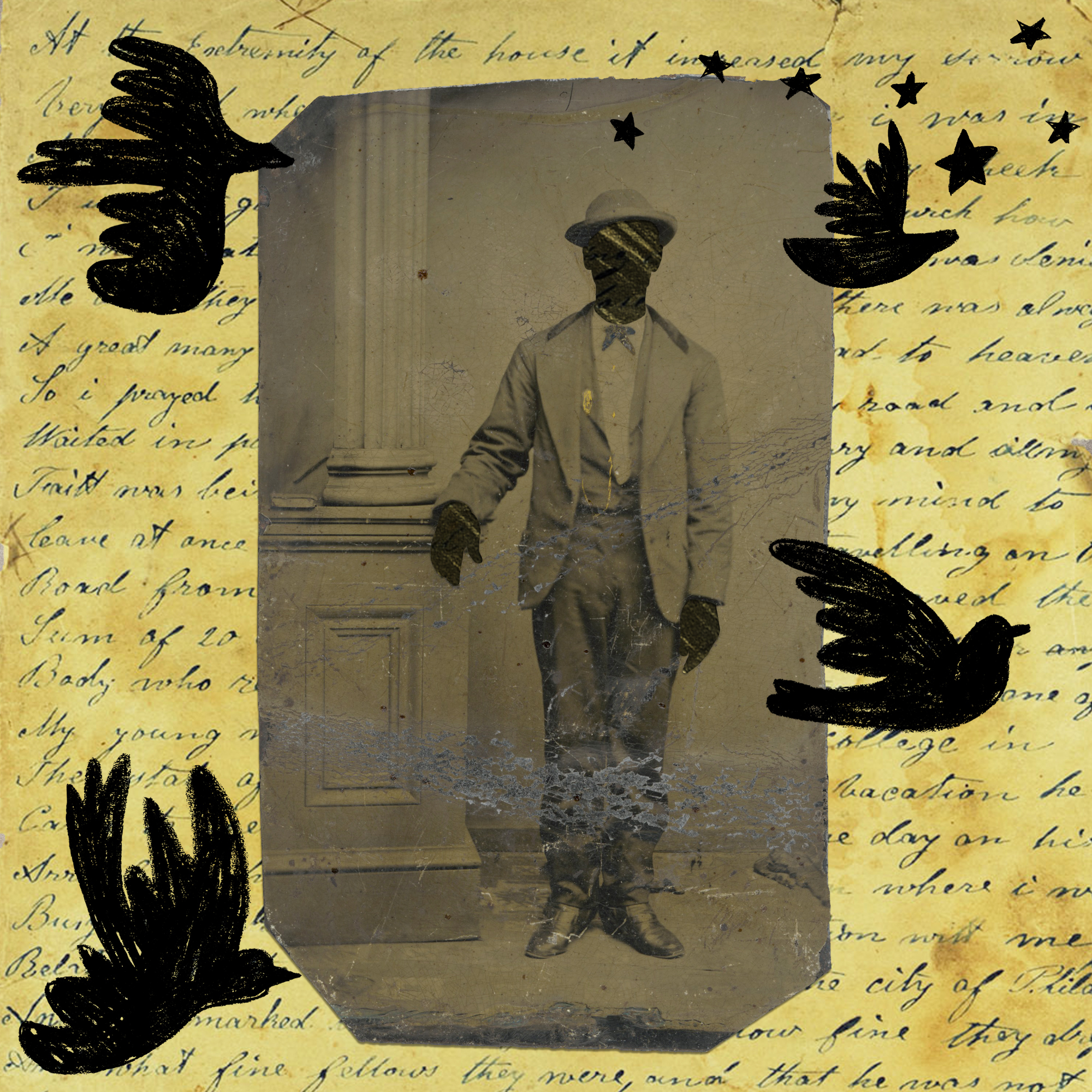
S2 Ep 20A Stunning Escape From Slavery Told on Tattered Pages
In the mid-1800s, before the Civil War, Thomas White fled his enslavement in Maryland for freedom. It was a risky escape, one that involved a horseback ride under the cover of darkness, abolitionists helping to hide him, and a northward journey through Delaware and Pennsylvania.Ultimately, he arrived—safe and free—in Massachusetts. The details of White’s flight are chronicled on 40-odd sheets of paper and were written most probably by other people who heard his story. Such slave narratives are exceedingly rare, and this one’s length made it especially unique. Smithsonian magazine wrote about the discovery last year.In this episode, we speak with Rachel Fortuna Cabral, the Roger Williams University undergraduate who helped study the manuscript, and scholar Deborah Plant to learn about White’s escape, how the papers were discovered, and what such narratives tell us about slavery and emancipation in the United States.To subscribe to “There’s More to That,” and to listen to past episodes about a recently solved mystery surrounding the burial of JFK, the only battalion during World War II composed entirely of Black women and a baseball field resurrected in a World War II-era Japanese internment camp find us on Apple Podcasts, Spotify, iHeartRadio or wherever you get your podcasts.“There’s More to That” is a production of Smithsonian magazine and PRX Productions. From the magazine, our team is Ari Daniel, Debra Rosenberg and Brian Wolly. From PRX, our team is Ali Budner, Cleo Levin, Genevieve Sponsler, Sandra Lopez-Monsalve and Edwin Ochoa. The executive producer of PRX Productions is Jocelyn Gonzales.Fact-checking by Stephanie Abramson.Episode artwork by Emily Lankiewicz. Illustration by Emily Lankiewicz / Images from Anastasiia Hevko via Adobe Stock / Collection of the Smithsonian National Museum of African American History and Culture / Cindy Elder.
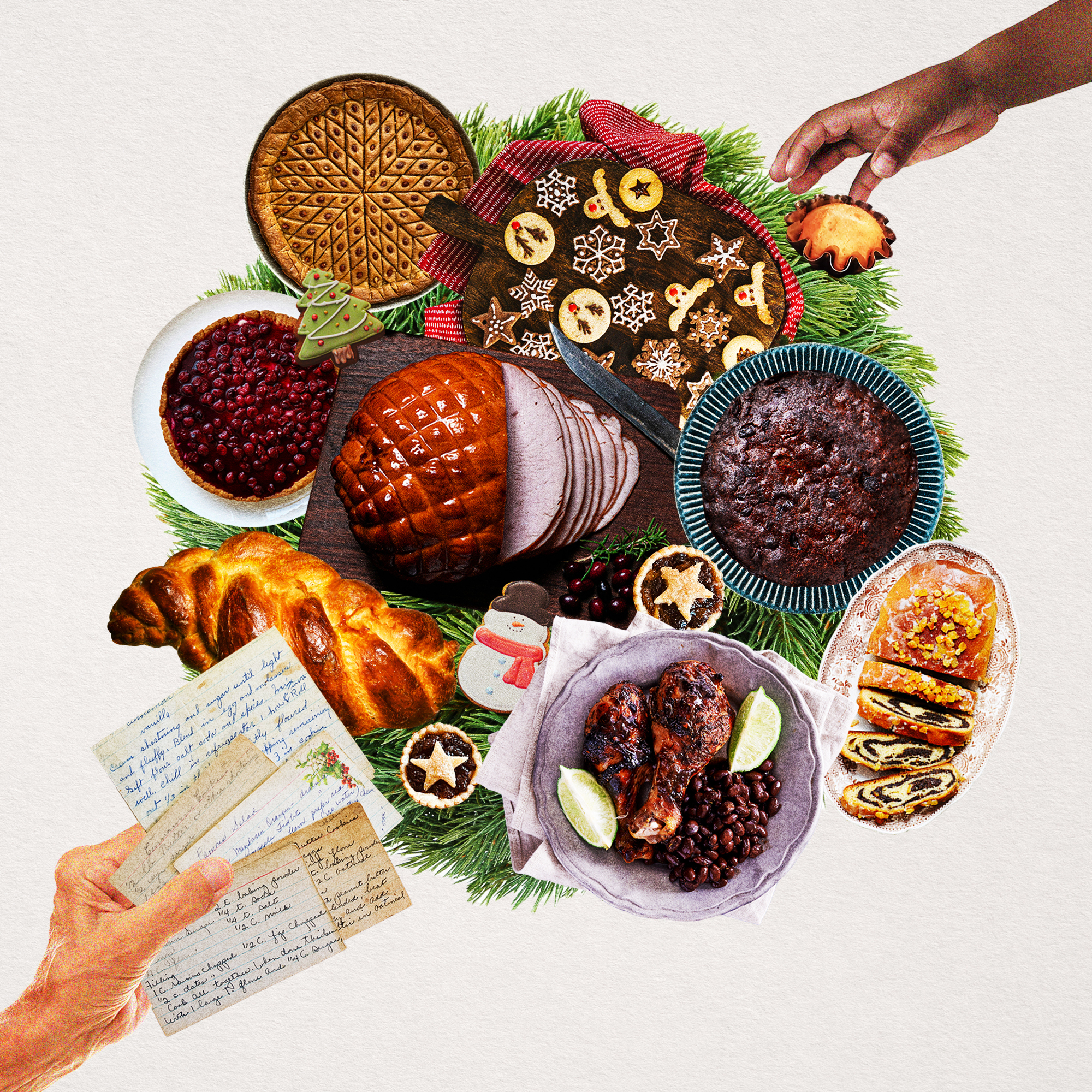
S2 Ep 19The Foods and Flavors That Make Our Holidays Delicious
Cherished recipes are often passed down from generation to generation, but how much do we know about the stories that shaped those foods? Whether a tasty cookie, a flavorful side, a resplendent showstopping entree, these dishes have a strong association with the holiday season. To celebrate, we’re honoring the origins of traditional foods lovingly prepared by two of our correspondents.In this episode, host Ari Daniel drops into two homes to explore two holiday traditions. We start with Elisa Hough, an editor at the Smithsonian Center for Folklife and Cultural Heritage, and the Filipino torta recipe that her mother prepared every Christmas. Now during the holidays, Elisa is the one making torta. And it’s the time of the year when she connects most closely to her Filipino heritage.Then we head to Jamaica where we meet Vaughn Stafford Gray, an independent journalist and former chef, who explains the history of jerk and what it means in contemporary Jamaican culture.To subscribe to “There’s More to That,” and to listen to past episodes about those who pursue the divisive durian fruit, an award-winning restaurant in New Orleans that showcases Senegalese cuisine, and using fruit depicted in Renaissance paintings to rescue modern agriculture, find us on Apple Podcasts, Spotify, iHeartRadio or wherever you get your podcasts.“There’s More to That” is a production of Smithsonian magazine and PRX Productions. From the magazine, our team is Ari Daniel, Debra Rosenberg and Brian Wolly. From PRX, our team is Ali Budner, Cleo Levin, Genevieve Sponsler, Sandra Lopez-Monsalve and Edwin Ochoa. The executive producer of PRX Productions is Jocelyn Gonzales.Fact-checking by Stephanie Abramson.Episode artwork by Emily Lankiewicz. Illustration by Emily Lankiewicz / Images by Jane Dulay / Joshua Resnick, anaumenko, annapustynnikova, zoryanchik, Kris Black, cunaplus and Africa Studio via Adobe Stock / public domain.
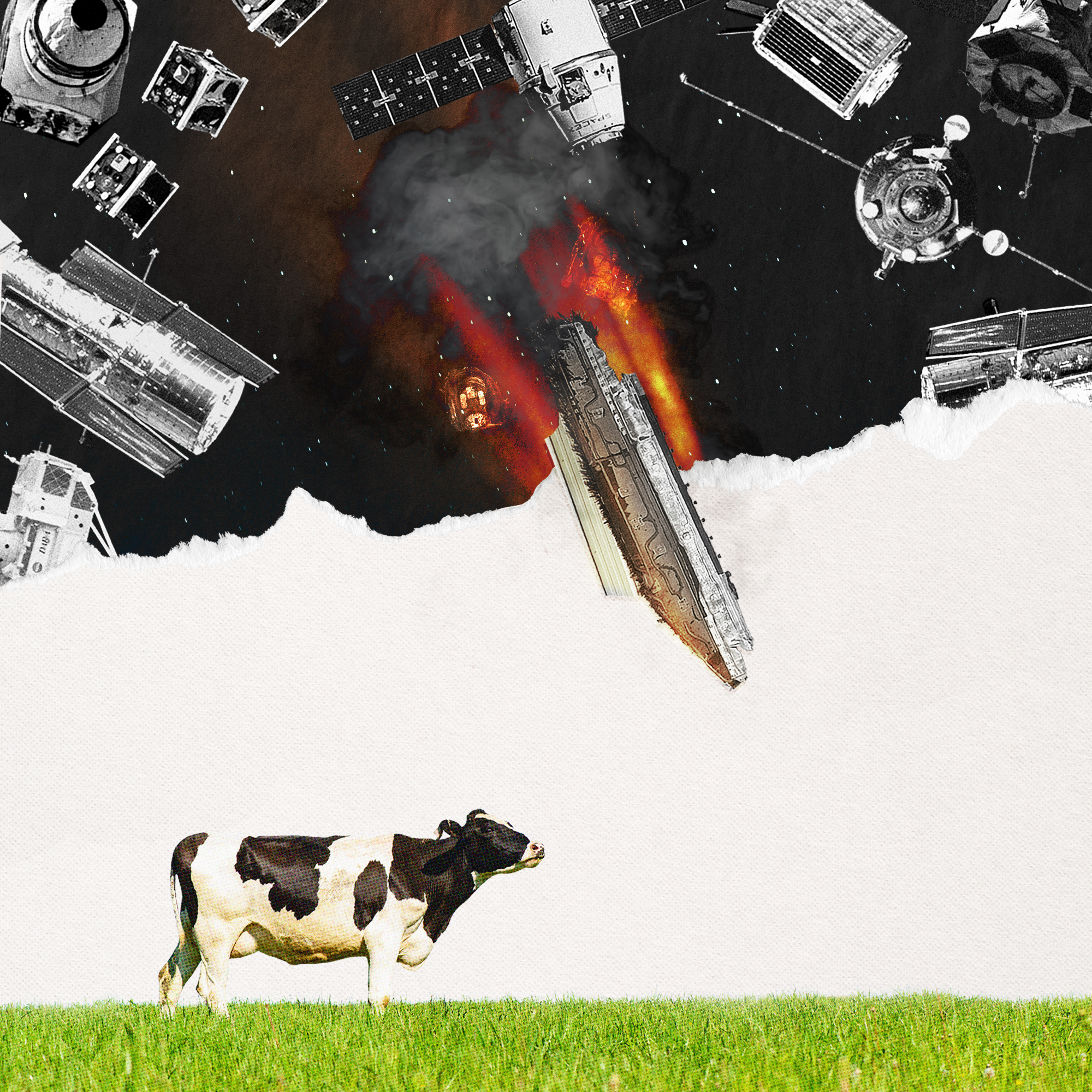
S2 Ep 18The Astronomical Problem of Space Junk
We have launched all manner of satellite and machinery into low-Earth orbit. But what goes up must come down. Most often, these items burn up in the atmosphere upon re-entry, which isn’t good for air quality or the ozone layer.But not everything incinerates — and increasing amounts of debris are hurtling back toward Earth and landing in backyards and farm fields. Falling detritus disrupts air travel and risks collision with infrastructure and people on the ground. There are those who argue that additional regulation is required around the launching and de-orbiting of these materials.In this episode, host Ari Daniel speaks with astronomer Samantha Lawler and Smithsonian contributing writer Dan Falk about space junk and the concern among researchers that it is becoming a growing threat to public safety.To subscribe to “There’s More to That,” and to listen to past episodes about all the shipwrecks hidden beneath the waters of the Great Lakes; the river of birds, bats and bugs fluttering, often invisibly, in the skies above; and the story behind the timelessness of Superman, find us on Apple Podcasts, Spotify, iHeartRadio or wherever you get your podcasts.“There’s More to That” is a production of Smithsonian magazine and PRX Productions. From the magazine, our team is Ari Daniel, Debra Rosenberg and Brian Wolly. From PRX, our team is Ali Budner, Cleo Levin, Genevieve Sponsler, Sandra Lopez-Monsalve and Edwin Ochoa. The executive producer of PRX Productions is Jocelyn Gonzales.Fact-checking by Stephanie Abramson.Episode artwork by Emily Lankiewicz. Illustration by Emily Lankiewicz / Images by Samantha Lawler / NASA / smspsy via Adobe Stock and public domain.
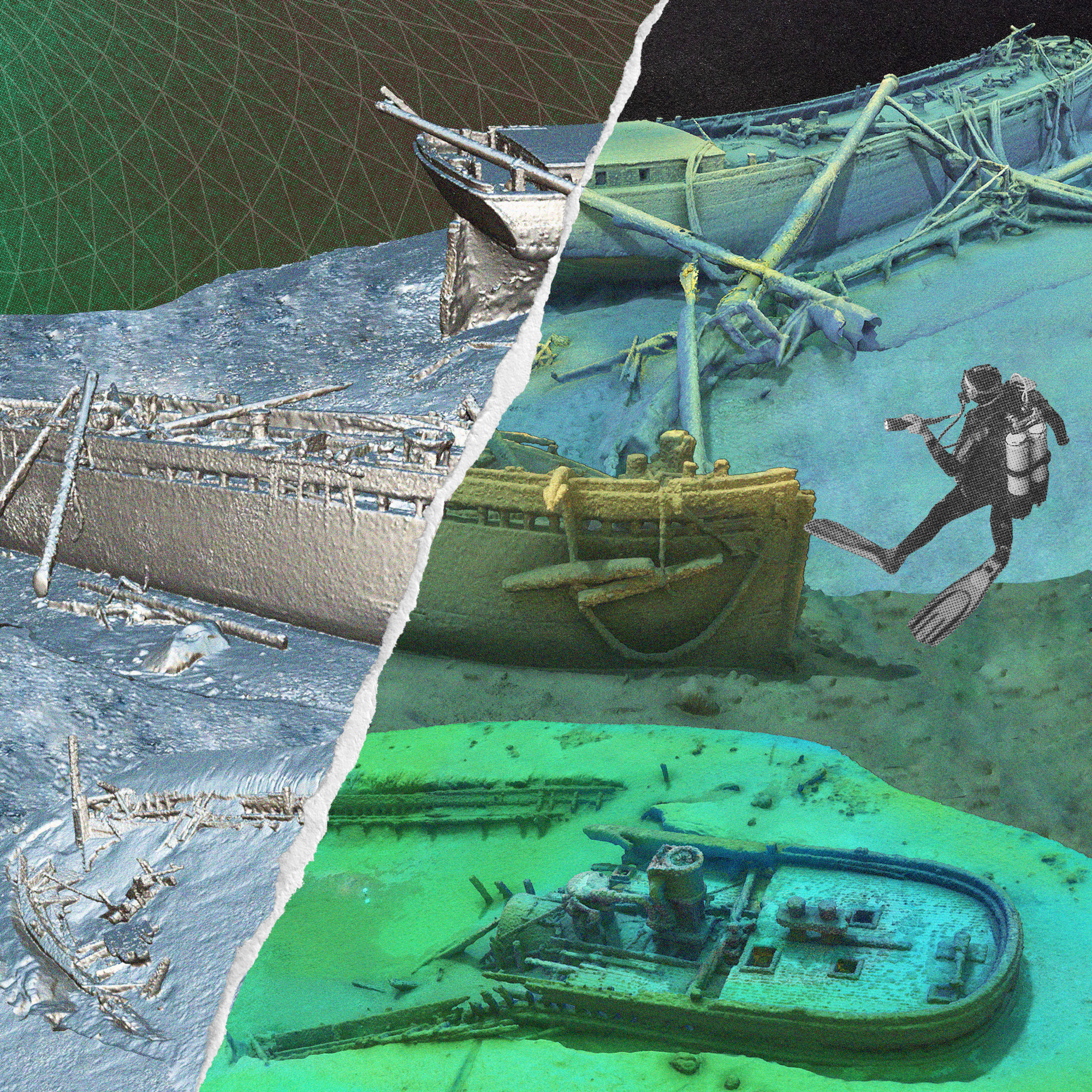
S2 Ep 17Why Are There So Many Shipwrecks in the Great Lakes?
Beneath the waters of the Great Lakes, thousands of shipwrecks, hulking carcasses of a bygone era, have been hiding for generations, just waiting to be revealed. Once someone stumbles upon one of these sunken treasures in Lake Michigan or Lake Superior, Tamara Thomsen gets a call.Thomsen is a maritime archaeologist with the Wisconsin Historical Society’s Maritime Preservation and Archaeology program. Her job is to investigate and survey shipwreck sites. Over the years, Thomsen has added some of these ships to the National Register of Historic Places. And she and her colleagues have also unearthed dugout canoes that were fashioned thousands of years old by the Indigenous people who lived on this land.In this episode, host Ari Daniel speaks with Thomsen about how she took up this profession, why she views shipwrecks as time capsules, why so many vessels met their watery grave on the Great Lakes, and how one stays warm at depth when diving for these wrecks for hours at a time.To subscribe to “There’s More to That,” and to listen to past episodes about the S.S. Edmund Fitzgerald, the return of a set of important belongings to the Lakota community and a baseball field resurrected in a World War II-era Japanese internment camp, find us on Apple Podcasts, Spotify, iHeartRadio or wherever you get your podcasts. “There’s More to That” is a production of Smithsonian magazine and PRX Productions. From the magazine, our team is Ari Daniel, Debra Rosenberg and Brian Wolly. From PRX, our team is Ali Budner, Cleo Levin, Genevieve Sponsler, Sandra Lopez-Monsalve and Edwin Ochoa. The executive producer of PRX Productions is Jocelyn Gonzales.Fact-checking by Stephanie Abramson.Episode artwork by Emily Lankiewicz. Illustration by Emily Lankiewicz / Images by Zach Whitrock / Wisconsin Historical Society and public domain.
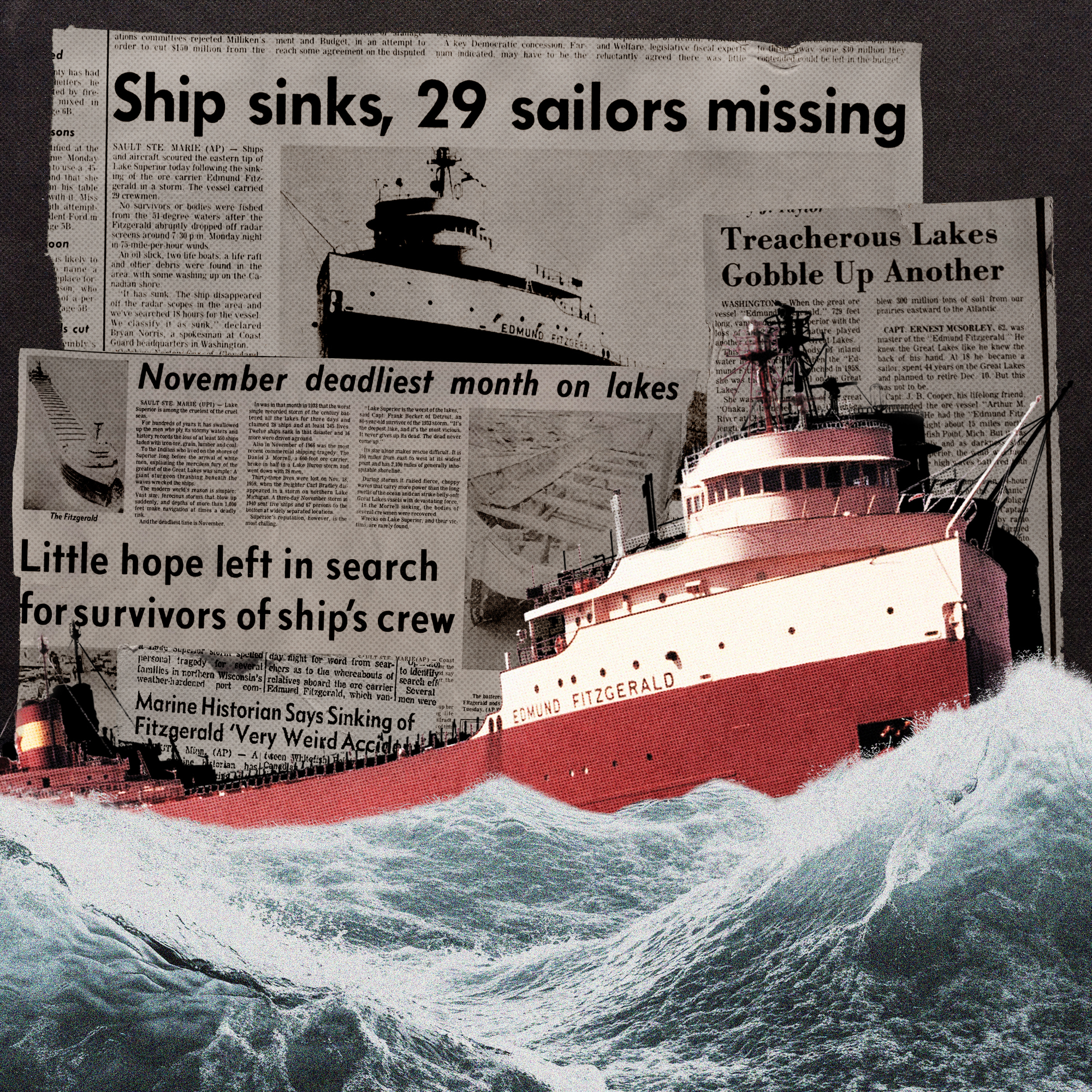
S2 Ep 16The ‘Edmund Fitzgerald’ Sank Half a Century Ago. We’re Still Fascinated.
Half a century ago, on an unseasonably warm fall day, the freighter SS Edmund Fitzgerald set off from the western edge of Lake Superior with a cargo full of iron ore. Within hours, a ferocious storm gathered in strength, ultimately producing 50-foot waves and sinking the prized vessel. There were no survivors. The exact cause of its demise remains unknown.Over the decades, many ships have faced a similar fate on the Great Lakes, a part of the world that some say is more dangerous than the open ocean. But the tragedy of the Edmund Fitzgerald looms the largest in our collective national memory — and it led to changes in the maritime industry that dramatically improved the safety of shipping.In this episode, host Ari Daniel speaks with author John U. Bacon about what made the Edmund Fitzgerald famous even before it sank, what we know and don’t know about the crew’s final moments, and the ship’s lasting legacy.Read more coverage of the sinking of the Fitzgerald here.To subscribe to “There’s More to That,” and to listen to past episodes about the return of a set of important belongings to the Lakota community, the search for the remains of three fallen World War II airmen, and the role that enslaved Africans and Southern colonists played in launching the American Revolution, find us on Apple Podcasts, Spotify, iHeartRadio or wherever you get your podcasts.“There’s More to That” is a production of Smithsonian magazine and PRX Productions. From the magazine, our team is Ari Daniel, Debra Rosenberg and Brian Wolly. From PRX, our team is Ali Budner, Cleo Levin, Genevieve Sponsler, Sandra Lopez Monsalve and Edwin Ochoa. The executive producer of PRX Productions is Jocelyn Gonzales.Fact-checking by Stephanie Abramson.Episode artwork by Emily Lankiewicz. Illustration by Emily Lankiewicz / Photo by Lake Superior Maritime Collection at the University of Wisconsin-Superior Special Collections and Archives, Bob Campbell / Images by mdnahidkha23 via Adobe Stock, Newspapers.com and public domain
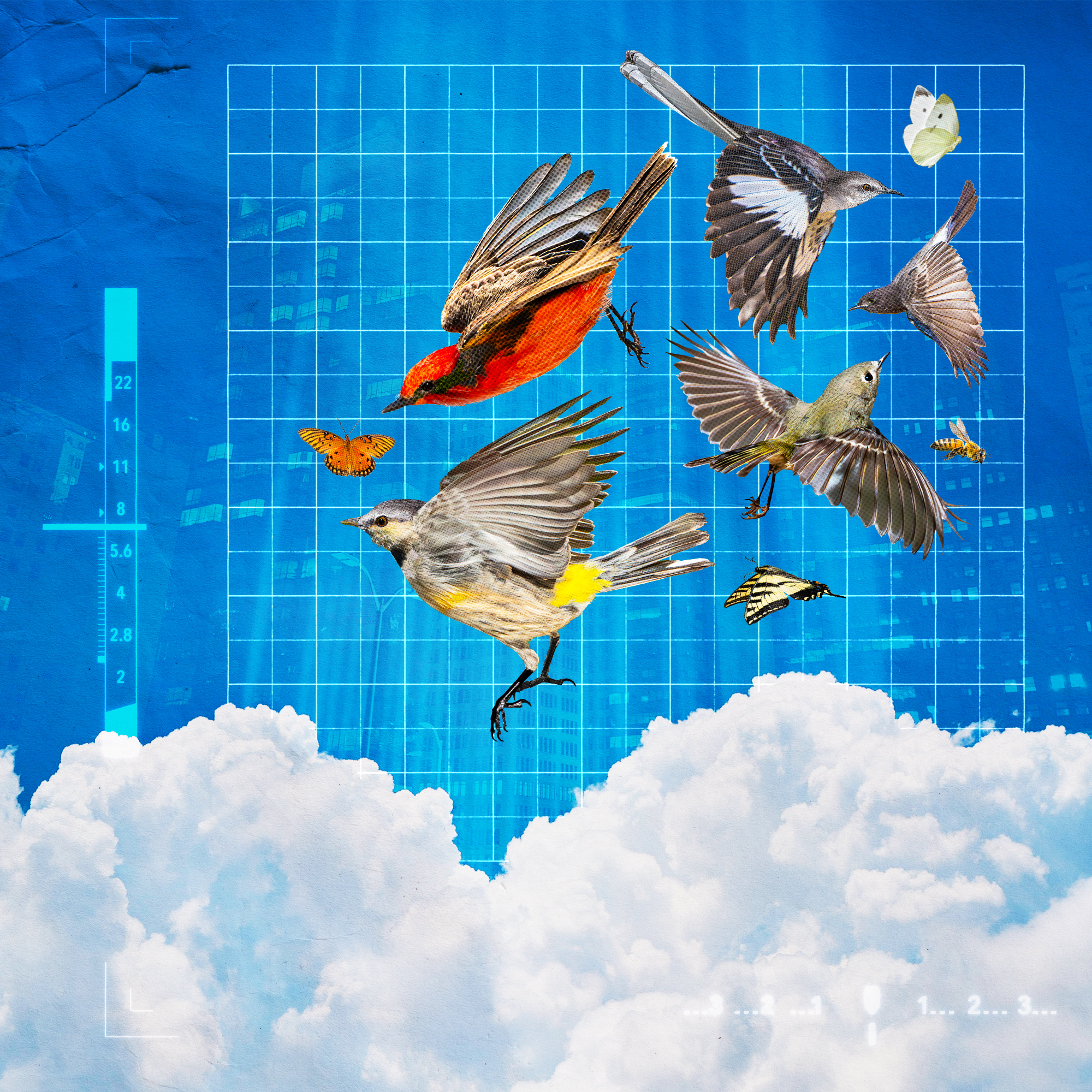
S2 Ep 15Birds, Bats and Bugs: The Teeming World Above Our Heads
The skies above us are filled with legions of migrating birds, bats, bugs and microbes. And yet we know little about their movements and intentions, mostly because this ethereal world has largely been inaccessible for research. But new technologies are providing a window into how animals use their aerial habitat to travel and hunt.The burgeoning field is called “aeroecology,” and researchers are revealing just how substantially humans are altering the world overhead—with deadly consequences for flying animals. The new insights are giving us ways to make the air safer for these creatures.In this episode, host Ari Daniel speaks with Dustin Partridge of the New York City Bird Alliance as he directs the intermittent shutdown of the iconic Tribute in Light to protect disoriented birds during 9/11 this year. And we hear from Smithsonian contributing writer Jim Robbins about what aeroecology is telling us about the ecosystem above.To subscribe to “There’s More to That,” and to listen to past episodes about the army of people devoted to saving native bees, the prehistoric cave that entombed animals for millennia and the sex lives of dinosaurs, find us on Apple Podcasts, Spotify, iHeartRadio or wherever you get your podcasts.“There’s More to That” is a production of Smithsonian magazine and PRX Productions. From the magazine, our team is Ari Daniel, Debra Rosenberg and Brian Wolly. From PRX, our team is Jessica Miller, Genevieve Sponsler, Adriana Rosas Rivera, Cleo Levin, Sandra Lopez Monsalve and Edwin Ochoa. The executive producer of PRX Productions is Jocelyn Gonzales.Fact-checking by Stephanie Abramson. Our music is from APM Music.Episode artwork by Emily Lankiewicz. Illustration by Emily Lankiewicz / Photos by malik / Jim via Adobe Stock / Dina Litovsky and public domain.

S2 Ep 14A Chance for Healing, 170 Years After a Lakota Massacre
This fall, 69 belongings made their way home to the Rosebud Reservation in South Dakota from the Smithsonian’s National Museum of Natural History in Washington, D.C. These items, which included buffalo robes, blankets, moccasins and a doll, had been taken from the Lakota community after the Blue Water Massacre in 1855, the first major ambush on a Native American community by the U.S. Army. It would become the start of a decades-long campaign against the Plains tribes that would end with the death and displacement of numerous Native Americans.The return of the belongings offers a modicum of closure, but the pain of the massacre lives on among those on the reservation today. In this episode of Smithsonian magazine’s podcast “There’s More to That,” host Ari Daniel speaks with Ione Quigley and Karen Little Thunder, two members of the Rosebud Sioux tribe, and Smithsonian contributing writer Tim Madigan about the journey of these belongings from their birthplace to a museum and back.To subscribe to “There’s More to That,” and to listen to past episodes about the search for the remains of fallen airmen from World War II, a baseball field resurrected in a Japanese internment camp and a deeper look at lesser known stories of the American Revolution, find us on Apple Podcasts, Spotify, iHeartRadio or wherever you get your podcasts.“There’s More to That” is a production of Smithsonian magazine and PRX Productions. From the magazine, our team is Ari Daniel, Debra Rosenberg and Brian Wolly. From PRX, our team is Jessica Miller, Genevieve Sponsler, Adriana Rosas Rivera, Cleo Levin, Sandra Lopez Monsalve, Pedro Rafael Rosado and Edwin Ochoa. The executive producer of PRX Productions is Jocelyn Gonzales.Fact-checking by Stephanie Abramson. Our music is from APM Music.Episode artwork by Emily Lankiewicz. Photos by Gary Whitton / Nawaphon via Adobe Stock and public domain.
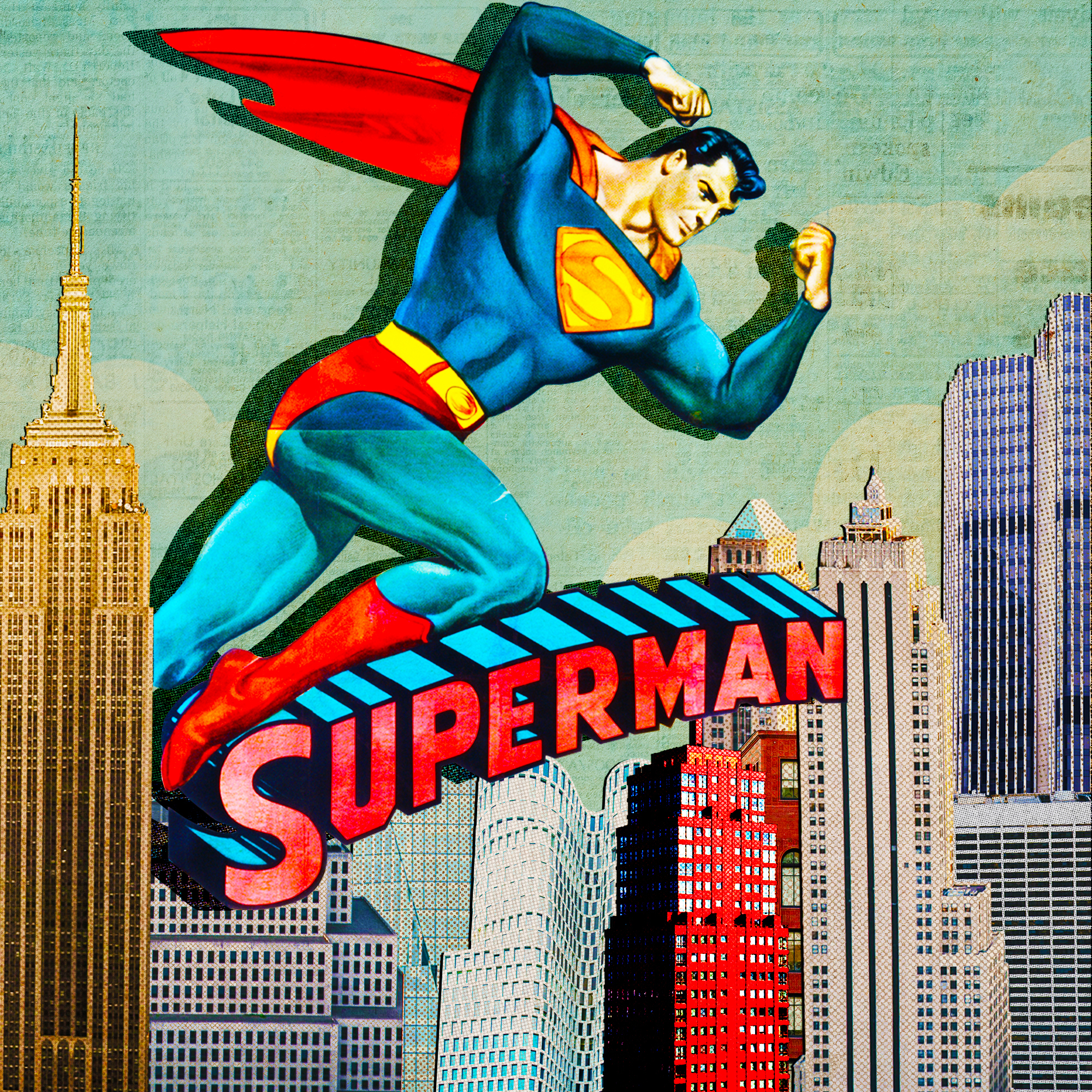
S2 Ep 13How Superman Became a Character for the Ages
This summer’s big blockbuster, Superman, marks the latest installment of the Man of Steel — a character whose identity has evolved over the decades, connecting with the concerns and ideas of the day. Even the phrase he may be best known for — “Truth, Justice, and the American Way” — has changed to suit new vibes and new markets. Superman’s persona transcends any one classification. He is Kal-El, an alien sent to Earth by parents with hopes of a better life for their child. He is Clark Kent, a good ole boy from Kansas who moves to the big city and works a 9 to 5. Completing the trifecta is his identity as a formidable superhero who battles fictional enemies including Lex Luthor and real-life villains like Hitler and Stalin.Because Superman has alternated between being the mouthpiece of American power and that of the disenfranchised and oppressed, he has often been misunderstood. In this episode, host Ari Daniel speaks with Smithsonian contributing writer Samantha Baskind about what these different “Supermen” have meant throughout history and what it means for his legacy today.To subscribe to “There’s More to That,” and to listen to past episodes about the search for the remains of fallen airmen from World War II, the magic of what lies beneath the city of Rome, and a deeper look at lesser-known stories of the American Revolution, find us on Apple Podcasts, Spotify, iHeartRadio or wherever you get your podcasts.“There’s More to That” is a production of Smithsonian magazine and PRX Productions. From the magazine, our team is Ari Daniel, Debra Rosenberg and Brian Wolly. From PRX, our team is Jessica Miller, Genevieve Sponsler, Adriana Rosas Rivera, Sandra Lopez Monsalve and Edwin Ochoa. The executive producer of PRX Productions is Jocelyn Gonzales.Fact-checking by Stephanie Abramson. Our music is from APM Music.Episode artwork by Emily Lankiewicz. Illustration by Emily Lankiewicz / Photos: Swim Ink 2, LLC / Corbis via Getty Images and public domain.
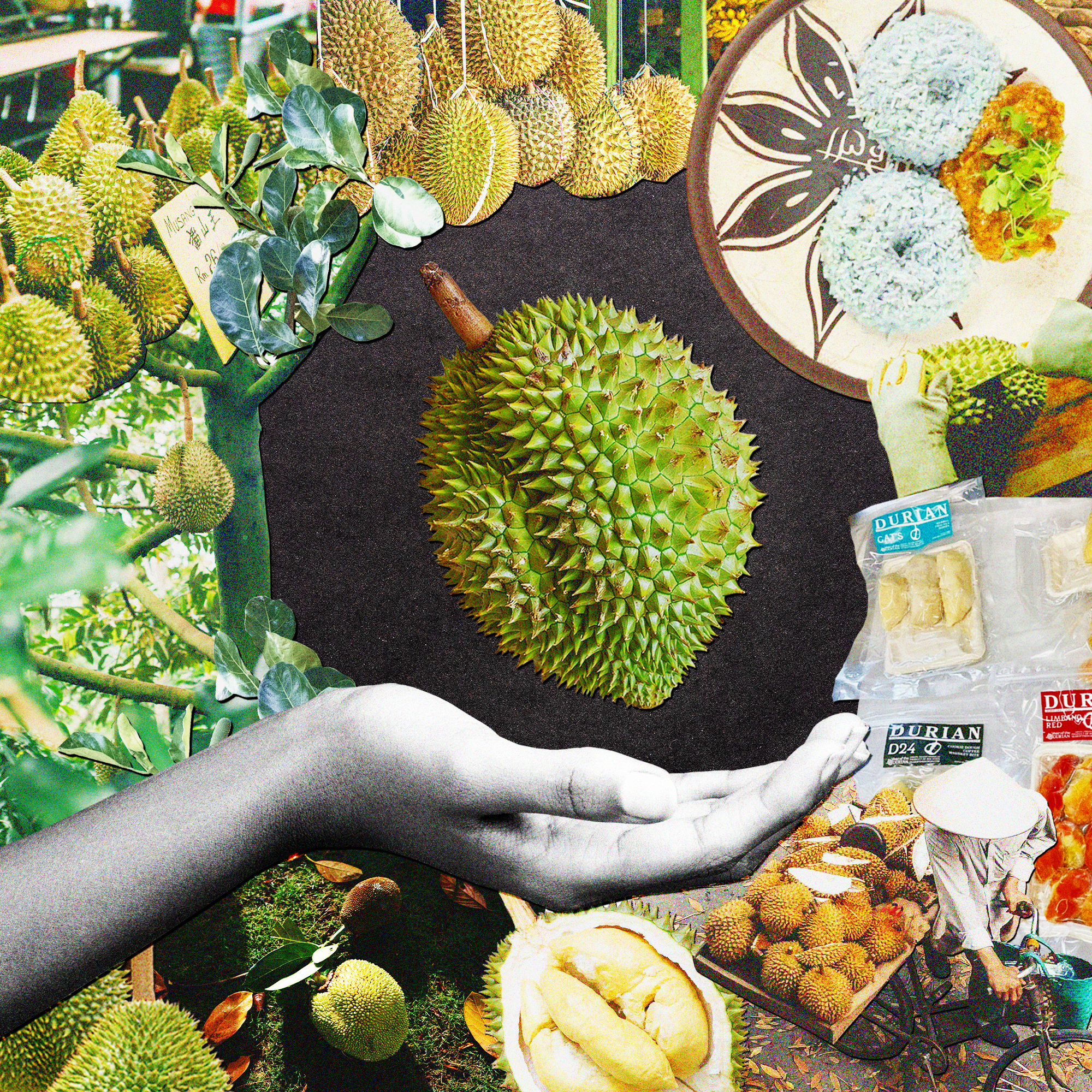
S2 Ep 12Why You Should Love Durian, the World's Smelliest Fruit
The durian, a spiky fruit that grows across Southeast Asia, has a polarizing reputation for its pungent odor and strong taste. There are the durian haters — people who experience waves of revulsion at the mere thought of consuming one.And then there are the superfans who sing its praises and travel the world to experience the rare and complex bliss it inspires on the palate. Those who relish this fruit say there’s a lot to love. It can be eaten raw (shortly after falling from the tree) or prepared as the hero of both sweet and savory dishes.In this episode, host Ari Daniel travels with his children to a San Francisco restaurant to interview its chef and owner, Azalina Eusope, about her love of durian and the cuisine it inspires. And he speaks with Smithsonian contributing writer Tom Downey about his trip to Malaysia to experience the euphoria of fresh durian firsthand.To subscribe to “There’s More to That,” and to listen to past episodes about using fruit depicted in Renaissance paintings to rescue modern agriculture, an award-winning restaurant in New Orleans that showcases Senegalese cuisine, and a prehistoric pit that entombed animals for millennia, find us on Apple Podcasts, Spotify, iHeartRadio or wherever you get your podcasts.“There’s More to That” is a production of Smithsonian magazine and PRX Productions. From the magazine, our team is Ari Daniel, Debra Rosenberg and Brian Wolly. From PRX, our team is Jessica Miller, Genevieve Sponsler, Adriana Rosas Rivera, Sandra Lopez Monsalve and Edwin Ochoa. The executive producer of PRX Productions is Jocelyn Gonzales.Fact-checking by Stephanie Abramson. Our music is from APM Music.Episode artwork by Emily Lankiewicz. Photos courtesy of Dr. Susumu Tomiya and public domain.
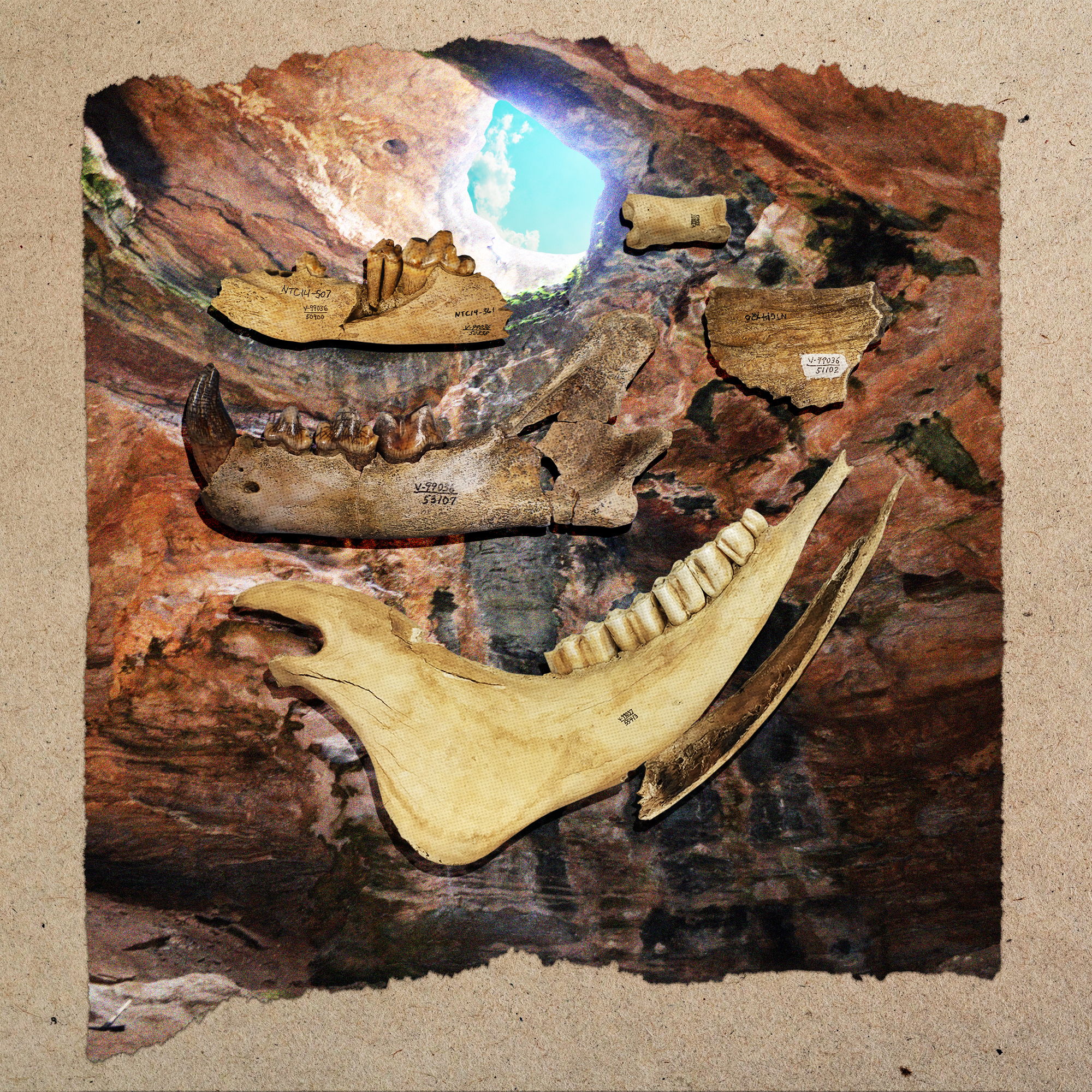
S2 Ep 11The Prehistoric Cave That Trapped and Entombed Animals for Millennia
Natural Trap Cave is a pit in northern Wyoming into which countless animals have fallen and met their untimely demise since the Pleistocene. Paleontologists today find the cave a treasure trove — a stunning record of the species that have long roamed the area. The mammalian fossils left behind shed light on the climate, food sources and migration patterns of these species from earlier eras.Careful excavation work over the years that has involved sifting for bones, extracting ancient DNA, and looking for prehistoric pollen has revealed not just the plants and animals that once populated this part of the world, but also the ecosystems and climates that governed it. It also has required some rather advanced rappelling skills.In this episode, host Ari Daniel speaks with vertebrate paleontologist Julie Meachen and Smithsonian contributing writer Michael Ray Taylor about what rappelling into Natural Trap Cave reveals about its contents and what it can tell us about Earth’s past.To subscribe to "There’s More to That," and to listen to past episodes about the sex lives of dinosaurs, the numerous archaeological treasures that await beneath the city of Rome, and the science of roadkill, find us on Apple Podcasts, Spotify, iHeartRadio or wherever you get your podcasts.“There’s More to That” is a production of Smithsonian magazine and PRX Productions. From the magazine, our team is Ari Daniel, Debra Rosenberg and Brian Wolly. From PRX, our team is Jessica Miller, Genevieve Sponsler, Adriana Rosas Rivera, Sandra Lopez Monsalve and Edwin Ochoa. The executive producer of PRX Productions is Jocelyn Gonzales.Fact-checking by Stephanie Abramson. Our music is from APM Music.Episode artwork by Emily Lankiewicz. Photos courtesy of Dr. Susumu Tomiya and public domain.
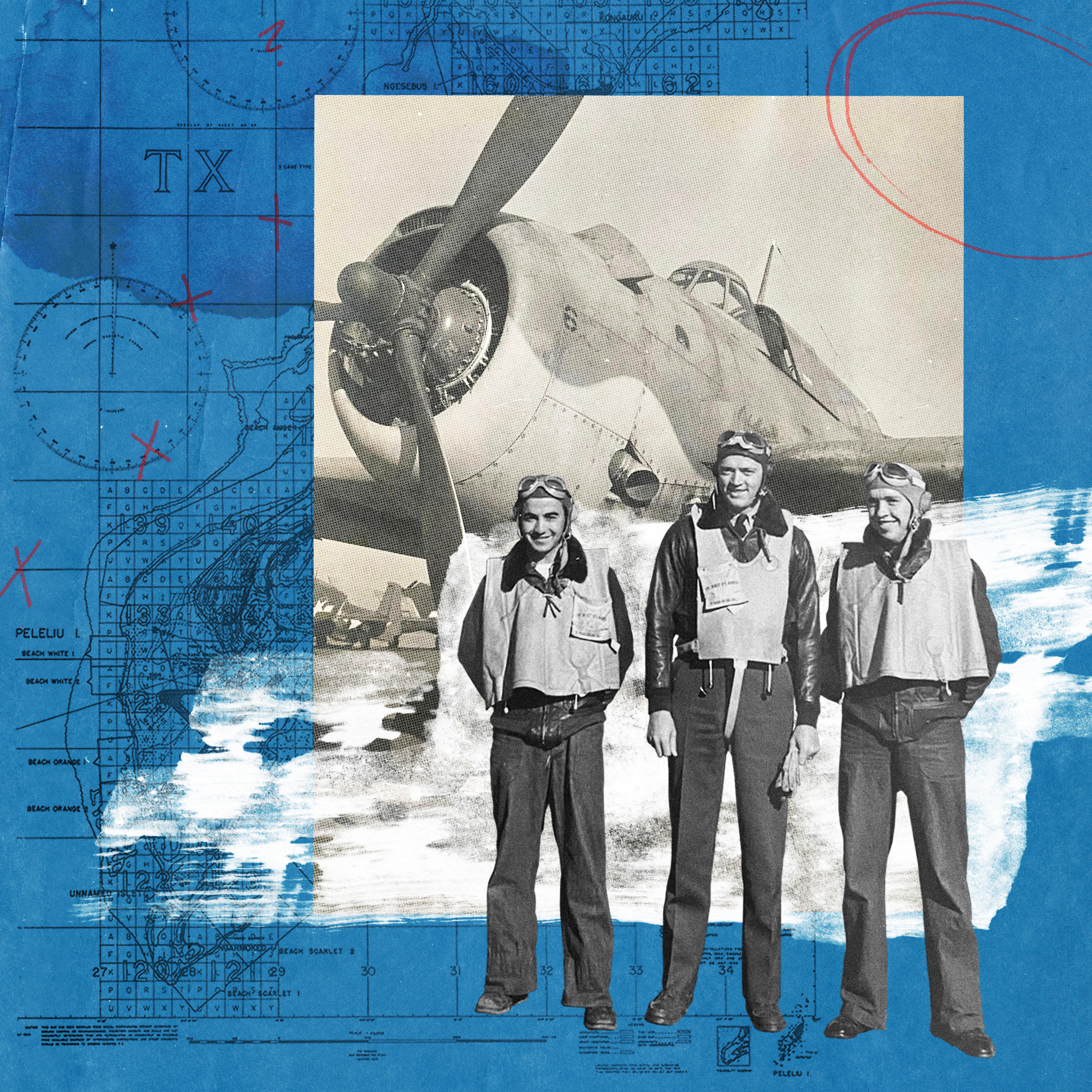
S2 Ep 10The Stunning Search for the Remains of Fallen WWII Airmen
In the fall of 1944, Japanese fighters opened fire on a wave of U.S. planes near Palau, including a bomber carrying pilot Jay Ross Manown Jr., gunner Anthony Di Petta and navigator Wilbur Mitts. Their aircraft crashed into the sea, and the three men were “presumed dead.” They were assigned by the Navy, like so many others, to a purgatorial category—not likely to be alive, but not declared dead, either.Decades later, a group known as Project Recover worked relentlessly to track down the wreckage and then exhume the bones whose DNA could be tested. They ultimately identified the remains of all three crewmembers, allowing them to be laid to rest and giving a sense of closure to their families.Host Ari Daniel speaks with Stephen Mihm, who wrote about this effort for Smithsonian magazine. And he interviews Rebecca Sheets, Manown’s niece, about what her uncle’s recovery meant for her and her family.To subscribe to “There’s More to That,” and to listen to past episodes about the untold stories of the American Revolution, baseball at a Japanese internment camp and a recently solved mystery surrounding the burial of President John F. Kennedy, find us on Apple Podcasts, Spotify, iHeartRadio or wherever you get your podcasts.“There’s More to That” is a production of Smithsonian magazine and PRX Productions. From the magazine, our team is Ari Daniel, Debra Rosenberg and Brian Wolly. From PRX, our team is Jessica Miller, Genevieve Sponsler, Adriana Rosas Rivera, Sandra Lopez Monsalve and Edwin Ochoa. The executive producer of PRX Productions is Jocelyn Gonzales.Fact-checking by Stephanie Abramson. Our music is from APM Music.Episode artwork by Emily Lankiewicz. Photo courtesy of the Mitts and Di Petta Families. Images via Ike Skelton Combined Arms Research Library and public domain.
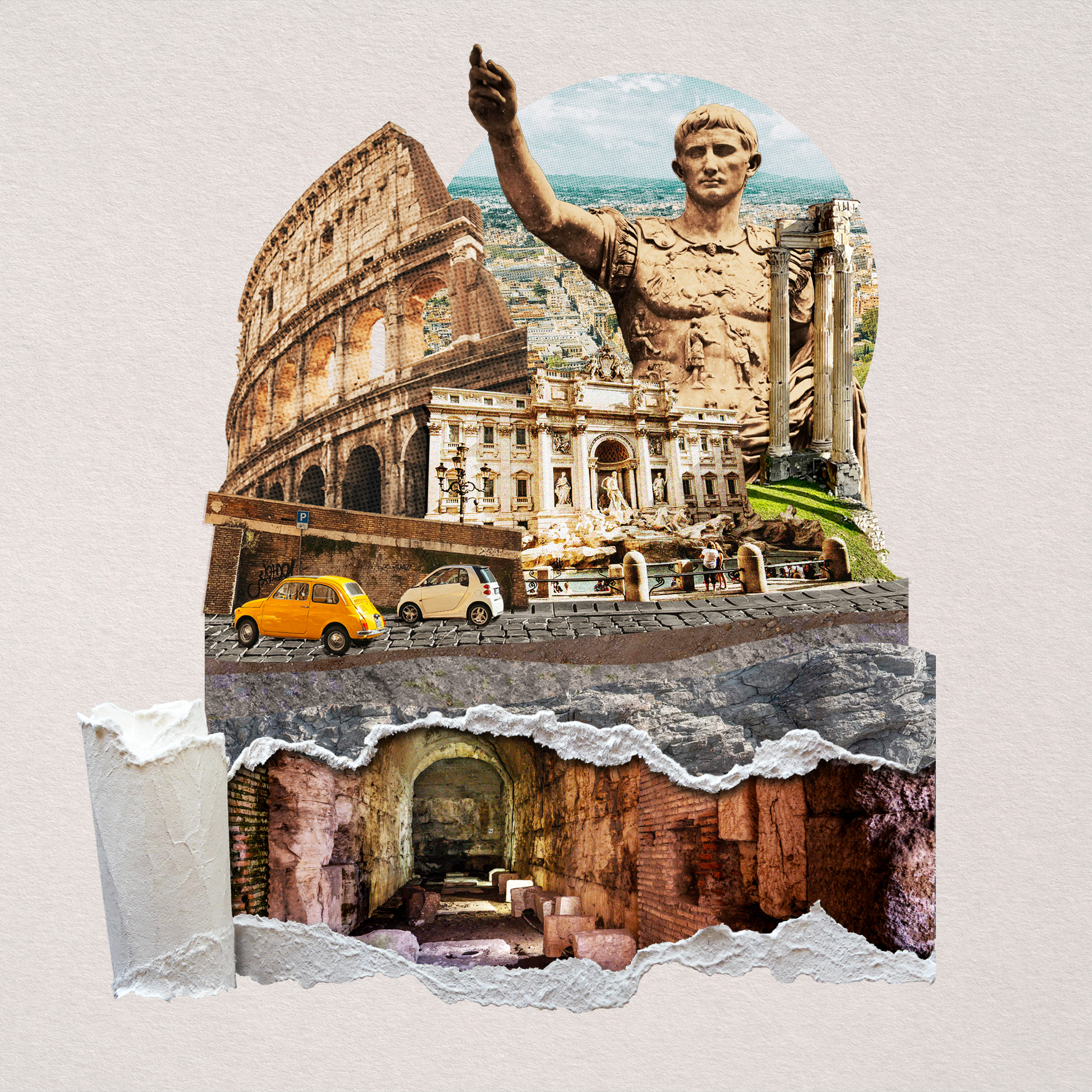
S2 Ep 9The Joys of Discovering the Roman Underground, From the Colosseum to What’s Beneath the Trevi Foundation
Tourism is surging in many places around the world—swarmed national parks, throngs of visitors amassing in churches and museums, and sidewalk cafes overburdened with diners. In this episode, we’d like to offer a less crowded way to be a tourist: consider going underground. This summer is a Jubilee Year in Rome, so the city will be more packed than ever. But below the traffic jams and bustle of pedestrians in the streets of Rome lie its subterranean sites, which include ancient aqueducts, pagan shrines and even apartment complexes built centuries ago. While tourists pound the pavement visiting the iconic landmarks aboveground, explorers can search beneath the streets of the Eternal City for a different perspective on ancient—and modern—Roman life. Host Ari Daniel speaks with Smithsonian contributing writer Tony Perrottet, who wrote recently about Rome’s underworld—the city lurking beneath the city. And he offers numerous tips to listeners who want to explore these fascinating and tranquil sites for themselves.To subscribe to “There’s More to That,” and to listen to past episodes about the use of Italian Renaissance paintings to improve the farming of tomorrow, a special baseball field at a Japanese internment camp and the use of artificial intelligence to make ancient scrolls readable again, find us on Apple Podcasts, Spotify, iHeartRadio or wherever you get your podcasts.“There’s More to That” is a production of Smithsonian magazine and PRX Productions. From the magazine, our team is Ari Daniel, Debra Rosenberg and Brian Wolly. From PRX, our team is Jessica Miller, Genevieve Sponsler, Adriana Rosas Rivera, Sandra Lopez Monsalve and Edwin Ochoa. The executive producer of PRX Productions is Jocelyn Gonzales.Fact-checking by Stephanie Abramson. Our music is from APM Music.Episode artwork by Emily Lankiewicz. Photos by Tim Bieber via Getty Images and public domain.
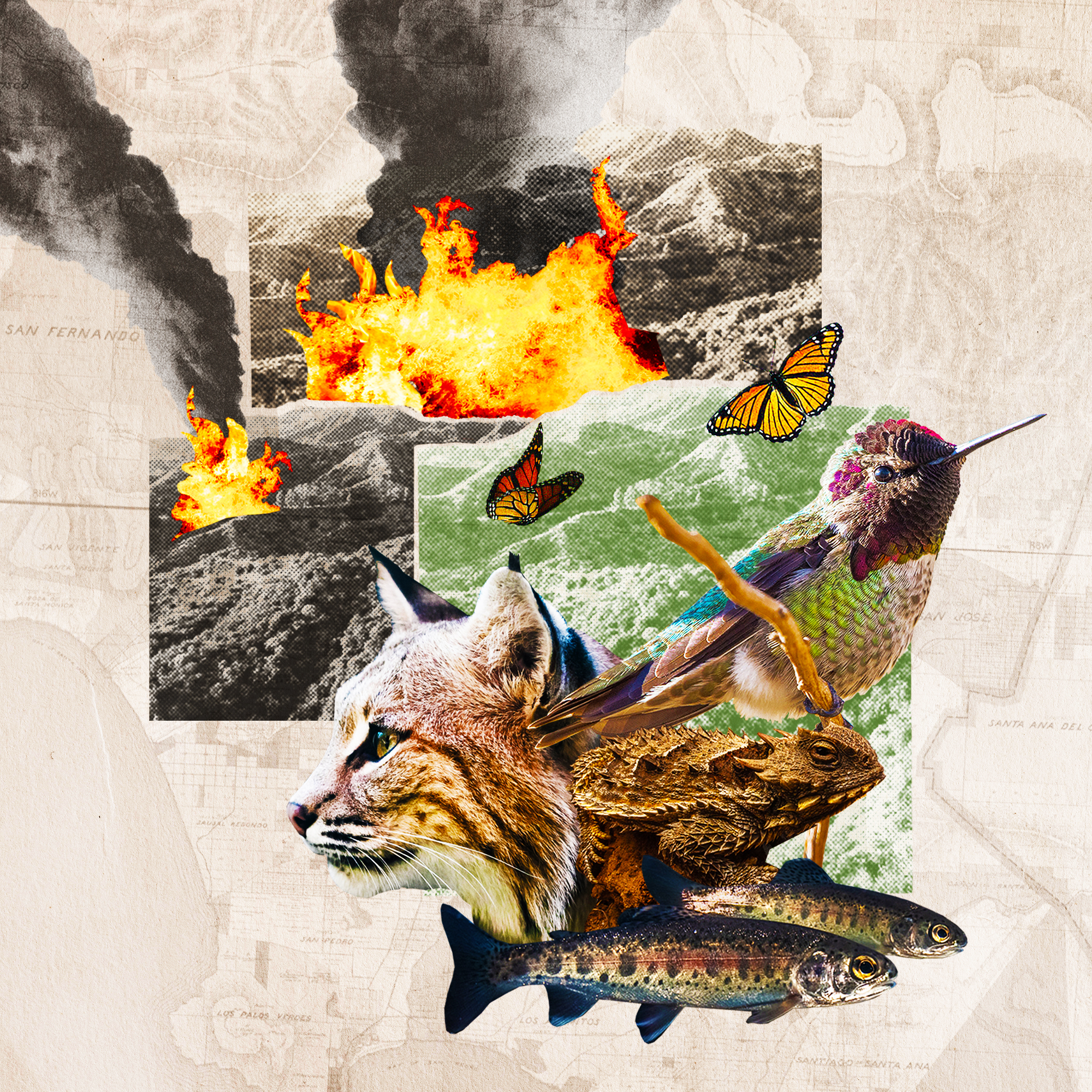
S2 Ep 8Looking Back on the L.A. Wildfires Through the Lens of Two Photographers
After multiple wildfires ripped through greater Los Angeles earlier this year, Californians were left to rebuild communities and grapple with the loss of life, nature and property. Thousands of homes were destroyed, and as many as 180,000 residents were under evacuation orders until the flames could be controlled. Unfortunately, this seems to be the new order in California; officials are already working to prepare for the next fire season.In this episode, host Ari Daniel speaks with photographer Ivan Kashinsky, who witnessed and documented the devastation of the Palisades Fire up close, even as he tried to rescue his cats and valuables from his family home in Topanga Canyon. And we hear from writer and wildlife biologist Anton Sorokin, who chronicled the animals that escaped, fled and perished due to the fiery forces that are increasingly shaping our world.To subscribe to “There’s More to That,” and to listen to past episodes about a group of people dedicated to saving native bees, the sex lives of dinosaurs and the story of Pablo Escobar’s hippos, find us on Apple Podcasts, Spotify, iHeartRadio or wherever you get your podcasts.“There’s More to That” is a production of Smithsonian magazine and PRX Productions. From the magazine, our team is Ari Daniel, Debra Rosenberg and Brian Wolly. From PRX, our team is Jessica Miller, Genevieve Sponsler, Adriana Rosas Rivera, Sandra Lopez Monsalve and Edwin Ochoa. The executive producer of PRX Productions is Jocelyn Gonzales.Fact-checking by Stephanie Abramson. Our music is from APM Music.Episode artwork by Emily Lankiewicz. Photos by Anton Sorokin and public domain.
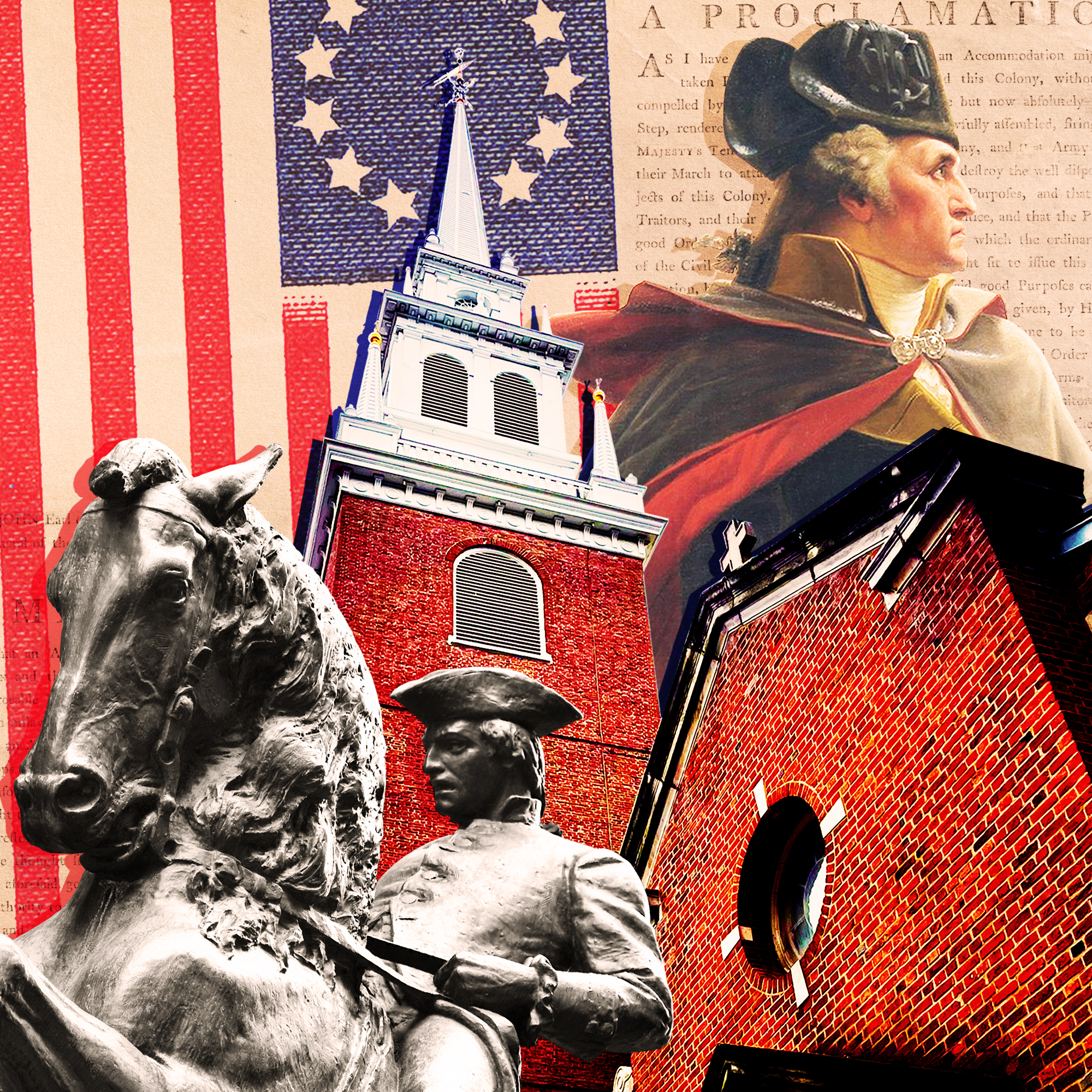
S2 Ep 7Dive Into the Deeper Story of the American Revolution on How New England and Virginia United Against the British
Two hundred and fifty years ago this month, silversmith Paul Revere took to his horse on a midnight ride to warn American rebels that British troops were approaching. The famous ride and an ensuing battle at Lexington and Concord touched off the American Revolution.But there are other stories involving the role that enslaved Africans and Southern colonists played in launching and sustaining the rebellion that led to the founding of the United States of America. Host Ari Daniel speaks with Nikki Stewart of Old North Illuminated and Smithsonian writer Andrew Lawler about these lesser-known histories.Read the original Smithsonian article here.To subscribe to “There’s More to That,” and to listen to past episodes about a baseball field resurrected in a World War II-era Japanese internment camp, a recently solved mystery surrounding the burial of John F. Kennedy and how artificial intelligence is making ancient scrolls readable again, find us on Apple Podcasts, Spotify, iHeartRadio or wherever you get your podcasts.“There’s More to That” is a production of Smithsonian magazine and PRX Productions. From the magazine, our team is Ari Daniel, Debra Rosenberg and Brian Wolly. From PRX, our team is Jessica Miller, Genevieve Sponsler, Adriana Rosas Rivera, Sandra Lopez Monsalve and Edwin Ochoa. The executive producer of PRX Productions is Jocelyn Gonzales.Fact-checking by Stephanie Abramson. Our music is from APM Music.Episode artwork by Emily Lankiewicz. Photos by Ari Daniel, gregobagel via Getty Images and the Metropolitan Museum of Art under public domain.

S2 Ep 6A Field of Dreams Built in an Unlikely Place: A Japanese American Internment Camp
Baseball was a way of life in the camps that incarcerated Japanese Americans during World War II. The United States government stripped the Americans who lived in these camps of their liberties, but for those communities, having played the game for generations, baseball brought them closer to each other and, paradoxically, to their country. At Manzanar, one such site at the foot of the Sierra Nevada in California, dozens of baseball and softball teams played regularly.Decades after the camps closed, and after Japanese Americans had returned to their homes on the West Coast, Manzanar was established as a historic site. Replicas of camp buildings were erected to memorialize what had happened there, but the baseball field was in complete disrepair. Artist and baseball enthusiast Dan Kwong led the herculean restoration effort. Host Ari Daniel talks with Kwong and Smithsonian writer Rachel Ng, who reported on the endeavor. Read the original Smithsonian article here.To subscribe to “There’s More to That,” and to listen to past episodes on a recently solved mystery surrounding the burial of John F. Kennedy, the only battalion during World War II composed entirely of Black women, and everything you wanted to know about sweating and sports, find us on Apple Podcasts, Spotify, iHeartRadio or wherever you get your podcasts. “There’s More to That” is a production of Smithsonian magazine and PRX Productions. From the magazine, our team is Ari Daniel, Debra Rosenberg and Brian Wolly. From PRX, our team is Jessica Miller, Genevieve Sponsler, Adriana Rosas Rivera, Sandra Lopez Monsalve and Edwin Ochoa. The executive producer of PRX Productions is Jocelyn Gonzales.Fact-checking by Stephanie Abramson. Our music is from APM Music.Episode artwork by Emily Lankiewicz. Photos by Aaron Rapoport and the National Archives under public domain.
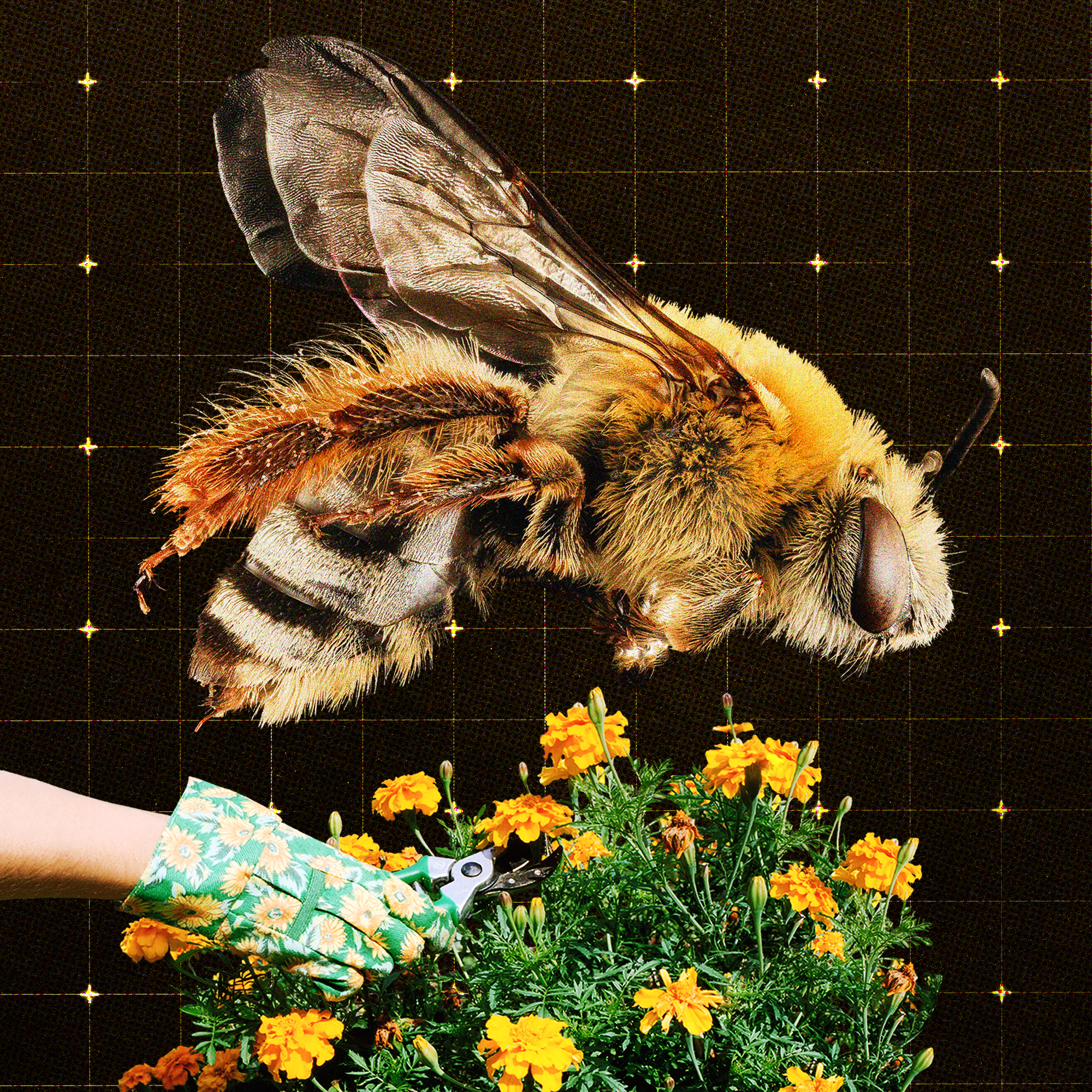
S2 Ep 5The Swarm of People Intent on Saving Our Bees
Native bees in the United States are dying due to pesticides, disease and habitat loss. These insects play a critical role in nature and on farms, yet we know very little about native bees in part because they’re a challenge to study.That’s where a legion of bee enthusiasts and amateur experts, called “beeple,” come in. Armed with nets and jars, they fan out across the country to find, document and study native bees, both common and rare. Host Ari Daniel interviews Smithsonian writer Susan Freinkel and self-proclaimed bee enthusiast Michael Veit about the future of bees through the lens of the beeple who care deeply about them.Read the original Smithsonian article by Susan Freinkel here.To subscribe to “There’s More to That,” and to listen to past episodes on the tale of what happened to Pablo Escobar’s hippos, the popularity of stories about animal behavior and the sex lives of dinosaurs, find us on Apple Podcasts, Spotify, iHeartRadio or wherever you get your podcasts.“There’s More to That” is a production of Smithsonian magazine and PRX Productions. From the magazine, our team is Ari Daniel, Debra Rosenberg and Brian Wolly. From PRX, our team is Jessica Miller, Genevieve Sponsler, Adriana Rosas Rivera, Sandra Lopez Monsalve and Edwin Ochoa. The executive producer of PRX Productions is Jocelyn Gonzales.Fact-checking by Stephanie Abramson.Episode artwork by Emily Lankiewicz. Images via John F. Kennedy Presidential Library and Museum, Oak Spring Garden Foundation, and public domain.
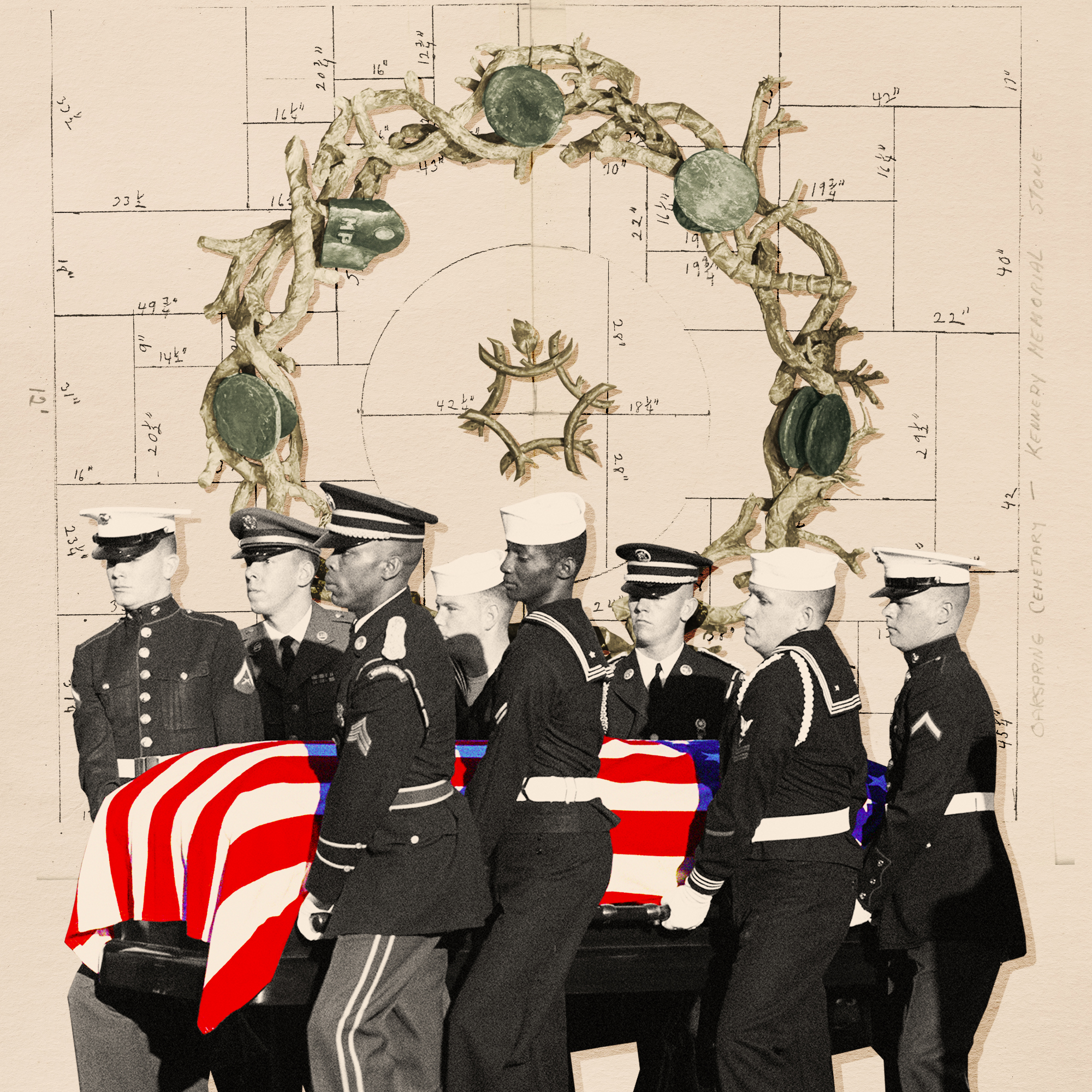
S2 Ep 4A Mystery Surrounding the Grave of JFK Is Solved
Before he was a civil rights activist, James Felder was a member of the elite U.S. Honor Guard who helped bury John F. Kennedy at Arlington National Cemetery after his assassination in 1963. In a move that was unrehearsed, after laying the casket to rest, the members of the Honor Guard placed their military hats upon the gravesite in what James Felder called “a final salute to President Kennedy.”Years later, Jacqueline Kennedy Onassis commissioned a bronze wreath to be made in honor of her husband that incorporated the caps. Once completed, this sculpture disappeared quite suddenly. Half a century later, improbably, it was found due to the help of a couple of sleuths at a private garden in Northern Virginia.In this episode, we hear from Elinor Crane of the Oak Spring Garden Foundation and James Felder. Read the original Smithsonian article by Ellen Wexler here.To subscribe to “There’s More to That,” and to listen to past episodes on the man behind the nonfiction thriller about Abraham Lincoln's assassination, separating fact from fiction in the life of Sojourner Truth, and the complicated legacy of being the descendant of a Civil War hero, find us on Apple Podcasts, Spotify, iHeartRadio or wherever you get your podcasts.“There’s More to That” is a production of Smithsonian magazine and PRX Productions. From the magazine, our team is Ari Daniel, Debra Rosenberg and Brian Wolly. From PRX, our team is Jessica Miller, Genevieve Sponsler, Adriana Rosas Rivera, Sandra Lopez Monsalve and Edwin Ochoa. The executive producer of PRX Productions is Jocelyn Gonzales.Fact-checking by Stephanie Abramson.Episode artwork by Emily Lankiewicz. Images via John F. Kennedy Presidential Library and Museum, Oak Spring Garden Foundation, and public domain.
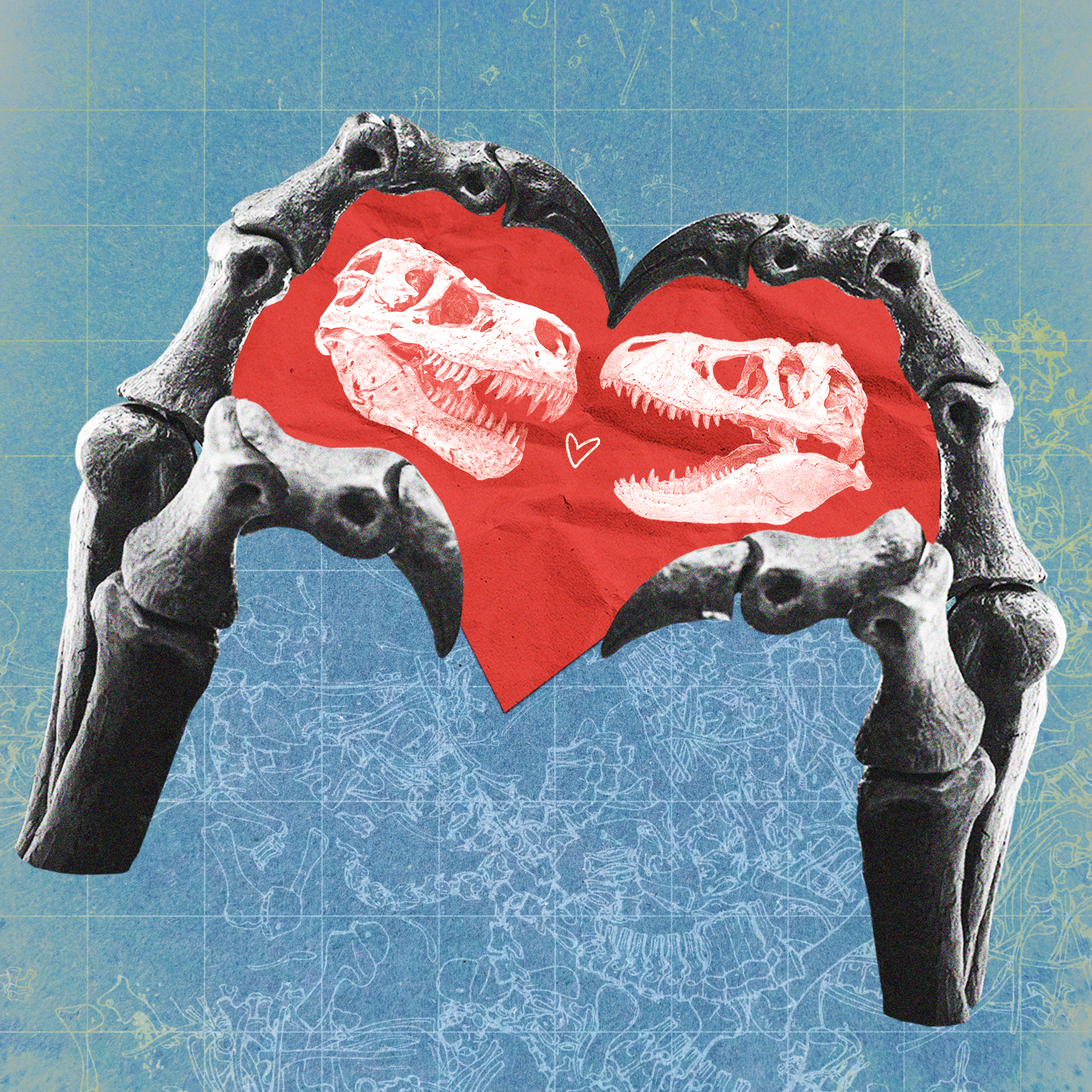
S2 Ep 3The Truth About the Sex Lives of Dinosaurs
Dinosaurs are often thought of as aggressors—giant beasts that dominated our planet for millions of years. But these prehistoric animals almost certainly had a softer side. In the last decade, researchers have gained tantalizing insights into the sex lives and mating habits of these ancient reptiles.In this episode, Smithsonian contributing writer Riley Black describes new evidence that reveals how and when dinosaurs mated—including ancient behavior recorded in rock, a new theory around dinosaur horns and spikes, and a prehistoric cloaca.Read Riley's coverage of dinosaurs here and here.To subscribe to “There’s More to That,” and to listen to past episodes on the sticking power of stories about animal behavior, what happens when the Colorado River goes dry and how asteroid dust might tell us about the origins of life, find us on Apple Podcasts, Spotify, iHeartRadio or wherever you get your podcasts.“There’s More to That” is a production of Smithsonian magazine and PRX Productions. From the magazine, our team is Ari Daniel, Debra Rosenberg and Brian Wolly. From PRX, our team is Jessica Miller, Genevieve Sponsler, Adriana Rosas Rivera, Sandra Lopez Monsalve and Edwin Ochoa. The executive producer of PRX Productions is Jocelyn Gonzales. Fact-checking by Stephanie Abramson.Episode artwork by Emily Lankiewicz. Images via by Donald E. Hurlbert for Smithsonian Institution (SI-19-2014), James St. John via Flickr under CC BY 2.0, and public domain.
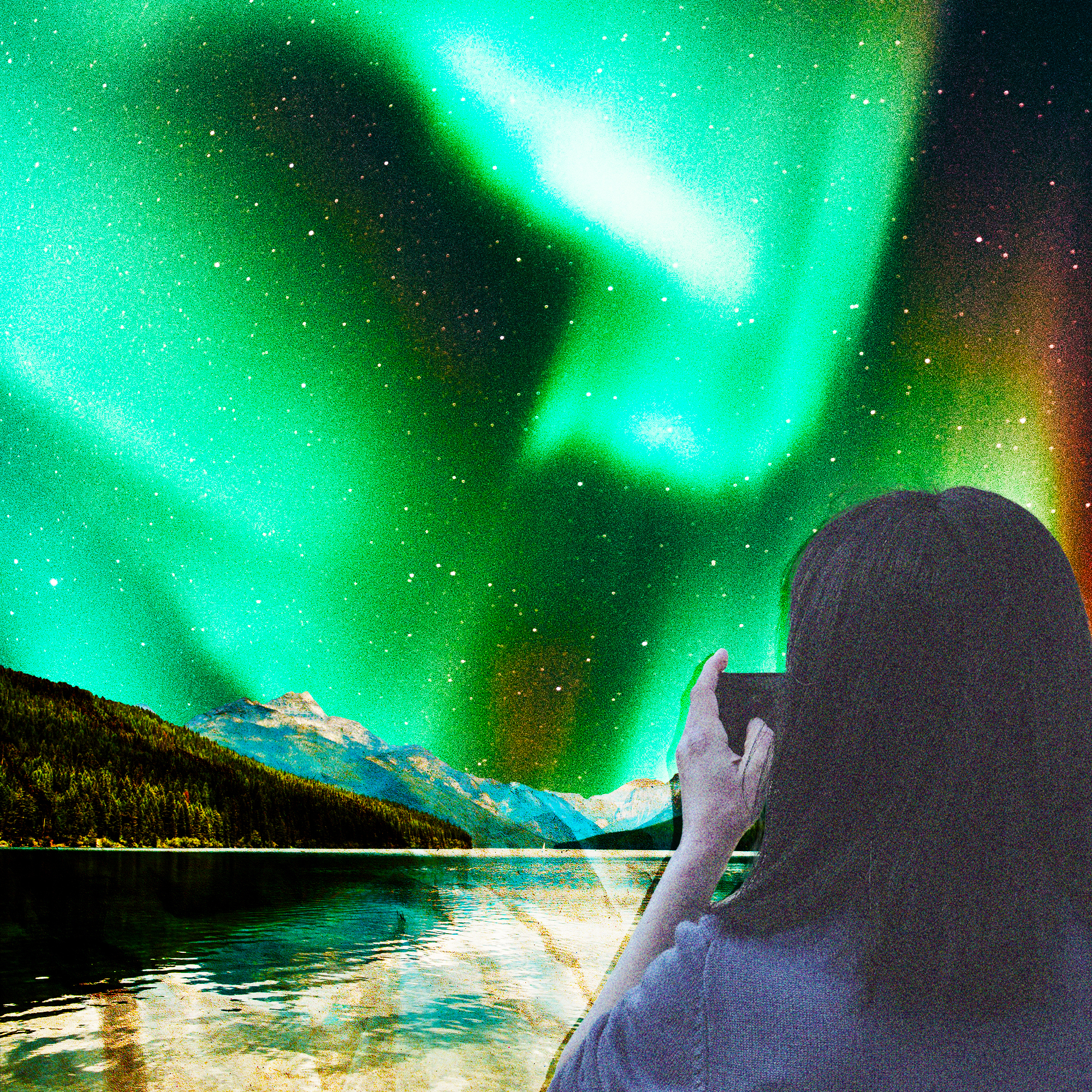
S2 Ep 2Why Auroras Are Suddenly Everywhere All at Once
For millennia, auroras have both enchanted and haunted human beings. Ancient lore is filled with myths attempting to explain what caused the celestial phenomenon. More recent historic documentation of auroras may even help us predict damaging solar storms in the future.As we head into a year expected to bring the best northern lights in two decades, we consider the science behind auroras and why they are suddenly so plentiful—even in places that hardly qualify as northern.In this episode, Jo Marchant, author of The Human Cosmos, and Smithsonian science editor Carlyn Kranking revel in auroras through the ages and explain how to view these dazzling displays yourself.Tap here to see the NOAA tracker mentioned in the episode.Read Carlyn's coverage of auroras here and here.To subscribe to “There’s More to That,” and to listen to past episodes on our love of eclipses, the use of asteroid dust to find the origins of life and why orcas may not be doing what we think, find us on Apple Podcasts, Spotify, iHeartRadio or wherever you get your podcasts.“There’s More to That” is a production of Smithsonian magazine and PRX Productions. From the magazine, our team is Ari Daniel, Debra Rosenberg and Brian Wolly. From PRX, our team is Jessica Miller, Genevieve Sponsler, Adriana Rosas Rivera, Sandra Lopez Monsalve and Edwin Ochoa. The executive producer of PRX Productions is Jocelyn Gonzales. Fact-checking by Stephanie Abramson. Episode artwork by Emily Lankiewicz. / Images via public domain.
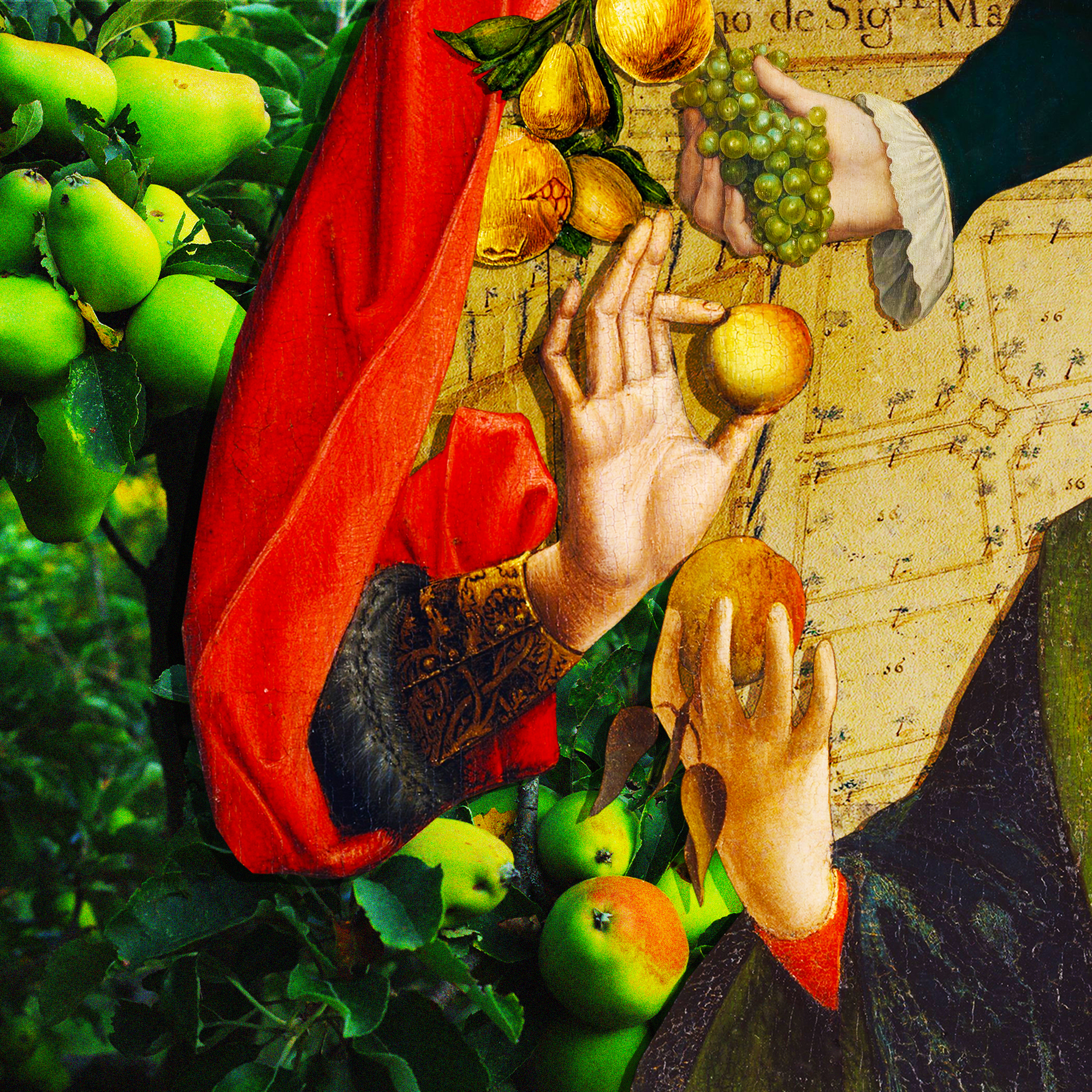
S2 Ep 1How to Use Renaissance Paintings to Improve the Farming of Tomorrow
Italian researcher Isabella Dalla Ragione has a most unusual job. An “arboreal archaeologist,” Dalla Ragione scours Renaissance paintings and medieval archives, discovering endangered fruits that might be revived. Her life’s work offers a possible solution to the problem of monocrops. Year after year, agricultural giants cultivate the same varieties of the same fruits and vegetables, while many other varieties have fallen to the wayside. Monocrops contribute to climate change and are highly susceptible to its consequences, jeopardizing our food supply.In this episode, Isabella and Smithsonian contributing writer Mark Schapiro discuss the importance and challenges of protecting biodiversity and agriculture in the midst of a changing climate — and why it matters.Read Mark's story for Smithsonian magazine here.To subscribe to There’s More to That, and to listen to past episodes on a plan to save Texas from deadly hurricanes, the wild story of Pablo Escobar’s hippos, and how artificial intelligence is making 2,000 year old scrolls readable again, find us on Apple Podcasts, Spotify, iHeartRadio or wherever you get your podcasts.There’s More to That is a production of Smithsonian magazine and PRX Productions. From the magazine, our team is Ari Daniel, Debra Rosenberg, and Brian Wolly. From PRX, our team is Jessica Miller, Genevieve Sponsler, Adriana Rosas Rivera, Sandra Lopez Monsalve, and Edwin Ochoa. The executive producer of PRX Productions is Jocelyn Gonzales.Fact-checking by Stephanie Abramson.Episode artwork by Emily Lankiewicz. Photos by Simona Ghizzoni / Images via the Metropolitan Museum of Art under public domainMusic by APM Music.
Coming January 23: There’s More to That from Smithsonian magazine and PRX, Season 2
trailerSmithsonian magazine covers history, science and culture in the way only we can — through rich reporting sparked by our editors’ insatiable curiosity. On There’s More to That, meet the magazine’s journalists and hear what they think about the biggest issues of our time. Find out how much more there is to… almost everything.
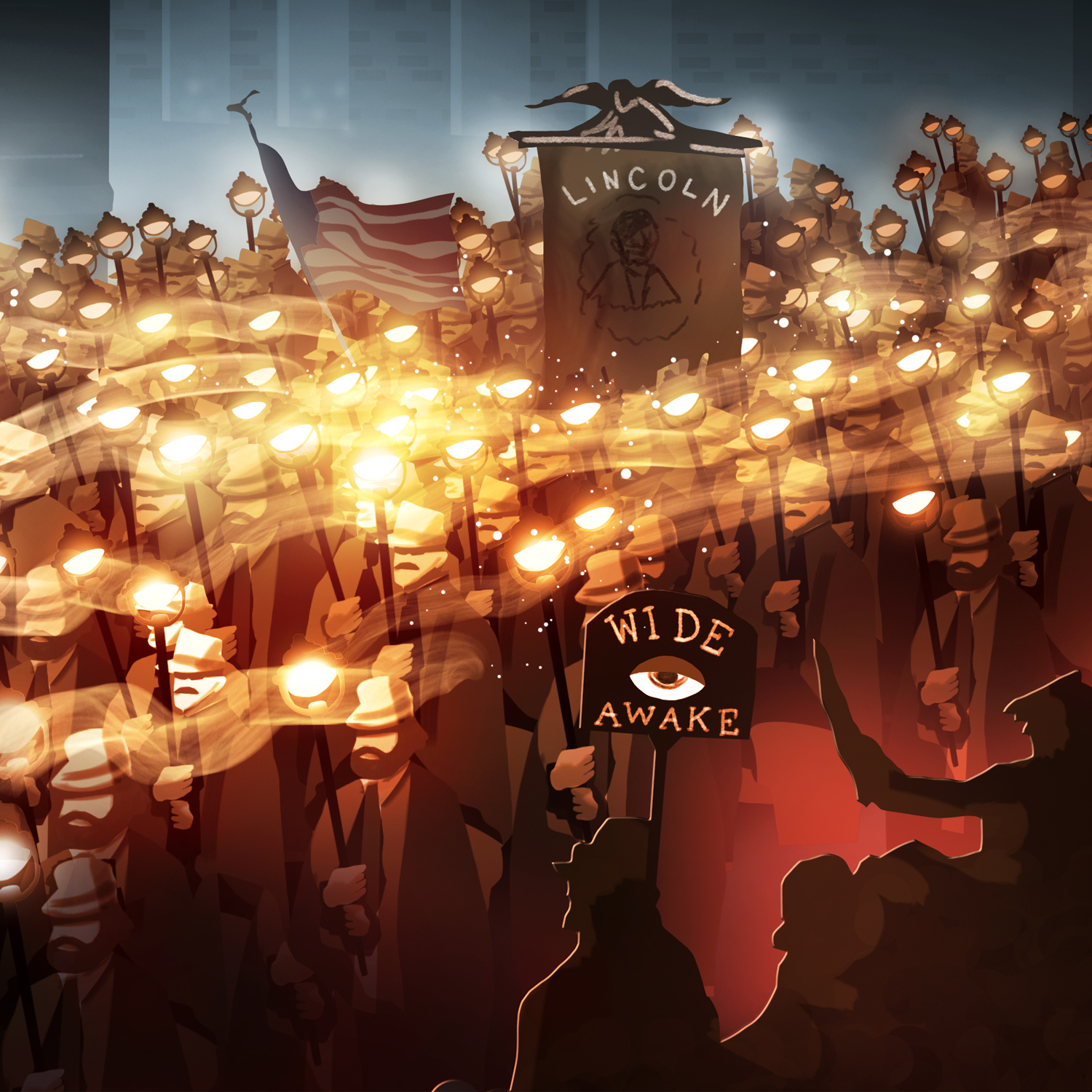
RE-BROADCAST: Meet the Wide-Awakes, The Club of Cape-Wearing Activists Who Helped Elect Lincoln and Spark the Civil War
We’re busy at work on our new season, which will hit your feeds later this month. In the meantime, we’re bringing you an episode of the Smithsonian Institution’s podcast Sidedoor to tide you over. Smithsonian curator of political history Jon Grinspan takes you inside the story of the Wide Awakes, a group of torch-bearing young activists who helped elect Abraham Lincoln and spurred the nation toward Civil War. Grinspan recently wrote about the Wide Awakes in an issue of Smithsonian magazine. We’ll be back soon with all new episodes to kick off our second season. Happy new year!
[Rebroadcast] Meet The 6888: The WWII Battalion of Black Women That Inspired the New Netflix Film
[First released in 2023.] The 6888th Central Postal Directory Battalion was the only unit comprised entirely of Black women to have been deployed overseas during World War II, and it had served a critical function: clearing the backlog of mail that marked the only line of communication between American soldiers in Europe and their loved ones back home.In this episode, we speak with retired Army Colonel Edna Cummings, who made it her business to get the 6888 their belated recognition, and with Smithsonian magazine senior writer Jennie Rothenberg Gritz, who wrote about Col. Cummings' quest for the March 2023 issue of Smithsonian.NOTE: On December 20, Netflix will debut "The Six Triple Eight," a movie that dramatizes the heroic story of the battalion. Starring Kerry Washington and featuring Oprah Winfrey, the film is directed by Tyler Perry. Learn more about the women of the 6888th Central Postal Battalion at the Women of the 6888th site.Find prior episodes of our show here.There’s More to That is a production of Smithsonian magazine and PRX Productions.From PRX, our team is Jessica Miller, Adriana Rosas Rivera, Genevieve Sponsler, Rye Dorsey, and Edwin Ochoa. The Executive Producer of PRX Productions is Jocelyn Gonzales.Episode artwork by Emily Lankiewicz.Music by APM Music.
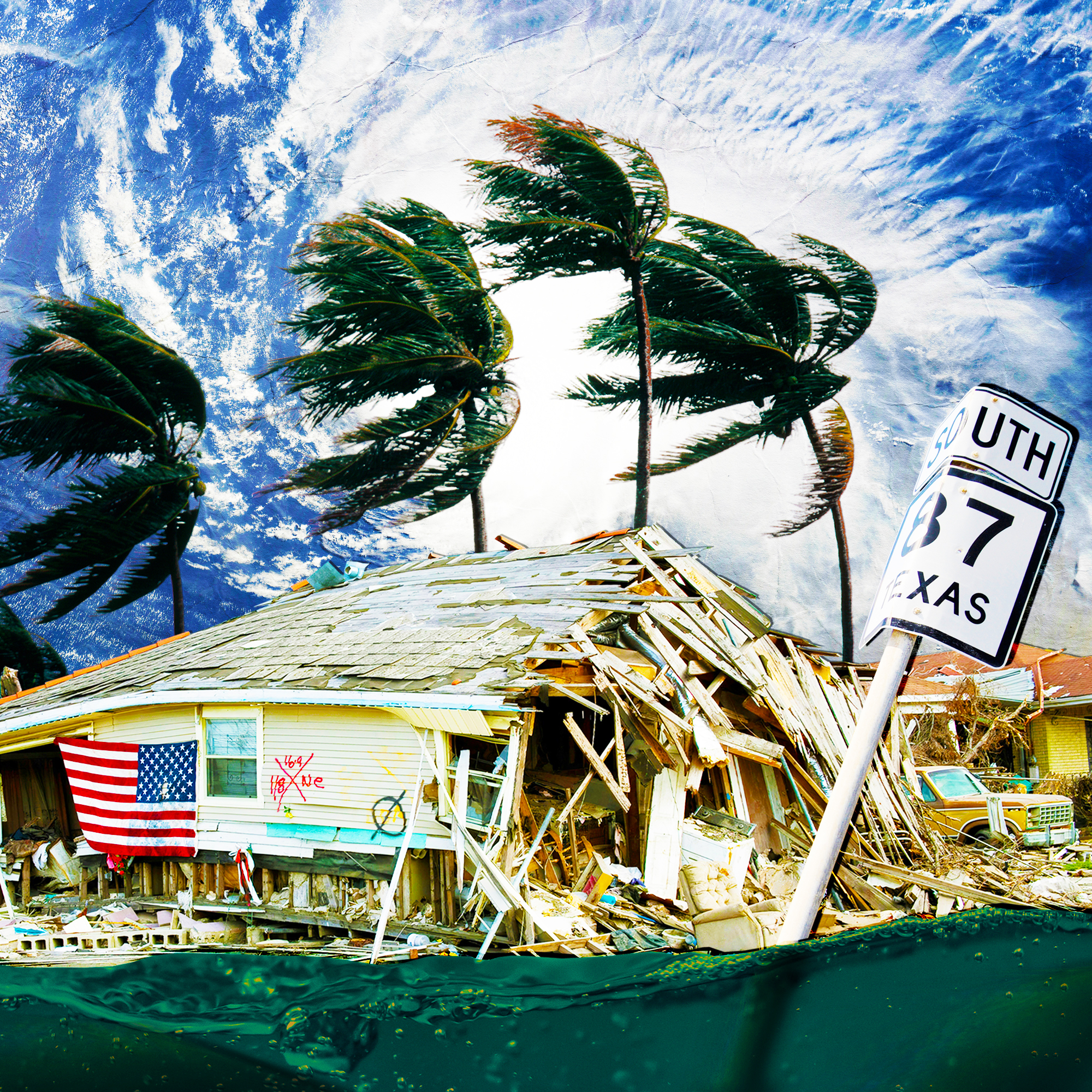
S1 Ep 26As Hurricanes Get Stronger, Can a $34 Billion Plan Save Texas?
After Hurricane Ike destroyed thousands of homes and inflicted an estimated $30 billion in damages in 2008, engineers hatched an ambitious plan to protect southeast Texas and its coastal refineries and shipping routes from violent storms. The $34 billion collaboration spearheaded by the U.S. Army Corps of Engineers is a harbinger of the type of massive public works projects that could be required to protect coastal cities like New York and Miami as sea levels rise and hurricanes become less predictable and more severe due to climate change.Smithsonian magazine contributor and Texas native Xander Peters reflects on his experiences growing up in a hurricane corridor and tells us how the wildly ambitious effort came together. Then, Eric Sanderson, an ecological historian, tells us how the project could be applied to other low-lying coastal cities.Read Xander Peters' Smithsonian magazine story about the Ike Dike here.Let us know what you think of our show, and how we can make it better, by completing our There's More to That listener survey here.Find prior episodes of our show here.Listen to the New York Botanical Garden podcast "Plant People" here.There’s More to That is a production of Smithsonian magazine and PRX Productions.From the magazine, our team is Chris Klimek, Debra Rosenberg and Brian Wolly.From PRX, our team is Jessica Miller, Adriana Rosas Rivera, Genevieve Sponsler, Rye Dorsey, and Edwin Ochoa. The Executive Producer of PRX Productions is Jocelyn Gonzales.Fact-checking by Stephanie Abramson.Episode artwork by Emily Lankiewicz Music by APM Music.

S1 Ep 25How to Sweat Like an Olympian
Have you ever felt embarrassed by the need to carry a towel, or even a fresh shirt, with you during the most sweltering months of the year? You shouldn’t. Sweating is one of the most remarkable ways our bodies protect themselves when the mercury heads north.With summer temperatures spiking around the world as the sweat-filled Olympic Games begin in Paris, we’re joined by Sarah Everts, a Smithsonian contributor and the author a marvelous book called The Joy of Sweat: The Strange Science of Perspiration. She explains why the body’s thermostat is so ingenious, and how it cools athletes—and the rest of us. Plus: A series of snack-sized anecdotes about the Olympics!Let us know what you think of our show, and how we can make it better, by completing our There's More to That listener survey here.Find prior episodes of our show here.Read Smithsonian magazine's coverage of the Olympics, past and present, here, here, here, and here.There’s More to That is a production of Smithsonian magazine and PRX Productions.From the magazine, our team is Chris Klimek, Debra Rosenberg and Brian Wolly.From PRX, our team is Jessica Miller, Adriana Rosas Rivera, Genevieve Sponsler, Rye Dorsey, and Edwin Ochoa. The Executive Producer of PRX Productions is Jocelyn Gonzales.Fact-checking by Stephanie Abramson.Episode artwork by Emily Lankiewicz Music by APM Music.
Survey: Help Us Design Our Future Season
We're over here making podcasts, and you're over there listening. Let's bridge that gap! We want to know more about you, like: why you're listening, what your favorite topics are, and what Smithsonian magazine can do to make "There's More to That" even better. Tell us what you think at smithsonianmag.com/podcastsurvey.
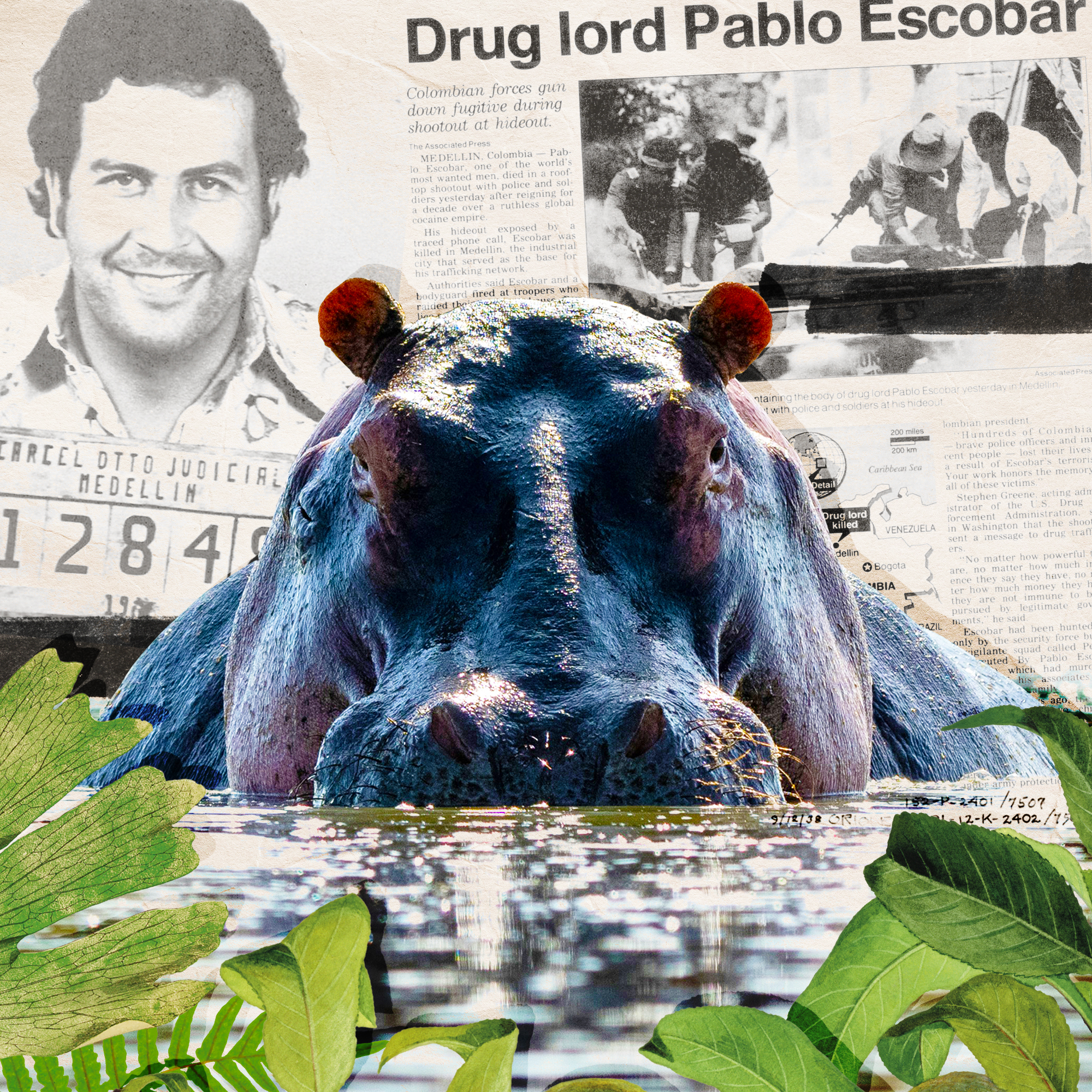
S1 Ep 24The Wild Story of What Happened to Pablo Escobar’s Hungry, Hungry Hippos
Four decades ago, Pablo Escobar brought to his Medellín hideaway four hippopotamuses, the centerpieces of a menagerie that included llamas, cheetahs, lions, tigers, ostriches and other exotic fauna. After Colombian police shot Escobar dead in December 1993, veterinarians removed the animals—except the hippos, which were deemed too dangerous to approach. The hippos fled to the nearby Magdalena River and multiplied. Today, the descendants of Escobar’s hippos are believed to number nearly 200. Their uncontrolled growth threatens the region’s fragile waterways. Smithsonian contributor Joshua Hammer joins us to recount this strange history and explain why Colombian conservationists have embarked upon an unusual program to sterilize these hippos in the wild via “invasive surgical castration,” a procedure that is, as he has written for Smithsonian magazine, “medically complicated, expensive and sometimes dangerous for hippos as well as for the people performing it.” Then, ecologist Rebecca Lewison tells us how her long-term study of hippo populations in Africa offers hints of how these creatures will continue to alter the Colombian ecosystem—and what authorities can do about it.Let us know what you think of our show, and how we can make it better, by completing our There's More to That listener survey here.Read Josh Hammer's Smithsonian story about Escobar's hippos and their descendants here.Learn more about Rebecca Lewison and her work here.Find prior episodes of our show here.There’s More to That is a production of Smithsonian magazine and PRX Productions.From the magazine, our team is Chris Klimek, Debra Rosenberg and Brian Wolly.From PRX, our team is Jessica Miller, Adriana Rosas Rivera, Genevieve Sponsler, Rye Dorsey, and Edwin Ochoa. The Executive Producer of PRX Productions is Jocelyn Gonzales.Fact-checking by Stephanie Abramson.Episode artwork by Emily Lankiewicz Music by APM Music.
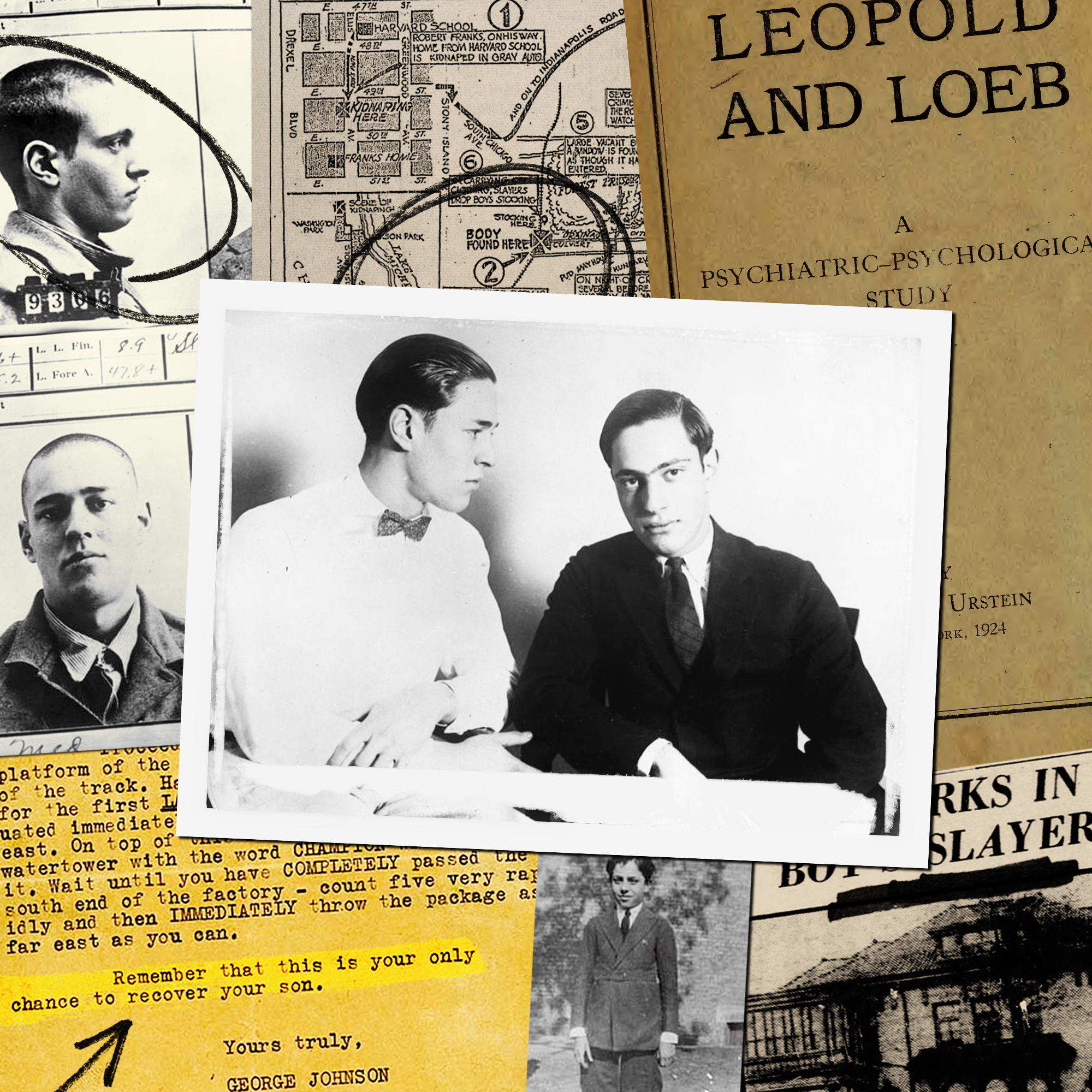
S1 Ep 23‘The Crime of the Century,’ a Century Later
The past hundred years have seen more than one high-profile prosecution branded as the “crime of the century.” The shocking 1924 crime that was among the first to carry the title turned out to be a harbinger of how public mania around criminal cases could influence the legal system, and how psychiatry would be used and abused by prosecutors and defense attorneys alike as the 20th century wore on and gave way to the 21st.Smithsonian editor Meilan Solly introduces us to teens Nathan Leopold and Richard Loeb and their botched, but still deadly, effort to perpetrate “the perfect crime.” What happened next was also surprising: After confessing to the abduction and murder of 14-year-old Bobby Franks, they were spared capital punishment thanks to their famed attorney Clarence Darrow. True-crime historian Kate Winkler Dawson then tells us how public interest in Leopold and Loeb’s fate helped solidify true crime as a durable subject of fascination. She also tells us about the tools used by the prosecution that were in their infancy during the famed case.Read Meilan Solly's Smithsonian story about Leopold and Loeb here.Learn more about Kate Winkler Dawson, her books, her podcasts, and her work at her site.Find prior episodes of our show here.There’s More to That is a production of Smithsonian magazine and PRX Productions.From the magazine, our team is Chris Klimek, Debra Rosenberg and Brian Wolly.From PRX, our team is Jessica Miller, Adriana Rosas Rivera, Genevieve Sponsler, Rye Dorsey, and Edwin Ochoa. The Executive Producer of PRX Productions is Jocelyn Gonzales.Fact-checking by Stephanie Abramson.Episode artwork by Emily Lankiewicz / photography by Katherine Kimball, Joshua Brasted, and Jeremy TauriacMusic by APM Music.
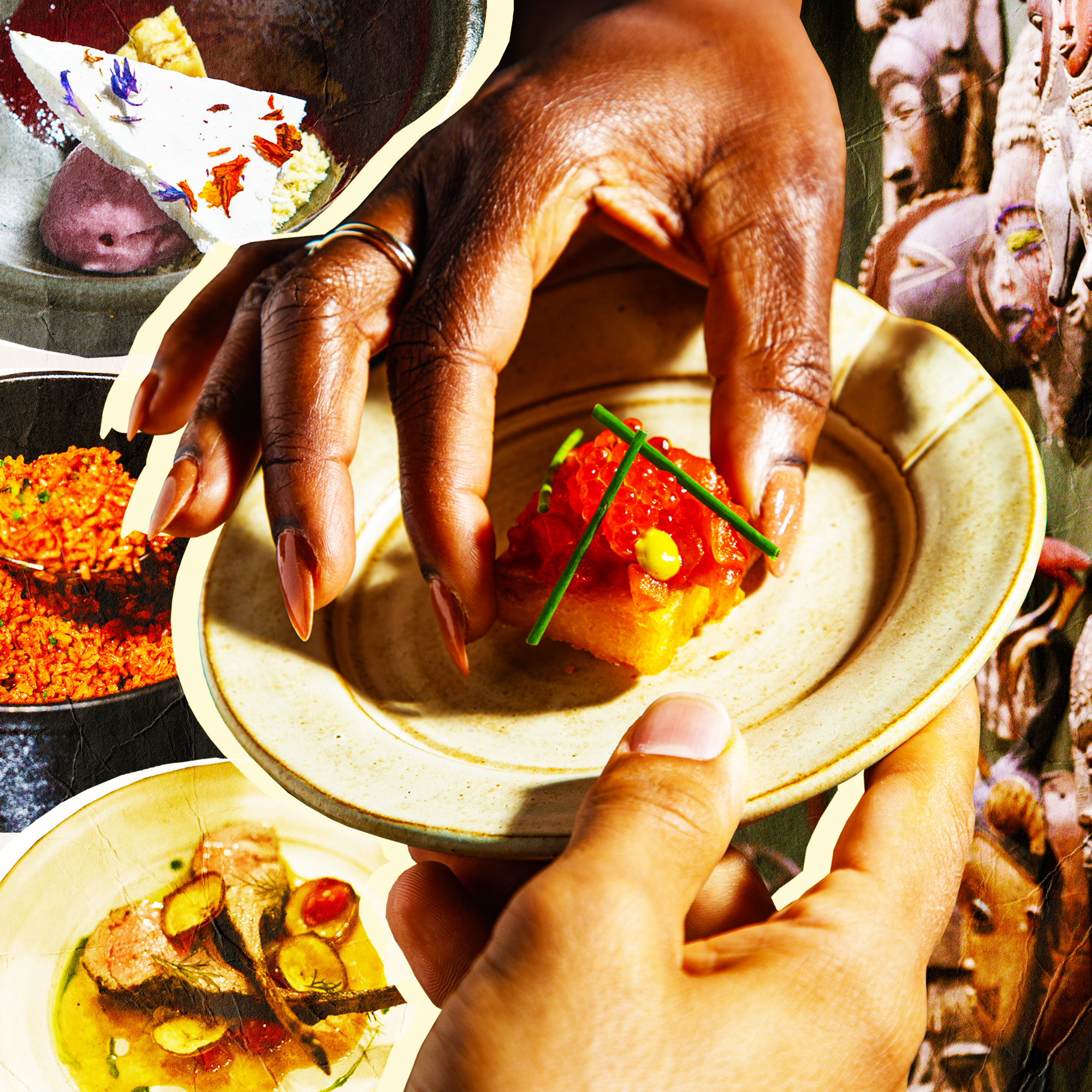
S1 Ep 22America’s Best New Restaurant Celebrates the Flavors of West Africa
African cuisine has always been well represented in the United States, particularly in dishes characterized as “Southern” in origin, like gumbo or hoppin’ john. But even before chef Serigne Mbaye’s New Orleans eatery Dakar NOLA was named the Best New Restaurant of 2024 at the James Beard Awards this week, the contributions of the African diaspora to the American diet had at last begun to enjoy a long-overdue reappraisal via reality television, Netflix docuseries and, most important, a number of widely praised dining establishments: If you want to book a table at Tatiana in Manhattan, Dept of Culture in Brooklyn or Kann in Portland, you’d better plan ahead, because their tables are often booked up well in advance.In this episode, Smithsonian contributor Rosalind Cummings-Yeates explains how the ascendancy of pan-African cuisine from “auntie” restaurants into the rarefied fine dining sphere is part of a larger and more meaningful campaign of cultural reclamation. And Mbaye tells us why it was so important to him to make Dakar NOLA a showcase of the distinctive flavors of Senegal, where he spent his formative years.Read Rosalind's Smithsonian story about the rise of West African fine dining in the U.S. here.See the full list of 2024's James Beard Award winners here.Find prior episodes of our show here.There’s More to That is a production of Smithsonian magazine and PRX Productions.From the magazine, our team is Chris Klimek, Debra Rosenberg and Brian Wolly.From PRX, our team is Jessica Miller, Adriana Rosas Rivera, Genevieve Sponsler, Rye Dorsey, and Edwin Ochoa. The Executive Producer of PRX Productions is Jocelyn Gonzales.Fact-checking by Stephanie Abramson.Episode artwork by Emily Lankiewicz / photography by Katherine Kimball, Joshua Brasted, and Jeremy TauriacMusic by APM Music.

S1 Ep 21How Americans Got Hooked on Counting Calories More Than A Century Ago
In 1918, Lulu Hunt Peters—one of the first women in America to earn a medical doctorate—published the best seller Diet and Health With Key to the Calories, making a name for herself as an apostle for weight reduction in an era when malnutrition was a far greater public health threat than obesity. She pioneered the idea of measuring food intake via the calorie, which at the time was an obscure unit of measurement familiar only to chemists. A century later, the Centers for Disease Control and Prevention reports that 42 percent of American adults are clinically obese and that Type 2 diabetes is on the rise. With those who can afford it now turning to pharmaceuticals to help them lose weight, we’ll examine why and how calorie counting has failed to help Americans maintain a “healthy” weight. In this episode of “There’s More to That,” we hear from food historian Michelle Stacey about Peters’ legacy—and from Ronald Young Jr., creator and host of the critically acclaimed podcast “Weight For It,” about how American society continues to stigmatize what he calls “fat folks” for reasons that have nothing to do with public, or even individual, health.A transcript is below. To subscribe to “There’s More to That,” and to listen to past episodes on the complex legacy of Sojourner Truth, how Joan Baez opened the door for Taylor Swift, how machine learning is helping archeologists to read scrolls buried by the eruption of Mount Vesuvius nearly 2,000 years ago and more, find us on Apple Podcasts, Spotify or wherever you get your podcasts.Read Michelle Stacey's story about Dr. Lulu Hunt Peters in the June 2024 issue of Smithsonian here.Listen to Ronald Young, Jr.'s podcast "Weight For It" here.Find prior episodes of our show here.There’s More to That is a production of Smithsonian magazine and PRX Productions.From the magazine, our team is Chris Klimek, Debra Rosenberg and Brian Wolly.From PRX, our team is Jessica Miller, Adriana Rosas Rivera, Genevieve Sponsler, Rye Dorsey, and Edwin Ochoa. The Executive Producer of PRX Productions is Jocelyn Gonzales.Fact-checking by Stephanie Abramson.Episode artwork by Emily Lankiewicz.Music by APM Music.
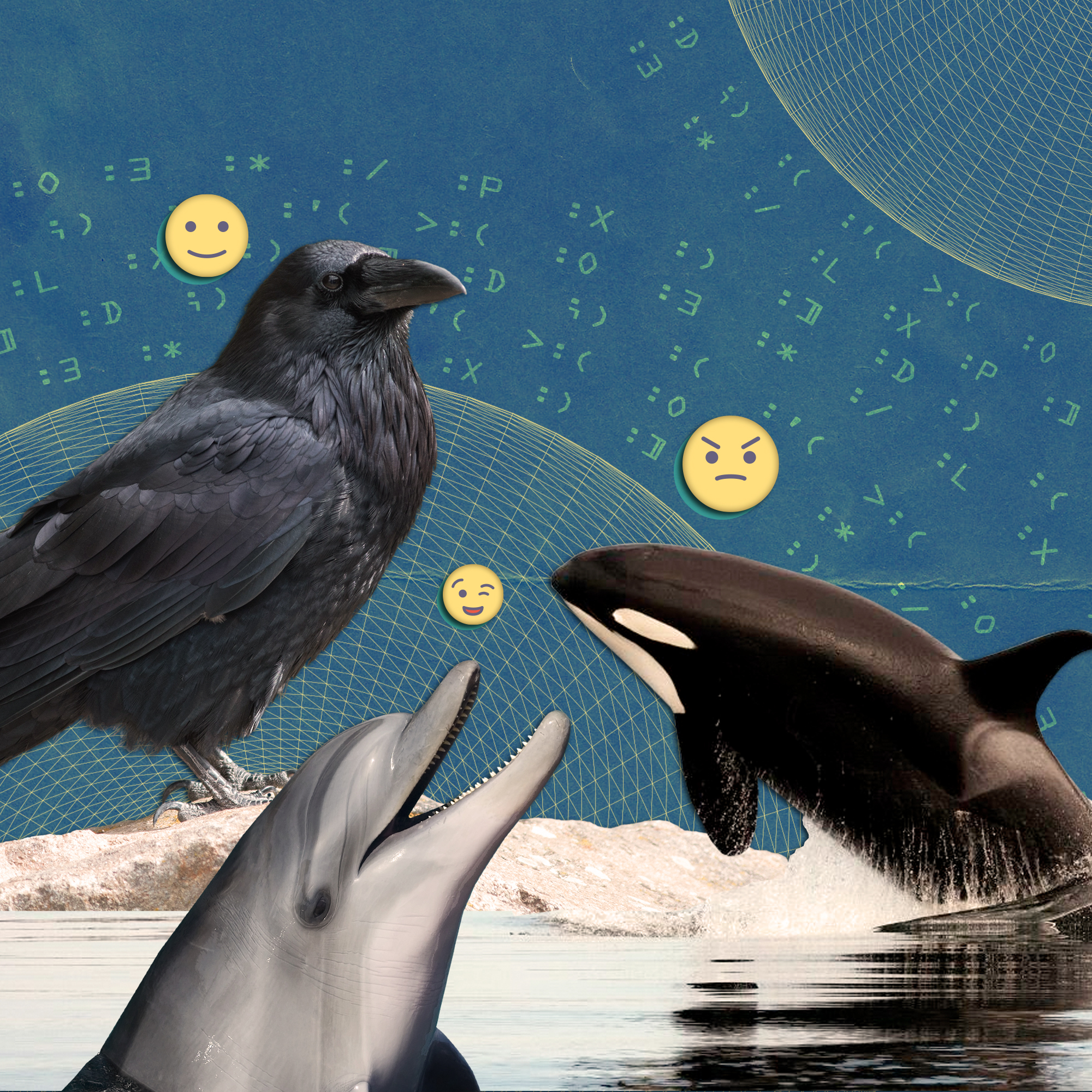
S1 Ep 20ENCORE: Those Orcas (Still) Aren't Doing What You Think
Last summer, news reports of orcas deliberately tearing the propellers off of yachts in the Strait of Gibraltar thrilled observers who were eager to cast these intelligent and social pack hunters as class warriors striking a blow for the “common mammals” against the one percent. That turned out to be wishful thinking, according to guest Lori Marino, a biopsychologist who studies whale and dolphin intelligence. She told us that these six-ton whales were just having fun—if they wanted to harm the occupants of those boats, we’d know it. Even so, these encounters are becoming a predictable seasonal occurrence between the months of May and August: A 50-foot charter vessel sank after its hull and rudder were damaged in an orca encounter near the Strait of Gibraltar on May 12. So here again is our episode on the perils of assigning human motives to wild animals, featuring Marino and Smithsonian assistant digital science editor Carlyn Kranking. This episode was originally released in September 2023. Dr. Marino invites you to learn more about The Whale Sanctuary Project at their site. You can also see Dr. Marino in the documentary films Blackfish (2013), Unlocking the Cage (2016), and Long Gone Wild (2019).Find prior episodes of our show here. And read the transcript of this episode here.There’s More to That is a production of Smithsonian magazine and PRX Productions.From the magazine, our team is Chris Klimek, Debra Rosenberg and Brian Wolly.From PRX, our team is Jessica Miller, Adriana Rosas Rivera, Genevieve Sponsler, Rye Dorsey, and Edwin Ochoa. The Executive Producer of PRX Productions is Jocelyn Gonzales.Fact-checking by Stephanie Abramson.Episode artwork by Emily Lankiewicz.Music by APM Music.
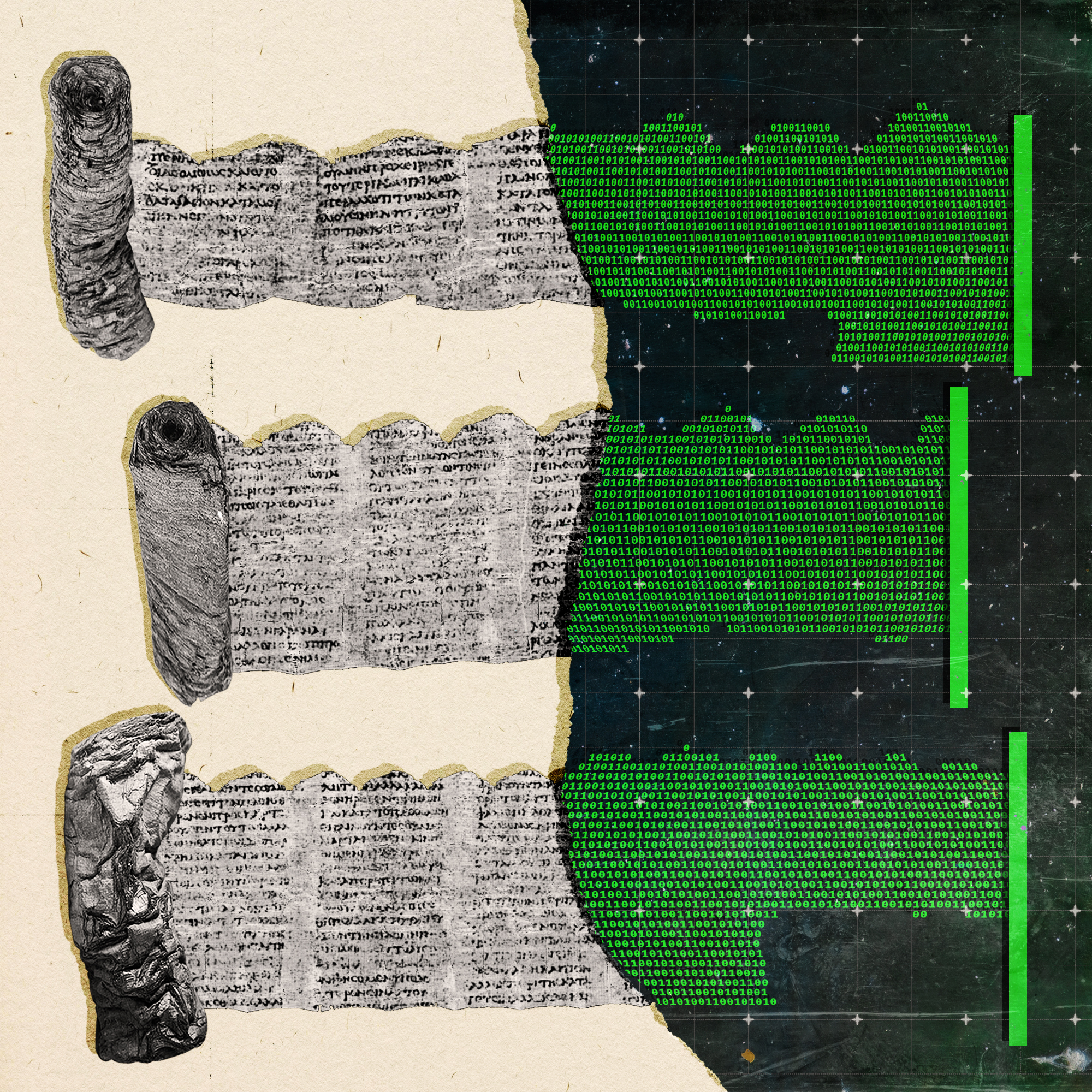
S1 Ep 19How Artificial Intelligence Is Making 2,000-Year-Old Scrolls Readable Again
When Mount Vesuvius erupted in 79 C.E., it covered the ancient cities of Pompeii and Herculaneum under tons of ash. Millennia later, in the mid-18th century, archeologists began to unearth the city, including its famed libraries, but the scrolls they found were too fragile to be unrolled and read; their contents were thought to be lost forever. Only now, thanks to the advent of artificial intelligence and machine learning, scholars of the ancient world have partnered with computer programmers to unlock the contents of these priceless documents. In this episode of “There’s More to That,” science journalist and Smithsonian contributor Jo Marchant tells us about the yearslong campaign to read these scrolls. And Youssef Nader—one of the three winners of last year’s “Vesuvius Challenge” to make these clumps of vulcanized ash readable—tells us how he and his teammates achieved their historic breakthrough. Read Smithsonian’s coverage of the Vesuvius Challenge and the Herculaneum scrolls here, here, and here. Find prior episodes of our show here. There’s More to That is a production of Smithsonian magazine and PRX Productions. From the magazine, our team is Chris Klimek, Debra Rosenberg and Brian Wolly. From PRX, our team is Jessica Miller, Adriana Rosas Rivera, Genevieve Sponsler, Rye Dorsey, and Edwin Ochoa. The Executive Producer of PRX Productions is Jocelyn Gonzales. Fact-checking by Stephanie Abramson. Episode artwork by Emily Lankiewicz. Music by APM Music.

S1 Ep 18Roads Scholars
As highways encroach ever further into animal habitats, drivers and wildlife are in greater danger than ever. And off the beaten path, decaying old forest roads are inflicting damage as well. “Roads are this incredibly disruptive force all over the planet that are truly changing wild animals’ lives and our own lives in almost unfathomable, unaccountable ways,” says science journalist Ben Goldfarb, author of the 2023 book Crossings: How Road Ecology Is Shaping the Future of Our Planet. Ben wrote about this problem for the March 2024 issue of Smithsonian. For Earth Day, we’ll talk to Ben about what’s being done to make the relationship between roads and lands more harmonious, and we’ll meet Fraser Shilling — a scientist at UC Davis who’ll tell us what he’s learned from his rigorous scholarly examination of… roadkill. Meep meep! Learn more about Ben and his work at his site. Learn more about Fraser and the UC Davis Road Ecology Center here. Find prior episodes of our show here. There’s More to That is a production of Smithsonian magazine and PRX Productions. From the magazine, our team is Chris Klimek, Debra Rosenberg and Brian Wolly. From PRX, our team is Jessica Miller, Adriana Rosas Rivera, Genevieve Sponsler, Rye Dorsey, and Edwin Ochoa. The Executive Producer of PRX Productions is Jocelyn Gonzales. Fact-checking by Stephanie Abramson. Episode artwork by Emily Lankiewicz. Music by APM Music.

S1 Ep 17Why We Love Eclipses
Eclipses have been a subject of fascination throughout human history, and the fact that we now have a clearer understanding of what they actually are—at least in the celestial mechanics sense—than we did in centuries past has not made them any less exciting. With the North American total solar eclipse just days away as we’re releasing this episode, and the next one visible from the contiguous United States not due until 2044, we’ll learn about the eclipses from astronomy obsessive (and Smithsonian science correspondent) Dan Falk and hear from Indigenous astronomer Samantha Doxtator about how the Haudenosaunee people have observed and interpreted these mysterious daylight darkenings of the skies over many centuries. You can read Dan’s Smithsonian story about how ancient civilizations responded to eclipses here. Find prior episodes of our show here. There’s More to That is a production of Smithsonian magazine and PRX Productions. From the magazine, our team is Chris Klimek, Debra Rosenberg and Brian Wolly. From PRX, our team is Jessica Miller, Adriana Rosas Rivera, Genevieve Sponsler, Rye Dorsey, and Edwin Ochoa. The Executive Producer of PRX Productions is Jocelyn Gonzales. Fact-checking by Stephanie Abramson. Episode artwork by Emily Lankiewicz. Music by APM Music.
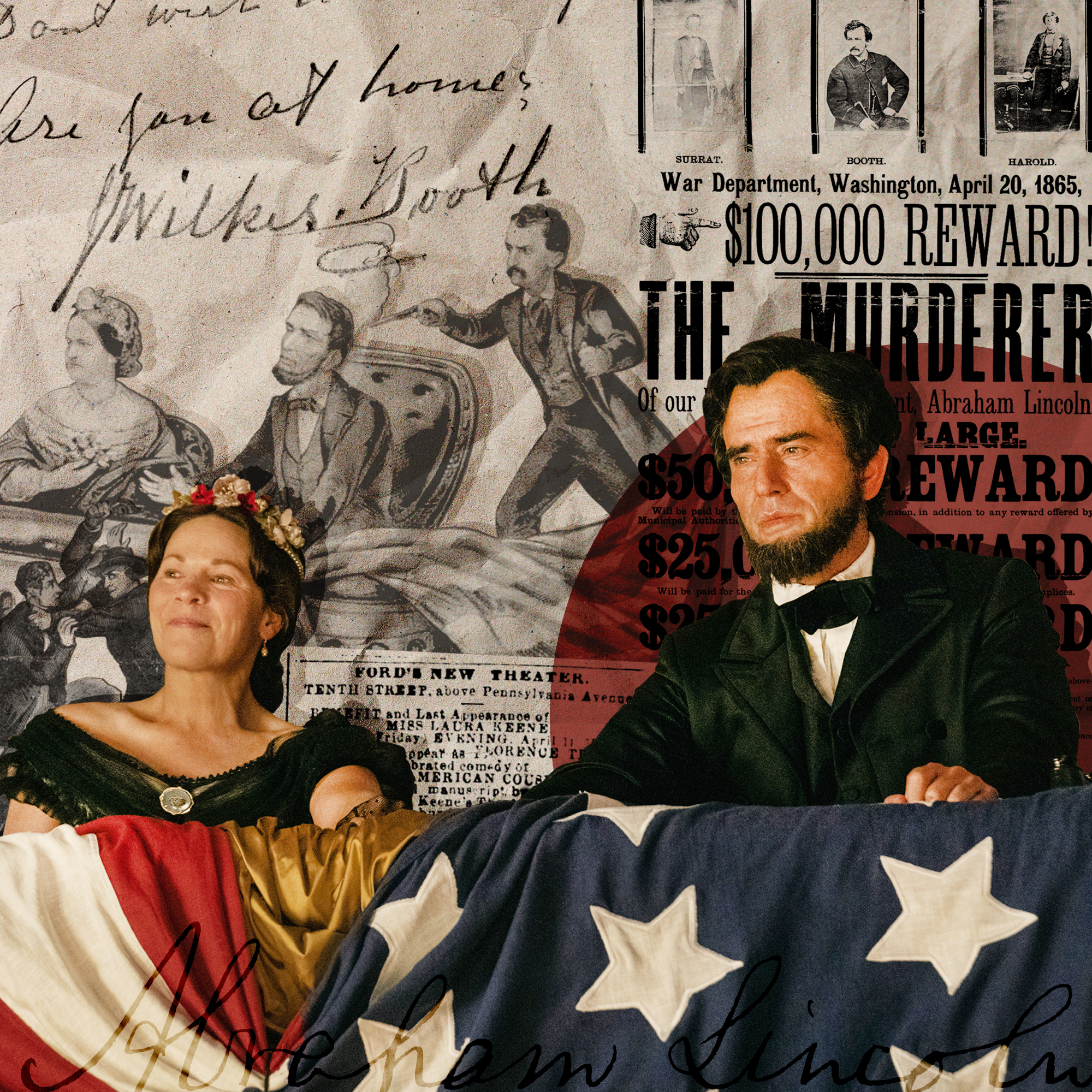
S1 Ep 16The Man Behind "Manhunt"
Before it was even published in 2006, historian James Swanson’s book Manhunt: The 12-Day Chase for Lincoln’s Killer attracted the notice of Hollywood. After several prior attempts to adapt the nonfiction thriller for the screen, the first two episodes of the seven-part Apple TV+ miniseries Manhunt finally premiered on March 15, with the subsequent five arriving weekly. Meet Swanson — a self-described Lincoln obsessive — and hear about what moved him to write the book, what his role in its long-gestating adaptation was, and how he came to be so obsessed with our most-admired president in the first place. Smithsonian magazine related articles: The real history behind the events dramatized in “Manhunt,” James Swanson’s favorite Lincoln artifacts. Find prior episodes of our show here. There’s More to That is a production of Smithsonian magazine and PRX Productions. From the magazine, our team is Chris Klimek, Debra Rosenberg and Brian Wolly. From PRX, our team is Jessica Miller, Adriana Rosas Rivera, Genevieve Sponsler, Rye Dorsey, and Edwin Ochoa. The Executive Producer of PRX Productions is Jocelyn Gonzales. Fact-checking by Stephanie Abramson. Episode artwork by Emily Lankiewicz. Music by APM Music.
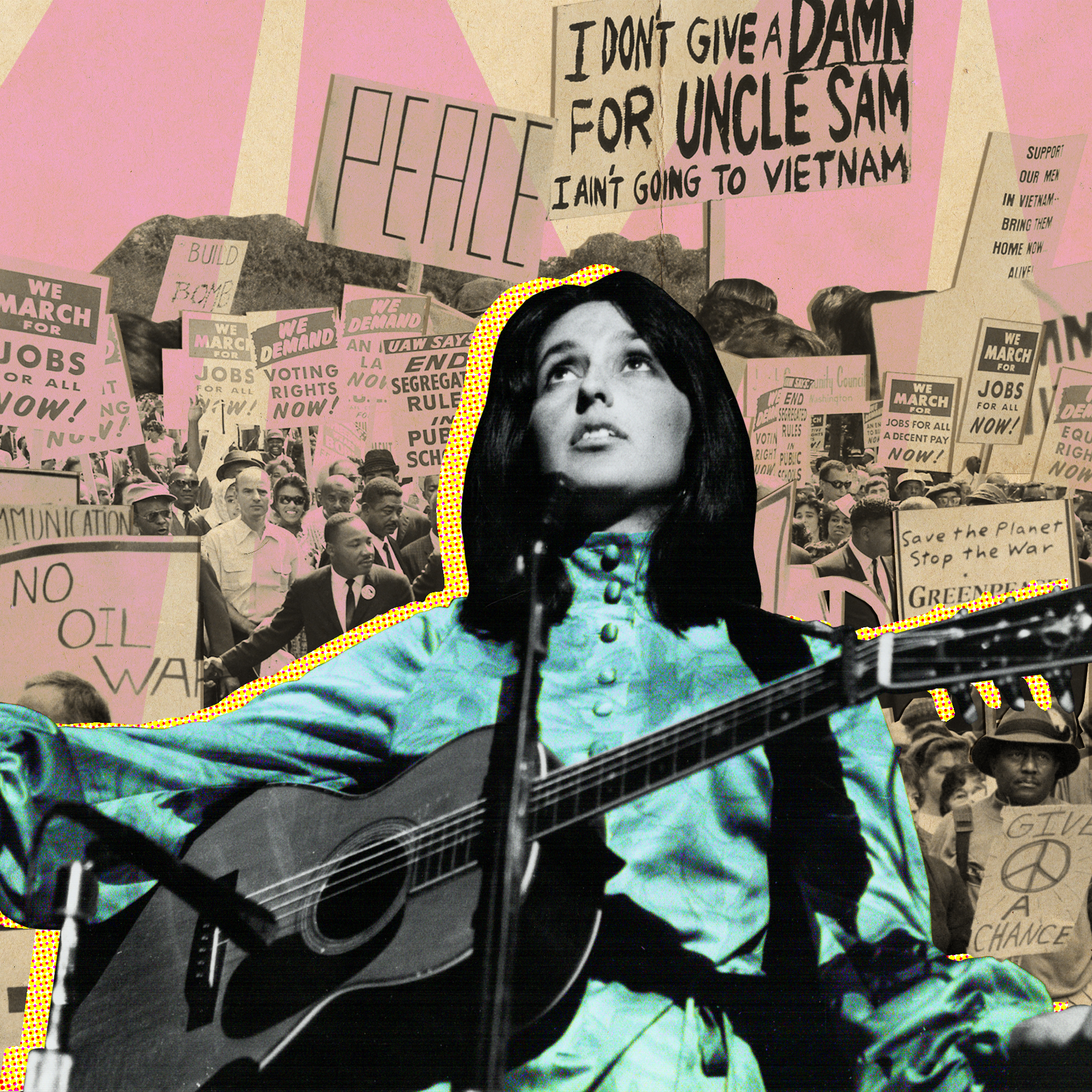
S1 Ep 15Before Beyoncé and Taylor Swift Ran the World, There Was Joan Baez
Taylor Swift and Beyoncé have achieved a degree of power in the music industry that singer/songwriters of earlier eras like Joan Baez—as the folk icon tells us—never even contemplated. Six decades ago, Baez was part of a folk revival that regarded music not merely as entertainment but as a vessel for political engagement and social change. In the documentary Joan Baez: I Am a Noise, the now-83-year-old musician and activist reflects on her career and legacy. Smithsonian senior editor Jennie Rothenberg Gritz interviewed Baez about the film and about the shifting intersection of art and activism. We present excerpts from that conversation in this episode. Then, veteran music critic Evelyn McDonnell discusses how the political dimensions of pop music have changed since Baez’s era, and what it means that many fans now look Beyoncé and Taylor Swift not just for great music, but for comment on the state of the world. Clips from Joan Baez: I Am a Noise in this episode are used with permission from Magnolia Pictures & Mead Street Films. Learn more about that film here. Evelyn McDonnell’s latest book is The World According to Joan Didion. You can learn more about Evelyn and her work at her site, Populism. Find prior episodes of our show here. There’s More to That is a production of Smithsonian magazine and PRX Productions. From the magazine, our team is Chris Klimek, Debra Rosenberg and Brian Wolly. From PRX, our team is Jessica Miller, Adriana Rosas Rivera, Genevieve Sponsler, Rye Dorsey, and Edwin Ochoa. The Executive Producer of PRX Productions is Jocelyn Gonzales. Fact-checking by Stephanie Abramson. Episode artwork by Emily Lankiewicz. Music by APM Music.
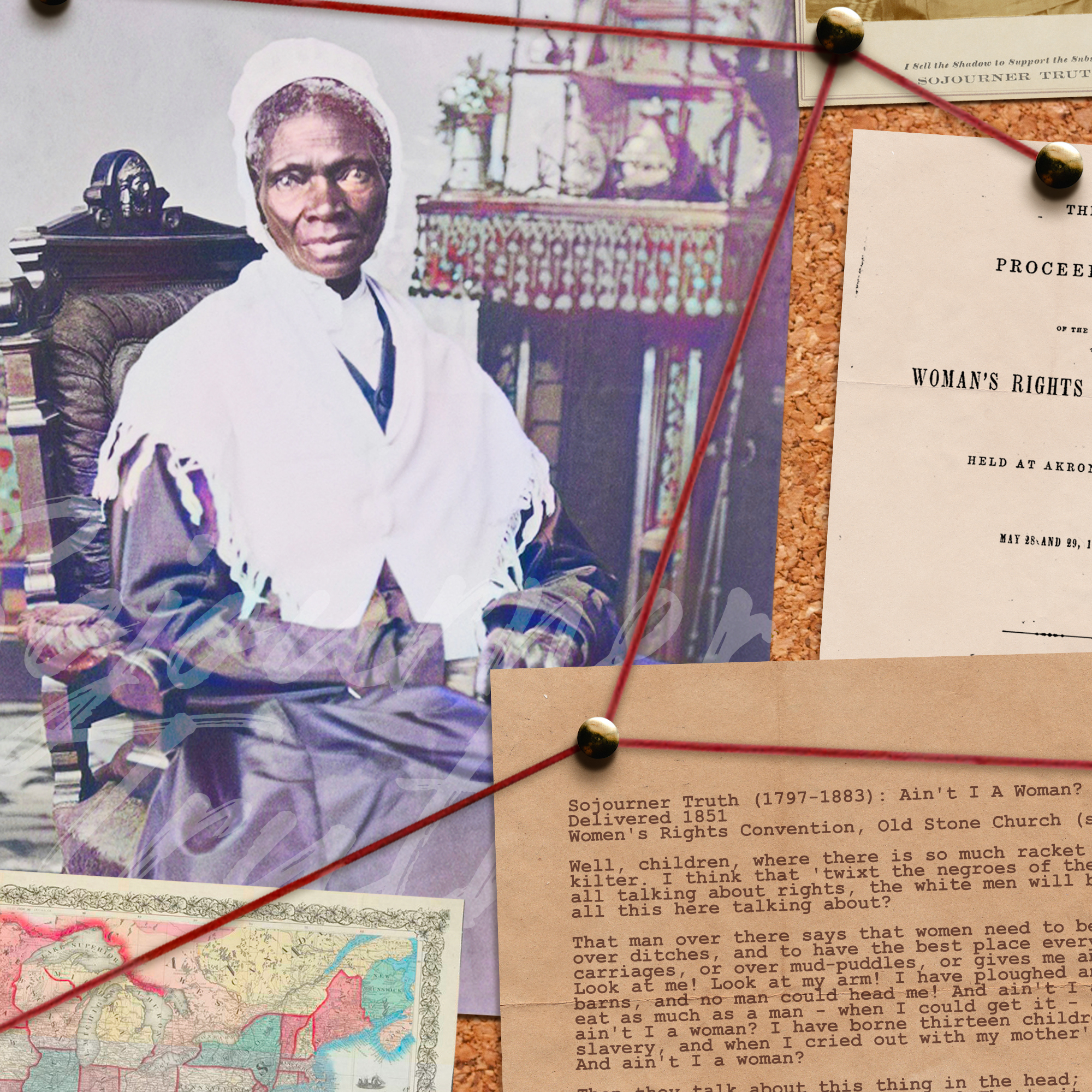
S1 Ep 14How to Separate Fact From Myth in the Extraordinary Story of Sojourner Truth
The facts of Sojourner Truth’s life are inspiring: Born into slavery in the late 1790s, she became an influential abolitionist and Pentecostal preacher, transfixing audiences from the mid 1840s through the late 1870s with her candid and powerful voice, not to mention her singing. Tall and strong, Truth was physically formidable, too. No one was using the term “intersectionality” in the 19th century, but Truth embodied this idea, declaring that her Blackness and her womanhood were equally essential facets of her identity. But many people, both in Truth’s lifetime and in the approximately 140 years since her death, have found it useful to recast Truth as they wish to remember her instead of as she was. There’s no better example of this than “Ain’t I a woman?,” the hypothetical that Truth supposedly put to the audience when she addressed a women’s rights convention in 1851 in Akron, Ohio—the city where a public plaza will be dedicated in her honor this spring. There’s reason to doubt she said that, or at least that she said it in that way. In this episode, we speak with two historians who’ve dug into Truth’s complicated legacy and challenged much of what’s been written about this American icon. Cynthia Greenlee reported on recent efforts to honor Truth for the March 2024 issue of Smithsonian. Nell Irvin Painter wrote the groundbreaking 1996 biography Sojourner Truth: A Life, A Symbol, and she’s hard at work on a follow-up volume titled Sojourner Truth Was a New Yorker and She Didn’t Say That. Together, Greenlee and Painter help us understand us who Sojourner Truth really was, and why several generations of activists have claimed her as a symbol — at the expense of our understanding of her as a person. Read Cynthia Greenlee’s March 2024 Smithsonian story about Sojourner Truth here. You can learn more about Dr. Greenlee and her work at her site. You can learn more about Dr. Nell Irvin Painter’s work as an author, artist, and historian at her site. And read more here for the history of Mar-a-Lago mentioned in our dinner party fact. Find prior episodes of our show here. There’s More to That is a production of Smithsonian magazine and PRX Productions. From the magazine, our team is Chris Klimek, Debra Rosenberg and Brian Wolly. From PRX, our team is Jessica Miller, Adriana Rosas Rivera, Genevieve Sponsler, Rye Dorsey, and Edwin Ochoa. The Executive Producer of PRX Productions is Jocelyn Gonzales. Fact-checking by Stephanie Abramson. Episode artwork by Emily Lankiewicz. Music by APM Music.
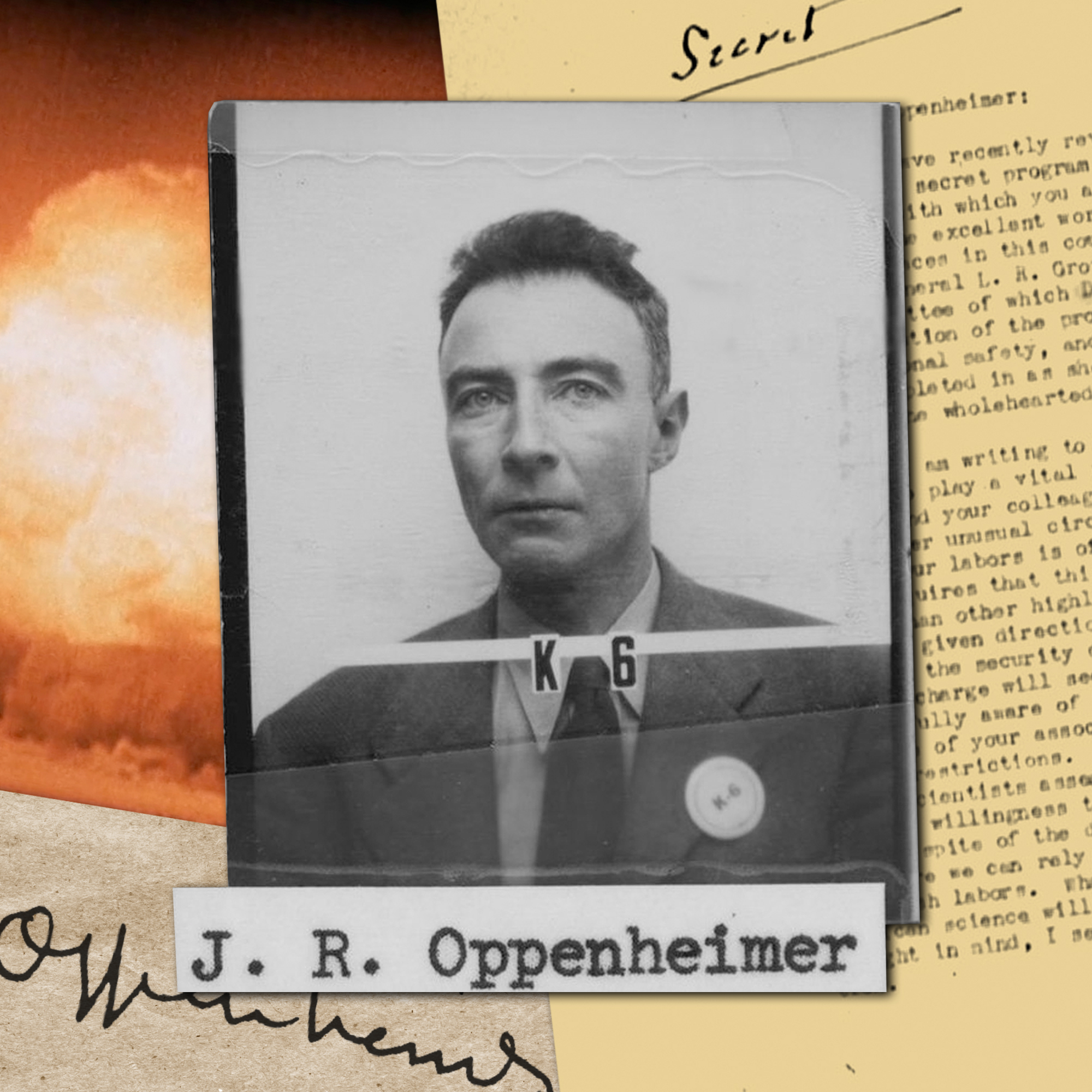
S1 Ep 1How We See Oppenheimer (redux)
Christopher Nolan's epic new film "Oppenheimer" is no mere biopic… nor is it the first attempt to capture the father of the atomic bomb in fiction. We look at prior dramatizations of this very complicated man—including one wherein J. Robert Oppenheimer played himself!—and examine why they worked or didn't. In this episode: Physicist-turned-photographer Minesh Bacrania shares his experience photographing inside the top-secret labs at Los Alamos National Laboratory, where J. Robert Oppenheimer and other scientists created the first nuclear weapon. Next, with Christopher Nolan’s film Oppenheimer exceeding commercial expectations, Smithsonian magazine writer Andy Kifer discusses the complexities of Oppenheimer's genius and how prior attempts to depict him in film and television and on stage have fared. Read Andy Kifer’s “The Real Story Behind Christopher Nolan’s Oppenheimer” here. See Minesh Bacrania’s photographs of Los Alamos and read Smithsonian senior editor Jennie Rothenberg Gritz’s text here or in the July/August 2023 issue of Smithsonian. Original release date: July 27, 2023 There’s More to That is a production of Smithsonian magazine and PRX Productions. From the magazine, our team is Chris Klimek, Debra Rosenberg and Brian Wolly. From PRX, our team is Jessica Miller, Genevieve Sponsler, Adriana Rozas Rivera, Terence Bernardo, and Edwin Ochoa. The Executive Producer of PRX Productions is Jocelyn Gonzales. Episode artwork by Emily Lankiewicz. Music by APM Music.
S1 Ep 13The Books We Loved
You can describe what a journalist does in any number of ways. One definition that’s as accurate as any is that a journalist is someone who liked having homework back when they were in school so much that they decided to keep doing homework for a career. That certainly describes the team here at Smithsonian magazine. We’re all big readers. So we thought that before our brief winter hiatus—a time when many of us are trying to think of gift ideas to please the empathetic, curious people in our lives—we’d poll the staff of Smithsonian on their favorite books they read this year. Because we’re primarily a history and science magazine, we tried to steer them toward nonfiction published in 2023, but as you’ll hear, we weren’t sticklers for either criterion. We thought it better to let you hear from our staff about the books they were most genuinely excited to share. You’ll recognize some of these voices if you’re an avid listener, but this episode also provides the chance to hear from some of the talented staffers we haven’t been able to feature on the show before now. Find prior episodes of our show here. There’s More to That is a production of Smithsonian magazine and PRX Productions. From the magazine, our team is Chris Klimek, Debra Rosenberg and Brian Wolly. From PRX, our team is Jessica Miller, Adriana Rosas Rivera, Genevieve Sponsler, Rye Dorsey, and Edwin Ochoa. The Executive Producer of PRX Productions is Jocelyn Gonzales. Fact-checking by Stephanie Abramson. Episode artwork by Emily Lankiewicz. Music by APM Music.
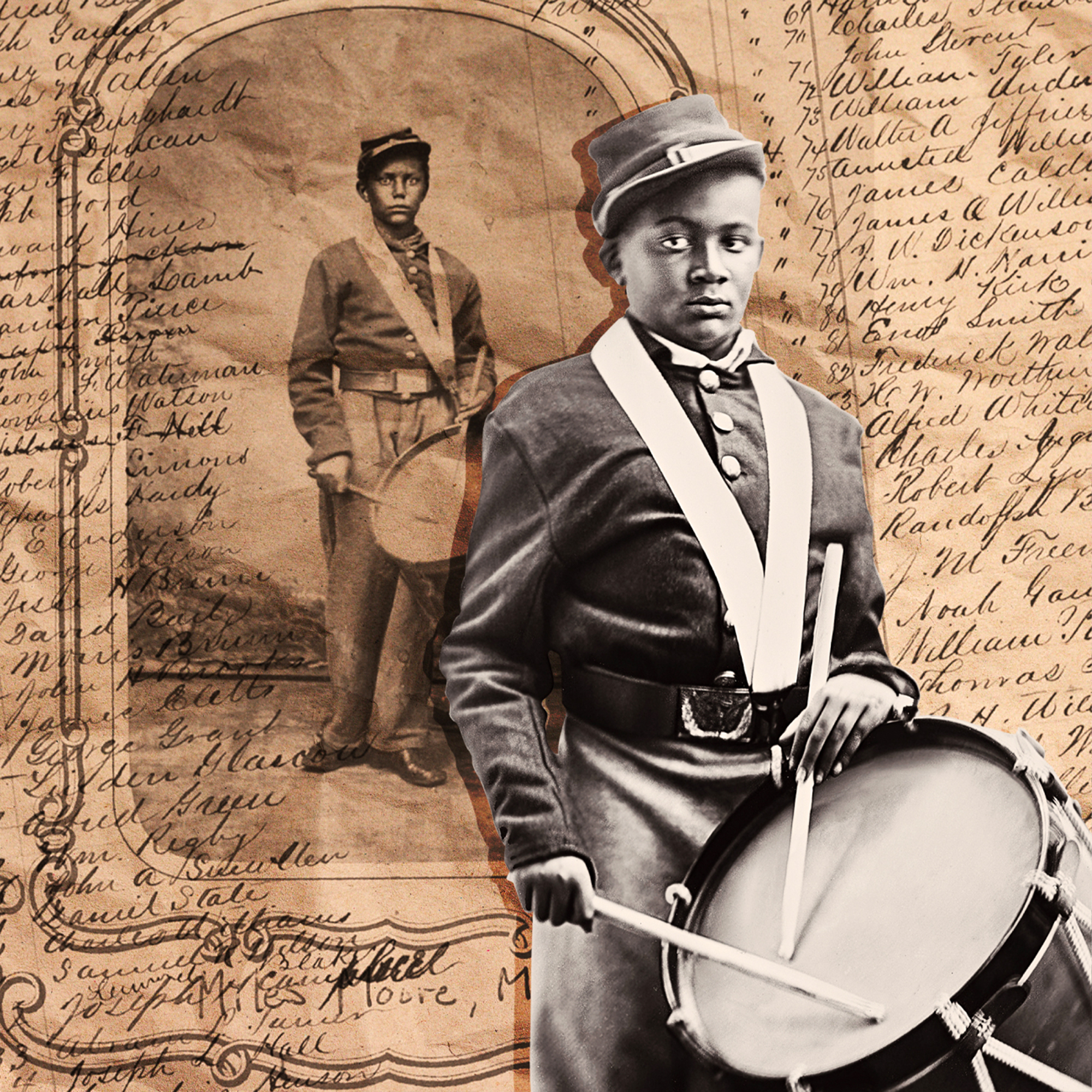
S1 Ep 12When Your Great-Great-Great-Grandfather Is a Civil War Hero
Photographer Drew Gardner has a passion for history. His long-term project, “The Descendants,” wherein he recreates famous portraits of historical figures featuring their direct offspring, is his most visible expression of this interest. But like a lot of people who study history, Gardner has in recent years begun to contemplate more deeply the question of whose stories have been judged worthy of preservation, and whose have been allowed to fade into obscurity. That was how he decided to shift his specific focus to locating and photographing Black American descendants of Civil War veterans. You can take a look at Gardner’s photographs and read magazine editor Jennie Rothenberg Gritz’s exploration of their meaning here. On the latest episode of the Smithsonian podcast “There’s More to That,” I speak with Janisse Flowers and her 9-year-son, Neikoye, who are descended from the Civil War drummer boy David Miles Moore Jr. After some reflection, Janisse and her husband decided to grant Gardner’s request to photograph Neikoye dressed in a replica of Moore’s Union Army uniform. Both Janisse and Neikoye share their surprise over how this experience made them more conscious of their heritage. I’m also joined by Gardner himself, who describes the challenges—and, he hopes, the potential benefits—of asking Black Americans to revisit one of the most painful chapters of America’s history by (almost) literally stepping into their ancestors’ shoes. You can learn more about Drew and his work at his website. Find prior episodes of our show here. There’s More to That is a production of Smithsonian magazine and PRX Productions. From the magazine, our team is Chris Klimek, Debra Rosenberg and Brian Wolly. From PRX, our team is Jessica Miller, Adriana Rosas Rivera, Genevieve Sponsler, Rye Dorsey, and Edwin Ochoa. The Executive Producer of PRX Productions is Jocelyn Gonzales. Fact-checking by Stephanie Abramson. Episode artwork by Emily Lankiewicz. Music by APM Music.
S1 Ep 11Why Wildfires Are Burning Hotter and Longer
The 2023 United Nations Climate Change Conference, or COP28, begins this week in Dubai. A new topic on the agenda this year is how wildfires are emerging as a serious health risk not just to those in their immediate vicinity, but even to people thousands of miles away. Last summer, smoke from Canadian wildfires drifted not only as far south as the mid-Atlantic region of the United States, but even across the Atlantic Ocean. We speak with John Vaillant, whose book Fire Weather: A True Story from a Hotter World recounts a 2016 wildfire in Fort McMurray, Canada that dislocated tens of thousands of people and caused billions of dollars in damage. That natural disaster seemed like a terrifying outlier when Vaillant began his reporting, but 2023’s unprecedented fire activity suggest that Fort McMurray was merely the shape of things to come. John explains how climate change is making wildfires hotter and harder to contain. Next, we’re joined by photojournalist Andria Hautamaki, who observed a “prescribed burn” in Plumas County, California. Andria shares how these kinds of carefully planned, intentionally set fires can be a useful tool for preventing more destructive blazes. Read an excerpt from John’s book Fire Weather: A True Story From a Hotter World here, and learn more about John and his other books here. Andria’s reporting for her wildfires story from the April/May 2023 issue of Smithsonian was supported by the Institute for Journalism and Natural Resources. You can learn more about Andria and her work at her website. Andria recommends these resources for anyone seeking more information about prescribed burns: Your state’s Natural Resources Conservation Service The Coalition of Prescribed Fire Councils The Great Plains Fire Science Exchange, which can help you find Prescribed Burn Associations in your area The National Fire Protection Association, aka Firewise USA The Cooperative Extension of any universities in your region Find prior episodes of our show here. There’s More to That is a production of Smithsonian magazine and PRX Productions. From the magazine, our team is Chris Klimek, Debra Rosenberg and Brian Wolly. From PRX, our team is Jessica Miller, Adriana Rosas Rivera, Genevieve Sponsler, Rye Dorsey, and Edwin Ochoa. The Executive Producer of PRX Productions is Jocelyn Gonzales. Fact-checking by Stephanie Abramson. Episode artwork by Emily Lankiewicz. Music by APM Music.

S1 Ep 10How NASA Captured Asteroid Dust to Find the Origins of Life
Capturing a piece of an asteroid and bringing it to Earth is even more difficult than it is time-consuming. After four years in space, NASA’s OSIRIS-REx craft made a brief landing on the asteroid Bennu to collect samples of the ancient rock. Six months later, part of the spacecraft began its journey home to Earth, and earlier this fall, that sample collection canister landed, via parachute, in Utah. Scientists will be studying those samples of Bennu for decades in the hope of unlocking the mystery of how life on Earth began — but they’ve already learned enough to get them excited. In this episode, we speak with Linda Shiner, the former editor of Air & Space / Smithsonian magazine, about the challenges and triumphs of the OSIRIS-REx mission, and what scientists hope it will teach us about how life on Earth began. Find prior episodes of our show here. There’s More to That is a production of Smithsonian magazine and PRX Productions. From the magazine, our team is Chris Klimek, Debra Rosenberg and Brian Wolly. From PRX, our team is Jessica Miller, Adriana Rosas Rivera, Genevieve Sponsler, Rye Dorsey, and Edwin Ochoa. The Executive Producer of PRX Productions is Jocelyn Gonzales. Fact-checking by Stephanie Abramson. Episode artwork by Emily Lankiewicz. Music by APM Music.
S1 Ep 9Healing the Wounds of the Vietnam War
Every Veterans Day, Jeremy Redmon thinks about his father, Donald Lee Redmon — an Air Force veteran who survived more than 300 combat missions over Southeast Asia, but who took his own life when Jeremy was 14. This year, Redmon traveled back to Hanoi with a group of former prisoners of war, many of whom had flown the same missions as his dad. Jeremy asked these veterans questions he was never able to ask his own father, about how they’d healed from the war and lived rewarding lives thereafter. In this episode, guest host Jennie Rothenberg Gritz speaks with Redmon about the complexities of the Vietnam War, as well as his own experiences as a reporter in Iraq. Then, Vietnamese American author Mai Elliott discusses her family’s experiences in North and South Vietnam, and how her feelings about the conflict changed throughout the 1960s. Read Jeremy Redmon’s Smithsonian story “Fifty Years After Their Release, Former Vietnam POWs Journey Back to Hanoi” here. Order Mai Elliott’s book The Sacred Willow: Four Generations in the Life of a Vietnamese Family here. Find prior episodes of our show here. There’s More to That is a production of Smithsonian magazine and PRX Productions. From the magazine, our team is Jennie Rothenberg Gritz, Chris Klimek, Debra Rosenberg and Brian Wolly. From PRX, our team is Jessica Miller, Adriana Rosas Rivera, Genevieve Sponsler, Rye Dorsey, and Edwin Ochoa. The Executive Producer of PRX Productions is Jocelyn Gonzales. Fact-checking by Stephanie Abramson. Episode artwork by Emily Lankiewicz. Music by APM Music.
S1 Ep 8How the Osage Changed Martin Scorsese’s Mind About "Killers of the Flower Moon"
A true-life saga involving organized crime, racial prejudice, and evolving American identity, David Grann’s 2017 nonfiction book Killers of the Flower Moon: The Osage Murders and the Birth of the F.B.I. seemed at first glance like a perfect fit for Martin Scorsese, the beloved filmmaker whose dozens of critically adored movies include Taxi Driver, GoodFellas, and The Departed. But when Jim Gray, a former chief of the Osage Nation, and other Osage leaders invited the filmmaker to Oklahoma to hear their concerns about his new project, Scorsese came. Scorsese listened. And then he rewrote and reconfigured Killers of the Flower Moon from soup to nuts, with a result that has earned a rapturous response from Native viewers like Gray and journalist Sandra Hale Schulman, and from the broader critical community, too. The movie opens in theatres tomorrow and will appear on the Apple+ streaming service before the end of the year. In this episode, Schulman walks me through a brief history of how Native Americans have been depicted in a century’s worth of movies. Then, Chief Gray tells me about his personal connection to Killers of the Flower Moon, the pattern of Native American erasure from national discourse, and how he and his colleagues persuaded Scorsese to rethink the new movie. A transcript of this episode can be found here. Sandra’s Smithsonian story about Native representation in cinema is here. You can learn more about Sandra and her work at her site. Dennis McAuliffe Jr.’s The Deaths of Sybil Bolton: An American History, which Chief Gray cites as formative in this episode, is here. There’s More to That is a production of Smithsonian magazine and PRX Productions. From the magazine, our team is Chris Klimek, Debra Rosenberg and Brian Wolly. From PRX, our team is Jessica Miller, Adriana Rosas Rivera, Genevieve Sponsler, Rye Dorsey, and Edwin Ochoa. The Executive Producer of PRX Productions is Jocelyn Gonzales. Fact-checking by Stephanie Abramson. Episode artwork by Emily Lankiewicz. Music by APM Music.