Show overview
The UC Irvine Podcast has been publishing since 2019, and across the 7 years since has built a catalogue of 158 episodes. That works out to roughly 50 hours of audio in total. Releases follow a monthly cadence.
Episodes typically run twenty to thirty-five minutes — most land between 16 min and 23 min — though episode length varies meaningfully from one episode to the next. None of the episodes are flagged explicit by the publisher. It is catalogued as a EN-language Education show.
The show is actively publishing — the most recent episode landed 2 months ago, with 6 episodes already out so far this year. The busiest year was 2020, with 49 episodes published. Published by University of California, Irvine.
From the publisher
Founded in 1965, UC Irvine is a member of the prestigious Association of American Universities and is ranked among the nation’s top 10 public universities by U.S. News & World Report. The campus has produced five Nobel laureates and is known for its academic achievement, premier research, innovation and anteater mascot. Led by Chancellor Howard Gillman, UC Irvine has more than 36,000 students and offers 224 degree programs. It’s located in one of the world’s safest and most economically vibrant communities and is Orange County’s second-largest employer, contributing $7 billion annually to the local economy and $8 billion statewide. For more on UC Irvine, visit www.uci.edu.
Latest Episodes
View all 158 episodesChampioning innovation via entrepreneurship
How Disneyland subtly served as one of society’s first introductions to automation
Challenging negative stereotypes and embracing strengths associated with aging
An Earth Day lesson in ‘forever chemicals'

In celebration of National Public Health Week
The American Public Health Association was formed in 1872, when scientific advances were starting to reveal the causes of contagious diseases. For over 150 years, the APHA has championed “optimal, equitable health and well-being for all,” and in 1995, President Bill Clinton signed an executive order declaring that the first full week of April each year would be National Public Health Week – a celebration organized annually by the APHA. In 2026, National Public Health Week will be celebrated April 6 through 12. This year’s theme is “Ready. Set. Action!” The APHA is asking people to “look back at the progress we’ve made” and “look forward to the steps needed for an even healthier future.” We’ll request the same of Bernadette Boden-Albala in this episode of The UC Irvine Podcast. In a wide-ranging conversation, the founding dean of the Joe C. Wen School of Population & Public Health reflects on the transformations she’s witnessed since arriving at UC Irvine in 2019 and what it will take for health and well-being to thrive. She shares insights from her latest research on stroke and cardiovascular disease, the role of social networks in disease prevention, and how community partnerships – paired with stronger advocacy for science and investment in women’s health – can improve health outcomes for everyone. “Rising Sun,” the music for this episode, was provided by DivKid via the audio library in YouTube Studio.

In conversation with 2026 Stockholm Prize winner Charis Kubrin
For over two decades, Charis Kubrin, UC Irvine professor of criminology, law and society, has examined how the presence of immigrants in communities affects public safety. Her findings continually challenge a myth that has persisted throughout history: that immigrants bring crime to their new countries. In November 2025, Kubrin learned that she’s one of two researchers who’ll receive the Stockholm Prize in Criminology for 2026 – a recognition often seen as equivalent to the Nobel Prize in that field. During the official announcement, the competition jury noted that the 2026 award is “shining the spotlight on how criminology is myth-busting on immigration and rehabilitation.” In the latest episode of The UC Irvine Podcast, Kubrin will share her reaction when she learned about the prestigious honor, explain her life’s work and how it’s particularly relevant in today’s global climate, and address the rigors of trying to bridge the gap between scientific research and public understanding. “A Caring Friend,” the music for this episode, was provided by Bad Snacks via the audio library in YouTube Studio.
Empowering healthy choices
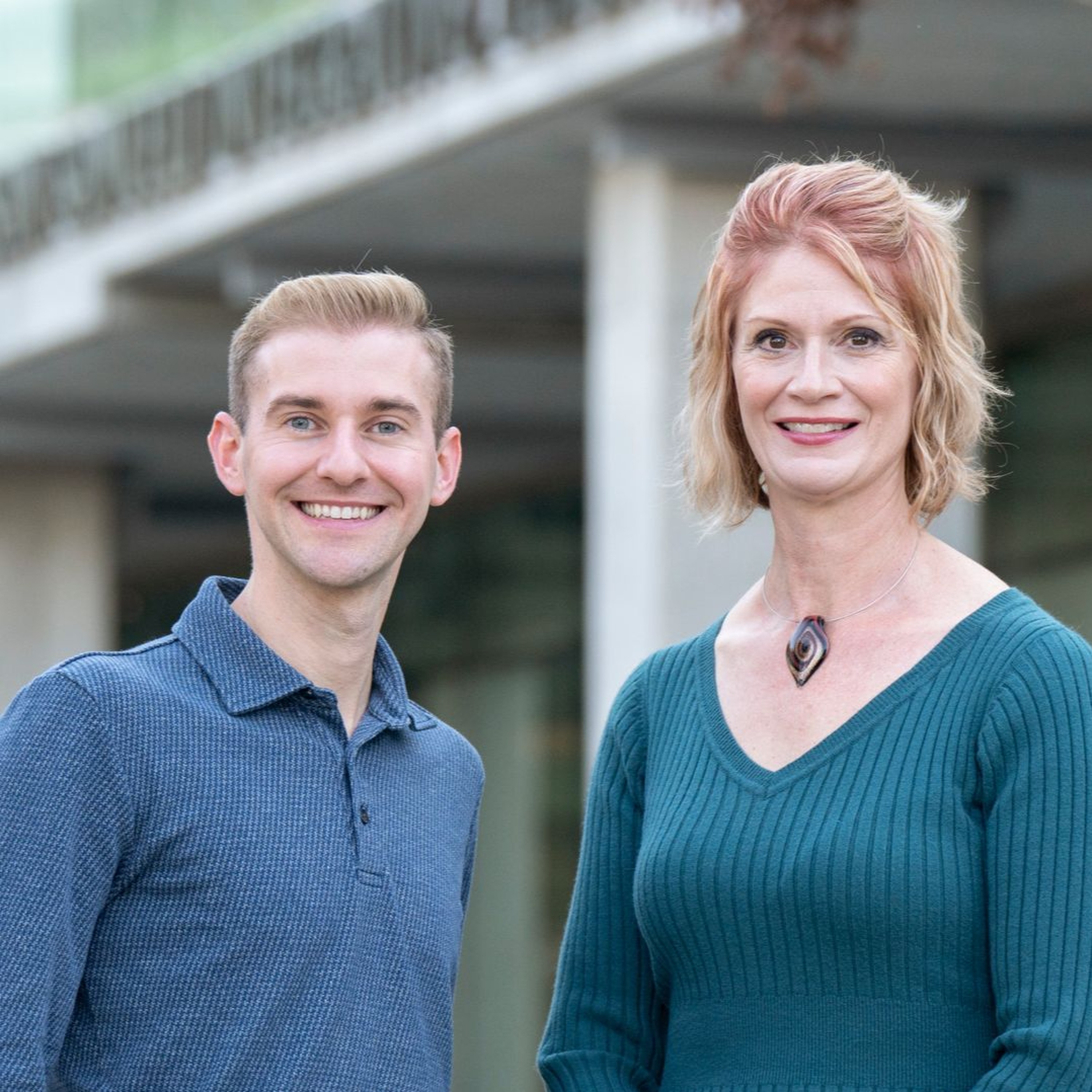
“Always bear in mind that your own resolution to succeed, is more important than any other one thing,” said Abraham Lincoln in a letter to Isham Reavis dated Nov. 5, 1855. Health and well-being hold high importance for many people, and the approach of the holiday season and the following new year often leaves them wondering about what changes, or resolutions, they might want to implement to improve their lives – and how to make them. In the latest episode of The UC Irvine Podcast, we’re leaning on the wisdom of a pair of people who’ve committed their careers to providing guidance on all those topics: Matthew Landry, assistant professor of population health and disease prevention in UC Irvine’s Joe C. Wen School of Population & Public Health, and Theresa Nutt, administrative director of education at UC Irvine’s Susan Samueli Integrative Health Institute. Landry’s research interests include identifying the optimal diet for chronic disease prevention, and Nutt is a registered and holistic nurse who has also been a health and wellness coach since 2003. In this podcast, they team up to discuss why it’s hard to stick to our diets during the holidays and share tips on how to avoid overindulging. In addition, they’ll address prioritizing activities that benefit physical fitness and how to reframe thoughts around resolutions to encourage better success. “Fresh Healthy Perspectives,” the music for this episode, was provided by Birocratic via the audio library in YouTube Studio.
Focus on first-gen
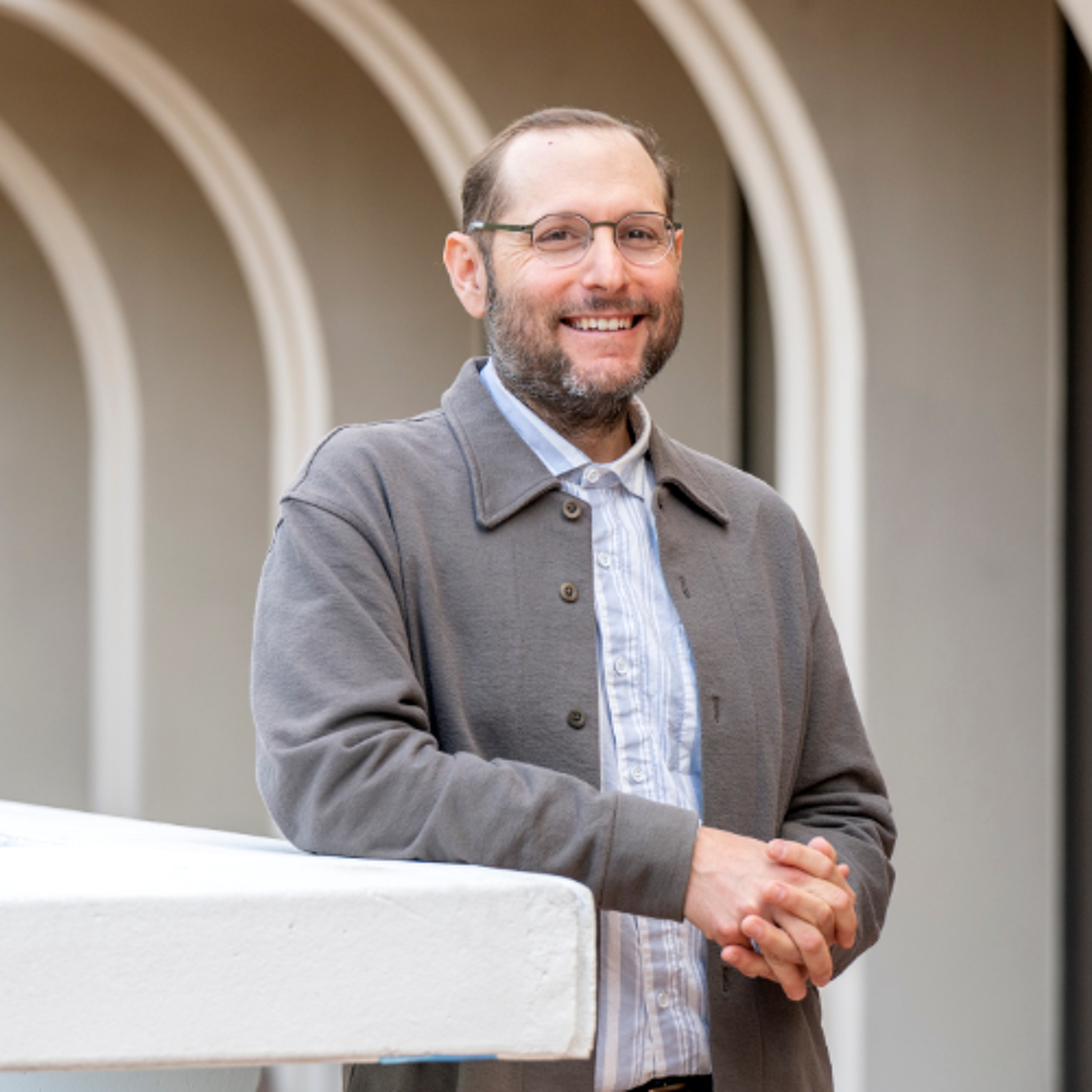
The University of California defines a first-generation college student as “a student where neither parent nor guardian have earned a four-year college degree.” At UC Irvine, Institutional Research, Assessment, and Planning updated its student head count data on Oct. 24 to include fall of 2025, and according to the enrollment dashboard, 11,104 out of 30,260 (36.7 percent) undergraduates have first-generation status. The latest four-year graduation rate for first-gen students at UC Irvine is 72.8 percent, and the six-year graduation rate is 83.8 percent. We’re shining the spotlight on first-gen students in this episode of The UC Irvine Podcast. Our guest is Scott Lerner, a lecturer in the School of Humanities’ composition program. Once a first-gen student himself, he commits extensive time and energy to that population on campus, teaching classes with their experiences as the primary theme and helping lead initiatives to increase first-gen visibility. These efforts include a freshman seminar exploring the hidden curriculum and a website of resources and contacts. Lerner shares stories of tribulation and triumph from his first-gen journey, explains how he structures courses to help students tell their own tales, and muses about changes that could further enhance everyone’s capabilities to succeed. “Brave,” the music for this episode, was provided by Mark Karan, Scott Guberman, Angeline Saris and Jeremy Hoenig, via the audio library in YouTube Studio.

UC Irvine Podcast: Studying a Nearby Exoplanet
Paul Robertson, associate professor of physics and astronomy at the University of California, Irvine, is co-author of a new paper in The Astronomical Journal on an exoplanet that is tantalizingly close to Earth. The proximity of this exoplanet helps astronomers glean more details about it. They want to know how it compares in size to Earth, if it has an atmosphere, and if it is in the habitable zone, a distance from the host star that would make it possible for the planet to have liquid water on its surface, a key ingredient to support potential life. In this episode of the UC Irvine Podcast, Robertson discusses the tools he and his team used to characterize this exoplanet and what he hopes to learn in future exoplanet hunting efforts.
Research realities in the face of funding restrictions
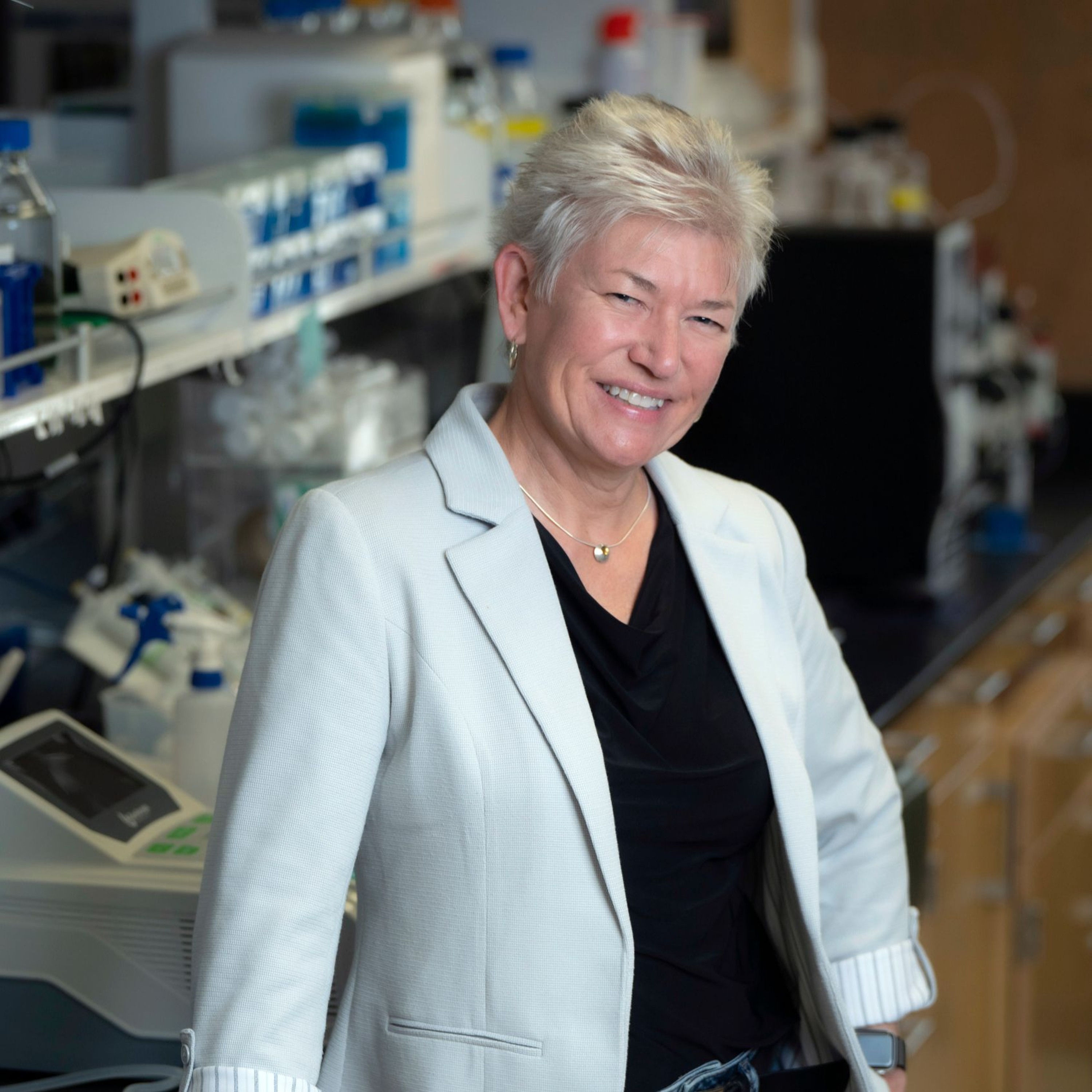
Internationally recognized neuroscientist Aileen Anderson – a professor of physical medicine & rehabilitation, anatomy & neurobiology and neurosurgery, and the former director of the Sue & Bill Gross Stem Cell Research Center – started her tenure as UC Irvine’s vice chancellor for research on July 1. She had no opportunity to ease into her new, important role. In her first month at the helm, the federal government announced it was suspending approximately $584 million in funding from the National Science Foundation, National Institutes of Health and other agencies to UCLA, putting the entire UC system on alert for what might be next. In the months since, several federal court orders have restored vast amounts of those grants, but the situation remains in flux. On Aug. 21, Anderson hosted a town hall to address how federal funding suspensions impact UC Irvine. To make clear her position, her campuswide emails offering updates to the latest developments all end with this quote: “The Office of Research and I stand with our research community. We appreciate your resilience and remain committed to supporting you every step of the way.” In this episode of The UC Irvine Podcast, Anderson demonstrates that dedication by sharing what she knows about the current state of federal funding, how cuts are affecting the research community at UC Irvine and globally, and what these changes could mean for the future of the university, its faculty and students, science, medicine, and, eventually, the health of Americans and international reputation of the United States. “Building Blocks,” the music for this episode, was provided by Nate Blaze, via the audio library in YouTube Studio.

Julie Washington on her love of language and the future of teaching
On April 3, 2025, Julie Washington was appointed interim dean of the School of Education at the University of California, Irvine. No stranger to leadership roles, the professor of education was already associate dean for faculty development and diversity at the school, where she’s been a member of the faculty since 2021. Before that, Washington served as professor and chair of the Department of Communication Sciences and Disorders at Georgia State University and professor and chair of the Department of Communicative Disorders at the University of Wisconsin-Madison. Washington describes herself as a “language nerd” who, during her high school years, frequently won oratory contests and reveled in the art of diagramming sentences. After working with a speech-language pathologist for voice therapy during that same period of her life, Washington knew she had found the career she wanted to pursue. Most recently, her research has centered around how language impacts reading and writing and how it develops in children who learn variations of American English in their communities. Washington shares her expertise worldwide – this summer, she served as the keynote speaker at the Africa Dyslexia Conference, held in Accra, Ghana, an event co-sponsored by UC Irvine’s School of Education. In this episode of The UC Irvine Podcast, we’ll learn more about her origin story and the work she’s leading with UC Irvine’s Language Variation and Academic Success lab and Learning Disabilities Research Innovation Hub, which is funded by the National Institute of Health’s National Institute of Child Health and Human Development. Washington will also share where she’s seeing the positive impacts of AI in education, why research drives practice in the field, and how she plans to lead her school and maintain its nationally recognized reputation during this time of funding uncertainty. “Words” the music for this episode, was provided by Audionautix via the audio library in YouTube Studio. Audionautix is licensed under a Creative Commons Attribution 4.0 license.

The past, present and future of labor
Data from the Bureau of Labor Statistics released on July 29, 2025, showed 7.44 million jobs open in the United States at the end of June, a decrease from May’s number of 7.71 million, the highest number of job openings since November 2024. The lingering effects of the 11 interest rate hikes in 2022 and 2023 to combat inflation are one factor creating momentum changes in the U.S. job market. Another is the uncertainty resulting from the trade wars brought on after the 2025 change in presidential administration. Some of the many diverse elements affecting the American labor market include automation, artificial intelligence, energy transition and, more recently, the deportation of laborers in various fields. Other important talking points around employment include the future of wages, benefits, workers’ rights and unions. Virginia Parks, UC Irvine professor of urban planning and public policy, will address each of these topics in this episode of The UC Irvine Podcast. She’ll also give advice to young people making the daunting decision about what they should do for a living – and share how the UC Irvine Labor Center can help. “Confliction & Catharsis,” the music for this episode, was provided by Asher Fulero, via the audio library in YouTube Studio.
On writing, a pioneer writer, Pride and maintaining one's courage
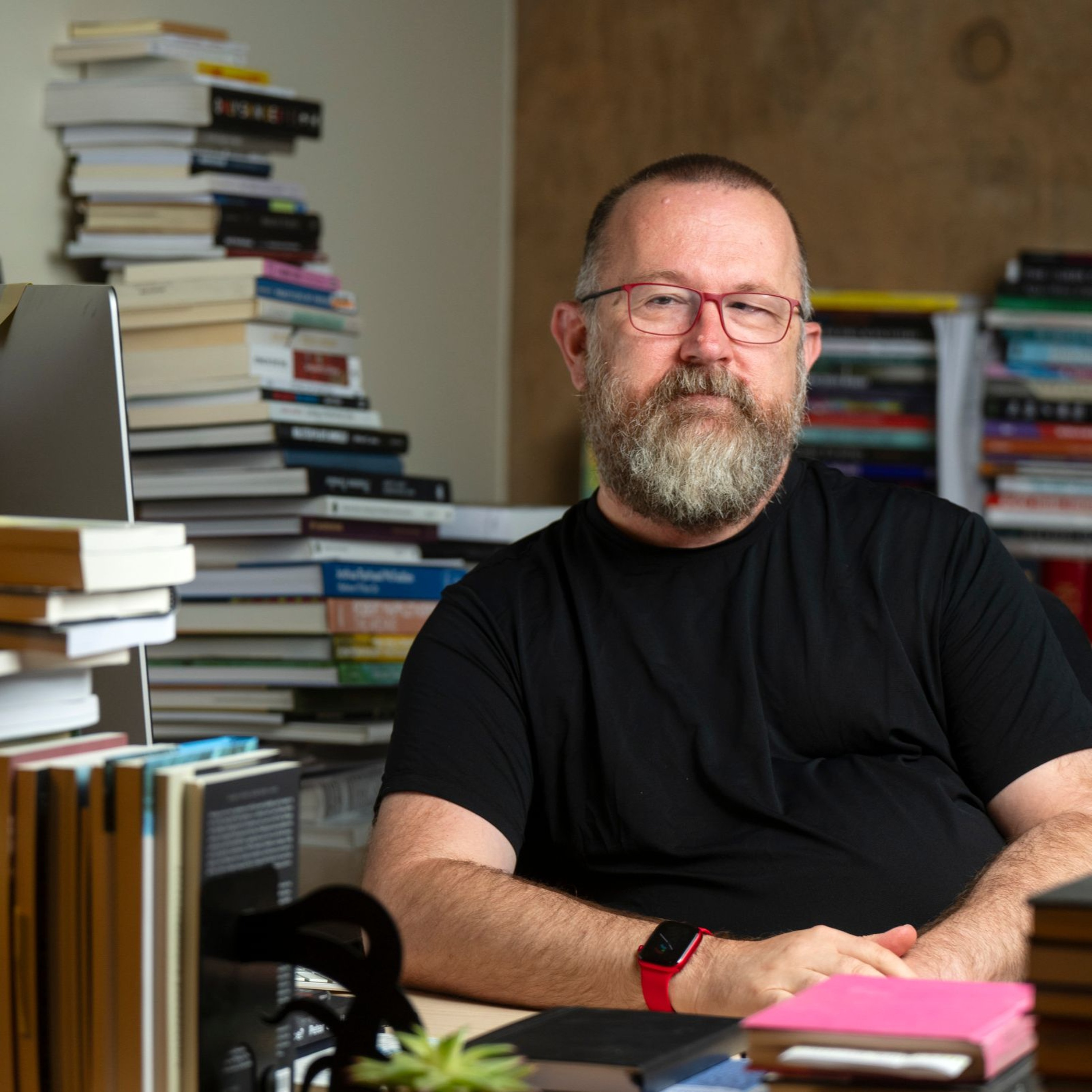
In his 1988 semiautobiographical novel "The Beautiful Room Is Empty," author Edmund White relates his experiences on the night of June 28, 1969, as he and others passed by the Stonewall Inn, a New York City gay bar: “I suppose the police expected us to run away into the night, as we’d always done before, but we stood across the street on the sidewalk of the small triangular park. … Everyone booed the cops, just as though they were committing a shameful act. We kept exchanging peripheral glances, excited and afraid.” The uprising that White witnessed is described by the Library of Congress as a “tipping point” for the gay liberation movement in the United States. One year later, the first Pride marches were held in New York, Los Angeles and Chicago – the beginning of an annual June tradition of events commemorating Stonewall and the continuation of prior decades of activism and demonstrations for equal rights for LGBTQ+ people. White, the author of over 30 books of fiction and nonfiction and hundreds of essays and articles, died on June 3, 2025. He’s called a “towering figure in American literature” who is “most justly known as one of the singular lights of gay letters” by Jonathan Alexander, UC Irvine Chancellor’s Professor of English and informatics who’s been named the next chair of the campus’s nationally ranked Department of English. In this wide-ranging episode of The UC Irvine Podcast, Alexander reflects on both White and Pride. He also describes how he thinks about fear in the face of uncertainty, his vision for the future of the UC Irvine English department, and what he’s learning through his current research on how the craft of writing affects University of California graduates. “Shadowing,” the music for this episode, was provided by Corbyn Kites, via the audio library in YouTube Studio.

The power of positive emotions
“Clap along if you feel like happiness is the truth.” That’s a memorable line from the 2013 tune “Happy,” by Pharrell Williams – a song that reached No. 1 in the charts in over 20 countries, including the United States, the United Kingdom and Canada and was the most played song of the 2010s. One truth about happiness: It’s among the many positive emotions that people can use to counter stress, which affects thoughts, feelings, behaviors and physical health. Unchecked stress can lead to myriad health problems like hypertension, heart disease, stroke, obesity and diabetes. Sarah Pressman, UC Irvine professor of psychological science, has made examining the health benefits of positive emotions her life’s work. In this episode of The UC Irvine Podcast, Pressman explains how researchers analyze the protective properties of positivity, relates their findings and suggests simple steps people can take to improve their own happiness. “High Life,” the music for this episode, was provided by The Mini Vandals, featuring Mamadou Koita and Lasso, via the audio library in YouTube Studio.

A lesson in social movements, protests and polarization
Social movements – and the protests they give rise to – have happened on American soil since before the country’s establishment as an independent nation. On Dec. 16, 1773, American colonists demonstrated their dissatisfaction with British tax policies by dressing in disguise and dumping 342 chests – around 92,000 pounds – of valuable tea into Boston Harbor. Originally known as “the Destruction of the Tea,” the event was later nicknamed “the Boston Tea Party.” In this century, we’ve seen part of that moniker repurposed by the tea party movement, a group interested in lower taxes and decreased government spending who staged protests in over 750 U.S. cities on April 15, 2009 – Tax Day. Social injustices, environmental issues and political concerns are just a few of myriad reasons people have organized protests over the course of history. David S. Meyer, UC Irvine professor of sociology, political science, and urban planning and public policy, is one of the nation’s top scholars on social movements. In this episode of The UC Irvine Podcast, Meyer leans on years of study to put today’s realities into historical perspective, analyze the current state of polarization and share what he’s learned about how action can spark change. “Downpour,” the music for this episode, was provided by Patiño via the audio library in YouTube Studio.

UCI Podcast: Women in science
In 1987, Congress passed Public Law 100-9, designating March as “Women’s History Month,” intended to honor “women of every race, class, and ethnic background” who have made “historical contributions to the growth and strength of the Nation in countless recorded and unrecorded ways.” One academic discipline where the contributions of women have been overlooked and undervalued is science. Cailin O’Connor, UC Irvine Chancellor’s Professor of logic and philosophy of science, has spent significant time studying scientific communities and how they learn about the world together – and how cultures evolve unfair rules around characterizations like race and gender. Because O’Connor is a female working in science herself, she has paid special attention to the unique histories, challenges and successes of women who have chosen career paths in science, technology, engineering and mathematics. In this episode of The UCI Podcast, O’Connor addresses why women have been historically underrepresented in science and the barriers that still exist, how the accessibility of science careers for women has changed, and what can be done to increase female representation. “Divine Life Society,” the music for this episode, was provided by Jesse Gallagher via the audio library in YouTube Studio.
UCI Podcast: Bringing the classroom into the community
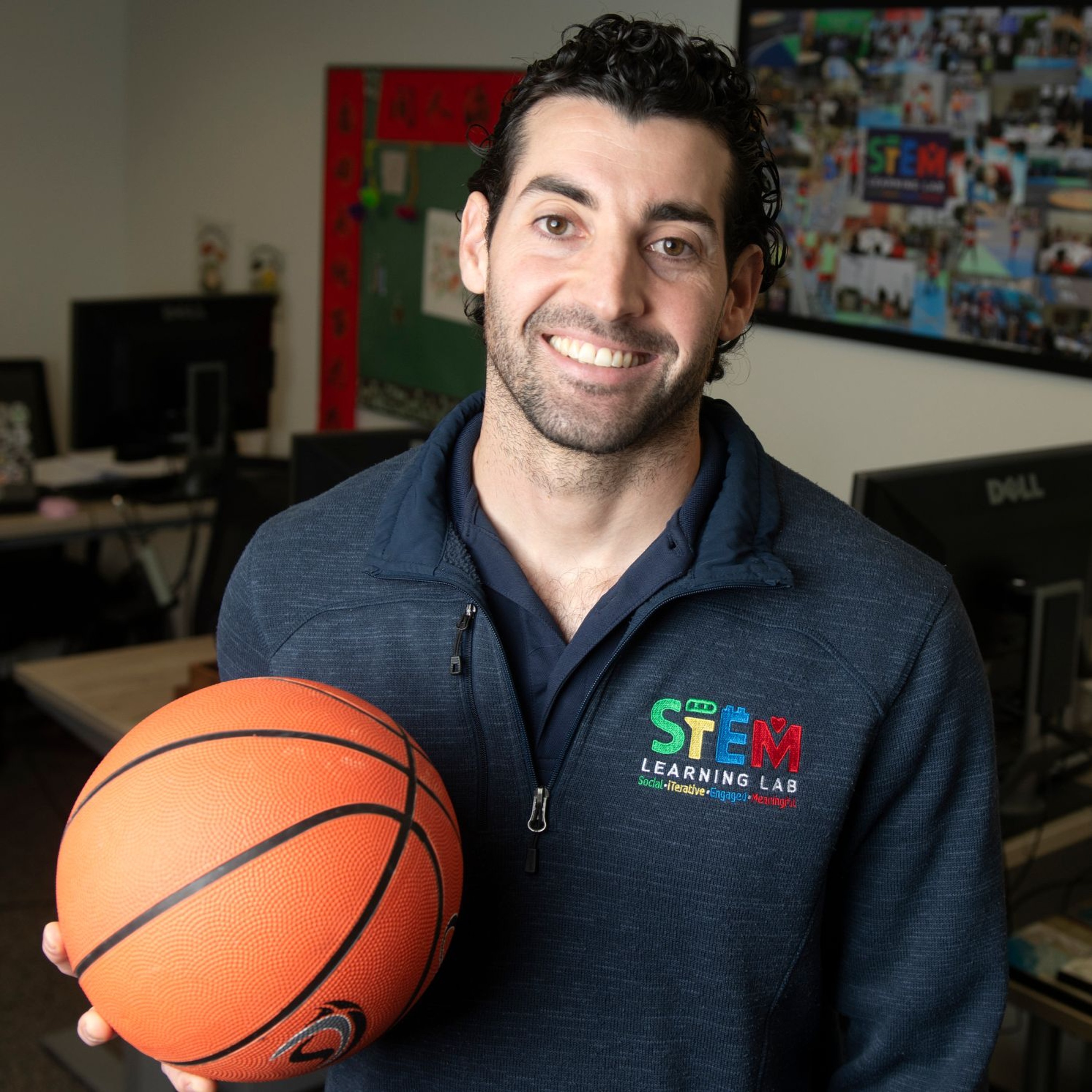
With a focus on early childhood education, Andres Bustamante and his team at the STEM Learning Lab are busy developing interactive learning spaces to enhance science, technology, engineering and math education in places where families gather – parks, playgrounds, grocery stores, even bus stops. Through collaborative partnerships with schools and community organizations – and by integrating the thoughtful input of local families in their design process – members of Bustamante’s group are creating opportunities for young children to learn in ways that are powerful and effective because they are also engaging, joyful and fun. In this episode of The UCI Podcast, the associate professor of education and faculty director of UC Irvine’s Orange County Educational Advancement Network guides us on a tour of the playful learning landscapes he has helped install in schools and community locations throughout the city of Santa Ana and explains how and why they’re already making a difference. “Skedaddle Back,” the music for this episode, was provided by Nathan Moore via the audio library in YouTube Studio.
UCI Podcast: Navigating stress related to the holiday season
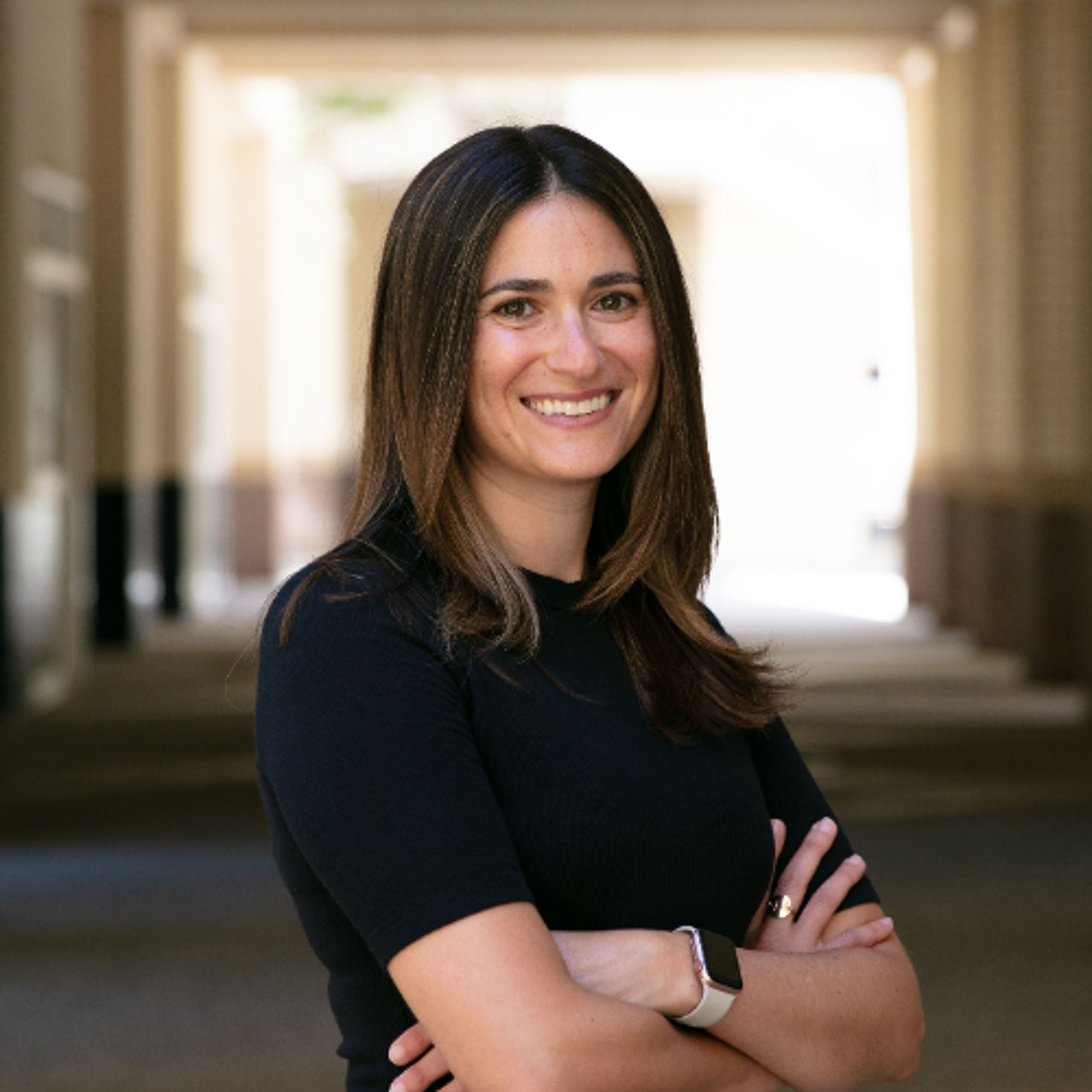
According to poll results from the American Psychological Association last November, 89 percent of adults in the United States were overwhelmed as the holidays approached by concerns such as not having enough money, missing loved ones and anticipating family conflict. The goal of this episode of The UCI Podcast is to help you develop some strategies to manage the added stressors of this time of year – particularly when it comes to having challenging conversations with loved ones. Our guest today is Naomi Tabak, a licensed and board-certified clinical psychologist and director of UC Irvine’s Psychological Services Center. She’ll share tips to help listeners mitigate holiday stress and prioritize their well-being at a time of year when self-care is crucial. Community members over 18 who are interested in learning more about the UC Irvine’s Psychological Services Center can check out its webpage at https://sites.uci.edu/psychologyclinic. The center is NOT affiliated with UCI Health or the UCI Counseling Center. If you’re currently enrolled as a student at UC Irvine and are seeking campus counseling and clinical services, please visit the Counseling Center website at https://counseling.uci.edu. “Soft Feeling,” the music for this episode, was provided by Cheel via the audio library in YouTube Studio.

UCI Podcast - KUCI turns 55
The much-loved and eclectic campus radio station KUCI, 88.9 FM, turns 55 this year, and it has been quite a ride. What started as an underground station was among the first to embrace the internet. With an audience that now spans the globe, KUCI continues to air a diverse schedule of music and voices.
UCI Podcast: Directed evolution research at UC Irvine
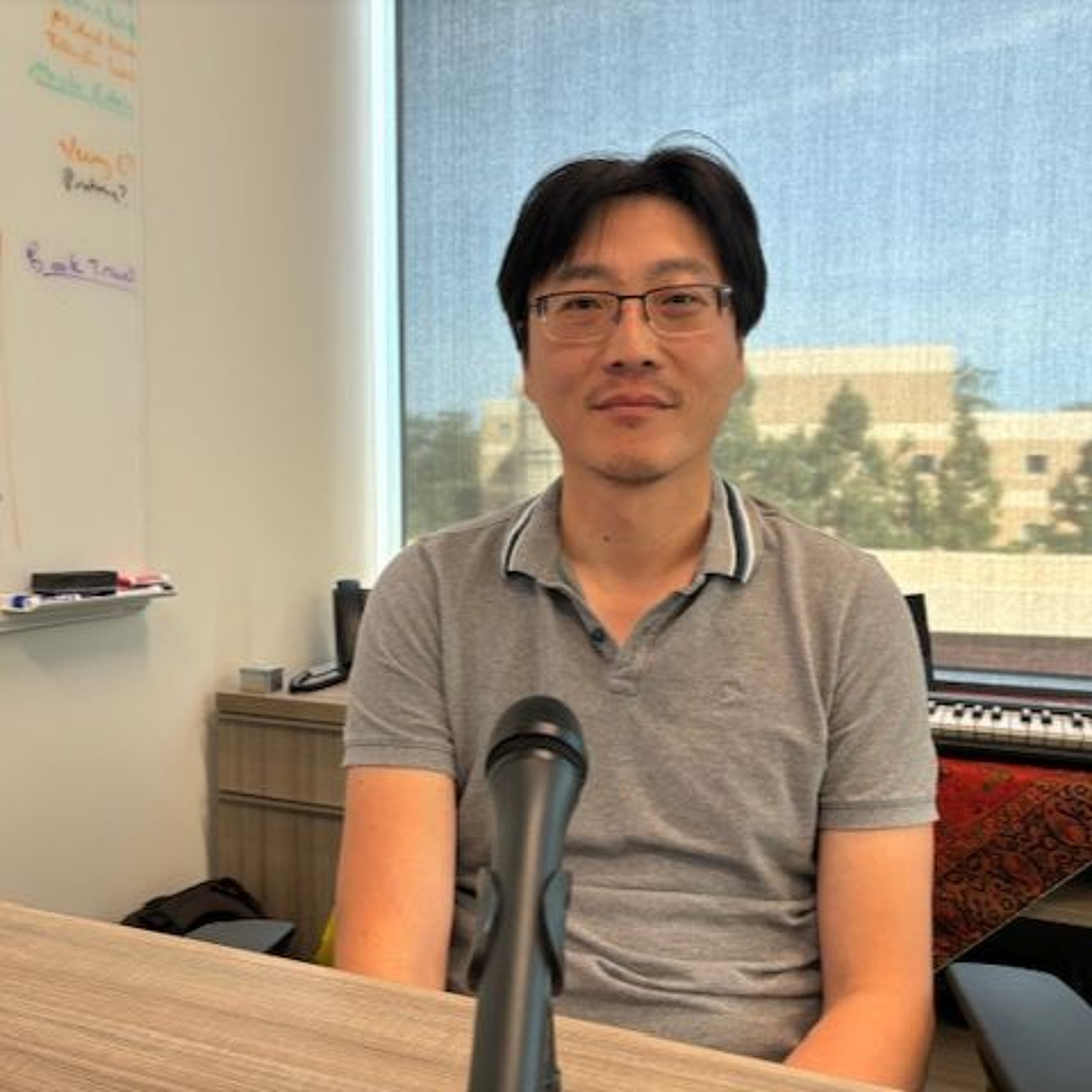
Chang Liu, UC Irvine professor of biomedical engineering, is a leader in the field of directed evolution, an effort to train genes to evolve in a laboratory in order to perform desired functions. Through this method of gene engineering, researchers hope to create new biological substances for use in pharmaceuticals and as cheaper and more environmentally responsible industrial catalysts. The work is also helping the scientific community build genetic knowledge for the benefit of bioengineering. Liu's research group has a new paper out in the journal Science in which they discuss improvements to their OrthoRep gene evolution platform. The system allows mutations to happen a million times faster than natural evolutionary time frames. In this episode of the UCI Podcast, speaks with UC Irvine communicator Brian Bell about the findings detailed in the paper. Musical accompaniment to this podcast episode is Bach’s E Major Fugue from the Well-Tempered Clavier Book 2, played by Professor Liu.