The Tofugu Podcast: Japan and Japanese Language
114 episodes — Page 1 of 3
けど: Why Are Japanese Speakers Always Ending Their Sentences with "But"?
In this episode, the Tofugu crew, Kanae and Nick, discuss how "but" in Japanese, けど (kedo), is often used at the end of sentences in real-life conversations. For more details, check out Kanae's article: https://www.tofugu.com/japanese/kedo/

How To Language Exchange Successfully
Language exchange is a fun and free way to improve your Japanese. But to do it successfully, you should consider a few things. In this episode, the Tofugu crew, Kanae and Ian discuss tips and practical expressions you can use for language exchange sessions. For more details, check out: https://www.tofugu.com/japanese/language-exchange/
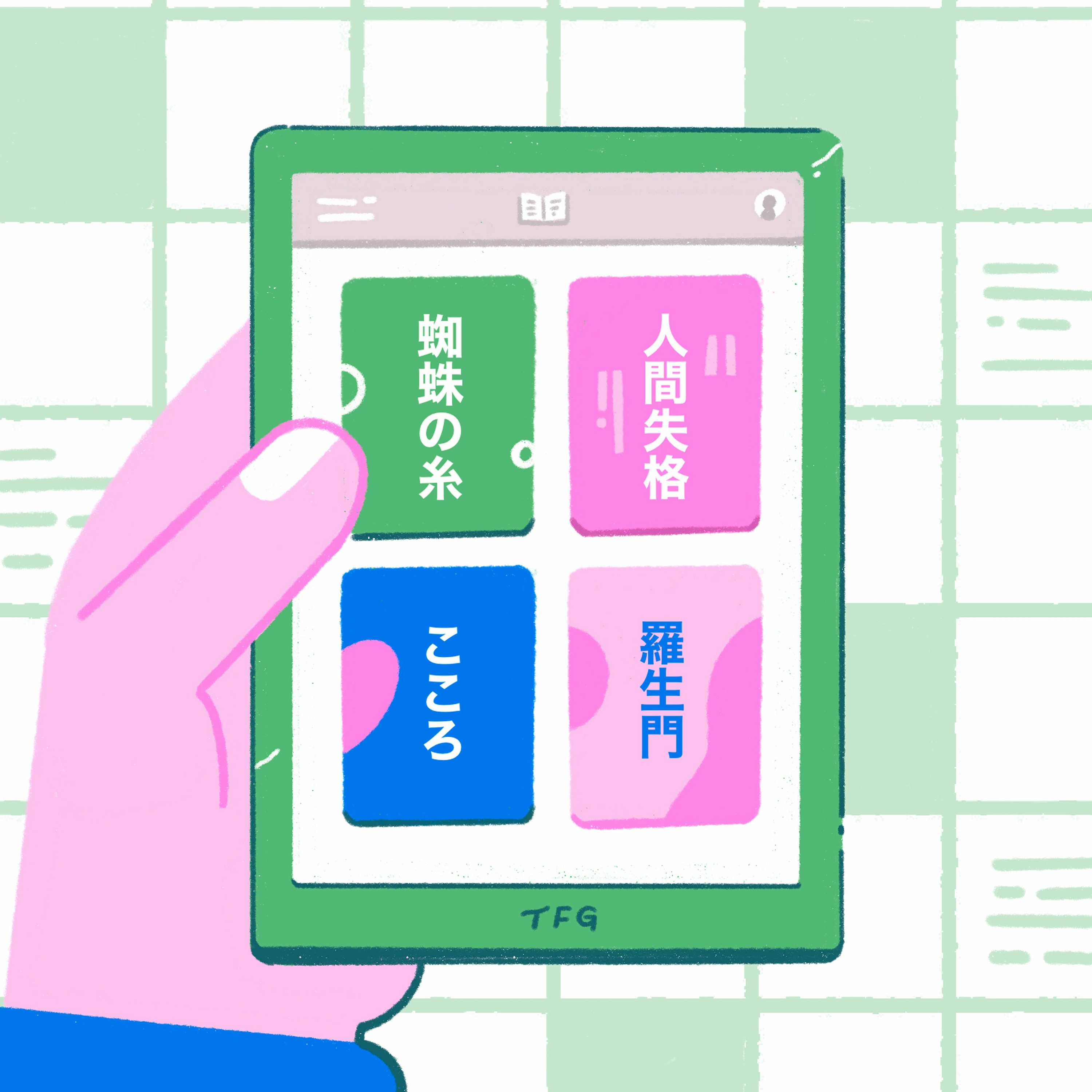
How and Where to Buy Japanese E-Books
In this episode, the Tofugu crew, Kanae and David discuss why e-books can be great materials for Japanese learners, all their tips for buying Japanese e-books, and their favorite Japanese e-book stores. After listening to the episode, check out: https://www.tofugu.com/japanese/how-to-buy-japanese-ebooks/
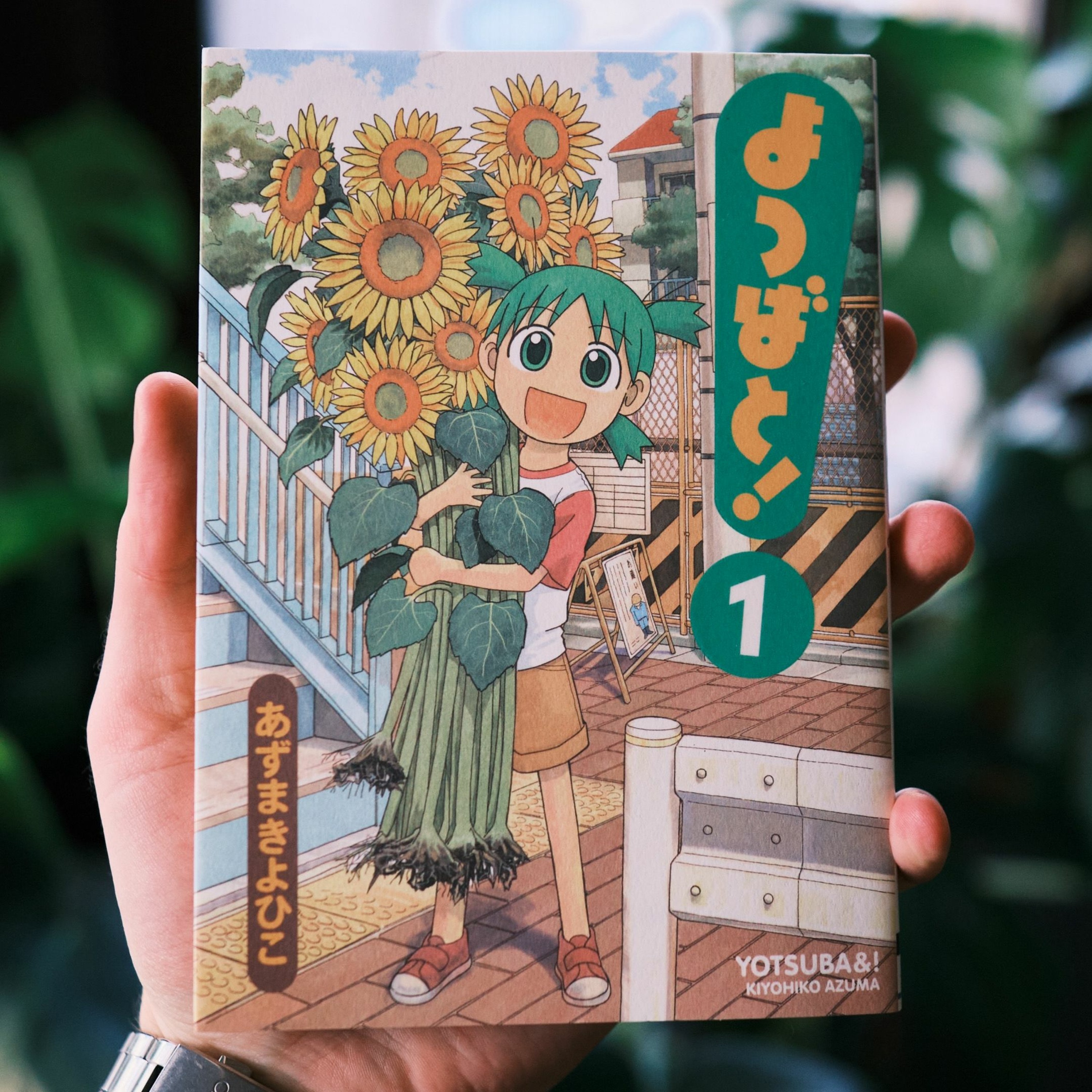
Why Is Everyone Raving about "Yotsuba&!"?
よつばと! (Yotsuba&!) is a Japanese slice-of-life comedy manga series that's become very popular in the Japanese learning community. In this episode, the Tofugu crew, Kanae and Ian talk about how much they love Yotsuba&! and why it's such a great manga series to pick up for Japanese learners, especially beginners. After listening to this episode, check out Ian's review article about "Yotsuba&!": https://www.tofugu.com/reviews/yotsubato/

"Yuri" — Japanese Queer Women Love Stories
In this episode, Emily and Kanae discuss “yuri,” the Japanese genre of women-loving women (wlw) romantic relationships. Check out this episode to learn a brief history of yuri, famous examples of yuri, and Emily’s yuri/LGBTQ+ recommendations, such as: 少女革命ウテナ (Revolutionary Girl Utena) やがて君になる (Bloom Into You) しまなみ誰そ彼 (Our Dreams at Dusk) … and more!
Things I Wish I Knew When I Was A Beginner Japanese Learner, Feat. Ian Battaglia
In this episode, Ian Battaglia, a Japanese resource review writer at Tofugu and an enthusiastic Japanese learner who’s still actively working his way to the advanced level, discusses all kinds of things he wishes he knew when he was a beginner Japanese learner. Ian covers topics like: - Learning Japanese is not a race! Go at your own “sustainable” pace - A recommended learning order for self-learners to have the foundation for immersion - Reading practice is surprisingly beneficial in general - Focus more on practice, not process - Be okay with not understanding everything in Japanese and more. Make sure to give it a listen for Ian’s Japanese learning wisdom!
Things I Wish I Knew When I Was A Beginner Japanese Learner, Feat. Emily Suvannasankha
In this episode, Emily Suvannasankha, a Japan category writer at Tofugu and an enthusiastic Japanese learner of over a decade, discusses all kinds of things she wishes she knew when she was a beginner Japanese learner. Even more, she also shares tips and advice that she got from interviewing her friends who study Japanese. Emily covers topics like: - A little a day adds up to a LOT — make Japanese learning a daily habit - Don’t let shame keep you from getting back into a groove after a hiatus - Hiragana, katakana, and some simple kanji are surprisingly easy - Learn a good chunk of vocabulary before starting to study grammar - Kanji writing ability is not as important as you think and more. Make sure to give it a listen for some Japanese learning wisdom from Emily and her friends!
Things I Wish I Knew When I Was A Beginner Japanese Learner, Feat. David Honeycutt
In this episode, David Honeycutt, a Japanese resource review writer at Tofugu and an enthusiastic Japanese learner of over a decade, discusses all kinds of things he wishes he knew when he was a beginner Japanese learner. David covers topics like: - How to follow some sort of curriculum even if you’re a self-learner - The power of SRS (Spaced Repetition System) - Using a built-in dictionary on computers or phones - Setting tangible goals with deadlines and more. Make sure to give it a listen for David’s Japanese learning wisdom!

MEXT Research Scholarship: Get a Master’s Degree in Japan for Free
The MEXT Research Scholarship is Japan's government-funded program that will let you do a free master's *and* cover living expenses to boot. ...Sounds too good to be true? Well, Emily is living proof that it's not. In this episode, Kanae and Rachel welcome Tofugu’s new writer Emily as a co-host and talk about her experience with the scholarship program she just finished in Nagoya a few months ago. Anyone who’s curious about MEXT will find some insight into the application process in this chat, as well as a few words of support if you decide to go for it. For more detailed information about the MEXT Research Scholarship, check out Emily's article on the Tofugu blog: https://www.tofugu.com/japan/mext-monbukagakusho-scholarship/
は and が: Part 1
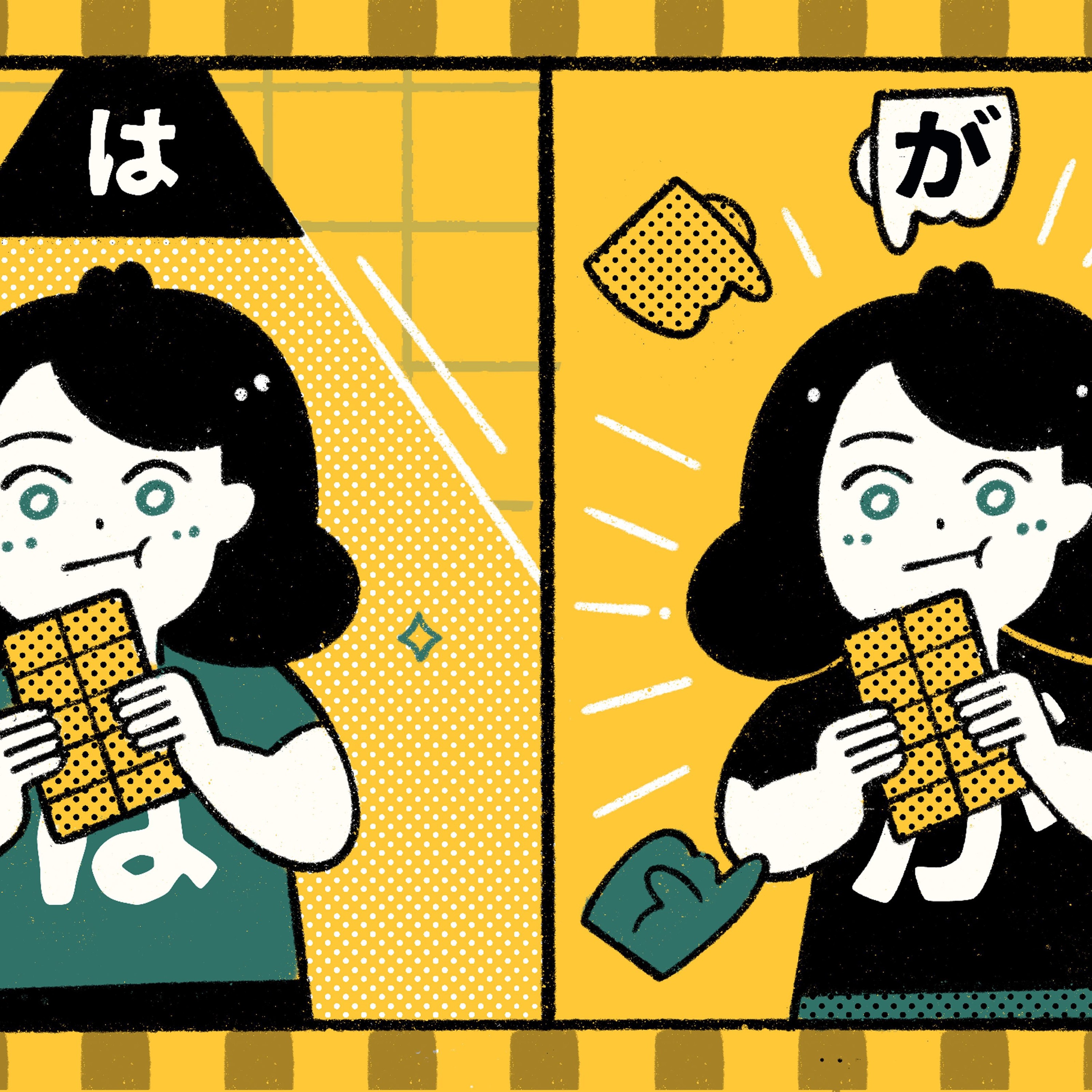
Put your hands up if you agree that は and が are up there with the most confusing aspects of Japanese grammar. Part of the confusion is that they're often conflated as being more or less the same thing. And while that's intuitive in lots of situations, it can be confusing if you come up against an example where they add a different nuance, or where using one of them sounds just plain weird. If you've ever been confused about は and が, join us for this three-part mini-series on the two trickiest particles in Japanese. In this first episode, Kanae and Jenny discuss particles in general, then shift their focus onto は and が, answering a listener's question and trying not to get too confused themselves as they pick apart different examples. For more details about は and が, check out Jenny's article: https://www.tofugu.com/japanese/wa-and-ga/
は and が: Part 2
This is the second episode in our three-part mini-series on the ins and outs of the Japanese particles は and が. In this episode, Kanae and Jenny focus particularly on the particle は, and answer some more questions from listeners, getting only a little bit sidetracked by spelling reforms, umlauts, and ASMR along the way. Are you all set? 準備はいいですか?
は and が: Part 3
This is the third and final episode in our three-part mini-series on the Japanese particles は and が. In this episode, Kanae and Jenny turn their attention to the particle が, including the effects of switching it out with は in cases like すしが好き and すしは好き. Join us for some food-obsessed examples of が usage. For more details about は and が, check out Jenny's article: https://www.tofugu.com/japanese/wa-and-ga/
彼・彼女: The Japanese Words for "He" and "She" That We Don't Really Use
彼 (kare) and 彼女 (kanojo) are Japanese third-person pronouns, meaning "he" and "she." Even though they're the equivalents of these essential English words, Japanese speakers don't really use 彼 and 彼女 in conversation. In this episode, the Tofugu crew, Kanae, Jenny, and Rachel, discuss the history of 彼 and 彼女, what you sound like when you use them, their more common meanings "boyfriend" and "girlfriend" — and even a slangy way of pronouncing them.
もったいない: Learn About "Mottainai" Because It's Mottainai If You Don't
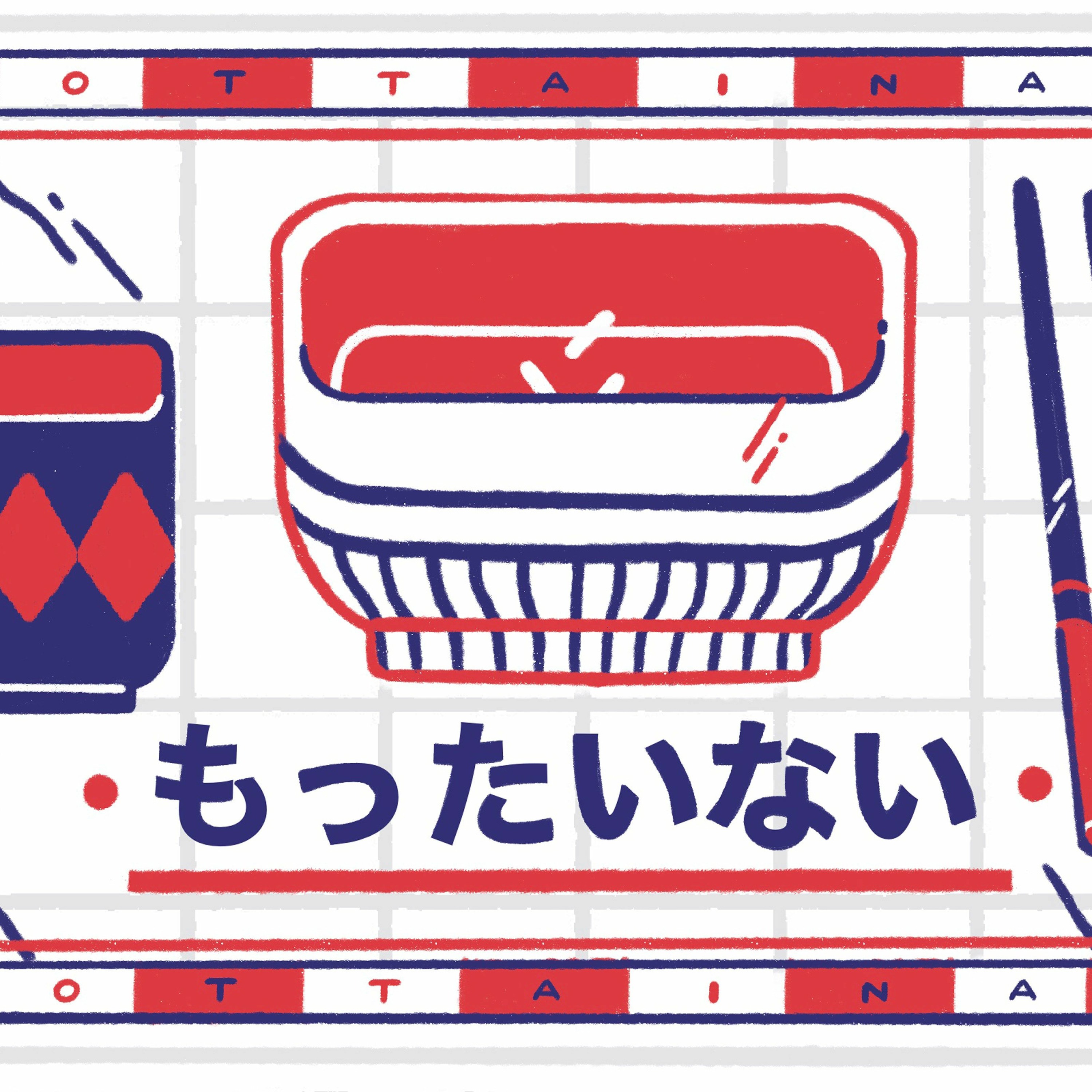
もったいない (mottainai) is a unique Japanese word that articulates the sense of regret, guilt, and sorrow you feel for wasting all sorts of things — food, physical objects, time, opportunities, and potential. In this episode, Kanae and Jenny (big fans of mottainai) talk about the nuances of the word, as well as Japan's cultural and religious views that have deeply influenced it or been influenced by it. For more information about もったいない, check out Kanae's article: https://www.tofugu.com/japanese/mottainai/
んだ and んです: What the Heck Is the ん?!
Although んだ (nda) and んです(ndesu) are very common ways of ending Japanese sentences, they can be challenging for English speakers to understand because there's no equivalent to these in English. In this episode, Kanae and Rachel discuss what these sentence enders really are (I mean, what the heck is the ん anyway, right?), and how they are used. After (or even before) listening to this episode, check out our grammar page about んだ and んです for more in-depth information: [https://www.tofugu.com/japanese-grammar/explanatory-nda-ndesu-noda-nodesu/](https://www.tofugu.com/japanese-grammar/explanatory-nda-ndesu-noda-nodesu/)

に VS で: Which Particle To Use For Locations?
The particles に (Ni) and で (De) can both be used to specify locations, but each serves a different purpose. If you ever wondered how they're different, or you've been using them without knowing the difference, this episode is for you! In this episode, Kanae and Rachel discuss the basic difference and illustrate it using examples and quizzes. They even talk about which particle to use to describe niche situations like "egging a house" or "dropping a phone in the toilet." After (or before) listening to this episode, make sure to also check out Mami's article "に vs で: Which Particle To Choose and Why": https://www.tofugu.com/japanese/ni-vs-de/
Second-Person Pronouns: お前
The Japanese second-person pronoun, お前 (omae), has different sides to its personality, just like other personal pronouns. This is the third episode of our Japanese second-person pronoun series. In this episode, the Tofugu crew, comprised of Kanae, Mami, and Rachel, discuss the various nuances of お前. This includes how grandpas and grandmas sometimes use it as a way to show affection to kids, especially those hiding in bamboo or peaches in Japanese folklore.
Second-Person Pronouns: 君
A Japanese second-person pronoun, 君 (kimi) carries different nuances. It could be friendly, poetic, endearing, or even condescending (!). This is the second episode of our Japanese second-person pronoun series. In this episode, the Tofugu crew, which features Kanae, Mami, and Rachel, discuss the various nuances of 君, including how 君 is the perfect pronoun to use when talking to a hundred tamagotchis.
Second-Person Pronouns: あなた
Have you ever wondered if the Japanese second-person pronoun, あなた (anata), is rude or polite? This is the first episode of our Japanese second-person pronoun series. In this episode, the Tofugu crew, Cameron and Kanae, try to clear the myth of あなた being rude or being polite. They also discuss how and where people actually use あなた.
What Should I Call "You"? Part 4: Other Tricks
This is the fourth episode of our What Should I Call "You"? series. In Japanese, pronouns for "others" (which includes everything besides "I" — "you" "they" / "she" / "he" ) are not generally used in conversation. In this series, the Tofugu crew discusses different ways to refer to others without using pronouns. In this episode, Kanae, Cameron and Mami talk about back up options you can use when the other methods we've covered don't work, such as using すみません (sumimasen), そちら (sochira), お宅 (otaku), and more! After listening to this episode, check out our article for a more in-depth explanation of the topic: https://www.tofugu.com/japanese/what-should-i-call-you/
What Should I Call "You"? Part 3: Using Family Roles/Social Roles
This is the third episode of our What Should I Call "You"? series. In Japanese, pronouns for "others" (which includes everything besides "I" — "you" "they" / "she" / "he" ) are not generally used in conversation. In this series, the Tofugu crew discusses different ways to refer to others without using pronouns. In this episode, Kanae, Cameron and Mami talk about using family roles (such as "dad," "auntie") and social roles (such as "sensei," "president") in place of pronouns. After listening to this episode, check out our article for a more in-depth explanation of the topic: https://www.tofugu.com/japanese/what-should-i-call-you/
What Should I Call "You"? Part 2: Using Names
This is the second episode of our "What Should I Call 'You'?" series. In Japanese, pronouns for "others" (which includes everything besides "I" — "you" "they" / "she" / "he" ) are not generally used in conversation. In this series, the Tofugu crew discusses different ways to refer to others without using pronouns. In this episode, Kanae, Jenny and Rachel talk about using names in place of pronouns as well as the Japanese name system, nick names and name enders. After listening to this episode, check out our article for a more in-depth explanation of the topic: https://www.tofugu.com/japanese/what-should-i-call-you/
What Should I Call "You"? Part 1: Zero Pronouns
This is the first episode of our "What Should I Call 'You'?" series. In Japanese, pronouns for "others" (which includes everything besides "I" — "you" "they" / "she" / "he" ) are not generally used in conversation. In this series, the Tofugu crew discusses different ways to refer to others without using pronouns. In this episode, Kanae, Jenny and Rachel talk about the "zero pronoun," aka simply leaving out pronouns. After listening to this episode, check out our article for a more in-depth explanation of the topic: https://www.tofugu.com/japanese/what-should-i-call-you/
よ VS ね — Two Particles with Lots of Attitude
In this episode, Mami, Cameron, and Kanae talk about two sentence-ending particles, よ (yo) and ね (ne). They dive deep into their different nuances and uses, with a lot of examples. Also make sure not to miss a special cameo appearance of a very special holiday guest! After listening to this episode, check out our article on Tofugu.com for more info: "よ and ね: WHAT DO THESE PARTICLES REALLY MEAN TO JAPANESE SPEAKERS?" (https://www.tofugu.com/japanese/yo-vs-ne/)
さすが — Actually, It Isn't *Always* A Compliment
This is the second episode in our two-part さすが (sasuga) miniseries. The Tofugu crew — Kanae, Jenny and Mami — discuss the "other," overshadowed use of さすが, which is not for compliments. This discussion led to the discovery of Kanae's weird and controversial bathroom habits. After listening to the episode, check our article "さすが Is Not Always A Compliment": https://www.tofugu.com/japanese/sasuga/
さすが — The Best Compliment You Can Get in Japanese
This is the first episode in our two-part miniseries about the unique Japanese word さすが (sasuga). In this episode, the Tofugu crew — Kanae, Jenny and Mami — discuss the nuances of さすが when it's used as a compliment. Listen carefully and you'll even learn about a quirky eating habit of Mami's from her high school days.
思う VS 考える — Two Kinds of "Thinking"
Put on your thinking caps, folks! In this episode, the Tofugu crew — Kanae, Cameron, Mami, and Rachel — discuss the differences between 考える and 思う, two Japanese words for "think." After listening to the episode, check our article to do some more thinking about "thinking": https://www.tofugu.com/japanese/omou-kangaeru/
Making Sense of な-adjectives and の-adjectives
In this episode, two native Japanese speakers (Kanae/Mami) and two English-speaking Japanese learners (Cameron/Rachel) discuss two types of noun-based adjectives, な-adjectives and の-adjectives. Later in the episode, the Tofugu Crew goes through quizzes such as "What's the difference between 本当な〜 and 本当の〜?" to help deepen their understanding. After listening to the episode, check out more details in our article: MAKING SENSE OF な-ADJECTIVES and の-ADJECTIVES https://www.tofugu.com/japanese/na-adjectives-no-adjectives/
Senpai: The Japanese Word You Look up To
In this episode, the Tofugu crew, Kanae, Cameron, and Rachel discuss the word "senpai," its use in Japanese schools and society, and Kanae's lasting trauma surrounding white socks from her senpai experience. After listening to the episode, check more details in our article: https://www.tofugu.com/japanese/senpai/
The Meaning of Sensei: More Than Just "Teacher"
Did you know there are people who are 先生 (sensei) besides teachers or your judo instructor Sensei Jeff? In this episode, the Tofugu crew, Kanae, Jenny, and Rachel discuss the word "sensei" from their personal experience and introduce many different kinds of sensei beyond teachers. After listening to the episode, check more details in our article: https://www.tofugu.com/japanese/sensei/
だ and です: Part II
In this episode, Tofugu's research team answers questions about だ and です from our listeners, such as: "What would be the best translation of です?" "When and how does it make sense to switch between です to だ when meeting somebody new?" After listening to this episode, go check out our article on Tofugu.com for more info: "だ and です : Venturing beyond Textbook Rules into Real-Life Use" (www.tofugu.com/japanese/da-vs-desu-in-real-life/)
だ and です: Part I
In this episode, the Tofugu research team answers questions about だ and です from our listeners, such as: "Is it true that だ isn't just a less polite form of です?" "What are the real differences between だ and です?" After listening to this episode, check out our article on Tofugu.com for more info: "だ and です : Venturing beyond Textbook Rules into Real-Life Use" (www.tofugu.com/japanese/da-vs-desu-in-real-life/)
First-Person Pronouns: When Female Speakers Use 僕 or 俺
This is the finale of our "First-Person Pronouns" series. In this episode, Kanae welcomes new co-hosts Cameron and Javi to discuss the use of traditionally male first-person pronouns such as 僕 or 俺 by female speakers. The discussion spans use in Japanese pop culture, media, celebrities, and the LGBTQ community. After you’ve listened to this episode, check out our article on Japanese first-person pronouns: https://www.tofugu.com/japanese/japanese-first-person-pronouns/
First-Person Pronouns: Using Your Own Name
This is the fifth episode in our "First-Person Pronouns" series. In this episode, we talk about using your own name as a first-person pronoun (and the anatomy of Anpanman). After you’ve listened to this episode, check out our article on Japanese first-person pronouns: https://www.tofugu.com/japanese/japanese-first-person-pronouns/
First-Person Pronouns: 俺 (おれ)
This is the fourth episode in our "First-Person Pronouns" series. In this episode, we talk about 俺 (おれ) and why it is so tricky for Japanese learners to master. After you’ve listened to this episode, check out our article on Japanese first-person pronouns: https://www.tofugu.com/japanese/japanese-first-person-pronouns/
First-Person Pronouns: 僕 (ぼく)
This is the third episode in our "First-Person Pronouns" series. In this episode, Koichi, Michael, and Kanae discuss their own personal experiences with 僕 (ぼく), as well as how to sound more hip when using it. After you’ve listened to this episode, check out our article on Japanese first-person pronouns: https://www.tofugu.com/japanese/japanese-first-person-pronouns/
First-Person Pronouns: うち
This is the second episode in our "First-Person Pronouns" series. In this episode, we talk about うち. Though rarely taught in textbooks, うち is used fairly commonly in real life, especially in Kansai and between young females. After you’ve listened to this episode, check out our article on Japanese first-person pronouns: https://www.tofugu.com/japanese/japanese-first-person-pronouns/
First-Person Pronouns: 私 (わたし/わたくし/あたし)
In this, the first episode in our "First-Person Pronouns" series, we talk about わたし, わたくし and あたし. Despite all coming from the kanji 私, each of these three pronouns carries a different level of formality and gives a different impression. We’ve included some exercises to practice things like which specific situations call for わたし and which call for わたくし. After you’ve listened to this episode, check out our article on Japanese first-person pronouns: https://www.tofugu.com/japanese/japanese-first-person-pronouns/
How to Count Living Things (and Monsters, and Robots) in Japanese
We talk about the counters that count living things (頭, 匹, 人, and 羽) and how they overlap with each other. We also answer the hard Japanese counter questions like: can you count a robot with 人? What about a cyborg? How big can a 匹 animal be? What counter is worthy of the King of the Monsters? After you're done listening to this, learn way, way more about counters in our list of 350+ Japanese counters worth knowing: https://www.tofugu.com/japanese/japanese-counters-list/
How to Counter Anything
We talk about the counters 〜個 and 〜つ, the two counters that can count just about... anything! But, there are always going to be better counters out there for more specific things so we talk about those too. Consider this an overview on how to counter.
Becoming Famous in Japan - An Interview with Big in Japan
Find and watch the Big in Japan documentary here: http://www.biginjapandoc.com We interviewed David Elliot-Jones, the writer/producer of the Big in Japan documentary. He tells us why he went to Japan with two of his friends (Lachlan Mcleod: Director, Louis Dai: Editor) to "do anything he could to become famous." Everybody thinks they can become famous in Japan. Find out the truth of it all in this interview.
Ganbaru: Do Your Best to Listen to This Podcast
For more, check out our article on ganbaru: https://www.tofugu.com/japanese/ganbaru/ "Do your best!" "Hang in there!" "FIGHT!" The Japanese verb 頑張る has a wide variety of English translations, and that's because it's such a nuanced word. Depending on how you say it and who you say it to, it could be an encouragement or a real downer. The Tofugu team sat down to discuss the definitions, translations, and our personal feeling about this complex word. And we really got into the weeds (societally speaking) when Michael, Mami, and Kanae navigate the sometimes-oppressive feeling ganbaru can carry.
How to Use ~san, ~kun, ~sama, and All the Other Japanese Honorific Name Enders
You may already know that, in Japanese, you add a polite little something at the end of someone’s name: ~san, ~sama, ~chan, ~kun… actually, there are lot more honorific name enders than that. And there are a lot of rules for using them correctly, too. The Tofugu team discusses seven common names enders and how to use them, not to mention nine historical/obscure name enders that are good to know. For more honorific goodness, check out the article we wrote, Listenerさん: https://www.tofugu.com/japanese/name-enders/
Rendaku: Why it's HITOBITO and not HITOHITO
Have you ever wondered why 人々 is ひとびと and not ひとひと, or even ひとぴと? Or why it’s てがみ instead of てかみ, or くさばな and not くさはな? It’s all because of a little thing called rendaku, or “sequential voicing,” which we talk about in this episode. While most Japanese teachers will just say, “it’s a mystery,” we’ll teach you the rules that make things rendaku or not, and the exceptions in between. Of course, we couldn’t explain EVERYTHING. For that, you’ll have to jump over to our very in-depth rendaku article on Tofugu: https://www.tofugu.com/japanese/rendaku
Counting in Japanese with Your Karate Teacher Sensei Jeff
Hi, it's me, Sensei Jeff. I'm here to teach all you white belts how to count in Japanese. Punch! Punch! Punch! (Actually, we teach you how to count from zero to uh... a mysterious number. And, we teach you how to count in the Japanese style, rather than the Chinese style that's more common. It's a pretty neat episode, despite sounding so basic. Read more about it in our article!) https://www.tofugu.com/japanese/counting-in-japanese Featuring: Koichi, Michael, and Mami (for the first time!)
Japanese Whisky (ft. Brian Ashcraft)
Get Brian's Book, Japanese Whisky: The Ultimate Guide to the World's Most Desirable Spirit → https://amzn.to/2NAEqPR Michael and Koichi interview Brian Ashcraft–author of several Japan-related books–about his latest book, Japanese Whisky: The Ultimate Guide to the World's Most Desirable Spirit. He tells us what makes Japanese whisky "Japanese" as well as what a whisky rookie should try first (and where to get it).
O Genki Desu Ka?
Read more about Genki: http://www.tofugu.com/japanese/genki-meaning/ Everyone learns "o genki desu ka" when they begin their Japanese language education. But the truth is real people don't say it that much. So, how do you ACTUALLY use genki? We cover genki's use cases, its history, etymology, and more.
ちょっと, a Little Word That Means a Lot
Read more about ちょっと in our article: http://www.tofugu.com/japanese/chotto/ We talk about ちょっと. At first it seems like a simple, little word. But, it actually has many meanings and ways to use it. We cover most of them, I think.
Ways to Improve Your Japanese Pronunciation
In this episode we get into Japanese pronunciation. Whether you are a beginner, advanced, or fluent, you'll find something in this episode that will help you to improve your pronunciation. To read more, check out our (really in-depth) guide: https://www.tofugu.com/japanese/japanese-pronunciation/
Getting Into 込む Compound Verbs
Prefer reading instead? We wrote a whole article about this (even more example sentences included!) https://www.tofugu.com/japanese/komu-compound-verbs Have you ever seen the Japanese verb 込む? On its own, it means "to be packed" or "to be crowded." But, this verb is also used in compound verbs... 255+ of them, in fact! You may have seen examples of this in your studies: 入り込む, 切り込む, 駆け込む, the list goes on and on. The problem is, the way that 込む affects the first verb (we'll call that V1) differs from word to word. In this podcast, we explore those inconsistencies, coming up with four "rules" you can follow to figure out the meaning of a 込む compound verb. It's both easier, and more difficult, than you think. Listen to the podcast to learn more, or check out our article for additional explanation and way more example sentences.