The Thomistic Institute
2,030 episodes — Page 5 of 41
Rewiring the Brain – Dr. William Hurlbut
Dr. William Hurlbut examines how natural neuroplasticity, education, lifestyle, and new neurotechnologies are “rewiring the brain,” highlighting both their therapeutic promise and their dangers in an age of addictive digital culture, standardized schooling, and powerful biotechnological interventions.This lecture was given on October 27th, 2025, at University of Rochester.For more information on upcoming events, visit us at thomisticinstitute.org/upcoming-events.About the Speakers:William B. Hurlbut is a physician and Adjunct Professor in the Department of Neurobiology at Stanford University Medical Center. After receiving his undergraduate and medical training at Stanford, he completed postdoctoral studies in theology and medical ethics, studying with Robert Hamerton-Kelly, the Dean of the Chapel at Stanford, and subsequently with the Rev. Louis Bouyer of the Institut Catholique de Paris. His primary areas of interest involve the ethical issues associated with advancing biomedical technology, the biological basis of moral awareness, and studies in the integration of theology and philosophy of biology. He was instrumental in establishing the first course in biomedical ethics at Stanford Medical Center and subsequently taught bioethics to over six thousand Stanford undergraduate students in the Program in Human Biology. Dr. Hurlbut is the author of numerous publications on science and ethics including the co-edited volume Altruism and Altruistic Love: Science, Philosophy, and Religion in Dialogue (2002, Oxford University Press), and “Science, Religion and the Human Spirit” in the Oxford Handbook of Science and Religion. He has organized and co-chaired three multi-year interdisciplinary faculty projects at Stanford University, “Becoming Human: The Evolutionary Origins of Spiritual, Religious and Moral Awareness,” “Brain Mind and Emergence,” and the ongoing “The Boundaries of Humanity: Human, Animals, and Machines in the Age of Biotechnology.” In addition, he was Co-leader, together with U.C. Berkeley professor Jennifer Doudna of “The challenge and opportunity of gene editing: a project for reflection, deliberation and education.”Keywords: Addiction and Digital Media, Attention Formation, Brain Development, Brain Plasticity and Education, Dyslexia, Ethical Neurotechnology, Neuroplasticity, Pornography and the Adolescent Brain, Standardized Schooling, Technology
If ChatGPT Exists, Why Study? – Fr. Chris Gault, O.P.
Fr. Chris Gault explores whether AI like ChatGPT should change how or why we study, showing that while machines can accelerate information processing, only human study forms our minds, virtues, and relationship to truth in a way that leads to real fulfillment.This lecture was given on November 18th, 2025, at Galway University.For more information on upcoming events, visit us at thomisticinstitute.org/upcoming-events.About the Speakers:Fr. Chris Vincent Gault, OP, was born and raised in Belfast in the north of Ireland, where he studied medicine at Queen's University Belfast. Qualifying as a doctor in 2013, he began to train as an emergency physician, before leaving medicine after 3 years to enter the Irish Province of the Order of Preachers. Ordained as a Dominican priest in July 2024, and after having completed his studies at the Pontifical University of St. Thomas Aquinas (Angelicum) in Rome, he was assigned to the convent of St. Mary of the Isles in Cork, where he now resides and ministers, particularly to the youth and young adults of that city.Keywords: Artificial Intelligence, Aquinas on Knowledge, Freedom of Intellect, Handwriting, Learning, Limits of AI, Plato, Study, Understanding, Virtue and Intellectual Life

Can a Machine Understand?: ChatGPT, Knowledge, and the Nature of Understanding – Prof. Tomás Bogardus
Prof. Tomás Bogardus asks whether a machine can truly understand by unpacking how large language models like ChatGPT function and arguing that genuine knowledge requires rational insight and responsibility to truth that go beyond statistical text prediction.This lecture was given on November 17th, 2025, at University of Georgia.For more information on upcoming events, visit us at thomisticinstitute.org/upcoming-events.About the Speakers:Tomás Bogardus earned his BS in biology at UC San Diego, his MA in philosophy at Biola University, and his PhD in philosophy at the University of Texas at Austin. He works mainly in metaphysics and epistemology, and is most interested in the mind-body problem, the rationality of religious belief, and the nature of gender.Keywords: Artificial Intelligence, Insight, Knowledge versus Prediction, Large Language Models, Next-Token Prediction Models, Pattern Recognition and Meaning, Statistical Language Modeling, Truth and Responsibility, Understanding
Does God Care About Suffering? – Dr. Christopher Mooney
Dr. Christopher Mooney asks "whether God really cares about our suffering" and uses biblical narratives, the significance of Christ’s tears, and philosophical responses to death in order to answer in the affirmative, ultimately showing that God can form a greater good from evil without making the evil into something good.This lecture was given on October 9th, 2025, at University of Louisiana at Lafayette.For more information on upcoming events, visit us at thomisticinstitute.org/upcoming-events.About the Speakers:Dr. Christopher Mooney is an assistant professor of theology at the Augustine Institute Graduate School in St. Louis, Missouri, where he teaches on Catholic theology, scriptural interpretation, and the Church Fathers. His teaching and research specialize in Augustine, the Fathers, and historical theology, and he is the author of Augustine's Theology of Justification by Faith (2026). A native of Connecticut, he studied at Georgetown and Yale Divinity School before receiving his PhD from the University of Notre Dame. He also serves as a theological representative for the USCCB's Catholic-Reformed dialogue. He lives next door to the Augustine Institute's campus with his wife and four children.Keywords: Biblical Meaning of Suffering, Christ’s Tears and the Cross, Divine Providence, Faith and Hope, Forgiveness, Permitted Evil, Problem of Evil, Suffering and Eternal Joy, Tragedy of Death, Wrong Ways to Explain Suffering
Is Suffering Good? – Sr. Elinor Gardner, O.P.
Sr. Elinor Gardner asks whether suffering can be called “good” by engaging Stoic thinkers like Seneca, modern echoes in Nietzsche, and biblical wisdom to show how God can use painful trials to heal and deepen the soul without glorifying evil itself.This lecture was given on September 11th, 2025, at University of North Texas.For more information on upcoming events, visit us at thomisticinstitute.org/upcoming-events.About the Speakers:Sister Elinor Gardner, O.P., is Affiliate Assistant Professor of Philosophy at the University of Dallas. Prior to arriving at UD, she taught at Aquinas College (Nashville, TN) and at The Catholic University of America, and spent one year assisting in formation at her Congregation’s Novitiate. She has a PhD from Boston College with a doctorate titled “St Thomas Aquinas on the Death Penalty.” Besides the ethical and political philosophy of Aquinas, her other research interests include the Christian anthropology of Robert Spaemann and Edith Stein.Keywords: Biblical View of Suffering, Discipline of the Lord, Divine Providence and Pain, Healing through Trials, Nietzsche and the Value of Suffering, Seneca on Adversity, Stoicism and Suffering, Suffering and Virtue, Suicide and Stoic Philosophy, Transformation of the Soul in Suffering
The God of Love and the Reality of Evil and Suffering – Prof. Chris Baglow
Prof. Chris Baglow explores how the God of love can allow evil and suffering by showing that a world created for freedom and love—not as a deterministic machine—necessarily entails the risk of physical and moral evils, yet opens a deeper path of redemptive goodness.This lecture was given on October 30th, 2025, at Mississippi State University.For more information on upcoming events, visit us at thomisticinstitute.org/upcoming-events.About the Speakers:Dr. Baglow is Professor of the Practice of Theology and the Director of the Science and Religion Initiative of the McGrath Institute for Church Life at the University of Notre Dame. His work is the culmination of 20 years of faith and science scholarship and educational program creation, as well as a lengthy career in Catholic theological education spanning high-school, undergraduate,graduate and seminary teaching. In 2018 he was co-recipient of an Expanded Reason Award in Teaching from the Universidad Francisco de Vitoria (Madrid) and the Vatican Joseph Ratzinger Foundation (Rome) for his work in integrating faith and science in Catholic education, for which he has also received numerous grants from the John Templeton Foundation.Baglow is the author of Faith, Science and Reason: Theology on the Cutting Edge (2nd edition, Midwest Theological Forum, 2019) and Creation: A Catholic’s Guide to God and the Universe (Ave Maria Press, 2021). He serves as theological advisor to the Board of Directors of the Society of Catholic Scientists. He authored the transcripts for Wonder: The Harmony of Faith and Science, a Word on Fire film series directed by Manny Marquez and narrated by Jonathan Roumie. His work has appeared in Church Life Journal, Culture and Evangelization, and Joie de Vivre Quarterly Journal.Keywords: David Hume, Evil, Freedom and Moral Evil, God of Love and Suffering, Joseph Ratzinger on Freedom, Problem of Evil and Suffering, Providence and Natural Laws, Redemption and Human Freedom, Risk of Love, Theodicy and Divine Goodness
Christ Fully Reveals Man to Himself: What Christ's Humanity Says about What It Means to Be Human – Prof. Paul Gondreau
Prof. Paul Gondreau explores how Christ’s concrete, fully human life uniquely “fully reveals man to himself,” showing that every human person and all of history are teleologically ordered to him as the final Adam and measure of authentic humanity.This lecture was given on November 20th, 2025, at The Ohio State University.For more information on upcoming events, visit us at thomisticinstitute.org/upcoming-events.About the Speakers:Paul Gondreau is professor of theology at Providence College, where he has taught for 28 years. He received his doctorate in theology from the University of Fribourg, Switzerland, doing his dissertation on Christ's full humanity (Christ's human passions/emotions) under the renowned Thomist scholar Jean-Pierre Torrell. He specializes in the thought of St. Thomas Aquinas and has published widely in the areas of Christology (focusing on Christ’s full humanity and his maleness), Christian anthropology, the moral meaning and purpose of human sexuality and sexual difference, the biblical vision of Aquinas' theology, the theology of disability, the sacrament of the Eucharist and the priesthood, and the Catholic vision of J. R. R. Tolkien's The Lord of the Rings.Keywords: Christ as Final Adam, Christ's Humanity, Christocentric Anthropology, Docetism, Gaudium et Spes 22, Humanity Revealed in Christ, Incarnation and Human Destiny, Recapitulation of Humanity, Teleological Order to Christ, “The Word Became Flesh”
Creation as Relation: An Existential Consideration – Dr. Robert McNamara
Dr. Robert McNamara explores how creation is not a distant event but our very act of existing here and now, so that each person’s being is itself a continuous relation of absolute dependence on God that can be freely understood, accepted, and joyfully affirmed.This lecture was given on December 2nd, 2025, at Queen's University at Belfast.For more information on upcoming events, visit us at thomisticinstitute.org/upcoming-events.About the Speakers:Dr. Robert McNamara is lecturer in philosophy at St. Patrick’s Pontifical University, Maynooth, Ireland, associate series editor of Edith Stein Studies, associate scholar of the Hildebrand Project, associate member of faculty at the International Theological Institute and the Maryvale Institute, and a founding member of the Aquinas Institute of Ireland (currently suspended). Robert researches anthropological and metaphysical questions in medieval and phenomenological thinkers, especially as both bear reference to philosophical personalism. He has studied physics and computing, philosophy and theology, and received his Ph.D. for research in the thought of Edith Stein and Thomas Aquinas. Robert is originally from Galway, Ireland and now lives in Carlow with his wife, Caroline, and their four children, Vivian, John, Catherine, and Oran.KeywordsBeing and Gift, Creation as Relation, Creation ex Nihilo, Existential Dependence on God, Gift of Existence, Hamlet and “To Be or Not to Be”, Joy in Being, Ongoing Creative Act, Saying Yes to Being, Self-Understanding before the Creator
Do We Make Morality, or Discover It? An Examination of the Basis of Natural Law – Dr. Erik Dempsey
Dr. Erik Dempsey explores whether we make morality or discover it by unpacking Aquinas’s three natural inclinations and arguing that they ground objective, inescapable moral obligations rather than mere social conventions.This lecture was given on October 11th, 2025, at Michigan State University.For more information on upcoming events, visit us at thomisticinstitute.org/upcoming-events.About the Speakers:Professor Erik Dempsey an Associate Professor of Instruction in the Departments of Government, Classics, and Religious Studies, and is the Assistant Director of the Thomas Jefferson Center for the Study of Core Texts and Ideas. He has taught at the University of Texas at Austin for over ten years, during which time he has offered classes in the history of political philosophy, on the Bible and its interpreters, on American political thought, on classical philosophy and literature, and others. His favorite classes to teach are Jerusalem and Athens, a class comparing the political, moral, and theological ideas of the Hebrew Bible to Aristotle's, and the Question of Relativism, a class on what he considers the central quandary of our time. He writes primarily about Aristotle and Thomas Aquinas, and he is currently studying John Locke's commentaries on St. Paul's epistles. Last but not least, he is an Eagle Scout.Keywords: Conventionalism and Justice, Human Moral Inclinations, Modern Science, Morality, Natural Law, Objective Moral Obligation, Rational Order of Goods, Self-Preservation and the Common Good

Seeking Friendship in the Virtual Age – Prof. John Cuddeback
Prof. John Cuddeback reflects on why many students feel relationally unsatisfied in a hyper-connected world and shows how reclaiming embodied presence, intentional discernment of a few trustworthy friends, and technology-limited, silence-friendly communal spaces can restore the depth, vulnerability, and shared pursuit of the good that real friendship requires.This lecture was given on September 23rd, 2025, at Virginia Military Institute.Through your gift to the Thomistic Institute, you will send the best scholars in the Catholic Intellectual Tradition directly to college campuses, bringing the light of Christ to students longing for answers. Thanks to a group of generous donors, every dollar you send up to $150,000 before December 31 will be matched. This means that your gift will touch twice as many souls!To make your gift today, visit https://thomisticinstitute.org/donate-podcast For more information on upcoming events, visit us at thomisticinstitute.org/upcoming-events.About the Speakers:John A. Cuddeback, PhD, is professor of Philosophy at Christendom College, where he has taught for thirty years. He lectures widely on topics including friendship, fatherhood, virtue, homesteading, and household. His professional writings appear in various academic journals and books, and his book True Friendship was republished by Ignatius Press. His podcasts, blogging, and courses at LifeCraft are renowned for applying a timeless wisdom to life today.Keywords: Bodily Presence, Discernment, Friendship, Interior Life, Intentional Friendship, Maturity, Prioritizing a Few Friends, Silence, Virtual Age Relationships, Vulnerability
Let the Best One Win: Reflections of Friendship and Competition – Prof. Michael Krom
Prof. Michael Krom explores how athletic rivalry, when rooted in justice and love of the good, can deepen genuine friendship, build virtue, and lead toward a contemplative vision of life.This lecture was given on November 13th, 2025, at Indiana University.Through your gift to the Thomistic Institute, you will send the best scholars in the Catholic Intellectual Tradition directly to college campuses, bringing the light of Christ to students longing for answers. Thanks to a group of generous donors, every dollar you send up to $150,000 before December 31 will be matched. This means that your gift will touch twice as many souls!To make your gift today, visit https://thomisticinstitute.org/donate-podcast For more information on upcoming events, visit us at thomisticinstitute.org/upcoming-events.About the Speakers:Michael Krom started reading Aquinas’s Summa Theologiae shortly after his conversion at the end of college. Upon learning about Flannery O’Connor’s “hillbilly Thomist” habit of reading Aquinas every night, he started studying two articles a day and completed the Summa while in graduate school at Emory University. As a professor at Saint Vincent College, he saw the urgent need for collegians and seminarians to receive a solid foundation in Aquinas’s philosophical theology. In 2020, he published Justice and Charity: An Introduction to Aquinas’s Moral, Economic, and Political Thought (Baker Academic Press), and teaches a Thomistic philosophy course each fall. In addition to continuing work on the moral, economic, and political topics covered in the book, his current research is on the influence of monastic spirituality on Aquinas; he is working on a monograph tentatively entitled Aquinas Among the Benedictines.Keywords: Athletic Excellence and Virtue, Competition and Friendship, Contemplation and Sport, Desire for the Good, Let the Best One Win, Sportsmanship and Justice, Virtue and Human Flourishing, Vocation and Play, Workaholism and Fanaticism, Wrestling with Rivalry
Friendship and the Digital Age: A Thomistic Reflection on Human Connection – Prof. Joshua Hochschild
Prof. Joshua Hochschild argues that digital culture reshapes friendship and attention through Curiositas and acedia, offering a path of renewal by cultivating virtue, mindful leisure, and rooted communal belonging.This lecture was given on November 5th, 2025, at John Hopkins University.Thanks to a group of generous donors, every dollar you send up to $150,000 before December 31 will be matched. This means that your gift will touch twice as many souls!To make your gift today, visit https://thomisticinstitute.org/donate-podcast For more information on upcoming events, visit us at thomisticinstitute.org/upcoming-events.About the Speakers:Joshua Hochschild is Professor of Philosophy at Mount St. Mary’s University, where he also served six years as the inaugural Dean of the College of Liberal Arts. His primary research is in medieval logic, metaphysics, and ethics, with broad interest in liberal education and the continuing relevance of the Catholic intellectual tradition. He is the author of The Semantics of Analogy: Rereading Cajetan’s De Nominum Analogia (2010), translator of Claude Panaccio’s Mental Language: From Plato to William of Ockham (2017), and co-author of A Mind at Peace: Reclaiming an Ordered Soul in the Age of Distraction (2017). His writing has appeared in First Things, Commonweal, Modern Age and the Wall Street Journal. For 2020-21 he served as President of the American Catholic Philosophical Association.Keywords: Aristotelian Virtue Ethics, Attention and Technology, Common Action and Solidarity, Curiositas and Acedia, Digital Age, Friendship and Human Flourishing, Leisure and Attention, Trustworthiness and Integrity, Virtue Cultivation in College Life, Virtue Ethics in Friendship

Why Get Married? The Catholic View of the Meaning and Purpose of Marriage – Prof. Michael Dauphinais
Prof. Michael Dauphinais explains marriage as a lifelong covenant of self-giving love between a man and a woman that images Christ’s union with the Church, ordered to the spouses’ sanctification and the procreation and education of children .This lecture was given on October 15th, 2025, at Iowa State University.Through your gift to the Thomistic Institute, you will send the best scholars in the Catholic Intellectual Tradition directly to college campuses, bringing the light of Christ to students longing for answers. Thanks to a group of generous donors, every dollar you send up to $150,000 before December 31 will be matched. This means that your gift will touch twice as many souls!To make your gift today, visit https://thomisticinstitute.org/donate-podcast For more information on upcoming events, visit us at thomisticinstitute.org/upcoming-events.About the Speakers:Michael A. Dauphinais, Ph.D., serves as the Fr. Matthew Lamb Professor of Catholic Theology and the co-director of the Aquinas Center for Theological Renewal at Ave Maria University, Ave Maria, Florida. He has co-authored with Matthew Levering Knowing the Love of Christ: An Introduction to the Theology of Thomas Aquinas; Holy People, Holy Land: A Theological Introduction to the Bible; and The Wisdom of the Word: Biblical Answers to Ten Questions about Catholicism. He specializes in C.S. Lewis, the Bible, and St. Thomas Aquinas. He speaks frequently in both academic and popular settings, and particularly enjoys visiting Thomistic Institute student chapters. Dr. Dauphinais hosts The Catholic Theology Show podcast to help a wide audience discover the richness of coming to know and love God as he has revealed himself in Jesus Christ.Keywords: Catholic Theology of Marriage, Covenant and Sacrament, Christ and the Church as Spousal Model, Family and Vocation, Fidelity and Indissolubility, Openness to Life and Children, Self-Giving Love and Freedom, Spousal Sanctification, Vocation of Husband and Wife, Wedding and Lifelong Commitment
Why Did God Become Man? The Absolute Primacy of Christ According to Blessed Duns Scotus – Prof. Thomas Ward
Prof. Thomas Ward explains Scotus’s bold claim that the Incarnation is not primarily a response to human sin, but the centerpiece of God’s eternal plan for creation, so that Christ would have become incarnate even if Adam had never fallen .This lecture was given on March 4th, 2025, at Universidad Panamericana.Through your gift to the Thomistic Institute, you will send the best scholars in the Catholic Intellectual Tradition directly to college campuses, bringing the light of Christ to students longing for answers. Thanks to a group of generous donors, every dollar you send up to $150,000 before December 31 will be matched. This means that your gift will touch twice as many souls!To make your gift today, visit https://thomisticinstitute.org/donate-podcast For more information on upcoming events, visit us at thomisticinstitute.org/upcoming-events.About the Speakers:Thomas M. Ward is Associate Professor of Philosophy at The University of Texas at Austin, in the School of Civic Leadership. He specializes in the history of philosophy and theology of the Middle Ages. Ward is the author of After Stoicism: Last Words of the Last Roman Philosopher (Word on Fire, 2024), Ordered by Love: An Introduction to John Duns Scotus (Angelico, 2022), Divine Ideas (Cambridge University Press, 2020), and has translated, with commentary, John Duns Scotus’s Treatise on the First Principle (Hackett, 2024). He has been a NEH Fellow (2022) and Harvey Fellow (2009-2011), and is a past winner of the Society for Medieval and Renaissance Philosophy Founder's Award (2013) and the American Catholic Philosophical Quarterly Rising Scholar Essay Contest (2018). He studied philosophy at Biola University (BA 2004) and theology at Oxford University (M.Phil 2006), where he was Head Resident at the Kilns, the former residence of C.S. Lewis. His PhD in philosophy is from UCLA (2011). Ward is married with six children and is a member of St. Peter Catholic Student Center in Waco.Keywords: Absolute Primacy of Christ, Blessed Duns Scotus and Incarnation, Christ as Head of Creation, Divine Freedom and Predestination, Incarnation and Fall of Adam, Primacy of Christ in Salvation History, Sin and Redemptive Suffering, Thomism vs. Scotism, Why God Became Man
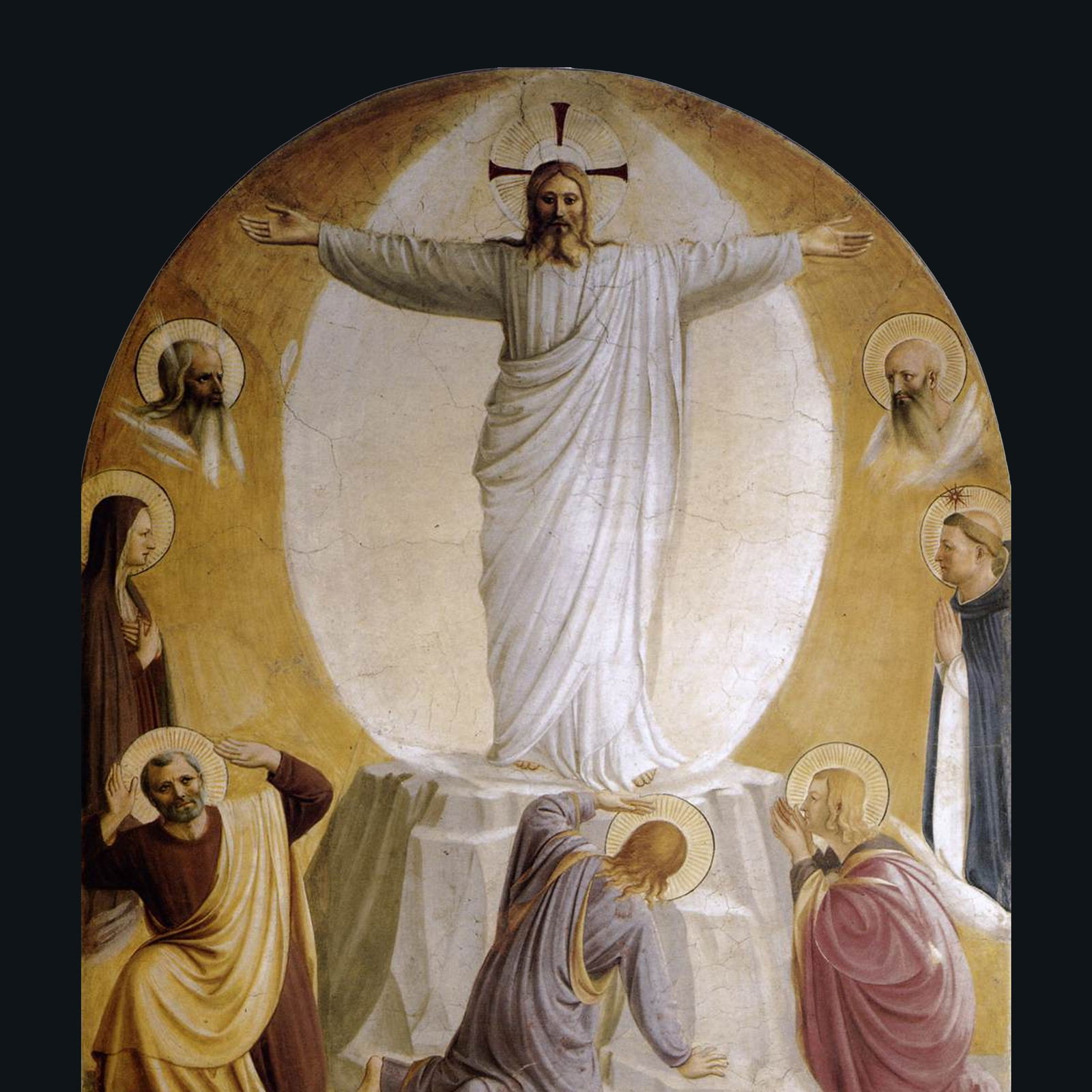
Participation in the Divine Nature: Aquinas and the Catholic Vision of Theosis – Fr. Gregory Pine, O.P.
Fr. Gregory Pine explains that, according to Aquinas, Christians are called to true divinization or theosis: by grace and the sacraments they really come to share in God’s own life without becoming God by nature, growing into intimate communion with the Triune God through Christ in whom this transformation is perfectly realized.This lecture was given on October 3rd, 2025, at Duke University.Through your gift to the Thomistic Institute, you will send the best scholars in the Catholic Intellectual Tradition directly to college campuses, bringing the light of Christ to students longing for answers. Thanks to a group of generous donors, every dollar you send up to $150,000 before December 31 will be matched. This means that your gift will touch twice as many souls!To make your gift today, visit https://thomisticinstitute.org/donate-podcast For more information on upcoming events, visit us at thomisticinstitute.org/upcoming-events.About the Speakers:Fr. Gregory Pine, O.P., is an instructor of dogmatic and moral theology at the Dominican House of Studies and the Assistant Director of the Thomistic Institute. He holds a doctorate from the University of Fribourg (Switzerland). He is the author of Prudence: Choose Confidently, Live Boldly and Your Eucharistic Identity: A Sacramental Guide to the Fullness of Life, and is co-author of Credo: An RCIA Program and Marian Consecration with Aquinas. His writing also appears in Aleteia, Magnificat, and Ascension’s Catholic Classics series. In addition to the TI podcast, he regularly contributes to the podcasts Godsplaining and Pints with Aquinas, and Catholic Classics. Keywords: Divinization and Theosis, Grace and Participation in God, Holy Spirit and Sanctification, Incarnation and Salvation, Life of Virtue and Holiness, Participation in the Divine Nature, Sacraments and Spiritual Transformation, Trinity and Divine Life, Union with God in Christ, Western and Eastern Christian Spirituality
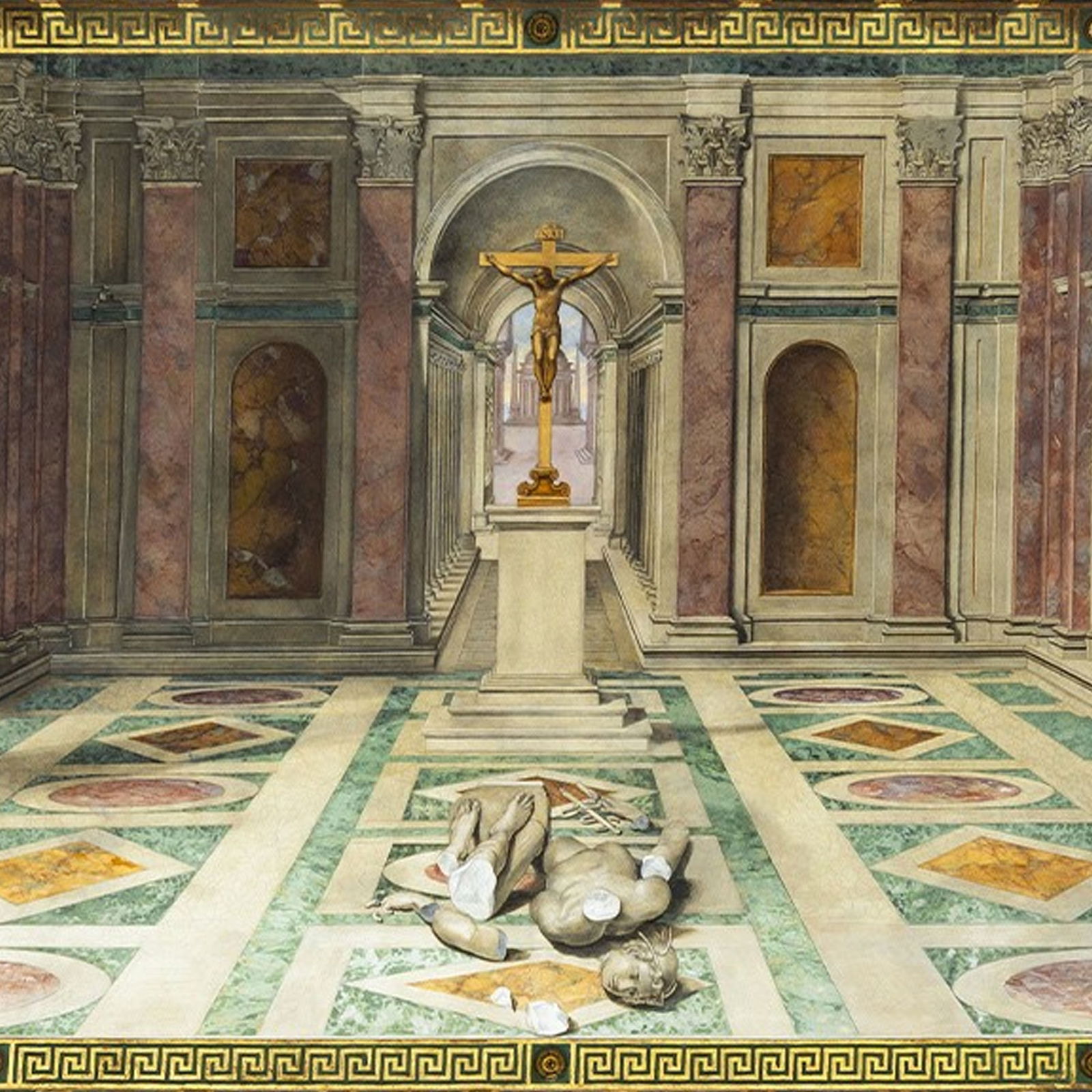
What Difference Did Christianity Make? Why the Ancient Greeks, Romans, and Irish Converted – Fr. Terence Crotty, O.P.
Fr. Terence Crotty argues that Christianity spread so rapidly because it uniquely answered the human search for truth and happiness while transforming social life through charity, dignity for slaves and women, and a compelling vision of a good and loving God that pagan religion and philosophy could not provide.This lecture was given on September 6th, 2025, at Dominican House of Studies.Through your gift to the Thomistic Institute, you will send the best scholars in the Catholic Intellectual Tradition directly to college campuses, bringing the light of Christ to students longing for answers. Thanks to a group of generous donors, every dollar you send up to $150,000 before December 31 will be matched. This means that your gift will touch twice as many souls!To make your gift today, visit https://thomisticinstitute.org/donate-podcast For more information on upcoming events, visit us at thomisticinstitute.org/upcoming-events.About the Speakers:Fr. Terence Crotty is the Regent of Studies in the Irish Province of the Dominican Order. Since graduating with his doctorate from the University of Fribourg in Switzerland in 2011 he has been mainly involved in formation and in teaching Scripture Studies to the Dominican students in the Studium of the Irish Province in his community in Dublin and to the lay faithful in the Priory Institute, Tallaght. His first monograph is about to appear, The Irish Dominicans: 800 Years and he has also published various articles in reviews and journals, including a chapter in The Glenstal Companion to the Easter Vigil.Keywords: Caritas and Christian Charity, Conversion of the Roman Empire, Dignity of Slaves and Women, Greek and Roman Pagan Religion, Irish Conversion and St. Patrick, Letter to Diognetus and Early Apologetics, Pagan Philosophy and Stoicism, Roman Empire and Early Christianity, St. Brigid and Irish Monasticism, Truth, Happiness, and Human Desire
The Disappearing Man: Body, Soul, and the Question of Who We Are – Dr. Paul LaPenna
Dr. Paul LaPenna uses the dramatic case of a man in a coma from autoimmune brain disease to show that personal identity endures despite severe loss of abilities, arguing from neurology and Thomistic philosophy that a human person is a unified body–soul substance whose soul grounds changing traits over time.This lecture was given on October 17th, 2025, at St. Joseph’s Church in Greenwich Village.Through your gift to the Thomistic Institute, you will send the best scholars in the Catholic Intellectual Tradition directly to college campuses, bringing the light of Christ to students longing for answers. Thanks to a group of generous donors, every dollar you send up to $150,000 before December 31 will be matched. This means that your gift will touch twice as many souls!To make your gift today, visit https://thomisticinstitute.org/donate-podcast For more information on upcoming events, visit us at thomisticinstitute.org/upcoming-events.About the Speakers:Dr. Paul LaPenna is a neurologist based in Greenville, South Carolina, specializing in the care of patients with neurological emergencies. He is also an award-winning professor at the Edward Via College of Osteopathic Medicine, where he teaches neuroscience and has been recognized as the Professor of the Neuroscience Block from 2019 to 2025.Dr. LaPenna’s professional and academic work is deeply informed by the thought of St. Thomas Aquinas, particularly regarding the integration of faith and reason, science and religion, and the Thomistic understanding of the human person. Through his lectures and writings, he explores how modern neuroscience complements classical philosophy and theology, offering insights into human cognition, virtue formation, and the relationship between mind, brain, and soul.Dr. LaPenna lives in Greenville with his wife Nicole and their three daughters, Catherine, Susanna, and Lucia, who daily remind him of life’s greatest joys and deepest blessings.Keywords: Body–Soul Unity, Catholic Anthropology, Consciousness and Brain, Human Person, Identity and Memory, Neuroscience and Philosophy, Personal Identity, Rational Soul, Thomistic Metaphysics, Trauma and Coma
Rebutting Necessitarian Universalism: Three Thomistic Arguments – Prof. Mats Wahlberg
Prof. Mats Wahlberg argues that “necessitarian universalism”—the claim that hell is metaphysically impossible and that God must save all rational creatures—is incompatible with core Christian metaphysical commitments, and he develops three Thomistic arguments to show that the possibility of eternal damnation follows from God’s wisdom, respect for created natures, and desire for truly free self-gift.This lecture was given on September 6th, 2025, at Dominican House of Studies.Through your gift to the Thomistic Institute, you will send the best scholars in the Catholic Intellectual Tradition directly to college campuses, bringing the light of Christ to students longing for answers. Thanks to a group of generous donors, every dollar you send up to $150,000 before December 31 will be matched. This means that your gift will touch twice as many souls!To make your gift today, visit https://thomisticinstitute.org/donate-podcast For more information on upcoming events, visit us at thomisticinstitute.org/upcoming-events.About the Speakers:Mats Wahlberg, Ph.D., is docent and associate professor of systematic theology, a member of the Academy of Catholic Theology, and a research fellow in the Discipline Group of Systematic Theology and Ecclesiology at the Faculty of Theology, Stellenbosch University, South Africa. In 2021, he was the Aquinas Chair at the Pontifical University of St Thomas Aquinas (the Angelicum) in Rome.He has published two monographs, Reshaping Natural Theology: Seeing Nature as Creation (Palgrave Macmillan, 2012) and Revelation as Testimony: A Philosophical-Theological Study (Eerdmans, 2014), as well as many articles in journals such as Modern Theology, International Journal of Systematic Theology, International Journal for Philosophy of Religion, European Journal for Philosophy of Religion, and First Things.His research interests include arguments for God’s existence, the problem of evil, the doctrine of revelation, theology and science (especially the theological implications of evolution) and the thought of St. Thomas Aquinas. Wahlberg's research about the problem of evil and evolution has been funded by the John Templeton Foundation.Keywords: Beatific Vision, Catholic Doctrine of Hell and Damnation, Creator–Creature Distinction, David Bentley Hart and Universal Salvation, Divine Goodness, Divine Providence, Necessitarian Universalism and Possible Worlds, Permanent Separation from God, Thomistic Account of Debitum Naturae, Thomistic Defense of the Possibility of Hell, Universalism
Reprobation and Permission of Sin – Prof. Thomas Osborne
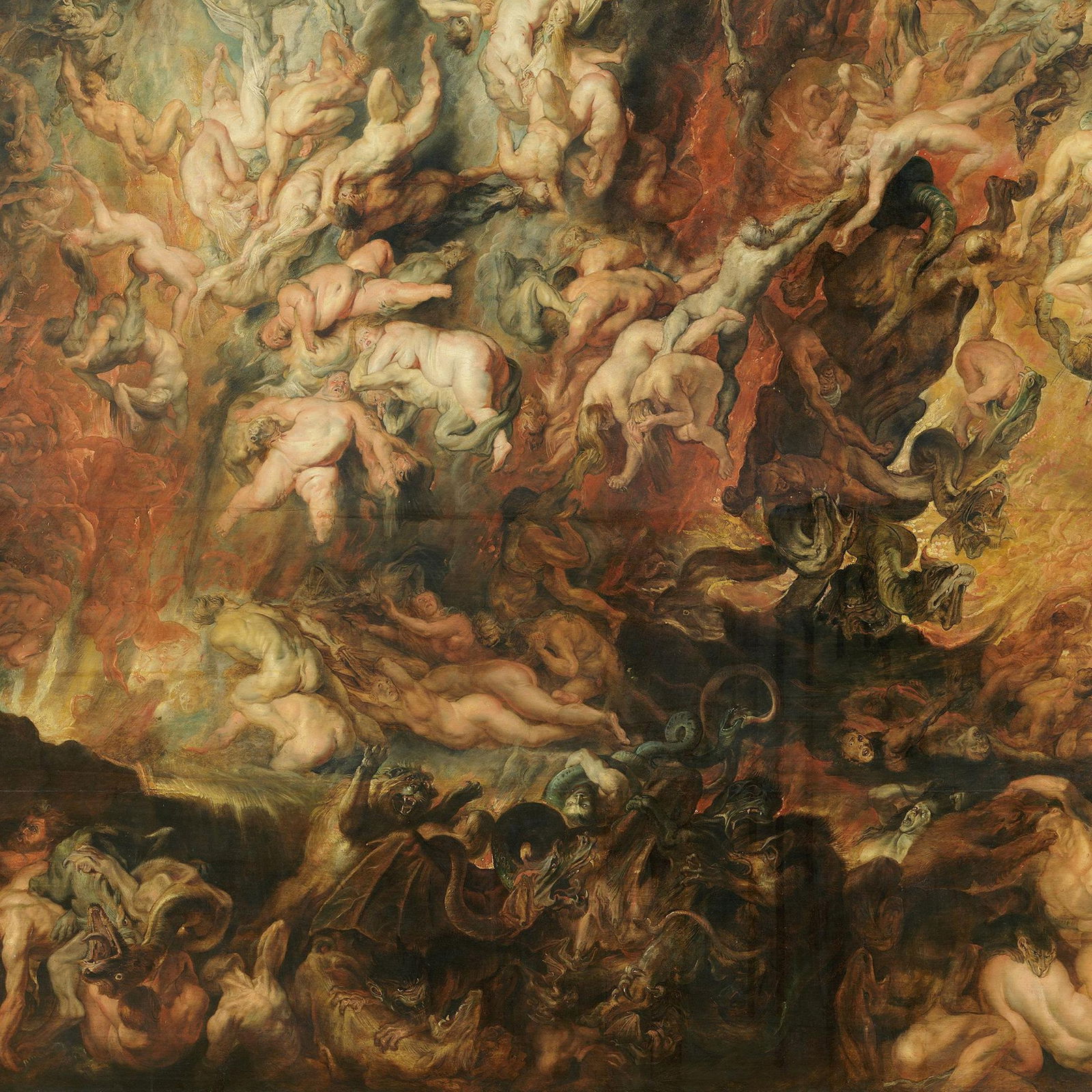
Prof. Thomas Osborne explains reprobation and the permission of sin in Thomas Aquinas as the asymmetrical counterpart to predestination, where God positively causes the grace and merits leading the elect to glory but only permits the sins of the reprobate without ever willing or causing moral evil, thus safeguarding both divine justice and human responsibility.This lecture was given on September 6th, 2025, at Dominican House of Studies.Through your gift to the Thomistic Institute, you will send the best scholars in the Catholic Intellectual Tradition directly to college campuses, bringing the light of Christ to students longing for answers. Thanks to a group of generous donors, every dollar you send up to $150,000 before December 31 will be matched. This means that your gift will touch twice as many souls!To make your gift today, visit https://thomisticinstitute.org/donate-podcast For more information on upcoming events, visit us at thomisticinstitute.org/upcoming-events.About the Speakers:Thomas M. Osborne, Jr. (Ph.D, Duke University, 2001) is the Frank A. Rudman Endowed Chair in Philosophy and the Chair of the Department of Philosophy at the University of St. Thomas. He has published widely on Thomas Aquinas, Thomism, and medieval and late scholastic philosophy. His interests cover moral psychology, ethics, political philosophy, and metaphysics. His latest book is Thomas Aquinas on Virtue (Cambridge University Press, 2024).Keywords: Augustinian Theology of Grace, Calvinist Double Predestination, Divine Justice and Eternal Punishment, Divine Providence and Human Freedom, Grace, Negative and Positive Reprobation, Predestination and Foreseen Merits, Salvation, Sin
Aquinas's Interpretation of Predestination in Scripture – Fr. Piotr Roszak
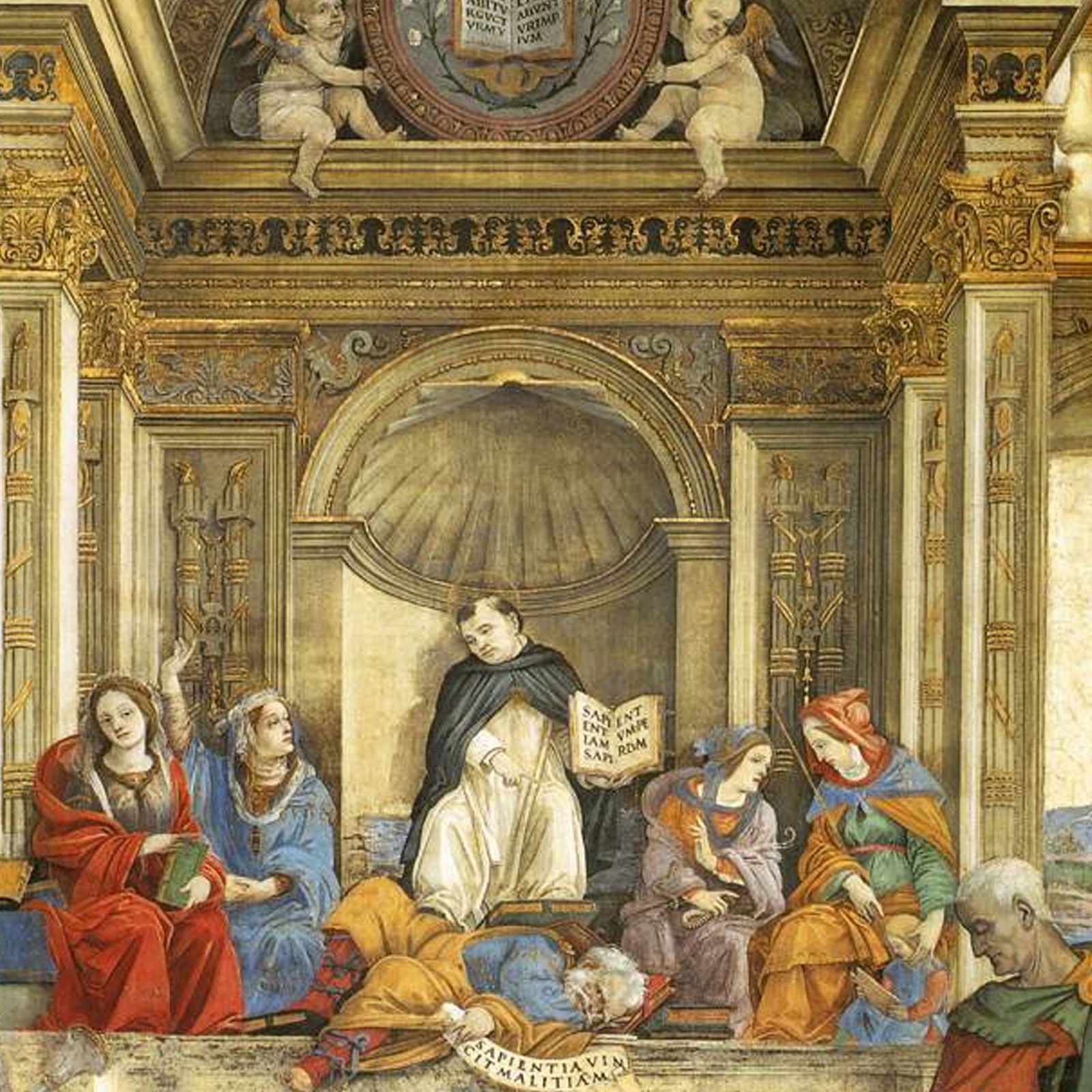
Fr. Piotr Roszak shows how Thomas Aquinas interprets predestination through a deeply biblical lens, reading predestination as God’s merciful, Christ-centered plan to lead creation freely to a supernatural end and insisting that scriptural context is essential for avoiding deterministic distortions of the doctrine.This lecture was given on September 5th, 2025, at Dominican House of Studies.Through your gift to the Thomistic Institute, you will send the best scholars in the Catholic Intellectual Tradition directly to college campuses, bringing the light of Christ to students longing for answers. Thanks to a group of generous donors, every dollar you send up to $150,000 before December 31 will be matched. This means that your gift will touch twice as many souls!To make your gift today, visit https://thomisticinstitute.org/donate-podcast For more information on upcoming events, visit us at thomisticinstitute.org/upcoming-events.About the Speakers:Piotr Roszak is an adjunct professor of Fundamental Theology at Nicolaus Copernicus University in Torun, Poland; associated professor of Systematic Theology at University of Navarra, Pamplona, Spain, where he obtained his PhD in 2009. Member of Pontifical Academy of St Thomas Aquinas; editor-in-Chief of the journal ‘Scientia et Fides’ dedicated to science-religion debate and director of the series ‘Scholastica Thoruniensia’, where the polish translations of medieval biblical commentaries are published. Together with Mateusz Przanowski OP is leading the project of “Opera Omnia” of St. Thomas Aquinas in Poland. In 2021 he received Medal for Excellence in Christian Philosphy awared by International Étienne Gilson Society. He obtained several grants from the Templeton Foundation, National Science Centre in Poland and in Spain. He is a honorary member of Pontificia Academia Mariana Internationalis and Comite de Expertos del Camino de Santiago in Spain. He published recently (with Jörgen Vijgen): Reading the Church Fathers with St. Thomas Aquinas Historical and Systematical Perspectives (Brepols: Turnhout 2021).Keywords: Biblical Thomism, Christocentric Predestination, Divine Providence and Human Freedom, Election, Ephesians 1, Pauline Theology of Predestination, Potter Clay Metaphor, Romans 8, Scripture and Systematic Theology in Summa Theologiae, Trinitarian Missions
Why is Thomism so Fixated on Predestination? – Fr. Cajetan Cuddy, O.P.
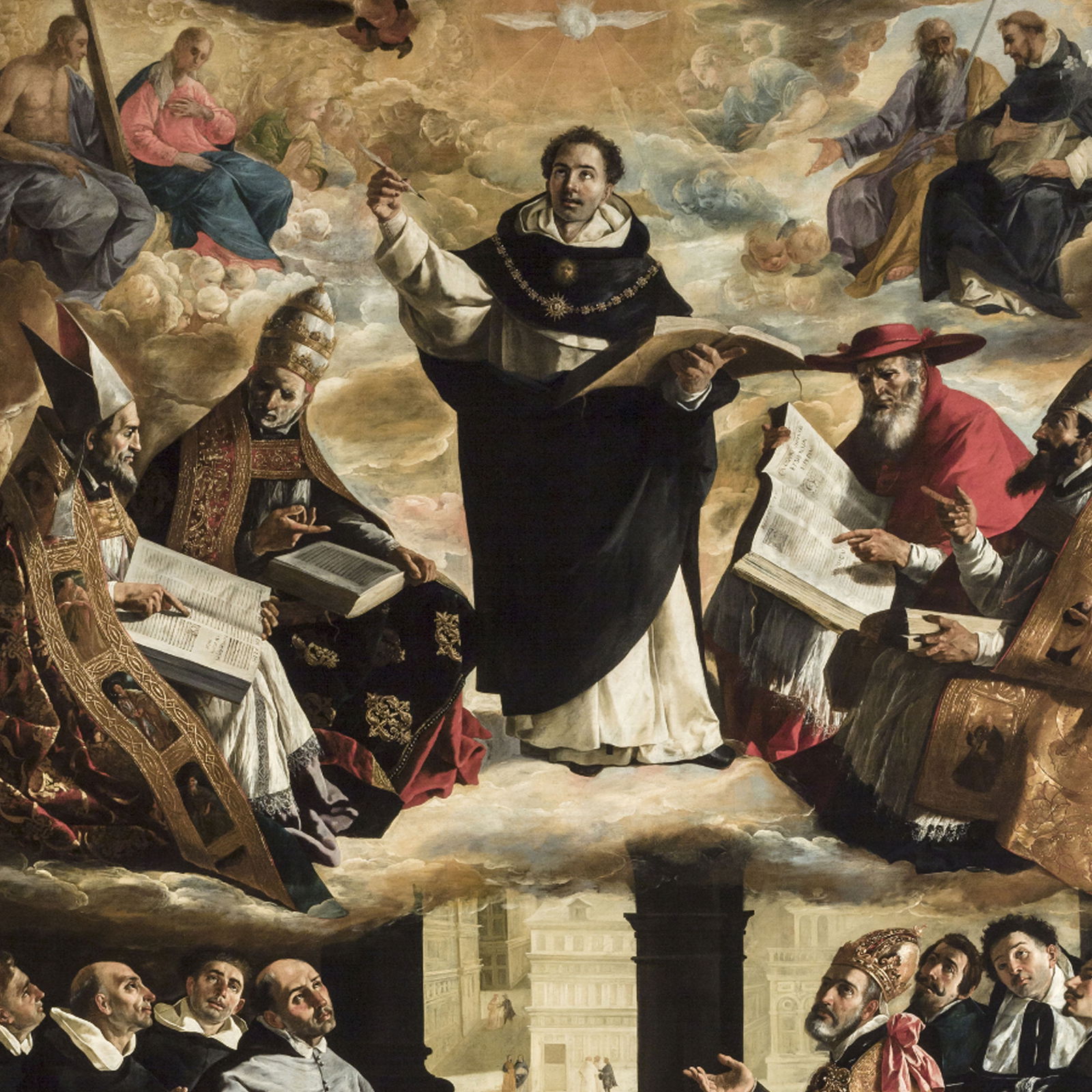
Fr. Cajetan Cuddy explains that Thomism is “fixated” on predestination because this doctrine lies at the speculative and practical center of the Thomistic vision of reality, uniting its key philosophical principles and theological convictions about God, creation, grace, and salvation in a single, coherent account.This lecture was given on September 6th, 2025, at Dominican House of Studies.Through your gift to the Thomistic Institute, you will send the best scholars in the Catholic Intellectual Tradition directly to college campuses, bringing the light of Christ to students longing for answers. Thanks to a group of generous donors, every dollar you send up to $150,000 before December 31 will be matched. This means that your gift will touch twice as many souls!To make your gift today, visit https://thomisticinstitute.org/donate-podcast For more information on upcoming events, visit us at thomisticinstitute.org/upcoming-events.About the Speakers:Fr. Cajetan Cuddy, O.P., is a priest of the Dominican Province of St. Joseph. He serves as the general editor of the Thomist Tradition Series, and he is co-author of Thomas and the Thomists: The Achievement of St. Thomas Aquinas and His Interpreters. He has written for numerous publications on the philosophy and theology of St. Thomas Aquinas and the Thomist Tradition.Keywords: Blaise Pascal Provincial Letters, Contingency, Creator Creature Distinction, Divine Providence, Divine Causality, Grace and Human Freedom, Jean Baptiste Gonet Clippius Theologiae Thomisticae, Physical Premotion and Sacramental Causality, Predestination, Pure Nature, Universal Causality

What is predestination? – Fr. Dominic Legge, O.P.
Fr. Dominic Legge explains predestination as a profoundly hopeful Catholic doctrine rooted in God’s eternal, loving plan to give grace and lead rational creatures freely to the supernatural end of the beatific vision, drawing especially on Saint Thomas Aquinas and Saint Augustine.This lecture was given on September 5th, 2025, at Dominican House of Studies.Through your gift to the Thomistic Institute, you will send the best scholars in the Catholic Intellectual Tradition directly to college campuses, bringing the light of Christ to students longing for answers. Thanks to a group of generous donors, every dollar you send up to $150,000 before December 31 will be matched. This means that your gift will touch twice as many souls!To make your gift today, visit https://thomisticinstitute.org/donate-podcast For more information on upcoming events, visit us at thomisticinstitute.org/upcoming-events.About the Speakers:Fr. Dominic Legge is the President of the Pontifical Faculty of the Immaculate Conception and Associate Professor in Systematic Theology at the Pontifical Faculty of the Immaculate Conception in Washington, D.C. He is an Ordinary Member of the Pontifical Academy of St. Thomas Aquinas, and holds a J.D. from Yale Law School, a Ph.L. from the School of Philosophy of the Catholic University of America, and a doctorate in Sacred Theology from the University of Fribourg in Switzerland. He entered the Order of Preachers in 2001, after having practiced constitutional law for several years as a trial attorney for the U.S. Department of Justice. He has also taught at The Catholic University of America Law School and at Providence College. He is the author of The Trinitarian Christology of St. Thomas Aquinas (Oxford University Press, 2017).Keywords: Actual Grace, Augustine On the Predestination of the Saints, Divine Providence, Exitus Reditus and Final End, Grace and Human Free Will, Human Freedom, Predestination and Eternal Life, Problem of Evil, Rational Creatures and Beatific Vision, Saint Catherine of Siena
Does Nature Make Laws? – Prof. Raymond Hain
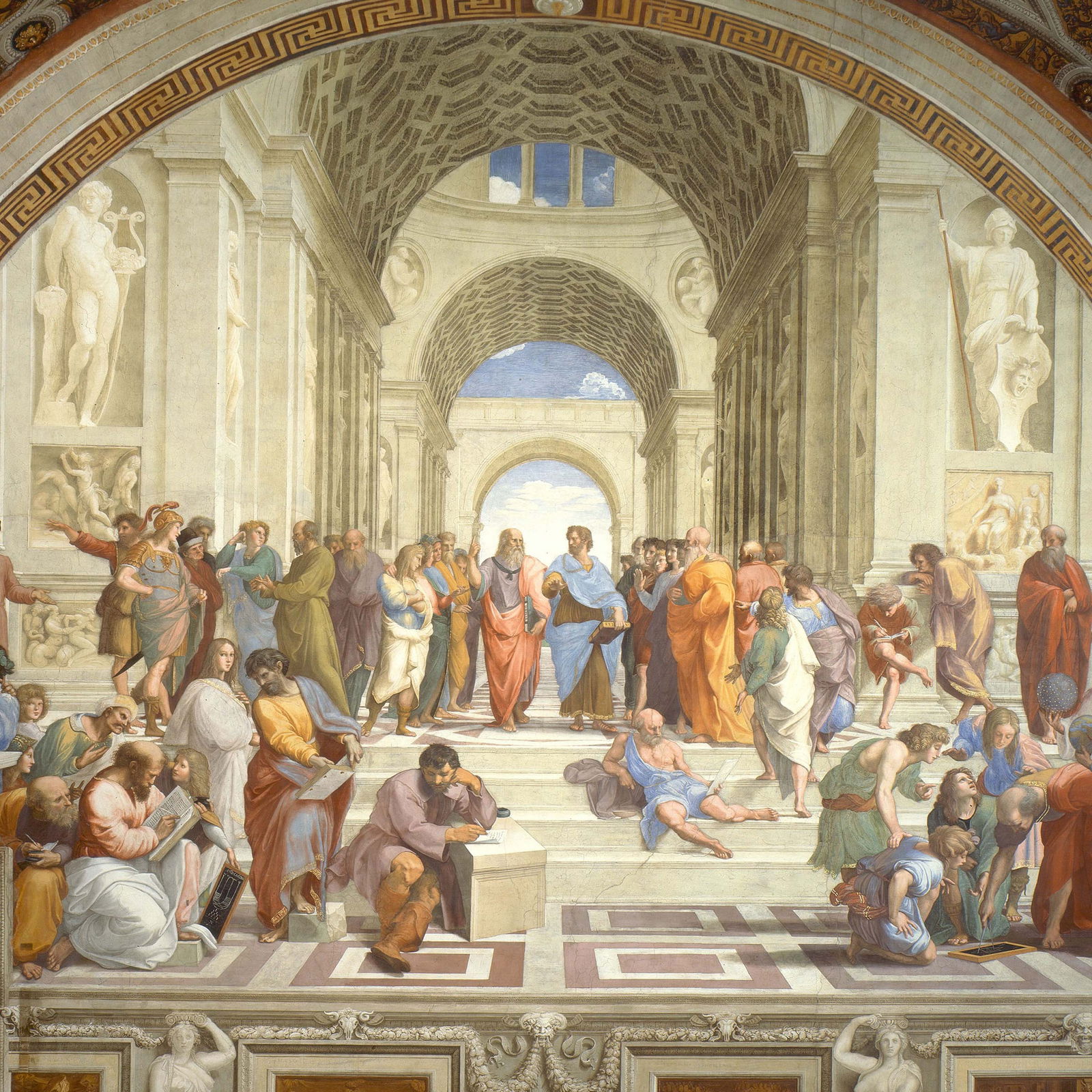
Prof. Raymond Hain examines whether nature “makes” laws by exploring classical and contemporary accounts of natural law, arguing that human moral norms arise from our rational participation in the ordered structure of life and the universe as understood in both philosophy and Catholic thought.This lecture was given on September 8th, 2025, at United States Military Academy.For more information on upcoming events, visit us at thomisticinstitute.org/upcoming-events.About the Speakers:Raymond Hain is Associate Professor of Philosophy and Associate Director of the Humanities Program at Providence College in Providence, RI. Educated at Christendom College, the University of Notre Dame, and the University of Oxford, he is the founder of the PC Humanities Forum and Humanities Reading Seminars and is responsible for the strategic development of the Humanities Program into a vibrant, world class center of teaching, research, and cultural life dedicated to the Catholic Intellectual Tradition. His scholarly interests include the history of ethics (especially St. Thomas Aquinas), applied ethics (especially medical ethics and the ethics of architecture), Alexis de Tocqueville, and philosophy and literature (especially Catholic aesthetics). His work has been supported by the National Endowment for the Humanities, the Templeton Foundation, the Gladys Krieble Delmas Foundation, and the Charles Koch Foundation. His essays have appeared in various journals and collections including The Thomist, International Journal of Applied Philosophy, and The Anthem Companion to Tocqueville. He is the editor of Beyond the Self: Virtue Ethics and the Problem of Culture and is currently working on a monograph titled The Lover and the Prophet: An Essay in Catholic Aesthetics. He joined Providence College in 2011 and lives just across the street with his wife Dominique and their five children.Keywords: Aristotelian Ethics, Catholic Moral Theology, Darwinian Evolution, Evolutionary Biology, Human Flourishing, Human Sexuality, John Finnis Natural Law and Natural Rights, Michael Thompson, Natural Law, Philosophy of Biology, Steven Jensen
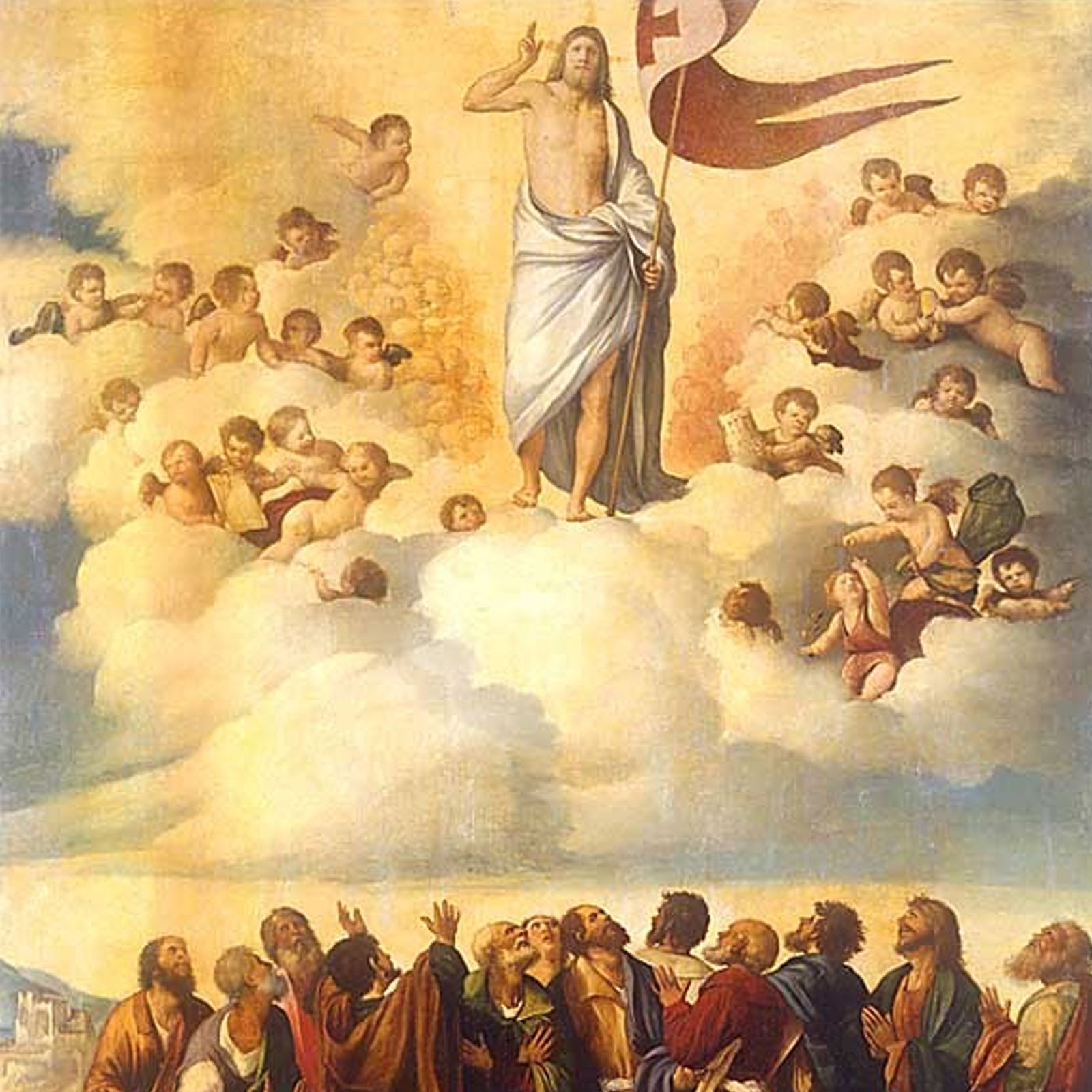
'The greatest of all God's works': Justification in Catholic Theology – Prof. Matthew Thomas
Prof. Matthew Thomas explains why justification—God’s transformative act of making sinners righteous in Christ by grace through faith and incorporation into the Church—is, for Aquinas, greater even than creation, and explores how Catholic teaching on faith, works, and grace can address Reformation-era controversies and open paths toward Protestant–Catholic reconciliation.This lecture was given on April 6th, 2025, at Stanford University.For more information on upcoming events, visit us at thomisticinstitute.org/upcoming-events.About the Speakers:Dr. Matthew J. Thomas is Associate Professor of Biblical Studies and Theology Department Chair at the Dominican School of Philosophy and Theology in Berkeley, CA. His research areas include Pauline theology, patristics (particularly the ante-Nicene period), and early Christian interpretation of Scripture. His writings include Paul's 'Works of the Law' in the Perspective of Second Century Reception, Christian Theology: An Introduction with Alister McGrath, "Justification" in the St. Andrews Encyclopedia of Theology, and the 1 and 2 Maccabees commentaries in the Ignatius Study Bible with his wife Leeanne.Keywords: Augustinian Theology Of Grace, Catholic–Protestant Dialogue, C. S. Lewis Mere Christianity, Divine–Human Causality, Justification By Grace Through Faith, Martin Luther On Justification, Primary And Secondary Causality, Union With Christ, Works Of The Law In Paul, Summa Theologiae On Justification
Can Divine Providence Be Known Through Natural Reason? The Classics' Response – Prof. Carlos A. Casanova
Prof. Carlos A. Casanova argues that a properly understood Aristotelian–Platonic metaphysics of form, final causality, and nature allows human reason, without biblical revelation, to infer a governing divine intellect that orders the cosmos and human history in a providential way.This lecture was given on October 22nd, 2025, at Clemson University.For more information on upcoming events, visit us at thomisticinstitute.org/upcoming-events.About the Speakers:A native of Venezuela, Carlos Casanova holds a law degree from the Catholic University Andrés Bello and a Ph.D. in philosophy from the University of Navarre, Spain. He is now a lecturer at the University of Florida’s Hamilton Center.He is a native of Venezuela. There he served as an attorney for the Office of the Attorney General of Venezuela and for the Venezuelan Congress, and as an assistant to a Justice of the Venezuelan Supreme Court in the early 90s. Afterward he was a professor of the Graduate Studies in Philosophy at the Universidad Simón Bolívar and Chair of the Program. In 2002, threatened by the Chavista regime, he was forced to leave the country. During his first stay in the USA, professor Casanova was a visiting scholar at Boston University and a senior research associate at the Jacques Maritain Center, University of Notre Dame, where he worked with Ralph McInerny. During this time he married Laura Ternan with whom he has 5 children.In 2005 he went to Chile, to work at the International Academy of Philosophy with professor Josef Seifert. Afterward he taught at Universidad Santo Tomás in Chile, and at the School of Law of the Pontifical Catholic University of Chile. In 2020-2022 he opposed the abortionist movement and the attempts to introduce comprehensive sexual education during the early years of basic school. These efforts led to him receiving in 2022 the National Award bestowed by the “Network for Life and the Family.” Due to the Marxist turn of the country, the Casanova family decided to leave Chile and migrate again, back to the United States in 2022.Professor Casanova’s work focuses on metaphysics, political and social philosophy, ethics, and classical Greek philosophy. He has endeavored to dismantle the black legend that hides the achievements of Christianity in the Spanish American empire and in the Latin Christendom (so called “Middle Ages”). His scholarly competence also includes philosophy of science, epistemology, philosophy of mind, medieval philosophy, and contemporary European philosophy. He has published nine books and numerous scholarly papers.Keywords: Aristotelian Teleology, Divine Governance Of Nature, Final Causes And Natural Law, Hume On Miracles, Natural Theology And Providence, Newman’s Critique Of Hume, Plato's Timaeus And Phaedo, Powers And Dispositions In Nature, Teleology Versus Mechanism, Thomistic Fifth Way
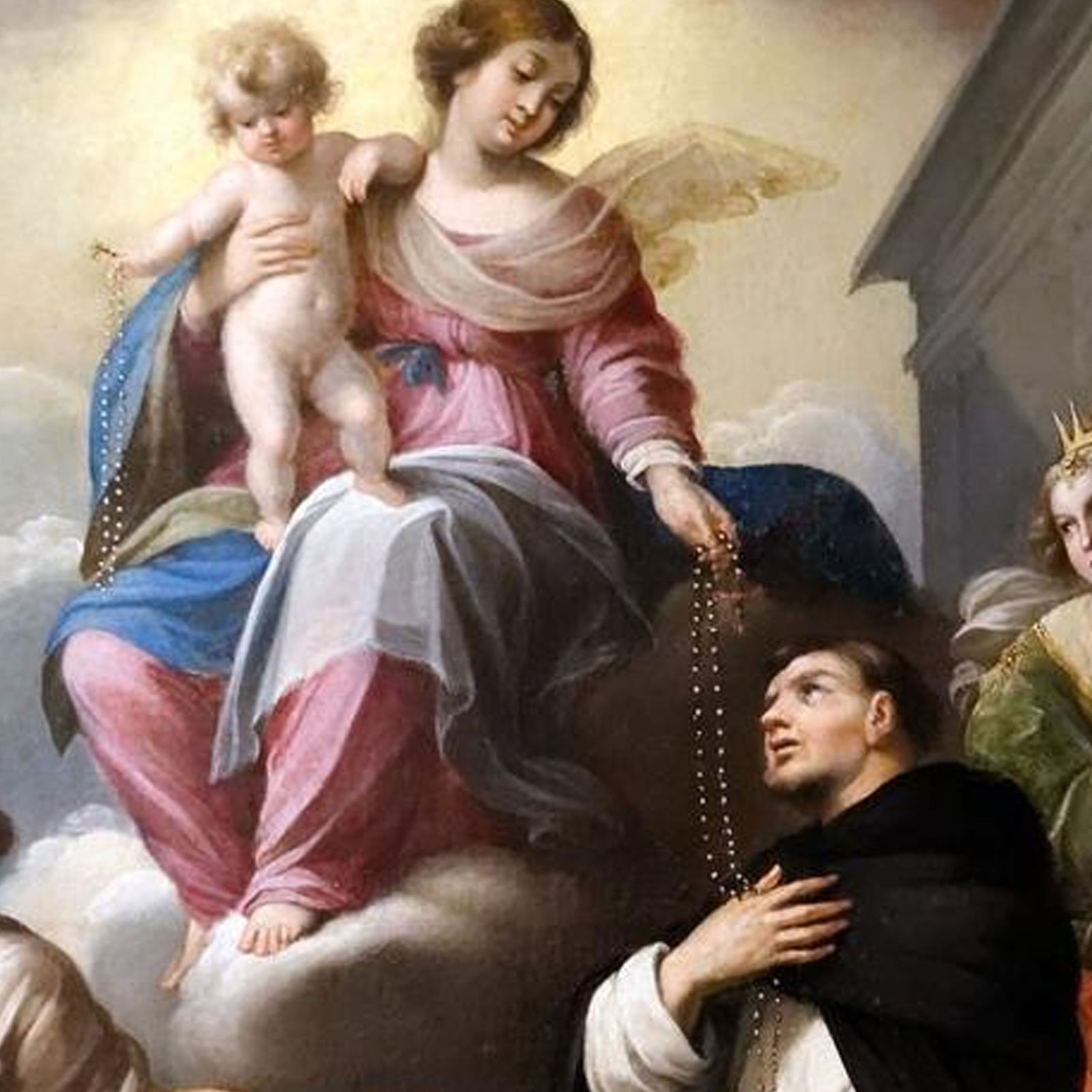
Living Mary's Mediation through De Montfort’s 'Total Consecration' – Fr. John Langlois, O.P.
Fr. John Langlois presents Saint Louis de Montfort’s Marian spirituality of “total consecration” as the surest, easiest, and most secure way to live Mary’s maternal mediation and grow in intimate union with Jesus by entrusting one’s whole life to her.This lecture was given on December 14th, 2024, at Dominican House of Studies.For more information on upcoming events, visit us at thomisticinstitute.org/upcoming-events.About the Speakers:Born in Berlin, NH, Father John Langlois, O.P. entered the Dominican Order in 1985 and was ordained to the priesthood in 1991. He holds a doctorate in Church History, and has spent most of his priestly life teaching, both at Providence College and at the Dominican House of Studies in Washington, D.C. Immediately before coming to St. Gertrude, he served as President of the Pontifical Faculty at the Dominican House of Studies for seven years. Keywords: Marian Consecration, Mary As Mediatrix, Personal Vocation Story, Secret Of The Rosary, Saint Louis de Montfort, Spiritual Warfare And Temptation, True Devotion To Mary, Union With Christ, Virgin Mary As Mother, To Jesus Through Mary
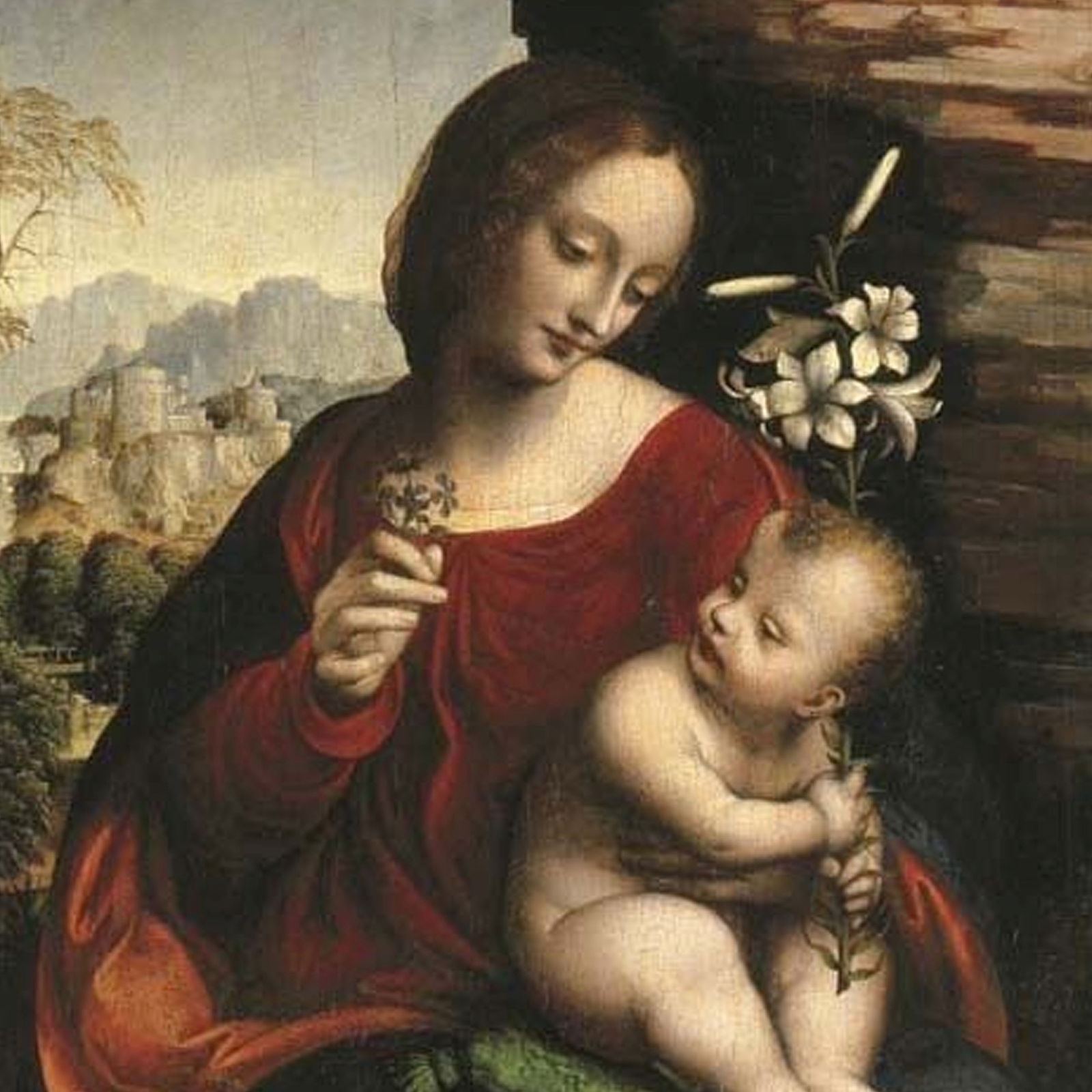
The History of Devotion to Mary: She Who Leads Us to Jesus – Fr. John Langlois, O.P.
Fr. John Langlois traces how Marian doctrine and devotion—from Scripture and the early Fathers through medieval councils, liturgy, and architecture—culminate in the rosary as a Christ-centered, biblically rooted prayer that brings believers to Jesus through Mary’s maternal intercession.This lecture was given on December 14th, 2024, at Dominican House of Studies.For more information on upcoming events, visit us at thomisticinstitute.org/upcoming-events.About the Speakers:Born in Berlin, NH, Father John Langlois, O.P. entered the Dominican Order in 1985 and was ordained to the priesthood in 1991. He holds a doctorate in Church History, and has spent most of his priestly life teaching, both at Providence College and at the Dominican House of Studies in Washington, D.C. Immediately before coming to St. Gertrude, he served as President of the Pontifical Faculty at the Dominican House of Studies for seven years. Keywords: Annunciation And Incarnation, Council Of Ephesus, Marian Intercession, Mary As New Eve, Medieval Marian Spirituality, Mystery Plays, New Adam Christology, Rosary Devotion, Sub Tuum Praesidium, To Jesus Through Mary
Is Free Will an Illusion? – Prof. Joshua Hochschild
Prof. Joshua Hochschild argues that free will is not an illusion but a real, rational power by which human beings participate in God’s causality, and that the supposed “problem of free will” arises from a reductive modern picture of causation and human nature rather than from the classical Aristotelian–Thomistic framework.This lecture was given on October 10th, 2025, at St. Joseph’s Church in Greenwich Village.For more information on upcoming events, visit us at thomisticinstitute.org/upcoming-events.About the Speaker:Joshua Hochschild is Professor of Philosophy at Mount St. Mary’s University, where he also served six years as the inaugural Dean of the College of Liberal Arts. His primary research is in medieval logic, metaphysics, and ethics, with broad interest in liberal education and the continuing relevance of the Catholic intellectual tradition. He is the author of The Semantics of Analogy: Rereading Cajetan’s De Nominum Analogia (2010), translator of Claude Panaccio’s Mental Language: From Plato to William of Ockham (2017), and co-author of A Mind at Peace: Reclaiming an Ordered Soul in the Age of Distraction (2017). His writing has appeared in First Things, Commonweal, Modern Age and the Wall Street Journal. For 2020-21 he served as President of the American Catholic Philosophical Association.Keywords: Augustinian Free Choice, Classical Causality, Dante’s Purgatorio, Imago Dei, Participated Theodeterminism, Rational Appetite, Responsibility And Moral Agency, Sam Harris Determinism, Thomistic Psychology Of Choice, Will And Divine Providence
Happiness and Virtue: Can it be Good for You to Be Bad? – Prof. Thomas Osborne
Prof. Thomas Osborne argues that, on an Aristotelian–Thomistic account of human nature, it is never truly good for you to be bad, because vice damages your very being as a rational, social creature ordered to common goods and ultimately to God.This lecture was given on October 29th, 2025, at University of Pittsburgh.For more information on upcoming events, visit us at thomisticinstitute.org/upcoming-events.About the Speakers: Thomas M. Osborne, Jr. (Ph.D, Duke University, 2001) is the Frank A. Rudman Endowed Chair in Philosophy and the Chair of the Department of Philosophy at the University of St. Thomas. He has published widely on Thomas Aquinas, Thomism, and medieval and late scholastic philosophy. His interests cover moral psychology, ethics, political philosophy, and metaphysics. His latest book is Thomas Aquinas on Virtue (Cambridge University Press, 2024).Keywords: Aristotelian Natural Law, Common Good, Human Dignity, Justice And Self-Interest, Moral Rectitude, Natural Law Theory, Plato’s Republic, Political Community, Prudence And Charity, Vice And Human Defectiveness
Virtue and the Meaningful Life – Dr. David McPherson
Dr. David McPherson argues that human beings are “meaning-seeking animals” and that an adequate neo-Aristotelian ethics must see the virtues as constitutive of a meaningful life ordered to strong goods such as the noble, the sacred, and love of God and neighbor.This lecture was given on October 16th, 2025, at University of Florida.For more information on upcoming events, visit us at thomisticinstitute.org/upcoming-events.About the Speakers: David McPherson is Professor of Philosophy in the Hamilton School for Classical and Civic Education at the University of Florida as well as Affiliate Professor in the Department of Philosophy. Previously, he was Associate Professor of Philosophy at Creighton University, and during academic year 2021-22 he was Visiting Research Professor at the University of Colorado Boulder. McPherson works in the areas of ethics (especially virtue ethics), political philosophy, meaning in life, and philosophy of religion. He is the author of The Virtues of Limits (Oxford University Press, 2022) and Virtue and Meaning: A Neo-Aristotelian Perspective (Cambridge University Press, 2020), as well as the editor of Spirituality and the Good Life: Philosophical Approaches (Cambridge University Press, 2017).Keywords: Aristotelian Virtue Ethics, Constitutive View Of Happiness, Meaning-Seeking Animal, Nicomachean Ethics, Religious Hope, Stoicism And Loss, Strong Evaluative Meaning, Theological Virtues, Virtue And Happiness, Wartime Martyrdom
St. Thomas Aquinas: His Life, Wisdom, and Relevance Today – Fr. Irenaeus Dunlevy, O.P.
Fr. Irenaeus Dunlevy presents Aquinas as a medieval theologian whose love of Scripture, clear metaphysics of happiness, integrated view of body and soul, and profound Eucharistic devotion offer urgently needed guidance for Christians facing modern confusion about truth, identity, and God.This lecture was given on October 30th, 2025, at Southern Methodist University.For more information on upcoming events, visit us at thomisticinstitute.org/upcoming-events.About the Speakers:Fr. Irenaeus Dunlevy, OP is a Coordinator for Campus Outreach at the Thomistic Institute in Washington, DC. He has served as a parochial vicar at St. Pius V Church in Providence, RI, as well as an adjunct professor and assistant chaplain at Providence College. He originates from Columbus, OH, studied architecture in Virginia and Switzerland, and practiced in the DC area before entering the Order of Preachers in 2013. He was ordained a priest in 2020 at the Dominican House of Studies during the quarantine. In his work with the Thomistic Institute, he has given talks on the virtue of penance, loving God with the mind, and the intersection of theology and architecture. He often travels the country visiting Thomistic Institute Campus Chapters, leading seminars that help students grasp Thomistic concepts. Additionally, he coordinates the TI's intellectual retreat programming, which affords students time to pray and integrate into their lives Thomistic theology and philosophy.Keywords: Analogical Predication, Beatitude And Happiness, Benedictine Spirituality, Corpus Christi Liturgy, Four Senses Of Scripture, Mendicant Controversies, Philosophical Anthropology, Real Presence Of Christ, Summa Theologiae, Unicity Of The Intellect Debate
Why We Need the Saints – Prof. Adam Eitel
Prof. Adam Eitel argues that God’s divine pedagogy makes the examples of the saints indispensable for our salvation, since their concrete, imperfect yet graced lives teach us how to endure sorrow, grow in virtue, and imitate Christ in the real circumstances of our own time.This lecture was given on October 6th, 2025, at Brown University.For more information on upcoming events, visit us at thomisticinstitute.org/upcoming-events.About the Speakers: Professor Eitel is an Associate Professor of Theology at the University of Dallas. Before joining the UD faculty in 2023, he taught for eight years at Yale University, holding appointments in the Divinity School, the Program in Medieval Studies, and the Humanities Program. A specialist in medieval scholasticism, his research interests include doctrinal and moral theology, with a particular focus on the works of Thomas Aquinas and his contemporaries. His teaching and research bring historical Christian theology into dialogue with contemporary moral and political issues.Keywords: Augustine On Virtue, Cardinal Virtues In Scripture, Communion Of Saints, Divine Pedagogy, Exemplarity And Moral Formation, Imitation Of Christ, Job’s Patience, Moral Theology, Summa Theologiae, Thomistic Biblical Commentary
Does Marketing Make Us Less Human? – Dr. John-Paul Heil
Dr. John-Paul Heil critiques modern marketing’s implicit anthropology, explaining that marketing driven by manipulation, simulation, and quantity undermines human dignity, authentic friendship, and the pursuit of truth, advocating for a vision of marketing grounded in transparency, service, and the intrinsic value of persons.This lecture was given on October 7th, 2025, at Washington and Lee University/Virginia Military Institute.For more information on upcoming events, visit us at thomisticinstitute.org/upcoming-events.About the Speakers: John-Paul Heil is a Core Fellow in history, philosophy, Catholic anthropology, English, and theology at Mount St. Mary's University. He received his PhD in history from the University of Chicago and is pursuing an MBA in marketing. He has received multiple awards from the U.S. and Italian Fulbright commissions. His writing has appeared in Time, Smithsonian, The Week, and Los Angeles Review of Books. He is the books editor at the University of Pennsylvania's Dappled Things.Keywords: Abusive Language, Anthropological Reductionism, Aristotle, Authentic Friendship, Cicero, Empathy In Marketing, Joseph Pieper, Regenerative Agriculture, Simulation And Dissimulation, Wendell Berry
A Breastplate of Stillness and a Book of Thanksgiving: The Fruits of Patience in the Face of Boredom – Prof. Carl Vennerstrom
Prof. Carl Vennerstrom explores how perseverance, prayer, ordered work, and thanksgiving transform boredom and the temptation to acedia into opportunities for deep spiritual growth, joy, and resilient virtue in an age of digital distraction.This lecture was given on April 12th, 2025, at Dominican House of Studies.For more information on upcoming events, visit us at thomisticinstitute.org/upcoming-events.About the Speakers: Dr. Vennerstrom specializes in eastern patristic theology. Of particular interest are monasticism, scriptural interpretation, and the writings of Evagrius of Pontus. He earned his PhD in Early Christian Studies at the Catholic University of America and teaches courses in church history, theology, and Greek at the Augustine Institute Graduate School in St. Louis, Missouri.Keywords: Acedia And Boredom, Desert Monasticism, Digital Distraction, Evagrius Of Pontus, Liturgical Order, Patience And Perseverance, Prayer And Scripture, Spiritual Growth, Stillness, Thanksgiving And Joy
Theology of the Body – Prof. Paige Hochschild
Prof. Paige Hochschild analyzes John Paul II’s Theology of the Body, contrasting the Catholic vision of bodily integration, purity, and vocation with both contemporary purity culture and philosophical dualism to reveal how grace, self-gift, and resurrection ground true human flourishing.This lecture was given on October 6th, 2025, at University of South Florida.For more information on upcoming events, visit us at thomisticinstitute.org/upcoming-events.About the speaker:Dr. Paige Hochschild is a professor of historical and systematic theology at Mount St. Mary's University (MD), specializing in Augustine, Thomas Aquinas and the early Church. She also teaches philosophy courses at the Seminary at Mount St. Mary's. She has written a book on the place of memory in Augustine's theological anthropology, and publishes on the Church, education, tradition, and 20th Century theological debates within the Church (scripture, history, marriage).Keywords: Bodily Integration, Charity, Dualism And Gnosticism, Grace And Transformation, Human Sexuality, John Paul II, Marriage And Celibacy, Phenomenology, Purity Culture, Theology Of The Body
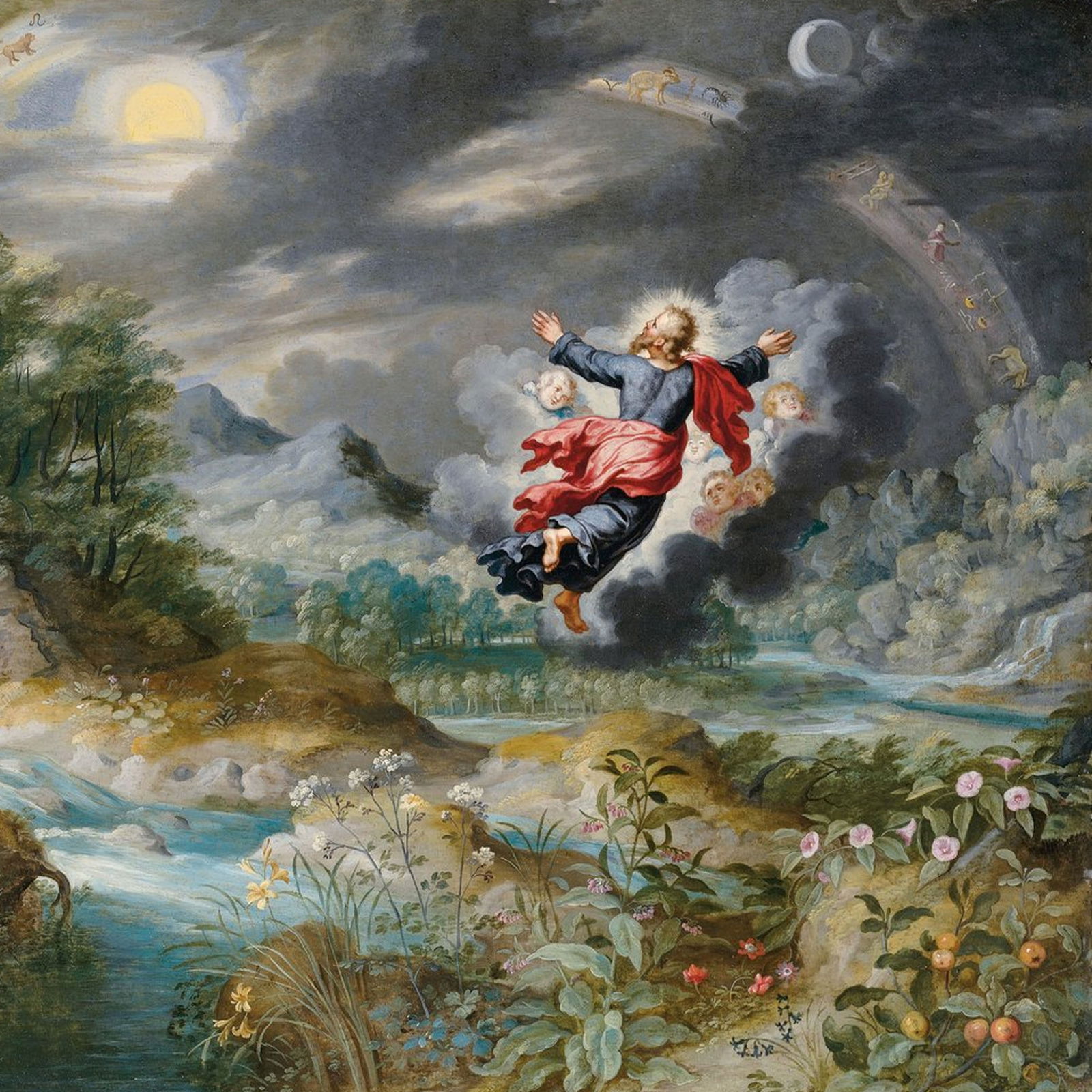
Identity vs. Nature: Aquinas on Who Creates Me – Prof. Jacob Wood
Prof. Jacob Wood contrasts Aquinas’s account of nature, cause, and purpose with modern identity theory, showing that human nature—created and ordered by God—grounds authentic freedom and common purpose in contrast to the fragmentation of expressive individualism.This lecture was given on September 10th, 2025, at University of Illinois at Urbana-Champaign.For more information on upcoming events, visit us at thomisticinstitute.org/upcoming-events.About the speaker:Jacob W. Wood was born and raised in the New York City area, where he grew up in the Episcopal Church, learning to contemplate the love of the Lord in the beauty of the liturgy. After an initial period of theological study at the University of Saint Andrews, he followed the path of St. John Henry Newman into full communion with the Catholic Church in 2008. Since earning a doctorate in Systematic Theology from the Catholic University of America in 2014, he has served as a theologian at Franciscan University of Steubenville, focusing his teaching and research on the theology of creation, sin, and grace. He lives with his family in the Ohio countryside, where he continues to cultivate the love of the Lord through liturgical beauty, and has followed the call that many a young Catholic family has answered to sanctify Creation through the work of homesteading. Visit his website at www.wisdomoftradition.com.Keywords: Aristotelian Causes, Divine Creation, Expressive Individualism, Freedom For Excellence, Gender Theory, Heidegger, Judith Butler, Nature And Identity, Order Of Creation, Shared Human Nature
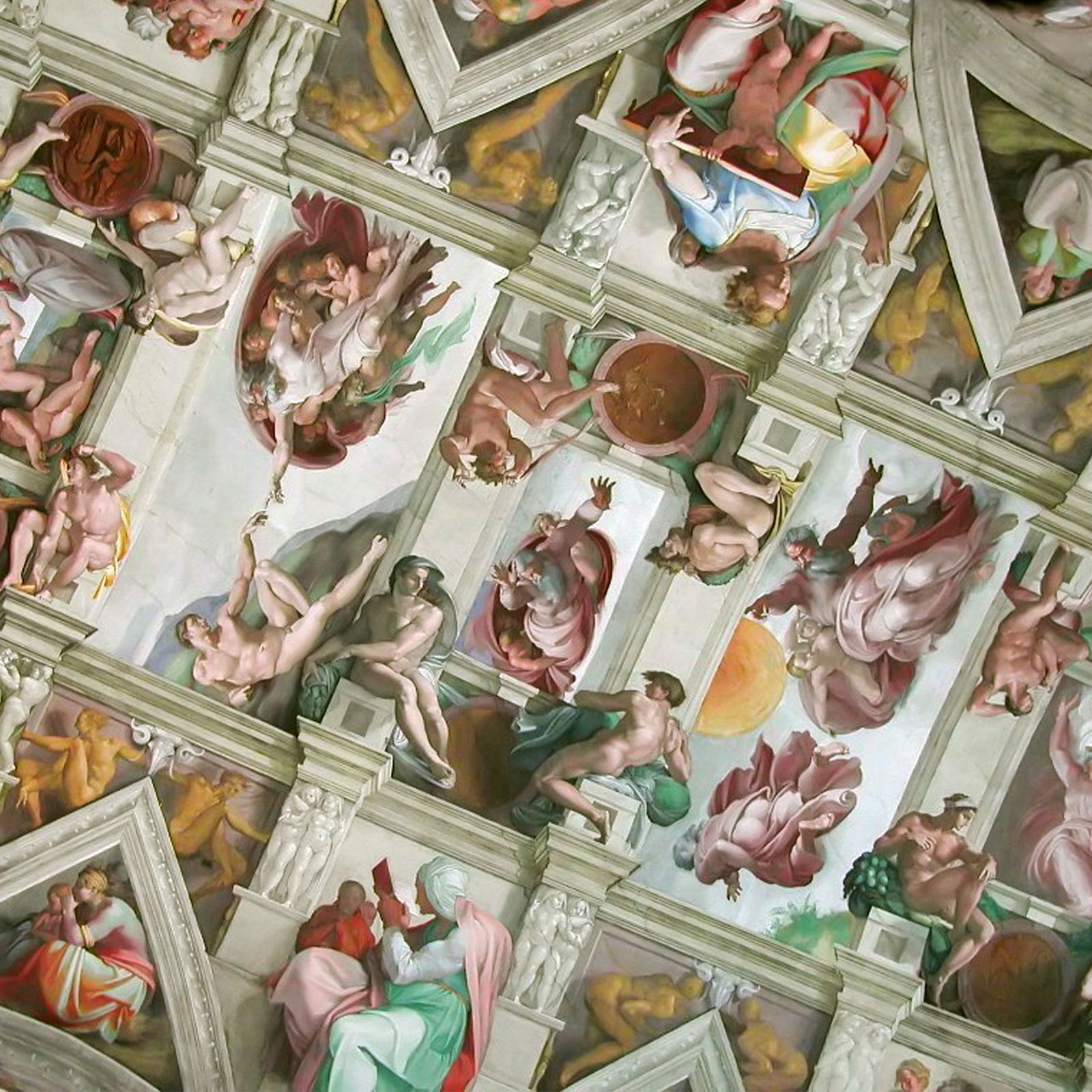
The Way of Beauty: The Church and the Arts – Fr. Innocent Smith, O.P.
Fr. Innocent Smith explores how beauty in art, architecture, and liturgy forms the soul, elevates worship, and points to God, showing that the Church’s cultivation of beauty is essential for evangelization, spiritual maturity, and experiencing the divine.This lecture was given on October 6th, 2025, at University of Virginia.For more information on upcoming events, visit us at thomisticinstitute.org/upcoming-events.About the speaker:Innocent Smith, O.P., is Assistant Professor of Theology at the University of Notre Dame. After undergraduate studies in music and philosophy at Notre Dame, he entered the Order of Preachers in 2008 and was ordained priest in 2015. Fr. Innocent served in parish ministry for several years before completing a doctorate in liturgical studies at the University of Regensburg in 2021. After teaching for several years in Baltimore and Washington, DC, he joined the Department of Theology in 2025. His research focuses on the material and musical aspects of medieval liturgical books as well as the relationship between liturgy and theology. His monograph Bible Missals and the Medieval Dominican Liturgy explores medieval manuscripts of the Bible that also contain liturgical texts for the celebration of Mass.Keywords: Beauty, Evangelization, Eucharistic Worship, Goodness Truth And Beauty, Incarnation, Liturgical Architecture, Liturgical Diversity, Religious Art History, Sacred Music, Virtue Of Religion
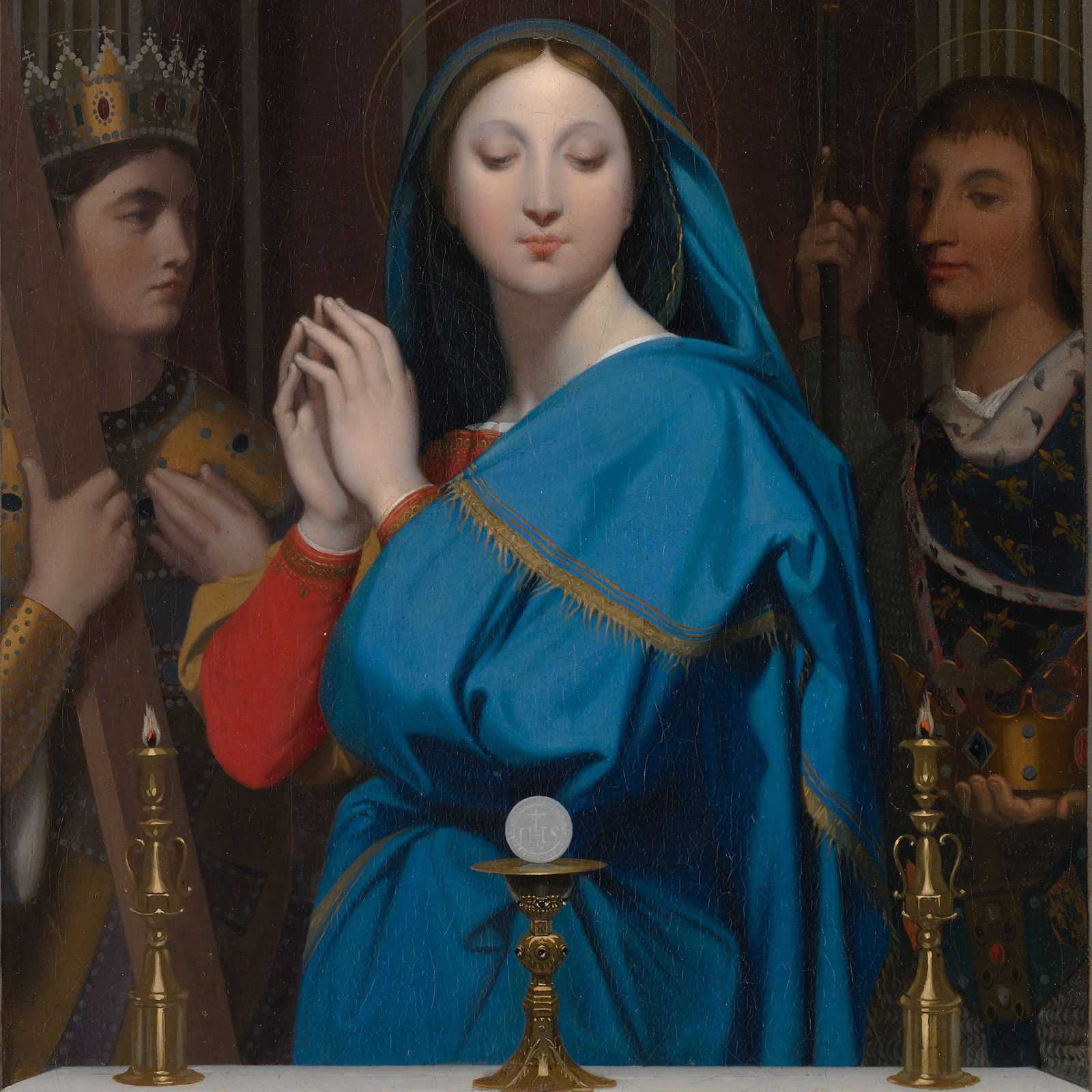
Mariology 101: Part 1 – Fr. James Brent, O.P.
Fr. James Brent presents a systematic introduction to Mariology, demonstrating that all Marian titles and attributes find their source and unity in her primary dogmatic role as Mother of God, which shapes her graces, virtues, and mission in salvation history.This lecture was given on December 8th, 2024, at an Intellectual Retreat at the Dominican House of Studies in Washington, D.C.For more information on upcoming events, visit us at thomisticinstitute.org/upcoming-events.About the speaker:Fr. James Dominic Brent is an Assistant Professor of Philosophy and Chaplain to Commuter Students at the Dominican House of Studies in Washington DC. He has articles in the Internet Encyclopedia of Philosophy on Natural Theology, in the Oxford Handbook of Thomas Aquinas on “God’s Knowledge and Will”, and an article forthcoming on “Thomas Aquinas” in the Oxford Handbook of the Epistemology of Theology.Keywords: Assumption, Divine Maternity, Immaculate Conception, Liturgical Tradition, Marian Dogmas, Mariology, Mother Of God, Perpetual Virginity, Queenship Of Mary, Spiritual Motherhood
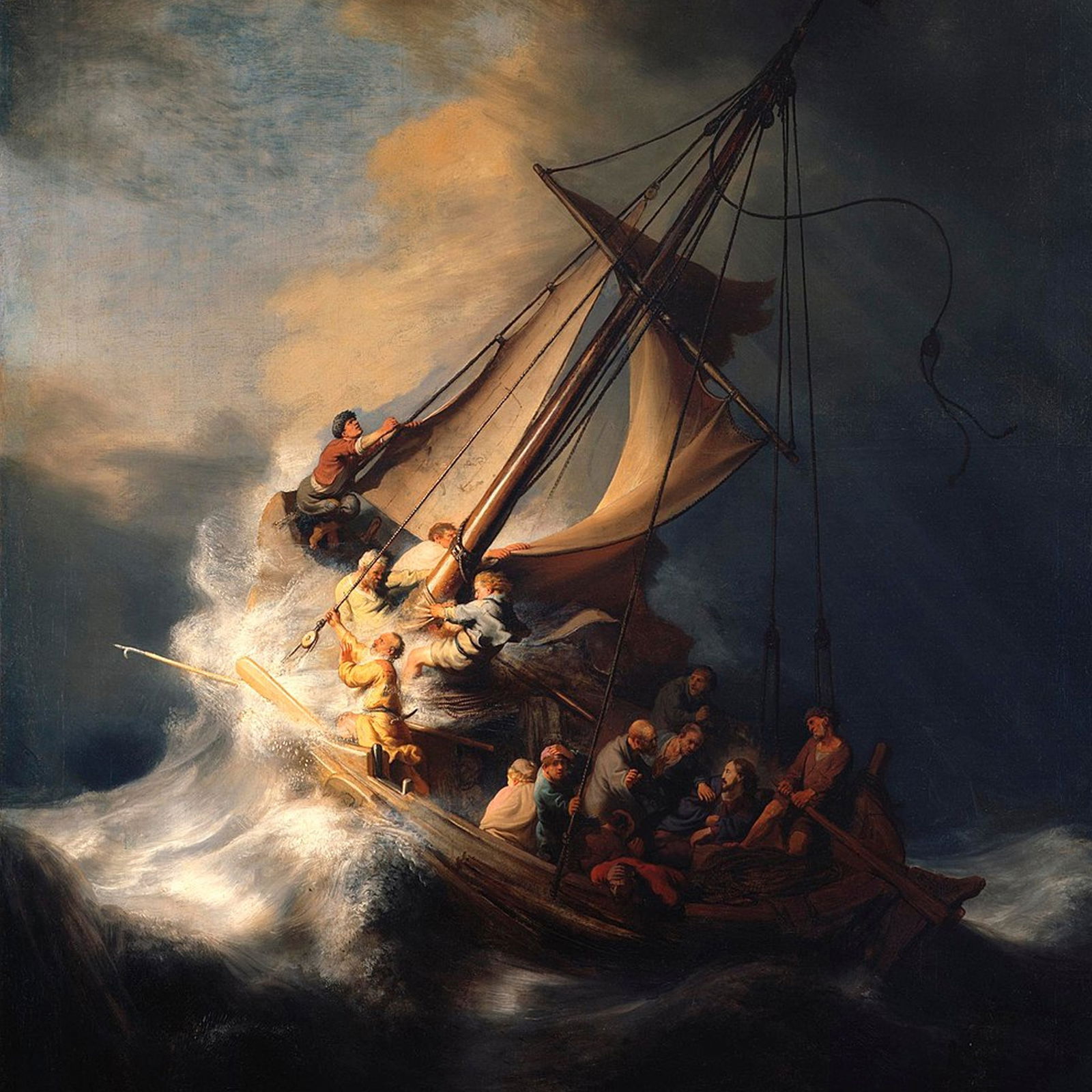
Finding Meaning Amidst the Chaos Or: Why Get Out of Bed in the Morning? – Dr. Robert McNamara
Dr. Robert McNamara explores the problem of meaninglessness and chaos in contemporary life, showing how wonder, intellectual attention, and the cultivation of virtue empower individuals to find purpose and resilience in the face of suffering and cultural fragmentation.This lecture was given on September 30th, 2025, at University of Galway.For more information on upcoming events, visit us at thomisticinstitute.org/upcoming-events.About the Speakers: Dr. Robert McNamara is lecturer in philosophy at St. Patrick’s Pontifical University, Maynooth, Ireland, associate series editor of Edith Stein Studies, associate scholar of the Hildebrand Project, associate member of faculty at the International Theological Institute and the Maryvale Institute, and a founding member of the Aquinas Institute of Ireland (currently suspended). Robert researches anthropological and metaphysical questions in medieval and phenomenological thinkers, especially as both bear reference to philosophical personalism. He has studied physics and computing, philosophy and theology, and received his Ph.D. for research in the thought of Edith Stein and Thomas Aquinas. Robert is originally from Galway, Ireland and now lives in Carlow with his wife, Caroline, and their four children, Vivian, John, Catherine, and Oran.Keywords: Absurdism, Attentive Engagement, Cultural Fragmentation, Intelligibility Of Reality, Meaning And Suffering, Nihilism, Practical Habits, Purpose In Life, Viktor Frankl, Wonder And Virtue
A Feeble Plant in the Breeze: Personal and Social Forms of Acedia – Prof. Carl Vennerstrom
Prof. Carl Vennerstrom explores personal and social forms of acedia, tracing its origins from ancient monasticism to contemporary life and illuminating how distraction, restlessness, and identity crisis threaten fulfillment and virtue in the digital age.This lecture was given on April 11th, 2025, at Dominican House of Studies.For more information on upcoming events, visit us at thomisticinstitute.org/upcoming-events.About the Speakers: Dr. Vennerstrom specializes in eastern patristic theology. Of particular interest are monasticism, scriptural interpretation, and the writings of Evagrius of Pontus. He earned his PhD in Early Christian Studies at the Catholic University of America and teaches courses in church history, theology, and Greek at the Augustine Institute Graduate School in St. Louis, Missouri.Keywords: Acedia, Desert Monasticism, Digital Distraction, Ennui, Evagrius Of Pontus, Existentialism, Frenzied Activity, Identity Crisis, Noonday Demon, Restlessness In Modernity
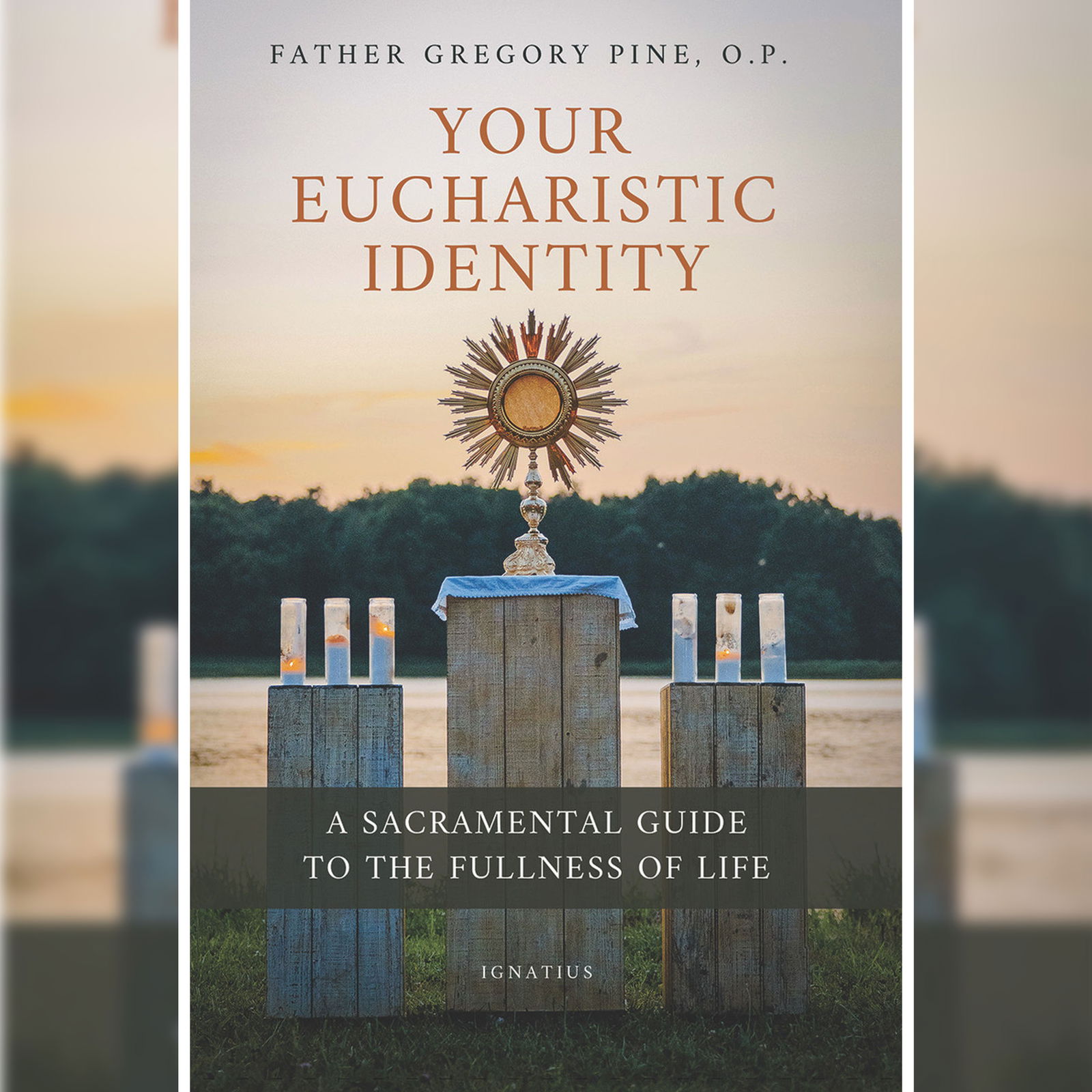
Your Eucharistic Identity – Fr. Gregory Pine, O.P.
Fr. Gregory Pine explores the Eucharist as the foundation of Catholic identity, showing how sacramental worship unites the past, present, and future of salvation history and invites believers into personal transformation, unity, and divine love.This lecture was given on November 3rd, 2025, at University of Pennsylvania.For more information on upcoming events, visit us at thomisticinstitute.org/upcoming-events.About the Speakers: Fr. Gregory Pine, O.P. is an instructor of dogmatic and moral theology at the Dominican House of Studies and an Assistant Director of the Thomistic Institute. He holds a doctorate from the University of Fribourg (Switzerland). He is the co-author of Credo: An RCIA Program and Marian Consecration with Aquinas as well as the author of Prudence: Choose Confidently, Live Boldly. His writing also appears in Aleteia, Magnificat, and Ascension’s Catholic Classics series. He is a regular contributor to the podcasts Pints with Aquinas, Catholic Classics, The Thomistic Institute, and Godsplaining.Keywords: Charity, Christian Identity, Divine Condescension, Eucharistic Worship, Graces Of Christian Life, Mystical Body, Personal Belonging, Sacramental Signs, Salvation History, Unity Through Communion
Aquinas and Newman on the Pursuit of Wisdom and Happiness – Prof. Jennifer Frey
Prof. Jennifer Frey’s lecture compares Aquinas and Newman on the pursuit of wisdom and happiness, showing how a true liberal education cultivates philosophical habits and interior freedom by uniting the quest for knowledge, meaning, and the common good.This lecture was given on September 18th, 2025, at University of Tulsa.For more information on upcoming events, visit us at thomisticinstitute.org/upcoming-events.About the Speakers: Jennifer A. Frey is a Professor of Philosophy at the University of Tulsa. She previously served as the inaugural Dean of the Honors College. Before coming to Oklahoma, she was an Associate Professor of philosophy at the University of South Carolina, where she was also a Peter and Bonnie McCausland Faculty Fellow in the College of Arts and Sciences. Prior to her tenure at Carolina, she was a Collegiate Assistant Professor the Humanities at the University of Chicago, and a junior fellow of the Society for the Liberal Arts. She earned her Ph.D. in philosophy at the University of Pittsburgh and her B.A. in philosophy and medieval studies (with a classics minor) at Indiana University-Bloomington. In 2015, she was awarded a multi-million dollar grant from the John Templeton Foundation, titled “Virtue, Happiness, and the Meaning of Life.” She has published widely on virtue and moral psychology, and she has edited three academic volumes on virtue and human action: Self Transcendence and Virtue: Perspectives from Philosophy, Psychology, and Theology; Practical Truth; and Practical Wisdom (OUP, forthcoming 2025). Her writing has been featured in Breaking Ground, First Things, Image, Law and Liberty, The NewYork Times, The Point, USA Today, and the Wall Street Journal. She lives with her husband and six children in Tulsa, Oklahoma.Keywords: Aristotelian Liberal Arts, Cardinal Newman, Habits Of Mind, Interior Freedom, Liberal Education, Max Weber, Philosophical Tradition, Pursuit Of Happiness, Unity Of Knowledge, Wisdom
Minimum Wage vs. Just Wage: A Thomistic Clarification of Catholic Social Teaching – Dr. Michael Krom
Dr. Michael Krom uses Catholic social teaching and Thomistic ethics to explain the difference between minimum wage and just wage, emphasizing that justice, moral duty, and human need—not just legal or economic policy—should guide compensation for workers.This lecture was given on September 25th, 2025, at Louisiana State University.For more information on upcoming events, visit us at thomisticinstitute.org/upcoming-events.About the Speakers: Michael Krom started reading Aquinas’s Summa Theologiae shortly after his conversion at the end of college. Upon learning about Flannery O’Connor’s “hillbilly Thomist” habit of reading Aquinas every night, he started studying two articles a day and completed the Summa while in graduate school at Emory University. As a professor at Saint Vincent College, he saw the urgent need for collegians and seminarians to receive a solid foundation in Aquinas’s philosophical theology. In 2020, he published Justice and Charity: An Introduction to Aquinas’s Moral, Economic, and Political Thought (Baker Academic Press), and teaches a Thomistic philosophy course each fall. In addition to continuing work on the moral, economic, and political topics covered in the book, his current research is on the influence of monastic spirituality on Aquinas; he is working on a monograph tentatively entitled Aquinas Among the Benedictines.Keywords: Catholic Social Teaching, Commutative Justice, Distributive Justice, Economic Policy, Just Wage, Minimum Wage, Moral Duty, Preference For The Poor, Property Rights, Subsidiarity Principle
Would St. Thomas Baptize and Extraterrestrial? – Dr. Edmund Lazzari
Dr. Edmund Lazzari uses Thomistic philosophy and sacramental theology to analyze whether extraterrestrial intelligences could be baptized, exploring questions of nature, the soul, salvation, and God’s freedom to grant grace beyond the human species.This lecture was given on September 10th, 2025, at North Dakota State University.For more information on upcoming events, visit us at thomisticinstitute.org/upcoming-events.About the Speakers: Edmund Lazzari is Teaching Fellow in the Department of Catholic Studies at Duquesne University. Dr. Lazzari is also a member of the Aquinas and 'the Arabs' International Working Group and affiliated faculty of the Carl G. Grefenstette Center for Ethics in Science, Technology, and Law. A former Basselin Fellow, he earned an ecclesiastical licentiate degree in philosophy from the Catholic University of America, as well as a doctorate in systematic theology and ethics from Marquette University. He has previously taught philosophy and theology at Mount St. Mary's University, Marquette University, the Massachusetts Institute of Technology, and other universities not starting with the letter "M." Dr. Lazzari has published on a wide variety of topics in theology, such as theology and science, the thought of St. Thomas Aquinas, Catholic-Muslim dialogue, liturgical theology, machine learning/AI, Catholic ethics, and extraterrestrial intelligence. He is the author of two books: Why Nature Matters: Unlocking Catholic Doctrine through Commonsense Philosophy (2022) and Miracles in Said Nursi and Thomas Aquinas (Routledge, 2024).Keywords: Astrobiology, Extraterrestrial Intelligence, Grace And Salvation, Hylomorphism, Immortal Soul, Incarnation Theology, Intellectual Nature, Mystical Body, Particularity Scandal, Sacramental Participation
George Lemaitre: The Catholic Priest Who Proposed the Big Bang Theory – Prof. Jonathan Lunine
Prof. Jonathan Lunine tells the story of Georges Lemaître—the Catholic priest and physicist who proposed the Big Bang theory—showing how his pioneering science, deep faith, and personal humility revolutionized modern cosmology and bridged the perceived gap between religion and science.This lecture was given on October 5th, 2023, at the Thomistic Institute in Limerick, Ireland.For more information on upcoming events, visit us at thomisticinstitute.org/upcoming-events.About the Speakers: Jonathan Lunine is the Chief Scientist at NASA’s Jet Propulsion Laboratory and Professor of Planetary Science at Caltech in Pasadena, California. Beforehand, he was the David C. Duncan Professor in the Physical Sciences and Chair of the Department of Astronomy at Cornell University. Lunine is interested in how planets form and evolve, what processes maintain and establish habitability, and what kinds of exotic environments (methane lakes, etc.) might host a kind of chemistry sophisticated enough to be called "life". He pursues these interests through theoretical modeling and participation in spacecraft missions. He is co-investigator on the Juno mission now in orbit at Jupiter, using data from several instruments on the spacecraft, and on the MISE and gravity science teams for the Europa Clipper mission. He was on the Science Working Group for the James Webb Space Telescope, focusing on characterization of extrasolar planets and Kuiper Belt objects. Lunine has contributed to concept studies for a wide range of planetary and exoplanetary missions. Lunine is a member of the National Academy of Sciences and has participated in or chaired a number of advisory and strategic planning committees for the Academy and for NASA.Keywords: Astronomical Observation, Big Bang Theory, Cosmological Constant, Georges Lemaître, Hubble–Lemaître Law, Humility, Primeval Atom, Religious Science Dialogue, Scientific Legacy, Steady State Model
Does AI Have a Soul? – Dr. Edmund Lazzari
Dr. Edmund Lazzari’s lecture critically assesses claims that artificial intelligence systems might possess souls, arguing from Thomistic philosophy and computational neuroscience that AI lacks genuine abstraction, intentionality, and the ontological requirements for immaterial intelligence.This lecture was given on October 2nd, 2025, at University of Houston.For more information on upcoming events, visit us at thomisticinstitute.org/upcoming-events.About the Speakers: Edmund Lazzari is Teaching Fellow in the Department of Catholic Studies at Duquesne University. Dr. Lazzari is also a member of the Aquinas and 'the Arabs' International Working Group and affiliated faculty of the Carl G. Grefenstette Center for Ethics in Science, Technology, and Law. A former Basselin Fellow, he earned an ecclesiastical licentiate degree in philosophy from the Catholic University of America, as well as a doctorate in systematic theology and ethics from Marquette University. He has previously taught philosophy and theology at Mount St. Mary's University, Marquette University, the Massachusetts Institute of Technology, and other universities not starting with the letter "M." Dr. Lazzari has published on a wide variety of topics in theology, such as theology and science, the thought of St. Thomas Aquinas, Catholic-Muslim dialogue, liturgical theology, machine learning/AI, Catholic ethics, and extraterrestrial intelligence. He is the author of two books: Why Nature Matters: Unlocking Catholic Doctrine through Commonsense Philosophy (2022) and Miracles in Said Nursi and Thomas Aquinas (Routledge, 2024).Keywords: Abstraction And Universals, Artificial Neural Networks, Computational Neuroscience, Intentionality, LaMDA Case, Language Models, Ontological Requirements, Predication, Sentience Debate, Thomistic Analysis
Neuroscience and the Soul – Dr. William Hurlbut
Dr. William Hurlbut explores the profound questions raised by neuroscience, biotechnology, and artificial intelligence, emphasizing that the human soul—understood as the organizing principle of embodied, personal, and purposeful life—remains irreducibly distinct from animal, mechanical, and computational processes.This lecture was given on October 7th, 2025, at The Ohio State University.For more information on upcoming events, visit us at thomisticinstitute.org/upcoming-events.About the Speakers: William B. Hurlbut is a physician and Adjunct Professor in the Department of Neurobiology at Stanford University Medical Center. After receiving his undergraduate and medical training at Stanford, he completed postdoctoral studies in theology and medical ethics, studying with Robert Hamerton-Kelly, the Dean of the Chapel at Stanford, and subsequently with the Rev. Louis Bouyer of the Institut Catholique de Paris. His primary areas of interest involve the ethical issues associated with advancing biomedical technology, the biological basis of moral awareness, and studies in the integration of theology and philosophy of biology. He was instrumental in establishing the first course in biomedical ethics at Stanford Medical Center and subsequently taught bioethics to over six thousand Stanford undergraduate students in the Program in Human Biology. Dr. Hurlbut is the author of numerous publications on science and ethics including the co-edited volume Altruism and Altruistic Love: Science, Philosophy, and Religion in Dialogue (2002, Oxford University Press), and “Science, Religion and the Human Spirit” in the Oxford Handbook of Science and Religion. He has organized and co-chaired three multi-year interdisciplinary faculty projects at Stanford University, “Becoming Human: The Evolutionary Origins of Spiritual, Religious and Moral Awareness,” “Brain Mind and Emergence,” and the ongoing “The Boundaries of Humanity: Human, Animals, and Machines in the Age of Biotechnology.” In addition, he was Co-leader, together with U.C. Berkeley professor Jennifer Doudna of “The challenge and opportunity of gene editing: a project for reflection, deliberation and education.”Keywords: Artificial Intelligence, Biotechnology, Embodied Cognition, Human Dignity, Imago Dei, Neurobiology, Personal Identity, Rational Soul, Reductionism, Transhumanism
Astrology: Why Did Medieval Philosophers Study It? – Fr. Ambrose Little, O.P.
Fr. Ambrose Little’s lecture explains why medieval philosophers studied astrology as part of natural science, showing how its connection to astronomy, cosmology, and causal mechanisms shaped intellectual inquiry, yet warns that modern astrology lacks scientific legitimacy and poses spiritual risks.This lecture was given on September 19th, 2025, at University of MichiganFor more information on upcoming events, visit us at thomisticinstitute.org/upcoming-events.About the Speakers: Fr. Ambrose Little is the director of the Thomistic Institute. He is originally from Connecticut and entered the Dominican Order in 2007 and was ordained a priest in 2013. Before entering the Dominican Order, he graduated from The Catholic University of America with a BA in philosophy. After ordination, he completed a Licentiate in Philosophy at The Catholic University of America and then taught for two years at Providence College. After completing his Ph.D. in philosophy at the University of Virginia in the summer of 2021, he started teaching at the Pontifical Faculty of the Immaculate Conception. He specializes in the philosophies of Aristotle and St. Thomas Aquinas, with an emphasis on their study of nature and the soul. He also studies topics at the intersection between philosophy and science.Keywords: Albert The Great, Aristotelian Cosmology, Augustine’s Critique, Causal Mechanisms, Geocentrism, Horoscopes, Medieval Natural Philosophy, Natural Science, Spiritual Risk, Subalternation Of Sciences
Theology True Science of God or Poetical Musing – Prof. Christopher Malloy
Prof. Christopher Malloy argues that theology, properly understood as a classical science, involves intellectual habits of certain knowledge through causes grounded in faith, integrating poetry and philosophy to guide believers toward truth and beatific union with God.This lecture was given on September 25th, 2025, at University of Pittsburgh.For more information on upcoming events, visit us at thomisticinstitute.org/upcoming-events.About the Speakers: Christopher J. Malloy is married to Flory with whom he has seven children. He earned his B.A. in Theology (second major in Philosophy) from the University of Notre Dame in 1992. He earned his Ph.D. in Systematic Theology (minor in Philosophy) from The Catholic University of America in 2001. Since then he has taught at The University of Dallas, where he currently serves as Professor and Chair of Theology. He has published three books: Engrafted into Christ: A Critique of the Joint Declaration [on Justification], Aquinas on Beatific Charity and the Problem of Love, and False Mercy: Recent Heresies Distorting Catholic Truth. He has published numerous blind peer-reviewed articles for journals such as The Thomist, Nova et Vetera, Freiburger Zeitschrift für Philosophie und Theologie, Josephinum, Angelicum, etc. He loves academia, especially publishing and teaching systematic theology, but he has always been fired up to give popular presentations highlighting the intelligibility and beauty of the Catholic faith, since that was the reason he got into Theology in the first place.Keywords: Classical Science, Divine Illumination, Faith And Reason, Intellectual Habits, Mystical Theology, Poetry In Theology, Proper And Improper Statements, Sacred Doctrine, Theological Epistemology, Truth And Beatific Union
How to Know God? Philosophical Wisdom and Divine Revelation – Prof. Michael Dauphinais
Prof. Michael Dauphinais explores how Thomas Aquinas integrates philosophical wisdom and divine revelation, showing that genuine knowledge of God arises from both reason and the transformative experience of Christ’s incarnation and the Holy Spirit.This lecture was given on June 28th, 2025, at Dominican House of Studies.For more information on upcoming events, visit us at thomisticinstitute.org/upcoming-events.About the Speakers: Michael A. Dauphinais, Ph.D., serves as the Fr. Matthew Lamb Professor of Catholic Theology and the co-director of the Aquinas Center for Theological Renewal at Ave Maria University, Ave Maria, Florida. He has co-authored with Matthew Levering Knowing the Love of Christ: An Introduction to the Theology of Thomas Aquinas; Holy People, Holy Land: A Theological Introduction to the Bible; and The Wisdom of the Word: Biblical Answers to Ten Questions about Catholicism. He specializes in C.S. Lewis, the Bible, and St. Thomas Aquinas. He speaks frequently in both academic and popular settings, and particularly enjoys visiting Thomistic Institute student chapters. Dr. Dauphinais hosts The Catholic Theology Show podcast to help a wide audience discover the richness of coming to know and love God as he has revealed himself in Jesus Christ.Keywords: Christian Wisdom, Divine Revelation, Faith And Reason, Fulton Sheen, Idolatry, Incarnation, Sacred Doctrine, Spiritual Union, Theological Study