The Thomistic Institute
2,030 episodes — Page 4 of 41
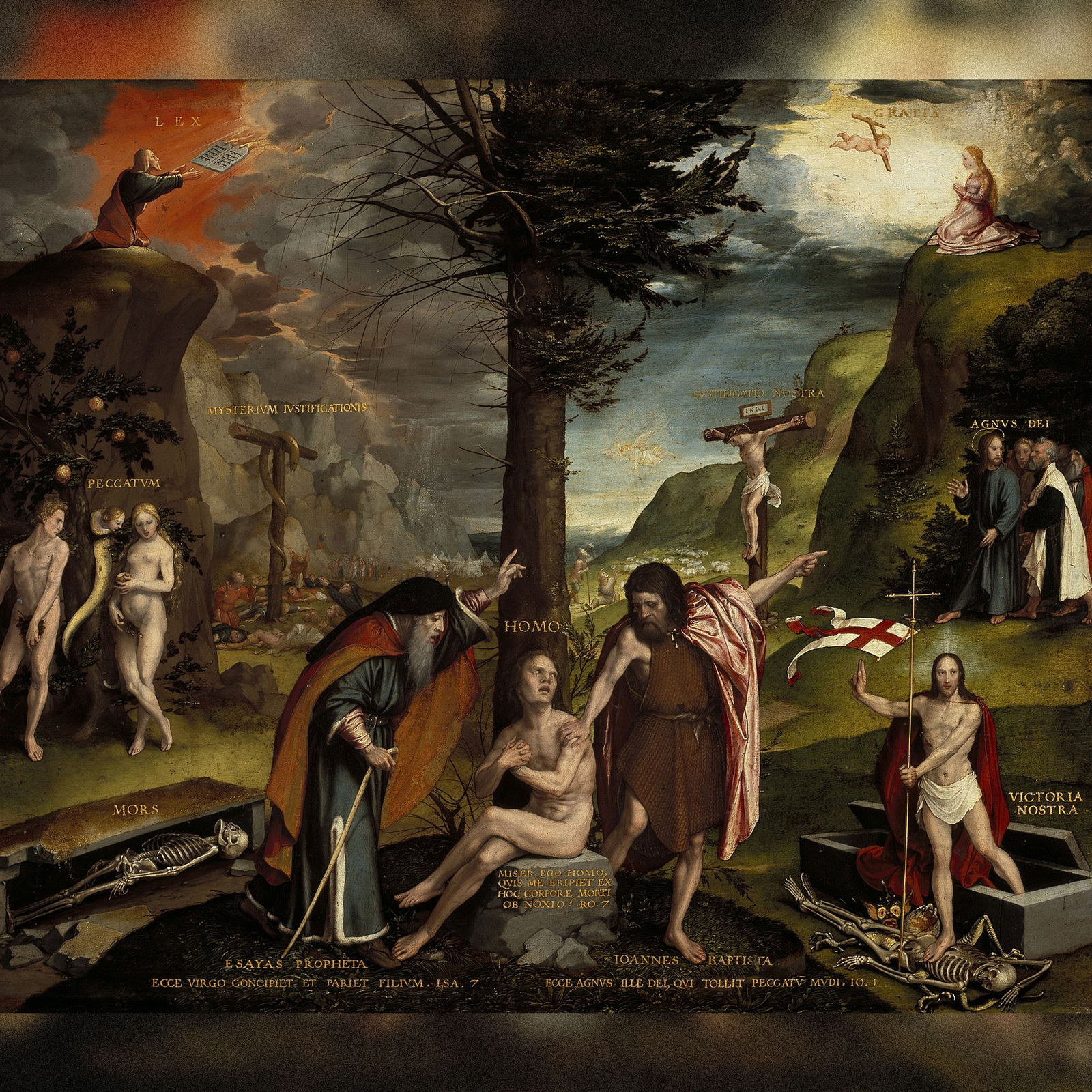
Catholic Doctrine and Judaism – Prof. Gavin D'Costa
Prof. Gavin D’Costa explains how, since Vatican II, the Catholic Church has rethought its relationship to Judaism by affirming the enduring validity of God’s covenant with the Jewish people, recovering the Church’s identity as a fundamentally Jewish–Gentile reality, and opening unresolved but fertile questions about mission, ecclesiology, and antisemitism.This lecture was given on October 9th, 2025, at University of Edinburgh.For more information on upcoming events, visit us at thomisticinstitute.org/upcoming-events.About the Speakers:Gavin D’Costa is Professor of Catholic-Jewish Relations at the Pontifical University of St Thomas Aquinas, Rome; and Emeritus Professor of Catholic Theology at the University of Bristol. He is author of seven books, most recently: Christianity and the World Religions. Disputed Questions in the Theology of Religions, (2009); Vatican II and the World Religions, (OUP, 2014) and Catholic Doctrines on the Jewish People after Vatican II, (OUP, 2019) He is an advisor to the Vatican, the Roman Catholic Bishops in England and Wales, and to the Church of England, Board of Mission on matters related to other religions. He is a published poet and worked on musical poetry with composer John Pickard and has two discs.Keywords: Antisemitism, Covenant, Hebrew Catholics, Interfaith Dialogue, Lumen Gentium 16, Nostra Aetate 4, Post‑Conciliar Judaism, Rabbinic Judaism, Supersessionism, Vatican II and the Jews
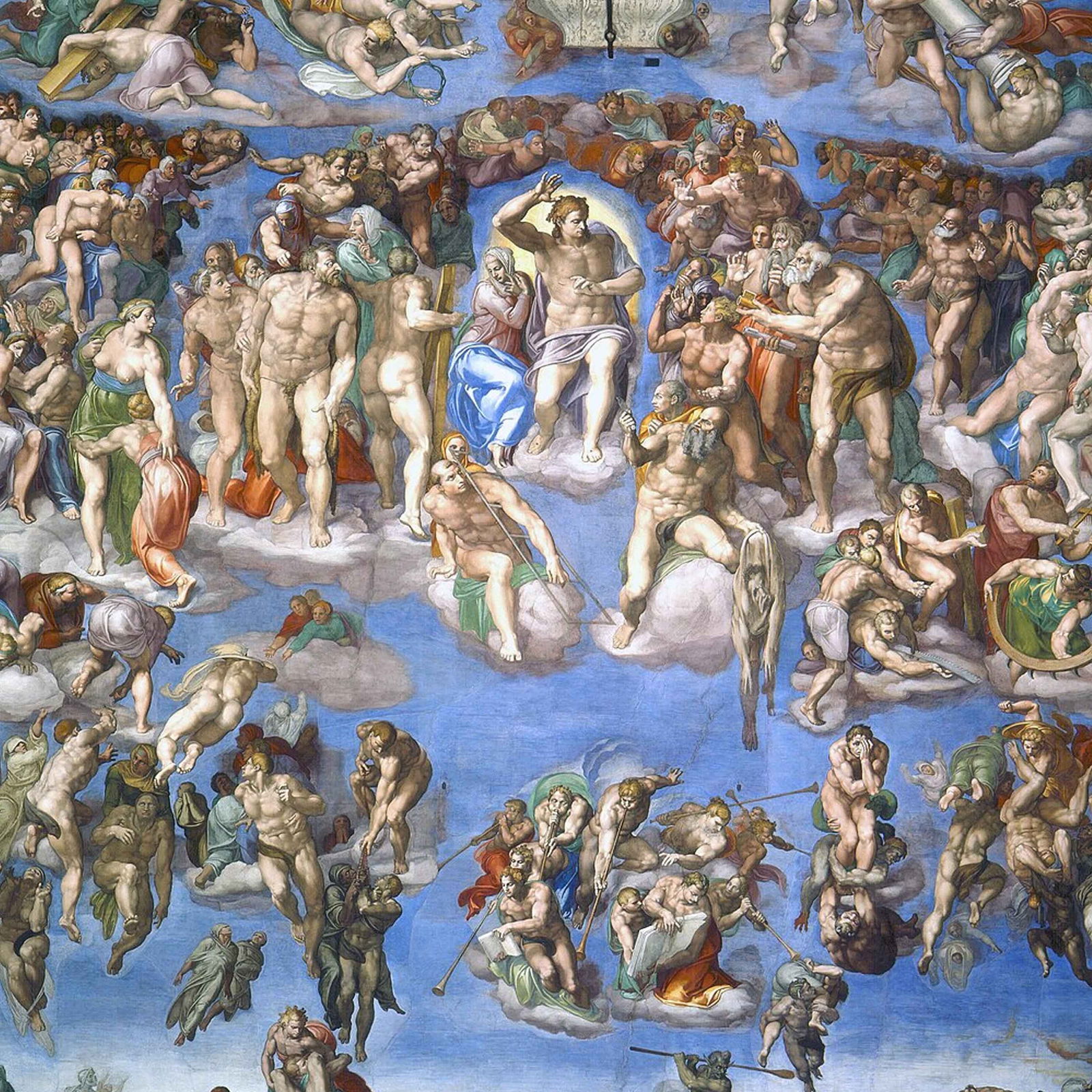
Justified by Grace, Works, or Faith? – Prof. Michael Root
Prof. Michael Root argues that, in Catholic theology, we are saved wholly by the unmerited grace of Christ, and that this grace brings us into a Spirit‑given life of faith, hope, love, and morally significant works, so that eternal life is at once pure gift and, in a secondary sense, a “merited destiny.”This lecture was given on September 9th, 2025, at North Carolina State University.For more information on upcoming events, visit us at thomisticinstitute.org/upcoming-events.About the Speakers:Michael Root is Professor Emeritus of Systematic Theology at the Catholic University of America, Washington, DC. Earlier in life, he was a Lutheran, teaching at various Lutheran seminaries and serving ten years as a Research Professor at the Institute for Ecumenical Research in Strasbourg, France. He was received into the Catholic Church in 2010. His particular theological interests lie in grace and justification, eschatology (death, heaven, hell, etc.), and Protestant-Catholic relations.Keywords: Augustine and Pelagius, Council of Trent, Grace and Merit, Justification, Luther’s Sola Fide, St. Thomas Aquinas, Teleological Salvation, Faith Hope and Love, Works and Final Judgment
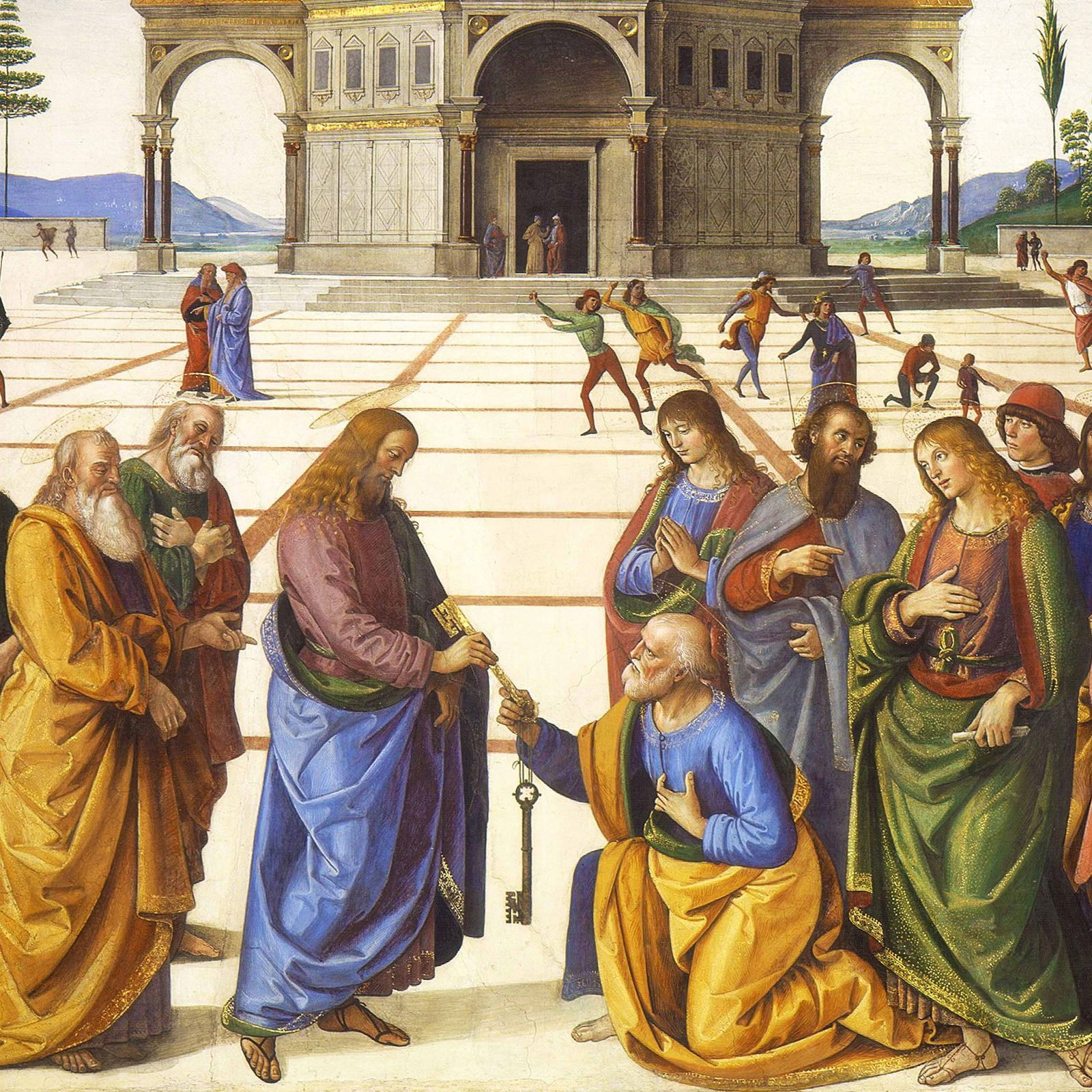
Why the Catholic Church Has Priests – Fr. Dominic Langevin, O.P.
Fr. Dominic Langevin defends the Catholic priesthood as a divinely willed, sacramental system of mediation in which ordained men, configured to Christ the High Priest, bestow God’s gifts on the faithful and offer their prayers and sins to God, thereby promoting both God’s glory and the sanctification and dignity of the Church.This lecture was given on November 10th, 2025, at West Virginia University.For more information on upcoming events, visit us at thomisticinstitute.org/upcoming-events.About the Speakers:Fr. Dominic Langevin, O.P., is the dean and an assistant professor of dogmatic theology at the Dominican House of Studies, where he teaches courses principally about the sacraments and the liturgy. He did his undergraduate degree at Yale University. He entered the Dominican Order in 1998 and was ordained a priest in 2005. He earned his doctorate from the University of Fribourg, Switzerland. He is the author of the book From Passion to Paschal Mystery, has been editor of the journal The Thomist, and has been the secretary/treasurer of the Academy of Catholic Theology.Keywords: Christ the High Priest, Hierarchy, Holy Orders, Mediation and Sacraments, Ministerial Priesthood, In Persona Christi, Sacramental System, Why the Church Has Priests
Aquinas on Predestination: The Main Issues – Fr. John Baptist Ku, O.P.
Fr. John Baptist Ku unpacks St. Thomas Aquinas’s doctrine of predestination, showing how God’s universal salvific will, efficacious grace, and real human freedom coexist without collapsing into Calvinist double predestination or Pelagian self-salvation.This lecture was given on November 22nd, 2025, at Dominican House of Studies.For more information on upcoming events, visit us at thomisticinstitute.org/upcoming-events.About the Speakers:Fr. John Baptist Ku was born in Manhattan (1965) and grew up in Fairfax, Virginia. After graduating from School of Engineering and Applied Science at the University of Virginia, he worked in software design at AT&T for five years before entering the Dominican Order in 1992. After obtaining his S.T.B./M.Div. (1998) and S.T.L. (2000) at the Dominican House of Studies, he served for three years in St. Pius Parish in Providence, R.I., before going on to complete his studies doctoral studies at the University of Fribourg in 2009. He was awarded the Thomas Aquinas Dissertation Prize by the Aquinas Center for Theological Renewal at Ave Maria University (2010) for his dissertation on God the Father in the Theology of St. Thomas Aquinas. He now teaches at the Dominican House of Studies in Washington, D.C., where he has also served as book review editor of The Thomist, chaplain to commuter students, and chaplain to the Immaculate Conception Chapter of Third Order Dominicans.Keywords: Aquinas on Predestination, Divine Providence, Efficacious and Sufficient Grace, Free Will and Foreknowledge, Molinism and Middle Knowledge, Reprobation, Single Predestination, Universal Salvific Will
Immortality and Immateriality – Prof. Thomas Osborne
Prof. Thomas Osborne clarifies how, for Aristotle and St. Thomas Aquinas, the distinctive immateriality of human intellectual knowledge grounds a philosophical case for the soul’s immortality, going beyond today’s narrower “problem of consciousness.”This lecture was given on October 16th, 2025, at University of Connecticut.For more information on upcoming events, visit us at thomisticinstitute.org/upcoming-events.About the Speakers:Thomas M. Osborne, Jr. (Ph.D, Duke University, 2001) is the Frank A. Rudman Endowed Chair in Philosophy and the Chair of the Department of Philosophy at the University of St. Thomas. He has published widely on Thomas Aquinas, Thomism, and medieval and late scholastic philosophy. His interests cover moral psychology, ethics, political philosophy, and metaphysics. His latest book is Thomas Aquinas on Virtue (Cambridge University Press, 2024).Keywords: Aristotle's De Anima, Immaterial Intellect, Immortality of the Soul, Intentional Presence, Philosophy of Mind, Soul, Subsistent Form, Universals and Knowledge
Beyond Work and Play: Aristotle on Friendship, Contemplation, and The Value of Human Activity – Prof. Marshall Bierson
Prof. Marshall Bierson uses Aristotle’s distinction between work, play, and deeper “energetic” activities to argue that friendship and contemplation uniquely allow us to “rest” in what is truly good and meaningful, and then shows how Aquinas radicalizes this by making both contemplation and friendship with God the heart of human fulfillment.This lecture was given on November 20th, 2025, at Cornell University.For more information on upcoming events, visit us at thomisticinstitute.org/upcoming-events.About the Speakers:Marshall Bierson is an assistant professor of philosophy at the Catholic University of America. His research centers on the intersection of ethics and philosophical anthropology. He is particularly focused on the work of Elizabeth Anscombe and in exploring how her Thomisticly inflected philosophical psychology clarifies moral absolutes.Keywords: Aristotle, Energeia and Kinesis, Friendship and Contemplation, Meaning of Human Activity, Nihilism and Work–Play, Practical and Theoretical Reason, Thomistic Friendship with God
St. Thomas Aquinas on Pleasure and the Good Life – Dr. Erik Dempsey
Dr. Erik Dempsey explains how St. Thomas Aquinas sees pleasure as a natural and God-given part of the good life, one that both signals our true human ends and yet must be disciplined by temperance in a fallen world.This lecture was given on December 4th, 2025, at Southern Methodist University.For more information on upcoming events, visit us at thomisticinstitute.org/upcoming-events.About the Speakers:Professor Erik Dempsey an Associate Professor of Instruction in the Departments of Government, Classics, and Religious Studies, and is the Assistant Director of the Thomas Jefferson Center for the Study of Core Texts and Ideas. He has taught at the University of Texas at Austin for over ten years, during which time he has offered classes in the history of political philosophy, on the Bible and its interpreters, on American political thought, on classical philosophy and literature, and others. His favorite classes to teach are Jerusalem and Athens, a class comparing the political, moral, and theological ideas of the Hebrew Bible to Aristotle's, and the Question of Relativism, a class on what he considers the central quandary of our time. He writes primarily about Aristotle and Thomas Aquinas, and he is currently studying John Locke's commentaries on St. Paul's epistles. Last but not least, he is an Eagle Scout.Keywords: Asceticism and Grace, Desire, Natural Law, Original Sin, Pleasure and Temperance, Screwtape Letters, Virtue and the Good Life
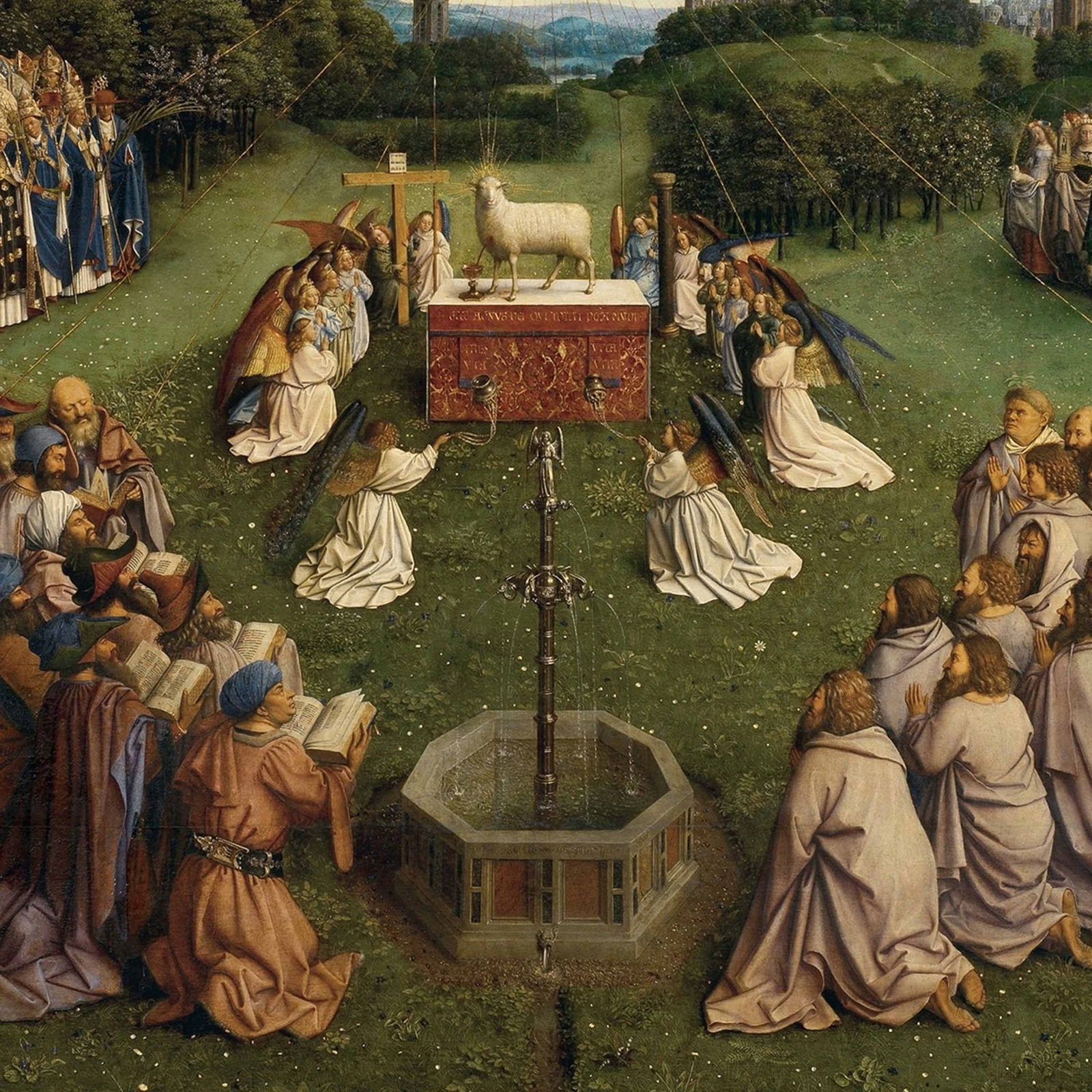
Suffering and the Communion of Saints – Prof. Timothy O'Connor
Prof. Timothy O’Connor examines why an all-loving, omnipotent God permits horrendous suffering and explores how, within a Christian framework, such evils can be “defeated” and taken up into the communion of saints as part of our eternal union with God.This lecture was given on December 3rd, 2025, at University of Scranton.For more information on upcoming events, visit us at thomisticinstitute.org/upcoming-events.About the Speakers:Tim O’Connor is the Mahlon Powell Professor of Philosophy and Cognitive Science at Indiana University, Bloomington. He has held research fellowships at the Universities of Oxford, St. Andrews, and Notre Dame. He specializes in metaphysics, philosophy of mind, and philosophy of religion. He has given 200+ lectures in 26 countries. He has written two books, one on free will and the other on God and ultimate explanation. He is currently co-writing a large and wide-ranging book entitled Human Persons: A Contemporary Philosophical-Scientific Synthesis. Having spent many years as an ecumenical Protestant, Tim was received back into the Catholic Church in February 2024. He has an apostolate to help Protestants better understand and be receptive to the fullness of Catholic faith.Keywords: Communion of Saints, Eleonore Stump, Horrendous Evil, Marylyn McCord Adams, Problem of Evil, Suffering and Divine Love, Theodicy, Union With God, Wandering in Darkness
Friendship: The Art of Striving and Thriving Together – Sr. Mary Madeline Todd, O.P.
Sr. Mary Madeline Todd draws upon Aristotle, St. Thomas Aquinas, and friendship with Christ in order to show that sharing a common journey and life, together with mutual self-gift, turns everyday relationships into true, virtuous friendships that enable us not merely to survive but to thrive in happiness with God and one another.This lecture was given on November 27th, 2025, at Thomistic Institute in Limerick.For more information on upcoming events, visit us at thomisticinstitute.org/upcoming-events.About the Speakers:Sister Mary Madeline Todd, O.P., a Dominican Sister of the Congregation of Saint Cecilia, has spent over three decades joyfully living consecrated life and sharing the teaching ministry of Christ. After completing a master’s degree in English at the University of Memphis and in theology at Franciscan University of Steubenville, Sister was blessed to study in Rome, earning her doctorate in Sacred Theology at the Pontifical University of St. Thomas Aquinas. Sister Mary Madeline speaks and writes on spiritual and moral theology. She currently teaches theology at Aquinas College in Nashville, where she finds joy in helping the next generation discover the liberating freedom of who they are in Christ.Keywords: Aristotle on Friendship, Benevolence, Divine Friendship, Friendship, Mutuality, True and Virtuous Friendship, Willing the Good of the Other
Burnout Society – Dr. R.J. Snell
Dr. R. J. Snell analyzes our “burnout society” as an achievement-obsessed culture that drives people to anxiety, depression, and exhaustion by demanding endless self-optimization while starving them of leisure, contemplation, and a meaningful narrative for their lives.This lecture was given on December 8th, 2025, at University of Pennsylvania.For more information on upcoming events, visit us at thomisticinstitute.org/upcoming-events.About the Speakers:R. J. Snell is Editor-in-Chief of Public Discourse and Director of Academic Programs at the Witherspoon Institute in Princeton, NJ. He has been a visiting instructor at Princeton University, where he is also executive director of the Aquinas Institute for Catholic Life. He's written books and articles on Natural Law, Education, Bernard Lonergan, Boredom, Subjectivity, and Sexual Ethics for a variety of publications.Keywords: Achievement Society, Attention Economy, Burnout and Depression, Byung-Chul Han, Disenchantment and Meaning, Existential Poverty, Leisure and Contemplation, Sabbath Rest, Student Anxiety, Thin Soul
From the Dictatorship of Relativism to the Tyranny of Pathos – Dr. Kevin Kambo
Dr. Kevin Kambo argues that our culture has moved from a “dictatorship of relativism” to a “tyranny of pathos,” in which appeals to hurt feelings and empathy displace reasoned deliberation about truth, justice, and human nature.This lecture was given on October 23rd, 2025, at Fordham University.For more information on upcoming events, visit us at thomisticinstitute.org/upcoming-events.About the Speakers:Kevin M. Kambo is an assistant professor of philosophy at the University of Dallas in Irving, TX. Before completing his doctoral studies at the Catholic University of America, he earned a bachelor of science in Chemistry at Stanford University and worked as an intellectual property paralegal in Manhattan, NY. Dr. Kambo specialises in classical Greek philosophy, particularly on Platonic moral psychology and on the dramatic elements of Platonic dialogues. He also works on the reception of Platonic thought through history, from late antique (e.g., in Clement of Alexandria and Augustine of Hippo) through contemporary (e.g., W. E. B. Du Bois and Simone Weil) thinkers, and has broader scholarly interests in philosophy of technology, philosophy and literature (especially tragedy), philosophy of race, and liberal education. He is a partisan of the original Star Wars trilogy, P. G. Wodehouse, and receiving postcards--not necessarily in that order.Keywords: Aristotle and Logos, Benedict XVI Regensburg, Dictatorship of Relativism, Ethics and Politics, John Paul II, Nature and Human Flourishing, Politics of Pathos, Relativism and Tolerance, Tyranny of Pathos

Are Right and Wrong Just a Matter of Opinion? – Prof. Steven Jensen
Prof. Steven Jensen argues that right and wrong are not just a matter of opinion by defending moral realism over moral relativism, showing that moral truths are grounded in human nature and goals rather than mere subjective attitudes.This lecture was given on November 13th, 2025, at Fordham University.For more information on upcoming events, visit us at thomisticinstitute.org/upcoming-events.About the Speakers:Steven J Jensen holds the Bishop Nold Chair in Graduate Philosophy at the University of St. Thomas, Houston, where he teaches in The Center for Thomistic Studies. His fields of research include bioethics, moral psychology, the philosophy of Thomas Aquinas, human nature, and natural law.Keywords: Argument From Disagreement, Flat Earth Example, Human End and Purpose, Moral Objectivity, Moral Realism, Moral Relativism, Rationalization and Desire, Right and Wrong, Thomistic Moral Theory

Is the Church Anti-Capitalist? – Fr. Jacques-Benoît Rauscher, O.P.
Fr. Jacques Benoit-Rauscher explores whether the Catholic Church is truly anti-capitalist by clarifying how Catholic social doctrine distinguishes legitimate market structures from the problematic “spirit of capitalism” and proposing a prudent, Thomistic way of living faithfully within contemporary economic systems.This lecture was given on October 30th, 2025, at University of Galway.For more information on upcoming events, visit us at thomisticinstitute.org/upcoming-events.About the Speakers:A Dominican friar since 2010, Fr. Jacques-Benoît Rauscher, O.P. is Regent of Studies of the Province of France. He teaches moral theology at the Catholic University of Lyon. He is the author, among others, of Découvrez la Doctrine sociale de l’Église avant d’aller voter (Discover the Social Doctrine of the Church before Voting) (2022) and Des enseignants d’élite ? Sociologie des professeurs de classes préparatoires (Teaching Elite? Sociology of Teachers in Preparatory Classes at Grandes Écoles), published by Éditions du Cerf (2019).Keywords: Adam Smith, Catholic Social Doctrine, Common Good, Economics, Economy of Communion, John Paul II, Marxism, Pope Francis, Rerum Novarum, Spirit of Capitalism
Dante and Aquinas – Prof. George Corbett
Prof. George Corbett examines how Dante’s vision of Christian wisdom, politics, and philosophy stands in deep harmony with Aquinas and Pope Leo XIII’s Leonine Thomistic revival, against Etienne Gilson’s charge that Dante shattered both Thomism and Christendom.This lecture was given on January 20th, 2026, at Dominican House of Studies.For more information on upcoming events, visit us at thomisticinstitute.org/upcoming-events.About the Speakers:George Corbett is Professor of Theology at the University of St. Andrews, and the Director of Cephas (a Thomistic Centre for Philosophy and Scholastic Theology). He researches and teaches theology and the arts (with specialisms in Dante studies, sacred music, and theological aesthetics) and historical theology (with specialisms in medieval theology, Aquinas’s theology and its influence, and Catholic theology). His books include Dante’s Christian Ethics (2020), Dante and Epicurus (2013), and, as editor or co-editor, Vertical Readings in Dante’s ‘Comedy’ (2015-18), Annunciations: Sacred Music for the Twentieth-Century (2019), and Music and Spirituality: Theological Approaches, Empirical Methods, and Christian Worship (2024).Keywords: Aquinas and Dante, Catholic Political Thought, Christian Philosophy, Dante the Thomist, Etienne Gilson, Leonine Thomistic Revival, Philosophy and Theology, Pope Leo XIII, Thomism and Christendom
Catholic Scientists – Prof. Jonathan I. Lunine
Prof. Jonathan I. Lunine presents his life as a planetary scientist and Catholic convert as a lived example of the harmony between faith and science, then highlights two priest‑scientists—Georges Lemaître and Gregor Mendel—whose foundational work on the Big Bang and genetics shows that Catholic belief has stood at the center of modern scientific revolutions.This lecture was given on February 20th, 2026, at Duke University.For more information on upcoming events, visit us at thomisticinstitute.org/upcoming-events.About the Speakers:Jonathan Lunine is the Chief Scientist at NASA’s Jet Propulsion Laboratory and Professor of Planetary Science at Caltech in Pasadena, California. Beforehand, he was the David C. Duncan Professor in the Physical Sciences and Chair of the Department of Astronomy at Cornell University. Lunine is interested in how planets form and evolve, what processes maintain and establish habitability, and what kinds of exotic environments (methane lakes, etc.) might host a kind of chemistry sophisticated enough to be called "life". He pursues these interests through theoretical modeling and participation in spacecraft missions. He is co-investigator on the Juno mission now in orbit at Jupiter, using data from several instruments on the spacecraft, and on the MISE and gravity science teams for the Europa Clipper mission. He was on the Science Working Group for the James Webb Space Telescope, focusing on characterization of extrasolar planets and Kuiper Belt objects. Lunine has contributed to concept studies for a wide range of planetary and exoplanetary missions. Lunine is a member of the National Academy of Sciences and has participated in or chaired a number of advisory and strategic planning committees for the Academy and for NASA.Keywords: Big Bang, Catholic Scientists Society, Conversion Story, Darwin Mendel Synthesis, Georges Lemaitre, Gregor Mendel Augustinian Monk, Myth of War Between Science And Religion, Planetary Science, Thomistic Perspective On Creation, Vatican Observatory
Catholic Faith and Medicine: In Harmony or in Conflict? – Dr. Timothy P. Flanigan, MD
Dr. Timothy P. Flanigan, M.D., presents Catholic faith and medicine as profoundly harmonious, showing how Christ’s person‑to‑person healing, the Church’s hospital tradition, and a “culture of life” can and must be lived inside today’s secular, therapeutically focused healthcare system—precisely where pressures over abortion, assisted suicide (MAID), and gender interventions create the sharpest conflicts of conscience.This lecture was given on April 6th, 2025, at Thomistic Institute in New York.For more information on upcoming events, visit us at thomisticinstitute.org/upcoming-events.About the Speakers:Timothy P. Flanigan, MD, is Professor of Medicine in the Infectious Diseases Division of The Miriam and Rhode Island Hospitals and the Alpert Medical School of Brown University. He received a BA from Dartmouth College and an MD from Cornell University Medical School. In 1991, he came to The Miriam Hospital to join Dr. Charles Carpenter to lead the HIV and AIDS program and was subsequently appointed Chief of Infectious Diseases in 1999 until stepping down in 2012. He spearheaded the HIV Care Program at the Rhode Island Department of Corrections to develop improved treatments for HIV infection and has received NIH and CDC funding for over 30 years. He received the Robert Wood Johnson Foundation Community Health Leadership Award in 2000. He also co-directed the Lifespan Lyme Disease Clinic. He is co-founder of RISE (Rhode Islanders Sponsoring Education). As a byproduct of his work in corrections, he is the founder and president of the Newport/Fall River Star Kids Scholarship Program to help break the cycle and support the children of parents with a history of incarceration and/or substance abuse to succeed in school, go on to post-secondary education and to meet their full potential as self-sufficient, active participants in their communities. He has been recognized by the HIV Medicine Association for his community-based work with HIV-infected men and Women. In 2013, he was ordained a permanent Deacon in the Roman Catholic Diocese of Providence, RI and serves at Saint Theresa’s and St. Christopher’s churches in Tiverton, RI. In 2014, he spent two months in Monrovia, Liberia helping the Catholic Medical Clinics and hospitals respond to the Ebola epidemic. Earlier this year he received the Milton Hamolsky Lifetime Achievement Award from the American College of Physicians, Rhode Island Chapter and is married to Luba Dumenco, MD and the proud father of five children and a grandson.Keywords: Catholic Faith And Medicine, Clinical Conscience, Critique of Gender Affirming Care, Culture Of Life, Hospice And Suffering, Jesus As Healer, Medical Assistance In Dying (MAID), Secularism In Medicine
The War That Never Was: Science vs. Faith – Prof. Lawrence M. Principe
Prof. Lawrence M. Principe argues that the supposed “war” between science and faith is largely a modern myth, constructed in the late 19th century by figures like John William Draper and Andrew Dickson White for personal, political, and ideological reasons, then amplified by secularizers, technocratic utopians, and bad theology (especially “God‑of‑the‑gaps” arguments and naive literalism) on the religious side.This lecture was given on January 28th, 2026, at New York University.For more information on upcoming events, visit us at thomisticinstitute.org/upcoming-events.About the Speakers:Prof. Principe’s research focuses on the Medieval and early modern periods, with emphasis on the history of science (especially alchemy and chemistry), and the science-religion dynamic down to the present day. He is the Drew Professor of the Humanities at Johns Hopkins University in the Department of History of Science and Technology and the Department of Chemistry. He holds degrees from the University of Delaware (B.S. Chemistry and B.A. Liberal Studies), Indiana University (Ph.D. Organic Chemistry) and Johns Hopkins (Ph.D., History of Science).Keywords: Andrew Dickson White, Draper White, God Of The Gaps Critique, Methodological Naturalism, Scientism And Technocratic Utopianism, Warfare Between Science And Theology
The Making of Another Catholic Scientist – Prof. Jonathan Lunine
Prof. Jonathan Lunine offers a personal and intellectual witness that one can be both a serious planetary scientist and a committed Catholic, describing his journey from Jewish upbringing and “cradle astronomer” to baptism and then to public advocacy against the supposed science–faith conflict.This lecture was given on January 15th, 2025, at Dominican House of Studies.For more information on upcoming events, visit us at thomisticinstitute.org/upcoming-events.About the Speakers:Jonathan Lunine is the Chief Scientist at NASA’s Jet Propulsion Laboratory and Professor of Planetary Science at Caltech in Pasadena, California. Beforehand, he was the David C. Duncan Professor in the Physical Sciences and Chair of the Department of Astronomy at Cornell University. Lunine is interested in how planets form and evolve, what processes maintain and establish habitability, and what kinds of exotic environments (methane lakes, etc.) might host a kind of chemistry sophisticated enough to be called "life". He pursues these interests through theoretical modeling and participation in spacecraft missions. He is co-investigator on the Juno mission now in orbit at Jupiter, using data from several instruments on the spacecraft, and on the MISE and gravity science teams for the Europa Clipper mission. He was on the Science Working Group for the James Webb Space Telescope, focusing on characterization of extrasolar planets and Kuiper Belt objects. Lunine has contributed to concept studies for a wide range of planetary and exoplanetary missions. Lunine is a member of the National Academy of Sciences and has participated in or chaired a number of advisory and strategic planning committees for the Academy and for NASA.Keywords: Aquinas On Providence, Catholic Scientists, Conflict Thesis Critique, Darwin-Mendel Evolution, Jesuit Vatican Observatory, Jonathan Lunine Conversion Story, Religion And Modern Cosmology, Science Faith Compatibility, Society Of Catholic Scientists, Thomistic View Of Randomness
Is Religion Really an Enemy of Science? – Prof. Carlos A. Casanova
Prof. Carlos A. Casanova argues that religion—understood as a theological worldview affirming God as the rational creator—is not an enemy but an historical and structural ally of science, since the very rise, methods, and institutional homes of the sciences (from Plato and Aristotle through medieval universities to Galileo) developed within religious cultures that prized truth for its own sake.This lecture was given on December 3rd, 2025, at Purdue University.For more information on upcoming events, visit us at thomisticinstitute.org/upcoming-events.About the Speakers:A native of Venezuela, Carlos Casanova holds a law degree from the Catholic University Andrés Bello and a Ph.D. in philosophy from the University of Navarre, Spain. He is now a lecturer at the University of Florida’s Hamilton Center.He is a native of Venezuela. There he served as an attorney for the Office of the Attorney General of Venezuela and for the Venezuelan Congress, and as an assistant to a Justice of the Venezuelan Supreme Court in the early 90s. Afterward he was a professor of the Graduate Studies in Philosophy at the Universidad Simón Bolívar and Chair of the Program. In 2002, threatened by the Chavista regime, he was forced to leave the country. During his first stay in the USA, professor Casanova was a visiting scholar at Boston University and a senior research associate at the Jacques Maritain Center, University of Notre Dame, where he worked with Ralph McInerny. During this time he married Laura Ternan with whom he has 5 children.In 2005 he went to Chile, to work at the International Academy of Philosophy with professor Josef Seifert. Afterward he taught at Universidad Santo Tomás in Chile, and at the School of Law of the Pontifical Catholic University of Chile. In 2020-2022 he opposed the abortionist movement and the attempts to introduce comprehensive sexual education during the early years of basic school. These efforts led to him receiving in 2022 the National Award bestowed by the “Network for Life and the Family.” Due to the Marxist turn of the country, the Casanova family decided to leave Chile and migrate again, back to the United States in 2022.Professor Casanova’s work focuses on metaphysics, political and social philosophy, ethics, and classical Greek philosophy. He has endeavored to dismantle the black legend that hides the achievements of Christianity in the Spanish American empire and in the Latin Christendom (so called “Middle Ages”). His scholarly competence also includes philosophy of science, epistemology, philosophy of mind, medieval philosophy, and contemporary European philosophy. He has published nine books and numerous scholarly papers.Keywords: Aristotle, Experimental Method, Faith And Reason In Science, Galileo's Scholastic Background, Medieval Universities, Natural Theology And Metaphysics, Posterior Analytics, Science In Latin Christendom, Theology As Queen Of Sciences
Truth, Goodness, and Fantasy Literature – Fr. Philip-Neri Reese, O.P.
Fr. Philip-Neri Reese argues that while grimdark fantasy (exemplified by George R. R. Martin) can be just as true artistically as Tolkien-style classic fantasy, it is necessarily less good in the fullest Thomistic sense because it structurally valorizes nihilism and hopelessness rather than ordering the imagination toward God and real moral hope.This lecture was given on October 16th, 2025, at University of Edinburgh.For more information on upcoming events, visit us at thomisticinstitute.org/upcoming-events.About the Speakers:Fr. Philip-Neri Reese is a Dominican friar of the Province of St Joseph and a Professor of Philosophy at the Pontifical University of St.Thomas (Angelicum) in Rome. He is also the principal investigator for the Angelicum Thomistic Institute’s new Project on Philosophy and the Thomistic Tradition. He received his Licentiate in Philosophy from the Catholic University of America in 2015 and his Doctorate in Philosophy from the University of Notre Dame in 2022. From 2015-2017 he taught philosophy at Providence College in Providence, RI. His main area of research is metaphysics and anything adjacent to it, with a special emphasis on the metaphysical thought of St. Thomas Aquinas and its subsequent reception and interpretation. His publications, however, range widely, including articles on philosophical anthropology, ethics, and economics. He is also an enthusiast of classical Indian philosophy. Fr Philip-Neri is a member of the American Philosophical Association, the Society for Medieval and Renaissance Philosophy, the Aquinas and the Arabs International Working Group, the Society for Medieval and Renaissance Thomism, and is currently serving on the executive committee of the American Catholic Philosophical Association.Keywords: Aquinas On Truth And Goodness, Classic Fantasy vs. Grimdark, Correspondence Theory Of Art, George RR Martin And Nihilism, Grimdark Fantasy, JRR Tolkien Moral Imagination, Thomistic Aesthetics, Transcendentals And Art

The Inklings: J.R.R. Tolkien and C.S. Lewis – Prof. Lee Oser
Prof. Lee Oser portrays the Inklings—and especially J.R.R. Tolkien and C.S. Lewis—as a countercultural circle of Christian writers and scholars whose friendship, medieval learning, and shared experience of war grounded a robust Christian imagination that resisted modern secularism by telling better, theologically rich stories.This lecture was given on October 28th, 2025, at United States Military Academy.For more information on upcoming events, visit us at thomisticinstitute.org/upcoming-events.About the Speakers:Lee Oser's scholarly focus is Religion and Literature. His books include Christian Humanism in Shakespeare: A Study in Religion and Literature and The Return of Christian Humanism: Chesterton, Eliot, Tolkien and the Romance of History. Also, he is a noted novelist who specializes in satire. He currently teaches at College of the Holy Cross.Keywords: Boethius, Christian Imagination, CS Lewis And Conversion, Inklings Literary Club, JRR Tolkien, Medieval Conception Of The Cosmos, Myth vs. True Myth, Owen Barfield And Language, War And Friendship
Christian Humanism and Shakespeare – Prof. Lee Oser
Prof. Lee Oser argues that Christian humanism—the “radical middle” between secularism and sectarianism—offers the best key to Shakespeare’s plays, showing how Julius Caesar and Hamlet dramatize our tragic ignorance about the fate of the soul and the limits of pagan and early modern attempts to know ourselves without fully knowing God.This lecture was given on October 16th, 2025, at University of Nebraska-Lincoln.For more information on upcoming events, visit us at thomisticinstitute.org/upcoming-events.About the Speakers:Lee Oser's scholarly focus is Religion and Literature. His books include Christian Humanism in Shakespeare: A Study in Religion and Literature and The Return of Christian Humanism: Chesterton, Eliot, Tolkien and the Romance of History. Also, he is a noted novelist who specializes in satire.Keywords: Augustine and Shakespeare, Christian Humanism, Conscience And Self Knowledge, Hamlet And Providence, Julius Caesar And Stoicism, Pagan Rome And City Of God, Shakespeare And Religion, Theater, Tragedy And Ignorance Of The Soul
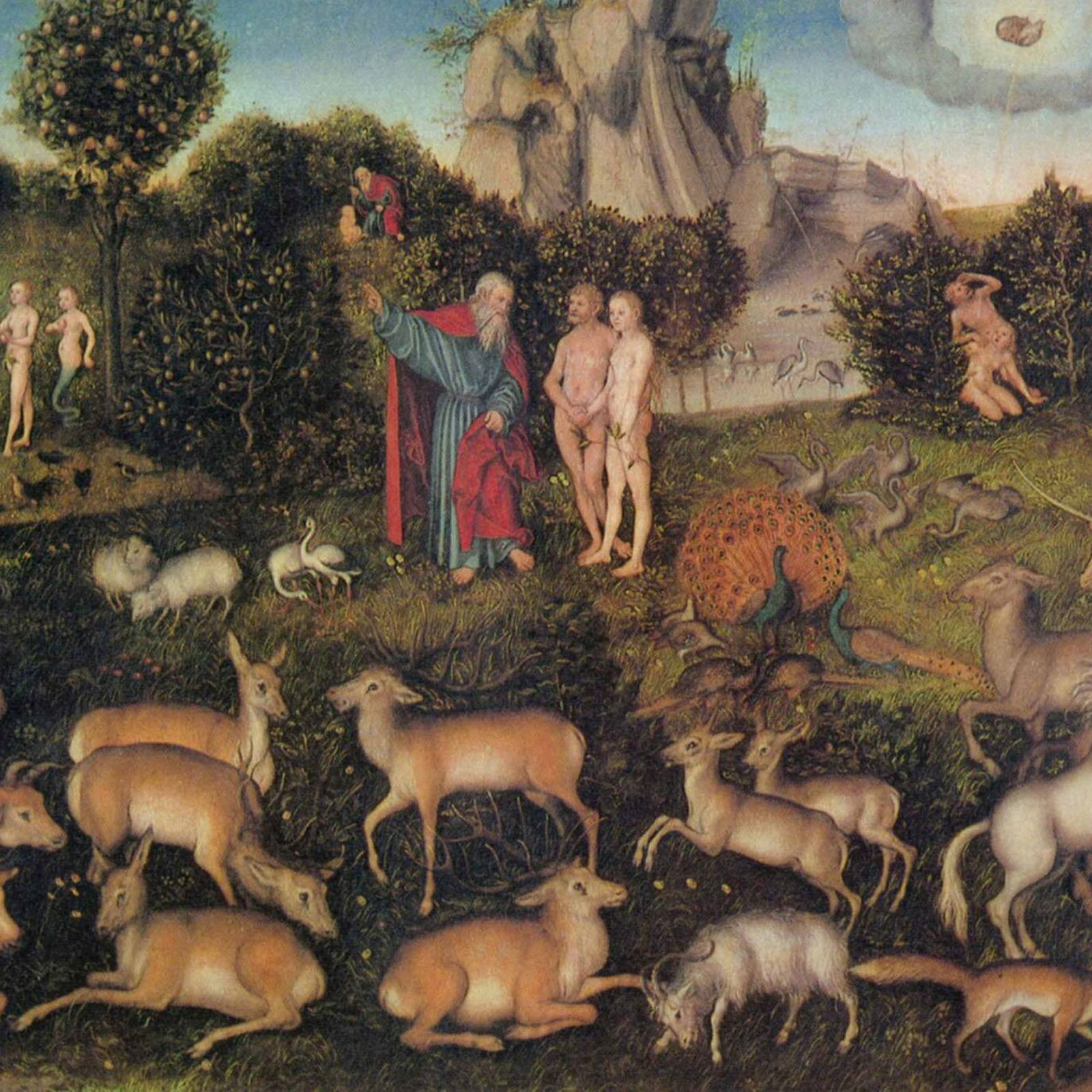
Goodness, Truth, Beauty: The World According to Dante – Prof. Joshua Hochschild
Prof. Joshua Hochschild shows how Dante’s Paradiso offers a philosophically rich, Thomistic, and Neoplatonic vision of the cosmos in which goodness, truth, beauty, and peace name both God’s own life and the ordered, participatory structure of creation that our rational desire seeks to know and love.This lecture was given on November 13th, 2025, at University of Louisiana at Lafayette.For more information on upcoming events, visit us at thomisticinstitute.org/upcoming-events.About the Speakers:Joshua Hochschild is Professor of Philosophy at Mount St. Mary’s University, where he also served six years as the inaugural Dean of the College of Liberal Arts. His primary research is in medieval logic, metaphysics, and ethics, with broad interest in liberal education and the continuing relevance of the Catholic intellectual tradition. He is the author of The Semantics of Analogy: Rereading Cajetan’s De Nominum Analogia (2010), translator of Claude Panaccio’s Mental Language: From Plato to William of Ockham (2017), and co-author of A Mind at Peace: Reclaiming an Ordered Soul in the Age of Distraction (2017). His writing has appeared in First Things, Commonweal, Modern Age and the Wall Street Journal. For 2020-21 he served as President of the American Catholic Philosophical Association.Keywords: Aquinas And Dante, Cardinal And Theological Virtues, Divine Names And Neoplatonism, Goodness Truth And Beauty, Paradiso And Cosmology, Peace As Divine Name, Thomistic Reading Of Dante, Transcendentals And Being, Virtues In The Beatific Vision
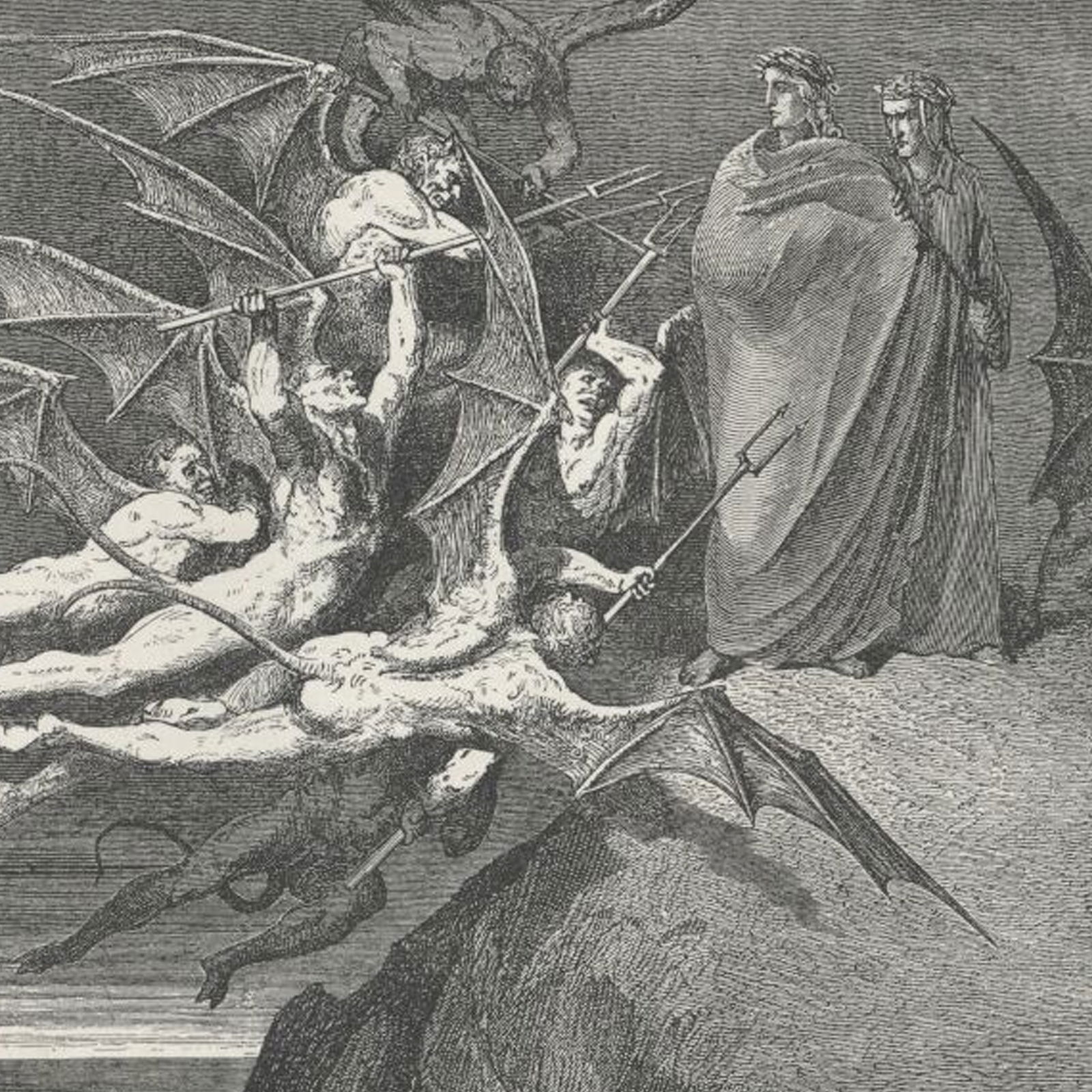
Dante’s Passionate Intellect: The Divine Comedy’s Journey of Desire – Prof. George Corbett
Prof. George Corbett presents Dante’s Divine Comedy as a transformative “journey of desire” in which the passionate intellect—shaped by Virgil (reason) and Beatrice (grace)—leads the sinner from the dark wood of sin and ignorance through Hell and Purgatory to the ordered love and beatific hope of Paradise.This lecture was given on November 20th, 2025, at Trinity College Dublin.For more information on upcoming events, visit us at thomisticinstitute.org/upcoming-events.About the Speakers:George Corbett is Professor of Theology at the University of St Andrews, and the Director of Cephas (a Thomistic Centre for Philosophy and Scholastic Theology). He researches and teaches theology and the arts (with specialisms in Dante studies, sacred music, and theological aesthetics) and historical theology (with specialisms in medieval theology, Aquinas’s theology and its influence, and Catholic theology). His books include Dante’s Christian Ethics (2020), Dante and Epicurus (2013), and, as editor or co-editor, Vertical Readings in Dante’s ‘Comedy’ (2015-18), Annunciations: Sacred Music for the Twentieth-Century (2019), and Music and Spirituality: Theological Approaches, Empirical Methods, and Christian Worship (2024).Keywords: Dante’s Divine Comedy, Desire And Beatitude, Free Will, Inferno Purgatorio Paradiso, Passionate Intellect, Pilgrims Of Hope, Reason And Grace, Thomistic Readings Of Dante, Virgil And Beatrice, Virtue and Vice
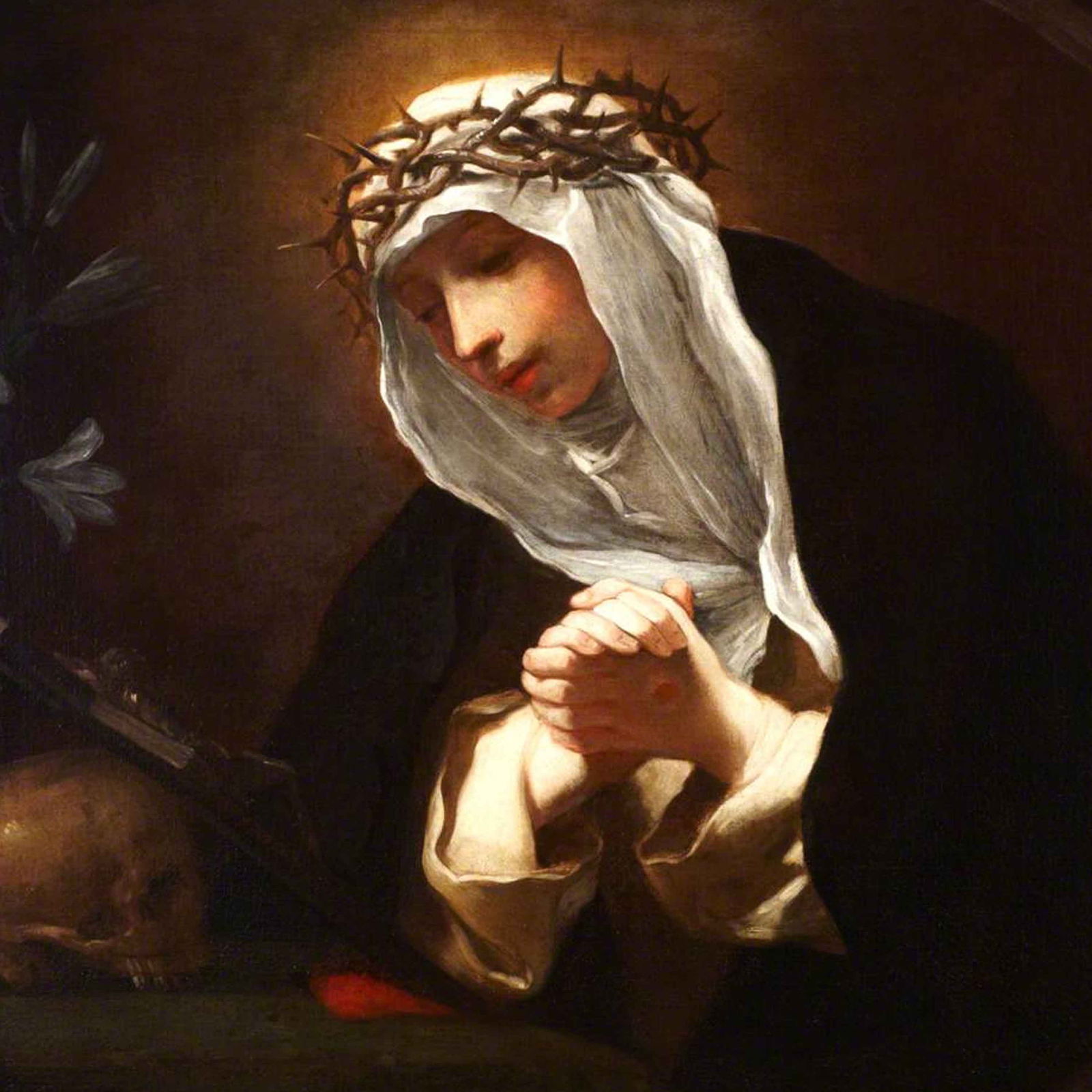
Edith Stein and Thomism – Dr. Robert McNamara
Dr. Robert McNamara presents Edith Stein and Thomistic personalism as a unified vision in which the human face reveals the mystery of the person as both substantial “what” and subjective “who,” integrating Aquinas’s account of rational nature with phenomenological insights into consciousness, interiority, and personal encounter.This lecture was given on March 6th, 2025, at Farm Street Church.For more information on upcoming events, visit us at thomisticinstitute.org/upcoming-events.About the Speakers:Dr. Robert McNamara is an associate professor of philosophy at Franciscan University of Steubenville, associate series editor of Edith Stein Studies, associate scholar of the Hildebrand Project, associate member of faculty at the International Theological Institute and the Maryvale Institute, and a founding member of the Aquinas Institute of Ireland. Robert researches anthropological and metaphysical questions in medieval and phenomenological thinkers, especially as both bear reference to philosophical personalism. He has studied physics and computing, philosophy and theology, and received his Ph.D. for research in the thought of Edith Stein and Thomas Aquinas. Robert is originally from Galway, Ireland and now lives in Steubenville, Ohio (though currently residing in Gaming, Austria) with his wife, Caroline, and their four children, Vivian, John, Catherine, and Oran.Keywords: Aquinas On The Person, Carol Wojtyła And Personalism, Consciousness And Self-Awareness, Edith Stein, Imago Dei And Personalism, Interior Castle Of The Soul, Phenomenology, Thomistic Personalism, The Human Face
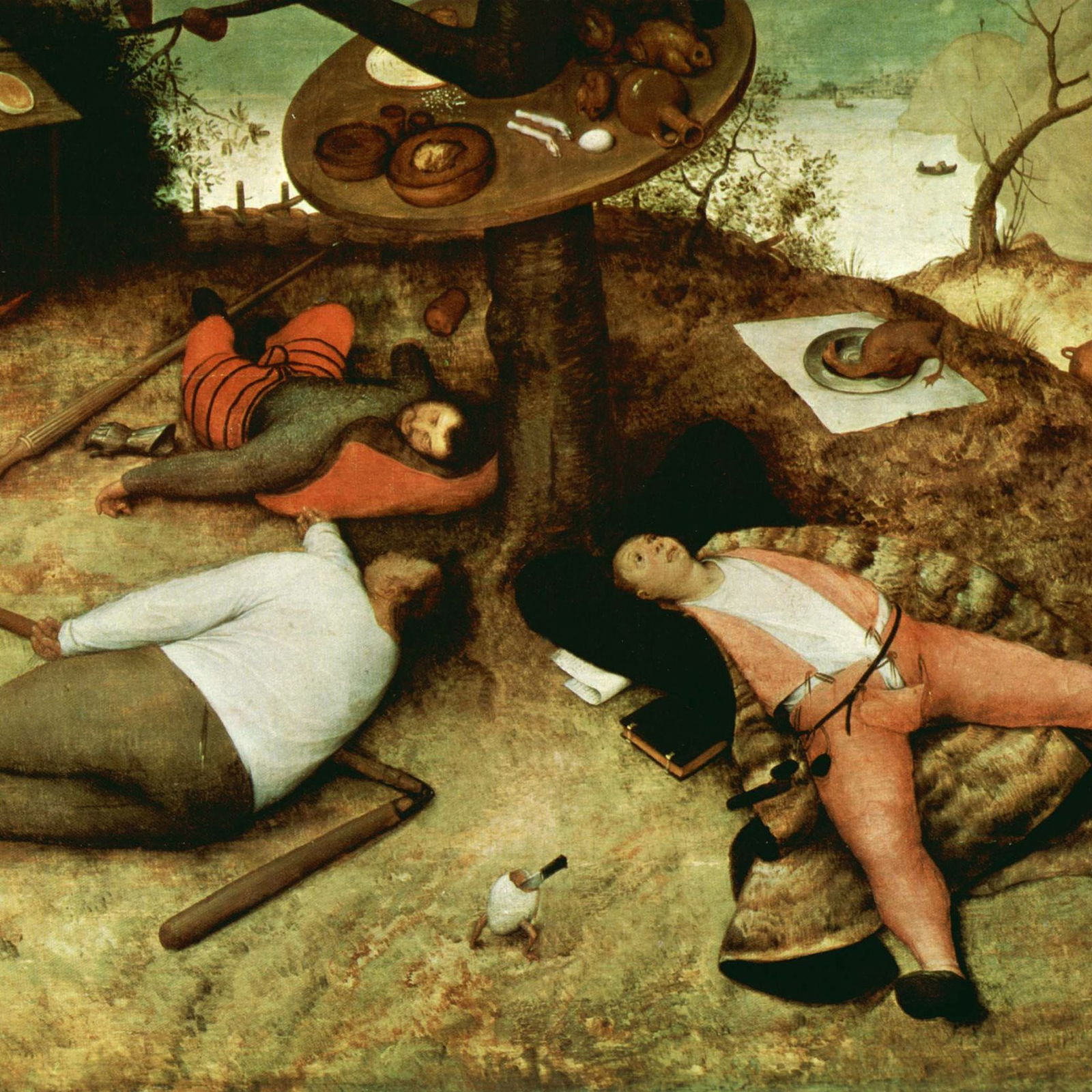
How to Avoid Being Unhappy: Gluttony and the Proper Place of Food and Alcohol in the Good Life – Prof. W. Scott Cleveland
Prof. W. Scott Cleveland explains how food and alcohol can either undermine or promote true happiness, arguing that gluttony is a disordered desire for the pleasures of eating and drinking that disrupts health, friendship, and virtuous living rather than their proper role in a flourishing, festal life.This lecture was given on November 13th, 2025, at University of Alabama.For more information on upcoming events, visit us at thomisticinstitute.org/upcoming-events.About the Speakers:Professor Scott Cleveland received his PhD in philosophy (Baylor University) and is Associate Professor of Philosophy and Catholic Studies at the University of Mary (Bismarck, ND). His research interests are in ethics, moral psychology, and philosophy of religion. He is especially interested in the study of virtues and emotions, the relation between the two, and the role of each in the moral and intellectual life. His thought is deeply influenced by Aristotle and Aquinas and his work has appeared in journals such as American Catholic Philosophical Quarterly, Res Philosophica, Religious Studies, Religions, and the Proceedings of the American Catholic Philosophical Association. He is the co-editor with Adam Pelser of Faith and Virtue Formation: Essays in Aid of Becoming Good with Oxford University Press.Keywords: Alcohol And Sobriety, Aquinas On Gluttony, Aristotelian Eudaimonia, Ethics Of Eating, Feasting And Festivity, Food And Friendship, Gluttony And Virtue, Vices Of Eating And Drinking
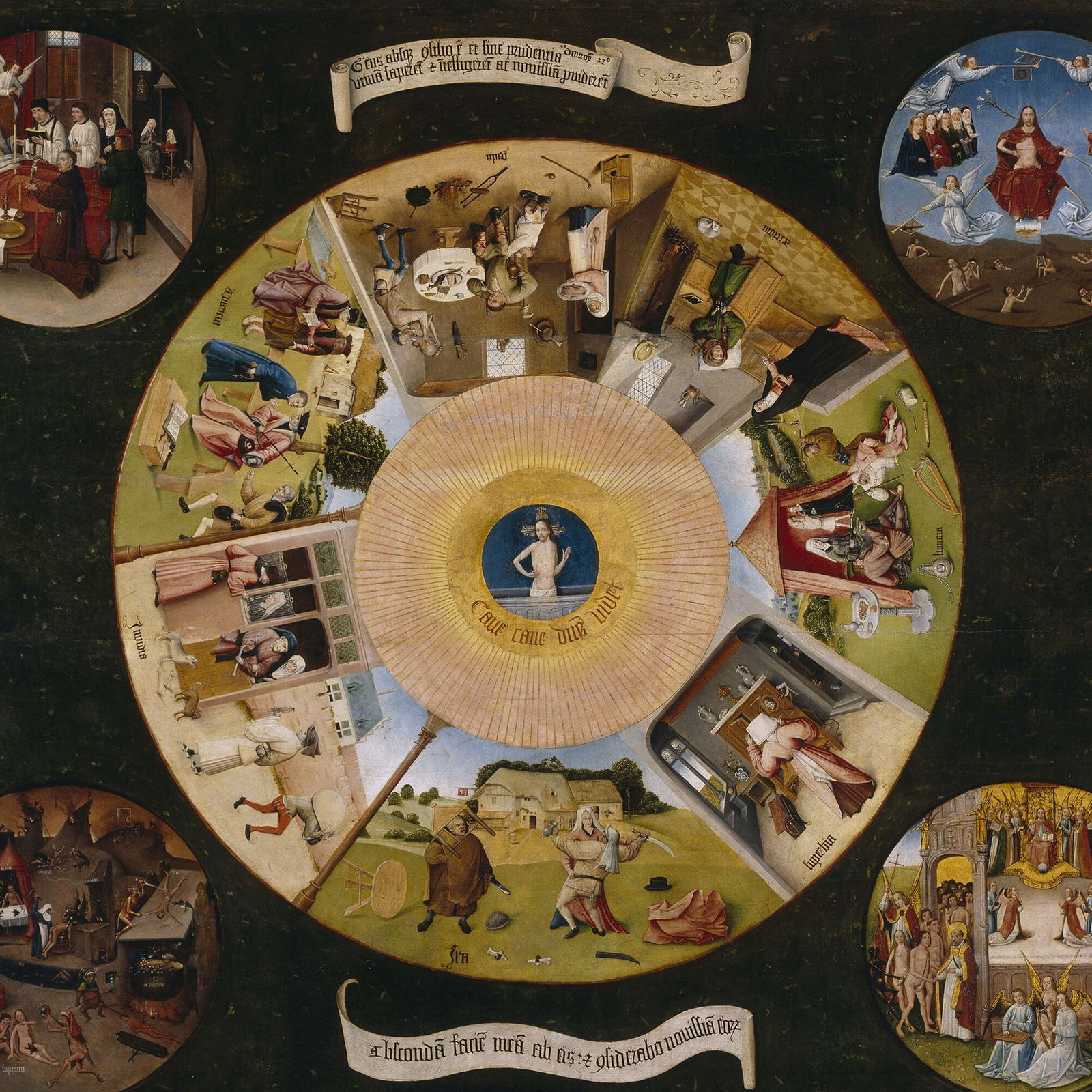
The Terrible Covenant of Sloth: Boredom and the Resistance of Joy – Dr. R.J. Snell
Dr. R.J. Snell argues that the real epidemic behind student anxiety, boredom, and frenzied achievement is not laziness but sloth—a refusal of responsibility and a sadness at the divine good—that resists joy, commitment, and genuine happiness.This lecture was given on December 1st, 2025, at New York University.For more information on upcoming events, visit us at thomisticinstitute.org/upcoming-events.About the Speakers:R. J. Snell is Editor-in-Chief of Public Discourse and Director of Academic Programs at the Witherspoon Institute in Princeton, NJ. He has been a visiting instructor at Princeton University, where he is also executive director of the Aquinas Institute for Catholic Life. He's written books and articles on Natural Law, Education, Bernard Lonergan, Boredom, Subjectivity, and Sexual Ethics for a variety of publications.Keywords: Acedia And Sloth, Aquinas On Joy, Boredom And Busyness, Contemporary Student Anxiety, Contemplation And Leisure, Judge Holden in Blood Meridian, Sloth As Sadness At The Good, Thomistic Spiritual Theology, True Festivity And Eucharist
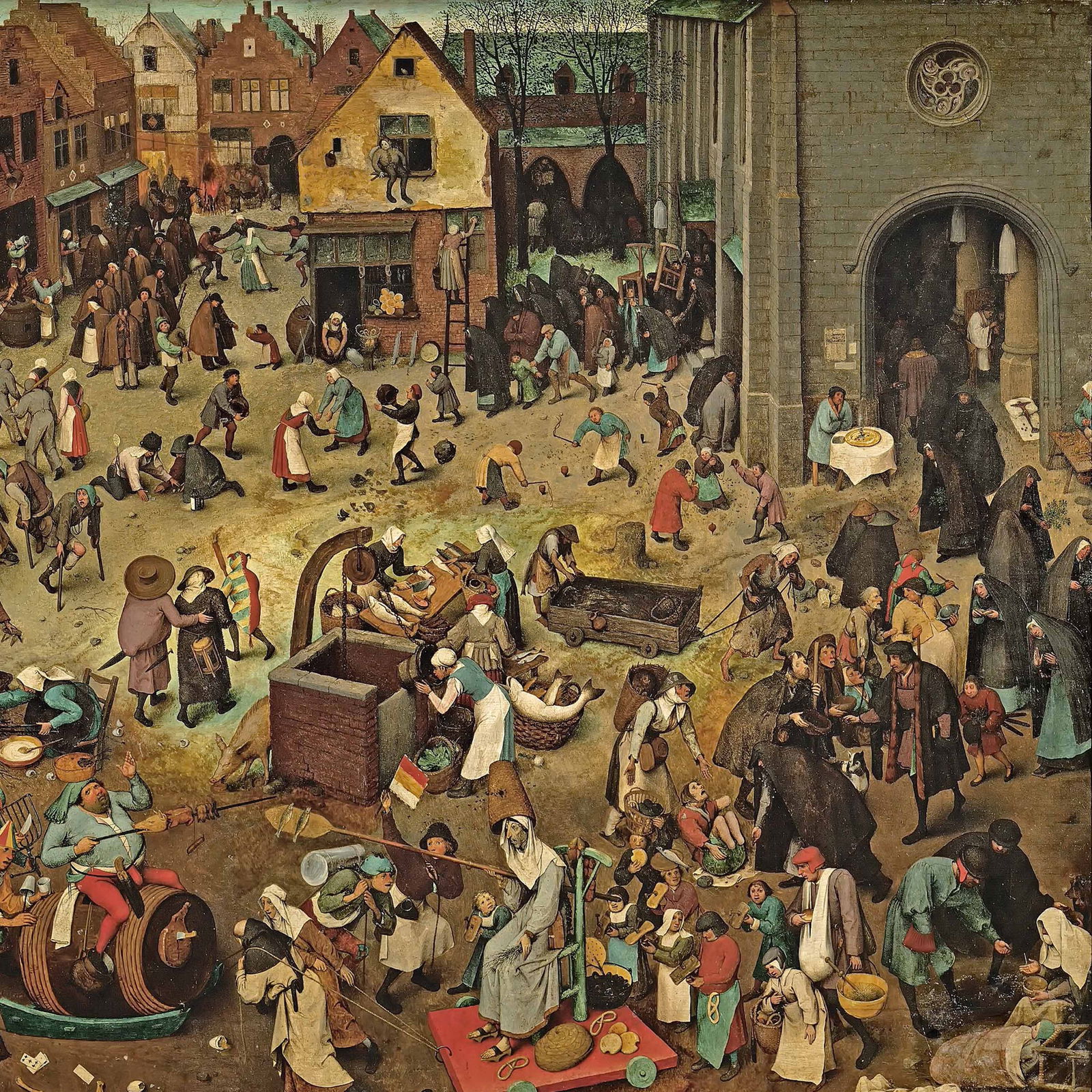
Money, Pleasure, Influence and the Key to a Happy Life – Fr. Gregory Pine, O.P.
Fr. Gregory Pine shows how money, pleasure, and influence all fail as ultimate goals and argues that true happiness comes from living in accord with our nature as creatures made for communion with God through the theological virtues of faith, hope, and charity.This lecture was given on November 19th, 2025, at University of South Florida.For more information on upcoming events, visit us at thomisticinstitute.org/upcoming-events.About the Speakers:Fr. Gregory Pine, O.P., is an instructor of dogmatic and moral theology at the Dominican House of Studies and the Assistant Director of the Thomistic Institute. He holds a doctorate from the University of Fribourg (Switzerland). He is the author of Prudence: Choose Confidently, Live Boldly and Your Eucharistic Identity: A Sacramental Guide to the Fullness of Life, and is co-author of Credo: An RCIA Program and Marian Consecration with Aquinas. His writing also appears in Aleteia, Magnificat, and Ascension’s Catholic Classics series. In addition to the TI podcast, he regularly contributes to the podcasts Godsplaining and Pints with Aquinas, and Catholic Classics. Keywords: Charity And Happiness, Faith Hope And Charity, Fulfillment, Happiness, Human Nature, Natural Law And Teleology, Money Pleasure And Influence, Theological Virtues, True Happiness In God, University Student Life
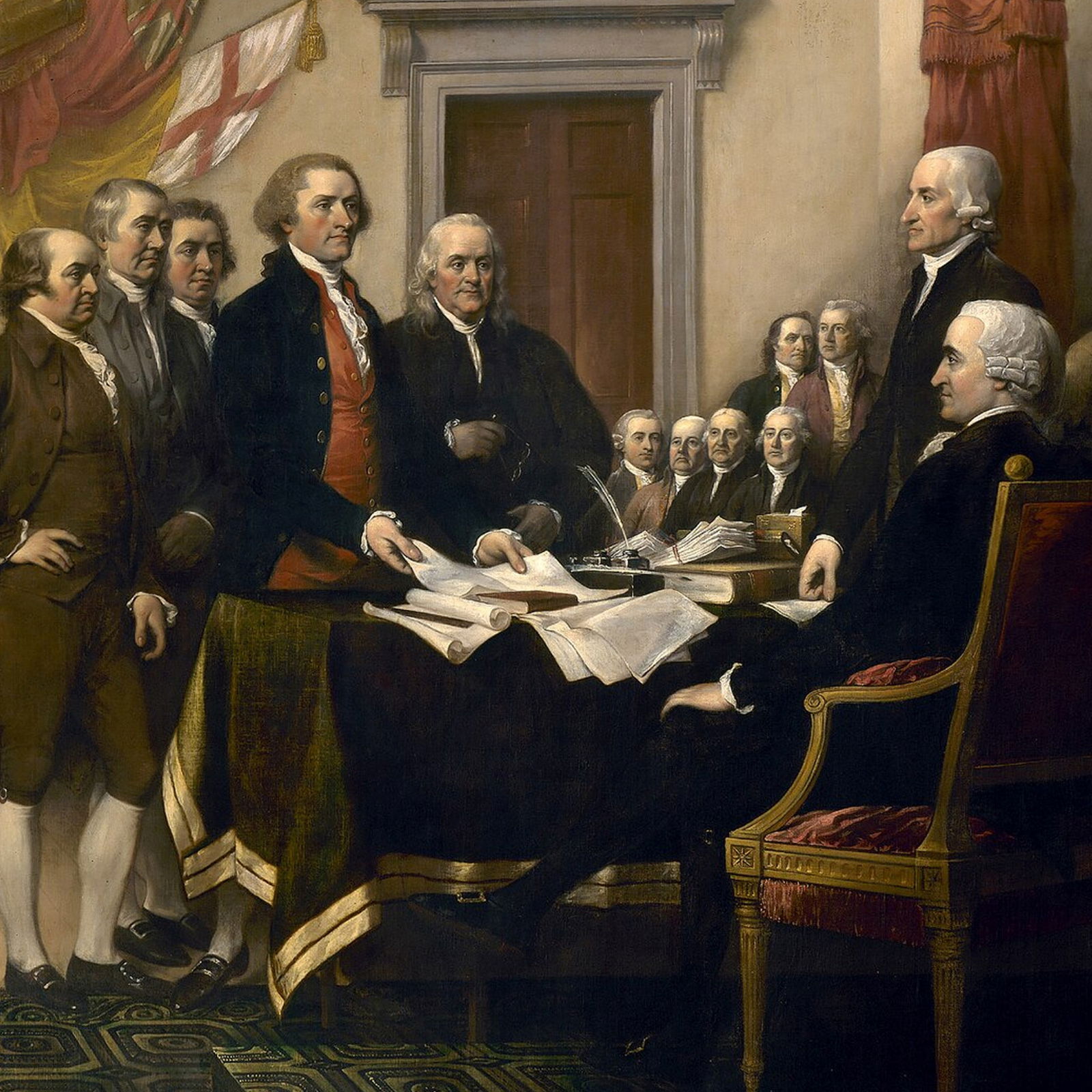
Do We Really Have a Bill of Rights? – Prof. Jerome Foss
Prof. Jerome Foss argues that what Americans call the “Bill of Rights” is not a true bill of rights but a set of constitutional amendments best understood within a Federalist—and broadly Thomistic—vision of law, liberty, and the common good that resists reducing politics to individual rights talk.This lecture was given on November 4th, 2025, at Washington & Lee University.For more information on upcoming events, visit us at thomisticinstitute.org/upcoming-events.About the Speakers:Jerome C. Foss is Professor of Politics, Endowed Director of the Center for Catholic Thought and Culture, and Director of the SVC Core Curriculum at Saint Vincent College in Latrobe, Pennsylvania. Foss earned his BA from the University of Dallas and his MA and PhD from Baylor University. His research focuses on Catholic political thought, American political thought, and literature and political philosophy. His most recent book, Flannery O'Connor and the Perils of Governing by Tenderness, brings these interests together. He has also published on the history of political philosophy, the U.S. Constitution, Constitutional Law, James Madison, and Abraham Lincoln. He is currently working on a scholarly book on the first ten amendments to the Constitution (commonly known as the Bill of Rights) and a book for a more general Catholic audience on the Declaration of Independence. Foss enjoys teaching a variety of courses, including courses on the Constitutional Convention and Shakespeare as a political thinker. As Director of the CCTC, Foss helps administer the college's Benedictine Leadership Studies Program, has developed and led the colleges summer program in Rome, founded and edits an academic journal entitled Conversatio, and organizes conferences, seminars, and other events.Keywords: American Constitutionalism, Anti Federalists And Rights, Bill Of Rights, Federalist Political Theory, James Madison, Natural Law And Natural Rights, Republican Government Thomistic Political Thought, United States Constitution
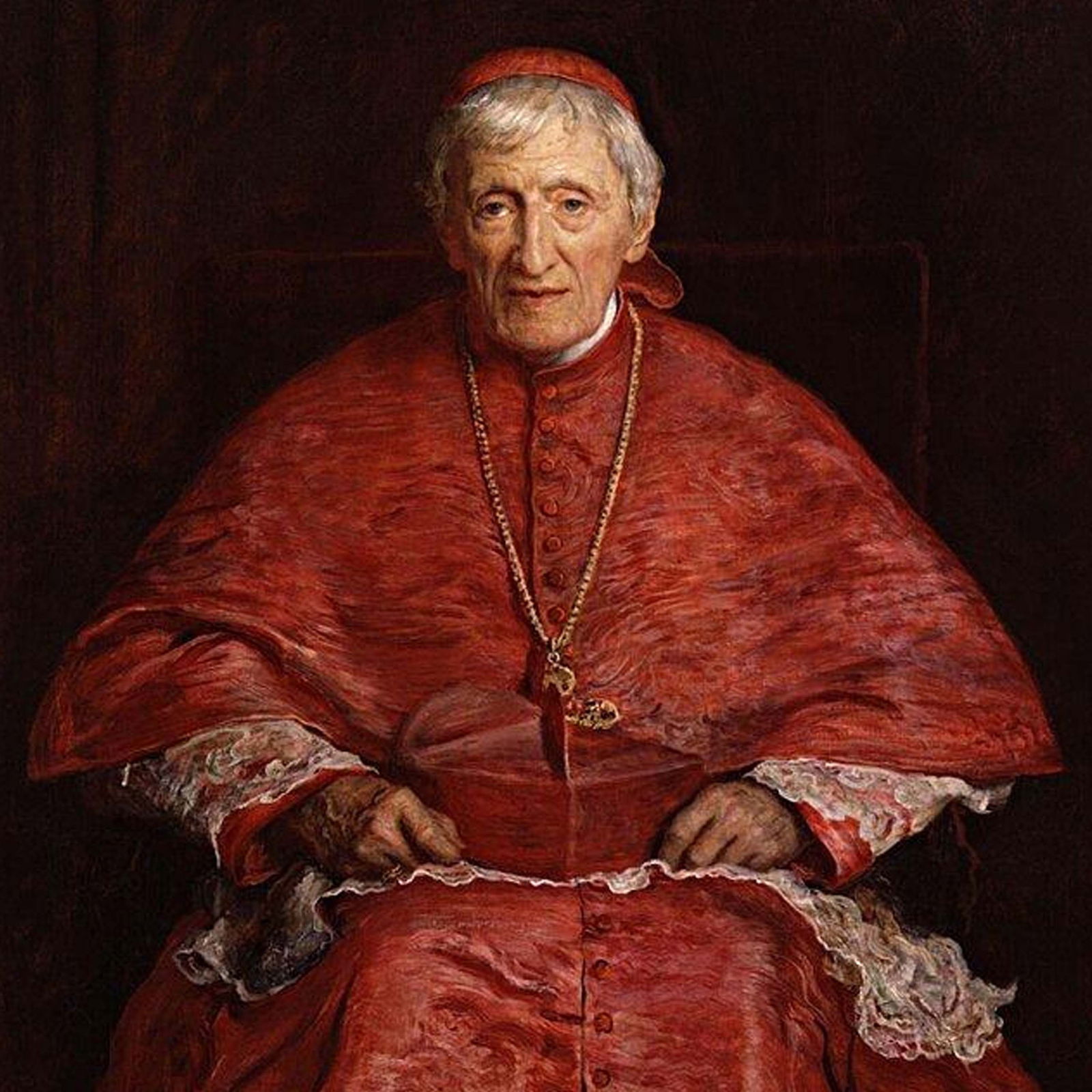
John Henry Newman's Critique of Liberalism: Lessons from the Aristotelian Tradition – Prof. Joshua Hochschild
Prof. Joshua Hochschild shows how St. John Henry Newman’s lifelong “struggle against liberalism” is best understood as an Aristotelian critique of false views of knowledge, in which liberalism reduces religion to private sentiment and denies the knowability of first principles, rather than as a merely political or ecclesiastical stance.This lecture was given on October 9th, 2025, at University of Michigan.For more information on upcoming events, visit us at thomisticinstitute.org/upcoming-events.About the Speakers:Joshua Hochschild is Professor of Philosophy at Mount St. Mary’s University, where he also served six years as the inaugural Dean of the College of Liberal Arts. His primary research is in medieval logic, metaphysics, and ethics, with broad interest in liberal education and the continuing relevance of the Catholic intellectual tradition. He is the author of The Semantics of Analogy: Rereading Cajetan’s De Nominum Analogia (2010), translator of Claude Panaccio’s Mental Language: From Plato to William of Ockham (2017), and co-author of A Mind at Peace: Reclaiming an Ordered Soul in the Age of Distraction (2017). His writing has appeared in First Things, Commonweal, Modern Age and the Wall Street Journal. For 2020-21 he served as President of the American Catholic Philosophical Association.Keywords: Aristotelian Epistemology, Conscience And First Principles, Development Of Doctrine, Intellectual Virtue And Noûs, John Henry Newman, Liberalism In Religion, Newman’s Grammar Of Assent, Newman’s Idea Of A University, Reason Faith And Dogma
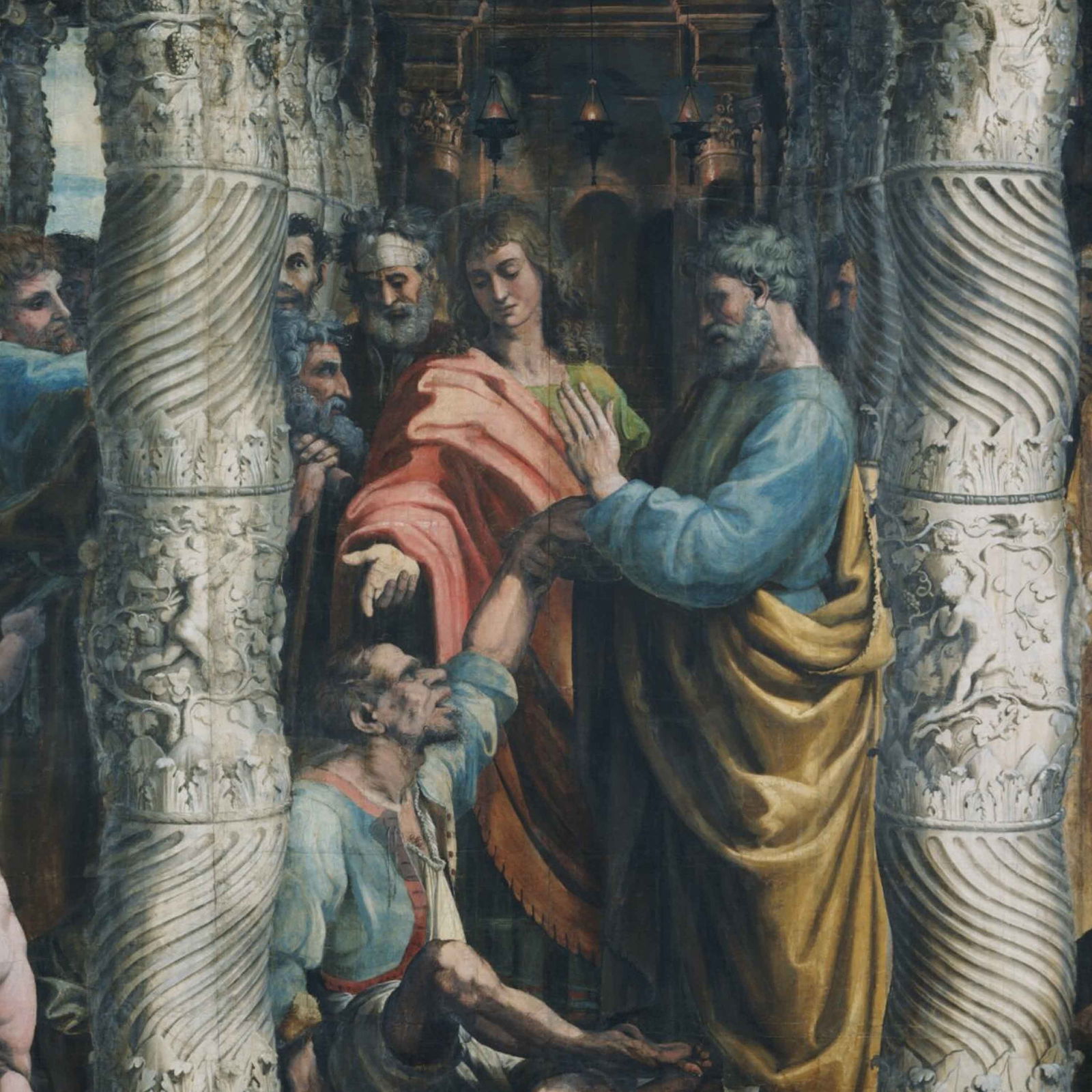
The Types of Miracles and the Possibilty of Demonic Miracles – Fr. Anselm Ramelow, O.P.
Fr. Anselm Ramelow explains how, in a Thomistic framework, miracles are graded by how they surpass nature and why only God can perform the highest-level miracles of creation and resurrection, while finite spirits—including demons—can produce lesser “signs” that must be carefully discerned.This lecture was given on April 5th, 2025, at St. Albert's Priory. For more information on upcoming events, visit us at thomisticinstitute.org/upcoming-events.About the Speakers:Fr. Anselm Ramelow, O.P., a native of Germany, teaches philosophy at the Dominican School of Philosophy and Theology in Berkeley, California, where he is also currently the chair of the philosophy department. He is also a member of the Core Doctoral Faculty at the Graduate Theological Union in Berkeley and the Academy of Catholic Theology. He obtained his doctorate under Robert Spaemann in Munich on Leibniz and the Spanish Jesuits (Gott, Freiheit, Weltenwahl, Leiden: E. J. Brill, 1997) and did theological work on George Lindbeck and the question of a Thomist philosophy and theology of language (Beyond Modernism? - George Lindbeck and the Linguistic Turn in Theology, Neuried: Ars Una 2005). Other works include Thomas Aquinas: De veritate Q. 21-24; Translation and Commentary (Hamburg: Meiner, 2013) and God: Reason and Reality (Basic Philosophical Concepts) (Munich: Philosophia Verlag, 2014), as editor and contributor. Articles appeared in Historisches Wörterbuch der Philosophie, Archiv für Begriffsgeschichte, Nova et Vetera, American Catholic Philosophical Quarterly and Angelicum. Areas of research and teaching include Free Will, the History of Philosophy and Philosophical Aesthetics. He has worked on a philosophical approach to Miracles and other topics of the philosophy of religion, and more recently the philosophy of technology.Keywords: Aquinas On Miracles, Demonic Signs And Wonders, Discernment Of Spirits, Finite Spiritual Causes, Levels Of Miracles, Natural Law And Suspension, Omnipotence And Creation, Possibility Of Demonic Miracles, Thomistic Philosophy Of Miracles
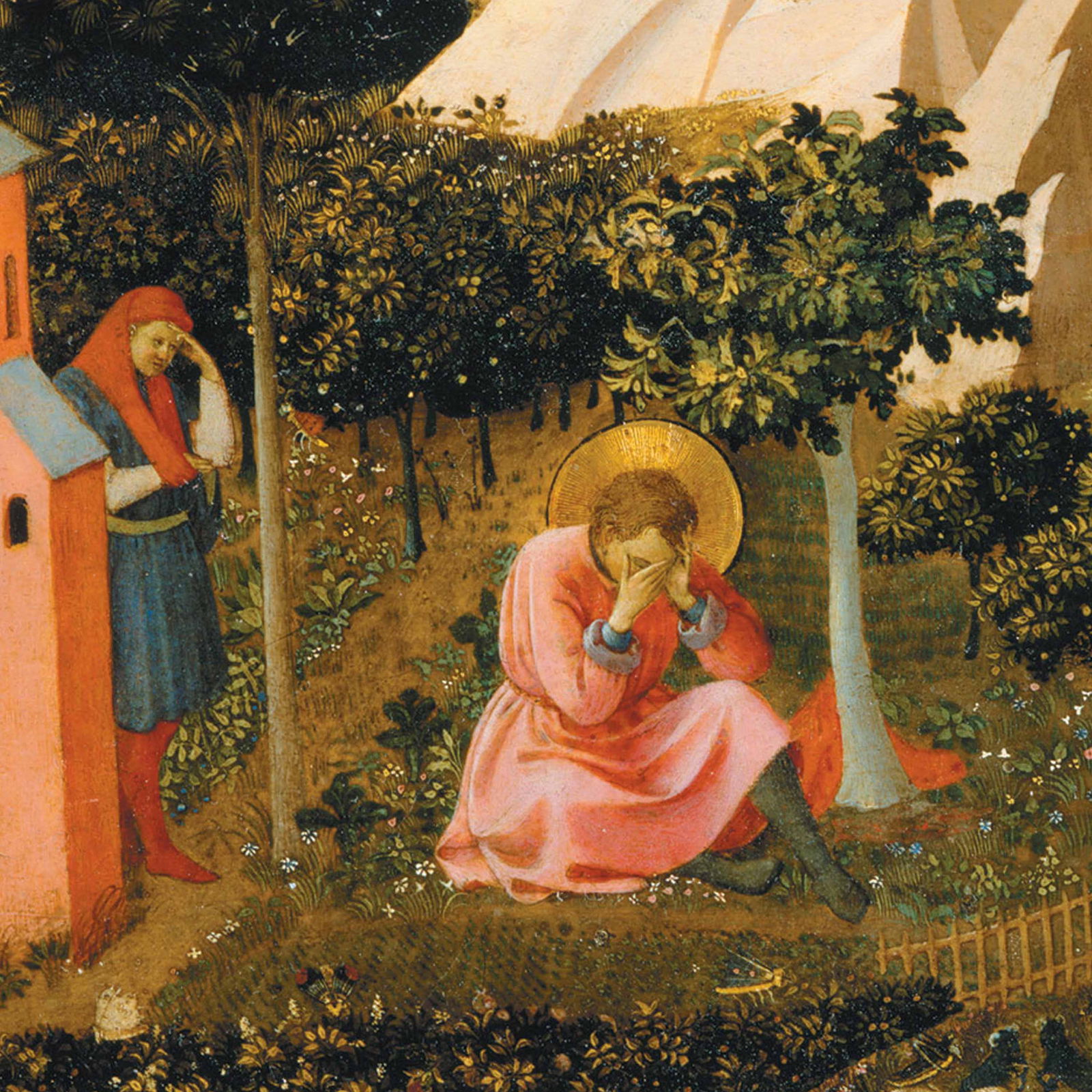
Fire on the Altar: A Lecture on St. Augustine – Prof. Chad Pecknold
Prof. Chad Pecknold shows how St. Augustine’s Confessions should be read as a Catholic, sacramental account of conversion in which the “altar of the heart” is turned toward God and united to Christ’s Eucharistic sacrifice, rather than as a merely emotional, garden-conversion memoir.This lecture was given on October 7th, 2025, at Vanderbilt University.For more information on upcoming events, visit us at thomisticinstitute.org/upcoming-events.About the Speakers:Dr. Chad C. Pecknold earned his PhD in Systematic Theology at the University of Cambridge in England. He is a Catholic theologian and for the last 16 years he has been a professor of theology at The Catholic University of America in Washington DC, teaching in the areas of fundamental theology, Christian anthropology and political theology. Since 2022, he has been named by The Catholic Herald as one of the most influential Catholic thought leaders and authors in the United States. An internationally recognized scholar of Augustine’s theological and political thought, Pecknold has authored or edited five books — including Christianity and Politics: A Brief Guide to the History and The T&T Clark Companion to Augustine and Modern Theology —and authored dozens of peer-reviewed journal articles. He edits the Sacra Doctrina series for CUA Press with Fr. Thomas Joseph White O.P. He has served the public by educating thousands of students at the Institute of Catholic Culture, and also through his many columns at First Things, National Review, Wall Street Journal, New York Post, and The Catholic Herald. He has been an invited guest on NPR's "All Things Considered," Fox News, ABC News, and has been a frequent guest on EWTN News Nightly, World Over Live with Raymond Arroyo, and various other EWTN programs, such as the celebrated series on Heresies. Pecknold has also led institutions, serving as Chair of the American Academy of Catholic Theology from 2015-2020, expanding and professionalizing a guild of theologians faithful to the Magisterium. He also serves in non-profit board leadership as Board Director for Americans United for Life, Board Member for Pro-Life Partners, Board Member for the Classical Learning Test, Fellow of the Institute for Human Ecology, and as Resident Theologian at the Institute for Faith and Public Culture at the Basilica of Saint Mary — the oldest Catholic Church in the Commonwealth of Virginia. While currently finishing a short book on the Catholic understanding of Augustine’s Confessions, Pecknold continues to work on a long term project on Augustine’s City of God and the Christian order of things.He and his wife Dr. Sara Pecknold (who teaches Music History at Christendom College) have five children, including adorably identical twin toddler girls whose names they frequently confuse!Keywords: Altar Of The Heart, Augustine’s Confessions, Bad And Good Sacrifice, Eucharistic Conversion, Fire On The Altar, Platonic Ascent And Christ, Prof. Chad Pecknold, Restless Heart And Worship, St. Augustine And Monica, Sacramental Reading Of Augustine
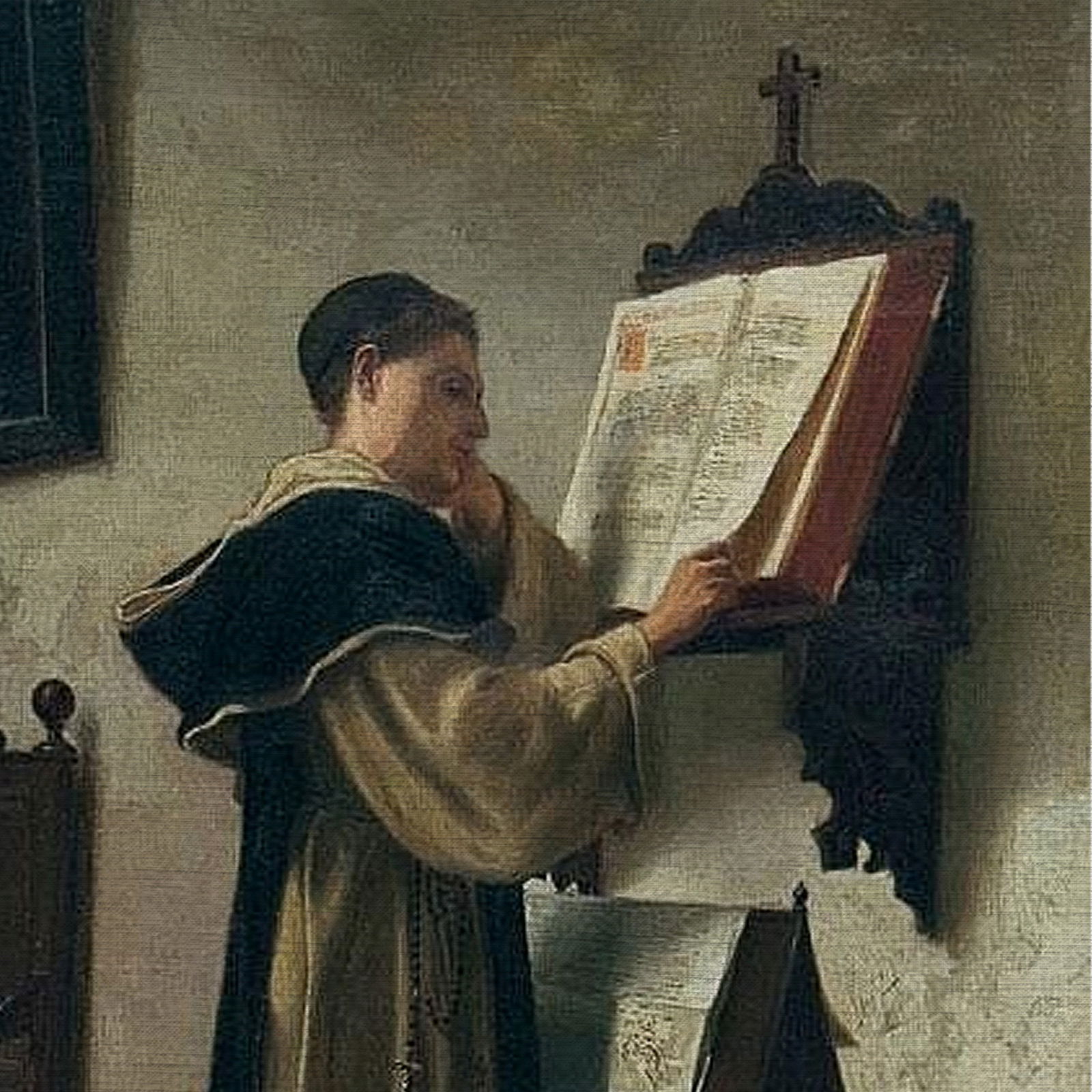
Dominican Mystics of the Rhineland – Fr. Irenaeus Dunlevy, O.P.
Fr. Irenaeus Dunlevy introduces the medieval Dominican mystics of the Rhineland and, in dialogue with Aquinas and Pseudo-Dionysius, shows how their often strikingly apophatic language about abyss, detachment, and “ground” can be critically integrated into a Trinitarian, Eucharistic vision of Christian mystical union.This lecture was given on May 3rd, 2025, at Dominican House of Studies.For more information on upcoming events, visit us at thomisticinstitute.org/upcoming-events.Fr. Irenaeus Dunlevy, O.P. is a Coordinator for Campus Outreach at the Thomistic Institute in Washington, DC. He has served as a parochial vicar at St. Pius V Church in Providence, RI, as well as an adjunct professor and assistant chaplain at Providence College. He originates from Columbus, OH, studied architecture in Virginia and Switzerland, and practiced in the DC area before entering the Order of Preachers in 2013. He was ordained a priest in 2020 at the Dominican House of Studies during the quarantine. In his work with the Thomistic Institute, he has given talks on the virtue of penance, loving God with the mind, and the intersection of theology and architecture. He often travels the country visiting Thomistic Institute Campus Chapters, leading seminars that help students grasp Thomistic concepts. Additionally, he coordinates the TI's intellectual retreat programming, which affords students time to pray and integrate into their lives Thomistic theology and philosophy. Keywords: Apophatic Theology, Dominican Mysticism, Eucharistic Devotion, Meister Eckhart, Mystical Union With God, Pseudo-Dionysius, Rhineland Dominican Mystics, Thomas Aquinas, Trinity And The Soul
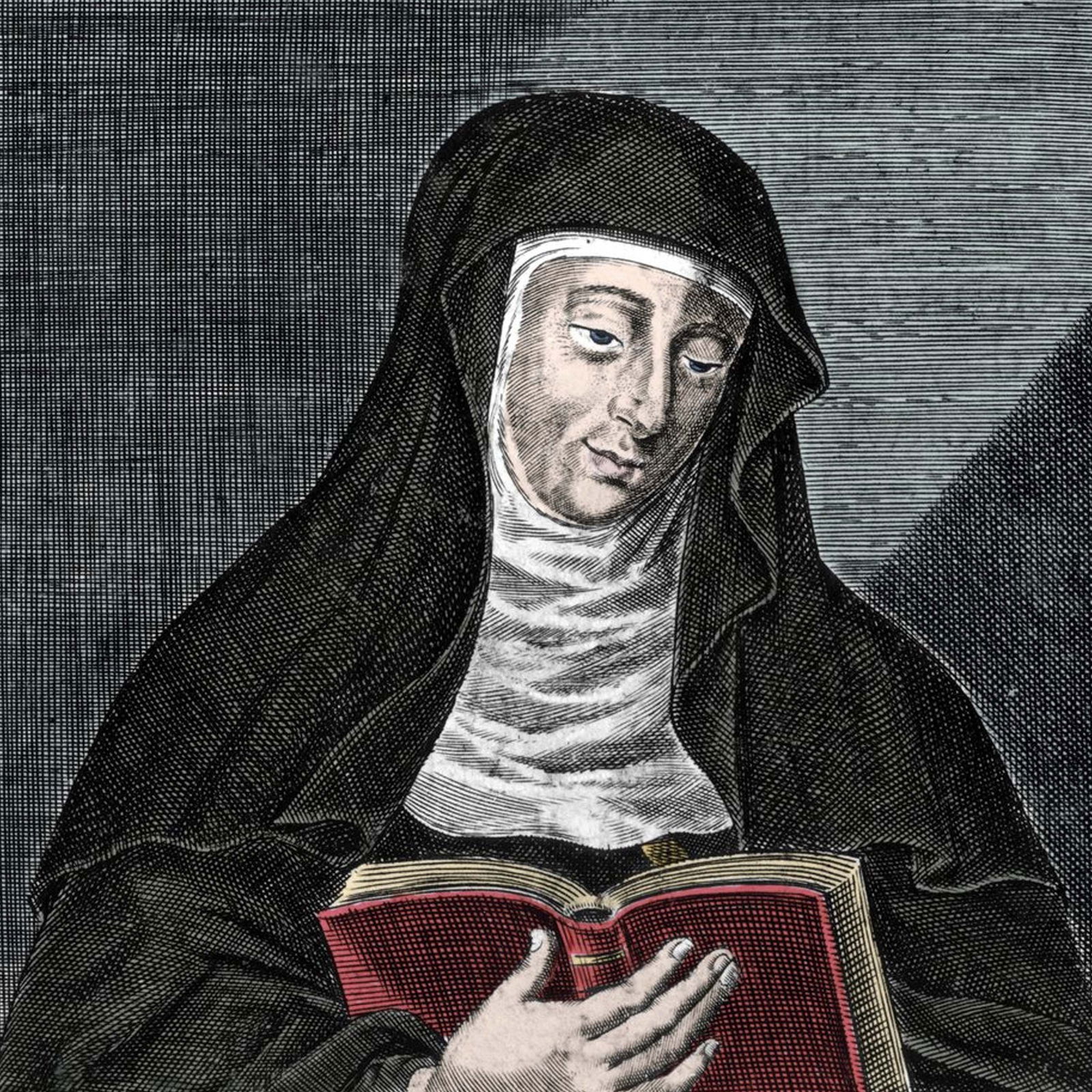
Catholic Women in the Arts & Sciences: An Underappreciated Tradition – Dr. Bronwen McShea
Dr. Bronwen McShea uncovers the rich but often forgotten history of Catholic women in the arts and sciences, showing how figures from late antiquity through the early modern period—nuns, scholars, patrons, and university professors—have long made serious intellectual and cultural contributions within the Catholic tradition.This lecture was given on October 16th, 2025, at The United States Naval Academy.For more information on upcoming events, visit us at thomisticinstitute.org/upcoming-events.About the Speakers:Bronwen McShea is a historian of Catholicism from medieval to modern times and is the author of three books: Women of the Church: What Every Catholic Should Know (Ignatius Press, 2024); La Duchesse: The Life of Marie de Vignerot, Cardinal Richelieu's Forgotten Heiress Who Shaped the Fate of France (Pegasus Books, 2023); and Apostles of Empire: The Jesuits and New France (Nebraska Press, 2019). Her reviews, articles, and essays have also appeared in The Wall Street Journal, First Things, America Magazine, The Journal of Religious History, and many other popular and academic periodicals. She has held research and teaching positions at Columbia University, Princeton University, Loyola University Chicago, and several other institutions. She holds a Ph.D. in Early Modern History from Yale University and both an M.T.S. in the History of Christianity and B.A. in Intellectual History from Harvard University.Keywords: Catholic Women And Scholarship, Catholic Women In Science, Early Modern Catholic Women, Hildegard Of Bingen, Laura Bassi And Bologna, Maria Gaetana Agnesi, Medieval Nuns And Learning, Renaissance Humanism, Women Of The Church
The Natural Law Ethics of Killing – Prof. Christopher Tollefsen
Prof. Christopher Tollefsen argues from a Thomistic natural law perspective that it is always morally wrong to intend the death of an innocent human being, contending that this absolute norm binds both private individuals and public authorities alike.This lecture was given on November 15th, 2025, at University of FloridaFor more information on upcoming events, visit us at thomisticinstitute.org/upcoming-events.About the Speakers:Christopher Tollefsen is Professor of Philosophy at the University of South Carolina. He has published over 100 articles in journals and edited collections, and a similar number of popular essays in venues such as Public Discourse, First Things, and National Review. He is the author of Lying and Christian Ethics and the forthcoming Killing and Christian Ethics, and is co-author of The Way of Medicine: Ethics and the Healing Profession (with Dr. Farr Curlin) and Embryo: A Defense of Human Life (with Robert P. George). In 2019-20, he served as a Commissioner on the State Department’s Commission on Unalienable Rights. He has twice been a Visiting Fellow in the James Madison Program at Princeton University, and in 2024-25 was a Visiting Fellow at the DeNicola Center for Ethics and Culture at the University of Notre Dame.Keywords: Absolute Prohibition Of Killing, Augustine And Aquinas, Double Effect Principle, Ethics Of Self-Defense, Human Dignity And Life, Natural Law Theory, Public Authority And Violence, Thomistic Moral Theology, War And Capital Punishment
Catholic Ethics in the Modern World – Prof. Marshall Bierson
Prof. Marshall Bierson contrasts Thomistic Catholic ethics with utilitarian and Kantian moral theories by arguing that the good is fundamentally an activity of loving persons rather than a state of affairs like aggregate happiness or an abstract form of rational nature.This lecture was given on January 23rd, 2026, at Washington & Lee University.For more information on upcoming events, visit us at thomisticinstitute.org/upcoming-events.About the Speakers:Marshall Bierson is an assistant professor of philosophy at the Catholic University of America. His research centers on the intersection of ethics and philosophical anthropology. He is particularly focused on the work of Elizabeth Anscombe and in exploring how her Thomisticly inflected philosophical psychology clarifies moral absolutes.Keywords: Aristotelian Thomism, Catholic Ethics, Catholic Moral Philosophy, Intrinsic And Extrinsic Value, Kantian Rational Nature, Love And The Good, Pleasure And Moral Value, Thomistic Axiology, Utilitarianism And Happiness
The Scopes Trial & the Myth of Warfare between Science & Religion – Prof. Kenneth Kemp
Prof. Kenneth Kemp reexamines the Scopes “Monkey Trial” to show that it has been mythologized into evidence of a supposed war between science and religion, arguing instead that the real conflicts concerned constitutional law, educational policy, and competing theological and philosophical visions within Christianity.This lecture was given on October 4th, 2023, at John Hopkins University .For more information on upcoming events, visit us at thomisticinstitute.org/upcoming-events.About the Speakers:Kenneth W. Kemp is an emeritus professor of philosophy at the University of St. Thomas in St. Paul, Minnesota. After receiving an MA in the History and Philosophy of Science and a PhD in Philosophy from the University of Notre Dame, he taught philosophy, first at the US Air Force Academy and last for many years at the University of St. Thomas. His research interests have included ethics as well as historical and philosophical aspects of the relation between science and religion. His published works include The War That Never Was: Evolution & Christian Theology (Cascade, 2020) and The Origins of Catholic Evolutionism, 1831–1950 (Catholic University of America Press, 2025).Keywords: Anti-Evolution Laws, Catholic Responses To Evolution, Clarence Darrow,Constitutional Law, Myth Of Warfare Thesis, Public School Education, Scopes Monkey Trial, Science And Religion, Tennessee Butler Act, William Jennings Bryan
My Life Exploring the Solar System and Worlds Beyond – Prof. Jonathan I. Lunine
Prof. Jonathan I. Lunine recounts his life as a planetary scientist, tracing how early inspirations from Carl Sagan and the space race led to his work on major NASA missions exploring the solar system and distant worlds, from Voyager and Cassini to Juno and Europa Clipper.This lecture was given on January 14th, 2025, at Dominican House of Studies.For more information on upcoming events, visit us at thomisticinstitute.org/upcoming-events.About the Speakers:Jonathan Lunine is the Chief Scientist at NASA’s Jet Propulsion Laboratory and Professor of Planetary Science at Caltech in Pasadena, California. Beforehand, he was the David C. Duncan Professor in the Physical Sciences and Chair of the Department of Astronomy at Cornell University. Lunine is interested in how planets form and evolve, what processes maintain and establish habitability, and what kinds of exotic environments (methane lakes, etc.) might host a kind of chemistry sophisticated enough to be called "life". He pursues these interests through theoretical modeling and participation in spacecraft missions. He is co-investigator on the Juno mission now in orbit at Jupiter, using data from several instruments on the spacecraft, and on the MISE and gravity science teams for the Europa Clipper mission. He was on the Science Working Group for the James Webb Space Telescope, focusing on characterization of extrasolar planets and Kuiper Belt objects. Lunine has contributed to concept studies for a wide range of planetary and exoplanetary missions. Lunine is a member of the National Academy of Sciences and has participated in or chaired a number of advisory and strategic planning committees for the Academy and for NASA.Keywords: Apollo Program, Carl Sagan, Cassini–Huygens Mission, Europa Clipper, Juno Mission, Planetary Science, Titan And Saturn System, Voyager Missions, Worlds With Subsurface Oceans
Creation vs. Creationism – University of America Fr. Dominic Legge, O.P.
Fr. Dominic Legge distinguishes the classical Catholic doctrine of creation from modern creationism by showing how a robust Thomistic account of God as the transcendent cause of all being avoids conflict with evolutionary science while deepening our understanding of what it means for the world to be created.This lecture was given on October 20th, 2025, at The Catholic University of America.For more information on upcoming events, visit us at thomisticinstitute.org/upcoming-events.About the Speakers:Fr. Dominic Legge is the President of the Pontifical Faculty of the Immaculate Conception and Associate Professor in Systematic Theology at the Pontifical Faculty of the Immaculate Conception in Washington, D.C. He is an Ordinary Member of the Pontifical Academy of St. Thomas Aquinas, and holds a J.D. from Yale Law School, a Ph.L. from the School of Philosophy of the Catholic University of America, and a doctorate in Sacred Theology from the University of Fribourg in Switzerland. He entered the Order of Preachers in 2001, after having practiced constitutional law for several years as a trial attorney for the U.S. Department of Justice. He has also taught at The Catholic University of America Law School and at Providence College. He is the author of The Trinitarian Christology of St. Thomas Aquinas (Oxford University Press, 2017).Keywords: Catholic Doctrine Of Creation, Creation And Evolution, Creation vs. Creationism, Faith and Science, Metaphysics Of Creation, Primary And Secondary Causality, Thomistic Philosophy, Universe And God
Vocation of a Catholic Scientist – Prof. Karin Öberg
Prof. Karin Öberg reflects on her journey from atheism to Catholicism and explains how the vocation of a Catholic scientist and professor involves uniting rigorous scientific inquiry with the Catholic intellectual tradition in order to contemplate God through creation and to renew the life of the university.This lecture was given on January 15th, 2025, at Dominican House of Studies.For more information on upcoming events, visit us at thomisticinstitute.org/upcoming-events.About the Speakers:Professor Öberg obtained her B.Sc. in Chemistry from Caltech and her Ph.D. in Astronomy from the University of Leiden. She has taught at Harvard since 2013, where she is the Thomas Dudley Cabot Professor of the Natural Sciences. Her scholarship aims to uncover how chemical processes impact the outcome of planet formation, with special attention to the possible habitability of nascent planets. She has published over 250 refereed articles, including in Nature and Science. Professor Öberg has been awarded the Barry Prize by the American Academy of Sciences and Letters (2024), the Harnack Lectureship by the Max Planck Society (2022), a Simons Investigator Award (2019), the American Astronomical Society's Newton Lacy Pierce Prize (2016), a Packard Fellowship (2014), and a Alfred P. Sloan Fellowship (2014). She is the Vice President of the Angelicum Board, a Board Member of the Society of Catholic Scientists, a member of the American Academy of Catholic Scholars and Artists, and a frequent public speaker on questions of science and faith.Keywords: Catholic Intellectual Tradition, Catholic Professor, Conversion, Creation And Creator, Msgr. Georges Lemaître, Science And Faith, Thomas Aquinas, University And Truth, Vocation, Vocation Of A Catholic Scientist
What Contemporary Culture Needs to Learn from Thomas Aquinas – Prof. Michael Dauphinais
Prof. Michael Dauphinais explains what contemporary culture needs to learn from Thomas Aquinas, arguing for a metaphysics of communion in which God, family, Church, and society are not locked in competition but share common goods that make each more fully alive.This lecture was given on September 22nd, 2025, at University of Florida.For more information on upcoming events, visit us at thomisticinstitute.org/upcoming-events.About the Speakers:Michael A. Dauphinais, Ph.D., serves as the Fr. Matthew Lamb Professor of Catholic Theology and the co-director of the Aquinas Center for Theological Renewal at Ave Maria University, Ave Maria, Florida. He has co-authored with Matthew Levering Knowing the Love of Christ: An Introduction to the Theology of Thomas Aquinas; Holy People, Holy Land: A Theological Introduction to the Bible; and The Wisdom of the Word: Biblical Answers to Ten Questions about Catholicism. He specializes in C.S. Lewis, the Bible, and St. Thomas Aquinas. He speaks frequently in both academic and popular settings, and particularly enjoys visiting Thomistic Institute student chapters. Dr. Dauphinais hosts The Catholic Theology Show podcast to help a wide audience discover the richness of coming to know and love God as he has revealed himself in Jesus Christ.Keywords: Common Good, Common Good versus Zero-Sum Competition, God’s Non-Competitive Action, Human Community, Metaphysics of Communion, Natural Law, Original Sin and False Image of God, Participated Goods in Family and Society, Thomistic View of Marriage and Family, Vision of God in Evangelium Vitae
Flirting with Happiness: Aquinas on the Good Life – Fr. Alan O'Sullivan, O.P.
Fr. Alan O’Sullivan unpacks Aquinas on the good life, explaining why wealth, power, fame, and pleasure cannot be our ultimate happiness and how true beatitude is found in virtuous activity ordered to God.This lecture was given on October 23rd, 2025, at Trinity College Dublin.For more information on upcoming events, visit us at thomisticinstitute.org/upcoming-events.About the Speakers:Fr. Alan O’Sullivan, O.P. (Trinity College) is currently the chaplain of Trinity College, Dublin. He is a member of the Irish province of the Order of Preachers who studied at Blackfriars, Oxford.Keywords: Aquinas on the Good Life, Beatitude and True Happiness, Epicureanism, Limits of Wealth Power and Fame, Pleasure and the Highest Good, Restlessness and Desire for More, Virtue and Ordered Pleasure, Worldly Goods, Ultimate Happiness
Does God Exist? How Do I Know? The Five Ways of Aquinas – Fr. Irenaeus Dunlevy, O.P.
Fr. Irenaeus Dunlevy introduces Aquinas’ Five Ways, showing how arguments from motion, causality, contingency, gradation, and teleology lead from everyday experience to the rational conclusion that God exists as first mover, first cause, necessary being, supreme perfection, and intelligent governor.This lecture was given on May 8th, 2025, at North Dakota State University.For more information on upcoming events, visit us at thomisticinstitute.org/upcoming-events.About the Speakers:Fr. Irenaeus Dunlevy, O.P. is a Coordinator for Campus Outreach at the Thomistic Institute in Washington, DC. He has served as a parochial vicar at St. Pius V Church in Providence, RI, as well as an adjunct professor and assistant chaplain at Providence College. He originates from Columbus, OH, studied architecture in Virginia and Switzerland, and practiced in the DC area before entering the Order of Preachers in 2013. He was ordained a priest in 2020 at the Dominican House of Studies during the quarantine. In his work with the Thomistic Institute, he has given talks on the virtue of penance, loving God with the mind, and the intersection of theology and architecture. He often travels the country visiting Thomistic Institute Campus Chapters, leading seminars that help students grasp Thomistic concepts. Additionally, he coordinates the TI's intellectual retreat programming, which affords students time to pray and integrate into their lives Thomistic theology and philosophy. Keywords: Act and Potency, Argument from Motion, Contingency and Necessary Being, Degrees of Perfection and Maximum Good, Five Ways to Prove God’s Existence, First Cause and Efficient Causality, Teleology and Intelligent Governor, Thomistic Proofs for God, Unmoved Mover

John Paul II on the Value of Human Life and Euthanasia – Prof. Christopher Tollefsen
Prof. Christopher Tollefsen explains John Paul II on euthanasia, showing how the Pope’s vision of human life as a sacred gift, bearing God’s image and destined for eternal friendship with Him, rules out any claim to a right to kill oneself or others.This lecture was given on September 23rd, 2025, at University of South Carolina.For more information on upcoming events, visit us at thomisticinstitute.org/upcoming-events.About the Speakers:Christopher Tollefsen is Professor of Philosophy at the University of South Carolina. He has published over 100 articles in journals and edited collections, and a similar number of popular essays in venues such as Public Discourse, First Things, and National Review. He is the author of Lying and Christian Ethics and the forthcoming Killing and Christian Ethics, and is co-author of The Way of Medicine: Ethics and the Healing Profession (with Dr. Farr Curlin) and Embryo: A Defense of Human Life (with Robert P. George). In 2019-20, he served as a Commissioner on the State Department’s Commission on Unalienable Rights. He has twice been a Visiting Fellow in the James Madison Program at Princeton University, and in 2024-25 was a Visiting Fellow at the DeNicola Center for Ethics and Culture at the University of Notre Dame.Keywords: Euthanasia, Evangelium Vitae, Gift of Life, Human Destiny, Human Dignity, Imago Dei, Inviolability of Human Life, John Paul II, Life and Death, Lordship of God over Life, Sacredness of Human Life, Usurping God’s Role in Life and Death
St. Thomas Aquinas on the Beatitudes – Fr. Anton ten Klooster
Fr. Anton ten Klooster explores St. Thomas Aquinas on the Beatitudes, showing how they map an ordered, grace‑filled path of virtues and gifts that lead from imperfect happiness in this life to perfect union with God in the next.This lecture was given on November 3rd, 2025, at Oxford University.For more information on upcoming events, visit us at thomisticinstitute.org/upcoming-events.About the Speakers:Fr. Anton is an assistant professor of theology at Tilburg University. His primary focus is on fundamental moral theology. He is currently working on a book on the development of moral teaching (e.g. How did the church come to oppose slavery, and how can we then hold a continuity in teaching?). He studied theology in Utrecht and Fribourg, and did part of the doctoral research as a visiting scholar at the Catholic University of America in Washington D.C. In 2018, he was awarded the doctoral degree cum laude for 'Thomas Aquinas on the Beatitudes'. The dissertation was awarded the international 'Veritas et Amor' award by the Circolo San Tommaso. He has been published in journals such as Nova et Vetera, Angelicum, Journal of Moral Theology and Incontri.Keywords: Aquinas on Happiness and Man's Final End, Beatitudes, Beatitudes as Path to Union with God, False Views of Happiness, Grace and the Beatitudes, Gifts of the Spirit, Imperfect versus Perfect Happiness, Virtue and the Beatitudes, Vocation of Preaching
Engaging Politics as a Catholic – Dr. Jan Bentz
Dr. Jan Bentz explores what it means to engage politics as a Catholic, calling believers to critical thinking rooted in truth, a both‑and logic that resists polarization, and a discerning love of nation that remains ordered to the common good and eternal beatitude.This lecture was given on November 19th, 2025, at Thomistic Institute in London.For more information on upcoming events, visit us at thomisticinstitute.org/upcoming-events.About the Speakers:Dr. Jan C. Bentz was born and raised in Germany and graduated high school in St Louis, Missouri, where he attended as a foreign exchange student. Dr Bentz holds a doctorate in Philosophy from the Roman Athenaeum Regina Apostolorum, a Masters in Sacred Art, Architecture, and Liturgy and a Masters in Church, Ecumenism, and Religious Studies. His dissertation was published in German on Gustav Siewerth (1903-1963) and his work on Thomas Aquinas and G.W.F. Hegel. His fields of expertise include Metaphysics, History of Philosophy, Medieval Philosophy, Thomism, and Philosophy of Art. Dr Bentz lectures at Blackfriars’ Studium on History of Modern and Contemporary Philosophy, Aesthetics, and Philosophy of History. He taught Philosophy of Art (Aesthetics) for The Catholic University of America, Rome Campus, History of Medieval Philosophy at Christendom College, Rome Campus, and Apologetics for IES Study Abroad also in Rome. His journalistic career included the production of weekly TV coverage in German and English for EWTN Global; interviews and commentary for Catholic News Agency, Inside the Vatican; and for The Catholic Herald in English and Jüdische Rundschau in German. His current format is called Reality Check, a series of video interviews also published on YouTube with the European Conservative.Keywords: Analogy of Being and Politics, Catholic Both-And Logic, Catholic Engagement in Public Life, Christian and Secular Nationalism, Common Good and Beatitude, Critical Thinking as a Catholic, National Identity and Faith, Polarization and Either-Or Thinking, Testing Everything Holding Fast to the Good, Voting as a Catholic Conscience
Understanding Anscombe’s Absolutism – Prof. Marshall Bierson
Prof. Marshall Bierson unpacks Elizabeth Anscombe’s moral absolutism, arguing that questions like “Why is it worse to kill one innocent person than to let five die?” rest on a grammatical confusion that obscures the absolute wrongness of intentionally killing the innocent.This lecture was given on October 2nd, 2025, at University of Illinois at Urbana-Champaign.For more information on upcoming events, visit us at thomisticinstitute.org/upcoming-events.About the Speakers:Marshall Bierson is an assistant professor of philosophy at the Catholic University of America. His research centers on the intersection of ethics and philosophical anthropology. He is particularly focused on the work of Elizabeth Anscombe and in exploring how her Thomisticly inflected philosophical psychology clarifies moral absolutes.Keywords: Act and Omission Distinction, Anscombe, Consequentialism, Intentional Killing of the Innocent, Logical Grammar of Moral Language, Moral Absolutism, Reasons versus Absolutes, The Trolley Problem, Victim-Focused Account of Murder
Icons and Idols: An Augustinian Reflection on Race, Racism, and Antiracism – Prof. Kevin Kambo
Prof. Kevin Kambo reflects on race, racism, and antiracism through Augustine, showing how modern racial categories operate as idolatrous myths born of the lust to dominate and calling listeners to see others instead as icons of God rather than instruments of civic or ideological projects.This lecture was given on October 24th, 2025, at St. Joseph’s Church in Greenwich Village.For more information on upcoming events, visit us at thomisticinstitute.org/upcoming-events.About the Speakers:Kevin M. Kambo is an assistant professor of philosophy at the University of Dallas in Irving, TX. Before completing his doctoral studies at the Catholic University of America, he earned a bachelor of science in Chemistry at Stanford University and worked as an intellectual property paralegal in Manhattan, NY. Dr. Kambo specialises in classical Greek philosophy, particularly on Platonic moral psychology and on the dramatic elements of Platonic dialogues. He also works on the reception of Platonic thought through history, from late antique (e.g., in Clement of Alexandria and Augustine of Hippo) through contemporary (e.g., W. E. B. Du Bois and Simone Weil) thinkers, and has broader scholarly interests in philosophy of technology, philosophy and literature (especially tragedy), philosophy of race, and liberal education. He is a partisan of the original Star Wars trilogy, P. G. Wodehouse, and receiving postcards--not necessarily in that order.Keywords: Augustinianism, Critique of Racism, Domination, Icons and Idols, Imago Dei and Race, Libido Dominandi, Modern Antiracism, Noble Lie, Race, Racial Categories, Slavery, Social Myth, Violence
Augustine and Aquinas Against Skepticism – Prof. Chad Pecknold
Prof. Chad Pecknold explains how Augustine and Aquinas argue against skepticism, defending metaphysical realism and the mind’s capacity to know truth as essential for genuine morality and for leading people to Christ, who is Truth itself.This lecture was given on October 23rd, 2025, at Franciscan University of Steubenville.For more information on upcoming events, visit us at thomisticinstitute.org/upcoming-events.About the Speakers:Dr. Chad C. Pecknold earned his PhD in Systematic Theology at the University of Cambridge in England. He is a Catholic theologian and for the last 16 years he has been a professor of theology at The Catholic University of America in Washington DC, teaching in the areas of fundamental theology, Christian anthropology and political theology. Since 2022, he has been named by The Catholic Herald as one of the most influential Catholic thought leaders and authors in the United States. An internationally recognized scholar of Augustine’s theological and political thought, Pecknold has authored or edited five books — including Christianity and Politics: A Brief Guide to the History and The T&T Clark Companion to Augustine and Modern Theology —and authored dozens of peer-reviewed journal articles. He edits the Sacra Doctrina series for CUA Press with Fr. Thomas Joseph White O.P. He has served the public by educating thousands of students at the Institute of Catholic Culture, and also through his many columns at First Things, National Review, Wall Street Journal, New York Post, and The Catholic Herald. He has been an invited guest on NPR's "All Things Considered," Fox News, ABC News, and has been a frequent guest on EWTN News Nightly, World Over Live with Raymond Arroyo, and various other EWTN programs, such as the celebrated series on Heresies. Pecknold has also led institutions, serving as Chair of the American Academy of Catholic Theology from 2015-2020, expanding and professionalizing a guild of theologians faithful to the Magisterium. He also serves in non-profit board leadership as Board Director for Americans United for Life, Board Member for Pro-Life Partners, Board Member for the Classical Learning Test, Fellow of the Institute for Human Ecology, and as Resident Theologian at the Institute for Faith and Public Culture at the Basilica of Saint Mary — the oldest Catholic Church in the Commonwealth of Virginia. While currently finishing a short book on the Catholic understanding of Augustine’s Confessions, Pecknold continues to work on a long term project on Augustine’s City of God and the Christian order of things.He and his wife Dr. Sara Pecknold (who teaches Music History at Christendom College) have five children, including adorably identical twin toddler girls whose names they frequently confuse!Keywords: Augustine, Aquinas, Conformity of Mind to Reality, Human Desire for Truth, Metaphysical Realism, Obstacles to Faith, Radical Doubt, Skepticism, Thomistic Account of Truth, Trust

The Issue of Free Will: Are We the Authors of Our Actions? – Prof. Steven Jensen
Prof. Steven Jensen explores the issue of free will and moral responsibility, arguing that we are genuine authors of our actions only if our choices are self-determined and not merely the inevitable result of heredity, environment, or internal states shaped by outside forces.This lecture was given on September 30th, 2025, at Georgia Institute of Technology.For more information on upcoming events, visit us at thomisticinstitute.org/upcoming-events.About the Speakers:Steven J Jensen holds the Bishop Nold Chair in Graduate Philosophy at the University of St. Thomas, Houston, where he teaches in The Center for Thomistic Studies. His fields of research include bioethics, moral psychology, the philosophy of Thomas Aquinas, human nature, and natural law. He is the author of several books, including the following: Living the Good Life: A Beginner’s Thomistic Ethics, The Human Person: A Beginner’s Thomistic Psychology, The Natural Law: A Beginner’s Thomistic Guide.Keywords: Action, Causality, Compatibilism, Determinism, Free Will, Freedom, Human Tendencies and Prediction, Libertarian Agency View, Moral Responsibility, Possibility