The Thinking Practitioner
180 episodes — Page 1 of 4
180: Fascial Elves and Vikings (with Heike Oellerich & Miriam Wessels)
179: Nerve Pain: Stop Blaming Compression (with Whitney Lowe & Til Luchau)
178: Menopause, Pain, and Bodywork (with Ruth Werner)
177: Clinical Reasoning, or Clinical Improvisation? (with Whitney Lowe & Til Luchau)
176: Becoming Friends with Movement (with Nuria Bowart)
175: The Affection Question (with Kory Floyd)
174: How to Bend Time (with Til Luchau & Whitney Lowe)
173: Recognizing & Touching Trauma (with Dr. Peter Levine) Listener Favorite
172: Lateral Hip Pain: Stop Blaming the Bursa (with Whitney Lowe & Til Luchau)
171: The Most Skipped Step in Assessment and Why It Matters Most (with Whitney Lowe)
170: Hypermobile Ehlers-Danlos, Fascia, and Pain (with Tina Wang) Listener Favorite
169: Exploring Anterior Neck Work (with Walt Fritz)
168: Listener Favorite: Back Pain, Stiffness & Manual Therapy (with Stuart McGill)

Ep 168167: Cupping & the Nervous System (with Joi Edwards)
Dr. Joi Edwards is a physical therapist with nearly 20 years of experience specializing in orthopedic injuries and a licensed massage therapist who bridges the gap between clinical assessment and intuitive soft-tissue work. She joins Whitney on The Thinking Practitioner to dive deep into the world of cupping therapy—exploring the physiological mechanisms, the various types of tools, and why this ancient modality is about much more than just leaving red marks on the skin. Joi’s fascination with cupping began in the clinic when she discovered the modality "pre-Michael Phelps" and noticed an immediate 15-degree increase in her own shoulder's range of motion after experimenting with the cups. Her journey was further shaped by international patients who shared how their families had used cupping for generations to treat everything from systemic colds to localized chronic pain. This episode is an exploration of how decompression—rather than the compression typically associated with massage—can restore tissue mechanics and stimulate a nervous system response that even the most skilled manual techniques sometimes can't replicate. ✨ Topics discussed include: Whitney and Joi walk through the different categories of cupping, the science of tissue decompression, and how to safely integrate cups into a clinical practice. Joi's transition from physical therapy to massage therapy—and why she felt compelled to integrate the two. The history of cupping: from hollowed-out animal horns used for "snake bites" to modern medical-grade silicone. Wet cupping (Hijama) vs. Dry cupping: understanding the scope of practice and the cultural significance of bloodletting. The physics of the "Pinch Grip" and "Donut Drop": how different application methods change the treatment. Decompression vs. Compression: how cups create space in the soft tissue to allow for better "glide and slide". What's in a circle? Capillary dilation and interstitial seepage vs. the misconception of traumatic bruising. The importance of assessment: why you shouldn't just "put a cup on it" without evaluating the person in front of you. Clinical techniques: "Popcorning," gliding, and the "Monkey Bar" technique for spinal decompression. Hygiene and maintenance: the specific protocols for sanitizing medical-grade silicone. ✨ Resources: Owlchemy Education: https://owlchemyeducation.com Connect with Dr. Joi Edwards on Instagram, Facebook, and TikTok: @owlchemymassage 🌱 Sponsor Offers: • Jane – Practice management for health and wellness practitioners. Try it free for one month with code THINKING1MO at https://a-t.tv/jane • ABMP – Save $24 on new membership at https://abmp.com/thinking • Books of Discovery – Save 15% with code thinking at https://booksofdiscovery.com/ • Advanced-Trainings – Try one month free of the A-T Subscription at https://a-t.tv/subscriptions/ with code thinking • Academy of Clinical Massage – Grab Whitney’s free Assessment Cheat Sheet at https://academyofclinicalmassage.com/cheatsheet ✨ Watch the video / connect with us: • YouTube: https://www.youtube.com/@AdvancedTrainings/podcasts • Til Luchau – https://advanced-trainings.com | https://facebook.com/advancedtrainings | https://instagram.com/til.luchau • Whitney Lowe – https://academyofclinicalmassage.com | https://facebook.com/WhitneyLowe | https://twitter.com/whitneylowe 📧 Email us: [email protected] The Thinking Practitioner Podcast is intended for professional practitioners of manual and movement therapies — bodywork, massage therapy, structural integration, physical therapy, osteopathy, and similar professions. It is not medical or treatment advice.

Ep 167166: Does Research Support What We Do? (with Bodhi Haraldsson)
🎙 Does Massage Research Actually Work? (with Bodhi Haraldsson) Bodhi Haraldsson is a registered massage therapist, researcher, and self-described “pracademic” who has spent over 25 years bridging the gap between clinical practice and scientific inquiry. He joins Whitney on The Thinking Practitioner to talk about one of the most important — and most misunderstood — questions in our profession: what does the research actually tell us about massage therapy? Bodhi’s journey into research began at McMaster University — the birthplace of evidence-based practice — where he joined the Cochrane Cervical Overview Group and helped author a landmark systematic review on massage for mechanical neck disorders. That review, first published in 2006 and later in Spine, analyzed thousands of studies down to just 14 qualifying trials — and found that most of the evidence was limited or unclear. Nearly 20 years later, a 2024 update reached essentially the same conclusions. But this isn’t a discouraging story. It’s a call to understand what research can and can’t tell us — and why that matters for every practitioner. Bodhi and Whitney explore why absence of evidence is not evidence of absence, why no single study can capture the complexity of clinical practice, and how evidence-based practice isn’t about recipes or checklists — it’s about better understanding what we do and why. ✨ Topics discussed include: Whitney and Bodhi walk through the Cochrane review process, the state of massage research, and what individual practitioners can take away from the evidence conversation. • What a “pracademic” is — and why massage needs more of them • How the Cochrane Cervical Overview Group conducted its systematic review of massage for neck pain • Starting with thousands of studies and ending with 14 qualifying trials — and why • Levels of evidence: from strong to limited to unclear • Why the 2024 update reached essentially the same conclusions as the 2006 original • The research gap: why massage lags behind physiotherapy and chiropractic in building a cohesive evidence base • The “lineage model” of massage education vs. academic training • Mechanical effects, neurological effects, contextual effects — and why we need all the pieces of the puzzle • Publication bias: why negative findings rarely get published and how trial registries help • Absence of evidence is not evidence of absence — what that really means for practice • How research changed Bodhi’s own clinical work: always asking “how and why?” ✨ Resources: • Cochrane Review — Massage for Mechanical Neck Disorders (2006): https://www.cochranelibrary.com/cdsr/doi/10.1002/14651858.CD004871/full • Ezzo, Haraldsson et al. — “Massage for Mechanical Neck Disorders: A Systematic Review,” Spine, 2007: https://pubmed.ncbi.nlm.nih.gov/17268268/ • Cochrane Review update — Massage for Neck Pain (2024): https://pubmed.ncbi.nlm.nih.gov/38415786/ • Connect with Bodhi Haraldsson on LinkedIn and Facebook 🌱 Sponsor Offers: • Jane – Practice management for health and wellness practitioners. Try it free for one month with code THINKING1MO at https://a-t.tv/jane • ABMP – Save $24 on new membership at https://abmp.com/thinking • Books of Discovery – Save 15% with code thinking at https://booksofdiscovery.com/ • Advanced-Trainings – Try one month free of the A-T Subscription at https://a-t.tv/subscriptions/ with code thinking • Academy of Clinical Massage – Grab Whitney’s free Assessment Cheat Sheet at https://academyofclinicalmassage.com/cheatsheet ✨ Watch the video / connect with us: • YouTube: https://www.youtube.com/@AdvancedTrainings/podcasts • Til Luchau – https://advanced-trainings.com | https://facebook.com/advancedtrainings | https://instagram.com/til.luchau • Whitney Lowe – https://academyofclinicalmassage.com | https://facebook.com/WhitneyLowe | https://twitter.com/whitneylowe 📧 Email us: [email protected] The Thinking Practitioner Podcast is intended for professional practitioners of manual and movement therapies — bodywork, massage therapy, structural integration, physical therapy, osteopathy, and similar professions. It is not medical or treatment advice.

Ep 166165: Multi-State Massage License: Coming Soon? (with Debra Persinger)
🎙 The Interstate Massage Compact (with Deborah Persinger) Deborah Persinger is the Executive Director of the Federation of State Massage Therapy Boards (FSMTB), and she joins Whitney on The Thinking Practitioner to break down one of the most significant regulatory developments in our profession’s history: the Interstate Massage Compact. If you’ve ever moved to a new state and had to navigate a whole new set of licensing requirements — or if you live near a state border and can’t legally work on the other side — this episode is for you. The compact would create a multi-state license allowing eligible massage therapists to practice across state lines without meeting separate requirements in each state. It’s already been adopted by five states, with two more needed to stand up the commission and make the license a reality. But there’s more at stake than portability. Deborah explains how the compact was carefully designed to address human trafficking in the massage profession — a daily reality for regulatory boards — and why the details of how the compact is written matter enormously for keeping bad actors out while making life easier for legitimate practitioners. ✨ Topics discussed include: Whitney and Deborah walk through the compact’s origins, the 625-hour education standard, the role of the Department of Defense, and the current obstacles to getting it across the finish line. • What the Interstate Massage Compact is — and how multi-state licensing works • The 625-hour education standard: where it came from and why it was chosen • Home state vs. remote state — how the compact defines where you practice • Why the Department of Defense supports the compact (military family portability) • The five states that have adopted so far: Nevada, Ohio, Arkansas, Virginia, and Montana • Human trafficking provisions unique to the massage compact • The national massage therapy licensing database and its role in tracking bad actors • Over 20,000 illicit massage businesses in the U.S. — and why that matters for compact design • Rule vs. statute: the key disagreement holding things up • Why 97–98% of surveyed practitioners support the original compact • What individual practitioners can do to stay informed and have their voice heard ✨ Resources: • Interstate Massage Compact: https://www.massagecompact.org • Federation of State Massage Therapy Boards (FSMTB): https://www.fsmtb.org • Massage Compact Practitioner Survey: https://www.massagecompact.org 🌱 Sponsor Offers: • Jane – Practice management for health and wellness practitioners. Try it free for one month with code THINKING1MO at https://a-t.tv/jane • ABMP – Save $24 on new membership at https://abmp.com/thinking • Books of Discovery – Save 15% with code thinking at https://booksofdiscovery.com/ • Advanced-Trainings – Try one month free of the A-T Subscription at https://a-t.tv/subscriptions/ with code thinking • Academy of Clinical Massage – Grab Whitney’s free Assessment Cheat Sheet at https://academyofclinicalmassage.com/cheatsheet ✨ Watch the video / connect with us: • YouTube: https://www.youtube.com/@AdvancedTrainings/podcasts • Til Luchau – https://advanced-trainings.com | https://facebook.com/advancedtrainings | https://instagram.com/til.luchau • Whitney Lowe – https://academyofclinicalmassage.com | https://facebook.com/WhitneyLowe | https://twitter.com/whitneylowe 📧 Email us: [email protected] The Thinking Practitioner Podcast is intended for professional practitioners of manual and movement therapies — bodywork, massage therapy, structural integration, physical therapy, osteopathy, and similar professions. It is not medical or treatment advice.

Ep 165164: Dizziness Roundtable (with Ruth Werner, Til Luchau & Whitney Lowe)
🎙 Dizziness Roundtable (with Ruth Werner) Ruth Werner returns to The Thinking Practitioner for a roundtable discussion with Til and Whitney on one of the most overlooked topics in manual therapy: balance challenges. Ruth is the author of A Massage Therapist’s Guide to Pathology (now in its 7th edition), a long-time educator, and host of the podcast I Have a Client Who. In this wide-ranging conversation with Til and Whitney, Ruth brings her characteristic clarity to a complex subject — helping us understand what’s really happening when clients feel dizzy, wobbly, or unsteady. Balance difficulties show up constantly in clinical practice, yet most of us never learned how to think about them. Clients get dizzy turning over on the table. They feel lightheaded sitting up from prone. They mention casually that they’re “always a little unsteady” after sessions — and we realize we’ve never asked the right questions. This episode gives MTs a framework for understanding, responding to, and even helping with balance challenges — while knowing when to refer out. ✨ Topics discussed include: Ruth, Til, and Whitney unpack the sensory triad behind balance (vision, proprioception, and the vestibular system), explore common conditions like BPPV and POTS, and discuss what the research actually shows about massage and balance — including some encouraging findings about foot work and gait in older adults. • What we really mean by “balance” — and why Ruth finds the word frustratingly vague • The difference between vertigo (spinning) and dizziness (lightheadedness) • Why position changes on the table can trigger symptoms — and what to do about it • BPPV, the Epley maneuver, and “rocks in our head” (otoliths) • POTS, blood pressure medications, and the challenge of sitting up • Hypermobility, Ehlers-Danlos syndrome, and their links to balance issues • Red flags: progressive changes, asymmetry, and when to refer • Research on massage, foot work, and balance in older adults • Why there’s no “dizziness muscle” — and what we can do instead • Fall risk, deconditioning, and the cascade of consequences • Vestibular physical therapy and other referral options ✨ Resources: • Ruth Werner’s website: https://ruthwerner.com/ • Ruth’s podcast I Have a Client Who: https://www.abmp.com/podcasts?defined_term=353 • A Massage Therapist’s Guide to Pathology, 7th Edition: https://booksofdiscovery.com/ • Sefton et al. (2012) – Six weeks of massage therapy produces changes in balance: https://pmc.ncbi.nlm.nih.gov/articles/PMC3457720/ • Tarkhasi et al. (2025) – Corrective exercises with massage improve balance and gait: https://pubmed.ncbi.nlm.nih.gov/39550789/ 🌱 Sponsor Offers: • Jane – Practice management for health and wellness practitioners. Try one month free with code THINKING1MO at https://a-t.tv/jane • ABMP – Save $24 on new membership at https://abmp.com/thinking • Books of Discovery – Save 15% with code thinking at https://booksofdiscovery.com/ • Advanced-Trainings – Try one month free of the A-T Subscription with code thinking at https://a-t.tv/subscriptions/ • Academy of Clinical Massage – Grab Whitney’s free Assessment Cheat Sheet at https://academyofclinicalmassage.com/cheatsheet ✨ Watch the video / connect with us: • YouTube: https://www.youtube.com/@AdvancedTrainings/podcasts • Til Luchau – https://advanced-trainings.com | https://facebook.com/advancedtrainings | https://instagram.com/til.luchau • Whitney Lowe – https://academyofclinicalmassage.com | https://facebook.com/WhitneyLowe | https://twitter.com/whitneylowe 📧 Email us: [email protected] The Thinking Practitioner Podcast is intended for professional practitioners of manual and movement therapies — bodywork, massage therapy, structural integration, physical therapy, osteopathy, and similar professions. It is not medical or treatment advice.

Ep 164163: A Master in Plain Sight (with Art Riggs)
🎙 A Master in Plain Sight (with Art Riggs) Art Riggs is a Certified Advanced Rolfer™, massage therapist, and creator of some of the most influential instructional video courses in our field. His recordings were among the first truly comprehensive video trainings available to bodyworkers. Decades later, practitioners still return to them again and again, finding new insights each time. They age well because they’re packed with technique, yet grounded in principles that never go out of style. Here’s the paradox of Art’s work: he shares a staggering wealth of techniques, yet what he emphasizes most isn’t technique at all. It’s listening, allowing, and refining your touch. “Deep tissue,” he explains, isn’t about pressing harder. It’s a conversation with the body, where pressure is just one word in the vocabulary. At 80, and still seeing clients most days, Art brings warmth and infectious enthusiasm to everything he discusses. He’s humble about his contributions, generous with credit to his teachers, and genuinely delighted by the craft he’s practiced for decades. This conversation is a joy from start to finish. ✨Topics discussed include: Whether you’re early in your career or decades in, this episode is a masterclass in how to think with your hands. • Why Art chose “deep tissue massage” over a proprietary name — and why that made his work more accessible • The difference between deep tissue and “pressing harder” • Touch as communication: pressure, speed, angle, and reading the body’s response • “Refine your touch” — the three words that changed everything • Allowing vs. forcing: offering something for people to take • Why his first video set covers techniques while his second shows integration into a fluid, full session • The limits of online learning — and why hands-on classes and receiving work still matter • The overlap (and differences) between massage therapy and Rolfing® — and what each can learn from the other • Movement, getting clients off the table, and working in real-world positions (not just neutral on the table) • The skill of knowing where to work — and when you’re done • Acknowledging Helen James, who Rolfed until 95: choosing a profession where you can keep learning until you drop ✨ Resources: • Art Riggs’ video courses (now also eligible for NCBTMB-approved CE): https://advanced-trainings.com/artriggs • Art Riggs’ book: Deep Tissue Massage, Revised Edition: A Visual Guide to Techniques – https://www.northatlanticbooks.com/shop/deep-tissue-massage-revised-edition/ 🌱 Sponsor Offers: • Books of Discovery – Save 15% with code thinking at https://booksofdiscovery.com/ • ABMP – Save $24 on new membership at https://abmp.com/thinking • Advanced-Trainings – Try one month free of the A-T Subscription (including lessons from Art Riggs' courses) at https://a-t.tv/subscriptions/ with code thinking • Academy of Clinical Massage – Grab Whitney’s free Assessment Cheat Sheet at https://academyofclinicalmassage.com/cheatsheet ✨ Watch the video / connect with us: • Til Luchau – https://advanced-trainings.com | https://www.youtube.com/@AdvancedTrainings/podcasts | https://facebook.com/advancedtrainings | https://instagram.com/til.luchau • Whitney Lowe – https://academyofclinicalmassage.com | https://facebook.com/WhitneyLowe | https://twitter.com/whitneylowe 📧 Email us: [email protected] The Thinking Practitioner Podcast is intended for professional practitioners of manual and movement therapies — bodywork, massage therapy, structural integration, physical therapy, osteopathy, and similar professions. It is not medical or treatment advice. Rolfing®, Rolfer™, Rolf Movement®, Rolfing Ten-Series™, and the Little Boy Logo are service marks of The Rolf Institute of Structural Integration®, Boulder, CO.

Ep 163162: AI in Massage: Thinking Partner, Threat, or Crutch? (with Whitney Lowe & Til Luchau)
🎙 AI in Massage: Thinking Partner, Threat, or Crutch? Is artificial intelligence coming for your massage practice? Not the way you might think. In this episode, Til and Whitney dive into the rapidly evolving world of AI — exploring where it genuinely helps manual therapists, where it falls short, and why the human elements of touch, presence, and clinical reasoning remain irreplaceable. From AI-generated anatomical images with mysterious octopus tentacles to "massage robots" that feel like being rubbed by a cow, they share their own experiences with these tools and separate the hype from the helpful. Whitney unveils his Clinical Massage Coach — a custom AI tool trained on curated clinical knowledge that engages practitioners in Socratic dialogue rather than just spitting out answers. The key insight: AI works best not when it replaces thinking, but when it prompts better thinking. ✨ Topics covered: • How AI is already quietly influencing bodywork education and practice • The "hallucination" problem — why AI sounds confident even when it's wrong • Will massage robots take your job? (Spoiler: the client-therapist relationship isn't going anywhere) • Personalized learning: the "holy grail" of education that AI might help unlock • The de-skilling danger: when easy tools erode hard-won skills • Using AI as a reasoning partner vs. a script generator • Whitney's Clinical Massage Coach: SOAP notes, treatment planning, and Socratic questioning • Ethical considerations: energy consumption, bias, and the "human in the loop" ✨ Resources • Whitney's Clinical Massage Coach (CMC) Ever wish you could have a clinical expert on call 24/7? The CMC is an AI-powered assistant trained on over three decades of Whitney Lowe's textbooks and articles as well as hundreds of peer-reviewed resources. As a core feature of our Orthopedic Medical Massage Specialist (OMMS) program, it's designed to help you navigate complex clinical questions with science-based precision. Explore the CMC here: www.academyofclinicalmassage.com ✨ Watch the video / connect with us: • Til Luchau – https://advanced-trainings.com | https://www.youtube.com/@AdvancedTrainings/podcasts | https://facebook.com/advancedtrainings | https://instagram.com/til.luchau • Whitney Lowe – https://academyofclinicalmassage.com | https://facebook.com/WhitneyLowe | https://twitter.com/whitneylowe 🌱 Sponsor Offers: • Books of Discovery – Save 15% with code thinking at https://booksofdiscovery.com/ • ABMP – Save $24 on new membership at https://abmp.com/thinking • Advanced-Trainings – Try one month free of the A-T Subscription at https://a-t.tv/subscriptions/ with code thinking • Academy of Clinical Massage – Grab Whitney's free Assessment Cheat Sheet at https://academyofclinicalmassage.com/cheatsheet 📧 Email us: [email protected] The Thinking Practitioner Podcast is intended for professional practitioners of manual and movement therapies — bodywork, massage therapy, structural integration, physical therapy, osteopathy, and similar professions. It is not medical or treatment advice.

Ep 161161: Science, Skepticism, & Keeping Heart (with Paul Ingraham)
E🎙 Science, Skepticism, & Keeping Heart (with Paul Ingraham) What happens when a former massage therapist turns a skeptical eye on his own profession and starts asking uncomfortable questions about pain science and manual therapy? You get Paul Ingraham of PainScience.com — a writer whose work has challenged, irritated, and influenced practitioners in equal measure. In this episode, Til Luchau and Whitney Lowe sit down with Paul to explore how clinicians can think clearly in a field crowded with confident claims, competing models, and stories that feel true even when the evidence is thin. The conversation doesn’t shy away from friction. Paul is known for his sharp critiques of manual therapy’s favorite explanations, and many practitioners bristle at his tone. Here, we examine both the substance of his skepticism and the costs that can come with it. Together, they explore questions many therapists wrestle with, often quietly: How do we tell the difference between what helps clients and the stories we tell ourselves about why it helped? When does confidence in a method turn into intellectual blinders? And how can practitioners stay curious and effective without clinging to explanations that may not hold up? In this episode, they discuss: Paul’s move from massage therapist to science writer — and the unresolved questions that pushed him there “Modality empires” and why techniques so easily become identities The challenge of separating your identity from your methodology — and why it matters Confirmation bias in clinical practice: how we see what we expect to see and miss contradictory evidence Placebo, context, and why they complicate claims about mechanisms in manual therapy Paul’s critique of “structuralism” — the exclusive focus on alignment, posture, and movement dysfunction How to think about biomechanical explanations without falling into reductionist storytelling Why connecting dots between distant body parts (like foot problems causing back pain) can slip from plausible hypothesis into speculation The role of neurophysiological effects in manual therapy outcomes How to engage with research critically without becoming paralyzed by uncertainty Why practitioners may need intellectual humility more than confidence in untested theories The tension between skepticism as a tool and skepticism as a communication style — and what can get lost when critique outpaces curiosity The future of manual therapy as it integrates pain science and biopsychosocial models — and where Paul remains unconvinced This conversation won’t give you comfortable answers or a new technique to believe in. Instead, it invites you to sit with uncertainty, examine your assumptions, and reflect on how skepticism can sharpen thinking — and how, at times, it can narrow it. Whether you admire Paul’s work, struggle with it, or find yourself somewhere in between, this episode offers a chance to engage the questions underneath the disagreements. ✨ Resources 👉 Paul’s website with articles and books: https://www.painscience.com 🌱 Sponsor Offers: - Books of Discovery – Save 15% with code thinking at https://booksofdiscovery.com/ - ABMP – Save $24 on new membership at https://abmp.com/thinking - Advanced-Trainings – Try one month free of the A-T Subscription at https://a-t.tv/subscriptions/ with code thinking - Academy of Clinical Massage – Grab Whitney’s free Assessment Cheat Sheet at https://academyofclinicalmassage.com/cheatsheet ✨ Watch the video / connect with us: • Til Luchau – https://advanced-trainings.com | Facebook: https://facebook.com/advancedtrainings | Instagram: https://instagram.com/til.luchau • Whitney Lowe – https://academyofclinicalmassage.com | Facebook: https://facebook.com/WhitneyLowe 📧 Email us: [email protected] The Thinking Practitioner Podcast is intended for professional practitioners of manual and movement therapies — bodywork, massage therapy, structural integration, physical therapy, osteopathy, and similar professions. It is not medical or treatment advice.

Ep 162160: 5 Years & Half a Million Downloads: Your Favorite Episodes & Ours (with Til Luchau & Whitney Lowe)
E🎙 5 Years of The Thinking Practitioner: Our Favorites & Top 5 Most Popular Episodes It's been 5 years since we launched The Thinking Practitioner — with over half a million downloads and 130,000 unique listeners along the way. In this special retrospective episode, Til and Whitney look back at personal favorites that shaped their own thinking, then count down the top 5 most-listened episodes of all time. What stands out? A clear shift from tissue-focused to nervous-system-first thinking. Ideas about consent, context, and the client experience that once felt radical now feel like common sense. And the conversations that resonated most? They're about fascia, trauma, pain, and the practitioners brave enough to challenge what we think we know. 🎧 Episodes discussed (in order of appearance): Personal favorites: - Ep 140: Embodied Attention & Contact Improvisation (Nita Little) - Ep 23: Do Expectations Shape Results? (Mark Bishop) - Ep 80: What We Might Learn From Sex (Betty Martin) - Ep 144: Movement Optimism (Greg Lehman) - Ep 130: The Body of Grief (Jun Park) - Ep 146: Inflammation, Touch & the Grieving Body (Mary-Francis O'Connor) - Ep 135: The Neuroscience of Bodywork (Mark Olson) Top 5 most popular of all time: 5. Ep 108: Trauma & Bodywork (Peter Levine) 4. Ep 79: Hypermobile Ehlers-Danlos, Fascia, and Pain (Tina Wang) 3. Ep 45: Fascia in Sport & Movement (Robert Schleip) 2. Ep 69: Back Pain, Stiffness & Fascia (Stuart McGill) 1. Ep 126: Fascia: A Deep Dive (Dr. Antonio Stecco) ✨ Watch the video / connect with us: - Til Luchau: https://advanced-trainings.com | https://facebook.com/advancedtrainings | https://instagram.com/til.luchau - Whitney Lowe: https://academyofclinicalmassage.com | https://facebook.com/WhitneyLowe | https://twitter.com/whitneylowe Sponsor Offers: - Books of Discovery – Save 15% with code thinking at https://booksofdiscovery.com/ - ABMP – Save $24 on new membership at https://abmp.com/thinking - Advanced-Trainings – Try one month free of the A-T Subscription at https://a-t.tv/subscriptions/ with code thinking - Academy of Clinical Massage – Grab Whitney's free Assessment Cheat Sheet at https://academyofclinicalmassage.com/cheatsheet 📧 Email us: [email protected] The Thinking Practitioner Podcast is intended for professional practitioners of manual and movement therapies — bodywork, massage therapy, structural integration, physical therapy, osteopathy, and similar professions. It is not medical or treatment advice.

Ep 160159: Can You Really Palpate the Psoas? (with Christopher DaPrato)
E🎙 Can You Really Palpate the Psoas? MRI Evidence, Clinical Debate & a Bonus Visit from the Researcher Can manual therapists actually palpate the psoas, or is it anatomically out of reach? In this episode, Til Luchau and Whitney Lowe unpack a new real-time MRI pilot study presented at the 7th International Fascia Research Congress by UCSF physical therapist Christopher DaPrato and colleagues. The study offers rare imaging-based insight into what really happens when we try to touch this deep, controversial muscle. And at the end, Christopher drops in for a brief bonus segment to share safety insights and his hopes for future research. The debate around psoas palpation has become a kind of proxy war in manual therapy — between pain-science and movement educators who question highly specific anatomical claims, and hands-on practitioners who have used psoas work for decades and find it clinically meaningful. This conversation explores how DaPrato’s imaging helps reframe that debate. In this episode, they discuss: - Why psoas palpation has become a flashpoint debate and a stand-in for deeper philosophical disagreements in the field - How DaPrato’s team used dynamic MRI to observe what happens under the hands during attempted psoas palpation - What the images showed about depth, tissue layers, and muscle deformation when pressure is applied - The surprising finding that even a higher-BMI participant showed clear psoas shape change under palpation - How viscera behaved under pressure — including what the study suggests about visceral compression and safety - Clinical implications for angle, depth, and pressure when working in the anterior hip/abdominal region - The role of tools like the PSO-RITE compared with hand palpation, and what may (or may not) be interchangeable - How this research interacts with the idea of “palpatory pareidolia” (imagining specificity that isn’t there) - What this study does — and doesn’t — say about treatment effectiveness and future research priorities - And in a bonus segment, Christopher DaPrato joins Til to talk safety, visceral sliding, and practical precautions for working this sensitive region Whether you regularly include psoas work in your sessions, or you’re skeptical of deep abdominal palpation claims, this episode offers a nuanced, evidence-informed look at what our hands may — and may not — be doing. ✨ Resources 👉 DaPrato et al. pilot study abstract (MRI of psoas palpation): https://www.cuptherapy.com/_files/ugd/12c814_c0500f355036456eb450562461ff267c.pdf 👉 Thinking Practitioner Ep 25: https://podcasts.apple.com/us/podcast/25-psoas-work-is-it-safe-is-it-necessary/id1492004207?i=1000496358416 👉 Video version of this episode: https://www.youtube.com/@AdvancedTrainings/podcasts 👉 Episode image courtesy Christopher DaPrato @cuptherapy Sponsor Offers: - Books of Discovery – Save 15% with code thinking at https://booksofdiscovery.com/ - ABMP – Save $24 on new membership at https://abmp.com/thinking - Advanced-Trainings – Try one month free of the A-T Subscription at https://a-t.tv/subscriptions/ with code thinking - Academy of Clinical Massage – Grab Whitney's free Assessment Cheat Sheet at https://academyofclinicalmassage.com/cheatsheet ✨ Connect with us: Til Luchau – https://advanced-trainings.com | Facebook | Instagram Whitney Lowe – https://academyofclinicalmassage.com | Facebook | Twitter 📧 Email us: [email protected] The Thinking Practitioner Podcast is intended for professional practitioners of manual and movement therapies — bodywork, massage therapy, structural integration, physical therapy, osteopathy, and similar professions. It is not medical or treatment advice.

Ep 159158: Is Your Work Valuable? (with Til Luchau & Whitney Lowe)
E🎙 Is Your Work Valuable? The Psychology of Perceived Value in Hands-On Practice What makes clients value your work — and come back for more? Til Luchau and Whitney Lowe explore the results of a survey of over 2,000 practitioners to uncover the surprising psychology behind perceived value. Spoiler: it's not just about results or price. Value is created in a reciprocal feedback loop between practitioner and client — shaped by confidence, preparation, communication, boundaries, and dozens of subtle signals clients pick up (consciously or not). In this episode, they discuss: - The "chicken-and-egg" relationship between value perception and client outcomes - The famous "expensive pain pill" study and what it reveals about perceived value - How discount addiction undermines both value and client loyalty - The 9 ways to communicate value — from linens and punctuality to CE certificates and testimonials - Why going over time can actually diminish perceived value - How asking clients to invest effort (goals, homework, participation) raises their commitment - The importance of receiving the work you give — and what the survey showed - The surprising correlation between in-person CE hours and practice satisfaction - The confidence paradox: does success breed confidence, or does confidence breed success? - Practical tips: where to start if you want to shift value perception tomorrow Whether you're building a practice, thinking about pricing, or wondering why some clients don't seem to "get it," this conversation offers a roadmap for communicating value from the inside out. ✨ Resources 👉 Read the full article: Is Your Work Valuable? https://a-t.tv/articles/luchau_valuable_mbw_20180427.pdf 👉 Video version: https://www.youtube.com/@AdvancedTrainings/podcasts Sponsor Offers: - Books of Discovery – Save 15% with code thinking at https://booksofdiscovery.com/ - ABMP – Save $24 on new membership at https://abmp.com/thinking - Advanced-Trainings – Try one month free of the A-T Subscription at https://a-t.tv/subscriptions/ with code thinking - Academy of Clinical Massage – Grab Whitney's free Assessment Cheat Sheet at https://academyofclinicalmassage.com/cheatsheet ✨ Connect with us: Til Luchau – https://advanced-trainings.com | Facebook | Instagram Whitney Lowe – https://academyofclinicalmassage.com | Facebook | Twitter 📧 Email us: [email protected] The Thinking Practitioner Podcast is intended for professional practitioners of manual and movement therapies — bodywork, massage therapy, structural integration, physical therapy, osteopathy, and similar professions. It is not medical or treatment advice.

Ep 158157: What Happens When the Body Lets Go? (with Werner Klingler)
E🎙 What Happens When the Body Lets Go? Werner Klingler on Anesthesia, Altered States & the Physiology of Relaxation What actually happens when the body "lets go" — in anesthesia, trance, or the deep relaxation familiar to hands-on practitioners? Til Luchau talks with Professor Werner Klingler, anesthesiologist, physiologist, and fascia researcher at Ulm University (Germany), whose work bridges clinical anesthesia, neuroscience, and connective-tissue research. Drawing on decades of operating room experience, Dr. Klingler explains how different parts of the brain disconnect and re-synchronize during altered states, why the "freeze reflex" comes first, and how fascia's responsiveness makes it a living sensory organ rather than inert tissue. Fair warning: Werner gets wonderfully detailed about physiology — but stick with it, because he drops some genuine gems about autonomic "push-ups," why tears cleanse neurotransmitters, and what happens when children wake from anesthesia with wide-open pupils. In this episode, they discuss: - The "octopus model" of consciousness — why "altered state" is too simple - The three pillars of anesthesia: unconsciousness, analgesia, and muscle relaxation - How breathing and CO₂ levels influence pH, drug effectiveness, and tissue tone - Why warmth matters: how temperature shifts the load between muscle and connective tissue - What "autonomic push-ups" teach us about resilience and cyclic training - The freeze-then-flight reflex pattern and how it shows up under anesthesia - How emotion and perception shift as anesthesia fades — and why some people wake up sad - Whether sensation is required for bodywork to be effective (spoiler: tissue effects happen either way) - Pre- and post-operative care: what bodyworkers can offer surgery patients - Why fascia is alive — restructuring, remodeling, and central to our sensory and autonomic systems - The FRECLS project: how practitioners can contribute to international fascia research Whether you're curious about the neuroscience of deep relaxation, how anesthesia informs hands-on practice, or what happens when different "arms of the octopus" come back online, this conversation offers a rare clinical perspective on the states we work with every day. ✨ Resources 👉 Join the FRECLS project (Fascia Research Consensus and Liaison Statement): https://frecls.org/ 👉 Fascia Research Society: https://fasciaresearchsociety.org/ 👉 Video version: https://www.youtube.com/@AdvancedTrainings/podcasts Sponsor Offers: - Books of Discovery – Save 15% with code thinking at https://booksofdiscovery.com/ - ABMP – Save $24 on new membership at https://abmp.com/thinking - Advanced-Trainings – Try one month free of the A-T Subscription at https://a-t.tv/subscriptions/ with code thinking - Academy of Clinical Massage – Grab Whitney's free Assessment Cheat Sheet at https://academyofclinicalmassage.com/cheatsheet ✨ Connect with us: Til Luchau – https://advanced-trainings.com | Facebook | Instagram Whitney Lowe – https://academyofclinicalmassage.com | Facebook | Twitter 📧 Email us: [email protected] The Thinking Practitioner Podcast is intended for professional practitioners of manual and movement therapies — bodywork, massage therapy, structural integration, physical therapy, osteopathy, and similar professions. It is not medical or treatment advice.

Ep 157156: Lessons from 50 Years (with Benny Vaughn)
E🎙 Celebrating 50 Years of Massage: Benny Vaughn’s Legacy of Professionalism, Perseverance & Touch Whitney Lowe sits down with legendary massage therapist Benny Vaughn to celebrate his 50 years in the massage and bodywork profession — a career that helped shape modern sports massage, elevate professional standards, and open doors for generations of practitioners. From his early years breaking racial barriers in sports medicine to his pioneering integration of massage into collegiate and professional athletics, Benny shares powerful stories of courage, mentorship, and the mindset that turns adversity into purpose. In this conversation, they explore: • Benny’s beginnings in track & field and how that led him to massage in 1975 • Integrating massage into university and professional sports programs — and how it changed the field • Overcoming racial and cultural barriers in the Deep South of the 1970s • The essential mindset shift for success in massage practice • Why mentorship matters — and how to approach a mentor with respect • What Benny hopes the next 50 years of massage will bring This inspiring retrospective honors one of massage therapy’s most influential pioneers — a practitioner who continues to teach, mentor, and elevate the profession every day. ✨ Learn more about Benny Vaughn: 👉 https://bennyvaughnlifecoach.com/ ✨ Watch this episode on YouTube: 👉 https://www.youtube.com/@AdvancedTrainings/podcasts Sponsor Offers: • Books of Discovery: save 15% by entering thinking at checkout on booksofdiscovery.com. • ABMP: save $24 on new membership at abmp.com/thinking. • Advanced-Trainings: try a month of the A-T Subscription free by entering “thinking” at checkout at a-t.tv/subscriptions/. • Academy of Clinical Massage: Grab Whitney’s free Assessment Cheat Sheet at academyofclinicalmassage.com/cheatsheet. • Til’s 2026 Thailand Retreat: use code “thinking” for $100 off Finding Balance in an Out-of-Balance World at a-t.tv/thailand-retreat-2026/. ✨ Connect with us: Til Luchau: advanced-trainings.com | facebook.com/advancedtrainings | instagram.com/til.luchau Whitney Lowe: academyofclinicalmassage.com | facebook.com/WhitneyLowe | twitter.com/whitneylowe ——— The Thinking Practitioner Podcast is intended for professional practitioners of manual and movement therapies: bodywork, massage therapy, structural integration, chiropractic, myofascial and myotherapy, orthopedic, sports massage, physical therapy, osteopathy, yoga, strength and conditioning, and similar professions. It is not medical or treatment advice.

Ep 156155: The Value of Disgust: What Our Bodies Tell Us About Boundaries & Connection (with Todd Hargrove)
E🎙A better understanding of the very human emotion of disgust can help us navigate boundaries, empathy, and connection in our hands-on work—and in the wider world. This week, Til welcomes back Todd Hargrove—Certified Rolfer™, movement educator, and author of A Guide to Better Movement and Playing With Movement. Together they explore one of the most primal, and often least examined, human emotions: disgust. Drawing from psychology, neuroscience, and his years of practice, Todd unpacks disgust as part of our behavioral immune system—a mechanism designed to keep us safe from harm that also influences our moral judgments, client relationships, and social divisions. In this conversation, they explore: • How disgust shows up physiologically and emotionally in practitioners and clients • The difference between protective instinct and unconscious bias • When disgust serves as a moral compass, and when it drives prejudice or separation • Practical ways to notice and work with disgust as a signal rather than a verdict • How turning aversion into curiosity can deepen empathy and compassion in practice At its heart, this dialogue invites practitioners to see disgust not as something to suppress or be ashamed of, but as a doorway into greater awareness, boundaries, and connection. ✨ Read Todd’s original article on disgust: 👉 https://toddhargrove.substack.com/p/disgust ✨ Learn more about Todd’s books and writing: 👉 https://www.bettermovement.org/books ✨ Watch this episode on YouTube: 👉 https://www.youtube.com/@AdvancedTrainings/podcasts Sponsor Offers: • Books of Discovery: save 15% by entering "thinking" at checkout on https://booksofdiscovery.com/. • ABMP: save $24 on new membership at https://www.abmp.com/thinking. • Advanced-Trainings: try a month of the amazing A-T Subscription free by entering “thinking” at checkout at http://a-t.tv/subscriptions/,. • Academy of Clinical Massage: Grab Whitney's valuable Assessment Cheat Sheet for free at: https://www.academyofclinicalmassage.com/cheatsheet/ • Til’s upcoming retreat, Finding Balance in an Out-of-Balance World, happening March 2026 in Thailand. Use code “thinking” for $100 off: https://a-t.tv/thailand-retreat-2026/ ✨ Connect with us: • Til Luchau: https://advanced-trainings.com | https://facebook.com/advancedtrainings | https://instagram.com/til.luchau • Whitney Lowe: https://academyofclinicalmassage.com | https://facebook.com/WhitneyLowe | https://twitter.com/whitneylowe ——— The Thinking Practitioner Podcast is intended for professional practitioners of manual and movement therapies: bodywork, massage therapy, structural integration, chiropractic, myofascial and myotherapy, orthopedic, sports massage, physical therapy, osteopathy, yoga, strength and conditioning, and similar professions. It is not medical or treatment advice.

Ep 155154: Sacroiliac Joints: The Next Level (with Til Luchau & Whitney Lowe) Listener Favorite!
E🎙Til Luchau and Whitney Lowe go deep into the sacroiliac (SI) joints in this listener-favorite rebroadcast of Episode 74, where they unpack anatomy, mechanics, assessment controversies, and treatment strategies. From the relationship between pain, stability, and mobility, to ligamentous support, gait mechanics, and the limits of positional models, they offer both clinical clarity and practical takeaways. Along the way, they share road stories, podcast crossovers, and resources for further learning. 🎧 Listen in for evidence-based insights, hands-on strategies, and nuanced discussion that balances analytical precision with experiential wisdom. 👉Thailand Retreat 2026 Join Til and friends for Finding Balance, an immersive bodywork and movement retreat at a floating retreat center in Thailand. Learn more → https://a-t.tv/thailand-retreat-2026/ 🔍Key Points by Time Code: 00:00 – Sponsor, catch-up & travel stories; 2022 Fascia Research Congress 03:13 – Today’s focus: sacroiliac joints; Whitney’s Massage & Bodywork article on SI dysfunction 03:53 – Til’s Ilia/SI online course announcement (now available on demand) 04:50 – Podcast review shout-out: Hands at the Table reviews Til’s course 06:11 – Anatomy tour: interlocking joint surfaces, nociceptors, ligament overview 08:30 – Weight transfer & keystone analogy; iliolumbar, sacrotuberous, sacrospinous ligaments 13:53 – Pain mechanisms: “culprit or victim?” framing 15:00 – Motion at the SI joint: small ROM, often misunderstood 18:01 – Nutation vs. counternutation explained; clinical relevance 24:50 – Assessment: why provocation tests (Laslett cluster) matter more than positional diagnosis 28:58 – Treatment approaches: working with sensitivity, remote-site effects, neural target zones 30:22 – Clinical reasoning: differentiating nerve tension vs. ligament vs. joint capsule 33:20 – Complexity of models vs. simplicity of sensation-first approaches 37:14 – Hypermobility paradox: Ehlers-Danlos and individualized load titration 45:00 – Gait mechanics: contralateral in-/out-flare with each step; self-exploration drills 46:07 – Lateral tilt, functional vs. structural leg-length differences; heel lift caveats 58:43 – Self-care: DonTigny-inspired gentle movement in both directions 59:30 – Course info recap; live & recorded access options 1:00:42 – Closing sponsor; how to find show notes & rate the podcast Resources: Article: “Current Concepts in Sacroiliac Joint Dysfunction” (free, registration required) Training: Ilia & SI Joints: Principles Review: the Hands at the Table podcast hosts dissect an AMT Principles course Previous TTP SIJ episode: 3: Sacroiliac Joint Pain: Causes, Controversies, and Considerations Whitney’s references: Physiotutors web clip on Laslett SI joint test cluster: https://www.youtube.com/watch?v=g8txpsqHYpQ&t=197s Szadek KM, Hoogland P V., Zuurmond WW, de Lange JJ, Perez RS. Nociceptive Nerve Fibers in the Sacroiliac Joint in Humans. Reg Anesth Pain Med. 2008;33(1):36-43. doi:10.1016/j.rapm.2007.07.011 Bertoldo D, Pirri C, Roviaro B, et al. Pilot study of sacroiliac joint dysfunction treated with a single session of fascial manipulation® method: Clinical implications for effective pain reduction. Med. 2021;57(7):1-11. doi:10.3390/medicina57070691 Sponsor Offers: Books of Discovery: save 15% by entering "thinking" at checkout on booksofdiscovery.com. ABMP: save $24 on new membership at abmp.com/thinking. Advanced-Trainings: try a month of the amazing A-T Subscription free by entering “thinking” at checkout at a-t.tv/subscriptions/,. Academy of Clinical Massage: Grab Whitney's valuable Assessment Cheat Sheet for free at: academyofclinicalmassage.com/cheatsheet Til’s upcoming retreat, Finding Balance in an Out-of-Balance World, happening March 2026 in Thailand. Use code “thinking” for $100 off: https://a-t.tv/thailand-retreat-2026/ 💡 Join the Conversation: Share your thoughts with us! [email protected] ✨ Rate, review, and share! Help others discover The Thinking Practitioner podcast. 🎁 Get the full transcript at Til or Whitney's sites! Whitney Lowe’s site: AcademyOfClinicalMassage.com Til Luchau’s site: Advanced-Trainings.com About Whitney Lowe | About Til Luchau | Email Us: [email protected] (The Thinking Practitioner Podcast is intended for professional practitioners of manual and movement therapies: bodywork, massage therapy, structural integration, chiropractic, myofascial and myotherapy, orthopedic, sports massage, physical therapy, osteopathy, yoga, strength and conditioning, and similar professions. It is not medical or treatment advice.)

Ep 154153: Conversations from the 7th Fascial Research Congress (with Robert Schleip, Gil Hedley, & more)
E🎙In this special episode recorded live at the 7th International Fascial Research Congress in New Orleans, Til Luchau gathers conversations with leading researchers, educators, and practitioners from around the world. From collagen synthesis breakthroughs to fascia typologies, scar tissue management, mental imagery, and integrative perspectives on touch and movement, this episode captures the excitement and connections at the forefront of fascia research. 🔍Interviews by Time Code: •01:04 — Robert Schleip: Conference spirit, collagen synthesis, ultrasound, and vagus–immune connections •10:01 — Cathy Ryan: Scar tissue management, bridging research and practice, teaching with Healwell & Advanced-Trainings.com •13:45 — Gavin Ruiz: A first-time attendee’s perspective, tendon insights, and applying research as a young therapist •15:42 — Eric Franklin: The Franklin Method, mental imagery, body schema, and the role of touch •21:39 — Sneha Krishna: Making fascia science more accessible, teaching biomechanics, and global connective insights •25:53 — Miriam Wessels & Heike Oellerich: The “fascia code,” Viking vs. Elf body types, treatment implications, and emotional dimensions •37:16 — Gil Hedley: People, embodiment, anatomy as metaphor, and uniting spirituality with embodiment Sponsor Offers: Books of Discovery: save 15% by entering "thinking" at checkout on booksofdiscovery.com. ABMP: save $24 on new membership at abmp.com/thinking. Advanced-Trainings: try a month of the amazing A-T Subscription free by entering “thinking” at checkout at a-t.tv/subscriptions/,. Academy of Clinical Massage: Grab Whitney's valuable Assessment Cheat Sheet for free at: academyofclinicalmassage.com/cheatsheet Til’s upcoming retreat, Finding Balance in an Out-of-Balance World, happening March 2026 in Thailand. Use code “thinking” for $100 off: https://a-t.tv/thailand-retreat-2026/ 💡 Join the Conversation: Share your thoughts with us! [email protected] ✨ Rate, review, and share! Help others discover The Thinking Practitioner podcast. 🎁 Get the full transcript at Til or Whitney's sites! Whitney Lowe’s site: AcademyOfClinicalMassage.com Til Luchau’s site: Advanced-Trainings.com About Whitney Lowe | About Til Luchau | Email Us: [email protected] (The Thinking Practitioner Podcast is intended for professional practitioners of manual and movement therapies: bodywork, massage therapy, structural integration, chiropractic, myofascial and myotherapy, orthopedic, sports massage, physical therapy, osteopathy, yoga, strength and conditioning, and similar professions. It is not medical or treatment advice.)

Ep 153152. Does Pressure Matter? What the Research Says (with Til Luchau & Whitney Lowe)
E🎙In this intriguing episode, Til and Whitney dig into a recent study that tested the effects of pressure in myofascial release—comparing a traditional pressure-based technique with a light-touch "sham" version. The study measured changes in pain sensitivity, neck mobility, and proprioception. What did the study find? And what can that teach us about technique, touch, and the therapeutic encounter? Join us as we unpack the design, outcomes, and broader implications of this fascinating study—and reflect on what really makes manual therapy effective. 🔍 Key Topics: 00:47 - Study Introduction - Exploring immediate effects of suboccipital myofascial release on pain thresholds, range of motion, and proprioception 04:38 - Research Design - Comparing pressure-based technique vs. "sham" light touch treatment in 30 healthy adults 08:45 - Sham Treatment Challenges - Why creating control groups is particularly difficult in manual therapy research 12:18 - Measurement Methods - Pain pressure threshold, cervical range of motion, and proprioception repositioning tests 14:58 - Surprising Results - Both pressure and light touch groups showed similar improvements with no statistical difference 18:14 - Contextual Effects - Everything beyond technique that influences outcomes: environment, expectations, touch quality, practitioner skill 19:44 - Technique vs. Context Debate - Does this prove technique doesn't matter, or highlight the importance of how we deliver treatment? 26:16 - Anatomical Considerations - Suboccipital muscles, proprioceptors, and precision-oriented treatment approaches 30:00 - Research Limitations - Small sample size, no follow-up, immediate effects only, practitioner experience factors 34:12 - Clinical Takeaways - The "magic" of touch and importance of human connection in therapeutic outcomes Sponsor Offers: Books of Discovery: save 15% by entering "thinking" at checkout on booksofdiscovery.com. ABMP: save $24 on new membership at abmp.com/thinking. Advanced-Trainings: try a month of the amazing A-T Subscription free by entering “thinking” at checkout at a-t.tv/subscriptions/,. Academy of Clinical Massage: Grab Whitney's valuable Assessment Cheat Sheet for free at: academyofclinicalmassage.com/cheatsheet Til’s upcoming retreat, Finding Balance in an Out-of-Balance World, happening March 2026 in Thailand. Use code “thinking” for $100 off: https://a-t.tv/thailand-retreat-2026/ 💡 Join the Conversation: Share your thoughts with us! [email protected] ✨ Rate, review, and share! Help others discover The Thinking Practitioner podcast. 🎁 Get the full transcript at Til or Whitney's sites! Whitney Lowe’s site: AcademyOfClinicalMassage.com Til Luchau’s site: Advanced-Trainings.com About Whitney Lowe | About Til Luchau | Email Us: [email protected] (The Thinking Practitioner Podcast is intended for professional practitioners of manual and movement therapies: bodywork, massage therapy, structural integration, chiropractic, myofascial and myotherapy, orthopedic, sports massage, physical therapy, osteopathy, yoga, strength and conditioning, and similar professions. It is not medical or treatment advice.)

Ep 152151: Finding Balance in an Out-of-Balance World (with Til Luchau & Whitney Lowe)
E🎙What does it mean to find balance—when the world around us feels anything but balanced? Til and Whitney explore the many meanings of “balance,” from physical coordination and structural asymmetry to emotional regulation, interoception, and life rhythm. Drawing on neuroscience, somatics, and their own experience as bodyworkers, they reflect on how balance isn’t a fixed point—but a dynamic process of continual adaptation. Whether you’re a practitioner looking to stay grounded in caregiving roles, or just navigating modern overwhelm, this episode offers practical insights and embodied metaphors to help you stay centered. ✨ Inspired by Til’s upcoming retreat, Finding Balance in an Out-of-Balance World, happening March 2026 in Thailand. Sign up now with a $350 deposit, and use code “thinking” for $100: https://a-t.tv/thailand-retreat-2026/ 🔍 Key Topics: •00:00 – What “balance” means in the body and beyond •04:20 – Balance as movement, not stillness •08:00 – Vestibular systems and the emotional brain (Hitier et al., 2014) •12:15 – Why imbalance is fertile ground for growth (Kelso & Engström, 2006) •15:30 – The body as metaphor for internal regulation •18:05 – Interoception as a compass for emotional balance (Mehling et al., 2012) •22:40 – Is symmetry the goal—or functional asymmetry? •26:50 – Giving and receiving: how practitioners stay balanced •31:00 – Tech vs. touch: what really heals? •34:20 – Work/life balance and showing up for clients •37:10 – Micro-practices: balance in everyday moments •40:30 – Retreat as a reset: what stepping away reveals •44:15 – Closing reflections + details about the Thailand retreat 📚 Resources Mentioned in This Episode •Hitier, M., Besnard, S., & Smith, P. F. (2014). Vestibular pathways involved in cognition. Frontiers in Integrative Neuroscience, 8, 59. https://doi.org/10.3389/fnint.2014.00059 •Slomo – A short documentary about Dr. John Kitchin’s journey toward balance and meaning. https://vimeo.com/channels/5pointpicks/90655826 •Adachi, Kendra. The Plan: A Step-by-Step Guide to Rest, Peace, and Purpose (2024) – A practical and compassionate approach to designing a life that works for you. https://www.amazon.com/Plan-Step-Step-Guide-Purpose/dp/0593578502 Sponsor Offers: Books of Discovery: save 15% by entering "thinking" at checkout on booksofdiscovery.com. ABMP: save $24 on new membership at abmp.com/thinking. Advanced-Trainings: try a month of the amazing A-T Subscription free by entering “thinking” at checkout at a-t.tv/subscriptions/,. Academy of Clinical Massage: Grab Whitney's valuable Assessment Cheat Sheet for free at: academyofclinicalmassage.com/cheatsheet Til’s upcoming retreat, Finding Balance in an Out-of-Balance World, happening March 2026 in Thailand. Use code “thinking” for $100 off: https://a-t.tv/thailand-retreat-2026/ 💡 Join the Conversation: Share your thoughts with us! [email protected] ✨ Rate, review, and share! Help others discover The Thinking Practitioner podcast. 🎁 Get the full transcript at Til or Whitney's sites! Whitney Lowe’s site: AcademyOfClinicalMassage.com Til Luchau’s site: Advanced-Trainings.com About Whitney Lowe | About Til Luchau | Email Us: [email protected] (The Thinking Practitioner Podcast is intended for professional practitioners of manual and movement therapies: bodywork, massage therapy, structural integration, chiropractic, myofascial and myotherapy, orthopedic, sports massage, physical therapy, osteopathy, yoga, strength and conditioning, and similar professions. It is not medical or treatment advice.)

Ep 151150: Listener Favorite: Fascia, Fitness, and Feeling (with Robert Schleip)
ERebroadcast: One of our most popular episodes (Ep 45), shared again in honor of the upcoming Fascia Research Congress. 🎙In this lively and far-reaching conversation, fascia researcher and manual therapy pioneer Robert Schleip returns to talk with Til Luchau and Whitney Lowe about the newly expanded second edition of Fascia in Sport and Movement. They explore what’s new in fascia science, how manual therapy and movement are evolving, and how fascia functions as a sensory and fluid-regulating organ. Along the way, Schleip shares stories, research, and a few surprises. 🔍 Key Topics: •0:00 — Til’s choice to publish with Handspring (and Robert’s role in that decision) •2:02 — Introducing Robert Schleip: Rolfing, Feldenkrais, and fascia science •5:46 — Relevance of Fascia in Sport and Movement for manual therapists •8:36 — From bodywork to movement: integrating motor learning and fascia fitness •12:47 — Fascia fitness origins and the shift toward bounce, play, and variety •18:15 — Fascia as a sensory organ: 250 million sensory nerve endings •22:10 — Surprising differences in innervation between skin and fascia •26:58 — Free nerve endings, pain perception, and autonomic connections •29:41 — Sympathetic regulation and its role in fluid dynamics and recovery •35:25 — Balancing sympathetic and parasympathetic input through varied movement •40:18 — Resilience, trauma, and adaptation (with nods to Porges and Levine) •45:19 — Can we really change fascia? Revisiting IT bands and foam rolling •50:34 — Hyaluronan, hydration, and viscosity: another mechanism for change •57:36 — A story of facial nerve recovery, social engagement, and baby therapy •1:01:31 — Touching water: fascia, sponginess, and inspiring clients to move •1:06:54 — Elegant stair dancing and everyday movement integration •1:10:30 — Resources, shoutouts, and where to learn more from Robert 📚 Resources Mentioned in This Episode Book: Fascia in Sport & Movement at Handspring (Get 15% off with coupon code TTP) fasciaresearch.de somatics.de Fascia Research Society Sponsor Offers: Books of Discovery: save 15% by entering "thinking" at checkout on booksofdiscovery.com. ABMP: save $24 on new membership at abmp.com/thinking. Advanced-Trainings: try a month of the amazing A-T Subscription free by entering “thinking” at checkout at a-t.tv/subscriptions/,. Academy of Clinical Massage: Grab Whitney's valuable Assessment Cheat Sheet for free at: academyofclinicalmassage.com/cheatsheet Fascia Research Congress: save $100 when you use the coupon code "THINKING" at https://www.frscongress.org/ 💡 Join the Conversation: Share your thoughts with us! [email protected] ✨ Rate, review, and share! Help others discover The Thinking Practitioner podcast. 🎁 Get the full transcript at Til or Whitney's sites! Whitney Lowe’s site: AcademyOfClinicalMassage.com Til Luchau’s site: Advanced-Trainings.com About Whitney Lowe | About Til Luchau | Email Us: [email protected] (The Thinking Practitioner Podcast is intended for professional practitioners of manual and movement therapies: bodywork, massage therapy, structural integration, chiropractic, myofascial and myotherapy, orthopedic, sports massage, physical therapy, osteopathy, yoga, strength and conditioning, and similar professions. It is not medical or treatment advice.)

Ep 150149: Bodywork through the Polyvagal Lens (with Stephen Porges)
E🎙In this episode, Til Luchau and Whitney Lowe speak with renowned neuroscientist Dr. Stephen Porges, originator of Polyvagal Theory. Together, they explore how our nervous systems respond to cues of safety, how touch can support regulation and connection, and what all this means for bodyworkers and manual therapists. Dr. Porges shares the latest thinking on co-regulation, trauma, attunement, and the science of feeling safe—along with practical insights for practitioners working with the body. 🔍 Key Topics: 00:00 – 02:00 Intro, ABMP welcome & framing the Polyvagal lens for bodyworkers 02:00 – 07:00 Early research with Peter Levine and John Cottingham: how structural shifts (pelvic tilt, fascia work) alter autonomic regulation 07:00 – 12:00 Evolutionary foundations: fascia types, diaphragm function, and the hierarchy of autonomic response 12:00 – 17:00 Facial expressivity, voice prosody, and breathing as channels of co‑regulation 17:00 – 22:00 Identifying autonomic states (“tightly wrapped” bodies) and choosing when—not just where—to touch 22:00 – 27:00 The Body Perception Questionnaire: a tool for mapping clients’ interoceptive awareness 27:00 – 32:00 Trauma, autonomic reactivity, and parsing traumatic events vs. responses 32:00 – 37:00 The Safe and Sound Protocol: acoustic interventions for nervous system safety 37:00 – 42:00 Vagal “hacking” misconceptions: why rhythm and safety signals matter more than stimulation 42:00 – 47:00 Feedback loops: tissue ↔ nervous system ↔ fascia → chronic pain 47:00 – 52:00 Therapist intuition: physiological co‑regulation, broadcasting accessibility, therapist self‑state 52:00 – 57:00 Finding safety in a chaotic world: why therapists need safe colleagues and co‑regulation too 57:00 – 60:00+ New resources: Polyvagal Theory: A Science of Safety, the Norton-edited somatic therapies volume, Safe & Sound Protocol book, Our Polyvagal World 📚 Resources Mentioned in This Episode • Polyvagal Theory: A Science of Safety Stephen W. Porges (2022) A foundational, peer-reviewed article exploring how our nervous system detects safety and threat. https://doi.org/10.3389/fnint.2022.871227 • Somatic-Oriented Therapies: Embodiment, Trauma, and Polyvagal Perspectives Edited by H. Grassmann, M. Stupiggia & S. W. Porges (2025) A rich collection on body-centered therapy approaches and trauma healing through a Polyvagal lens. https://www.amazon.com/dp/1324052724 • Safe and Sound: A Polyvagal Approach for Connection, Change, and Healing Stephen W. Porges & Karen Onderko (2025, Audiobook) A warm, practical guide to healing and connection through nervous system regulation. https://www.amazon.com.au/Safe-Sound-Polyvagal-Approach-Connection/dp/B0DGGZLJ3J • Our Polyvagal World: How Safety and Trauma Change Us Stephen W. Porges & Seth Porges (2023, Audiobook) A father-son conversation exploring how trauma and safety shape our bodies, brains, and relationships. https://www.amazon.co.jp/dp/B0CW5CPPFP • Polyvagal Perspectives: Interventions, Practices, and Strategies Stephen W. Porges (2024, Audiobook) Hands-on insights for bringing Polyvagal ideas into therapy, education, and everyday life. https://www.amazon.co.uk/dp/B0D9PJQC55 Sponsor Offers: Books of Discovery: save 15% by entering "thinking" at checkout on booksofdiscovery.com. ABMP: save $24 on new membership at abmp.com/thinking. Advanced-Trainings: try a month of the amazing A-T Subscription free by entering “thinking” at checkout at a-t.tv/subscriptions/,. Academy of Clinical Massage: Grab Whitney's valuable Assessment Cheat Sheet for free at: academyofclinicalmassage.com/cheatsheet Fascia Research Congress: save $100 when you use the coupon code "THINKING" at https://www.frscongress.org/ 💡 Join the Conversation: Share your thoughts with us! [email protected] ✨ Rate, review, and share! Help others discover The Thinking Practitioner podcast. 🎁 Get the full transcript at Til or Whitney's sites! Whitney Lowe’s site: AcademyOfClinicalMassage.com Til Luchau’s site: Advanced-Trainings.com About Whitney Lowe | About Til Luchau | Email Us: [email protected] (The Thinking Practitioner Podcast is intended for professional practitioners of manual and movement therapies: bodywork, massage therapy, structural integration, chiropractic, myofascial and myotherapy, orthopedic, sports massage, physical therapy, osteopathy, yoga, strength and conditioning, and similar professions. It is not medical or treatment advice.)
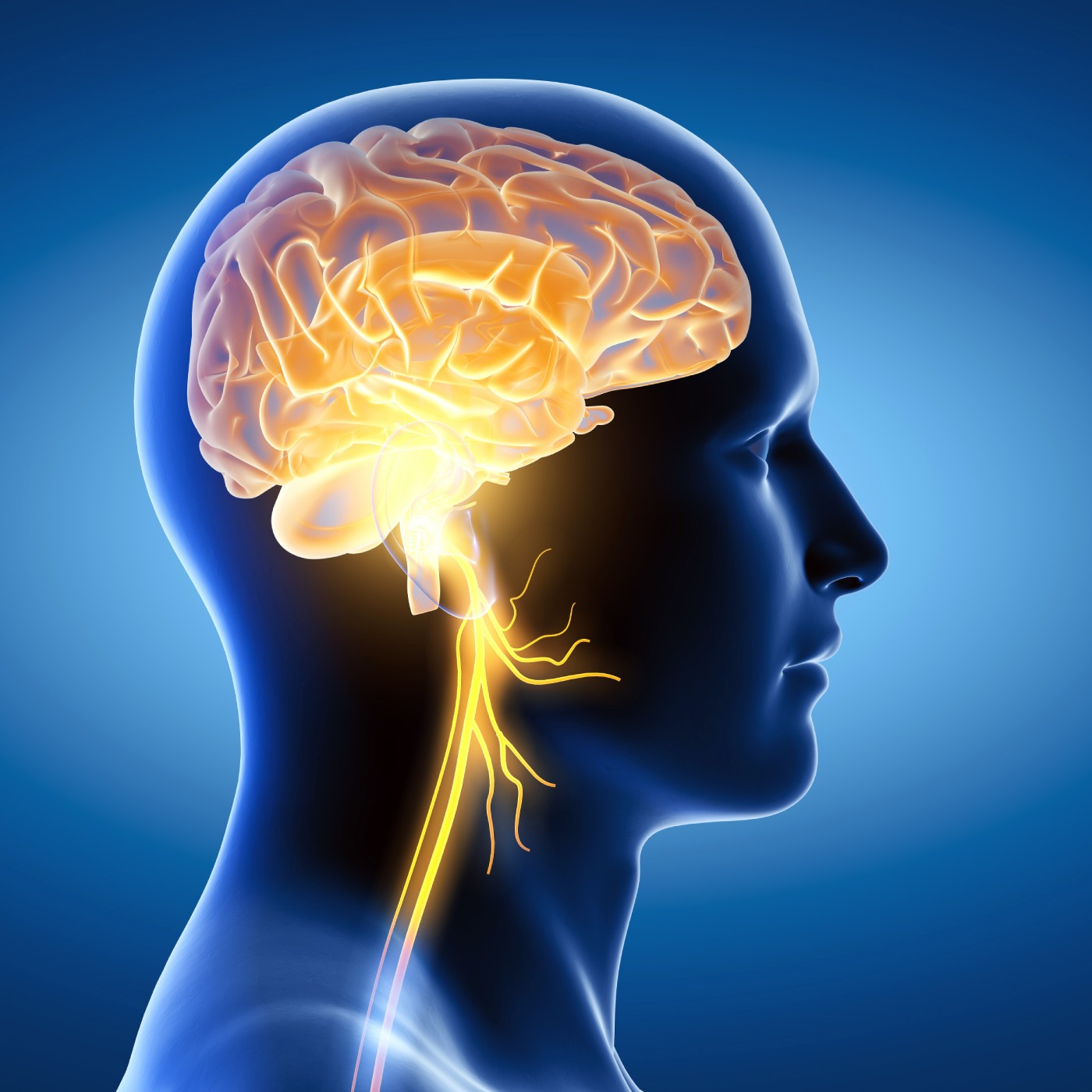
Ep 148148: The Vagus Nerve: Buzzword or Biology? (with Til Luchau & Whitney Lowe)
E🎙From “vagal push-ups” to inflammation to trauma healing, the vagus nerve is everywhere in bodywork and wellness talk—but what does the science actually say? And more importantly, what does this mean in actual practice? In this episode, Til and Whitney take a grounded, myth-busting look at the vagus nerve’s role in health, relaxation, and hands-on practice. They explore what we can clearly influence through bodywork, what’s misunderstood, and how to work with and think about this vital nerve in our hands-on practices. 🔍 Key Topics: 0:01:50 Introduction to the vagus nerve 0:02:07 Early experiences learning about the vagus nerve 0:03:40 Chair massage and vagal responses 0:03:40 EMT training and vagal response demonstrations 0:04:03 Early research on heart rate variability 0:05:23 Steven Porges and polyvagal theory origins 0:05:46 Anatomical overview of the vagus nerve 0:06:15 Nerve pathways and innervation 0:08:44 Branches to the ear and other body parts 0:08:44 Ventral and dorsal vagus nerve divisions 0:10:01 Parasympathetic nervous system explanation 0:11:11 Evolutionary perspectives on vagal function 0:12:44 Vagal tone and heart rate variability 0:14:38 Mechanisms of heart rate regulation 0:15:04 Breathing and its impact on vagal tone 0:19:47 Breathing techniques for vagal stimulation 0:21:15 Humming, chanting, and vocal effects 0:23:15 Social regulation through sound 0:25:24 Cold exposure and vagal response 0:26:35 Diving reflex 0:27:00 Physiological changes in response to cold 0:28:07 Can we "treat" the vagus nerve? 0:32:27 Limitations of direct nerve manipulation 0:35:14 Holistic approaches to nervous system regulation 0:35:39 Identifying clients who might benefit from vagal tone work 0:36:14 Vagus nerve and inflammation 0:38:12 Changing perspectives on manual therapy approaches 0:39:39 Role of education in treatment 0:41:16 Ear stimulation techniques 0:42:52 Cautions about ear work 0:44:46 Polyvagal theory overview 0:45:59 Criticisms of polyvagal theory 0:46:21 Misconceptions about vagus nerve stimulation 0:49:25 Key takeaways about vagus nerve 0:50:24 Importance of context in nervous system regulation 0:51:49 Comparing vagus nerve to mystique of psoas muscle 0:52:41 Sponsor acknowledgments 0:53:24 Closing remarks and contact information Resources discussed in this episode: Article: Luchau, Til: 'Working with the Vagus Nerve' Massage & Bodywork, 2017. https://bit.ly/luchau-workingwiththevagusnerve Sponsor Offers: Books of Discovery: save 15% by entering "thinking" at checkout on booksofdiscovery.com. ABMP: save $24 on new membership at abmp.com/thinking. Advanced-Trainings: try a month of the amazing A-T Subscription free by entering “thinking” at checkout at a-t.tv/subscriptions/,. Academy of Clinical Massage: Grab Whitney's valuable Assessment Cheat Sheet for free at: academyofclinicalmassage.com/cheatsheet Fascia Research Congress: save $100 when you use the coupon code "THINKING" at https://www.frscongress.org/ 💡 Join the Conversation: Share your thoughts with us! [email protected] ✨ Rate, review, and share! Help others discover The Thinking Practitioner podcast. 🎁 Get the full transcript at Til or Whitney's sites! Whitney Lowe’s site: AcademyOfClinicalMassage.com Til Luchau’s site: Advanced-Trainings.com About Whitney Lowe | About Til Luchau | Email Us: [email protected] (The Thinking Practitioner Podcast is intended for professional practitioners of manual and movement therapies: bodywork, massage therapy, structural integration, chiropractic, myofascial and myotherapy, orthopedic, sports massage, physical therapy, osteopathy, yoga, strength and conditioning, and similar professions. It is not medical or treatment advice.)

Ep 149147: Palpating Fibrosis, Easing Inflammation (with Geoffrey Bove & Holly McMillan)
E🎙What can trained hands feel in irradiated tissue—and how might that inform both research and practice? In this episode, Til Luchau and guest cohost Cathy Ryan, RMT, talk with neurobiologist Dr. Geoffrey Bove and manual therapist/speech pathologist Holly McMillan about their collaborative animal study. They explore how massage therapy may influence radiation-induced fibrosis, the use of palpation as a formal outcome, and the challenges of correlating what we feel with what science can measure. This wide-ranging discussion offers practical takeaways for manual therapists working with inflammation, scarring, or post-radiation clients. Stick around after the outro for a candid “off-mic” bonus segment where Holly describes her hands-on work in surgical oncology settings. ⏱️ Key Topics: • 00:01:31 – Introductions: Cathy Ryan, Geoffrey Bove, Holly McMillan • 00:03:09 – Why this study was exciting to manual therapists • 00:04:18 – Geoffrey Bove on inflammation, nerves, and fibrosis research • 00:08:14 – Holly: how findings might apply beyond radiation cases • 00:13:20 – Holly explains what she was feeling for in irradiated limbs • 00:14:23 – “Buoyancy” and the difficulty of articulating touch-based findings • 00:18:25 – How palpation findings relate to pathology and imaging • 00:20:59 – Fibrosis and lymphedema as a clinical continuum • 00:23:36 – Timing differences in fibrosis between surgery and radiation • 00:24:52 – Study limitations: assay sensitivity vs. palpation sensitivity • 00:27:00 – Movement’s role in mitigating radiation effects • 00:29:00 – The importance of community, alliance, and social touch • 00:33:27 – Timing of manual therapy before and after radiation • 00:35:00 – Prevention vs. treatment of fibrosis • 00:37:18 – What kind of touch is most helpful, and when • 00:40:00 – Oncology-specific timing considerations for manual therapy • 00:42:29 – Manual therapy goals in early vs. late stages post-surgery • 00:44:09 – What practitioners are really touching: inflammation, edema, fibrosis • 00:45:49 – Apprenticeship vs. protocol-driven training in touch therapy • 00:47:34 – Final thoughts from Geoffrey and Holly • 00:50:56 – Bonus: “Off-mic” conversation—Holly’s stories from surgical manual therapy work • 00:51:09 – Holly describes doing manual therapy in open surgical fields • 00:52:13 – Avoiding surgery or enabling access through touch • 00:53:27 – “Sun-dried tomato” vs. “beef jerky”: metaphors for tissue change • 00:54:15 – Scar tissue, fibrosis, nociceptors, and innervation • 00:55:57 – The gap between pain-focused and function-focused care • 00:57:08 – “The Diary of Holly” and the value of descriptive clinical cases Resources discussed in this episode: Study: Bove, G. M., McMillan, H., & Barbe, M. F. (2024). Evaluating massage therapy for radiation-induced fibrosis in rats: preliminary findings and palpation results. Cancer Biology & Therapy, 25(1). https://doi.org/10.1080/15384047.2024.2436694 https://www.tandfonline.com/doi/10.1080/15384047.2024.2436694 and supplemental file https://advanced-trainings.com/materials_ttp/147_bove_supplemental_kcbt_a_2436694_sm2290.pdf Also mentioned in this episode: McMillan, H., Barbon, C. E. A., Cardoso, R., Sedory, A., Buoy, S., Porsche, C., Savage, K., Mayo, L., & Hutcheson, K. A. (2022). Manual Therapy for Patients With Radiation-Associated Trismus After Head and Neck Cancer. JAMA otolaryngology-- head & neck surgery, 148(5), 418–425. https://doi.org/10.1001/jamaoto.2022.0082 Hutcheson, K., McMillan, H., Warneke, C., Porsche, C., Savage, K., Buoy, S., Wang, J., Woodman, K., Lai, S., & Fuller, C. (2021). Manual Therapy for Fibrosis-Related Late Effect Dysphagia in head and neck cancer survivors: the pilot MANTLE trial. BMJ open, 11(8), e047830. https://doi.org/10.1136/bmjopen-2020-047830 McMillan, H., Warneke, C. L., Buoy, S., Porsche, C., Savage, K., Lai, S. Y., Fuller, C. D., & Hutcheson, K. A. (2025). Manual Therapy for Fibrosis-Related Late Effect Dysphagia in Head and Neck Cancer Survivors: The MANTLE Nonrandomized Clinical Trial. JAMA otolaryngology-- head & neck surgery, 151(4), 319–327. https://doi.org/10.1001/jamaoto.2024.5157 Sponsor Offers: Books of Discovery: save 15% by entering "thinking" at checkout on booksofdiscovery.com. ABMP: save $24 on new membership at abmp.com/thinking. Advanced-Trainings: try a month of the amazing A-T Subscription free by entering “thinking” at checkout at a-t.tv/subscriptions/,. Academy of Clinical Massage: Grab Whitney's valuable Assessment Cheat Sheet for free at: academyofclinicalmassage.com/cheatsheet 💡 Join the Conversation: Share your thoughts with us! [email protected] ✨ Rate, review, and share! Help others discover The Thinking Practitioner podcast. 🎁 Get the full transcript at Til or Whitney's sites! Whitney Lowe’s site: AcademyOfClinicalMassage.com Til Luchau’s site: Advanced-Trainings.com About Whitney Lowe | About Til Luchau | Email Us: info@thethinkingpractiti
Ep 147146: Inflammation, Touch, & the Grieving Body (with Mary-Frances O’Connor)
E🎙Grief is not just an emotion—it’s a full-body experience. In this episode, Til Luchau talks with neuroscientist and psychologist Mary-Frances O’Connor, author of The Grieving Body, about how grief changes the brain, affects inflammation, and alters our physiology. They explore how attachment loss rewires the brain, how inflammatory responses shape behavior and mood, and how the body experiences grief via physical sensations. They also discuss the role of touch, bodywork, and therapeutic presence in supporting people through grief, and together they reflect on the profound connections between grief, the body, and the healing power of human connection. 🔍 Key Topics: 04:30 – Grief and the brain: What happens in the mind-body connection 10:45 – Grief is not toxic: A new understanding of pain and loss 16:00 – How inflammation shapes behavior and mood in grief 24:00 – Attachment loss and the nervous system: Polyvagal insights 32:45 – The physical sensations of grief: aches, tension, and holding patterns 38:00 – Touch as co-regulation: What bodywork can offer in grief 44:15 – Grief as a lifelong, embodied process, not something to get over 50:10 – Practical insights for bodyworkers supporting grieving clients 55:30 – How understanding the body’s role in grief can transform our approach 💡 Join the Conversation: Share your thoughts with us! [email protected] ✨ Rate, review, and share! Help others discover The Thinking Practitioner podcast. 📄 Get the full transcript at Til or Whitney's sites! Whitney Lowe’s site: AcademyOfClinicalMassage.com Til Luchau’s site: Advanced-Trainings.com Resources discussed in this episode: Two of Mary-Frances O’Connor's books: The Grieving Brain https://www.harpercollins.com/products/the-grieving-brain-mary-frances-oconnor The Grieving Body https://www.harpercollins.com/products/the-grieving-body-mary-frances-oconnor Sponsor Offers: Books of Discovery: save 15% by entering "thinking" at checkout on booksofdiscovery.com. ABMP: save $24 on new membership at abmp.com/thinking. Advanced-Trainings: try a month of the amazing A-T Subscription free by entering “thinking” at checkout at a-t.tv/subscriptions/,. Academy of Clinical Massage: Grab Whitney's valuable Assessment Cheat Sheet for free at: academyofclinicalmassage.com/cheatsheet Fascia Research Congress: save $100 when you use the coupon code "THINKING" at https://www.frscongress.org/ About Whitney Lowe | About Til Luchau | Email Us: [email protected] (The Thinking Practitioner Podcast is intended for professional practitioners of manual and movement therapies: bodywork, massage therapy, structural integration, chiropractic, myofascial and myotherapy, orthopedic, sports massage, physical therapy, osteopathy, yoga, strength and conditioning, and similar professions. It is not medical or treatment advice.)

Ep 146145: Can Discs Heal? (with Stuart McGill)
E🎙 World-renowned spine expert Dr. Stuart McGill returns for a deep dive into the complexities of disc healing and adaptation, back pain mechanics, and what manual and movement therapists need to understand about spinal loading, adaptation, and practitioner longevity. In this rich and wide-ranging conversation with Til Luchau and Whitney Lowe, Dr. McGill offers both cutting-edge science and practical insights for helping clients—and ourselves—move with more strength, resilience, and less pain. 🔍 Key Topics: (04:43) Can Discs Heal or Adapt? – What the science says about disc recovery and tissue response. (09:47) Posture vs. Load-Driven Pain – Simple tests to differentiate pain sources. (14:12) Disc Architecture & Adaptation – Why discs don’t respond like tendons. (19:38) Mobility vs. Load Capacity – The trade-offs between flexibility and strength. (25:41) Disc Bulges, Schmorl’s Nodes & End Plate Damage – How structure influences symptoms. (32:10) McKenzie Techniques: When They Work & When They Don’t – What recent studies reveal. (41:19) Grooving New Movement Patterns – Lasting change requires more than mobility. (45:57) The Biological Spectrum – Why not all bodies adapt the same. (52:55) Long Fascial Chains & Functional Release – Lessons from the fascia world. (59:00) Chronic vs. Repeated Acute Pain – Empowering clients through precision assessment. (1:00:13) Bodyworker Longevity & Spinal Mechanics – How therapists can protect their own backs. 💡 Join the Conversation: Share your thoughts with us! [email protected] ✨ Rate, review, and share! Help others discover The Thinking Practitioner podcast. 📄 Get the full transcript at Til or Whitney's sites! Whitney Lowe’s site: AcademyOfClinicalMassage.com Til Luchau’s site: Advanced-Trainings.com Resources discussed in this episode: Stuart McGill's site: https://backfitpro.com Sponsor Offers: Books of Discovery: save 15% by entering "thinking" at checkout on booksofdiscovery.com. ABMP: save $24 on new membership at abmp.com/thinking. Advanced-Trainings: try a month of the amazing A-T Subscription free by entering “thinking” at checkout at a-t.tv/subscriptions/,. Academy of Clinical Massage: Grab Whitney's valuable Assessment Cheat Sheet for free at: academyofclinicalmassage.com/cheatsheet About Whitney Lowe | About Til Luchau | Email Us: [email protected] (The Thinking Practitioner Podcast is intended for professional practitioners of manual and movement therapies: bodywork, massage therapy, structural integration, chiropractic, myofascial and myotherapy, orthopedic, sports massage, physical therapy, osteopathy, yoga, strength and conditioning, and similar professions. It is not medical or treatment advice.)
Ep 145144: Fascia, Emotion, Inflammation, & Attention (with Robert Schleip)
E🎙In this thought-provoking episode, Til and Whitney welcome back fascia researcher Robert Schleip to explore the evolving science behind fascia’s role in emotional regulation, inflammation, and sensory experience. They dive into Schleip’s keynote for the upcoming 7th International Fascia Research Congress and discuss emerging research on fascia as a dynamic neuro-immune interface. Robert shares his updates on fascinating insights into attention, depression, touch, circadian rhythms, and how fascia may bridge body and mind in ways we’re only beginning to understand. 🕑 Key Topics 04:15 – Schleip’s keynote preview: fascia, emotion, and immune interaction 06:09 – The new direction of the 2025 Fascia Research Congress 07:55 – Polyvagal theory and fascia: Schleip on Porges and the vagus nerve 12:15 – Fascia and depression: new findings on thickened epimysium 20:47 – Foam rolling, mindful attention, and emotional filtering in depression 26:12 – Reticular formation, attention, and touch outcomes 32:07 – Therapist vs client attention: new data on treatment impact 37:12 – The history and evolution of the Fascia Research Congress 44:04 – Fascia, safety, and perceptual context 48:00 – Sliding fascia and emotional stress: 48-hour delay and resilience 51:40 – New paradigm: from force transmission to circadian rhythms and synthesis 56:21 – Schleip’s takeaway: return to wonder and curiosity under the stars 💡 Join the Conversation: Share your thoughts with us! 📌 Sponsored by: ABMP and Books of Discovery, with in-kind support from the Fascia Research Society ✨ Rate, review, and share! Help others discover The Thinking Practitioner podcast. 📄 Get the full transcript at Til or Whitney's sites! Whitney Lowe’s site: AcademyOfClinicalMassage.com Til Luchau’s site: Advanced-Trainings.com Resources discussed in this episode: Fascia & depression study: Michalak J, Aranmolate L, Bonn A, Grandin K, Schleip R, et al. (2021) Myofascial Tissue and Depression, Cognitive Therapy and Research – https://pmc.ncbi.nlm.nih.gov/articles/PMC8688142/ Fascia Research Congress: save $100 when you use the coupon code "THINKING" at https://www.frscongress.org/ Sponsor Offers: Books of Discovery: save 15% by entering "thinking" at checkout on booksofdiscovery.com. ABMP: save $24 on new membership at abmp.com/thinking. Advanced-Trainings: try a month of the amazing A-T Subscription free by entering “thinking” at checkout at a-t.tv/subscriptions/,. Academy of Clinical Massage: Grab Whitney's valuable Assessment Cheat Sheet for free at: academyofclinicalmassage.com/cheatsheet Fascia Research Congress: save $100 when you use the coupon code "THINKING" at https://www.frscongress.org/ About Whitney Lowe | About Til Luchau | Email Us: [email protected] (The Thinking Practitioner Podcast is intended for professional practitioners of manual and movement therapies: bodywork, massage therapy, structural integration, chiropractic, myofascial and myotherapy, orthopedic, sports massage, physical therapy, osteopathy, yoga, strength and conditioning, and similar professions. It is not medical or treatment advice.)
Ep 144143: Palliative Massage is for Everyone (with Cal Cates)
E🎙Cal Cates returns to The Thinking Practitioner to explore the essential role massage therapy can play in palliative and end-of-life care. In conversation with Til Luchau and Whitney Lowe, Cal shares practical insights, personal stories, and the philosophy behind Healwell’s innovative mPATH training program. Together they unpack ways that all massage therapists and bodyworkers can better support patients, caregivers, and care teams—not by fixing, but by listening, noticing, and showing up with presence. 🌟 Key Topics: [04:37] What is palliative care—and where massage therapy fits [07:15] The cultural fear of dying and how it limits care [11:38] Common assumptions therapists make about palliative care [13:21] Massage therapy is palliative care—philosophically and practically [16:36] Caregiver stress: why the family is the “unit of care” [20:23] Communication as the primary intervention in palliative settings [24:06] How therapeutic touch invites emotional openness [25:44] Self-regulation and presence as clinical skills [31:38] Cal’s personal story: how they began this work [36:39] Are we making progress as a culture in facing death? [38:37] Skills and mindsets bodyworkers can cultivate [46:16] The mPATH program: advanced training for palliative care massage [52:21] What can go wrong without proper preparation [57:13] Technique is important—but presence makes it land [58:17] Resources and where to learn more 💡 Join the Conversation: Share your thoughts with us! 📌 Sponsored by: ABMP and Books of Discovery, with in-kind support from the Fascia Research Society ✨ Rate, review, and share! Help others discover The Thinking Practitioner podcast. 📄 Get the full transcript at Til or Whitney's sites! Whitney Lowe’s site: AcademyOfClinicalMassage.com Til Luchau’s site: Advanced-Trainings.com Resources discussed in this episode: Healwell's mPATH program: https://Healwell.org/mPATH Cal's recommendations Palliative Touch by Cindy Spence Oncology Massage: An Integrative Approach to Cancer Care by Rebecca Sturgeon and Janet Penny Massage Therapy and Medical Conditions: a Decision Tree Approach by Tracy Walton Vital Talk The Center to Advance Palliative Care Mandy Bartolovich on the Folding Towels podcast talking about pediatric palliative massage work and her research. Friday Chalk Talk - Palliative Care Sponsor Offers: Books of Discovery: save 15% by entering "thinking" at checkout on booksofdiscovery.com. ABMP: save $24 on new membership at abmp.com/thinking. Advanced-Trainings: try a month of the amazing A-T Subscription free by entering “thinking” at checkout at a-t.tv/subscriptions/,. Academy of Clinical Massage: Grab Whitney's valuable Assessment Cheat Sheet for free at: academyofclinicalmassage.com/cheatsheet Fascia Research Congress: save $100 when you use the coupon code "thinking" at https://www.frscongress.org/ About Whitney Lowe | About Til Luchau | Email Us: [email protected] (The Thinking Practitioner Podcast is intended for professional practitioners of manual and movement therapies: bodywork, massage therapy, structural integration, chiropractic, myofascial and myotherapy, orthopedic, sports massage, physical therapy, osteopathy, yoga, strength and conditioning, and similar professions. It is not medical or treatment advice.)
Ep 143142: Fascia and the Vagus Nerve (with Fabiana Silva)
E🎙Til Luchau speaks with physiotherapist and fascia researcher Fabiana Silva about the emerging connections between fascia, the vagus nerve, and systemic inflammation. They explore both the science and the practical applications of manual therapy, transcutaneous vagus nerve stimulation, and the challenges of clinical research in the hands-on healing arts. Fabiana is also the President of the Fascia Research Society, and shares highlights from the upcoming 2025 Fascia Research Congress in New Orleans. 🎧 Tune in to learn how fascia influences vagal tone, inflammation, mood, and more — and how practitioners can work more effectively with these systems. 🌟 Key Topics: •[02:59] Introduction to fascia and the vagus nerve connection •[05:02] Transcutaneous vagus nerve stimulation and clinical uses •[07:27] Vagus nerve’s role in inflammation and chronic illness •[09:48] Manual therapy, breathwork, and vagal tone •[12:26] Fascia as sensory interface and its impact on vagal signaling •[20:10] Hands-on techniques: suboccipital and gut fascia release •[23:33] Challenges in manual therapy research •[28:29] Predatory journals and the need for better fascia research •[33:59] Fascia Research Congress 2025: what’s coming up •[37:51] Building community and collaboration in the fascia field •[41:37] Fabiana’s closing thoughts on the future of fascia research --- 💡 Join the Conversation: Share your thoughts with us! 📌 Sponsored by: ABMP and Books of Discovery, with in-kind support from the Fascia Research Society ✨ Rate, review, and share! Help others discover The Thinking Practitioner podcast. 📄 Get the full transcript at Til or Whitney's sites! Whitney Lowe’s site: AcademyOfClinicalMassage.com Til Luchau’s site: Advanced-Trainings.com Resources discussed in this episode: The 7th International Fascia Research Congress, August 10–14, 2025: https://www.frscongress.org/ Fascia Research Society: https://fasciaresearchsociety.org/ Sponsor Offers: Books of Discovery: save 15% by entering "thinking" at checkout on booksofdiscovery.com. ABMP: save $24 on new membership at abmp.com/thinking. Advanced-Trainings: try a month of the amazing A-T Subscription free by entering “thinking” at checkout at a-t.tv/subscriptions/,. Academy of Clinical Massage: Grab Whitney's valuable Assessment Cheat Sheet for free at: academyofclinicalmassage.com/cheatsheet Fascia Research Congress: save $100 when you use the coupon code "thinking" at https://www.frscongress.org/ About Whitney Lowe | About Til Luchau | Email Us: [email protected] (The Thinking Practitioner Podcast is intended for professional practitioners of manual and movement therapies: bodywork, massage therapy, structural integration, chiropractic, myofascial and myotherapy, orthopedic, sports massage, physical therapy, osteopathy, yoga, strength and conditioning, and similar professions. It is not medical or treatment advice.)
Ep 142141: Massage in Integrative Healthcare (with Dale Healey)
EIn this illuminating episode of The Thinking Practitioner, Whitney Lowe sits down with Dale Healey, a leading expert in integrative healthcare, to explore the evolving role of massage therapy in modern medical settings. Healey shares profound insights into interprofessional collaboration, the potential of massage therapy in healthcare, and how practitioners can become more effective advocates for whole-person care. Key Topics: 0:07:00 Defining Integrative Healthcare 0:22:30 The Role of Massage in Medical Settings 0:34:00 Challenges in Massage Therapy Education 0:42:00 Building Relationships Across Healthcare Disciplines 0:45:30 Strategies for Massage Therapists to Expand Their Impact --- 💡 Join the Conversation: Share your thoughts with us! 📌 Sponsored by: ABMP and Books of Discovery ✨ Rate, review, and share! Help others discover The Thinking Practitioner podcast. 📄 Get the full transcript at Til or Whitney's sites! Whitney Lowe’s site: AcademyOfClinicalMassage.com Til Luchau’s site: Advanced-Trainings.com Sponsor Offers: Books of Discovery: save 15% by entering "thinking" at checkout on booksofdiscovery.com. ABMP: save $24 on new membership at abmp.com/thinking. Advanced-Trainings: try a month of the amazing A-T Subscription free by entering “thinking” at checkout at a-t.tv/subscriptions/,. Academy of Clinical Massage: Grab Whitney's valuable Assessment Cheat Sheet for free at: academyofclinicalmassage.com/cheatsheet About Whitney Lowe | About Til Luchau | Email Us: [email protected] (The Thinking Practitioner Podcast is intended for professional practitioners of manual and movement therapies: bodywork, massage therapy, structural integration, chiropractic, myofascial and myotherapy, orthopedic, sports massage, physical therapy, osteopathy, yoga, strength and conditioning, and similar professions. It is not medical or treatment advice.)
Ep 141140: Embodied Attention: Contact Improvisation and Bodywork (with Nita Little)
E🎙How does touch shape our perception, our movement, and our connection with others? In this fascinating conversation, Til Luchau welcomes movement pioneer Nita Little, a foundational figure in Contact Improvisation dance, for a deep dive into the world of touch, movement, and attention. Join them as they explore the ways that touch is a language, why attention transforms both bodywork and movement, and how embracing uncertainty can expand our understanding of presence and connection. Their conversation also touches on the challenges of aging, the importance of imagination, and the potential of touch to expand our identity and sense of self, and offers transformative insights for bodyworkers, dancers, and anyone curious about human interaction. 🌟 Key Topics: •The Origins of Contact Improvisation Dance (02:21) – How Nita’s work with Steve Paxton helped shape a new movement form. •Reflexive Action & Improvisational Touch (07:13) – How instinctive movement informs our interactions. •Touch as a Language (10:36) – Understanding touch beyond technique, and instead, as a dynamic dialogue. •The Eternal Moment & Presence in Touch (17:23) – How touch can alter our perception of time. •Boundaries, Social Norms, and Touch (35:09) – Expanding our understanding of what’s possible. •Proprioception & The Mind-Body Connection (44:18) – Exploring movement beyond conscious control. •Aging & Touch (55:39) – How embodied attention supports lifelong movement and adaptability. --- 💡 Join the Conversation: How has embodied attention, dance, or improvisation influenced your practice? Share your thoughts with us! 📌 Sponsored by: ABMP and Books of Discovery ✨ Rate, review, and share! Help others discover The Thinking Practitioner podcast. 📄 Get the full transcript at Til or Whitney's sites! Whitney Lowe’s site: AcademyOfClinicalMassage.com Til Luchau’s site: Advanced-Trainings.com Resources discussed in this episode: Nita's site: https://www.nitalittle.com/ Sponsor Offers: Books of Discovery: save 15% by entering "thinking" at checkout on booksofdiscovery.com. ABMP: save $24 on new membership at abmp.com/thinking. Advanced-Trainings: try a month of the amazing A-T Subscription free by entering “thinking” at checkout at a-t.tv/subscriptions/,. Academy of Clinical Massage: Grab Whitney's valuable Assessment Cheat Sheet for free at: academyofclinicalmassage.com/cheatsheet About Whitney Lowe | About Til Luchau | Email Us: [email protected] (The Thinking Practitioner Podcast is intended for professional practitioners of manual and movement therapies: bodywork, massage therapy, structural integration, chiropractic, myofascial and myotherapy, orthopedic, sports massage, physical therapy, osteopathy, yoga, strength and conditioning, and similar professions. It is not medical or treatment advice.)
Ep 140139: Scoliosis: Lessons for Every Back (with Til Luchau & Whitney Lowe)
E🎙Scoliosis can offer valuable insights into working with the spine, and the same principles can be applied to anyone dealing with stiffness, back pain, postural issues, or mobility challenges. In this deep-dive update, Whitney Lowe and Til Luchau explore the latest perspectives on scoliosis, debunk common myths, and discuss how hands-on therapy can support mobility and comfort. Drawing from their decades of experience, Whitney and Til discuss the differences between adolescent idiopathic scoliosis and adult-onset scoliosis, the role of strength and balance training, and why spinal curvature doesn’t necessarily mean more pain. They also examine the impact of body image, surgical considerations, and how touch- and movement-based strategies can provide lasting benefits for all clients, not just those with scoliosis. 🌟 Highlights: •Scoliosis Overview & Common Misconceptions (02:50) – Understanding spinal curvature: causes,. •Structural vs. Functional Scoliosis Debate (15:34) – Rethinking traditional perspectives on treatment. •Scoliosis and Pain: The Surprising Truth (22:39) – Why people with scoliosis don’t necessarily experience more pain. •Manual Therapy Approaches (38:20) – How bodywork can help. •The Role of Proprioception & Movement Options (44:18) – Helping clients refine their body awareness for better function. •Working with Clients’ Goals (45:25) – Aligning treatment strategies with what truly matters to each individual. •Surgical Considerations & Working with Rods (51:03) – What hands-on therapists need to know about post-surgical scoliosis care. •The Importance of Strength & Balance Training (56:55) – How conditioning and proprioceptive exercises can help manage scoliosis. 💡 Join the Conversation: What’s your experience with scoliosis and manual therapy? Share your thoughts with us! 📌 Sponsored by: ABMP and Books of Discovery ✨ Rate, review, and share! Help others discover The Thinking Practitioner podcast. Episode image thanks to Helmut Hillenkamp, used by permission. An earlier version of their deep-dive conversation first aired as Episode 7. 📄 Get the full transcript at Til or Whitney's sites! Whitney Lowe’s site: AcademyOfClinicalMassage.com Til Luchau’s site: Advanced-Trainings.com Resources discussed in this episode: Til Luchau's "SCOLIOSIS & Spinal Adaptability" course and free intro: https://bit.ly/scolilive25 John P. Kostuik and John Bentivoglio, “The Incidence of Low-Back Pain in Adult Scoliosis,” Spine 6, no. 3 (May/June 1981): 268–73, https://doi.org/10.1097/00007632-198105000-00009 https://www.ncbi.nlm.nih.gov/pubmed/6455747 Schwab et al., “Adult Scoliosis: Prevalence, SF-36, and Nutritional Parameters in an Elderly Volunteer Population,” Spine 30, no. 9 (May 2005): 1082–85, https://doi.org/10.1097/01.brs.0000160842.43482.cd. https://www.ncbi.nlm.nih.gov/pubmed/15864163 https://www.curvygirlsscoliosis.com Sponsor Offers: Books of Discovery: save 15% by entering "thinking" at checkout on booksofdiscovery.com. ABMP: save $24 on new membership at abmp.com/thinking. Advanced-Trainings: try a month of the amazing A-T Subscription free by entering “thinking” at checkout at a-t.tv/subscriptions/,. Academy of Clinical Massage: Grab Whitney's valuable Assessment Cheat Sheet for free at: academyofclinicalmassage.com/cheatsheet About Whitney Lowe | About Til Luchau | Email Us: [email protected] (The Thinking Practitioner Podcast is intended for professional practitioners of manual and movement therapies: bodywork, massage therapy, structural integration, chiropractic, myofascial and myotherapy, orthopedic, sports massage, physical therapy, osteopathy, yoga, strength and conditioning, and similar professions. It is not medical or treatment advice.)
Ep 138138: Carpal Tunnel Crash Course (with Whitney Lowe & Til Luchau)
ECarpal tunnel syndrome is one of the most common nerve compression issues—but how can massage and manual therapy help? In this in-depth episode, Whitney Lowe and Til Luchau break down the anatomy, risk factors, and assessment strategies for carpal tunnel syndrome, exploring its causes, differential diagnosis, and effective hands-on approaches. They discuss the importance of nerve mobility, client education, and activity modifications to relieve symptoms and improve function. Whether you’re a hands-on therapist looking to refine your treatment strategies, or someone experiencing wrist and hand discomfort, this episode offers valuable insights into understanding and managing carpal tunnel syndrome. 🌟 Highlights: •Carpal Tunnel Basics (02:50) – Understanding the anatomy and mechanics of nerve compression. •Risk Factors (04:00) – Why some people are more prone to carpal tunnel syndrome. •Differential Diagnosis (12:00) – How to distinguish carpal tunnel from other nerve compression issues. •Assessment Questions and Tests (13:40) – Key evaluation techniques to identify carpal tunnel syndrome. •Nerve Fiber Distribution and Symptom Progression (18:30) – How symptoms develop and why sensory signs appear first. •Soft Tissue Goals (21:40) – The role of manual therapy in relieving pressure and improving mobility. •Activity Modification and Client Education (31:30) – Helping clients make lasting changes to prevent symptom recurrence. •Night Splinting and Nerve Healing (38:00) – How positioning at night can aid recovery. •Nerve Gliding and Neurodynamics (43:50) – Gentle movement strategies to improve nerve function. •Massage and Manual Therapy Outcomes (54:10) – Research-backed benefits of hands-on treatment. 💡 Join the Conversation: Have experience working with carpal tunnel syndrome or dealing with it yourself? Share your story with us! 📌 Sponsored by: ABMP and Books of Discovery ✨ Rate, review, and share! Help others discover The Thinking Practitioner podcast. Episode image ©Primal Pictures, used by permission. 📄 Get the full transcript at Til or Whitney's sites! Whitney Lowe’s site: AcademyOfClinicalMassage.com Til Luchau’s site: Advanced-Trainings.com Resources mentioned in this episode: • Til's carpal tunnel ball technique: Advanced Myofascial Techniques, volume 1 • Research into massage and manual therapy's effectiveness with CTS: 1. Reduction of Pain and Symptoms •Massage Therapy: A 2013 study evaluated the efficacy of massage therapy as a treatment for carpal tunnel syndrome (CTS), finding it beneficial in reducing pain and improving function. https://pubmed.ncbi.nlm.nih.gov/23768278 •Manual Therapy: A 2021 systematic review and meta-analysis assessed the effectiveness of manual therapy on pain and physical function in CTS patients, concluding that manual therapy can significantly reduce pain intensity and improve hand function. https://link.springer.com/article/10.1007/s00264-021-05272-2 2. Improvement in Median Nerve Function •A 2017 systematic review analyzed the effectiveness of nerve gliding exercises on CTS, indicating improvements in nerve conduction and symptom severity. https://pubmed.ncbi.nlm.nih.gov/27842937 3. Decreased Swelling •An article from Medical News Today discusses that massage therapy can improve lymphatic drainage and reduce swelling in the carpal tunnel area, which may help alleviate pressure on the median nerve. https://www.medicalnewstoday.com/articles/carpal-tunnel-massage 4. Improved Grip Strength and Function •A 2021 systematic review and meta-analysis found that manual therapy effectively improves physical function in CTS patients. https://link.springer.com/article/10.1007/s00264-021-05272-2 5. Enhanced Overall Quality of Life •The American Massage Therapy Association notes that massage therapy can be of great benefit for people dealing with pain from carpal tunnel syndrome, potentially improving their quality of life. https://www.amtamassage.org/publications/massage-therapy-journal/massage-and-carpal-tunnel-syndrome Sponsor Offers: Books of Discovery: save 15% by entering "thinking" at checkout on booksofdiscovery.com. ABMP: save $24 on new membership at abmp.com/thinking. Advanced-Trainings: try a month of the amazing A-T Subscription free by entering “thinking” at checkout at a-t.tv/subscriptions/,. Academy of Clinical Massage: Grab Whitney's valuable Assessment Cheat Sheet for free at: academyofclinicalmassage.com/cheatsheet About Whitney Lowe | About Til Luchau | Email Us: [email protected] (The Thinking Practitioner Podcast is intended for professional practitioners of manual and movement therapies: bodywork, massage therapy, structural integration, chiropractic, myofascial and myotherapy, orthopedic, sports massage, physical therapy, osteopathy, yoga, strength and conditioning, and similar professions. It is not medical or treatment advice.)
Ep 139137: Remembering Erik Dalton (with Tom Myers, Art Riggs, & more)
EThis episode of The Thinking Practitioner Podcast pays tribute to the life and legacy of Erik Dalton, a pioneering figure in the massage and manual therapy field who recently passed away. Through conversations with some of those who knew him best, we gain insight into Dalton's unique contributions, innovative approaches, and profound impact on the profession. Key Topics: Introduction and overview of Dalton's background and influence (0:00 - 5:00) Reflections from Tom Myers, author of Anatomy Trains (5:00 - 11:40) Insights from James Waslaski, international lecturer and author (11:40 - 15:00) Memories shared by Diane Matkowski, the "Massage Mentor" (15:00 - 19:30) Perspective from Eric Brown, consultant for Dalton's business (19:30 - 24:00) Stories and tributes from Jim Asher, Dalton's Rolfing teacher (24:00 - 29:00) Personal accounts from Tammy McCue, senior educator for Dalton's work (29:00 - 34:00) Reflections from Art Riggs, bodyworker and teacher (34:00 - 40:00) Insights from Paul Kelly, longtime collaborator with Dalton (40:00 - 50:00) Closing thoughts and information about the podcast's sponsors (50:00 - 57:00) 📌 Sponsored by: ABMP and Books of Discovery ✨ Rate, review, and share! Help others discover The Thinking Practitioner podcast. 📄 Get the full transcript at Til or Whitney's sites! Whitney Lowe’s site: AcademyOfClinicalMassage.com Til Luchau’s site: Advanced-Trainings.com Sponsor Offers: Books of Discovery: save 15% by entering "thinking" at checkout on booksofdiscovery.com. ABMP: save $24 on new membership at abmp.com/thinking. Advanced-Trainings: try a month of the amazing A-T Subscription free by entering “thinking” at checkout at a-t.tv/subscriptions/,. Academy of Clinical Massage: Grab Whitney's valuable Assessment Cheat Sheet for free at: academyofclinicalmassage.com/cheatsheet About Whitney Lowe | About Til Luchau | Email Us: [email protected] (The Thinking Practitioner Podcast is intended for professional practitioners of manual and movement therapies: bodywork, massage therapy, structural integration, chiropractic, myofascial and myotherapy, orthopedic, sports massage, physical therapy, osteopathy, yoga, strength and conditioning, and similar professions. It is not medical or treatment advice.)

Ep 136136: Season 5 Highlights (with Til Luchau & Whitney Lowe)
EIn this special retrospective episode of The Thinking Practitioner, Whitney Lowe and Til Luchau look back season five's thought-provoking discussions, expert interviews, and groundbreaking insights into the world of massage therapy and bodywork. Reflecting on their most impactful episodes and a guest list that included Tom Myers, Sharon Wheeler, Jill Cook, Antonio Stecco, Greg Lehman and more, they explore highlights such as pain science with Lorimer Moseley, innovative anatomical approaches with Gil Hedley, and Til's profound personal and professional journey through grief. With a mix of deep dives into manual therapy techniques and candid personal stories, this episode celebrates the depth and breadth of the profession and the podcast’s community. Key Topics and Time Codes: •[00:01:00] Introduction and celebrating five seasons of The Thinking Practitioner. •[00:04:00] Reflections on how bodywork has personally transformed Whitney and Til over the years (Episode 134). •[00:06:00] Gil Hedley’s overview of cranial nerves, and his groundbreaking Nerve Tour (Episode 110). •[00:10:35] Highlights from the conversation with Lorimer Moseley on explaining pain (Episode 111). •[00:15:20] Insights into proprioception and fascia from Rochelle Clausen and Nicole Trombley (Episode 119). •[00:17:00] "Movement optimism" with Greg Lehman and rethinking rehabilitation (Episode 114). •[00:20:20] Rolfer Sharon Wheeler discusses the legacy of her ScarWork and Bone Work (Episode 133). •[00:25:00] Low back pain updates: A practical discussion on treatment and understanding (Episode 127). •[00:30:00] Reflections on grief and its profound impact on personal and professional life (Episodes 125, 130, and 132). •[00:33:00] Jill Cook’s insights into tendon pain and the evolving understanding of tendinopathy (Episode 128). •[00:36:30] Celebrating the diversity of guests, their contributions to the field. •[00:38:00] Looking forward to Season 6 and inviting listener input for future episodes. Join us for a heartfelt and inspiring look back at the evolution of The Thinking Practitioner and a preview of what’s to come in Season 6. 📌 Sponsored by: ABMP and Books of Discovery ✨ Rate, review, and share! Help others discover The Thinking Practitioner podcast. 📄 Get the full transcript at Til or Whitney's sites! Whitney Lowe’s site: AcademyOfClinicalMassage.com Til Luchau’s site: Advanced-Trainings.com Sponsor Offers: Books of Discovery: save 15% by entering "thinking" at checkout on booksofdiscovery.com. ABMP: save $24 on new membership at abmp.com/thinking. Advanced-Trainings: try a month of the amazing A-T Subscription free by entering “thinking” at checkout at a-t.tv/subscriptions/,. Academy of Clinical Massage: Grab Whitney's valuable Assessment Cheat Sheet for free at: academyofclinicalmassage.com/cheatsheet About Whitney Lowe | About Til Luchau | Email Us: [email protected] (The Thinking Practitioner Podcast is intended for professional practitioners of manual and movement therapies: bodywork, massage therapy, structural integration, chiropractic, myofascial and myotherapy, orthopedic, sports massage, physical therapy, osteopathy, yoga, strength and conditioning, and similar professions. It is not medical or treatment advice.)
Ep 137135: The Neuroscience of Bodywork (with Mark Olson)
EIn this episode, Whitney Lowe and Til Luchau welcome Dr. Mark Olson, a neuroscientist and massage practitioner, for an engaging conversation about the fascinating intersection of neuroscience, trauma, and massage therapy. Dr. Olson shares insights into the complex processes of pain perception, the role of descending modulation, and how manual therapy can create lasting impacts beyond any tissue effects. The trio dives deep into practical applications for massage therapists, addressing divergent views around posture, nociception, and the impact of environment and interpersonal dynamics on client care. This episode will leave you inspired to deepen your practice and reconsider how you approach pain and trauma in the treatment room. Key Topics: •[00:03:18] Introduction to Dr. Mark Olson and his background in neuroscience and massage. •[00:06:24] Overview of nerve processing: sensory input, motor output, and top-down vs. bottom-up influences. •[00:12:00] Ascending vs. descending modulation: What they mean and how they affect pain perception. •[00:20:30] Understanding pain as a perception of danger rather than tissue injury. •[00:33:35] Defining trauma-informed care and its importance for manual therapists. •[00:36:45] Recognizing developmental and shock trauma in practice. •[00:45:43] Exploring myths around posture and its relationship to pain. •[00:54:26] Practical advice for integrating neuroscience into manual therapy practice. Tune in to gain practical tools for fostering safety, understanding pain, and transforming your approach to bodywork. 📌 Sponsored by: ABMP and Books of Discovery ✨ Rate, review, and share! Help others discover The Thinking Practitioner podcast. 📄 Get the full transcript at Til or Whitney's sites! Whitney Lowe’s site: AcademyOfClinicalMassage.com Til Luchau’s site: Advanced-Trainings.com Resources mentioned in this episode: Mark Olson's site: https://www.dr-olson.com Pain CE Course page: https://www.dr-olson.com/pain-posture-bodywork-register Trauma CE Course page: https://www.dr-olson.com/trauma-informed-care-register Sponsor Offers: Books of Discovery: save 15% by entering "thinking" at checkout on booksofdiscovery.com. ABMP: save $24 on new membership at abmp.com/thinking. Advanced-Trainings: try a month of the amazing A-T Subscription free by entering “thinking” at checkout at a-t.tv/subscriptions/,. Academy of Clinical Massage: Grab Whitney's valuable Assessment Cheat Sheet for free at: academyofclinicalmassage.com/cheatsheet About Whitney Lowe | About Til Luchau | Email Us: [email protected] (The Thinking Practitioner Podcast is intended for professional practitioners of manual and movement therapies: bodywork, massage therapy, structural integration, chiropractic, myofascial and myotherapy, orthopedic, sports massage, physical therapy, osteopathy, yoga, strength and conditioning, and similar professions. It is not medical or treatment advice.)
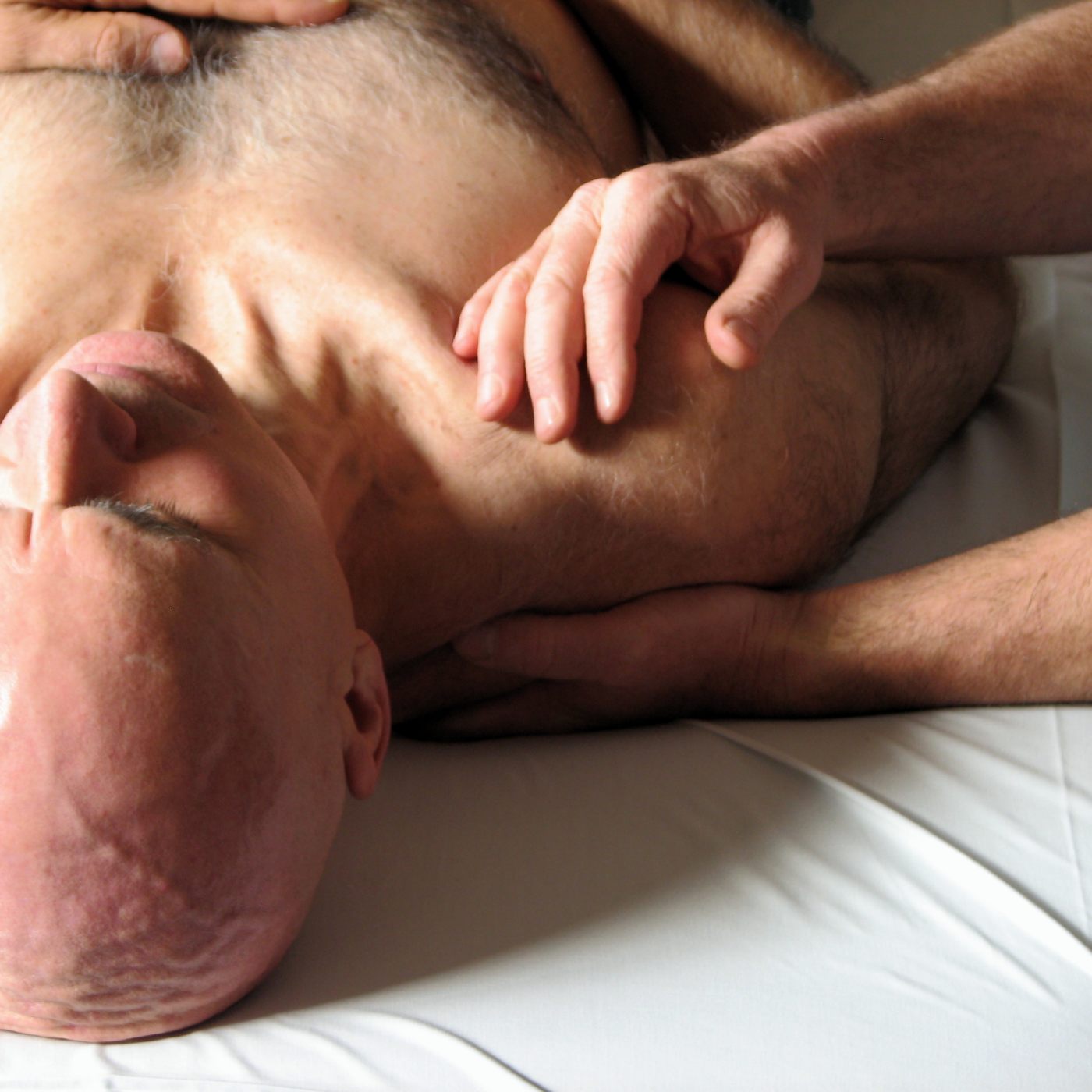
Ep 134134: How Bodywork Changed Our Lives (with Whitney Lowe & Til Luchau)
EIn this reflective anniversary episode, hosts Whitney Lowe and Til Luchau take a heartfelt look at the transformative impact of massage and manual therapy—both personally and professionally. Sharing stories from their own journeys into the field, lessons learned from clients, and transformative bodywork experiences, they explore how this work profoundly shapes lives. The conversation touches on balancing professional demands with personal growth, the joys and challenges of teaching, and the deeper connections formed through touch. Whether you’re a seasoned practitioner or just starting, this episode offers inspiration, insight, and a celebration of the unique power of this work. 🌟 Highlights: •Podcast Anniversary and Reflection (00:56): Celebrating milestones and revisiting the podcast’s journey. •Whitney and Til’s Journeys into Bodywork (02:51, 06:49): Their unique paths into the field and what inspired them to stay. •The Transformative Power of Massage Therapy (09:58): Exploring how massage changes lives—both clients’ and practitioners’. •Lessons Learned from Clients (16:25): Profound insights gained from working closely with clients. •Receiving Bodywork: Personal Transformations (21:47): Whitney and Til recount their most impactful bodywork experiences. •From Practitioner to Teacher (25:54): Transitioning into teaching and sharing the work with others. •Balancing Work and Wellbeing (33:15): How to navigate the emotional and physical demands of the profession. 💡 Listeners: Share your story! How has massage or manual therapy changed your life? Send a message or voice recording to us at [email protected] — we’d love to hear from you and maybe even feature your story in a future episode. 📌 Sponsored by: ABMP and Books of Discovery ✨ Rate, review, and share! Help others discover The Thinking Practitioner podcast. 📄 Get the full transcript at Til or Whitney's sites! Whitney Lowe’s site: AcademyOfClinicalMassage.com Til Luchau’s site: Advanced-Trainings.com Sponsor Offers: Books of Discovery: save 15% by entering "thinking" at checkout on booksofdiscovery.com. ABMP: save $24 on new membership at abmp.com/thinking. Advanced-Trainings: try a month of the amazing A-T Subscription free by entering “thinking” at checkout at a-t.tv/subscriptions/,. Academy of Clinical Massage: Grab Whitney's valuable Assessment Cheat Sheet for free at: academyofclinicalmassage.com/cheatsheet About Whitney Lowe | About Til Luchau | Email Us: [email protected] (The Thinking Practitioner Podcast is intended for professional practitioners of manual and movement therapies: bodywork, massage therapy, structural integration, chiropractic, myofascial and myotherapy, orthopedic, sports massage, physical therapy, osteopathy, yoga, strength and conditioning, and similar professions. It is not medical or treatment advice.)
Ep 133133: ScarWork: Origins and Legacy (with Sharon Wheeler & Wojtek Cackowski)
E💥Just a few openings left! Thailand Retreat, Feb 22-Mar 5 Advanced Myofascial Techniques, ScarWork, Zoga Movement, and Contact Improvisation https://advanced-trainings.com/thailand-retreat-2025/ ----- In this special episode, Til Luchau is joined by the Sharon Wheeler, a Structural Integration pioneer who trained under Dr. Ida P. Rolf and later developed the popular methodologies of ScarWork and BoneWork. Sharon shares captivating stories from her time at the iconic Esalen Institute, her unique experiences with Dr. Rolf, and how her innovative techniques emerged from an intuitive understanding of the body. Learn about the power of light touch in addressing scars and bones, hear about Sharon’s global teaching journey, and learn how her methods are creating lasting change for practitioners and clients alike. Joined by guest Wojtek Cackowski, the conversation dives into the mystery and magic of manual therapy, offering fresh insights for anyone interested in the art and science of healing. 🌟 Highlights: •Sharon’s Fascinating Path to Structural Integration and Beyond (02:02): Stories of Esalen Institute, dancing in San Francisco, and meeting Dr. Ida Rolf. •How ScarWork Was Originated (20:05): Sharon’s journey of discovery while treating scars and the incredible results achieved with light touch. •The Principles of BoneWork (49:25): Addressing bone structure and mobility with innovative, gentle techniques. •Lessons from Esalen and Dr. Rolf (12:15): Early influences and Sharon’s unexpected acceptance into Rolf’s training program. •The Global Impact of Sharon’s Work (57:24): Teaching ScarWork and BoneWork worldwide, including in Ukraine. 📌 Sponsored by: ABMP and Books of Discovery ✨ Rate, review, and share! Help others discover The Thinking Practitioner podcast. 📄 Get the full transcript at Til or Whitney's sites! Whitney Lowe’s site: AcademyOfClinicalMassage.com Til Luchau’s site: Advanced-Trainings.com Resources mentioned in this episode: Sharon's site: sharonwheeler.com Sponsor Offers: Books of Discovery: save 15% by entering "thinking" at checkout on booksofdiscovery.com. ABMP: save $24 on new membership at abmp.com/thinking. Advanced-Trainings: try a month of the amazing A-T Subscription free by entering “thinking” at checkout at a-t.tv/subscriptions/,. Academy of Clinical Massage: Grab Whitney's valuable Assessment Cheat Sheet for free at: academyofclinicalmassage.com/cheatsheet About Whitney Lowe | About Til Luchau | Email Us: [email protected] (The Thinking Practitioner Podcast is intended for professional practitioners of manual and movement therapies: bodywork, massage therapy, structural integration, chiropractic, myofascial and myotherapy, orthopedic, sports massage, physical therapy, osteopathy, yoga, strength and conditioning, and similar professions. It is not medical or treatment advice.)
Ep 132132: Bodywork and Grief (with Ronna Moore)
EIn this episode, we delve into the intersection of massage therapy, grief, caretaking, and end-of-life. We touch on global palliative care practices, the role of touch in support for those experiencing grief, navigating sensitive conversations, and creating safe spaces for clients. Our guest, Ronna Moore, a massage therapist with over 40 years of experience, specializes in oncology and palliative care, and is pursuing a doctorate in public health focusing on the role of massage therapy in palliative care. Join us to gain insights into shifting therapeutic mindsets and exploring practical resources to support those experiencing loss. Key Topics 01:19 Guest Introduction and Personal Connection 02:08 Exploring Grief and Loss in Massage Therapy 03:43 Understanding Palliative Care 05:22 Palliative Care Practices in Different Countries 23:16 The Role of Touch in Therapy 35:18 Role-Playing Therapeutic Conversations 36:46 Navigating Grief in Therapy 37:48 The Importance of Sensitivity 38:10 Avoiding Unhelpful Phrases 39:12 The Paradox of Comfort 40:15 Shifting the Therapist Mindset 47:05 Creating a Safe Space 50:01 Understanding Grief Models 54:46 Resources and Final Thoughts Get the full transcript at Til or Whitney's sites! Whitney Lowe’s site: AcademyOfClinicalMassage.com Til Luchau’s site: Advanced-Trainings.com Resources mentioned in this episode: Ronna's grief recommendations: Frank Osteseski’s book The Five Intentions is a really valuable guide/resource for me in palliative care and its ‘aftermath'. I also appreciate Ronald Epstein’s book: Attending: Medicine, Mindfulness and Humanity Mary-Frances O’Connor: The Grieving Brain: The Surprising Science of How We Learn from Love and Loss Mary-Frances O’Connor: The Grieving Body (to be published in 2025) George Bonnano: The Other Side of Sadness AND George Bonnano: The End of Trauma (both of these have a resilience orientation which appeals to me). TED talk by Abraham Vergehese emphasising the humanity of care. Articles: https://psycnet.apa.org/record/2018-26629-017. (A polyvagal approach) O’Connor, M.-F. (2019). Grief: A Brief History of Research on How Body, Mind, and Brain Adapt. Psychosomatic Medicine, 81(8), 731–738. https://doi.org/10.1097/PSY.0000000000000717 O’Connor, M.-F., & Seeley, S. H. (2022). Grieving as a form of learning: Insights from neuroscience applied to grief and loss. Current Opinion in Psychology, 43, 317–322. https://doi.org/10.1016/j.copsyc.2021.08.019 In Australia, we have a professional body called Grief Australia which is a great resource for PD/education (amongst other things). Perhaps there is something similar in the US. https://www.caresearch.com.au/Portals/20/Documents/Health-Professionals/TheRoleOfSkilledCompassionateTouchInGriefSupport_RonnaMoore_ACGBConference2018-1.pdf What's Your Grief (you have already) has some good descriptions of the models of grief I mentioned (Dual Process Model and Growing around Grief), and there are others as well. Compassion Cultivation Training: https://med.stanford.edu/psychiatry/education/cme/cct.html Mindful Self Compassion: https://centerformsc.org Sponsor Offers: Books of Discovery: save 15% by entering "thinking" at checkout on booksofdiscovery.com. ABMP: save $24 on new membership at abmp.com/thinking. Advanced-Trainings: try a month of the amazing A-T Subscription free by entering “thinking” at checkout at a-t.tv/subscriptions/,. Academy of Clinical Massage: Grab Whitney's valuable Assessment Cheat Sheet for free at: academyofclinicalmassage.com/cheatsheet About Whitney Lowe | About Til Luchau | Email Us: [email protected] (The Thinking Practitioner Podcast is intended for professional practitioners of manual and movement therapies: bodywork, massage therapy, structural integration, chiropractic, myofascial and myotherapy, orthopedic, sports massage, physical therapy, osteopathy, yoga, strength and conditioning, and similar professions. It is not medical or treatment advice.)
Ep 131131: Mindfulness, Hands-On Therapy, and Pain (with Bronnie Lennox Thompson)
EIn this episode Til Luchau interviews Bronnie Lennox Thompson, a pain management expert from the University of Otago in New Zealand. Bronnie shares insights on supporting people with chronic pain to live well, emphasizing pain’s complexity as a personal, multi-dimensional experience. They discuss the value of hands-on therapy, discussing both physical benefits and its comforting, human connection. The conversation highlights mindfulness as a tool for managing chronic pain, extending beyond meditation to include simple, everyday practices. Bronnie and Til explain how mindfulness helps people observe pain without reacting, fostering a healthier relationship with their bodies. Bronnie also shares her personal approach to mindfulness through activities like walking and savoring positive moments. This episode offers practical advice for both therapists and anyone seeking a mindful, compassionate approach to managing pain. Key Topics: 00:00 Introduction and Podcast Overview 00:16 Sponsorship and Special Offers 02:04 Guest Introduction: Dr. Bronnie Lennox Thompson 02:15 Exploring Pain and Mindfulness 05:40 Personal Journey with Pain 08:59 The Role of Hands-On Therapy 19:16 Mindfulness in Clinical Practice 25:13 History and Science of Mindfulness 39:17 Responding vs. Reacting: The Power of Mindfulness 40:12 Practical Applications for Manual Therapists 41:08 Guiding Clients Through Sensory Awareness 42:11 Exploring Sensations and Descriptions 43:38 The Role of Curiosity in Therapy 44:40 Hands-On Techniques and Client Interaction 47:17 Movement and Awareness in Therapy 48:52 Changing Pain Perception Through Attention 51:51 The Therapeutic Session: Beyond Touch 01:00:07 Incorporating Mindfulness into Daily Life 01:06:38 Final Thoughts and Resources Get the full transcript at Til or Whitney's sites! Whitney Lowe’s site: AcademyOfClinicalMassage.com Til Luchau’s site: Advanced-Trainings.com Resources mentioned in this episode: University of Otago Postgrad Programmes in Pain Bronnie Lennox Thompson: Healthskills blog [email protected] Sponsor Offers: Books of Discovery: save 15% by entering "thinking" at checkout on booksofdiscovery.com. ABMP: save $24 on new membership at abmp.com/thinking. Advanced-Trainings: try a month of the amazing A-T Subscription free by entering “thinking” at checkout at a-t.tv/subscriptions/,. Academy of Clinical Massage: Grab Whitney's valuable Assessment Cheat Sheet for free at: academyofclinicalmassage.com/cheatsheet About Whitney Lowe | About Til Luchau | Email Us: [email protected] (The Thinking Practitioner Podcast is intended for professional practitioners of manual and movement therapies: bodywork, massage therapy, structural integration, chiropractic, myofascial and myotherapy, orthopedic, sports massage, physical therapy, osteopathy, yoga, strength and conditioning, and similar professions. It is not medical or treatment advice.)