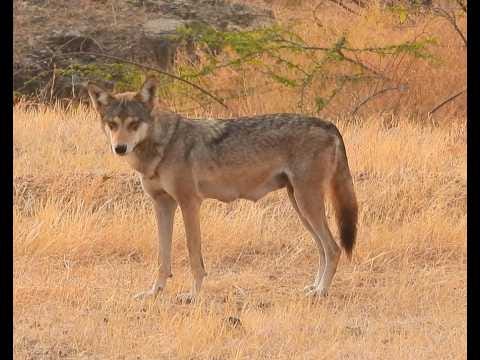
S4|EP22 -Are Indian Wolves the Oldest Wolf Lineage? Wolf Genetics with Omar Khayam
Audio is streamed directly from the publisher (api.substack.com) as published in their RSS feed. Play Podcasts does not host this file. Rights-holders can request removal through the copyright & takedown page.
Show Notes
The Indian wolf is one of South Asia’s most misunderstood predators and one of the least studied carnivores in the region. In this episode of the Think Wildlife Podcast, we speak with Omar Khayam, a conservation researcher working on wolf genetics and carnivore ecology in Pakistan. The conversation explores new research suggesting that Indian wolves may represent one of the most ancient lineages of the grey wolf and how ongoing fieldwork in Pakistan is helping scientists understand the evolutionary history and distribution of wolves across the region.
Omar discusses how genetic research has revealed that wolves in South Asia may belong to a unique evolutionary lineage distinct from other grey wolves found across the Northern Hemisphere. Studies analyzing mitochondrial and genomic DNA suggest that Indian wolves could represent one of the most basal branches of the grey wolf family tree, meaning their lineage may predate many other wolf populations around the world. This discovery has important implications for understanding wolf evolution and for designing effective conservation strategies for wolves across South Asia.
The episode also explores how researchers are collecting genetic samples and conducting field surveys to identify the geographic boundaries between different wolf lineages across Pakistan. In some regions of the country, wolves appear to contain mixed ancestry, with genetic signatures from both Indian wolves and wolves belonging to the broader Holarctic lineage found across Eurasia and North America. Understanding these boundaries is essential for mapping wolf populations and identifying priority areas for conservation.
Beyond genetics, the conversation examines the growing challenge of human-wolf conflict. In many parts of Pakistan, local communities depend heavily on livestock for their livelihoods, and wolves frequently prey on goats and sheep. These losses can represent a significant economic burden for rural families, creating tensions between conservation goals and local livelihoods. Omar discusses potential solutions such as livestock compensation programs, community insurance schemes, and improved monitoring systems that could help reduce conflict and support coexistence between people and predators.
Another major threat facing wolves in Pakistan is poaching and illegal capture, particularly the removal of wolf pups from dens. In some cases, pups are taken from the wild and sold for breeding with domestic dogs or used for hunting purposes. These practices can significantly affect wolf populations by reducing reproductive success and disrupting natural pack structures.
The discussion also highlights the broader conservation challenges facing wolf habitats. Much like in India, grassland ecosystems in Pakistan are often converted into agriculture or industrial development, leading to habitat loss and fragmentation. Protecting remaining grasslands and securing core populations within national parks will be critical for the long-term survival of wolves in the region.
Omar also shares insights from his fieldwork, including camera-trapping projects and wildlife surveys aimed at documenting species across Pakistan. These efforts are helping build important datasets on wildlife presence and behavior in a region that remains relatively understudied in global conservation research.
This episode offers a fascinating look into wolf conservation in South Asia, combining cutting-edge genetic research with real-world conservation challenges on the ground. It highlights the importance of scientific research, community engagement, and habitat protection in securing the future of wolves and other carnivores across the region.
Subscribe to the Think Wildlife Podcast for more conversations with conservation scientists, researchers, and wildlife practitioners working to protect biodiversity around the world.
#IndianWolf #WolfConservation #CarnivoreEcology #HumanWildlifeConflict #WildCanids #GrasslandConservation #WildlifeResearch #BiodiversityConservation #WildlifePodcast #ThinkWildlife
Get full access to The Think Wildlife Podcast at anishbanerjee.substack.com/subscribe