
The 'So You're A Vet... Now What?' Podcast
200 episodes — Page 1 of 4
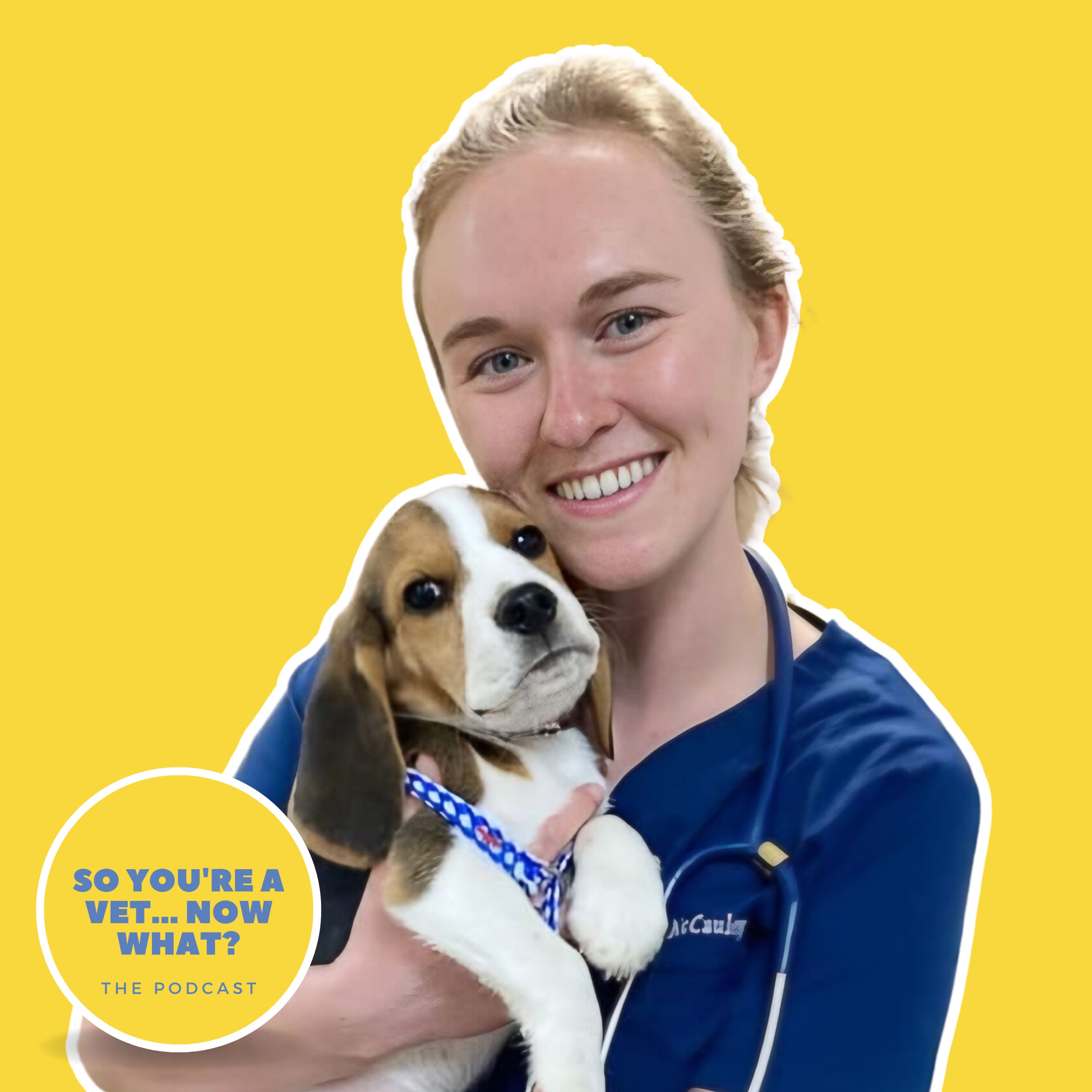
Ep 264264: How to Choose the Right Veterinary Practice After Graduation, with Dr. Moriah McCauley
This week, Dr. Moriah McCauley returns with a heartfelt solo episode dedicated to every new grad stepping out into the veterinary world. If you’ve just crossed the stage and earned your DVM, congratulations, this one’s for you.Dr. McCauley reflects on her own journey five years post-grad and offers a candid, compassionate look at what the first year in practice really feels like. From the adrenaline rush of finally becoming a vet to the unexpected emotional turbulence of job interviews and gut instincts, this episode is a reassuring guide to navigating the choices ahead.She shares her personal story of finding her first job through AVMA classifieds, and how an early encounter with her now-mentor helped shape the trajectory of her career. With clarity and care, she unpacks what to look for in a mentor, why psychological safety matters, and the five markers—The 5 C’s—that signal a truly supportive practice culture.Whether you’re still searching for your first role or preparing to start next week, this episode offers insight, encouragement, and the reminder that growth often looks different than we imagined, but it can still be better than we ever hoped.Episode Outline[00:00] Welcome to the profession! [01:20] Why the first year is such a unique chapter[02:15] AVMA 2025 announcement: The mentorship panel you won’t want to miss[06:40] The importance of celebrating graduation[08:13] You are not stuck: the flexibility of veterinary careers[09:18] What to prioritise in your job search[10:22] Dr. McCauley’s story: How she found her mentor[14:57] The red flag test: what your nervous system is trying to tell you[18:14] How to tell if a practice has psychological safety[21:07] The 5 C’s of a supportive practice culture[24:14] You don’t have to take the first job offer[25:37] A final word of encouragementEpisode LinksSee more from Dr. Moriah McCauley: https://www.instagram.com/dr.moriah.mccauleyConnect with Dr. Moriah McCauley: https://www.linkedin.com/in/moriah-mccauleyEnjoyed the episode?We’d love for you to leave us a review on your favorite podcast platform! Every review helps more veterinarians find this community and feel a little less alone.Mentioned in this episode:So You're a Vet, Now What? - The CourseAre you a new or recent veterinary graduate? If so, Dr. Dave’s course, ‘So You’re a Vet… Now What?’ has been put together specifically for you. The course focuses on non-clinical skills. This is not as dull as it sounds. In fact, almost every career problem that people face is due to not having well-developed, non-clinical skills. These are skills like client communication, so you have great relationships with clients. Emotional intelligence, so you've got great relationships with your teammates. Effective negotiation skills, so you can get paid what you are worth. Management of imposter syndrome, so you can have confidence in your abilities. And, how to build formidable resilience, so you can handle everything that comes your way. These are not just skills. They are prerequisites vital for success and financial and emotional wellbeing. This course serves as an essential stepping stone to your success. Dr. Dave will be your mentor as you go through 12-modules, helping you transition from being a student to a fully...

Ep 263263: How One Bad Job Made Me a Better Vet with Dr. Whitney Terrell
In this episode of So You’re a Vet, Now What?, Dr. Moriah McCauley sits down with Dr. Whitney Terrell, veterinarian and social media educator, to explore how mentorship gone wrong can still lead to something incredibly right.Dr. Terrell shares her story of starting out as a bright-eyed new grad with dreams of becoming a mixed-animal vet, only to face the crushing reality of broken promises, toxic culture, and emotional burnout during her first job out of vet school. Her story is a powerful account of resilience, self-respect, and the long-term impact of doing things differently.From fielding gaslighting and isolation in a supposedly mentorship-based role to walking away with her dignity intact, and later becoming the kind of mentor she never had, Dr. Terrell’s story is one that will resonate with anyone who’s ever felt like quitting. This episode is for the new grads navigating toxic clinics, the seasoned vets reflecting on how to lead with more grace, and anyone wondering if it’s ever okay to say, “This isn’t working.”Episode Outline[00:00] – When Walking Away Is the Right Call[00:46] – Meet Dr. Whitney Terrell[03:00] – First Job Hopes and Missteps[07:00] – Mentorship Promises vs. Reality[10:00] – Breaking Down in Silence[15:00] – Reaching a Tipping Point[20:00] – Choosing Dignity and Moving On[24:00] – Coming Full Circle[28:00] – Starting Fresh with Relief Work[32:00] – Mentorship Done Right[36:00] – Finding Joy and BalanceEpisode LinksFollow Dr. Whitney Terrell:TikTok: https://www.tiktok.com/@dr.terrellpetvetInstagram: https://www.instagram.com/dr.terrellpetvetFollow Dr. Moriah McCauley:Instagram: https://www.instagram.com/dr.moriah.mccauleyLinkedIn: https://www.linkedin.com/in/moriah-mccauley Discover So You’re a Vet, Now What? the book and course: https://www.drdavenicol.com/syav-class Enjoyed the episode?Leave us a review on whatever platform you’re listening on—it helps more vets find this community and keeps the conversation going.Mentioned in this episode:So You're a Vet, Now What? - The CourseAre you a new or recent veterinary graduate? If so, Dr. Dave’s course, ‘So You’re a Vet… Now What?’ has been put together specifically for you. The course focuses on non-clinical skills. This is not as dull as it sounds. In fact, almost every career problem that people face is due to not having well-developed, non-clinical skills. These are skills like client communication, so you have great relationships with clients. Emotional intelligence, so you've got great relationships with your teammates. Effective...

Ep 262Ep 262: What a Year in Veterinary Practice Really Feels Like with Dr. Moriah McCauley
This week, Dr. Moriah McCauley reflects on last week’s inspiring conversation with Dr. Zonram Liao [Ep 261], a veterinarian whose life and practice are deeply rooted in the power of community. In a world that often feels disconnected, Dr. Liao’s story reminds us how vital it is to be surrounded by people who uplift, support, and believe in each other. From growing up as a parachute kid to building a veterinary practice just minutes from his old school, his journey is one of giving back, intentional mentorship, and creating a clinic culture that thrives on collaboration and care.Moriah also shares insights from recent Instagram polls about first-year experiences in practice. The responses reveal a concerning lack of support and mentorship, highlighting why this conversation around intentional mentorship and strong community ties is more crucial than ever.Whether you’re a student, new grad, or seasoned vet, this episode is a heartfelt reminder of the kind of profession, and life, we’re all capable of shaping.Episode Outline[00:00] Why Community is a Professional Necessity[00:38] Highlights from Episode 261 with Dr. Zonram Liao[02:15] Dr. Liao’s Journey: From Parachute Kid to Practice Owner[05:18] Creating a Culture of Mentorship and Support[07:41] The Power of Mentorship: Benefits for All[09:18] New Grads Speak: What’s Missing in Practice[13:53] Rebuilding Community and Connection After Graduation[16:01] Everyone’s Role in Mentorship Culture[19:08] Join the Conversation: Sharing Your StoryEpisode LinksEp 261: From Parachute Kid to Practice Owner: Dr. Zonram Liao’s StorySee more from Dr. Moriah McCauley: https://www.instagram.com/dr.moriah.mccauleyConnect with Dr. Moriah McCauley: https://www.linkedin.com/in/moriah-mccauleyEnjoyed the episode?We’d love for you to leave us a review on your favorite podcast platform! Every review helps more veterinarians find this community and feel a little less alone.Mentioned in this episode:So You're a Vet, Now What? - The CourseAre you a new or recent veterinary graduate? If so, Dr. Dave’s course, ‘So You’re a Vet… Now What?’ has been put together specifically for you. The course focuses on non-clinical skills. This is not as dull as it sounds. In fact, almost every career problem that people face is due to not having well-developed, non-clinical skills. These are skills like client communication, so you have great relationships with clients. Emotional intelligence, so you've got great relationships with your teammates. Effective negotiation skills, so you can get paid what you are worth. Management of imposter syndrome, so you can have confidence in your abilities. And, how to build formidable resilience, so you can handle everything that comes your way. These are not just skills. They are prerequisites vital for success and financial and emotional wellbeing. This course serves as an essential stepping stone to your success. Dr. Dave will be your mentor as you go through 12-modules, helping you transition from being a student to a fully rounded veterinary professional. Visit www.drdavenicol.com/syav-class to learn more.

Ep 261Ep 261: From Parachute Kid to Practice Owner: Dr. Zonram Liao’s Story
In this episode of So You’re a Vet, Now What?, Dr. Moriah McCauley sits down with Dr. Zonram Liao—veterinarian, content creator, and founder of Sunshine Veterinary Care and Wellnergy Pets—to explore what it means to build a veterinary practice rooted in gratitude, mentorship, and service to community.Dr. Liao, affectionately known as “Dr. Z,” shares the incredible story of how being a “parachute kid” in Diamond Bar, California inspired his return home to build something deeply meaningful for both pets and people. From opening a clinic just minutes from his childhood school to mentoring 18 students in under a year, Dr. Z shows us what it looks like to lead with heart, raise up the next generation, and grow a sustainable practice culture—one student, one client, one case at a time.This episode is for anyone who’s ever wondered how to mentor without a manual, why attitude sometimes matters more than experience, and how community-focused care can transform both your career and your life.Episode Outline[00:00] – Why Mentorship Isn’t Just About Pets[02:00] – VMAX, Hive Minds, and First IRL Meetings[03:00] – What It Means to Be a Parachute Kid[04:00] – Giving Back to the Community That Raised You[06:00] – Cultural Shifts in Pet Ownership and Education[08:00] – How a Cousin’s Emergency Sparked a Career[10:00] – Dr. Wang & Dr. Lee: First Mentors, Forever Mentors[12:00] – The Power of Push and the Gift of Belief[14:00] – Attitude, Effort, and Communication: Hiring for Culture[16:00] – Building a Practice Where Mentorship Is the Business Plan[17:00] – 18 Students in 10 Months: Mentorship in Action[19:00] – Designing Externships Around Passion, Not Just Protocol[22:00] – Why Sustainable Vet Careers Begin with Purpose[23:00] – Patience, Grace, and Difficult Clients[25:00] – The Staff Who Make Mentorship Possible (and Joyful)[27:00] – “When Can I Come Back?”—The Best Feedback a Mentor Can Get[29:00] – Sunshine, Spurs Culture, and the No-Exit-Strategy StrategyEpisode LinksLearn more about Sunshine Veterinary Care: https://sunshineveterinarycare.com/ Explore Wellnergy Pets: https://www.wellnergypets.comFollow Dr. Zonram Liao on Instagram: https://www.instagram.com/dr.zonramliaoFollow Sunshine Veterinary Care on Instagram: https://www.instagram.com/sunshineveterinarycare See more from Dr. Moriah McCauley: https://www.instagram.com/dr.moriah.mccauleyConnect with Dr. Moriah McCauley on LinkedIn: https://www.linkedin.com/in/moriah-mccauleyEnjoyed the episode?Leave us a review on whatever platform you’re listening on—it helps more vets find this community and keeps the conversation going.Mentioned in this episode:So You're a Vet, Now What? - The CourseAre you a new or recent veterinary graduate? If...

Ep 260Ep 260: The Mid-Year Gut Check Every Vet Should Do with Dr. Moriah McCauley
This week, Dr. Moriah McCauley invites us to hit pause and take a breath as we reflect on the veterinary year so far. With May marking the halfway point, it’s the perfect time for a values-driven check-in. Drawing inspiration from last week’s episode with Dr. Christine Staten, Moriah dives into how defining (or redefining) your mission, vision, and values—both personally and as a practice—can lead to better culture, stronger mentorship, and more aligned career choices. Whether you're a new grad or a seasoned leader, this episode is your nudge to recalibrate and lead with intention.Episode Outline[00:00] The Culture You Step Into (or Create)[02:58] Lessons in Mentorship from Dr. Christine Staten[06:29] Why Mission, Vision & Values Aren’t Just Buzzwords[10:05] The Practice Check-In: Does Culture Match Intent?[16:08] Crafting Your Own Vision, Mission & Values[21:40] July Announcement: Leading the Mentorship ConversationEpisode LinksSee more from Dr. Moriah McCauley: https://www.instagram.com/dr.moriah.mccauleyConnect with Dr. Moriah McCauley: https://www.linkedin.com/in/moriah-mccauleyEnjoyed the episode?Leave us a review on whatever platform you’re listening on—it helps more vets find this community and keeps the conversation going.Mentioned in this episode:So You're a Vet, Now What? - The CourseAre you a new or recent veterinary graduate? If so, Dr. Dave’s course, ‘So You’re a Vet… Now What?’ has been put together specifically for you. The course focuses on non-clinical skills. This is not as dull as it sounds. In fact, almost every career problem that people face is due to not having well-developed, non-clinical skills. These are skills like client communication, so you have great relationships with clients. Emotional intelligence, so you've got great relationships with your teammates. Effective negotiation skills, so you can get paid what you are worth. Management of imposter syndrome, so you can have confidence in your abilities. And, how to build formidable resilience, so you can handle everything that comes your way. These are not just skills. They are prerequisites vital for success and financial and emotional wellbeing. This course serves as an essential stepping stone to your success. Dr. Dave will be your mentor as you go through 12-modules, helping you transition from being a student to a fully rounded veterinary professional. Visit www.drdavenicol.com/syav-class to learn more.

Ep 259Ep 259: How to Mentor Without Burning Out (or Going Broke) with Dr. Christine Staten
In this episode of So You’re a Vet, Now What?, Dr. Moriah McCauley welcomes back Dr. Christine Staten—veterinarian, longtime practice owner, and founder of Veterinary MBA—to share the evolution of her mentorship model at Adobe Veterinary Center in Tucson, Arizona.Dr. Staten opens up about the hard lessons she learned after losing five new grads in a row, and how that wake-up call from her clients sparked a complete overhaul of their onboarding and mentorship approach. From SOP binders to salary safety nets, Dr. Staten lays out the nuts and bolts of how they now set up every new graduate for long-term success—both clinically and financially.This episode is a must-listen for private practice owners feeling behind on the “mentorship buzz,” as well as new grads trying to figure out what mentorship actually looks like (and what questions to ask to get it).Episode Outline[00:00] – The Case for Private Practice and Mentorship[00:05] – Mentorship Missteps and the Client Wake-Up Call[00:07] – Turning One-Year Stints into Long-Term Careers[00:09] – Letting Techs Lead the Hiring Process[00:11] – Redefining Job Ads and Setting Expectations[00:13] – Creating a Culture of Teaching and Growth[00:15] – From Mindset Shift to Written Mentorship Plan[00:17] – Weekly Check-ins, Smart Goals, and Flexibility[00:20] – Salary Safety Nets, Production Pay, and ROI[00:23] – What New Grads Need to Ask (but Don’t Know Yet)[00:25] – The Trap of Rigid Mentorship Plans[00:28] – Final Advice to Practice Owners and New GradsEpisode LinksLearn more about Adobe Veterinary Center: https://adobevetcenter.comExplore Veterinary MBA: https://www.veterinary-mba.com/ Follow Dr. Christine Staten on LinkedIn: https://www.linkedin.com/in/dr-christine-staten-030bb168/ See more from Dr. Moriah McCauley: https://www.instagram.com/dr.moriah.mccauleyConnect with Dr. Moriah McCauley: https://www.linkedin.com/in/moriah-mccauleyEnjoyed the episode?Leave us a review on whatever platform you’re listening on—it helps more vets find this community and keeps the conversation going.Mentioned in this episode:So You're a Vet, Now What? - The CourseAre you a new or recent veterinary graduate? If so, Dr. Dave’s course, ‘So You’re a Vet… Now What?’ has been put together specifically for you. The course focuses on non-clinical skills. This is not as dull as it sounds. In fact, almost every career problem that people face is due to not having well-developed, non-clinical skills. These are skills like client communication, so you have great relationships with clients. Emotional intelligence, so you've got great relationships with your teammates. Effective negotiation skills, so you can get paid what you are worth. Management of imposter syndrome, so you can have confidence in your abilities. And, how to build formidable resilience, so...

Ep 258Ep 258: Vet Med is Weird Right Now, Let’s Talk About It with Dr. Moriah McCauley
Dr. Moriah McCauley kicks off this episode with a heartfelt pulse check on the veterinary profession, acknowledging the weird and wobbly energy many are feeling right now. From shifting job markets to corporate clinic closures, she sets the tone for a conversation that’s all about support, growth, and resilience. The spotlight then turns to Dr. Kate Boatright, whose journey through mentorship—both the good and the bad—offers a powerful roadmap for what real mentorship can look like in vet med today.Episode Outline[00:00] Vet Med Pulse Check[02:00] Last Week’s Chat with Dr. Kate[03:19] What You Don’t See at VMAX[04:03] Mentorship That Actually Works[06:34] Scheduling, Support & Green Flags[08:44] Investing in Mentees Long-Term[10:11] Interview Questions New Grads Should Ask[13:33] Why Mentorship Keeps Vets in the Game[14:59] Listener Stories: Why I Stayed[19:10] Avoiding Bore-Out, Building Passion[21:13] Clients as Burnout Buffers[23:00] Seeing the Good in Tough TimesEpisode LinksSee more from Dr. Moriah McCauley: https://www.instagram.com/dr.moriah.mccauleyConnect with Dr. Moriah McCauley: https://www.linkedin.com/in/moriah-mccauleyEnjoyed the episode?Leave us a review on whatever platform you’re listening on—it helps more vets find this community and keeps the conversation going.Mentioned in this episode:So You're a Vet, Now What? - The CourseAre you a new or recent veterinary graduate? If so, Dr. Dave’s course, ‘So You’re a Vet… Now What?’ has been put together specifically for you. The course focuses on non-clinical skills. This is not as dull as it sounds. In fact, almost every career problem that people face is due to not having well-developed, non-clinical skills. These are skills like client communication, so you have great relationships with clients. Emotional intelligence, so you've got great relationships with your teammates. Effective negotiation skills, so you can get paid what you are worth. Management of imposter syndrome, so you can have confidence in your abilities. And, how to build formidable resilience, so you can handle everything that comes your way. These are not just skills. They are prerequisites vital for success and financial and emotional wellbeing. This course serves as an essential stepping stone to your success. Dr. Dave will be your mentor as you go through 12-modules, helping you transition from being a student to a fully rounded veterinary professional. Visit www.drdavenicol.com/syav-class to learn more.

Ep 257Ep 257: Mentorship That Makes or Breaks You with Dr. Kate Boatright
In this episode, Dr. Moriah McCauley reconnects with Dr. Kate Boatright for a candid look at how mentorship shapes veterinary careers—for better or worse. Kate opens up about her early years in practice, comparing a supportive first clinic to a second job that nearly broke her confidence.She shares how one life-saving emergency case helped her turn the corner, and how those experiences now fuel her mission to help others build better mentorship programs. Whether you're a new grad vet or someone who’s survived a rough start, this episode is packed with honest, practical wisdom on what makes mentorship work—and what happens when it doesn’t.Episode Outline[00:00] Starting Strong: What Great Mentorship Looked Like[04:26] Early Wins and Scheduling Challenges[08:07] When Culture Supports Growth[12:25] The Second Practice: Promises vs. Reality[18:04] The Review That Changed Everything[23:03] Finding Support Again[24:04] A Turning Point[28:33] Learning to Lead and Mentor[34:03] Turning Hard Lessons into Lectures[35:48] Key Interview Questions for Vet Job SeekersEpisode LinksSee more from Dr. Kate Boatright:https://www.instagram.com/writetheboat/ Connect with Dr. Kate Boatright:https://www.linkedin.com/in/kateboatrightvmd/ Mentioned in this episode:So You're a Vet, Now What? - The CourseAre you a new or recent veterinary graduate? If so, Dr. Dave’s course, ‘So You’re a Vet… Now What?’ has been put together specifically for you. The course focuses on non-clinical skills. This is not as dull as it sounds. In fact, almost every career problem that people face is due to not having well-developed, non-clinical skills. These are skills like client communication, so you have great relationships with clients. Emotional intelligence, so you've got great relationships with your teammates. Effective negotiation skills, so you can get paid what you are worth. Management of imposter syndrome, so you can have confidence in your abilities. And, how to build formidable resilience, so you can handle everything that comes your way. These are not just skills. They are prerequisites vital for success and financial and emotional wellbeing. This course serves as an essential stepping stone to your success. Dr. Dave will be your mentor as you go through 12-modules, helping you transition from being a student to a fully rounded veterinary professional. Visit www.drdavenicol.com/syav-class to learn more.

Ep 256Ep 256: Should Influencers Be Speaking at Vet Conferences? with Dr. Moriah McCauley
In this episode, Dr. Moriah McCauley dives headfirst into a hot topic stirring debate across Vetstagram, TikTok, and beyond: Should veterinary influencers be allowed to speak at CE conferences?Before diving into the controversy, Dr. Moriah offers a warm recap of last week’s episode with Dr. Katie Miller from Rockingham Veterinary Clinic—a rural Kansas practice quietly building a mentorship model that goes far beyond the basics. She highlights how Katie and her team built a species-specific action plan for their new grad, setting quarterly growth goals and fostering a practice-wide culture of mentorship—from vets to vet assistants and beyond.Then it's on to the deep end: What role should social media-savvy vets play in shaping continuing education? Dr. Moriah breaks down the concerns raised by a recent podcast episode questioning the credibility of influencers on the CE stage, and offers a nuanced, thoughtful rebuttal. She explores what really matters when evaluating speakers—credibility, content, and connection—and why influence doesn’t have to dilute quality.You’ll also hear Dr. Moriah answer listener questions about CE, race-approved content, and the value of resonance in education. If you’ve ever wondered how social media is shaping the future of veterinary learning—or what qualifies someone to be on stage at a conference—this episode is for you.Episode Outline[00:00] The Mentorship Model at Rockingham Vet[04:26] Action Plans for New Grads: Skills by Species[08:07] Creating a Culture of Mentorship Beyond the Vets[12:25] Listener Q&A: Should Influencers Be Teaching at Conferences?[14:51] The Podcast That Sparked the Debate[19:17] Evaluating Credibility Beyond Follower Counts[22:00] What Actually Counts as CE?[26:22] Why Communication, Marketing & Mentorship Matter Too[28:33] The Problem with Focusing on the Worst-Case Influencers[32:04] Information vs. Resonance: What Makes a Great Educator[37:07] What We Can Learn from Social Media Communicators[38:33] The Future of CE: Panels, Collaboration, and ConnectionEpisode LinksSee more from Dr. Moriah McCauley: https://www.instagram.com/dr.moriah.mccauleyConnect with Dr. Moriah McCauley: https://www.linkedin.com/in/moriah-mccauleyMentioned in this episode:So You're a Vet, Now What? - The CourseAre you a new or recent veterinary graduate? If so, Dr. Dave’s course, ‘So You’re a Vet… Now What?’ has been put together specifically for you. The course focuses on non-clinical skills. This is not as dull as it sounds. In fact, almost every career problem that people face is due to not having well-developed, non-clinical skills. These are skills like client communication, so you have great relationships with clients. Emotional intelligence, so you've got great relationships with your teammates. Effective negotiation skills, so you can get paid what you are worth. Management of imposter syndrome, so you can have confidence in your abilities. And, how to build formidable resilience, so you can handle everything that comes your way. These are not just skills. They are prerequisites vital for success and financial and emotional wellbeing. This course serves as an essential stepping stone to your success. Dr. Dave will be your mentor as you go through 12-modules, helping you transition from being a student to a fully rounded veterinary professional....
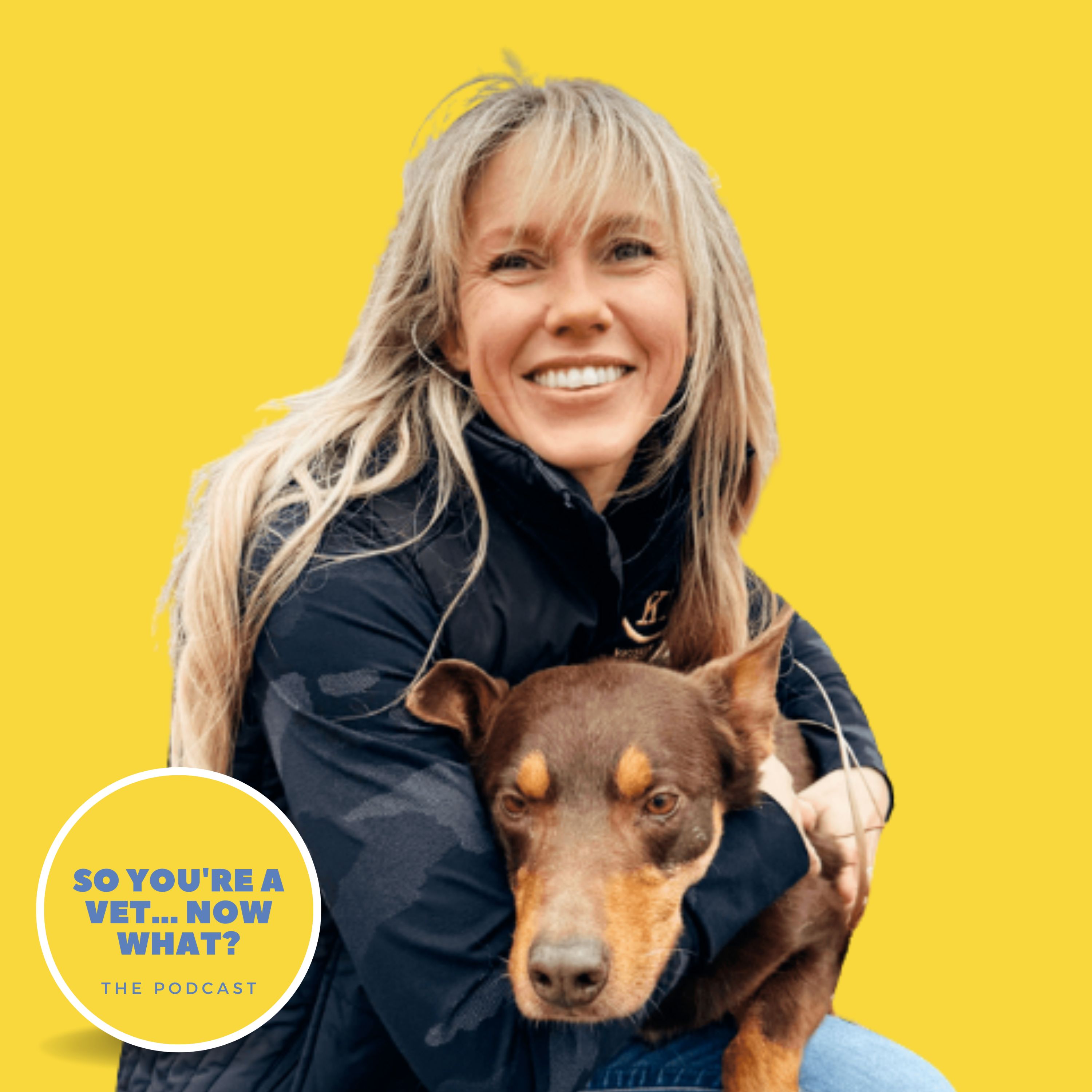
Ep 255Ep 255: Rural Practice, Big Impact: A Mentorship Model That Delivers, with Dr. Kathryn Miller
In this episode of So You're a Vet, Now What?, Dr. Moriah McCauley sits down with Dr. Kathryn Miller of Rocking KM Veterinary Services, a mixed animal practice in central Kansas that's rewriting the mentorship playbook for rural medicine. Dr. Miller shares how her practice has embraced a culture of mentorship—not just for new grads, but for the entire team.She opens up about how mentorship became a cornerstone of their clinic’s growth, the structure they developed to support new grads, and the mindset shift that’s helped everyone on the team—from CSRs to senior vets—grow through collaboration. Through candid reflections, we learn how knowing your team's personalities can make or break a mentorship experience.Whether you're a vet student unsure what to ask for in a first job, or a practice owner hoping to build a program from scratch, this episode is packed with honest insights and ideas you can take back to your clinic.Episode Outline[00:00] – Meet Dr. Kathryn Miller and Rocking KM Vet Services[00:01] – What Mentorship Means in Their Practice[00:03] – Culture and Collaboration Across the Team[00:05] – Supporting the Rural Veterinary Community[00:07] – Mentorship Beyond Doctors: CSRs and Techs[00:09] – Growth in Confidence for New Grads[00:11] – The Mentor's Learning Curve[00:13] – Communication Styles and Personality Clashes[00:15] – Building a Written Mentorship Plan[00:17] – What Success Looks Like in Practice[00:19] – Advice for Vet Students Seeking the Right FitEpisode Links Learn more about Rocking KM Veterinary Services: https://rockingkmvet.comFollow them on Instagram: @rockingkmvetMentioned in this episode:So You're a Vet, Now What? - The CourseAre you a new or recent veterinary graduate? If so, Dr. Dave’s course, ‘So You’re a Vet… Now What?’ has been put together specifically for you. The course focuses on non-clinical skills. This is not as dull as it sounds. In fact, almost every career problem that people face is due to not having well-developed, non-clinical skills. These are skills like client communication, so you have great relationships with clients. Emotional intelligence, so you've got great relationships with your teammates. Effective negotiation skills, so you can get paid what you are worth. Management of imposter syndrome, so you can have confidence in your abilities. And, how to build formidable resilience, so you can handle everything that comes your way. These are not just skills. They are prerequisites vital for success and financial and emotional wellbeing. This course serves as an essential stepping stone to your success. Dr. Dave will be your mentor as you go through 12-modules, helping you transition from being a student to a fully rounded veterinary professional. Visit www.drdavenicol.com/syav-class to learn more.

Ep 254Ep 254: Imposter Syndrome Isn’t Always Bad with Dr. Moriah McCauley
In this episode, Dr. Moriah McCauley explores the surprising upside of imposter syndrome—and why it might actually be a sign you're on the right path. Building off her conversation with Geoffrey van Zijl, she reflects on how mentorship has transformed since the ‘90s, when veterinary technicians were left to sink or swim, and shares Geoffrey’s story of finding his footing in emergency and critical care.Dr. Moriah also breaks down her favorite metaphor for understanding imposter syndrome: the stretch zone. She explains how to tell the difference between growing pains and full-blown burnout, and why the goal of any great mentor is to help you thrive just outside your comfort zone—without tipping into panic.Plus, she answers a listener’s question about mid-career mentorship and introduces the “plus-minus-equals” model: a simple framework for making sure you're always learning and lifting others up. And in the final segment, she sounds the alarm on a deeply concerning trend—fake AI-generated “veterinarians” pushing unregulated supplements online—and shares why showing up, building trust, and becoming visible in your community has never been more important.Whether you’re brand new or decades into your veterinary career, this episode will reframe how you think about mentorship, growth, and your role in shaping the future of the profession.Episode Outline[00:00] Imposter Syndrome in the Veterinary Profession [06:30] How It Shows Up in Everyday Practice [09:58] The Comfort, Stretch, and Panic Zones [12:14] Why Imposter Syndrome Can Signal Growth [15:44] Mentorship Dynamics at Every Career Stage [19:47] The Rise of AI in Veterinary Medicine [23:31] Rebuilding Trust and Showing Up as Real VetsEpisode LinksSee more from Dr. Moriah McCauley: https://www.instagram.com/dr.moriah.mccauleyConnect with Dr. Moriah McCauley: https://www.linkedin.com/in/moriah-mccauleyMentioned in this episode:So You're a Vet, Now What? - The CourseAre you a new or recent veterinary graduate? If so, Dr. Dave’s course, ‘So You’re a Vet… Now What?’ has been put together specifically for you. The course focuses on non-clinical skills. This is not as dull as it sounds. In fact, almost every career problem that people face is due to not having well-developed, non-clinical skills. These are skills like client communication, so you have great relationships with clients. Emotional intelligence, so you've got great relationships with your teammates. Effective negotiation skills, so you can get paid what you are worth. Management of imposter syndrome, so you can have confidence in your abilities. And, how to build formidable resilience, so you can handle everything that comes your way. These are not just skills. They are prerequisites vital for success and financial and emotional wellbeing. This course serves as an essential stepping stone to your success. Dr. Dave will be your mentor as you go through 12-modules, helping you transition from being a student to a fully rounded veterinary professional. Visit www.drdavenicol.com/syav-class to learn more.

Ep 253Ep 253: From Surviving to Thriving: The Importance of Mentorship, with Geoffrey van Zijl
In this episode of So You're a Vet, Now What? Dr. Moriah McCauley welcomes Geoffrey van Zijl, a passionate ER technician dedicated to mentoring veterinary technicians. With nearly two decades in the field, Geoffrey shares his journey from the early 90s, when technician support was scarce, to today’s evolving profession. He reflects on the impact of mentorship in reducing burnout and turnover while enhancing patient care.Geoffrey opens up about overcoming burnout through self-reflection and mentorship, emphasizing the need for a supportive learning culture. He shares practical tips for guiding new technicians and celebrates their growth.Episode Outline[00:00:15] - Meet Geoffrey van Zijl: Passionate ER Technician[00:02:08] - The Importance of Mentorship for LVTs[00:03:01] - The Dynamic Duo: Technicians and Veterinarians[00:05:59] - Personal Journey: Overcoming Challenges in the Field[00:08:57] - Finding Passion and Avoiding Burnout[00:16:23] - The Shift to Mentorship: Taking Initiative[00:19:35] - Intentional Mentorship: Setting Goals[00:22:40] - The Reward of Watching Mentees Succeed[00:28:26] - Personal Growth Through Mentorship[00:32:34] - Future Aspirations in MentorshipEpisode Links Follow Geoffrey: https://www.instagram.com/aint.doin.right Mentioned in this episode:So You're a Vet, Now What? - The CourseAre you a new or recent veterinary graduate? If so, Dr. Dave’s course, ‘So You’re a Vet… Now What?’ has been put together specifically for you. The course focuses on non-clinical skills. This is not as dull as it sounds. In fact, almost every career problem that people face is due to not having well-developed, non-clinical skills. These are skills like client communication, so you have great relationships with clients. Emotional intelligence, so you've got great relationships with your teammates. Effective negotiation skills, so you can get paid what you are worth. Management of imposter syndrome, so you can have confidence in your abilities. And, how to build formidable resilience, so you can handle everything that comes your way. These are not just skills. They are prerequisites vital for success and financial and emotional wellbeing. This course serves as an essential stepping stone to your success. Dr. Dave will be your mentor as you go through 12-modules, helping you transition from being a student to a fully rounded veterinary professional. Visit www.drdavenicol.com/syav-class to learn more.
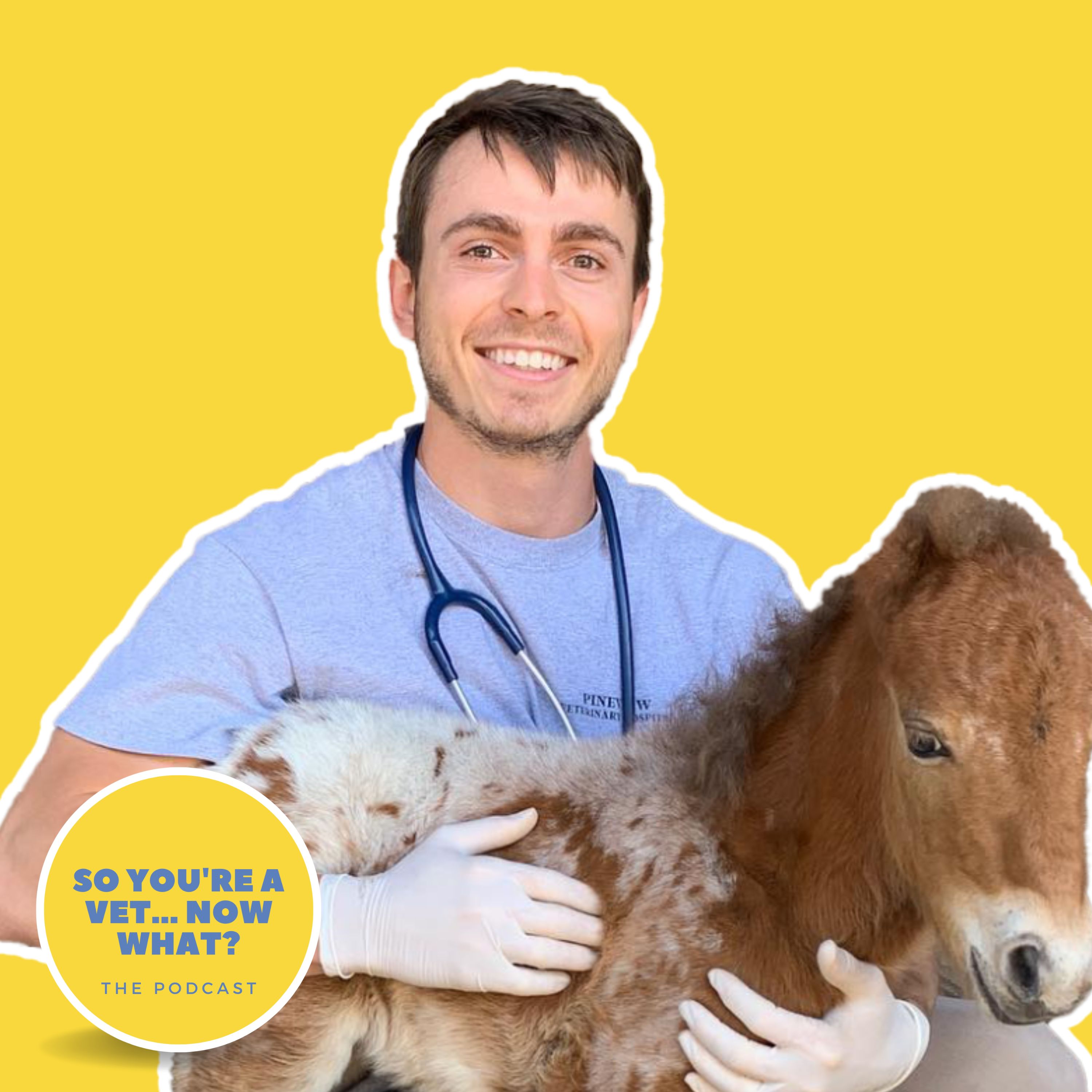
Ep 252Ep 252: From New Grad to Practice Owner: Dr. Pop's Mentorship Model, with Dr. Alexandru Pop
In this episode of "So You're a Vet, Now What?", host Dr. Moriah McCauley welcomes Dr. Alexandru Pop from Appalachian Vet Services. Dr. Pop, a practice owner and seasoned veterinarian, shares invaluable insights into the importance of vulnerability and mentorship in veterinary medicine.As a newly graduated vet in 2019, Dr. Pop had ambitious goals, including practice ownership. Fast forward six years, he now successfully leads a mixed animal multi-doctor practice and emphasizes the significance of cultivating a mentorship culture. Dr. Pop discusses the financial investments involved in hiring new graduates and why these are crucial for effective mentorship.Listeners will hear about Dr. Pop’s thoughtfully crafted mentorship model, which has evolved over the years, and understand why fostering a supportive environment is essential for the growth and success of new vets. This episode is a must-listen for final-year vet students and recent graduates looking for guidance and inspiration on their journey in veterinary medicine.Tune in to discover how embracing vulnerability and investing in mentorship can transform your veterinary career.Episode Outline[00:02:25] Financial implications of new grads.[00:03:58] Mentorship Investments in New Grads[00:09:52] A culture of mentorship.[00:12:11] Generational change and development.[00:16:32] Investment in new graduates[00:19:35] The relational side of practice[00:23:30] Mentorship model.[00:27:05] Gauging mentee readiness[00:30:50] Working interview importance.[00:34:12] Equine reproductive services expansion.[00:38:26] Mentorship-focused practice transformation.Episode Links See more from Dr. Moriah McCauley: https://www.instagram.com/alexandrupoppy/ Learn more about Appalachian Vet Services: https://appalachianvetservices.com/ Mentioned in this episode:So You're a Vet, Now What? - The CourseAre you a new or recent veterinary graduate? If so, Dr. Dave’s course, ‘So You’re a Vet… Now What?’ has been put together specifically for you. The course focuses on non-clinical skills. This is not as dull as it sounds. In fact, almost every career problem that people face is due to not having well-developed, non-clinical skills. These are skills like client communication, so you have great relationships with clients. Emotional intelligence, so you've got great relationships with your teammates. Effective negotiation skills, so you can get paid what you are worth. Management of imposter syndrome, so you can have confidence in your abilities. And, how to build formidable resilience, so you can handle everything that comes your way. These are not just skills. They are prerequisites vital for success and financial and emotional wellbeing. This course serves as an essential stepping stone to your success. Dr. Dave will be your mentor as you go through 12-modules, helping you transition from being a student to a fully rounded veterinary professional. Visit www.drdavenicol.com/syav-class to learn more.

Ep 251Ep 251: The Reality of Vet School, NAVLE Results & Transitioning to Practice with, with Dr. Moriah McCauley
In this episode, Dr. Moriah McCauley takes us on a deep dive into the emotional rollercoaster of vet school, the anxiety of waiting for NAVLE results, and the often-overlooked challenges of transitioning from student to practicing veterinarian. Reflecting on her own journey, she shares personal stories from her time at the University of Edinburgh, including the night NAVLE results were released and the impact of having a supportive network during those crucial moments.She also explores the concept of spectrum of care, why it’s vital to understand health literacy and health equity, and how veterinarians can better support their clients by addressing these barriers. Plus, Dr. Moriah tackles a listener's question: "Can I still have a mentor even if I’m four years out?"—spoiler: Yes, and you should!Whether you’re a vet student, a recent graduate, or a few years into practice, this episode is full of insights on growth, mentorship, and the mindset shifts needed to thrive in the veterinary profession.Episode Outline[02:21] The NAVLE Waiting Game: A Vet Student’s Experience[05:00] The Night NAVLE Results Dropped: A Personal Story[10:11] Preparing for Graduation: Ready or Not?[14:29] Building a Post-Vet School Network[17:22] Self-Reflection: Looking Back on Vet School Growth[19:14] Listener Q&A: "Can I Still Have a Mentor If I'm Four Years Out?"[23:08] The Foundations of Spectrum of Care: Health Literacy & Health Equity[27:18] Why This Matters for Every Vet[31:33] Teaser for Next Week’s Episode!Episode LinksSee more from Dr. Moriah McCauley: https://www.instagram.com/dr.moriah.mccauley/ Connect with Dr. Moriah McCauley: https://www.linkedin.com/in/moriah-mccauley Mentioned in this episode:So You're a Vet, Now What? - The CourseAre you a new or recent veterinary graduate? If so, Dr. Dave’s course, ‘So You’re a Vet… Now What?’ has been put together specifically for you. The course focuses on non-clinical skills. This is not as dull as it sounds. In fact, almost every career problem that people face is due to not having well-developed, non-clinical skills. These are skills like client communication, so you have great relationships with clients. Emotional intelligence, so you've got great relationships with your teammates. Effective negotiation skills, so you can get paid what you are worth. Management of imposter syndrome, so you can have confidence in your abilities. And, how to build formidable resilience, so you can handle everything that comes your way. These are not just skills. They are prerequisites vital for success and financial and emotional wellbeing. This course serves as an essential stepping stone to your success. Dr. Dave will be your mentor as you go through 12-modules, helping you transition from being a student to a fully rounded veterinary professional. Visit www.drdavenicol.com/syav-class to learn more.

Ep 250Ep 250: The Journey Ahead: Mentorship, Growth, and the Reality of Being a New Grad, with Dr. Dani Poll
This week on the "So You're a Vet, Now What?" podcast host Dr. Moriah McCauley takes you on a nostalgic journey back to her final year of vet school with her classmate and close friend, Dr. Dani Poll. Together, they revisit their "Scrubbed In" miniseries recorded during their final year at the Royal Dick School of Veterinary Studies. This episode is a heartfelt reflection on their journey through vet school, filled with personal anecdotes, practical advice, and a glimpse into the highs and lows of veterinary education. Whether you're a vet student, a recent graduate, or a mentor, we hope these stories provide inspiration and insight into the rewarding world of veterinary medicine.Episode Outline[00:00:27] Mentorship in veterinary practices.[00:06:14] Exam experiences and student life.[00:10:00] Community support during challenges.[00:14:10] Transitioning from vet school.[00:15:34] Job searching and mentorship.[00:19:05] Don't care what others think.[00:22:32] Community Impact on Personal Growth.[00:26:10] Caring about others' opinions.[00:28:50] Podcast future and audience feedback.Episode LinksLearn more about Dr. Dani: https://www.loopabroad.com/faculty/danielle-poll-dvm/Connect with Dr. Dani: https://www.linkedin.com/in/danielle-poll-8b86a5159/Follow Dr. Dani: https://www.instagram.com/poll_dani/See more from Dr. Moriah McCauley: https://www.instagram.com/dr.moriah.mccauley/ Connect with Dr. Moriah McCauley: https://www.linkedin.com/in/moriah-mccauley Mentioned in this episode:So You're a Vet, Now What? - The CourseAre you a new or recent veterinary graduate? If so, Dr. Dave’s course, ‘So You’re a Vet… Now What?’ has been put together specifically for you. The course focuses on non-clinical skills. This is not as dull as it sounds. In fact, almost every career problem that people face is due to not having well-developed, non-clinical skills. These are skills like client communication, so you have great relationships with clients. Emotional intelligence, so you've got great relationships with your teammates. Effective negotiation skills, so you can get paid what you are worth. Management of imposter syndrome, so you can have confidence in your abilities. And, how to build formidable resilience, so you can handle everything that comes your way. These are not just skills. They are prerequisites vital for success and financial and emotional wellbeing. This course serves as an essential stepping stone to your success. Dr. Dave will be your mentor as you go through 12-modules, helping you transition from being a student to a fully rounded veterinary professional. Visit www.drdavenicol.com/syav-class to learn more.

Ep 249Ep 249: Mentorship Matters: Insights from Five Years in Practice, with Dr. Moriah McCauley
In this episode of "So You're a Vet. Now What?" host Dr. Moriah McCauley reflects on her personal growth and the evolution of mentorship in the veterinary profession. As we welcome the new year, Dr. Moriah outlines exciting plans for 2025, focusing on the invaluable mentorship models developed by carefully selected guests. Listeners will gain insights into the personal stories of veterinarians—both early-career and seasoned professionals—as they share the highs and lows of their journeys. This season promises to break down barriers around mentorship, offering guidance and encouragement to final-year vet students, recent graduates, and current mentors alike. Tune in for transformative stories and practical advice that illuminate the path of mentorship in veterinary medicine.Episode Outline[00:00:42] Mentorship in veterinary practice.[00:05:41] Life after vet school.[00:08:22] Pathways in veterinary medicine.[00:11:34] Mentorship opportunities in veterinary practice.[00:15:16] Social media misinformation concerns.[00:19:31] Veterinary Meeting and Expo.[00:21:35] Mentorship in veterinary medicine.[00:25:20] Supporting early stage vets.Episode LinksSee more from Dr. Moriah McCauley: https://www.instagram.com/dr.moriah.mccauley/ Connect with Dr. Moriah McCauley: https://www.linkedin.com/in/moriah-mccauley

Ep 248Ep 248: From Dreams to Reality: The Path to Becoming a Veterinarian, with Dr. Dani Poll
Welcome back to a new season of the "So You're a Vet, Now What?" podcast. This week, host Dr. Moriah McCauley takes you on a nostalgic journey back to her final year of vet school with her classmate and close friend, Dr. Dani Poll. Together, they revisit their "Scrubbed In" miniseries recorded during their final year at the Royal Dick School of Veterinary Studies. This episode is a heartfelt reflection on their journey through vet school, filled with personal anecdotes, practical advice, and a glimpse into the highs and lows of veterinary education. Whether you're a vet student, a recent graduate, or a mentor, we hope these stories provide inspiration and insight into the rewarding world of veterinary medicine.Episode Outline[00:00:37] - Mentorship Models and Guest Insights[00:01:20] - Guidance for Vet Students and Mentors[00:03:09] - Entering Clinical Rotations[00:05:22] - Transition from Lectures to Clinical Practice[00:06:43] - Early Inspirations and Farm Life[00:10:35] - Overcoming Adversity and Financial Considerations[00:17:15] - Differences in Veterinary Practices by Country[00:23:12] - Mo's Application Challenges and Success[00:30:13] - First Year Reflections and Adjustments[00:36:04] - Comparing Vet School to a Marathon[00:39:32] - Future Episodes and Social MediaEpisode LinksLearn more about Dr. Dani: https://www.loopabroad.com/faculty/danielle-poll-dvm/Connect with Dr. Dani: https://www.linkedin.com/in/danielle-poll-8b86a5159/Follow Dr. Dani: https://www.instagram.com/poll_dani/See more from Dr. Moriah McCauley: https://www.instagram.com/dr.moriah.mccauley/ Connect with Dr. Moriah McCauley: https://www.linkedin.com/in/moriah-mccauley Mentioned in this episode:So You're a Vet, Now What? - The CourseAre you a new or recent veterinary graduate? If so, Dr. Dave’s course, ‘So You’re a Vet… Now What?’ has been put together specifically for you. The course focuses on non-clinical skills. This is not as dull as it sounds. In fact, almost every career problem that people face is due to not having well-developed, non-clinical skills. These are skills like client communication, so you have great relationships with clients. Emotional intelligence, so you've got great relationships with your teammates. Effective negotiation skills, so you can get paid what you are worth. Management of imposter syndrome, so you can have confidence in your abilities. And, how to build formidable resilience, so you can handle everything that comes your way. These are not just skills. They are prerequisites vital for success and financial and emotional wellbeing. This course serves as an essential stepping stone to your success. Dr. Dave will be your mentor as you go through 12-modules, helping you transition from being a student to a fully rounded veterinary professional. Visit www.drdavenicol.com/syav-class to learn more.

Ep 247Ep 247: Understanding Your Clients: The Role of Nonverbal Cues in Veterinary Care, with Dr. Moriah McCauley
On this episode of "So You're a Vet, Now What?" host Dr. Moriah McCauley delves into the importance of empathy and nonverbal communication in veterinary and medical professions. Building on last week's discussion, Dr. Moriah explores whether these essential skills can be taught to professionals at any stage in their careers. Drawing from research, she introduces a 2014 study that breaks down the concept of empathy into an acronym, serving as a practical teaching tool for enhancing nonverbal communication. Tune in to discover how subtle differences in clinician posture can significantly impact patient perceptions and learn actionable insights for fostering empathy in practice.Episode Outline[00:01:20] Teaching empathy through nonverbal communication.[00:05:16] Teaching nonverbal communication in veterinary care.[00:08:18] Facial expressions in communication.[00:12:55] Nonverbal communication in empathy.[00:16:40] Tone of voice in communication.[00:19:40] Hearing the whole patient.[00:23:19] Nonverbal communication in veterinary care.Episode LinksSee more from Dr. Moriah McCauley: https://www.instagram.com/dr.moriah.mccauley/Connect with Dr. Moriah McCauley: https://www.linkedin.com/in/moriah-mccauleyMentioned in this episode:So You're a Vet, Now What? - The CourseAre you a new or recent veterinary graduate? If so, Dr. Dave’s course, ‘So You’re a Vet… Now What?’ has been put together specifically for you. The course focuses on non-clinical skills. This is not as dull as it sounds. In fact, almost every career problem that people face is due to not having well-developed, non-clinical skills. These are skills like client communication, so you have great relationships with clients. Emotional intelligence, so you've got great relationships with your teammates. Effective negotiation skills, so you can get paid what you are worth. Management of imposter syndrome, so you can have confidence in your abilities. And, how to build formidable resilience, so you can handle everything that comes your way. These are not just skills. They are prerequisites vital for success and financial and emotional wellbeing. This course serves as an essential stepping stone to your success. Dr. Dave will be your mentor as you go through 12-modules, helping you transition from being a student to a fully rounded veterinary professional. Visit www.drdavenicol.com/syav-class to learn more.
Ep 246Ep 246: Mastering Clinical Empathy: A Roadmap for Veterinary Success, with Dr. Joshua Rosen — Part 2
In this episode of "So You're a Vet... Now What?" host Dr. Moriah McCauley welcomes back Dr. Josh Rosen for a continuation of their discussion on clinical empathy. After debunking common myths in the previous episode, they now shift focus to the pet parent's perspective. The conversation delves into the roadmap pet parents navigate during their time at the hospital and explores practical ways to implement clinical empathy in daily veterinary practice. Whether you're a final year vet student or a recent graduate, this episode offers valuable insights to enhance your approach to patient care. Tune in to learn how to elevate your empathetic interactions in your next appointments.Dr. Joshua Rosen is an experienced veterinarian and influential voice on social media whose passion lies in sharing the value of clinical empathy in veterinary medicine. Through his content, Dr.Joshua shares not only why clinical empathy is valuable to both veterinarian and pet parent, but how veterinary teams can implement clinical empathy in their daily practice. Episode Outline[00:00:49] Clinical empathy perspective shift[00:04:26] Clinical empathy benefits everyone.[00:09:00] Receptionists are the bread.[00:11:08] Culture of empathy[00:15:24] Delegation is important[00:18:22] Recognizing discomfort through body language.[00:22:25] Trusting vets after bad experiences.[00:25:59] Signposting in veterinary care[00:28:00] Showing clinical empathyEpisode LinksVisit DogtorJosh’s website: https://www.dogtorjosh.com/Follow DogtorJosh on TikTok: https://www.tiktok.com/@_dogtorjoshConnect with Dr. Joshua Rosen: https://www.linkedin.com/in/joshua-rosen-24030935/Mentioned in this episode:So You're a Vet, Now What? - The CourseAre you a new or recent veterinary graduate? If so, Dr. Dave’s course, ‘So You’re a Vet… Now What?’ has been put together specifically for you. The course focuses on non-clinical skills. This is not as dull as it sounds. In fact, almost every career problem that people face is due to not having well-developed, non-clinical skills. These are skills like client communication, so you have great relationships with clients. Emotional intelligence, so you've got great relationships with your teammates. Effective negotiation skills, so you can get paid what you are worth. Management of imposter syndrome, so you can have confidence in your abilities. And, how to build formidable resilience, so you can handle everything that comes your way. These are not just skills. They are prerequisites vital for success and financial and emotional wellbeing. This course serves as an essential stepping stone to your success. Dr. Dave will be your mentor as you go through 12-modules, helping you transition from being a student to a fully rounded veterinary professional. Visit www.drdavenicol.com/syav-class to learn more.
Ep 245Ep 245: Busting Myths: The Power of Clinical Empathy in Veterinary Medicine, with Dr. Joshua Rosen — Part 1
In this episode of "So You're a Vet... Now What?" host Dr. Moriah McCauley welcomes back Dr. Joshua Rosen, an experienced veterinarian and advocate for clinical empathy in veterinary medicine. Together, they explore three prevalent myths surrounding clinical empathy and discuss the challenges veterinarians face in implementing it within their daily practice. Whether you're a recent graduate or a seasoned vet, this episode offers valuable insights and tips to enhance your clinical approach. Join them for an engaging conversation that aims to inspire and improve the way veterinary teams connect with pet parents.Dr. Joshua Rosen is an experienced veterinarian and influential voice on social media whose passion lies in sharing the value of clinical empathy in veterinary medicine. Through his content, Dr. Joshua shares not only why clinical empathy is valuable to both veterinarian and pet parent, but how veterinary teams can implement clinical empathy in their daily practice. Episode Outline[00:01:11] Myths of clinical empathy.[00:04:32] Clinical empathy in veterinary practice.[00:09:13] Teaching clinical empathy skills.[00:12:33] Clinical empathy skills development.[00:16:25] Empathy and physician burnout.[00:19:43] Importance of boundaries in empathy.[00:22:48] Clinical empathy protects against burnout.Episode LinksVisit DogtorJosh’s website: https://www.dogtorjosh.com/Follow DogtorJosh on TikTok: https://www.tiktok.com/@_dogtorjoshConnect with Dr. Joshua Rosen: https://www.linkedin.com/in/joshua-rosen-24030935/Mentioned in this episode:So You're a Vet, Now What? - The CourseAre you a new or recent veterinary graduate? If so, Dr. Dave’s course, ‘So You’re a Vet… Now What?’ has been put together specifically for you. The course focuses on non-clinical skills. This is not as dull as it sounds. In fact, almost every career problem that people face is due to not having well-developed, non-clinical skills. These are skills like client communication, so you have great relationships with clients. Emotional intelligence, so you've got great relationships with your teammates. Effective negotiation skills, so you can get paid what you are worth. Management of imposter syndrome, so you can have confidence in your abilities. And, how to build formidable resilience, so you can handle everything that comes your way. These are not just skills. They are prerequisites vital for success and financial and emotional wellbeing. This course serves as an essential stepping stone to your success. Dr. Dave will be your mentor as you go through 12-modules, helping you transition from being a student to a fully rounded veterinary professional. Visit www.drdavenicol.com/syav-class to learn more.
Ep 244Ep 244: Veterinary Education in Transition: Challenges and Opportunities for New Graduates, with Garth Robillard — Part 2
In this episode of "So You're a Vet... Now What?" host Dr. Moriah McCauley welcomes back Garth Robillard, a third-year vet student and host of the Veterinary Vibes podcast. Together, they discuss the challenges and potential impacts recent legislation may have on the future of veterinary graduates over the next two to three years. The episode encourages listeners to engage in discussions within their veterinary schools and practices regarding these changes.Garth Robillard is a podcast host and third-year veterinary student with a deep passion for animals and a strong commitment to promoting excellence in the field. As a student immersed in the world of veterinary care, Garth is excited to lead insightful discussions and interviews with industry experts, and dedicated to delivering engaging and informative content to our audience. As a passionate advocate for animals and their well-being, Garth realized that behind every medical case and every treatment, there are stories of dedication, compassion, and resilience that deserve to be heard. To create a space where veterinary students and professionals can share their journeys, challenges, and triumphs Garth started the Veterinary Vibes Podcast. Ultimately, Garth’s aspiration is twofold: to inspire those considering this remarkable vocation and to bolster the spirits of those who are already an integral part of it.Episode Outline[00:00:52] Feedback acceptance in veterinary schools.[00:04:14] Importance of receiving feedback.[00:08:31] Proposition 129 and its implications.[00:12:21] Veterinary technician role expansion.[00:14:40] Veterinary Professional Associations' Opposition.[00:20:02] Mentorship in veterinary practice.[00:22:16] Veterinary technician licensing challenges.[00:26:05] Voter education and misinformation.Episode LinksMidlevel practitioner Proposal:https://www.avma.org/news/midlevel-practitioner-proposal-secures-enough-votes-coloradoListen to Garth’s podcast, Veterinary Vibes: https://podcasters.spotify.com/pod/show/veterinary-vibes/Connect with Garth Robillard on LinkedIn: https://www.linkedin.com/in/garth-robillard-23516a174Follow the Veterinary Vibes podcast on Instagram: https://www.instagram.com/VeterinaryVibesDiscover more from Garth Robillard: https://linktr.ee/veterinaryvibespodcastMentioned in this episode:So You're a Vet, Now What? - The CourseAre you a new or recent veterinary graduate? If so, Dr. Dave’s course, ‘So You’re a Vet… Now What?’ has been put together specifically for you. The course focuses on non-clinical skills. This is not as dull as it sounds. In fact, almost every career problem that people face is due to not having well-developed, non-clinical skills. These are skills like client communication, so you have great relationships with clients. Emotional intelligence, so you've got great relationships with your teammates. Effective negotiation skills, so you can get paid what you are worth. Management of imposter syndrome, so you can have confidence in your abilities. And, how to build formidable resilience, so you can handle everything that comes your way. These are not just skills. They are prerequisites vital for success and financial and emotional wellbeing. This course serves as an essential stepping stone to your success. Dr. Dave will be your mentor as you go through 12-modules, helping you
Ep 243Ep 243: Feedback in Veterinary Medicine: The Key to Growth and Success, with Garth Robillard — Part 1
In this episode of "So You're a Vet... Now What?" host Dr. Moriah McCauley is joined by Garth Robillard, a third-year vet student and host of the Veterinary Vibes podcast. Together, they dive into Garth's experiences as a vet student, focusing on the transition from didactic learning to clinical practice. They discuss how this shift can reignite passion for veterinary medicine and the importance of applying knowledge in real-world settings.This episode is part one of a two-part series where Dr. Moriah and Garth Robillard cover a lot of ground. Join us next week for part two of their conversation.Garth Robillard is a podcast host and third-year veterinary studentwith a deep passion for animals and a strong commitment to promoting excellence in the field. As a student immersed in the world of veterinary care, Garth is excited to lead insightful discussions and interviews with industry experts, and dedicated to delivering engaging and informative content to our audience. As a passionate advocate for animals and their well-being, Garth realized that behind every medical case and every treatment, there are stories of dedication, compassion, and resilience that deserve to be heard. To create a space where veterinary students and professionals can share their journeys, challenges, and triumphs Garth started the Veterinary Vibes Podcast. Ultimately, Garth’s aspiration is twofold: to inspire those considering this remarkable vocation and to bolster the spirits of those who are already an integral part of it.Episode Outline[00:02:06] Clinical year experiences in vet school.[00:03:46] NAVLI pass rate decline.[00:09:54] NAVLI exam preparation challenges.[00:12:10] Critical reasoning in exams.[00:16:29] Veterinary education and preparedness.[00:20:27] Learning outside veterinary school.[00:22:00] Didactic vs. Tactile Learning.[00:26:11] The importance of feedback.[00:28:36] Feedback in vet school.Episode LinksListen to Garth’s podcast, Veterinary Vibes: https://podcasters.spotify.com/pod/show/veterinary-vibes/Connect with Garth Robillard on LinkedIn: https://www.linkedin.com/in/garth-robillard-23516a174Follow the Veterinary Vibes podcast on Instagram: https://www.instagram.com/VeterinaryVibesDiscover more from Garth Robillard: https://linktr.ee/veterinaryvibespodcastMentioned in this episode:So You're a Vet, Now What? - The CourseAre you a new or recent veterinary graduate? If so, Dr. Dave’s course, ‘So You’re a Vet… Now What?’ has been put together specifically for you. The course focuses on non-clinical skills. This is not as dull as it sounds. In fact, almost every career problem that people face is due to not having well-developed, non-clinical skills. These are skills like client communication, so you have great relationships with clients. Emotional intelligence, so you've got great relationships with your teammates. Effective negotiation skills, so you can get paid what you are worth. Management of imposter syndrome, so you can have confidence in your abilities. And, how to build formidable resilience, so you can handle everything that comes your way. These are not just skills. They are prerequisites vital for success and financial and emotional wellbeing. This course serves as an essential stepping stone to your success. Dr. Dave will be your mentor as you go through 12-modules, helping you transition
Ep 242Ep 242: Lean into the Hard: Growing As a Graduate Vet with Dr. Dani Poll - Part 2
In this episode of "So You're a Vet, Now What?" Dr. Moriah McCauley is joined by dear friend and fellow Royal Dick School of Veterinary Studies graduate, Dr. Dani Poll. Dr. Dani and Dr. Moriah both graduated in 2020, and their friendship has been a cornerstone as they have navigated the ups and downs of their veterinary careers. In this second part of their conversation, they delve into the importance of recognizing personal limits in practice, especially for those just starting out.This episode is part two of a two-part series where Dr. Moriah and Dr. Dani dive deep into their experiences during vet school and their very first year in practice.Dr. Dani grew up in northern Utah. She grew up on a farm which was part of her inspiration to pursue veterinary medicine. She completed her undergraduate degree at Utah State, and then attended veterinary school in Edinburgh, Scotland.Dr. Dani took full advantage of living abroad and travelled as much as she could. She spent some time in South Africa working with wildlife, especially rhino’s. She also spent some time rehabilitating and releasing sea turtles in the Maldives who had been victims of ghost nets. She has also participated in spay and neuter programs to help to decrease wild cat and dog populations.After finishing vet school, she came back to Utah to work in a small animal general practice that focuses on teaching vet technicians as well as future and current vet students. It’s here she found a love for teaching and helping others grow. Dr. Dani also volunteers at her local shelter to help neuter animals before they are sent out for adoption. She takes vet students with her to help them build their surgical skills.Dr. Dani recently left general practice and is doing relief work while she builds a new vet practice in her hometown. In her free time, she enjoys hiking with her two dogs, Moose and Nala. She also enjoys playing piano, travelling to new places, and loving any animals she comes in contact with.Episode Outline[00:02:17] Pushing your limits in practice.[00:03:33] Imposter syndrome and growth opportunities.[00:07:34] Mentorship experiences in veterinary practice.[00:10:19] Mentorship and individual growth.[00:15:48] Lean into the hard.[00:17:03] Supporting veterinary technicians' growth.[00:20:34] Teaching and Trust in Growth.[00:24:08] Encouragement for new graduates.Episode LinksLearn more about Dr. Dani: https://www.loopabroad.com/faculty/danielle-poll-dvm/Connect with Dr. Dani: https://www.linkedin.com/in/danielle-poll-8b86a5159/Follow Dr. Dani: https://www.instagram.com/poll_dani/Mentioned in this episode:So You're a Vet, Now What? - The CourseAre you a new or recent veterinary graduate? If so, Dr. Dave’s course, ‘So You’re a Vet… Now What?’ has been put together specifically for you. The course focuses on non-clinical skills. This is not as dull as it sounds. In fact, almost every career problem that people face is due to not having well-developed, non-clinical skills. These are skills like client communication, so you have great relationships with clients. Emotional intelligence, so you've got great relationships with your teammates. Effective negotiation skills, so you can get paid what you are worth. Management of imposter syndrome, so you can have confidence in your abilities. And, how to build formidable resilience, so you can handle everything that comes your way. These are not just skills. They are prerequisites vital for success and financial and emotional wellbeing. This course serves as an essential stepping stone to your success. Dr. Dave will be your mentor as you go through 12-modules, helping you transition...

Ep 241Ep 241: Lean into the Hard: Tips for New Grads with Dr. Dani Poll - Part 1
In this episode of "So You're a Vet, Now What?" Dr. Moriah McCauley is joined by dear friend and fellow Royal Dick School of Veterinary Studies graduate, Dr. Dani Poll. Dr. Dani and Dr. Moriah both graduated in 2020, and their friendship has been a cornerstone as they have navigated the ups and downs of their veterinary careers. In this episode they relive the not-so-glory-days of vet school and their first year in practice, sharing everything they wish they’d known when they first graduated.This episode is part one of a two-part series where Dr. Moriah and Dr. Dani dive deep into their experiences during vet school and their very first year in practice.Dr. Dani grew up in northern Utah. She grew up on a farm which was part of her inspiration to pursue veterinary medicine. She completed her undergraduate degree at Utah State, and then attended veterinary school in Edinburgh, Scotland.Dr. Dani took full advantage of living abroad and travelled as much as she could. She spent some time in South Africa working with wildlife, especially rhinos. She also spent some time rehabilitating and releasing sea turtles in the Maldives who had been victims of ghost nets. She has also participated in spay and neuter programs to help to decrease wild cat and dog populations.After finishing vet school, she came back to Utah to work in a small animal general practice that focuses on teaching vet technicians as well as future and current vet students. It’s here she found a love for teaching and helping others grow. Dr. Dani also volunteers at her local shelter to help neuter animals before they are sent out for adoption. She takes vet students with her to help them build their surgical skills.Dr. Dani recently left general practice and is doing relief work while she builds a new vet practice in her hometown. In her free time, she enjoys hiking with her two dogs, Moose and Nala. She also enjoys playing piano, travelling to new places, and loving any animals she comes in contact with.Episode Outline00:00:48 - Vet School Memories00:01:45 - Transition from Vet School to Practice00:02:21 - Reflecting on the First Year00:03:11 - Expectations vs. Reality00:04:23 - Decision Fatigue and Imposter Syndrome00:06:05 - Opening a Practice00:07:38 - Vet School Preparation00:09:25 - Real-World Challenges00:11:18 - Mile Wide, Inch Deep Education00:12:07 - Spectrum of Care and Communication Skills00:13:00 - Are We Selecting the Right People for Vet School?00:16:05 - Vet School Interview Process00:21:00 - Trust and Performance in Vet Med00:23:42 - Honesty with ClientsEpisode LinksLearn more about Dr. Dani: https://www.loopabroad.com/faculty/danielle-poll-dvm/Connect with Dr. Dani: https://www.linkedin.com/in/danielle-poll-8b86a5159/Follow Dr. Dani: https://www.instagram.com/poll_dani/Mentioned in this episode:So You're a Vet, Now What? - The CourseAre you a new or recent veterinary graduate? If so, Dr. Dave’s course, ‘So You’re a Vet… Now What?’ has been put together specifically for you. The course focuses on non-clinical skills. This is not as dull as it sounds. In fact, almost every career problem that people face is due to not having well-developed, non-clinical skills. These are skills like client communication, so you have great relationships with clients. Emotional intelligence, so you've got great relationships with your teammates. Effective negotiation skills, so you can get paid what you are worth. Management of imposter syndrome, so you can have confidence in your abilities. And, how to build formidable resilience, so you can handle everything that comes your way. These are not...
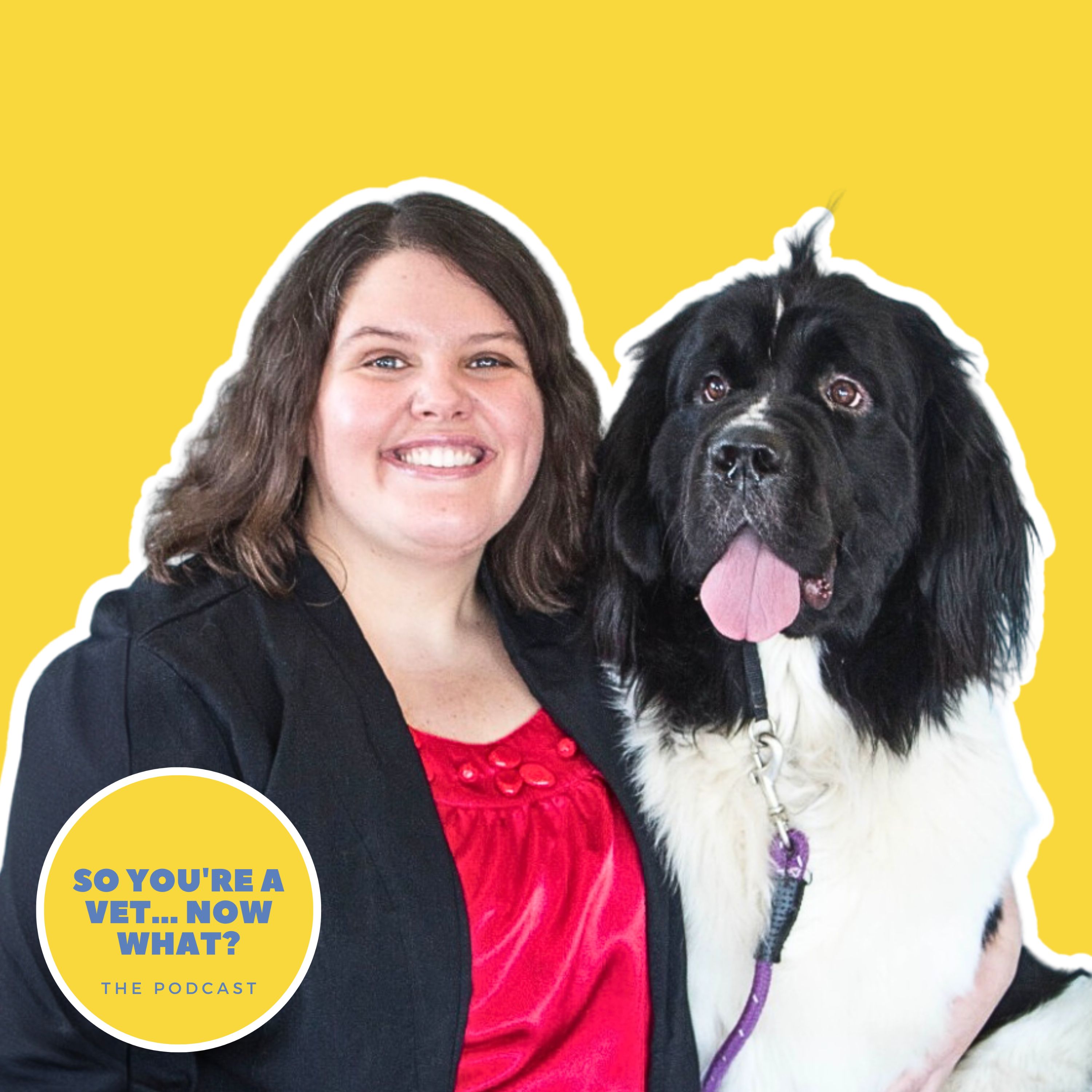
Ep 240Ep 240: When Your Mentorship Fails, with Dr. Lindsey Hedges - Part 2
In this episode of "So You're a Vet, Now What?", host Dr. Moriah McCauley continues her conversation with Dr. Lindsey Hedges, Senior Director of Veterinary Mentorship at Mission Veterinary Partners, diving deeper into the theme of mentorship in veterinary medicine. They reflect on the importance of intentional mentorship, discussing how regular check-ins and open communication can significantly enhance the mentoring experience for both mentors and mentees. Dr. Hedges shares insights on the challenges mentors face, particularly around providing surgical time and appropriate scheduling, and emphasizes the need for mentors to actively engage with their mentees to understand their needs. This episode is a valuable resource for both current and aspiring mentors looking to improve their mentoring skills and create a more supportive environment for veterinary professionals. Tune in to gain practical tips and learn how to foster effective mentorship in your practice.Dr. Hedges is the Senior Director of Veterinary Mentorship at Mission Veterinary Partners. A 2011 graduate of Purdue University CVM, she worked as an associate veterinarian for three years before opening her own denovo small animal clinic. In creating her practice, she was guided by her passions for fostering leadership in all employees, promoting Fear Free practices, and forming strong bonds in the community.She has facilitated the Indiana VMA Power of 10 Leadership program since 2015 and currently sits on the IVMA Executive Board. Dr. Hedges is an avid board game geek and hosts monthly Dungeons and Dragons sessions with her friends. She lives in Lebanon, IN with her husband, two cats, and two dogs.Episode Outline[00:01:46] Mentor skills development.[00:05:19] Mentorship and feedback dynamics.[00:09:06] Safe words for feedback conversations.[00:11:36] Surgical experience through mentorship.[00:17:07] Surgical skills development.[00:20:02] Mentorship in veterinary careers.Episode LinksConnect with Dr. Lindsey Hedges: https://www.linkedin.com/in/drlindseyhedges/Mentioned in this episode:So You're a Vet, Now What? - The CourseAre you a new or recent veterinary graduate? If so, Dr. Dave’s course, ‘So You’re a Vet… Now What?’ has been put together specifically for you. The course focuses on non-clinical skills. This is not as dull as it sounds. In fact, almost every career problem that people face is due to not having well-developed, non-clinical skills. These are skills like client communication, so you have great relationships with clients. Emotional intelligence, so you've got great relationships with your teammates. Effective negotiation skills, so you can get paid what you are worth. Management of imposter syndrome, so you can have confidence in your abilities. And, how to build formidable resilience, so you can handle everything that comes your way. These are not just skills. They are prerequisites vital for success and financial and emotional wellbeing. This course serves as an essential stepping stone to your success. Dr. Dave will be your mentor as you go through 12-modules, helping you transition from being a student to a fully rounded veterinary professional. Visit www.drdavenicol.com/syav-class to learn more.
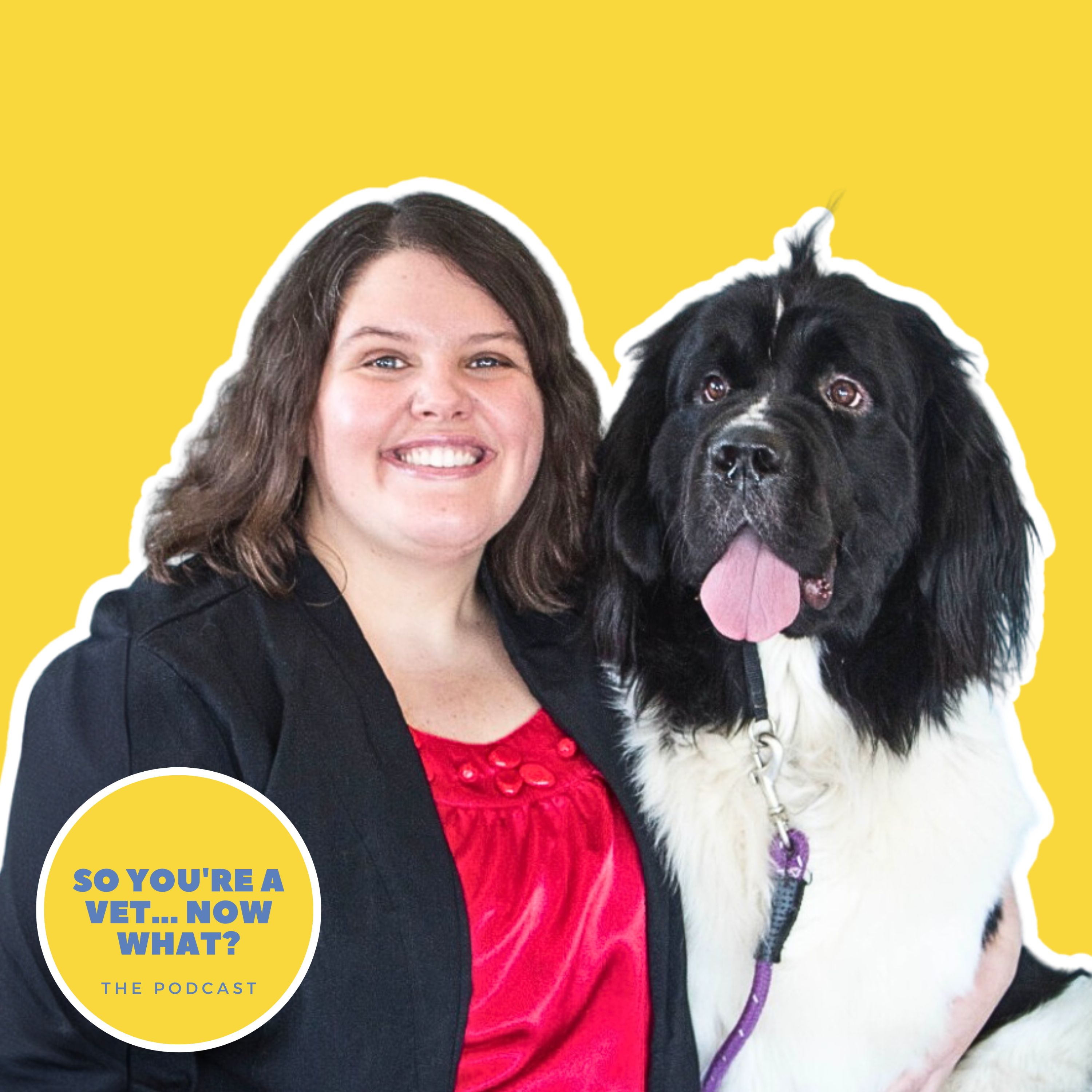
Ep 239Ep 239: When Your Mentorship Fails, with Dr. Lindsey Hedges - Part 1
In this episode of "So You're a Vet, Now What?", host Dr. Moriah McCauley is joined by Dr. Lindsey Hedges, Senior Director of Veterinary Mentorship at Mission Veterinary Partners.Following a recent survey on veterinary mentorship, many new grad vets revealed they didn’t get the mentorship they were promised when they entered the industry. Breaking down this alarming feedback, Dr. Moriah and Dr. Lindsey explore how mentorship is not just about providing answers; it's about fostering an environment where new graduates can learn, grow, and develop their own professional identities. Ultimately, it is about lighting a fire within both mentors and mentees, ensuring that the cycle of learning and support continues for future generations of veterinarians. Together, they dive into these unmet mentorship expectations, the current state of mentorship, and explore what mentors and mentees can both do to fix it.Dr. Lindsey Hedges is the Senior Director of Veterinary Mentorship at Mission Veterinary Partners. A 2011 graduate of Purdue University CVM, she worked as an associate veterinarian for three years before opening her own denovo small animal clinic. In creating her practice, she was guided by her passions for fostering leadership in all employees, promoting Fear Free practices, and forming strong bonds in the community.She has facilitated the Indiana VMA Power of 10 Leadership program since 2015 and currently sits on the IVMA Executive Board. Lindsey is an avid board game geek and hosts monthly Dungeons and Dragons sessions with her friends. She lives in Lebanon, IN with her husband, two cats, and two dogs.Episode Outline[00:01:32] Mentorship in veterinary medicine.[00:04:11] Mentorship challenges for new grads.[00:08:29] Mentorship expectations in practice.[00:14:25] SMART goals for veterinary surgery.[00:18:00] Mentorship and professional development.[00:20:43] Feedback and mentor relationships.[00:23:58] Emotional intelligence in communication.Episode LinksConnect with Dr. Lindsey Hedges: https://www.linkedin.com/in/drlindseyhedges/Mentioned in this episode:So You're a Vet, Now What? - The CourseAre you a new or recent veterinary graduate? If so, Dr. Dave’s course, ‘So You’re a Vet… Now What?’ has been put together specifically for you. The course focuses on non-clinical skills. This is not as dull as it sounds. In fact, almost every career problem that people face is due to not having well-developed, non-clinical skills. These are skills like client communication, so you have great relationships with clients. Emotional intelligence, so you've got great relationships with your teammates. Effective negotiation skills, so you can get paid what you are worth. Management of imposter syndrome, so you can have confidence in your abilities. And, how to build formidable resilience, so you can handle everything that comes your way. These are not just skills. They are prerequisites vital for success and financial and emotional wellbeing. This course serves as an essential stepping stone to your success. Dr. Dave will be your mentor as you go through 12-modules, helping you transition from being a student to a fully rounded veterinary professional. Visit www.drdavenicol.com/syav-class to learn more.
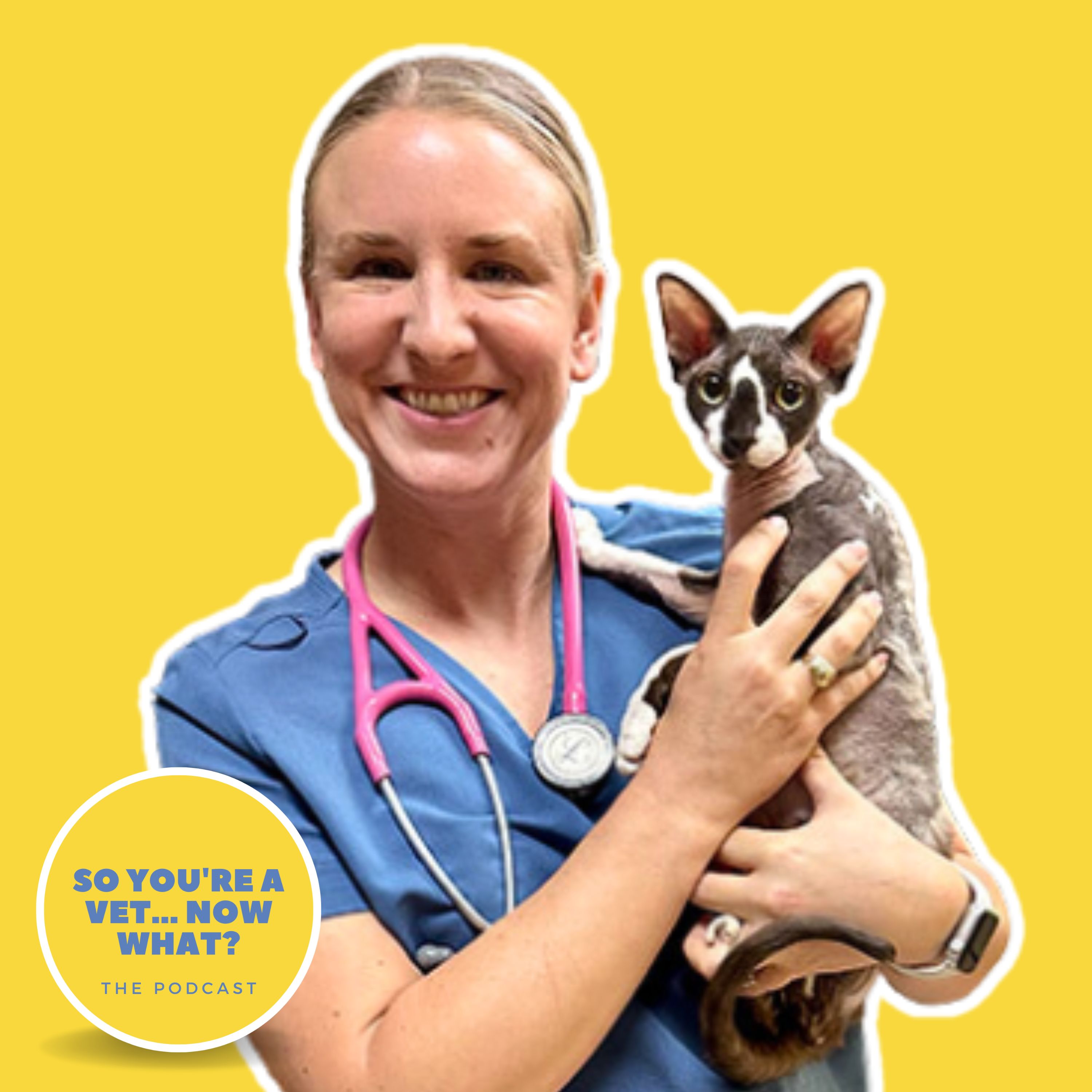
Ep 238Ep 238: Embracing Change: How to Thrive in Your Veterinary Career with Dr. Tannetje Crocker
In this episode of "So You're a Vet, Now What?", host Dr. Moriah McCauley revisits her favorite conversation with Dr. Tannetje Crocker, an esteemed veterinarian, friend, and mentor. Dr. Crocker shares her inspiring mentorship journey, detailing her transition from an equine-focused background to her current role in small animal practice. As she reflects on her experiences since graduating from vet school ten years ago, she emphasizes the importance of not only clinical knowledge but also the human connection in veterinary care. This episode serves as a valuable resource for vet students and recent graduates seeking guidance and insight into building a successful career in veterinary medicine. Dr. Tannetje Crocker is a speaker and social media personality. She works as an ER Veterinarian for Veterinary Emergency Group in Dallas, TX. Recently she was excited to purchase Alta Vista Animal Hospital in Fort Worth, TX. She plans to continue her support of fellow veterinary professionals, both virtually and in person through her various endeavors.Dr. Crocker Pet Vet is dedicated to nurturing the future of veterinary professionals. Their unwavering mission is to empower veterinary students and young veterinarians, instilling them with passion and dedication for their chosen path. Their core belief is that being a veterinarian is not merely a job but a profound calling. With this belief, they’ve crafted a unique approach that prioritizes creating an environment conducive to growth, success, and personal fulfillment. Through mentorship, hands-on experience, and a supportive community, they pave the way for the next generation to flourish in their veterinary careers and positively impact the lives of animals and their owners.Episode Outline[00:01:45] Career transition from equine to small animal.[00:06:39] Client communication in veterinary medicine.[00:08:50] Connection with pet owners.[00:11:21] Mentorship in veterinary medicine.[00:17:19] Mentorship in veterinary school.[00:19:24] Mentorship without explicit agreements.[00:24:27] Levels of mentorship in veterinary.[00:28:18] Networking in veterinary medicine.[00:35:26] Mentorship for veterinary students.[00:39:34] Mentorship matchmaker concept.Episode LinksLearn more about Dr. Crooker: https://drcrockerpetvet.com/dr-crocker-pet-vet-educating/Follow Dr. Crooker on Instagram: https://www.instagram.com/dr.tannetje.crocker/Follow Dr. Crooker on Facebook: https://www.facebook.com/dr.tannetje.crocker/Mentioned in this episode:So You're a Vet, Now What? - The CourseAre you a new or recent veterinary graduate? If so, Dr. Dave’s course, ‘So You’re a Vet… Now What?’ has been put together specifically for you. The course focuses on non-clinical skills. This is not as dull as it sounds. In fact, almost every career problem that people face is due to not having well-developed, non-clinical skills. These are skills like client communication, so you have great relationships with clients. Emotional intelligence, so you've got great relationships with your teammates. Effective negotiation skills, so you can get paid what you are worth....

Ep 237Ep 237: From Imposter Syndrome to Confident Vet: Dr. Saskia’s Journey at Roundwood Vets
In this special episode of "So You're A Vet Now What," Dr. Dave Nicol takes over from Dr. Moriah McCauley to discuss an essential topic: progress. Dr. Dave is joined by Dr. Saskia, a team member at Roundwood Vets in London, who has just celebrated her three-year post-graduation anniversary. Saskia's journey from a nervous student graduating during the COVID-19 disruption to a confident and productive veterinarian is a testament to resilience and the power of the right support and mindset. Listen in to hear how Saskia navigated her early career challenges and emerged as a satisfied and brilliant team member. This episode is a must-listen for anyone feeling uncertain in their veterinary career.Dr Saskia is a veterinary surgeon at Roundwood Vets. With a passion for animal welfare and a degree from a prestigious veterinary institution. She brings a blend of expertise and empathy to her practice. Her approach combines advanced medical knowledge with a gentle touch, ensuring her patients receive the highest quality care. Episode Outline[00:00:00] Diagnosing animals and confidence.[00:06:23] Struggling with imposter syndrome.[00:08:40] Be more compassionate with yourself.[00:14:09] Boosting surgical confidence in India.[00:15:34] Building professional confidence[00:19:10] Transferable skills from dentistry[00:23:04] Learning the next steps[00:28:12] Managing client expectations[00:31:03] Reading James Herriot's books[00:34:20] Saskia's Journey to SuccessEpisode LinksJames Herriot’s book: All Creatures Great and SmallLearn more about Roundwood VetsMentioned in this episode:So You're a Vet, Now What? - The CourseAre you a new or recent veterinary graduate? If so, Dr. Dave’s course, ‘So You’re a Vet… Now What?’ has been put together specifically for you. The course focuses on non-clinical skills. This is not as dull as it sounds. In fact, almost every career problem that people face is due to not having well-developed, non-clinical skills. These are skills like client communication, so you have great relationships with clients. Emotional intelligence, so you've got great relationships with your teammates. Effective negotiation skills, so you can get paid what you are worth. Management of imposter syndrome, so you can have confidence in your abilities. And, how to build formidable resilience, so you can handle everything that comes your way. These are not just skills. They are prerequisites vital for success and financial and emotional wellbeing. This course serves as an essential stepping stone to your success. Dr. Dave will be your mentor as you go through 12-modules, helping you transition from being a student to a fully rounded veterinary professional. Visit www.drdavenicol.com/syav-class to learn more.

Ep 236Ep 236: Building Relationships in Exotic Veterinary Care with Dr. Rachel Siu - Part 2
In this episode of "So You're a Vet, Now What?", Dr. Moriah McCauley continues her conversation with Dr. Rachel, a small animal and exotic animal veterinarian. This week Moriah and Rachel dive into the deep end as they tackle the human side of exotic animal medicine, and the challenges that come with caring for and talking with the caretakers and pet parents of the animals that you’ll see in practice. Listen in as Rachel shares about the differences of perspectives and education that clients can bring to the table and how social media may be helping to turn the tide with regards to the care that can be provided. Dr. Rachel Siu has dedicated over a decade to the specialized field of exotic pet medicine. Her extensive experience encompasses a diverse array of species, including reptiles, birds, small mammals, and amphibians. Dr. Rachel has a significant following on social media, where she aims to raise awareness and profile of exotic pets, their treatment, and care. Dr. Rachel Siu (previously Dr. Rachel Ellerd) graduated from Texas A&M College of Veterinary Medicine in 2021. She obtained her Bachelor of Science in Biology in 2017 from The University of Texas at Austin. While in veterinary school she did externships with the Dallas Zoo, Fort Worth Zoo, and Dallas World Aquarium, and worked with native wildlife in South Africa, Thailand, and Vietnam. Her special interests include avian, reptile, and small exotic mammal medicine, as well as dog and cat preventative medicine and emergency medicine. She also takes a special interest in educating the public about the world of veterinary medicine through her social media platforms, where she shares animal facts with over 1 million followers worldwide.Episode Outline[00:01:48] Anesthesia techniques for exotic pets.[00:05:23] Tools for examining exotic pets.[00:08:26] Exotic pet diagnostics and care.[00:10:44] Exotic pet veterinary challenges.[00:15:00] Building relationships in exotic medicine.[00:18:19] Exotic medicine for new grads.Follow Dr. Rachel Siu at: Instagram: exotic.pet.vet TikTok: @exotic.pet.vet LinkedIn: Rachel Siu Facebook: Reptile Vet YouTube: Dr. Rachel Mentioned in this episode:So You're a Vet, Now What? - The CourseAre you a new or recent veterinary graduate? If so, Dr. Dave’s course, ‘So You’re a Vet… Now What?’ has been put together specifically for you. The course focuses on non-clinical skills. This is not as dull as it sounds. In fact, almost every career problem that people face is due to not having well-developed, non-clinical skills. These are skills like client communication, so you have great relationships with clients. Emotional intelligence, so you've got great relationships with your teammates. Effective negotiation skills, so you can get paid what you are worth. Management of imposter syndrome, so you can have confidence in your abilities. And, how to build formidable resilience, so you can handle everything that comes your way. These are not just skills. They are prerequisites vital for success and financial and emotional wellbeing. This course serves as an essential stepping stone to your success. Dr. Dave will be your mentor as you go through 12-modules, helping you transition from being a student to a fully rounded veterinary professional.

Ep 235Ep 235: Exotic Animal Medicine: Tips for New Vets with Dr. Rachel Siu - Part 1
In this episode of "So You're a Vet, Now What?", Dr. Moriah McCauley welcomes Dr. Rachel Siu, a small animal and exotic animal veterinarian who loves to share her experience with pet parents and veterinarians through her social media accounts. Maybe you’re a new graduate who wants to bring exotic medicine to your practice but you just don’t know where to start? Well, over the next two weeks Rachel and Moriah will break down the basics of seeing exotic animals within a GP practice. As you’ll hear there is way too much information to cover in just two episodes, so Rachel and Moriah will be sticking to the specifics surrounding small and exotic mammals. Make sure you have a pen and paper handy because they'll be covering everything from resources to medication, staff training and beyond in this week’s episode. Dr. Rachel Siu has dedicated over a decade to the specialized field of exotic pet medicine. Her extensive experience encompasses a diverse array of species, including reptiles, birds, small mammals, and amphibians. Dr. Rachel has a significant following on social media, where she aims to raise awareness and profile of exotic pets, their treatment, and care. Dr. Rachel Siu (previously Dr. Rachel Ellerd) graduated from Texas A&M College of Veterinary Medicine in 2021. She obtained her Bachelor of Science in Biology in 2017 from The University of Texas at Austin. While in veterinary school she did externships with the Dallas Zoo, Fort Worth Zoo, and Dallas World Aquarium, and worked with native wildlife in South Africa, Thailand, and Vietnam. Her special interests include avian, reptile, and small exotic mammal medicine, as well as dog and cat preventative medicine and emergency medicine. She also takes a special interest in educating the public about the world of veterinary medicine through her social media platforms, where she shares animal facts with over 1 million followers worldwide.Episode Outline[00:00:56] Seeing exotic animals[00:05:10] Pocket pets, 101[00:07:44] Husbandry challenges.[00:11:01] Carpenter's Exotic Animal Formulary[00:14:25] Monitoring exotic animals under anesthesia.[00:17:42] Human challenges of exotic animals.Follow Dr. Rachel Siu at: Instagram: exotic.pet.vet TikTok: @exotic.pet.vet LinkedIn: Rachel Siu Facebook: Reptile Vet YouTube: Dr. Rachel Mentioned in this episode:So You're a Vet, Now What? - The CourseAre you a new or recent veterinary graduate? If so, Dr. Dave’s course, ‘So You’re a Vet… Now What?’ has been put together specifically for you. The course focuses on non-clinical skills. This is not as dull as it sounds. In fact, almost every career problem that people face is due to not having well-developed, non-clinical skills. These are skills like client communication, so you have great relationships with clients. Emotional intelligence, so you've got great relationships with your teammates. Effective negotiation skills, so you can get paid what you are worth. Management of imposter syndrome, so you can have confidence in your abilities. And, how to build formidable resilience, so you can handle everything that comes your way. These are not just skills. They are prerequisites vital for success and financial and emotional wellbeing. This course serves as an essential stepping stone to your
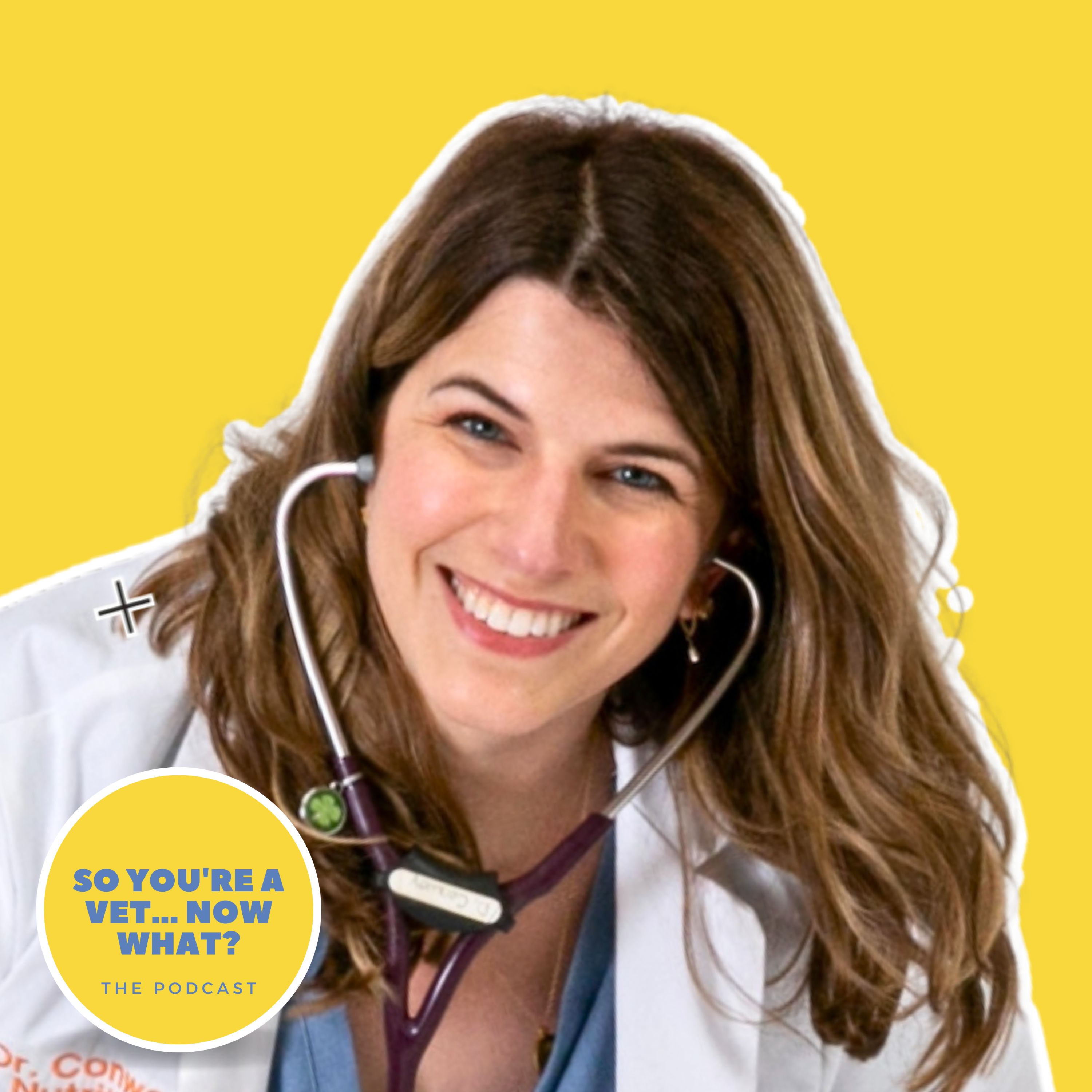
Ep 234Ep 234: Nutrition Conversations: Tips for New Veterinarians with Dr. Danielle Conway - Part 2
In this episode of "So You're a Vet, Now What?", host Dr. Moriah McCauley continues her conversation with Dr. Danielle Conway, an ACVIM board-eligible veterinary nutritionist. Together, they tackle the challenge of nutrition conversations with clients. When it comes to meeting clients where they are at on nutrition, each situation will require a different level of finesse. Listen as Danielle shares some of her favourite tools and expert tips that can allow you to have more effective and empathetic conversations with clients on the topic of nutrition.Dr. Danielle Conway is a nutrition residency trained veterinarian with extensive experience in evidence based integrative medicine. Her pursuit of “helping patients live their best lives” has led to training and working alongside leading professionals countrywide. She has certifications and advanced coursework in veterinary acupuncture, spinal manipulation, rehabilitation, and nutraceutical support. Her approach is to combine traditional medicine with individualized integrative modalities to achieve optimal wellness.Her career has spanned private practice and academia. She is currently pursuing board eligibility toward becoming a certified veterinary nutritionist.Dr Conway’s personal interests include researching science based next-generation wellness techniques, environmental stewardship, and anything outdoors (gardening, skiing, biking, hiking, etc.). She is also passionate about using her integrative training to help reduce veterinary profession burnout. Dr Conway shares her home with her husband, feisty human primates (aka two beautiful and spirited daughters) and a variety of hooved, scaled, feathered, and furry companions.Episode Outline[00:01:44] Nutrition conversations with clients.[00:05:36] Client engagement and expectations.[00:07:01] Nutrition as a passionate debate.[00:10:43] Ancestral-based feeding misconceptions.[00:13:43] Effective client communication strategies.[00:17:21] Nutrition in veterinary practice.Episode LinksSee more from Dr. Conway: https://www.instagram.com/vitalvetnutrition/Connect with Dr. Conway: https://www.linkedin.com/in/danielle-conway-2a38354b/Mentioned in this episode:So You're a Vet, Now What? - The CourseAre you a new or recent veterinary graduate? If so, Dr. Dave’s course, ‘So You’re a Vet… Now What?’ has been put together specifically for you. The course focuses on non-clinical skills. This is not as dull as it sounds. In fact, almost every career problem that people face is due to not having well-developed, non-clinical skills. These are skills like client communication, so you have great relationships with clients. Emotional intelligence, so you've got great relationships with your teammates. Effective negotiation skills, so you can get paid what you are worth. Management of imposter syndrome, so you can have confidence in your abilities. And, how to build formidable resilience, so you can handle everything that comes your way. These are not just skills. They are prerequisites vital for success and financial and emotional wellbeing. This course serves as an essential stepping stone to your success. Dr. Dave will be your mentor as you go through 12-modules, helping you transition from being a student to a fully rounded veterinary professional. Visit www.drdavenicol.com/syav-class to learn more.
Ep 233Ep 233: Building Trust: How to Discuss Pet Nutrition with Clients with Dr. Danielle Conway - Part 1
In this episode of "So You're a Vet, Now What?", host Dr. Moriah McCauley welcomes Dr. Danielle Conway, an ACVIM board-eligible veterinary nutritionist. Together, they delve into the crucial topic of nutrition conversations between veterinarians and pet owners. Danielle is incredibly passionate about supporting veterinary teams in nutritional conversations. As new grads you know the science and research behind your recommendations, but bringing clients on board can be daunting if you don’t know how to even start the conversation. This is part 1 of Dr. Moriah’s conversation with Danielle as she gives you the tips and tools for emphatic and effective conversations with clients when it comes to nutrition. Dr. Danielle Conway is a nutrition residency trained veterinarian with extensive experience in evidence based integrative medicine. Her pursuit of “helping patients live their best lives” has led to training and working alongside leading professionals countrywide. She has certifications and advanced coursework in veterinary acupuncture, spinal manipulation, rehabilitation, and nutraceutical support. Her approach is to combine traditional medicine with individualized integrative modalities to achieve optimal wellness.Her career has spanned private practice and academia. She is currently pursuing board eligibility toward becoming a certified veterinary nutritionist.Dr Conway’s personal interests include researching science based next-generation wellness techniques, environmental stewardship, and anything outdoors (gardening, skiing, biking, hiking, etc.). She is also passionate about using her integrative training to help reduce veterinary profession burnout. Dr Conway shares her home with her husband, feisty human primates (aka two beautiful and spirited daughters) and a variety of hooved, scaled, feathered, and furry companions.Episode Outline[00:02:36] Nutrition conversations in veterinary practice.[00:05:30] Handling backlash on social media.[00:08:26] Responding to social media backlash.[00:12:08] Opening conversations about pet diets.[00:15:49] Building trust through conversation.[00:18:04] Client nutrition conversations challenges.[00:21:16] Nutrition recommendations for pets.[00:25:12] Handling raw diet discussions.[00:26:39] Pet food decision-making empowerment.[00:30:51] Nutrition accessibility in veterinary care.Episode LinksSee more from Dr. Conway: https://www.instagram.com/vitalvetnutrition/Connect with Dr. Conway: https://www.linkedin.com/in/danielle-conway-2a38354b/Mentioned in this episode:So You're a Vet, Now What? - The CourseAre you a new or recent veterinary graduate? If so, Dr. Dave’s course, ‘So You’re a Vet… Now What?’ has been put together specifically for you. The course focuses on non-clinical skills. This is not as dull as it sounds. In fact, almost every career problem that people face is due to not having well-developed, non-clinical skills. These are skills like client communication, so you have great relationships with clients. Emotional intelligence, so you've got great relationships with your teammates. Effective negotiation skills, so you can get paid what you are worth. Management of imposter syndrome, so you can have confidence in your abilities. And, how to build formidable resilience, so you can handle everything that comes your way. These are not just skills. They are prerequisites vital for success and financial and emotional wellbeing. This course serves as an essential stepping stone to your success. Dr. Dave will be your mentor as you go through 12-modules,...
Ep 232Ep 232: Navigating Congestive Heart Failure: A Step-by-Step Guide for New Vets with Cardiology Expert Dr. Kieran Borgeat - Part 2
In this episode of "So You're a Vet, Now What?", host Dr. Moriah McAuley welcomes back board-certified cardiologist Dr. Kieran Bourget to discuss how to navigate congestive heart failure as a new grad vet. These are cases that can make any veteriniaran’s heart race, as they require both knowledge and finesse. Listen in as Kieran breaks down the diagnostics you can use to make informed decisions for the stabilization of your patients. This is a longer episode that is absolutely jam packed with valuable knowledge, we just had to keep it all in. Dr. Kieran Bourget is an American, European and RCVS Recognised Specialist in Veterinary Cardiology. He graduated from the University of Bristol with an intercalated degree in Veterinary Science, and worked first in general practice, where he achieved the RCVS Certificate in Veterinary Cardiology. He went on to complete his specialist training at the Royal Veterinary College in London.Kieran has spoken internationally and published widely in various veterinary cardiology fields. In addition, he is senior examiner for the RCVS CertAVP modules in Cardiology, based at the RVC, and a member of the ECVIM Cardiology Credentials Committee. In the past, he has acted as Chair of the ACVIM Cardiology Research Committee and as a member of the UK Veterinary Cardiovascular Society Committee.He has published over 20 papers in peer-reviewed journals and written a large number of articles for professional journals. Kieran also speaks internationally on cardiac disease and interventional radiology, and leads the Cardiology and Interventional Surgery services at Eastcott. He has helped pioneered pulmonic stent procedures and hybrid vascular surgeries in the UK, being one of the first to perform trans-catheter edge-to-edge repair (TEER) of the mitral valve in dogs with mitral valve disease. He has a strong interest in feline heart disease, inherited heart disease, and congenital heart disease in both dogs and cats.Episode Outline[00:02:11] Congestive heart failure management.[00:06:56] Cardiac vs. respiratory distress assessment.[00:11:26] Lung ultrasound in veterinary practice.[00:15:35] Ultrasound vs. radiographs in diagnosis.[00:19:36] Managing congestive heart failure.[00:28:18] Patient management decisions in veterinary care.[00:30:36] Managing respiratory distress in pets.[00:32:28] Client communication in veterinary care.[00:36:42] Congestive heart failure management.[00:39:51] Podcast on veterinary cardiology.Episode LinksSee more from Dr. Kieran: https://www.instagram.com/vet_cardio_/Connect with Dr. Kieran: https://www.linkedin.com/in/kieran-borgeat-9079081b5/Mentioned in this episode:So You're a Vet, Now What? - The CourseAre you a new or recent veterinary graduate? If so, Dr. Dave’s course, ‘So You’re a Vet… Now What?’ has been put together specifically for you. The course focuses on non-clinical skills. This is not as dull as it sounds. In fact, almost every career problem that people face is due to not having well-developed, non-clinical skills. These are skills like client communication, so you have great relationships with clients. Emotional intelligence, so you've got great relationships with your teammates. Effective negotiation skills, so you can get paid what you are worth. Management of imposter syndrome, so you can have confidence in your abilities. And, how to build formidable resilience, so you can handle everything that comes your way. These are not just skills. They are prerequisites vital for success and financial and emotional wellbeing. This course serves as an...
Ep 231Ep 231: Cardiology Tips for New Vets: with Cardiology Expert Dr. Kieran Borgeat - Part 1
This week on "So You're a Vet, Now What?", host Dr. Moriah McCauley welcomes Dr. Kieran Bourget, a board certified cardiologist and fellow podcast host, as they discuss Dr. Kieran’s top cardiology tips for new grad vets.When you graduate from vet school, you quickly come across cases where you aren’t able to provide the gold standard that you're taught or you are used to seeing in the university hospital. One such example is how to approach heart murmurs in patients that require a general anaesthetic. In this episode Kieran takes us through the conversation and approach that you can use in general practice to assess the risk factors for these patients. From radiographs to NT-proBNP, listen as Kieran breaks down what you need to know to help pet parents make informed decisions. Dr. Kieran Bourget is an American, European and RCVS Recognised Specialist in Veterinary Cardiology. He graduated from the University of Bristol with an intercalated degree in Veterinary Science, and worked first in general practice, where he achieved the RCVS Certificate in Veterinary Cardiology. He went on to complete his specialist training at the Royal Veterinary College in London.Kieran has spoken internationally and published widely in various veterinary cardiology fields. In addition, he is senior examiner for the RCVS CertAVP modules in Cardiology, based at the RVC, and a member of the ECVIM Cardiology Credentials Committee. In the past, he has acted as Chair of the ACVIM Cardiology Research Committee and as a member of the UK Veterinary Cardiovascular Society Committee.He has published over 20 papers in peer-reviewed journals and written a large number of articles for professional journals. Kieran also speaks internationally on cardiac disease and interventional radiology, and leads the Cardiology and Interventional Surgery services at Eastcott. He has helped pioneered pulmonic stent procedures and hybrid vascular surgeries in the UK, being one of the first to perform trans-catheter edge-to-edge repair (TEER) of the mitral valve in dogs with mitral valve disease. He has a strong interest in feline heart disease, inherited heart disease, and congenital heart disease in both dogs and cats.Episode Outline[00:02:43] Cardiology in veterinary medicine.[00:04:36] Handling workup on murmur dog.[00:09:14] VLAS versus VHS measurement.[00:11:38] Pro BNP in Boley breeds.[00:16:38] Understanding BNP in depth.[00:20:26] Reaching out to specialists as a new grad.[00:22:40] Collaboration in Veterinary Practice.[00:24:47] Everyone is human in veterinary care.Episode LinksSee more from Dr. Kieran: https://www.instagram.com/vet_cardio_/Connect with Dr. Kieran: https://www.linkedin.com/in/kieran-borgeat-9079081b5/Mentioned in this episode:So You're a Vet, Now What? - The CourseAre you a new or recent veterinary graduate? If so, Dr. Dave’s course, ‘So You’re a Vet… Now What?’ has been put together specifically for you. The course focuses on non-clinical skills. This is not as dull as it sounds. In fact, almost every career problem that people face is due to not having well-developed, non-clinical skills. These are skills like client communication, so you have great relationships with clients. Emotional intelligence, so you've got great relationships with your teammates. Effective negotiation skills, so you can get paid what you are worth. Management of imposter syndrome, so you can have confidence in your abilities. And, how to build formidable resilience, so you can handle everything that comes your way. These are not just skills. They are prerequisites vital...
Ep 230Ep 230: The Vet Eye Guy: The Challenges of Glaucoma, with Dr. Alex Sigmund - Part 2
This week on "So You're a Vet, Now What?", host Dr. Moriah McCauley welcomes back Dr. Alex Sigmund, a.k.a The Vet Eye Guy, as they discuss primary glaucoma in small animals. Dr. Alex wants every veterinarian to be comfortable with the basics of ophthalmology to improve patient care and client understanding. Dr. Alex guides new grads through the process of identifying key signs of ocular conditions, in order to help you enhance your understanding and gain confidence in treating ocular diseases in your veterinary practice.Dr. Moriah and Dr. Alex discuss the importance of early detection and intervention in glaucoma cases. By identifying glaucoma early on, veterinarians can implement treatment strategies to reduce intraocular pressure and prevent further damage to the optic nerve and retina. However, managing glaucoma offers many challenges, especially in cases where the disease has progressed significantly. In chronic or advanced cases of glaucoma, where vision loss is inevitable, the focus shifts towards providing pain management and considering other options to alleviate discomfort and prevent complications.Dr. Alex stresses the importance of enucleation as a viable option for managing blind, painful eyes in dogs with glaucoma. It demonstrates that general practitioners can confidently perform enucleations with proper training and mentorship, offering a valuable service to patients in need of relief from eye discomfort.Episode Outline[00:02:47] Cocker spaniels and primary glaucoma.[00:03:49] Glaucoma care in dogs.[00:08:25] Secondary Glaucoma Diagnosis.[00:11:25] Managing glaucoma in pets.[00:16:03] Glaucoma as a terminal disease.[00:17:27] Challenges of treating glaucoma.[00:22:30] Enucleations in veterinary medicine.[00:26:05] Managing glaucoma in pets.[00:27:42] Zoo animals and Komodo dragons.Episode LinksSee more from Dr. Alex: https://www.instagram.com/theveteyeguySee more from Dr. Alex: https://linktr.ee/theveteyeguy
Ep 229Ep 229: The Vet Eye Guy: Expert Tips on Managing Ocular Conditions, with Dr. Alex Sigmund - Part 1
This week on "So You're a Vet, Now What?", host Dr. Moriah McCauley welcomes back Dr. Alex Sigmund, a.k.a The Vet Eye Guy, as they dive into expert tips for managing ocular conditions. Dr. Alex wants every veterinarian to be comfortable with the basics of ophthalmology to improve patient care and client understanding. Dr. Alex guides new grads through the process of identifying key signs of ocular conditions, in order to help you enhance your understanding and gain confidence in treating ocular diseases in your veterinary practice.Dr. Alex and Dr. Moriah discuss the complexities of diagnosing and managing ocular diseases in veterinary practice. They delve into the challenges faced by new graduates when encountering eye conditions, particularly focusing on superficial ulcers, infected ulcers, indolent ulcers, and the critical care needed for melting ulcers. The conversation offers practical advice, step-by-step approaches, and emphasizes the importance of client communication in achieving successful outcomes.Using a specific case as an example, Dr. Alex walks through the initial steps of diagnosis, highlighting the importance of thorough analysis and conducting detailed examinations to determine the nature of the ulcer. The conversation touches on the nuances of interpretation and the potential pitfalls that new graduates might encounter. Dr. Alex offers invaluable tips on distinguishing between simple and more complex cases, setting the stage for effective treatment.Dr. Alex also shares his approach to using cytology as a tool for monitoring the ulcer's response to treatment, underscoring the need for frequent follow-ups, especially in breeds prone to rapid deterioration. This segment of the podcast is packed with actionable insights, making it a must-listen for any veterinarian facing similar challenges.Dr. Alex discusses the importance of setting realistic expectations with clients and the role of surgical intervention when necessary. He also offers practical advice on handling cases where immediate surgery is not an option, stressing the importance of aggressive medical management and the use of sedatives to prevent further injury. Throughout the episode, Dr. Alex provides a wealth of knowledge, making complex topics accessible and understandable for both new and experienced veterinarians.Episode Outline[00:01:25] Detecting signs of infection.[00:03:55] Corneal ulcer healing process.[00:08:24] Infected ulcer treatment.[00:10:36] Sterilizing the cornea quickly.[00:19:35] Managing scary Descemetocele[00:22:30] Medical management challenges.[00:24:28] Risks of not treatingEpisode LinksSee more from Dr. Alex: https://www.instagram.com/theveteyeguySee more from Dr. Alex: https://linktr.ee/theveteyeguyMentioned in this episode:So You're a Vet, Now What? - The CourseAre you a new or recent veterinary graduate? If so, Dr. Dave’s course, ‘So You’re a Vet… Now What?’ has been put together specifically for you. The course focuses on non-clinical skills. This is not as dull as it sounds. In fact, almost every career problem that people face is due to not having well-developed, non-clinical skills. These are skills like client communication, so you have great relationships with clients. Emotional intelligence, so you've got great relationships with your teammates. Effective negotiation skills, so you can get paid what you are worth. Management of imposter syndrome, so you can have confidence in your abilities. And, how to build formidable resilience, so you can handle everything that comes your way. These are not just skills. They are prerequisites vital for success and...

Ep 228Ep 228: From Panic to Progress: Harnessing Imposter Syndrome for Career Success, with Dr. Moriah McCauley
This week on "So You're a Vet, Now What?", host Dr. Moriah McCauley dives into a topic that resonates deeply with her and many other veterinary professionals—imposter syndrome. Inspired by a recent Instagram post that claimed "imposter syndrome will only hold you back," Dr. Moriah explores the potential benefits of imposter syndrome when approached with the right mindset.Self-doubt, fear of being found out, anxiety about skills and knowledge, and difficulty internalizing success are all tell-tale symptoms of imposter syndrome. While it can hold you back, your mindset can help unlock imposter syndrome as a tool to accelerate your career and point you towards success.The area just outside the comfort zone where true growth happens. This is where imposter syndrome can be harnessed as a positive force. While the comfort zone provides a sense of safety, staying there too long can lead to stagnation and dissatisfaction. Dr. Moriah reminds listeners that occasionally you need to step out of this zone to foster growth and maintain excitement in your veterinary career.By acknowledging what you don't know and getting curious, you can use imposter syndrome to fuel your development. Remaining mindful of the Dunning-Kruger effect can explain how awareness of your limitations can actually be a powerful motivator.When managed correctly, imposter syndrome can be a sign that you're on the right path. It indicates opportunities for growth and learning. Dr. Moriah encourages listeners to reframe their mindset and see imposter syndrome not as a blocker that will only hold you back, but as a tool that can catalyse your personal and professional development.Episode Outline[00:00:55] Imposter syndrome and personal growth.[00:04:38] The Panic Zone.[00:09:14] The comfort zone and growth.[00:13:31] Imposter syndrome and growth zone.[00:18:30] Imposter syndrome and growth.[00:19:33] Embracing imposter syndrome.Episode LinksSee more from Dr. Moriah McCauley: https://www.instagram.com/dr.moriah.mccauley/Connect with Dr. Moriah McCauley: https://www.linkedin.com/in/moriah-mccauleyMentioned in this episode:So You're a Vet, Now What? - The CourseAre you a new or recent veterinary graduate? If so, Dr. Dave’s course, ‘So You’re a Vet… Now What?’ has been put together specifically for you. The course focuses on non-clinical skills. This is not as dull as it sounds. In fact, almost every career problem that people face is due to not having well-developed, non-clinical skills. These are skills like client communication, so you have great relationships with clients. Emotional intelligence, so you've got great relationships with your teammates. Effective negotiation skills, so you can get paid what you are worth. Management of imposter syndrome, so you can have confidence in your abilities. And, how to build formidable resilience, so you can handle everything that comes your way. These are not just skills. They are prerequisites vital for success and financial and emotional wellbeing. This course serves as an essential stepping stone to your success. Dr. Dave will be your mentor as you go through 12-modules, helping you transition from being a student to a fully rounded veterinary professional. Visit www.drdavenicol.com/syav-class to learn more.
Ep 227Ep 227: The Importance of Emotional Intelligence in Veterinary Medicine, with Dr. Monica Tarantino
In this episode of the ‘So You’re a Vet… Now What?’ podcast, host Dr. Moriah McCauley is joined by small animal veterinarian Dr. Monica Tarantino. Dr. Monica Tarantino stresses the importance of expressing empathy to clients as a powerful tool in client communication. By showing understanding and compassion towards the client's situation, veterinarians can establish a connection, making clients feel like they are part of the same team. This initial empathetic statement sets a positive tone for the conversation and fosters trust between the veterinarian and the client.Dr. Tarantino recommends initiating every exam room with an empathetic statement to deepen relationships with clients. Clients are more likely to follow through with recommended diagnostics and treatments when they feel understood and supported by their veterinarian. This approach can lead to improved patient care and outcomes as clients are more inclined to adhere to the veterinarian's advice.In situations where in-person interactions are limited, such as during the COVID-19 pandemic, the challenge of conveying empathy over the phone or through virtual platforms becomes more apparent. However, Dr. Tarantino and Dr. Moriah McCauley discuss the importance of adapting to these circumstances by practicing empathy in different ways, such as acknowledging the client's emotions and demonstrating genuine care for their pets.Moreover, the episode delves into the significance of self-awareness and seeking feedback as essential components for enhancing communication skills. Dr. Tarantino highlights the value of mentors and feedback from others to gain insights into how one is perceived by clients and colleagues. This feedback loop can help veterinarians identify areas for improvement in their communication style and emotional intelligence.Overall, the episode emphasizes the importance of empathy in client communication and its positive impact on client relationships, patient care, and overall outcomes in veterinary practice. By incorporating empathy into every interaction with clients, veterinarians can refine their communication skills and establish stronger connections with pet owners, ultimately leading to better outcomes for both the clients and their beloved pets.Episode Outline[00:00:55] Empathy and storytelling in communication.[00:04:24] Communication skills in veterinary medicine.[00:09:45] The need for communication skills.[00:13:18] Empathy as a secret weapon.[00:15:46] Connecting with pet owners.[00:19:33] Client communication skills awareness.[00:21:45] Self-awareness and communication skills.[00:24:16] Helping the next generation.[00:29:39] Client communication strategies.[00:32:09] Senior pets communication tips.Episode LinksSee more from Dr. Monica Tarantino: https://www.thesprucepets.com/monica-tarantino-dvm-4690408 Connect with Dr. Kelly Cairns: https://www.instagram.com/seniordogdoc/?hl=enMentioned in this episode:So You're a Vet, Now What? - The CourseAre you a new or recent veterinary graduate? If so, Dr. Dave’s course, ‘So You’re a Vet… Now What?’ has been put together specifically for you. The course focuses on non-clinical skills. This is not as dull as it sounds. In fact, almost every career problem that people face is due to not having well-developed, non-clinical skills. These are skills like client communication, so you have great relationships with clients. Emotional intelligence, so you've got great relationships with your teammates. Effective negotiation skills, so you can get paid what you are worth. Management of imposter syndrome, so you can have confidence in your abilities. And, how to build formidable resilience, so you can handle everything that comes your way....

Ep 226Ep 226: Building Confidence and Leadership Skills as a New Veterinarian, with Dr. Kelly Cairns
This week on "So You're a Vet, Now What?", host Dr. Moriah McCauley is joined by Dr. Kelly Cairns, a board-certified small animal internal medicine specialist and Vice President of Medical Excellence and Education at Thrive Pet Healthcare. Together, they discuss the journey from being a nervous vet student to a confident veterinarian and leader within a practice. Dr. Cairns shares insights from her years of experience to help new graduates thrive in the field. Building a bond of trust based on genuine human relationships is crucial for the functioning of any team. Dr. Cairns emphasizes the importance of establishing real, genuine human relationships within a team to foster trust. She highlights that as a leader, it is essential to create an environment where team members feel comfortable and valued. By getting to know each team member on a personal level and building meaningful relationships, new graduates can create a strong foundation for collaboration and teamwork.Dr. Cairns advises new graduates to engage in self-reflection and create a system for personal development. By consciously evaluating their strengths, areas for growth, and opportunities for development, new graduates can establish a structured approach to building confidence and honing their skills. This systematic approach, similar to medical record documentation, allows new graduates to track their progress and work collaboratively with mentors to achieve their goals.Embracing a culture of mentorship, seeking to understand, and being transparent are essential components of effective team leadership in veterinary practice. By prioritizing relationships, communication, and mutual respect, new graduates can cultivate a supportive and collaborative environment that enhances patient care, team dynamics, and professional growth.The transition from student to doctor for new graduates involves navigating challenges related to confidence, skills, and team integration. By actively seeking mentorship, developing a structured approach to personal growth, and fostering positive relationships within the team, new graduates can overcome feelings of unpreparedness and thrive in their roles as veterinarians.Episode Outline[00:02:43] Transitioning from student to doctor.[00:03:53] Stepping out of your comfort zone.[00:09:19] Mentorship and team culture.[00:13:16] Seeking to understand others as a new grad.[00:15:22] Learning from and leaning on others.[00:19:14] Mentorship and growth in leadership.[00:21:31] Imposter syndrome.Episode LinksSee more from Dr. Kelly Cairns: https://kellycairns.comConnect with Dr. Kelly Cairns: https://www.linkedin.com/in/kelly-cairns-68425060Mentioned in this episode:So You're a Vet, Now What? - The CourseAre you a new or recent veterinary graduate? If so, Dr. Dave’s course, ‘So You’re a Vet… Now What?’ has been put together specifically for you. The course focuses on non-clinical skills. This is not as dull as it sounds. In fact, almost every career problem that people face is due to not having well-developed, non-clinical skills. These are skills like client communication, so you have great relationships with clients. Emotional intelligence, so you've got great relationships with your teammates. Effective negotiation skills, so you can get paid what you are worth. Management of imposter syndrome, so you can have confidence in your abilities. And, how to build formidable resilience, so you...

Ep 225Ep 225: Frenchie Seizures: A Guide for New Grad Vets, with Dr. James Cellini
In this episode of "So You're a Vet… Now What?" Dr. Moriah McCauley continues her conversation with Dr. James Cellini, a board-certified small animal neurologist. They discuss the management of seizures in French Bulldogs, a breed known for its unique health challenges.Seizures can be a frightening experience for both the pet and the owner, and it's crucial for veterinary professionals to approach this condition with a well-rounded understanding and a strategic plan. Dr. McCauley and Dr. Cellini dive into a real-life case study of a Frenchie with seizures, examining the diagnostic process, exploring various treatment options, and discussing long-term management strategies to ensure the best possible outcomes.Dr. McCauley and Dr. Cellini cover essential diagnostic tools and techniques, from initial examinations to advanced imaging and lab tests. Understanding the underlying causes of seizures is paramount, and by the end of this segment, you'll have a clearer picture of how to approach these complex cases with confidence.Managing seizures in French Bulldogs requires a combination of accurate diagnosis, effective treatment, and diligent long-term management. Clear communication with clients is crucial in helping them understand their pet's condition and the steps involved in managing it. As always, the goal is to provide compassionate, high-quality care that improves the quality of life for both the pet and the owner. Episode Outline[00:00] Introduction[00:30] Case Overview: Frenchie with Seizures[02:15] Diagnostic Approach[05:45] Treatment Options[09:30] Long-Term Management Strategies[12:00] Client Communication Tips[15:00] Conclusion and Key TakeawaysEpisode LinksSee more from Dr. James Cellini: https://www.instagram.com/dvmcelliniConnect with Dr. James Cellini: https://www.linkedin.com/in/jim-cellini-82904026bWatch more of Dr. James Cellini: https://www.youtube.com/channel/UCLL5_RJlyT53lx5mfSNwtAgMentioned in this episode:So You're a Vet, Now What? - The CourseAre you a new or recent veterinary graduate? If so, Dr. Dave’s course, ‘So You’re a Vet… Now What?’ has been put together specifically for you. The course focuses on non-clinical skills. This is not as dull as it sounds. In fact, almost every career problem that people face is due to not having well-developed, non-clinical skills. These are skills like client communication, so you have great relationships with clients. Emotional intelligence, so you've got great relationships with your teammates. Effective negotiation skills, so you can get paid what you are worth. Management of imposter syndrome, so you can have confidence in your abilities. And, how to build formidable resilience, so you can handle everything that comes your way. These are not just skills. They are prerequisites vital for success and financial and emotional wellbeing. This course serves as an essential stepping stone to your success. Dr. Dave will be your mentor as you go through 12-modules, helping you transition from being a student to a fully rounded veterinary professional. Visit www.drdavenicol.com/syav-class to learn more.

Ep 224Ep 224: Frenchie Back Pain: A Guide for New Grad Vets, with Dr. James Cellini
In this episode of "So You're a Vet… Now What?" Dr. Moriah McCauley is joined by Dr. James Cellini, a board-certified small animal neurologist. They discuss the management of back pain in French Bulldogs, covering when to refer patients and how to communicate effectively with clients for better outcomes.French Bulldogs are particularly susceptible to disc herniation, underscoring the importance of approaching cases of back pain in these dogs with heightened concern. Dr. James Cellini stresses the significance of recognizing the specific risk factors associated with French Bulldogs. Due to their genetic makeup, nearly every French Bulldog is predisposed to experiencing disc herniation at some point in their life. This genetic predisposition underscores the necessity of handling cases of back pain in French Bulldogs with caution and attentiveness.Dr. Cellini emphasizes the need for early intervention and referral to a specialist when dealing with French Bulldogs suffering from back pain. He recommends prompt referral to a specialist even if the dog appears to be ambulatory and stable. This proactive approach is rooted in the breed's tendency to deteriorate rapidly, deviating from the typical prognostic indicators seen in other breeds. By acknowledging the breed-specific risks and taking proactive steps to seek specialized care, veterinarians can enhance outcomes for French Bulldogs with back pain.Dr. Moriah and Dr. James’ conversation highlights the importance of documenting every step of the treatment process, including phone calls, messages left, and instructions given. They highlighted the importance of documenting even attempts to contact clients, such as noting when a call was made, voicemail left, or if the mailbox was full. These details may seem minor, but they can be crucial in demonstrating the veterinarian's diligence and commitment to communication.Episode Outline[00:03:05] French bulldogs and disc herniation.[00:05:11] French Bulldogs and spinal pain.[00:08:41] Potential paralysis in French Bulldogs.[00:13:21] Neurology referral challenges.[00:15:49] Referral process frustrations.[00:19:47] Medication preferences for dogs.[00:23:10] Documentation in veterinary medicine.Episode LinksSee more from Dr. James Cellini: https://www.instagram.com/dvmcelliniConnect with Dr. James Cellini: https://www.linkedin.com/in/jim-cellini-82904026bWatch more of Dr. James Cellini: https://www.youtube.com/channel/UCLL5_RJlyT53lx5mfSNwtAgMentioned in this episode:So You're a Vet, Now What? - The CourseAre you a new or recent veterinary graduate? If so, Dr. Dave’s course, ‘So You’re a Vet… Now What?’ has been put together specifically for you. The course focuses on non-clinical skills. This is not as dull as it sounds. In fact, almost every career problem that people face is due to not having well-developed, non-clinical skills. These are skills like client communication, so you have great relationships with clients. Emotional intelligence, so you've got great relationships with your teammates. Effective negotiation skills, so you can get paid what you are worth. Management of imposter syndrome, so you can have confidence in your abilities. And, how to build formidable resilience, so you can handle everything that comes your way. These are not just skills. They are prerequisites vital for success and financial and emotional wellbeing. This course serves as an essential stepping stone to your success. Dr. Dave will be your mentor as you go...
Ep 223Ep 223: Foreign Body Management: A Guide for New Grad Vets, with Dr. Danny Sack
In this episode of "So You're a Vet… Now What?" Dr. Moriah McCauley continues her conversation with Dr. Danny Sack, a first-year surgical resident, to discuss the complexities of managing foreign body surgeries in veterinary practice.Dr. Sack emphasizes the importance of not jumping to conclusions and considering other potential causes of vomiting, such as Addison's disease, liver disease, kidney disease, or toxin ingestion. The conversation covers the essential steps in diagnosing a foreign body obstruction, including physical exams, baseline blood work, and the importance of taking multiple x-ray views. Dr. Sack also highlights the significance of considering chest x-rays in certain cases to rule out complications like aspiration pneumonia or esophageal issues.They explore the decision tree for determining whether to proceed with surgery or attempt conservative management. Factors such as the duration of vomiting, the dog's stability, and the location of the foreign body play crucial roles.Dr. Sack shares insights into the pros and cons of immediate surgery versus conservative management, stressing the importance of context, such as the time of day and the availability of overnight care. A significant portion of the discussion revolves around the importance of clear and honest communication with pet owners. They talk about setting realistic expectations, discussing potential outcomes, and preparing clients for both the best and worst-case scenarios.Dr. Sack provides valuable advice on how to handle conversations about the risks of surgery, including the critical three to five-day post-operative window where complications like septic abdomen can arise. We touch on the realities of veterinary practice, where ideal textbook scenarios often don't align with real-life situations. Dr. Sack and Dr. Moriah share their experiences and the importance of being adaptable and making informed decisions based on the specific context of each case.At the end of the episode, Dr. Sack offers words of wisdom for new graduates entering the workforce. He emphasizes the importance of building confidence, seeking mentorship, and knowing one's limits.Episode Outline00:01:19 - Topic Introduction: Foreign Body Surgeries00:02:01 - Soft Tissue vs. Orthopedic Surgery Preferences00:02:40 - Case Study: Vomiting Labrador00:03:39 - Initial Diagnostic Steps00:05:02 - Importance of X-rays and Blood Work00:06:46 - Decision Making in General Practice00:08:00 - Factors Influencing Surgical Decisions00:10:05 - Pros and Cons of Immediate Surgery00:11:51 - Conservative Management and Monitoring00:13:04 - Emergency Indicators: Free Fluid and Linear Foreign Bodies00:14:05 - Preparing Clients for Surgery Outcomes00:16:03 - Post-Operative Care and Risks00:18:00 - Communication with Clients00:20:02 - Building Long-term Client Relationships00:22:04 - Importance of Honesty and Self-awareness00:24:00 - Knowing When to Refer00:26:27 - Final Advice for New Graduates00:28:36 - Dr. Danny Sack's Social Media and Mentorship00:30:05 - Conclusion and Additional ResourcesEpisode LinksSee more from Dr Danny Sack: https://www.instagram.com/dr.dannysack/Connect with Dr. Danny Sack: https://www.linkedin.com/in/dsack16/Mentioned in this episode:So You're a Vet, Now What? - The CourseAre you a new or recent veterinary graduate? If so, Dr. Dave’s course, ‘So You’re a Vet… Now What?’ has been put together specifically for you. The course focuses on non-clinical skills. This is not as dull as it sounds. In fact, almost every career problem that people face is due to not having well-developed, non-clinical skills. These are...
Ep 222Ep 222: Navigating CCL Tears: A Guide for New Grad Vets, with Dr. Danny Sack
In this episode of "So You're a Vet… Now What?" Dr. Moriah McCauley is joined by Dr. Danny Sack, a first-year surgical resident, to discuss cranial cruciate ligament rupture. Dr. Sack shares insights on diagnosing and managing this common orthopedic issue in general practice. The episode also explores the spectrum of care and the important role of primary veterinarians in guiding clients through treatment decisionsDr. Sack acknowledges that clients can feel overwhelmed with information when making decisions about their pet's care. Therefore, it is essential to provide clients with external references that offer reliable and accurate information. He suggests resources such as handouts from the clinic, reputable websites like tploinfo.com, and educational videos on platforms like YouTube to help clients better understand the anatomy, condition, and treatment options.In addition to verbal communication, Dr. Danny Sack mentioned in the podcast episode that his clinic provides handouts to clients to help them better understand the anatomy, condition, and post-operative care of their pets. These handouts serve as a reference for clients to review at home and reinforce the information provided during the consultation, ensuring they have access to accurate and reliable information even after leaving the clinic.Dr. Sack also recommended utilizing external resources such as websites to enhance client education. He specifically mentioned tploinfo.com as a valuable resource for clients to learn more about TPLO procedures, including the anatomy of the knee, the procedure itself, expected outcomes, and post-operative care. By directing clients to reputable websites, veterinarians can ensure that clients have access to detailed information that complements the discussions held during appointments.This episode underscores the essential role of primary veterinarians in guiding clients through the decision-making process and setting them up appropriately for the best outcomes. By providing comprehensive information, fostering open communication, and offering ongoing support, primary veterinarians can help clients navigate challenging situations like orthopedic conditions with confidence and clarity.Episode Outline[00:02:35] CCL rupture diagnosis and management.[00:09:32] TPLO surgery explained.[00:12:43] Cruciate ligament tearing statistics.[00:15:17] Helping clients understand options.[00:19:29] Recovery from TPLO surgery.[00:24:47] Honest client conversations in veterinary care.[00:27:03] Supporting early stage vets.Episode LinksSee more from Dr Danny Sack: https://www.instagram.com/dr.dannysack/Connect with Dr. Danny Sack: https://www.linkedin.com/in/dsack16/TPLO Video Education: https://tploinfo.com/Mentioned in this episode:So You're a Vet, Now What? - The CourseAre you a new or recent veterinary graduate? If so, Dr. Dave’s course, ‘So You’re a Vet… Now What?’ has been put together specifically for you. The course focuses on non-clinical skills. This is not as dull as it sounds. In fact, almost every career problem that people face is due to not having well-developed, non-clinical skills. These are skills like client communication, so you have great relationships with clients. Emotional intelligence, so you've got great relationships with your teammates. Effective negotiation skills, so you can get paid what you are worth. Management of imposter syndrome, so you can have confidence in your abilities. And, how to build formidable resilience, so you can handle everything that comes your way. These are not just skills. They are prerequisites vital for success and...
Ep 221Ep 221: The Making of a Mentor: Part 2, with Dr Emily King
In this episode of "So You're a Vet, Now What?" Dr. Moriah McCauley continues her conversation with Dr. Emily King, a successful veterinarian and mentor. Dr. King's leadership style has fostered a culture of mentorship at her practice, All-Star Veterinary Clinic, helping colleagues to thrive and improve the lives of those around them. Dr. King shares her journey of trial and error in building her successful veterinary practice, emphasizing the importance of working towards something bigger for better job satisfaction.Dr. King advises new graduates and veterinary students to seek out a practice environment where they can feel joy and positivity from the moment they step in. By observing how clients are treated, the practice's atmosphere, and the overall experience, valuable insights can be gained to determine if the practice is a place where joy can be found in work.It's important to remember that being a veterinarian is about creating meaningful connections and making a difference in the lives of animals and their owners, not just completing tasks. Holding onto your joy can help you navigate challenges, maintain a positive mindset, and thrive in your veterinary career.When seeking a job as a new graduate or final year veterinary student, it's crucial to pay attention to the practice's atmosphere and client experience. Dr. Emily King, a successful veterinarian and mentor, emphasizes the importance of observing the practice environment before making a decision. She suggests that simply walking into a practice and observing can provide valuable insights into its operations.The client experience and practice atmosphere offer insights into the culture, values, and work environment. Choosing a practice where clients are happy, team members are treated well, and there is a positive atmosphere can lead to a more fulfilling and successful veterinary career.Episode Outline[00:02:26] Creating a positive workplace culture.[00:05:44] Sticky situation with tech appointments.[00:08:01] Success and Training Processes.[00:13:03] Comfort and growth coexistence concept.[00:15:04] Leading up in veterinary practice.[00:19:35] Work family dynamics.[00:21:38] Finding joy in veterinary work.[00:24:39] Client experience in veterinary practice.Episode LinksConnect with Dr Emily King: https://www.instagram.com/dremilyking/All-Star Veterinary Clinic: https://www.all-starvet.com/Mentioned in this episode:So You're a Vet, Now What? - The CourseAre you a new or recent veterinary graduate? If so, Dr. Dave’s course, ‘So You’re a Vet… Now What?’ has been put together specifically for you. The course focuses on non-clinical skills. This is not as dull as it sounds. In fact, almost every career problem that people face is due to not having well-developed, non-clinical skills. These are skills like client communication, so you have great relationships with clients. Emotional intelligence, so you've got great relationships with your teammates. Effective negotiation skills, so you can get paid what you are worth. Management of imposter syndrome, so you can have confidence in your abilities. And, how to build formidable resilience, so you can handle everything that comes your way. These are not just skills. They are prerequisites vital for success and financial and emotional wellbeing. This course serves as an essential stepping stone to your success. Dr. Dave will be your mentor as you go through 12-modules, helping you transition from being a student to a fully rounded veterinary professional. Visit www.drdavenicol.com/syav-class to learn more.
Ep 220Ep 220: The Making of a Mentor: Part 1, with Dr Emily King
Episode DescriptionIn this episode of "So You're a Vet… Now What?" Dr. Moriah McCauley is joined by Dr. Emily King from All Star Veterinary Clinic. Dr. Emily shares the origin story of All Star and discusses how her journey of growing an 11-doctor practice has shaped her unique leadership and mentorship styles. Aimed at final year vet students and recent graduates, this episode is packed with valuable advice on identifying green flags in potential job opportunities.Dr. King recounts her experiences with mentors during her veterinary education and early career. She highlights the importance of having mentors who provide guidance, support, and encouragement. For instance, her mentor at Kryder Veterinary Clinic, Donn Kryder, hired her despite her lack of small animal experience, simply because he believed in her potential. This kind of support is crucial for new graduates who often feel overwhelmed and uncertain.Dr. King also discusses how a significant aspect of empowering team members is allowing them to make decisions at all levels of the organization. Dr. King believes that the deeper in the organization decisions can be made, the more successful the practice will be. This means that even high school students working at the clinic are encouraged to make decisions related to client care, as long as they align with the practice's core values. When individuals feel confident and capable, they are more likely to invest in their work and the success of the practice. This investment leads to a more cohesive and collaborative team environment, where everyone is working towards the same goals and supporting each other's growth.By supporting individual decisions and providing constructive feedback, Dr. King helps build confidence among her team members. This empowerment leads to a more engaged and motivated workforce, as individuals feel valued and trusted to contribute meaningfully to the practice.In summary, empowering team members to make decisions and supporting their growth can lead to a more successful and cohesive practice environment. By creating a clear vision, establishing structured leadership and mentorship programs, encouraging decision-making at all levels, and providing continuous support and feedback, practices can foster a culture of trust, collaboration, and continuous improvement. Dr. Emily King's approach at All Star Veterinary Clinic serves as an excellent model for how to achieve this in a veterinary practice.Episode Outline[00:02:48] Organized chaos.[00:06:02] Opening a veterinary practice.[00:08:14] Crucial Conversations in Veterinary Medicine[00:11:45] Mentorship in veterinary medicine[00:15:11] Mentoring through basketball.[00:19:02] Vision for mentorship[00:21:32] Creating a great workplace[00:24:35] Empowering decision-making in organizations.[00:27:58] Early stage vets support.Episode LinksConnect with Dr Emily King: https://www.instagram.com/dremilyking/All-Star Veterinary Clinic: https://www.all-starvet.com/Mentioned in this episode:So You're a Vet, Now What? - The CourseAre you a new or recent veterinary graduate? If so, Dr. Dave’s course, ‘So You’re a Vet… Now What?’ has been put together specifically for you. The course focuses on non-clinical skills. This is not as dull as it sounds. In fact, almost every career problem that people face is due to not having well-developed, non-clinical skills. These are skills like client communication, so you have great relationships with clients. Emotional intelligence, so you've got great relationships with your teammates. Effective negotiation skills, so you can get paid what you...
Ep 219Ep 219: Managing Hyperthyroid Cats: Clinical Insights and Communication Strategies with Dr. Gary Marshall
Episode DescriptionIn this episode of "So You're a Vet… Now What?" Dr. Moriah McCauley continues her conversation with Dr. Gary Marshall, a specialist in feline-only medicine. Dr. Marshall shares insights on communicating effectively with clients about hyperthyroidism in cats, how to diagnose and manage this condition with confidence and valuable tips for navigating veterinary medicine successfully as a new grad vet.Communication with clients about hyperthyroidism in feline patients is crucial. Dr. Marshall highlights the significance of building a foundation of understanding with the client before discussing the diagnosis and management plan. He notes that clients may not initially perceive their cat as very sick, especially if the cat is displaying common symptoms like increased appetite and weight loss. Therefore, it is essential to explain to the client how hyperthyroidism can impact the cat's overall health, including the strain it can put on organs like the heart.Dr. Marshall discusses the importance of presenting these treatment options to the client in a clear and understandable manner. By discussing the benefits, potential side effects, and cost implications of each option, veterinarians can empower clients to make informed decisions based on what aligns best with their preferences and the well-being of their feline companion. Additionally, considering factors such as the client's ability to handle medications, financial constraints, and the cat's response to treatment is essential in creating a personalized and effective treatment plan for hyperthyroid cats.When discussing treatment options for hyperthyroid cats, it is crucial to consider the individual needs and preferences of the client. It’s important to tailor the treatment plan to fit the client's lifestyle, budget, and the well-being of their cat. By discussing the benefits, potential side effects, and cost implications of each option, veterinarians can empower clients to make informed decisions based on what aligns best with their preferences and the well-being of their pet.Episode Outline[00:02:18] Hyperthyroidism in cats.[00:08:48] Using transdermal compounding for cats.[00:14:18] Communicating Hyperthyroidism to clients.[00:17:01] Feline TSH assays in clinics.[00:19:26] Lab work decision process.Episode LinksConnect with Dr. Gary Marshall: https://www.linkedin.com/in/garymarshalldvm/Follow Dr. Gary Marshall: https://www.instagram.com/it.might.get.weirdMentioned in this episode:So You're a Vet, Now What? - The CourseAre you a new or recent veterinary graduate? If so, Dr. Dave’s course, ‘So You’re a Vet… Now What?’ has been put together specifically for you. The course focuses on non-clinical skills. This is not as dull as it sounds. In fact, almost every career problem that people face is due to not having well-developed, non-clinical skills. These are skills like client communication, so you have great relationships with clients. Emotional intelligence, so you've got great relationships with your teammates. Effective negotiation skills, so you can get paid what you are worth. Management of imposter syndrome, so you can have confidence in your abilities. And, how to build formidable resilience, so you can handle everything that comes your way. These are not just skills. They are prerequisites vital for success and financial and emotional wellbeing. This course serves as an essential stepping stone to your success. Dr. Dave will be your mentor as you go through 12-modules, helping you transition from being a student to a fully rounded veterinary professional. Visit www.drdavenicol.com/syav-class to learn more.
Ep 218Ep 218: From Diagnosis to Management: Handling Feline Chronic Kidney Disease, with Dr. Gary Marshall
Episode DescriptionIn this episode of "So You're a Vet… Now What?" Dr. Moriah McCauley is joined by the esteemed Dr. Gary Marshall, a specialist in feline-only medicine and one of the masterminds behind the famous cat class during COVID. As a new grad, one of the significant challenges isn't just knowing the medicine, but effectively communicating that knowledge to clients. Dr. Marshall shares invaluable insights on how to diagnose and manage chronic kidney disease (CKD) in feline patients and confidently convey this information to pet owners. This episode is packed with practical tips to help you thrive in practice and strengthen the bond between you, your patients, and their families. Join us for an enlightening discussion that will enhance your veterinary communication skills and improve the quality of life for your feline patients.By simplifying medical jargon and using relatable analogies, veterinarians can improve client understanding and engagement, leading to better outcomes for their patients. Effective communication is not just about conveying information; it's about building a partnership with clients to ensure the best possible care for their pets.Both Dr. McCauley and Dr. Marshall stress the importance of a holistic approach to managing CKD. This involves not just treating the kidney disease but also considering the overall quality of life of the cat. By showing clients that they care deeply about their cat's well-being and by providing practical, manageable steps, veterinarians can foster a strong bond with both the cat and the owner. This bond is essential for ensuring compliance with treatment plans and for making the owner feel supported and understood.Building a strong bond with clients by showing genuine care for their pets and addressing their concerns can lead to better compliance and long-term management of chronic conditions. By using effective communication, setting realistic expectations, and providing multiple touchpoints for information, veterinarians can foster a trusting relationship that benefits both the pet and the owner.Episode Outline[00:01:27] Feline-only medicine.[00:05:26] How to communicate kidney disease.[00:08:18] Client comfort with treatments.[00:11:04] Prescription canned food transition tips.[00:15:25] Treating the whole cat[00:17:09] Autopilot in practiceEpisode LinksConnect with Dr. Gary Marshall: https://www.linkedin.com/in/garymarshalldvm/Follow Dr. Gary Marshall: https://www.instagram.com/it.might.get.weirdMentioned in this episode:So You're a Vet, Now What? - The CourseAre you a new or recent veterinary graduate? If so, Dr. Dave’s course, ‘So You’re a Vet… Now What?’ has been put together specifically for you. The course focuses on non-clinical skills. This is not as dull as it sounds. In fact, almost every career problem that people face is due to not having well-developed, non-clinical skills. These are skills like client communication, so you have great relationships with clients. Emotional intelligence, so you've got great relationships with your teammates. Effective negotiation skills, so you can get paid what you are worth. Management of imposter syndrome, so you can have confidence in your abilities. And, how to build formidable resilience, so you can handle everything that comes your way. These are not just skills. They are prerequisites vital for success and financial and emotional wellbeing. This course serves as an essential stepping stone to your success. Dr. Dave will be your mentor as you go through 12-modules, helping you transition from being a student to a fully rounded veterinary professional. Visit www.drdavenicol.com/syav-class to learn...

Ep 217Ep 217: Setting Boundaries for Work-Life Balance in Veterinary Medicine, with Dr. Moriah McCauley
Episode DescriptionIn this episode of "So You're a Vet… Now What?" Dr. Moriah McCauley discusses the importance of managing your schedule effectively to leave work on time. She shares five tips to help veterinarians avoid consistently working late hours and offers practical advice for maintaining a healthy work-life balance. Tune in to learn how to improve time management and make your veterinary practice more efficient.Arriving early to your shifts is crucial for veterinarians to prepare for the day ahead and handle any urgent tasks before appointments start. In the podcast episode, Dr. Moriah emphasizes the importance of coming in 30-40 minutes before the appointments begin. This early arrival allows veterinarians to go through tasks, deal with urgent matters, make necessary calls, and address any fires that may arise before the appointments start.By arriving early, veterinarians can have a moment of control before the day gets busy. This time can be used for personal tasks, such as grabbing a cup of coffee, doing rounds, and checking in with the team to ensure everyone is prepared for the day. It also provides an opportunity to set the tone for the day, ensuring a smooth start and proactive handling of any unexpected situations.Furthermore, being early to the shift allows veterinarians to mentally prepare for the day ahead. It gives them a chance to review the schedule, anticipate the types of appointments they will have, and strategize on how to approach each case effectively. This proactive approach can help veterinarians feel more confident and organized as they start seeing patients.Effective communication with your team, especially your veterinary assistant, is essential for streamlining workflow, enhancing patient care, and creating a positive work environment in a veterinary practice. By fostering open communication, collaboration, and mutual support, veterinary professionals can work together seamlessly to provide the best possible care for their patients and clients.Episode Outline[00:01:21] Leaving on time in vet practice.[00:05:37] Scheduling for new veterinary graduates.[00:09:30] Setting up for success.[00:12:50] Working effectively as a team.[00:14:38] Record keeping in veterinary medicine.[00:17:25] Clinically relevant cases.Episode LinksSee more from Dr. Moriah: https://www.instagram.com/dr.moriah.mccauley/Mentioned in this episode:So You're a Vet, Now What? - The CourseAre you a new or recent veterinary graduate? If so, Dr. Dave’s course, ‘So You’re a Vet… Now What?’ has been put together specifically for you. The course focuses on non-clinical skills. This is not as dull as it sounds. In fact, almost every career problem that people face is due to not having well-developed, non-clinical skills. These are skills like client communication, so you have great relationships with clients. Emotional intelligence, so you've got great relationships with your teammates. Effective negotiation skills, so you can get paid what you are worth. Management of imposter syndrome, so you can have confidence in your abilities. And, how to build formidable resilience, so you can handle everything that comes your way. These are not just skills. They are prerequisites vital for success and financial and emotional wellbeing. This course serves as an essential stepping stone to your success. Dr. Dave will be your mentor as you go through 12-modules, helping you transition from being a student to a fully rounded veterinary professional. Visit www.drdavenicol.com/syav-class to learn more.
Ep 216Ep 216: Enhancing Client Relationships Through Clinical Empathy, with Dr. Josh Rosen
Episode DescriptionIn this episode of "So You're a Vet… Now What?" Dr. Moriah McCauley discusses clinical empathy with veterinarian Dr. Josh Rosen. They explore the importance of clinical empathy in veterinary practice and provide examples of how to incorporate it into daily interactions with patients. Utilizing clinical empathy in interactions with clients can lead to improved workplace satisfaction for veterinarians and their teams. When veterinarians show empathy towards clients, it creates a positive environment in the clinic, fostering a sense of fulfillment and purpose in their work.Studies referenced in the episode suggest that better workplace satisfaction is associated with the practice of clinical empathy. When veterinarians witness the positive impact of empathetic communication on client relationships and patient care, it can boost their morale and job satisfaction.By understanding the emotional needs and concerns of pet owners, veterinarians can tailor treatment plans that align with the client's expectations and capabilities. Clients who feel heard and understood are more likely to comply with medication schedules, follow-up appointments, and preventive care measures. This ultimately leads to better health outcomes for the animals and strengthens the veterinarian-client relationship.Overall, by leading by example, incorporating clinical empathy into team meetings, and practicing scenarios to improve communication skills, veterinary practices can create a culture of empathy and enhance client relationships, leading to improved patient care outcomes and job satisfaction for the entire team.Episode Outline[00:00:55] Clinical empathy in veterinary practice.[00:05:44] Clinical empathy.[00:08:42] Protecting yourself in clinical empathy.[00:12:07] Benefits of clinical empathy.[00:14:59] Using clinical empathy in practice.[00:19:30] Using empathy to build trust.[00:21:47] Clinical empathy in practice.[00:24:12] Clinical empathy.Episode LinksVisit DogtorJosh’s website: https://www.dogtorjosh.com/Follow DogtorJosh on TikTok: https://www.tiktok.com/@_dogtorjoshMentioned in this episode:So You're a Vet, Now What? - The CourseAre you a new or recent veterinary graduate? If so, Dr. Dave’s course, ‘So You’re a Vet… Now What?’ has been put together specifically for you. The course focuses on non-clinical skills. This is not as dull as it sounds. In fact, almost every career problem that people face is due to not having well-developed, non-clinical skills. These are skills like client communication, so you have great relationships with clients. Emotional intelligence, so you've got great relationships with your teammates. Effective negotiation skills, so you can get paid what you are worth. Management of imposter syndrome, so you can have confidence in your abilities. And, how to build formidable resilience, so you can handle everything that comes your way. These are not just skills. They are prerequisites vital for success and financial and emotional wellbeing. This course serves as an essential stepping stone to your success. Dr. Dave will be your mentor as you go through 12-modules, helping you transition from being a student to a fully rounded veterinary professional. Visit www.drdavenicol.com/syav-class to learn more.
Ep 215Ep 215: The Art of Compassionate End-of-Life Care in Veterinary Practice, with Dr. Mary Gardner
Episode DescriptionIn this episode of "So You're a Vet, Now What?" Dr. Moriah McCauley is joined by Lap of Love co-founder, Dr. Mary Gardner, to discuss the art of quality of life conversations with pet owners. They explore why these discussions can be challenging but ultimately rewarding, focusing on the emotional aspects and the use of clinical empathy. Tune in to gain valuable insights on navigating these sensitive conversations in veterinary medicine.New veterinarians may struggle with transitioning from a focus on saving lives to considering euthanasia when discussing quality of life with clients. The emotional complexity of these conversations can make it challenging to navigate the client's feelings and expectations.However, successfully guiding clients through these discussions and assisting them in making informed decisions can be as fulfilling as treating a medical condition or performing a successful surgery. By offering support, empathy, and guidance during these challenging conversations, veterinarians can significantly impact the well-being of both the pet and the family.While discussing quality of life with clients may be challenging, it presents a unique opportunity for veterinarians to provide compassionate care and support during a difficult time. Approaching these conversations with empathy, understanding, and a focus on the pet's well-being allows veterinarians to make a positive difference in the lives of their clients and their beloved pets.Episode Outline[00:02:25] Quality of life conversations.[00:08:34] Tough Decisions in Pet Care.[00:12:14] Quality of life considerations.[00:16:15] Caregiver burden in pet care.[00:19:46] The importance of communication.[00:22:28] Supporting clients' tough decisions.[00:26:34] Quality of life assessment scales.[00:29:11] Planning peaceful pet euthanasia.Episode LinksVisit Dr. Mary Gardner‘s website: https://www.drmarygardner.com/Visit Lap of Love: https://www.lapoflove.com/Mentioned in this episode:So You're a Vet, Now What? - The CourseAre you a new or recent veterinary graduate? If so, Dr. Dave’s course, ‘So You’re a Vet… Now What?’ has been put together specifically for you. The course focuses on non-clinical skills. This is not as dull as it sounds. In fact, almost every career problem that people face is due to not having well-developed, non-clinical skills. These are skills like client communication, so you have great relationships with clients. Emotional intelligence, so you've got great relationships with your teammates. Effective negotiation skills, so you can get paid what you are worth. Management of imposter syndrome, so you can have confidence in your abilities. And, how to build formidable resilience, so you can handle everything that comes your way. These are not just skills. They are prerequisites vital for success and financial and emotional wellbeing. This course serves as an essential stepping stone to your success. Dr. Dave will be your mentor as you go through 12-modules, helping you transition from being a student to a fully rounded veterinary professional. Visit www.drdavenicol.com/syav-class to learn more.