The Science Show
304 episodes — Page 5 of 7
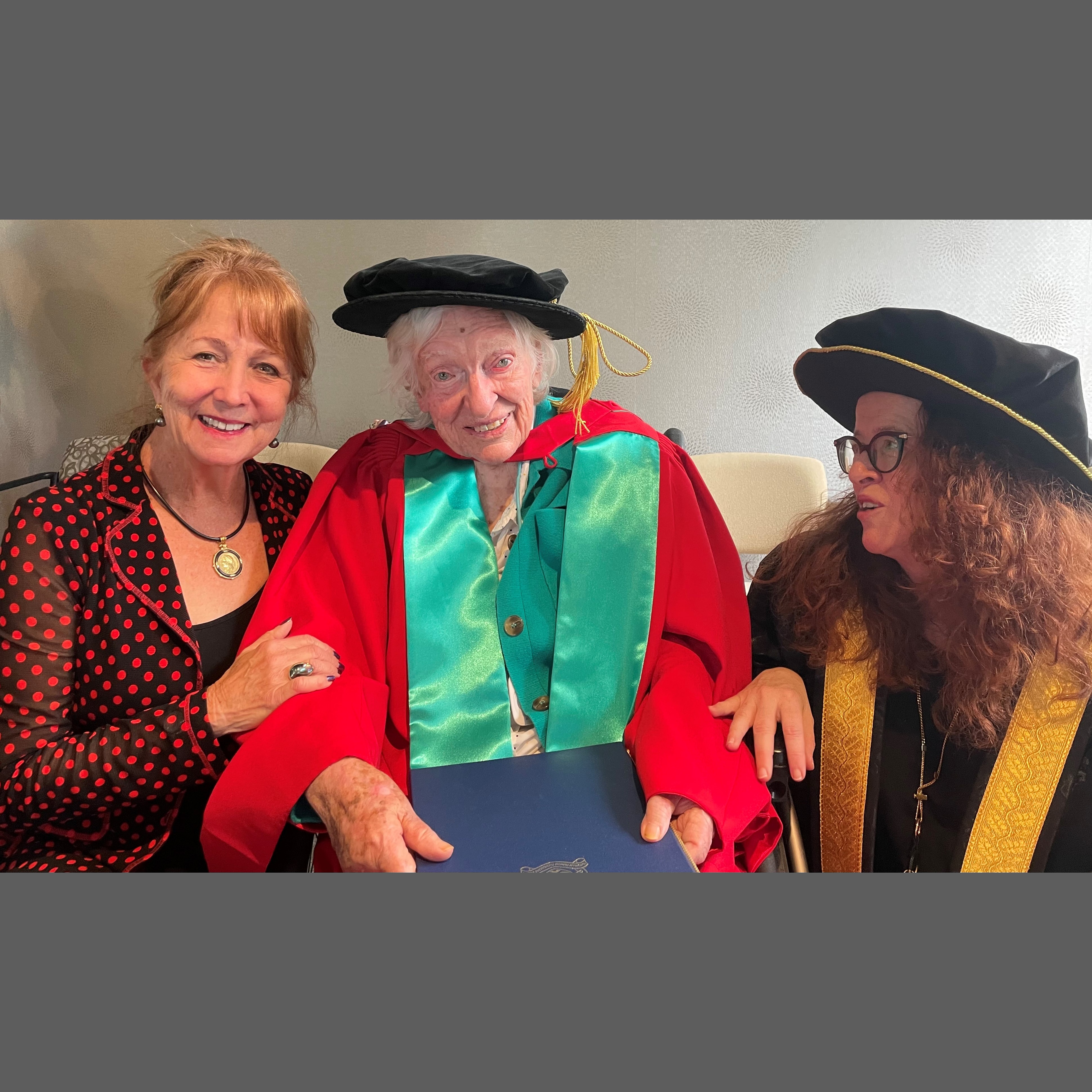
Surprise Hon Doc for Rose, but why did we forget Louise?
This week we look at some brilliant figures in science who after being allowed to fade from memory are now at last being recognised.
Dark energy – not necessarily constant
After more than twenty years of observations, Tamara Davis has revealed that dark energy, the mysterious force driving the expansion of the universe may not be constant.

The Extremely Large Telescope - under construction in Chile’s Atacama Desert.
It might be the largest telescope humans will ever build. We visit the site in Chile’s high dry Atacama Desert.
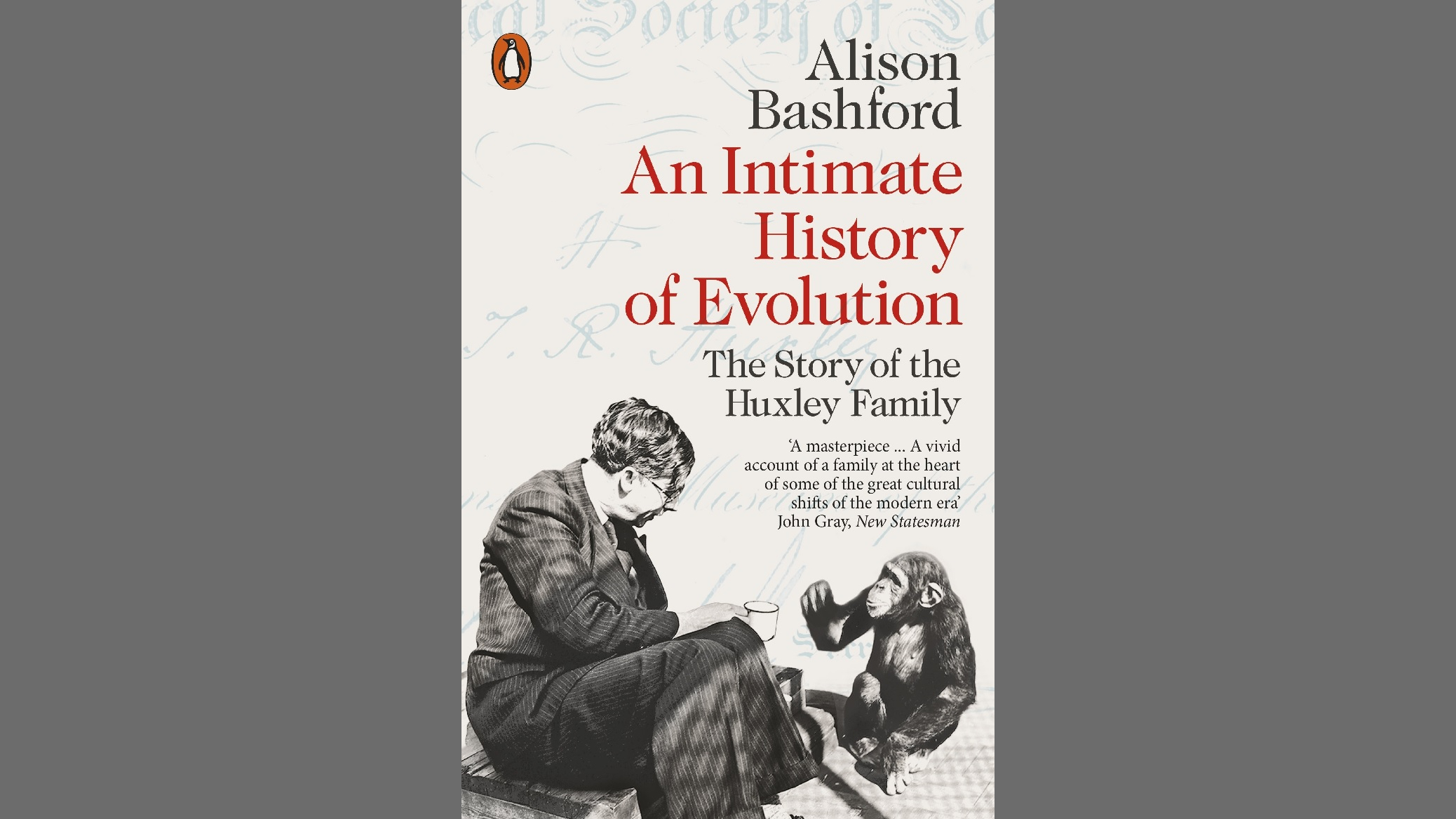
The Huxleys – a scientific dynasty
Richard Fidler speaks to author Alison Bashford who has written about a hundred years of modern science and culture, told through a one family history.
Seabirds have stomachs full of plastic
Plastic is being eaten by seabirds. Some migratory birds can no longer fly. And micro amounts are entering the cells of other creatures. Including us.
The Science Show celebrates 49 years
The first Science Show was broadcast on 30th August 1975. This week’s program takes a suitably cosmic view of Australia, its origins and its future.
New chemical reaction promises to slash price of some pharmaceuticals
A new chemical reaction eliminates 6 steps in the manufacture of some drugs promising big savings of time and money.
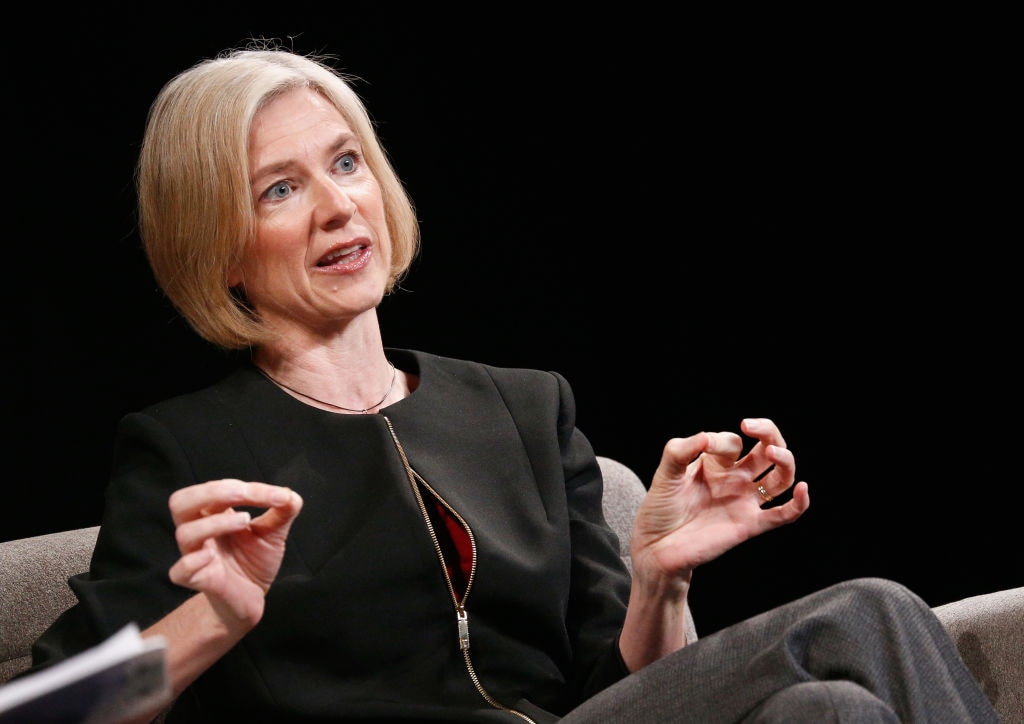
Merlin meets Dr Crispy
CRISPR is the most powerful means of gene editing ever developed. It led to Jennifer Doudna and Emmanuelle Charpentier being awarded the Nobel Prize for chemistry in 2020. Jennifer Doudna speaks with Merlin Crossley about CRISPR, its capability, and the ethical questions which arise.
Fire destroying the Amazon, northern hemisphere forests and a tropical island suffers drought.
Drought in the Amazon has left the forest tinder dry and now burning out of control. Wilderness areas and national parks across north America are on fire. The effects of climate change are hitting hard with threats of major shifts to world weather patterns as shown by the tropical island of Yap in the western Pacific coming perilously close to running out of fresh water.
Biodiversity crucial on land, in rivers and in our guts
We go to the Scottish Highlands where biodiversity is being reintroduced to cleared fields, and a comic book explores biodiversity in our guts where bacteria perform essential services.
One billion people at risk as temperatures rise, sex genes, Shackleton VR and tennis
As temperatures rise, it is estimated one billion people will be displaced from their land.
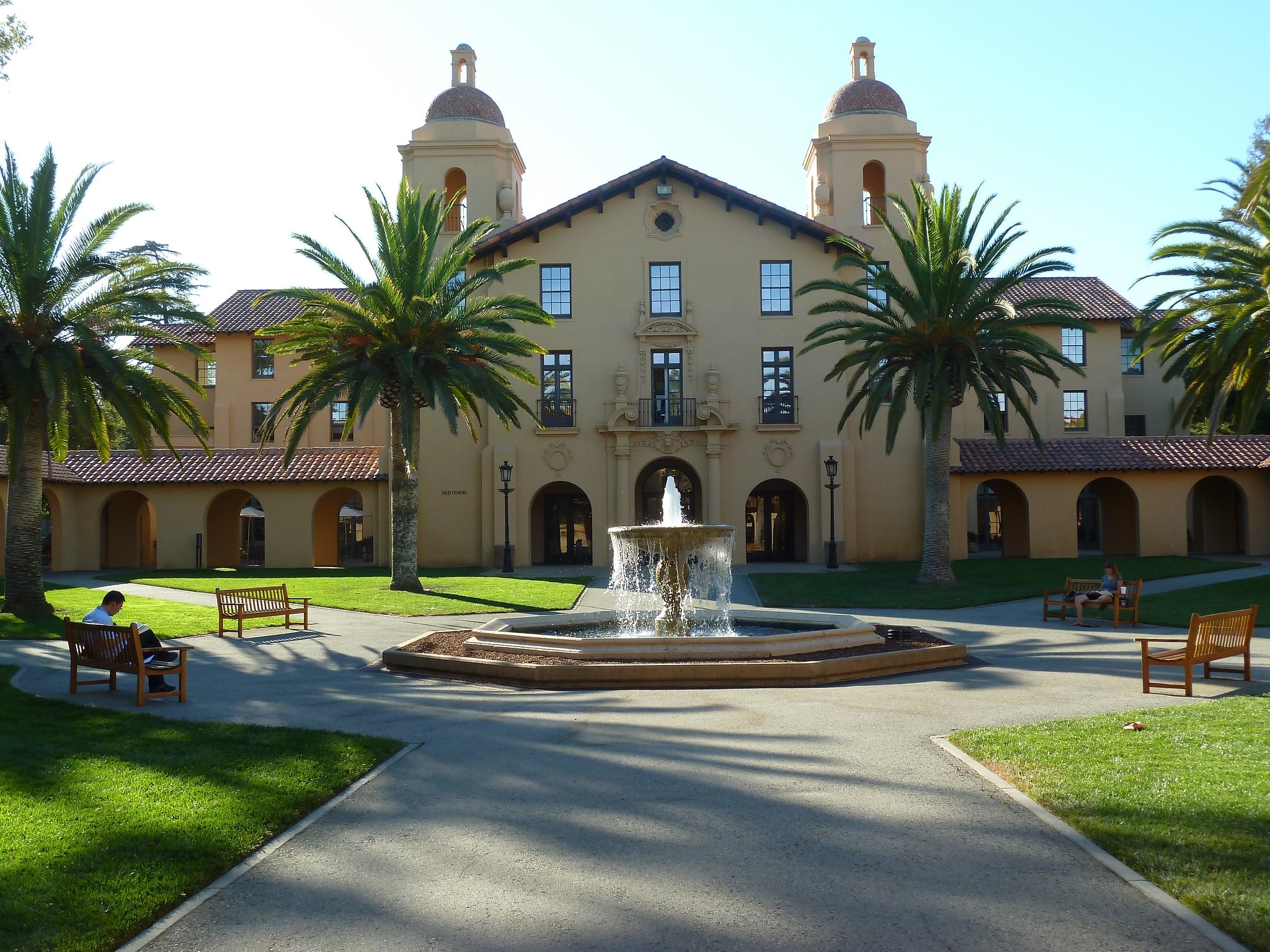
Stanford University: the great university with a dark side
The University of Adelaide and the University of South Australia are to be combined as one in 2026. So how do you start a new university? You could look at the most successful universities and see what makes them great. Stanford University, just south of San Francisco amid Silicon Valley in one of the great universities. Its graduates have created the high-tech companies which we all now rely on. But Stanford has a dark history with a veil of silence drawn over anyone speaking about the university’s past, or present operations. Sharon Carleton reports.
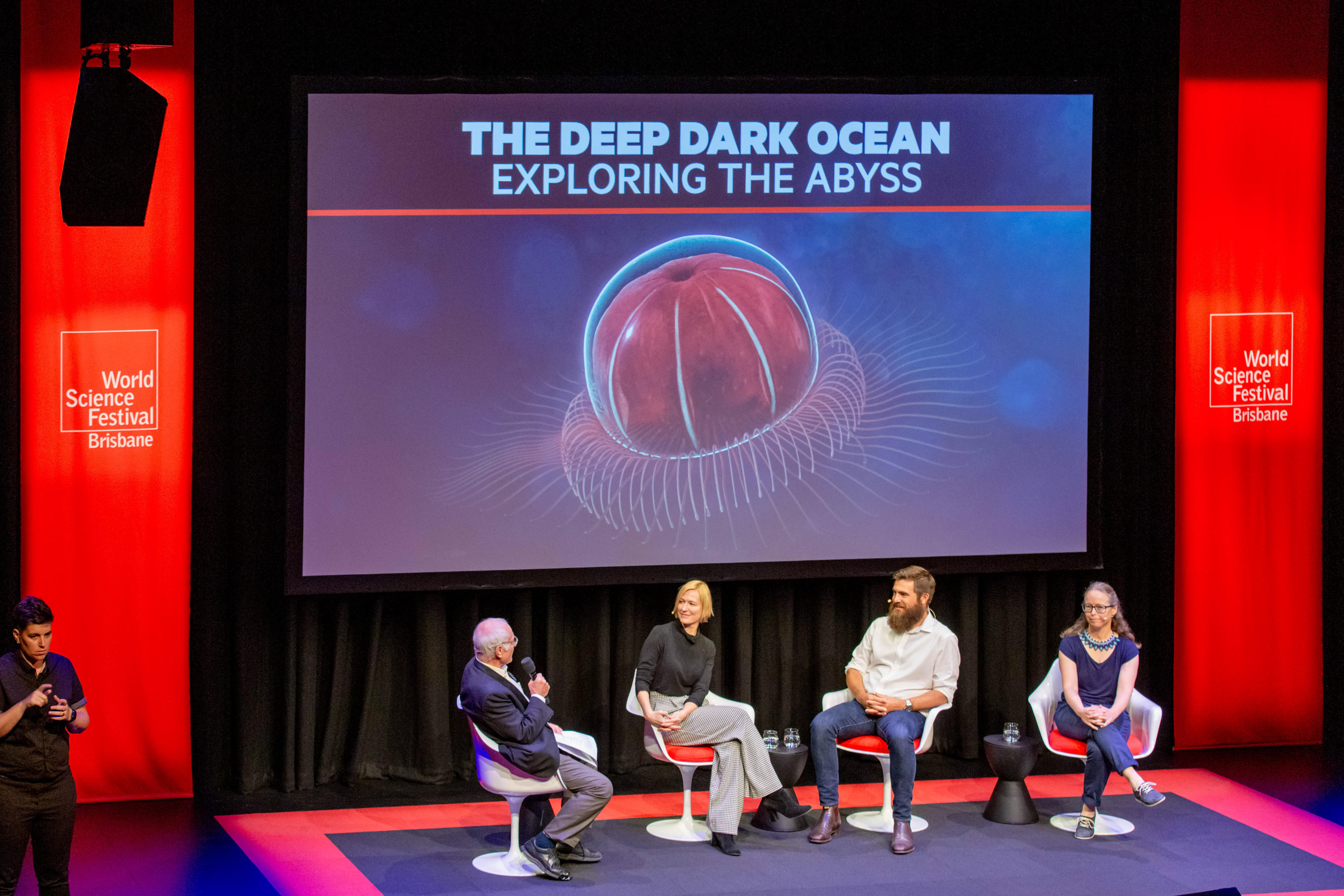
The deep dark ocean – Exploring the abyss
The ocean depths may be out of sight, but they play an important role in climate and the cycling of nutrients.
The world's largest underground lab and the hunt for dark matter
From deep within a mountain in Italy, scientists hope increasingly sophisticated experiments are closing in on the hidden matter of the universe.
The hunt for a crucial update to Einstein's revolutionary theories
For the next big steps in physics many believe it's time for a shake-up of the field's core theories - including those proposed by Einstein himself.
The lab listening to Earth's mysterious seismic rumbles
Deep in an abandoned silver mine in Germany, seismometres monitor the song of the Earth - including its most mysterious rumbles.
Molecules with their own fingerprint
Just as DNA is unique, it turns out other molecules may also be unique.
Paul Ehrlich - memoir traces science, activism and concerns for the planet
Paul Ehrlich has released a memoir. It covers his decades of science and activism. There have been some improvements. But mostly his concerns are even stronger.
Age of Monotremes including three new genera
I00 million years ago, there were more species of monotreme, the egg-laying mammals such as today’s platypus and echidna at Lightning Ridge in northern NSW than anywhere else on earth, past or present.
Are our tall forests really being saved?
David Lindenmayer reveals the ugly truth and what’s really happening in our magnificent tall forests.
Big savings possible for the world’s ships
Ships which hitch a ride on small ocean currents could make big savings on fuel and reduce emissions.
Charcoal reveals secrets of first humans in Australia
There are no bone fragments or similar clues. But the structure of cells of ancient plants captured in charcoal is revealing the diet and lifestyle of the first Australians.
Getting serious about energy storage. But is it too late as wildfires rage?
Large scale energy storage will allow users to rely on renewable energy alone. The US Department of Energy is funding research to make it a happen.
Scientists protest in Adelaide
Scientists fear research will be hit in proposed changes at the South Australian Museum
Two inspirational books and new powers for Parkes dish
Two inspirational books for younger readers show an intruiging world and the thrill of chasing a dream.
The science of friendship
Friendship led ancient humans to cooperate and gain an edge over predators. Compassion is seen among 25 primates and other animals. Today we explore these qualities and meet scientists investigating the role of friendship in our evolution and our lives in the modern world.
The amazing world of alpine plants
Today we meet the people at the forefront of studying alpine plants - including how trees and plants survive in deep snow and ferocious winds. We visit the mushroom lab to discovery why fungi are essential to life on earth and find out what seed collection in the Colorado mountains is teaching us how to adapt in a changing climate. And while we're talking plants - Professor Peter Bernhardt of Missouri describes the thrill when the seventh millionth species was revealed and listed at his own formidable herbarium. All that, plus meeting the winner of the 2023 Jak Kelly Award for his fascinating research on how stars are tearing apart planets - could this have been the history of our own planet Earth?
Meet the man who changed the world forever
Sir Mark Oliphant of Adelaide was the main person missing from the film Oppenheimer. It was Sir Mark who carried the letter from European scientists to New York to convince the American President that Hitler was trying to make an atomic bomb and needed to be beaten to the chilling quest. It led to the Manhattan Project.Mark also gave us microwave power, initially to equip planes, later to give us microwave ovens; he helped establish the ANU; was the first President of the Australian Academy of Science and became governor of South Australia.He was the 'right hand man' of Sir Ernest Rutherford of NZ who revealed the atomic nucleus and won the Nobel Prize in 1916. It is often reported that they "split the atom" and so enabled the incredible power therein to be released. It was this, as well as the Manhattan Project, that made Sir Mark Oliphant such a voice for peace and tolerance, as this Science Show from 1986 remembers.
Big things
The Iter Tokamak nuclear fusion reactor is due for completion next year. In the US, a smaller cheaper reactor is also gearing up.
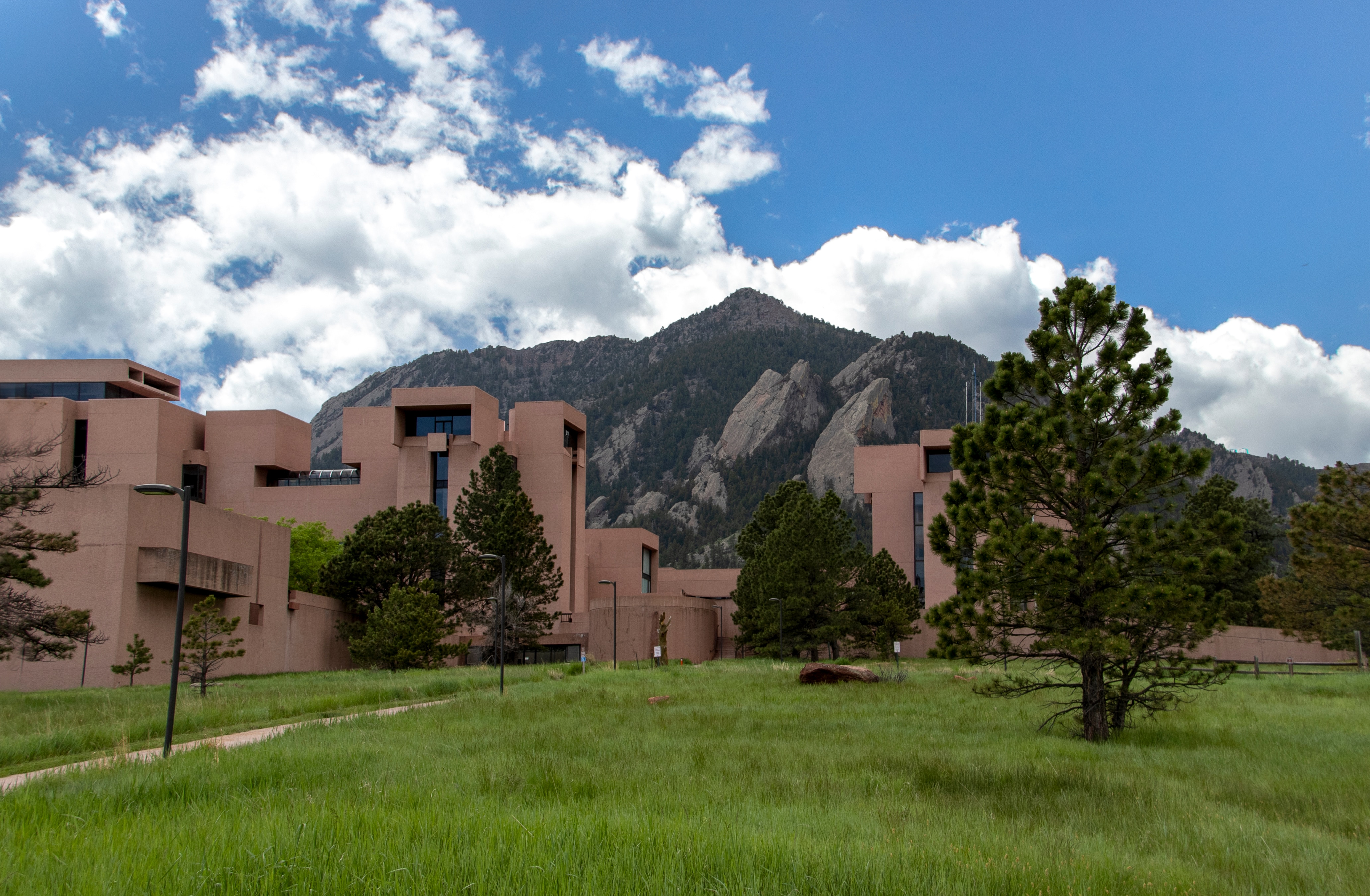
US National Center for Atmospheric Research
Join Robyn Williams and meet scientists at one of the world’s centres for the study of climate and weather.
Microorganisms support all life, and plastic in creatures’ guts
Microplastics are everywhere and impacting ecosystems.
Supernova!
A supernova has been observed in great detail just 3.5 light years from Earth… and that’s close!
The Science Show
They’ve lived since the time of the dinosaurs. But the outlook is grim for Tasmania’s Maugean skate.
How Chinese science was revealed to the world
A great range of scientific and technical achievements were made in China hundreds of years earlier than in Europe.
Improved photosynthesis may increase crop yields
More efficient molecules inside plants could bring a big increase in crop yields.
Climate forces change to traditional lifestyles in PNG
Failing crops and dwindling water supply are forcing change to the traditional lifestyles of PNG highlanders.

The Science Show’s Top 100 Australian Scientists
People know their sports stars, and their rock stars. Why don’t they know the stars of science who have helped shape our world? The Science Show’s Top 100 Australian Scientists hopes to generate discussion and raise the profile of Australia’s world class scientists.
Science Extra: Aspects of psychology: ADHD diagnosis explosion—and singing to babies
Aspects of mental health and psychology.Diagnoses of Attention Deficit Hyperactivity Disorder (ADHD) doubled over the past year, and the cost of doing that increased substantially too.And why do parents take so readily to singing to their babies—especially when it's time to change the nappy?With Presenter of All in the Mind Sana Qadarand Investigative Journalist Ange LavoipierreHosted by Science Editor Jonathan Webb
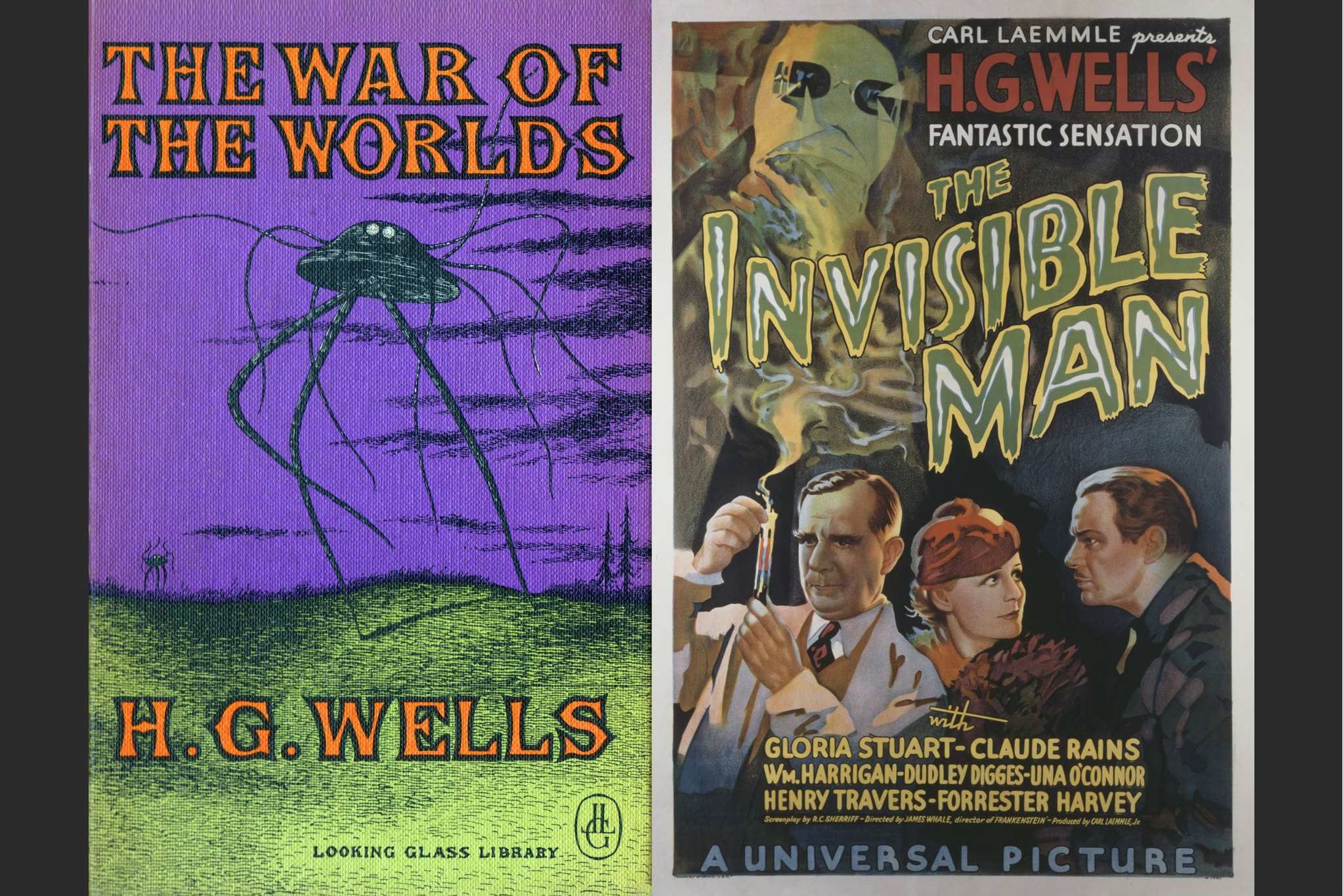
H. G. Wells – father of science fiction
He imagined the atomic bomb, believed in a world government, wrote books about science and science fiction and was the first popular communicator of scientific ideas. Today we commemorate the life and achievements of Herbert George Wells.
Science Extra: falling antimatter, chimps, Beethoven's hair, Jupiter, and that telescope
Clearly, there's no such thing as too much AI, you can't escape it; and we can't ignore avian 'flu, or 2023 being the hottest year on record; But, meanwhile ... CERN measured the dynamics of falling antimatter; primatologists measured menopause in chimps; Jupiter got new moons, Beethoven's hair gave up genetic intel, and the James Webb telescope filled in some knowledge gaps.We're with Science Journalist Genelle Weule and Science Reporter Belinda Smith
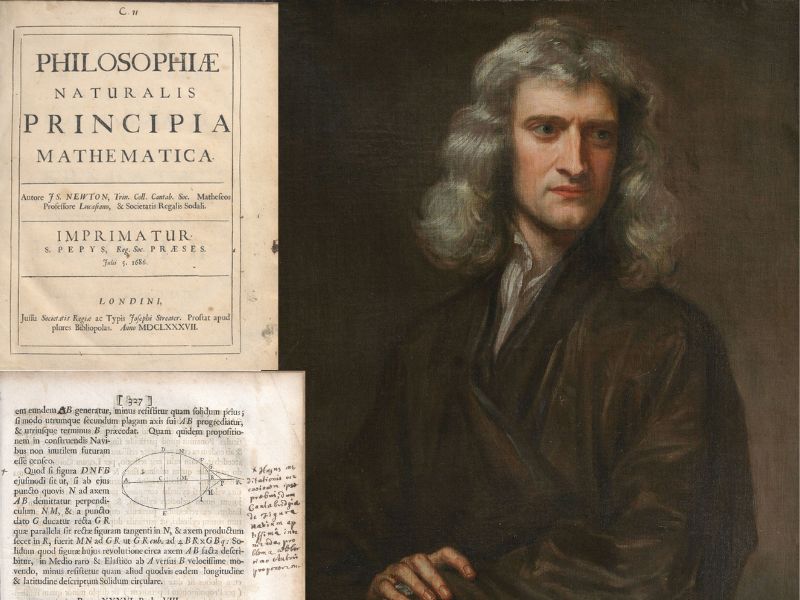
Portrait of Isaac Newton
He developed laws of motion, gravitation and mathematical calculus. But with his genius came myths and legends. Sharon Carleton presents a portrait of Isaac Newton.
Science Extra: One semaglutide please
If there’s one medication that’s got everyone talking it’s the antidiabetic medication semaglutide. The drug is often better known by one of its brand names, Ozempic, and it’s exploded in popularity mainly because of its weight loss effects. So what’s happened due to the popularity and what could be coming next?Also, while COVID has become less relevant in everyday discussions it certainly hasn’t gone away. We haven’t seen the rise of a major new variant, but SARS-CoV-2 hasn’t been sitting still. This week we’re joined by health reporters Tegan Taylor and Paige Cockburn.
What to do when science doesn’t cut through
Tim Flannery and Robyn Williams discuss how to communicate in a world of denialism, disinformation, and deep fakes.
Science Extra: The rise of the thinking machines
The hottest tech story in 2023 has been the rise of artificial intelligence. ChatGPT burst onto the scene and became the fastest-growing internet app of all time, reaching more than 100 million users in only a few months. So what has been the result of ChatGPT and other generative AI?
The Anglo-Australian Telescope – approaching 50 years
Robyn Williams visited the telescope site prior to its completion in 1974. In 2014 he returned as astronomers celebrated 40 years.
Science Extra: It's gettin' hot in here
It’s been a big year for environment news: records broken, a new El Nino, and dire forecasts for a hot summer.In this bonus episode, we’re diving deep into what happened in environment news in 2023, including ... the next frontiers of mining and potential environmental outcomes, possible good news about Amazon deforestation, and very worrying news about black swans.
The bigger Australian story - Odyssey down under
Historian Tom Griffiths says a new kind of history is called for in the year of the Voice referendum. He wrote his essay Odyssey down under for Inside Story.
Transitions
At the age of 87, award-winning scientist, environmentalist and broadcaster David Suzuki has stepped down as host of CBC TV’s The Nature of Things. In May, the Japanese Canadian Cultural Centre in Toronto hosted an evening with David Suzuki - Reflections of an Elder.
The Future Is Now
Carbon dioxide emissions continue to rise. Antarctic ice shelves melt and the Amazon burns. Bob McDonald says the future is now.
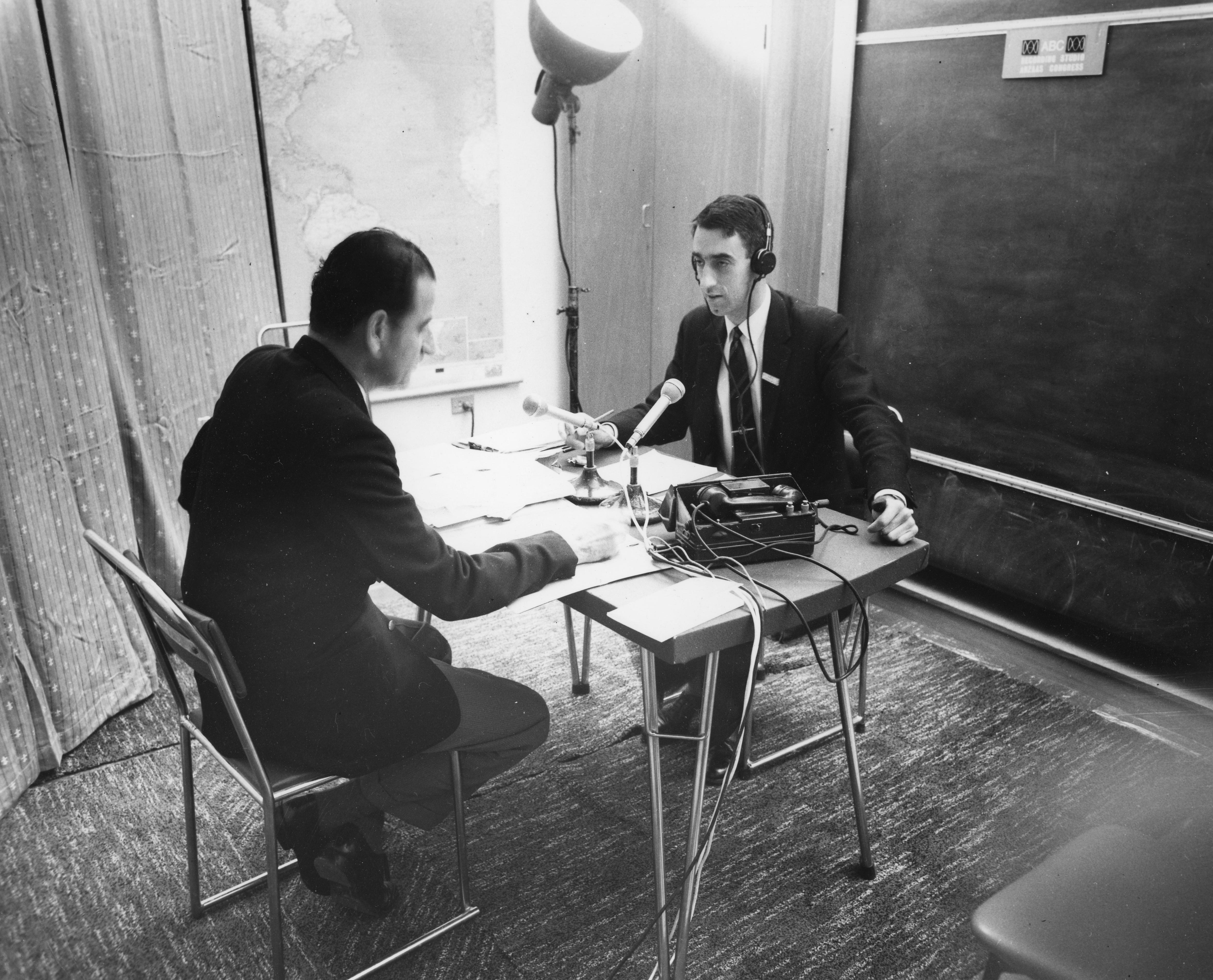
2FC now Radio National celebrates 100 years
We revisit a bold new Sunday night program in 1975, and coverage of the Apollo missions.