The Rogue Learner
52 episodes — Page 1 of 2
Ep 54The Cognitive Mirror: How NotebookLM Has Stopped Being a Tool and Started Being a Thinking Partner
Ep 53Nobody's Coming to Save You
Ep 52Self-Observation Without Judgment: The Practice of Consciousness Awakening
Ep 51Self-Authorship: A Meditation on Conscious Creation
Ep 50The Language of Synchronicity and Kairomancy
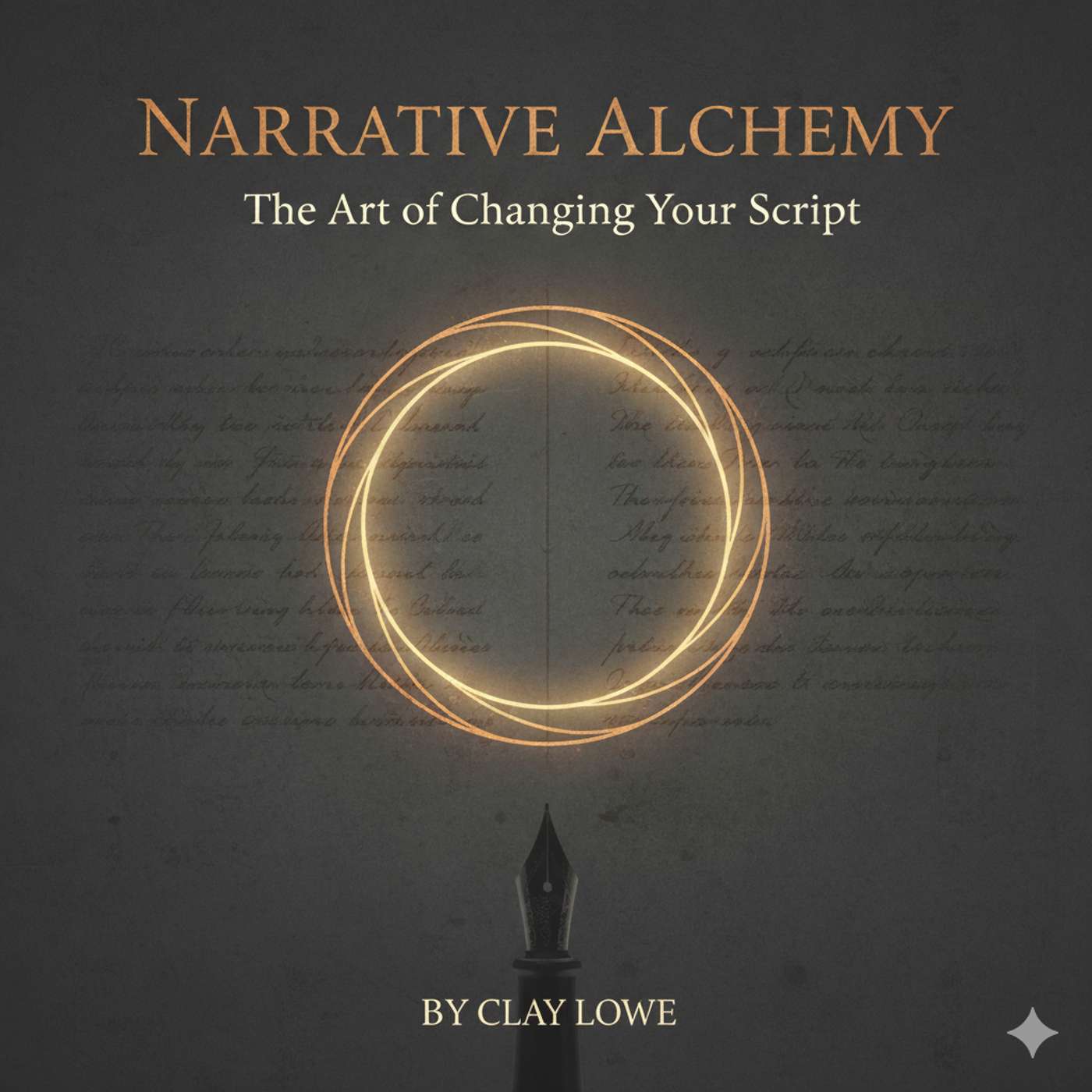
Ep 49Narrative Alchemy: The Art of Changing Your Story
You are an actor reciting a script you didn’t write.We all live by stories, those patterns of limitation, fear, and unworthiness inherited from family, culture, or past pain. These scripts run deep, determining our roles, our boundaries, and what we believe is possible. But what if the famous slogan, "Change your story, change your world," wasn't just motivational shorthand but an ancient, powerful truth?This essay reveals that narrative is the true alchemy.Narrative Alchemy is the process of stripping away the layers of expectation to reclaim your fundamental birthright: the power to define yourself.Learn how to:Dismantle generational "performances" of fear and lack.Reinterpret painful experiences, finding meanings that serve your growth.Transform obstacles into plot twists and problems into puzzles.You are not denying your history; you are refusing to be limited by it. No matter how convincing the evidence for your limitations appears to be, you retain the power to begin again.The page is always blank. The pen is always in your hand. What truth are you brave enough to write?

Ep 48Running with the Red Queen
Ep 47Deep Dive - The Crack in the Wall
Ep 46The Crack in the Wall
Ep 45Rewild Your Thinking: Philosophy as a Way of Life
Have you ever felt that philosophy is an abstract, inaccessible subject, confined to academic towers and filled with impenetrable jargon? Our latest episode, "From Agora to Algorithm," challenges this modern perception, arguing that philosophy was originally humanity's most practical endeavour – the art of living well.
Ep 44Workforce Planning
Workforce planning is a core business process that aligns an organisation's changing needs with its people strategy. It involves analysing the current workforce, determining future workforce requirements, identifying the gaps between the present and the future, and implementing solutions to achieve the organisation's mission, goals, and strategic plan. In simpler terms, it's about ensuring an organisation has the right number of people, with the right skills, in the right place, at the right time, at the right cost, and on the right contract, to deliver its short and long-term objectives.
Ep 43Philosophy as a Way of Life
What if philosophy wasn't something you study, but something you breathe?
Ep 42The Pathless Path
Ep 41Reclaiming Your Presence
Ep 40Awakening the Mythic Imagination: Reclaiming Your Life Through Story
Ep 39Storythinking: The Power of Narrative Intelligence
Angus Fletcher's "Storythinking" explores the power of narrative in human cognition, arguing that it is a distinct and crucial form of intelligence alongside logic. The book posits that storythinking, or narrative cognition, is fundamental to planning, creativity, and navigating uncertainty by employing elements like characters, storyworlds, plots, and narrators. Fletcher contends that while logic has been historically prioritised in education, storythinking, rooted in our biological need to understand actions and motives, is equally vital for personal growth and societal advancement. Ultimately, "Storythinking" champions the conscious development of our narrative intelligence through engaging with stories and embracing conflict as a catalyst for creative problem-solving and richer lives.
Ep 38Jim Morrison's The Soft Parade: A Fever-Dream Liturgy
This deep dive explores Jim Morrison's poem "The Soft Parade," exploring its surreal and disjointed nature as a critique of modern spirituality and American culture. It highlights Morrison's use of fragmented imagery and symbolic language to create a "fever-dream liturgy" that rejects conventional religious and social norms. The analysis examines key phrases and themes, such as the rejection of prayer and the seductive allure of the "trip," alongside the poem's non-linear structure and mythic archetypes. Ultimately, it positions "The Soft Parade" as a provocative and enduring work that challenges societal structures and delves into the subconscious.
Ep 37Burroughs: Madman Mystic and the War for the Mind
Ep 36Tzara's Dadaism: Anarchy and Indifference
Ep 35William S. Burroughs and the Cut-Up Method
Ep 34What is a website, Anyway?
Ep 32Andy Clark on the Extended Mind
Andy Clark, in a discussion about his "extended mind" theory, grapples with the traditional view of the mind as solely internal to the brain. He presents philosophical, socio-technological, and ethical arguments suggesting that external tools and environmental structures can legitimately be considered part of our cognitive processes.
Ep 31Understanding Logical Levels of Change
Ep 30Lemon & Ginger Alchemy: Brewing Transformation in a Cup
There’s something ancient and alchemical about steeping a cup of lemon and ginger tea. The elements themselves feel like they belong in a hermetic text—fire, air, water, and earth converging in a simple but potent brew. Ginger, the fiery rhizome, awakens the senses and stokes the digestive furnace. Lemon, the golden orb, purifies, clarifies, and brightens. Together, they form a transformative elixir, capable of shifting the body’s internal balance, much like a well-placed sigil or an alchemist’s stone.But let’s take this beyond mere folk remedies and into the deeper alchemical and philosophical dimensions of this brew. What happens when we approach this simple tea as a spagyric potion, a liquid philosopher’s stone that catalyses internal transformation?
Ep 29Cicero: Master of Roman Rhetoric and Statesmanship
Ep 28Interview with Cicero
Ep 27What is Thinking?
"What is Thinking?" explores the multifaceted nature of thought, examining its basic mechanisms as information processing and neural activity, while also considering philosophical and psychological perspectives. It identifies various types of thinking, such as analytical, creative, and critical, highlighting their diverse functions. The text also discusses the dual nature of thinking, acknowledging its power as a tool for problem-solving alongside its potential pitfalls like overthinking and cognitive biases. Ultimately, the source grapples with the profound question of the thinker's identity, presenting ideas ranging from the self as an illusion to a deeper consciousness or a self-referential loop.
Ep 26The Art and Science of Meta-Learning: How to Teach Yourself Anything
Ep 25Revenge and Justice: The Thin Veil
Ep 24Re-Visioning Psychology Notes
Ep 23Neural Alchemy: The Art of Self-Remixing
Brain change is not like ordinary work at all. It is not laborious, nor linear. It is alchemy—a science of transformation that defies conventional logic. Once you truly engage, it is not effort. It is initiation.
Ep 22Discursive Meditation
Ep 21the art of the ARG
Ep 20bending reality
Ep 19tsundoku: the art of unread books
Ep 18Thinking at the Edge
Ep 17A Manifesto on Obsession
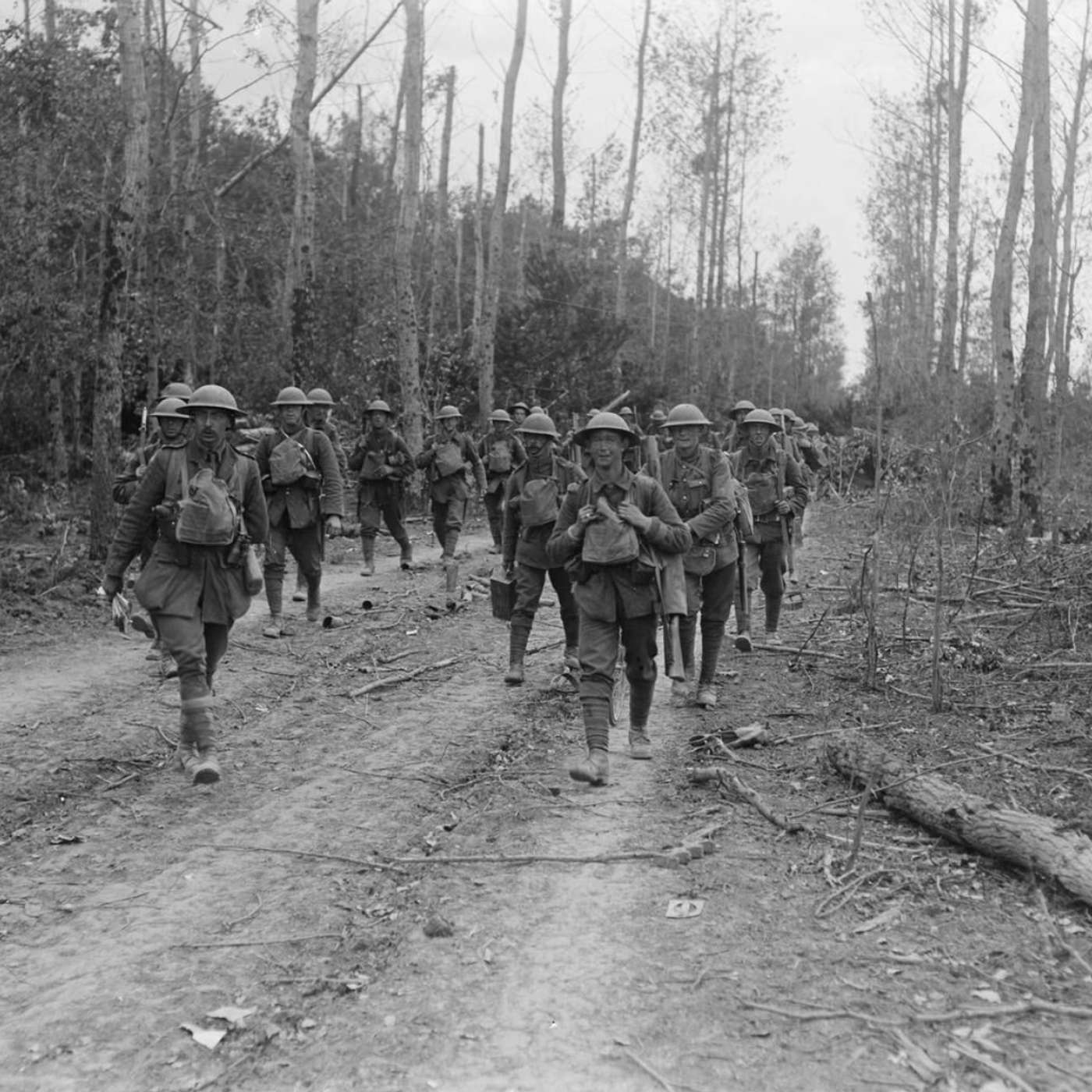
Ep 16Allied Counteroffensive, 18 July 1918 and the West Yorkshire Regiment

Ep 15Splitting the Self: A Philosophical Meditation on Severance and the Fragmented Human Experience
Ep 14Água Viva: A Psychedelic Exploration of Time, Art, and Being
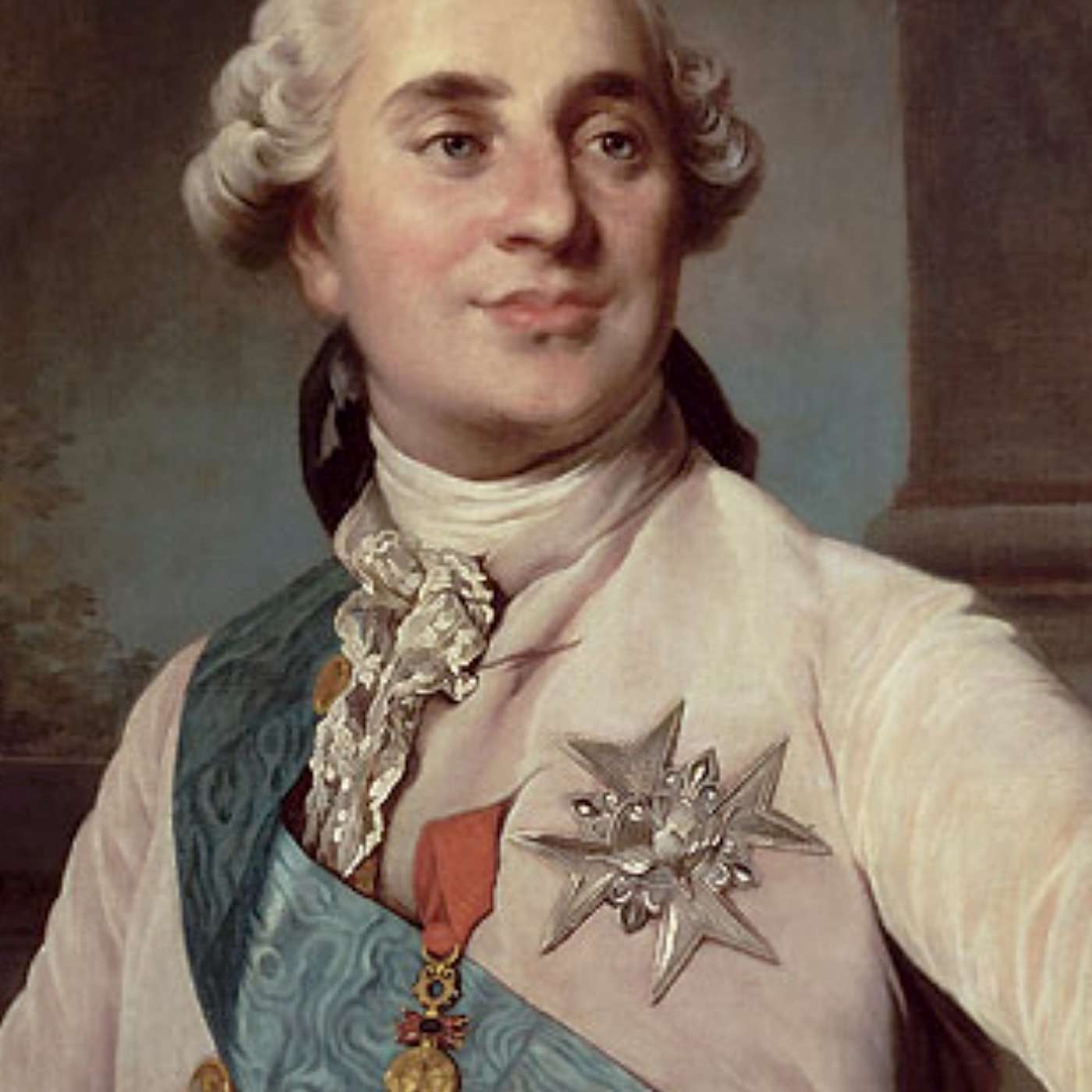
Ep 13the fall of a king
Ep 12A Philosophy of LIfe
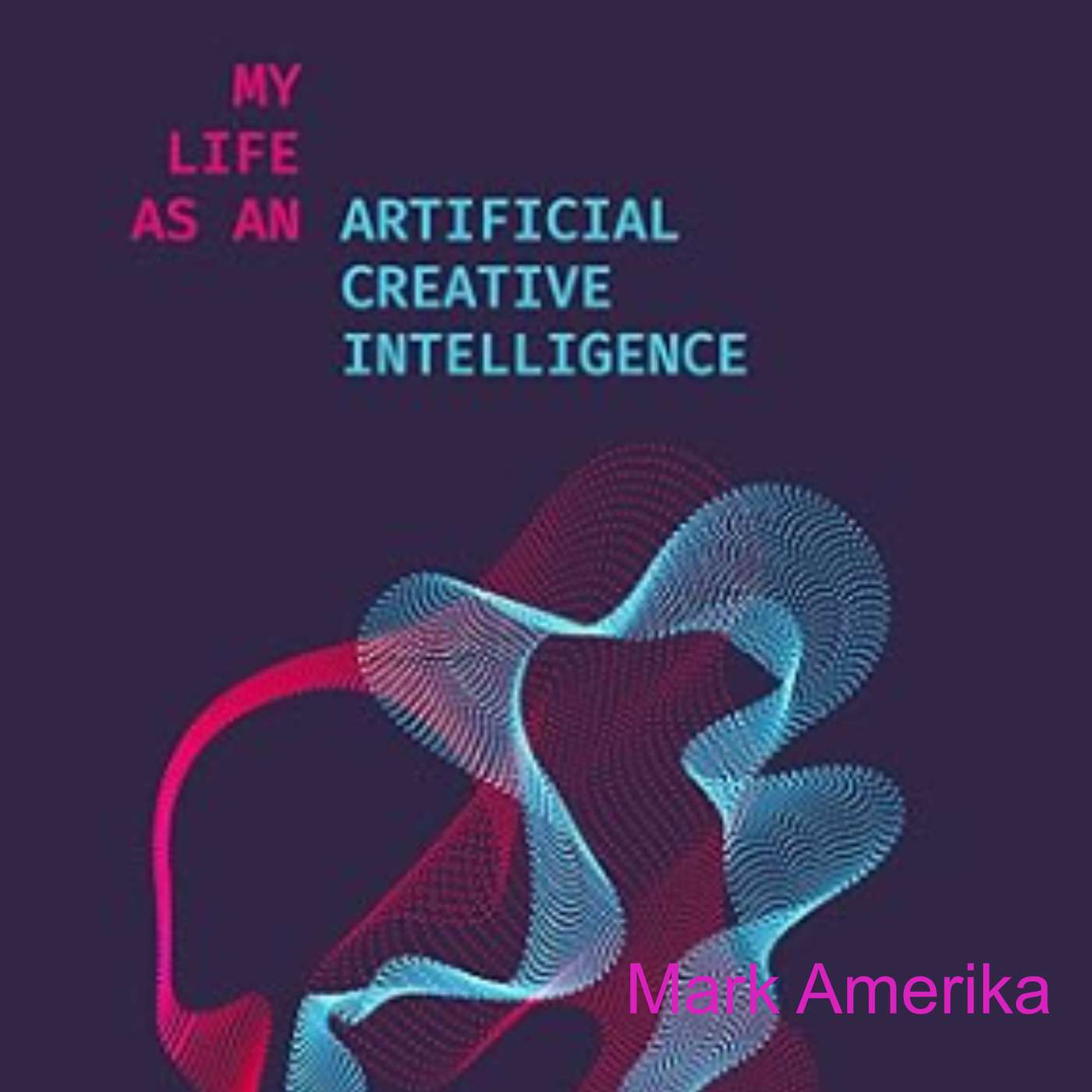
Ep 11reflecting on My Life as an Artificial Creative Intelligence: a journey into posthuman creativity
Mark Amerika's My Life as an Artificial Creative Intelligence (Sensing Media) explores the author's collaborative writing process with GPT-2, a language model. The book examines the nature of authorship, creativity, and the blurring lines between human and artificial intelligence in art creation. Amerika uses remixology and various avant-garde techniques as a primary creative methodology, questioning traditional notions of originality and authorship. He reflects on the implications of AI for artistic expression and the future of creativity, drawing upon post-structuralist theory and exploring concepts of the unconscious and the "Third Mind". The work is presented as a blend of creative non-fiction, theoretical poetics, and experimental fiction.
Ep 10conscious robots
Ep 9Cyborg: Flesh, Machine, and the Future
Ep 8blogging about blogging about blogging

Ep 7Change Magick: A Modern Framework for Personal Mastery
Ep 6the fabric of ultimate reality
Ep 4Reclaiming your inner world from consumer culture
I came across this passage in my reading this morning. It touches on an issue that I find fascinating: the clash between our inner need for mythic or symbolic depth and the way modern culture tends to package and sell these experiences back to us in simplified, commodified forms. I felt the need to unpack this.
Ep 3Batman as the Wounded Hero
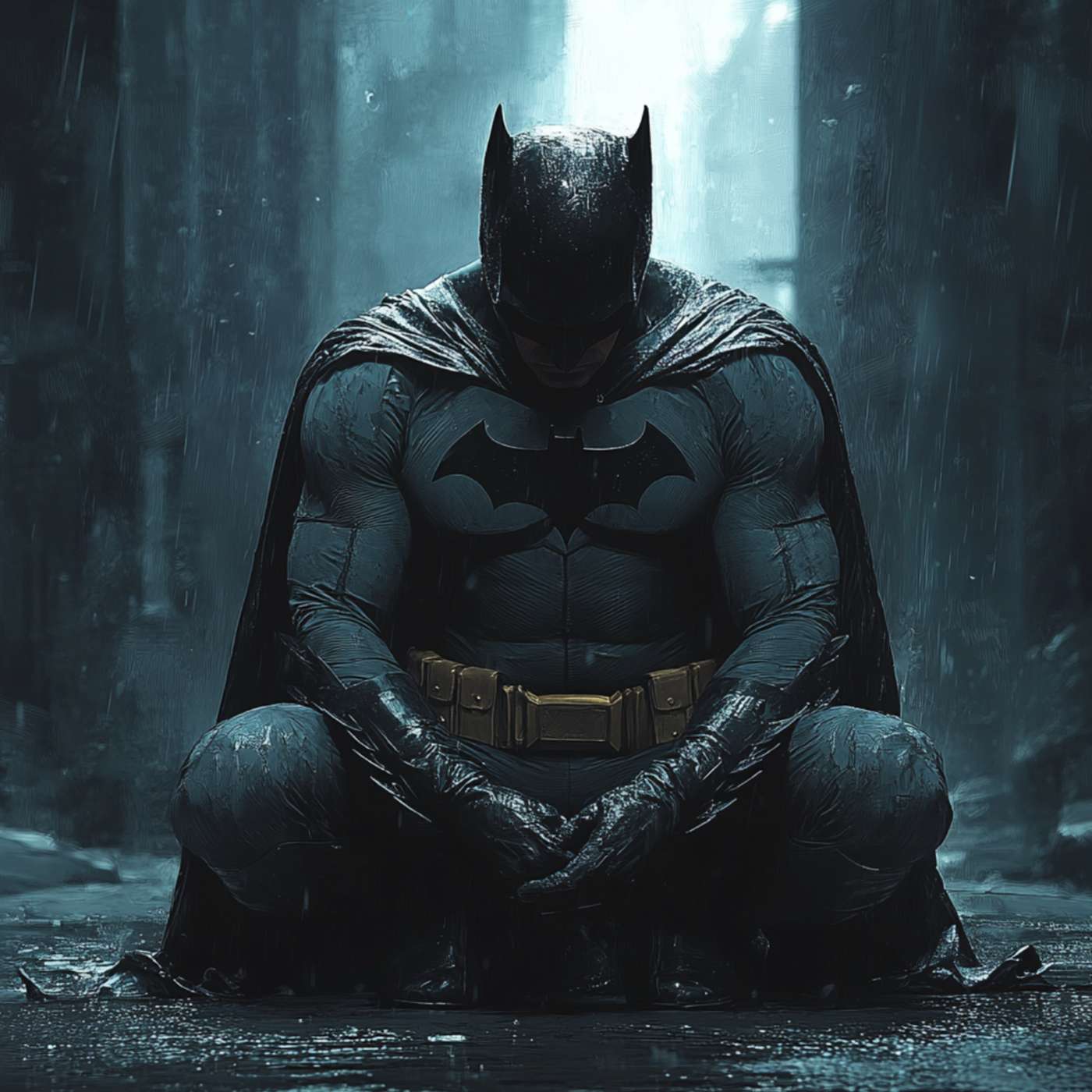
The blog post "Batman as the Wounded Hero: Navigating the Liminal Spaces Between Light and Shadow" explores Batman through the lens of mythological and psychological archetypes. It delves into how Batman, much like mythic figures such as Hades and Osiris, embodies the archetype of the wounded hero. His trauma becomes a source of strength, fueling his fight against Gotham's darkness. The post examines Batman's complex relationship with his shadow, trauma, and morality, highlighting his liminal existence between light and dark.