The Rhodes Center Podcast with Mark Blyth
80 episodes — Page 2 of 2

Who Owns the Economy, and Who Pays for It?
On this episode Mark talks with political economist Brett Christophers. Brett’s a Professor at Uppsala University, and author of ‘Rentier Capitalism: Who Owns the Economy, and Who Pays for It?’. In the book, Brett explains how neoliberalism and financialization have led to an explosion of rent-seeking businesses in a variety of sectors, from natural resource extraction and finance, to tech and hospitality. And while it allows some companies to thrive, Brett argues that mostly it stifles innovation, hurts competition, and defangs what’s left of organized labor. In Brett’s view, this new model of capitalism is one of the key economics challenges we face. After reading his book, you might agree. You can learn more about and purchase Brett Christopher's book here: [https://www.versobooks.com/books/3683-rentier-capitalism] You can read a transcript of this episode here: [https://drive.google.com/file/d/16-3YA3_gQpvbt29ESkZJGe5nuDtOHzEL/view?usp=sharing]
Why Does the EU Have a Legitimacy Problem?
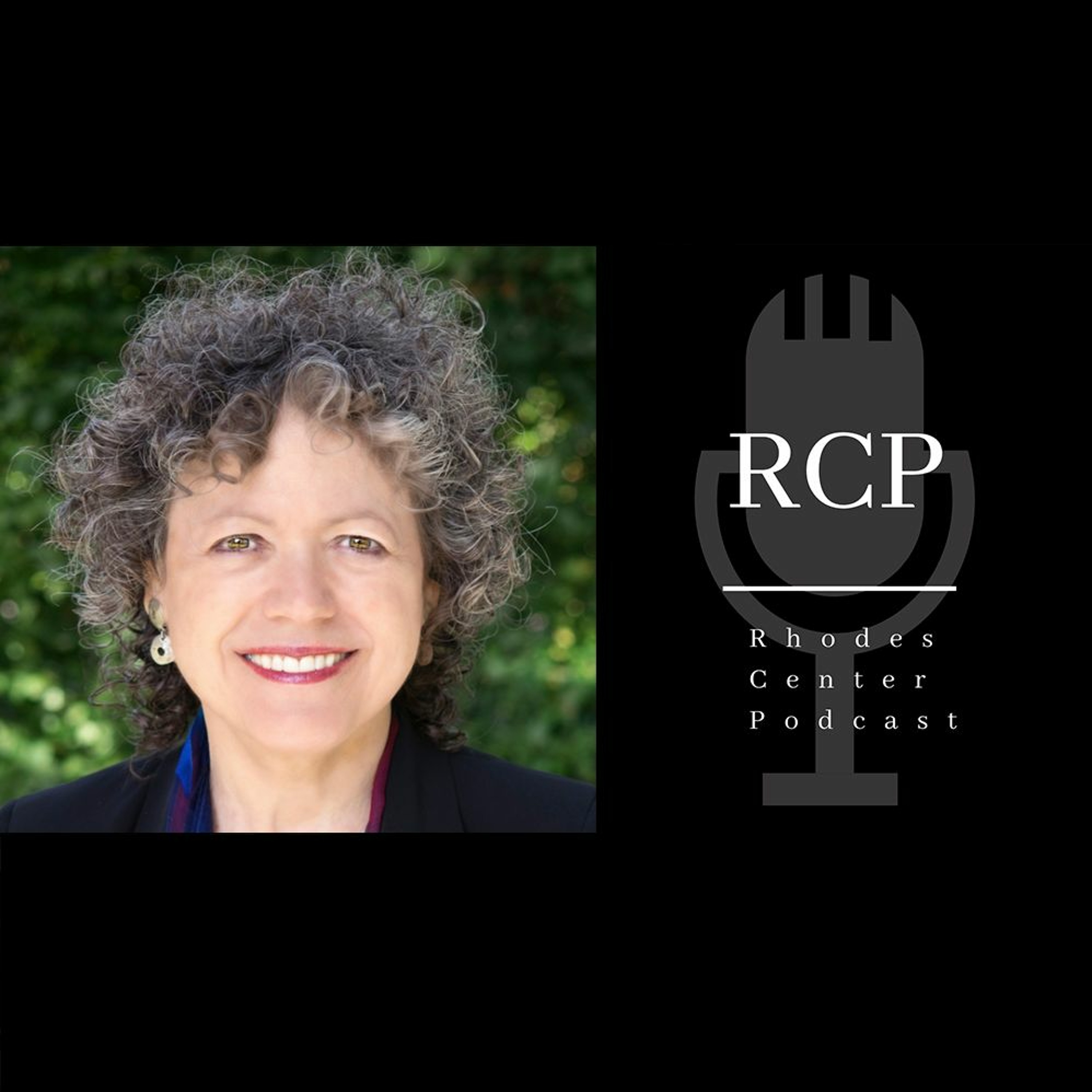
In this episode Mark talks with Boston University Professor Vivien Schmidt. Schmidt is an expert in the political economy of the European Union, and one of the keenest analysts of its institutions. Her new book, ‘Europe’s Crisis of Legitimacy: Governing by Rules and Ruling by Numbers in the Eurozone (2019),’ asks questions that each year grow more pressing. Why does the EU seem to have a constant legitimacy problem within its own membership, and what does this persistent legitimacy gap mean for Europe and the world? You can learn more about and purchase Schmidt's book here: [https://global.oup.com/academic/product/europes-crisis-of-legitimacy-9780198797067?cc=us&lang=en&] You can find a transcript of this episode here: [https://drive.google.com/file/d/19GIO_qZSfKlq_ityoMfO5_Bt_H8Cfw7r/view?usp=sharing]
Do Deficits Matter? (MMT Explained)
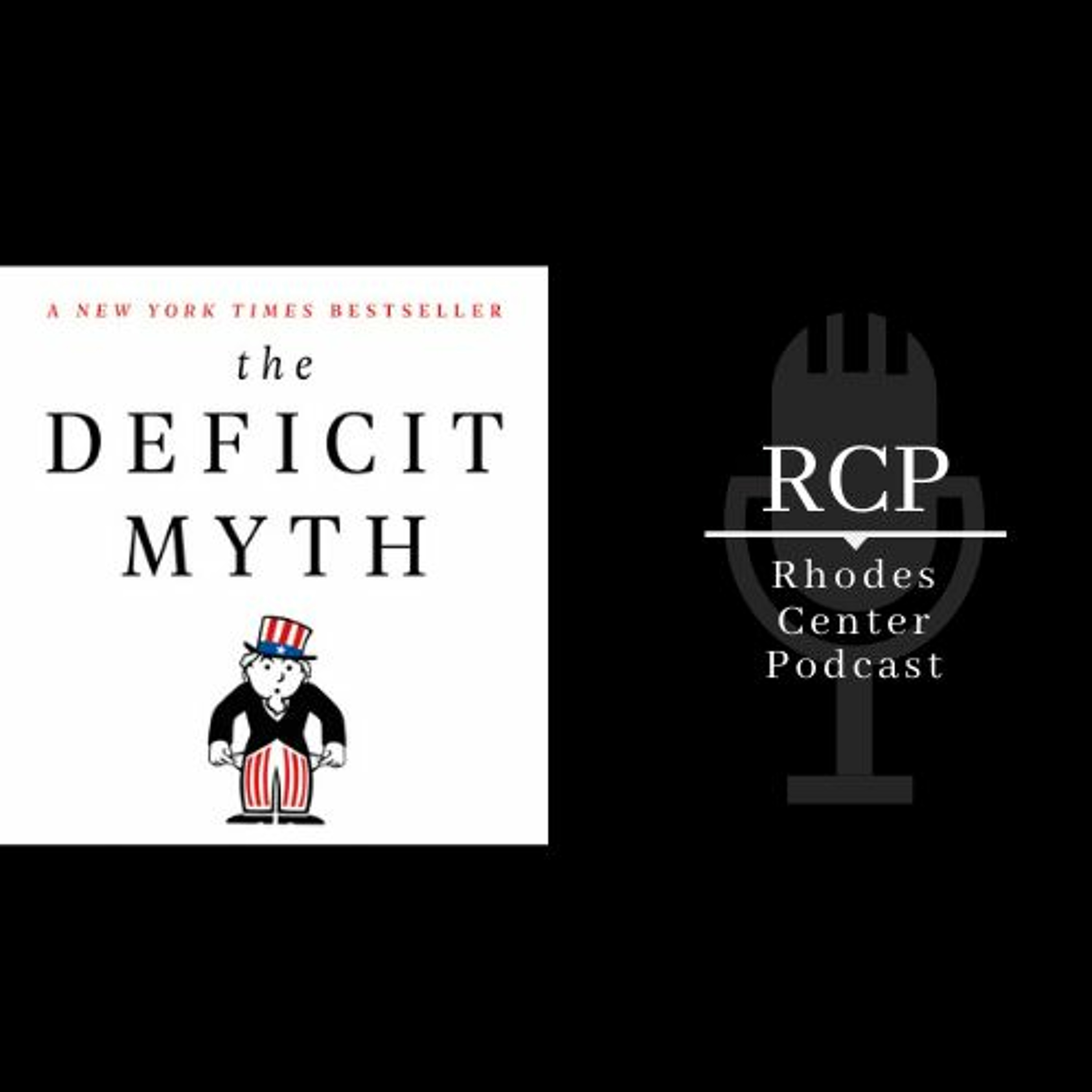
On this episode Mark talks with Stephanie Kelton, Professor of Economics and Public Policy at Stony Brook University and author of 'The Deficit Myth: Modern Monetary Theory and the Birth of the People's Economy'. Kelton is one of the leading experts on modern monetary theory (MMT), a view of macroeconomics that upends many long-held assumptions about federal government spending. Mark and Stephanie start by unpacking a key tenet of MMT: when it comes to spending, debt, and savings, governments are NOTHING like households. But as you'll hear, that's only the tip of the MMT iceberg. You can learn more about and purchase Stephanie Kelton's book here: [https://www.publicaffairsbooks.com/titles/stephanie-kelton/the-deficit-myth/9781541736184/] You can read or download a transcript of this episode here: [https://drive.google.com/file/d/1-Th_TsKlZLpDPl7pznRz-_G5HPVuVe-b/view?usp=sharing]

The Fraught, Complex, and Important 'Economics of Belonging'
On this episode Mark talks with Martin Sandbu, a journalist at the Financial Times and author of 'The Economics of Belonging.' In addition to having a great title, the book provides a penetrating explanation for why so many people have come to feel so left behind in wealthy Western countries. Mark and Martin discuss the role economics plays in this discontent, and look at how radical economic policy could help not just boost national GDP's and employment rates in the West, but renew a widespread sense of citizenship and belonging. You can read or download a transcript of this episode here: [https://drive.google.com/file/d/1zj_lSC-q7JOXG2lqkeNQWqL_Comg83Az/view?usp=sharing] You can learn more about and purchase Martin's book here: [https://press.princeton.edu/books/hardcover/9780691204529/the-economics-of-belonging]

Populism, or 'Anti-System Politics'?
On this episode Mark talks with Jonathan Hopkin, author of 'Anti-System Politics: The Crisis of Market Liberalism in Rich Democracies.' Unlike most analyses of populism and the breakdown of party systems, Hopkin argues that the way countries' have governed their markets in the last 30 years has shaped not just the rise of populism, but a form of politics opposed to market liberalism that spans the ideological spectrum. You can read or download a transcript of this episode here: [https://drive.google.com/file/d/12E8x0QEsi0PR7RbUPs9ysl7DXrthCEht/view?usp=sharing] You can learn more about and purchase John Hopkin's book here: [https://www.amazon.com/Anti-System-Politics-Crisis-Liberalism-Democracies/dp/0190699760]

How US Hegemony Ends
On this episode Mark talks with Alex Cooley and Dan Nexon, authors of 'Exit from Hegemony: The Unraveling of the American Global Order.' Scholars and pundits have been predicting the US's decline as the singular world power since at least the 1970s. Now, with President Trump's isolationist, nativist politics, many are saying this decline has finally arrived. Cooley and Nexon agree that the US's exit from hegemony has begun -- but as they explain, it started long before Trump's inauguration. You can learn more about and purchase they book here: [https://global.oup.com/academic/product/exit-from-hegemony-9780190916473?cc=us&lang=en&]
Possibilities for a Post-Covid Economy
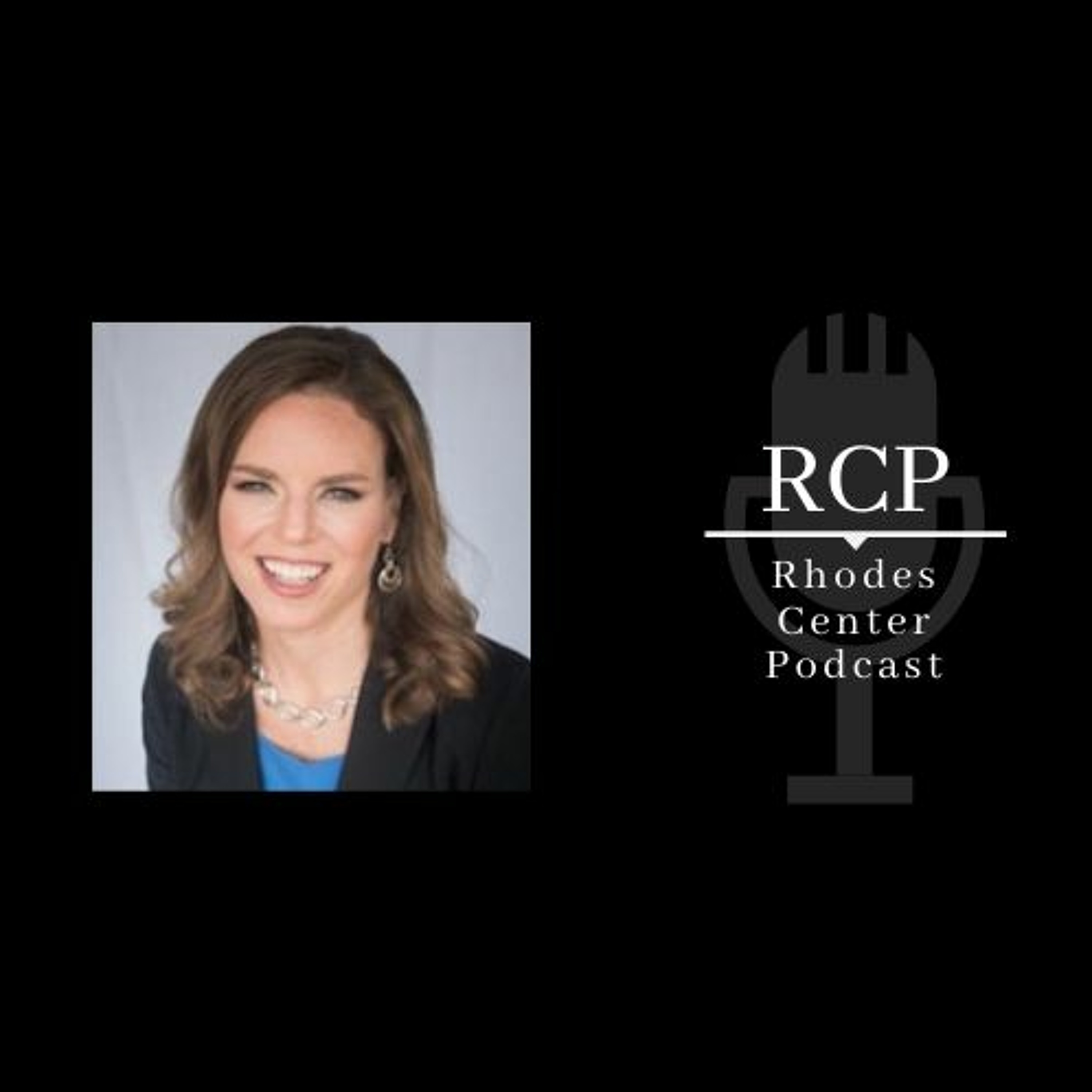
Megan Greene is an economist who actually sticks her head out the window, and takes real world observations as seriously as the models. For that reason (and many others), she’s currently a Fellow at Harvard’s Kennedy School of Government, and a Fellow at the Rhodes Center. On this episode Mark talks with Megan about what a post-Covid economy might look like, whether we’re already in a global Depression, and how the American unemployment model is a little more European than many people think.
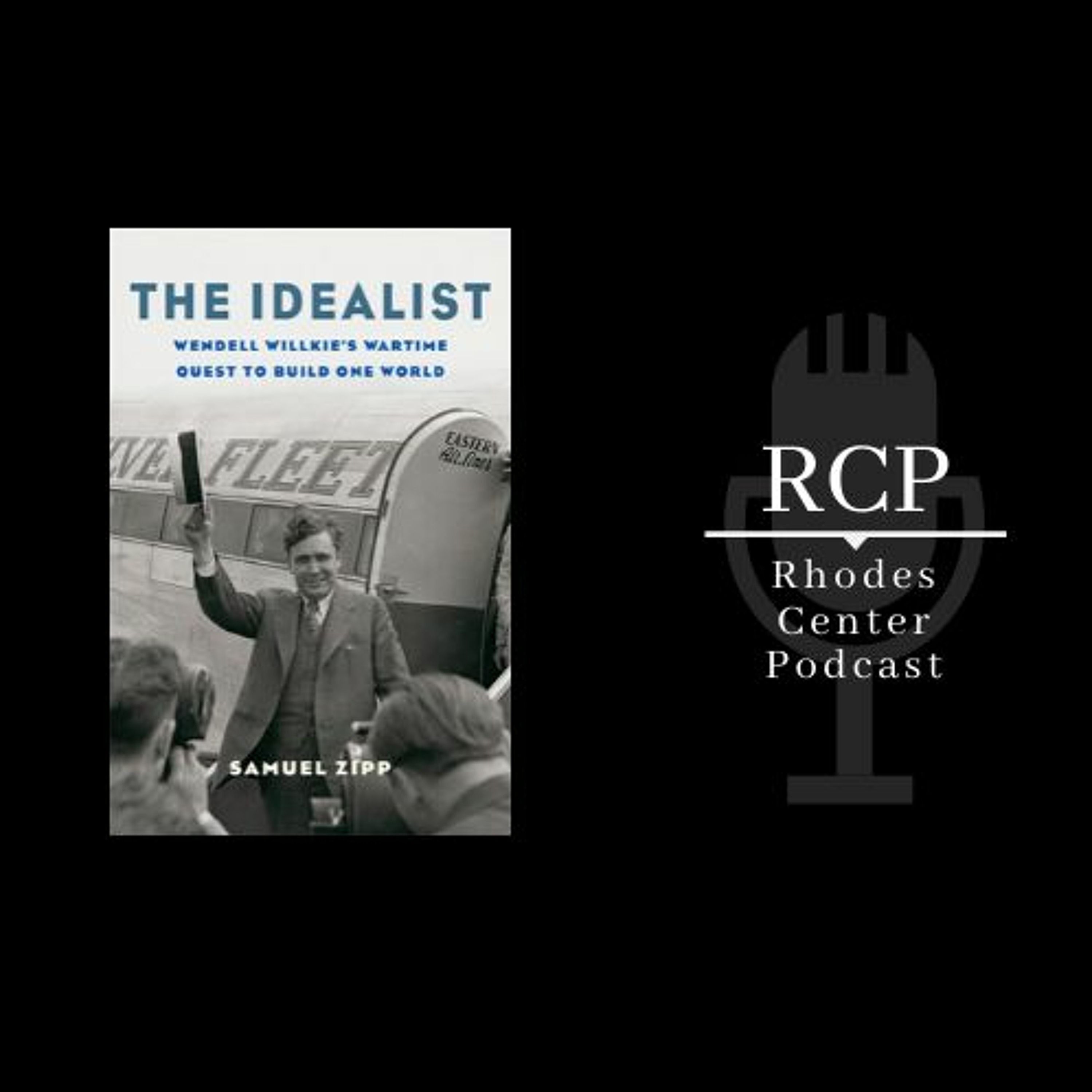
The First Globalist: Sandy Zipp Talks Wendell Willkie’s World
At a time when globalization is being contested by nationalists and battered by coronavirus, Mark talks to Samuel (Sandy) Zipp, Associate Professor of American Studies and Urban Studies at Brown, about the first American globalist: ex-Republican Presidential Candidate Wendell Willkie. Sandy is the author of 'The Idealist: Wendell Willkie's Wartime Quest to Build One World,' and as he describes in it, after losing to FDR, Willkie circumnavigated the globe in 1942, steeled the Allied countries' resolve to fight Nazism, and in the process picked up a new politics of globalism. Back home Willkie wrote 'One World,' a wildly successful book that briefly pushed Americans to embrace the causes of decolonization. Mark and Sandy discuss Willkie’s odyssey, and its relevance for the world we find ourselves in today. You can learn more about Zipp’s book here: [https://www.hup.harvard.edu/catalog.php?isbn=9780674737518]
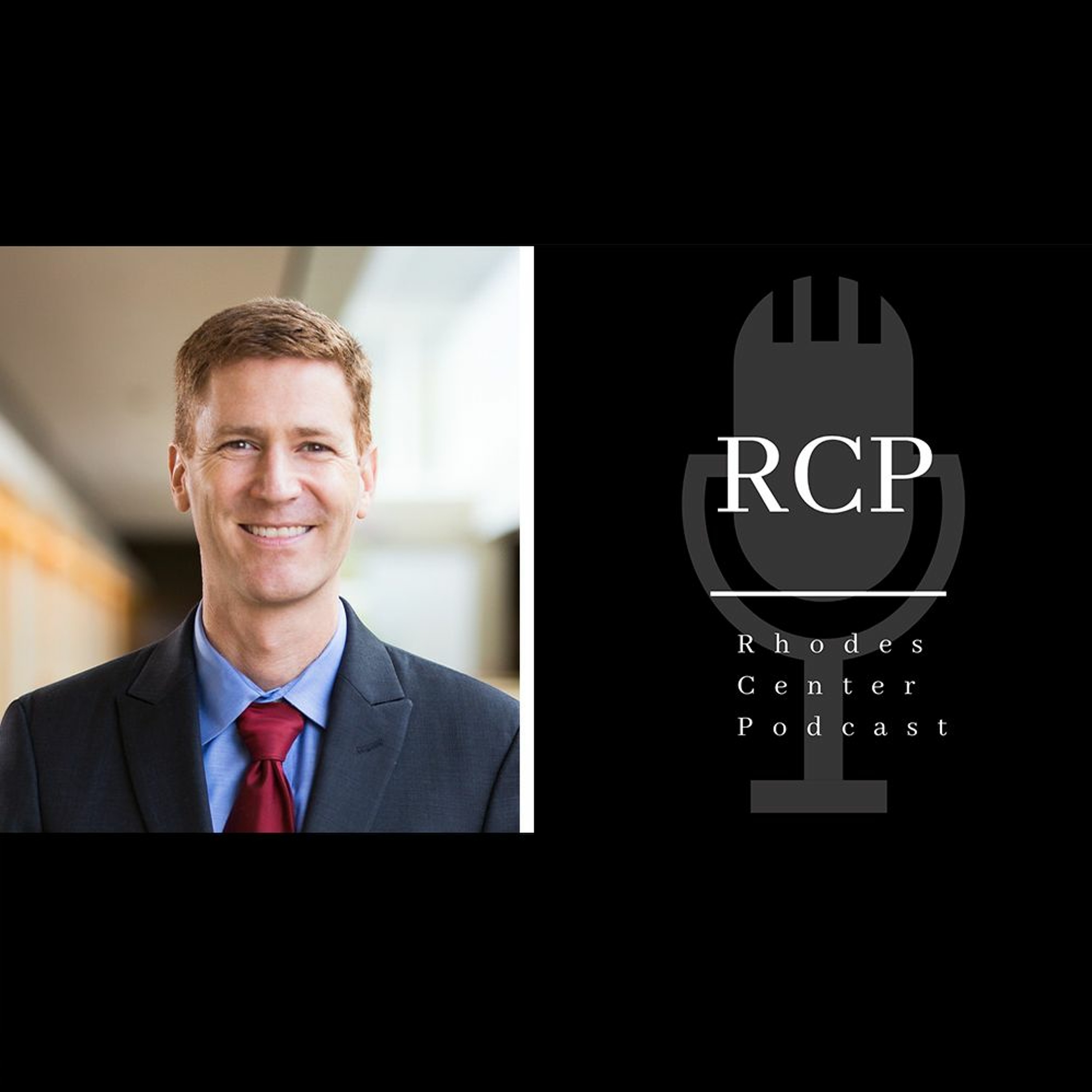
The Corona Oil Shock
Something strange happened in late April: the price of oil went negative. This below-zero price tag didn’t last long, but it remains unusually cheap. And thanks to the coronavirus, it will likely stay that way for a while. In this episode Mark talks with Watson Associate Professor Jeff Colgan, an expert on the oil industry and the geopolitics that define it. They get into oil's current price fluctuations, how it’s related to the coronavirus pandemic, and how changes to this singular commodity will affect industries and countries in a post-pandemic world. You can watch the extended video of this conversation here: [https://watson.brown.edu/events/2020/live-corona-oil-shock]

State Capacity, Growth Models, and Coronavirus in Latin America
In this episode, Mark talks with Jazmin Sierra, Assistant Professor of Political Science at Notre Dame, who is a specialist in the political economies of Latin America. This interview was on the books before the coronavirus pandemic; Mark and Jazmin were planning to talk growth models in Latin America - that is, what bits of GDP the different economies tickle to generate growth. Now of course, there’s a more pressing topic at hand. But surprise, surprise: the two topics are deeply connected. They discuss how different countries in Latin America are responding to this crisis, and what it’s revealing about the strengths and vulnerabilities of their different growth models in this moment. Plus, the eerie feeling of deja vu one gets when watching Brazilian politics from the US.

'Leftism Reinvented' with Stephanie Mudge
For decades, left-leaning political parties were defined by their advocacy for the working class. But in the 1990s that started to change, as left voters were asked to adapt to a more technocratic, market-driven world and parties themselves changed, becoming more technocratic. Parties changed internally with finance-friendly economists and political strategists taking over from trade union economists and party activists. We’re living with the consequences of that transformation today, from the rise of inequality to the surge of anti-immigrant nationalist political parties. To better understand this strange new political world, Mark talks with Stephanie L. Mudge, Associate Professor of Sociology at the University of California, Davis and author of 'Leftism Reinvented: Western Parties' from Socialism to Neoliberalism (Recorded on 3/5/2020). You can watch Stephanie Mudge's March 5th talk at Watson here: [https://www.youtube.com/watch?v=cP86Fk5AMQI&feature=youtu.be] You can learn more about and purchase 'Leftism Reinvented' here: [https://www.hup.harvard.edu/catalog.php?isbn=9780674971813]
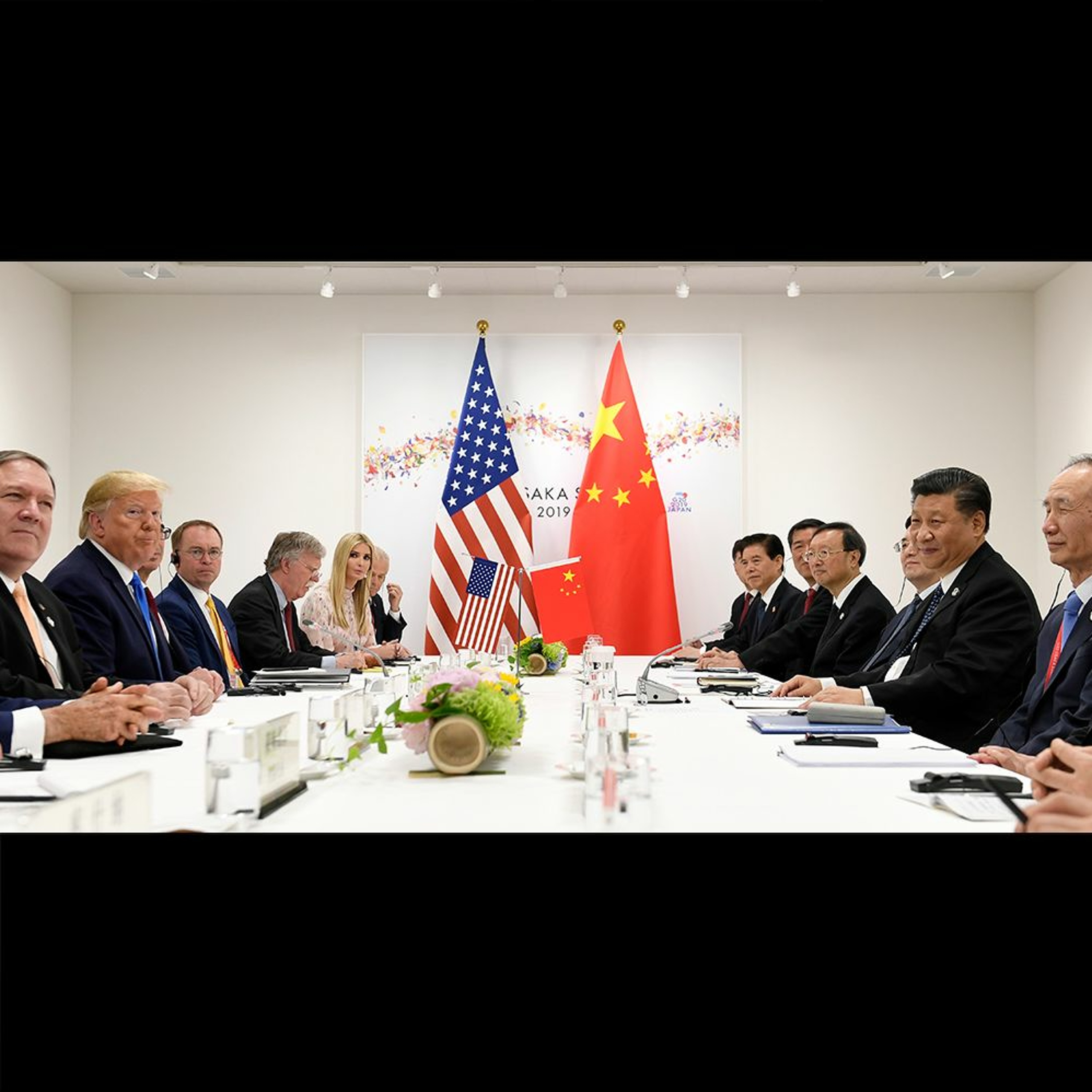
Experts and the National Interest: The Curious Case of China and the US
Between 2016 and 2018, relations between the United States and China went from focusing on engagement to competition to something bordering on threat management. If you think that's because of President Trump...you're wrong. On this episode Mark talks China, foreign policy, and the role of experts with David McCourt, Associate Professor of Sociology at University of California, Davis. McCourt has studied the formation, evolution, and influence of the relatively small group of China 'experts' who guide China policy in the US and Europe. He and Mark talk about how this group operates, why their views change when they do, and what their inner workings can teach us about the future of US-China relations. You can watch David McCourt's recent talk at the Watson Institute here: [https://www.youtube.com/watch?v=jdAK0rJUuvQ&feature=youtu.be]

What’s Next? The Post-American Global Economy
First, there was Bretton Woods. Then, globalized neoliberalism. On this episode of the Rhodes Center Podcast, Mark and his guests ask: what’s next? Is the ‘American order’ over? And if not, how will we know when it is? Mark talks with Ilene Grabel, Professor at the Josef Korbel School of International Studies at the University of Denver, and Jonathan Kirshner, political scientist at Boston College. Optimist, pessimist, or realist, this conversation will give you something to chew on.

Rethinking Economic Paternalism
On this episode Mark talks with Mario Rizzo, co-author of “Escaping Paternalism: Rationality, Behavioral Economics, and Public Policy.” In the book, Rizzo makes the case that economists, policy makers, and psychologists have developed an overly restrictive view of ‘rational behavior,’ and that this causes problems for institutions and governments seeking to promote certain types of behavior over others. Rizzo challenges the idea that experts and policymakers can always design beneficial interventions, and instead argues for a more inclusive theory of rationality in policy making.
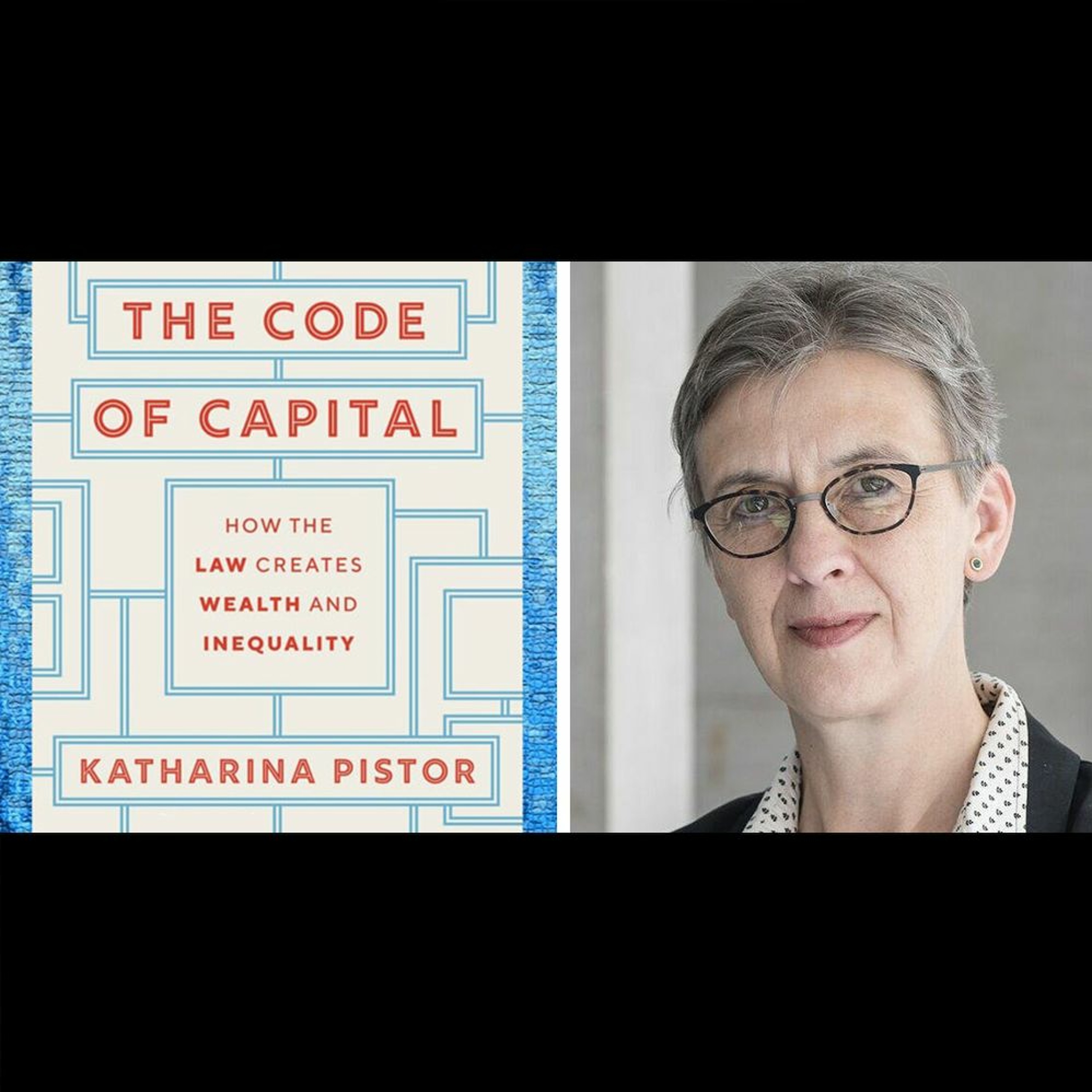
The 'Code of Capital' with Katharina Pistor
On this episode guest host and Watson Professor Nick Ziegler talks with Katharina Pistor, Professor at Columbia University Law School and author of “The Code of Capital: How the Law Creates Wealth and Inequality”. They discuss how the law defines our economy, and generates vast amounts of capital for those who know how to wield it. Yet despite its centrality to our system, it remains a mystery to many outside the legal profession. Ziegler and Pistor unpack this dilemma, and look at how the law can push back against the very problems ‘legal coding’ creates. You can see Professor Pistor's lecture at the Watson Institute here: [https://www.youtube.com/watch?v=m81pkJs5fcY] You can learn more about and purchase Professor Pistor's book here: [https://press.princeton.edu/books/hardcover/9780691178974/the-code-of-capital]

Corporate Governance in the Digital Age
On this episode Mark talks with Benjamin Braun, Cornelia Woll, and Jennifer Heerwig about corporate governance in the digital age. As their discussion illustrates, behind the neutral phrase ‘corporate governance’ lie so many pressing economic, financial, and political issues: the growth of money in politics, the effects of some bankers being ‘too big to jail,’ and what it means for the world that BlackRock owns, well, everything.
Economic Narratives and 'Uncertain Futures'
There are uncertainties in our economy that go beyond measurable risk. Simply put: there are some things we can not know. So how do economic actors form expectations and decide how to act despite this existential uncertainty? On this episode Mark explores this question with Jens Beckert and Richard Bronk, editors of the new book ‘Uncertain Future: Imaginaries, Narratives, and Calculation in the Economy.' They look at the challenges that arise from this uncertainty, and explore how, in many ways, the future really belongs to those with the market, political, or rhetorical power to make their models or stories count. You can see the talk Jens and Richard gave at the Rhodes Center here: [https://www.youtube.com/watch?v=FseT_EU-EbI&feature=youtu.be] You can purchase 'Uncertain Futures' here: [https://global.oup.com/academic/product/uncertain-futures-9780198820802?cc=us&lang=en&] You can read a transcript of this episode here: [https://drive.google.com/file/d/1ehWghIxpKEEZ8LKGd6d_4HUcNLVxP2DC/view?usp=sharing]
The 99% Economy with Paul Adler
We live in a time of crises — economic turmoil, workplace disempowerment, unresponsive government, environmental degradation, social disintegration, and international rivalry. Paul Adler's book, 'The 99 Percent Economy: How Democratic Socialism Can Overcome the Crises of Capitalism,’ argues that these crises are destined to deepen unless we radically transform our economy. On this episode, Mark and Paul talk about how a democratic-socialist alternative to our current economy could help us weather these crises, and the challenges to building such a system. You can purchase Paul Adler’s book here: [https://global.oup.com/academic/product/the-99-percent-economy-9780190931889?cc=us&lang=en&] You can read a transcript of this episode here: [https://drive.google.com/file/d/1fEsrMmPYDWhrOKo0xi2GKinZ-ZgNjN0h/view?usp=sharing]

A Progressive Case for Free Trade with Kimberly Clausing
On this episode, Mark Blyth talks with Kimberly Clausing, author of ‘Open: A Progressive Case for Free Trade, Immigration, and Global Capital’ [https://www.hup.harvard.edu/catalog.php?isbn=9780674919334]. At a time when free trade is getting a bad rap from every direction, Clausing makes a case for why open borders and free trade are crucial to building a 21st-century economy that works for everyone. You can read a transcript of this episode here: [https://drive.google.com/file/d/1dcaBdZtGmSdaPPVnVzXVZrfrUYDyfOZ3/view?usp=sharing]

Aidan Regan: Economic Ideas and Real Politics
On this episode, something a little different. Aidan Regan is an assistant professor at the School of Politics/International Relations at University College Dublin UCD, and has a podcast we think you’ll like. We think you’ll especially like this episode, since he recorded it while at a conference hosted by the Rhodes Center. His guest? Mark Blyth. He and Mark talk about how Mark first got interested in political economy, the perception versus reality of Europe’s economic challenges, and why some bad economic ideas are just too good to give up. You can read a transcript of this episode here: [https://drive.google.com/file/d/1fislkd-yjs4W4z2M_uHqlQVdQXhTF8Ug/view?usp=sharing]

Zsófia Barta: Understanding the Politics of Public Debt
Why do rich countries flirt with fiscal disaster? Zsófia Barta, author of In The Red: The Politics of Public Debt Accumulation in Developed Countries [https://www.press.umich.edu/9726915/in_the_red], challenges a long-held consensus by arguing that the problem of sustained, large-scale debt accumulation is an adjustment issue rather than a governance failure. On this episode Mark talks with Zsófia Barta about how understanding why some countries accumulate substantial amounts of debt for decades hinges on understanding the conditions required to successfully enact painful adjustment measures. You can see Zsófia Barta's full presentation from her April 15th visit to the Rhodes Center here: [https://youtu.be/G5lxTxuIUAw] You can read a transcript of this episode here: [https://drive.google.com/file/d/1XXn1QbirtDd50D2OTutCZ3HCYZn4p4Vp/view?usp=sharing]

Ling Chen: New Insights on the 'Made in China' Model
The era of globalization saw China emerge as the world's manufacturing titan. However, the 'made in China' model—with its reliance on cheap labor and thin profits—has begun to wane. On this episode of the Rhodes Center Podcast, Mark Blyth talks with Ling Chen, author of 'Manipulating Globalization: The Influence of Bureaucrats on Business in China' [https://www.sup.org/books/title/?id=25928] about the nuances within the 'China model,' how it's changed since it was first identified, and how it will continue to in the future. You can read a transcript of this episode here: [https://drive.google.com/file/d/1QplPBLelVUXCyQA-A5gJmgCnI8pz4GjG/view?usp=sharing]
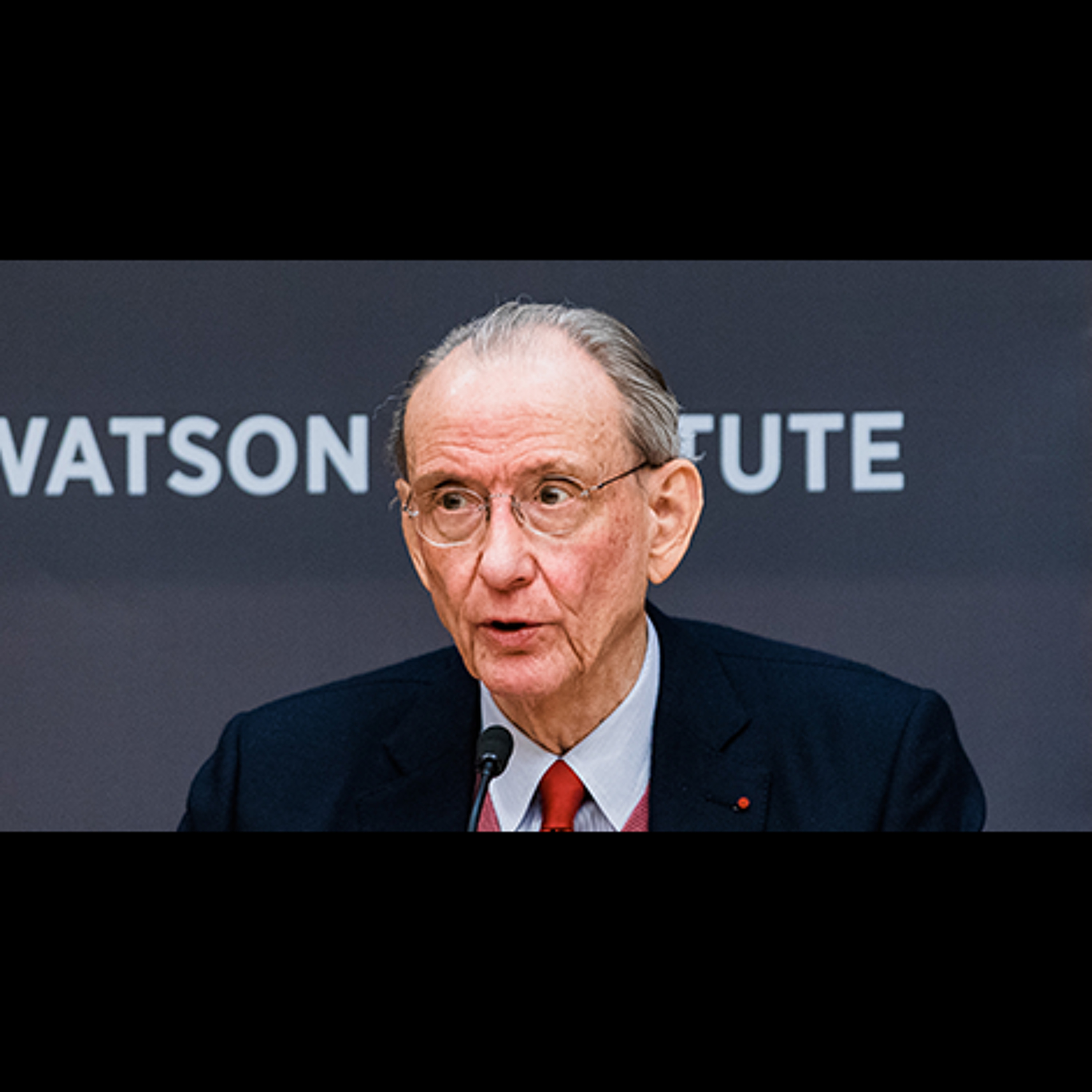
William Rhodes: Connecting the Dots, from Venezuela to China and Beyond
The Rhodes Center podcast is brought to you by The Rhodes Center for International Economics and Finance at Brown University. The show is hosted by Mark Blyth and Brendan Greeley. On this episode: the man behind the Rhodes Center, the indomitable William Rhodes. Brown class of '57, international banker, international public servant, and author of 'Banker to the World: Leadership Lessons from the Front Lines of Global Finance' [https://www.mhprofessional.com/9780071704250-usa-banker-to-the-world-leadership-lessons-from-the-front-lines-of-global-finance-group]. He recently joined Mark and Brendan to discuss some of today's most pressing economic issues. You can read a transcript of this episode here: [https://drive.google.com/file/d/1iEU7Z4DIWp2QBcJN_HuOMaKQOBsp8wtL/view?usp=sharing]

Marco Buti – Inclusive Multilateralism as a Response to Economic Nationalism?
Discussion with Mark Blyth, Political Economist at Brown's Watson Institute. Associated Watson Institute lecture: [https://youtu.be/MS1eF1F4YDQ] Marco Buti has been Director-General for Economic and Financial Affairs at the European Commission since December 2008, after a 6-month period as acting Director-General. After studies at the Universities of Florence and Oxford, Mr Buti joined the European Commission in 1987. He held various posts as an economist in DG ECFIN and the Commissioner's cabinet (private office) before taking up a post as an economic adviser to the Commission President in 2002-03. In 2003 he returned to DG ECFIN as Director for the Directorate for economies of the Member States, and in September 2006 was appointed Deputy Director-General. Mr Buti has been a visiting professor at the Université Libre de Bruxelles, the University of Florence and the European University Institute, and has published extensively on Economic and Monetary Union, macroeconomic policies, welfare state reforms, and European unemployment. You can read a transcript of this episode here: [https://drive.google.com/file/d/1r7R8MjUTmEId5Q5OV2Y2hgwZy_Zu1Yja/view?usp=sharing]

Paul Tucker – Unelected Power: The Quest for Legitimacy in Central Banking and the Regulatory State
Watch accompanying talk at the Watson Institute at Brown University: [https://youtu.be/R-Dxrs7dj0w] Central bankers have emerged from the financial crisis as the third great pillar of unelected power alongside the judiciary and the military. They pull the regulatory and financial levers of our economic well-being, yet unlike democratically elected leaders, their power does not come directly from the people. Unelected Power [https://press.princeton.edu/titles/11240.html] lays out the principles needed to ensure that central bankers, technocrats, regulators, and other agents of the administrative state remain stewards of the common good and do not become overmighty citizens. Paul Tucker [https://ces.fas.harvard.edu/people/001970-paul-tucker] draws on a wealth of personal experience from his many years in domestic and international policymaking to tackle the big issues raised by unelected power, and enriches his discussion with examples from the United States, Britain, France, Germany, and the European Union. Blending economics, political theory, and public law, Tucker explores the necessary conditions for delegated but politically insulated power to be legitimate in the eyes of constitutional democracy and the rule of law. He explains why the solution must fit with how real-world government is structured, and why technocrats and their political overseers need incentives to make the system work as intended. Tucker explains how the regulatory state need not be a fourth branch of government free to steer by its own lights, and how central bankers can emulate the best of judicial self-restraint and become models of dispersed power. Like it or not, unelected power has become a hallmark of modern government. This critically important book shows how to harness it to the people's purposes. Sir Paul Tucker is chair of the Systemic Risk Council. He is a research fellow at the Harvard Kennedy School, and the author of Unelected Power, published in 2018 by Princeton University Press. Previously, he was Deputy Governor at the Bank of England, sitting on its monetary policy, financial stability, and prudential policy committees. Internationally, he was a member of the G20 Financial Stability Board, leading its work on too big to fail; a director of the Bank for International Settlements, and chair of its Committee for Payment and Settlement Systems. His other activities include being a director at Swiss Re, a senior fellow at the Harvard Center for European Studies, a Visiting Fellow of Nuffield College Oxford, and a Governor of the Ditchley Foundation. You can read a transcript of this episode here: [https://drive.google.com/file/d/17pQ8eWNLgLgqqowwVhrXCuIRmLal9JQd/view?usp=sharing]
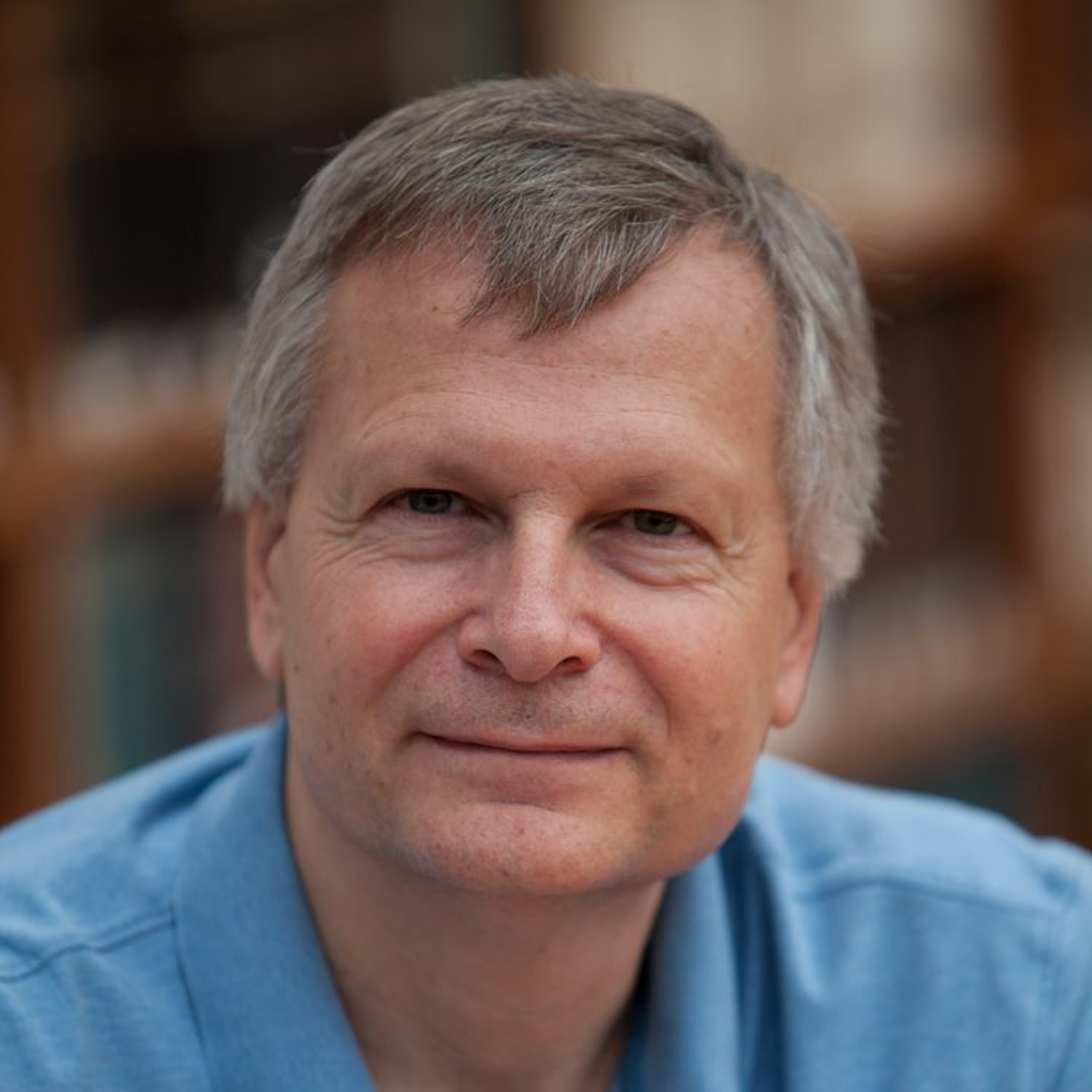
Dani Rodrik – From Globalization to Hyper-Globalization and Back
“Where does the backlash against globalization come from? Where is it headed? And what would a better globalization look like?” Dani Rodrik [https://drodrik.scholar.harvard.edu] is an economist whose research covers globalization, economic growth and development, and political economy. He is the Ford Foundation Professor of International Political Economy at Harvard's John F. Kennedy School of Government. He was previously the Albert O. Hirschman Professor in the School of Social Science at the Institute for Advanced Study in Princeton (2013-2015). Professor Rodrik is currently President-Elect of the International Economic Association [http://www.iea-world.org]. His newest book is Straight Talk on Trade: Ideas for a Sane World Economy (2017)[https://drodrik.scholar.harvard.edu/straight-talk-trade]. Watch Watson Institute talk with Dani Rodrik, Mark Blyth, and Brendan Greeley: [https://youtu.be/bsy349k3zds] You can read a transcript of this episode here: [https://drive.google.com/file/d/1fVi-zfLv-zns_kfj1HOU8e9OnqsTYvhJ/view?usp=sharing]

Rick Perlstein - Jimmy Carter and the Origins of the Democratic Party Cult of Austerity
The Democratic Party's retreat from its New Deal and Great Society identity as a party eager to use the federal treasury to spend in the public interest to create a broadly shared prosperity is usually associated with the Clinton administration in the 1990s. It actually dates to the Carter administration. This talk will narrate this shift, and explained two political consequences that flowed from it: its failure to placate the Democratic Party's critics on the right, who consistently refused to recognize the shift, even as it attenuated the trust that had formerly reposed in the party among its traditional white working class constituencies. RICK PERLSTEIN is the author of The Invisible Bridge: The Fall of Nixon and the Rise of Reagan [https://www.amazon.com/Invisible-Bridge-Fall-Nixon-Reagan/dp/1491534737]. Before that, he published Nixonland: The Rise of a President and the Fracturing of America (2008)[https://www.amazon.com/Nixonland-Rise-President-Fracturing-America/dp/074324303X], a New York Times bestseller picked as one of the best nonfiction books of the year by over a dozen publications, and Before the Storm: Barry Goldwater and the Unmaking of the American Consensus [https://www.amazon.com/Before-Storm-Goldwater-Unmaking-Consensus/dp/1568584121], winner of the 2001 Los Angeles Times Book Award for history. A contributing writer at The Nation, former chief national correspondent for the Village Voice, and a former online columnist for the New Republic and Rolling Stone, his journalism and essays have appeared in Newsweek, The New York Times, and many other publications. Politico called him the “chronicler extraordinaire of American conservatism,” who “offers a hint of how interesting the political and intellectual dialogue might be if he could attract some mimics.” The Nation called him the “hyper caffeinated Herodotus of the American century.” Watch Rick's accompanying talk at The Watson Institute: [https://youtu.be/Wb4ku4wN0Cw] You can read a transcript of this episode here: [https://drive.google.com/file/d/1WDO8AnK7ktoJ0HCX_frO_1lLWT4KKP0b/view?usp=sharing]

Quinn Slobodian – Globalists: The End of Empire and the Birth of Neoliberalism
Neoliberals hate the state. Or do they? In the first intellectual history [http://www.hup.harvard.edu/catalog.php?isbn=9780674979529] of neoliberal globalism, Quinn Slobodian follows a group of thinkers from the ashes of the Habsburg Empire to the creation of the World Trade Organization to show that neoliberalism emerged less to shrink government and abolish regulations than to redeploy them at a global level. Quinn Slobodian [https://www.wellesley.edu/history/faculty/slobodian] is a historian of modern German and international history with a focus on North-South politics, social movements, and the intellectual history of neoliberalism. He is the author of Foreign Front: Third World Politics in Sixties West Germany, and the editor of Comrades of Color: East Germany in the Cold War World. He has just completed a book manuscript with the title Globalists: The End of Empire and the Birth of Neoliberalism and is co-editing a volume on neoliberalism with Dieter Plehwe and Philip Mirowski. His new project on the rise of international economic law has been supported by an NEH fellowship and an ACLS Frederick Burkhardt Residential Fellowship. He will spend 2017-18 in residence at the Weatherhead Initiative on Global History at Harvard University. As in his research, Slobodian’s teaching places histories of modern Europe in the history of the larger world. This goal is pursued in classes on the history of world economic orders, gender and sexuality, and cities. In Slobodian’s courses, students learn about the events and processes that shaped modern Europe while keeping an eye on the margins, and the unrealized histories of the continent's last two centuries. Watch Quinn speak at the Watson Institute: [https://youtu.be/KQknouiycJ4] You can read a transcript of this episode here: [https://drive.google.com/file/d/1BNa0tGc6VlG4B9JB5sWdWc0YQ389231f/view?usp=sharing]

Ilene Grabel – When Things Don't Fall Apart
Ilene Grabel is a professor of international economics at the Josef Korbel School of International Studies at the University of Denver. Her latest book When Things Don't Fall Apart was published by The MIT Press in January 2018. In When Things Don't Fall Apart, Ilene Grabel challenges the dominant view that the global financial crisis had little effect on global financial governance and developmental finance. Most observers discount all but grand, systemic ruptures in institutions and policy. Grabel argues instead that the global crisis induced inconsistent and ad hoc discontinuities in global financial governance and developmental finance that are now having profound effects on emerging market and developing economies. Website: [https://ilenegrabel.com] New book: When Things Don’t Fall Apart: Global Financial Governance and Developmental Finance in an Age of Productive Incoherence (The MIT Press, 2017). Shortlisted for the British International Studies Association International Political Economy Group Book Prize. Watch Ilene's talk at the Watson Institute: [https://youtu.be/oMstPJ3eqy8] You can read a transcript of this episode here: [https://drive.google.com/file/d/14vFfoPyj47S8rZ0lJDVRNlVPLgc2Ps8H/view?usp=sharing]

Bill Janeway – Doing Capitalism in the Innovation Economy
Bill Janeway stops by to discuss his latest book, "Doing Capitalism in the Innovation Economy." In this fully revised and updated edition, Janeway interweaves his professional experience with political and financial history, giving a lively explanation of how successive technological revolutions have transformed the market economy, and revealing why America may yield leadership of the innovation economy to China. William H. Janeway has lived a double life of “theorist-practitioner,” according to the legendary economist Hyman Minsky, who first applied that term to him twenty-five years ago. In his role as “practitioner,” Bill Janeway has been an active growth equity investor for more than 40 years. He is a senior advisor and managing director of Warburg Pincus, where he has been responsible for building the information technology investment practice, as well as a director of Magnet Systems and O'Reilly Media. As a “theorist," he is an affiliated member of the Faculty of Economics of Cambridge University, a member of the board of directors of the Social Science Research Council and the Fields Institute for Research in the Mathematical Sciences, and of the Advisory Board of the Princeton Bendheim Center for Finance. The Rhodes Center is housed at the Watson Institute for International and Public Affairs at Brown University. You can read or download the transcript of this episode here: [https://drive.google.com/file/d/10ZM9c8yRB12GiwloTW2CwsmfwGAATCTd/view?usp=sharing] Watch Bill's talk at the Watson Institute here: https://youtu.be/fJoY6YJNhLE