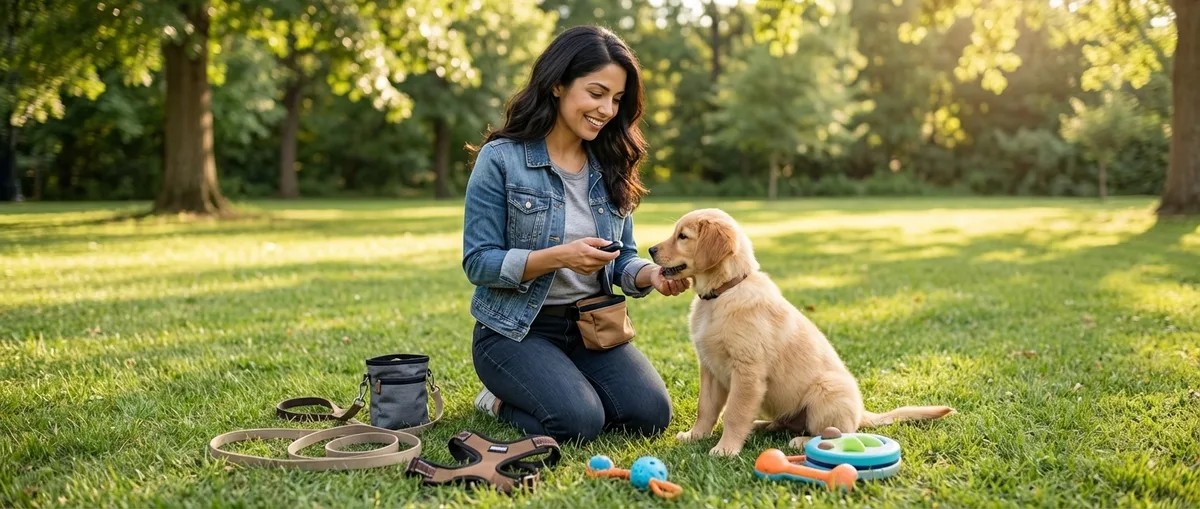
Best Puppy Training Tools for New Dog Owners in 2026
The Pet Parent Podcast · Total Pet Parent
Audio is streamed directly from the publisher (content.rss.com) as published in their RSS feed. Play Podcasts does not host this file. Rights-holders can request removal through the copyright & takedown page.
Show Notes
Bringing home a new puppy is exciting—until you're standing in the pet store aisle overwhelmed by clickers, harnesses, treat pouches, and gadgets you can't even identify. In this episode, Mariana Vasquez breaks down exactly which training tools you actually need during those critical first 90 days, what to skip, and how to choose gear that supports positive reinforcement without wasting money on equipment your puppy will outgrow in weeks. Whether you're a first-time dog owner or just want to avoid the panic-call-to-a-friend scenario, this guide will give you the confidence to start training right.
- Puppies aren't miniature adult dogs—their fragile tracheas and developing joints require age-appropriate gear, so look for harnesses with at least four to five adjustment points and avoid aversive tools like choke chains or prong collars entirely before six months of age.
- The two-finger rule is essential for collar fit: you should be able to slip two fingers between the collar and your puppy's neck, but it shouldn't be loose enough for them to back out of it.
- Your clicker and treat pouch can make or break a training session—choose a clicker with a softer tone that won't startle sensitive puppies, and skip Velcro pouches in favor of silent-open designs that allow one-handed access within that critical half-second reward window.
- Puppies between three and seven months old will destroy flimsy gear, so invest in reinforced nylon webbing, marine-grade hardware, and natural rubber toys rated for aggressive chewers even if your pup seems gentle now.
- Breed differences matter more than generic sizing charts suggest—brachycephalic breeds like pugs need harnesses instead of collars due to compromised airways, while working breeds benefit from longer 15- to 30-foot training leashes for early recall practice.
- Buy tools that grow with your puppy to save money and reduce confusion, such as training leashes with multiple clip points and treat pouches with dividers for separating high-value rewards.
Read the full article: https://totalpetparent.com/best-puppy-training-tools-for-new-dog-owners-in-2026