
The Permaculture Podcast
302 episodes — Page 4 of 7
S1 Ep 1Final Thoughts - Permaculture, Land and Land Access. Episode 7
Visit Our Sponsor: Foraged.Market Donate Directly: via PayPal -or- Venmo @permaculturepodcast Want to listen to more conversations about Permaculture? Browse the extensive archives of the show. Here we are at Episode Seven, the finale, of the focused exploration of Permaculture, Land, and Land Access, with my final thoughts as a series of ramblings, reflections, and ruminations stemming from the earlier episodes. If you haven’t listened to all of those, or you just found the show and this is your first time tuning in, I recommend going back and checking the preceding six episodes before continuing. You’ll find numbered and ordered links to those in the show notes, along with past episodes of the show related to this series, and a long list of resources. Learn More
S1 Ep 1Improving Land Access - Permaculture, Land and Land Access. Episode 6
Visit Our Sponsor: Foraged.Market Donate Directly: via PayPal -or- Venmo @permaculturepodcast Want to listen to more conversations about Permaculture? Browse the extensive archives of the show. In this episode, we hear from each of the guests in the Permaculture, Land and Land Access series, as they address the question: What can we do to improve land access, particularly for those who want to grow food for people? We’ll hear from each of them in the order they appeared in the series so far, beginning with Jesse Frost, followed by Sarah Mock and Amyrose Foll, and ending with Reana Kovalcik. Learn More
S1 Ep 1Reana Kovalcik - Permaculture, Land, and Land Access. Episode 5.
Visit Our Sponsor: Foraged.Market Donate Directly: via PayPal -or- Venmo @permaculturepodcast Want to listen to more conversations about Permaculture? Browse the extensive archives of the show. In this episode, Reana Kovalcik and I discuss direct action and mutual aid to get seeds into the hands of people who want to grow food. Using that same overlay, to find and connect with local allies and organizations to spread the message and amplify our impact. Throughout, she uses her work with Slow Food and the program she started, Share a Seed, as effective, on-the-ground models to inspire and encourage you in your next steps for local change. Learn More
S1 Ep 1Amyrose Foll - Permaculture, Land, and Land Access. Episode 4.
Visit Our Sponsor: Foraged.Market Donate Directly: via PayPal -or- Venmo @permaculturepodcast Want to listen to more conversations about Permaculture? Browse the extensive archives of the show. Continuing the series on Permaculture, Land, and Land Access, in this interview I’m joined by Amyrose Foll, of Virginia Free Farm. Amyrose shares how she and the team at VFF use the farm as an incubator of ideas that empower individuals and organizations to get food and gardens into communities. She also discusses: How growing food is a liberating experience for everyone. Ways to find land to grow on. And, some organizations working with gardening and growing as therapy. Throughout you’ll hear her thoughts on what we can do to make a difference, right now, where we are. Learn More
S1 Ep 1Sarah Mock - Permaculture, Land, and Land Access. Episode 3.
Visit Our Sponsor: Foraged.Market Donate Directly: via PayPal -or- Venmo @permaculturepodcast Want to listen to more conversations about Permaculture? Browse the extensive archives of the show. In this interview, I’m joined by the author of Farm (and other F words), rural and agriculture writer, and researcher Sarah Mock. Sarah shares her discoveries about the sustaining myths versus realities of farms, farmers, farming, and agriculture profitability in the United States. She also takes us deep into systemic incentives for holding agricultural land as an investment and how this, and other policies, limit first-generation farmers from accessing or retaining land in order to grow food. Learn More
S1 Ep 1Jesse Frost - Permaculture, Land, and Land Access. Episode 2.
Visit Our Sponsor: Foraged.Market Donate Directly: via PayPal -or- Venmo @permaculturepodcast Want to listen to more conversations about Permaculture? Browse the extensive archives of the show. This conversation continues the series on Permaculture, Land, and Land Access as Jesse Frost joins me to share his experiences as a small-scale farmer. This includes: Where he sells. What he grows. Insights into market gardening, or French intensive, methods. How he's working towards reducing plastic around the farm. Whether or not you need to mechanize with a walk-behind tractor. And the use of living paths. We close by touching on his thoughts on farming on the small side in cities and how to reframe our mindset and the crops we choose to the resources and space available. Learn More
S1 Ep 1Permaculture, Land, and Land Access
Visit Our Sponsor: Foraged.Market Donate Directly: via PayPal -or- Venmo @permaculturepodcast Want to listen to more conversations about Permaculture? Browse the extensive archives of the show. This episode starts the series on Permaculture, Land, and Land Access. I wanted to explore this topic because I’m currently landless and the opportunity to buy land or purchase a house with enough space for a garden, shrinks each year as the price goes up and the size of plots goes down. Living in an apartment in a city, there are plenty of parks and green spaces, but accessing a community garden or place to grow can require a car, years on a waitlist, or both. When an affordable place comes, it may require relocating away from friends and family, or be hours from the viable markets needed to sell on-farm products, requiring regular long-distance commutes to town and the associated added expenses of transportation, fuel, maintenance, and time. Learn More
S1 Ep 1Lobelia Commons - Earthbound Farmer’s Almanac
Visit Our Sponsor: Foraged.Market Donate Directly: via PayPal -or- Venmo @permaculturepodcast Want to listen to more conversations about Permaculture? Browse the extensive archives of the show. If you’ve been listening to this podcast since near the beginning, you may remember shorter episodes that introduced an idea or topic. This episode, and others you’ll hear like it, irregularly in the future, is a call back to the days of those perma-bytes. With so many amazing people and organizations doing good work in the world, I want to be able to share more of them with you. Learn More
S1 Ep 1Vicki Hird - Rebugging the Planet
Visit Our Sponsor: Foraged.Market Donate Directly: via PayPal -or- Venmo @permaculturepodcast Want to listen to more conversations about Permaculture? Browse the extensive archives of the show. We know that pesticides have an outsized impact on insects in the environment, particularly when broad-spectrum chemicals are used, killing nearly all the invertebrates they touch. If you’ve read a warning label on these, or many of the other garden, yard, or farm sprays available, you’ll find cautions about keeping the contents of the container out of waterways or away from amphibians. But what about the other harms of human impacts? Like the destruction of habitat. The ever-increasing noise of industry. The lights that fill the sky with brightness throughout the night. And once we’re aware of this mess, what can we do to start repairing the damage? Learn More
S1 Ep 1Shantree Kacera - The Living Centre
Visit Our Sponsor: Foraged.Market Donate Directly: via PayPal -or- Venmo @permaculturepodcast Want to listen to more conversations about Permaculture? Browse the extensive archives of the show. We can expect change to occur continuously throughout our lives. We’re likely to call several places home. Friends will come and go. We’ll move between jobs multiple times and likely even switch career paths. As permaculture practitioners, in the landscape, we play with change. Slowing succession in some places of our design, advancing it in others, to arrest or encourage this process on a timeline that matches what we want within any given zone. But how do we change as people and plan the succession of an organization, and the land it inhabits, through time? Learn More
S1 Ep 1Gigi Berardi - FoodWISE
Visit Our Sponsor: Foraged.Market Donate Directly: via PayPal -or- Venmo @permaculturepodcast Want to listen to more conversations about Permaculture? Browse the extensive archives of the show. Food. Something we think about regularly. Whether that’s what we’re having for our next meal; trying to remember the contents of our cabinets or refrigerator; or what we need to buy on our next trip to the grocery store. As permaculture practitioners, these thoughts are also likely to include what we’ll be harvesting from our garden; searching for a local source from a producer we can meet face to face; or reading labels to find the indicators of where something comes from and how it was produced. Learn More
S1 Ep 1Wake Up, Grow Up, Clean Up, Show Up
Visit Our Sponsor: Foraged.Market Donate Directly: via PayPal -or- Venmo @permaculturepodcast Want to listen to more conversations about Permaculture? Browse the extensive archives of the show. Today’s interview is a casual and relaxed conversation, as I sit down with my co-host, David Bilbrey, and turn the mic towards him to discuss what brought him to permaculture and the ideas that influence how he sees the world. We touch on the work of Ken Wilber and Integral Theory, what community can mean in an internet-connected age, how podcasts make the world smaller as we hear from people we might not encounter otherwise, and the importance of sitting down to listen to a conversation between two people. Learn More
S1 Ep 1Carmen De Jesus - Consent and Our Livelihoods
Visit Our Sponsor: Foraged.Market Donate to the Podcast via PayPal -or- Venmo @permaculturepodcast Join Our Community of Patrons on Patreon Want to listen to more conversations about Permaculture? Browse the extensive archives of the show. Today’s episode is a collaboration with my friend, Karryn Olson. She’s currently hosting a series of conversations exploring what work could look, feel like, and give rise to, if our efforts were dedicated to collective thriving and evolution. During these times with Karryn and her guests, we’ll hear them explore visions of what the world could look like if we dedicated more of the hours of our day towards work in service to life. And what it could mean—to us, our communities, and the world—if we earned our living through this work. Join the Podcast Patreon Community Find the guest for this episode, Carmen Leilani DeJesus at museyouneedmost.me and on Instagram @consentisapractice. You can find our host for this episode, Karryn Olson, at Regenepreneurs.com and additional resources from her session with Carmen at Regenepreneurs.com/dejesus. I'm collaborating with Karryn to share more conversations from this series with you in the future on The Permaculture Podcast. If you’d like to see what’s coming up from Karryn and her guests, including joining in on an upcoming live session via this link: Cultivating Livelihoods In Service to Life: A Conversation Series Karryn's next session is on Wednesday, October 6th, at 8 pm Eastern with the folks from the Meaningful Work Project. In hearing what Karryn was working on, I wanted to share these conversations with you on The Permaculture Podcast, because the specific interviews and themes of the overall series speak to the growing dissonance I’ve experienced myself and heard from listeners between trying to make our way through the world while staying true to your values and the ethics of permaculture, while trading one’s work energy for dollars that are earned through practices that seem extractive, meaningless, or, in the words and title of the book by the late David Graber, like a bullshit job. And as if that weren’t enough, we’re navigating all this while feeling, in our bones and in our souls, the impacts of growing climate disruption, increasing wealth inequality, continual social injustice, ongoing pandemic chaos, and the myriad of other social and environmental ills all around us. To help us with this, Karryn is speaking with numerous guests across a variety of disciplines to explore topics that move our individual mindset and shift our cultural paradigms. Some of those include: Right livelihoods. Collective liberation. Regenerative entrepreneurship. Social innovation. Decolonizing our concepts of "work.” And the importance of embracing pleasure and grief. Listened to individually or taken together, it is Karryn and I’s desire to revitalize you and your work as we, all of us, stand together and cross the thresholds of our time. Until we meet again, spend your days ranting about your needs and wants, meditating on whether you are saying yes willingly or out of a sense of obligation, and considering what work feels like in your body, while taking care of Earth, your self, and each other.
S1 Ep 1Scott Gallant - Tropical Permaculture in Costa Rica
Visit Our Sponsor: Foraged.Market Donate Directly: via PayPal -or- Venmo @permaculturepodcast Want to listen to more conversations about Permaculture? Browse the extensive archives of the show. Our individual permaculture practices are rooted in the teachers we learn with. In the books we read to expand our knowledge. In the videos we watch on YouTube to answer a particular question. Or the documentaries we find on Netflix that give us a sense of connection to the larger world. Learn More
S1 Ep 1Anna Urbanek - Herbalist’s Primer
Visit Our Sponsor: Foraged.Market Donate Directly: via PayPal -or- Venmo @permaculturepodcast Want to listen to more conversations about Permaculture? Browse the extensive archives of the show. My longest-running hobby—one I’ve participated in since I was a child, long before discovering permaculture—is playing tabletop roleplaying games. Perhaps the most well-known of those that you’ve heard of, or played yourself, is Dungeons and Dragons. Learn More
S1 Ep 1David Dodd - Disasters and Resilience
Visit Our Sponsor: Foraged.Market Donate Directly: via PayPal -or- Venmo @permaculturepodcast Want to listen to more conversations about Permaculture? Browse the extensive archives of the show. A note on the content for today’s episode. The interview which follows is a discussion of disasters and their impacts, including food insecurity, personal injury, and suicide. Listener discretion is advised. How do we prepare ourselves for disasters, whether natural or manmade, such as a seasonal storm, global pandemic, economic collapse, or political upheaval? Learn More
S1 Ep 1Eric Puro - Chaga and Medicinal Mushrooms
Visit Our Sponsor: Foraged.Market Donate Directly: via PayPal -or- Venmo @permaculturepodcast Want to listen to more conversations about Permaculture? Browse the extensive archives of the show. In this episode, I’m joined by my friend Eric Puro as we catch up on what he’s been doing since we last saw each other in 2016. Quite a bit has changed since then, as he’s now living in Finland running a biotech company that cultivates chaga fungi, manages forests holistically, and explores the nutritional qualities, health benefits, and medicinal properties of mushrooms. Learn More
S1 Ep 1Susquehanna Permaculture Round Table (Part 2)
Visit Our Sponsor: Foraged.Market Donate Directly: via PayPal -or- Venmo @permaculturepodcast Want to listen to more conversations about Permaculture? Browse the extensive archives of the show. This is part two of the Susquehanna Permaculture Round discussion with Jon Darby, Rafiyqa Muhammad, Shannon Sylte, and Ben Weiss. Learn More
S1 Ep 1David Holmgren’s Design Journey (Part 1)
Visit Our Sponsor: Foraged.Market Donate Directly: via PayPal -or- Venmo @permaculturepodcast Want to listen to more conversations about Permaculture? Browse the extensive archives of the show. In today’s interview, the first in a two-part series, my friend and colleague Dan Palmer of Making Permaculture Stronger, gives me a sense of vicarious joy to share with you, as he’s done something that’s on my list of dream podcast experiences. Dan sits down face-to-face with David Holmgren at Melliodora and together they have a conversation about the early history of permaculture. From David’s lips to our ears we hear the first-hand account of his days at university, meeting Bill Mollison and their initial work together, to the impact of David’s second permaculture mentor Haikai Tane. Learn More
S1 Ep 1Hannah Eckberg & Abundant Earth Foundation
Visit Our Sponsor: Foraged.Market Donate Directly: via PayPal -or- Venmo @permaculturepodcast Want to listen to more conversations about Permaculture? Browse the extensive archives of the show. With the release of this episode, the podcast is back to full-time production. In this episode I’m joined by Hannah Eckberg, to discuss what she’s been up to since we last spoke in 2017, and her work with Abundant Earth Foundation, a 501(c)3 nonprofit, to move philanthropic resources and support to permaculture projects around the world. Along the way we talk about the resources that are available, the role that non-financial support plays in overall success, the kinds of projects Abundant Earth Foundation is looking to work with, the best way to contact the foundation, and much more. If you’re interested in developing an organization, finding like-minded projects and partners around your specific niche, the role which structures like a nonprofit can play in advancing permaculture, or ways to contribute to the movement, this is a conversation for you. Learn More
S1 Ep 1Social Permaculture: Raising Up Resilience with Martin Ping
Visit Our Sponsor: Foraged.Market Donate Directly: via PayPal -or- Venmo @permaculturepodcast Want to listen to more conversations about Permaculture? Browse the extensive archives of the show. In this episode co-host David Bilbrey sits down again with Martin Ping. Martin is the executive director of Hawthorne Valley Association, a non-profit whose mission is social and cultural renewal through the integration of education, agriculture, and the arts. Learn More
S1 Ep 1An Introduction to Martin Ping and Hawthorne Valley Association
Visit Our Sponsor: Foraged.Market Donate Directly: via PayPal -or- Venmo @permaculturepodcast Want to listen to more conversations about Permaculture? Browse the extensive archives of the show. This episode is a re-release of a conversation that was originally shared as a bonus episode on Patreon back in 2016 after co-host David Bilbrey attended the Prairie Festival and had a chance to talk to Martin Ping of Hawthorne Valley Association. I’m releasing this again to everyone as an introduction to Martin’s work and influences ahead of a new interview David and Martin recently recorded. Learn More
Holacracy and Self-Management - Mark Simpson
Visit Our Sponsor: Foraged.Market Donate Directly: via PayPal -or- Venmo @permaculturepodcast Want to listen to more conversations about Permaculture? Browse the extensive archives of the show. In today’s episode, co-host David Bilbrey continues his exploration of business and permaculture as he sits down to hear from Mark Simpson about how Mark applied the ideas of Holacracy and Self Management to a hierarchical business. This resulted in a flattening of that vertical organization into a vastly more horizontal one that creates empowerment and opportunity for employees to influence their work and direction. Learn More
S1 Ep 1Sabbatical
Visit Our Sponsor: Foraged.Market Donate Directly: via PayPal -or- Venmo @permaculturepodcast Want to listen to more conversations about Permaculture? Browse the extensive archives of the show. As you read these notes or listen to the accompanying podcast, I’m on a sabbatical. With all these years of producing long interviews, I need to take some time to experiment with new ideas, while reading, writing, and exploring what working with permaculture means. What do our practices look like in a world substantially changed since these ideas were first shared more than 40 years ago. How does the Zone model of permaculture shift when we don’t have access to land, particularly with more than half of the world living in cities and urban environments? When those spaces become their own unique ecosystems, some that we can walk through and others that demand motorized transportation. Some with green spaces and others the epitome of the concrete jungle. Learn More
S1 Ep 1Sustainable Suburbs - Serenbe | Steve Nygren
Visit Our Sponsor: Foraged.Market Donate Directly: via PayPal -or- Venmo @permaculturepodcast Want to listen to more conversations about Permaculture? Browse the extensive archives of the show. The episode with Jeff Speck left me curious about what the details Jeff mentioned look like in practice. I followed up that conversation by sitting down with my guest for this episode, Steve Nygren, founder of Serenbe. Learn More
S1 Ep 1Embracing Hope | Bonita Ford
Visit Our Sponsor: Foraged.Market Donate Directly: via PayPal -or- Venmo @permaculturepodcast Want to listen to more conversations about Permaculture? Browse the extensive archives of the show. We live in a world that seems ever more chaotic and outside of our control. From a global pandemic that is unlikely to be the only one we experience in our lifetimes to devastating natural disasters exacerbated by climate change that leads to weather weirding and chaos beyond our ability to properly map and mitigate. In the face of all of this, how do we avoid burnout and continue to practice permaculture and develop meaningful designs that fulfill the three ethics while improving the wellbeing of the natural world, our clients, and ourselves? Learn More
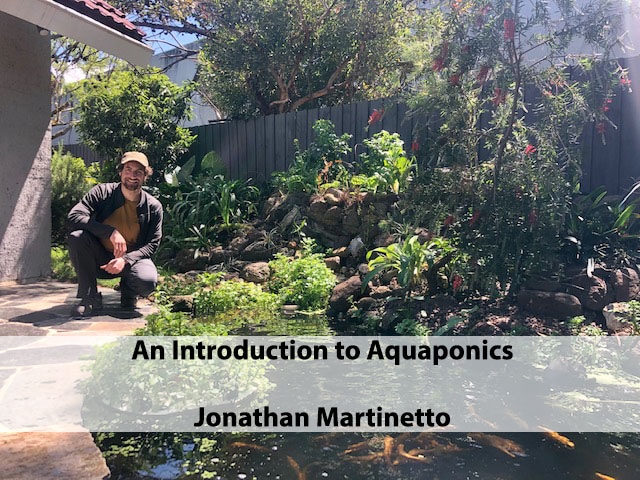
S1 Ep 1Jonathan Martinetto - An Introduction to Aquaponics
Visit Our Sponsor: Foraged.Market Donate Directly: via PayPal -or- Venmo @permaculturepodcast Want to listen to more conversations about Permaculture? Browse the extensive archives of the show. Seafood represents the largest traded food commodity market in the world. 3 billion people depend on fish and other farmed or wild-caught foods as a source of protein, according to figures from the World Wildlife Fund. Regretfully, the majority of fish stocks are not sustainable, as they are overfished or fully exploited. Seeking sustainable and regenerative approaches to fishing and fishery management help to secure the future of food for large portions of the world. Learn More
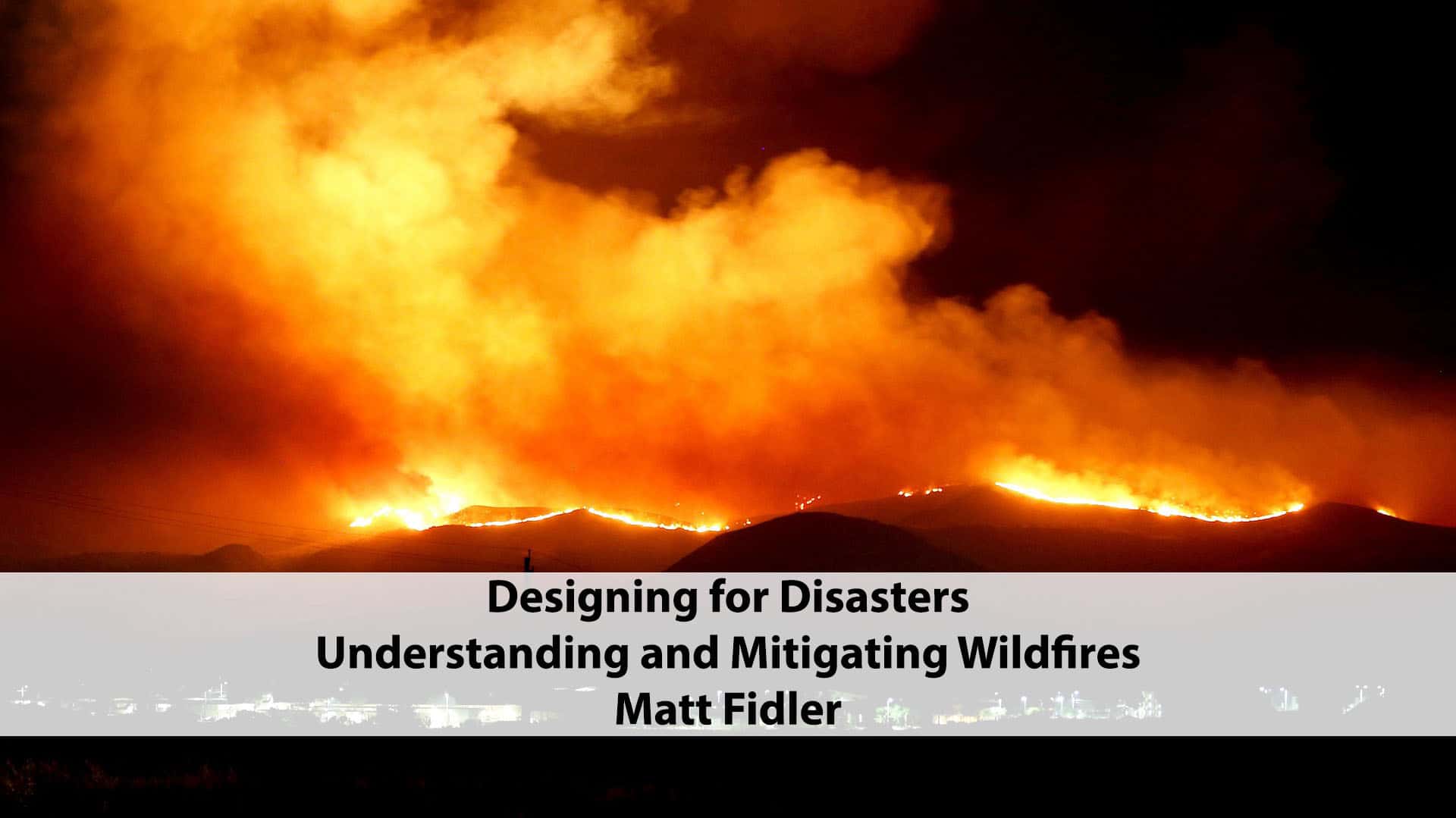
S1 Ep 1Matt Fidler - Designing for Disasters: Understanding and Mitigating Wildfires
Visit Our Sponsor: Foraged.Market Donate Directly: via PayPal -or- Venmo @permaculturepodcast Want to listen to more conversations about Permaculture? Browse the extensive archives of the show. During our lifetime we will encounter a variety of short to long-term disasters. The form the problem takes will vary depending on where we live, and how widespread the incident is that occurs. In late 2019 and throughout 2020, we’ve all been finding ways to respond to the COVID-19 pandemic. Learn More
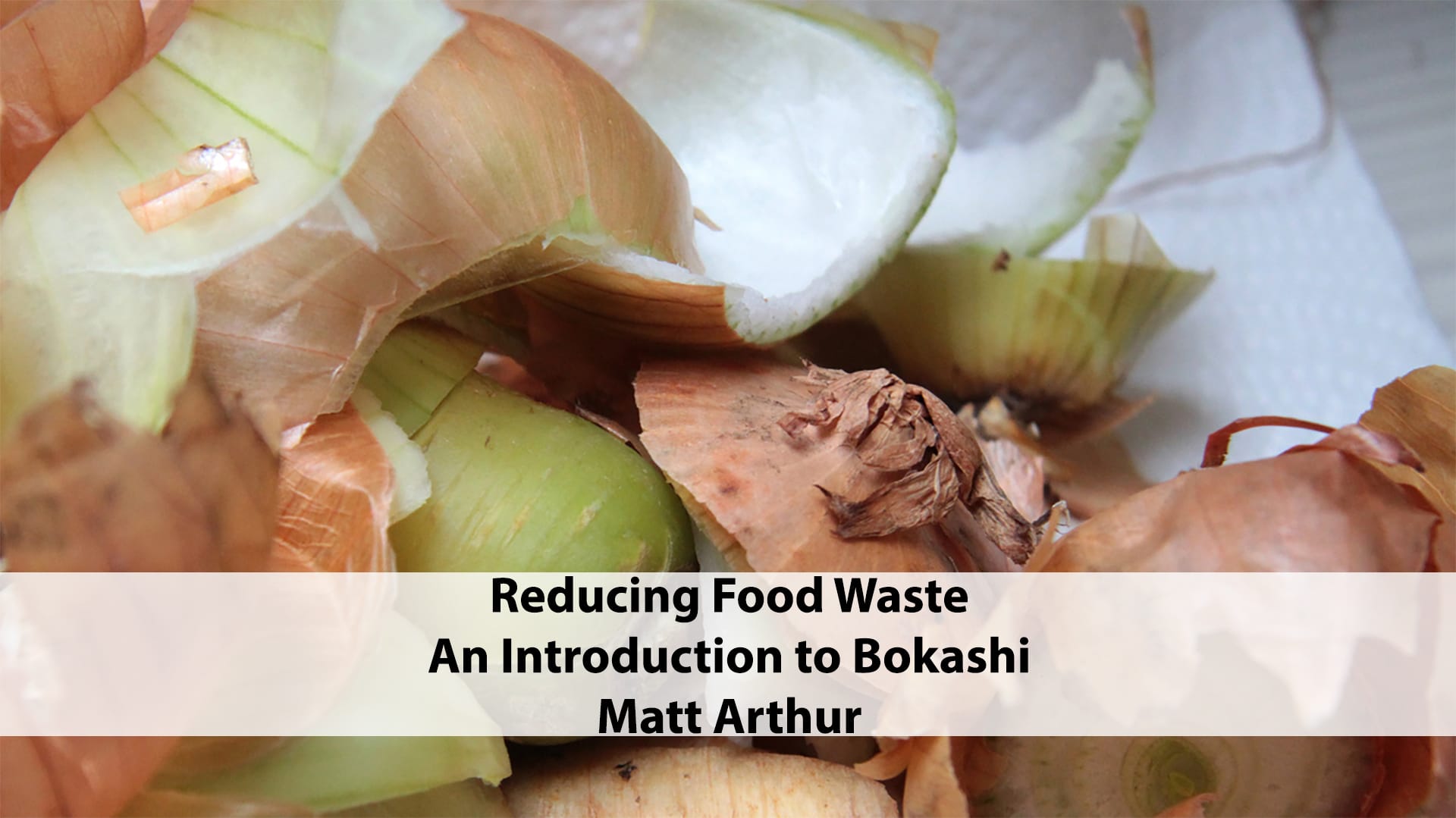
S1 Ep 1Matt Arthur - Reducing Food Waste: An Introduction to Bokashi
Visit Our Sponsor: Foraged.Market Donate Directly: via PayPal -or- Venmo @permaculturepodcast Want to listen to more conversations about Permaculture? Browse the extensive archives of the show. In the United States alone, more than 38 million tons of food is thrown away every year. 94% of that winds up in landfills, to rot and release methane, and lock all the nutrients from being returned to Earth for future fertilization. Learn More
S1 Ep 1Racism and Land Access in America
Visit Our Sponsor: Foraged.Market Donate Directly: via PayPal -or- Venmo @permaculturepodcast Want to listen to more conversations about Permaculture? Browse the extensive archives of the show. Every month I post an Ask Me Anything Thread over on the Patreon for the podcast at Patreon.com/permaculturepodcast. Most of the time these threads are about design and plants, like the best time to transplant Elderberry. Sometimes we get away from permaculture and a question will come up like, What is my favorite Halloween Candy? To which the answer is anything with chocolate and peanuts, whether that’s the whole legume or peanut-butter. In the AMA for October 2020, however, Joey asked something different. Their question was, “Do you have an opinion on the recent debate between Joel Salatin and Chris Newman of Sylvanaqua farms concerning racism and land access?” Learn More

Geoff Christou - We are Time Scouts, Designing for the Future
Visit Our Sponsor: Foraged.Market Donate Directly: via PayPal -or- Venmo @permaculturepodcast Want to listen to more conversations about Permaculture? Browse the extensive archives of the show. The title for this episode is based on a quote from Bill Mollison that my guest, Geoff Christou, paraphrases in the middle of our conversation today about how Utopian literature, the need to imagine the future, and sharing that vision with others through stories, can help our work as permaculture practitioners. That we can create more abundant designs by first sitting down and thinking about what we want in the place where we live, in our relationships with Earth and other life, and in the wider world. By knowing those stories deeply—to inhabit them—we can teach others to yearn for a vast, bountiful, and regenerative life. Learn More
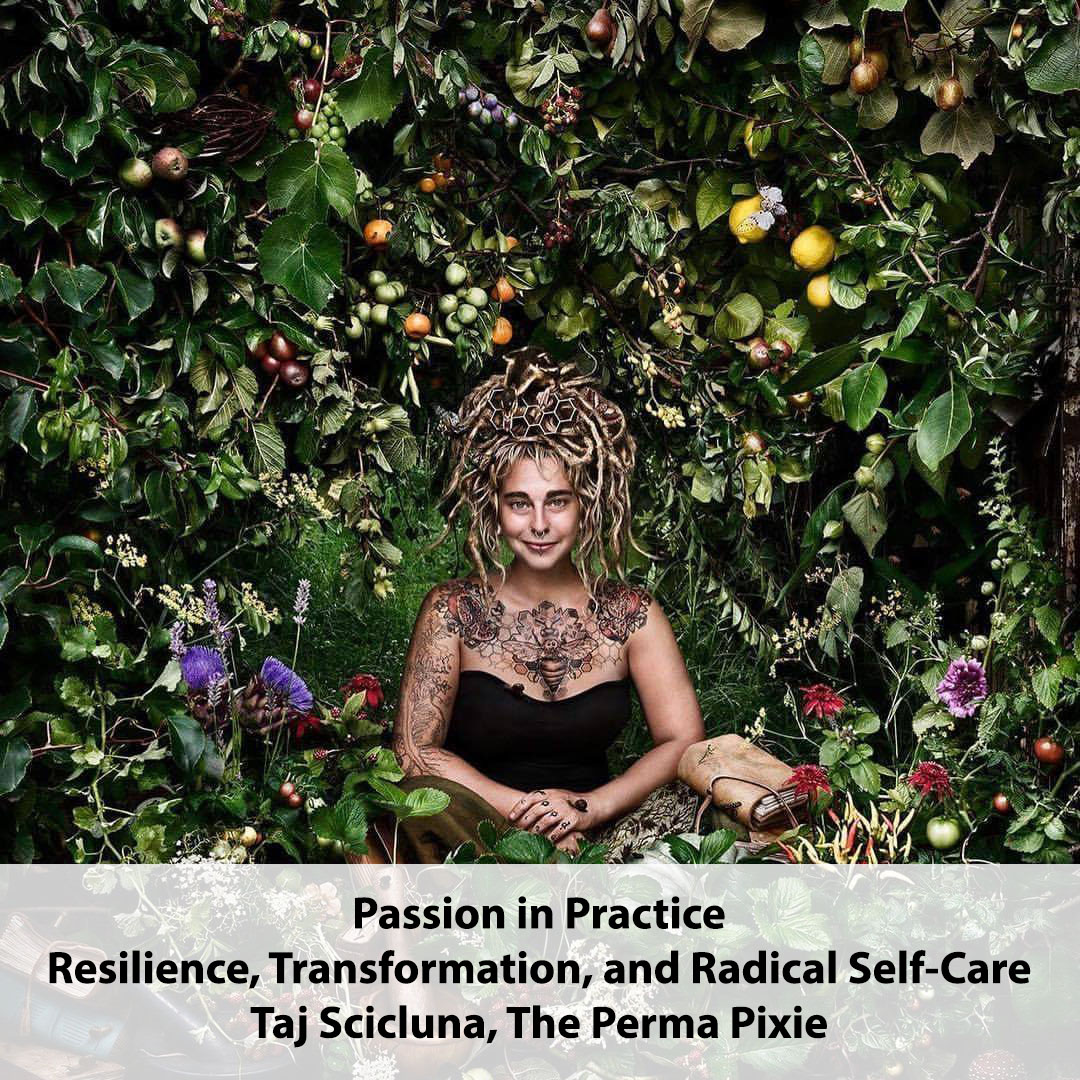
Passion in Practice: Resilience, Transformation, and Radical Self-Care
Visit Our Sponsor: Foraged.Market Donate Directly: via PayPal -or- Venmo @permaculturepodcast Want to listen to more conversations about Permaculture? Browse the extensive archives of the show. This episode marks 10 years of The Permaculture Podcast with Scott Mann, the longest-running English language podcast dedicated to the breadth and depth of permaculture. Learn More
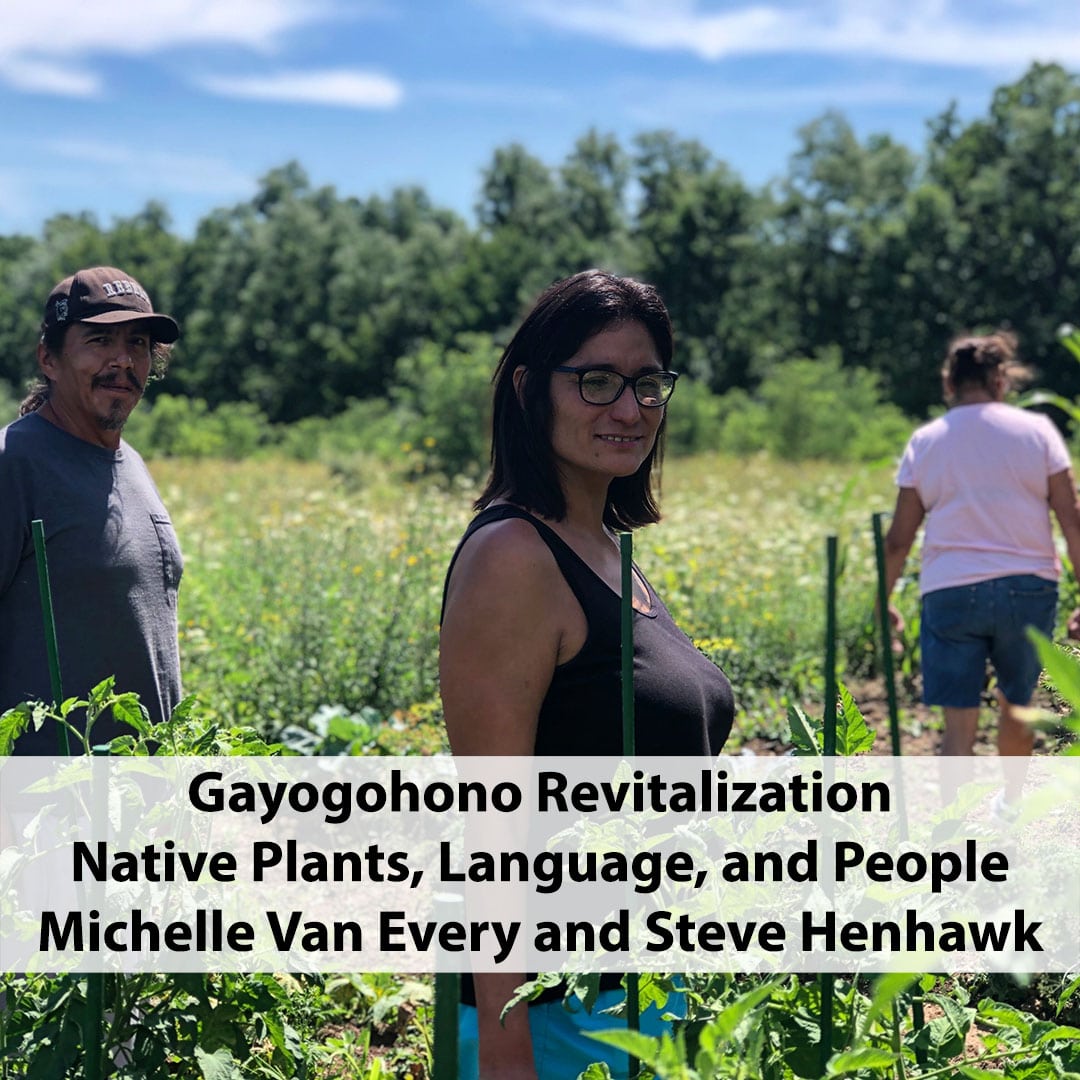
Gayogohono Revitalization: Native Plants, Language, and People
Visit Our Sponsor: Foraged.Market Donate Directly: via PayPal -or- Venmo @permaculturepodcast Want to listen to more conversations about Permaculture? Browse the extensive archives of the show. A common refrain in permaculture is about our need to develop a sense of place. To have an understanding of where we currently live, where we come from, and to find a connection to the land under our feet or where we call home. Learn More
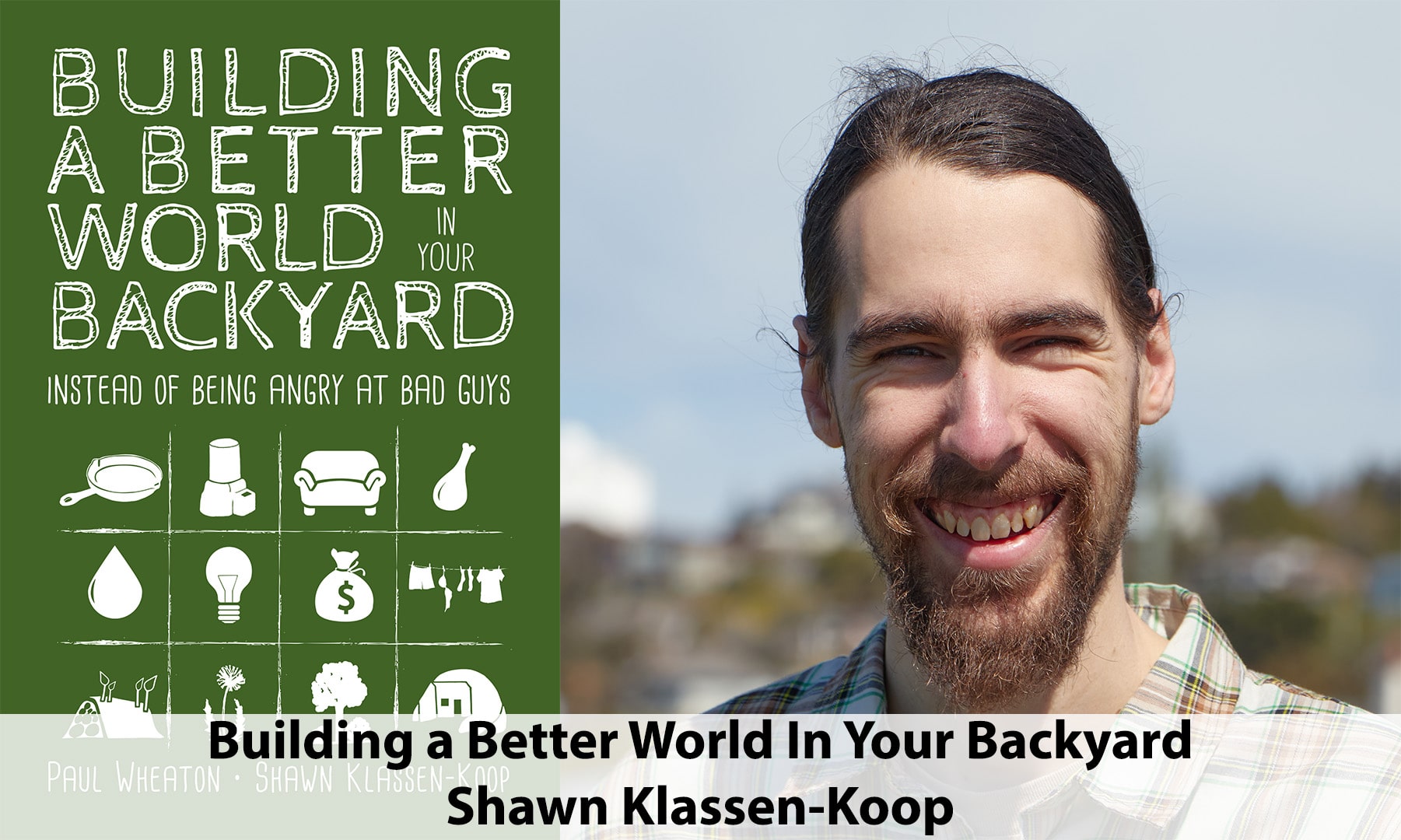
Shawn Klassen-Koop - Building a Better World in Your Backyard
Visit Our Sponsor: Foraged.Market Donate Directly: via PayPal -or- Venmo @permaculturepodcast Want to listen to more conversations about Permaculture? Browse the extensive archives of the show. Permaculture practices begin in the landscape, with the training of a permaculture design course focusing on how to design in a way that restores soil, grows food and creates spaces for human needs, and cares for Earth, in ever-expanding zones. During our time in that class, we may spend some of the conversations on alternative economics and governance if the course uses Bill Mollison’s Designers’ Manual for the curriculum and discusses the material found in Chapter 14. Outside the PDC, many authors and practitioners have added to how to have an impact in our day to day lives as we apply design and systems thinking to where we live, work, and play. As more and more of us, myself included, live in cities with little or no access to land or control over our living space—while others dream of returning to the countryside—we each have so many ways to practice permaculture. Learn More
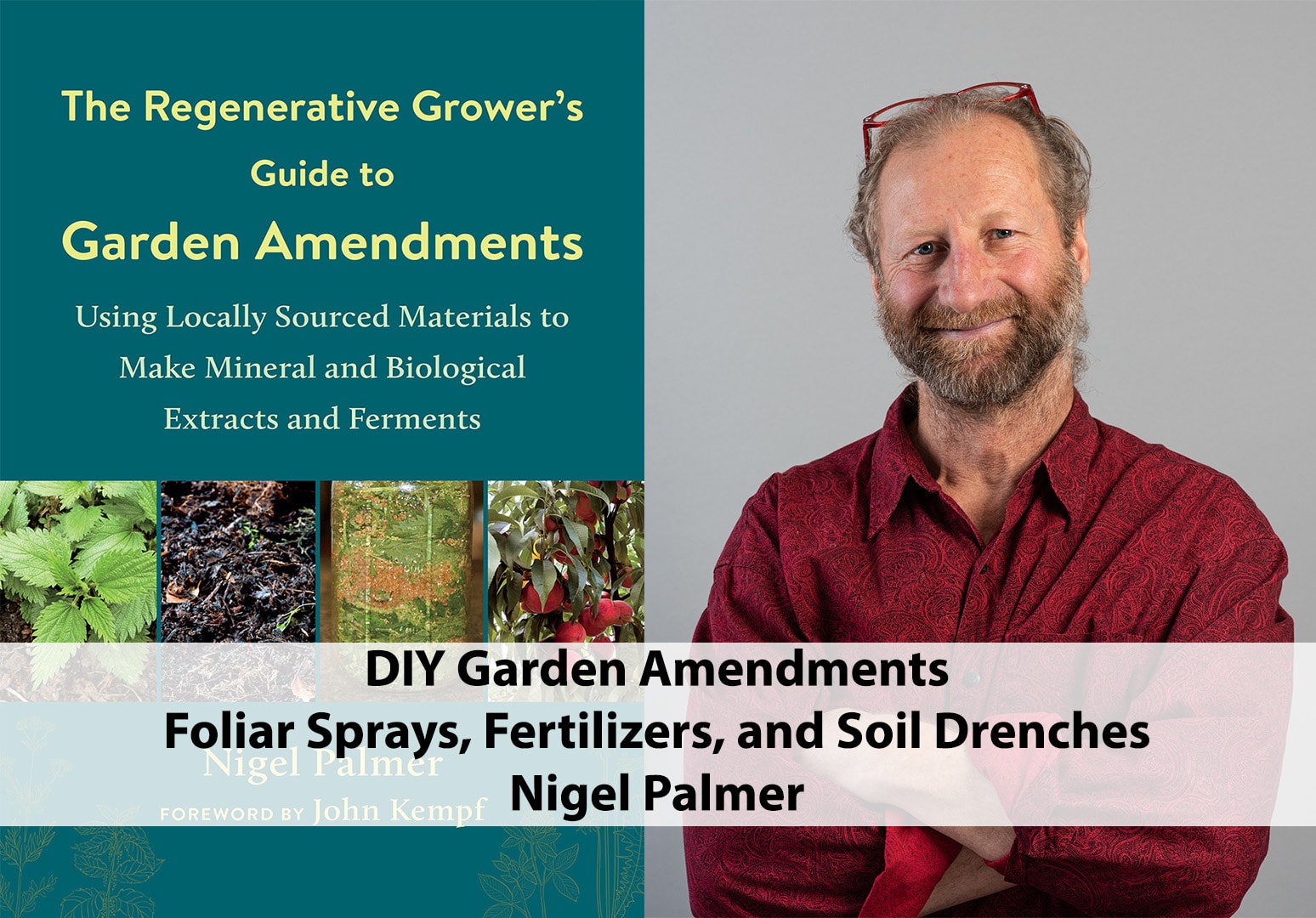
Nigel Palmer - DIY Garden Amendments
Visit Our Sponsor: Foraged.Market Donate Directly: via PayPal -or- Venmo @permaculturepodcast Want to listen to more conversations about Permaculture? Browse the extensive archives of the show. My guest today is Nigel Palmer, author of The Regenerative Grower’s Guide to Garden Amendments. Learn More
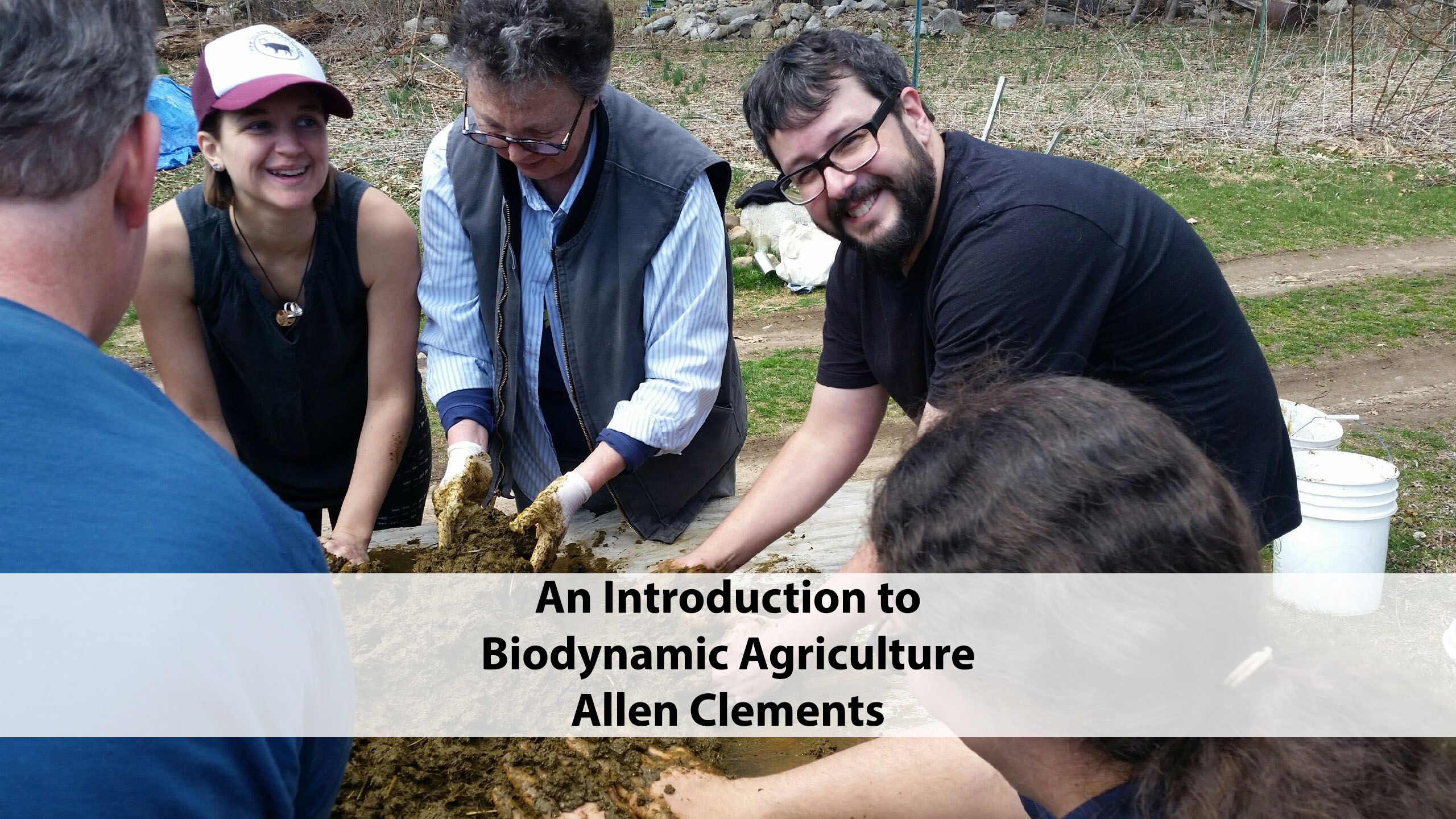
Allen Clements - An Introduction to Biodynamic Agriculture
Visit Our Sponsor: Foraged.Market Donate Directly: via PayPal -or- Venmo @permaculturepodcast Want to listen to more conversations about Permaculture? Browse the extensive archives of the show. My guest today is Allen Clements, a permaculture practitioner who, when we recorded this interview in January, 2020, was completing his certification in Biodynamic Agriculture at the Pfeiffer Center in Spring Valley, New York. Learn More
Allan Savory - Managing Complexity and Holistic Management
Visit Our Sponsor: Foraged.Market Donate Directly: via PayPal -or- Venmo @permaculturepodcast Want to listen to more conversations about Permaculture? Browse the extensive archives of the show. Today’s interview was originally recorded by the Australian podcaster Dan Palmer for an episode of his excellent, Making Permaculture Stronger. I’ve known Dan since before he started his show and as I recall it was at 1 or 2 AM on the East Coast of the United States when we connected over Skype several years ago to talk about his plans for starting a new podcast with a deep focus on the design process as it applies to permaculture, and what we can learn from experts within and without the community. Learn More
John Kempf - Improving Broadscale Agriculture
Visit Our Sponsor: Foraged.Market Donate Directly: via PayPal -or- Venmo @permaculturepodcast Want to listen to more conversations about Permaculture? Browse the extensive archives of the show. My guest today is John Kempf, the author of the recently released Quality Agriculture. A farmer, teacher, and entrepreneur from Northeast, Ohio, John has spent more than 15 years developing a nutrition and farm management program that quickly restores soil health and maximizes plant resistance to disease and insects, while reducing costs and increasing profits for farmers who adopt these methods. Already applying these processes to millions of acres of farmland, his current mission is for these regenerative models to become adopted globally by 2040. Learn More
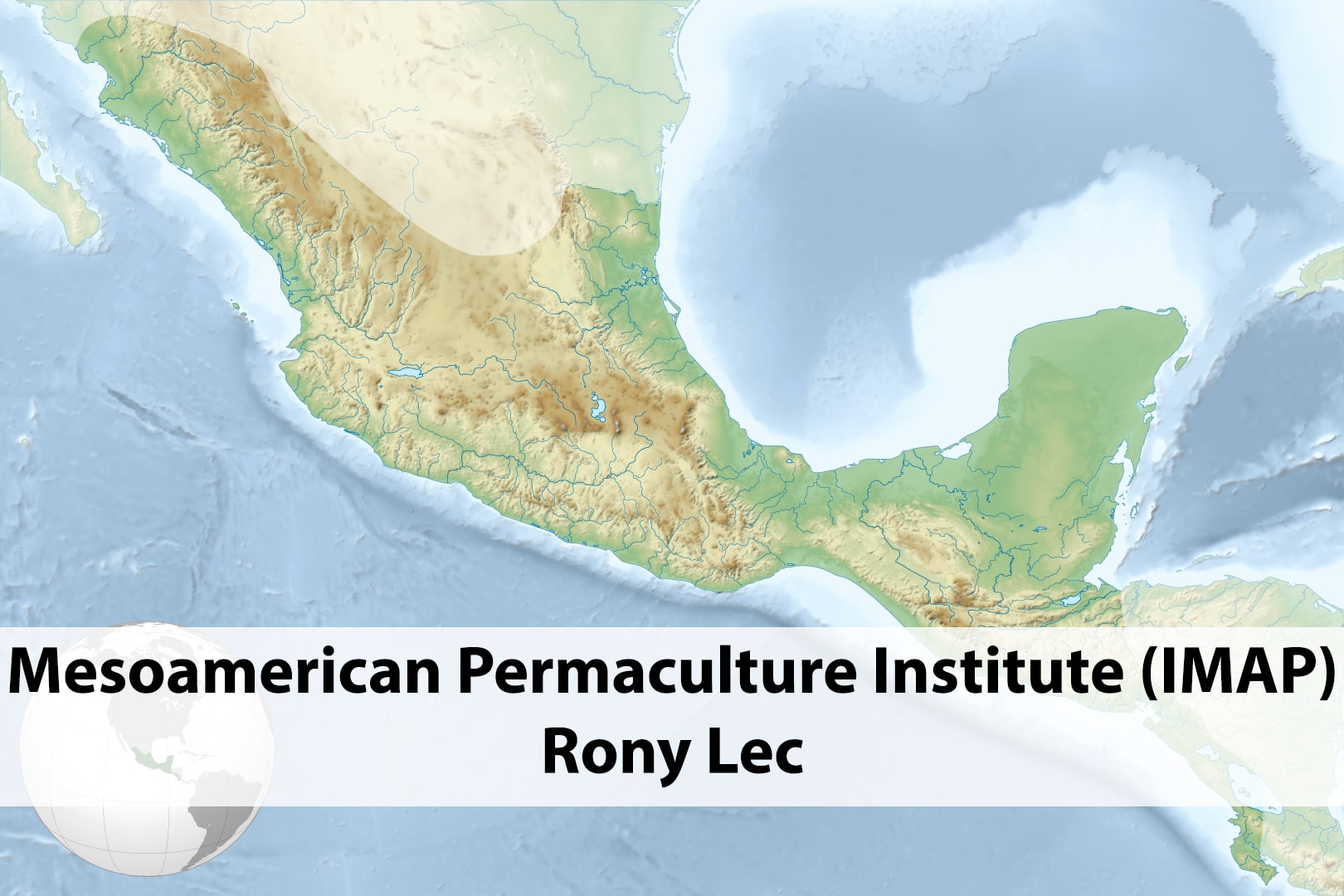
Rony Lec - Mesoamerican Permaculture Institute
Visit Our Sponsor: Foraged.Market Donate Directly: via PayPal -or- Venmo @permaculturepodcast Want to listen to more conversations about Permaculture? Browse the extensive archives of the show. My guest today is Rony Lec of the Mesoamerican Permaculture Institute (Instituto Mesoamericano de Permacultura – IMAP) in Guatemala. Learn More
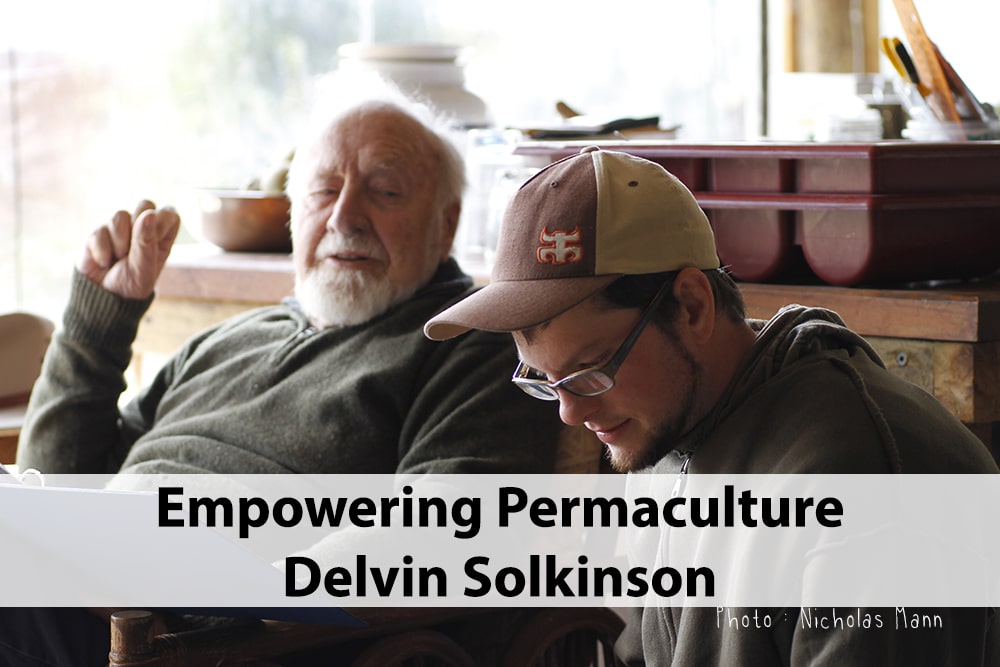
Delvin Solkinson - Empowering Permaculture
Visit Our Sponsor: Foraged.Market Donate Directly: via PayPal -or- Venmo @permaculturepodcast Want to listen to more conversations about Permaculture? Browse the extensive archives of the show. Over the last two decades, my guest Delvin Solkinson studied permaculture education all over the world by taking numerous permaculture design courses and teacher trainings, as well as completing multiple diplomas, with various teachers. Some of his mentors include Bill Mollison, April Sampson-Kelly, and Rosemary Morrow. From those years of experience, he works to make this knowledge more accessible for students, easier to teach for instructors, and empowering for everyone, by sharing his notes in an open-source approach to permaculture. Learn More
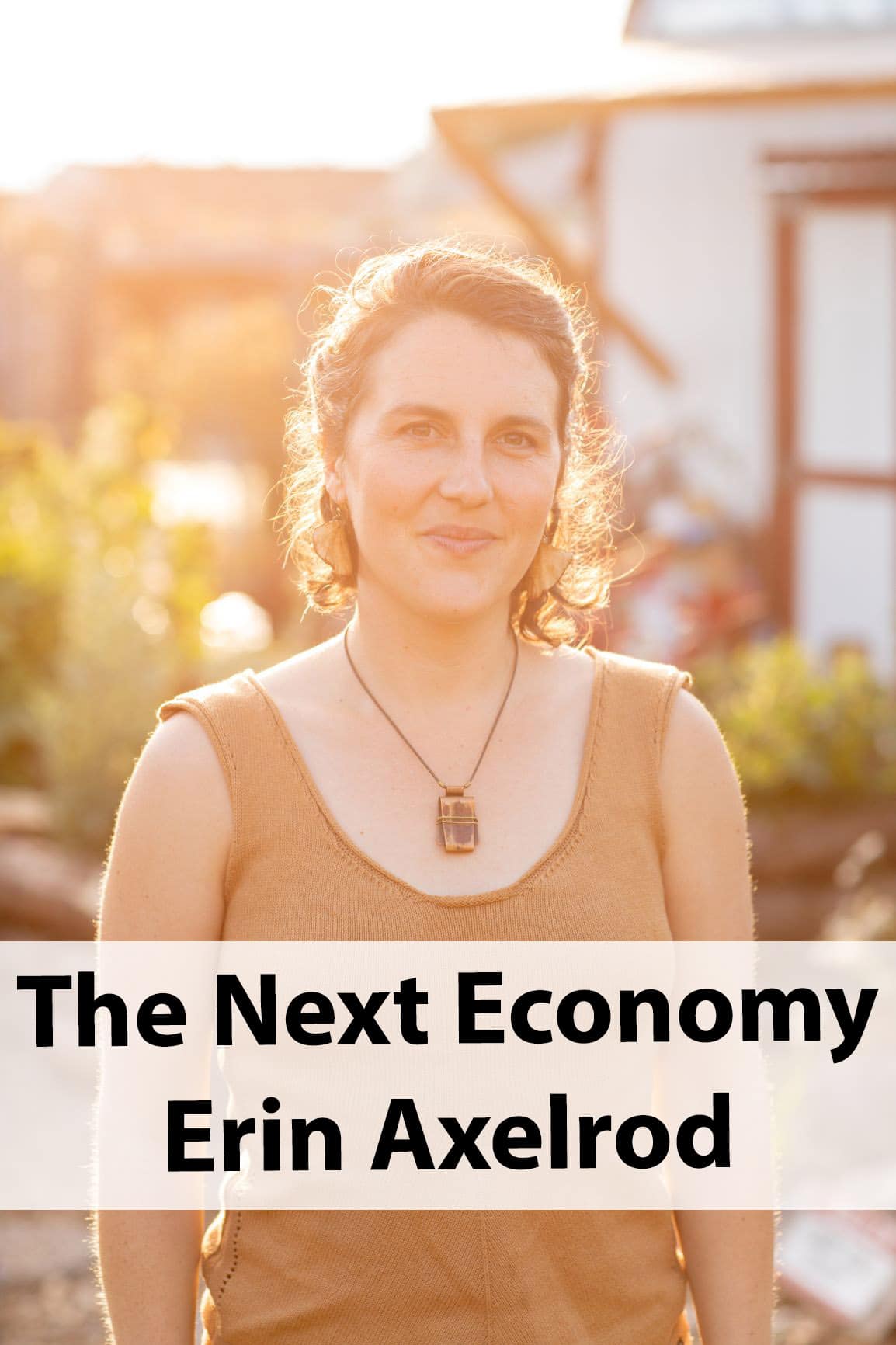
Erin Axelrod - The Next Economy
Visit Our Sponsor: Foraged.Market Donate Directly: via PayPal -or- Venmo @permaculturepodcast Want to listen to more conversations about Permaculture? Browse the extensive archives of the show. My guest today is Erin Axelrod, partner and worker/owner at LIFT Economy. She joins me to discuss how LIFT Economy is working to repatriate land, resolve housing issues, and create socially responsible businesses by investing in and providing support to women, indigenous, and people of color lead organizations. Using her years of experience as a framework, Erin provides multiple specific examples of what this work looks like in practice, what we can do to steer our economy towards regenerative businesses, and to heal our relationship with money. Learn More
Kai Sawyer - Peace, Permaculture, and The Gift
Visit Our Sponsor: Foraged.Market Donate Directly: via PayPal -or- Venmo @permaculturepodcast Want to listen to more conversations about Permaculture? Browse the extensive archives of the show. Image: Kai Sawyer at the Peace and Permaculture Dojo. (Source:YouTube: Peace and Permaculture Dojo Tour) “The more generous we are, the more relaxed we’ll be, the more wealthy we’ll feel, and the more gifts these will cycle.” – Kai Sawyer Learn More
Nathan Carlos Rupley - Plants as People Care
Visit Our Sponsor: Foraged.Market Donate Directly: via PayPal -or- Venmo @permaculturepodcast Want to listen to more conversations about Permaculture? Browse the extensive archives of the show. My guest today is Nathan Carlos Rupley. A member of my local permaculture community, he spends his time as a stay at home dad, self employed-artist, and aspiring hunter-gatherer. Learn More
Rob Hopkins - The Transition Town Movement
Visit Our Sponsor: Foraged.Market Donate Directly: via PayPal -or- Venmo @permaculturepodcast Want to listen to more conversations about Permaculture? Browse the extensive archives of the show. My guest for this episode is Rob Hopkins the creator of the idea of Transition Towns, a way for us to move from oil dependency to local resilience. That lead to his writing The Transition Handbook, something every permaculture practitioner should have in their library and which serves as a good introduction, along with Toby Hemenway’s The Permaculture City, to look at how we can move from the landscape to the people space. Learn More
Planning for Future Generations
Visit Our Sponsor: Foraged.Market Donate Directly: via PayPal -or- Venmo @permaculturepodcast Want to listen to more conversations about Permaculture? Browse the extensive archives of the show. In today’s episode, David Bilbrey returns to the host seat with Fred Kirschenmann. Fred joins us again to share more about his work at the Aldo Leopold Center for Sustainable Agriculture at Iowa State University and Stone Barns Center for Food and Agriculture and how those two places are working to allow us to plan not only for the world we have now but also for our descendants. The solutions come in multiple forms, from the ways we can use plants in our fields to increase yields while regenerating soil, and the cultural changes that are coming as the children and grandchildren of the Baby Boomer generation reject consumerism and focus on a more community-centered life. Learn More
Returning to Permaculture Full-Time
Visit Our Sponsor: Foraged.Market Donate Directly: via PayPal -or- Venmo @permaculturepodcast Want to listen to more conversations about Permaculture? Browse the extensive archives of the show. After spending more than a year and a half balancing family; a day job; and the work of permaculture education, I’m returning to teaching and producing The Permaculture Podcast full-time as of the release of this episode. With this announcement comes a number of updates on what’s happening with the show and behind the scenes. Learn More
Have you found yourself in The Permaculture Pit?
Visit Our Sponsor: Foraged.Market Donate Directly: via PayPal -or- Venmo @permaculturepodcast Want to listen to more conversations about Permaculture? Browse the extensive archives of the show. This weekend I was talking with a friend in the permaculture community when we realized we'd had the same experience. Learn More
Eloisa Lewis - Principles in Practice
Visit Our Sponsor: Foraged.Market Donate Directly: via PayPal -or- Venmo @permaculturepodcast Want to listen to more conversations about Permaculture? Browse the extensive archives of the show. My guest today is Eloisa Lewis. Eloisa is an American permaculture consultant, community building artist, activist, and healer. With her work as a project manager and educator, she helps guide communities of individuals into holistically regenerative paradigms and specializes in communal practices of decolonization. Learn More
Rob Avis - Creatively Responding to a Crisis
Visit Our Sponsor: Foraged.Market Donate Directly: via PayPal -or- Venmo @permaculturepodcast Want to listen to more conversations about Permaculture? Browse the extensive archives of the show. My guest today is Rob Avis, a permaculture practitioner from Calgary, Canada, and one of the founders of Verge Permaculture. He joined me during the Covid-19 pandemic to discuss what we can do to creatively respond to this and other crises. Learn More
Rhonda Baird - Being Present for Ourselves and Others
Visit Our Sponsor: Foraged.Market Donate Directly: via PayPal -or- Venmo @permaculturepodcast Want to listen to more conversations about Permaculture? Browse the extensive archives of the show. My guest for today is Rhonda Baird, editor of Permaculture Design Magazine, and designer and educator at Sheltering Hills Design, LLC. Learn More