
Quo Vadis (1951) - Part One
Quo Vadis (1951) is a roaring sword and sandals film from Hollywood. Herein we cover some of the context and the major arc of the plot.
The Partial Historians · The Partial Historians
Audio is streamed directly from the publisher (sphinx.acast.com) as published in their RSS feed. Play Podcasts does not host this file. Rights-holders can request removal through the copyright & takedown page.
Show Notes
This episode we return to the ‘Golden Age of Hollywood’ with a classic sword and sandal epic, Quo Vadis (1951). This film is available through many streaming platforms and we highly recommend revisiting it.
In Part One of two episodes on Quo Vadis, we examine the context for the film and the plot.
Quo Vadis (1951) helped to ignite Hollywood’s passion for ancient epics in this decade. It was a smash hit with some of the legendary stars of the era, including Robert Taylor, Deborah Kerr and Peter Ustinov. This film is not only epic in terms of length, but in terms of all the aspects that you could discuss in connection with it.
Special Episode – Quo Vadis (1951) – Part One
Resistance
The tale itself has a lengthy backstory which takes us all the way back to 19th century Poland. Henryk Sienkiewicz wrote the book in a serialised format between 1894-1896. Poland had been going a through a tough time over the course of the preceding century, in the sense that it did not exist independently between 1795 and 1918. During this period, the Catholic Church was crucial in preserving Polish culture. Sienkiewicz often wrote historical novels that would lift the spirits of his fellow poles, and Quo Vadis was no exception. For Sienkiewicz, the triumph of Christian characters such as Lygia and Ursus (meant to be from Lugii, i.e. Poland) represent the ultimate triumph of Poland over its cruel oppressors, with Nero representing nations such as Russia, Austro-Hungary and Prussia.
Sienkiewicz’s novel was well-received, and was therefore adapted into toga plays, operas, and several films. The earlier film versions were made in Europe, including the notable 1912 silent classic.
Join us for the fascinating background of the 1951 film and stay tuned for Part Two!
Quo Vadis – Roll Call!
There are a LOT of characters to keep track of in a film of this length, so if you need a handy reference, check out the cast list on IMDB.
The main people that you need to know for our episode include:
Lygia
Fictional main lady love interest. Christian, hostage-turned-adoptive daughter of Roman general Aulus Plautus, and his wife, Pomponia Graecina.
Marcus Vinicius
Fictional main manly love interest. Roman, not Christian (yet). Militaristic, aggressive to start, turns all moral as the film progresses.
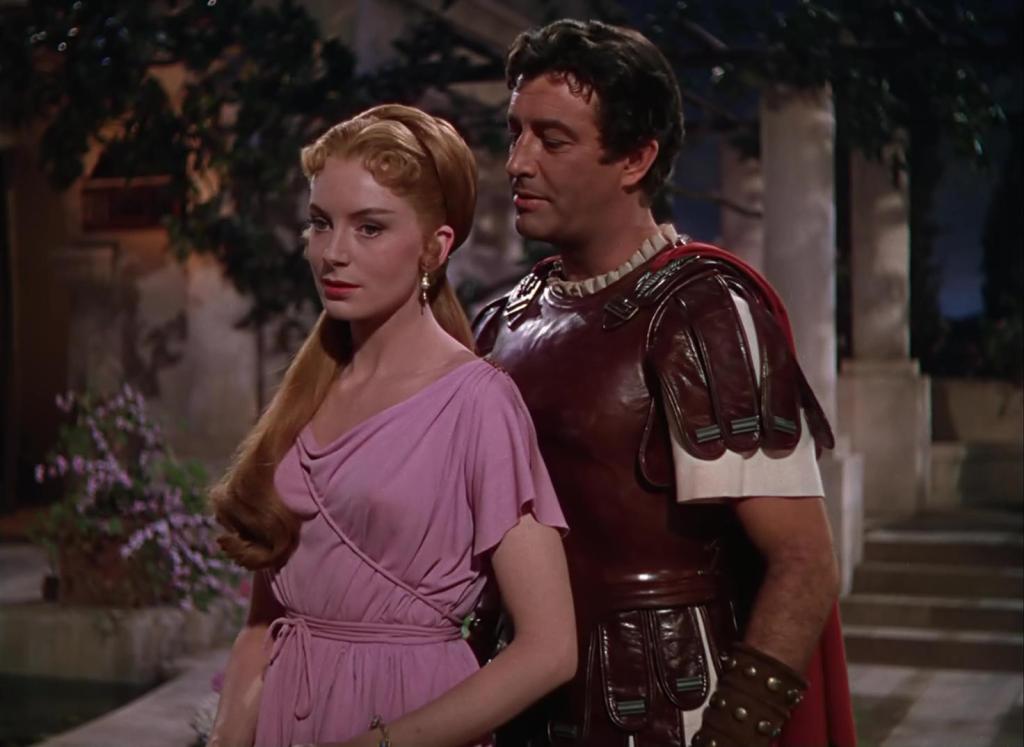
Lygia (Deborah Kerr) and Marcus Vinicius (Robert Taylor) in the courtyard of her adoptive parents' home in Rome.
Source: FilmAffinity.
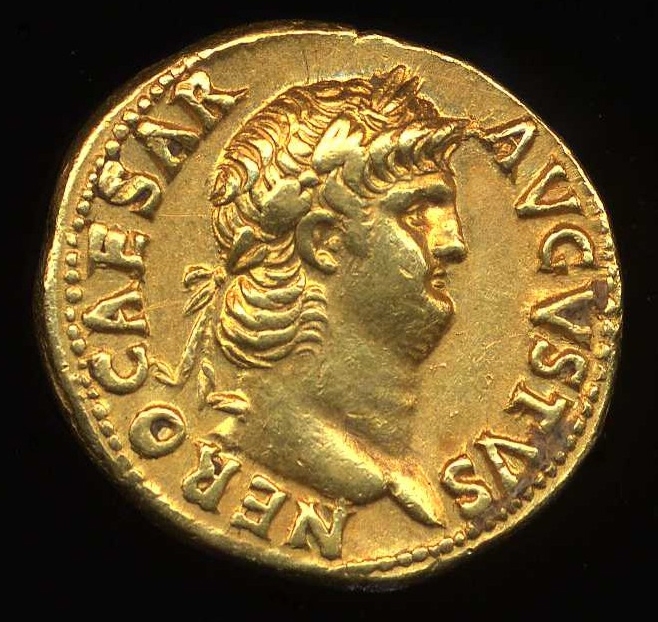
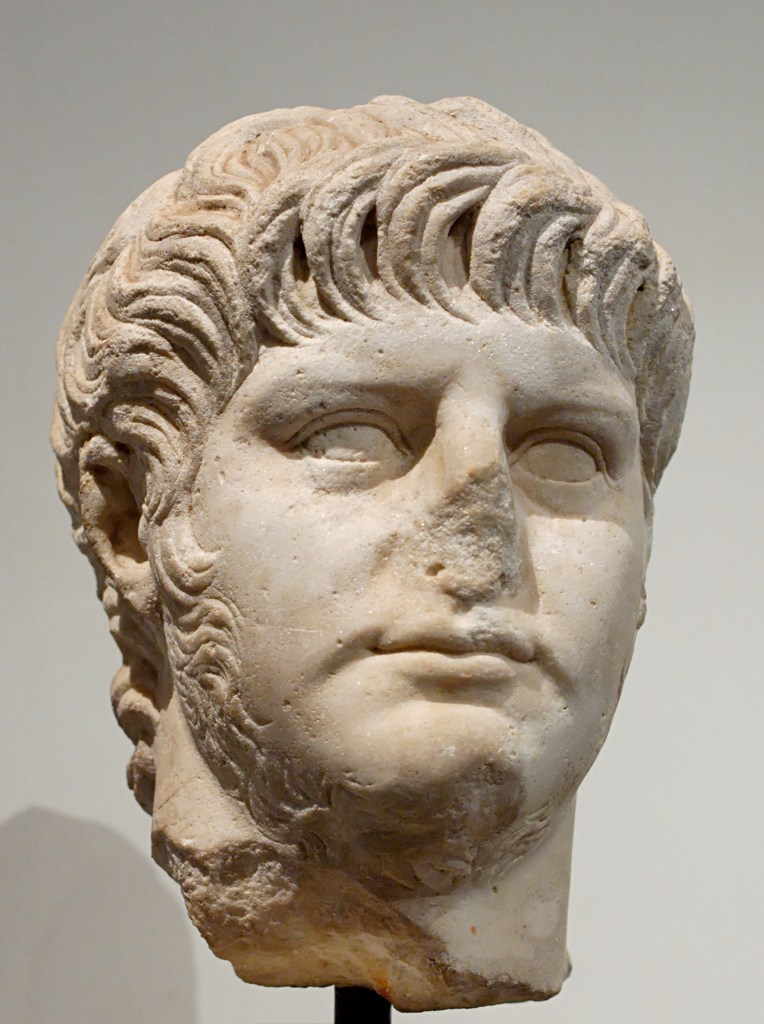
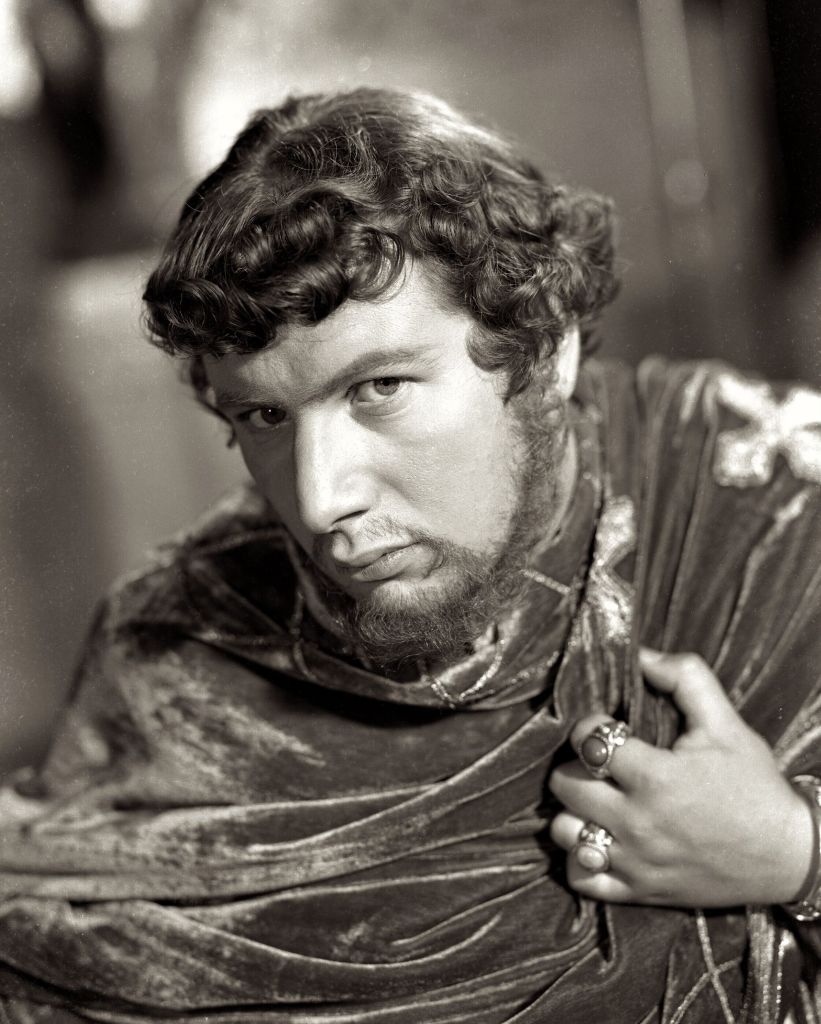
Emperor Nero
Historical figure. Really was Roman emperor from 54-68 CE. Known as the last emperor of the Julio-Claudian dynasty. Really was terrible, although maybe not quite as unrelentingly awful as many suggest – including this film. Probably not as amusing as Peter Ustinov!
Poppaea Sabina
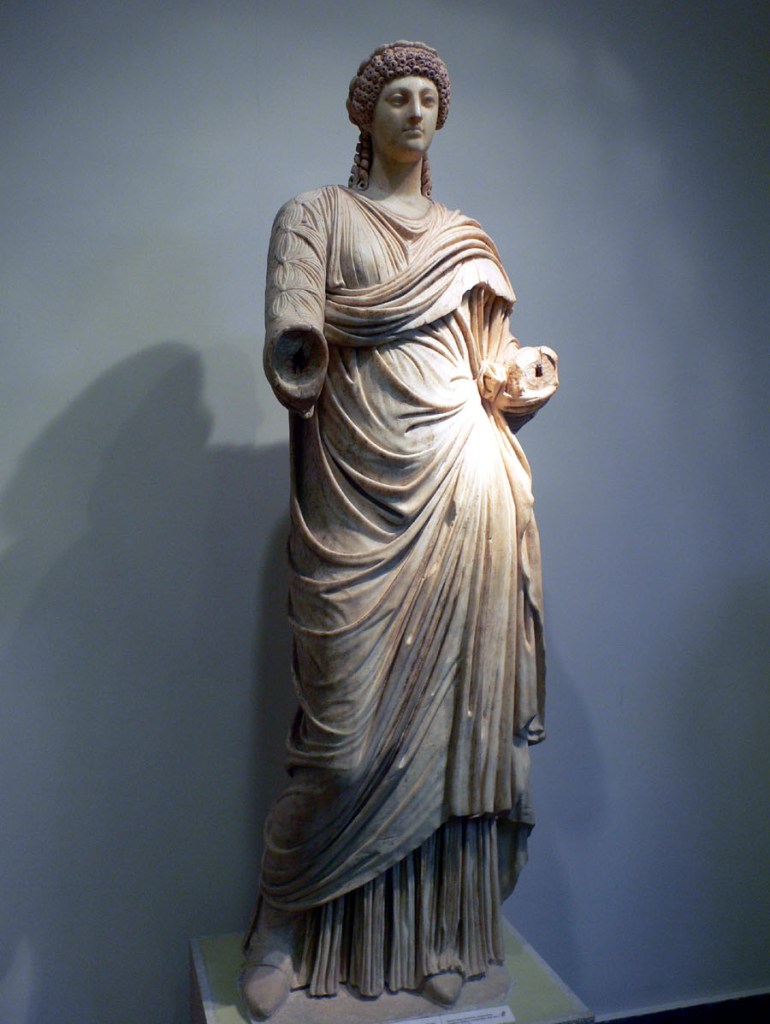
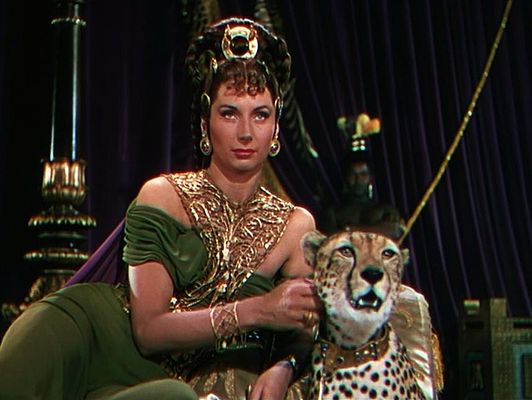
Historical figure. Elite Roman lady. Complicated love life. Winds up as Nero’s second wife. Called beautiful but awful in the surviving sources. We say – the jury is out on that one. Typical fun, adulteress type character used to contrast to the ‘good girl’, Lygia. Historically, she is murdered by Nero while pregnant with their child. In Quo Vadis, Nero strangles her. An awful demise in reality and in film.
Petronius (Gaius Petronius Arbiter)
Historical figure. Served as governor of Bithynia and was consul in either 62 or 63 CE. Did a decent job, but in his personal life seems to have made pleasure his main goal. Dubbed the ‘Arbiter of Elegance’ by Nero. Accused of being part of a conspiracy against Nero and suicided whilst chatting casually to friends. Thought to be the author of the novel, The Satyricon, which is a very unusual piece because it does NOT focus on the elite and is pretty … eye-opening. Possibly makes fun of Nero through the gross figure of Trimalchio, a freedmen who has become a wealthy show-off with no taste. Close associate of Nero. In the movie, Petronius is Vinicius’ uncle and an elegant, witty, intelligent member of Emperor Nero’s inner-circle. He also has a weird obsession with the enslaved Eunice…
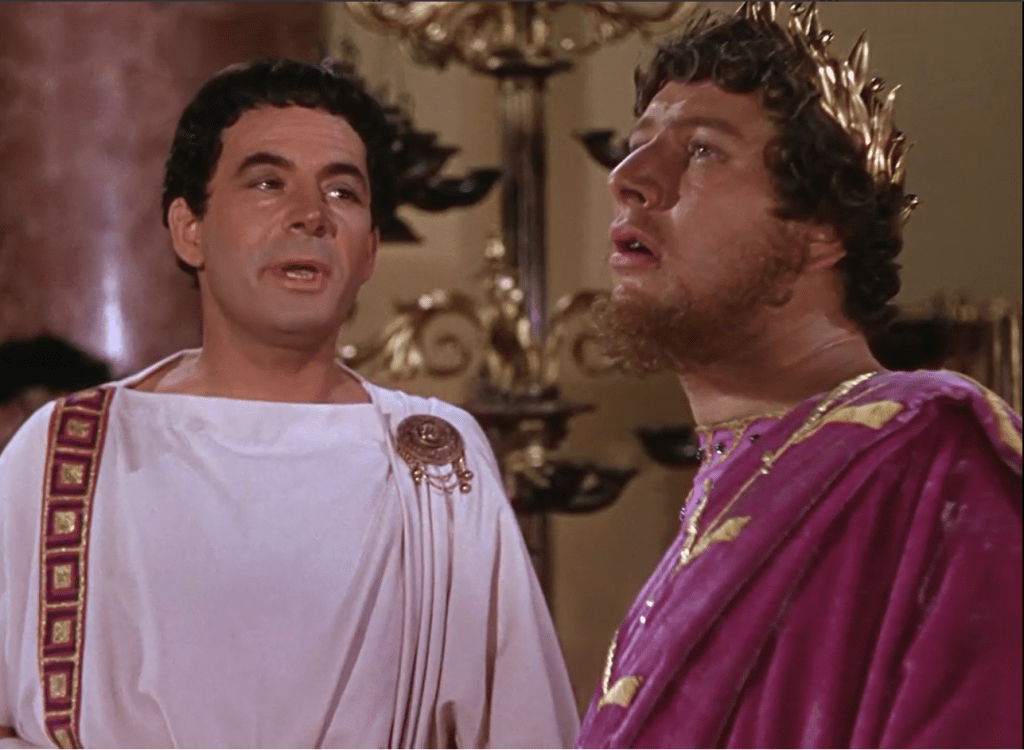
From left: Petronius (Leo Genn) attempting to advise Nero (Peter Ustinov) in a scene from Quo Vadis (1951).
Image source: FilmFanatic
Ursus
Fictional character. Bodyguard of Lygia, Christian convert. Super strong.
Peter
That’s St Peter to you! Follower of Jesus Christ. Christian (to state the obvious). Supposedly was crucified upside down, making him a martyr, which Sienkiewicz worked into his novel. Has a very famous domed building named after him.
Pomponia Graecina
Historical figure. Elite Roman lady who was related to the Julio-Claudian dynasty. Mentioned by Tacitus for her ballsy behaviour. She wore mourning for DECADES after Julia was bumped off by Messalina, which could have led to her own downfall, but Claudius did not punish her. (Julia Livia, granddaughter of Tiberius, daughter of Livilla and Drusus Caesar – mother of Rubellius Plautus). Her husband was told to deal with her privately after she was charged for believing in an “alien superstition”, which some have taken to mean she dabbled in Christianity. Good choice to turn into a character with Christian leanings in Quo Vadis! Adoptive mother of Lygia in the film. V V Virtuous.
Aulus Plautius
Historical figure. Really was a Roman general who won an ovation for a campaign in Britain. Really married to Pomponia Graecina.
Acte
Historical figure. An imperial freedwoman that teenage Nero fell for HARD, much to his mother’s displeasure. Suetonius reports that she was one of the few to attend the interment of his ashes, so her devotion in the film tracks. In the film, not a Christian but still a good woman as she is virtuous and loyal. As the movie is set late in Nero’s reign, it makes sense that he has moved on from her by now. Sympathetic to Christians, so that’s something. Is in love with Nero but keeps it real with him. Helps him to commit suicide when everyone else has abandoned him. A good choice, as Nero’s suicide was supposedly aided by his slave.
Eunice
Fictional enslaved woman. For reasons that make absolutely no sense, she has a crush on her master, Petronius. He eventually loves her back – depends on the version of Quo Vadis that you consult as to how that happens. It's fair to say, we're not keen on her storyline.
Sound Credits
Thanks to the fabulous Bettina Joy de Guzman for our theme music.
Our Sources
- Babington, B.; Evans, P. W., Biblical Epics: Sacred Narrative in the Hollywood Cinema (Manchester University Press, New York: 1993).
- Cyrino, M., Big Screen Rome (Blackwell Publishing, Oxford: 2005).
- Elley, D., The Epic Film: Myth and History (Routledge and Kegan Paul, Suffolk and London: 1984).
- Joshel, S.; Malamud, M.; Wyke, M., ‘Introduction’, in Imperial Projections: Ancient Rome in Modern Popular Culture, ed. S. Joshel, M. Malamud & M. Wyke (John Hopkins University Press, Baltimore and London: 2001), 1-22. And this what Dr Rad was quoting in the episode!
- Malamud, M., Ancient Rome and Modern America (Wiley-Blackwell, Oxford: 2009).
- Mayer, D., Playing Out Empire: Ben-Hur and Other Toga Plays and Films, 1883-1908, A Critical Anthology (Clarendon Press, New York: 1994).
- Scodel, R.; Bettenworth, A. Whither Quo Vadis? (Malden, Massachusetts, Blackwell Publications: 2009).
- Skwara, E. “Quo Vadis on Film (1912, 1925, 1951, 1985, 2001): The Many Faces of Antiquity.” Clássica (São Paolo) 16, no. 2 (2013): 163-174.
- Solomon, J., The Ancient World in the Cinema (Yale University Press, Michigan: 2001).
- Wyke, M., Projecting the Past: Ancient Rome, Cinema and History (Routledge, London: 1997).
- Wyke, M., ‘Projecting Ancient Rome’, in The Historical Film: History and Memory in Media, ed. M. Landy (Rutgers University Press, New Jersey: 2001), 125-42.
- You Must Remember This (7 March, 2016). The Blacklist Part 5: The Strange Love of Barbara Stanwyck: Robert Taylor.
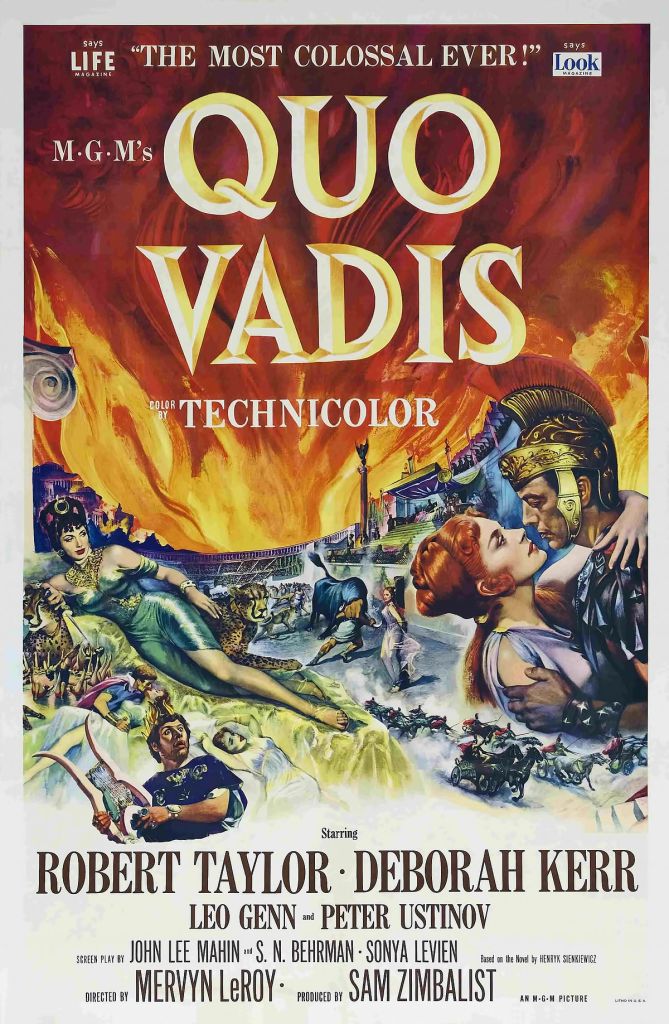
The classic film poster for Quo Vadis, the Roman and Christian epic!
Image course: Wikipedia.
Rome on Screen
Interested in how Rome is depicted on screen? Check out our back catalogue where we cover films and television.
Automated Transcript
Edited for clarity! The AI does seem to have challenges with both Latin and Australian accents!
Dr Rad 0:08
Welcome to this special episode of The Partial Historians. I'm Dr. Rad and normally Dr. G and I discuss the history of Rome from the founding of the city. But today we begin a deep dive into Quo Vadis 1951. We ended up talking for so long about this epic that we have split the episode into two parts. This is part one of our coverage of Quo Vadis, in which we will examine the context and the plot. We hope that you enjoy this sword and sandal classic as much as we did.
Dr G 0:54
Hello, and welcome to this very special episode of the Partial Historians. I am Dr. G
Dr Rad 1:03
And I am Dr. Rad.
Dr G 1:05
And we are so excited because we're going to be talking about the film, the film,
Dr Rad 1:12
Indeed
Dr G 1:13
Quo Vadis.
Dr Rad 1:14
Yes. And now we have talked about this on someone else's podcast before but it was years ago really a long time ago. We've never done it just the two of us. So we thought we would revisit because as our time of recording it is Easter.
Dr G 1:29
It is Easter. And we did have a special request come through from one of our supporters. So shout out to you.
Dr Rad 1:37
Yeah
Dr G 1:38
This is Quo Vadis
Dr Rad 1:40
Indeed
Dr G 1:40
From us.
Dr Rad 1:41
So Quo Vadis is one of the biggest blockbuster films – sword and sandals – of the 1950s it really kicks off the decade.
Dr G 1:53
I was gonna say this is 1951.
Dr Rad 1:55
Exactly.
Dr G 1:56
And boy is the bar set high. Because this film is probably what just as long as “The Fall of the Roman Empire”. But better, like I didn't get bored.
Dr Rad 2:04
Ah, that's good to hear! Well see, I never know how people are going to respond to all these different ones. But yes, it was definitely I think the film that kind of set the tone for the decade you know, had Hollywood chasing the ruins constantly like this is where we're going to make money people. This is how we're going to save our industry. But it didn't just come out of nowhere, Dr. G. So I thought before we actually talk about the 1951 film, we have to acknowledge some of the background.
Dr G 2:35
Ah a true historian you are
Dr Rad 2:37
Can't help myself, because this is actually based on a blockbuster novel.
Dr G 2:44
Yes. And the success of the novel is part of what engenders the film.
Dr Rad 2:48
Exactly, exactly. So it was written in the 19th century like right at the end, it was appearing in sort of a serialised version between 1894 and 1896. Originally written in Polish, because the author was Polish. And unsurprisingly, so far makes sense. Yeah, his name was Henryk Sienkiewicz. I think that's how you pronounce it anyway. And he he was known for writing quite a few novels, basically historical novels, generally ones that I think, showed the Polish people in a way that was going to lift morale for the people of his own time. And that I think, has a lot to do with what Poland was dealing with at this point in time. And I'll come to that in a moment. But essentially, in this particular book that he was writing, it's meant to be that the Christians kind of stand for, like the very earliest version of the Catholic Church, which had come to be very important for representing Polish interests against the other nations that wanted to control Poland at this point in time.
Dr G 2:48
Fair enough. Fair enough.
Dr Rad 3:58
Yeah. But I think also, it was also maybe sparked by the fact that there were large scale excavations going on in Rome at around the time that he was writing as well, from about 1870 to 1914.
Dr G 4:14
There's lots of things being uncovered. And lots of exciting finds being shared across Europe.
Dr Rad 4:19
Indeed, yeah, because Poland, Poland has such a sad history, there is no independent Poland between 1795 and 1918, essentially, but resistance continues throughout this entire time. And the Catholic Church is just crucial for trying to preserve Polish culture, when it's going through one of those classic periods of oppression where, you know, occupying powers are saying, “Hey, you can't speak your language. No, not even in school”, you know, so they're trying to preserve their identity and that sort of thing. So, one of the main characters of the novel is a girl called Lygia.
Dr G 4:57
And would I be right guessing that this is supposed to be a stand-in for Poland?
Dr Rad 5:00
Yes. As well as the blonde hair, yeah, as well as her kind of servant Ursus. So both of them are meant to be representing Catholic Poland and the Polish people.
Dr G 5:15
Nice. All right.
Dr Rad 5:17
And the fact that Nero does not end well in this novel is meant to be a bit of a threat, I think, against the various countries that are exploiting Poland at this point in time, namely, Russia, Austro-Hungary, and Prussia, not to be confused with Russia.
Dr G 5:37
All of whom would be utilising Roman symbolism as part of their regalia as part of their politics. So this is not a huge jump for the imagination of the Polish reader to be like, “Oh, I see where you're going here.”
Dr Rad 5:52
Yeah, definitely. So I just thought that was really interesting to note and Quo Vadis, did become an international bestseller was published in many different translations. So lots of people end up becoming familiar with this particular work. In fact, in 1905, Sienkiewicz, our author, was awarded the Nobel Prize for Literature
Dr G 6:12
Well, but not for Quo Vadis? For something else?
Dr Rad 6:15
I actually feel like it was for Quop Vadis, but now I'm doubting myself. Maybe it's just the way I've organised my notes where I'm like Quo Vadis, international bestseller, awarded Nobel Prize. Either way, he's a good writer.
Dr G 6:31
He's doing well for himself.
Dr Rad 6:32
Yeah, people are captured by the story. And it ends up being adapted many times into plays into operas. And eventually, there are multiple film versions of this particular novel. I thought it might be a good point, however, to pause and talk a little bit about when this is supposedly set. The context.
Dr G 6:54
Yeah, so we've got – we're in the late period of Nero's reign, from what we can tell.
Dr Rad 7:02
Yeah.
Dr G 7:03
There is the story of Agrippina, his mother, already having been knocked off.
Dr Rad 7:09
Yes.
Dr G 7:09
He's also gotten rid of Octavia.
Dr Rad 7:13
First one.
Dr G 7:13
Yes. And he's now married to somebody called Poppaea.
Dr Rad 7:19
Yes. So Nero, Nero is someone who's pretty infamous. But just in case you don't know who the Emperor Nero is – and that's completely fine – he is part of the Julio-Claudian dynasty, draw their descent from well, I mean,
Dr G 7:33
Julius Caesar, ultimately, but most people leverage the connection to Augustus.
Dr Rad 7:38
I was going to say, it's really Augustus they're concerned about and one of the Claudian gens.
Dr G 7:43
One of those Claudians. One of them in there somewhere.
Dr Rad 7:47
That blended together in this amazing McFlurry of a family. And Nero when he comes to power in 54. See, he is a teenager, about 16 years old about to turn 17 when he comes into power. And if you're thinking to yourself, I don't think I trust teenagers with that much power. You'd be correct.
Dr G 8:10
Yes, you shouldn't. And we don't recommend putting them into power that young because, well, there's plenty of historical evidence to suggest they cannot handle the heady heights of power at that age.
Dr Rad 8:21
Yeah, particularly when you have a mother who, whilst amazing is extremely dominating, like Agrippina the Younger, who may very well have committed murder of her awn uncle slash husband, in order to make you emperor.
Dr G 8:35
Oft!
Dr Rad 8:36
Yeah. So in spite of all of this, allegedly, the first few years of Nero's reign started. Yeah, well, I suppose you could say.
Dr G 8:46
There is talk of the five good years of Nero.
Dr Rad 8:50
Yeah.
Dr G 8:50
Where he's following his advisers. He's got a few: Seneca is probably the most famous of them.
Dr Rad 8:56
Yeah.
Dr G 8:57
And Agrippina seems to also be a moderating maternal force. She may be quite domineering, but Nero seems to –
Dr Rad 9:06
Sometimes it's a good thing
Dr G 9:06
- to be able to go along with that initially.
Dr Rad 9:09
Yeah. And Burrus head of his Praetorian Guard set. Yeah, absolutely. All these people seem to be actually the ones calling the shots. And that's from the good thing, because I don't think Nero is particularly interested in the reality of politics. He's okay with the benefits, but I don't think he's super interested in ruling per se. Unless it's like, get me another eunuch.
Dr G 9:38
Yeah, look, he's young. He's got a lot to learn and maybe he steps into leadership in a slightly bigger way as time goes on. Certainly he makes a play to be the one who gets to decide things ultimately, and we see the shift away from what is thought of as the five good years into like, “Oh, Nero's in charge now.”
Dr Rad 9:59
Yeah,
Dr G 10:00
“Oh, well then!”
Dr Rad 10:01
How's that gonna go for everyone? Not Great.
Dr G 10:04
Look, if this film is anything to go by: pretty terribly.
Dr Rad 10:09
The historical accuracy we will get to that in a sec. But yeah, the major I think signs of like a turning point is that number one in 59 CE Agrippina the Younger is murdered by Nero. And I don't think anybody disputes that.
Dr G 10:23
Everybody seems to credit him as being the killer. Yeah, there are various methods and when the collapsible boat doesn't work out, he moves on to more fatal measures.
Dr Rad 10:35
More straightforward, certainly. And then a few years after that, Burrus dies. And Seneca also appears to take a step back, maybe because he's losing influence. And this is around the time that his marriage falls apart with Octavia, his first wife is very popular with the people and also one of his relatives. Creepy. Yes, but let's not dwell on it.
Dr G 11:00
Pretty normal for the Julio-Claudians.
Dr Rad 11:02
Yeah, exactly. They could look they could be closer related, let's just say, and he starts hanging out with this other elite woman who's apparently far more depraved Poppaea Sabina. Eventually, she will become his next wife. But he starts making more audacious moves after 62 – not just because he gets rid of Octavia and when I say it gets rid of her he doesn't just divorce her. He also puts her to death in a really terrible way, which does not win him any friends. But in 64, we start to see Nero performing publicly on stage which is a real no-no for anyone in the elite, but particularly the emperor.
Dr G 11:40
Ah, yeah. So Nero has this reputation as somebody who enjoys the arts, enjoys the theatre. And while you might think to yourself, well, they're innocent diversions, and many people enjoy the theatre and the arts
Dr Rad 11:54
Without being raving psychopathic murderer and mother.
Dr G 11:57
It's not quite the same in ancient Rome, some forms of entertainment are considered very low brow. And for Nero himself to be a stage performer is considered well outside the bounds of what is morally and socially acceptable for somebody of an elite stature.
Dr Rad 12:19
Oh, definitely. And I think it also has to do with the idea of putting yourself publicly on display in that way, like using your body in that kind of a way
Dr G 12:28
Oh, hello.
Dr Rad 12:29
Yeah, it just it just ugh.
Dr G 12:31
But apparently, he counted himself as being quite the artiste. Yeah, a bit of a singer. Yeah, a bit of a instrumentalist.
Dr Rad 12:37
Oh, what can't you do, Dr. G, is really the question? Or at least what won't he pretend he can't do.
Dr G 12:44
The other problem with this kind of thing is from a Roman perspective is these kinds of pursuits are also seen as being a little bit too Greek.
Dr Rad 12:52
Yes. And we know that Nero seems to have been very fond of Greek culture.
Dr G 12:56
And yes, for the Romans, this is concerning because they feel the Greeks are a little bit too effeminate for their liking.
Dr Rad 13:04
Way too soft. That's not how you conquer the world – can be tough. The Romans, apparently, yeah. Anyway, it's in at 65 that we have the Great Fire of Rome, we'll get to that. I'm not going to talk about the accuracy of this event right now. I mean, there is a fire. Don't get me wrong. That's true.
Dr G 13:20
Rome definitely suffers from a fire and there's definitely a rebuilding programme which Nero leads.
Dr Rad 13:25
Yeah. So there's a very big fire very damaging, not uncommon to have a fire and we're in but a fire on this scale is unusual. And then of course, we have one of the largest and probably better known conspiracy against your in that same year, the Pisonian conspiracy. However, Nero still –
Dr G 13:46
He survived!
Dr Rad 13:47
Yeah, he performs at the Neronia, a Greek festival he throws.
Dr G 13:53
Named after himself, Oh, how sweet!
Dr Rad 13:55
I think we're getting a bit of a feel for him so far. And then we see a real degeneration. I think after this point, you see the death of Poppaea also, allegedly, because of Nero's actions, he murders her, with the plague in Rome in 66 CE, which, again, is not Nero's fault, but it's not great. And many people are being put to death in this year. On top of that, nothing to do with the plague, just because of the conspiracy of the previous year. And if that weren't enough, there's another conspiracy in 66. Nero still goes on holiday in Greece. And there's a revolt in Judea.
Dr G 13:55
Ah yes.
Dr Rad 13:58
Yeah, which isn't great. And then in 67 CE, we start to see the execution of very competent and popular generals like a guy called Corbulo, which doesn't again, win Nero any friends, and finally in 68, this is where we're going to see one of the more notable revolts against Nero, mostly because it's successful and near will eventually be ousted from power and commit suicide.
He comes to a sticky end.
Yeah. So that's just a bit of a rough context. For those of you who don't know Nero particularly well about when Quo Vadis is set because Quo Vadis is taking place in these latter years as you said.
Dr G 15:15
Yeah, we're definitely in the post five good years by the time we see Nero on screen in Quo Vadis. He is married to Poppaea Sabina. Yeah. And that is where all of this is heading. And we also see the way that Nero was constructed in this film is very much in service of the broader Christianizing narrative, which is the dominant narrative for this whole film.
Dr Rad 15:41
I'm so glad you said that Dr. G, because one of the things I wanted to mention is that, I think one of the forms of adaptation that has a real legacy in the films that we see toga plays. Now toga plays were very popular in the 19th century, and even I think, into the early 20th century, to be honest, the Quo Vadis versions were not necessarily themselves, like huge smash hits like they did, okay. But the hallmarks of a toga play, I think you can see in the film version, so for example, the fact that you have to have this kind of generic Christianity, because you don't want to specialise or get specific, because that way, everyone who's even remotely Christian can endorse the film as being, you know, leading the way with Christianity and that sort of thing. But perhaps more important than that, even are the female characterizations that you tend to see spring up in toga plays. So you often have a Christian female in these productions, who is self-sacrificing, domestic, and she has a interesting influence over the more aggressive, perhaps bolder, smarter, even funnier, perhaps even more attractive male in the story.
Dr G 17:03
Well, well, well, I think there's also some interesting parallels to be drawn between the way that these kinds of films and it sounds like these toga plays as well, that I'm less familiar with, are also doing a very similar thing to the way that Christian philosophical literature from the second and third century CE are doing in terms of building a convincing case for why it would be good for you to also be Christian.
Dr Rad 17:29
Yes, definitely. Well, I think that's the interesting thing about toga plays, and then sword and sound type films or, you know, just films about Rome in general, in that Rome, for both the British and North Americans in the Victorian age, they're often the bad guys in these sorts of things, you know, these toga plays in the early films, and even the later films, to be honest. But even though they're the bad guys, and therefore they are the other, because of course, Britain and North America see themselves as being on the side of Christianity. But at the same time, there's obviously got to be a lot that they recognise in themselves in terms of empire: wanting power wanting conquest, you know, the pillars of civilization.
Dr G 18:16
Oh, it's the duelling sides of the soul, isn't it? It's that desire for the material gain that Rome represents so well. Yeah. And I think spiritual richness of the Christian soul.
Dr Rad 18:28
Yeah. And I always have this phrase in my head, which I didn't actually need you to write it down, even though I have to because it really stood out for me when I was doing my research into this kind of stuff from Mayer and he says Rome and its empire were painfully familiar. I think that always sums up very well the kind of relationship that the British and American audiences are going to continue to have with Rome. Now, of course, Quo Vadis, does make it to the screen very early, in fact, and it has been adapted many times. We're focusing on the 1951 version, but there are a couple of silent versions and there was a version from 2001. That was a mini series in 1985. You know, Quo Vadis is one of those ones that people keep going back to, like Ben Hur. And as we know, Hollywood likes to repeat success story.
Dr G 19:16
They certainly do.
Dr Rad 19:17
Hey, this works. And I think it has a lot to do with the fact that Nero's reign really works on a Hollywood level, because it allows you to have this extravaganza of consumption and excess and lavishness on the screen whilst also being like it's not cool.
Dr G 19:40
Oh, guys, don't do do this. Look on but a heaven forfend that you do this?
Dr Rad 19:49
Yeah, exactly. So there was a very famous version in 1912, directed by Enrico Guazzoni. And this is generally seen as a pretty spectacular early film, you know, because they're still experimenting with the the medium and that sort of thing. So it's seen as having some really interesting technological innovations, which makes the story I think, much more powerful. And then we have another version in 1925, which is also interesting, because of course, it's like the rise of fascism is happening in that at that point in time. So it's not overly influenced by that. But anyway, but we do want to focus on the 1951 version today. So let's skip ahead to that. Shall we talk about the general plot of the 1951 version is a bit different to the novel.
Dr G 20:38
All right. So Quo Vadis, 1951. So we've got essentially a cast of our Roman characters and our Christian characters. Yes. And we start with our Romans, we've got a Roman commander coming back to Rome, yeah, as you should, after successfully leading these legions over in Britain or whatnot. And where this sort of takes off is that he's not allowed to go into the city straightaway, he's got to camp outside. And he finds out later that this is for good reasons. Nero wants to put on a proper display with a whole bunch of legions and commanders coming back soon. But this means that our main character Marcus Vinicius has to end up staying with a friend, rather than popping home and doing his own thing.
Dr Rad 21:25
Awkward crashing on the triclinium.
Dr G 21:27
Yeah. And it's a guy that he's known for a long time, used to be a Roman commander himself. So they've got a history there. And that's nice. But what seems to have happened that maybe Vinicius has hasn't picked up on between the last time he saw this guy is that this family has become Christian.
Dr Rad 21:43
Gasphow disgusting!
Dr G 21:47
You know, he kind of doesn't come into this knowledge for quite some time. He's –
Dr Rad 21:51
They're secretive!
Dr G 21:52
Yeah, he's pretty oblivious and they're really not being overt about it. They're not being like, “Ooh, something new in town. Have you tried Christianity?” They've been very calm, very quiet. And it's during this moment that Vinicius is also runs into their daughter, the daughter of this guy and his wife, Lygia, in the household. And he's like, you know, every time the camera pans to her, it's a Vaseline moment. She is. It is incredible. But he immediately starts to deploy his – what I think he thinks is charismatic charm – but is really Roman boorishness.
Dr Rad 22:32
Well for particularly someone like her and she's, she's an interesting character because she is meant to be a hostage of the Lygian king, but she's become like a daughter to these people.
Dr G 22:42
Well, she's – they say – that she's been adopted.
Dr Rad 22:45
Yes, exactly.
Dr G 22:46
And they've taken her in as their own.
Dr Rad 22:48
Yeah
Dr G 22:48
But she is a hostage of a foreign kingdom. And she does have a bodyguard, who's also from a kingdom who also lives in the household. Yeah, and this whole arrangement is very interesting. But also Vinicius is kind of like just sort of like tramples all over things, tries to do a bit of a clumsy seduction. After he's just seen her for the first time. And she's not having a bar of that.
Dr Rad 23:12
Yeah.
Dr G 23:12
Which is fair enough. Smart move, lady. But this means that a friction has been set up where because Vinicius has been denied, in this very sort of materialistic Roman way that they're being characterised, you start to develop this thing, “Well, if I can't have it, I really want it.” And, and this colours, a whole bunch of things.
Dr Rad 23:32
Yeah.
Dr G 23:33
So this leads him to create a scenario through his contacts with Nero to have Lygia transferred out of that household. He finds out that she's the hostage. Yeah, he's like, what do we know about how hostage law works? And they're like, well –
Dr Rad 23:49
Sneaky bastard!
Dr G 23:50
Yeah, if the emperor says so. I mean, the hostage can be transferred to a different household. Yeah. So Vinicius sets this up. So Lygia is first of all ripped out of the home that she has come to know
Dr Rad 24:02
Totally going to win her over. 100%.
Dr G 24:04
Definitely. Yeah. She gets gussied up at the Imperial Palace into some fancy dress.
Dr Rad 24:08
I think you mean, she gets slut-ified.
Dr G 24:12
They put her in a very nice gown.
Dr Rad 24:15
Yeah, I don't think she's too comfortable in it. It's too revealing.
Dr G 24:18
Too revealing and maybe a little bit too shiny. Yeah. And they put her on display in front of the emperor at a sort of a dinner party situation where Vinicius is like, “you look ravishing”, and she's like, “What? Why am I even here? Like, I've just been ripped from my family, like, whatever.” Yeah. And he's like, “Oh, well, the good news is I did that.” And she's like, “Excuse me?. And he's like, “So your mine now by imperial decree. Did you know?” And she's like, “Oh. My. God.”
Dr Rad 24:49
This guy can't take a hint!
Dr G 24:52
She finds a way to escape essentially from that situation. Yeah. Nero is kind of oblivious and doing his own thing in the meantime, and I think this is an important subplot, Poppaea has spotted Vinicius and she's like, “Well, he looks pretty hot.”
Dr Rad 25:07
Oh, yes.
Dr G 25:08
And her reputation for debauchery knows no bounds. So everybody's kind of like they're not really surprised when she tries to sort of she calls him over for a bit of a chat. Yeah. Nero doesn't seem perplexed about this kind of thing at all, like Poppaea is being Poppaea. She's an interesting one.
Dr Rad 25:24
This is just how women act. Yeah. May want me?
Dr G 25:28
My tiger, my cheetah. So she does a bit of a thing where she makes sure Vinicius knows that she's interested in him. Yes. And he's like, Okay, that's cool. But my chick's over there. Then she disappears. Lygia is sort of whisked away. And secreted away. And it turns out –
Dr Rad 25:47
This has something to do with Acte, doesn't it?
Dr G 25:49
Yes.
Dr Rad 25:49
Yeah. Acte is actually a historical person. Yes. Yeah. Actually, as her [Lygia's] adoptive parents, I should say. Yeah. Acte is mentioned in connection with Nero.
Dr G 26:01
Yeah. Acte is somebody who is written about in the source material as being one of these people that he has a relationship with. And she's an actress. I think
Dr Rad 26:11
I actually thought she was a freed woman or a slave?
Dr G 26:15
Yeah, there's something going on there. She has, she loves she has very low status, but they have a connection. And she is written about. And in the film, she sort of running the sort of the ladies of the household. She's kind of like a high up sort of servant it would seem.
Dr Rad 26:31
Yeah. And but she's obviously madly in love. With Nero.
Dr G 26:35
Still in love with Nero. Nero no longer seems to care. He's moved on – Poppaea is where it's at.
Dr Rad 26:40
Yeah, hashtag move on.
Dr G 26:43
And Acte is very implicated in the escape of Lygia. Yes. From the imperial palace. She shows Lygia the sign of the fish.
Yeah. But she's not a Christian herself?
No, but she she's sympathetic.
Dr Rad 26:56
Yeah. And again, this kind of ties in with what we know about early Christianity in that it does seem to been something that I think appeals to those lower down the social scale, rather than those at the top.
Dr G 27:09
And so we find out that the Christians are sort of getting together in the caves on the outskirts of the city. Maybe they're catacombs, maybe they're not, but they're getting together underground. And it's in this sort of moment. That Peter turns up.
Dr Rad 27:28
As in St. Peter, not Dr. G.
Dr G 27:30
I didn't turn up. You can look for that cameo You shall not find it. St. Peter turns up and he gives a bit of a sermon. And at that sermon, Marcus Vinicius, by this point, has figured out that she's been take