The OWASP Podcast Series
191 episodes — Page 2 of 4
Tel Aviv and the 2019 Global AppSec Conference
When I think of Tel Aviv, I imagine a robust, young culture, living a good, fun life. Not only is the culture conducive to a young life style, its tech industry continues to gain traction. As Wired Magazine said last August, "Israeli startups have always been high on Silicon Valley shopping lists, but Tel Aviv is beginning to shake off its reputation as Europe’s exit capital." Zebra, the medical diagnostics company, MyHeritage online family tree service, Via ride sharing service, and the Waze navigation app, as well as dozens of other influencial start-ups call Tel Aviv home. This places Tel Aviv at the heart of the tech industry in Isreal and encourages conferences and gatherings on a regional, as well as global scale. In this broadcast, I speak with Avi Douglen and Ofer Moar, co-chairs of the upcoming Global AppSec Conference in Tel Aviv. They are both active participates in OWASP and the security community. I called them to find out more about the conference, how it's different from other conferences and what participants can expect as takeaways from the event. More information and registration: https://telaviv.appsecglobal.org/
Persectives on the "Sec" in DevSecOps w/ Tanya Janca
If you've read the Phoenix Project, you'll remember Brent, the indispensable cog on the operations team. Brent was a good guy, he wanted to do the right things, all of the right things, but was pulled in all directions because of the lack of a unified plan for the company's project workflow. But what if Brent didn't want to do the "right" thing? What if Brent was more interested in the convenience of getting his work done than he was in the overall health and output of the project. What if he deployed to production without checking into SourceSafe, not just once, but for years. From Tanya janca: I went to our trusty code repository, took a copy of the most recent code. I went looking for the bug, and I couldn't even find it. And then I'm running it locally, and I'm looking at the real one in prod. And they're completely different. I'm like, "What would have happened if I had pushed to prod? If I fixed that bug, and pushed to prod, and not noticed the difference?" And he's like, "All my work would have been gone. That would have been your mistake." I'm like, "Are you kidding?" He's like, "It's just easier if I check it in directly, if I just edit it right on the web server. It's just easier for me." I'm like, "Oh. Is it easier to do a shitty job? No. No, no, no. In today's episode, Tanya Janca, Cloud Security Advocate, Microsoft, expands on her just published article, "DevSecOps: Securing Software in a DevOps World", clarifying each of the 5 tactics she uses to integrate not just security into the software development process, but how to manage people as part of that process. Have a listen...
2019 Open Security Summit Preview
Three years ago there was an idea floating around OWASP... a core community was looking for a way to have an isolated week, where security project working groups could get together, with no distractions, and work on projects they felt were important. From this idea, the Open Security Summit was founded. Now in it's third year, the summit takes place in an isolated forest located between London and Manchester. The format for the gathering is to present an environment, with no distractions, where the community of 150 security professionals can meet to update each other on their progress in the past year and to choose working groups to outline and work on future projects. This is not a podium lecture series conference. It is a 5-day high-energy experience, during which attendees get the chance to work and collaborate intensively. Each working session is geared towards a specific Application Security challenge and will be focused on actionable outcomes. In this episode, I speak with Seba (Sayba) Deleersnyder, Denis Cruz, Jemma Davis and Francois Raynaud, core organizers of the event, talking about why they started the event, what has changed over the years and what you can expect as an attendee at the Open Security Summit. https://opensecuritysummit.org/
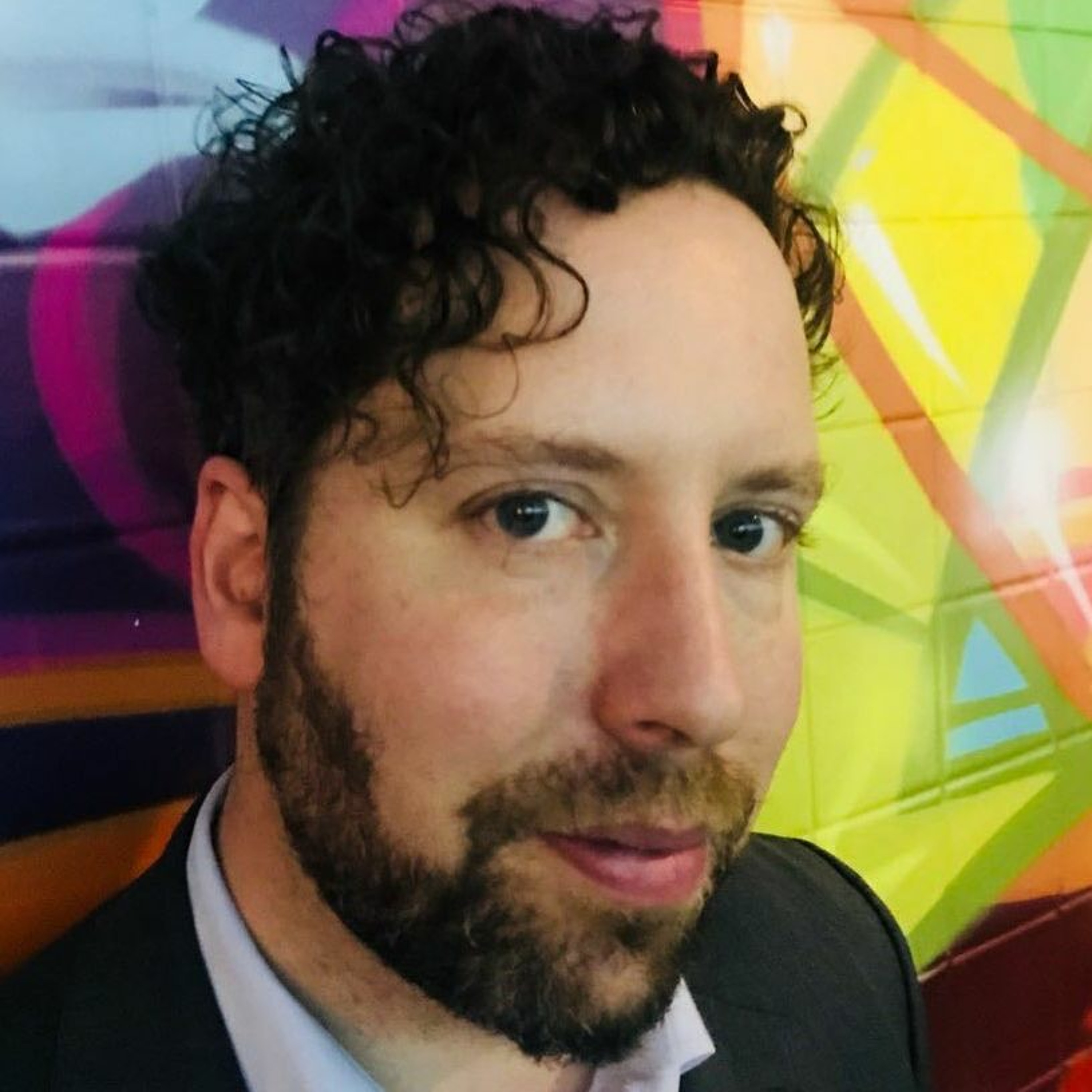
What is an SBOM and Why Should You Care? w/ Allan Friedman
Open-source components and their use within the software supply chain has become ubiquitous within the past few years. Current estimates are that 80-90% of new software applications consist of open-source components and frameworks. Section A9 of the OWASP Top 10 places components with known vulnerabilities as one of the most prevalent and abused parts of the software supply chain, placing it at a security weakness level of three, on a scale from one to three. Quoting from the OWASP description in A9, "Component-heavy development patterns can lead to development teams not even understanding which components they use in their applications or APIs, much less keeping them up to date." In today's episode, I speak with Allan Friedman, Director of Cybersecurity Initiatives at the National Telecommunications and Information Administration. Our talk focused on the creation of a Software Bill of Materials, or an SBOM. As we begin, Allan describes his role in the project and what they hope to accomplish. About Allan Friedman I'm the Director of Cybersecurity Initiatives at the National Telecommunications and Information Administration, or NTIA. We're a tiny part of the US Department of Commerce, and our mission really is about promoting a free, open, and trustworthy internet. Over the past few years, we've engaged in what we call "multistakeholder processes", trying to identify areas where the entire digital ecosystem can come together on things that they care about and make progress. So the government doesn't have a vested interest in the outcome, we just feel that we'll all be better off if the community can find common ground and consensus.
What is Chaos Engineering, an Interview with Casey Rosenthal
"Chaos engineering is an empirical practice of setting up experiments to figure out where your system is vulnerable so that you can know that ahead of time and proactively fix some of these vulnerabilities in your system." -- Casey Rosenthal In this broadcast, I speak with Casey Rosenthal about the beginnings of Chaos Engineering and Netflix and how the concept has morphed into a cross-industry community, sharing ideas through local chaos conferences.

Ladies of London Hacking Society w/ Eliza-May Austin
The Ladies of London Hacking Society was created by Eliza-May Austin in an act of frustration.Having nowhere to turn to meet other women within the security industry in the UK,Eliza-May fired off an online post lamenting the lack of local community support for technical security-based women. Her story is a common one. The post seemed to resonate with the local community. In a short time, she had close to 500 women join her London Meetup Group, focusing on sharing technical skills and industry stories.
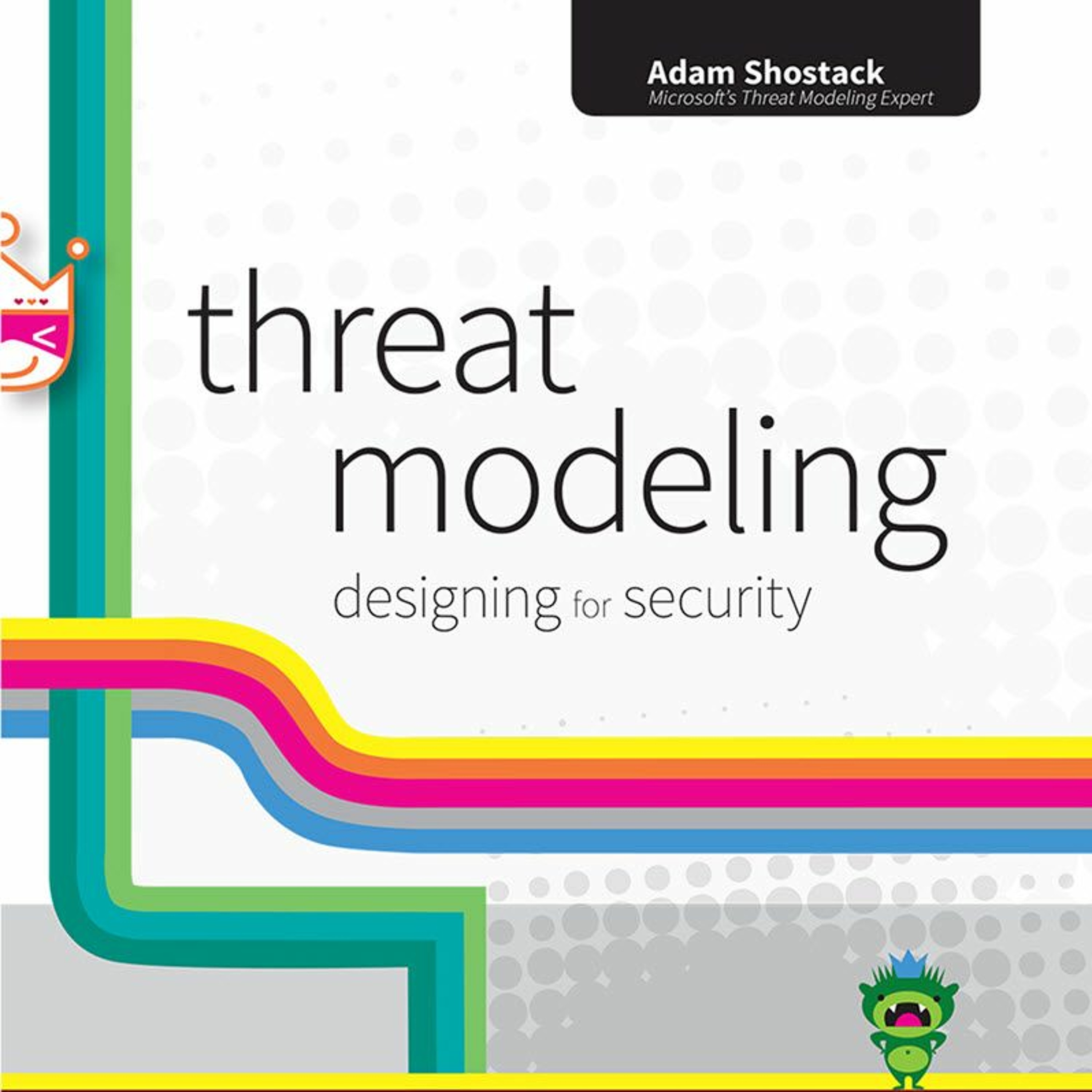
Anticipating Failure through Threat Modeling w/ Adam Shostack
What am I working on? What can go wrong? What am I going to do about it? Did I do a good job? These are the four questions at the heart of threat modeling In this episode, I speak with Adam Shostack, author of Threat Modeling: Designing for Security. We talk through how to begin threat modeling and the expectations of using modeling. Adam walks through the history of threat modeling, including his creation of the Elevation of Privilege game.
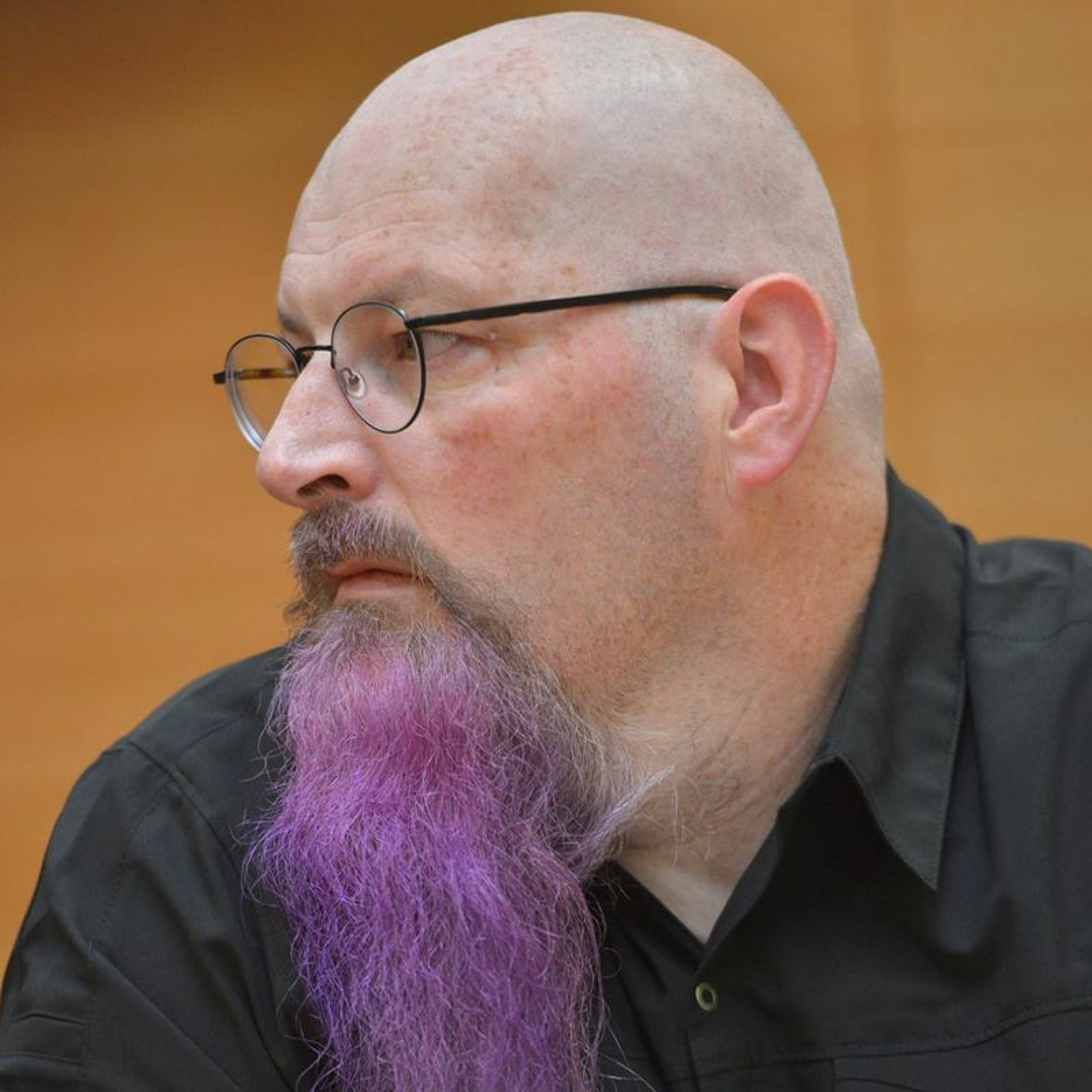
We Are All Special Snowflakes with Chris Roberts
This is the sixth episode in an eight part series, talking with the authors of "Epic Failures in DevSecOps". In this segment, I speak with Chris Roberts about his chapter, "We are all special snowflakes", diving into topics as diverse as the failure of the security industry to protect us from ourselves and what is considered "acceptable" monitoring when it comes to the government, and to social sites. You can download a free copy of Epic Failures at DevSecOpsDays.com
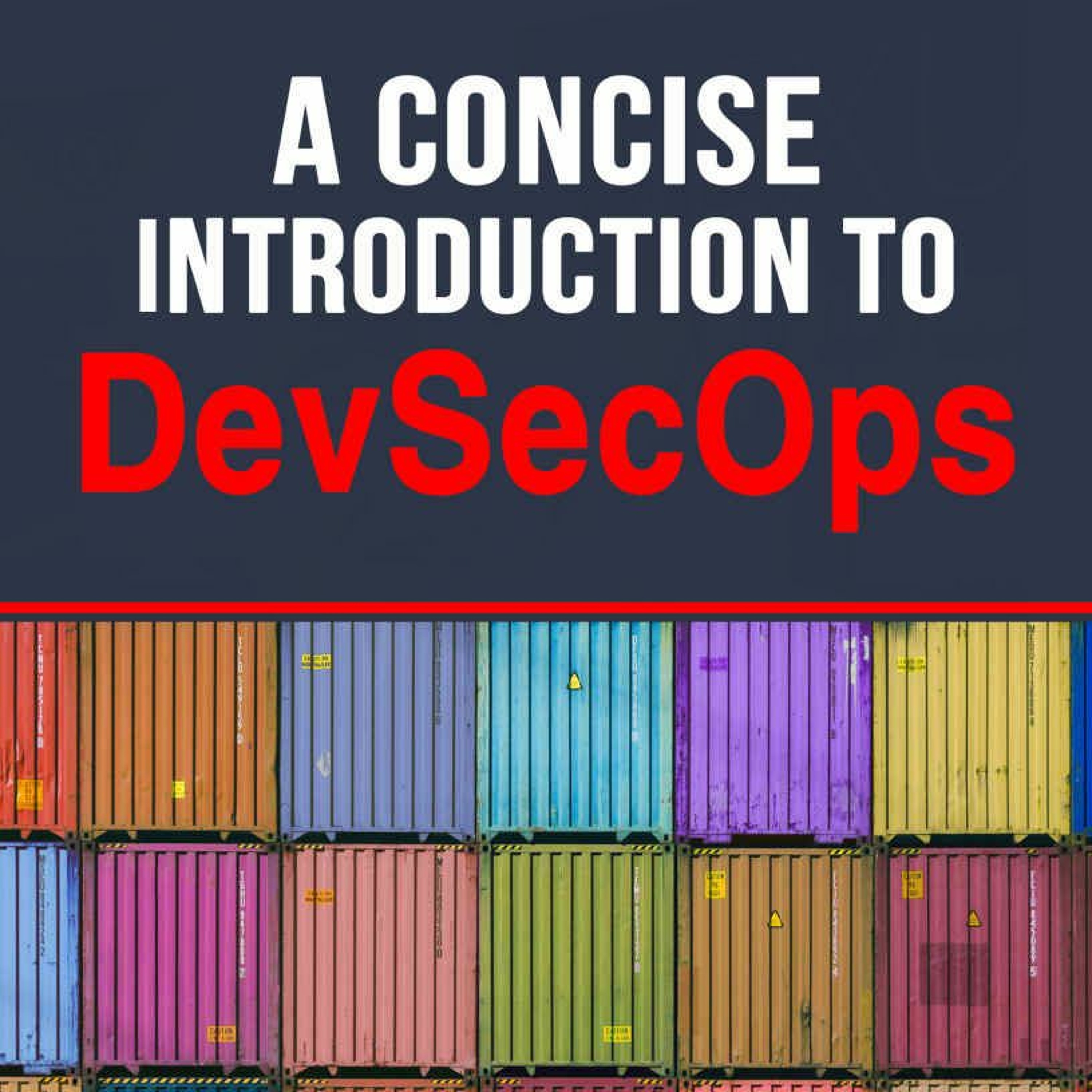
A Concise Introduction to DevSecOps
The inclusion of security as an integral piece of the DevOps puzzle continues to gain traction. In this episode of the DevSecOps Days Podcast Series, I speak with Curtis Yanko and Scott McCarty about their new book, "A Concise Introduction to DevSecOps". We discuss why they wrote the book, who the audience is that will benefit from it and why enterprises should be considering security as part of the software development environment.
What's In Store for the AppSec Cali Conference w/ Richard Greenberg
As if there aren't enough reasons to go to Southern California in the middle of a New York winter, AppSec Cali opens it's doors for its 6th Annual OWASP conference on January 22, 2019. In this broadcast, I speak with Richard Greenberg, one of the core organizers of the conference, talking about why people come, what they can expect to see and why he continues to help produce the conference year after year. For a transcript of this broadcast, go to DevSecOpsDays.com and click on "Podcasts".

Epic Failures in DevSecOps w/ Aubrey Stearn
Aubrey Stearn is the Technical Lead for the Enterprise Cloud Platform at Nationwide. In the broadcast we talk with Aubrey about her chapter, "The Tale of the Burning Programme", in the recently released "Epic Failures in DevSecOps" book. Aubrey talks about her extensive experience guiding and molding teams, leading the way through the maze of decisions needed in order to build a more productive and efficient engineering culture. We start off the discussion with "Why is our biggest problem DevOps, itself?"
Strategic Asymetry - Leveling the Playing Field w/ Chetan Conikee
"In the past when we were writing software, it was our engineers and our organizations that had total cost of ownership of that software. But now, that has fundamentally changed. Engineers are using open source software and deploying the entire application on an open source framework, which means a large part of the software supply chain is no longer owned by the engineer. " -- Chetan Conikee In this episode of the DevSecOps Days Podcast Series, I speak with Chetan Conikee about his chapter in the Epic Failures in DevSecOps book. About Chetan Conikee Chetan Conikee is a serial entrepreneur with over 20+ years of experience in authoring and architecting and securing mission-critical software. His expertise includes building web-scale distributed infrastructure, cybersecurity, personalization algorithms, complex event processing, fraud detection and prevention in investment/retail banking domains. He currently serves as CTO/Founder at ShiftLeft, and most recently Chief Data Officer and GM Operations at Cloud- Physics. Prior to CloudPhysics, Chetan was part of early founding teams at CashEdge (acquired FiServ), Business Signatures (acquired Entrust)and EndForce (acquired Sophos).
Threat Modeling - A Disaster Story with Edwin Kwan
We continue the "Epic Failures in DevSecOps" series by speaking with Edwin Kwan on his chapter, "Threat Modeling - A Disaster Story". Edwin is Application and Software Security Team Lead at Tyro Payments. In our discussion, we talk about the three things he learned through his "Epic Failure": -- Demonstrate value at the buy-in -- Get early feedback -- Automate as much as possible During our discussion, we talk at length about the role of security and how to begin implementing automation at the earliest stages of the development process. About Edwin Kwan Edwin Kwan is the Application and Software Security Team Lead for a bank. His approach toward application and software security is to raise security awareness, provide light touch controls to the software development life cycle to increase visibility of security issues and work closely with engineering teams to quickly develop secure applications. Edwin started out as a software engineer and transitioned into the application security role to lead a range of security initiatives when the company was working towards obtaining an unrestricted banking licence. As a Software Engineer, he has over a decade of experience developing large scale; real-time; high performance; high reliability software applications for major telecommunication vendors. He is also experienced in working with stakeholders from small to large organisations to design and develop innovation solutions to help manage and grow their business.
The DevSecOps Unicorn Rodeo w/ Stefan Streichsbier
Stefan Streichsbier talks about his chapter, "Unicorn Rodeos", in the just released book, "Epic Failures in DevSecOps". We start with where did the chapter name come from and what does it mean, then lead into his three main points for hanging on for the rodeo ride: -- Don't waste time over-engineering -- Build for the right audience -- Find your champions We conclude with a discussion of technology trends in South East Asia and Indonesia. People mentioned include Gene Kim, Caroline Wong, Fabian Lim, Mohamed Imran, Magda Chelly, Edwin Kwan, DJ Schleen and others.
The DevSecOps Experiment
DJ Schleen talks about his upcoming 15 part video series, "The DevSecOps Experiment", where he will walk through the setup of a software supply chain, including building in security during every step of the process. This is a lab workshop type series, where you'll be able to immediately implement the solutions at the end of each 15 minute session. DJ will be available to answer your questions on his public slack channel as well as provide resources in the DevSecOps Days github repository. This is a free, online workshop series. To be notified when each segment of the series is released, please sign up for notification on DevSecOpsDays.com
Open Source Vulnerabilities - Who is Ultimately Responsible
In this broadcast, I speak with Chris Roberts and Derek Weeks about lines of responsibility and npm package highjacking in light of the event-stream vulnerability announcement last week. The announcement of the event-stream npm package vulnerability has once again raised the issue of who it ultimately responsible when a breach like this is announced. Is it the original creator of the package? What about the team maintaining the package? Where does' the end user fit it in? How does social engineering come into play?
event-stream: Analysis of a Compromised npm Package
Once again, the pattern of taking over a known package and modifying it with malicious intent has happened. In this case, it's with the event-stream module in the npm repository. In this broadcast I speaker with Thomas Hunter, Software Developer at Intrinsic and author of "Compromised npm Package: event-stream", and Brian Fox, CTO of Sonatype, author of the Forbes "Open Source Developers And Infrastructure Are The New Front Line Of Security?" article. Compromised npm Package: event-stream https://medium.com/intrinsic/compromi... Open Source Developers And Infrastructure Are The New Front Line Of Security https://www.forbes.com/sites/forbestechcouncil/2018/05/11/open-source-developers-and-infrastructure-are-the-new-front-line-of-security/#2ad9e84457c2 Open Source Software Is Under Attack; New Event-Stream Hack Is Latest Proof https://blog.sonatype.com/open-source-software-is-under-attack-new-event-stream-hack-is-latest-proof

Spy vs Spy in Application Security: Harvesting Adversaries
"The guy who wrote wifi software with SSID never imagined that someone could use that SSID to transmit data by writing two smaller applications to leverage it. We are constantly going to be in this [type of] battle. Ultimately we've got to find a way to stay ahead of it by understanding the mechanisms by which we're writing the abuse case possibilities." -- Shannon Lietz Following their session at DevOps Enterprise Summit 2018, I sat down and talked with Shannon Lietz and James Wickett to talk about who the real adversaries are when it comes to application security, what you can do to expose those adversaries and steps to get started in your own, internal adversary program. About Shannon Lietz DevSecOps Leader for Intuit Shannon Lietz is an award winning innovator with over two decades of experience pursuing advanced security defenses and next generation security solutions. Ms. Lietz is currently the DevSecOps Leader for Intuit where she is responsible for setting and driving the company’s DevSecOps and cloud security strategy, roadmap and implementation in support of corporate innovation. She operates a 24x7 DevSecOps team that specializes in Adversary Management. Prior to joining Intuit, Ms. Lietz worked for ServiceNow where she was responsible for the cloud security engineering efforts and Sony where she drove the implementation of a new secure data center. Ms. Lietz has significant experience leading crisis management large-scale security breaches and restoration of services for several Fortune 500 companies. She has previous experience as a founder a metrics company, leading major initiatives for hosting providers as a Master Security Architect, developing security software and consulting for many Fortune 500 companies globally. Ms. Lietz is an IANS faculty member and holds a Bachelors of Science degree in Biological Sciences from Mount St. Mary’s College. About James Wickett Head of Research, Signal Sciences James spends a lot of time at the intersection of the DevOps and Security communities. He works as Head of Research at Signal Sciences and is a supporter of the Rugged Software and DevSecOps movements. Seeing the gap in software testing, James founded an open source project, Gauntlt, to serve as a Rugged Testing Framework. He is the author of several security and DevOps courses onLinkedIn Learning, including: DevOps Foundations, Infrastructure as Code, DevSecOps: Automated Security Testing, Continuous Delivery (CI/CD), and Site Reliability Engineering. He got his start in technology when he founded a startup as a student at the University of Oklahoma and has since worked in environments ranging from large, web-scale enterprises to small, rapid-growth startups. He is a dynamic speaker on topics in DevOps, AppSec, InfoSec, cloud security, automated security testing, DevSecOps and serverless. James is the creator and founder of the Lonestar Application Security Conference which is the largest annual security conference in Austin, TX. He also runs DevOps Days Austin and previously served on the global DevOps Days board. He also bears several security certifications including CISSP and GWAPT.
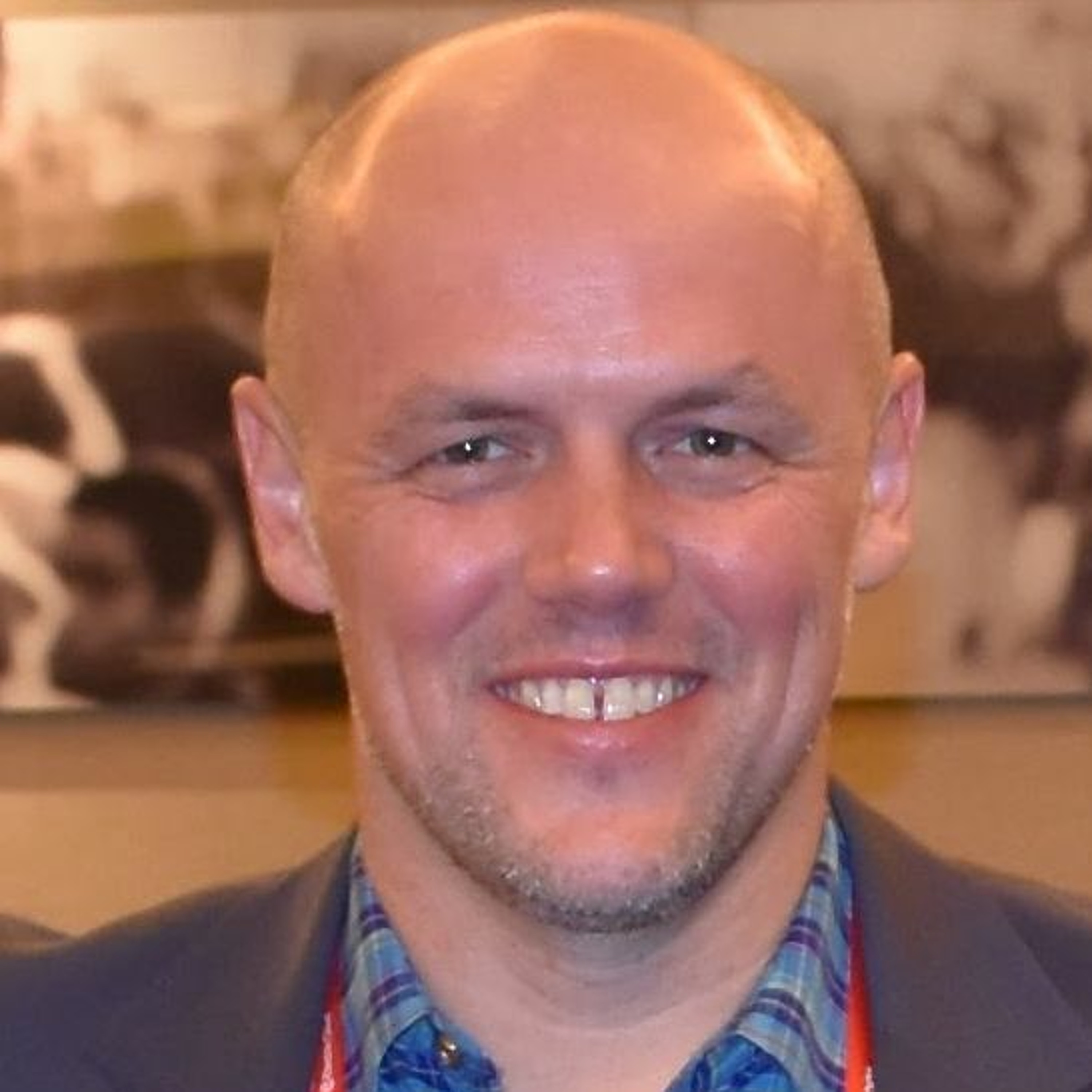
Moving from Projects to Products w/ Mik Kersten
"If you look inside a large enterprise IT organization, they have this very bizarre and broken layer that's completely separating the way that business thinks in terms of products, budgets and costs, and the way IT people know the way they need to innovate, which is delivering products faster." -- Mik Kersten I sat down with Mik Kersten, CEO of TaskTop, and John Willis after Mik's presentation at DOES2018. His new book, Projects to Products, is an attempt to help the industry move from using success metrics more appropriate for the industrial age, to a new type of measurement where value is measured as part of the overall business goal through Value Stream Mapping. About Mik Kersten Dr. Mik Kersten is the CEO of Tasktop Technologies, creator and leader of the Eclipse Mylyn open source project and inventor of the task-focused interface. As a research scientist at Xerox PARC, Mik implemented the first aspect-oriented programming tools for AspectJ. He created Mylyn and the task-focused interface during his PhD in Computer Science at the University of British Columbia. Mik has been an Eclipse committer since 2002, is an elected member of the Eclipse Board of Directors and serves on the Eclipse Architecture and Planning councils. Mik's thought leadership on task-focused collaboration makes him a popular speaker at software conferences, and he was voted a JavaOne Rock Star speaker in 2008 and 2009. Mik enjoys building tools that offload our brains and make it easier to get creative work done. Specialties: Software Development Tools, Productivity tools, Task-Focused Interfaces, Application Lifecycle Management, Agile, Management, Aspect-Oriented Programming, Eclipse, Java
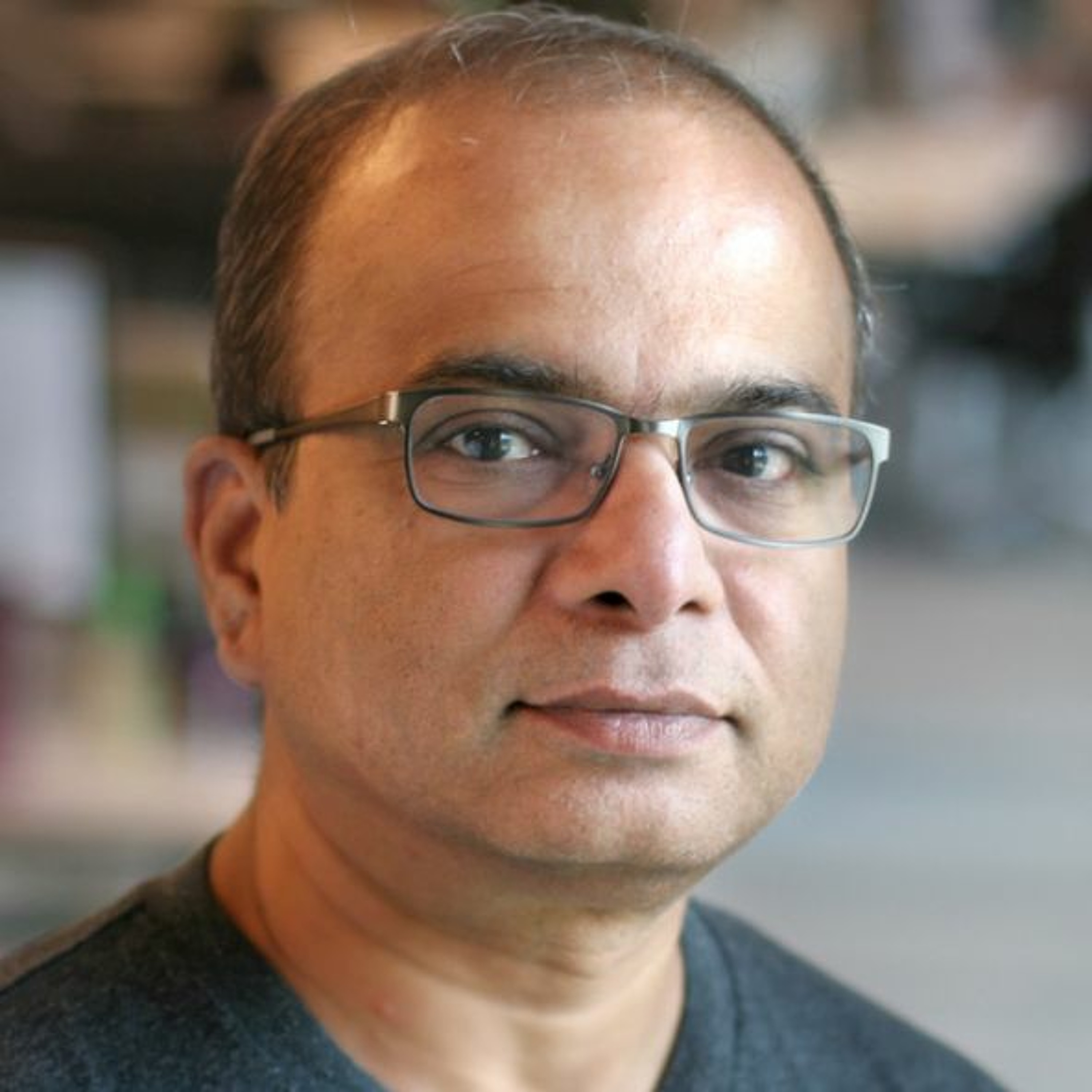
The Journey to Open Source at Capital One w/ Tapabrata "Topo" Pal
Why would you allow open source usage in your company. What are the compelling reasons to take the risk. In this discussion, I talk with Topo Pal and Derek Weeks about the industry perception of open source and what's really happening behind the curtain at large enterprises. Topo had just finished his keynote presentation at DevOps Enterprise Summit 2018 and I wanted to dive a little deeper into some of the things he talked about. About Topo Pal Dr. Topo Pal is Senior Director & Sr. Engineering Fellow Capital One. His main areas of expertise are in DevOps/DevOpsSec/ Rugged DevOps and Continuous Integration, Continuous Delivery. Topo is also interested in Natural Language Processing, Information Extraction, Architecture Strategy, Application Architecture and Integration Architecture. About Derek Weeks Derek E. Weeks, Vice President, Sonatype. Derek is a huge advocate of applying proven supply chain management principles into DevOps practices to improve efficiencies and sustain long-lasting competitive advantages. He currently serves as vice president and DevOps advocate at Sonatype, creators of the Nexus repository manager and the global leader in solutions for software supply chain automation. Derek is also the co-founder of All Day DevOps, an online community of 40,000 IT professionals, and the lead researcher behind the annual State of the Software Supply Chain report for the DevOps industry. In 2018, Derek was recognized by DevOps.com as the "Best DevOps Evangelist" for his work in the community.
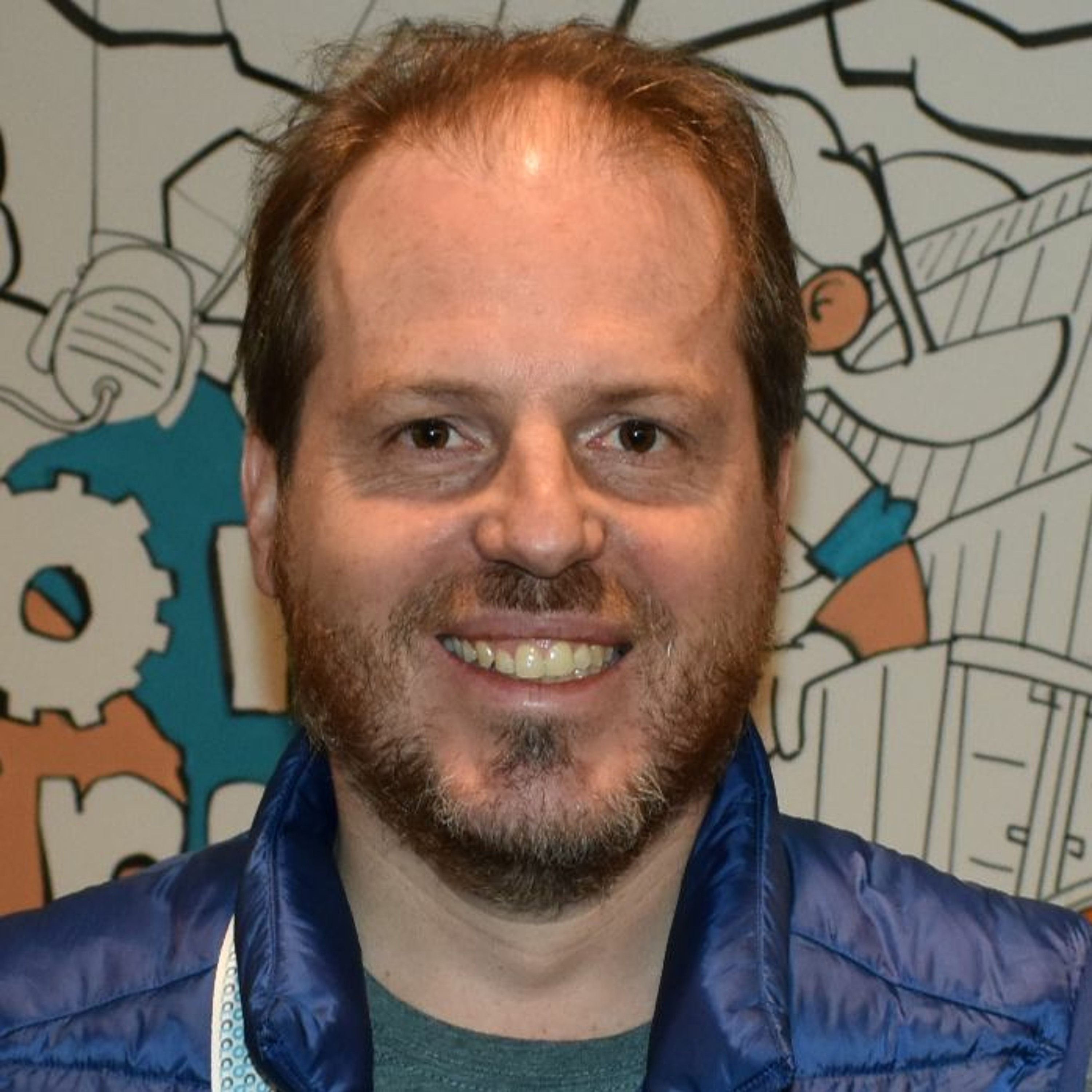
The Future of Software and DevOps / with Sacha Labourey
"The compensation, the incentives that people have are very much anchored in short term objectives that do not take into account the vision for the bigger transformations that are happening within the market." -- Sacha Labourey, CEO, CloudBees Sacha Labourey runs one of the most visible, respected companies within the DevOps and DevSecOps communities. At Jenkins World 2018, I sat down with Sacha to hear how his year went, how security can become more of an important process within the software development pipeline and how the Jenkins community adds value to the company.
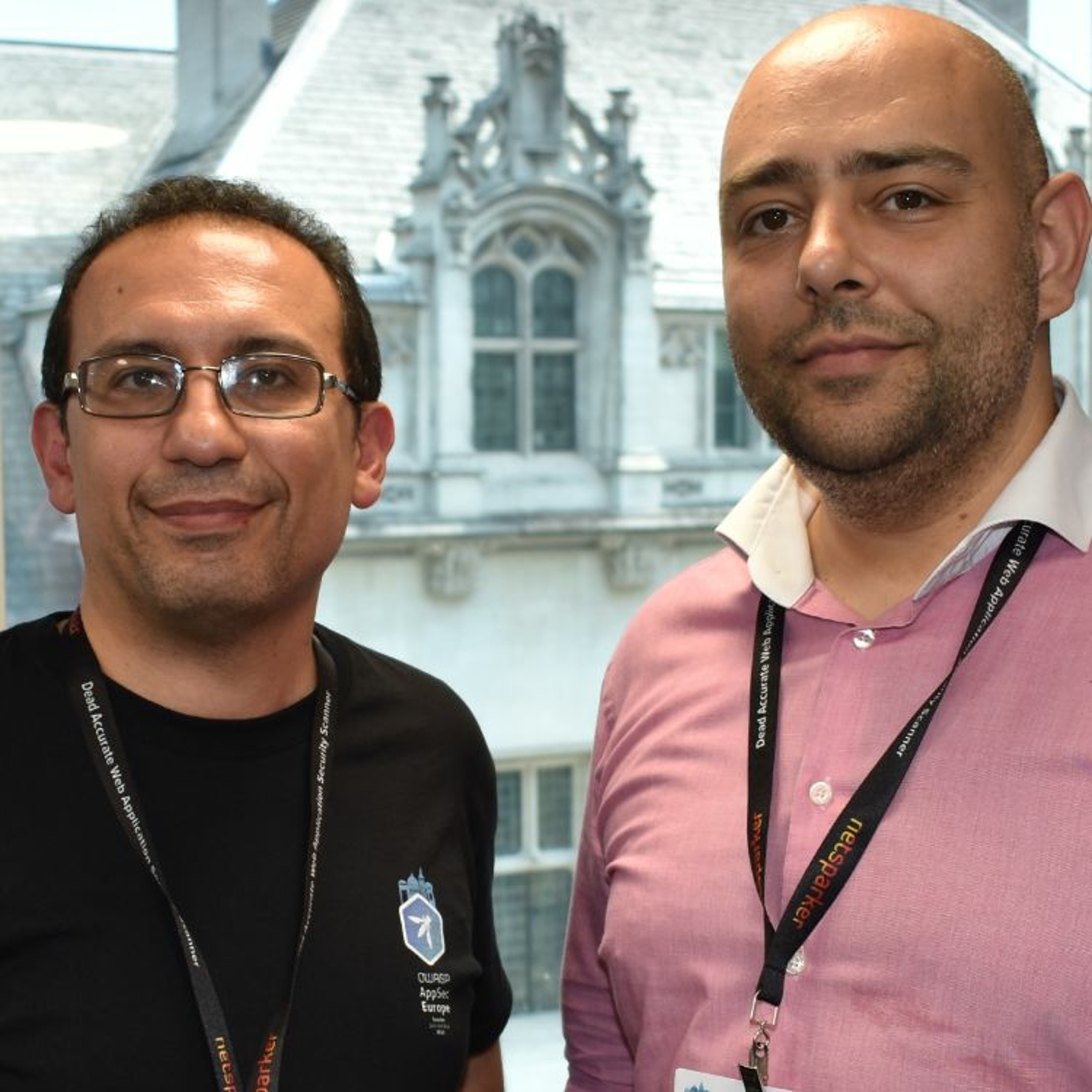
How to Build Chapter Engagement at OWASP
While at 2018 AppSec EU, I spoke with Sam Stepanyan and Grigorios Fragkos, chapter leaders of one of OWASP's largest chapters. The conversation centered around what does it take to grow a community, what does it take to lead a chapter.
A Message from the Executive Producer
This is Mark Miller, Executive Producer. 4 years ago I took over the creation and curation of the OWASP podcast series. In that time, there have been 118 episodes, with a combined listenership of over 269,000 plays. The series began as a way to speak with OWASP project leads and chapters leaders to let the community hear what was being worked on. Gradually, the show has morphed into something broader. Recent broadcasts highlighting the work done in the DevOps and DevSecOps Communities receives well over 2000 listeners per episode. We have helped give exposure to DevSecOps practitioners at major AppSec Conferences in Europe and the United States, I have produced the DevSecOps tracks at RSA Conference in San Francisco and Singapore for the past 3 years, and we've given voice to the security practitioner in lieu of the security vendor through the production of All Day DevOps. This has allowed us to reach out to new communities, a new listenership, interested in hearing how software security is changing from a manual, labor intensive process, to an automated, supply chain solution. Cultural transformation, Continuous Delivery/Continuous integration, Cloud Native Infrastructure, and Site Reliability Engineer are all topics needing coverage if we are to truly build secure software. The future of this podcast series is in focusing on DevSecOps and the practitioners who are willing to share their stories and solutions to the OWASP Community. I'll talk with people like DJ Schleen who runs the DevSecOps initiative at Aetna, John Willis who brought the first DevOps Days to the United States, and Shannon Lietz who has introduced the concept of Red Teams to her colleagues at Intuit. We will continue to highlight OWASP projects and chapters, while having discussions that are inclusive of other communities with different ideas on the future of software security. It's an important transition historically to a safer, more secure world and we want everyone be be a part of it. I hope you stay with us as we begin to explore new voices, expand on existing ideas and highlight the diversity that will truly change our industry. Welcome to the new podcast series, DevSecOps Days.
2018 AppSec EU London - Conference Preview
In this episode, I speak with the organizing committee of 2018 AppSec EU, hearing about what's planned and why you should consider attending this international conference in London.
Steps to Responsible Disclosure with Bas van Schaik,Man Yue Mo and Brian Fox
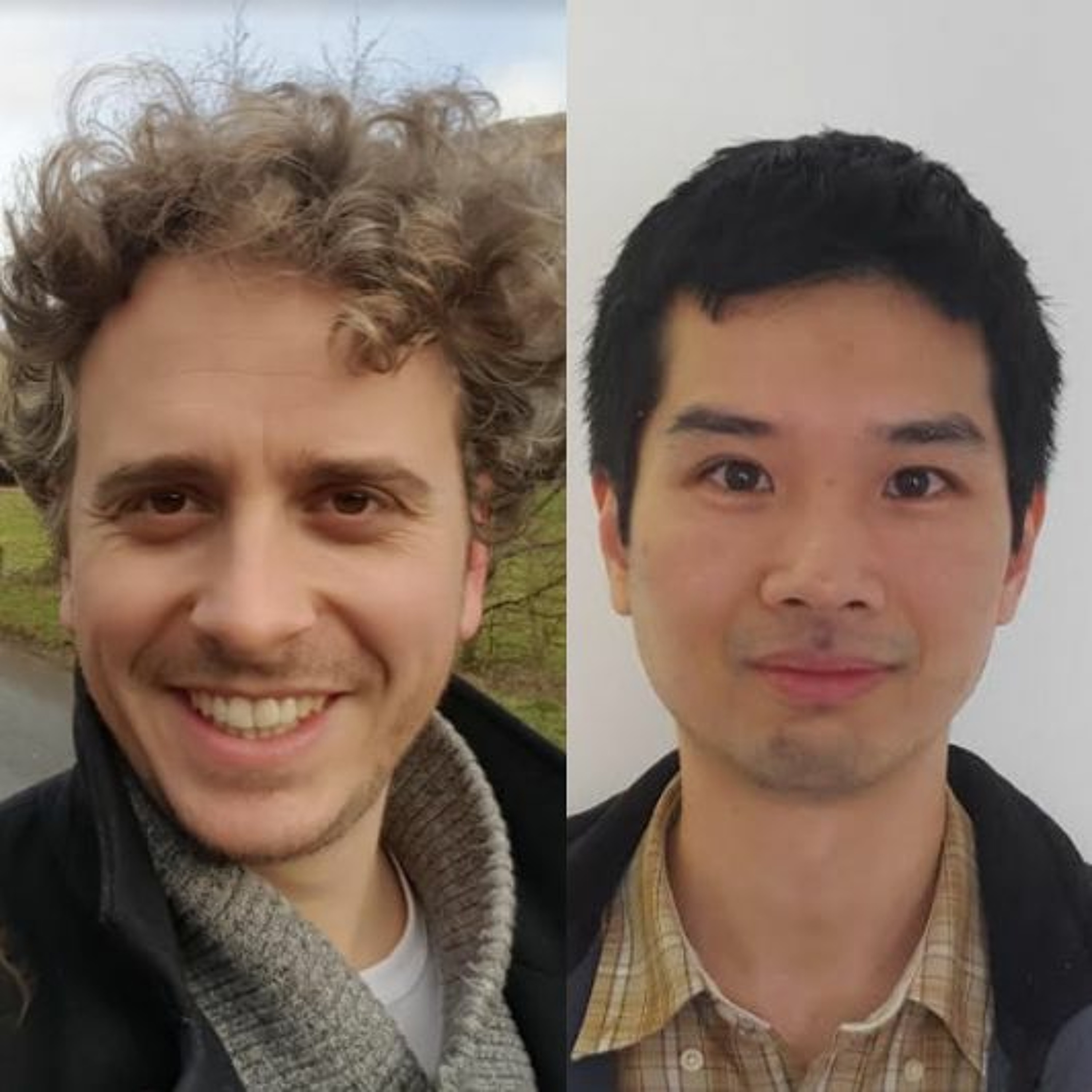
On March 1, 2018, the team at Semmle announced a critical vulnerability in the Pivotal Spring framework. The vulnerability was found by security researcher Man Yue Mo at Semmle — the team behind lgtm.com. In this episode of OWASP 24/7, I speak with research team at Semmle on how they discovered the vulnerability. Also, Brian Fox joins the discussion on the process for responsible disclosure, different ways to approach it and what other companies and projects are doing when a vulnerability is found in their project. About Man Yue Mo — Security Researcher at Semmle for lgtm.com During his PhD in mathematics at Oxford, Mo became interested in scientific algorithm development with a focus on data science and machine learning. At Semmle, Mo developed an interest in Semmle's core technology for writing queries over source code. This QL query technology is freely available on lgtm.com for the open source community to use for analyzing their code. Mo has since used QL to identify numerous security vulnerabilities, including CVE-2017-8046 in Pivotal's Spring Data REST, and the infamous CVE-2017-9805 in Apache Struts. He continues to works closely with the open source community to ensure these vulnerabilities are patched and responsibly disclosed. The blog on https://lgtm.com/blog contains various articles by Mo on how to use QL for security research. About Bas van Schaik — Head of Product at Semmle As the Head of Product at Semmle, Bas is responsible for the entire product portfolio — from the core QL query technology, to lgtm.com where this technology is made freely available to the open source community. Following his PhD in Computer Science at Oxford, Bas joined Semmle to work on machine learning and data science techniques for extracting insights from software engineering data. After setting up a strong team of machine learning experts, he now works closely with engineers and leaders to ensure that Semmle's products are effective in all parts of the software development process — to secure and improve code, reduce risk, and deliver actionable insights. He works closely with pioneers in the open source community, as well as with developers and leaders at organizations such as Google, Microsoft, NASA, Credit Suisse, NASDAQ, and Dell. About Brian Fox, CTO, Sonatype Co-founder and CTO, Brian Fox is a member of the Apache Software Foundation and former Chair of the Apache Maven project. As a direct contributor to the Maven ecosystem, including the maven-dependency-plugin and maven-enforcer-plugin, he has over 20 years of experience driving the vision behind, as well as developing and leading the development of software for organizations ranging from startups to large enterprises. Brian is a frequent speaker at national and regional events including Java User Groups and other development related conferences.
RSAC 2018 - Preview of Opening Session for DevOps Connect: DevSecOps Day
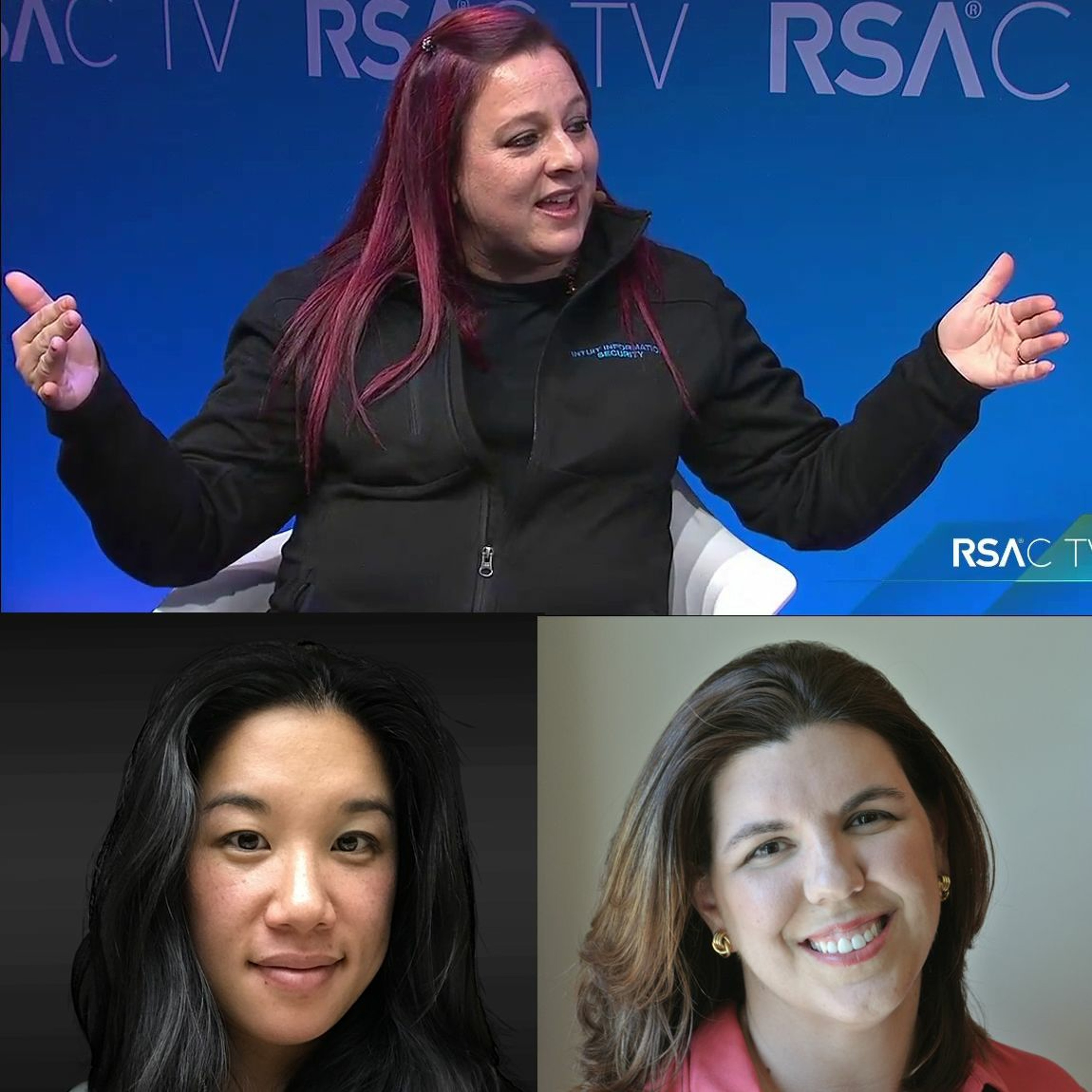
Shannon Lietz, Caroline Wong and Paula Thrasher will give the opening remarks at DevOps Connect: DevSecOps Days on April 16 at the RSAC Conference in San Francisco. On today's show, I talk with Shannon, Caroline and Paula, on what they hope to accomplish during their talk, and why DevSecOps is becoming the hottest topic in this year's growth of the DevOps Community.
HackNYC 2018: Preview with Kevin E. Greene
Prior to his work as Principal Software Assurance Engineer at MITRE, Kevin E. Greene was R&D Program Manager for the Department of Homeland Security. He is currently on the organizing committee for HackNYC, helping to organize talks and sessions around protecting and securing our national infrastructure. I spoke with Kevin about the current state of software security and how each of us can play a roll in the security of modern software. About Kevin E. Greene With more than 17 years of information assurance and security experience in security program management, assessment, auditing, and testing, Kevin Greene brings valuable skills and capabilities to the Department of Homeland Security Science and Technology Directorate (DHS S&T). As a member of the Homeland Security Advanced Research Projects Agency (HSARPA) Cyber Security Division, Greene has identified, developed, and transitioned technology projects through multiple commercial and academic organizations for the past two years. Responsible for the oversight and management of research and development projects for improving the testing, analysis, and evaluation techniques used in software quality assurance tools, he currently is focusing on the build-out of the Software Assurance Marketplace (SWAMP), a national marketplace and collaborative research forum designed to advance secure software development best-practices within the industry.

HackNYC 2018: Preview with Dr. Bill Curtis
In May, at HackNYC 2018 in New York City, Dr. Bill Curtis' team of Tracie Gerardi and Lev Lesokhin will deliver a presentation on putting an end to "Technical Debt". I spoke with Dr. Curtis about his work in the creation of various maturity models, the current state of security in software development and "what keeps him up at night". You might be surprised at his answer. Listen in... About Dr. Bill Curtis Dr. Bill Curtis (1948) is an American software and organizational scientist. He is best known for leading the development of the Capability Maturity Model [1] (CMM for Software) and the People CMM [2] in the Software Engineering Institute at Carnegie Mellon University. He co-founded TeraQuest, a provider of CMM-based services, which was sold to Borland Software Corporation in 2005. He has published 5 books, over 150 articles, and in 2007 was elected a Fellow of the Institute of Electrical and Electronics Engineers for his career contributions to software process improvement and measurement.
The OpenChain Project with Shane Coughlan
The OpenChain Project identifies key recommended processes for effective open source management. The project builds trust in open source by making open source license compliance simpler and more consistent. In this broadcast, I speak with Shane Coughlan, project director, about the purpose of the project and what his team hopes to accomplish in 2018.
Expanding Community Engagement at OWASP w/ Greg Anderson
Newly elected to the OWASP board, Greg Anderson is interested in how to expand the OWASP community. I talked with him about what he hope to accomplish in his tenure on the board, the first initiatives he would like to implement and on various ideas for working with OWASP chapters, projects and events. About Greg Anderson Technical leader with 6+ years of experience in all facets of security. Primary areas of expertise include application security, security in DevOps, security automation, program management and program development.

Thoughts on Security in the Modern Software Supply Chain
Caroline Wong, Paula Thrasher and I were having lunch at DevOps Enterprise Summit when the conversation took an interesting turn. Paula and Caroline had been on a panel the previous day and didn't get a chance to do a deep dive into any of the topics. As we were talking at lunch, I realized is was a good opportunity to give them a chance to talk with each other on government vs public software security, about how the OWASP Top 10 might best be used and to they have discovered as common security patterns in their large scale projects. About Caroline Wong I am a strategic leader with strong communications skills, cybersecurity knowledge, and experience delivering global programs. My close and practical information security knowledge stems from broad experience as a Cigital consultant, a Symantec product manager, and day-to-day leadership roles at eBay and Zynga. I have been featured as an Influencer in the Women in IT Security issue of SC Magazine, named as one of the Top 10 Women in Cloud by CloudNOW, and received a Women of Influence Award in the One to Watch category from the Executive Women's Forum. I authored the popular textbook Security Metrics: A Beginner's Guide. About Paula Thrasher Paula Thrasher has 20+ years experience in IT and has spent the last 15 years trying to implement Agile culture in the federal government. Paula’s first Agile project was in 2001, since then she has led over 15 programs and projects as an Agile developer, technical lead, Scrum master, or Agile coach. Her teams have helped two separate federal agencies migrate applications to Amazon AWS GovCloud, and done some other amazing DevOps ninja work along the way. Paula is a proud Carnegie Mellon University alumna with a B.S. in Statistics, is a Certified Scrum Master (CSM) and a Project Management Professional (PMP), but prefers learning new things through experience and working with smart people.
Security Processes at the Apache Software Foundation w/ Mark Thomas and Brian Fox
In our continuing series on the Struts2 vulnerability announcement and the breach at Equifax, we spoke with Mark Thomas, Director, Apache Software Foundation, and Brian Fox, CTO, Sonatype to clarify the processes ASF goes through when a vulnerability is found within one of their projects. About Mark Thomas Mark is currently employed by Pivotal where he spends most of his time working on Apache Tomcat. At the Apache Software Foundation, Mark is a committer and PMC member for Apache Tomcat as well as other projects. At the foundation level he is an ASF member, a member of the security and trademarks committees, is an infrastructure volunteer and a Director. Mark speaks regularly on Apache Tomcat including at ApacheCon.
Struts2 Vulnerabilities: Who Is Responsible?
A conversation on the ramifications of recent Struts2 announcements, the exploit at Equifax and the responsibility of companies using open source software. David Blevins, CEO, TomiTribe Brian Fox, CTO, Sonatype
What you should know about the latest Struts2 vulnerability announcement
What you should know about the latest struts2 vulnerability announcement w/ Brian Fox, CTO Sonatype, and Matthew Konda , Chair, OWASP Board of Directors. If you're a developer and concerned about security, a struts2 vulnerability announcement came out yesterday. I interviewed two experts to talk about the announcement and what you should be looking for. If you would like to watch a video of the interview, you can find it on YouTube: https://www.youtube.com/watch?v=jtUfPom06bo

OWASP Hacker Kids in Bangalore
Most of us want to help kids become proficient in programming and cybersecurity, but don't know how to get started or have time to manage such a project. Prashant Kv figured he'd put a team together with Vandana Verma and Rupali Dash and give it a shot. The first event in Bangalore was a huge success, with over 200 kids participating. I spoke with the Prashant, Vandana and Rupali about how the event was put together, why it worked and what their plans are for future events.
Less than 10 Minutes Series: OWASP DockerHub with Simon Bennetts
Earlier this week, Simon Bennetts from the OWASP ZAP Project announced the official availability of the OWASP DockerHub for housing projects. I caught up with Simon soon after to hear how ZAP was utilizing DockerHub and the benefits of containerization. https://hub.docker.com/u/owasp/
Less than 10 Minutes Series - ModSecurity Core Rule Set Project
This segment of the "Less than 10 Minutes" series was recorded live at AppSec EU 2017 in Belfast. It is an update of the ModSecurity Core Rule Set Project with project co-lead Christian Folini. The OWASP ModSecurity CRS Project's goal is to provide an easily "pluggable" set of generic attack detection rules that provide a base level of protection for any web application. The OWASP ModSecurity Core Rule Set (CRS) is a set of generic attack detection rules for use with ModSecurity or compatible web application firewalls. The CRS aims to protect web applications from a wide range of attacks, including the OWASP Top Ten, with a minimum of false alerts.
Less than 10 Minutes Series: OWASP Summit 2017
This segment of the "Less than 10 Minutes" series was recorded live at AppSec EU 2017 in Belfast. It is an update of the OWASP Summit 2017 with conference organizer Sebastien (Seba) Deleersnyder. OWASP Summit 2017 is a 5-day participant driven event, dedicated to the collaboration of Development and Security professionals, with a strong focus on DevSecOps.

Less than 10 Minutes Series: WebGoat Project
This segment of the "Less than 10 Minutes" series was recorded live at AppSec EU 2017 in Belfast. It is an update of the WebGoat Project with project co-leads Jason White and Nanne Baars. WebGoat is a deliberately insecure web application maintained by OWASP designed to teach web application security lessons.

Less than 10 Minutes Series: Vicnum Project
This segment of the "Less than 10 Minutes" series was recorded live at AppSec EU 2017 in Belfast. It is an update of the Vicnum Project with project lead Nicole Becher. The Vicnum Project is a collection of intentionally vulnerable web applications. Vicnum applications are commonly used in Capture the Flag exercises at security conferences.
Less than 10 Minutes Series: Defect Dojo Project
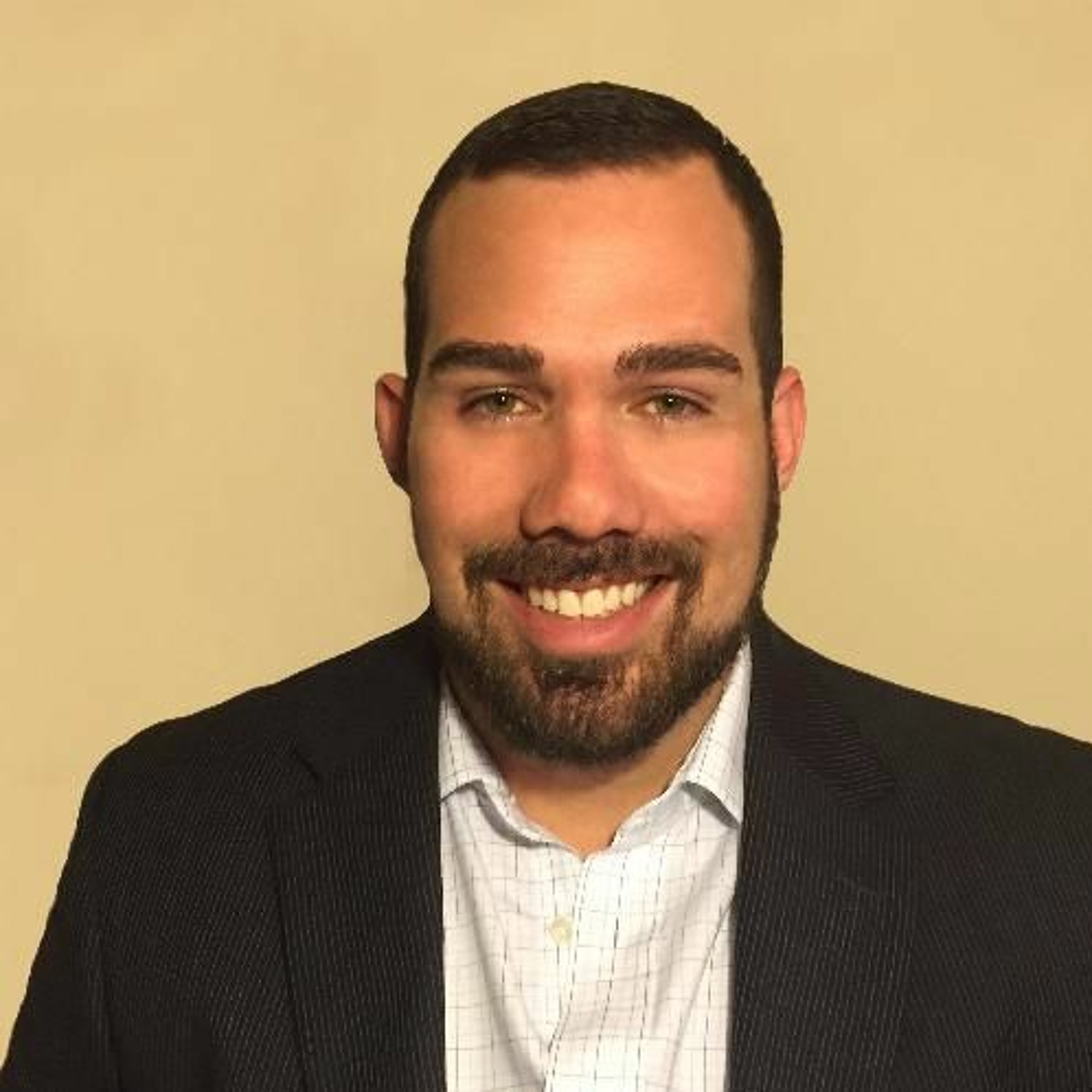
This segment of the "Less than 10 Minutes" series was recorded live at AppSec EU 2017 in Belfast. It is an update of the Defect Dojo Project with project lead Greg Anderson. The Defect Dojo is an open source vulnerability management tool that streamlines the testing process by offering templating, report generation, metrics, and baseline self-service tools.
Less than 10 Minutes Series: Virtual Village Project
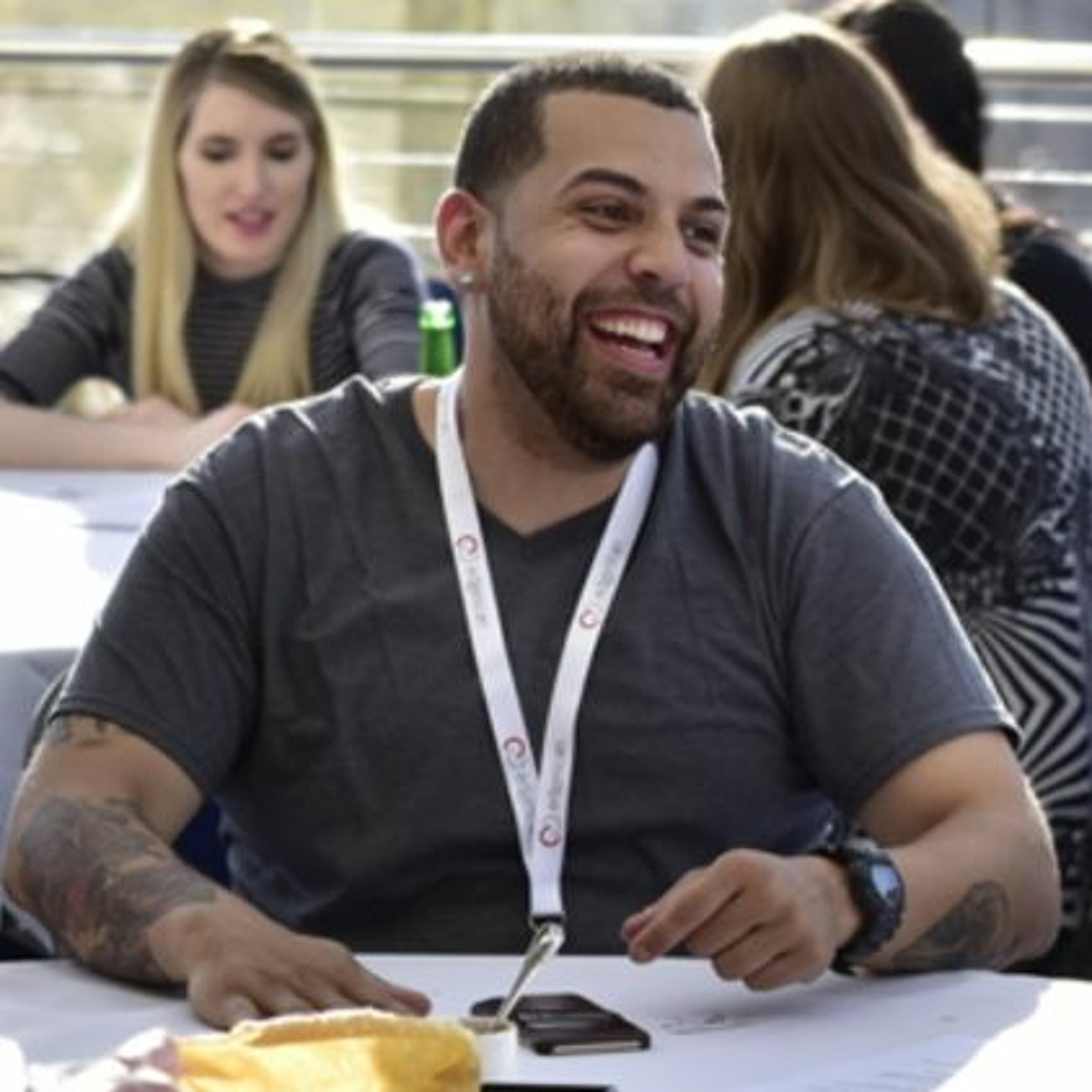
This segment of the "Less than 10 Minutes" series was recorded live at AppSec EU 2017 in Belfast. It is an update of the Virtual Village Project with project lead Evin Hernandez. The Virtual Village provides users with access to numerous operating system's Desktop as well as Servers. Users are able to create custom apps for other OWASP projects, as well as be able to request test environments , or honey pots , etc.
Less than 10 Minutes Series: The Juice Shop Project
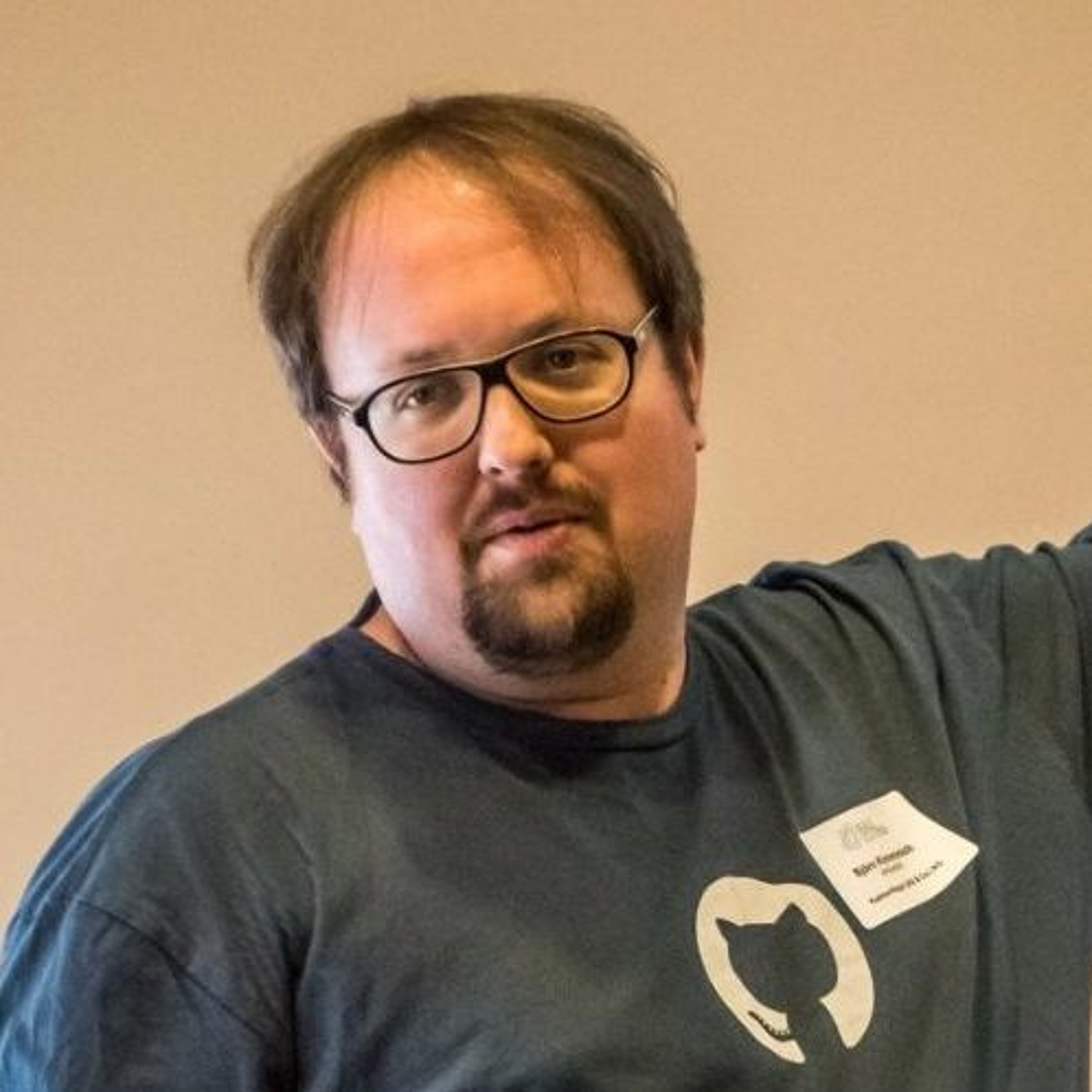
This segment of the "Less than 10 Minutes" series was recorded live at AppSec EU 2017 in Belfast. It is an update of the Juice Shop Project with project lead Bjoern Kimminich. The Juice Shop is an intentionally insecure webapp for security training, written entirely in Javascript which encompasses the entire OWASP Top Ten and other severe security flaws. Bjoern Kimminich (Project Leader OWASP Juice Shop) Personal Twitter: http://twitter.com/bkimminich OWASP Juice Shop Project Twitter: http://twitter.com/owasp_juiceshop Project Wiki Page: https://www.owasp.org/index.php/OWASP_Juice_Shop_Project Main Github Project: https://github.com/bkimminich/juice-shop Juice Shop CTF-Extension Project: https://github.com/bkimminich/juice-shop-ctf
AppSec EU 2017, Belfast Keynote Preview with Jaya Baloo
"Why does OWASP even exist? Why do we even have this idea of understanding common issues, common problems. There are resources to help us do it better next time. I feel we are not learning at the curve where we should be, considering the resources available to us." -- Jaya Baloo As CISO of KPN, the largest telecom in the Netherlands, Jaya Baloo has a lot on her mind, but maybe not what you'd think. In this free wheeling discussion, we begin with what Jaya will be talking about during her keynote at AppSec EU 2017 in Belfast, and then move into cryptography, quantum technologies, and her concerns with the way software is currently built.
Struts 2 Vulnerability Analysis
Brian Fox and Shannon Lietz talk about the recent announcement of the struts 2 vulnerability: What is it, how can it affect you, what you can do about it. You can view this broadcast as video on YouTube: https://www.youtube.com/watch?v=EzRKOudJPtQ
AppSec EU 2017 Belfast - What to Expect
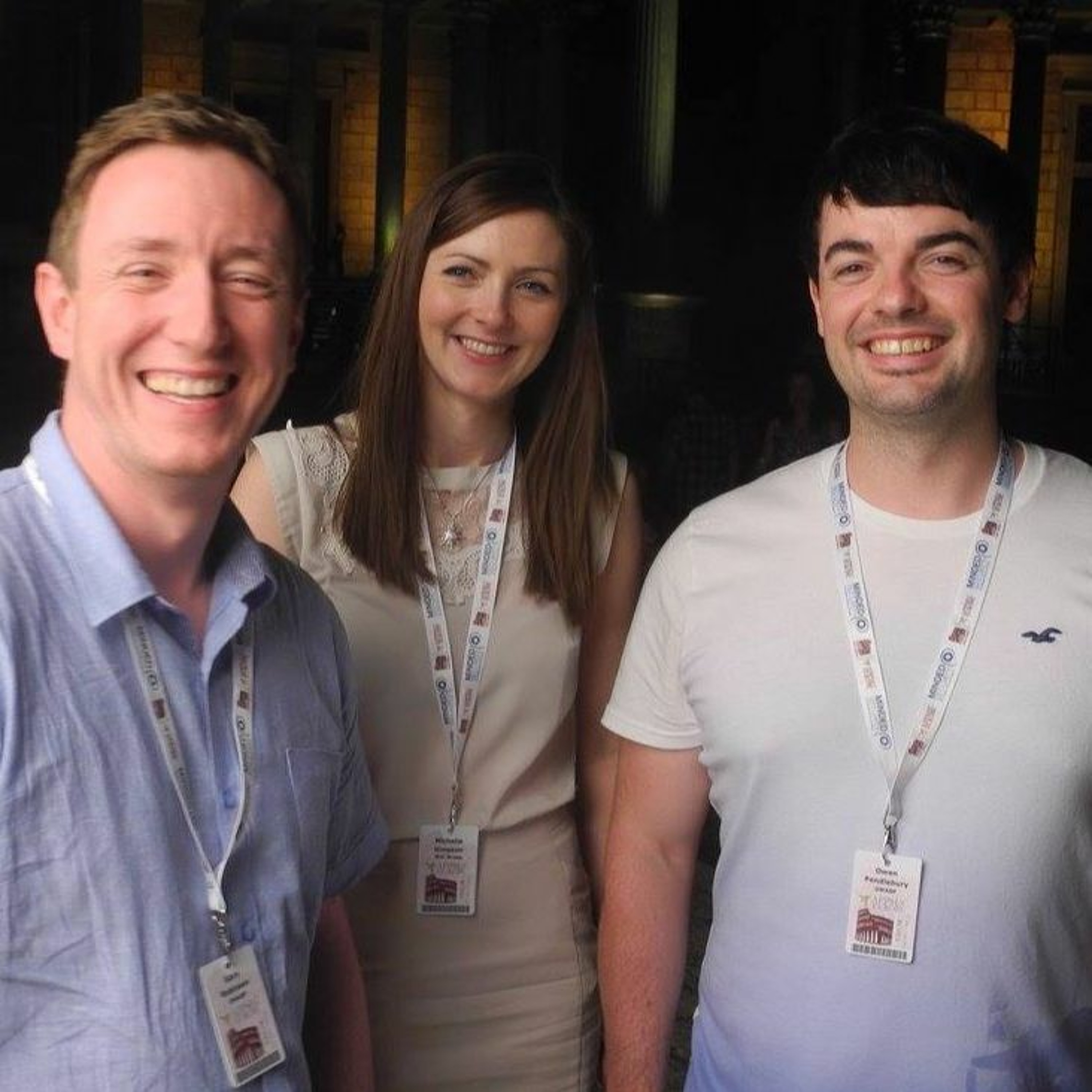
In mid-May I'll be joining the organizing team of AppSec EU 2017 in Belfast for a week of security and DevOps sessions. Listen in as Gary Robinson, Michelle Simpson and Owen Pendlebury talk about what's planned for the week.
Culture Hacker: How to Herd CATTs and Inspire Rebels to Change the World
In preparation for her keynote session at AppSec EU 2017 in Belfast, Shannon Lietz continues to explore the integration of DevOps and security. This is a recording of her session at RSAC 2017 in San Francisco.
Shannon Lietz - Keynote Preview for AppSec EU 2017, Belfast
Shannon Lietz, DevSecOps Lead at Intuit, will be giving a keynote presentation at AppSec EU 2017, Belfast. I talked with Shannon about what she will be presenting and why she is so excited to return to Ireland.
2016 AppSec USA - An Update on the WebGoat Project
WebGoat is a deliberately insecure web application maintained by OWASP designed to teach web application security lessons. It is one of the most used projects at OWASP. With the current team headed by Bruce Mayhew, Nanne Baars and Jason White, work is moving forward on the creation of new content for creating training lessons for application security. I talked with Bruce and team about what they've done with the latest update and what they hope to accomplish in the coming year.
2016 AppSec USA: The Core Rule Set Project w/ Chaim Sanders
The OWASP ModSecurity Core Rule Set Project's goal is to provide an easily "pluggable" set of generic attack detection rules that provide a base level of protection for any web application. Chaim Sanders,Ryan Barnett, Christian Folini and Walter Hop are the team coordinating the project. During 2016 AppSec USA, I spoke with Chaim about the purpose of the project, the work work done in the past year, the upcoming release and what the team hopes to accomplish in 2017. https://www.owasp.org/index.php/Category:OWASP_ModSecurity_Core_Rule_Set_Project